Archive for March, 2020

25/03/2020

Spain’s coronavirus death toll overtakes China’s

MADRID (Reuters) – Spain’s coronavirus death toll jumped by 738 overnight to exceed that of China, where the disease originated, as the country struggled to cope with an accelerating health crisis and another senior government minister was diagnosed with the virus.

With 3,434 fatalities, Spain now has the second highest number of deaths globally after Italy’s 6,820. Nursing homes across the country have been overwhelmed by cases and a skating rink in Madrid has been turned into a makeshift morgue.

Police stood guard on Wednesday outside the rink, normally a popular venue for children’s birthday parties, as hearses arrived at the building.

The government said Deputy Prime Minister Carmen Calvo had tested positive for coronavirus – the third cabinet member to be infected – but was doing well.

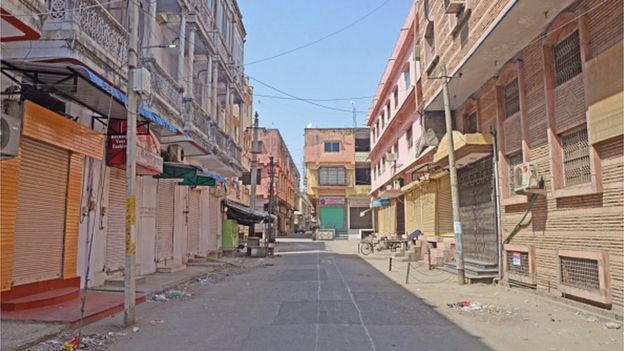
Broad avenues in Madrid and Barcelona were virtually deserted, as were towns and villages across Spain, while fire engines and tractors sprayed disinfectant to clean streets.

Authorities began to carry out mass testing for public workers in a requisitioned fairground in Madrid, one of the worst-hit regions.

Spanish medical staff, who themselves account for thousands of infected cases, have taken out lawsuits against the government, complaining of the lack of basic protective equipment like masks, scrubs and gloves.

The Spanish army has asked NATO for ventilators, protective gear and testing kits, Armed Forces Chief Miguel Villarroya said on Wednesday.

The government had ordered 432 million euros ($467 million) worth of masks, gloves, testing kits and ventilators to be delivered over the next eight weeks, with the first large batch expected this week, Health Minister Salvador Illa said.

In an example of how companies are changing assembly lines to produce medical products, a shoe factory in northern Spain has switched to making simple protective masks – first for its own personnel and then for distribution.

“Now we are working hard to … make something a little more sophisticated for it to reach medical use,” Basilio Garcia, chief executive of the Callaghan shoe factory, told Reuters.

Spain is on Day 11 of a 15-day nationwide lockdown which is likely to be extended to 30 days. Schools, bars, restaurants and most shops are shuttered. Social gatherings are banned. People are confined to their homes.

“We have achieved a near total reduction in social contact,” health emergency chief Fernando Simon told a news conference, adding that Spain was nearing the peak of the epidemic.

The number of coronavirus cases increased by a fifth overnight to 47,610 on Wednesday. The total number could be much higher as the government reported 130,000 sick leaves associated with the virus, encompassing workers who are either infected or in preventive isolation. The number does not include retirees.

Aside from the devastating health impact, the lockdown has dealt a punishing blow to the Spanish economy, with tens of thousands of workers temporarily laid off as sectors like retail, tourism and manufacturing grind to a halt. One of Spain’s biggest employers, El Corte Ingles, said it would temporarily lay off 22,000 workers at its department stores.

At Malaga airport in southern Spain, a gateway to the Costa del Sol tourist region, thousands of travellers waited for flights home, many sleeping on seats or on the floor.

The Bank of Spain said on Wednesday that there had been severe disruption on the economy since early March and a sharp contraction in consumer spending.

Source: Reuters

25/03/2020

Xinhua Headlines: A reviving Wuhan with the pace of spring

People enjoy sunset on a plank road at the East Lake in Wuhan, capital of central China’s Hubei Province, March 18, 2020. (Xinhua/Shen Bohan)

Arduous efforts have been made since Wuhan was locked down and the efforts have paid off, with the outbreak of the COVID-19 gradually brought under control in this once hardest-hit Chinese city. With sacrifices and persistence, a bright dawn is finally around the corner.

WUHAN, March 24 (Xinhua) — Xia Yongli starts a workday at dawn by having his temperature taken, disinfecting his bus and going through safety checks before hitting the road at 7:00 a.m. sharp.

Over the past eight weeks, the bus driver in the central Chinese city of Wuhan had not driven his familiar route, which is 14 km long and usually takes 40 minutes. Instead, he has been shuttling medics and delivering supplies to shops and supermarkets.

The city, with a population of over 10 million, pressed a “pause” button on Jan. 23 to contain the spread of the rampaging coronavirus behind the COVID-19 epidemic, with all public transport and outbound channels shut down and all residents staying indoors.

The streets of Wuhan are no longer bustling. Shopping blocks, pedestrian streets and other popular places where local people would stroll around are largely left to still figure sculptures.

Arduous efforts have been made since Wuhan was locked down and the efforts have paid off, with the outbreak of the COVID-19 gradually brought under control. Once hardest-hit, Wuhan only had one newly confirmed COVID-19 case reported for six consecutive days between March 18 and 23.

Wuhan had reported a total of 50,006 confirmed cases by March 23, and 43,214 patients had been cured and discharged from hospitals.

With sacrifices and persistence, a bright dawn is finally around the corner. People will be allowed to leave the city and the province from April 8, local authorities said Tuesday.

A staff member conducts disinfection at a subway station in Wuhan, central China’s Hubei Province, March 23, 2020. (Xinhua/Shen Bohan)

To reduce the risk of imported cases, all personnel coming to Wuhan from overseas have to be brought under closed-loop management, with timely quarantine and epidemiological surveys conducted, said Ying Yong, secretary of Hubei Provincial Committee of the Communist Party of China.

“Wuhan had pressed the pause button and is currently in urgent need of restoring its urban functions with safe and ordered operations,” Ying said.

More than 110 bus routes citywide have conducted no-load test runs. Disinfection has been carried out at local metro and railway stations. Checkpoints for epidemic control, 27 on cross-river bridges and nearly 80 others in main urban areas, have been removed.

Infrared thermometers have been installed at subway entrances, with posters of QR codes for real-name registration inside the stations and carriages.

Staff members conduct disinfection on a subway train in Wuhan, central China’s Hubei Province, March 23, 2020. (Xinhua/Xiao Yijiu)

“The traffic on the road is coming back,” said Hu Lijun, general manager of the Wuhan Zhengyuan Gaoli Optical Co., Ltd., a photoelectric encoder manufacturer, whose production capacity has been restored by 80 percent.

Traffic flow at highway exits is also increasing by about 10 percent per day due to a growing number of people returned as Wuhan speeds up resumption of work and production.

There were health staff, community workers and police in each lane at toll-gate checkpoints, scanning health codes and taking body temperatures of the returning workers, disinfecting their vehicles and making registrations.

“Drivers had to queue up at the highway exits in the past to spend five minutes filling a registration form,” said Dong Hongxiang, a police officer, noting that registration time has been cut short now by using PDA scanners.

On March 21, a special train arrived in Wuhan with 1,013 passengers on board, all of whom were employees of Dongfeng Honda, a local joint venture. They were picked up at the train station and sent directly to the factory or their residences.

Workers are busy on the production lines at the workshop of Dongfeng Passenger Vehicle Company in Wuhan, central China’s Hubei Province, March 24, 2020. (Xinhua/Xiao Yijiu)

Wuhan-based enterprises that are important to the national and global industry chains and those closely related to people’s livelihood are allowed to continue operation or resume work, said Cao Guangjing, deputy governor of Hubei.

Hubei serves as one of China’s major auto producers and phosphate fertilizers. Cao said that relevant companies play significant role in the production chains. Their resumption of operation counts.

Preferential measures have been taken to support restart of engine in the city. The State Grid Wuhan electric power company has rolled out new policies to cut or exempt electricity bills for local enterprises, an estimated reduction of 389 million yuan (about 55 million U.S. dollars) by the end of June.

People have also started to venture out, although they cannot go as far or wherever they want.

Wang Tan, a Wuhan resident, stepped out of his home for the first time in two months to get some medicine for his father-in-law at a nearby pharmacy Monday morning.

With a health code on WeChat, Wang said he could visit convenience stores, green groceries and drug stores close to his home and have some free time outdoors inside his residential community, which has been clear of COVID-19 cases for 14 days in a row.

The Guoxinyuan community in Jiang’an District has been epidemic-free for 26 consecutive days. There were kids skipping ropes and the gray-haired doing exercises in open public areas. People observed social distancing while reclaiming a long-lost conversation.

“The public space in our community is quite small, thus no more than 80 people are allowed to have outdoor activities at one time,” said Wei Jilai, who heads the neighborhood committee.

A woman purchases daily necessities at a convenience store in Wuhan, central China’s Hubei Province, March 19, 2020. (Xinhua/Shen Bohan)

As the epidemic recedes, more than 21,000 medical staff from across the country who had fought on the frontline in Wuhan and other places in Hubei are returning home. Before departure, some visited East Lake, one of the well-known tourist attractions in Wuhan, having group photos before cherry trees in blossom to mark the unforgettable days in the city.

Some are leaving, while others stand their ground. Ma Xin, vice president of the Huashan Hospital affiliated to Fudan University in Shanghai, stayed at Wuhan’s Tongji Hospital with his team, treating severe and critically ill patients.

“Most of them have underlying diseases and have to be treated for their complications,” Ma said, stressing that vigilance is still needed at present, especially against imported cases and relapse.

Source: Xinhua

25/03/2020

Across China: Largest oilfield revs up production to secure supply

HARBIN, March 24 (Xinhua) — After climbing an iron ladder and mounting a 10-meter-high drilling platform, Ge Yifan, a driller in the Daqing Oilfield, keeps a close eye on the control room screen and uses a microphone to instruct his workmates cleaning mud off the platform.

Ge works in the 1205 Drilling Team in Daqing Oilfield, the country’s largest oil production base in northeast China’s Heilongjiang Province.

“Since the oilfield resumed production on Feb. 11, we have been working around the clock to speed up oil production to mitigate the effects caused by the epidemic,” said Zhang Jing, head of the drilling team.

Discovered in 1959, the oilfield has produced about 2.4 billion tonnes of crude oil over the past 60 years. Its overseas business projects have covered 26 countries and regions, with overseas market revenue exceeding 10 billion yuan (around 1.4 billion U.S. dollars) and overseas equity output exceeding 9 million tonnes.

“While fighting against COVID-19, our domestic and overseas colleagues have been making efforts to promote the resumption of oil production to ensure the domestic and global supply,” said Xie Yuxin, manager of the market development department of the Daqing Oilfield of the China National Petroleum Corporation (CNPC).

Since the epidemic outbreak, Daqing Oilfield has taken stringent prevention measures to contain the spread of the deadly virus in the work areas.

Visitors who enter an oil extraction plant on the oilfield production base are asked to get disinfected and have their body temperatures measured at the entrance.

“Start the No. 1 oil pump.” “Roger.” In a dehydration pump room of the plant, the only worker, Wang Zhongying, operates equipment following instructions from the command room.

“We have carried out information technology updates on equipment operations over the past years,” said Zhao Shiqing, a worker of the plant. “It plays a significant role in reducing the gathering of employees during the epidemic.”

“In the fight against COVID-19, everyone is a soldier. We will stick to our posts and make every effort to help secure the global oil supply chain,” said Wang Hongchen, a project manager of Daqing Oilfield of CNPC in Indonesia.

Source: Xinhua

25/03/2020

Taiwan military stages exercise to fight off mock invasion

  • Large-scale drills conducted across island in what defence ministry describes as test of combat-readiness
  • Exercise follows US Navy live-fire exercise last month and a series of incursions by Chinese warplanes in recent weeks
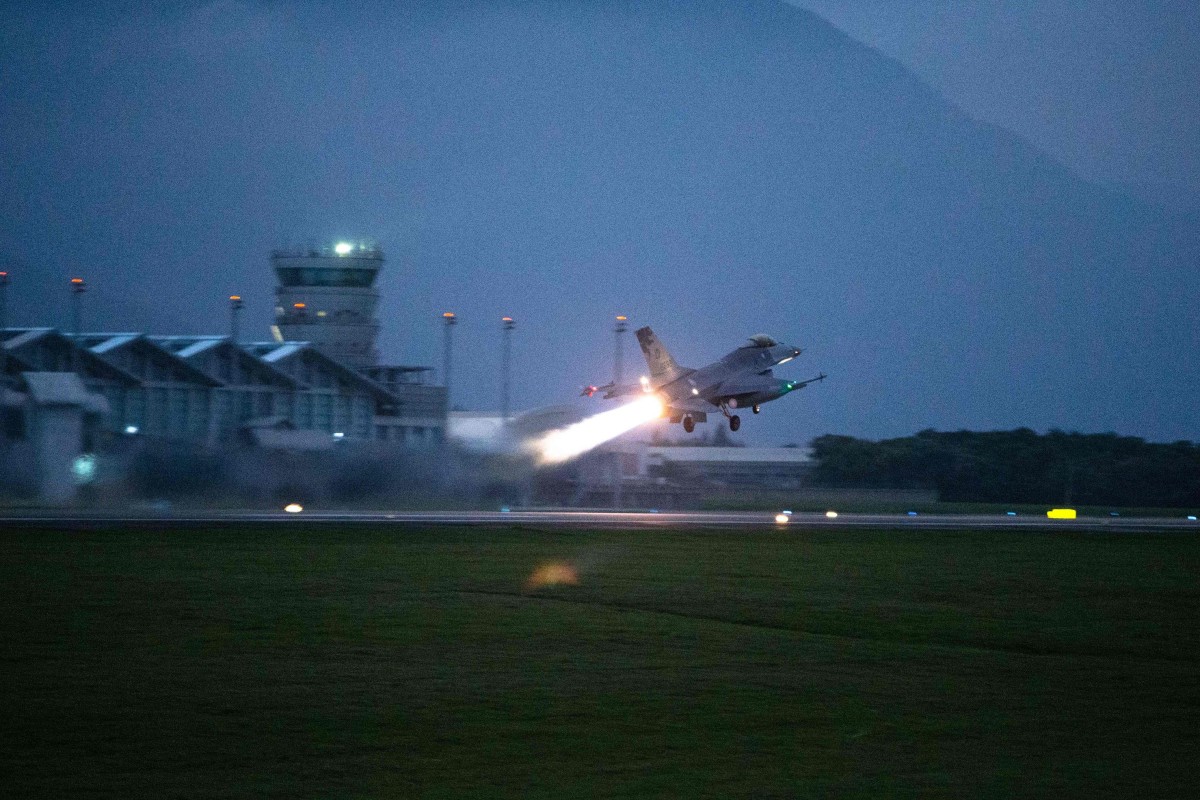
An F-16 fighter takes off from Hualien air base in eastern Taiwan. Photo: Military News Agency/ AFP

Taiwan has staged large-scale military drills throughout the island, including an exercise to repel an invading force, against a backdrop of rising tensions with Beijing.

The exercises, dubbed “Lien Hsiang,” involved the air force, army and the navy and were conducted on Tuesday from various military bases and strongholds in Taiwan, the island’s defence ministry said in a statement.

“The drills were designed to test the combat readiness of our forces and their responses to an all-out invasion by the enemy,” the ministry said, referring to the People’s Liberation Army, which has threatened to attack the self-ruled island.

The exercise follows a live-fire US drill in the region last week.

Taipei says Chinese military aircraft flew night exercise across Taiwan Strait

17 Mar 2020

Eight F-16 fighter jets took off from the air force base in the eastern county of Hualien at dawn on Tuesday, simulating an emergency mission to scramble and intercept enemy warplanes entering the island’s airspace, the defence ministry said.

Elsewhere on the island, F-16 and other fighter jets were spotted taking off from other air force bases in the southwestern county of Chiayi, the northern county of Hsinchu, Ching Chuan Kang in central Taiwan and the southern city of Tainan, according to Taiwanese media.

The exercises also involved operations testing cyberwarfare capabilities, while the air force ground crew simulated an emergency repair of the aircraft runway, the ministry said.

Anti-air units of both the army and the navy also joined the air force in the drills, while various types of naval warships, including Kidd-class destroyers, plus Perry and Kang Ding-class frigates, were deployed near Taiwan’s coast for separated training drills, it added.

The ministry said the training mission, carried out without live ammunition, was also designed to test the military response and make improvements based on the results.

Hundreds of Taiwanese to return from coronavirus centre after Beijing and Taipei reach deal

10 Mar 2020

Beijing considers Taiwan a wayward province that must be returned to the mainland fold, by force if necessary.

Beijing has staged a series of war games close to the island and poached seven of Taiwan’s diplomatic allies to heap pressure on President Tsai Ing-wen, from the independence-leaning Democratic Progressive Party, who was re-elected in January.

The exercises came after recent missions by PLA warplanes which briefly crossed the midpoint of the Taiwan Strait into the Taiwanese side in what analysts saw as testing the response from Taiwan and the US.

Three separate groups of warplanes approached Taiwan on their way to the western Pacific over the Bashi Channel for long-distance training exercises before returning home over the Miyako Strait to the northeast of Taiwan on February 9, 10 and 28.

Coronavirus threat shows ‘unacceptability’ of Beijing isolating Taiwan, US official says

28 Feb 2020

On March 17, another flight of PLA warplanes approached Taiwan in a rare exercise which analysts said was aimed at showing off their night navigation and all-weather capabilities.

Taiwan’s air force scrambled fighter jets to shadow, intercept and disperse the PLA warplanes through radio warnings during each approach by the mainland’s planes, according to the ministry.

Those actions also prompted the US to send two B-52 bombers on southbound flights off Taiwan’s east coast, while a transport plane flew over the Taiwan Strait, the defence ministry said.

On Tuesday, the US Navy’s 7th Fleet also revealed that the US Navy had carried out live-fire missile tests in the Philippine Sea last week, in what analysts said was a message that it was up to the challenge of the Chinese military’s new systems.

DPP legislator Wang Ting-yu asked the Tsai government to take note of developments in the South China Sea, saying the US actions indicated that Washington must have learned “certain information suggesting that the Chinese government is planning certain military activities” or the 7th Fleet would not have made such a bold move.

Lawrence Chung

Lawrence Chung

Lawrence Chung covers major news in Taiwan, ranging from presidential and parliament elections to killer earthquakes and typhoons. Most of his reports focus on Taiwan’s relations with China, specifically on the impact and possible developments of cross-strait relations under the pro-independence Democratic Progressive Party and mainland-friendly Kuomintang governments. Before starting work at the South China Morning Post in 2006, he wrote for Reuters and AFP for more than 12 years.

Taiwan

25/03/2020

Coronavirus: Wuhan to ease lockdown as world battles pandemic

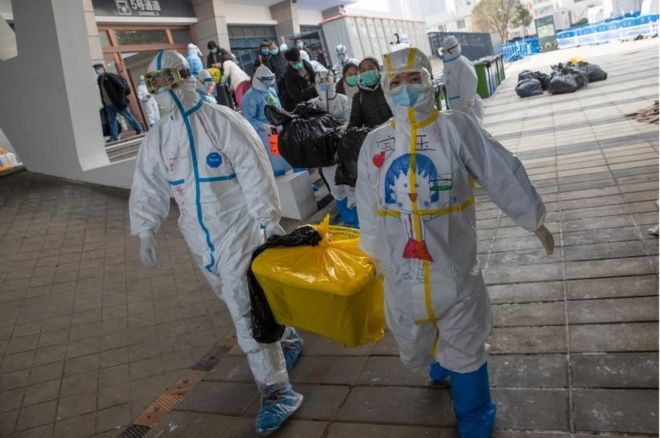
Medical staff clean up the empty hospital after all patients were discharged at Wuchang Fangcang hospital, a temporary hospital set up at Hongshan gymnasium to treat people infected with the coronavirus and Covin-19 disease, in Wuhan, Hubei Province, China, 10 March 2020 (issued 11 March 2020)Image copyright EPA
Image caption Wuhan has been sealed off since mid-January

The lockdown in Wuhan, the Chinese city where the global coronavirus outbreak began, will be partially lifted on 8 April, officials say.

Travel restrictions in the rest of Hubei province, where Wuhan is located, will be lifted from midnight on Tuesday – for residents who are healthy.

A single new case of the virus was reported in Wuhan on Tuesday following almost a week of no reported new cases.

Countries around the world have gone into lockdown or imposed severe curbs.

The UK is getting to grips with sweeping new measures to tackle the spread of coronavirus, including a ban on public gatherings of more than two people and the immediate closure of shops selling non-essential goods.

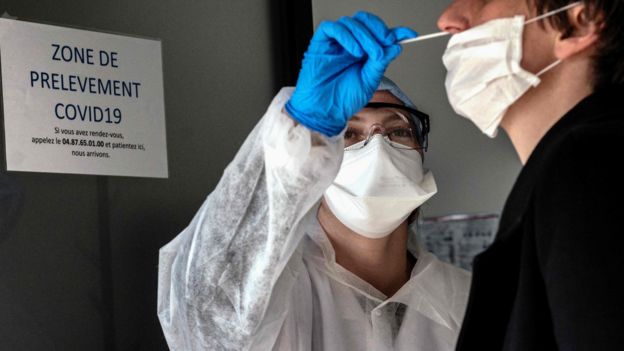
A person is tested for the Covid-19 virus in Villeurbanne, France (23 March 2020)Image copyright AFP
Image caption The WHO has urged the G20 group of nations to boost production of protective equipment

Meanwhile, health experts say Americans must limit their social interactions or the number of infections will overwhelm the health care system in the US.

Spanish soldiers helping to fight the coronavirus pandemic have found elderly patients in retirement homes abandoned and, in some cases, dead in their beds, the defence ministry has said.

An ice rink in Madrid is to be used as a temporary mortuary for Covid-19 victims.

The World Health Organization (WHO) has warned that the pandemic is accelerating, with more than 300,000 cases now confirmed. It is urging countries to adopt rigorous testing and contact-tracing strategies.

Wuhan has been shut off from the rest of the world since the middle of January. But officials now say anyone who has a “green” code on a widely used smartphone health app will be allowed to leave the city from 8 April.

Earlier, the authorities reported a new case of coronavirus in Wuhan, ending a five-day run of no reported new cases in the city.

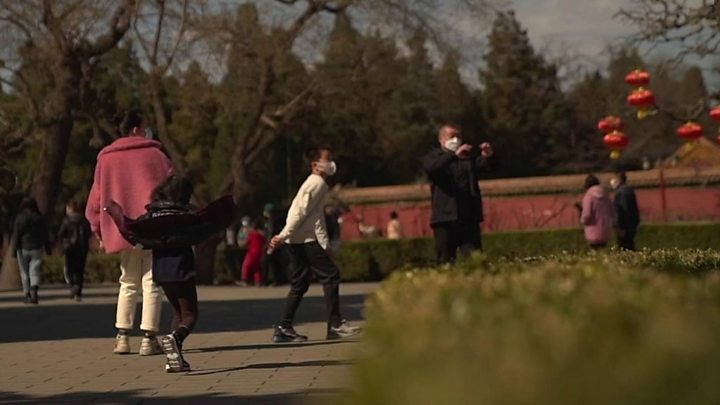
Media caption Coronavirus: People in Beijing begin to head outdoors

It comes after health officials there confirmed that they were not counting cases of people who were positive but had not been admitted to hospital or did not show any symptoms of the disease.

Official government figures say there have been 78 new cases reported on the Chinese mainland in the last 24 hours. All but four of them were caused by infected travellers arriving from abroad.

This so-called “second wave” of imported infections is also affecting countries like South Korea and Singapore, which had been successful in stopping the spread of disease in recent weeks.

South Korea has been seeing a drop in its daily tally of new cases. On Tuesday it reported its lowest number since 29 February.

Presentational grey line

China looks to repair its reputation

By Robin Brant, BBC News, Shanghai

China considers itself to be – very nearly – a “post corona” country.

In the last week we’ve heard Wuhan medics warning the UK and others that they need to do more to protect frontline health workers, citing the mistakes they made early on when some treated patients without wearing proper protective clothing.

But there’s also been reporting in state media of the reported death toll in Italy surpassing that in China. This has been combined with some commentary from prominent media figures that has appeared distasteful, almost triumphalist.

At the same time there is a panic about the threat of a second wave from imported cases – travellers arriving from abroad. This has fuelled the view – right or wrong – that some other countries aren’t taking the threat seriously because they aren’t doing what China did. (Almost all the cases in Beijing that have been made public are of Chinese nationals returning home).

Meanwhile, well away from senior leaders, there are some high-profile diplomatic figures using international-facing social media to spread theories that the US may have weaponised and dumped the virus in China. Or that Italy had cases that may have been Covid-19 earlier than China. China is sowing seeds of doubt and questioning assumed truths as it looks to repair its reputation.

Presentational grey line
Banner image reading 'more about coronavirus'
Banner

What’s the latest from around Asia?

  • Almost all of India with its 1.3bn people is under lockdown. Buses, trains and other forms of public transport are suspended. On Monday, the authorities said domestic flights would also stopped. The country has reported 485 cases and nine people have died. Prime Minister Narendra Modi will address the nation again this evening.
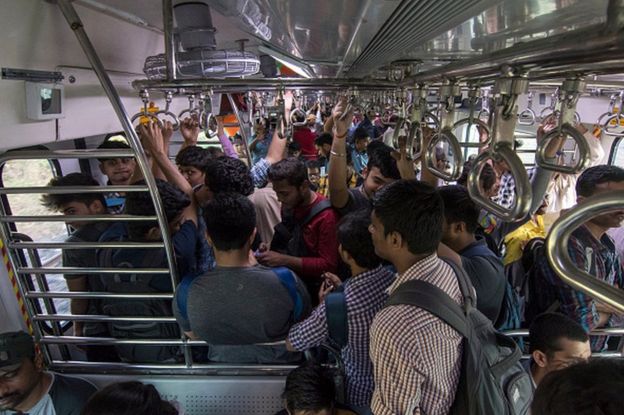
People travel in Central Railway's first air-conditioned EMU local train, on January 30, 2020, in Mumbai, India.Image copyright GETTY IMAGES
Image caption Mumbai’s suburban train network carries eight million passengers a day
  • Neighbouring Pakistan has almost twice as many confirmed cases – 878 as of Monday evening. Sweeping restrictions are in place although the government has stopped short of imposing a nationwide lockdown. However, several provinces have announced them independently. The army is being brought in to help enforce the restrictions.
  • Bangladesh, which has reported 33 cases and three deaths, is also deploying its armed forces to help maintain social distancing and boost Covid-19 preventive measures. The soldiers will also monitor thousands of quarantined expatriate returnees. Across South Asia, there are concerns that the actual number of cases could be much higher than is being reported.
  • Indonesia, which has 49 confirmed Covid-19 deaths – the highest in South-East Asia – has converted an athlete’s village built for the 2018 Asian Games into a makeshift hospital for coronavirus patients. A state of emergency was declared in Jakarta on Monday.
  • In Thailand, a month-long state of emergency which will include curfews and checkpoints will begin on Thursday. The government has been criticised for failing to take strong action so far. Four people have died and nearly 900 tested positive.
  • Talks between the Japanese PM and the International Olympic Committee are expected this evening.
  • The most populous country that was without a case until now – Myanmar – has announced two cases.

Europe’s battle against virus intensifies

UK Prime Minister Boris Johnson announced on Monday night that, with immediate effect, “people will only be allowed to leave their home…for very limited purposes”. They include shopping for basic necessities, taking one form of exercise per day, fulfilling any medical need, or travelling to work if working from home is impossible.

Media caption Reality Check tackles misleading health advice being shared online

The number of people who have died in the UK rose to 335 on Monday.

In Italy, the worst-hit country in the world, the authorities said 602 people with Covid-19 had died in the past 24 hours, bringing the total death toll there to 6,077.

But the daily increase in cases was the smallest since Thursday, raising hope that the stringent restrictions imposed by the government were starting to have an effect.

Spain, however, said on Tuesday that its death toll had risen by 514 to 2,696. Nearly 40,000 are infected, about 5,400 of them healthcare workers.

Source: The BBC

25/03/2020

Coronavirus: India enters ‘total lockdown’ after spike in cases

People panicked after the prime minister said everyone should “forget about” leaving their homes for any reason

India’s Prime Minister Narendra Modi has imposed a nationwide lockdown in an attempt to slow the spread of the coronavirus.

The restrictions came into force at midnight local time (18:30 GMT) and will be enforced for 21 days.

“There will be a total ban on venturing out of your homes,” Mr Modi said in a televised address.

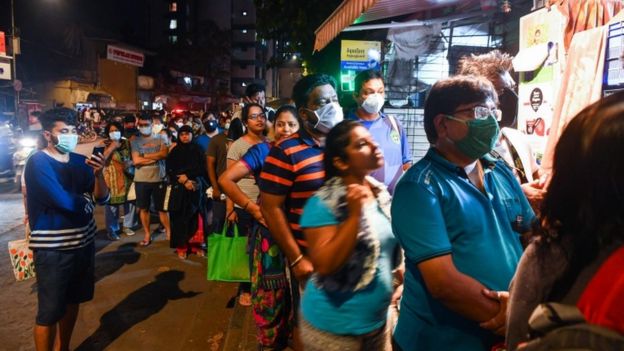
He appealed for people not to panic – but crowds quickly mobbed stores in the capital, Delhi, and other cities.

Correspondents say it is not clear how – or even if – people will now be allowed out to buy food and other essentials.

The new measures follow a sharp increase in cases in recent days. There have been 519 confirmed cases across India and 10 reported deaths.

India – which has a population of 1.3bn – joins a growing list of countries that have imposed similar measures.

Nearly 400,000 people have tested positive for the virus worldwide, and around 17,000 have died.

Banner image reading 'more about coronavirus'
Banner

“The entire country will be in lockdown, total lockdown,” Mr Modi said on Tuesday.

He added: “To save India, to save its every citizen, you, your family… every street, every neighbourhood is being put under lockdown.”

Mr Modi warned that if India does not “handle these 21 days well, then our country… will go backwards by 21 years”.

“This is a curfew,” he said. “We will have to pay the economic cost of this but [it] is the responsibility of everyone.”

Media caption We explain why staying in is a matter of life and death

Mr Modi later warned that panic-buying would only spread the disease. He said the government would ensure supplies.

But in Delhi and the financial capital, Mumbai, people fearing shortages quickly thronged shops and pharmacies.

“I have never witnessed such a chaos in my life,” the owner of one store in the Shakarpur district of Delhi said, quoted by the Press Trust of India.

“All our stocks, including rice, flour, bread, biscuits, edible oils, have been sold out.”

Police in the busy city of Ghaziabad, in Uttar Pradesh state, patrolled the streets with megaphones to tell residents to stay indoors.

People line up outside a store in Mumbai on March 24, 2020.Image copyright AFP
Image caption People in Mumbai rushed to stock up on essentials following Mr Modi’s address

Under the new measures, all non-essential businesses will be closed but hospitals and other medical facilities will continue to function as normal. Schools and universities will remain shut and almost all public gatherings will be banned.

Anyone flouting the new rules faces up to two years in prison and heavy fines.

In his address, Prime Minister Modi also:

  • Stressed that the 21-day lockdown was “very necessary to break the chain of coronavirus”
  • Emphasised the seriousness of the situation and said that even developed countries had faced problems in combating it
  • Said that “social distancing was the only way to stop” the virus spreading
  • Announced that nearly $2bn (£1.8bn) would be made available to boost the country’s health infrastructure
  • Called on people not to “spread rumours” and to follow instructions

His announcement came after several Indian states introduced measures of their own, such as travel restrictions and the closure of non-essential services.

India has already issued a ban on international arrivals and grounded domestic flights. The country’s rail network has also suspended most passenger services.

Presentational grey line
Analysis box by Rajini Vaidyanathan, South Asia correspondent

Many parts of India, including cities such as Delhi and Mumbai, are already under tight restrictions. But this move extends those provisions to every corner of the country.

An earlier one-day curfew, which was seen as a trial, was flouted by many.

Mr Modi called on Indians to clap and cheer the emergency services from their balconies on Sunday. But many misunderstood the call and congregated in the streets as they danced and chanted.

“It’s impossible to fathom the cost that India may have to pay if such irresponsible behaviour continues,” Mr Modi warned at the time. “Social distancing is the only option to combat coronavirus.”

The implications of a total lockdown in India are huge, not just economically, but socially.

This is a nation where community is everything. Going to worship at a temple, mosque or church is an essential part of daily life for so many.

This is a seismic cultural shift but – like the rest of the world facing similar restrictions – a necessary one.Presentational grey line

What’s the latest from around Asia?

  • Neighbouring Pakistan has almost twice as many confirmed cases – 878 as of Monday evening. Sweeping restrictions are in place although the government has stopped short of imposing a nationwide lockdown. However, several provinces have announced them independently. The army is being brought in to help enforce the restrictions
  • Bangladesh, which has reported 33 cases and three deaths, is also deploying its armed forces to help maintain social distancing and boost Covid-19 preventive measures. The soldiers will also monitor thousands of quarantined expatriate returnees. Across South Asia, there are concerns that the actual number of cases could be much higher than is being reported.
  • Indonesia, which has 49 confirmed Covid-19 deaths – the highest in South East Asia – has converted an athlete’s village built for the 2018 Asian Games into a makeshift hospital for coronavirus patients. A state of emergency was declared in Jakarta on Monday
  • In Thailand, a month-long state of emergency which will include curfews and checkpoints will begin on Thursday. The government has been criticised for failing to take strong action so far. Four people have died and nearly 900 tested positive
  • The most populous country that was without a case until now – Myanmar – has announced two cases

And what about the rest of the world?

  • Elsewhere, governments are continuing to work to stem the spread of the virus which has now affected more than 190 countries worldwide
  • More than 2.6 billion people are in lockdown now India has introduced its new measures, according to a tally by the AFP news agency
Media caption Reality Check tackles misleading health advice being shared online
  • Europe remains at the epicentre of the pandemic. On Tuesday, the death toll jumped by 514 in a single day in Spain and other European countries also reported sharp increases
  • Italy is the worst affected country in the world in terms of deaths. The virus has killed almost 7,000 people there over the past month
  • The UK, meanwhile, is spending its first day under tight new restrictions. Prime Minister Boris Johnson announced unprecedented measures on Monday and ordered the immediate closure of shops selling non-essential goods
  • And in the US, New York’s governor has said the federal government is not sending enough equipment to combat the crisis. The state has been hit especially hard by the virus
  • The World Health Organization (WHO) has warned that the US has the potential to become the new epicentre of the pandemic
  • In other developments, Japanese Prime Minister Shinzo Abe said the International Olympic Committee has agreed that the 2020 Tokyo Olympics should be postponed by a year
  • Source: The BBC
24/03/2020

WHO chief calls for aggressive tactics as coronavirus cases soar across the world

  • ‘Aggressive and targeted’ tactics needed to curb spread of Covid-19 as more than 100,000 new infections recorded in just four days
  • Global political commitment and coordination needed to halt trajectory, agency chief says
A customs officer speaks to passengers on board an inbound flight at Beijing Capital International Airport. Photo: Xinhua
The World Health Organisation has warned that the Covid-19 pandemic is accelerating, calling for “aggressive and targeted tactics” to curb its spread after more than 100,000 new infections were recorded in just four days.
The warning, by the UN agency chief Tedros Adhanom Ghebreyesus, came as the number of deaths from the disease, caused by the new coronavirus, continued to rise, and as mainland China reported a doubling in new cases.
The outbreak, which was first reported in December in China, is rapidly spreading across the globe. Tedros said it had taken 67 days from the first reported case to the first 100,000 infections, and just 11 days for the number to soar to the second 100,000.

“[It was] just four days for the third 100,000 cases. You can see how the virus is accelerating,” he said on Tuesday.

“But we’re not prisoners to statistics. We’re not helpless bystanders. We can change the trajectory of this pandemic.”

China’s National Health Commission reported 74 imported coronavirus infections on Monday – the highest since March 4, when it began including data on such cases and noted two infections that had originated abroad.

They bring the total number of imported cases on the mainland to 427, as of Monday. The total number of infections there now stands at 81,171, and the death toll has risen to 3,277, with seven new fatalities.

Tedros said political commitment and coordination at the global level were needed to stop the spread, but warned against using untested medicines, saying they could raise false hope.

“To win, we need to attack the virus with aggressive and targeted tactics – testing every suspected case, isolating and caring for every confirmed case, and tracing and quarantining every close contact,” he said.

Italy’s number of new Covid-19 cases dropped to a five-day low on Monday, easing the strain on overstretched hospitals, but the situation in Spain continued to worsen.

Italian health authorities announced 4,789 new cases on Monday, a drop from 5,560 on Sunday and 6,557 on Saturday. Spanish authorities announced 462 deaths on Monday, the country’s worst day since the start of the epidemic.

Italy has a glimpse of hope as new coronavirus cases drop to a 5-day low

24 Mar 2020

The British government said on Monday that another 54 people had died in the previous 24 hours after testing positive for the coronavirus, raising the country’s deaths from the pandemic to 335. The number of confirmed cases in Britain rose to 6,650 on Monday, from 5,683 on Sunday.

Mainland China officials have said the risk facing the nation was to contain imported infections. Among the new imported infections, 31 were recorded in Beijing, 14 in Guangdong and nine in Shanghai.

Beijing has stepped up measures to contain imported infections, diverting all arriving international flights from Monday to other cities, including Shanghai and as far west as Xian, where passengers will undergo virus screening.

Guangzhou also requires all travellers to the city, except for those from Hong Kong, Macau and Taiwan, to undergo the coronavirus test. Beijing has required the test for incoming travellers with symptoms and epidemic history.

The coastal province of Zhejiang, near Shanghai, will also put all arrivals from overseas in centralised quarantine facilities for 14 days, according to media reports.

Source: SCMP

24/03/2020

Hubei relaxes restrictions as China’s new coronavirus infections double

BEIJING (Reuters) – China’s Hubei province where the coronavirus pandemic originated will lift travel restrictions on people leaving the region as the epidemic there eases, but other regions will tighten controls as new cases double due to imported infections.

The Hubei Health Commission announced it would lift curbs on outgoing travellers starting March 25, provided they had a health clearance code.

The provincial capital Wuhan, where the virus first appeared and which has been in total lockdown since since Jan. 23, will see its travel restrictions lifted on April 8.

However, the risk from overseas infections appears to be on the rise, prompting tougher screening and quarantine measures in major cities such as the capital Beijing.

China had 78 new cases on Monday, the National Health Commission said, a two-fold increase from Sunday. Of the new cases, 74 were imported infections, up from 39 imported cases a day earlier.

The Chinese capital Beijing was the hardest-hit, with a record 31 new imported cases, followed by southern Guangdong province with 14 and the financial hub of Shanghai with nine. The total number of imported cases stood at 427 as of Monday.

Only four new cases were local transmissions. One was in Wuhan which had not reported a new infection in five days.

Wuhan residents will soon be allowed to leave with a health tracking code, a QR code, which will have an individual’s health status linked to it.

In other parts of the country, authorities have continued to impose tougher screening and quarantine and have diverted international flights from Beijing to other Chinese cities, but that has not stemmed the influx of Chinese nationals, many of whom are students returning home from virus-hit countries.

Beijing’s city government tightened quarantine rules for individuals arriving from overseas, saying on Tuesday that everyone entering the city will be subject to centralised quarantine and health checks.

The southern city of Shenzhen said on Tuesday it will test all arrivals and the Chinese territory of Macau will ban visitors from the mainland, Hong Kong and Taiwan.

The number of local infections from overseas arrivals – the first of which was reported in the southern travel hub of Guangzhou on Saturday – remains very small.

On Monday, Beijing saw its first case of a local person being infected by an international traveller arriving in China. Shanghai reported a similar case, bringing the total number of such infections to three so far.

CONCERNS ABOUT NEW WAVE OF INFECTIONS

The rise in imported cases and the lifting of restrictions in some cities to allow people to return to work and kickstart the battered Chinese economy has raised concerns of a second wave of infections.

A private survey on Tuesday suggested that a 10-11% contraction in first-quarter gross domestic product in the world’s second largest economy “is not unreasonable”.

The epidemic has hammered all sectors of the economy – from manufacturing to tourism. To persuade businesses to reopen, policymakers have promised loans, aids and subsidies.

In the impoverished province of Gansu, government officials are each required to spend at least 200 yuan (24.31 pounds) a week to spur the recovery of the local catering industry.

The official China Daily warned in an editorial on Tuesday that maintaining stringent restrictions on people’s movements would “now do more harm than good”.

Source: Reuters
24/03/2020

Coronavirus: Is this textile city set to be ‘India’s Italy’?

Bhilwara curfewImage copyright PTI
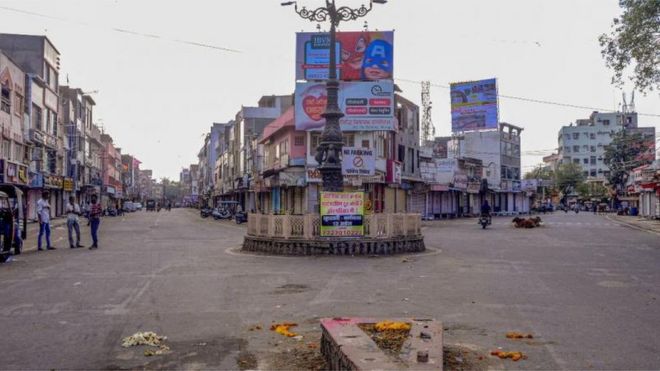
Image caption This city of five million people has been under a lockdown since last week

At 05:00 local time (23:30 GMT) of 8 March, the intensive care unit of a private hospital in the northern Indian state of Rajasthan received a 68-year-old man suffering from pneumonia. He was also having problems breathing.

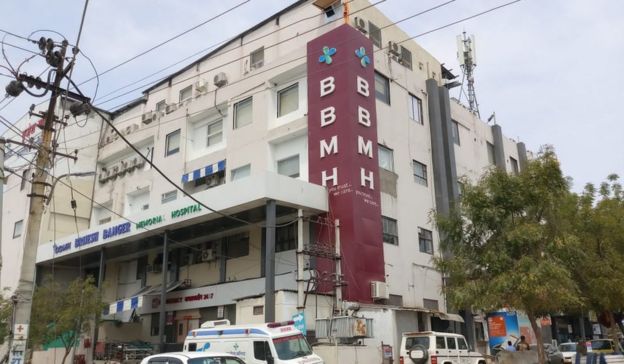
At the Brijesh Bangar Memorial Hospital in Bhilwara, the new patient was examined by 58-year-old Alok Mittal, a doctor of internal medicine, and his team. The patient wasn’t asked about any travel history; nor did he disclose anything. There were six other patients in the ICU.

The man’s condition did not improve much, and two days later, he was sent to a private hospital in Jaipur, some 250km (155 miles) away, for specialised treatment. In Jaipur, he was treated in two hospitals. “We had no idea what was in store,” Shantilal Acharya, an intensive care nurse who received the patient in the Bhilwara hospital, told me.

For reasons that are still unclear, even the hospitals in Jaipur didn’t test a patient with severe pneumonia for coronavirus. His condition deteriorated swiftly and he died a few days later, on 13 March. The news of his death was conveyed to Dr Mittal and his team.

Bhilwara HospitalImage copyright SHAUKAT AHMED
Image caption The infection possibly spread from a private hospital in Bhilwara

Strangely enough, the doctors didn’t appear to comprehend the gravity of the situation even though it was clear that India was facing an imminent outbreak of Covid-19. The country has reported more than 460 confirmed cases and nine deaths so far, and testing remains low. On 9 March, according to reports, Dr Mittal and a few others travelled to the city of Udaipur, put up in a resort and played Holi, the Indian spring festival of colours. (Repeated attempts at getting through to Dr Mittal by phone and text yielded no results.)

Days after the death of the pneumonia patient, Dr Mittal and a colleague checked themselves into an isolation ward of a government hospital. Over the next few days, a few more colleagues from the hospital joined them in isolation. Twelve of them, including Dr Mittal, tested positive for Covid-19.

Next day, as news of the infections leaked, all hell broke loose. The private hospital was popular with its residents, and many regularly visited its thriving out-patient department for treatment. As people panicked and began blaming the doctors for spreading the infection, authorities moved swiftly.

Bhilwara stationImage copyright SHAUKAT AHMED
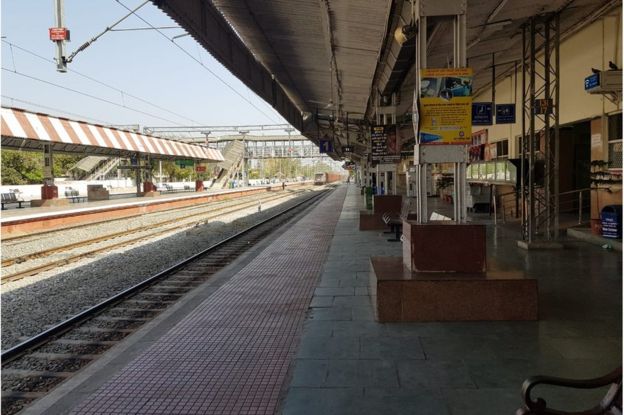
Image caption People have been stopped from entering or leaving Bhilwara

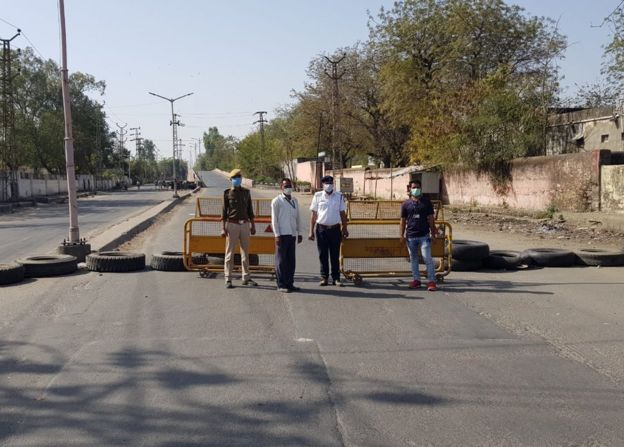
They imposed a “civil curfew”, prohibiting people from coming out of their homes and banning public gatherings. They shut schools, colleges, offices, and stopped people from leaving or entering the district. The private hospital was sealed and its 88 patients moved to other healthcare facilities in the area. “Officials were telling us the threat was serious and there was a chance of an outbreak,” local journalist Pramod Tiwari told me.

So Bhilwara, fearing a serious outbreak, did everything that India did a few days later. So could this city of 400,000 people and a major textile making hub, turn out to be India’s first coronavirus “hotspot”?

Consider this.

Of the 69 people tested in the city until Sunday evening, 13 people – including doctors and paramedics – aged between 24 and 58, have tested positive. They include three doctors and nine health workers. Thirty-one people – mostly hospital workers – are in isolation. “Most of them are doing fine,” Dr Arun Gaur, the chief medical officer of the district, told me.

But things could get really bad.

Between 20 February and before going into isolation last week, Dr Mittal and his team of doctors at the hospital saw 6,192 patients who came from 13 districts of Rajasthan and 39 patients belonging to four other states. Drawing from the experience in China and Italy, doctors now know that hospitals might turn out to be the “main source” of Covid-19 transmission. Also, both MERS and SARS had high transmission rates within hospitals. The potential for community transmission of the infection across a large geographical area from the Bhilwara hospital is real, officials fear.

Bhilwara border sealedImage copyright SHAUKAT AHMED
Image caption The city’s borders have been sealed

So did the virus reach this city through the patient who was treated at three hospitals and went untested before he died? Or did one of the more than 80 patients admitted in the hospital transmit it? Or was it spread by another patient in the intensive care? Or had one of the doctors picked up the infection separately and spread it unknowingly?

Nobody will know until all the contact tracing and testing is complete, and that’s the scary part.

The lack of early credible information on the transmission meant that rumours had a field day. Local media reported that one of the infected doctors had received guests from Saudi Arabia at home and had contracted the infection. He had then gone to the hospital and spread the infection to co-workers, the reports added.

Dr Niyaz Khan had to record a mobile phone video from his intensive care bed to squelch the rumour. With monitors beeping around him, Dr Khan, masked and breathless, implored: “Just to set the record straight, I have no relative in Saudi Arabia. I have a son and a wife. None of them is positive. Please don’t believe what is coming in the media.” Another doctor said it was unfair to blame the hospital: “The patient fooled us and told us he didn’t travel outside the country for the two days he was in the ICU with us.” And Dr Mittal himself – his wife has also tested positive – recorded videos in isolation saying that he had tested positive, and he was doing well. “Please do not panic,” the well-known doctor said.

Bhilwara curfewImage copyright GETTY IMAGES
Image caption Residents in the city have begun panicking

That is easier said than done.

Realising the gravity of the situation, 300 teams of government workers and volunteers have fanned out in Bhilwara city. They are knocking on the doors of some 78,000 houses, and asking residents whether they’ve had a guest from outside the country, been treated in the hospital or know anyone who has tested positive. The survey began on 18 March and will finish on 25 March. “They are asking if we have cold, cough and fever and telling us if we have any of the symptoms we should report for tests at the government hospital,” a resident told me.

Another 1,900 similar teams have travelled out into neighbouring villages where more than 2.5 million people live. People in homes with suspect cases are being put into quarantine. Seven thousand people have been put into home quarantine so far.

Fearing a surge in infections, 20 more beds are being added to the hospital’s 30-bed isolation ward, which is already full. Six private hospitals have promised to provide an additional 35 beds for isolation. Thirteen places with 450 beds – extendable to 2,000 beds – where people can be quarantined have also been identified, Rajendra Bhatt, the senior-most official of the district told me. “It’s like fighting a war, but we have been agile and alert,” he said.

Meanwhile the residents, like elsewhere in India, are enduring an extended lockdown and curfew. Rajkumar Jain, a professor of computer science, is locked down with 14 members of his joint family in a two-storey home. “We are in complete panic,” he told me. “People are saying here that Bhilwara is going to become India’s Italy.”

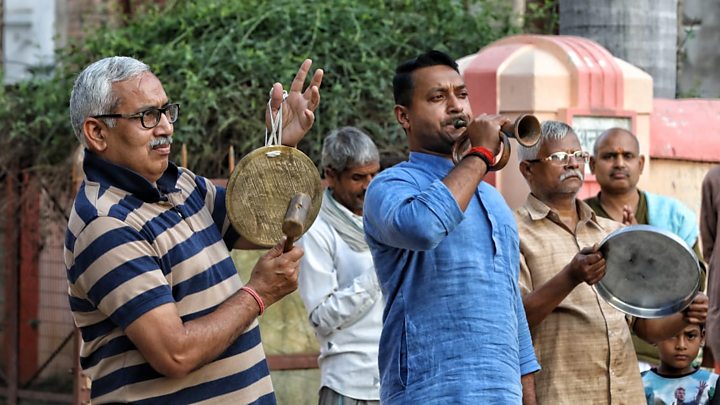
Media captionWATCH: Millions of Indians bang pots and pans in support of health workers

Related Topics

Source: The BBC

23/03/2020

147 medics from Gansu return home

CHINA-GANSU-LANZHOU-MEDICAL STAFF-RETURN HOME-ARRIVAL (CN)

A man shows a welcome cardboard written to his girlfriend, one of the medics supporting virus-hit Hubei Province, in Lanzhou, northwest China’s Gansu Province, March 22, 2020. The third batch of medical assistance team supporting Hubei from Gansu, which consists of 147 members, returned home on Sunday as the epidemic situation in Hubei has been greatly eased. (Xinhua/Du Zheyu)

Source: Xinhua

Law of Unintended Consequences

continuously updated blog about China & India

ChiaHou's Book Reviews

continuously updated blog about China & India

What's wrong with the world; and its economy

continuously updated blog about China & India