Chindia Alert: You’ll be Living in their World Very Soon
aims to alert you to the threats and opportunities that China and India present. China and India require serious attention; case of ‘hidden dragon and crouching tiger’.
Without this attention, governments, businesses and, indeed, individuals may find themselves at a great disadvantage sooner rather than later.
The POSTs (front webpages) are mainly 'cuttings' from reliable sources, updated continuously.
The PAGEs (see Tabs, above) attempt to make the information more meaningful by putting some structure to the information we have researched and assembled since 2006.
Faced with a backlash from the West over its handling of the early stages of the pandemic, Beijing has been quietly gaining ground in Asia
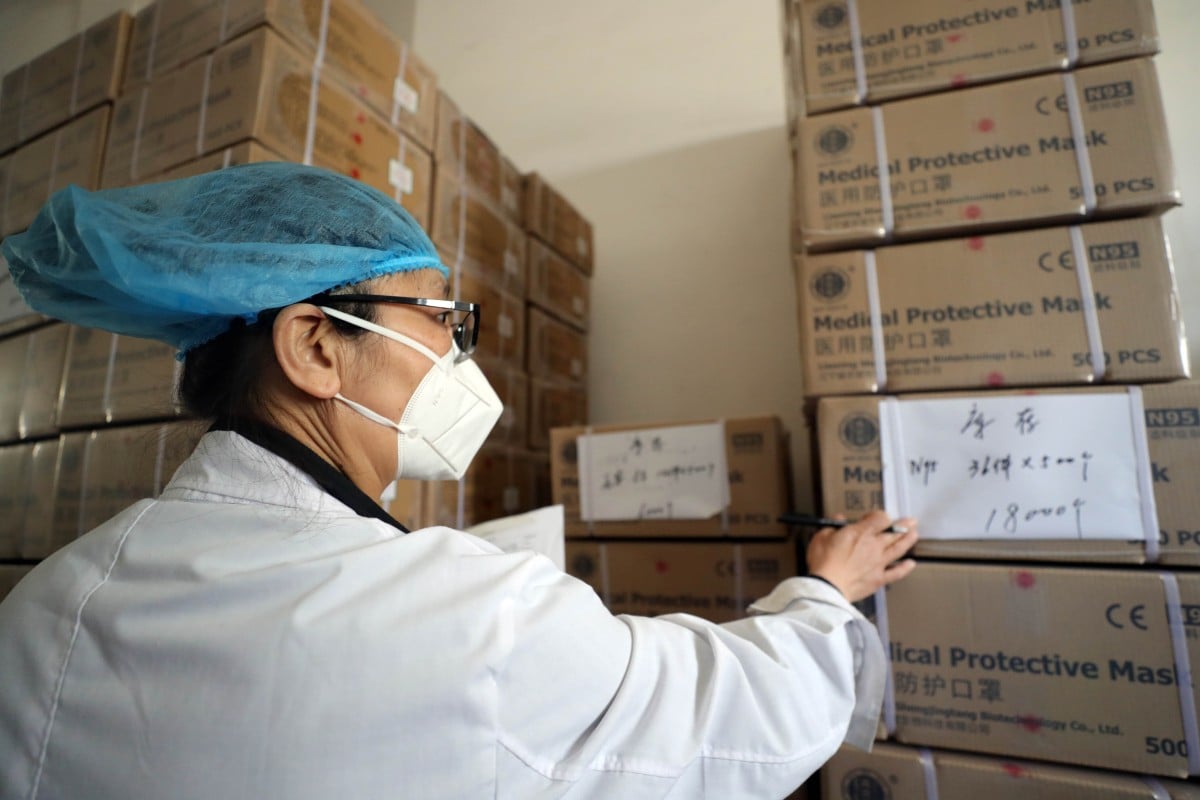
Teams of experts and donations of medical supplies have been largely welcomed by China’s neighbours
Despite facing some criticism from the West, China’s Asian neighbours have welcomed its medical expertise and vital supplies. Photo: Xinhua
While China’s campaign to mend its international image in the wake of its handling of the coronavirus health crisis has been met with scepticism and even a backlash from the US and its Western allies, Beijing has been quietly gaining ground in Asia.
Teams of experts have been sent to Cambodia, the Philippines, Myanmar, Pakistan and soon to Malaysia, to share their knowledge from the pandemic’s ground zero in central China.
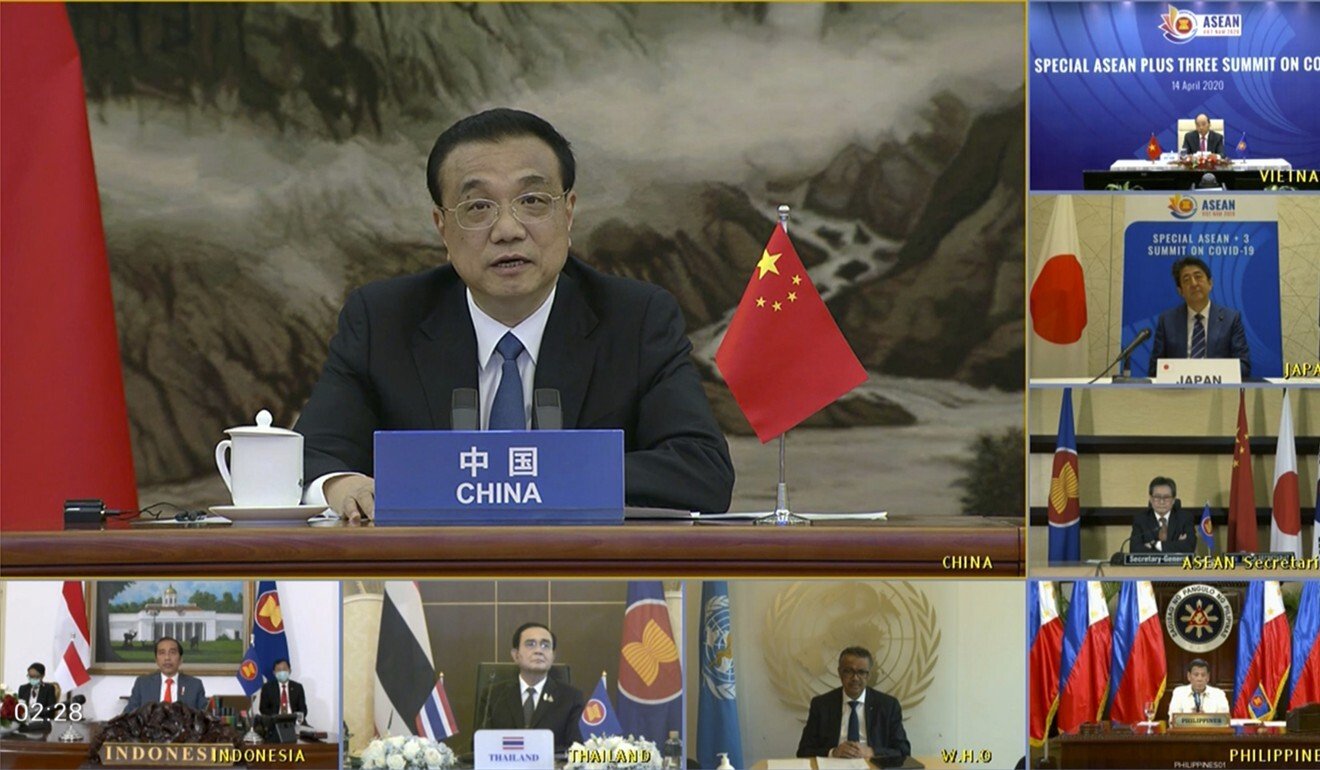
China has also held a series of online “special meetings” with its Asian neighbours, most recently on Tuesday when Premier Li Keqiang discussed his country’s experiences in combating the disease and rebooting a stalled economy with the leaders of the Association of Southeast Asian Nations (Asean), Japan and South Korea.
Chinese Prime Minister Li Keqiang speaks to Asean Plus Three leaders during a virtual summit on Tuesday. Photo: AP
Many Western politicians have publicly questioned Beijing’s role and its subsequent handling of the crisis but Asian leaders – including Philippine President Rodrigo Duterte and Japanese Prime Minister Shinzo Abe – have been reluctant to blame the Chinese government, while also facing criticism at home for not closing their borders with China soon enough to prevent the spread of the virus.
An official from one Asian country said attention had shifted from the early stages of the outbreak – when disgruntled voices among the public were at their loudest – as people watched the virus continue its deadly spread through their homes and across the world.
“Now everybody just wants to get past the quarantine,” he said. “China has been very helpful to us. It’s also closer to us so it’s easier to get shipments from them. The [medical] supplies keep coming, which is what we need right now.”
The official said also that while the teams of experts sent by Beijing were mainly there to observe and offer advice, the gesture was still appreciated.
Another Asian official said the tardy response by Western governments in handling the outbreak had given China an advantage, despite its initial lack of transparency over the outbreak.
“The West is not doing a better job on this,” he said, adding that his government had taken cues from Beijing on the use of propaganda in shaping public opinion and boosting patriotic sentiment in a time of crisis.
“Because it happened in China first, it has given us time to observe what works in China and adopt [these measures] for our country,” the official said.
Experts in the region said that Beijing’s intensifying campaign of “mask diplomacy” to reverse the damage to its reputation had met with less resistance in Asia.
Why China’s ‘mask diplomacy’ is raising concern in the West
29 Mar 2020
“Over the past two months or so, China, after getting the Covid-19 outbreak under control, has been using a very concerted effort to reshape the narrative, to pre-empt the narrative that China is liable for this global pandemic, that China has to compensate other countries,” said Richard Heydarian, a Manila-based academic and former policy adviser to the Philippine government.
“It doesn’t help that the US is in lockdown with its domestic crisis and that we have someone like President Trump who is more interested in playing the blame game rather than acting like a global leader,” he said.
Shahriman Lockman, a senior analyst with the foreign policy and security studies programme at Malaysia’s Institute of Strategic and International Studies, said that as the US had withdrawn into its own affairs as it struggled to contain the pandemic, China had found Southeast Asia a fertile ground for cultivating an image of itself as a provider.
China’s first-quarter GDP shrinks for the first time since 1976 as coronavirus cripples economy
Beijing’s highly publicised delegations tasking medical equipment and supplies had burnished that reputation, he said, adding that the Chinese government had also “quite successfully shaped general Southeast Asian perceptions of its handling of the pandemic, despite growing evidence that it could have acted more swiftly at the early stages of the outbreak in Wuhan”.
“Its capacity and will to build hospitals from scratch and put hundreds of millions of people on lockdown are being compared to the more indecisive and chaotic responses seen in the West, especially in Britain and the United States,” he said.
Coronavirus droplets may travel further than personal distancing guidelines
16 Apr 2020
Lockman said Southeast Asian countries had also been careful to avoid getting caught in the middle of the deteriorating relationship between Beijing and Washington as the two powers pointed fingers at each other over the origins of the new coronavirus.
“The squabble between China and the United States about the pandemic is precisely what Asean governments would go to great lengths to avoid because it is seen as an expression of Sino-US rivalry,” he said.
“Furthermore, the immense Chinese market is seen as providing an irreplaceable route towards Southeast Asia’s post-pandemic economic recovery.”
Aaron Connelly, a research fellow in Southeast Asian political change and foreign policy with the International Institute for Strategic Studies in Singapore, said Asian countries’ dependence on China had made them slow to blame China for the pandemic.
“Anecdotally, it seems to me that most Southeast Asian political and business elites have given Beijing a pass on the initial cover-up of Covid-19, and high marks for the domestic lockdown that followed,” he said.
“This may be motivated reasoning, because these elites are so dependent on Chinese trade and investment, and see little benefit in criticising China.”
China and Vietnam ‘likely to clash again’ as they build maritime militias
12 Apr 2020
The cooperation with its neighbours as they grapple with the coronavirus had not slowed China’s military and research activities in the disputed areas of the South China Sea – a point of contention that would continue to cloud relations in the region, experts said.
Earlier this month an encounter in the South China Sea with a Chinese coastguard vessel led to the sinking of a fishing boat from Vietnam, which this year assumed chairmanship of Asean.
And in a move that could spark fresh regional concerns, shipping data on Thursday showed a controversial Chinese government survey ship, the Haiyang Dizhi 8, had moved closer to Malaysia’s exclusive economic zone.
The survey ship was embroiled in a months-long stand-off last year with Vietnamese vessels within Hanoi’s exclusive economic zone and was spotted again on Tuesday 158km (98 miles) off the Vietnamese coast.
BEIJING (Reuters) – For Zhang Yu, who runs a cafe in one of Beijing’s top tourist spots, business has never been so bad.
To contain the spread of the coronavirus, bars and cafes in the Wudaoying hutong – a top Lonely Planet destination built around a narrow lane – are permitted to provide take-away services only. Non-residents must show proof they have an appointment to enter the area.
Added to which, tourism has plummeted.
“Don’t mention it! This is supposed to be the peak season,” said Zhang, who has run her cafe for five years. “But there are almost no customers as they (authorities) don’t want to have people hanging around here.”
While China’s manufacturing and retail sectors are starting to get back to work as the pace of new infections slows sharply, tourism sites in Beijing remain a shadow of their former and bustling self.
China’s capital city has maintained the highest level of emergency response to the outbreak, so tourist attractions like the Forbidden City remain closed. A 14-day quarantine for new arrivals has stifled travel.
As a result, small business owners running restaurants, souvenir shops and tourism agencies are struggling.
Only a little over 20% of tourism-related businesses in Beijing had resumed operation as of the three-day Qingming national holiday in early April, a survey by on-demand delivery service giant Meituan Dianping showed.
HANGING ON
The only people present in Wudaoying on a recent afternoon were a few elderly residents sitting outside to enjoy the spring sunshine. A cat made its way lazily through empty rooftop bars.
“We used to see more customers in one hour in pre-virus days than we see in a whole day right now,” said a worker at a sandwich restaurant in Wudaoying.
In another popular area, Khazzy, a 32-year-old doctoral student who opened a restaurant last October, has had only four customers all day.
“There are almost no tourists coming to Beijing and the remaining locals have concerns about eating out,” Khazzy said as sunset approached.
Khazzy said he has let five of his 13 staff go and has no idea how long he can stay afloat financially even though his landlord has agreed to waive one month’s rent on the property in Qianmen, near Beijing’s Tiananmen Square.
More than half of the shops in Qianmen remain closed. The manager of a state-backed noodle restaurant said most of the closed stores are privately owned small businesses that can’t secure enough business to support their daily operations.
She said revenues at the noodle restaurant have plunged more than 80%, but staff salaries have not been cut.
Zhang, the cafe owner in Wudaoying, reckoned small businesses could hold on for the next three months.
Zeng Zhenguo (L), a member of the medical assistance team supporting the virus-hit Wuhan in Hubei Province, hugs his wife after 14-day quarantine at the Xianghu area of the First Affiliated Hospital of Nanchang University in Nanchang, east China’s Jiangxi Province, April 15, 2020. The 141 members of the medical assistance team reunited with their families on Wednesday after 14-day quarantine. (Xinhua/Wan Xiang)
SUIFENHE, China (Reuters) – China’s northeastern border with Russia has become a frontline in the fight against a resurgence of the coronavirus epidemic as new daily cases rose to the highest in nearly six weeks – with more than 90% involving people coming from abroad.
Having largely stamped out domestic transmission of the disease, China has been slowly easing curbs on movement as it tries to get its economy back on track, but there are fears that a rise in imported cases could spark a second wave of COVID-19.
A total of 108 new coronavirus cases were reported in mainland China on Sunday, up from 99 a day earlier, marking the highest daily tally since March 5.
Imported cases accounted for a record 98. Half involved Chinese nationals returning from Russia’s Far Eastern Federal District, home to the city of Vladivostok, who re-entered China through border crossings in Heilongjiang province.
RELATED COVERAGE
Number of people crossing China borders cut 90% as part of virus efforts: official
“Our little town here, we thought it was the safest place,” said a resident of the border city of Suifenhe, who only gave his surname as Zhu.
“Some Chinese citizens – they want to come back, but it’s not very sensible, what are you doing coming here for?”
The border is closed, except to Chinese nationals, and the land route through the city had become one of few options available for people trying to return home after Russia stopped flights to China except for those evacuating people.
Streets in Suifenhe were virtually empty on Sunday evening due to restrictions of movement and gatherings announced last week, when authorities took preventative measures similar to those imposed in Wuhan, the central Chinese city where the pandemic ripping round the world first emerged late last year.
The total number of confirmed cases in mainland China now stands at 82,160 as of Sunday, and at the peak of the first wave of the epidemic on Feb 12 there were over 15,000 new cases.
Though the number of daily infections across China has dropped sharply from that peak, China has seen the daily toll creep higher after hitting a trough on March 12 because of the rise in imported cases.
Chinese cities near the Russian frontier are tightening border controls and imposing stricter quarantines in response.
Suifenhe and Harbin, the capital of Heilongjiang, are now mandating 28 days of quarantine as well as nucleic acid and antibody tests for all arrivals from abroad.
In Shanghai, authorities found that 60 people who arrived on Aeroflot flight SU208 from Moscow on April 10 have the coronavirus, Zheng Jin, a spokeswoman for the Shanghai Municipal Health Commission, told a press conference on Monday.
Residents in Suifenhe said a lot of people had left the city fearing contagion, but others put their trust in authorities’ containment measures.
“I don’t need to worry,” Zhao Wei, another Suifenhe resident, told Reuters. “If there’s a local transmission, I would, but there’s not a single one. They’re all from the border, but they’ve all been sent to quarantine.”
Between January 20 and April 4, PM2.5 levels across the country fell by more than 18 per cent, according to the environment ministry
But observers say that as soon as the nation’s factories and roads get back to normal, so too will the air pollution levels
Blue skies were an unexpected upside of locking down cities and halting industrial production across China. Photo: AFP
China’s air quality has improved dramatically in recent weeks as a result of the widespread city lockdowns and strict travel restrictions introduced to contain the
. But experts say the blue skies could rapidly disappear as factories and roads reopen under a government stimulus plan to breathe new life into a stalled economy.
According to the Ministry of Ecology and Environment, between January 20 and April 4 the average concentration of PM2.5 – the tiny particles that pose the biggest risk to health – fell by 18.4 per cent from the same period of last year.
Meanwhile, the average number of days with good air quality – determined as when the air pollution index falls below 100 – rose by 7.5 per cent, it said.
Satellite images released by Nasa and the European Space Agency showed a dramatic drop in nitrogen dioxide emissions in major Chinese cities in the first two months of 2020, compared with a year earlier.
According to Nasa, the changes in Wuhan – the central China city at the epicentre of the initial coronavirus outbreak – were particularly striking, while nitrogen dioxide levels across the whole of eastern and central China were 10 to 30 per cent lower than normal.
The region is home to hundreds of factories, supplying everything from steel and car parts to microchips. Wuhan, which has a population of 11 million, was placed under lockdown on January 23, but those restrictions were lifted on Wednesday
.
Air pollution is likely to return to China’s cities once the lockdowns are lifted. Photo: Reuters
Nitrogen dioxide is produced by cars, power plants and other industrial facilities and is thought to exacerbate respiratory illnesses such as asthma.
The space agency said the decline in air pollution levels coincided with the restrictions imposed on transport and business activities.
That was consistent with official data from China’s National Development and Reform Commission, which recorded a 25 per cent fall in road freight volume and a 14 per cent decline in the consumption of oil products between January and February.
Guangzhou cases prompt shutdown in ‘Little Africa’ trading hub
8 Apr 2020
Liu Qian, a senior climate campaigner for Greenpeace based in Beijing, said the restrictions on industry and travel were the primary reasons for the improvement in air quality.
According to official data, in February, the concentrations of PM2.5, nitrogen dioxide and sulphur dioxide – a toxic gas that comes mostly from industrial burning of coal and other fossil fuels – all fell, by 27 per cent, 28 per cent and 23 per cent, respectively.
“The causes of air pollution are complicated, but the suspension of industrial activity and a drop in public transport use will have helped to reduce levels,” Liu said.
As the epicentre of the Covid-19 pandemic has shifted to the United States and
, human and industrial activity in China is gradually picking back up, and so is air pollution.
Lauri Myllyvirta, lead analyst with the Centre for Research on Energy and Clean Air in Helsinki, said that levels of nitrogen dioxide pollution, measured both by Nasa satellites and official stations in China, started inching back up in the middle of March and had returned to normal levels by the end of the month.
That coincided with the centre’s findings – published on Carbon Brief, a British website on climate change – that coal consumption at power plants and oil refineries across China returned to their normal levels in the fourth week of March.
How the Wuhan experience could help coronavirus battle in US and Europe
10 Apr 2020
Ma Jun, director of the Institute of Public & Environmental Affairs, a Beijing-based charity, said a stimulus plan to kick-start the economy would have a significant impact on air pollution.
“Once industrial production is fully resumed, so are the emission levels,” he said. “Unless another outbreak happens and triggers another lockdown, which would be terrible, the improvement achieved under the pandemic is unstable and won’t last long.”
After the 2008 financial crisis, Beijing launched a 4 trillion yuan (US$567.6 billion) stimulus package that included massive infrastructure investment, but also did huge damage to the environment. In the years that followed, air pollution rose to record highs and sparked a public backlash.
Even before the Covid-19 outbreak, China’s economy was slowing – it grew by 6.1 per cent in 2019, its slowest for 29 years – and concerns are now growing that policymakers will go all out to revive it.
“Local governments have been under huge pressure since last year, and there are fears that environmental regulations will be sidelined [in the push to boost economic output],” Ma said.
But Beijing had the opportunity to get it right this time by investing more in green infrastructure projects rather than high-carbon projects, he said.
“A balance between economic development and environmental protection is key to achieving a green recovery, and that is what China needs.”
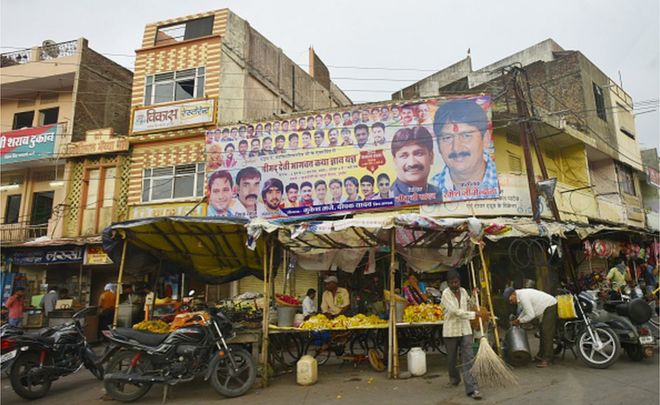
Image copyright GETTY IMAGESImage caption Indore is a bustling commercial city
In early March, 40-year-old Ravi Dosi, a chest specialist in India, saw a baffling surge in patients with respiratory problems at outpatient clinics.
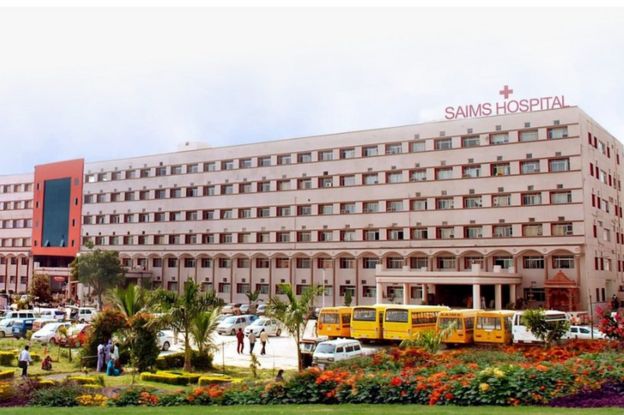
“There was almost a 50% jump in patients with upper respiratory issues and sore throat. They were not responding to antibiotics. Testing was still low and we didn’t really know what was going on,” Dr Dosi, who works at Sri Aurobindo Institute of Medical Sciences, a 1,156-bed private medical college in the central city of Indore, told me.
Less than a fortnight later, Dr Dosi began seeing an uptick in admissions of Covid-19 patients. Around the end of March, the hospital was receiving 28 infected patients every day.
They had dry cough, fever, and difficulty breathing. Their blood oxygen levels were low. They were reporting loss of taste and smell.
In the first wave of patients, nearly a dozen came from far-flung districts, more than 150km (93 miles) from Indore, a bustling commercial city in Madhya Pradesh state. The state has now become a hotspot, with nearly 400 confirmed infections out of the more than 6,400 infections and nearly 200 deaths across the country so far.
By the second week of April, Dr Dosi and his team of 100 doctors and nearly an equal number of nursing staff working 24/7 in three shifts, were treating 144 Covid-19 patients. (Thirty-one had been treated and sent home already.)
A total of 38 patients were in intensive care. Twenty-one of them were critical. There had been seven deaths. “We are handling the largest number of Covid-19 patients in India,” Vinod Bhandari, a surgeon and chairman of the hospital, told me.
Doctors now believe that the infection was spreading in the community long before the government admitted to it, and testing slowly ramped up. Until two weeks ago, Indian health authorities had been denying community transmission.
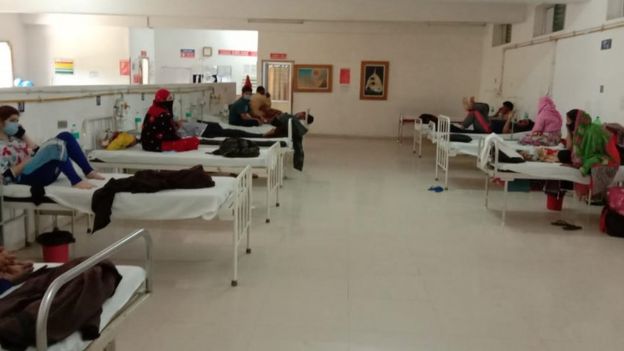
Image caption The hospital in Indore has more than 140 patients
Now a new study by Indian Council of Medical Research (ICMR) using surveillance data from 41 labs in the country has hinted at community transmission: 52 districts in 20 states and union territories reported Covid-19 patients. Some 40% of the cases did not report any history of international travel or contact with a known case. (The survey was based on swabs collected from nearly 6,000 patients who tested positive between 15 February and 19 March.)
Back in the hospital in Indore, the doctors are battling the surge in infections.
Three isolation wards spread over two floors floors are stacked with patients. (The hospital has earmarked 525 beds for Covid-19 patients.) Isolation wards have younger patients with mild infection, while elderly patients with more severe symptoms are in intensive care. The oldest patient is a 95-year-old man, and the youngest is a four-month-old boy.
The team of doctors handling patients includes chest specialists, anaesthetists, microbiologists, and dermatologists. There are patients with a lot of underlying medical conditions – diabetes, hypertension, even cancer – so all the specialists have been called in to help with the treatment.
Dr Dosi wakes up early, puts on protective gear – scrubs, face masks and shields, N95 masks, gowns, double gloves and shoe covers – before going on his rounds of the patients. Doctors say they are not facing a shortage of gear yet.
They are using 22 ventilators to help the critical patients breathe, and also providing oxygen supplies to others using nasal cannulas (nose prongs).
In the isolation wards, patients are given oral medication – antibiotics and hydroxychloroquine (commonly known as HCQ), an anti-malarial drug – and directed to maintain social distancing and wash their hands regularly.
Image caption The isolation wards are packed with patients
“I have never seen a challenge and crisis like this in my career. I have heard stories about an outbreak of plague in Surat [in 1994]. But this seems to be much bigger. The biggest challenge is to keep hopes alive and be positive,” says Dr Dosi.
Keeping hopes up for patients in isolation can be taxing. Three tests, say doctors, are being done for the infection – if the first test comes out positive, the patient remains in isolation for two weeks, and is tested twice on two days after the quarantine period. If the last two tests come back negative, the patient is discharged. If not, the patient has to stay in isolation for another two weeks. “It is a tough grind, mentally,” says one doctor.
For the last three weeks, Dr Dosi has been living in the hospital, away from his wife, two sons and parents. His father is a retired pathologist. They communicate via hurried video calls, between his frantic trips to the isolation wards and intensive care.
I ask him when does he expect this to “get over”, so that he can go home.
“In a couple of weeks,” he says. “The lockdown should have helped to slow down the infection.”
Dr Dosi is alluding to the strict 21-day lockdown India imposed on 24 March to halt the spread of the infection.
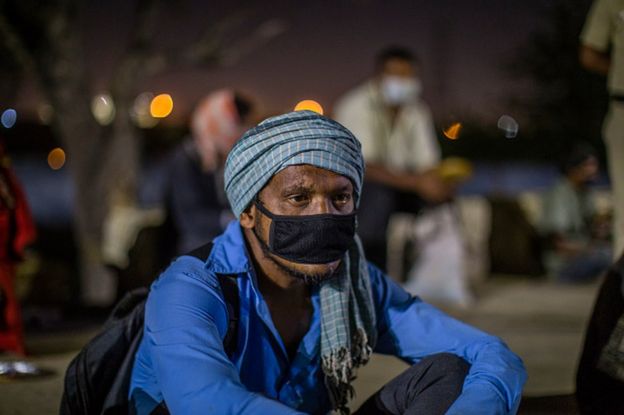
Image copyright GETTY IMAGESImage caption Health officials have been denying community transmission
Things are getting better, he says.
“I am getting 10 patients for admission in isolation wards, and two patients severe enough for intensive care every day now. Earlier this week, it was 50:50.”
It is possibly too early to hazard a guess about when admissions will slow down to single digits. As more people are tested, the number of patients can easily rise again.
It’s been unrelenting, Dr Dosi says.
Early, on Friday, I sent him a text to find out what was going on.
BEIJING (Reuters) – China will promote the sales of export products in domestic markets, as foreign trade faces unprecedented challenges due to the coronavirus pandemic, an assistant commerce minister said on Friday.
As the coronavirus spreads to almost all of China’s trading partners, the world’s second-largest economy is set to reach a grim milestone for full year growth, with the pace of expansion likely to be the slowest since the Cultural Revolution ended in 1976. And, the export sector is facing millions of job losses and factory shutdowns.
“Due to the rapid spread of the epidemic in the world, foreign demand has slumped and the biggest difficulty facing foreign trade companies is the plunge in orders,” said Ren Hongbin, the assistant minister at the Ministry of Commerce.
He said firms across the board have had their orders cancelled or delayed, and new orders are “very hard to sign”.
“The uncertainty about the pandemic has become the biggest uncertainty for foreign trade development.”
Forecasters expect China’s 2020 growth could be nearer the 2.0% mark – the slowest in over 40 years – due to the sweeping impact of the pandemic both at home and overseas. The economy grew 6.1% last year.
China’s overseas shipments fell 17.2% in January-February from the same period a year earlier, marking the steepest fall since February 2019. Imports sank 4% from a year earlier.
Among the government measures to support the sector, China is accelerating efforts to build online trade fairs and guiding exporters to work with e-commerce retailers for sales in domestic markets and coordinating with its trading partners to stabilise supply chains, said Ren.
The Canton Fair, China’s oldest and biggest trade fair due to take place online, will feature live-streaming services for participants, Li Xingqian, another commerce ministry official, told the same briefing. The fair was originally scheduled to begin on April 15, but was postponed due to the coronavirus outbreak.
China is willing to boost trade relations with other countries, including the United States, under the new circumstances, said Ren, adding that Beijing hopes to work together with Washington to promote bilateral trade.
Both countries have been engaged in a near two-year long trade war with tit-for-tat tariffs on each other’s goods, before negotiators called a truce with an interim trade deal in January.
BEIJING/SINGAPORE (Reuters) – China reported on Wednesday its smallest number of coronavirus cases since January, lending weight to a prediction by its top medical adviser for the outbreak to end by April, but a global infectious diseases expert warned of the spread elsewhere.
Financial markets took heart from the outlook of the Chinese official, epidemiologist Zhong Nanshan, who said on Tuesday the number of new cases was falling in some provinces, and forecast the epidemic would peak this month, even as the death toll in China rose to more than 1,100 people.
World stocks, which had seen rounds of sell-offs over the virus, surged to record highs on hopes of a peak in cases. The Dow industrials, S&P 500 and Nasdaq all hit new highs, and Asian shares nudged higher on Wednesday.
But the World Health Organization (WHO) has warned that the epidemic poses a global threat akin to terrorism and one expert coordinating its response said while the outbreak may be peaking at its epicentre in China, it was likely to spread elsewhere in the world, where it had just begun.
RELATED COVERAGE
Chess, squabbles aboard cruise ship cast away by coronavirus fears
Singapore’s DBS evacuates 300 staff after employee contracts coronavirus
See more stories
“It has spread to other places where it’s the beginning of the outbreak,” the official, Dale Fisher, head of the Global Outbreak Alert and Response Network coordinated by the WHO, said in an interview in Singapore.
“In Singapore, we are at the beginning of the outbreak.”
Singapore has reported 47 cases and worry about the spread is growing. Its biggest bank, DBS (DBSM.SI), evacuated 300 staff from its head office on Wednesday after a confirmed coronavirus case in the building.
Hundreds of cases have been reported in dozens of other countries and territories around the world, but only two people have died outside mainland China – one in Hong Kong and another in the Philippines.
WHO chief Tedros Adhanom Ghebreyesus said on Tuesday the world had to “wake up and consider this enemy virus as public enemy number one” and the first vaccine was 18 months away.
In China, total infections have hit 44,653, health officials said, including 2,015 new confirmed cases on Tuesday. That was the lowest daily rise in new cases since Jan. 30.
The number of deaths on the mainland rose by 97 to 1,113 by the end of Tuesday.
But doubts have been aired on social media about how reliable the figures are, after the government last week amended guidelines on the classification of cases.
‘STAY HOPEFUL’
The biggest cluster of cases outside China is aboard the Diamond Princess cruise ship quarantined off Japan’s port of Yokohama, with about 3,700 people on board. Japanese officials on Wednesday said 39 more people had tested positive for the virus, taking the total to 175.
One of the new cases was a quarantine officer.
Thailand said it was barring passengers from another cruise ship, MS Westerdam, from disembarking, the latest country to turn it away amid fears of the coronavirus, despite no confirmed infections on board.
“We try to stay hopeful,” American passenger Angela Jones told Reuters in a video recording. “But each day, that becomes a little bit more difficult, when country after country rejects us.”
Echoing the comparison with the fight against terrorism, China’s state news agency Xinhua said late on Tuesday the epidemic was a “battle that has no gunpowder smoke but must be won”.
The epidemic was a big test of China’s governance and capabilities and some officials were still “dropping the ball” in places where it was most severe, it said, adding: “This is a wake-up call.”
The government of Hubei, the central province at the outbreak’s epicentre, dismissed the provincial health commission’s Communist Party boss, state media said on Tuesday, amid mounting public anger over the crisis.
China’s censors had allowed criticism of local officials but have begun cracking down on reporting of the outbreak, issuing reprimands to tech firms that gave free rein to online speech, Chinese journalists said.
The pathogen has been named COVID-19 – CO for corona, VI for virus, D for disease and 19 for the year it emerged. It is suspected to have come from a market that illegally traded wildlife in Hubei’s capital of Wuhan in December.
The city of 11 million people remains under virtual lockdown as part of China’s unprecedented measures to seal infected regions and limit transmission routes.
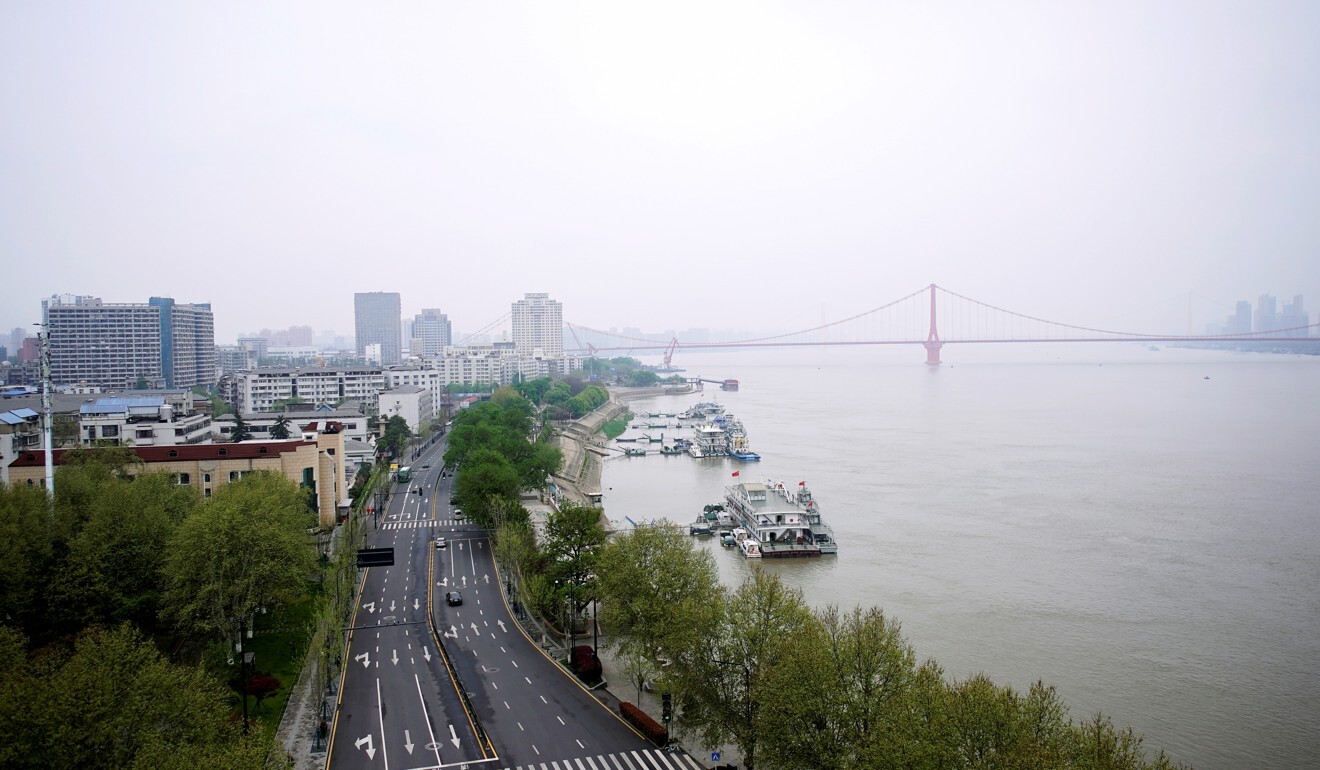
Travel restrictions that have paralysed the world’s second-biggest economy have left Wuhan and other Chinese cities resembling ghost towns.
Even if the epidemic ends soon, it has taken a toll of China’s economy, with companies laying off workers and needing loans running into billions of dollars to stay afloat. Supply chains for makers of items from cars to smartphones have broken down.
ANZ Bank said China’s first-quarter growth would probably slow to 3.2% to 4.0%, down from a projection of 5.0%.
The likely slowdown in China could shave 0.1 to 0.2 percentage points off both euro zone and British growth this year, credit rating agency S&P Global estimated.










 CHINDIA ALERT: You'll be living in their world, very soon