Chindia Alert: You’ll be Living in their World Very Soon
aims to alert you to the threats and opportunities that China and India present. China and India require serious attention; case of ‘hidden dragon and crouching tiger’.
Without this attention, governments, businesses and, indeed, individuals may find themselves at a great disadvantage sooner rather than later.
The POSTs (front webpages) are mainly 'cuttings' from reliable sources, updated continuously.
The PAGEs (see Tabs, above) attempt to make the information more meaningful by putting some structure to the information we have researched and assembled since 2006.
Chinese President Xi Jinping delivers a speech at the opening ceremony of the International Horticultural Exhibition 2019 Beijing in Yanqing District of Beijing, capital of China, April 28, 2019. (Xinhua/Ju Peng)
BEIJING, April 28 (Xinhua) — Chinese President Xi Jinping delivered a speech at the opening ceremony of the International Horticultural Exhibition 2019 Beijing on Sunday.
Themed on “Live Green, Live Better,” the Beijing expo is participated by 110 countries and international organizations, the largest of its kind in history.
Are increasing diplomatic tensions behind tighter inspections and cancelled orders?
Farmers switch to other crops in bid to beat barriers
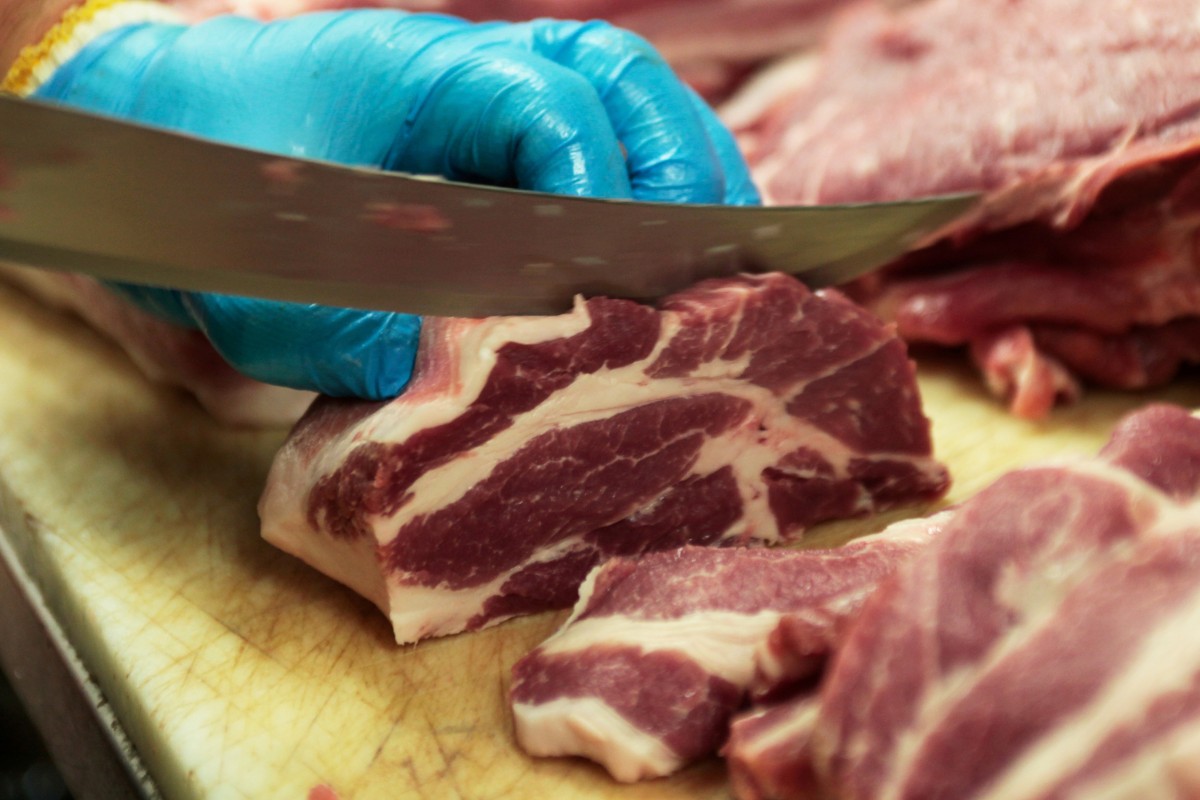
Canadian exporters of pork, soybeans and peas say they are facing delays and increased inspections at Chinese ports. Photo: Reuters
A growing list of Canadian farm exports is facing obstacles at Chinese ports, raising concerns that a bitter diplomatic dispute between the two countries may be to blame.
Sellers of Canadian soybeans and peas say they are experiencing unusual obstacles and Ottawa also warned last week that China was holding up pork shipments over paperwork issues.
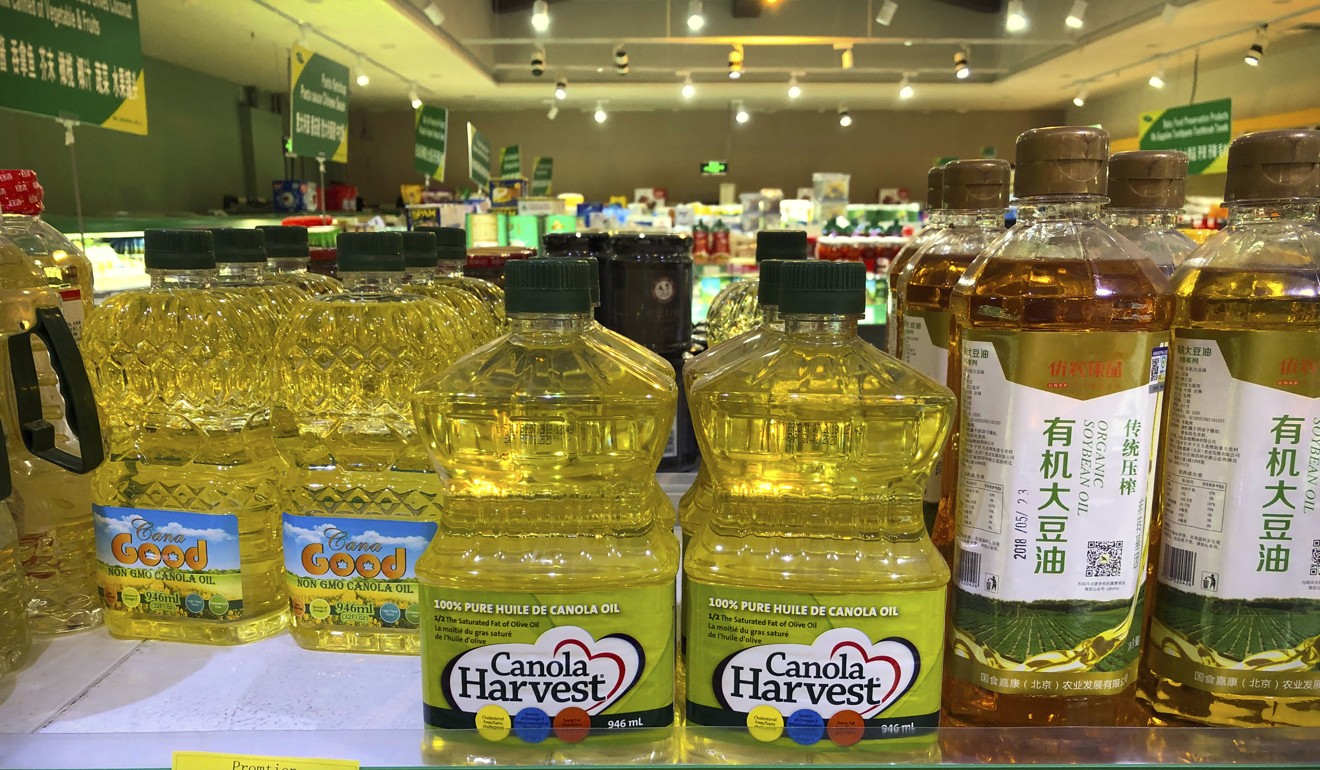
China has already blocked Canadian canola from Richardson International and Viterra, two of Canada’s biggest farm exporters, saying that shipments had pests. Other China-bound canola cargoes have been cancelled, forcing exporters to re-sell elsewhere at discount.
Canadian politicians have said the concerns are baseless, and noted that China detained two Canadians after Canada arrested an executive of Chinese telecom company Huawei Technologies Co Ltd in December at the United States’ request. China has used non-tariff barriers before during diplomatic tensions, most recently against Australian coal.
China has already blocked canola from two of Canada’s biggest farm exporters, while other China-bound canola cargoes have been cancelled. Photo: AP
Increasing tensions with China, a top buyer for most Canadian farm commodities, have forced farmers to plant other crops, such as wheat, that they hope will not face barriers.
China bought US$2.01 billion worth of Canada’s canola and $381 million worth of its pork last year.
The spread of African swine fever through China’s pig herd has reduced China’s need for canola and soybeans to process into feed ingredients but, since January, port soybean inspections that routinely take a few days now require three weeks, causing Chinese buyers to avoid Canadian products, according to Dwight Gerling, president of Canadian exporter DG Global.
“They’re basically sending out the signal, ‘You buy from Canada, we’re going to make your life difficult,’” Gerling said.
Earlier this year, a Chinese buyer told Gerling that a government inspector had found ants in 34 containers (roughly 680 tonnes) of the Canadian soybeans he shipped there.
Such a finding would be rare, since the soybeans were stored in concrete silos in Canada and shipped in sealed containers in late autumn, said Gerling, who concluded the buyer was trying to avoid the new hassles of buying from Canada.
“It’s just them playing games. (Beijing) is just going to keep putting the screws to us,” he said.
China’s General Administration of Customs did not reply to a request for comment. Government officials have said their canola ban is a regular inspection and quarantine measure to protect China’s farm production and ecological safety.
In a statement, the Canadian agriculture department said it could not confirm that China had imposed stricter measures against farm goods other than canola. Ottawa said this month it hoped to send a delegation to China to discuss the issue.
Gerling’s company has halted soybean sales to China and found other buyers in Southeast Asia.
An official at a state-owned crusher in southern China confirmed that port inspections had tightened on Canadian soybean cargoes.
“We don’t have Canadian cargoes coming in as we can’t blatantly commit such wrongdoing when the atmosphere is so intense,” the official said on condition of anonymity.
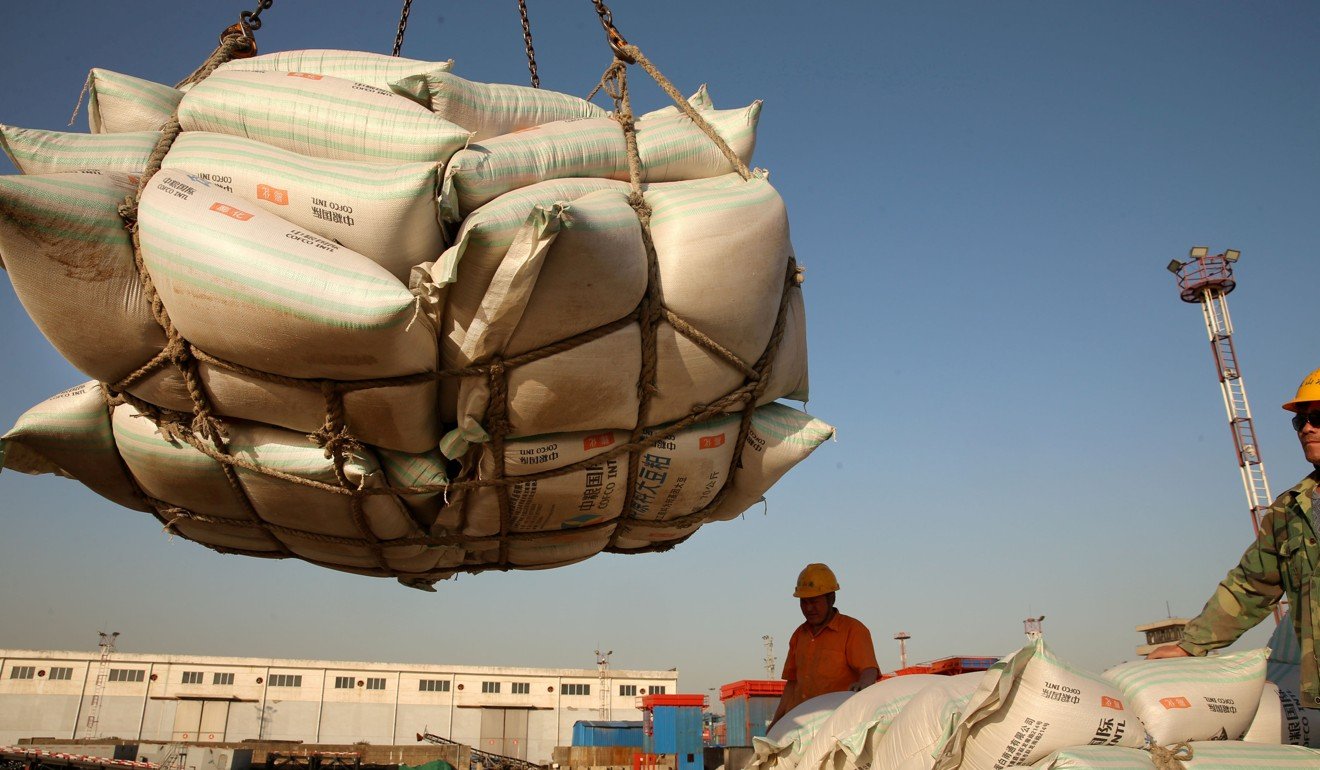
Soybeans from Canada are facing delays when they reach Chinese ports, according to traders. Photo: Reuters
Another official in northern China said his crushing plant scrapped plans to buy Canadian soybeans when the trade dispute flared.
Canada shipped $1.2 billion worth of soybeans to China in 2018, up sharply year over year, according to the Soy Canada industry group, as China and the United States fought a trade war. But sales have now slowed to a trickle.
Canola has taken the brunt of China’s measures.
Chinese buyers have cancelled at least 10 cargoes of Canadian canola in the past few weeks, according to a Singapore-based trader at a company that runs crushing facilities in China. Some cargoes, around 60,000 tonnes each, have been resold to buyers in Pakistan and Bangladesh at deep discounts, the trader said.
“It is devastating for exporters,” the trader said.
Canada gets tough with China on canola ban, demands contamination proof
Intercontinental Exchange (ICE) canola futures fell to a more than four-year low on Tuesday as supplies piled up. Growers intend to sow the smallest crop in three years.
On Monday last week, Ottawa said some Canadian pork exporters used an outdated form to certify shipments to China, causing delays. Such issues arise regularly in commodity trading, but rarely with damaging consequences, said Canadian Pork Council spokesman Gary Stordy.
Canadian pea exporters fear they could be next. China imported C$533 million worth of Canadian peas in 2018, according to industry group Pulse Canada, but the pace has slowed.
Chinese authorities have begun scrutinising import documents and product samples more closely, according to Taimy Cruz, director of logistics at Toronto-based BroadGrain Commodities.
China Inspection and Quarantine Authorities now tests samples of each pea shipment before authorising it for import. They also restrict in some cases the number of soybean shipments allowed under one licence, slowing the flow, she said.
Similarly, import authorities now require soybean shipments that change vessels in Singapore and Shanghai – a routine practice called trans-shipping – to reach their destination on a single ship, she said.
While BroadGrain has not seen its cargoes turned back, it has reduced sales to China to avoid risk, concentrating on the Indian subcontinent and South America, she said.
“We have to be extra careful,” Cruz said. “They are very strict now.”
Chinese President Xi Jinping (R) meets with Italian Prime Minister Giuseppe Conte at the Great Hall of the People in Beijing, capital of China, April 27, 2019. (Xinhua/Huang Jingwen)
BEIJING, April 27 (Xinhua) — Chinese President Xi Jinping on Saturday met with Italian Prime Minister Giuseppe Conte, who attended the Second Belt and Road Forum for International Cooperation in Beijing.
China highly commends Italy’s signing of a memorandum of understanding with China on jointly building the Belt and Road, taking the lead among major Western countries, according to Xi.
The country is ready to work with Italy in advancing the Belt and Road Initiative (BRI), and make the bilateral relations a model of Belt and Road cooperation between China and European countries, Xi said.
Xi called on both sides to firmly grasp the strategic significance of the bilateral ties, step up coordination and collaboration in improving global governance system and safeguarding free trade and multilateralism, and forge a new form of international relations featuring mutual respect, fairness, justice and win-win cooperation.
Conte said the speeches delivered by Xi at the forum helped the international community understand the significant benefits of the BRI for the world.
Italy is firmly committed to participating in the BRI, he said, adding that the initiative is a good opportunity for the world and more countries will join.
Italy welcomes Chinese companies to invest in the country, and will not adopt discriminatory policies against them, Conte said, calling on the two countries to reinforce solidarity and cooperation, and safeguard multilateralism.
Li Zhanshu (R), a member of the Standing Committee of the Political Bureau of the Communist Party of China Central Committee and chairman of the Standing Committee of the National People’s Congress, meets with General Secretary of the Lao People’s Revolutionary Party Central Committee and Lao President Bounnhang Vorachit, who is attending the Second Belt and Road Forum for International Cooperation, in Beijing, capital of China, April 26, 2019. (Xinhua/Yin Bogu)
BEIJING, April 26 (Xinhua) — Li Zhanshu, chairman of the Standing Committee of the National People’s Congress (NPC), on Friday met with Lao President Bounnhang Vorachit, who is attending the Second Belt and Road Forum for International Cooperation in Beijing.
Li, also a member of the Standing Committee of the Political Bureau of the Communist Party of China Central Committee, said that China is willing to strengthen high-level contacts between the two countries and push forward the bilateral relations.
Li said that the NPC is willing to enhance exchanges and cooperation with the Lao National Assembly.
Bounnhang, also general secretary of the Lao People’s Revolutionary Party Central Committee, said Laos is ready to work closely with China to make new progress in building a community with a shared future for the two countries.
Chinese President Xi Jinping (R) meets with United Nations (UN) Secretary-General Antonio Guterres, who is attending the Second Belt and Road Forum for International Cooperation, in Beijing, capital of China, April 26, 2019. (Xinhua/Ding Haitao)
BEIJING, April 26 (Xinhua) — Chinese President Xi Jinping on Friday met with United Nations (UN) Secretary-General Antonio Guterres, who is attending the Second Belt and Road Forum for International Cooperation in Beijing.
China firmly upholds multilateralism, the international system with the UN at its core, and the international order based on international law, and promotes the building of a community with a shared future for humanity, Xi said.
The more complex and grim the situation is, the more important it is to manifest the authority and role of the UN, Xi said, adding that China will continue to support the UN.
Noting that the Chinese people not only pursue a good life for themselves, but also work for common interest and harmony of the world, Xi said the Belt and Road Initiative (BRI) embodies the idea of mutual benefit, and is in line with the UN’s sustainable development concept.
Describing the UN as an important partner in promoting the BRI, Xi said that China is ready to work with the UN to advance the initiative in an all-round way while following the principle of delivering shared benefits through extensive consultation and joint contribution.
Guterres said President Xi’s speech delivered at the forum on Friday morning is very important, as it elaborates the interrelationship between the BRI and global development agenda.
He spoke highly of China’s major measures for further reform and opening up.
China firmly upholds multilateralism, and safeguards equity and justice, as well as the purposes and principles of the UN Charter, the UN chief said, adding that China has played an important role in stabilizing, and brought certainty, confidence and hope to the world.
Calling on countries around the world to seize the opportunities brought about by the BRI cooperation and achieve win-win outcomes, Guterres said history will prove that China’s development is not only an irresistible historical trend, but also a major contribution to human progress.
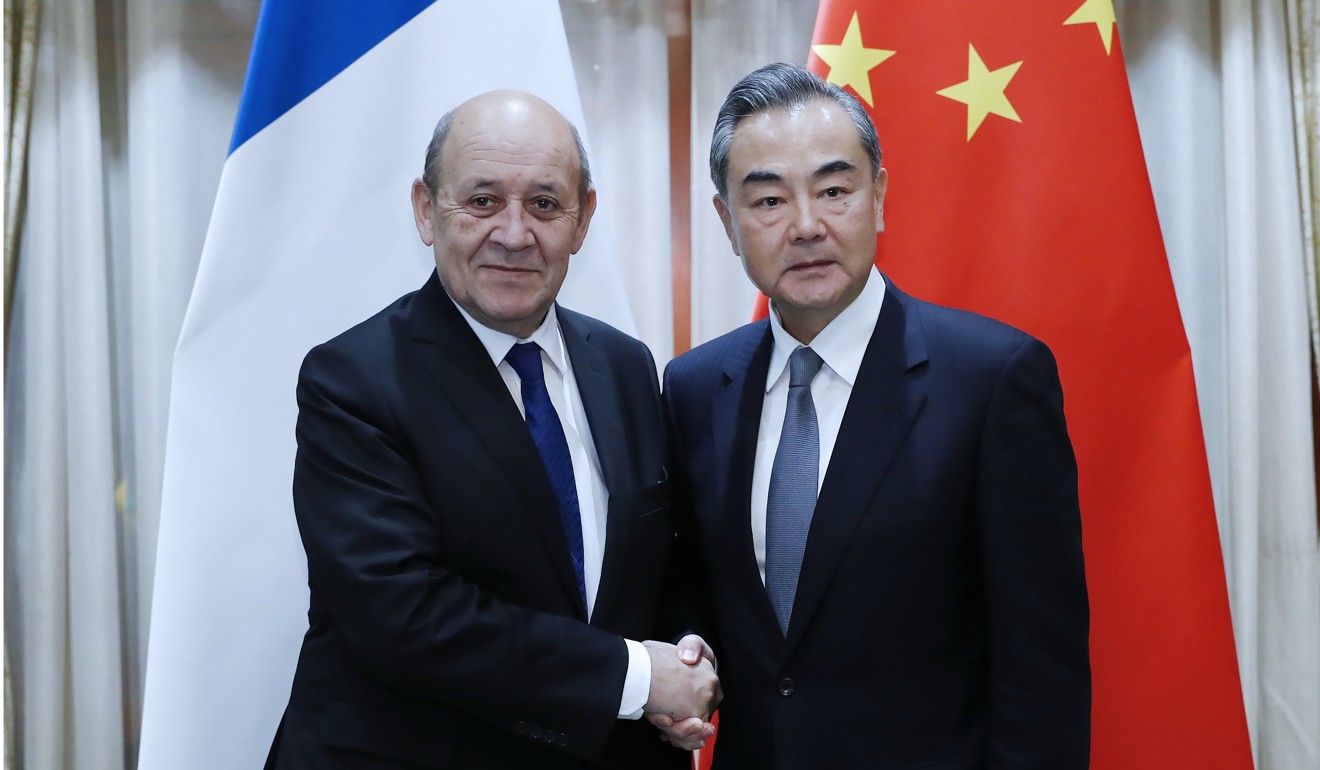
Foreign Minister Wang Yi tells French counterpart Jean-Yves Le Drian the two sides should ensure ties ‘continue to develop in a healthy way’
Meeting comes after Paris angers Beijing by sending a warship through the sensitive Taiwan Strait
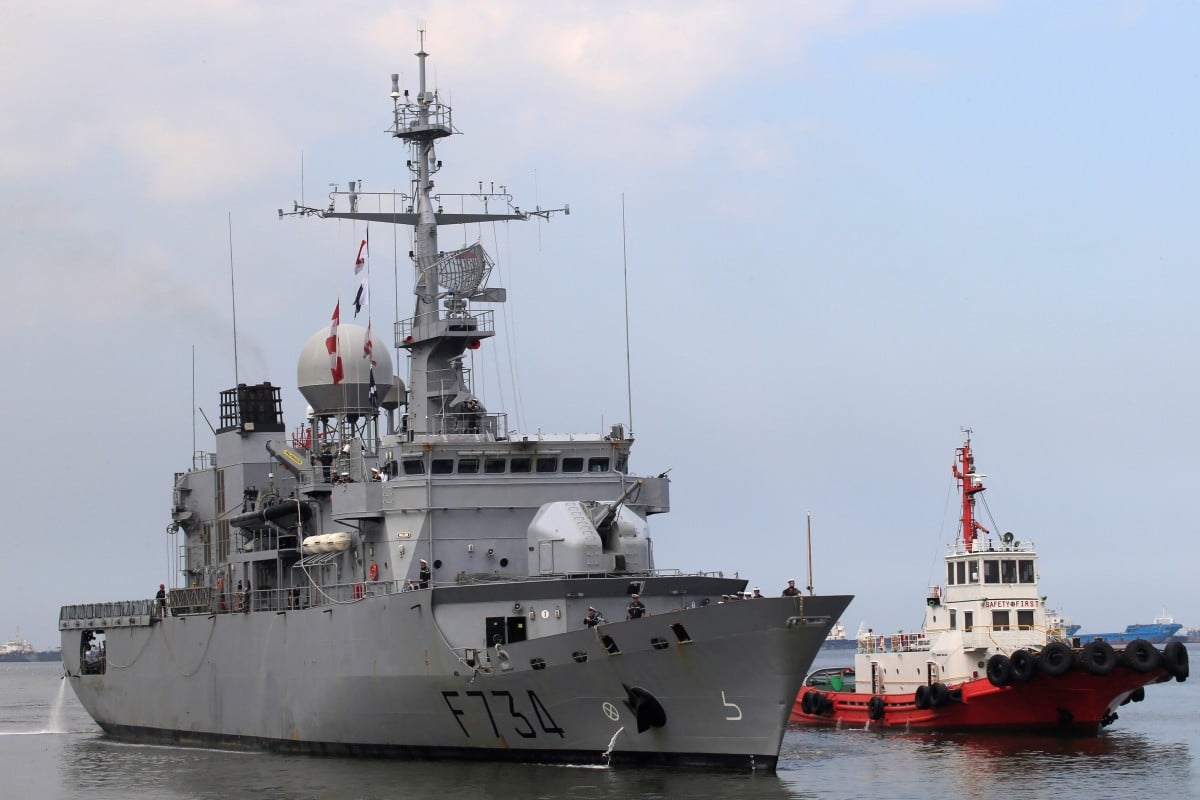
Paris upset Beijing earlier this month by sending its frigate Vendémiaire through the Taiwan Strait. Photo: Reuters
France and China should value their strong relationship and not take actions that disrupt it, China’s foreign minister told his French counterpart on Thursday, just days after
at Paris for sending a warship through the Taiwan Strait earlier this month.
Speaking at a meeting on the sidelines of the Belt and Road Forum in Beijing, Wang Yi told Jean-Yves Le Drian that the two nations “should cherish their hard-won and good relations”.
“[We should] avoid unnecessary disruptions and ensure that bilateral relations continue to develop in a healthy and progressive way,” he was quoted as saying in a statement issued on Friday by the Chinese foreign ministry.
Le Drian responded by saying France was willing to cooperate with China to “maintain the growth momentum of bilateral relations”, according to the statement.
French Foreign Minister Jean-Yves Le Drian told his Chinese counterpart Wang Yi that Paris was willing to cooperate with Beijing. Photo: Xinhua
passed through the Taiwan Strait on April 6. It had been expected to take part in a naval parade on Tuesday to celebrate the 70th anniversary of China’s navy, but Beijing withdrew the invitation in response to the action.
The defence ministry in Paris said this week it had been “in close contact with the Chinese authorities” about the incident.
EU’s connectivity plan ‘more sustainable’ than belt and road
A spokesman for the European Union said the trading bloc was committed to a rules-based maritime order based on international law, including freedom of navigation, and that it was in regular contact with the member states.
Chinese academics said that after the transit by the French warship it was likely that more Western countries would make their presence known in the region and that Beijing should remain vigilant.
“France wants to show that as a great power it has a broader concern in Asia-Pacific beyond trade and other ‘soft’ fields,” said Shi Yinhong, an international relations professor at Renmin University of China in Beijing.
“And it will exert its right to free navigation in any international waters regardless of China’s position or sensitivities.”
The Taiwan Strait is about 160km (100 miles) wide and divides mainland China from Taiwan, which Beijing regards as a breakaway province awaiting reunification, by force if necessary. The US, meanwhile, is bound by law to help the self-ruled defend itself and frequently sends warships through the strait in a show of support.
Shi said that US President Donald Trump’s Indo-Pacific strategy, which regards China as a “strategic competitor”, might draw “opportunistic associates” – like France and Britain – into the region.
“Some other states could be encouraged by the French action to do the same,” he said. “But [they] may also be deterred by China’s probable military and diplomatic responses, which would be determined on a case-by-case basis.”
Putin gets behind Xi’s belt and road plan in face of US hostility
Zhu Feng, a professor of international relations at Nanjing University, said France’s conduct was intended to show the “shared concern of Western allies” regarding the security aspect of cross-strait relations.
“China must be vigilant to the new tendency [for nations] to internationalise the Taiwan Strait issue,” he said, though added that the transit of the French warship was “more of a symbolic gesture than actual action”.
Philippe Le Corre, a senior fellow at the Carnegie Endowment for International Peace in Washington and former special assistant for international affairs to the French defence minister, said the Taiwan Strait did not belong to any one nation and, therefore, ships were within their rights to sail through it without prior authorisation.
“From Paris’s point of view, like the rest of the EU, the principles of freedom of navigation are critical to the world economy and trade, therefore there is no reason why European navies or even commercial ships should not be allowed to cross the Taiwan Strait,” he said.
“This is EU policy, not just France or the UK. It has nothing to do with the US, it is international law.”
Chinese President Xi Jinping (R) and his Chilean counterpart Sebastian Pinera hold talks ahead of the Second Belt and Road Forum for International Cooperation in Beijing, capital of China, April 24, 2019. (Xinhua/Rao Aimin)
BEIJING, April 24 (Xinhua) — Chinese President Xi Jinping and his Chilean counterpart Sebastian Pinera held talks in Beijing on Wednesday ahead of the Second Belt and Road Forum for International Cooperation.
China and Chile should take joint pursuit of the Belt and Road Initiative as a new opportunity to deepen political mutual trust and pragmatic cooperation, and push the China-Chile comprehensive strategic partnership to a new level, Xi said.
Xi said the two countries should promote the upgrading of bilateral trade and investment, and strengthen cooperation in areas such as mining, clean energy, telecommunication, e-commerce, technological innovation and Antarctic science.
Efforts should be made to better hold a series of celebrations next year that will mark the 50th anniversary of China-Chile diplomatic relations, and boost people-to-people ties, he said.
China supports Chile in hosting the UN climate change summit and Asia-Pacific Economic Cooperation (APEC) Economic Leaders’ Meeting this year, and will work with Chile to push forward the construction of the Free Trade Area of the Asia-Pacific and uphold multilateralism as well as the multilateral trading system, said Xi.
The nature of cooperation between China and Latin American and Caribbean countries is South-South cooperation, and the two sides should continue to support and help each other, complement each other with respective strengths, pursue win-win cooperation, so as to achieve common development and rejuvenation, and jointly forge a community with a shared future between China and Latin America, he said.
Pinera said Chile and China had achieved marked progress in bilateral relationship since the two countries established diplomatic ties.
Chile supports joint pursuit of the Belt and Road Initiative to enhance connectivity among regions, Pinera said.
Chile hopes to learn from China’s achievements in innovation-driven development and green development, and expand bilateral cooperation in such areas, he said.
Pinera also noted that Chile would enhance coordination and cooperation with China on regional and multilateral affairs, and continue to play an exemplary role in promoting relations between Latin America and China.
After the talks, the two leaders witnessed the signing of bilateral cooperation documents.
At the first day of the forum in Beijing, Chinese Finance Minister Liu Kun said China aims to make the Belt and Road initiative sustainable and to prevent debt risks.
Last year, Foreign Minister Wang Yi said in a speech Belt and Road was not a “geostrategic concept” but was part of efforts to build “a community with a shared future for mankind together with countries around the globe.”
Leaders from 37 countries and dozens of officials are due to attend the three-day summit, including Russian President Vladimir Putin and Italian Prime Minister Giuseppe Conte.
Western governments, and particularly the US, are increasingly wary of China’s growing influence.
The US, which has fought a trade war with China over the past year, has been particularly critical of the project.
Vice President Mike Pence said in a speech last year China was using “debt diplomacy” to expand its influence around the world.
Debt trap?
Other countries that are set to benefit from the project also seem to be growing more cautious.
Sri Lanka, Malaysia and Pakistan have all expressed concerns about the programme. Recipient countries worry about debt accumulation and increased Chinese influence.
Tom Rafferty, China economist at The Economist Intelligence Unit, said China is using this week’s summit to “reposition and, it hopes, revive the initiative after it lost its way in 2018 amid project delays and a slowdown in associated lending.”
Mr Rafferty said the Chinese government “wants to convince the international community that the Belt and Road Initiative is inclusive and policy concessions in areas such as debt sustainability” are likely.
WASHINGTON (Reuters) – A French warship passed through the strategic Taiwan Strait this month, U.S. officials told Reuters, a rare voyage by a vessel of a European country that is likely to be welcomed by Washington but increase tension with Beijing.
The passage, which was confirmed by China, is a sign that U.S. allies are increasingly asserting freedom of navigation in international waterways near China. It could open the door for other allies, such as Japan and Australia, to consider similar operations.
The French operation comes amid increasing tensions between the United States and China. Taiwan is one of a growing number of flashpoints in the U.S.-China relationship, which also include a trade war, U.S. sanctions and China’s increasingly muscular military posture in the South China Sea, where the United States also conducts freedom of navigation patrols.
Two officials, speaking on condition of anonymity, said a French military vessel carried out the transit in the narrow waterway between China and Taiwan on April 6.
One of the officials identified the warship as the French frigate Vendemiaire and said it was shadowed by the Chinese military. The official was not aware of any previous French military passage through the Taiwan Strait.
The officials said that as a result of the passage, China notified France it was no longer invited to a naval parade to mark the 70 years since the founding of China’s Navy. Warships from India, Australia and several other nations participated.
China said on Thursday it had lodged “stern representations” with France for what it called an “illegal” passage.
“China’s military sent navy ships in accordance with the law and the rules to identify the French ship and warn it to leave,” defence ministry spokesman Ren Guoqiang told a regularly scheduled media briefing, while declining to say if the sailing had led to the withdrawal of France’s invitation to the parade of ships this week.
“China’s military will stay alert to firmly safeguard China’s sovereignty and security,” he said.
Colonel Patrik Steiger, the spokesman for France’s military chief of staff, declined to comment on an operational mission.
The U.S. officials did not speculate on the purpose of the passage or whether it was designed to assert freedom of navigation.
MOUNTING TENSIONS
The French strait passage comes against the backdrop of increasingly regular passages by U.S. warships through the strategic waterway. Last month, the United States sent Navy and Coast Guard ships through the Taiwan Strait.
The passages upset China, which claims self-ruled Taiwan as part of its territory. Beijing has been ramping up pressure to assert its sovereignty over the island.
Chen Chung-chi, spokesman for Taiwan’s defence ministry, told Reuters by phone the strait is part of busy international waters and it is “a necessity” for vessels from all countries to transit through it. He said Taiwan’s defence ministry will continue to monitor movement of foreign vessels in the region.
“This is an important development both because of the transit itself but also because it reflects a more geopolitical approach by France towards China and the broader Asia-Pacific,” said Abraham Denmark, a former U.S. deputy assistant secretary of defence for East Asia.
The transit is a sign that countries like France are not only looking at China through the lens of trade but from a military standpoint as well, Denmark said.
Last month, France and China signed deals worth billions of euros during a visit to Paris by Chinese President Xi Jinping. French President Emmanuel Macron wants to forge a united European front to confront Chinese advances in trade and technology.
BEIJING, April 21 (Xinhua) — Representative shadow play works from around China will be displayed from April 28 to 30 during the art week in Huazhou District of Weinan City, northwest Shaanxi Province, which is dubbed the “home of shadow play.”
Co-organized by the Prince Kung’s Palace Museum in Beijing and provincial and municipal authorities in Shaanxi, the event will also include academic forums and performances of intangible cultural heritage music, dances, and Chinese operas.
Shadow play, also known as shadow puppetry, dates back to the Han Dynasty around 2,000 years ago. Performers hold cowhide-carved figures between a source of light and a translucent curtain, make movements of the figures for storytelling, and add drum sounds and Chinese opera to accompany the movements.
Chen Xiaowen, the deputy curator of the museum, said at a press conference in Beijing that they will try to organize more state-level shadow play events in Weinan and establish a special committee for the art form in the city.






 CHINDIA ALERT: You'll be living in their world, very soon