Chindia Alert: You’ll be Living in their World Very Soon
aims to alert you to the threats and opportunities that China and India present. China and India require serious attention; case of ‘hidden dragon and crouching tiger’.
Without this attention, governments, businesses and, indeed, individuals may find themselves at a great disadvantage sooner rather than later.
The POSTs (front webpages) are mainly 'cuttings' from reliable sources, updated continuously.
The PAGEs (see Tabs, above) attempt to make the information more meaningful by putting some structure to the information we have researched and assembled since 2006.
BENGALURU (Reuters) – The Indian economy is likely to suffer its worst quarter since the mid-1990s, hit by the ongoing lockdown imposed to stem the spread of coronavirus, according to a Reuters poll, which predicted a mild and gradual recovery.
Over 2.6 million people tmsnrt.rs/3aIRuz7 have been infected by the coronavirus worldwide and more than 180,000 have died. Business and household lockdowns have disrupted supply chains globally, bringing growth to a halt.
The April 17-22 Reuters poll predicted the economy expanded at an annual pace of 3.0% last quarter but will shrink 5.2% in the three months ending in June, far weaker than expectations in a poll published last month for 4.0% and 2.0% growth, respectively.
The predicted contraction would be the first – under any gross domestic product calculation, which has changed a few times – since the mid-1990s, when official reporting for quarterly data began.
“The extended lockdown until early May adds further downside risk to our view of a 5% year-on-year GDP fall in the current quarter, the worst in the last few decades,” said Prakash Sakpal, Asia economist at ING.
“We don’t consider economic stimulus as strong enough to position the economy for a speedy recovery once the pandemic ends,” he said.
(Graphic: Reuters poll graphic on coronavirus impact on the Indian economy IMAGE link: here)
The Indian government announced a spending package of 1.7 trillion rupees in March to cushion the economy from the initial lockdown, which has been extended until May 3.
In an emergency meeting last week, the Reserve Bank of India cut its deposit rate again, after reducing it on March 27 and lowering the main policy rate by 75 basis points. It also announced another round of targeted long-term repo operations to ease liquidity.
But even with those measures, 40% of economists, or 13 of 32 – who provided quarterly figures – predicted an outright recession this year. Only one had expected a recession last month.
In the worst case, a smaller sample of respondents predicted, the economy would contract 9.3% in the current quarter. That compares with 0.5% growth in the previous poll’s worst-case forecast in late March, underscoring how rapidly the outlook has deteriorated.
The latest poll’s consensus view still shows the economy recovering again slowly in the July-September quarter, growing 0.8%, then 4.2% in October-December and 6.0% in the final quarter of the fiscal year, in early 2021.
But that compares with considerably more optimistic near-term forecasts of 3.3%, 5.0% and 5.6%, respectively, in the previous poll.
“A rebound in economic activity following the disruption is expected, but the low starting point of growth implies a gradual recovery,” said Upasana Chachra, chief India economist at Morgan Stanley.
“Indeed, before disruptions related to COVID-19, growth was slowing, with domestic issues of risk aversion in financial sector … (and) those concerns will likely stay after the COVID-19 disruptions have passed unless the policy response is much larger than expected,” she said.
The unemployment rate has tripled to 23.8% since the lockdown started on March 25, according to the Centre for Monitoring Indian Economy, a Mumbai-based research firm.
The Indian economy was now forecast to expand 1.5% in the fiscal year ending on March 31, 2021 – the weakest since 1991 and significantly lower than 3.6% predicted in late March. It probably grew 4.6% in the fiscal year that just ended.
Under a worst-case scenario, the median showed the economy shrinking 1.0% this fiscal year. That would be the first officially reported economic contraction for a 12-month period since GDP was reported to have contracted for calendar year 1979.
“Unless fiscal policy is also loosened aggressively alongside monetary policy, there is a big risk the drastic economic slowdown currently underway morphs into an annual contraction in output and that the recovery is hampered,” said Shilan Shah, senior India economist at Capital Economics.
All 37 economists who answered a separate question unanimously said the RBI would follow up with more easing, including lowering the repo and reverse repo rates and expanding the new long-term loans programme.
The RBI was expected to cut its repo rate by another 40 basis points to 4.00% by the end of this quarter. Already lowered twice over the past month by a cumulative 115 basis points, the reverse repo rate was forecast to be trimmed by another 25 points by end-June to 3.50%.
SEOUL/BEIJING (Reuters) – China has allowed 200 employees from South Korea’s Samsung Electronics Co Ltd (005930.KS) to enter the country to work on an expansion of the firm’s NAND memory chip factory, the company said on Wednesday.
The move came after China said on Tuesday that it was in talks with some countries to establish fast-track procedures to allow travel by business and technical personnel to ensure the smooth operation of global supply chains.
China said it has reached a consensus on such an arrangement with South Korea, without elaborating on the terms, including whether individuals entering China will be subject to quarantine.
China, where the virus first emerged late last year, blocked entry last month for nearly all foreigners in an effort to curb risks of coronavirus infections posed by travellers from overseas. After bringing the local spread under control with tough containment measures, it is trying to restart its economic engines after weeks of near paralysis.
A chartered China Air Ltd (601111.SS) plane flew in the Samsung Electronics employees on Wednesday, a company spokeswoman said.
Samsung said its employees will follow the local government’s policy upon arrival, without elaborating.
Shaanxi province, where Samsung’s NAND memory chip plant is located, requires people travelling from overseas to undergo a 14-day quarantine, according to South Korea’s foreign ministry.
“Samsung employees will not be exempted from the 14-day quarantine rule imposed by the Shaanxi province. They will get coronavirus tests at the airport upon arrival and will be transported to a local hotel designated by Chinese authorities,” an official at the Consulate General of South Korea in Xi’an told Reuters.
Samsung Electronics in December increased investment at its chip factory in China by $8 billion to boost production of NAND flash memory chips.
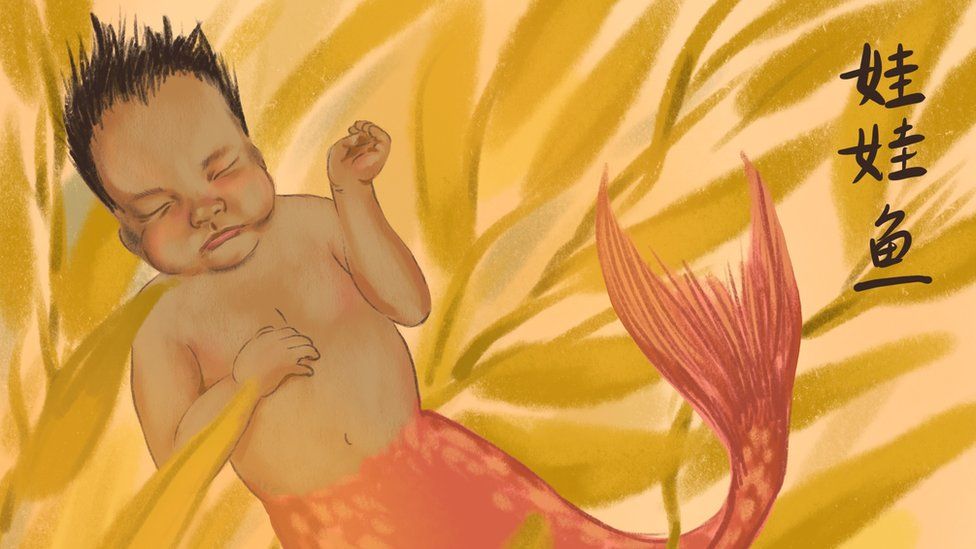
Image copyright FRANKIE HUANGImage caption The Giant salamander is ironically referred to as a “baby fish” in China
What do you get when you cross a baby with a fish?
It’s not the start of a dad joke, but one of a series of pictures drawn by Shanghai-based illustrator Frankie Huang.
Chinese is already one of the most pictorial languages in the world, but she’s taking it to the next level – by literally turning words into pictures. Her series, Putong Animals, re-imagines animals according to what they’re called in Mandarin Chinese – or Putonghua – the official language of China.
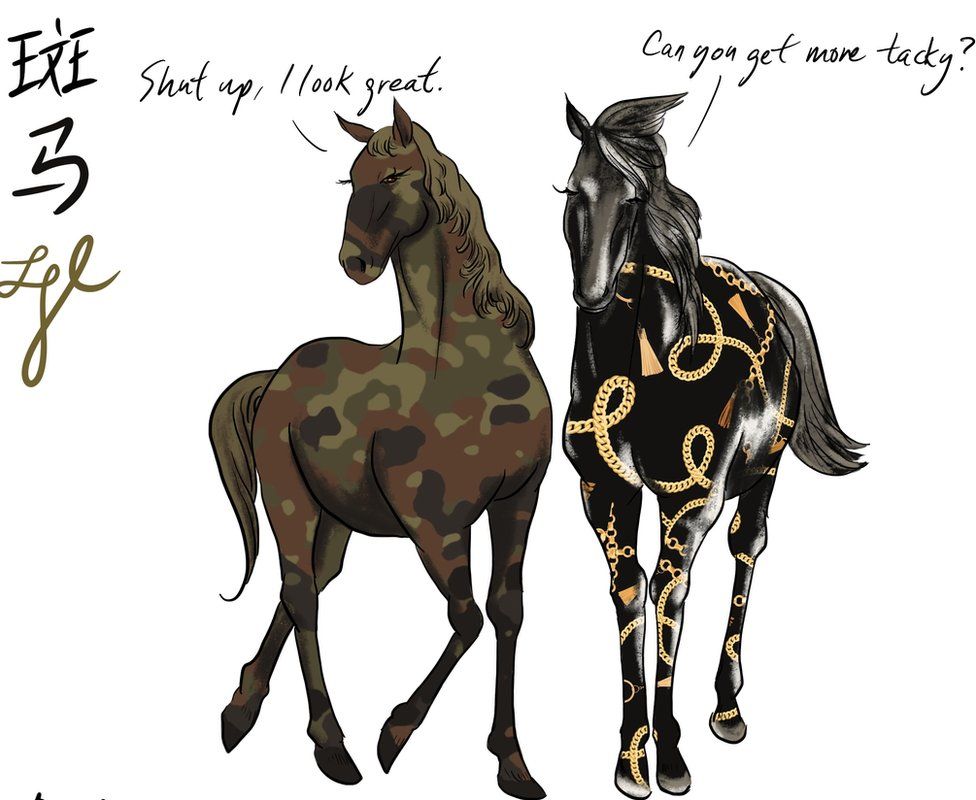
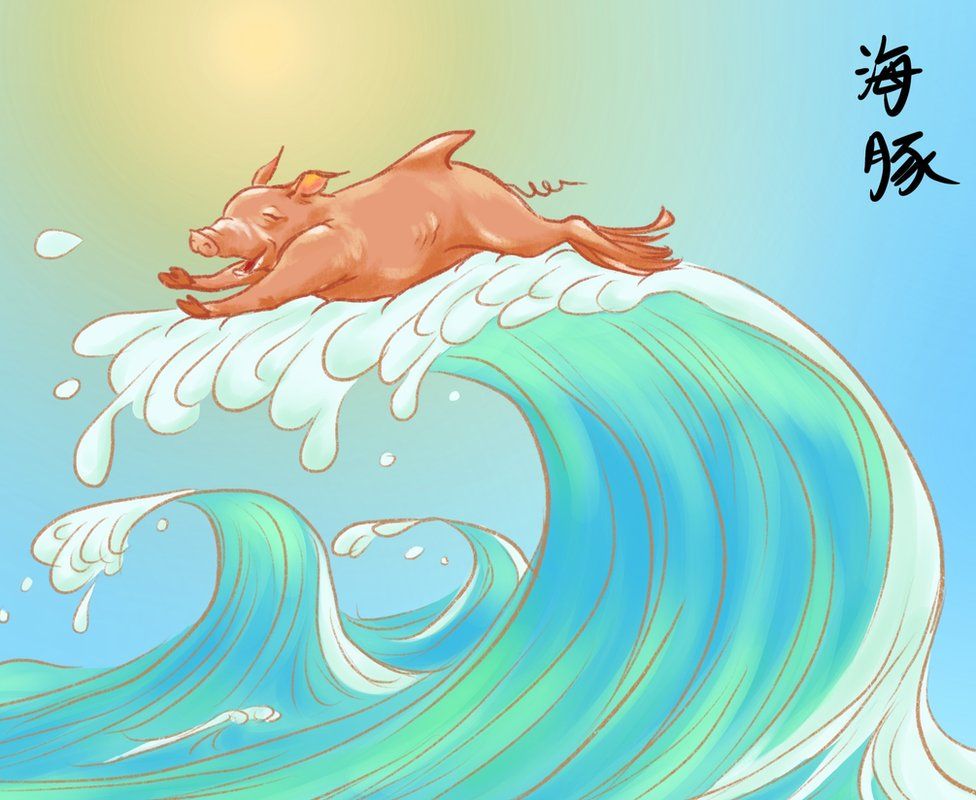
In Mandarin a zebra, for example, is literally a “patterned horse”. The dolphin has unflatteringly been turned into a “sea pig”.
Image copyright FRANKIE HUANGImage caption The Zebra is referred to literally as a “patterned horse” in Mandarin
Frankie says she came up with the idea for the series after seeing people on Twitter discussing how some animals had “really funny names when you translate them literally”.
“I realised no-one had done a series of this and I thought to myself ‘I suppose it’s time then’,” she told the BBC. “I wanted to create something that was not just pretty but also interesting.”
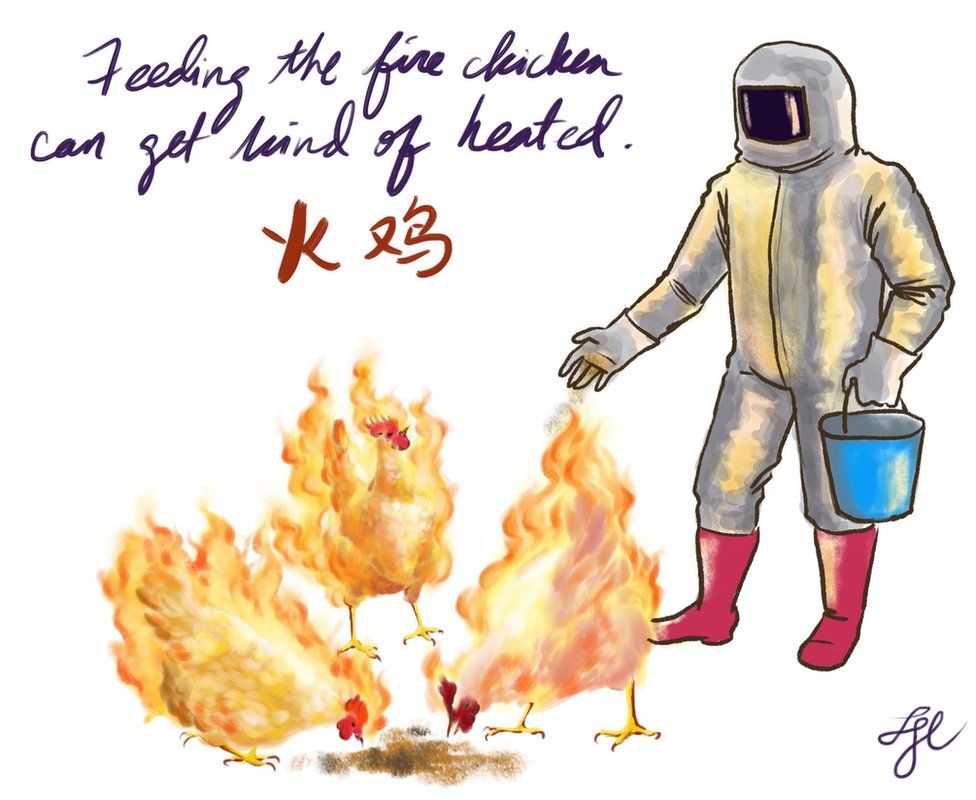
Image copyright FRANKIE HUANGImage caption Turkeys are “fire chickens” in Mandarin
“The turkey – or fire chicken – was the first one I drew. It was just a bunch of chickens on fire and a guy in a hazmat suit feeding them,” she said. “You can see that my technique actually developed as I got more into it.”
Frankie was born in the Chinese capital, Beijing, but grew up in the US, exposing her to both English and Mandarin from a young age.
“I’m both an outsider and insider [to the Chinese language] because of my upbringing, I think sometimes you need to be an outsider in order to really appreciate something,” said the illustrator.
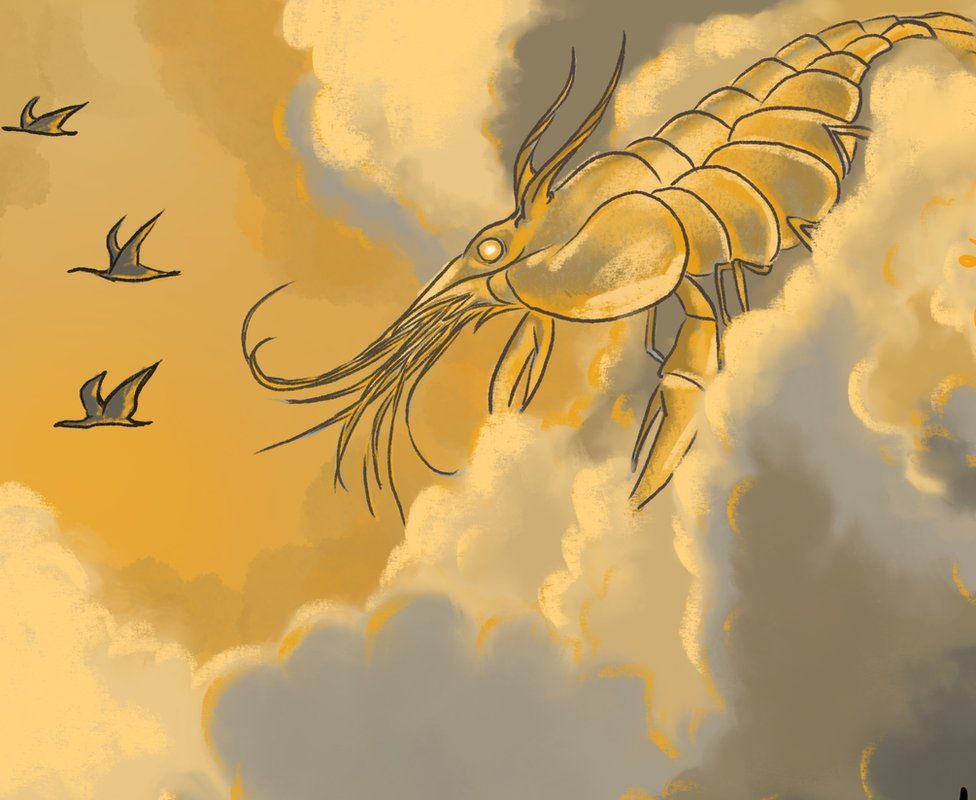
Image copyright FRANKIE HUANGImage caption The celestial lobster is known as a “dragon prawn”
Another one of Frankie’s favourite illustrations is the “dragon prawn” – or lobster.
“I wanted to make it look really majestic and godlike,” said Frankie. “Someone commented that it’s a celestial crustacean, I thought that was such a nice name for it.”
Image copyright FRANKIE HUANGImage caption While the dolphin is given the less than graceful name of “sea pig”
It takes Frankie around three hours to produce one illustration, from conceptualisation to sketching it out and eventually colouring it in.
She has for now completed her series on Putong Animals, but she is looking into turning the animals into characters of their own.
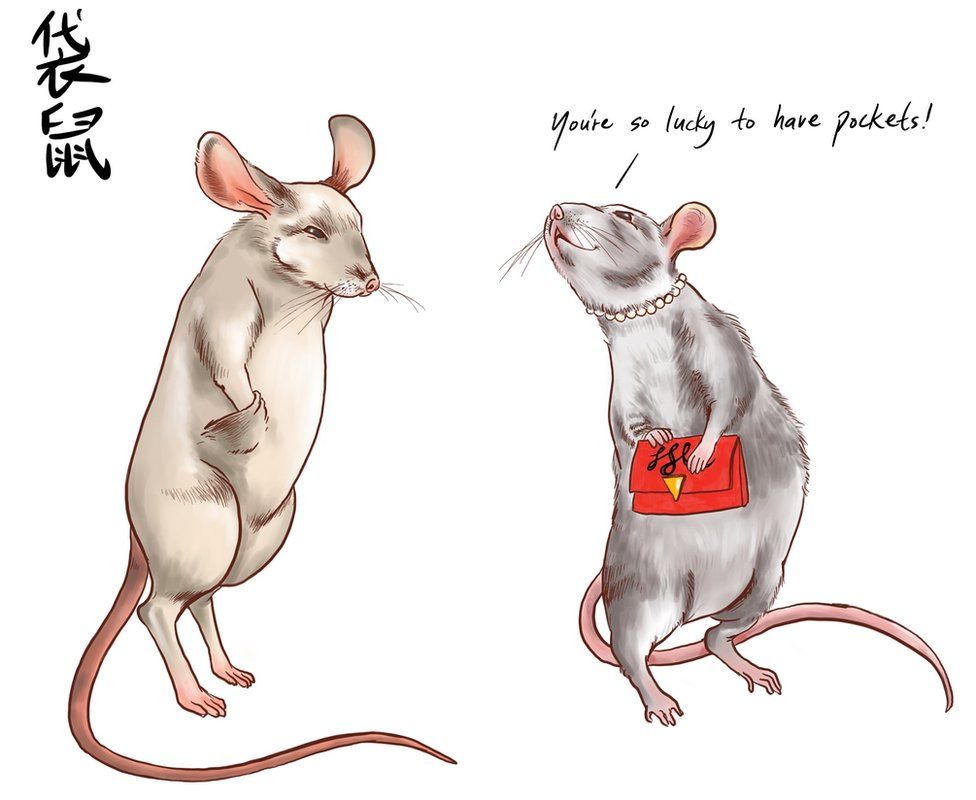
Image copyright FRANKIE HUANGImage caption Kangaroos are known as “pocket mice”, though they are far from tiny
“Even as far back as ancient Greece with Aesop’s fables, people were telling stories through animals,” she said.
“I actually started to write a story about the lives of the fire chicken. They’re on a planet where people use them in their lives, [like] putting them under their beds during winter to keep them warm. I want to eventually give them more personality.”
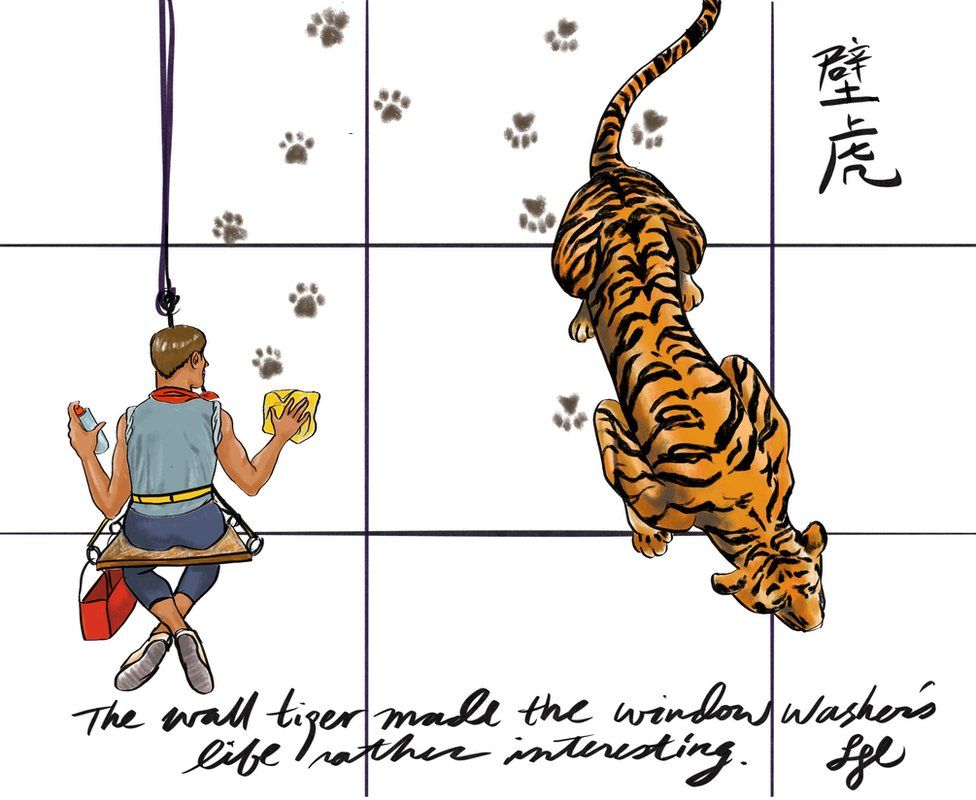
Image copyright FRANKIE HUANGImage caption The tiny gecko on the other hand, has earned the imposing name of “Wall Tiger”
But it’s not just animals that she illustrates – she’s also delved into Chinese phrases.
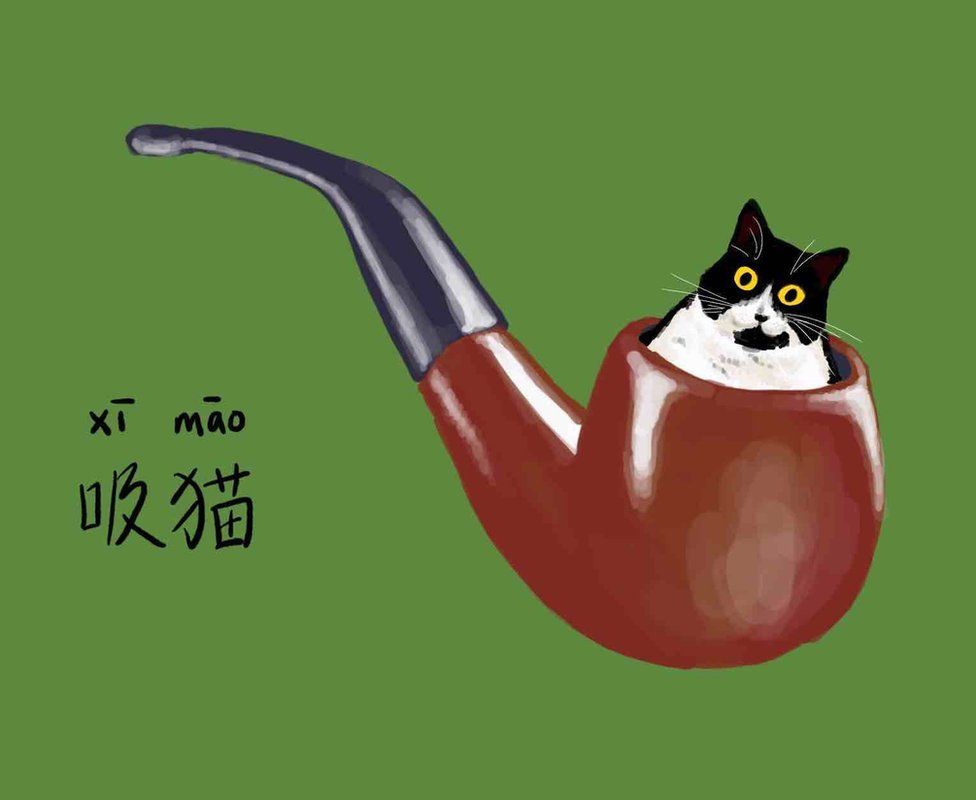
This picture showing a cat in a pipe is meant to illustrate the Chinese phrase “xi mao”, which literally translated, means to “inhale cat”.
Image copyright FRANKIE HUANGImage caption If someone is addicted to cats, they are “inhaling cat”
It’s a phrase that’s spread across young people in China, to describe someone who is a cat addict.
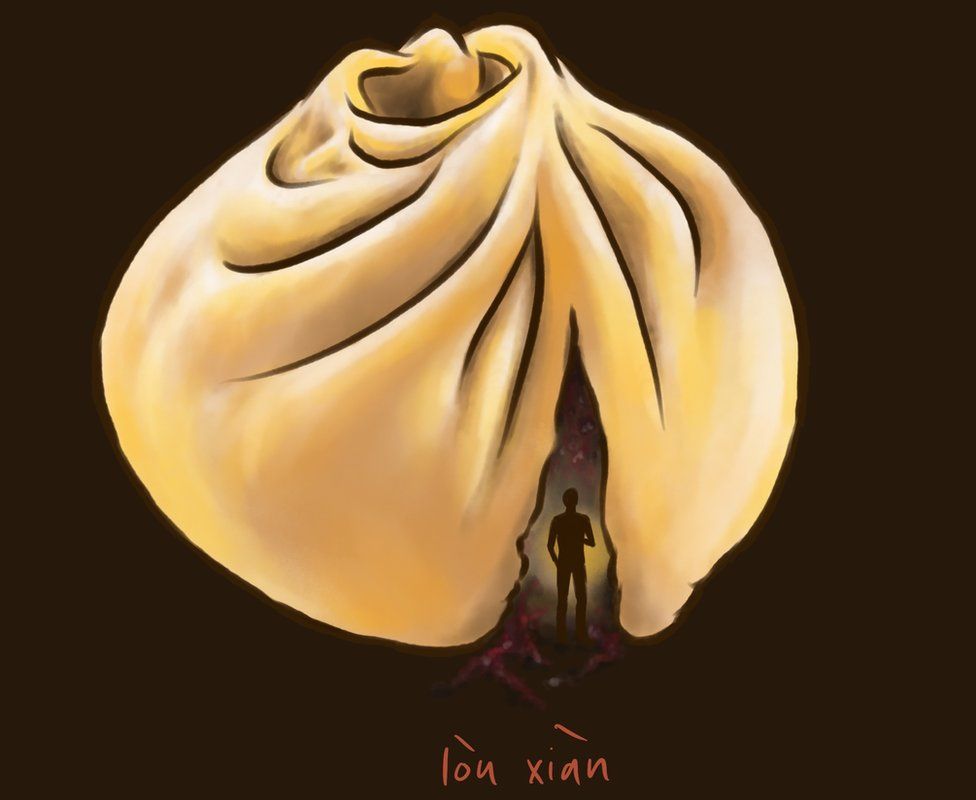
Another one she’s done shows stuffing spilling out of a dumpling – a literal translation of the Chinese phrase “lou xian”, or “for stuffing to leak out”. The phrase refers to a situation where truth is revealed.
“If you look closer, you’ll actually see some tentacles coming out of the dumpling, because I drew it after I watched Stranger Things 3,” Frankie laughingly admits.
Image copyright FRANKIE HUANGImage caption And the stuffing is out on this one
But she’s of course not the first person to have put a clever play on Chinese words – and sometimes others have done so for more political reasons.
Social media in China is heavily censored, and it’s not uncommon for social media companies in China to remove “sensitive” content. This was one of the obstacles that #MeToo – the movement that encouraged people to openly talk about their experiences of sexual harassment – faced in China.
The phrase #MeToo was heavily censored but to get around this, many instead began posting the Chinese words “rice bunny”, which is pronounced “mi tu” in Mandarin.
“One of the things that made me look more closer into pulling together and dissecting the Chinese language was the [phrase] mi tu,” said Frankie.
“The censorship forces [Chinese people] to constantly stay ahead of the government so they come up with these wonderful creations, sort of like how diamonds are created under enormous pressure. All these gems of wit are found on the Chinese internet.”
This is part of what Frankie hopes her illustrations will do – help people to recognise “humour and wit of the Chinese culture”.
“I want to hopefully reach more people to help them be interested in the Chinese language and culture,” she said.
“In this day and age, China is in the press constantly. [I want to show] there’s so much more to China than just the politics.
“I want to be independent of all these things and show people that you can love and enjoy the culture without all the politics. The politics are new, but this [language] is not.”



 CHINDIA ALERT: You'll be living in their world, very soon
