Chindia Alert: You’ll be Living in their World Very Soon
aims to alert you to the threats and opportunities that China and India present. China and India require serious attention; case of ‘hidden dragon and crouching tiger’.
Without this attention, governments, businesses and, indeed, individuals may find themselves at a great disadvantage sooner rather than later.
The POSTs (front webpages) are mainly 'cuttings' from reliable sources, updated continuously.
The PAGEs (see Tabs, above) attempt to make the information more meaningful by putting some structure to the information we have researched and assembled since 2006.
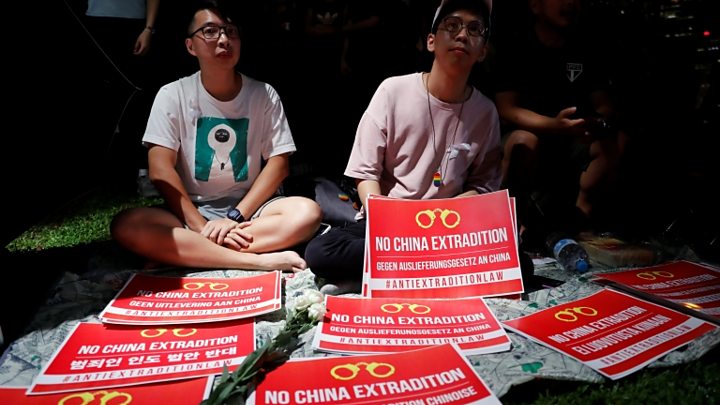
Image copyright AFPImage caption Beijing’s proposed security law has sparked protests in Hong Kong
Seven former UK foreign secretaries have urged Boris Johnson to form a global alliance to coordinate the response to the China-Hong Kong crisis.
China is facing mounting criticism over a planned security law for Hong Kong which would make it a crime to undermine Beijing’s authority.
Foreign Secretary Dominic Raab said the UK would not turn a blind eye.
Hong Kong was handed back to China from British control in 1997 but under a unique agreement.
The former British colony enjoys some freedoms not seen in mainland China – and these are set out in a mini-constitution called the Basic Law.
But there are fears the proposed law, which has sparked a mass of anti-mainland protests in Hong Kong, could compromise some of the freedoms guaranteed by the Basic Law.
In their letter to the prime minister, the cross-party group of former cabinet ministers says the UK government must be seen to lead the international response, as many countries take their cue from Britain over its former colony.
Jeremy Hunt, David Miliband, Jack Straw, William Hague, Malcolm Rifkind, David Owen and Margaret Beckett all expressed their concern at what they call China’s “flagrant breach” of Sino-British agreements by imposing tough national security laws on Hong Kong.
They urged Mr Johnson to set up an “international contact group” of allies to coordinate any joint action, similar to that set up in 1994 to try to end the conflict in the former Yugoslavia.
A Downing Street spokesman insisted the government was already playing a leading role with international partners in urging China to think again.
Mr Raab said the new security legislation “very clearly violates” the autonomy that is guaranteed under Chinese law as well as that in the 1997 agreement.
He confirmed the UK will allow those who hold British National (Overseas) passports to come to the UK and apply to study and work for an extendable 12-month period.
This will in turn “provide a path to citizenship”, he told the BBC’s Andrew Marr Show on Sunday.
Mr Raab said up to three million people registered as a British national (overseas) in Hong Kong could be eligible for UK citizenship if China presses ahead with the law.
Meanwhile, the chairman of Commons foreign affairs committee, Tom Tugendhat, said the government must realise that China has a “very, very authoritarian system of government” and should rethink the partnership between the two.
BEIJING, May 31 (Xinhua) — The U.S. government has been slammed at home and abroad after announcing on Friday “terminating” its relationship with the World Health Organization (WHO).
U.S. health experts and lawmakers have expressed concern over the decision announced by President Donald Trump amid the COVID-19 outbreak.
Patrice Harris, president of the American Medical Association, described Trump’s move as a “senseless” action with “significant, harmful repercussions.”
“COVID-19 affects us all and does not respect borders; defeating it requires the entire world working together,” Harris was quoted by CNN as saying, urging Trump to reverse the course.
Lawrence Gostin, a professor of global health law and director of the O’Neill Institute for National and Global Health Law at Georgetown University, described the move as “foolish and arrogant” in his Twitter account.
“Trump’s action is an enormous disruption and distraction during an unprecedented health crisis,” said Gostin, also the director of the WHO collaborating center on national and global health law. “The President has made us less safe.”
Democratic Senator Joe Manchin of West Virginia said that “the United States cannot eliminate this virus on its own and to withdraw from the World Health Organization — the world’s leading public health body — is nothing short of reckless,” according to a CNN report.
Even within the Republican party, some Republicans also expressed their disagreement. Senate Health Committee Chairman Lamar Alexander reportedly said he disagreed with Trump’s decision, because, without U.S. funding, clinical trials to develop a COVID-19 vaccine might be hampered.
In addition, the European Union (EU) has urged the United States to reconsider its termination of ties with the WHO, warning that Trump’s move would erode global efforts to curb the spread of the virus.
“The WHO needs to continue being able to lead the international response to pandemics, current and future. For this, the participation and support of all is required and very much needed. In the face of this global threat, now is the time for enhanced cooperation and common solutions. Actions that weaken international results must be avoided,” Ursula von der Leyen, president of the European Commission, and Josep Borrell, the EU High Representative for Foreign Affairs and Security Policy, said in the statement on Saturday.
“In this context, we urge the U.S. to reconsider its announced decision,” the statement said.
German Health Minister Jens Spahn tweeted that Trump’s move was “a disappointing backlash for International Health.”
“The EU must take a leading role and engage more financially,” Spahn said, noting that this would be one of Germany’s priorities when it becomes the bloc’s rotating presidency on July 1.
British Prime Minister Boris Johnson’s spokesperson said earlier that Britain “has no plans to stop funding the WHO, which has an important role to play in leading the global health response.”
“Coronavirus is a global challenge and it is essential that countries work together to tackle this shared threat,” the spokesperson was quoted by The Guardian as saying.
Irish Minister for Health Simon Harris on Friday described Trump’s move as an “awful decision.”
“A global pandemic requires the world working together … We should unite in our fight against it (COVID-19) & not fight each other,” Harris tweeted.
Russian Foreign Ministry spokesperson Maria Zakharova told TASS news agency that Washington “dealt a blow” to the international framework for cooperation in healthcare at the moment when the world needed to join forces.
China is facing mounting criticism over a planned security law for Hong Kong which would make it a crime to undermine Beijing’s authority in the territory.
The UK and US said at a private session of the UN Security Council that the law would curtail the city’s freedoms.
China, which blocked a formal meeting, warned them to “stop interfering”.
Hong Kong’s autonomy is guaranteed by the 1997 agreement under which it was returned to China from the UK.
It enjoys some freedoms – of the press and association – unseen in mainland China.
But there are fears the proposed law – which has sparked a wave of anti-mainland protests – could end Hong Kong’s unique status.
There are 350,000 BNO passport holders in Hong Kong who currently have the right to visit the UK for up to six months without a visa.
On Friday, the UK Home Office confirmed the new rights could be given to up to three million people with BNO status – as long as they applied for and were granted a passport.
China says all BNO passport holders are Chinese nationals, and if the UK changes this practice, it would violate international law.
Australia, Canada and the EU have also criticised the security law and its implications for Hong Kong.
Taiwan’s parliament has backed a plan to offer sanctuary to people who want to flee Hong Kong, but China – which considers Taiwan to be part of its own territory – has warned the island not to get involved.
On Friday, Chinese Foreign Ministry spokesperson Zhao Lijian urged other countries to stop interfering in the matter.
“We will take necessary measures to resolutely counter the wrong acts of external forces interfering in Hong Kong affairs”, he said.
What might the US do?
On Wednesday, US Secretary of State Mike Pompeo told Congress that Hong Kong no longer merited special treatment under US law, potentially paving the way for it to be stripped of trading privileges such as lower tariffs than mainland China.
He is expected to make an announcement later on Friday.
The EU has warned that imposing sanctions would not solve the crisis.
“Our relationship with China is based on mutual respect and trust… but this decision calls this into question and I think that we have to raise the issue in our continued dialogue with China”, EU High Representative for Foreign Affairs Josep Borrell said after talks with foreign ministers on Friday.
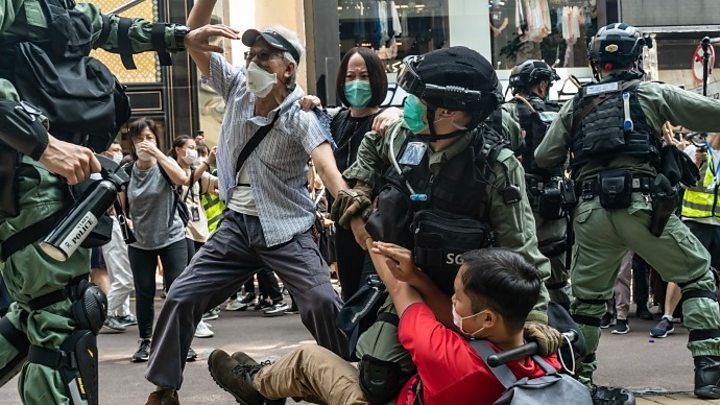
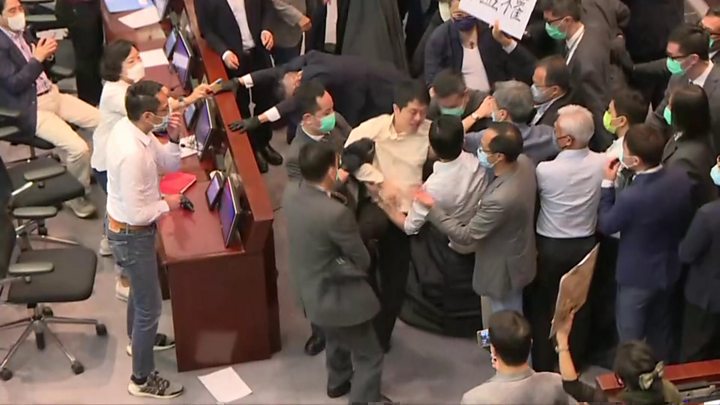
Media caption Police arrested dozens of people in Causeway Bay on Wednesday
Hong Kong’s justice secretary Teresa Cheng told the BBC’s Chinese service that any threat of sanctions was unacceptable.
“Are the sanctions being imposed with a view to coerce another state to change their policy…? Any such sanctions are not going to benefit anyone”.
China’s parliament has backed the security legislation, which would make it a crime to undermine Beijing’s authority in Hong Kong.
The resolution – which now passes to China’s senior leadership – could also see China installing its own security agencies in the region for the first time.
Full details about exactly what behaviour will be outlawed under the new security law are not yet clear. It is due to be enacted before September.
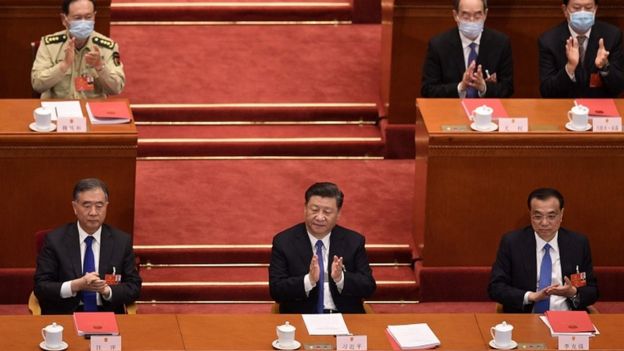
Image copyright AFPImage caption President Xi Jinping and other senior figures applauded when the security law was passed
However, it is expected to criminalise:
secession – breaking away from China
subversion – undermining the power or authority of the central government
terrorism – using violence or intimidation against people
activities by foreign forces that interfere in Hong Kong
Experts say they fear the law could see people punished for criticising Beijing – as happens in mainland China. For example, Nobel Laureate Liu Xiaobo was jailed for 11 years for subversion after he co-authored a document calling for political reform.
China’s foreign ministry in Hong Kong described US criticism of the new draft law as “utterly imperious, unreasonable and shameless”.
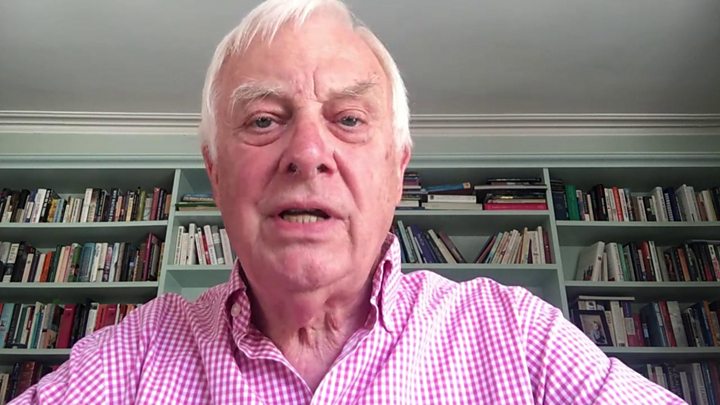
LONDON (Reuters) – China has betrayed the people of Hong Kong so the West should stop kowtowing to Beijing for an illusory great pot of gold, said Chris Patten, the last governor of the former British colony.
Beijing is set to impose new national security legislation on Hong Kong after a sustained campaign of pro-democracy protests last year in the city, which enjoys many freedoms not allowed on mainland China.
“The Hong Kong people have been betrayed by China,” Patten was quoted as saying by The Times newspaper. Britain has a “moral, economic and legal” duty to stand up for Hong Kong, he said.
Patten watched as the British flag was lowered over Hong Kong when the colony was handed back to China in 1997 after more than 150 years of British rule.
Hong Kong’s autonomy was guaranteed under the “one country, two systems” agreement principle enshrined in the 1984 Sino-British Joint Declaration signed by then Chinese Premier Zhao Ziyang and British Prime Minister Margaret Thatcher.
But China’s plans to impose national security laws on Hong Kong risk destroying the Declaration, Patten said. The United States has branded the laws a “death knell” for the city’s autonomy.
“What we are seeing is a new Chinese dictatorship,” Patten said. “The British government should make it clear that what we are seeing is a complete destruction of the Joint Declaration.”
Hong Kong leader Carrie Lam said her government will “fully cooperate” with the Chinese parliament to safeguard national security, which she said would not affect rights, freedoms or judicial independence.
Patten said the West should stop chasing the illusory promise of Chinese gold.
“We should stop being fooled that somehow at the end of the all the kowtowing there’s this great pot of gold waiting for us. It’s always been an illusion,” Patten said.
“We keep on kidding ourselves that unless we do everything that China wants we will somehow miss out on great trading opportunities. It’s drivel.”
The British government did not immediately comment on Saturday.
Prime Minister Boris Johnson’s spokesman said on Friday the government was monitoring the situation and as a party to the Joint Declaration the UK was committed to the upholding Hong Kong’s autonomy and respecting the one country, two systems model.
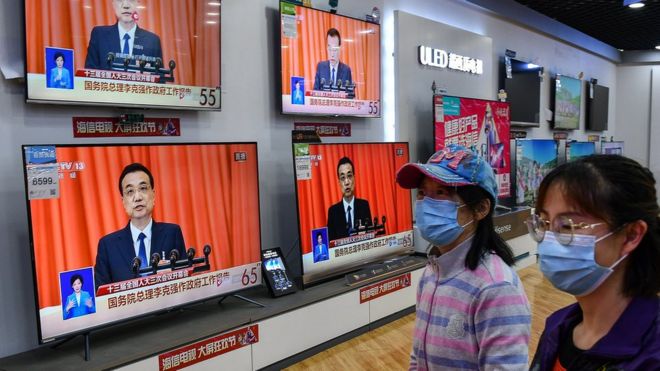
Image copyright AFP / GETTYImage caption Shoppers walking past a broadcast of Chinese Premier Li Keqiang delivering his speech at the opening of the NPC on Thursday
China’s ruling Communist Party has set in motion a controversial national security law for Hong Kong, a move seen as a major blow to the city’s freedoms.
The law to ban “treason, secession, sedition and subversion” could bypass Hong Kong’s lawmakers.
Critics say China is breaking its promise to allow Hong Kong freedoms not seen elsewhere in China.
It is likely to fuel public anger and may even trigger fresh protests and demands for democratic reform.
The plan was submitted at the annual National People’s Congress (NPC), which largely rubber-stamps decisions already taken by the Communist leadership, but is still the most important political event of the year.
Hong Kong, a semi-autonomous region and an economic powerhouse, was always meant to have introduced such laws after the handover from British control to Chinese rule in 1997.
After last year’s wave of sustained and violent protest, Beijing is now attempting to push them through, arguing “law-based and forceful measures” must be taken to “prevent, stop and punish” such protests in the future.
On Friday, Hong Kong’s government said it would co-operate with Beijing to enact the law, adding it would not affect the city’s freedoms.
That article says Hong Kong “must improve” national security, before adding: “When needed, relevant national security organs of the Central People’s Government will set up agencies in Hong Kong to fulfil relevant duties to safeguard national security in accordance with the law.”
China could essentially place this law into Annex III of the Basic Law, which covers national laws that must be implemented in Hong Kong – either by legislation, or decree.
Addressing the congress, Premier Li Keqiang spoke of the economic impact of the coronavirus and on Hong Kong and Macau said: “We’ll establish sound legal systems and enforcement mechanisms for safeguarding national security in the two Special Administrative Regions.”
What do opponents say the dangers are?
Hong Kong is what is known as a “special administrative region” of China.
It has observed a “one country, two systems” policy since Britain returned sovereignty in 1997, which has allowed it certain freedoms the rest of China does not have.
Pro-democracy activists fear that China pushing through the law could mean “the end of Hong Kong” – that is, the effective end of its autonomy and these freedoms.
Last year’s mass protests in Hong Kong were sparked by a bill that would have allowed extraditions to mainland China.
Media caption Former Hong Kong governor Chris Patten: “UK should tell China this is outrageous”
The bill was paused, then withdrawn – but the protests continued until the virus outbreak at the end of the year.
The US has also weighed in, with President Trump saying the US would react strongly if it went through – without giving details.
It is currently considering whether to extend Hong Kong’s preferential trading and investment privileges.
Why is China doing this?
Mr Wang said the security risks had become “increasingly notable” – a reference to last year’s protests.
“Considering Hong Kong’s situation at present, efforts must be made at the state-level to establish and improve the legal system and enforcement mechanisms,” he is quoted as saying in state media.
Media caption The BBC’s Helier Cheung on Hong Kong’s 2019 protests
Beijing may also fear September’s elections to Hong Kong’s legislature.
If last year’s success for pro-democracy parties in district elections is repeated, government bills could potentially be blocked.
What is Hong Kong’s legal situation?
Hong Kong was under British control for more than 150 years up to 1997.
The British and Chinese governments signed a treaty – the Sino-British Joint Declaration – that agreed Hong Kong would have “a high degree of autonomy, except in foreign and defence affairs”, for 50 years.
This was enshrined in the Basic Law, which runs out in 2047.
A pedestrian waits to cross a street in Brussels, Belgium, May 6, 2020. (Xinhua/Zhang Cheng)
— New single-day COVID-19 deaths continue to drop in France
— Italy sees fewer COVID-19 patients, number of active infections falls to 70,187
— New deaths from COVID-19 keep falling in Spain as PM seeks final extension of State of Alarm
— Deaths from coronavirus top 9,000 in Belgium
BRUSSELS, May 16 (Xinhua) — The following are the latest developments of the COVID-19 pandemic in European countries.
A man makes a phone call near the Eiffel Tower at the Trocadero Palace, Paris, France, May 15, 2020. (Xinhua/Gao Jing)
PARIS — France had registered 96 new deaths from COVID-19 over the past 24 hours, fewer than the previous two 24-hour periods, while the balance of the coronavirus-related hospitalization remains negative, France’s Health Ministry said on Saturday.
According to the ministry, the 96 new single-day deaths were lower than 104 registered on Friday and 351 on Thursday. So far, 27,625 people have succumbed to the coronavirus-caused disease across France.
Meanwhile, France is now the world’s fourth worst-hit country in terms of human loss caused by COVID-19 after the United States, Britain and Italy.
As of Saturday, the country had recorded 142,291 confirmed cases, a single-day increase of 372, slower than Friday’s 563. A total of 61,066 patients had recovered and returned home since early March.
People wait in line outside a cocktail bar in Rome, Italy, May 12, 2020. (Xinhua/Cheng Tingting)
ROME — The number of COVID-19 hospitalizations and intensive care (ICU) patients dropped in Italy over the past 24 hours, according to the latest tally posted by the Civil Protection Department on Saturday.
Recoveries rose by 2,605 from a day earlier, bringing the total to 122,810.
Nationwide, the number of active infections fell to 70,187, down from 72,070 on Friday.
Of those who tested positive for the new coronavirus, 775 are in intensive care, down by 33 from Friday, and 10,400 are hospitalized with symptoms, down by 392.
The death toll on Saturday was 153, bringing the total to 31,763 since the outbreak was first recorded in Italy’s northern Lombardy region in February.
The total number of COVID-19 cases combining infections, fatalities and recoveries has risen to 224,760, up from 223,885 on Friday.
A security guard offers disinfectant gel to a woman at the entrance of a building in Barcelona, Spain, on May 11, 2020. (Photo by Sergi Camara/Xinhua)
MADRID — The Spanish Ministry of Health, Consumer Affairs and Social Welfare confirmed on Saturday falls in the number of new deaths from COVID-19 as well as new cases.
The total number of deaths in Spain rose to 27,563 after 102 people lost their lives to COVID-19 in the 24-hour period until 21:00 hours local time on Friday.
This was the lowest number of deaths in a 24-hour period since March 16, with 50 of the deaths in the regions of Madrid and Catalonia.
The same period also saw a slight fall in the number of new cases. The Health Ministry reported 539 new infections, down from 549 reported 24 hours earlier, taking the total number of confirmed cases to 230,698.
Also on Saturday, Spanish Prime Minister Pedro Sanchez said he will seek a fifth and final extension of the State of Alarm, which was imposed on March 15 to control the spread of the coronavirus.
Speaking in a televised speech, Sanchez said the upcoming final State of Alarm, which will come into effect on May 24 if approved, will be “different” from others.
“It is expected to be the last State of Alarm. We are going to request in the Congress of Deputies that it should last for a month,” he said. All the previous four extensions have been 15 days.
Few people are seen at the Saint-Hubert Royal Galleries shopping street in Brussels, Belgium, May 6, 2020. (Xinhua/Zhang Cheng)
BRUSSELS — With an increase of 47 deaths reported in the last 24 hours, the novel coronavirus had caused a total of 9,005 deaths in Belgium since the beginning of the epidemic, said the public health institute Sciensano on Saturday.
Of the 9,005 deaths, 48 percent took place in hospitals, 51 percent in nursing homes, and about 0.6 percent elsewhere, according to Sciensano. Deaths in hospitals were all confirmed COVID-19 cases. Of the fatalities in nursing homes, 23 percent were confirmed by test while the other were presumed by symptoms.
Also in the past 24 hours, 345 new cases of COVID-19 have been confirmed, raising the cumulative cases to 54,989 in Belgium.
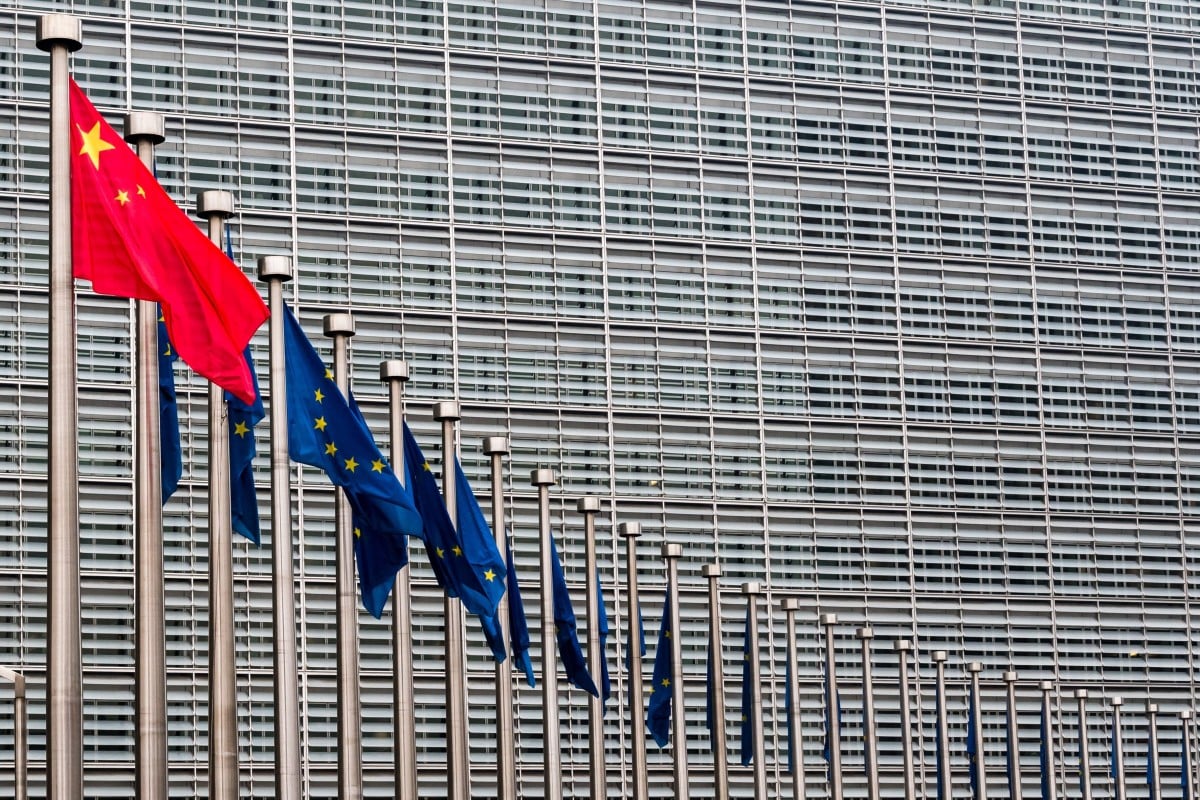
European nations are divided over how best to deal with Beijing, which looms larger in their policy and public debates
Think tanks came together and reported on China’s much-touted medical aid and ‘mask diplomacy’ during Covid-19 crisis
European nations are looking to be more cohesive in their approach towards relations with China. Photo: Bloomberg
As Beijing steps up its pressure campaign on Europe in the wake of the Covid-19 pandemic, their relations look set to become more diverse and contested amid growing distrust and wariness of China’s expanding influence, according to new research.
The study, based on analysis of China’s role in 19 European countries’ handling of the coronavirus crisis, showed that Europe remained largely divided over how to deal with Beijing, which has figured ever more prominently in policy and public debates in many parts of the continent.
A total of 28 experts from 21 think tanks across the continent, collectively known as the European Think-tank Network on China, were involved in the research.
It came on the heels of a diplomatic debacle in the past week that saw the European Union reportedly bowing to pressure by China. The EU reportedly toned down part of a report documenting Beijing’s disinformation efforts to deflect the blame and rewrite the global coronavirus narrative.
Although a spokesperson for the EU denied those allegations, the saga has “moreover revealed the pressures that China has placed on
officials during the crisis”, according to John Seaman, editor of the report and a research fellow at the French Institute of International Relations.
In a phone call on Wednesday, Chinese Premier Li Keqiang and European Commission President Ursula von der Leyen shrugged off concerns about their discord and vowed to boost the fight against the virus and boost economic recovery, according to Xinhua.
Germany ‘rejected China’s bid for positive spin’ on pandemic response
27 Apr 2020
According to Seaman, the Covid-19 crisis hit at a time when traditionally trade-driven China-EU relations had grown more complex and competitive after the European Commission said for the first time last year that Beijing was a systemic rival.
“Debates over the need to adopt more coherent strategies towards China have been emerging across Europe. In many ways, the current crisis has become a catalyst for a number of trends that have been shaping Europe-China relations in recent years, while in other ways it has turned the tables,” he said in the report.
“It has simultaneously brought Europe and China into closer cooperation, pushed them further apart, and seemingly underlined the fractures that exist within Europe on how to approach an increasingly influential China.”
A growing number of European countries, including Sweden and Britain, have joined the United States and Australia in calling for an international inquiry into China’s handling of the pandemic. Leaders from Germany and France have also pressed Beijing for greater transparency about the origin of the deadly virus.
The European think tanks’ report was also focused on China’s unusually aggressive coronavirus diplomacy, with Chinese embassies and ambassadors shifting the blame on to Western democracies and promoting Beijing’s messaging “with varying degrees of dogmatism, divisiveness and moderation” on Twitter and in traditional media.
“While China’s increasingly proactive public diplomacy is widespread, and there appears to be a relative degree of consistency in messaging, there is a diversity in method that ranges from low key (Latvia or Romania) to charm offensive (Poland, Portugal, Italy or Spain) to provocative or aggressive (Sweden, Germany or France),” the report said.
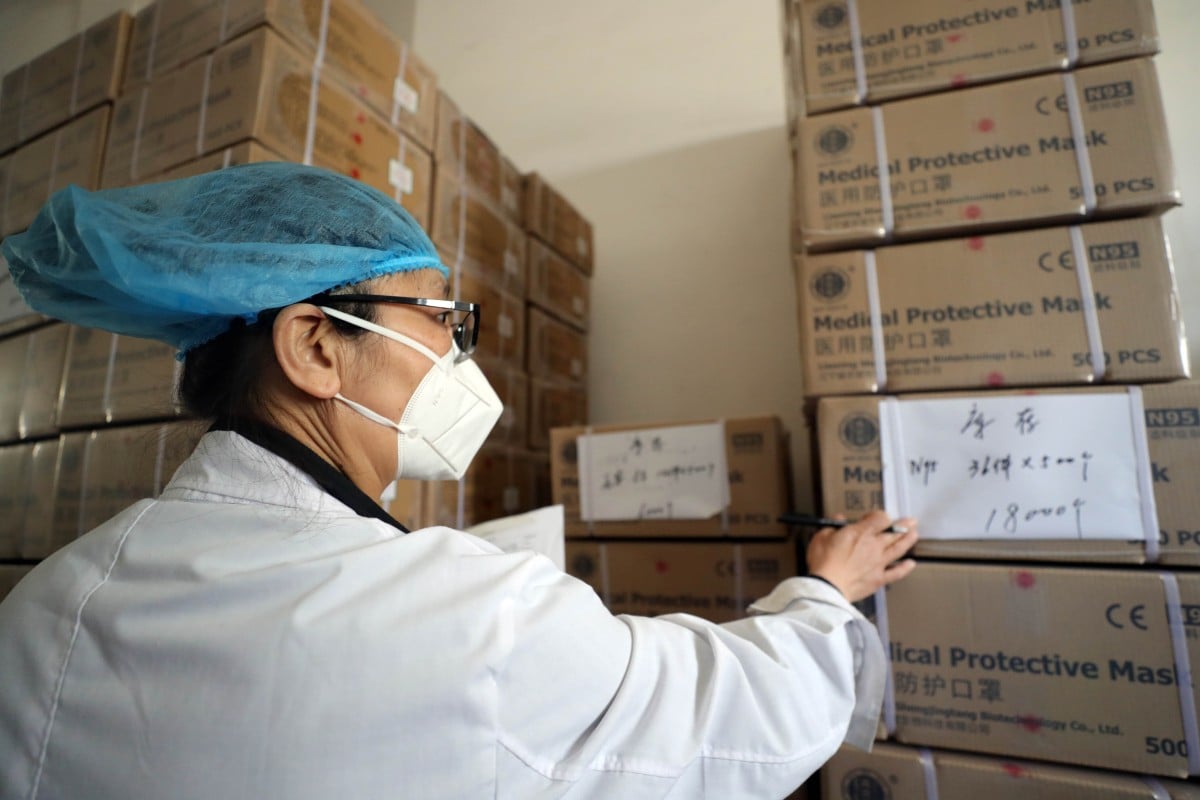
It examined China’s much-touted medical aid and “mask diplomacy” and found “a correlation between Chinese companies with commercial interests in the country and donations from these companies” in countries including Greece, Hungary, Italy, Portugal and Spain.
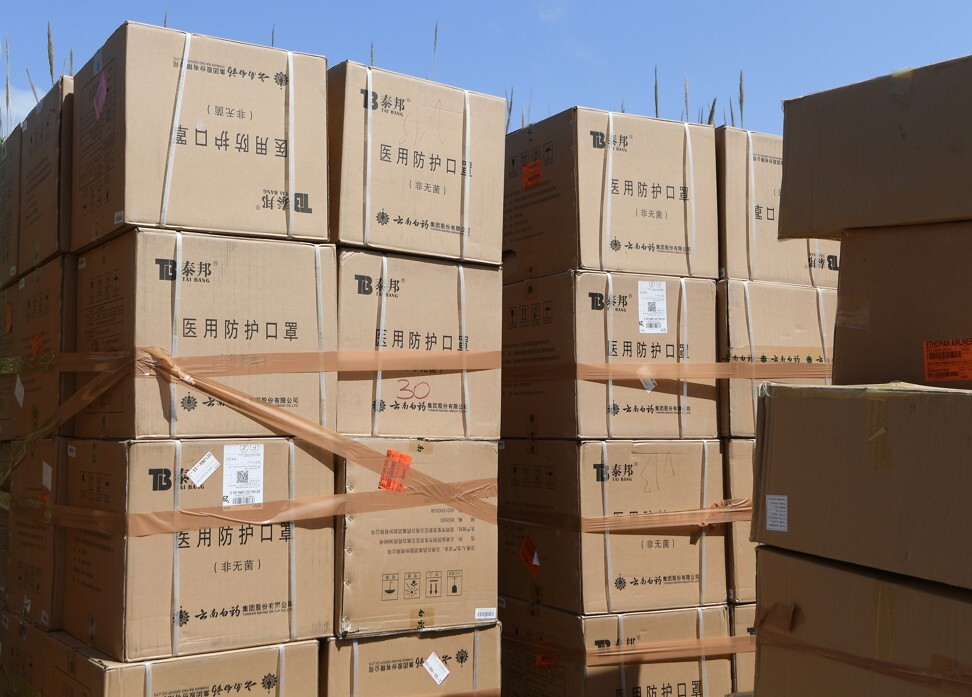
Boxes of medical supplies from China in Rome. Some European nations are growing wary about China’s diplomatic overreach and apparent willingness to alter the coronavirus narrative. Photo: Xinhua
Many countries have pushed back against China’s diplomatic overreach and its preferred narrative that has served to “[underline] the apparent successes of its autocratic governance model, ignoring its clear downfalls in managing the crisis initially, while sowing doubt on the effectiveness of liberal democracies”, according to Seaman.
While the European Union’s foreign policy chief Josep Borrell warned of Beijing’s geopolitical game to expand its influence through spinning and “politics of generosity”, countries such as Germany and Sweden have moved to tighten investment screening, 5G and industrial policies targeting Chinese firms.
Zhang Ming, China’s top envoy to the EU, last week dismissed the concerns about China’s alleged ploy to use the vulnerabilities of other countries to advance China’s geopolitical interests, such as with the country’s embattled tech giant Huawei and the ambitious Belt and Road Initiative.
“Disinformation is our common enemy and we need to make joint efforts to eradicate it,” Zhang said, claiming China had been a victim of unspecified disinformation campaigns.
The report also noted that China’s actions towards Europe in times of crisis looked set to amplify the fractures across the continent and prompt further debates about the need for a coherent EU strategy on China.
A poll of more than 12,000 people across the 28 EU member countries by German think tank Bertelsmann Stiftung in September last year showed 45 per cent of Europeans saw China as a competitor while only 9 per cent believed their countries shared the same political interests or values with China.
Another survey of 16 European countries released by the Pew Research Centre in December also showed the continent remained deeply divided over how to approach China.
While people in most of western Europe and some of Central and Eastern Europe, such as Slovak and Czech, saw China negatively, 51 per cent in Greece had a positive view of China and those in Russia, Ukraine, Poland, Bulgaria and Lithuania tended to see China more favourably.
Six animals inoculated with vaccine candidate then exposed to virus did not catch Covid-19 after 28 days
Up to 60 million doses could be produced by Serum Institute of India this year
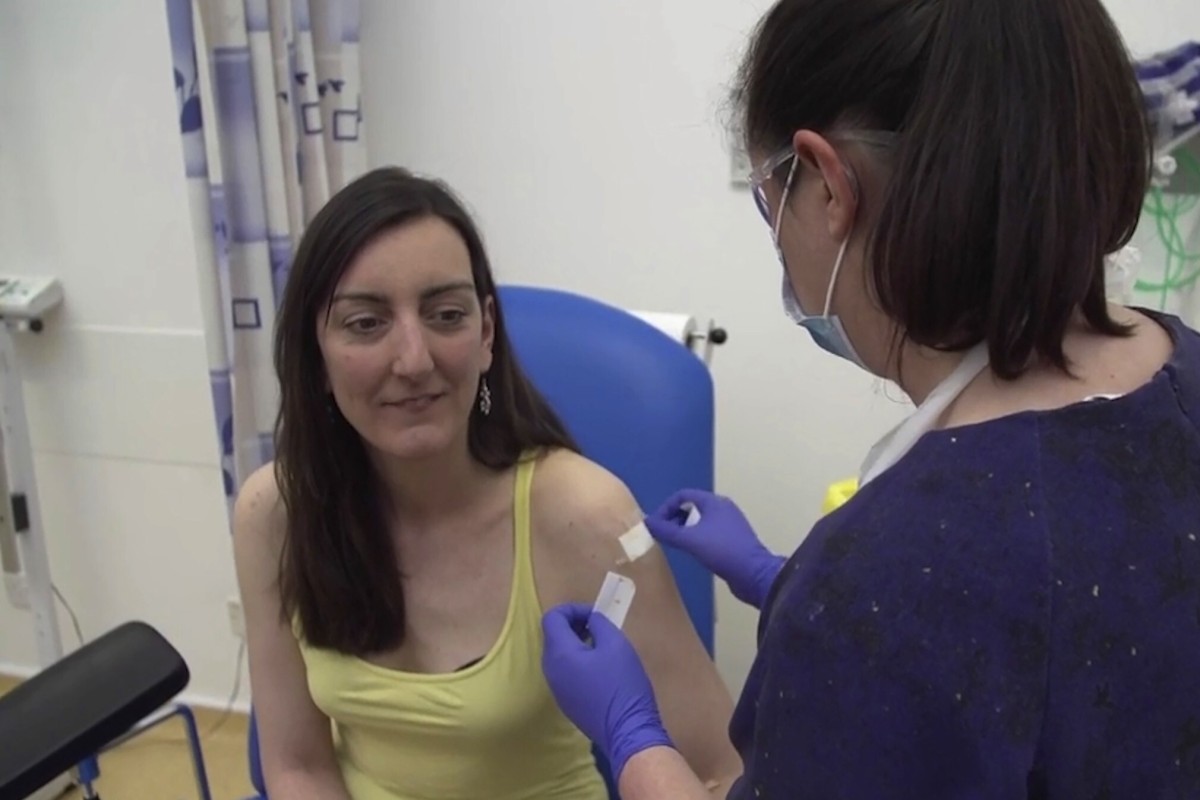
Microbiologist Elisa Granato gets an injection on Thursday as part of the first human trials in Britain for a potential coronavirus vaccine. Photo: University of Oxford via AP
A leading candidate for a Covid-19 vaccine has shown promising results in animal trials, and is expected to see mass production in India within months.
The Serum Institute of India, the world’s largest maker of vaccines by volume, said on Tuesday that it plans this year to produce up to 60 million doses of a potential vaccine developed by the University of Oxford, which is under clinical trial in Britain.
While the vaccine candidate, called “ChAdOx1 nCoV-19”, is yet to be proven to work against Covid-19, Serum decided to start manufacturing it as it had shown success in animal trials and had progressed to tests on humans, Serum Chief Executive Adar Poonawalla said.
Six rhesus macaque monkeys were inoculated with the vaccine candidate at the National Institutes of Health’s Rocky Mountain Laboratory in Montana last month, according to The New York Times.
Covid-19 vaccine trial starts in Oxford, but remdesivir treatment reportedly flops in China tests
The subjects were exposed afterwards to large quantities of the novel coronavirus, but all six remained healthy after more than 28 days, the newspaper reported, citing researcher Vincent Munster, who conducted the test.
More than 3 million people have been reported to be infected globally and over 210,000 have died from Covid-19, the respiratory disease caused by the coronavirus.
“They are a bunch of very qualified, great scientists [at Oxford] … That’s why we said we will go with this and that’s why we are confident,” Poonawalla told Reuters in a phone interview.
“Being a private limited company, not accountable to public investors or bankers, I can take a little risk and sideline some of the other commercial products and projects that I had planned in my existing facility,” Poonawalla said.
Bill Gates hopes his virus vaccine ‘manufacturing within a year’
27 Apr 2020
As many as 100 potential Covid-19 candidate vaccines are now under development by biotech and research teams around the world, and at least five of these are in preliminary testing in people in what are known as phase one clinical trials.
Poonawalla said he hoped trials of the Oxford vaccine, due to finish in about September, would be successful. Oxford scientists said last week the main focus of initial tests was to ascertain not only whether the vaccine worked but that it induced good immune responses and no unacceptable side effects.
Serum, owned by the Indian billionaire Cyrus Poonawalla, plans to make the vaccine at its two manufacturing plants in the western city of Pune, aiming to produce up to 400 million doses next year if all goes well, Poonawalla said.
“A majority of the vaccine, at least initially, would have to go to our countrymen before it goes abroad,” he said, adding that Serum would leave it to the Indian government to decide which countries would get how much of the vaccine and when.
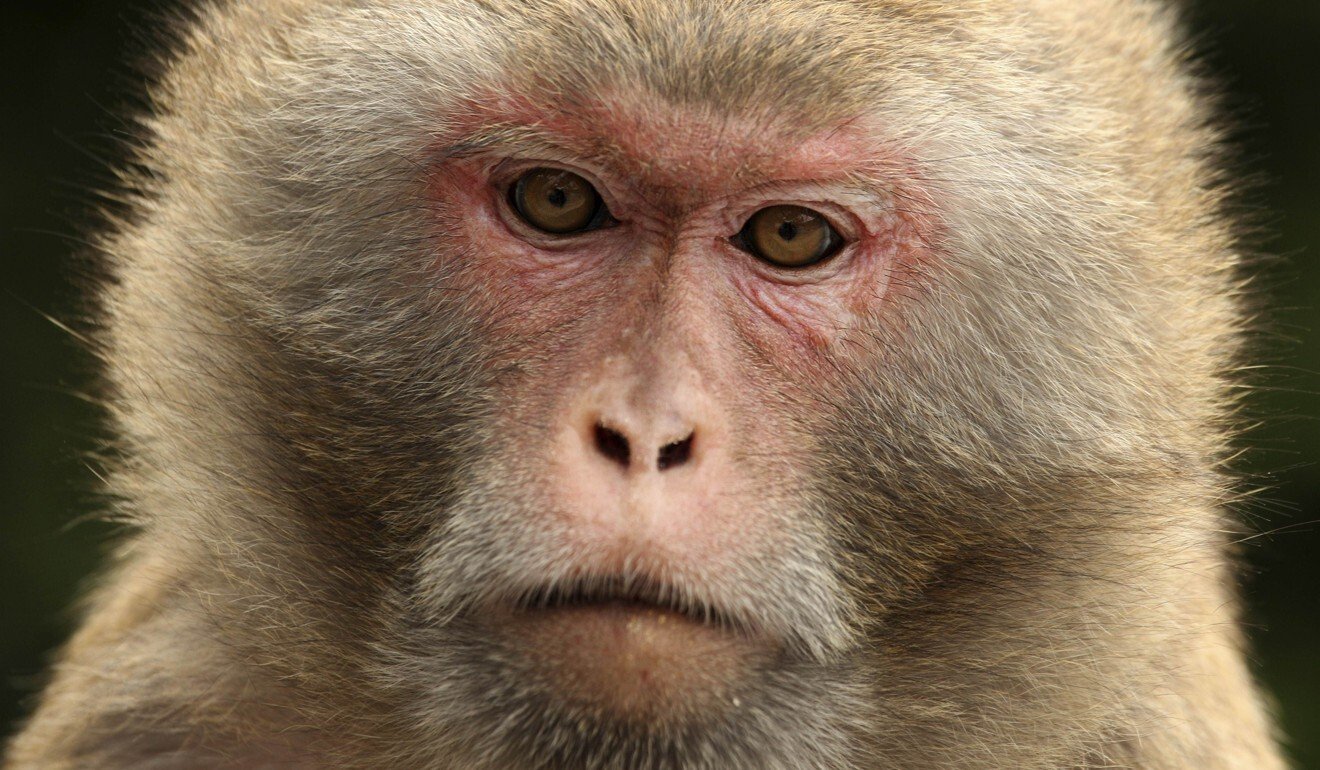
Rhesus macaque monkeys are often used in animal testing because of their similarity to humans. Photo: AFP
Serum envisages a price of 1,000 rupees (US$14.70) per vaccine, but governments would give it to people without charge, he said.
He said Prime Minister Narendra Modi’s office was “very closely” involved in the vaccine production and the company is hoping the government will help foot the cost of making it.
Over roughly the next five months, Serum will spend some 300 million to 400 million rupees (US$4.4 million to US$5.9 million) on making around 3-5 million doses per month, he said. “[The government] are very happy to share some risk and fund something with us, but we haven’t really pencilled anything down yet,” Poonawalla said.
Coronavirus: clinical trial begins on third vaccine candidate in China
22 Apr 2020
Serum has also partnered with the US biotech firm Codagenix and Austria’s Themis on two other Covid-19 vaccine candidates and plans to announce a fourth alliance in a couple of weeks, he said.
Serum’s board last week also agreed to invest roughly 6 billion rupees (US$8.8 billion) on making a new manufacturing unit to solely produce coronavirus vaccines, Poonawalla said.
(Reuters) – Consumer goods giant Unilever Plc (ULVR.L) (UNA.AS) withdrew its full-year forecast on Thursday, saying the hit from lockdowns in China and India, as well as lower ice cream sales, offset strong U.S. and European sales of cleaning items, sending its shares down 5%.
Underlying sales across Asia, the Middle East and Russia, fell 3.7%, as lockdowns in the quarter restricted restaurant visits and shopping in China and led to factory shutdowns that halted production in India.
In Europe, Turkey and Latin America, Unilever’s 3 billion euro ice cream business was hit by national efforts to prevent the spread of the coronavirus, deterring distributors in holiday destinations from buying stock.
“Many of our classic out-of-home retailers like leisure sites, travel hubs, beaches and tourist destinations were closed,” Chief Financial Officer Graeme Pitkethly said on a call.
These factors countered increased sales in the United States and Europe, where consumers stocked up on laundry detergents, Domestos bleach, Cif cleaning products and personal hygiene items, as the virus spread to those regions.
Overall, first-quarter turnover rose 0.2% to 12.40 billion euros ($13.42 billion), slightly missing the estimate of 12.77 billion euros based on analysts polled by Factset.
The company withdrew its sales performance targets for the year, which forecast growth at the lower end of a 3%-5% range, saying it could not “reliably assess the impact” of the virus, , although it said it would still pay its interim dividend.
Jefferies analysts said investors would be asking why Unilever “has apparently been hit so badly, and early, by the negative impacts of COVID-19 without seeing much of the positives. We expect a difficult day for the shares.”
Shares in Unilever, which joins spirits maker Diageo (DGE.L) and other consumer goods companies in withdrawing guidance, was down 5.5% at 4,008 pence in early trading.
The Anglo-Dutch company’s report follows results from larger U.S. rival Procter & Gamble (PG.N), which last week said its U.S. sales had seen their biggest rise in decades.
Unilever also said underlying sales grew strongly in North America, rising 4.8% as shoppers stocked up on personal hygiene products, Knorr soups and Hellmann’s dressings.
In Europe, sales growth was led by Germany and Britain, although prices across the region fell.
“We are adapting to new demand patterns and are preparing for lasting changes in consumer behaviour, in each country, as we move out of the crisis and into recovery,” Unilever Chief Executive Alan Jope said in a statement.
The company said it was directing a chunk of its 500 million euro package to support suppliers towards its ice cream distribution partners, which Pitkethly called the “jewel” in its supplier relationships.
Faced with a backlash from the West over its handling of the early stages of the pandemic, Beijing has been quietly gaining ground in Asia
Teams of experts and donations of medical supplies have been largely welcomed by China’s neighbours
Despite facing some criticism from the West, China’s Asian neighbours have welcomed its medical expertise and vital supplies. Photo: Xinhua
While China’s campaign to mend its international image in the wake of its handling of the coronavirus health crisis has been met with scepticism and even a backlash from the US and its Western allies, Beijing has been quietly gaining ground in Asia.
Teams of experts have been sent to Cambodia, the Philippines, Myanmar, Pakistan and soon to Malaysia, to share their knowledge from the pandemic’s ground zero in central China.
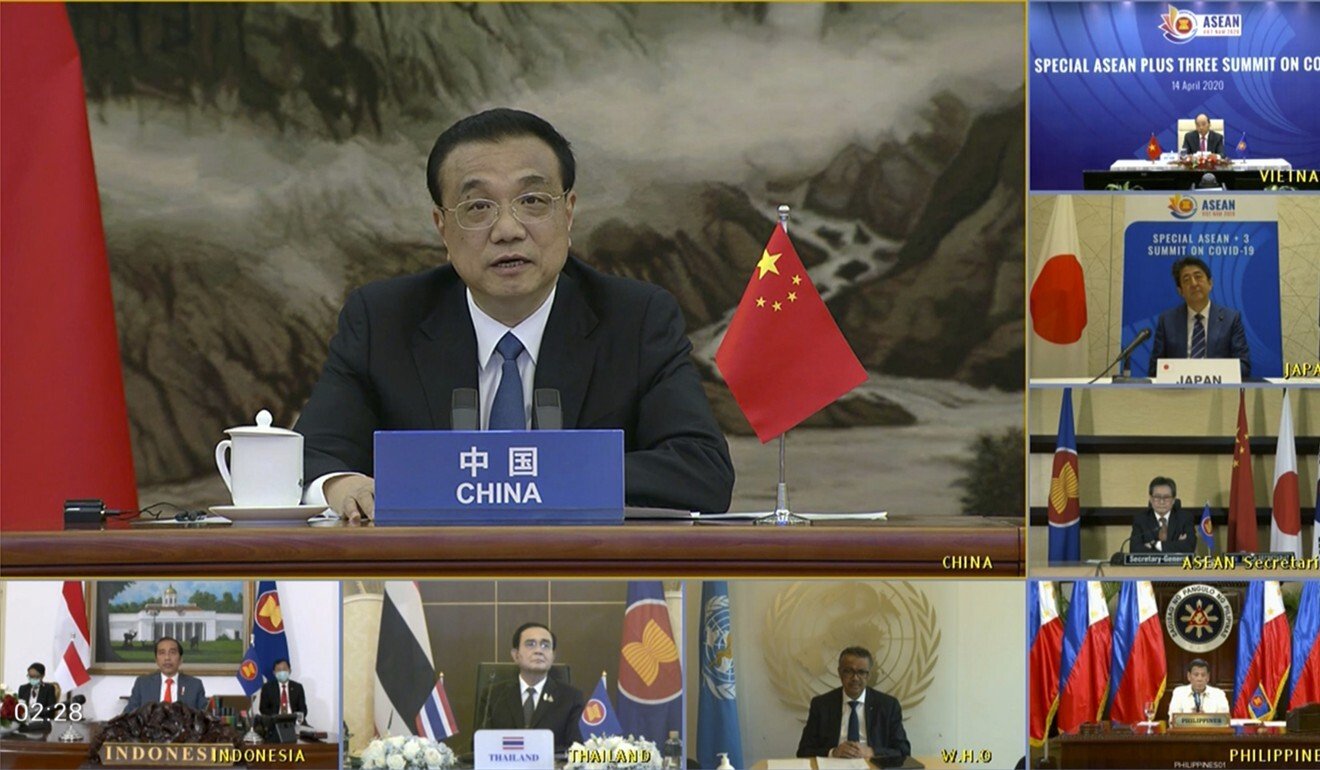
China has also held a series of online “special meetings” with its Asian neighbours, most recently on Tuesday when Premier Li Keqiang discussed his country’s experiences in combating the disease and rebooting a stalled economy with the leaders of the Association of Southeast Asian Nations (Asean), Japan and South Korea.
Chinese Prime Minister Li Keqiang speaks to Asean Plus Three leaders during a virtual summit on Tuesday. Photo: AP
Many Western politicians have publicly questioned Beijing’s role and its subsequent handling of the crisis but Asian leaders – including Philippine President Rodrigo Duterte and Japanese Prime Minister Shinzo Abe – have been reluctant to blame the Chinese government, while also facing criticism at home for not closing their borders with China soon enough to prevent the spread of the virus.
An official from one Asian country said attention had shifted from the early stages of the outbreak – when disgruntled voices among the public were at their loudest – as people watched the virus continue its deadly spread through their homes and across the world.
“Now everybody just wants to get past the quarantine,” he said. “China has been very helpful to us. It’s also closer to us so it’s easier to get shipments from them. The [medical] supplies keep coming, which is what we need right now.”
The official said also that while the teams of experts sent by Beijing were mainly there to observe and offer advice, the gesture was still appreciated.
Another Asian official said the tardy response by Western governments in handling the outbreak had given China an advantage, despite its initial lack of transparency over the outbreak.
“The West is not doing a better job on this,” he said, adding that his government had taken cues from Beijing on the use of propaganda in shaping public opinion and boosting patriotic sentiment in a time of crisis.
“Because it happened in China first, it has given us time to observe what works in China and adopt [these measures] for our country,” the official said.
Experts in the region said that Beijing’s intensifying campaign of “mask diplomacy” to reverse the damage to its reputation had met with less resistance in Asia.
Why China’s ‘mask diplomacy’ is raising concern in the West
29 Mar 2020
“Over the past two months or so, China, after getting the Covid-19 outbreak under control, has been using a very concerted effort to reshape the narrative, to pre-empt the narrative that China is liable for this global pandemic, that China has to compensate other countries,” said Richard Heydarian, a Manila-based academic and former policy adviser to the Philippine government.
“It doesn’t help that the US is in lockdown with its domestic crisis and that we have someone like President Trump who is more interested in playing the blame game rather than acting like a global leader,” he said.
Shahriman Lockman, a senior analyst with the foreign policy and security studies programme at Malaysia’s Institute of Strategic and International Studies, said that as the US had withdrawn into its own affairs as it struggled to contain the pandemic, China had found Southeast Asia a fertile ground for cultivating an image of itself as a provider.
China’s first-quarter GDP shrinks for the first time since 1976 as coronavirus cripples economy
Beijing’s highly publicised delegations tasking medical equipment and supplies had burnished that reputation, he said, adding that the Chinese government had also “quite successfully shaped general Southeast Asian perceptions of its handling of the pandemic, despite growing evidence that it could have acted more swiftly at the early stages of the outbreak in Wuhan”.
“Its capacity and will to build hospitals from scratch and put hundreds of millions of people on lockdown are being compared to the more indecisive and chaotic responses seen in the West, especially in Britain and the United States,” he said.
Coronavirus droplets may travel further than personal distancing guidelines
16 Apr 2020
Lockman said Southeast Asian countries had also been careful to avoid getting caught in the middle of the deteriorating relationship between Beijing and Washington as the two powers pointed fingers at each other over the origins of the new coronavirus.
“The squabble between China and the United States about the pandemic is precisely what Asean governments would go to great lengths to avoid because it is seen as an expression of Sino-US rivalry,” he said.
“Furthermore, the immense Chinese market is seen as providing an irreplaceable route towards Southeast Asia’s post-pandemic economic recovery.”
Aaron Connelly, a research fellow in Southeast Asian political change and foreign policy with the International Institute for Strategic Studies in Singapore, said Asian countries’ dependence on China had made them slow to blame China for the pandemic.
“Anecdotally, it seems to me that most Southeast Asian political and business elites have given Beijing a pass on the initial cover-up of Covid-19, and high marks for the domestic lockdown that followed,” he said.
“This may be motivated reasoning, because these elites are so dependent on Chinese trade and investment, and see little benefit in criticising China.”
China and Vietnam ‘likely to clash again’ as they build maritime militias
12 Apr 2020
The cooperation with its neighbours as they grapple with the coronavirus had not slowed China’s military and research activities in the disputed areas of the South China Sea – a point of contention that would continue to cloud relations in the region, experts said.
Earlier this month an encounter in the South China Sea with a Chinese coastguard vessel led to the sinking of a fishing boat from Vietnam, which this year assumed chairmanship of Asean.
And in a move that could spark fresh regional concerns, shipping data on Thursday showed a controversial Chinese government survey ship, the Haiyang Dizhi 8, had moved closer to Malaysia’s exclusive economic zone.
The survey ship was embroiled in a months-long stand-off last year with Vietnamese vessels within Hanoi’s exclusive economic zone and was spotted again on Tuesday 158km (98 miles) off the Vietnamese coast.


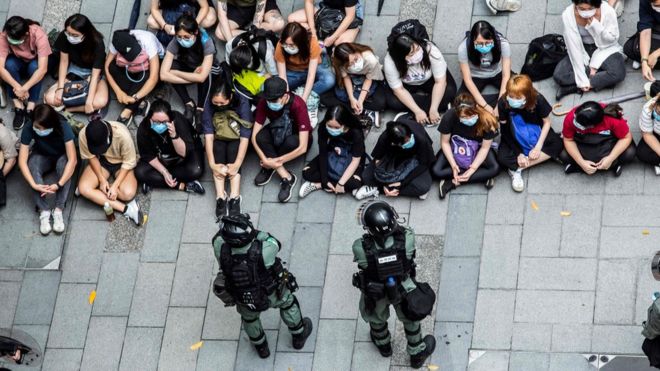 Image copyright AFP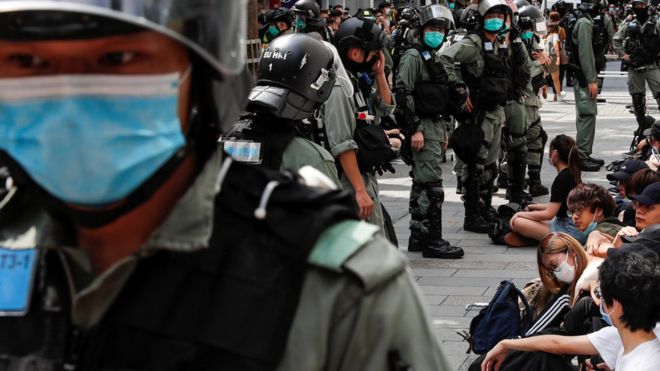








 CHINDIA ALERT: You'll be living in their world, very soon