Archive for ‘Chiang Mai’

18/09/2019

Giant panda death in Thailand leaves China asking questions

Panda bearImage copyright AFP
Image caption Chinese experts will investigate Chuang Chuang’s death

A popular giant panda has died unexpectedly in a Thai zoo – prompting China to send experts to investigate.

Chuang Chuang had been at the Chiang Mai zoo on loan from China since 2003.

The 19-year old bear was widely popular across Thailand, especially due to repeated efforts by the zoo to get him to mate with his female companion.

His unexplained death on Monday caused uproar on Chinese social media, with many users accusing Thailand of not caring properly for the animal.

Giant pandas, which are native to China, usually live for 25 to 30 years in captivity. They were regarded as endangered, but were reclassified as “vulnerable” by the International Union for Conservation of Nature, following an increase in numbers.

China loans the animals to countries around the world as a way of strengthening diplomatic ties.

There’s extensive reporting in China about the animals’ lives overseas, and Chuang Chuang’s early death has received widespread coverage in state media.

Media caption Panda diplomacy: China’s cutest peacemakers

According to Chinese news agency Xinhua, an investigation will be carried out to establish the cause of death, and experts from the China Conservation and Research Centre will travel to Chiang Mai to work with their Thai counterparts.

Some social media users on China’s Twitter-like platform Weibo were concerned, saying: “Thailand is not suitable for raising pandas”, and “they don’t treat animals as well as we think”.

Others asked for the remaining female panda in Chiang Mai, Lin Hui, to be returned to China.

Chuang Chuang had been at the Chiang Mai zoo since 2003, alongside his female companion.

Failing to show any sexual interest in Lin Hui, the zoo tried various methods to boost his sex drive, including putting him on a low-carb diet, and showing videos of mating pandas.

With all efforts failing, the zoo eventually resorted to artificial insemination and Lin Hui gave birth in 2009.

Source: The BBC

10/03/2019

China’s wealthy families are turning to long holidays abroad as their efforts emigrate overseas are halted

  • Foreign lifestyle experiences are becoming more popular as citizens seek to escape pollution, food and medicine safety worries and authoritarian government controls
  • Citizens encountering more barriers to their dreams of travelling abroad, with severe limits on moving money overseas and restrictions on visiting foreign countries
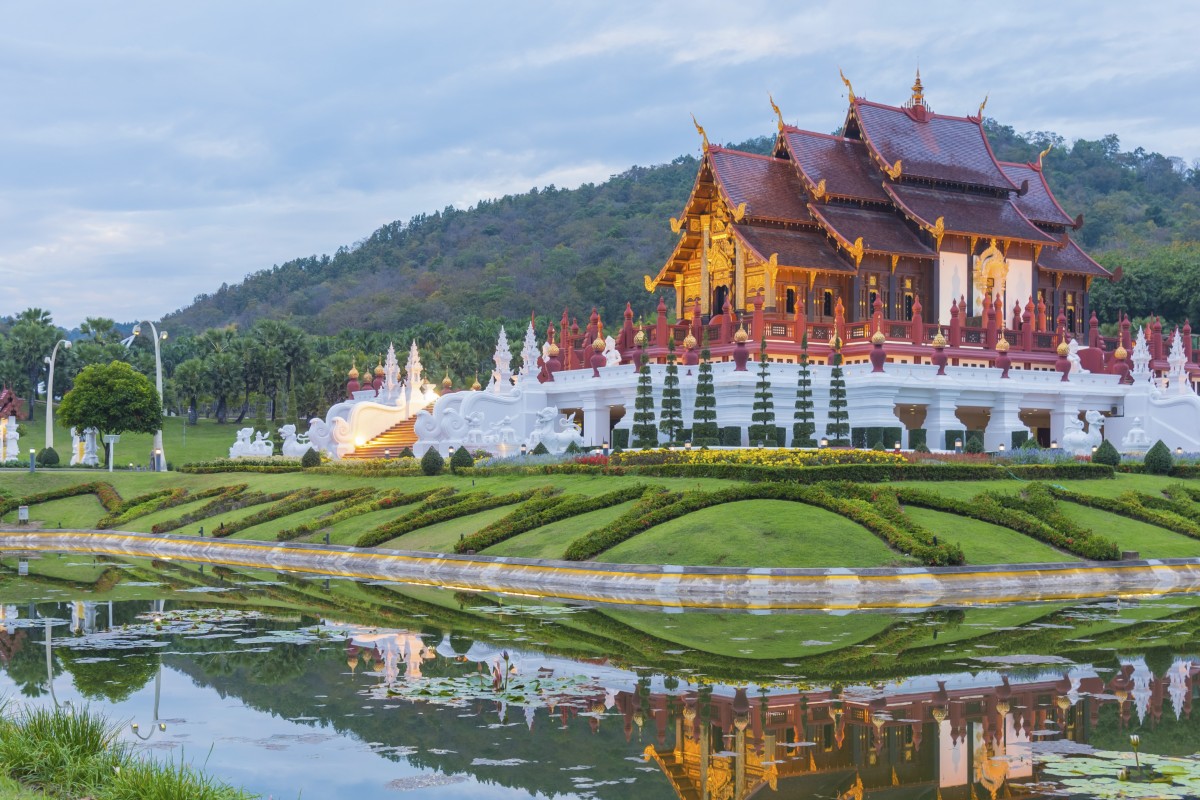
Thailand, including the likes of Chiang Mai, the United States, Australia, Canada, New Zealand are popular destinations for Chinese families. Photo: Shutteratock

Xu Zhangle and her husband and their two children are a typical middle-class couple from Shenzhen, and along with 60 other Chinese families, they are going on an extended holiday to Thailand in July, where they hope to enjoy an immigrant-like life experience.

The family have paid a travel agent around 50,000 yuan (US$7,473) for the stay in Chiang Mai in the mountainous north of the country, including transport, a three-week summer camp for their daughters at a local international school, rent for a serviced apartment and daily expenses.

Zhangle loves Chiang Mai’s relaxed lifestyle and easy atmosphere and wants to live as a local for a month or even longer, instead of having to rush through a short-term holiday.

“It would not be just [tourist] travelling but rather a life away from the mainland.” she said.

Recently, upper middle-class citizens have increased their efforts to safeguard their wealth and achieve more freedom by spending more time abroad.

They have invested considerable amounts of money in overseas properties and applied for long-stay visas, although many of their attempts have ended in failure.

Chinese citizens are encountering more barriers to their dreams of travelling abroad, with severe limits on moving money overseas and restrictions on visiting foreign countries.

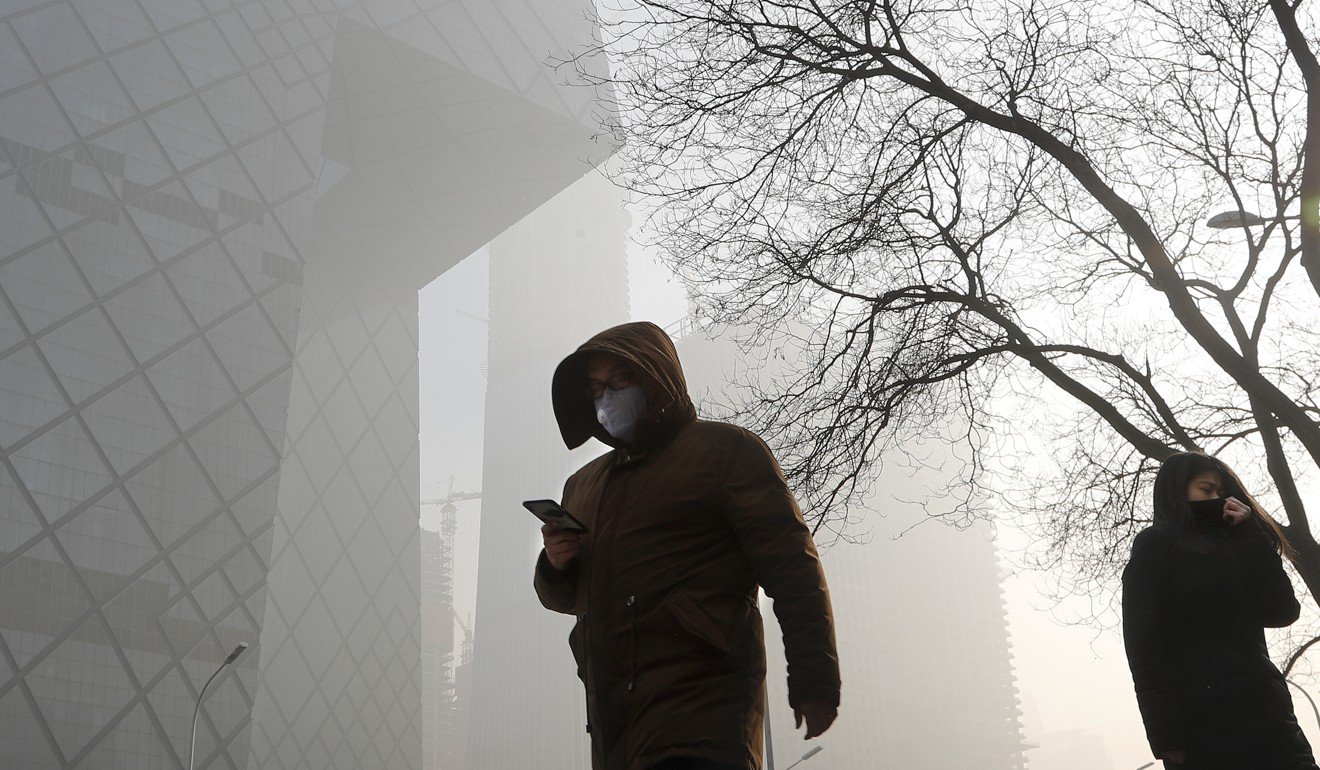
Still, growing anxieties about air pollution, food and medicine safety and an increasingly authoritarian political climate are pushing middle class families to look for new ways to circumvent the obstacles so they can live outside China.

Among the options, there is growing demand for sojourns abroad of a month or more, to enjoy a foreign lifestyle for a brief period to make up for the fact that their emigration dreams may have stalled.

“I think this is becoming a trend. Chinese middle-class families are facing increasing difficulties to emigrate and own homes overseas. On the other hand, they still yearn for more freedom, for a better quality of life than what is found in first-tier cities in China.

They are eager to seek alternatives to give themselves and their children a global lifestyle,” said Cai Mingdong, founder of Zhejiang Newway, an online tour and education operator in Ningbo, south of Shanghai.

“First, the availability of multiple-entry tourist visas and the sharp drop in air ticket prices have made it convenient and practical to stay abroad for from a few weeks to up to three months each year.”

Blacklist labels millions of Chinese citizens and businesses untrustworthy

Now, many well-to-do Chinese middle class families can get a tourist visa for five or even 10 years that allows them to stay in a number of countries — including the United States, Australia, Canada, New Zealand and other Asian countries — for up to six months at a time.

“In 2011, a round-trip air ticket from Shanghai to New Zealand cost 14,000 yuan (US$2,000), but now is about 4,000 (US$598),” added Cai.

This opens up the possibility for many middle-class families who are not eligible to emigrate, to live abroad for short periods of time.

Many wealthy Chinese middle class families can get a tourist visa for five or even 10 years that allows them to stay in several countries including the United States, Australia, Canada, New Zealand and other Asian countries, for up to six months at a time. Photo: AP

Chinese tourists made more than 140 million trips outside the country in 2018, a 13.5 per cent increase from the previous year, spending an estimated US$120 billion, according to the China Tourism Academy, an official research institute under the Ministry of Culture and Tourism.

“In [the Thai cities of] Bangkok and Chiang Mai, there are more and more Chinese who stay there to experience the local lifestyle, which is different from theirs in China. The life there is very different from that in China,” said Owen Zhu, who now lives in the Bangkok condo he bought last year.

“The freedom, culture and community are diversified. The quality of air, food and services are much higher than in first-tier cities in China, but the prices are more affordable.

“In Bangkok, in many international apartment complexes where foreigners live, the monthly rent for a one-bedroom [apartment] is about 2,000 (US$298) to 3,000 yuan.”

China’s richest regions are also home to the most blacklisted firms
A one-bedroom apartment in Shenzhen in southern China is twice as expensive, with rents continuing to rise rapidly.

There are global goods, and it is easy to socialise with different people from around the world,” Zhu added

“Many Chinese people around me, really, come to Thailand to live for a while and go back to China, but then come back again after a few months.”

Both Cai and Zhu said they discovered the new phenomenon among China’s middle class and decided it was a business opportunity.

Growing anxieties about air pollution, food and medicine safety and an increasingly authoritarian political climate are pushing middle class families to look for new ways to circumvent the obstacles so they can live outside China. Photo: AP

Zhu is in the process of registering a company in Bangkok and plans to build an online platform to service the needs of Chinese citizens living abroad who do not own property or have immigration status, especially members of the LGBT community.

Cai said dozens of Chinese families in the Yangtze River Delta had paid him to send their children to schools in New Zealand or Europe for around three or four weeks in the middle of the school year, while the parents rent villas in the area, with New Zealand and Toronto in Canada among the most popular destinations.

Last year, Zheng Feng, a single mother and freelance writer from Beijing, rented a small villa in Australia for a month for them, a friend and their children to escape Beijing’s pollution and experience life overseas.

“To be honest, I don’t have enough money to invest in a property or a green card in Australia. But it’s very affordable for me and my son to pay about 30,000 yuan (US$4,484) to live abroad for one or two months.” Zheng said.

China says 2018 growth was worth more than Australia’s whole GDP

Zheng will join the Xu family in Chiang Mai later this year and she is also planning a similar trip to England next year.

Zheng’s friend, Alice Yu, invested in an American EB-5 investor visa a few years ago, and plans to make one or two month-long trips abroad each year until her family is finally able to move to the United States.

Demand for the EB-5 investor visa in China seems to be waning given heightened uncertainty about the future of the programme and US immigration law in general under US President Donald Trump.

Approval for the visa can now take up to 10 years, resulting in a huge backlog that has further dampened interest and led to a significant dip in investment inflows into the US from foreign individuals.

A one-bedroom apartment in Bangkok can cost around bout 2,000 (US$298) to 3,000 yuan a month. Photo: AFP

“Maybe it will soon become standard for a real Chinese middle-class family to have the time and money to enjoy a long stay at a countryside villa overseas,” said Yu.

“Regardless of whether we can get a long-term visa for the United States, I want my children grow up in a global lifestyle and with more freedom than just growing up on the mainland. So do all wealthy and middle class Chinese families, I think.”

Karen Gao’s son started studying at an international school in Chiang Mai in June, at the cost of about 70,000 yuan (US$10,462) a year, after she quit her job as a public relations manager in Shenzhen and moved to Thailand on a tourist visa.

For better or worse? China’s complicated employment explained

“A few months each year for good air, good food and no censorship and internet control, but cheaper living costs compared to Beijing, it sounds like a really good deal to go,” said Gao, who has now been offered a guardian visa to accompany her son, who has already been given a student visa.

“In Shenzhen, I wasn’t able to get him into school because I had no [local] residence permit.

“It would be the best choice for us because we feel so uncertain and worried about investing and living in the mainland.”

Last year, Gao, like thousands of other private investors mostly middle class people living in first-tier cities, suffered significant losses when their investments in hotels and inns in Dali, Yunnan province, were demolished amid the local government’s campaign to curb pollution and improve the environment around Lake Erhai.

“We were robbed by the officials without proper compensation,” Gao said.

Source: SCMP

15/02/2019

Chinese Foreign Minister Wang Yi holds talks in Thailand ahead of general election

  • Official will meet his opposite number Don Pramudwinai in Chiang Mai
  • Wang likely to discuss investment projects under Beijing’s ‘belt and road’ plan
PUBLISHED : Friday, 15 February, 2019, 7:17pm
UPDATED : Friday, 15 February, 2019, 7:17pm

9 Feb 2019

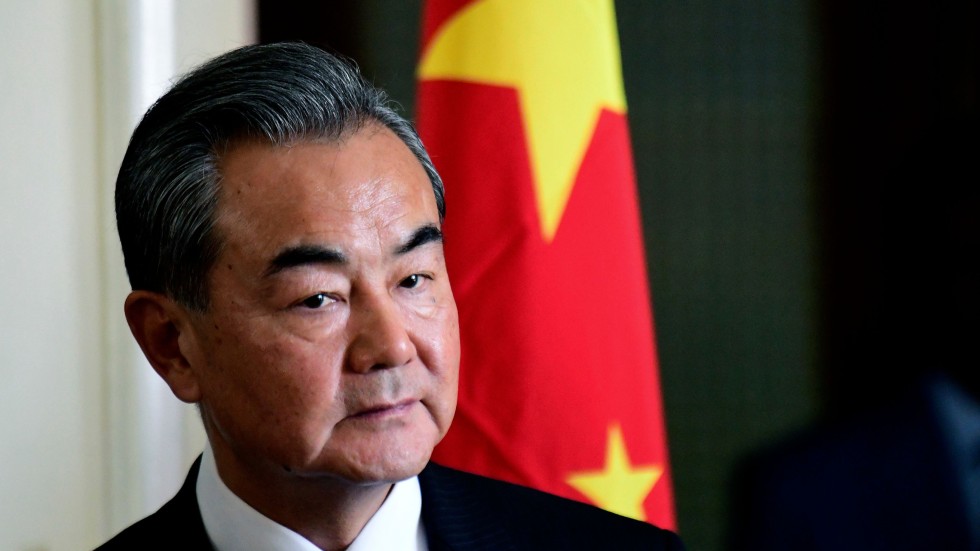
Chinese Foreign Minister Wang Yi arrived in Thailand on Friday for high-level talks likely aimed at reassuring Beijing about its investments in the Southeast Asian country ahead of a long-delayed general election, analysts said.

During his two-day trip to the northern city of Chiang Mai, Wang will meet his counterpart Don Pramudwinai, Thailand’s ministry of foreign affairs said on its website.

Zhang Mingliang, a Southeast Asian affairs specialist at Jinan University, said China was concerned the upcoming poll might have an impact on its interests.

“The recent events regarding the sudden changes to Thailand’s prime ministerial candidate could affect the country’s political stability and affect its relationship with China,” he said.

He was referring to the fact that on Wednesday, Thailand’s Election Commission asked the constitutional court to dissolve the Thai Raksa Chart, a political party allied with the powerful Shinawatra clan, for putting forward Princess Ubolratan as candidate for prime minister.

The move came just days after Thai King Maha Vajiralongkorn, Ubolratan’s younger brother, issued a royal decree denying her bid to become prime minister hours after her name was submitted.
Zhang said that only by ensuring the political stability of Thailand could China’s interests in the country and Southeast Asia as a whole be protected.

“In the past, political instability meant Thailand’s leaders were unable to attend foreign events such as meetings with Asean and China,” he said.

“If there is political stability in Thailand … that can aid its contribution to Asean and its ties with China.

“China’s relationship with Thailand is the best among the Asean nations, with the least conflict of interests,” he said.

Concerns over China’s overseas investments are growing and there have been accusations that Beijing is using them to gain political leverage.

China and Thailand reached an agreement in 2017 for the construction of Thailand’s first high-speed rail line. Once completed it will run from Bangkok to Nong Khai on the Thai border with Laos.

The line is seen as a key project under the “Belt and Road Initiative”, Beijing’s plan to connect China with countries across Asia, the Middle East and Africa.

Elections in Southeast Asia have proved troublesome for the initiative, however. Soon after being re-elected as prime minister of Malaysia last year, Mahathir Mohamad’s government cancelled the China-funded US$20 billion East Coast Rail Link. Officials later backtracked on the decision, leaving its future in the air.

Xu Liping, a specialist in Southeast Asian studies at the Chinese Academy of Social Sciences, said that Thailand, as this year’s chair of Association of Southeast Asian Nations, has a crucial role to play in promoting China’s relationship with other members of the group.

“Ensuring the continuity of China-Thailand ties after the elections in March will also be on the agenda in Wang’s meeting,” he said.

Meanwhile, China’s top diplomat Yang Jiechi, a member of the Communist Party Politburo, travelled to Germany on Friday to attend the Munich Security Conference, which runs until Sunday.

Source: SCMP

Law of Unintended Consequences

continuously updated blog about China & India

ChiaHou's Book Reviews

continuously updated blog about China & India

What's wrong with the world; and its economy

continuously updated blog about China & India