12/06/2019
- Radar expert Liu Yongtan says surface wave system could track ships and planes from hundreds of kilometres away and is protected from anti-radiation missiles
Stealth aircraft like the US F-35 are less well protected against high-frequency surface wave radars. Photo: AP
China has developed a radar system that could detect stealth fighters from a long distance, its creator has told state media.
Liu Yongtan, a member of the Chinese Academy of Sciences, told Naval and Merchant Ships that the new high-frequency surface wave radar (HFSWR) was also masked from anti-radiation missiles which can detect and destroy radio waves from other early warning systems.
The interview with the monthly magazine, which is published by the China Shipbuilding Engineering Academy, was reprinted by state-owned tabloid Global Times on Monday.
Liu, an 83-year-old who has dedicated his life to studying radar systems, said the new radar features “high-frequency electromagnetic waves that have long wavelengths and wide beams”.
Unlike microwave or skywave signals, surface waves travel along the spherical surface of the earth.
“A land-based version of the system can detect naval and aerial hostile objects from hundreds of kilometres away, which helps expand the range of China’s maritime early warning and defence systems,” Liu said.
He also said the long wavelength could help detect stealth aircraft, which use special protective materials and designs to make them “invisible” to microwave radars, but have no such protection against high-frequency surface waves.
Chinese navy’s new ‘compact’ radar will allow it to keep watch over an area the size of India
Another advantage of the maritime radar system is what Global Times described as “immunity” to attack from anti-radiation missiles, which track and destroy the origin of the electromagnetic waves.
Liu said that anti-radiation missiles would need huge antennas to track high-frequency surface waves because their beams are too wide for the antennas currently in use to track.
Plenty of practical challenges – such as signal loss and noise interference – need to be overcome to use high-frequency surface waves in radar.
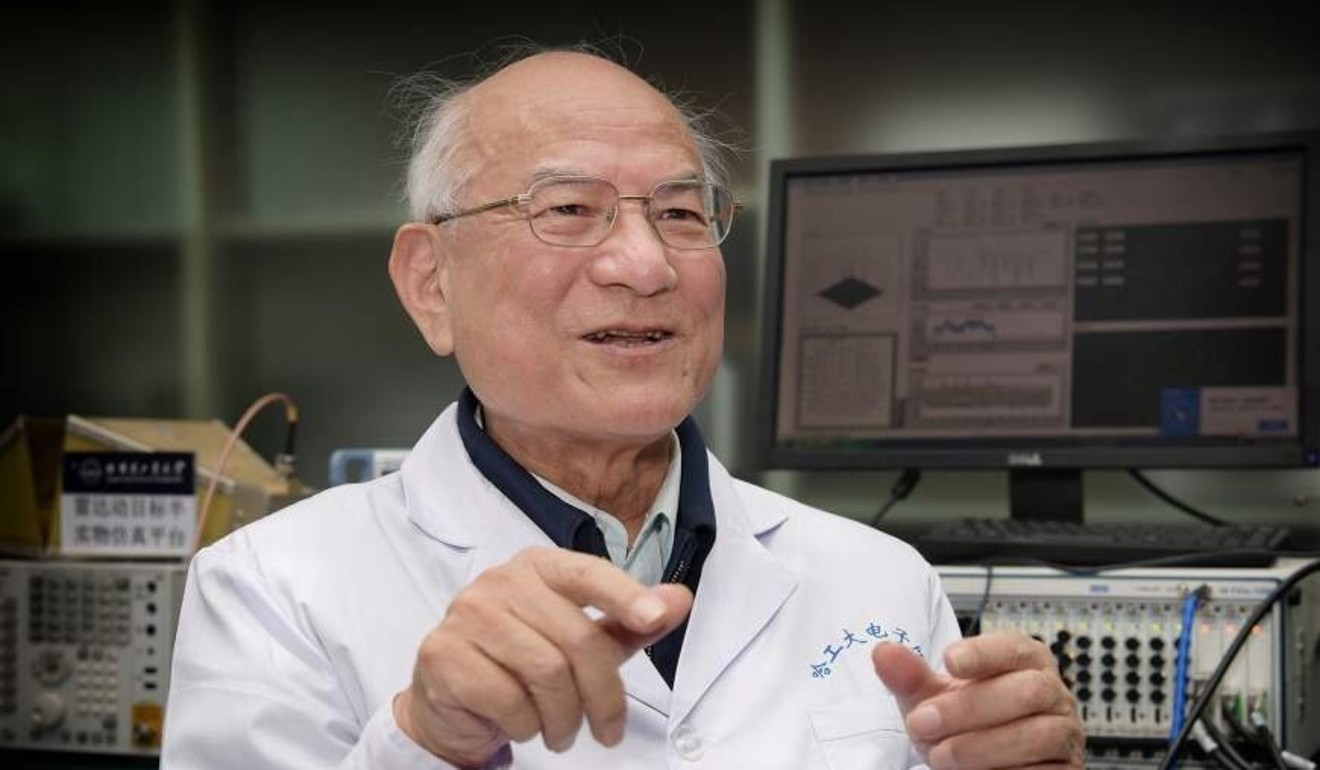
Liu Yongtan was given China’s top scientific honour for his work on the radar. Photo: Weibo
However, Shi Lao, a Shanghai-based military commentator, said Liu’s team must have overcome those challenges.
Shi said he believed that as Liu’s technology developed it could be used as a low-cost coastal monitoring system that could protect the coastline within a range of 400km (250 miles).
Japan boosts island radar surveillance to catch Chinese, North Korean ships
The technology can also be used in conjunction with skywave radar systems, which usually have a longer monitoring range of 1,000km (621 miles).
“HFSWR could work 24 hours in all weathers, which would be much cheaper than operating early warning aircraft,” Shi said.
“They can be deployed relatively quickly with high mobility if they are mounted on vehicles, and may be loaded onto warships in the future.”
State broadcaster CCTV has previously reported that China has built a high-frequency surface wave radar test centre in Weihai, on China’s east coast in Shandong province.
In January
, China’s highest award for scientists which includes prize money of 8 million yuan (US$1.2 million), for his work on the radar system.
Source: SCMP
Posted in antennas, anti-radiation missiles, CCTV, China Shipbuilding Engineering Academy, China’s maritime early warning and defence systems, Chinese Academy of Sciences, Chinese navy, creator, electromagnetic waves, Global Times, high-frequency radar system, high-frequency surface wave radar (HFSWR), India alert, invisible, Japan, long distance, microwave radars, Naval and Merchant Ships, North Korean ships, shandong province, spot, State Pre-eminent Science and Technology Award, stealth aircraft, surface wave system, Uncategorized, Weihai |
Leave a Comment »
04/06/2019
- 163-million-year-old fossil represents something new in evolutionary history
- Researchers say discovery is extraordinary
A small, tree-climbing dinosaur discovered in China has overturned evolutionary history with its cape-like membrane. Photo: Handout
Chinese scientists have discovered a new dinosaur species which appears to have been equipped – like Batman – with a cape that may have given it the ability to glide.
Researchers say the finding is extraordinary, representing something new in evolutionary history.
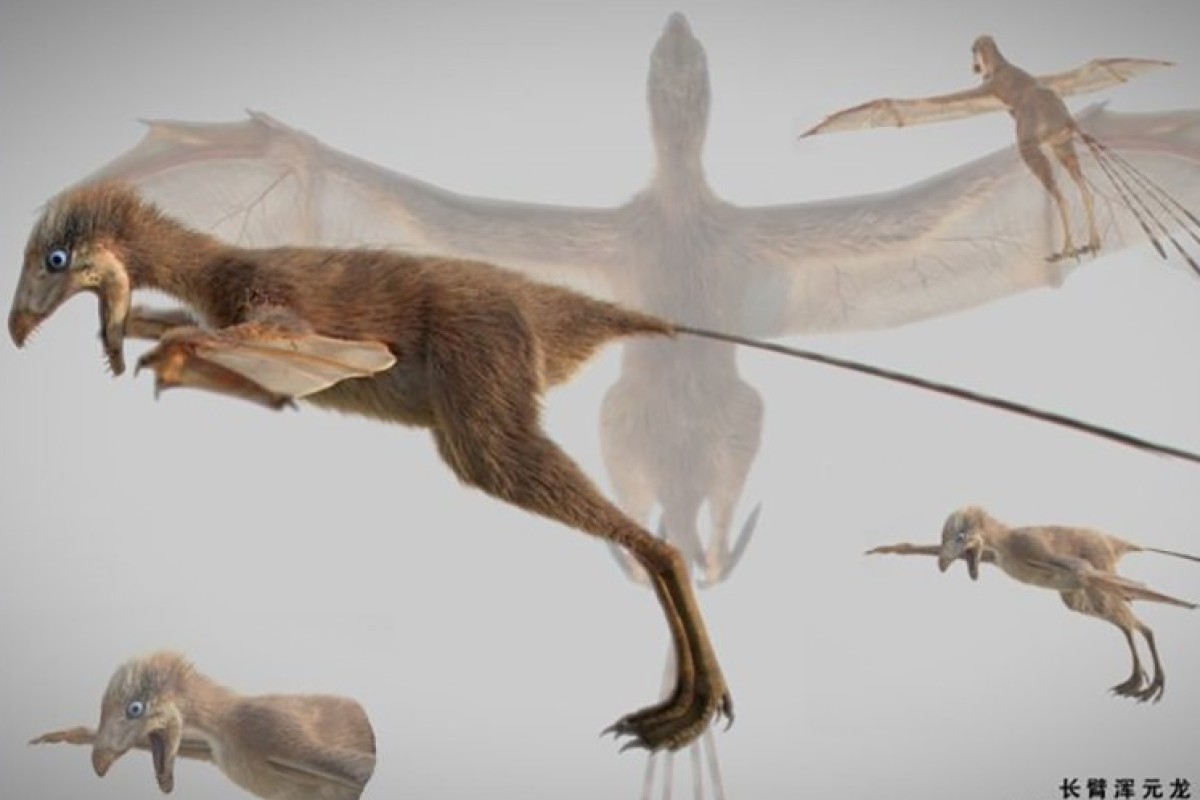
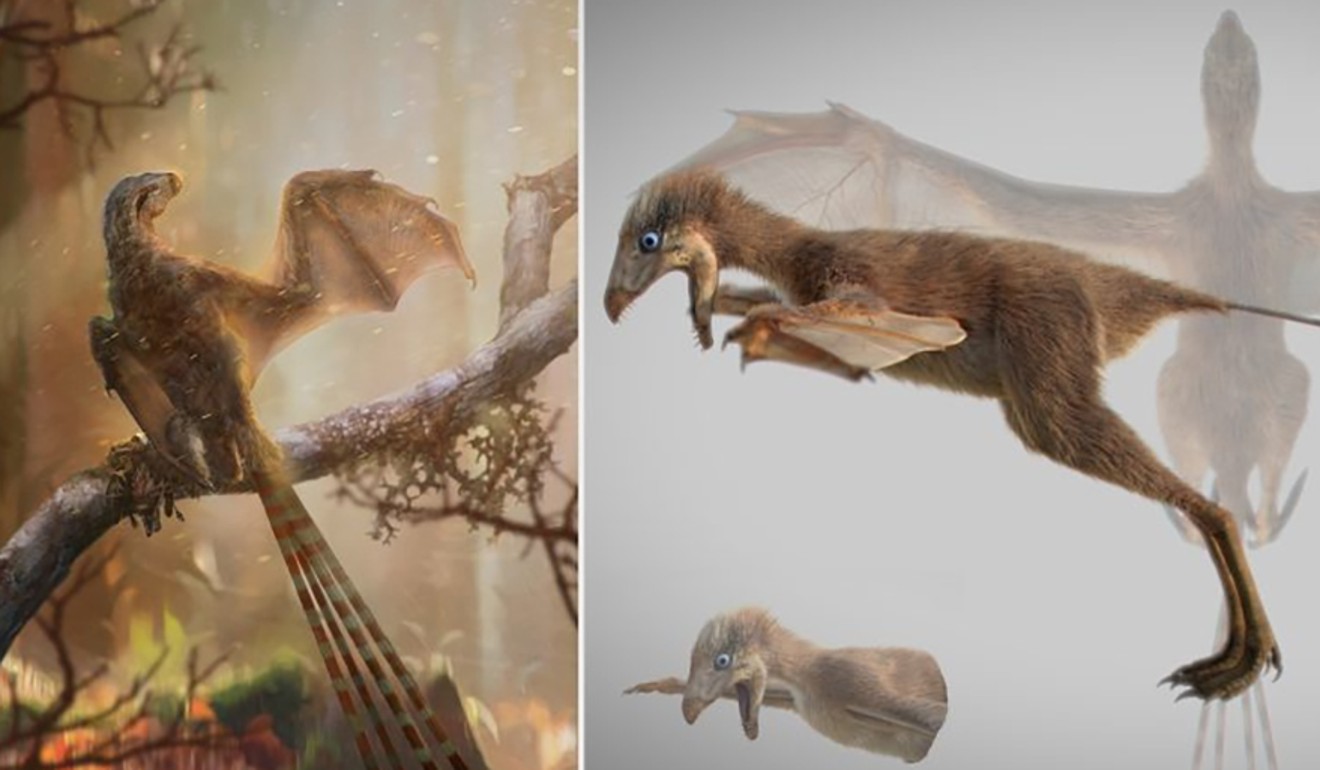
The little tree-climbing dinosaur – about the size of a magpie – was equipped with a soft, smooth membrane draped over its long, strong forearms that may have looked like the wings of a bat when spread.
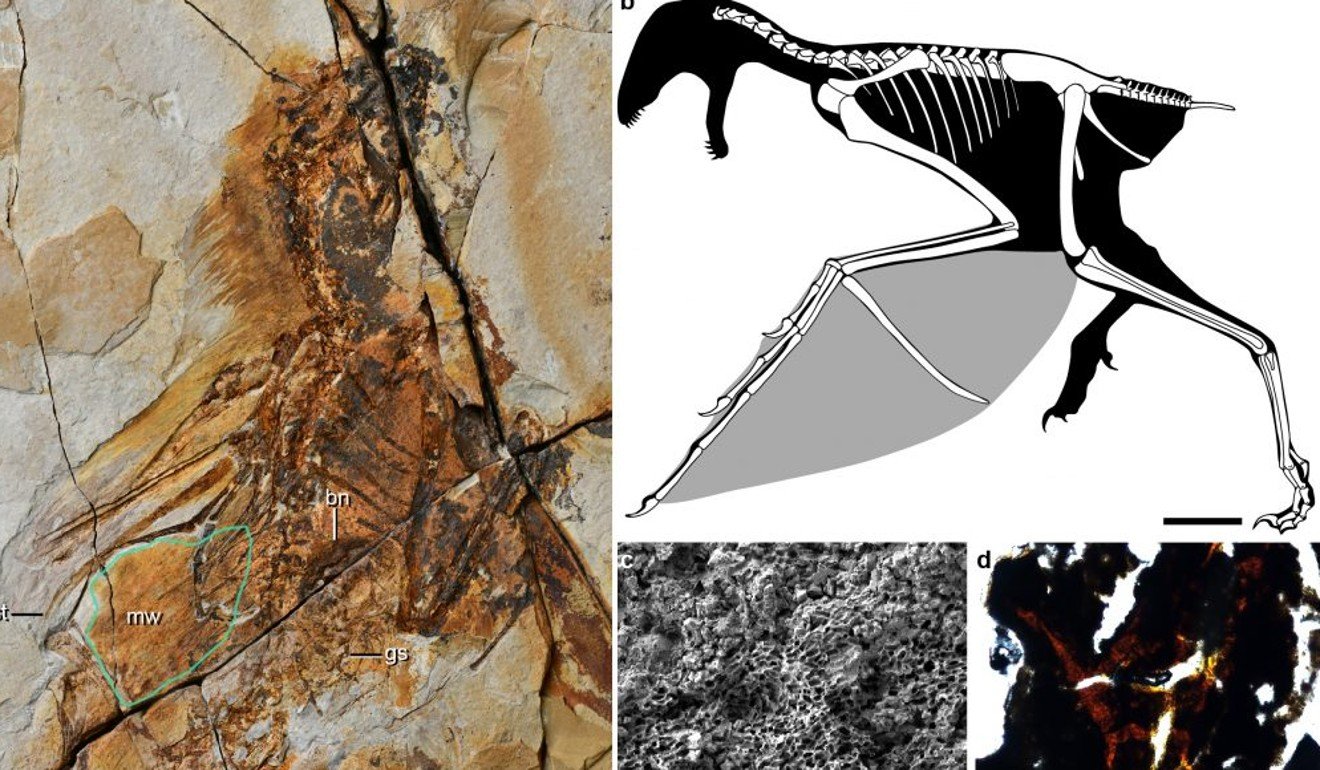
The 163-million-year-old fossil has been named Ambopteryx longibrachium and was found at Wubaiding village, Liaoning province, northeast China, in 2017, according to a paper published in the journal Nature on Thursday.
The 163-million-year-old fossil found in eastern China showed long, strong forearms draped in a smooth cape-like membrane. Photo: Handout
Lead author Dr Wang Min, a researcher with the Chinese Academy of Sciences’ Institute of Vertebrate Palaeontology and Palaeoanthropology in Beijing, said quite a number of dinosaurs had birdlike feathers and some eventually evolved into birds.
“But bat-like wings? The idea has not been widely accepted,” he said.
The possibility was first raised a few years ago when a close relative of the newly discovered dinosaur was found, also in China, with a finger bone which had never before been seen in dinosaurs.
Scientists discover ‘nightmare’ crab with cartoon eyes
A small number of researchers suspected the bone could have been used to hold membrane, but the mainstream scientific community remained sceptical.
Why on earth, some critics argued, would a dinosaur need membrane when it already had feathers?
In the 2008 film “The Dark Knight”, Batman uses his cape to glide among the skyscrapers of Hong Kong. Researchers believe the new dinosaur may have used its cape-like membrane in a similar way. Photo: Handout
Ambopteryx longibrachium, nonetheless, had the same peculiar finger bone, only this time scientists were also able to observe a large membrane and a thick layer of hair over its head, neck and shoulders.
The hair and membrane was not an efficient combination for flight aerodynamics. But “in evolution, nothing is impossible”, Wang said.
The tiny T. rex cousin that humans could look down on
The dinosaur lived in thick forest and could have been easy prey to large predators. But its wings might have given it the ability to hop from tree to tree, and they could also have been useful when hunting.
The dinosaur had a slim body about the size of a magpie, with a soft, smooth membrane draped over its forearms like a cape. Photo: Handout
Wang and his colleagues found traces of small bones in the remnant of its stomach. While a tree-climbing dinosaur’s main diet should have been fruit, it could sometimes hunt as well, according to the researchers.
An absence of a large chest bone suggested the dinosaur could not fly at will, like a bird or bat. It remains unclear how long the species survived, but it eventually vanished, probably because of competition from better-equipped winged animals with all-feather or all-membrane wings.
Source: SCMP
Posted in Ambopteryx longibrachium, Batman, Beijing, caped, China alert, Chinese Academy of Sciences, Dinosaurs, found, glide, Institute of Vertebrate Palaeontology and Palaeoanthropology, Liaoning province, magpie, nature, T. rex, Uncategorized, Wubaiding village |
Leave a Comment »
04/06/2019
- Study of children prone to recurring colds identifies abnormally high presence of skin affecting bacteria
- More research needed but study holds out prospect of future treatments
Scientists in China believe they have identified the reason why some children repeatedly catch the common cold. Photo: Shutterstock
A team of Chinese researchers has found that an acne-causing parasitical microorganism could be the reason some children catch colds more frequently than others.
Professor Zhang Chiyu and his colleagues at the Institute Pasteur of Shanghai, part of the Chinese Academy of Sciences, have found that a bacterium known as Propionibacterium is closely related to recurring infections, raising the possibility of future drugs or treatments, according to their paper in the May issue of Nature Communications.
The scientists analysed clinical samples from 4,407 children diagnosed with the common cold during a period of six years, from 2009 to 2015, at Nanxiang Hospital in Shanghai, and found an abnormally high presence of the bacterium.
Propionibacterium is a parasite microorganism usually found on human skin. It can cause acne and other skin problems. Some forms of the bacteria are also used to create the holes in some popular varieties of cheese.
A computer illustration of Propionibacterium, a microorganism known to cause acne and other skin problems, and now implicated in frequent colds in some children. Photo: Alamy
Zhang said the research team had found an abnormally high presence of Propionibacterium phages – a signature virus which uses the bacterium as a host – in the clinical samples, and it was likely the large colonies of the microorganism had thrived in the sick children’s respiratory ducts.
The imbalance between different microorganism groups could lead to more frequent, prolonged inflammation and cause further damage on respiratory tissues, he said.
“Living environment can be something worth checking,” Zhang said, suggesting that parents could reduce unnecessary exposure of their children to Propionibacterium infections by keeping them from kissing faces with pimples.
The common cold kills four million children under the age of five worldwide every year.
Frequent recurrence of the common cold is not uncommon. Causes for the phenomenon remain very much unknown, in part due to the difficulty of obtaining a large number of blood samples from under-aged patients.
China is making better, cheaper drugs – and its reasons may surprise you
Zhang said some uncertainties remained following the study and cautioned that the results were imperfect. For example, the quality of some samples was not ideal, due to a long period of refrigeration, and the interactive mechanism between the bacterium and infection was not entirely clear.
The findings “should not be immediately applied in clinical practice,” Zhang said.
A confirmation study is underway to monitor the conditions of selected child patients over the next two years and, if the results are positive, a testing kit may soon be available to identify children more vulnerable to recurrent colds, he said.
Medical intervention such as therapy or drugs may also be developed to address the issue of bacterium imbalance.
Antibiotic overdose is a severe problem in China and rest of the world, Zhang said. “Hopefully our study will help find a precise target,” he added.
Source: SCMP
Posted in acne, bacteria, Chinese Academy of Sciences, Chinese scientists, common cold, find link, Institute Pasteur of Shanghai, Nanxiang Hospital, Propionibacterium, Uncategorized |
Leave a Comment »
22/05/2019
- Researchers say history of China’s biggest ethnic group is more complex than many believe
- DNA study involving 20,000 unrelated people points to three river origins
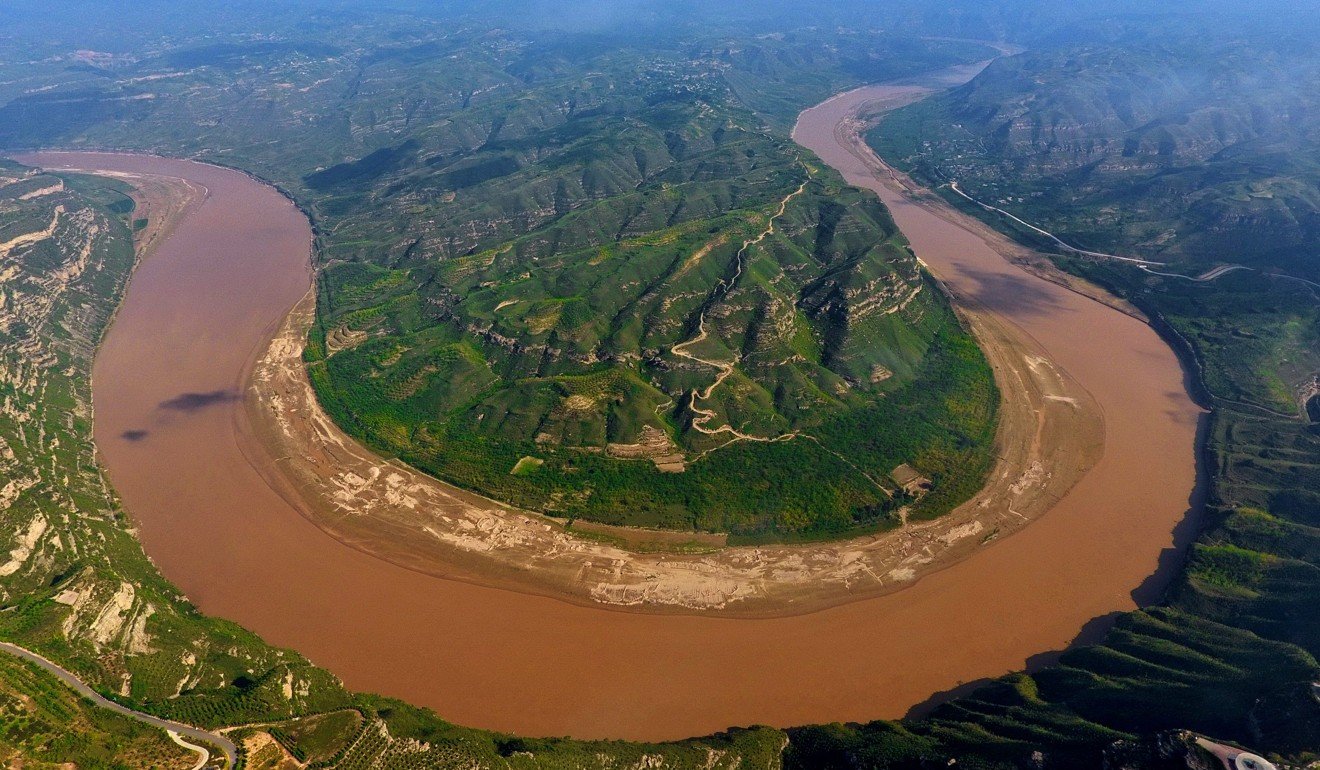
The study of Han DNA by the team from the Kunming institute challenges a long-held view of the early origins of Chinese civilisation. Photo: Xinhua
The origins of China’s biggest ethnic group can be traced back to three river valleys, deposing the Yellow River as the sole cradle of Chinese civilisation, according to a new study.
The Yellow has long been hailed as the mother river of Han Chinese, who make up nearly 92 per cent of the country’s population today.
But research published in the online journal Molecular Biology and Evolution on Wednesday said the Yangtze and Pearl rivers – as well as the Yellow – gave rise to genetically separate groups about 10,000 years ago. Those ancestors then mingled to become the largest ethnic group in the world today, it said.
“The history of Han Chinese is more sophisticated than thought,” said Professor Kong Qingdong, a researcher with the Kunming Institute of Zoology at the Chinese Academy of Sciences and lead scientist in the study. “Many details need investigation.”
A DNA study suggests the Yellow River (above) may have to share its place as a cradle for Han Chinese with the Yangtze and the Pearl. Photo: Xinhua
After analysing DNA samples from more than 20,000 unrelated Han Chinese, examining their dialects and family geography and comparing those to archaeological DNA records, scientists concluded that the Yangtze and Pearl had equal claim with the Yellow to Han origins.
Progenitors from the three river valleys evolved independently, the Kunming team said, and distinctions found in the mitochondrial DNA (the mother’s line) of study volunteers added weight to their assertion.
Who are you? DNA tests help Chinese retrace ancient steps
About 0.07 per cent of the DNA examined in the Han Chinese study differed according to river valley origin. By comparison, the difference was much lower – 0.02 per cent – when the study volunteer data was assessed by dialect, the researchers said.
Earlier studies of genetic markers and microsatellite data that mapped the prevalence of DNA revealed that Han Chinese can be generally divided into two groups: North and South. The latest study found that the genetic variation between North and South Han Chinese is 0.03 per cent, considerably less significant than the distinction by rivers.
Dr Li Yuchun, lead author of the paper, said the findings helped trace the history of Han to the dawn of civilisation, the emergence of agriculture and the sustainable growth of population.
The earliest migrants from Africa to China arrived in what is now the southwest between 60,000 and 100,000 years ago, studies said. The genes of this group of hunter-gatherers were largely unchanged for tens of thousands years.
About 10,000 years ago, agricultural practices began to emerge in the valleys of the three rivers. Archaeologists found evidence of millet cultivation around the Yellow River, rice in the Yangtze, and roots and tubers in the Pearl.
The busy Yangtze River flows through Chongqing in southwest China. Photo: Xinhua
“Increasing food led to a population boom in these areas. We can see it in the separate path of gene evolution,” Li said.
The research also found that women were able to preserve their genetic story better than men as they stayed at home to tend the fields, while men went to explore, trade or wage war.
“Females are resilient to invasion,” she said.
The cultural significance of knowing one’s ancestry
The research team planned to examine the Y-chromosome, which passed from father to son, to study the expansion of the Han civilisation, Li said.
“It will be interesting to hear the story from a male perspective,” she said.
As the Han empires expanded, many ancient ethnic groups such as Huns, Siberians, Khitan in northern China and the Thai-Khadai speaking peoples in the south, passed from the record.
Some researchers think these minorities become extinct, but others believe they were absorbed into the Han Chinese population.
Source: SCMP
Posted in africa, Archaeologists, Chinese Academy of Sciences, DNA, Han Chinese, Huns, Khitan, Kunming Institute of Zoology, new story, origins, Pearl River, Siberians, Thai-Khadai, Uncategorized, Yangtze River, Yellow River |
Leave a Comment »
07/05/2019
- Inspired by early colour television, method can create thousands of alloys quickly
- Leader of Beijing team says a ‘revolution in material science’ is close to hand
Speedy development of alloys may accelerate programmes to explore the harsh environments of space and ocean depths. Photo: Xinhua
Chinese physicists say they have developed a method that can cut the time involved in the discovery of alloys from years to hours.
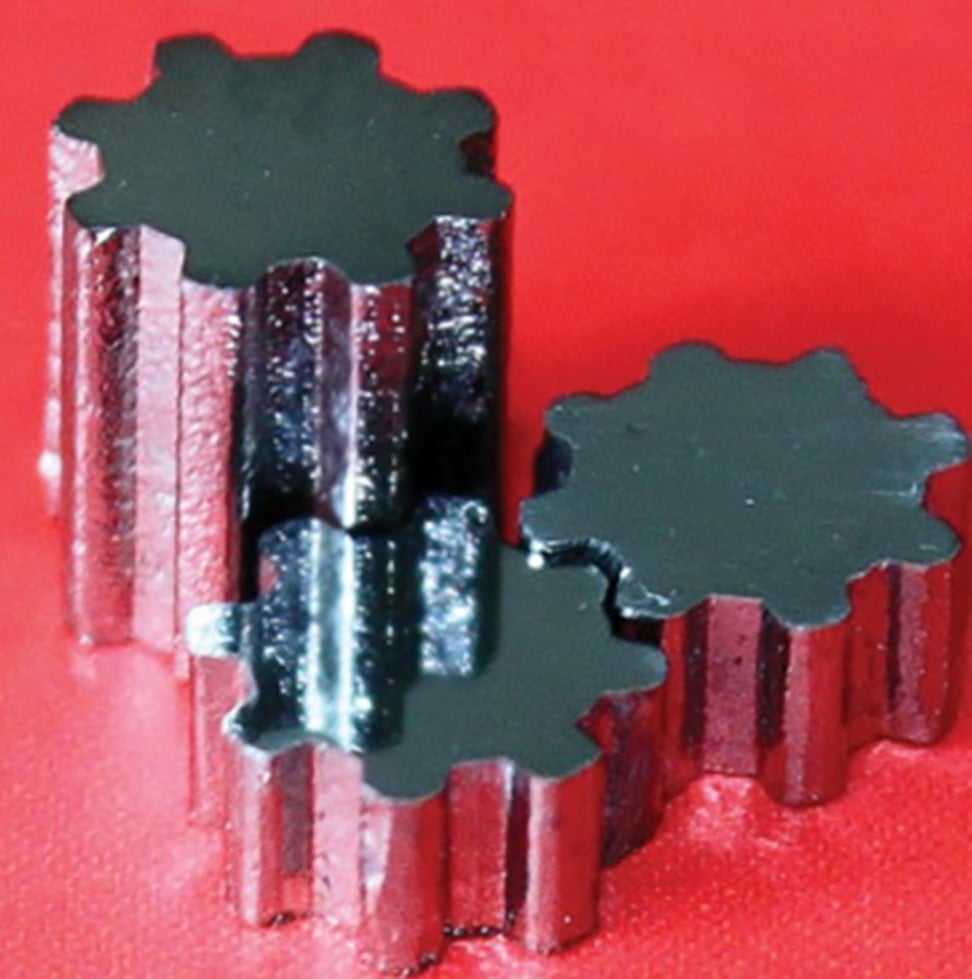
The technique has led to the creation of high performance alloys, including the world’s toughest amorphous metal, or metallic glass, for use in extremely hot environments.
The search for an alloy typically takes years, but now it can be done in less than two hours, the Chinese researchers said.
Part of their findings was published in the journal Nature this month.
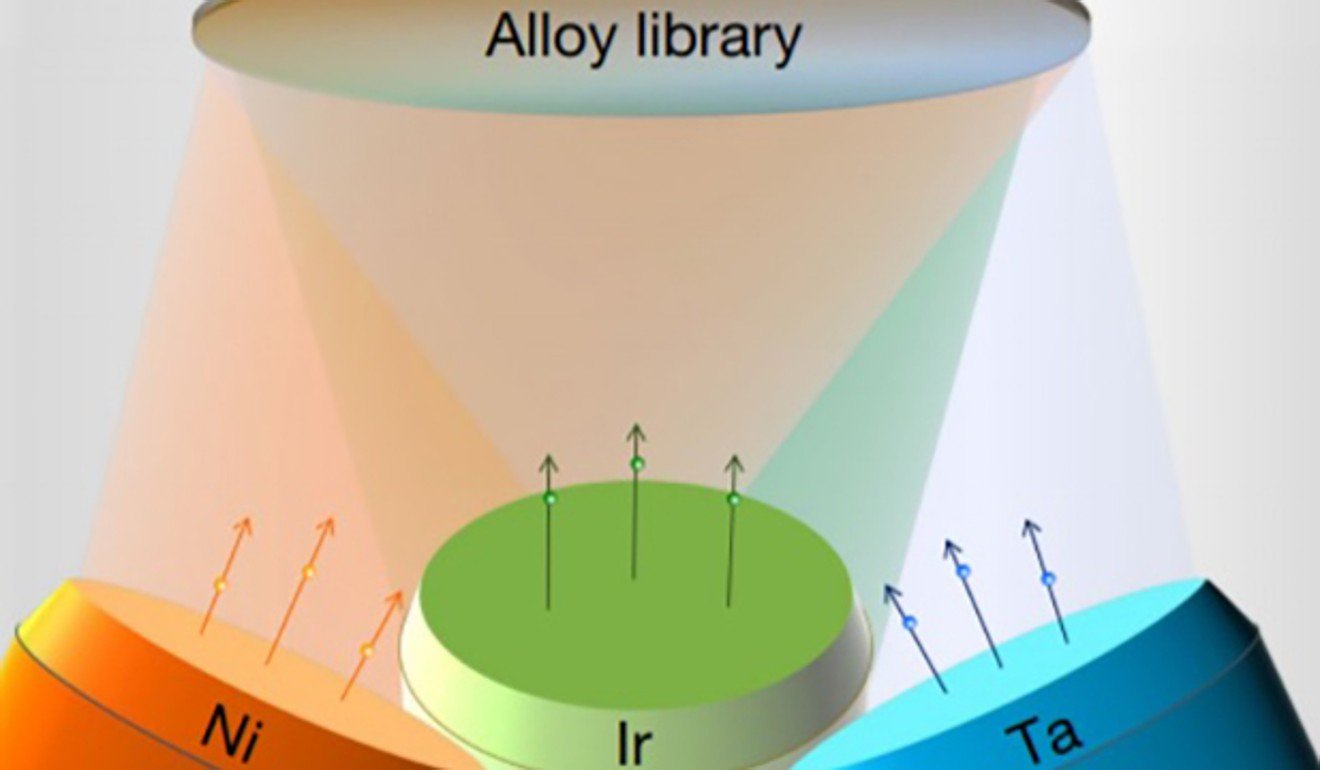
Inspired by the colour gun method used to create images for television sets, the Beijing
In the conventional method, metals needed to be weighed, melted to an alloy and tested for performance. To find the right formula, researchers might need to test more than a thousand combinations and each test might take a day or two.
Professor Wang Weihua, researcher with the institute of physics at the Chinese Academy of Sciences in Beijing and lead scientist of the study, said his team’s research was inspired by early colour televisions, which used three electric devices known as guns that fired red, green and blue light onto the back of the screen to create real-world colours for the viewer.
Wang’s team’s alloy technology also involved three guns, but instead of electronic pulses they fired “bullets” made of different metals. These struck a silicon board simultaneously and fused to form alloys.
Chinese University becomes first in world to build and test its own hypersonic plane
Sensors quickly measured the alloys’ properties and picked the most appropriate for the researchers.
This approach allowed scientists to create more than 1,000 samples, test their performance and select the most promising within a couple of hours.
“We proved it works,” Wang said. “It will increase people’s confidence. There will be a revolution in material science.”
The alloy reported in the Nature paper contained iridium, nickel and tantalum. It had a distorted atomic structure similar to that of glass. Metallic glasses can be extremely strong but they usually weaken by temperatures of 400 degrees Celsius or more.
The Beijing team hopes artificial intelligence, in tandem with its technique, will start a materials revolution. Photo: Handout
The new alloy can maintain a tensile strength nearly eight times that of steel at more than 700 degrees Celsius, researchers said.
It can also remain intact for months in aqua regia, the mixture of nitric acid and hydrochloric acid that can dissolve gold and platinum.
Such properties make the alloy an ideal candidate material for manufacturing critical components for use in harsh environments such as space, ocean depths and battlefields.
“We are introducing artificial intelligence into the design and search for new amorphous metals,” Wang said. “It can further increase the speed of discoveries. In the near future, we may even be able to create material on demand.
“The potential application is almost unlimited.”
Source: SCMP
Posted in alloys, Beijing, Chinese Academy of Sciences, Chinese physicist, Chinese university, developed, nature, Professor Wang Weihua, revolutionary technique, Uncategorized |
Leave a Comment »
22/04/2019
- Embassy officials have contacted families of two Chinese nationals who were killed in the blasts on Easter Sunday, and visited five who were injured
- Four of the missing were travelling to the Indian Ocean on a study trip
Police and investigators work at the Shangri-La Hotel blast scene in Colombo on Sunday, where the two Chinese were killed. Photo: Xinhua
Five Chinese nationals remain missing following a series of suicide bombings in hotels and churches in Sri Lanka on Easter Sunday that claimed the lives of
At least 290 people were killed and more than 500 others injured in the blasts, according to a Sri Lankan government official on Monday, who said a local militant group was behind the attacks.
The Chinese embassy in Colombo had contacted the families of the two deceased Chinese and was awaiting police confirmation on the fate of the five still missing, state-run People’s Daily reported.
Two Chinese nationals sustained serious injuries in the blasts and three others minor ones. Embassy officials had visited them several times in hospital, the report said.
“The embassy will closely monitor the situation, urge Sri Lankan police to confirm the whereabouts of the missing persons and assist Chinese citizens and families to properly handle the aftermath,” the embassy was quoted as saying.
The two Chinese who died, cousins surnamed Tan, were caught in a blast at the Shangri-La Hotel in Colombo, Red Star News quoted a Chinese businesswoman in the Sri Lankan capital as saying.
“Their families identified them at the scene,” she said.
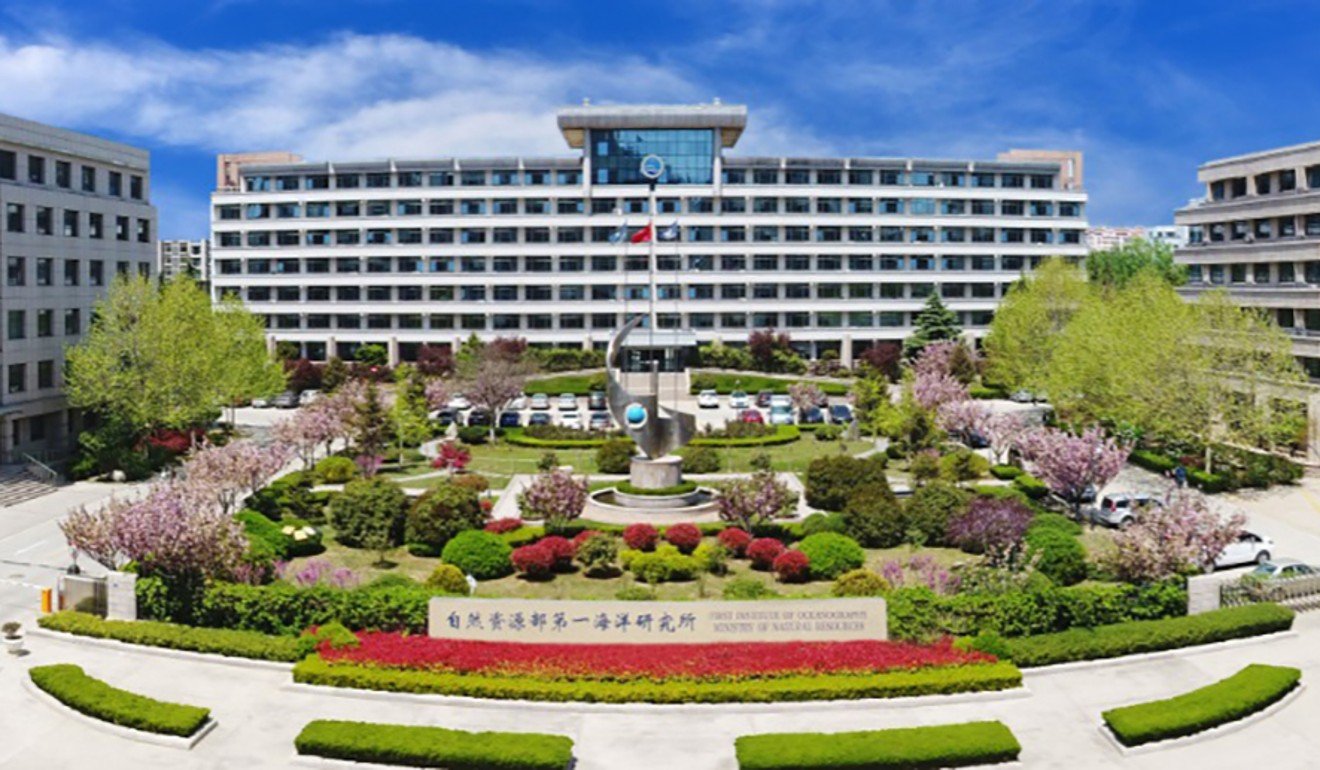
Four of the missing Chinese are students from the First Institute of Oceanography at the Ministry of Natural Resources. Photo: FIO
Four of the missing Chinese – Li Dawei, Li Jian, Pan Wenliang and Wang Liwei – are students from the Ministry of Natural Resources’ First Institute of Oceanography who were going to take part in a study in the Indian Ocean, an institute staff member told Red Star News.
The institute has sent staff to
Four of the five injured are students from the Chinese Academy of Sciences’ South China Sea Institute of Oceanology, who were en route to a study trip in the eastern Indian Ocean.
“It is an annual scientific expedition programme and they were on the way to replace the 10 others who had completed their rotation,” a staff member told The Beijing News. “Some sustained bruising on their legs and one could hardly hear after the blast.”
Tourists who returned to Shanghai and Chengdu, Sichuan province, told the newspaper that their trip had to be cut short as shops were closed and a curfew imposed amid tight security.
“All the private cars, coaches, vans and buses had to open their doors for inspection. There were checkpoints every 10 metres,” said one tour guide from Chengdu.
A traveller from the same city said airport security had also been stepped up. “There was a bombing 20 minutes after we left a restaurant and another one outside the airport when we were waiting there. We had to pass through three or four very strict security checks at the airport,” she said.
Back in Shanghai, another woman said: “We were not scared there but we are very glad to be back home.”
Source: SCMP
Posted in Chengdu, China alert, Chinese Academy of Sciences, Colombo, embassy, First Institute of Oceanography, Five Chinese, Indian Ocean, Li Dawei, Li Jian, Ministry of Natural Resources, missing, Pan Wenliang, People’s Daily, Red Star News, return home, Shanghai, Shangri-La Hotel, sichuan province, South China Sea Institute of Oceanology,, Sri Lanka bombings, Sri Lankan police, suicide bombings, The Beijing News, tourists, Uncategorized, Wang Liwei |
Leave a Comment »
09/03/2019
- Researchers say they spend so much time on grant applications that they get no time to do science
- Funding applications are said to be too onerous and inflexible
Chinese scientists say funding applications are too onerous and restrictive. Photo: Xinhua
Chinese scientists are appealing for a bigger say over research funding as they buckle under a rigid and bureaucratic application system.
The appeal from delegates to the country’s peak advisory body, the Chinese People’s Political Consultative Conference, comes as the central government prepares to launch a pilot project that will give research teams greater flexibility in the way funds are used.
Despite slowing economic growth, the central government also plans to increase the budget for science and technology by 13.4 per cent this year to 354.31 billion yuan (US$52.7 billion) as Beijing tries to challenge the United States in the race for high technology.
But researchers have been hampered by a funding structure that demands they clearly state the use of their research and submit a detailed plan with a deadline for delivery of results.
Application rules have become stricter in the last few years, partly a result of a crackdown on corruption, which has led to a dozen university presidents and top scientists being arrested for embezzling research and infrastructure funding.
Chinese science minister warns scientists not to overstep ethical bounds after He Jiankui’s gene-edited babies scandal
CPPCC delegate Yuan Zhiming, an agricultural scientist from the Chinese Academy of Sciences in Wuhan, said he spent so much time filling out funding applications that he did not have time to do any research.
“It’s not easy to complete the budget with detailed outcomes, because I don’t already know my research results,” Yuan said in an open panel discussion on the sidelines of the CPPCC.
Wang Liming, a CPPCC delegate from China National Nuclear Corporation, agreed, saying funding applications were too onerous and inflexible. “Money earmarked for buying soy sauce cannot be used to buy vinegar,” he joked.
People’s Daily, the Communist Party’s mouthpiece, reported in December 2016 that it took a scientist a month to finish an annual report for a regular research project and much longer for a major one.
The fears about more bureaucracy in research intensified last year when the National Natural Science Foundation – which manages science funding and promotes research – was downgraded and put under the Ministry of Science and Technology.
The authorities said the change was aimed at strengthening the government’s “research-driven development strategy” and “optimising the distribution of funding on science and technology”, while scientists said it meant funding approval would be more stringent.
China’s science and tech minister calls on private enterprises to develop ‘core technologies’
But senior Chinese officials said they understood the need to speed up research for China to transform itself into an innovation powerhouse.
Science and Technology Minister Wang Zhigang said on Friday that China would overhaul the way funding was managed to give researchers more incentives.
“The ministry [of science and technology] has done a series of things to ease the burden on researchers, so that they will not be bothered by forms, reimbursements, titles and prizes and have more time to do real research,” Wang said.
“The upcoming reforms will be centred on how to ignite researchers’ enthusiasm, initiative and creativity.”
Source: SCMP
Posted in agricultural scientist, Beijing, buying soy sauce cannot be used to buy vinegar, China alert, China National Nuclear Corporation, Chinese Academy of Sciences, Chinese People's Political Consultative Conference, Chinese scientists, Communist Party’s mouthpiece, CPPCC delegate, He Jiankui, Ministry of Science and Technology, National Natural Science Foundatio, People’s Daily, Red tape, research funding, rigid and bureaucratic application system, science and tech minister, Science and Technology Minister, Uncategorized, United States, Wang Liming, Wang Zhigang, Wuhan, Yuan Zhiming |
Leave a Comment »










 CHINDIA ALERT: You'll be living in their world, very soon