Archive for ‘Chinese woman’

10/05/2020

Elderly Chinese woman rescued three days after being ‘buried alive by son’

  • Police in Shaanxi province dug up 79-year-old from grave in woods after suspect’s wife tipped them off
  • Woman is now in a stable condition in hospital while her son is facing an attempted murder charge
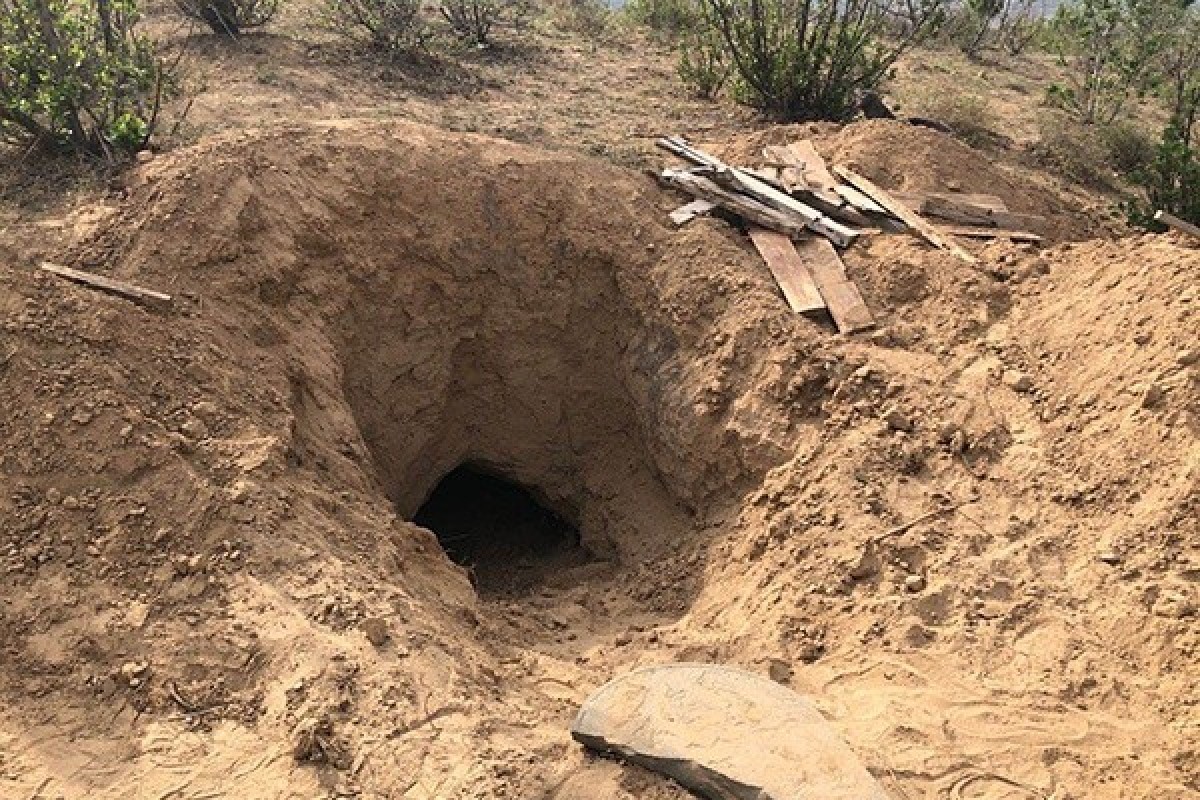
The woman was rescued from the grave in Shaanxi province after three days. Photo: Handout

A man in northwest China has been detained after his 79-year-old mother was buried alive.

The woman, who was partially paralysed, was rescued after three days and is in a stable condition in a hospital in Shaanxi province, police said.

Prosecutors in Jingbian county said the woman’s son, a 58-year-old identified only by his surname Ma, had been charged with attempted murder.

On Tuesday his wife told local police that Ma had taken the bedridden woman named Wang away on a cart and she had not returned home.

Police said the man had confessed to burying her in the woods and she was rescued later that day.
The elderly woman is now recovering in hospital. Photo: Handout
“Ma was there when police were digging up the two metre deep grave. He didn’t say anything or respond when he saw his mother was still alive,” an unidentified Jingbian police official told news portal Thepaper.cn.

The website reported that Ma had been sent to live with his uncle after his father died, while his mother remarried and moved to Gansu province with her younger son when Ma was 12 years old.

The mother returned to Jingbian a few years ago to live with the younger son after her second husband died and only moved in to Ma’s house last year when her health started to deteriorate.

Breakthrough in 28-year-old Chinese murder case as DNA test leads police to suspect

25 Feb 2020

Police said Ma began to resent her presence after she became bedridden after a fall last November and he complained that her incontinence was making the house smell bad.

A statement from the national health commission and national office of elderly care called for severe punishment for the man and said he had “crossed the bottom line in law, morality and human relations”.

The two organisations have sent staff to Jingbian county to help with the woman’s medical treatment and rehabilitation, and to arrange her future care.

Source: SCMP

09/04/2020

Pass the salt: The minute details that helped Germany build virus defences

MUNICH (Reuters) – One January lunchtime in a car parts company, a worker turned to a colleague and asked to borrow the salt.

As well as the saltshaker, in that instant, they shared the new coronavirus, scientists have since concluded.

That their exchange was documented at all is the result of intense scrutiny, part of a rare success story in the global fight against the virus.

The co-workers were early links in what was to be the first documented chain of multiple human-to-human transmissions outside Asia of COVID-19, the disease caused by the coronavirus.

They are based in Stockdorf, a German town of 4,000 near Munich in Bavaria, and they work at car parts supplier Webasto Group. The company was thrust under a global microscope after it disclosed that one of its employees, a Chinese woman, caught the virus and brought it to Webasto headquarters. There, it was passed to colleagues – including, scientists would learn, a person lunching in the canteen with whom the Chinese patient had no contact.

The Jan. 22 canteen scene was one of dozens of mundane incidents that scientists have logged in a medical manhunt to trace, test and isolate infected workers so that the regional government of Bavaria could stop the virus from spreading.

That hunt has helped Germany win crucial time to build its COVID-19 defences.

The time Germany bought may have saved lives, scientists say. Its first outbreak of locally transmitted COVID-19 began earlier than Italy’s, but Germany has had many fewer deaths. Italy’s first detected local transmission was on Feb. 21. By then Germany had kicked off a health ministry information campaign and a government strategy to tackle the virus which would hinge on widespread testing. In Germany so far, more than 2,100 people have died of COVID-19. In Italy, with a smaller population, the total exceeds 17,600.

CHART: Contrasting curves reut.rs/3c2UZA4

“We learned that we must meticulously trace chains of infection in order to interrupt them,” Clemens Wendtner, the doctor who treated the Munich patients, told Reuters.

Wendtner teamed up with some of Germany’s top scientists to tackle what became known as the ‘Munich cluster,’ and they advised the Bavarian government on how to respond. Bavaria led the way with the lockdowns, which went nationwide on March 22.

Scientists including England’s Chief Medical Officer Chris Whitty have credited Germany’s early, widespread testing with slowing the spread of the virus. “‘We all know Germany got ahead in terms of its ability to do testing for the virus and there’s a lot to learn from that,’” he said on TV earlier this week.

Christian Drosten, the top virologist at Berlin’s Charite hospital, said Germany was helped by having a clear early cluster. “Because we had this Munich cohort right at the start … it became clear that with a big push we could inhibit this spreading further,” he said in a daily podcast for NDR radio on the coronavirus.

Drosten, who declined to be interviewed for this story, was one of more than 40 scientists involved in scrutiny of the cluster. Their work was documented in preliminary form in a working paper at the end of last month, intended for The Lancet. The paper, not yet peer-reviewed, was shared on the NDR site.

ELECTRONIC DIARIES

It was on Monday, Jan. 27, that Holger Engelmann, Webasto’s CEO, told the authorities that one of his employees had tested positive for the new coronavirus. The woman, who was based in Shanghai, had facilitated several days of workshops and attended meetings at Webasto’s HQ.

The woman’s parents, from Wuhan, had visited her before she travelled on Jan. 19 to Stockdorf, the paper said. While in Germany, she felt unusual chest and back aches and was tired for her whole stay. But she put the symptoms down to jet lag.

She became feverish on the return flight to China, tested positive after landing and was hospitalised. Her parents also later tested positive. She told her managers of the result and they emailed the CEO.

In Germany, Engelmann said he immediately set up a crisis team that alerted the medical authorities and started trying to trace staff members who had been in contact with their Chinese colleague.

The CEO himself was among them. “Just four or five days before I received the news, I had shaken hands with her,” he said.

Now known as Germany’s “Case #0,” the Shanghai patient is a “long-standing, proven employee from project management” who Engelmann knows personally, he told Reuters. The company has not revealed her identity or that of others involved, saying anonymity has encouraged staff to co-operate in Germany’s effort to contain the virus.

The task of finding who had contact with her was made easier by Webasto workers’ electronic calendars – for the most part, all the doctors needed was to look at staff appointments.

“It was a stroke of luck,” said Wendtner, the doctor who treated the Munich patients. “We got all the information we needed from the staff to reconstruct the chains of infection.”

For example, case #1 – the first person in Germany to be infected by the Chinese woman – sat next to her in a meeting in a small room on Jan. 20, the scientists wrote.

Where calendar data was incomplete, the scientists said, they were often able to use whole genome sequencing, which analyses differences in the genetic code of the virus from different patients, to map its spread.

By following all these links, they discovered that case #4 had been in contact several times with the Shanghai patient. Then case #4 sat back-to-back with a colleague in the canteen.

When that colleague turned to borrow the salt, the scientists deduced, the virus passed between them. The colleague became case #5.

Webasto said on Jan. 28 it was temporarily closing its Stockdorf site. Between Jan. 27 and Feb. 11, a total of 16 COVID-19 cases were identified in the Munich cluster. All but one were to develop symptoms.

All those who tested positive were sent to hospital so they could be observed and doctors could learn from the disease.

Bavaria closed down public life in mid-March. Germany has since closed schools, shops, restaurants, playgrounds and sports facilities, and many companies have shut to aid the cause.

HAMMER AND DANCE

This is not to say Germany has defeated COVID-19.

Its coronavirus death rate of 1.9%, based on data collated by Reuters, is the lowest among the countries most affected and compares with 12.6% in Italy. But experts say more deaths in Germany are inevitable.

“The death rate will rise,” said Lothar Wieler, president of Germany’s Robert Koch Institute for infectious diseases.

The difference between Germany and Italy is partly statistical: Germany’s rate seems so much lower because it has tested widely. Germany has carried out more than 1.3 million tests, according to the Robert Koch Institute. It is now carrying out up to 500,000 tests a week, Drosten said. Italy has conducted more than 807,000 tests since Feb. 21, according to its Civil Protection Agency. With a few local exceptions, Italy only tests people taken to hospital with clear and severe symptoms.

Germany’s government is using the weeks gained by the Munich experience to double the number of intensive care beds from about 28,000. The country already has Europe’s highest number of critical care beds per head of the population, according to a 2012 study.

Even that may not be enough, however. An Interior Ministry paper sent to other government departments on March 22 included a worst-case scenario with more than 1 million deaths.

Another scenario saw 12,000 deaths – with more testing after partial relaxation of restrictions. That scenario was dubbed “hammer and dance,” a term coined by blogger Tomas Pueyo. It refers to the ‘hammer’ of quick aggressive measures for some weeks, including heavy social distancing, followed by the ‘dance’ of calibrating such measures depending on the transmission rate.

The German government paper argued that in the ‘hammer and dance’ scenario, the use of big data and location tracking is inevitable. Such monitoring is already proving controversial in Germany, where memories of the East German Stasi secret police and its informants are still fresh in the minds of many.

A subsequent draft action plan compiled by the government proposes the rapid tracing of infection chains, mandatory mask-wearing in public and limits on gatherings to help enable a phased return to normal life after Germany’s lockdown. The government is backing the development of a smartphone app to help trace infections.

Germany has said it will re-evaluate the lockdown after the Easter holiday; for the car parts maker at the heart of its first outbreak, the immediate crisis is over. Webasto’s office has reopened.

All 16 people who caught COVID-19 there have recovered.

Source: Reuters

20/09/2019

Chinese woman fined US$28 for tossing coins from plane to ‘cure baby’s diarrhoea’

  • Superstitious medical student, 23, said it was customary in her hometown to throw money for good luck
  • Cousin’s child had fallen ill on flight from Jiangxi to Sichuan, she said
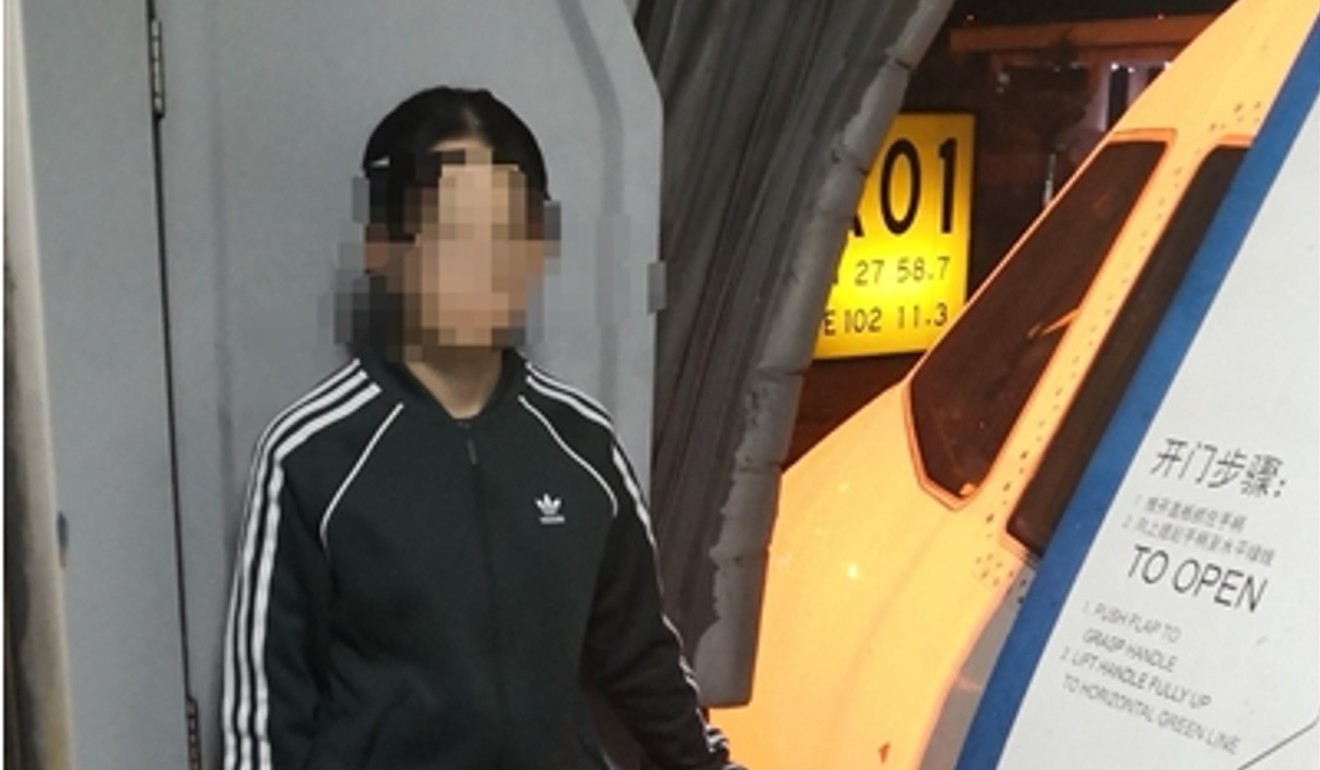
A woman was fined for tossing coins onto the apron at an airport in Sichuan province. Photo: Weibo
A woman who threw coins onto the parking apron at an airport in southwest China in the superstitious belief it might cure her cousin’s baby’s diarrhoea was instead fined 200 yuan (US$28), local media reported.
The incident happened on September 5, as the woman, surnamed Wang, and a group of her relatives arrived in Xichang, Sichuan province, after flying from Nanchang, Jiangxi province, to attend a family wedding, the Chengdu Business News reported on Friday.
Wang, 23, dropped the coins through the gap between the aircraft and the jet bridge as she and her family were disembarking.
Police said the medical student was shocked when she realised the trouble she had caused. Photo: Weibo
Although no one spotted what she had done at the time, airport workers later found three coins on the ground while conducting a security check and reported the matter to the police.
Officers reviewed footage from the airport’s surveillance cameras and identified Wang as the guilty party and went to see her at her hotel the following morning, the report said.

Wang said that during the flight her cousin’s baby had suffered from diarrhoea and that it was customary in her hometown to toss coins in the hope it would bring the child good luck.

“She said she didn’t realise her action could have had a very serious outcome,” a police officer was quoted as saying, adding that Wang appeared shocked when she realised the trouble she had caused.

However, as her actions had not resulted in any delays to flights or created any other problems, she was charged only with a minor offence.

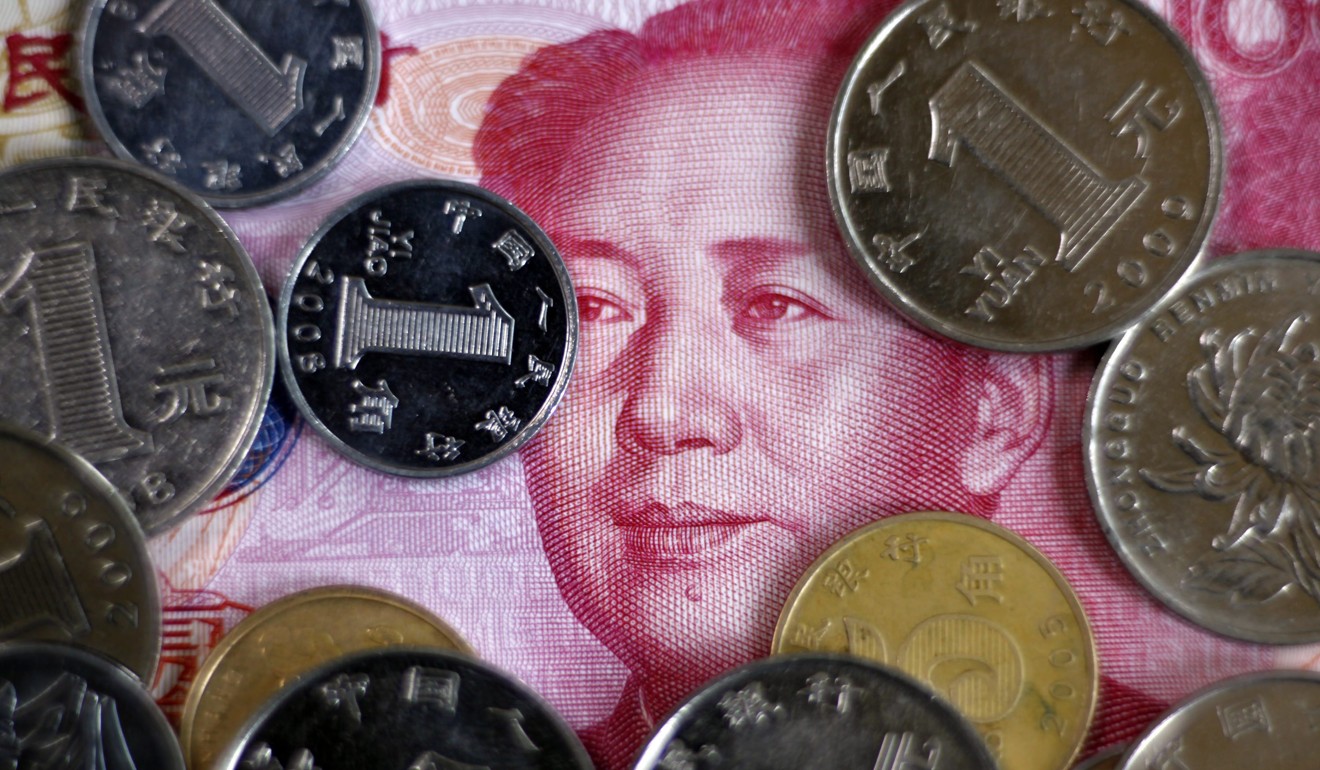
Many Chinese think tossing coins before a flight will bring them good luck. Photo: EPA

Wang, who recently completed a bachelor’s degree in medicine and was preparing to sit a graduate school entrance examination, was worried the incident might have an impact on her future education and job prospects, the officer said.

More than 5,000 people commented on the story on news portal 163.com, with one asking: “You are so superstitious, how can you treat patients?”

In recent years there have been numerous reports of Chinese travellers causing delays and being punished for tossing coins onto airport runways and even into aircraft engines.

In April, a woman was detained for throwing six coins as she was about to board a plane in southern China in the hope it would guarantee her a safe trip.

Source: SCMP

10/09/2019

Chinese woman’s Rolls-Royce parking row uncovers string of crimes

  • Luxury car owner who blocked hospital emergency access in criminal detention for identity papers scam
  • Former driver conned her out of US$280,000
The rare licence plate on this luxury car blocking a hospital emergency access led to a police investigation and criminal detention for the owner and her former driver. Photo: Weibo

A woman who blocked a hospital’s emergency access with her Rolls-Royce two weeks ago lost more than her temper when investigators uncovered a string of unexpected crimes.

Police said on Tuesday that the woman, surnamed Shan, was in criminal detention, along with her former driver, as a result of their investigation. A third man is in administrative detention for fabricating and spreading rumours about the luxury car.

Shan, 31, was originally given five days’ administrative detention for disturbing public order after she argued with a security guard and a police officer in the August 14 incident, which went viral on social media.

The attention of China’s online community was quickly drawn to the rare licence plate on the Rolls-Royce, which blocked emergency access at the Beijing Obstetrics and Gynaecology Hospital for more than an hour.

Rolls-Royce driver blocks Beijing hospital’s emergency entrance
The licence plate number on the car indicated it had originated from a government agency or from someone who was among the first in China to own a vehicle. Traffic laws ban the transfer of car plate registration, prompting online sleuths to speculate just how Shan had obtained it.

Beijing police were also interested and established a special task force which discovered that Shan had paid her former driver two million yuan (US$280,000) to transfer ownership of the Rolls-Royce to the legal owner of the plate.

Police did not say how much the transfer of the car ownership actually cost, but they were satisfied most of the two million yuan had been spent by the former driver, surnamed Guo. He is now in criminal detention for fraud.

Unfortunately for Shan, police also uncovered her involvement in a scheme to forge, alter and trade identity papers. Details of the enterprise were not disclosed by Beijing police, who said they were working with officers from the location of Shan’s registered permanent residence.

Meanwhile, a 37-year-old man was placed in administrative detention for an unspecified number of days after he fabricated a rumour that Shan’s luxury car had been put up for sale in a second-hand car dealership.

Source: SCMP

05/07/2019

Chinese woman drops in on work colleagues to deliver lunch – from a height of 300 metres

  • Mountain park worker Wan Tiandi started making the near-1,000ft bungee jump every day as the most efficient way of delivering a hot meal to her colleagues
  • She says it would take more than half an hour to drive down the mountain, but this way means she can get the food there within minutes
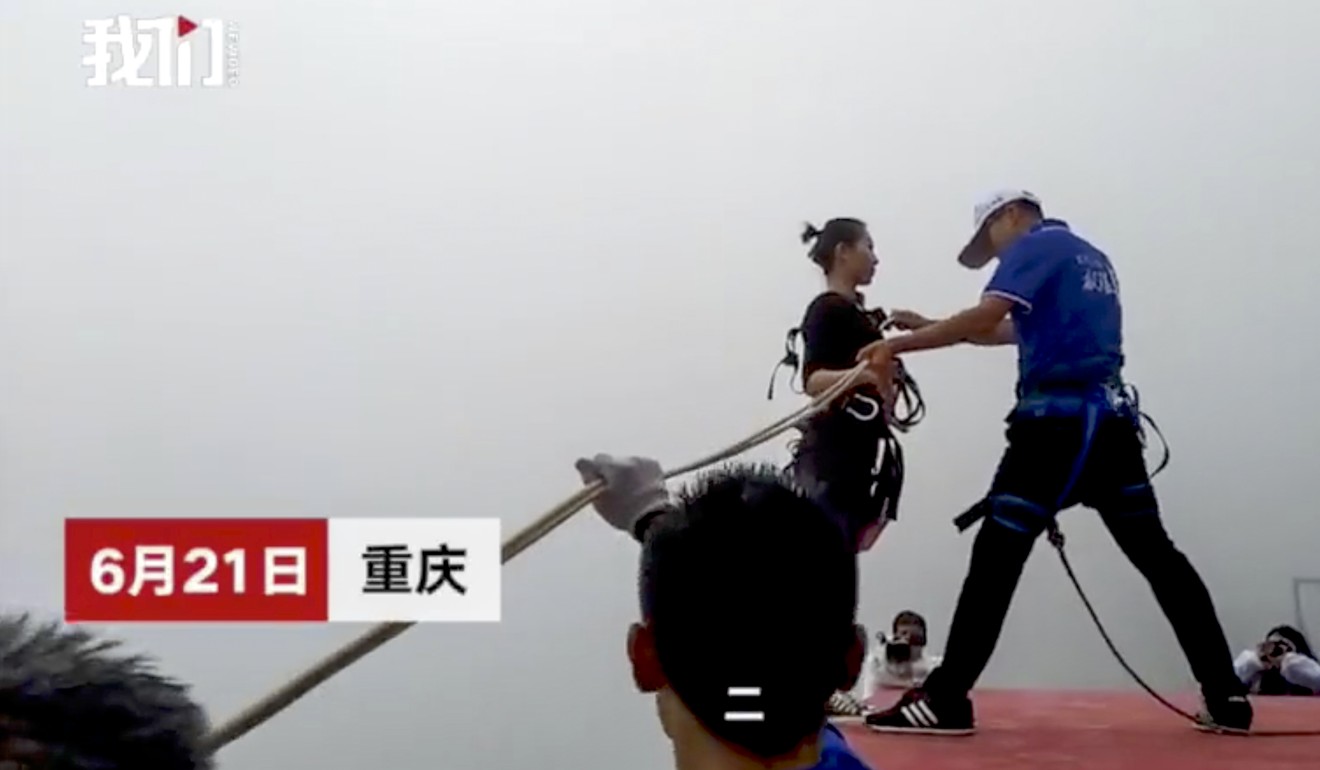
Wan Tiandi makes the 300-metre leap every lunchtime. Photo: Weibo
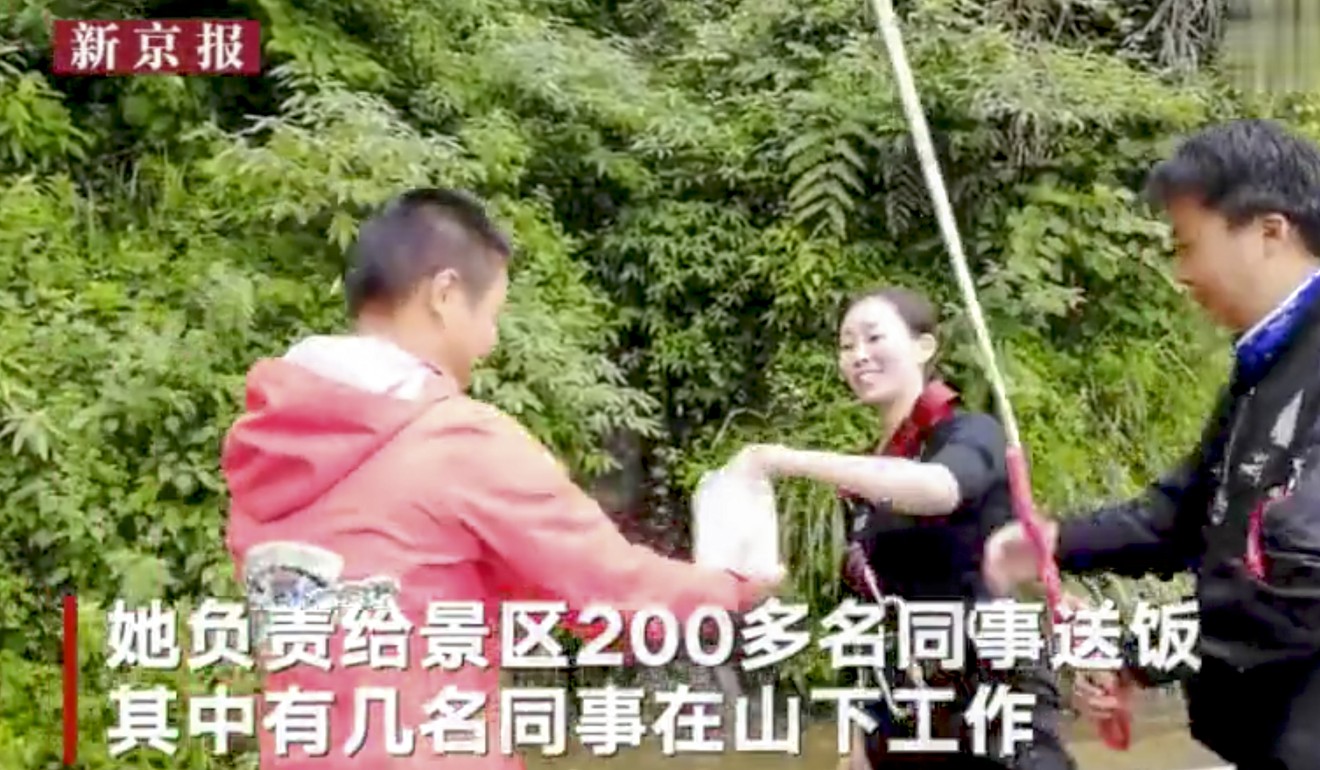
A woman working at a mountainous beauty spot in southwest China has started delivering hot meals to her colleagues by bungee jumping 300 metres (985ft) every lunchtime.
Wan Tiandi works at Dream Ordovician Park in Chongqing, where her duties include delivering lunches to more than 200 employees who are not allowed to leave their posts during their lunch hour, The Beijing News reported.
Because of the park’s geography it would take over half an hour to drive down the mountain to their work station.
To save time, she has now started bungee-jumping down the cliff to deliver the lunchboxes to her colleagues.
“Our park is huge. It will take me more than half an hour’s drive to send lunches to them, while this bungee jump takes only two minutes,” Wan was quoted as saying.
Wan Tiandi prepares to make the jump. Photo: Weibo

She said that in the past when her colleagues received the lunches, they were already cold.

She said she and her colleagues had discussed the problem and developed their unorthodox food delivery method.

“My colleagues need us to send them food but transport on the mountain is not easy. Some of them work at places where there are no roads except narrow mountainous paths,” Wan said.

Wan Tiandi bungee jumps off the cliff every lunchtime. Photo: Weibo

After she jumps from the cliff, Wan’s colleagues collect their lunchboxes that she carries in bags strapped to her waist.

Wan added that she enjoyed the thrill of bungee jumping and the sports enthusiast then jogged back to her office at the top of the mountain.

Her colleagues praised her for working hard to deliver hot food. “It is not easy. Her delivery is fast, steady and always on time,” one of her colleagues was quoted as saying.

Wan hands over the hot meals at the bottom of the cliff. Photo: Weibo
Source: SCMP
16/04/2019

McDonalds apologises to Chinese woman who was served tea contaminated with chlorine cleaner

  • Doctors say drink contained anti-bacteria compound used by catering industry
  • Woman took ‘one sip and found it tasted bad’
Fast food chain McDonald’s apologised to a customer who was served milk tea contaminated with disinfectant at one of its stores in eastern China. Photo: Weibo
Fast food chain McDonald’s apologised to a customer who was served milk tea contaminated with disinfectant in one of its stores in eastern China, damaging her digestive tract.
The restaurant said on Monday that it had reached a settlement with the customer, a woman surnamed Huang, after she suffered vomiting, a sore throat, a stomach ache and was taken to hospital on Friday for treatment.
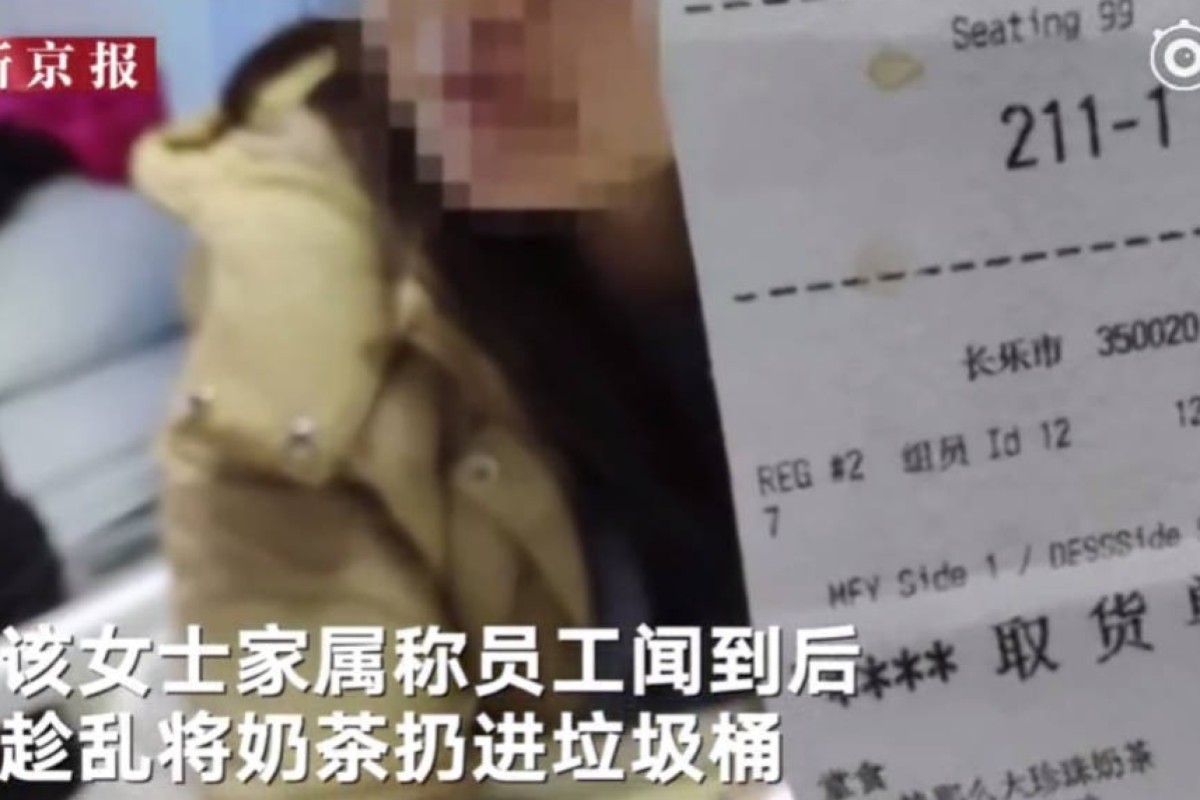
Huang – who was still in hospital – suffered the symptoms shortly after taking a sip of the drink in a restaurant at Changle Airport in Fuzhou, the capital of Fujian province, the Strait Metropolis Daily reported.
“She just had one sip and found it tasted bad. But she already swallowed some of it,” Huang’s husband, surnamed Tang, told the newspaper.
McDonald’s apologises after advertisement showing Taiwan as a country draws criticism

When the lid was removed from the cup there was a strong smell of disinfectant, Tang said.

“I asked staff workers about the drink, but they just took it and smelled it, without giving any explanation. They threw the drink into the rubbish when we were not looking, but we took it back,” Tang said.

Doctors said the woman’s symptoms were caused by sodium dichloroisocyanurate, a chlorine compound widely used to kill bacteria in water by the catering industry and by the leisure sector in swimming pools.

On its Weibo feed, McDonald’s described the incident as unintentional and said staff would be given more training.

“McDonald’s has paid great attention to the incident and is deeply sorry for the error made by a staff member of our restaurant,” it said.

McDonald’s said that it would improve staff training after the customer was given tea tainted with disinfectant. Photo: Weibo
Source: SCMP
09/04/2019

Chinese woman detained for wearing Young Pioneers’ red scarf and ‘revealing’ outfit

  • Video footage of woman fishing in a miniskirt and symbol of communist youth group deemed to violate law against ‘defiling revolutionary martyrs’
The woman was filmed in a miniskirt and red scarf. Photo: Weibo
Police in southwest China have detained a woman or “defiling revolutionary martyrs”after she appeared in a video wearing “bright, revealing clothes” and a Young Pioneers’ red scarf.
Footage of the woman, surnamed Tang, showing her fishing in a muddy field in Sichuan province was posted on the video-sharing website Kuaishou.com.
In one clip – which police said attracted three million views – she was dressed in a red blouse, white miniskirt and the red scarf traditionally worn by members of the under-14s Communist group.
Police in Rong county in Sichuan said Tang had deliberately dressed in “bright, revealing clothes” to “attract eyeballs, increase fans and video views”, and wearing the red scarf with such an outfit violated the Heroes and Martyrs Protection Law, which came into effect in May last year.
“The red scarf is a symbol of the Young Pioneers of China. It represents a corner of the red flag, dyed by the blood of martyrs,” the statement said.
Chinese artist gets naked with late father’s remains but is it art?
“Tang’s action has severely defiled what the red scarf stands for: patriotic martyrs, the honour of the young pioneers, and the patriotic sentiments of the people. It has had a bad social impact.”

Police said Tang had been given 12 days’ administrative detention on March 28 and fined 1,000 yuan (US$150). A man who shot the video footage was released with a warning.

The police statement caused heated debate on the social media platform Weibo.

Some supported the police for punishing “inappropriate behaviour”, while others questioned whether they had abused their power.

Source: SCMP

13/03/2019

Chinese woman pays $44,710 back to crowdfunders who helped her father and ‘gives 300 people a warm hug’

  • When truck driver dad needed money to compensate pedestrian after accident, Hai Lin raised it online in one night and she paid it back two years before her deadline
In 2015, Hai Lin posted an appeal for 300 donations of 1,000 yuan on WeChat with a promise to pay lenders back within five years. Photo: Xinhua
A woman from southeastern China has returned 300,000 yuan (US$44,710) to 300 people – many of them strangers – who donated money to a crowdfunding appeal she started four years ago.
In 2015, Hai Lin posted an appeal for 300 donations of 1,000 yuan on WeChat, with a promise to pay lenders back within five years. She kept her promise – and paid back all her loans two years early.
The internet was abuzz with the story of Hai’s crowdfunder, which was reported by Pearvideo.com on Tuesday. Many people said it warmed their hearts and restored their confidence in society.

Shortly before that, Hai’s mother was admitted to hospital with bleeding on the brain.

“The man [hit by her father] was in critical condition,” Hai, then 27 and from Hangzhou, Zhejiang province, was quoted in the Pearvideo.com as saying. “We had to hide the accident from my mother so that her rehabilitation won’t be affected.”

‘Social media queen’ closes WeChat account after fake story outrage

Hai said the accident was a big blow and, for the first time in her life, she felt frightened.

“My father told me that if we couldn’t afford the compensation, he would run away to escape the debt,” said Hai. “I said I would try my best to keep that from happening.”

In her post on WeChat, she wrote that she was looking for 300 people to lend her 1,000 yuan each. She planned to pay back those debts in five years by returning money to five lenders each month.

“It’s because I couldn’t find someone who could lend me 300,000 yuan at a one time,” said Hai. “Some friends said they could have loaned me 100,000 yuan, but I refused their kindness because that was too big an amount.”

Resourceful Hai Lin asked 300 people online for 1,000 yuan each to help her father out and was true to her word in repaying the money. Photo: Weibo

To her surprise, 300 WeChat contacts, many of whom were not acquaintances, came up with the funds in one night.

In July 2015, Hai began to pay back the money she had borrowed. By July of last year, two years ahead of schedule and thanks to pay rises and year-end bonuses, the debt was cleared.

Some creditors had deleted Hai’s WeChat details, so she had to track them down.

“Girl, thank you for restoring trust which I thought I’d lost and for warm feelings that will stay with me,” one of her creditors wrote on WeChat.

Another said that when he received Hai’s money transfer he thought someone was joking. After recalling Hai’s appeal, he said he was touched by her gesture.

“You gave us 300 people a warm hug,” he said on WeChat.

Travel nightmares and how strangers crowdfund for injured tourists

The report on pearvideo.com has scored more than 40,000 “likes” on Sina Weibo, China’s

Twitter-like, while users added 10,000 combined reposts and comments.

“In her [Hai’s] mind there was a debt while other people would treat it as donation,” an internet user wrote. “I think many people wouldn’t expect her to return the money.”

“It shows this woman is a nice person in her everyday life and deserves credits. I would lend money to people like her,” another wrote.

One cautious Weibo user said: “I’ve never loaned money to people whom I never met face-to-face and only chatted with online.”

“Is it a big thing that you borrow money and pay it back?” asked another user. “You borrow 1,000 yuan from a person and return it years later. Is it something to feel proud of?”

Source: SCMP

Law of Unintended Consequences

continuously updated blog about China & India

ChiaHou's Book Reviews

continuously updated blog about China & India

What's wrong with the world; and its economy

continuously updated blog about China & India