Chindia Alert: You’ll be Living in their World Very Soon
aims to alert you to the threats and opportunities that China and India present. China and India require serious attention; case of ‘hidden dragon and crouching tiger’.
Without this attention, governments, businesses and, indeed, individuals may find themselves at a great disadvantage sooner rather than later.
The POSTs (front webpages) are mainly 'cuttings' from reliable sources, updated continuously.
The PAGEs (see Tabs, above) attempt to make the information more meaningful by putting some structure to the information we have researched and assembled since 2006.
BEIJING (Reuters) – China announced on Sunday two new confirmed cases of coronavirus and four new asymptomatic cases, including one person without symptoms of COVID-19 on a chartered flight from Germany.
The two confirmed cases in Shandong province on Saturday compared with four cases the day before, data from the country’s health authority showed.
The National Health Commission (NHC) confirmed three new asymptomatic cases on Saturday.
On Sunday, the Chinese city of Tianjin confirmed one asymptomatic person, a passenger arriving from Frankfurt on a chartered Lufthansa flight, LH342, to Tianjin. This case was discovered between midnight and 6 a.m. local time on Sunday, the city’s daily statements show.
These charter flights are part of an accelerated entry procedure offered by Beijing as China and Germany seek to reignite their economies after months of lockdown. The flight to Tianjin carried about 200 passengers, mostly German business executives.
Lufthansa has another charter flight scheduled for Shanghai on Wednesday.
A 34-year-old German engineer tested positive for the coronavirus after arriving in Tianjin but he does not have any symptoms, the Tianjin government said on its official social media platform Weibo.
The asymptomatic patient has been transferred to a local hospital to be placed under medical observation, the Tianjin government said, adding that the whole process was a “closed loop”, meaning posing no great risk to the Chinese public.
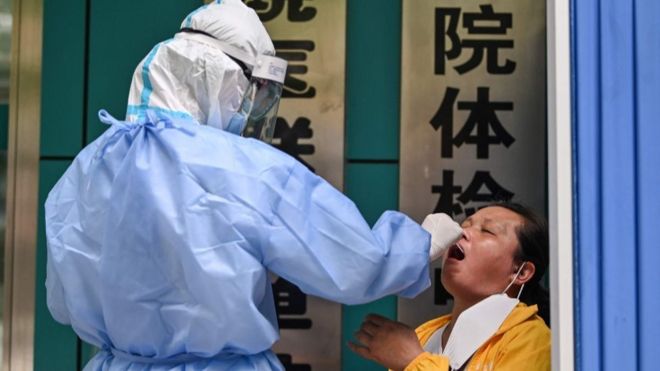
Image copyright GETTY IMAGESImage caption Testing everyone in 10 days would be a huge challenge
China is drawing up ambitious plans to test the entire population of Wuhan, the city where the Covid-19 pandemic began.
The announcement came after the emergence of six new coronavirus cases in the city – the first ones since early April.
The authorities had originally promised to test all 11 million people in 10 days.
But it now appears they might be aiming for a less ambitious timetable.
How long will the testing take?
In late April, the Hubei provincial government reported 63,000 people were being tested in Wuhan every day.
And by 10 May, that figure had dropped to just under 40,000.
There are more than 60 testing centres across the city, according to the official Hubei Daily newspaper.
These have a maximum capacity of 100,000 tests a day at most, making it hard to see how a target of testing the entire population in just 10 days could be met.
So the authorities have indicated the tests will not all start and finish within the same 10-day period.
“Some districts [in the city] will start from 12 May, others from 17 May, for example,” the Wuhan Centre for Disease Control said.
“Each district finishes its tests within 10 days from the date it started.”
The authorities say they have now tested more than three million people in the city.
Wuhan University pathogen biology department deputy director Yang Zhanqiu told the Global Times newspaper he believed up to five million Wuhan residents may have already been tested.
The population of the city – originally 11 million – has also fluctuated over time.
The authorities said up to five million people had left the city for the lunar New Year holiday before it was locked down on 23 January.
The lockdown then lasted until 8 April, but it is unclear how many of these residents have now returned.
Should everyone be tested?
Wuhan University’s Yang Zhanqiu said there was no need to test everyone living in neighbourhoods with no reported cases.
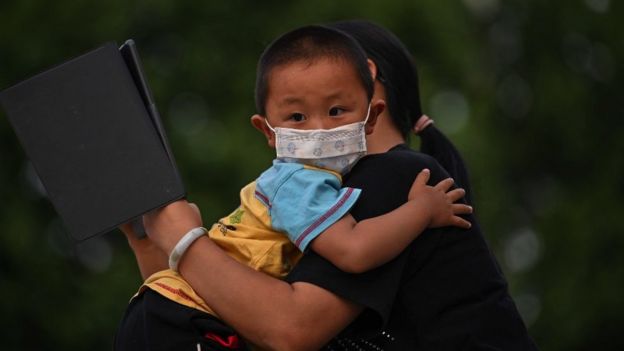
Image copyright GETTY IMAGESImage caption There are worries about asymptomatic coronavirus cases
The authorities have said they will begin with people considered most at risk – for example in the older, more densely populated areas, as well as those in key jobs such as healthcare.
Also, people who have been tested in the previous seven days will not need to be tested again.
But Chinese Center for Disease Control and Prevention chief epidemiologist Wu Zunyou told state TV: “The virus could take longer to manifest itself in patients with weak immunity and these people are also prone to ‘on’ and ‘off’ symptoms.”
Yang Zhanqiu adds: “You’ll never know if people were infected after testing negative.”
And US-based Council for Foreign Affairs senior fellow for global health Yanzhong Huang said: “There would still be the possibility of isolated outbreaks in the future, which even large-scale testing will not address.”
Faced with a backlash from the West over its handling of the early stages of the pandemic, Beijing has been quietly gaining ground in Asia
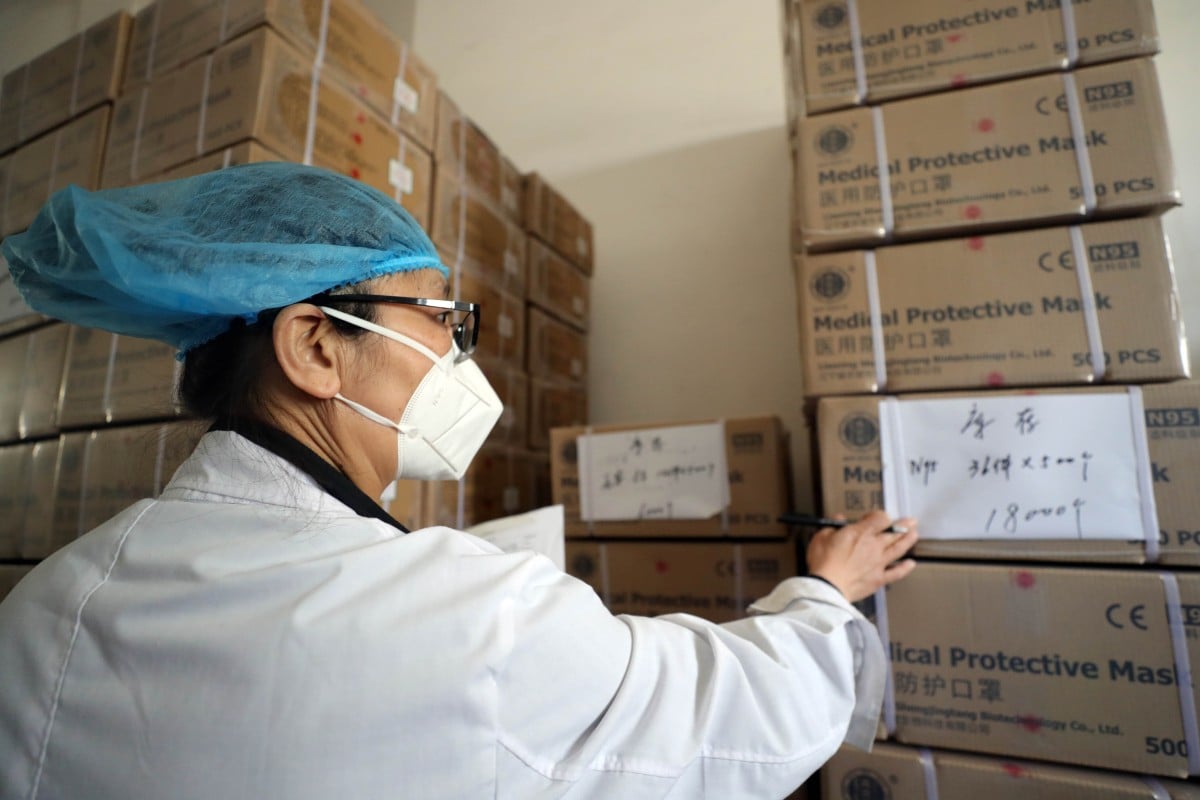
Teams of experts and donations of medical supplies have been largely welcomed by China’s neighbours
Despite facing some criticism from the West, China’s Asian neighbours have welcomed its medical expertise and vital supplies. Photo: Xinhua
While China’s campaign to mend its international image in the wake of its handling of the coronavirus health crisis has been met with scepticism and even a backlash from the US and its Western allies, Beijing has been quietly gaining ground in Asia.
Teams of experts have been sent to Cambodia, the Philippines, Myanmar, Pakistan and soon to Malaysia, to share their knowledge from the pandemic’s ground zero in central China.
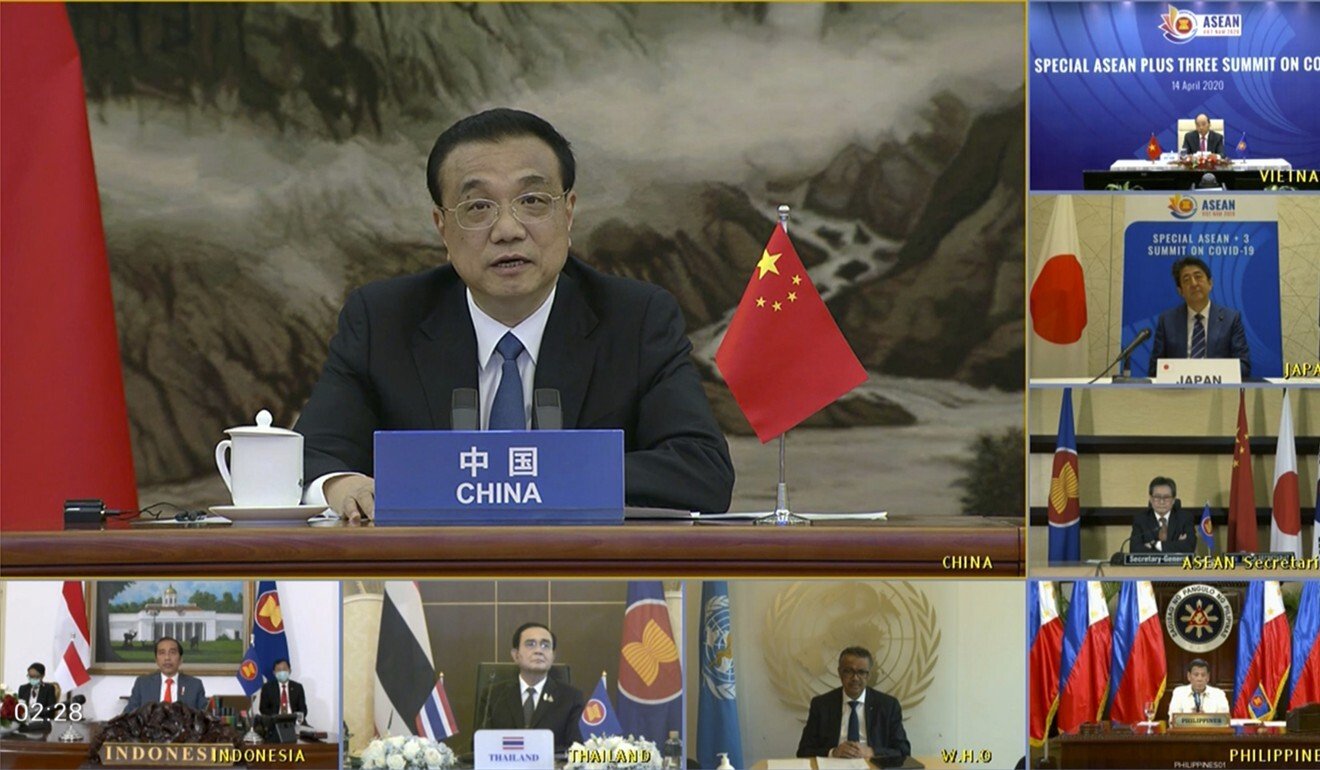
China has also held a series of online “special meetings” with its Asian neighbours, most recently on Tuesday when Premier Li Keqiang discussed his country’s experiences in combating the disease and rebooting a stalled economy with the leaders of the Association of Southeast Asian Nations (Asean), Japan and South Korea.
Chinese Prime Minister Li Keqiang speaks to Asean Plus Three leaders during a virtual summit on Tuesday. Photo: AP
Many Western politicians have publicly questioned Beijing’s role and its subsequent handling of the crisis but Asian leaders – including Philippine President Rodrigo Duterte and Japanese Prime Minister Shinzo Abe – have been reluctant to blame the Chinese government, while also facing criticism at home for not closing their borders with China soon enough to prevent the spread of the virus.
An official from one Asian country said attention had shifted from the early stages of the outbreak – when disgruntled voices among the public were at their loudest – as people watched the virus continue its deadly spread through their homes and across the world.
“Now everybody just wants to get past the quarantine,” he said. “China has been very helpful to us. It’s also closer to us so it’s easier to get shipments from them. The [medical] supplies keep coming, which is what we need right now.”
The official said also that while the teams of experts sent by Beijing were mainly there to observe and offer advice, the gesture was still appreciated.
Another Asian official said the tardy response by Western governments in handling the outbreak had given China an advantage, despite its initial lack of transparency over the outbreak.
“The West is not doing a better job on this,” he said, adding that his government had taken cues from Beijing on the use of propaganda in shaping public opinion and boosting patriotic sentiment in a time of crisis.
“Because it happened in China first, it has given us time to observe what works in China and adopt [these measures] for our country,” the official said.
Experts in the region said that Beijing’s intensifying campaign of “mask diplomacy” to reverse the damage to its reputation had met with less resistance in Asia.
Why China’s ‘mask diplomacy’ is raising concern in the West
29 Mar 2020
“Over the past two months or so, China, after getting the Covid-19 outbreak under control, has been using a very concerted effort to reshape the narrative, to pre-empt the narrative that China is liable for this global pandemic, that China has to compensate other countries,” said Richard Heydarian, a Manila-based academic and former policy adviser to the Philippine government.
“It doesn’t help that the US is in lockdown with its domestic crisis and that we have someone like President Trump who is more interested in playing the blame game rather than acting like a global leader,” he said.
Shahriman Lockman, a senior analyst with the foreign policy and security studies programme at Malaysia’s Institute of Strategic and International Studies, said that as the US had withdrawn into its own affairs as it struggled to contain the pandemic, China had found Southeast Asia a fertile ground for cultivating an image of itself as a provider.
China’s first-quarter GDP shrinks for the first time since 1976 as coronavirus cripples economy
Beijing’s highly publicised delegations tasking medical equipment and supplies had burnished that reputation, he said, adding that the Chinese government had also “quite successfully shaped general Southeast Asian perceptions of its handling of the pandemic, despite growing evidence that it could have acted more swiftly at the early stages of the outbreak in Wuhan”.
“Its capacity and will to build hospitals from scratch and put hundreds of millions of people on lockdown are being compared to the more indecisive and chaotic responses seen in the West, especially in Britain and the United States,” he said.
Coronavirus droplets may travel further than personal distancing guidelines
16 Apr 2020
Lockman said Southeast Asian countries had also been careful to avoid getting caught in the middle of the deteriorating relationship between Beijing and Washington as the two powers pointed fingers at each other over the origins of the new coronavirus.
“The squabble between China and the United States about the pandemic is precisely what Asean governments would go to great lengths to avoid because it is seen as an expression of Sino-US rivalry,” he said.
“Furthermore, the immense Chinese market is seen as providing an irreplaceable route towards Southeast Asia’s post-pandemic economic recovery.”
Aaron Connelly, a research fellow in Southeast Asian political change and foreign policy with the International Institute for Strategic Studies in Singapore, said Asian countries’ dependence on China had made them slow to blame China for the pandemic.
“Anecdotally, it seems to me that most Southeast Asian political and business elites have given Beijing a pass on the initial cover-up of Covid-19, and high marks for the domestic lockdown that followed,” he said.
“This may be motivated reasoning, because these elites are so dependent on Chinese trade and investment, and see little benefit in criticising China.”
China and Vietnam ‘likely to clash again’ as they build maritime militias
12 Apr 2020
The cooperation with its neighbours as they grapple with the coronavirus had not slowed China’s military and research activities in the disputed areas of the South China Sea – a point of contention that would continue to cloud relations in the region, experts said.
Earlier this month an encounter in the South China Sea with a Chinese coastguard vessel led to the sinking of a fishing boat from Vietnam, which this year assumed chairmanship of Asean.
And in a move that could spark fresh regional concerns, shipping data on Thursday showed a controversial Chinese government survey ship, the Haiyang Dizhi 8, had moved closer to Malaysia’s exclusive economic zone.
The survey ship was embroiled in a months-long stand-off last year with Vietnamese vessels within Hanoi’s exclusive economic zone and was spotted again on Tuesday 158km (98 miles) off the Vietnamese coast.
SHANGHAI (Reuters) – China ordered on Saturday that anyone in Wuhan working in certain service-related jobs must take a coronavirus test if they want to leave the city.
The order comes after the central city, where the coronavirus emerged late last year, lifted a 70-day lockdown that all but ended the epidemic there.
People in Wuhan work in nursing, education, security and other sectors with high exposure to the public must take a nucleic acid test before leaving, the National Health Commission said in an order.
The government of Hubei province, of which Wuhan is capital, will pay for the tests, the commission said.
Since the city relaxed its lockdown restrictions people who arrived in there before Chinese New Year, when the virus was peaking in China, are allowed to go back to their homes.
People working in other sectors aiming to leave Wuhan are encouraged to take voluntary tests before going.
Within seven days of arrival at their destinations, people who can present test results showing they do not carry the virus, as well as a clean bill of health on a health app, can go back to work.
Everyone else will have to spend 14 days in quarantine before returning to work.
Authorities have worked with the China’s tech giants to devise a colour-based health code system, retrieved via mobile app, that uses geolocation data and self-reported information to indicate one’s health status.
Wuhan will speed up its efforts to investigate asymptomatic coronavirus cases and confirm the presence of antibodies in people, which might suggest immunity, the commission said.
Wuhan, which accounts for 60% of infections in China and 84% of the death toll as of Saturday, has been testing inhabitants aggressively throughout the virus’ breakout and many companies had already been asking workers from the city to undergo tests before resuming work.
Wuhan revised up its death toll from the coronavirus by 1,290 on Friday, taking the city’s toll to 3,869, because of incorrect reporting, delays and omissions, especially in the chaotic early stages of the outbreak, authorities said.
China national death toll is 4,632 from 82,719 cases.
SUIFENHE, China (Reuters) – China’s northeastern border with Russia has become a frontline in the fight against a resurgence of the coronavirus epidemic as new daily cases rose to the highest in nearly six weeks – with more than 90% involving people coming from abroad.
Having largely stamped out domestic transmission of the disease, China has been slowly easing curbs on movement as it tries to get its economy back on track, but there are fears that a rise in imported cases could spark a second wave of COVID-19.
A total of 108 new coronavirus cases were reported in mainland China on Sunday, up from 99 a day earlier, marking the highest daily tally since March 5.
Imported cases accounted for a record 98. Half involved Chinese nationals returning from Russia’s Far Eastern Federal District, home to the city of Vladivostok, who re-entered China through border crossings in Heilongjiang province.
RELATED COVERAGE
Number of people crossing China borders cut 90% as part of virus efforts: official
“Our little town here, we thought it was the safest place,” said a resident of the border city of Suifenhe, who only gave his surname as Zhu.
“Some Chinese citizens – they want to come back, but it’s not very sensible, what are you doing coming here for?”
The border is closed, except to Chinese nationals, and the land route through the city had become one of few options available for people trying to return home after Russia stopped flights to China except for those evacuating people.
Streets in Suifenhe were virtually empty on Sunday evening due to restrictions of movement and gatherings announced last week, when authorities took preventative measures similar to those imposed in Wuhan, the central Chinese city where the pandemic ripping round the world first emerged late last year.
The total number of confirmed cases in mainland China now stands at 82,160 as of Sunday, and at the peak of the first wave of the epidemic on Feb 12 there were over 15,000 new cases.
Though the number of daily infections across China has dropped sharply from that peak, China has seen the daily toll creep higher after hitting a trough on March 12 because of the rise in imported cases.
Chinese cities near the Russian frontier are tightening border controls and imposing stricter quarantines in response.
Suifenhe and Harbin, the capital of Heilongjiang, are now mandating 28 days of quarantine as well as nucleic acid and antibody tests for all arrivals from abroad.
In Shanghai, authorities found that 60 people who arrived on Aeroflot flight SU208 from Moscow on April 10 have the coronavirus, Zheng Jin, a spokeswoman for the Shanghai Municipal Health Commission, told a press conference on Monday.
Residents in Suifenhe said a lot of people had left the city fearing contagion, but others put their trust in authorities’ containment measures.
“I don’t need to worry,” Zhao Wei, another Suifenhe resident, told Reuters. “If there’s a local transmission, I would, but there’s not a single one. They’re all from the border, but they’ve all been sent to quarantine.”
BEIJING (Reuters) – China reported on Saturday a rise in new coronavirus cases, as authorities try to head off a second wave of infections, particularly from imported and asymptomatic cases, as curbs on cities and travel are lifted.
The National Health Commission said 46 new cases were reported on Friday, including 42 involving travellers from abroad, up from 42 cases a day earlier.
In its statement the commission added that 34 new asymptomatic cases were reported, down from 47 the previous day.
Mainland China’s tally of infections now stands at 81,953. The death toll rose by three to 3,339.
Tough curbs imposed since January helped rein in infections sharply from the height of the pandemic in February. But policymakers fear a second wave triggered by arrivals from overseas or asymptomatic patients.
Northeastern Heilongjiang recently reported a spike in new cases because of Chinese nationals entering the province from Russia, which has seen a surge of cases.
Provincial health officials said it had 22 new imported cases on Friday, all Chinese nationals coming from Russia, and one new local case, in its capital of Harbin.
Inner Mongolia had a daily tally of 27 new imported cases by Saturday morning, all from Russia, the region’s health authority said.
The central province of Hubei, where the virus emerged late last year, reported no new cases for a seventh successive day.
A rise in virus infections has prompted authorities in Guangzhou to step up scrutiny of foreigners, ordering bars and restaurants not to serve clients who appear to be of African origin, the U.S. consulate in the southern city said.
Anyone with “African contacts” faces mandatory virus tests followed by quarantine, regardless of recent travel history or previous isolation, it said in a statement.
It advised African-Americans or those who feel they might be suspected of contact with nationals of African origin to avoid the city.
Since the epidemic broke out in the provincial capital of Wuhan, it has spread around the world, infecting 1.6 million people and killing more than 100,000.
‘I felt excited and proud of myself,’ says restaurant owner and former volunteer ambulance driver Xiang Yafei
‘I didn’t feel afraid at all. In my mind, it’s already a successful vaccine,’ he says
Wuhan restaurant owner Xiang Yafei says he wasn’t afraid to be a coronavirus vaccine guinea pig. Photo: Handout
With more than 1.5 million confirmed cases around the world and over 88,000 deaths, the race to develop a vaccine for the coronavirus is hotting up.
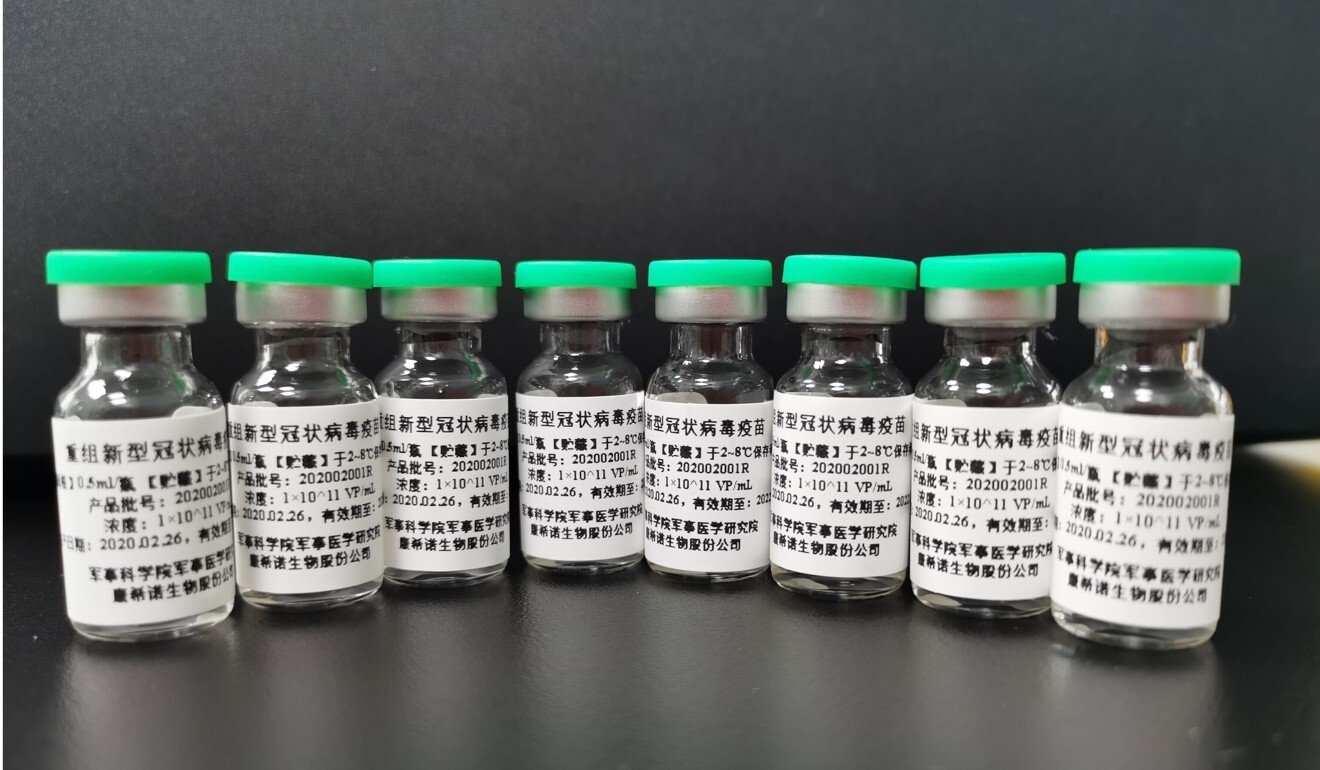
According to the World Health Organisation, about 35 companies and academic institutions are currently working on candidate products. Among the front-runners are China’s CanSino Biologics and Moderna Therapeutics in the United States, both of which have begun phase one clinical trials.
In China, those tests, which started on March 19, involve 108 volunteers from Wuhan, the city in which the virus that causes Covid-19 was first detected.
Among them is 30-year-old restaurant owner Xiang Yafei, who spoke to the South China Morning Post about his experiences so far.
Why did you apply to be a vaccine trial volunteer?
I had been doing various voluntary jobs since the end of January when Wuhan was put under lockdown. In the middle of March, one of my friends who knew about the vaccine study asked if I would be interested in joining.
At first I was afraid because there was uncertainty [about the vaccine]. I asked around and some of my friends said there was some risk to being a candidate as I’d be injected with some kinds of virus, but I felt better after I did some research about it online.
Before joining the clinical trials, Xiang worked as a volunteer ambulance driver. Photo: Handout
Also, because the vaccine was developed by the Academy of Military Medical Sciences [a research unit of the People’s Liberation Army] and CanSino, I thought its safety should be guaranteed, as I have confidence in the PLA because several of my relatives are former soldiers. So I agreed to join the trial but didn’t tell my parents because I didn’t want to worry them.
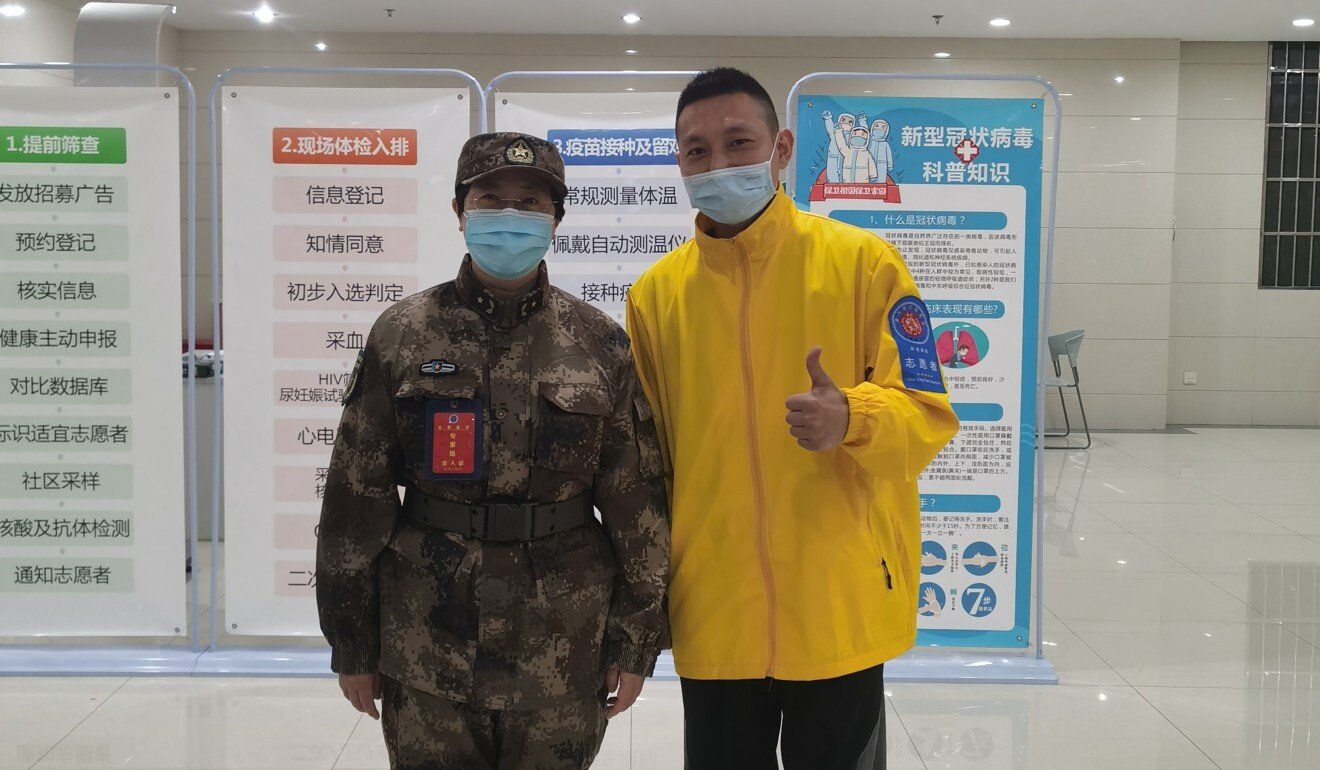
I went to the research team’s office on March 16 and filed my application – that was before they officially announced they were recruiting volunteers on the internet. While I was at the office, I was lucky to meet Major General Chen Wei, the team leader, who explained about the development of the vaccine and assured me that it wouldn’t damage my body. That boosted my confidence.
China ‘leads world in coronavirus research’, followed by US
8 Apr 2020
When did you receive your injection and how did you feel at that time?
I was given mine on the morning of March 19 and immediately put into quarantine for 14 days at a PLA facility. My number in the volunteer group is 006, meaning I was the sixth person to get the vaccine. Before the injection, I underwent a strict physical check-up. I later learned that more than 5,200 people had applied to be volunteers.
Receiving the vaccine was no different to any other injection I’d had before in my life. I didn’t feel any pain and it only lasted about 10 seconds.
But in my heart, I felt excited and proud of myself. I understand that the vaccine will be an important part in battling this coronavirus and testing it is part of the preparations before it can be put on the market.
Xiang (right) said team leader Chen Wei (left) told him about the development of the vaccine and assured him he would come to no harm. Photo: Handout
As volunteers, our job is to work together with the scientists. After all, academician Chen [the major general is also a member of the Chinese Academy of Engineering] and six members of her team have also been injected with the vaccine, and she was the first person to receive it.
They didn’t show any bad symptoms, so at that moment, I didn’t feel afraid at all. In my mind, it’s already a successful vaccine.
And how has your health been since receiving the vaccine?
I had a fever, 37.6 degrees, for the first two days. It was like catching a normal cold, with symptoms of fatigue and drowsiness. But from the third day, my condition improved and I was basically in good health.
The 108 volunteers are divided into three streams, with each receiving either a low, medium or high dose of the drug. I was in the low group so only got one dose. Volunteers in the medium group also got one and the high group were given two shots. As far as I know, everyone was fine after receiving their injections.
When will your trial result be available?
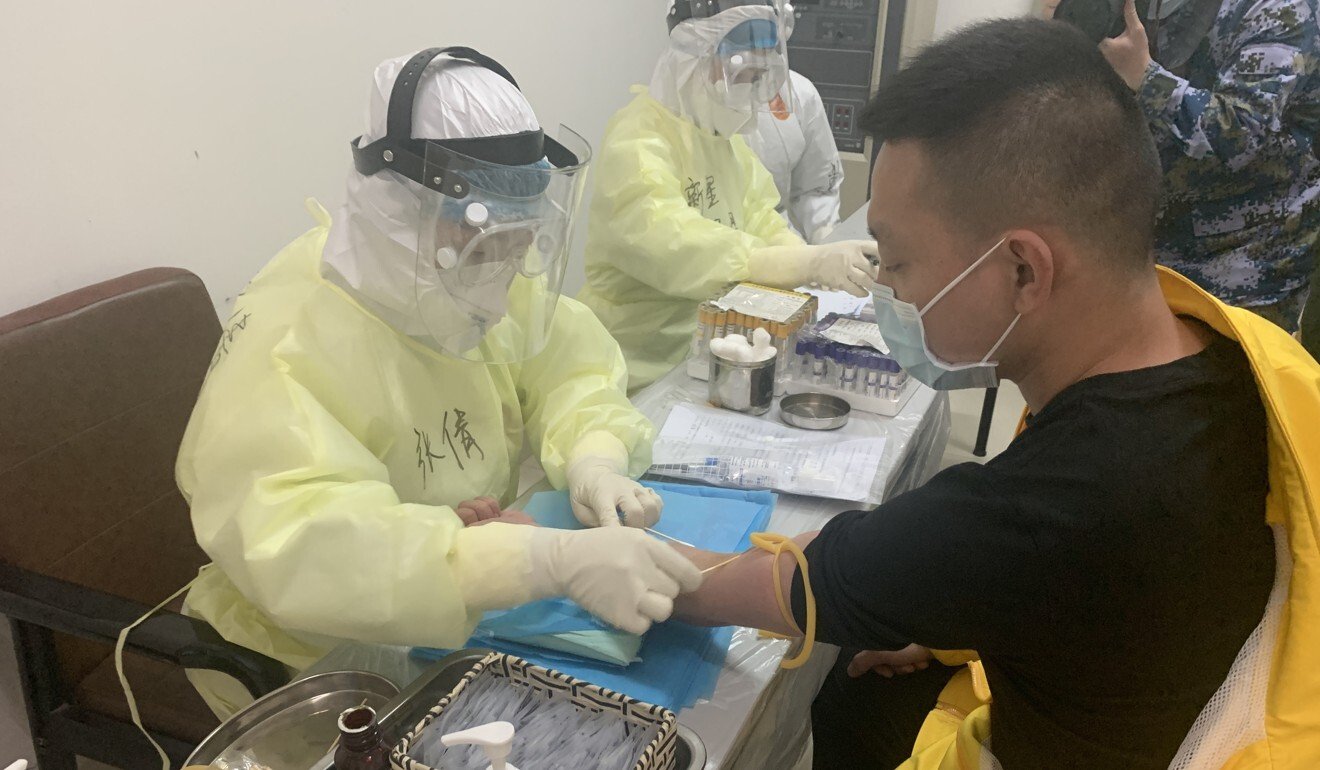
After my quarantine period ended on April 2, I was given a CAT scan and the researchers took a sample of my blood for testing. They said it would be two weeks before they could tell if there were coronavirus antibodies in my bloodstream.
I am not sure if they will tell me the result, but over the next five months I have to do four more blood tests to see if I have antibodies and how long they might remain in my blood.
What did you do to keep yourself entertained during the quarantine period?
It was just rest for me. Before then I’d been a volunteer ambulance driver in Wuhan, working every day taking coronavirus patients to hospital. I’d been really busy for more than a month, so the 14-day quarantine period gave me a chance to relax and catch up on some sleep.
I really enjoyed my time there thanks to the meals I was given, which were nutritious and varied.
The volunteers had to stay in their rooms and we were not allowed to visit each other. We were also told to check our temperature every day and to report any symptoms. I read books and exercised in my room. Some of the volunteers practised calligraphy, some played football with their toilet paper rolls, some jogged, some composed songs, and some made videos about their life in quarantine and uploaded the clips to social media. We did everything just in our own rooms.
Chinese firm CanSino Biologics is one of the front-runners in the race to develop a vaccine for the coronavirus. Photo: Handout
So what was it like working as an ambulance driver?
It was a race against time trying to get people to hospital as quickly as I could. But I felt a real sense of purpose.
At first, I didn’t want to do such work. I was scared because all the patients had been confirmed or were suspected of being infected, and they were contagious.
I was told that no one wanted to be an ambulance driver, but I had a licence to drive a minivan so I decided to do it. I think we young people should make a contribution to society, especially during this difficult time and in our home city and home province, so I applied.
Also, [each day at work] I took a gourd with me. It is called hulu in Mandarin and has auspicious implications in Chinese, as hu sounds similar to fu, which means good luck.
How was your restaurant business affected by the epidemic?
I lost about half a million yuan (US$70,000) because of it. I decided to shut my restaurant down on January 21, two days before the official lockdown, because there had been rumours it was coming and I wanted my workers to be able to leave Wuhan and return to their hometowns.
Right now I’m making preparations to reopen my restaurant, which means a lot of cleaning and disinfecting, and thinking about serving all my customers again.
So how did you feel when the lockdown was lifted on Wednesday?
The situation in Wuhan is getting better. We are proud of what we did for this city. We hope the coronavirus cases can drop to zero soon and our lives can get back to normal.
SEOUL (Reuters) – South Korea reported fewer than 50 new coronavirus cases for the first time since its peak at the end of February as daily infections in Asia’s largest outbreak outside China continued to trend downward.
The Korea Centers for Disease Control and Prevention (KCDC) said on Monday there were 47 new infections as of midnight on Sunday compared with 81 recorded a day earlier, taking the national cumulative tally to 10,284.
The death toll rose by three to 186, while another 135 people have recovered from the virus for a total of 6,598.
South Korea has largely managed to bring the epidemic under control for now, with around 100 or fewer new daily cases for the past month, but it was the first time the rate of daily cases dropped below 50 since 909 were reported on Feb. 29.
But officials urged even greater vigilance, saying a large epidemic could reemerge at any time, with smaller outbreaks in churches, hospitals and nursing homes, as well as infections among travellers, continuing to arise.
A fall in daily demand for tests to some 6,000 from around 10,000 over the weekend contributed to the decline in numbers, Vice Health Minister Kim Gang-lip said.
“We are taking great caution against any optimistic expectations with this one-off figure,” he told a regular briefing.
BREAKING OUT OF ISOLATION
On Saturday, the government extended its intensive social distancing campaign by two weeks, citing sustained infections among small clusters and travellers.
South Koreans had refrained from socialising in February when the number of patients exponentially rose, but more people started going out recently as the weather became warmer and fatigue grew about social distancing, Kim said.
The movement of citizens spiked about 20% over the weekend compared to the end of February, he said, citing data from the state-run statistics agency and SK Telecom, the country’s largest mobile operator.
Starting Sunday, the government toughened penalties for those who violate self-quarantine rules to up to 10 million won ($8,100) in fines or one year in prison from 3 million won ($2,400) in fines.
Authorities have reported several cases of breaching quarantine rules over the past few days. The Gunpo city government south of Seoul said on Sunday it has filed a complaint with police against a couple in their 50s and their children who broke away from isolation and went out even after testing positive for the virus.
A Korean student residing in the United States sparked public uproar after taking fever remedy before flying home late last month. The student was found to have contracted the virus, putting some 20 other people who took the same flight in self quarantine.
“We cannot maintain social distancing for ever,” Kim said. “But it is the most effective measure to help protect others and yourself.”
BEIJING (Reuters) – Mainland China reported 30 new coronavirus cases on Saturday, up from 19 a day earlier as the number of cases involving travellers from abroad as well as local transmissions increased, highlighting the difficulty in stamping out the outbreak.
The National Health Commission said in a statement on Sunday that 25 of the latest cases involved people who had entered from abroad, compared with 18 such cases a day earlier. Five new locally transmitted infections were also reported on Saturday, all in the southern coastal province of Guangdong, up from a day earlier.
The mainland has now reported a total of 81,669 cases, while the death toll has risen by three to 3,329.
Though daily infections have fallen dramatically from the height of the epidemic in February, when hundreds of new cases were reported daily, Beijing remains unable to completely halt new infections despite imposing some of the most drastic measures to curb the virus’ spread.
The so-called imported cases and asymptomatic patients, who have the virus and can give it to others but show no symptoms, have become among China’s chief concerns in recent weeks. The country has closed off its borders to almost all foreigners as the virus spread globally, though most of the imported cases involve Chinese nationals returning from overseas.
The central government also has pushed local authorities to identify and isolate the asymptomatic patients.
The health commission said 47 new asymptomatic cases were reported in the mainland on Saturday, compared with 64 a day earlier.
WUHAN, China (Reuters) – China reported a drop in new coronavirus infections for a fourth day as drastic curbs on international travellers reined in the number of imported cases, while policymakers turned their efforts to healing the world’s second-largest economy.
The city of Wuhan, at the centre of the outbreak, reported no new cases for a sixth day, as businesses reopened and residents set about reclaiming a more normal life after a lockdown for almost two months.
Smartly turned out staff waited in masks and gloves to greet customers at entrances to the newly-reopened Wuhan International Plaza, home to boutiques of luxury brands such as Cartier and Louis Vuitton.
“The Wuhan International Plaza is very representative (of the city),” said Zhang Yu, 29. “So its reopening really makes me feel this city is coming back to life.”
Sunday’s figure of 31 new cases, including one locally transmitted infection, was down from 45 the previous day, the National Health Commission said.
As infections fall, policymakers are scrambling to revitalise an economy nearly paralysed by months-long curbs to control the spread of the flu-like disease.
On Monday, the central bank unexpectedly cut the interest rate on reverse repurchase agreements by 20 basis points, the largest in nearly five years.
The government is pushing businesses and factories to reopen, as it rolls out fiscal and monetary stimulus to spur recovery from what is feared to be an outright economic contraction in the quarter to March.
China’s exports and imports could worsen as the pandemic spreads, depressing demand both at home and abroad, Xin Guobin, the vice minister of industry and information technology, said on Monday.
The country has extended loans of 200 billion yuan (22.75 billion pounds) to 5,000 businesses, from 300 billion allocated to help companies as they resume work, Xin said.
Authorities in Ningbo said they would encourage national banks to offer preferential credit of up to 100 billion yuan to the eastern port city’s larger export firms. The city government will subsidize such loans, it said in a notice.
VIRUS CONCERNS
While new infections have fallen sharply from February’s peak, authorities worry about a second wave triggered by returning Chinese, many of them students.
China cut international flights massively from Sunday for an indefinite period, after it began denying entry to almost all foreigners a day earlier.
Average daily arrivals at airports this week are expected to be about 4,000, down from 25,000 last week, an official of the Civil Aviation Administration of China told a news conference in Beijing on Monday.
The return to work has also prompted concern about potential domestic infections, especially over carriers who exhibit no, or very mild, symptoms of the highly contagious virus.
Northwestern Gansu province reported a new case of a traveller from the central province of Hubei, who drove back with a virus-free health code, national health authorities said.
Hubei authorities say 4.6 million people in the province returned to work by Saturday, with 2.8 million of them heading for other parts of China.
Most of the departing migrant workers went to the southern provinces of Guangdong and Fujian, the eastern provinces of Zhejiang and Jiangsu, and northeast China.
In Hubei’s capital of Wuhan, more retail complexes and shopping streets reopened.
Electric carmaker Tesla Inc has also reopened a showroom in Wuhan, a company executive said on Weibo.
Shoppers queued 1-1/2 metres (5 ft) apart for temperature checks at Wuhan International Plaza, while flashing “green” mobile telephone codes attesting to a clean bill of health.
To be cleared to resume work, Wuhan residents have been asked to take nucleic acid tests twice.
“Being able to be healthy and leave the house, and meet other colleagues who are also healthy is a very happy thing,” said Wang Xueman, a cosmetics sales representative.








 CHINDIA ALERT: You'll be living in their world, very soon