Archive for ‘COVID-19’

24/03/2020

WHO chief calls for aggressive tactics as coronavirus cases soar across the world

  • ‘Aggressive and targeted’ tactics needed to curb spread of Covid-19 as more than 100,000 new infections recorded in just four days
  • Global political commitment and coordination needed to halt trajectory, agency chief says
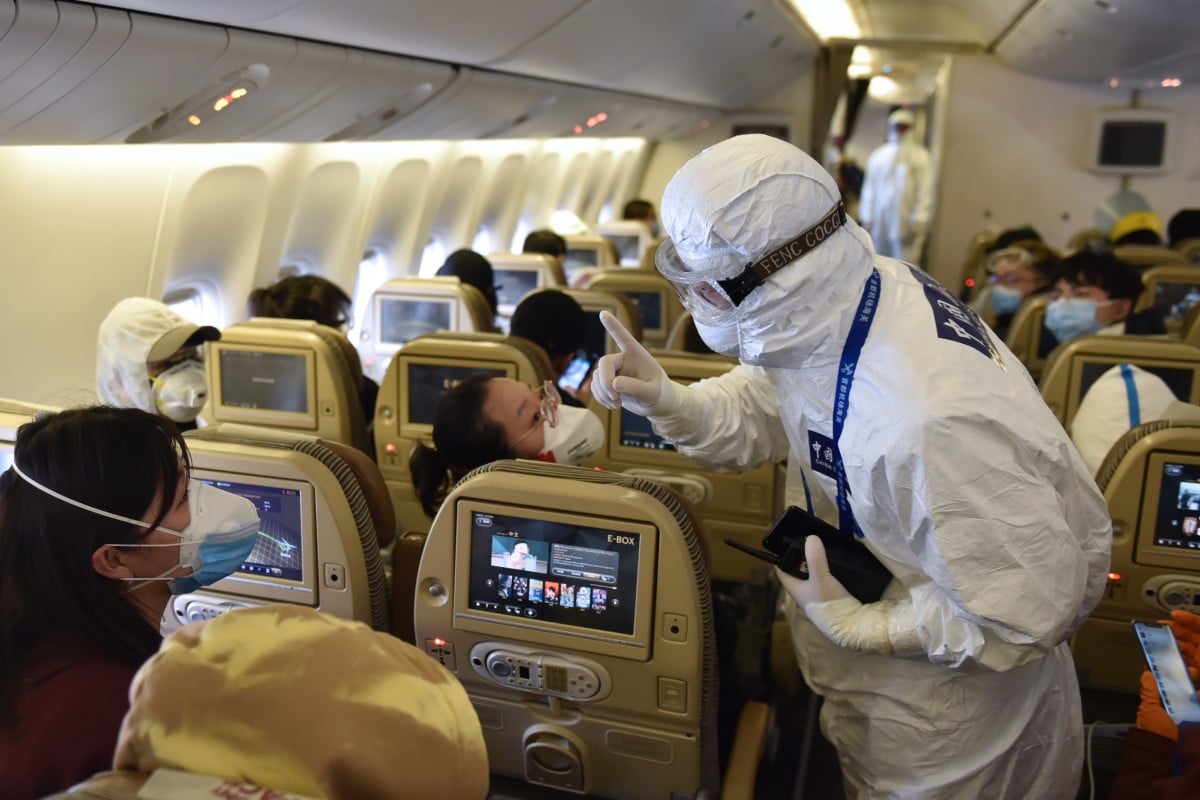
A customs officer speaks to passengers on board an inbound flight at Beijing Capital International Airport. Photo: Xinhua
The World Health Organisation has warned that the Covid-19 pandemic is accelerating, calling for “aggressive and targeted tactics” to curb its spread after more than 100,000 new infections were recorded in just four days.
The warning, by the UN agency chief Tedros Adhanom Ghebreyesus, came as the number of deaths from the disease, caused by the new coronavirus, continued to rise, and as mainland China reported a doubling in new cases.
The outbreak, which was first reported in December in China, is rapidly spreading across the globe. Tedros said it had taken 67 days from the first reported case to the first 100,000 infections, and just 11 days for the number to soar to the second 100,000.

“[It was] just four days for the third 100,000 cases. You can see how the virus is accelerating,” he said on Tuesday.

“But we’re not prisoners to statistics. We’re not helpless bystanders. We can change the trajectory of this pandemic.”

China’s National Health Commission reported 74 imported coronavirus infections on Monday – the highest since March 4, when it began including data on such cases and noted two infections that had originated abroad.

They bring the total number of imported cases on the mainland to 427, as of Monday. The total number of infections there now stands at 81,171, and the death toll has risen to 3,277, with seven new fatalities.

Tedros said political commitment and coordination at the global level were needed to stop the spread, but warned against using untested medicines, saying they could raise false hope.

“To win, we need to attack the virus with aggressive and targeted tactics – testing every suspected case, isolating and caring for every confirmed case, and tracing and quarantining every close contact,” he said.

Italy’s number of new Covid-19 cases dropped to a five-day low on Monday, easing the strain on overstretched hospitals, but the situation in Spain continued to worsen.

Italian health authorities announced 4,789 new cases on Monday, a drop from 5,560 on Sunday and 6,557 on Saturday. Spanish authorities announced 462 deaths on Monday, the country’s worst day since the start of the epidemic.

Italy has a glimpse of hope as new coronavirus cases drop to a 5-day low

24 Mar 2020

The British government said on Monday that another 54 people had died in the previous 24 hours after testing positive for the coronavirus, raising the country’s deaths from the pandemic to 335. The number of confirmed cases in Britain rose to 6,650 on Monday, from 5,683 on Sunday.

Mainland China officials have said the risk facing the nation was to contain imported infections. Among the new imported infections, 31 were recorded in Beijing, 14 in Guangdong and nine in Shanghai.

Beijing has stepped up measures to contain imported infections, diverting all arriving international flights from Monday to other cities, including Shanghai and as far west as Xian, where passengers will undergo virus screening.

Guangzhou also requires all travellers to the city, except for those from Hong Kong, Macau and Taiwan, to undergo the coronavirus test. Beijing has required the test for incoming travellers with symptoms and epidemic history.

The coastal province of Zhejiang, near Shanghai, will also put all arrivals from overseas in centralised quarantine facilities for 14 days, according to media reports.

Source: SCMP

24/03/2020

Coronavirus: Is this textile city set to be ‘India’s Italy’?

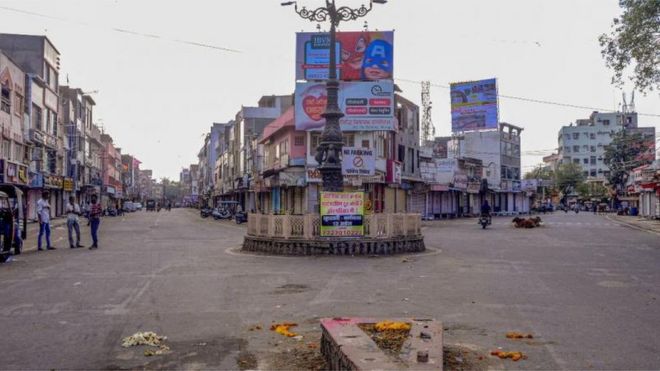
Bhilwara curfewImage copyright PTI
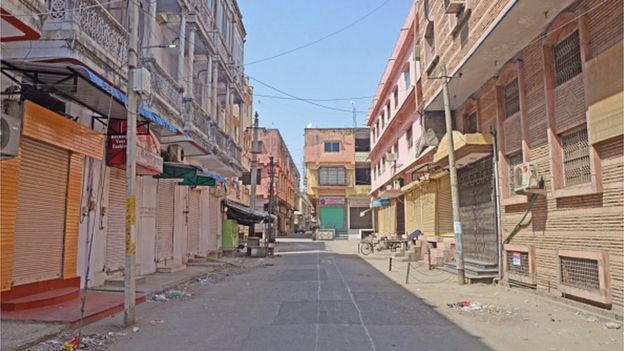
Image caption This city of five million people has been under a lockdown since last week

At 05:00 local time (23:30 GMT) of 8 March, the intensive care unit of a private hospital in the northern Indian state of Rajasthan received a 68-year-old man suffering from pneumonia. He was also having problems breathing.

At the Brijesh Bangar Memorial Hospital in Bhilwara, the new patient was examined by 58-year-old Alok Mittal, a doctor of internal medicine, and his team. The patient wasn’t asked about any travel history; nor did he disclose anything. There were six other patients in the ICU.

The man’s condition did not improve much, and two days later, he was sent to a private hospital in Jaipur, some 250km (155 miles) away, for specialised treatment. In Jaipur, he was treated in two hospitals. “We had no idea what was in store,” Shantilal Acharya, an intensive care nurse who received the patient in the Bhilwara hospital, told me.

For reasons that are still unclear, even the hospitals in Jaipur didn’t test a patient with severe pneumonia for coronavirus. His condition deteriorated swiftly and he died a few days later, on 13 March. The news of his death was conveyed to Dr Mittal and his team.

Bhilwara HospitalImage copyright SHAUKAT AHMED
Image caption The infection possibly spread from a private hospital in Bhilwara

Strangely enough, the doctors didn’t appear to comprehend the gravity of the situation even though it was clear that India was facing an imminent outbreak of Covid-19. The country has reported more than 460 confirmed cases and nine deaths so far, and testing remains low. On 9 March, according to reports, Dr Mittal and a few others travelled to the city of Udaipur, put up in a resort and played Holi, the Indian spring festival of colours. (Repeated attempts at getting through to Dr Mittal by phone and text yielded no results.)

Days after the death of the pneumonia patient, Dr Mittal and a colleague checked themselves into an isolation ward of a government hospital. Over the next few days, a few more colleagues from the hospital joined them in isolation. Twelve of them, including Dr Mittal, tested positive for Covid-19.

Next day, as news of the infections leaked, all hell broke loose. The private hospital was popular with its residents, and many regularly visited its thriving out-patient department for treatment. As people panicked and began blaming the doctors for spreading the infection, authorities moved swiftly.

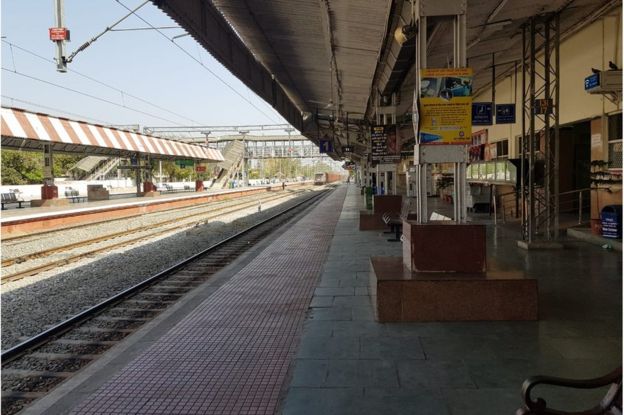
Bhilwara stationImage copyright SHAUKAT AHMED
Image caption People have been stopped from entering or leaving Bhilwara

They imposed a “civil curfew”, prohibiting people from coming out of their homes and banning public gatherings. They shut schools, colleges, offices, and stopped people from leaving or entering the district. The private hospital was sealed and its 88 patients moved to other healthcare facilities in the area. “Officials were telling us the threat was serious and there was a chance of an outbreak,” local journalist Pramod Tiwari told me.

So Bhilwara, fearing a serious outbreak, did everything that India did a few days later. So could this city of 400,000 people and a major textile making hub, turn out to be India’s first coronavirus “hotspot”?

Consider this.

Of the 69 people tested in the city until Sunday evening, 13 people – including doctors and paramedics – aged between 24 and 58, have tested positive. They include three doctors and nine health workers. Thirty-one people – mostly hospital workers – are in isolation. “Most of them are doing fine,” Dr Arun Gaur, the chief medical officer of the district, told me.

But things could get really bad.

Between 20 February and before going into isolation last week, Dr Mittal and his team of doctors at the hospital saw 6,192 patients who came from 13 districts of Rajasthan and 39 patients belonging to four other states. Drawing from the experience in China and Italy, doctors now know that hospitals might turn out to be the “main source” of Covid-19 transmission. Also, both MERS and SARS had high transmission rates within hospitals. The potential for community transmission of the infection across a large geographical area from the Bhilwara hospital is real, officials fear.

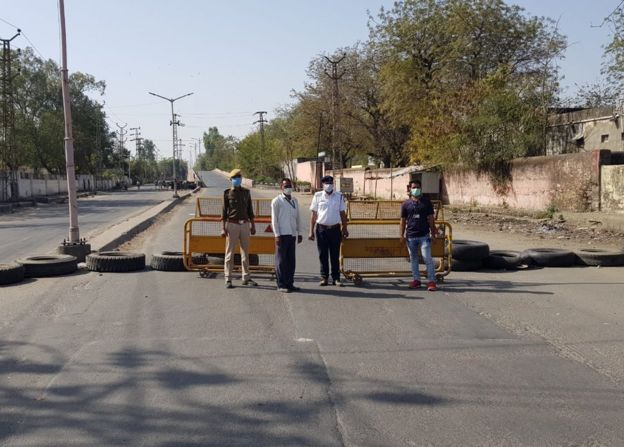
Bhilwara border sealedImage copyright SHAUKAT AHMED
Image caption The city’s borders have been sealed

So did the virus reach this city through the patient who was treated at three hospitals and went untested before he died? Or did one of the more than 80 patients admitted in the hospital transmit it? Or was it spread by another patient in the intensive care? Or had one of the doctors picked up the infection separately and spread it unknowingly?

Nobody will know until all the contact tracing and testing is complete, and that’s the scary part.

The lack of early credible information on the transmission meant that rumours had a field day. Local media reported that one of the infected doctors had received guests from Saudi Arabia at home and had contracted the infection. He had then gone to the hospital and spread the infection to co-workers, the reports added.

Dr Niyaz Khan had to record a mobile phone video from his intensive care bed to squelch the rumour. With monitors beeping around him, Dr Khan, masked and breathless, implored: “Just to set the record straight, I have no relative in Saudi Arabia. I have a son and a wife. None of them is positive. Please don’t believe what is coming in the media.” Another doctor said it was unfair to blame the hospital: “The patient fooled us and told us he didn’t travel outside the country for the two days he was in the ICU with us.” And Dr Mittal himself – his wife has also tested positive – recorded videos in isolation saying that he had tested positive, and he was doing well. “Please do not panic,” the well-known doctor said.

Bhilwara curfewImage copyright GETTY IMAGES
Image caption Residents in the city have begun panicking

That is easier said than done.

Realising the gravity of the situation, 300 teams of government workers and volunteers have fanned out in Bhilwara city. They are knocking on the doors of some 78,000 houses, and asking residents whether they’ve had a guest from outside the country, been treated in the hospital or know anyone who has tested positive. The survey began on 18 March and will finish on 25 March. “They are asking if we have cold, cough and fever and telling us if we have any of the symptoms we should report for tests at the government hospital,” a resident told me.

Another 1,900 similar teams have travelled out into neighbouring villages where more than 2.5 million people live. People in homes with suspect cases are being put into quarantine. Seven thousand people have been put into home quarantine so far.

Fearing a surge in infections, 20 more beds are being added to the hospital’s 30-bed isolation ward, which is already full. Six private hospitals have promised to provide an additional 35 beds for isolation. Thirteen places with 450 beds – extendable to 2,000 beds – where people can be quarantined have also been identified, Rajendra Bhatt, the senior-most official of the district told me. “It’s like fighting a war, but we have been agile and alert,” he said.

Meanwhile the residents, like elsewhere in India, are enduring an extended lockdown and curfew. Rajkumar Jain, a professor of computer science, is locked down with 14 members of his joint family in a two-storey home. “We are in complete panic,” he told me. “People are saying here that Bhilwara is going to become India’s Italy.”

Media captionWATCH: Millions of Indians bang pots and pans in support of health workers

Related Topics

Source: The BBC

23/03/2020

Coronavirus: ‘strange pneumonia’ seen in Lombardy in November, leading Italian doctor says

  • Virus was circulating ‘before we were aware of the outbreak in China’, says Giuseppe Remuzzi, director of the Mario Negri Institute for Pharmacological Research
  • Italy has now reported more than 4,800 deaths from Covid-19, more than any other country in the world
Italian doctors became aware of a “strange pneumonia” circulating in the Lombardy region in November. Photo: AFP
A “strange pneumonia” was circulating in northern Italy as long ago as November, weeks before doctors were made aware of the novel coronavirus outbreak in China, one of the European country’s leading medical experts said this week.
“They [general practitioners] remember having seen very strange pneumonia, very severe, particularly in old people in December and even November,” Giuseppe Remuzzi, the director of the Mario Negri Institute for Pharmacological Research in Milan, said in an interview with the National Public Radio of the United States.
“This means that the virus was circulating, at least in [the northern region of] Lombardy and before we were aware of this outbreak occurring in China.”
Remuzzi’s comments came as scientists continue to search for the origin of the coronavirus. Chinese respiratory disease expert Zhong Nanshan said earlier that although China was the first to report the pathogen, it was not yet certain where it actually came from.

Remuzzi said it was only recently that he had heard from Italian doctors about the disease, which meant it had existed and been spreading without people’s knowledge.

Despite reporting its first locally transmitted coronavirus infections – in Lombardy – only on February 21 – it had had only imported cases before then – Italy has since had more than 53,000 confirmed cases and 4,825 deaths from Covid-19, the disease caused by the pathogen. By comparison, China has had just over 81,000 cases and 3,261 fatalities.

Italy suspended all flights to China on January 31, the first nation to do so.

Coronavirus vaccine trial volunteers recount their experiences

22 Mar 2020
In the central China city of Wuhan, where the epidemic was first identified, doctors began noticing a “pneumonia with an unknown cause” in December. The first known infection in the city can be traced back to December 1.
A report by the South China Morning Post said that the first Chinese case might have been as early as mid-November, but that has not been confirmed by Beijing.

The current thinking among the scientific community is that the first infection in Lombardy was the result of an Italian coming into contact with a Chinese person in late January. However, if it can be shown that the novel coronavirus – officially known as SARS-CoV-2 – was in circulation in Italy in November, then that theory would be turned on its head.

The debate over the possible origin of the pathogen has also been at the heart of a war of words between Beijing and Washington, with US President Donald Trump repeatedly referring to it as the “Chinese virus” and US Secretary of State Mike Pompeo calling it the “Wuhan virus”, infuriating Beijing in the process.
Chinese foreign ministry spokesman Zhao Lijian took to Twitter to contest the claims.

“By calling it ‘China virus’ and thus suggesting its origin without any supporting facts or evidence, some media clearly want China to take the blame, and their ulterior motives are laid bare,” he said.

He then went on to suggest that the coronavirus outbreak might have started in the United States and been carried to Wuhan by the US Army.

Source: SCMP

23/03/2020

Coronavirus: China’s largest trade expo postponed as Canton Fair spring session falls foul of pandemic

  • The spring session of China’s Canton Fair has been postponed due to fears about the spread of the coronavirus pandemic, authorities in Guangdong province say
  • Premier Li Keqiang had insisted early this month that the fair’s spring session would go ahead as it was crucial for efforts to ‘stabilise’ the global economy
The spring session of China’s Canton Fair has been postponed due to the coronavirus outbreak. Photo: Xinhua

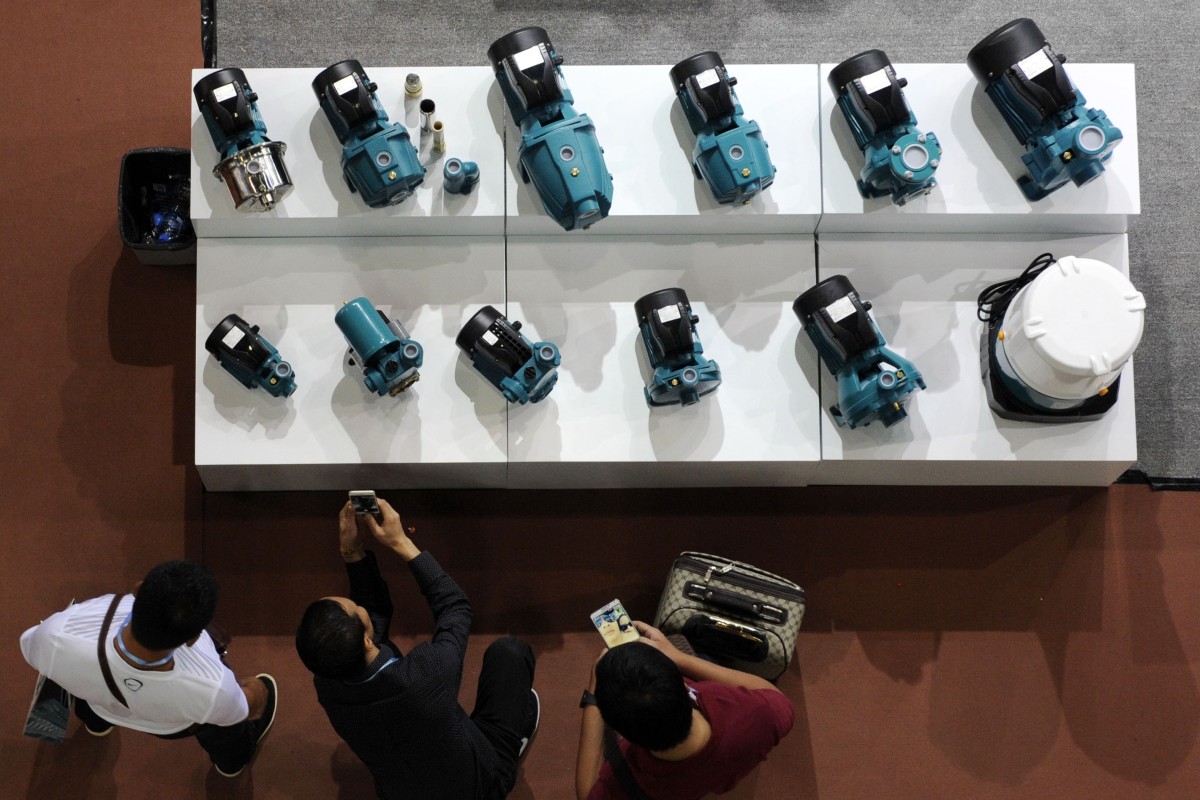
The spring session of China’s largest trade expo, the Canton Fair, has been suspended over concerns about the spread of the coronavirus, Chinese authorities said on Monday.

The announcement comes amid reports that regular foreign buyers were scrapping plans to attend the event, which was due to open on April 15. The fair has held its spring session in Guangzhou, the capital of Guangdong province, between mid-April and early May since 1957.

The decision was made after considering the current development of the pandemic, especially the high risk of imported infections, Ma Hua, deputy director of Guangdong’s department of commerce, was quoted as saying on Monday by the official Nanfang Daily.

Guangdong will assess the epidemic situation and make suggestions to the relevant departments of the central government, Ma said at a press conference.

No new date for the fair was announced, but veteran traders who regularly attend the event said the Guangdong government is talking with Beijing about a new time, possibly in May.

Premier Li Keqiang had insisted early this month that the fair’s spring session would go ahead despite the virus outbreak, as it was an important part of Beijing’s efforts to

“stabilise” the global economy

.

The containment measures, which come as China braces for a second wave
of imported coronavirus cases, would have applied to tens of thousands of foreign merchants attending the fair.
Coronavirus: Chinese companies cut salaries and staff in industries hit hardest by Covid-19
The Canton Fair occurs twice a year and is China’s oldest and largest exhibition. The spring session last year attracted 195,454 foreign buyers from 213 countries and regions across the world. The top five sources of buyers were from Hong Kong, India, the United States, South Korea and Thailand.

But a growing number of regular attendees have recently cancelled plans to take part in this year’s spring session, Chinese exporters said, as concerns mount about possible infection and extra expenses due to a mandatory two week quarantine after arrival.

“About 80 per cent of our firm’s veteran clients told us last month they won’t come this time,” said Jason Liang, a sales manager at a Guangzhou-based exporter of electronic products, who did not want his company identified. “Plus with this new [quarantine], I think at least 90 per cent or almost all of them would drop the trip.

“The costs – time, security and expense – are totally uncontrollable for international travel currently. We also have no plans to attend any exhibition before the summer.”

About 80 per cent of our firm’s veteran clients told us last month they won’t come this time … The costs – time, security and expense – are totally uncontrollable for international travel currently. Jason Liang

Felly Mwamba, a leader of the Congolese community in Guangzhou who has been in the city since 2003, said China’s quarantine measures made it hard for people to visit Guangzhou.

Xie Jun, a furniture and fabric exporter from Zhejiang, said buyers from developing countries that were part of the Belt and Road Initiative would be hard hit if they were forced to pay for quarantine and treatment.

“In February before the pandemic occurred, to cushion the impact some local governments in China’s exporting trade hubs, such as Yiwu and Jinhua, introduced subsidies to attract foreign merchants,” he said. “But now all the subsidies policies are cancelled from what I know.”

Coronavirus and the ‘war economy’: the US and China bicker as the shop goes down

Chinese exporters, traders, and even local residents in Guangdong, have previously voiced concern about authorities’ decision to press on with the even due to the growing number of imported cases to China.

“We strongly call on the government to cancel the spring session of the Canton Fair,” said Zhu Yinghua, a retired teacher in Guangzhou, said before the announcement.

“It’s too dangerous for us local residents if dozens of thousands of foreigners to flock into Guangzhou.”

Source: SCMP

22/03/2020

Coronavirus: Xi Jinping calls leaders of France, Spain, Germany and Serbia with offers of support

  • Chinese president tells heads of state that Beijing is ready to do all it can to help Europe fight Covid-19, as death toll on the continent passes 5,000
  • ‘Public health crises are the common challenges facing humankind, and unity and cooperation are its most powerful weapons,’ Xi tells German Chancellor Angela Merkel
Chinese President Xi Jinping reached out a helping hand to four European leaders on Saturday. Photo: Xinhua
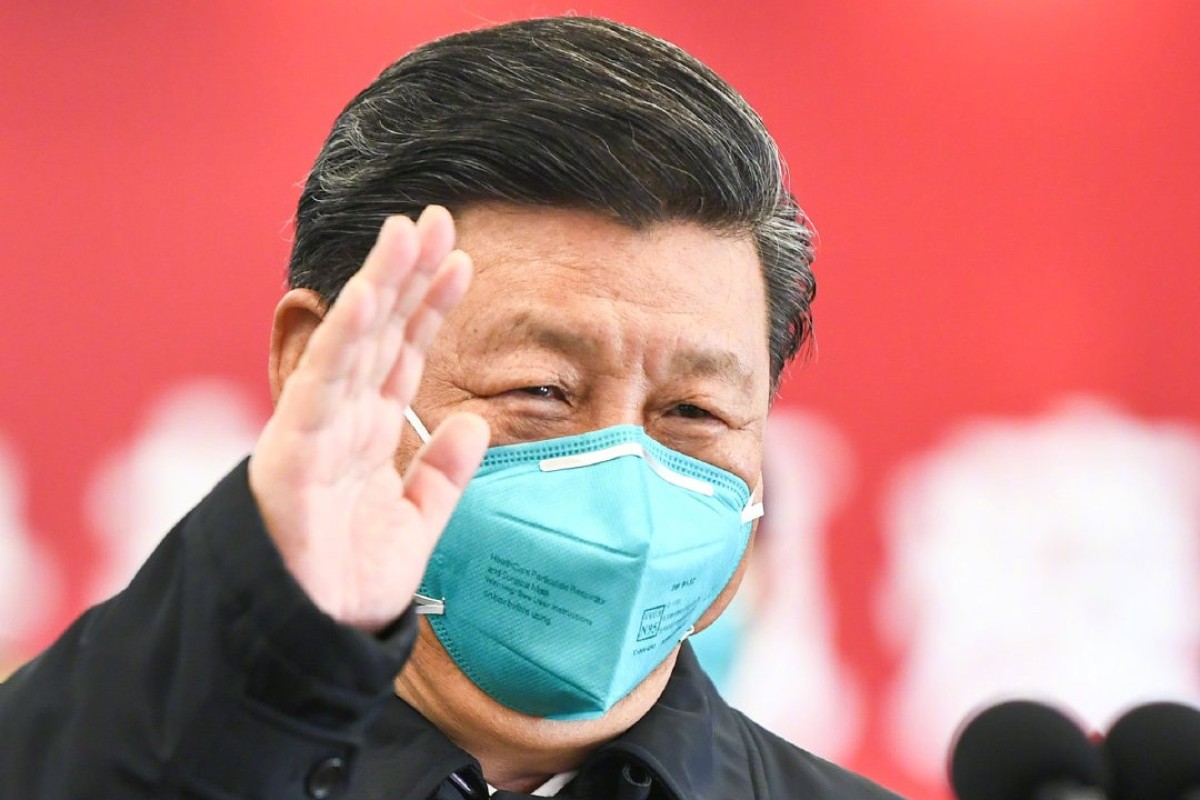
Chinese President Xi Jinping made an unusually intense diplomatic gesture towards Europe on Saturday by calling the leaders of France, Germany, Spain and Serbia to offer support in their fight against Covid-19.
The calls came as many European nations are facing shortages of the essential medical supplies and equipment they need to combat the pandemic that has already killed more than 5,000 people across the continent.
Italy has been the worst hit, with more than 4,000 people killed and over 47,000 infected. In Spain, the death toll jumped by more than 300 on Saturday to 1,326, while the number of confirmed cases neared 25,000.
In contrast, China has reported no new local transmissions for three days. As a result, the industrial powerhouse has been able to send millions of face masks it might otherwise have needed to Europe.
In a call to German Chancellor Angela Merkel, Xi said China was prepared to do all it could to help.
“If Germany is in need, China is willing to provide help within our capabilities,” he was quoted as saying by Xinhua, which reported on all of the calls.

“Public health crises are the common challenges facing humankind, and unity and cooperation are its most powerful weapons,” he said, adding that China was willing to share its “information and experience”.

Beijing was also ready to work with Berlin in other areas, such as vaccine development, Xi said.

Germany, which has reported more than 20,000 cases and 44 deaths, is the only country out of the four Xi called that has not yet requested medical supplies from China.

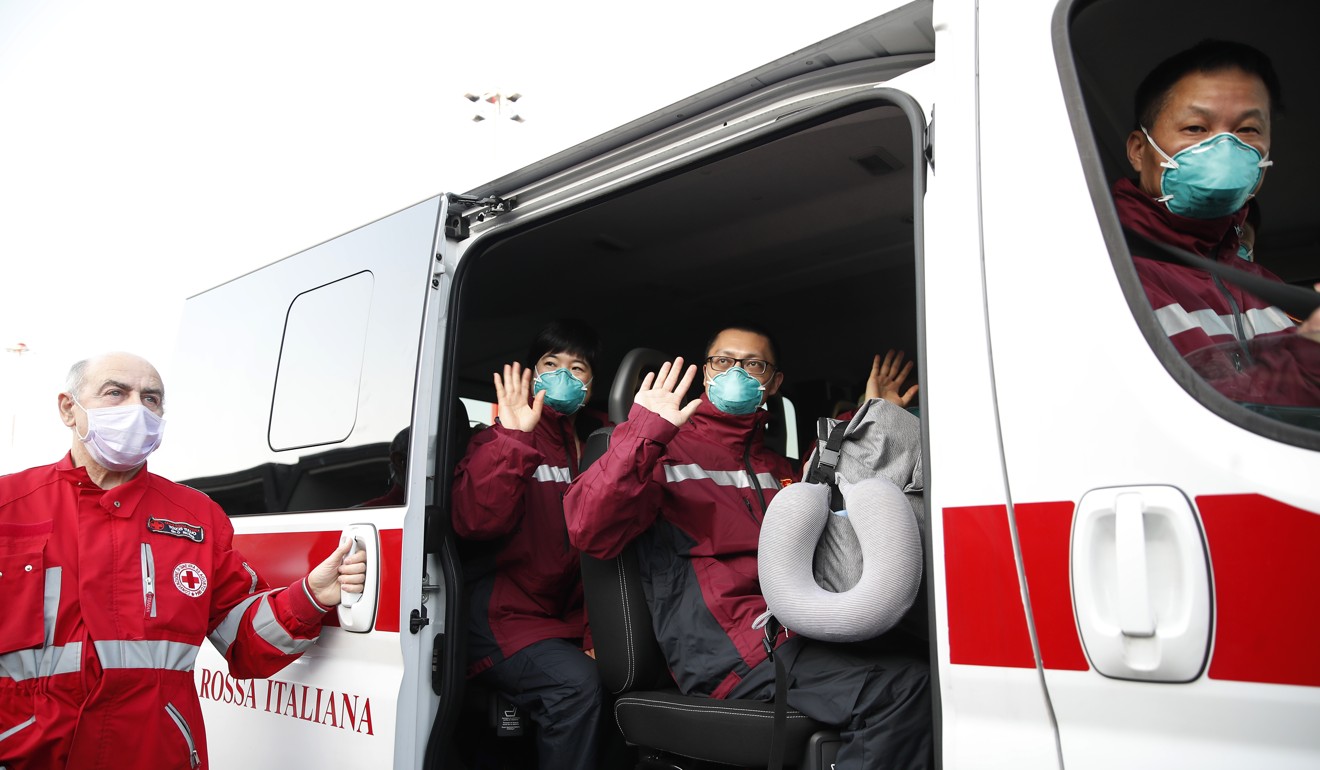
Xi Jinping promised to send Chinese medical support teams to Serbia, like this one that was deployed to Italy. Photo: AP
Of the four countries Xi called, only Serbia is not a member of the European Union. Its president, Aleksandar Vucic, earlier dismissed the EU’s vow of solidarity as a “fantasy” and turned to China for help.

“China and Serbia are comprehensive strategic partners,” Xi told Vucic on Saturday. “The hard-as-iron friendship of the two countries, and of the two peoples, shall last forever.”

Xi pledged to provide Serbia with protective gear and medical equipment, as well as helping it to source materials from China.

Vucic also managed to secure a guarantee from the Chinese president that he would send medical teams to Serbia, like those already deployed in Italy and Spain, the Xinhua report said.
Despite Vucic’s criticism of the EU, the bloc said on Friday it would provide Serbia with 7.5 million (US$8 million) worth of aid.
“Next week, big cargo airplanes will bring critical medical equipment. EU [is] always with Serbia in times of need,” EU ambassador to Belgrade Sem Fabrizi said on Twitter, adding: “Action not words.”

French President Emmanuel Macron has reportedly called for more power to be given to the European Commission, the executive arm of the EU, as member states, current and future, could lose trust in the institution as the health crisis unfolds.

In his phone call with Macron, Xi also appealed for support from the World Health Organisation.

“China is willing to work with France to jointly promote international cooperation on preventing and controlling the disease, and on supporting the UN [United Nations] and WHO in playing a core role in perfecting global public health management,” he said.

The call was the second in three days between the two leaders.

In a poll published on Friday, Macron’s popularity rating rose past 50 per cent for the first time since 2018, France24 reported. The result suggests the French public approves of the way in which he is handling the health crisis.

Xi’s telephone call to Spain was unusual in that he spoke to King Felipe, the ceremonial head of state who generally stays out of politics.

Nonetheless, Xi again pledged his support and willingness to share China’s experiences in handling the disease and treating patients, Xinhua said.

After three days of no new domestic infections in mainland China, some residents of 

Wuhan

, the Chinese city hardest hit by the disease, celebrated with fireworks as local authorities began removing checkpoints. Restrictions were also eased in other cities.

Beijing’s containment efforts are now focused on preventing imported cases. National Health Commission spokesman Mi Feng said on Saturday that the number of such infections had surged by 216 per cent to 269 on Friday, from just 85 on March 11. In the same period, the total number of infections worldwide had risen by 98 per cent.
“We have to strictly stop imported cases, step up epidemic control and avoid any rebound,” he said.
Source: SCMP
21/03/2020

China ready to help Britain in COVID-19 fight: Chinese FM

BEIJING, March 21 (Xinhua) — Chinese State Councilor and Foreign Minister Wang Yi said on Friday that the Chinese side is willing to join hands with the British side as the country is in a tough fight against the novel coronavirus epidemic.

Wang made the remarks during his telephone conversation with British Foreign Secretary Dominic Raab.

He said that the epidemic is breaking out in many parts of the world, and the number of confirmed cases in European countries such as Britain is increasing, for which China expresses sincere sympathies with the British side and believes that the British people can come together and ultimately overcome the epidemic.

“When the Chinese people are facing the severe challenges of the epidemic, the British side has extended a helping hand, which we will remember in our hearts,” said Wang, adding that at this difficult time when Britain is fighting the epidemic, China is also ready to join hands with Britain.

China still faces an arduous epidemic prevention and control task, but it will manage to provide a batch of medical supplies to the British side and help facilitate the purchasing through commercial means, he said.

He also said that the top priority for China’s epidemic prevention and control is to avoid a rebound, adding that China is willing to carry out joint prevention and control with Britain, and hopes Britain can strengthen border control, maintain the essential cross-border flow between the two countries, and prevent cross-infection to the greatest extent.

Wang said that the Chinese side has been sharing epidemic-related information and carrying out anti-epidemic cooperation with the international community in an open, transparent and responsible manner since the beginning of its fight against the outbreak, adding that the country is currently providing various forms of support to nearly 100 countries in need.

What is alarming is that some people are trying to politicize the epidemic, label the virus and stigmatize China, Wang noted, adding that such detrimental acts will undermine the solidarity and cooperation of the international community and hinder the joint efforts of all parties to combat the epidemic.

Wang said he believes that all countries, including Britain, will uphold an objective and fair attitude and resist this narrow-minded approach.

Noting that many overseas Chinese, including Chinese students, work, study and live in Britain, Wang called them bridges of friendship between the two countries.

It is hoped that the British side will attach great importance to and protect their health and safety, and provide timely and necessary medical care, he added.

Raab spoke highly of China’s notable achievements in fighting the epidemic, and thanked China for its sympathies with Britain, and for providing medical supplies and facilitating procurement.

Noting that the British side attaches great importance to China’s experience in the COVID-19 fight, Raab said his country stands ready to strengthen coordination with China and other countries in epidemic prevention and control, vaccine research and development, and in assisting countries with fragile medical systems, so as to promote international cooperation and strive for an early victory over the epidemic.

The British government will spare no effort to ensure the health and safety of overseas Chinese in his country, he added.

Voicing opposition to politicizing the epidemic, Raab stressed that the British side totally agrees with China’s position that the origin of the virus is a scientific issue that requires scientific and professional opinions.

He also urged that all sides work together to overcome the hardship amid the epidemic.

Source: Xinhua

20/03/2020

Why China’s ‘zero new coronavirus infections’ could be cause for optimism – or caution

  • The country’s only new infections confirmed in the past two days have been imported from overseas, suggesting containment measures worked
  • But there are still likely to be infected people with mild or no symptoms, and questions over how the data was compiled, experts say
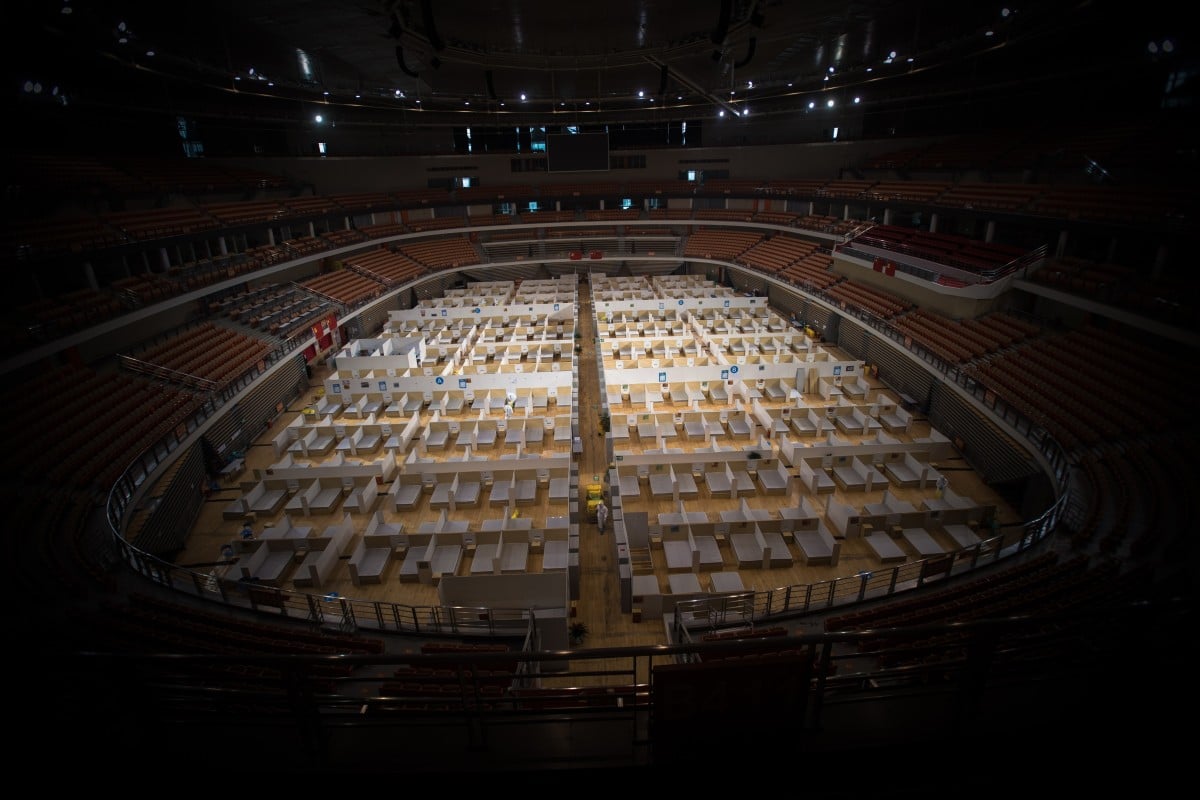
A makeshift hospital in Wuhan, converted from a sports arena, closed on Sunday after its last patients were discharged. Photo: Xinhua
China reached an apparent milestone this week in the fight against the Covid-19 pandemic, announcing zero new non-imported infections on Thursday and Friday, but experts said the figures needed to be treated with caution.
After reporting thousands of daily new infections for much of February, China had a sharp decline this month while the wider world experienced the opposite trend as the coronavirus spread.
As China closes makeshift coronavirus hospitals in the outbreak’s initial epicentre of Wuhan because of a lack of patients, and eases some quarantine restrictions in the city and the broader Hubei province, there is consensus that its unprecedented measures changed the direction of the epidemic, offering hope for other countries.
But there are concerns over whether China’s rock-bottom case numbers reflect the full picture in the country. The high incidence of mild cases of Covid-19 is one reason, health experts said, warning that there could be infected people who were not counted but still able to spread the disease.
Coronavirus: More people have now died from Covid-19 in Italy than in China
“It is important that China is doing a good job testing and screening throughout the country to ensure that there are no pockets of infection remaining,” virologist Jeremy Rossman, of Britain’s University of Kent, said, adding that the news was “exciting” but needed to be “treated with caution”.

“With many of these cases having mild to no symptoms, ensuring that the whole country remains prepared and is actively looking for new cases is essential,” he said. “While it is possible there are no new cases, it is also very possible that somewhere in the country there are mildly infected people.”

Missing mild cases, and those infected but showing no symptoms, are a “legitimate concern”, according to Xi Chen, an assistant professor at the Yale School of Public Health.

Unconfirmed cases ‘may be behind rapid spread of coronavirus in China’
19 Mar 2020

“Eighty per cent of cases have mild symptoms, so zero cases is a milestone, but not the end of the epidemic in China,” he said. Patients with mild symptoms or who are asymptomatic can still spread the disease to others, he added, and this needed to be monitored carefully in the coming weeks.

Are medicines to prevent and cure the coronavirus disease within reach?
China has come under scrutiny for how it treats asymptomatic cases. The National Health Commission excludes patients who test positive yet show no symptoms from its number of confirmed cases, although it monitors those cases when it knows of them.

The extent to which asymptomatic carriers contribute to spreading the disease is yet to be understood by scientists.

In addition, Hubei province in mid-February changed how it classified its confirmed cases, which caused a surge in infection numbers. This decision, which allowed doctors to diagnose a person by a clinical examination, not only by a positive laboratory test, was later reversed, leaving confusion about the true extent of the disease.

China must focus on keeping out imported cases, expert says

20 Mar 2020

Other commentators said it could not be ignored that political considerations may play a part as China looks to highlight its communist governance model and portray itself as a global leader in combating the disease.

“We are in the midst of the most intensive propaganda operation of the [Communist] Party state in living memory, in trying to project its success in dealing with the virus,” Steve Tsang, director of the University of London’s SOAS China Institute, said. “That narrative requires statistical backup.

Coronavirus: China starts getting back on track after being hit hard by the Covid-19 pandemic
“I’m not saying [the zero number] is necessarily wrong; I’m simply saying we don’t know. What we do know is that there is now a political imperative for the statistics to be [low], and now we have statistics that serve the political imperative.”

Data can be trusted when it comes with transparency about how it was collected, so that it can be independently evaluated, Tsang said.

Nis Gruenberg, an analyst with Berlin-based independent think tank the Mercator Institute for China Studies, said that the numbers could be viewed as an “indicator” of a reduction of cases in China.

China’s economy slowly emerging from lockdown with power, transport gains

20 Mar 2020

“Some [Western critics] have been saying China and its system are ill-equipped to handle this outbreak, and now the Chinese government is trying to invert that argument and say, ‘Look at you, you are not doing it well enough,’” Gruenberg said.

The message from the Chinese government that it has succeeded in containing the virus may “politicise” the figures and is a potential driver for under-reporting around the country, according to Gruenberg.

“If history is any guide in China then there is a massive history of under-reporting for various reasons, both within the system and internationally,” he said. “I’m sceptical that this is the true number, or that anyone really knows the true number.”

Source: SCMP

19/03/2020

Commentary: China’s zero increase in coronavirus infection a positive sign for world

BEIJING, March 19 (Xinhua) — China’s report of no new local infections of the novel coronavirus in the mainland for the first time is a positive sign amid the news of sharply increasing infections worldwide.

No new infections of the novel coronavirus were reported Wednesday in Wuhan, the epicenter of the outbreak, and Hubei Province. The Chinese mainland reported 34 new confirmed COVID-19 cases, however, all were imported from overseas.

The progress highlights China’s continually improving trend in its prevention and control of COVID-19 despite a growing challenge of imported cases from abroad. It shows China’s tactics and methods in controlling the virus have continued to deliver positive results.

With a unified and highly efficient command system, the country has launched a people’s war against the epidemic featuring full mobilization, transparency, timely activation and adjustment of response levels by provinces, a model of early detection, reporting, isolation and treatment and orderly resumption of production with targeted preventive moves.

In less than two months, China has efficiently contained the spread of the deadly virus with unprecedented measures including the lockdown of Wuhan and mobilization of medical resources nationwide. The 1.4 billion people have pulled together as one to tackle the tough task.

The measures that China has adopted are law-based, scientific and well-targeted. The country has given play to its technological strength to rapidly identify the virus, advance vaccine development and raise testing capacities in a very short time.

The epidemic situation both in and outside China remains complex and severe. The Chinese mainland still had 7,263 COVID-19 patients in hospitals as of Wednesday. The world faces a vital fight against the pandemic as the number of infections in other countries has exceeded 110,000, outnumbering that of China.

As a community with a shared future, the globe needs more solidarity, communication, responsibility and action than ever. What China has done can serve as a reference for those who are confronting the urgent and grave global pandemic.

China has bought the world time by containing the virus. As the country vows to prevent a reversal of the positive trend and clinch a complete victory over the epidemic, it will continue working closely with others and contribute more to the global fight via sharing experience and information and providing help to those in need.

Source: Xinhua

19/03/2020

China’s Wuhan marks no new coronavirus case, success of strict measures

CHINA-HUBEI-ZERO INCREASE-COVID-19 (CN)

People enjoy sunset on a plank road at the Donghu Lake in Wuhan, capital of central China’s Hubei Province, March 18, 2020. No new infections of the novel coronavirus were reported on Wednesday in Wuhan, the epicenter of the epidemic, marking a notable first in the city’s months-long battle with the microscopic foe. (Xinhua/Shen Bohan)

WUHAN, March 19 (Xinhua) — No new infections of the novel coronavirus were reported on Wednesday in Wuhan, the epicenter of the epidemic, marking a notable first in the city’s months-long battle with the deadly virus and sending a message of hope to the world gripped by the pandemic.

The Health Commission of Hubei Province, where Wuhan is the capital, said the virus’ death toll climbed by eight in the province, but the total confirmed cases of the novel coronavirus disease (COVID-19) in Wuhan and Hubei remained at 50,005 and 67,800 on Wednesday.

No increase was observed in the province’s number of suspected cases, which fell to zero on Tuesday, in another indication that large-scale transmissions have been suppressed at the epidemic ground zero after a slew of strict measures.

Previously, the central Chinese province had reported single-digit increases of new infections, all of which were from Wuhan, for a week in a row since last Wednesday. A month ago, the figure was several thousand a day.

The province also saw 795 patients discharged from hospital after recovery on Wednesday, reducing its caseload of hospitalized patients to 6,636, including 1,809 in severe condition and 465 in critical condition.

With no new cases in Wuhan, the Chinese mainland on Wednesday reduced the increase in domestic transmissions to zero, according to the National Health Commission. The country now faces a greater threat of infections imported from overseas, which jumped by 34 on Wednesday.

“The clearing of new infections in Wuhan came earlier than predicted, but it is still too early to let down our guard,” said Zhang Boli, one of the leading experts advising on the epidemic fight in Hubei.

Arduous work still lies ahead as China strengthens its defence against imported cases from abroad, treats thousands of patients still in serious or critical condition and rehabilitates those discharged from hospitals, said Zhang, an academician of the Chinese Academy of Engineering.

“CUNNING VIRUS”

The novel coronavirus was first identified in Wuhan in December as a new pathogen facing mankind. Before its traits were fully understood, the virus had cut a swath of infections among Wuhan’s unsuspecting public, before jumping from the transportation hub to other parts of China via the largest seasonal human migration ahead of the Spring Festival.

The Chinese leadership has described the COVID-19 outbreak as the most difficult to contain since the founding of the People’s Republic of China in 1949 and “a big test” for the country.

Medical experts said the virus is more contagious, though less deadly, than the SARS virus that belongs to the same coronavirus family. Globally, the SARS virus infected 8,422 people and killed 919 between 2002 and 2003.

“We still have insufficient knowledge of the novel coronavirus. What we already know is it’s a very cunning virus with a long incubation period,” said Wang Daowen, a cardiologist at Tongji Hospital in Wuhan.

“We still found the virus from the anus, if not from the lungs, of one patient after he was hospitalized for 50 days,” said Wang, who was among the first medical experts joining the treatment of COVID-19. “Usually, a virus should vanish from one’s body in two weeks.”

TURNING TIDE

China began to see a drop in the number of COVID-19 patients on Feb. 18, after the number of recovered patients surged and new cases declined. By late February, the virus had withdrawn from most territories on the Chinese mainland, with only single-digit daily increases of infections in areas outside Wuhan.

On March 6, the epidemic epicenter Wuhan slashed the daily increase of confirmed cases to below 100, down from a peak of more than 14,000 in early February. Bruce Aylward, who led the China-WHO joint mission on COVID-19, said the outbreak in China had come down “faster than would have been expected.”

On March 11, the daily increase of locally transmitted infections dropped to single digits for the first time on the Chinese mainland. The virus has so far caused a total of 80,928 infections and 3,245 fatalities, defying earlier predictions by foreign researchers of a more extensive national outbreak.

Behind the downward trends were a raft of strong measures taken by the Chinese government, including canceling mass events, closing scenic attractions, suspending long-distance buses and asking hundreds of millions of Chinese to stay indoors to break transmission chain.

On Jan. 23, Wuhan declared unprecedented traffic restrictions, including suspending the city’s public transport and all outbound flights and trains, in an attempt to contain the epidemic within its territory.

The situation in Wuhan and its nearby cities was grim. Officials said more than 3,000 medics in Hubei contracted the virus at the early stage of the outbreak due to limited knowledge of the virus. Many families lost multiple loved ones.

Following reports of overloaded local hospitals, more than 42,000 medical staff, including those from the military, were dispatched to Hubei from across the country. At the peak of the fight, one in 10 intensive care medics in China were working in Wuhan.

Fleets of trucks carrying aid goods and displaying banners of “Wuhan be strong!” rushed to the city from all corners of the country. Under a “pairing-up support” system, each city in Hubei is taken care of by at least one provincial-level region.

To ensure the timely admission of patients, two hospitals with a total of 2,600 beds were built from scratch in Wuhan within a few days, and 16 temporary hospitals were converted from gyms and exhibition centers to add 13,000 beds. Nucleic acid testing (NAT) capacity in Wuhan reached 24,000 people a day. Testing is made free and treatment fees are covered by China’s basic medical insurance.

Huang Juan, 38, witnessed the first few days of chaos and despair at local hospitals before calm and order gradually set in amid the influx of support.

Huang recalled the hospitals were packed with patients — over 100 patients were waiting for the injection but only one nurse was around. Every day, her mother who had a fever on the eve of the Spring Festival in late January waited 10 hours to be injected.

After a week of imploration, Huang finally found a hospital willing to admit her mother. Ten days later, her mother was discharged upon negative NAT results. “She still had symptoms, but there was no choice, as many patients were waiting for beds,” Huang said.

The situation improved when her father, also diagnosed with the disease, was hospitalized on Feb. 19.

“He was discharged after the doctor confirmed his recovery on March 11. It was apparent that the standards for discharge were raised as Wuhan got sufficient beds,” Huang said.

Cui Cui (pseudonym), 57, also testified to the improving situation. The Wuhan resident was transferred to the newly built Huoshenshan (Fire God Mountain) Hospital as her sickness worsened on Feb. 10.

The military-run hospital that treats severe cases impressed her with a calm ambiance. “Doctors and nurses there called me ‘auntie’ instead of ‘patient’ and spent time chatting with me to ease my anxiety,” said Cui, who was discharged after recovering on Feb. 26.

COMMUNITY CONTROL

Outside Hubei, the battle against the epidemic has tested the mobilization capacity of China’s big cities and remote villages alike as they scrambled to prevent sporadic imported cases from evolving into community outbreaks.

Earlier this month, Beijing said about 827,000 people who returned to the capital city after the Spring Festival holiday were placed in two-week home observation. Around 161,000 property management staff and security guards were on duty to enforce the quarantine rules.

Shanghai, a metropolis in eastern China, has demanded its over 13,000 residential communities to guard their gates and take temperatures of residents upon entrance, according to Zeng Qun, deputy head of the Shanghai Civil Affairs Bureau.

Quyi Community was among the first Shanghai neighborhoods to adopt closed-off management. Since late January, it has been disinfecting public areas, introducing contactless deliveries and ensuring residents returning from severely affected regions are placed in quarantine.

“For those who are under self-quarantine at home, health workers will provide door-to-door visits every day, and services from grocery shopping to psychological counseling are offered,” said Huang Ying, an official with Hongkou District where the community is located.

Shanghai, with a population of 24 million, is among China’s most populous cities and a commercial hub. It was once predicted as the most susceptible to a coronavirus outbreak.

Mathematical models estimated that without prevention and control measures, Shanghai’s infection numbers would exceed 100,000. Even with some interventions, the figure could still reach tens of thousands, according to Zhang Wenhong, who heads Shanghai’s medical team to fight the epidemic.

“But now, the infection number is just over 300. This means the measures taken by Shanghai over the past month are effective,” Zhang said, describing the city as an epitome of China’s battle against the epidemic.

NEW BATTLEGROUNDS

China’s economy became a new battleground as the war against the virus wore on, delaying the reopening of plants after the Spring Festival holiday and causing a shortage of workers with the nationwide traffic restrictions in place.

China has about 170 million rural migrant workers employed away from their hometowns, many of whom could not return to work as enterprises across the country began to resume production on Feb. 10.

In response, local governments have arranged chartered flights and trains to take workers directly to the factories while issuing subsidies to tide companies over difficulties. By early March, the southern manufacturing heartland Guangdong Province had seen 91.2 percent of firms resume operation.

Almost every sector of Chinese society has chipped in on the anti-virus fight, from barbers offering medics free haircuts to factories revamping their assembly lines to produce medical masks.

According to the Ministry of Industry and Information Technology, China’s output of protective clothing has surged to 500,000 pieces per day from fewer than 20,000 pieces at the beginning of the outbreak. The daily output of N95-rated medical masks rose from 200,000 to 1.6 million, while that of regular masks reached 100 million.

“China’s economic and social development over the past decade has laid a sound foundation for the fight against the epidemic and enabled the society to mobilize more quickly,” said Tang Bei, an international public health researcher at Shanghai International Studies University.

China’s tech boom also made contributions — tech companies rolled out disinfecting robots, thermal camera-equipped drones and AI-powered temperature measurement equipment, which have been rapidly deployed to reduce the risks of cross-infection.

The outbreak has led to what is being called “the world’s largest work-from-home experiment.” The number of online meetings supported by Tencent Meeting on Feb. 10, when most enterprises started resuming work, was 100 times that of its previous average daily use.

Lu Chuanying, a researcher with Shanghai Institutes for International Studies, said digital technologies have risen to the fore, not only in the country’s anti-virus efforts but also in the recovery of the virus-hit economy.

“Remote consultations, artificial intelligence and big data were used to contain the epidemic, while telecommuting, online education and online vegetable markets have kept our lives in quarantine going,” Lu said.

Source: Xinhua

19/03/2020

Coronavirus: Grim toll in Italy as number of deaths near China’s total

  • In Madrid, local health authorities describe ‘one case every 16 minutes’
  • New cases in Europe include new Prince Albert of Monaco and Michel Barnier, the European Union’s chief Brexit negotiator
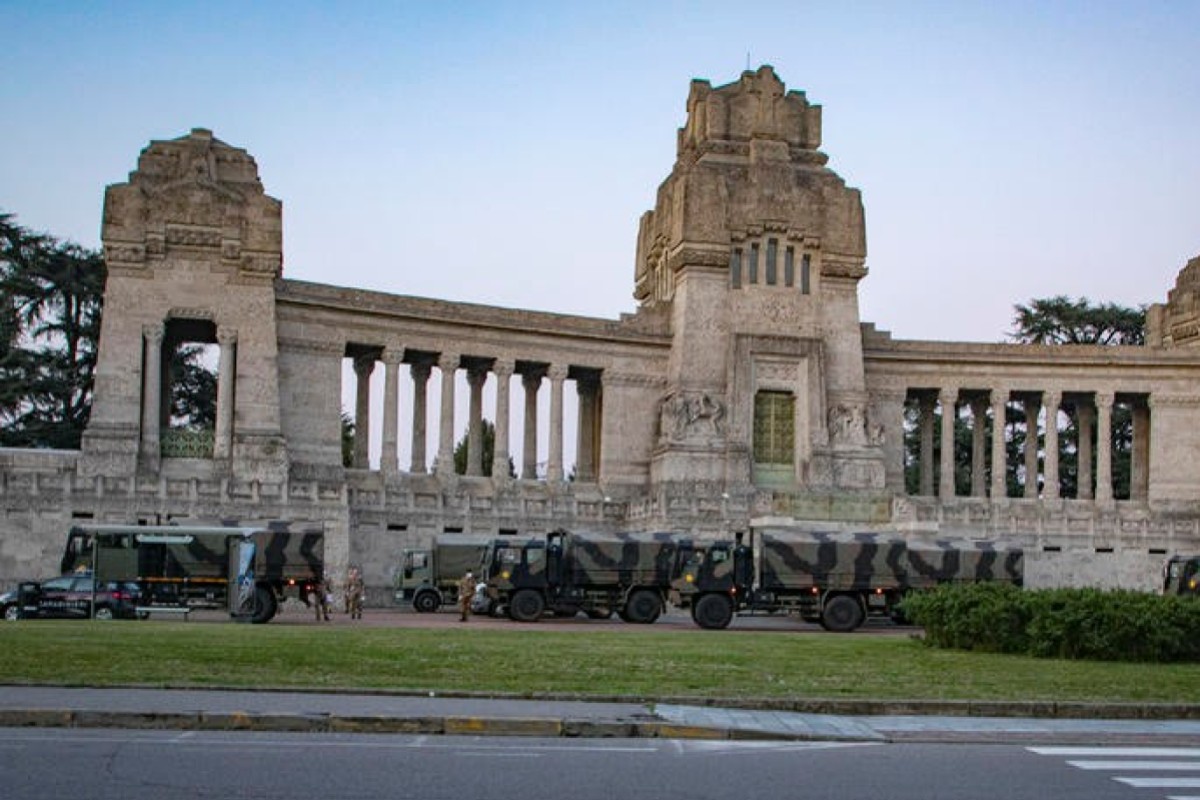
Italian military trucks and soldiers are seen by Bergamo's cemetery after the army was deployed to move coffins from the cemetery to neighbouring provinces. Photo: Sergio Agazzi/Fotogramma via Reuters
Italian military trucks and soldiers are seen by Bergamo’s cemetery after the army was deployed to move coffins from the cemetery to neighbouring provinces. Photo: Sergio Agazzi/Fotogramma via Reuters

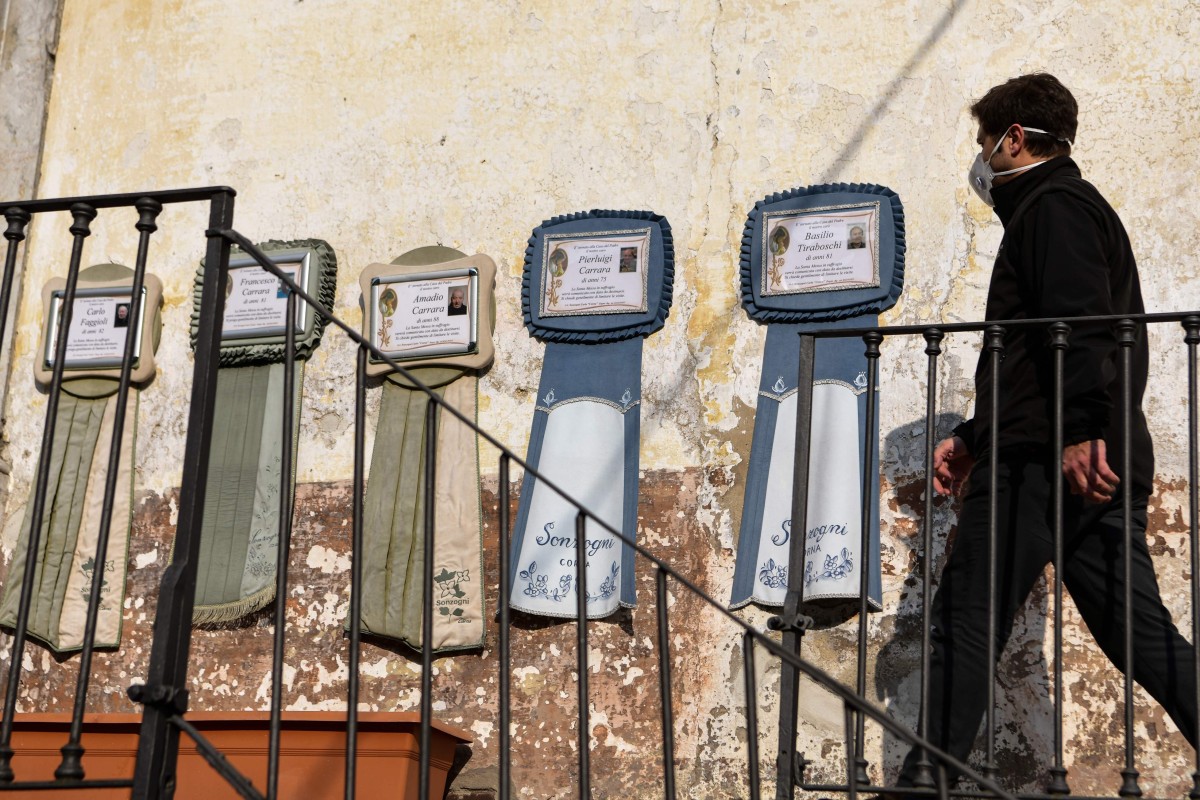
Italians on Thursday mourned a record number of deaths from the Covid-19 pandemic and expected the toll to surpass that of China, where the crisis began. On the mainland, there was a sense of relief as there were no new domestic cases reported for the first time since the outbreak began.

As opposite turning points were marked in China and Europe, the worldwide total of infections exceeded 220,000. The new cases include Monaco’s reigning monarch, Prince Albert, and Michel Barnier, the European Union’s chief Brexit negotiator.

More than 9,000 people have died around the world, at least 2,978 of them in Italy, including five doctors. The death rate in Madrid is described by local health authorities as “one case every 16 minutes”.

Concerns are also growing that the surge in cases in Europe and North America could result in a second wave in Asia, amid reports of mass movements of travellers fleeing the current epicentres.

Australia and New Zealand became the latest countries to ban non-citizens from entry.

In China, the National Health Commission said on Thursday that all 34 new infections reported the previous day had been imported cases.

It is also the first time Hubei province, where the crisis began, recorded no new cases either domestically or from abroad.

The number of new deaths in mainland China was down to single digits, with eight reported, bringing the total fatalities to 3,245.

Coronavirus: Italy’s hospitals overflow with the dead as toll tops 1,000

13 Mar 2020

Italy experienced its worst death toll on Wednesday with 475 reported, the highest one-day official toll of any nation.

Italy has the world’s second-highest number of diagnosed cases, after China.

Dramatic footage has been circulating on social media, showing military vehicles taking corpses out of the Italian city of Bergamo because cremation facilities were overloaded.

Prime Minister Giuseppe Conte extended a nationwide lockdown that is weighing on the economy, saying: “We managed to avoid the collapse of the system and the measures are working.”

Prince Albert of Monaco (pictured in 2019) has tested positive for the coronavirus, it was announced on Thursday. Photo: Xinhua
The government is considering tightening restrictions amid concern that many Italians are not respecting rules that confine them to their homes except for work, health or emergency reasons.

In Spain, the second hardest hit country in Europe, the virus’ spread continues with a rate of 25 per cent new cases per day.

Spanish King Felipe VI, in a rare televised address, told his citizens: “This virus will not defeat us. On the contrary. It will make us stronger as a society.”

Source: SCMP

Law of Unintended Consequences

continuously updated blog about China & India

ChiaHou's Book Reviews

continuously updated blog about China & India

What's wrong with the world; and its economy

continuously updated blog about China & India