Archive for ‘Economics’

03/06/2019

World’s 15 hottest places are in India, Pakistan as pre-monsoon heat builds

NEW DELHI (Reuters) – India warned of severe heat in northern and central areas on Monday, following similar extreme weather on Sunday.

Of the 15 hottest places in the world in the past 24 hours, eight were in India with the others in neighbouring Pakistan, according to weather monitoring website El Dorado.

Churu, a city in the west of the northern state of Rajasthan, recorded the country’s highest temperature of 48.9 Celsius (120 Fahrenheit) on Monday, according to the Meteorological Department.

Churu has issued a heat wave advisory and government hospitals have prepared emergency wards with extra air conditioners, coolers and medicines, said Ramratan Sonkariya, additional district magistrate for Churu.

Water is also being poured on the roads of Churu, known as the gateway to the Thar desert, to keep the temperature down and prevent them from melting, Sonkariya added.

A farmer from Sikar district in Rajasthan died on Sunday due to heatstroke, state government officials said.

Media reported on Friday that 17 had died over the past three weeks due to a heatwave in the southern state of Telangana. A state official said it would confirm the number of deaths only after the causes had been ascertained.

The temperature in New Delhi touched 44.6C (112.3F) on Sunday. One food delivery app, Zomato, asked its customers to greet delivery staff with a glass of cold water.

Heat wave warnings were issued on Monday for some places in western Rajasthan and Madhya Pradesh state.

The monsoon, which brings down the heat, is likely to begin on the southern coast on June 6, the weather office said last month.

The three-month, pre-monsoon season, which ended on May 31, was the second driest in the last 65 years, India’s only private forecaster, Skymet, said, with a national average of 99 mm of rain against the normal average of 131.5 mm for the season.

Source: Reuters

03/06/2019

Indian Air Force’s AN-32 aircraft with 13 onboard goes missing

airforce,India,breaking

An AN-32 aircraft of the Indian Air Force with 13 people onboard has gone missing after taking off from Jorhat in Assam.

The aircraft was headed to Mechuka Advance Landing Ground, the landing strip in the eastern Himalayas of Arunachal Pradesh’s West Siang district. The landing strip is about 30-odd km from the nearest point on the India-China border.

The transport aircraft took off from Jorhat at 12.25 pm.

It was in contact with ground agencies for the next 35 minutes. An Indian Air Force official said there had been no contact after 1 pm.

A total of eight crew and five passengers are onboard the aircraft.

News agency ANI said Sukhoi-30 combat aircraft and C-130 Special Ops aircraft had also been deployed on a search mission to locate the IAF aircraft.

Monday’s missing aircraft revived memories of the AN-32 that went missing while flying from Chennai to Port Blair in July 2016.
A massive search mission had been launched to find the 29 people on the transport plane. The IAF had then carried out 200 search sorties to cover over 2 lakh square nautical miles multiple times by these aircraft. The IAF court of inquiry later concluded that it was unlikely that the missing personnel on board the aircraft survived the accident.
Source: Hindustan Times
30/05/2019

China’s top legislator meets Nigerien president

CHINA-BEIJING-LI ZHANSHU-NIGER'S PRESIDENT-MEETING (CN)

Li Zhanshu (R), chairman of the Standing Committee of the National People’s Congress (NPC), meets with Niger’s President Mahamadou Issoufou at the Great Hall of the People in Beijing, capital of China, May 29, 2019. (Xinhua/Pang Xinglei)

BEIJING, May 29 (Xinhua) — China’s top legislator Li Zhanshu met with visiting Nigerien President Mahamadou Issoufou on Wednesday, exchanging views on pushing forward the relationship between the two countries.

Li, chairman of the Standing Committee of the National People’s Congress (NPC), said China stands ready to work with Niger to implement the important consensus made by the two heads of state to lift the bilateral ties to a higher level.

Both the Chinese and African people experienced anti-imperialist and anti-colonial struggles in the past, and both face the task of getting rid of poverty and backwardness and achieving development and prosperity, Li said.

China and Africa have created a new model of South-South cooperation, Li said.

The NPC is willing to strengthen exchanges with the National Assembly of Niger and promote state-to-state friendly cooperation, he said.

Issoufou said Niger thanks China for its long-term support and assistance, and is willing to learn from China’s development experience, actively participate in jointly building the Belt and Road and strengthen pragmatic cooperation.

Source: Xinhua

25/05/2019

Across China: “Sino-British Street” seeks rejuvenation

SHENZHEN, May 25 (Xinhua) — A southern Chinese trade hub boasting special links with Hong Kong is hoping the enhanced efforts to build the g will revitalize its tourism industry and local economy.

Chung Ying Street, or “Sino-British Street,” straddles the Hong Kong Special Administrative Region and the mainland city of Shenzhen and has been a special zone where local residents from both sides are allowed to cross the border freely.

It was once a boomtown popular among mainland visitors, who entered with a special permit to snatch duty-free goods from Hong Kong, but fell into decline after travel to Hong Kong was made easier for mainlanders.

The street derived from a small village, which was divided by the “Sino-British” borderline after Hong Kong became a British colony in the 19th century.

Sha Jintao, a 73-year-old resident, remembers how the street became a boomtown as China opened up and tightened links between the mainland and Hong Kong.

“When I was a child, there were only a few farmers and fishermen living on the mainland side of the street, while the Hong Kong side bustled with shops and businesses,” Sha said.

But as Shenzhen rose as a forefront of China’s reform and opening up starting in the late 1970s, the street became the center of changes. New shops and factories propped up with the inflow of Hong Kong investments, and the fancy commodities from its Hong Kong stores wooed in large numbers of mainland tourists.

Historical records show the number of tourists flocking into the 250-meter-long street peaked at 100,000 a day in the 1980s. As many as 89 jewelry stores opened in its heyday and sold 5 tonnes of gold jewelry in half a year.

SURVIVAL CRISIS

The heyday was however short-lived. After Hong Kong returned to the motherland in 1997, the street began to lose its appeal, as shopping in Hong Kong was made much easier for mainland tourists. Its daily visitors dropped below 10,000 after 2003, when mainlanders were allowed to independently travel to Hong Kong.

Many stores closed due to a loss of customers, and some survived by selling fake jewelry, winning the street much notoriety, recalled Sha, who then headed the local neighborhood committee.

Sha said the ephemeral boom was limited to the era when most Chinese had limited access to the outside world, so as the country opened its door wider, the street’s function as a “window” faced an inevitable doom.

“Now with a smartphone, a consumer could easily buy goods from across the globe,” he said, referring to China’s cross-border e-commerce boom. “So if is just for the purpose of shopping, why take the trouble of traveling to the Chung Ying Street?”

The street is now more of a cultural site, dotted with relics and museums displaying its history, but locals are hopeful that the ongoing construction of the Guangdong-Hong Kong-Macao Greater Bay Area will usher in another golden era for their neighborhood.

China has planned to turn the greater bay area, which encompasses Hong Kong, Macao and nine cities in Guangdong Province, into the world’s largest bay area in terms of GDP by 2030.

Earlier this month, the city government of Shenzhen said it will upgrade its ports with Hong Kong to boost the greater bay area development. The Shatoujiao Subdistrict, where the Chung Ying Street is located, was reserved for a new cooperation zone featuring tourism and consumption.

Optimism is running high in the community. New industries like artificial intelligence (AI), health and high-end shipping service have taken root in Yantian District, which administers Shatoujiao, and Sha is buzzing around to connect business people from Hong Kong and Shenzhen.

“Shatoujiao and its Chung Ying Street have boasted the one-of-the-kind advantage in Shenzhen-Hong Kong cooperation. We’ll work hard to turn the blueprint of the greater bay area into a reality here,” said Chen Qing, party secretary of Yantian.

Source: Xinhua

24/05/2019

A pollution crackdown compounds slowdown woes in China’s heartland

ANYANG/SANGPO, China (Reuters) – For years, China’s industrial heartland has been cloaked in smog, its waterways choked with pollution pumped from enormous clusters of factories churning out the mountains of cement and steel needed to build the Chinese economy.

Aiming to tackle what has become a huge public health problem, the authorities have cracked down on polluting industries, targeting provinces like Henan, which has a population of 100 million people and hundreds of factory towns.
According to interviews with factory and business owners, and consumers and workers across Henan, that crackdown – conducted with often heavy-handed local enforcement – is crippling the economies of towns and cities that depend on polluting industries.
Manufacturers across Henan have been particularly hard hit by the new environmental regulations, compounding the pressures the province faces from China’s slowing economy and a grinding trade war with the United States.
It also highlights the trade-off China faces between providing a healthier environment for its citizens and maintaining economic growth in a province whose climb from poverty has lagged that of coastal regions.
China does not provide statistics on the costs of the environmental crackdown, but it has said that short-term pain will lead to long-term growth through an economic “upgrade”.
The information office of the State Council, China’s cabinet, did not respond to a faxed request for comment on the economic effects of the new restrictions.
It’s difficult to get a full picture of Henan’s economy from unreliable official figures, as it is for the whole country. Henan’s official growth rate was 7.6% in 2018, higher than the national rate and down 0.2 of a percentage point from 2017.

But the interviews conducted by Reuters across Henan suggest consumers are spending less, cities are struggling to retool their economies and the pollution crackdown is hurting businesses and employment.

STEEL TOWN PAIN

The steel-producing centre of Anyang, which has long had some of the worst air in China, is one place that has been hit hard by the anti-pollution campaign.

The city of more than 5 million people, dominated by the infrastructure and insignia of the state-owned Anyang Iron and Steel Group, has forced local industry to upgrade equipment and curb pollution, and shut down companies that were unwilling or unable to comply.

Li Huifeng, president of Baoshun High-Tech Corporation, a coking coal company founded by his parents in 1983, said the cost of compliance had been painful.

Baoshun’s huge plant, built in the hills in the west of Anyang, was forced to implement production cuts last winter even though it had installed low-emissions equipment that exceeded required standards.

“Last year, business was really good but this year it is full of uncertainties,” said Li. He added that new efficiency guidelines were likely to result in the closure of many producers of coking coal, which is used in steel production.

Li Xianzhong, the owner of the Xinyuan Steel Mill in Anyang’s western outskirts, said he was facing curbs on production as well as spiralling costs because of the new environmental regulations.

According to industry estimates, environmental costs per tonne of steel produced have risen to around 150 yuan per tonne, up from less than 50 yuan per tonne when the war on pollution was launched in 2014.

“All this equipment needs a lot of capital, and after you’ve invested, the operation costs are also higher,” said Li. “If you don’t meet the standards, you aren’t allowed to operate.”

Near the sprawling Anyang steel plant in the city centre, residents and workers complained that the new environmental inspection rules had made it harder to make a living.

Many small workshops, which often use small metalworking furnaces, have also been targeted.

“Before we would just give them a pack of cigarettes or treat them to a meal and you’d then be fine for a year, but now it’s no use,” said a bicycle repairman, identifying himself by his surname Zhang, whose workshop near the plant was shut by inspectors.

Over the past years, Anyang has tried encouraging new and cleaner forms of economic growth. It has shut hundreds of small polluters in sectors like ceramics and cement, and tried to attract industries like solar panels and electric vehicles by offering incentives and building sprawling new industrial parks.

However, it has struggled to compete with numerous Chinese cities making similar bets, especially as China’s economy slows.

And the results of the anti-pollution efforts have been mixed.

Steel still accounts for more than half of Anyang’s economy – unchanged from a decade ago – and the environment is still bad. The taste of brimstone hangs in the air, and the fairy lights festooned on hundreds of cranes on the city’s skyline could only be dimly seen during a recent visit.
Part of the problem, according to Liu Bingjiang, who heads the Ministry of Ecology and Environment’s air pollution office, is that smog is also blowing in from neighbouring industrial regions, undermining local cleanup efforts.
“All these measures, all these plans are in place, but it still can’t solve the smog,” said Li, the steel mill owner.

SHUTTING DOWN THE BOOTMAKERS

The anti-pollution campaign is also hitting much smaller industrial centres.

Sangpo, a dusty two-street village in northeast Henan, used to live off scores of sheepskin processing factories cranking out winter boots modelled on UGG, the American brand with Australian roots.

While the industry was the main employer in the village, that came with a heavy environmental cost: treating the raw sheepskin consumed copious amounts of water and contaminated the local water supply.

Last July, the government moved to close most of the factories, sending dozens of police cars into Sangpo with sirens wailing to enforce the shutdown.

Government inspectors were installed to keep watch at each factory to ensure compliance with the order. Three factory owners were arrested for violating environmental regulations.

During a visit to Sangpo by Reuters, most factories were idle during what should have been peak production season. Hundreds of workers had left town in search of work elsewhere, leaving behind shuttered shopfronts and deserted roads.

“The village is at a tipping point,” said a former factory owner who only wanted to be identified by his surname, Ding. Most businesses were mostly “more dead than alive,” he added.

Before the factories were shut, the village of 6,500 people, mainly from the Hui Muslim minority, had been punching well above its weight.

It achieved national recognition as a thriving model of e-commerce, winning glowing write-ups in national newspapers after it was named in 2015 by the tech giant Alibaba as central China’s very first “Taobao village” – a designation for top rural sellers on the company’s internet retailing platform.

But that all changed last year as China’s pollution crackdown intensified. The top county-level official, factory owners said, held a town hall meeting and threatened to shut everyone down permanently. A deal was made for 19 of the 135 factories to remain.

Those wanting to stay open agreed to upgrade their businesses and invest in equipment to ensure they met water treatment standards. Factories that opted out were shut, their boilers and processing equipment destroyed.

The government of Mengzhou, which oversees Sangpo, declined to comment when reached by phone. But Mengzhou’s mayor said last year that the crackdown was necessary and in accordance with the popular will, according to a statement on the Mengzhou government website.

Sangpo village’s party chief declined to comment when reached via the Chinese messaging app WeChat. Calls to his cellphone went unanswered.

The county government’s plan is to corral remaining factories into a new industrial zone by the end of the year. But remaining business owners are worried about the slow pace of construction and fear they will be forced to shut.

Ding, the former factory owner, said business owners didn’t expect the crackdown – which has also discouraged lending from banks – to be so harsh.

“Everyone in the village was moaning and sighing but no one thought it would be this extreme,” Ding said.  “We are at our wits’ end.”

Source: Reuters

23/05/2019

Ozone layer: Banned CFCs traced to China say scientists

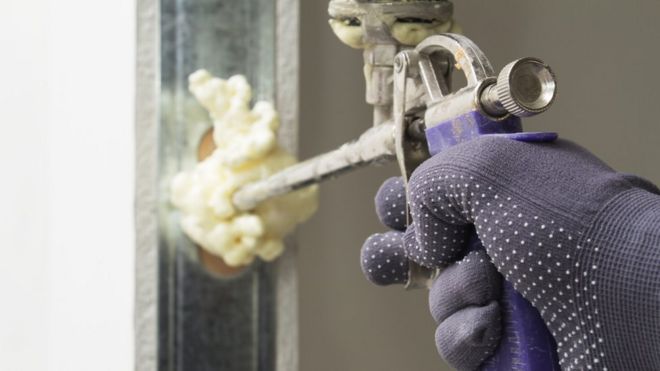
home insulationImage copyright GETTY IMAGES
Image caption Much of the CFC-11 gas has been used in home insulation

Researchers say that they have pinpointed the major sources of a mysterious recent rise in a dangerous, ozone-destroying chemical.

CFC-11 was primarily used for home insulation but global production was due to be phased out in 2010.

But scientists have seen a big slowdown in the rate of depletion over the past six years.

This new study says this is mostly being caused by new gas production in eastern provinces of China.

CFC-11 is also known as trichlorofluoromethane, and is one of a number of chloroflurocarbon (CFC) chemicals that were initially developed as refrigerants during the 1930s.

However, it took many decades for scientists to discover that when CFCs break down in the atmosphere, they release chlorine atoms that are able to rapidly destroy the ozone layer which protects us from ultraviolet light. A gaping hole in the ozone layer over Antarctica was discovered in the mid 1980s.

Media caption Twenty-five years of ice loss in the Antarctic

The international community agreed the Montreal Protocol in 1987, which banned most of the offending chemicals. Recent research suggests that the hole in the Northern Hemisphere could be fully fixed by the 2030s and Antarctica by the 2060s.

When was the CFC problem discovered?

CFC-11 was the second most abundant CFCs and was initially seen to be declining as expected.

However in 2018 a team of researchers monitoring the atmosphere found that the rate of decline had slowed by about 50% after 2012.

graphic
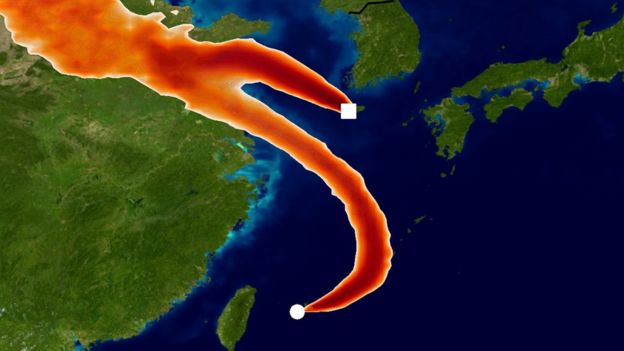
Image caption Monitoring stations in Korea and Japan were key to detecting the mystery sources of CFC-11

That team reasoned that they were seeing new production of the gas, coming from East Asia. The authors of that paper argued that if the sources of new production weren’t shut down, it could delay the healing of the ozone layer by a decade.

What did investigators find on the ground?

Further detective work in China by the Environmental Investigation Agency in 2018 seemed to indicate that the country was indeed the source. They found that the illegal chemical was used in the majority of the polyurethane insulation produced by firms they contacted.

One seller of CFC-11 estimated that 70% of China’s domestic sales used the illegal gas. The reason was quite simple – CFC-11 is better quality and much cheaper than the alternatives.

So what does this latest study show?

This new paper seems to confirm beyond any reasonable doubt that some 40-60% of the increase in emissions is coming from provinces in eastern China.

Using what are termed “top-down” measurements from air monitoring stations in South Korea and Japan, the researchers were able to show that since 2012 CFC-11 has increased from production sites in eastern China.

home insulationImage copyright GETTY IMAGES

They calculated that there was a 110% rise in emissions from these parts of China for the years 2014-2017 compared to the period between 2008-2012.

“This new study is based on spikes in the data on air that comes from China,” lead author Dr Matt Rigby, a reader at the University of Bristol, told BBC Inside Science.

“Using computer simulations of the transport of these gases through the atmosphere we can start to put numbers on emissions from different regions and that’s where we come up with this number of around 7,000 tonnes of extra CFC-11 emissions coming out of China compared to before 2012.

“But from the data, all we just see are the ultimate releases to the atmosphere, we don’t have any information on how that CFC-11 was used or where it was produced, it is entirely possible that it was manufactured in some other region, some other part of China or even some other country and was transported to the place where they are making insulating foams at which point some of it could have been emitted to the atmosphere.”

Where are the rest of the emissions coming from?

The researchers are not sure. It’s possible that the missing emissions are coming from other parts of China, as the monitoring stations just can’t see them. They could also be coming from India, Africa or South America as again there is very little monitoring in these regions.

Does this have implications for climate change?

Yes – the authors say that these CFCs are also very potent greenhouse gases. One tonne of CFC-11 is equivalent to around 5,000 tonnes of CO2.

“If we look at these extra emissions that we’ve identified from eastern China, it equates to about 35 million tonnes of CO2 being emitted into the atmosphere every year, that’s equivalent to about 10% of UK emissions, or similar to the whole of London.”

Will China clampdown on the production?

The Chinese say they have already started to clamp down on production by what they term “rogue manufacturers”. Last November, several suspects were arrested in Henan province, in possession of 30 tonnes of CFC-11.

Clare Perry from the Environmental Investigations Agency (EIA) said that the new findings re-affirmed the need to stamp out production.

“I think with this study, it is beyond doubt that China is the source of these unexpected emissions, and we would hope that China is leaving no stone unturned to discover the source of the CFC-11 production.

“Unless the production of the chemical is shut down it will be near impossible to end the use and emissions in the foam companies.”

The study has been published in the journal Nature.

Source: The BBC

22/05/2019

Beyond the Yellow River: DNA tells new story of the origins of Han Chinese

  • Researchers say history of China’s biggest ethnic group is more complex than many believe
  • DNA study involving 20,000 unrelated people points to three river origins
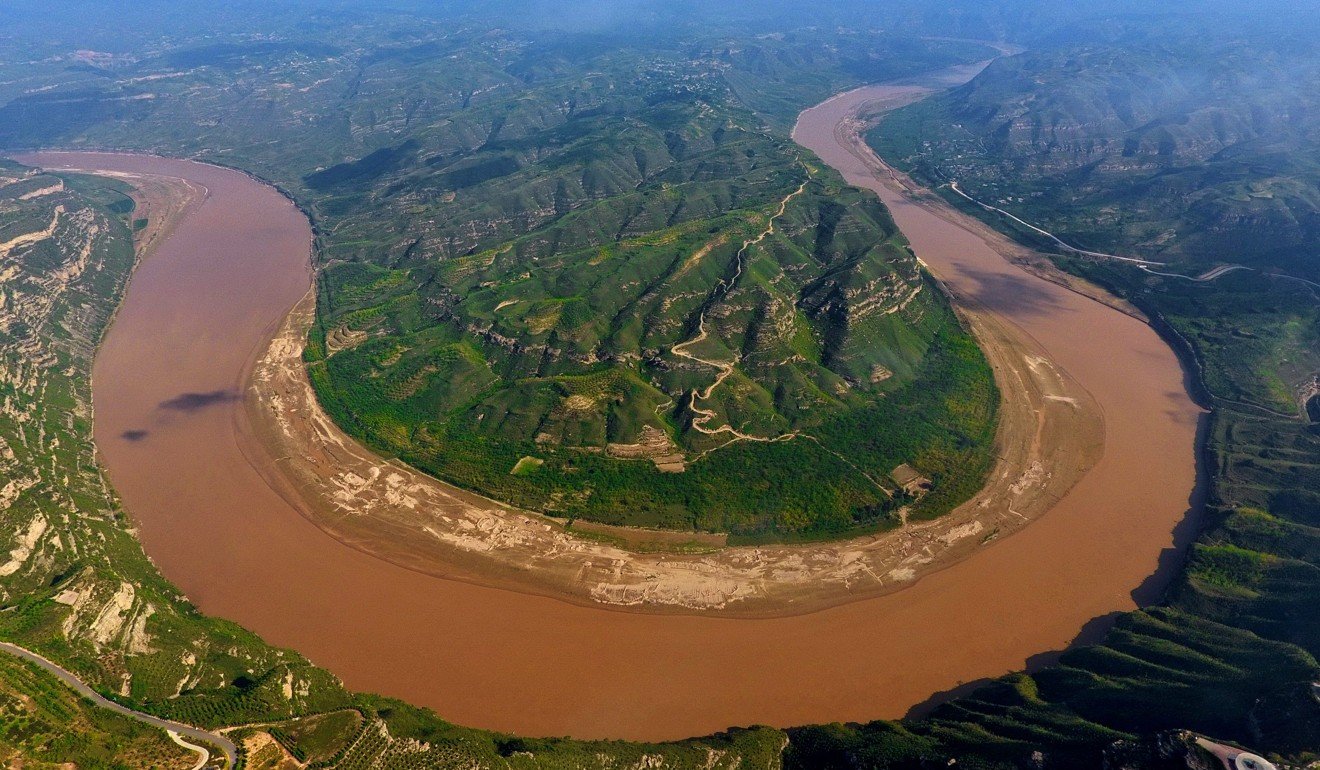
The study of Han DNA by the team from the Kunming institute challenges a long-held view of the early origins of Chinese civilisation. Photo: Xinhua
The origins of China’s biggest ethnic group can be traced back to three river valleys, deposing the Yellow River as the sole cradle of Chinese civilisation, according to a new study.
The Yellow has long been hailed as the mother river of Han Chinese, who make up nearly 92 per cent of the country’s population today.
But research published in the online journal Molecular Biology and Evolution on Wednesday said the Yangtze and Pearl rivers – as well as the Yellow – gave rise to genetically separate groups about 10,000 years ago. Those ancestors then mingled to become the largest ethnic group in the world today, it said.
“The history of Han Chinese is more sophisticated than thought,” said Professor Kong Qingdong, a researcher with the Kunming Institute of Zoology at the Chinese Academy of Sciences and lead scientist in the study. “Many details need investigation.”
A DNA study suggests the Yellow River (above) may have to share its place as a cradle for Han Chinese with the Yangtze and the Pearl. Photo: Xinhua

After analysing DNA samples from more than 20,000 unrelated Han Chinese, examining their dialects and family geography and comparing those to archaeological DNA records, scientists concluded that the Yangtze and Pearl had equal claim with the Yellow to Han origins.

Progenitors from the three river valleys evolved independently, the Kunming team said, and distinctions found in the mitochondrial DNA (the mother’s line) of study volunteers added weight to their assertion.

Who are you? DNA tests help Chinese retrace ancient steps

About 0.07 per cent of the DNA examined in the Han Chinese study differed according to river valley origin. By comparison, the difference was much lower – 0.02 per cent – when the study volunteer data was assessed by dialect, the researchers said.

Earlier studies of genetic markers and microsatellite data that mapped the prevalence of DNA revealed that Han Chinese can be generally divided into two groups: North and South. The latest study found that the genetic variation between North and South Han Chinese is 0.03 per cent, considerably less significant than the distinction by rivers.

Dr Li Yuchun, lead author of the paper, said the findings helped trace the history of Han to the dawn of civilisation, the emergence of agriculture and the sustainable growth of population.

The earliest migrants from Africa to China arrived in what is now the southwest between 60,000 and 100,000 years ago, studies said. The genes of this group of hunter-gatherers were largely unchanged for tens of thousands years.

About 10,000 years ago, agricultural practices began to emerge in the valleys of the three rivers. Archaeologists found evidence of millet cultivation around the Yellow River, rice in the Yangtze, and roots and tubers in the Pearl.

The busy Yangtze River flows through Chongqing in southwest China. Photo: Xinhua

“Increasing food led to a population boom in these areas. We can see it in the separate path of gene evolution,” Li said.

The research also found that women were able to preserve their genetic story better than men as they stayed at home to tend the fields, while men went to explore, trade or wage war.

“Females are resilient to invasion,” she said.

The cultural significance of knowing one’s ancestry

The research team planned to examine the Y-chromosome, which passed from father to son, to study the expansion of the Han civilisation, Li said.

“It will be interesting to hear the story from a male perspective,” she said.

As the Han empires expanded, many ancient ethnic groups such as Huns, Siberians, Khitan in northern China and the Thai-Khadai speaking peoples in the south, passed from the record.

Some researchers think these minorities become extinct, but others believe they were absorbed into the Han Chinese population.

Source: SCMP

19/05/2019

China’s top legislator visits Norway to promote bilateral ties

NORWAY-OSLO-LI ZHANSHU-NORWEGIAN KING-MEETING

Li Zhanshu, chairman of the Standing Committee of the National People’s Congress (NPC), meets with Norwegian King Harald V in Oslo, Norway, May 16, 2019. China’s top legislator Li Zhanshu paid an official friendly visit to Norway from May 15 to 18, expecting to promote the development of Sino-Norwegian ties to score more progress. (Xinhua/Huang Jingwen)

OSLO, May 18 (Xinhua) — China’s top legislator Li Zhanshu paid an official friendly visit to Norway from May 15 to 18, expecting to promote the development of Sino-Norwegian ties to score more progress.

During the stay in Norway, Li, chairman of the Standing Committee of the National People’s Congress (NPC), met with Norwegian King Harald V, Norwegian Prime Minister Erna Solberg and President of the Norwegian parliament Storting Tone Wilhelmsen Troen.

When meeting with Norwegian King Harald V, Li conveyed the greetings of Chinese President Xi Jinping to the King, and expressed congratulations on the Norwegian National Day, which falls on May 17.

Li said during the King’s successful visit to China last year, the two heads of state made strategic plans for the development of bilateral relations in the new era. As this year marks the 65th anniversary of the establishment of diplomatic relations between China and Norway, the two sides are expected to seize the opportunity to cement friendship and expand cooperation on the basis of mutual respect and treating each other equally, so as to realize better development of bilateral relations.

Harald V expressed gratitude to China’s friendliness to the Norwegian side, saying Norway admires China’s tremendous development achievements. He said Norway is ready to strengthen cooperation with China in such fields as winter sports, and will make efforts to help China successfully host the 2022 Beijing Winter Olympics.

When meeting with Solberg, Li said although Sino-Norwegian relations have experienced ups and downs, friendship and cooperation has always been the main theme of the ties. As both countries share common interests on safeguarding current global mechanism, building an open world economy, the two sides should jointly support multilateralism and free trade. Moreover, the two countries have similar development concepts and share strong economic complementarities, so the outlook of bilateral cooperation is very broad.

Norway is welcome to actively participate in the construction of the Belt and Road Initiative. And bilateral cooperation on economy, trade, environmental protection, science and technology, people-to-people exchanges and tourism is expected to be forged ahead, said China’s top legislator.

“China hopes the Norwegian side provides a fair, just and non-discriminatory business environment for Chinese enterprises’ investment and operation in Norway,” said Li.

Solberg said bilateral cooperation has maintained sound momentum since the normalization of bilateral ties, expecting the two sides to push forward talks on inking a free trade deal and deepen cooperation in such areas as maritime affairs, shipping, fishery and environmental protection. She also voiced the will to advance communication and collaboration with China on issues concerning the United Nations, coping with the climate change and Arctic affairs.

When respectively meeting with Troen and members of the parliament’s standing committee on foreign affairs and defense, Li introduced China’s development path and political system.

“The reasons why China continues to make new development achievements are that we have embarked on a development path that suits our national conditions. This is the path of socialism with Chinese characteristics,” said Li, stressing that the Chinese people will unswervingly follow this path.

He said that the NPC of China is willing to work with the Norwegian parliament to implement the important consensus reached by the leaders of the two countries, strengthen friendly exchanges at all levels, enhance understanding and trust through frank dialogues, and create a favorable environment for pragmatic cooperation.

Troen said that this visit is of great significance as Li’s tour marks the first visit of a Chinese leader since the normalization of bilateral relations in 2016. The Norwegian parliament is willing to carry out all-round exchanges and cooperation with the NPC of China, and make positive contributions to the development of state-to-state ties.

The two legislators also exchanged views on jointly safeguarding multilateral trade system, sustainable development and other issues of common concerns.

On May 16, Li attended the economic and trade conference in commemoration of the 65th anniversary of Norway-China diplomatic relations. He said in a speech that President Xi’s proposal of the high-quality development of jointly building the Belt and Road and the policy of China’s further expansion of opening up have provided new opportunities for the common development of all countries. The two countries’ enterprises are expected to seize the opportunity, tap cooperation potentials, so as to translate the desire for strong cooperation into more practical results.

During the tour, Li visited the Chinese skiers who were training in Norway and encouraged them to train hard and carry out bilateral friendship.

He also visited a local ecological agriculture project, an oil gas processing plant, and met with local officials in Norway’s southwestern county of Rogaland and its southern city of Stavanger.

Norway is the first lag of Li’s ten-day tour in Europe, which will also take him to Austria and Hungary.

Source: Xinhua

19/05/2019

Shanghai Bund’s historic buildings saved from demolition … for now

  • Experts win reprieve for two out of three heritage houses but fear their success is only temporary
  • Authorities plan public cultural facilities for the site
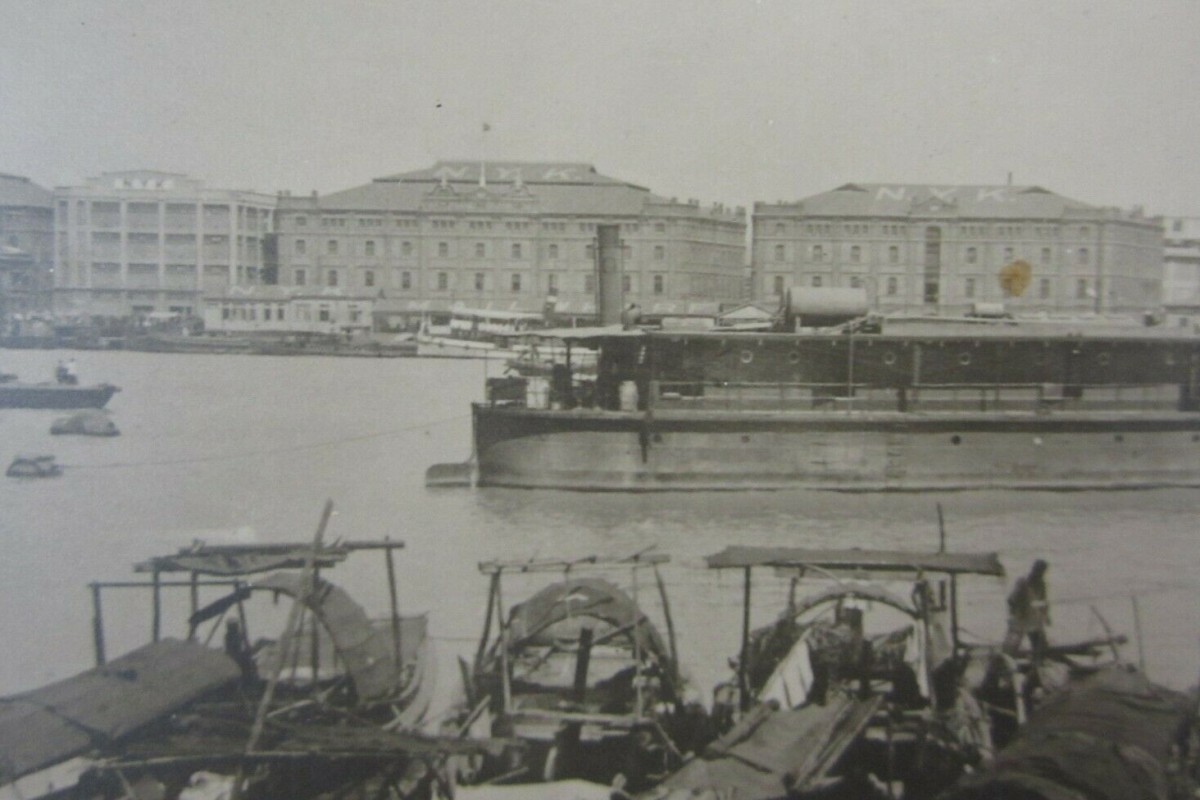
The historic buildings on Shanghai’s Bund in the 1930s. One of the three structures has already been demolished but authorities have temporarily suspended plans to knock down the other two. Photo: Handout
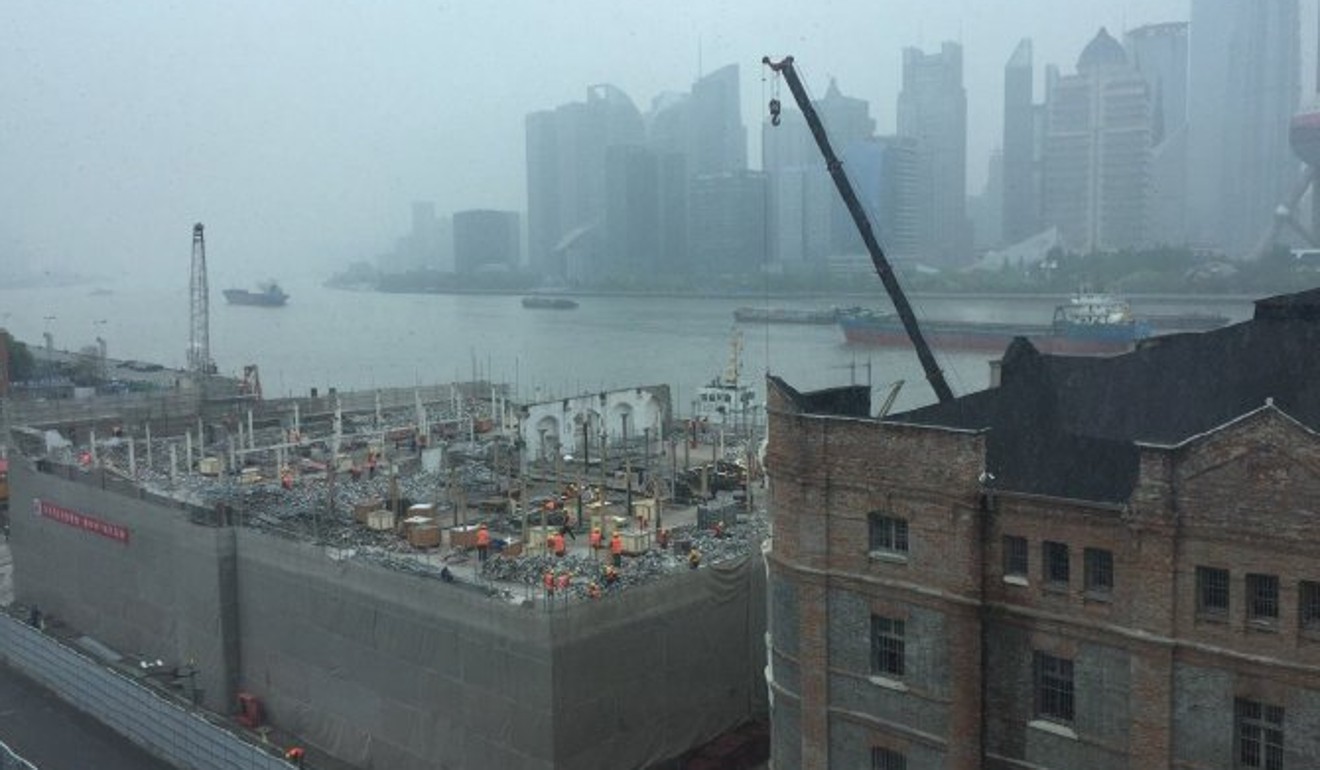
Two historic buildings on Shanghai’s famous Bund have temporarily escaped demolition after a group of experts appealed to the government to conserve the heritage sites, but the intervention was too late to save a third.
About 15 architecture, history and culture experts based in Shanghai banded together to write an article on social media app WeChat last month, calling on the city’s government to “protect the city’s memories” by preserving three houses on Huangpu Road.
A few days after the article was published one of the buildings was demolished as part of a plan to build public cultural facilities on the site. But authorities suspended work on the other two and are considering removing only the interior structure while preserving the external walls, according to the group.
The houses, which date back to 1902, witnessed the city’s boom in the first half of the 20th century when it became one of the world’s most important, and famous, ports, the experts said.
The demolition project on The Bund, Shanghai has been suspended, but not before one of the three historic buildings was demolished. Photo: Urban China magazine

All three of the properties originally belonged to Japanese shipping company Nippon Yusen Kaisha Group and were later used as storage facilities for Japan’s military forces during the second world war, according to Yu Hai, a sociologist from Shanghai’s Fudan University.

“These buildings, along with the nearby Yangzijiang port on the Huangpu River, represented Shanghai’s wharf culture and port culture,” Yu said. “They are historically significant as they witnessed Shanghai grow prosperous through shipping and trade industries about a century ago.”

Although the two remaining buildings are safe for now, the experts argue their interiors are also worth preserving.

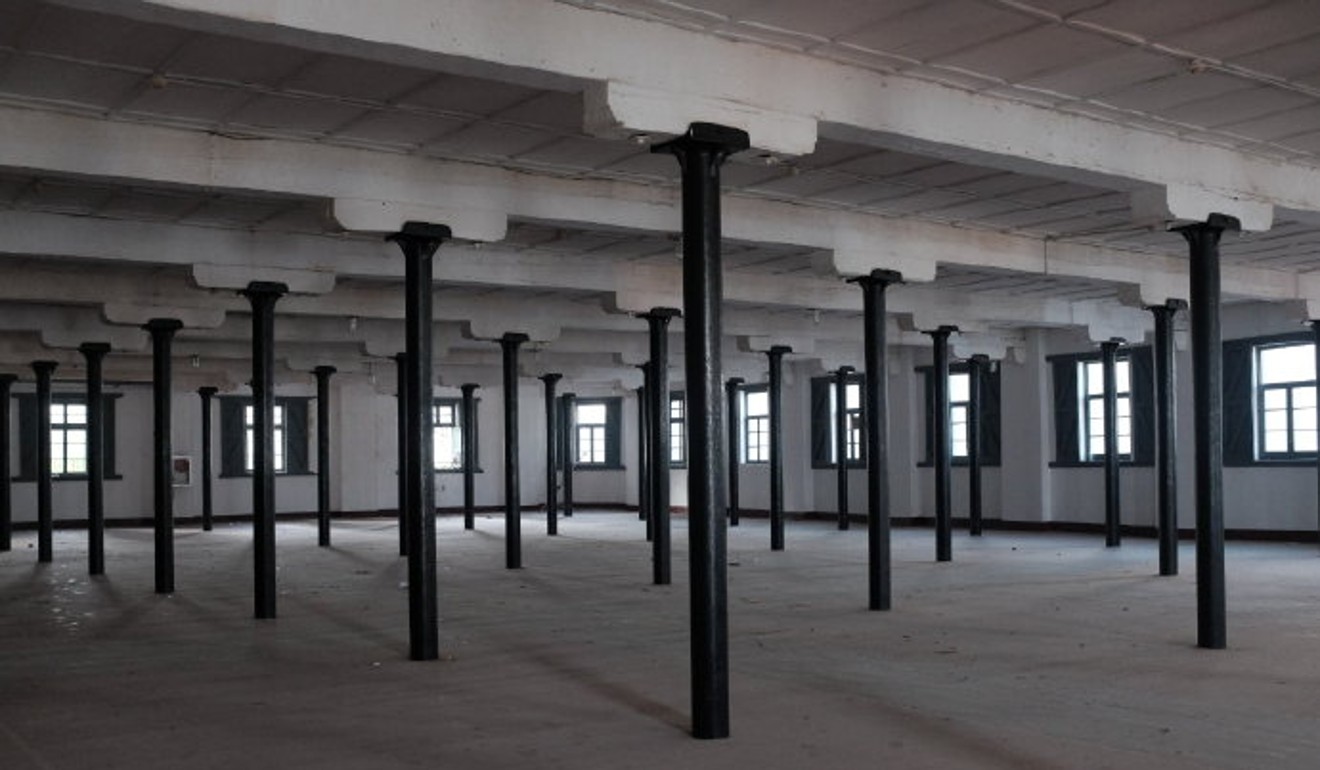
Liu Gang, an architecture professor at Shanghai’s Tongji University, said the properties featured big wooden beams supported by black iron pillars, which were prominent architectural features of industrial buildings dating back to the 19th century.

“We guess it was hard to move these giant beams with vehicles at the beginning of the 20th century. Quite possibly they were transported on the river. We guess that the wood was chopped down and processed in places across the Pacific [from North America] and shipped to Shanghai.”

In the WeChat article, Liu called for the protection of the interior structure of the buildings. “Without solid research, we cannot simply take them down to be replaced by new ones.”

Yu agreed, saying: “The building with a new inside structure would be a fake and this plan will destroy historical heritage.”

Experts say the interiors of the historic buildings are also worth preserving. Photo: Urban China magazine

Huangpu Road, where these houses sit, is rich with history. It features the Garden Bridge of Shanghai – the city’s first steel bridge, built in 1907 – and was once home to the consulates of the United States, Russia, Japan, Germany, Denmark and the Austro-Hungarian empire.

Other notable landmarks on the road include the Astor House Hotel, built in 1846, where Charlie Chaplin, Albert Einstein and George Bernard Shaw stayed in the 1920s and 1930s. The hotel is still there.

“History happened here,” Yu said. “But it’s a pity that most of the old buildings in this area no longer exist.”

Despite their success in winning a stay of execution for the two buildings, the experts are cautious in their expectations.

“The demolition work was suspended, but that does not mean they have accepted our proposals. We are not optimistic,” Yu said.

About two weeks ago as part of their effort to save the buildings, Yu and three other scholars approached officials from Shanghai’s Planning and Natural Resources Bureau, the government body behind the demolition project.

“Officials emphasised the difficulties of keeping the completeness of the old buildings and we just pointed out the damage to their historical values,” Yu said.

The Shanghai bureau did not immediately reply to a request for comment.

Shanghai nightclub king opens new art space – in disused oil tanks
Appeals by the public to conserve historical buildings have generally not been successful. Shenyuli, a typical Shanghai residential community built in the 1930s, was included in the city’s protected list of historical buildings in 2004.
The listing was not enough to prevent its demolition eight years later to make way for a public green land space.
Three years ago, the Shanghai government announced it was suspending the planned demolition of a former sex slavery station used by Japanese soldiers during the second world war, following media reports and a public outcry.
However, the building was later demolished, according to Su Zhiliang, history professor from Shanghai Normal University and a researcher on sex slavery, who predicts a similar outcome for this latest conservation effort.
“I think the government is just using the same tactic to postpone their plan. After the public’s attention is over, they will continue demolishing,” Su said.
Source: SCMP
18/05/2019

Premier Li urges more efforts to advance medical reforms

BEIJING, May 17 (Xinhua) — Chinese Premier Li Keqiang has urged intensified efforts and more effective measures to advance the country’s medical reforms.

Li, a member of the Standing Committee of the Political Bureau of the Communist Party of China Central Committee, made the remarks in a written instruction to a video and telephone conference on medical reforms held in Beijing Friday.

Hailing the achievements made in major tasks of medical reforms last year, including centralized medicine procurement and lower prices of anticancer drugs, Li extended sincere greetings to participants in medical reforms and medical workers.

Li called for the in-depth implementation of the Healthy China initiative, and more health promotion activities with extensive coverage.

Li urged strengthened screening tests of major diseases and improved prevention of commonly-seen chronic diseases.

He also stressed the role of basic medical insurance and called for increased reimbursement rate of serious disease insurance.

Source: Xinhua

Law of Unintended Consequences

continuously updated blog about China & India

ChiaHou's Book Reviews

continuously updated blog about China & India

What's wrong with the world; and its economy

continuously updated blog about China & India