Archive for ‘ecosystems’

19/09/2019

Xi stresses confidence, hard work in central China inspection

CHINA-HENAN-XI JINPING-INSPECTION TOUR (CN)

Chinese President Xi Jinping, also general secretary of the Communist Party of China Central Committee and chairman of the Central Military Commission, visits a revolutionary memorial hall in Xinxian County, central China’s Henan Province, Sept. 16, 2019. Xi went on an inspection tour in Henan Monday. (Xinhua/Xie Huanchi)

ZHENGZHOU, Sept. 18 (Xinhua) — Chinese President Xi Jinping called for unshakable confidence and hard work with great determination to write a magnificent chapter of the central region in the new era during his inspection tour to Henan Province from Monday to Wednesday.

Xi, also general secretary of the Communist Party of China (CPC) Central Committee and chairman of the Central Military Commission, called for efforts to promote the continuous and healthy development of the economy as well as social harmony and stability to give people a stronger sense of fulfillment, happiness and security.

On Wednesday afternoon, Xi listened to the work reports of the CPC Henan Provincial Committee and the provincial government.

Xi said that China’s development is in good shape, but the international situation is still complicated. China is faced with new risks and challenges and must manage its own affairs well.

Calling on Henan to promote high-quality economic development and seize the opportunities provided by the strategy for the rise of central China, he urged the province to focus on the high-quality development of the manufacturing industry and give priority to innovation in the overall development.

Xi also stressed efforts to actively push forward the supply-side reform in agriculture.

Xi noted that priority should be given to the protection of ecosystems and addressing environmental issues at the source.

On improving people’s living standards, Xi called for particular attention to ensuring employment for key groups such as college graduates, veterans, laid-off and rural migrant workers, as well as those returning to rural areas.He also called for efforts to help culture flourish, and promote the preservation, innovation and development of fine traditional Chinese culture.

Xi stressed that the first stage of the education campaign themed “staying true to our founding mission” had been concluded while the second stage had just begun, and called for efforts focused on dealing with the most urgent problems facing the people.

Education on red traditions should make Party members and officials remain true to the original aspiration and undertake their mission, and strive to advance the great cause that the martyrs fought and sacrificed themselves for, Xi said.

During the three-day inspection, Xi visited a martyrs cemetery and a museum in an old revolutionary base, handicraft shops and a homestay in a township, as well as an oil-seed camellia plantation, a village which had escaped poverty and a coal mining machinery company.

He also inspected the ecological protection of the Yellow River at a museum and a national geopark and met with senior military officers stationed in Henan.

Source: Xinhua
04/06/2019

No time to waste in saving the world’s rivers from drying up – especially in China

  • Brahma Chellaney writes that excessive damming and drastic overuse of water resources are causing the world’s major waterways to run dry
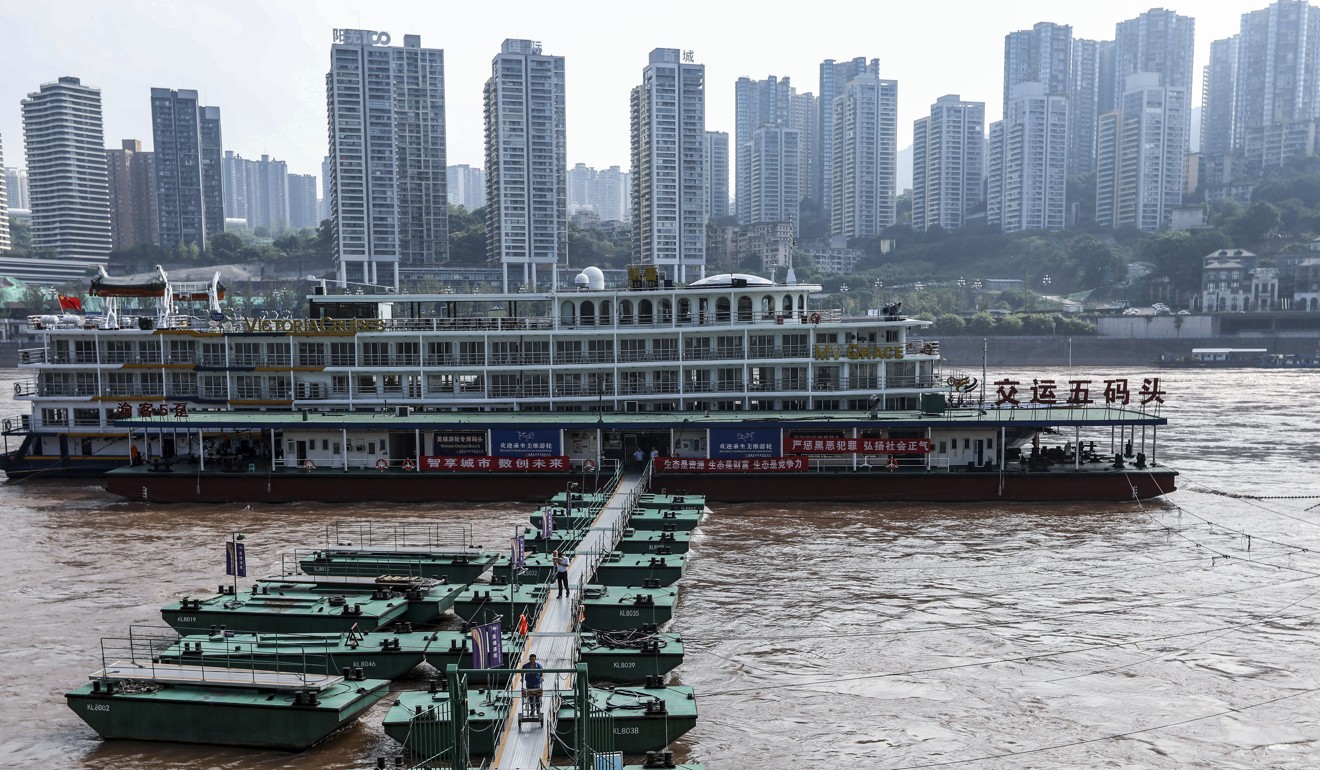
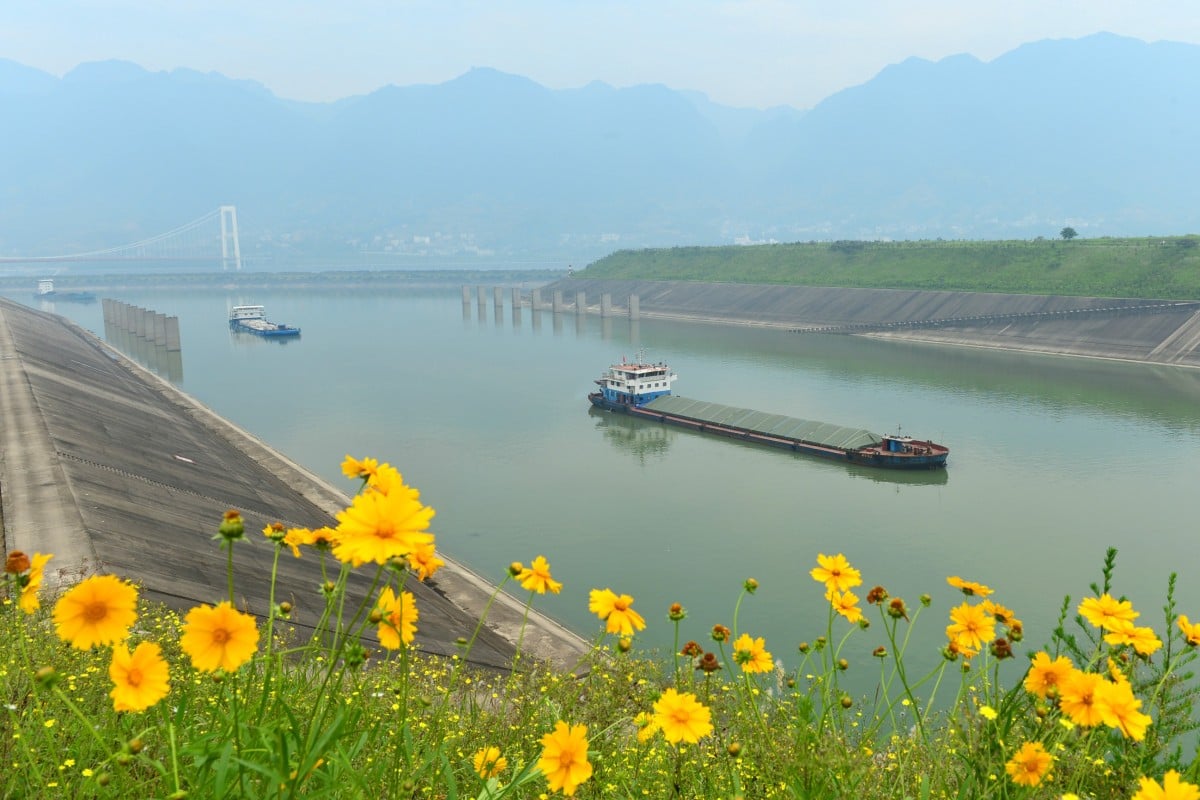
Vessels head for the lock of the Three Gorges Dam in Yichang, in central China's Hubei province. Sediment build-up in the dam’s reservoir stems from silt flow disruption in the Yangtze River, Brahma Chellaney writes. Photo: Xinhua
Vessels head for the lock of the Three Gorges Dam in Yichang, in central China’s Hubei province. Sediment build-up in the dam’s reservoir stems from silt flow disruption in the Yangtze River, Brahma Chellaney writes. Photo: Xinhua
Thanks to excessive damming and drastic overuse of water resources, an increasing number of major rivers across the world are drying up before reaching the sea.
Nowhere is this more evident than in China, where the old saying, “Follow the river and it will eventually lead you to a sea,” is no longer wholly true.
While a number of smaller rivers in China have simply disappeared, the Yellow River – the cradle of the Chinese civilisation – now tends to run dry before reaching the sea.
This has prompted Chinese scientists to embark on a controversial rainmaking project to help increase the Yellow’s flow. By sucking moisture from the air, however, the project could potentially affect monsoon rains elsewhere.
For large sections of the world’s population, major river systems serve as lifelines. The rivers not only supply the most essential of all natural resources – water – but also sustain biodiversity, which in turn supports human beings.
Yet an increasing number of rivers, not just in China, are drying up before reaching the sea.
A major new United Nations study published early this month offers grim conclusions: human actions are irremediably altering rivers and other ecosystems and driving increasing numbers of plant and animal species to extinction.

“Nature across the globe has now been significantly altered,” according to the study’s summary of findings.

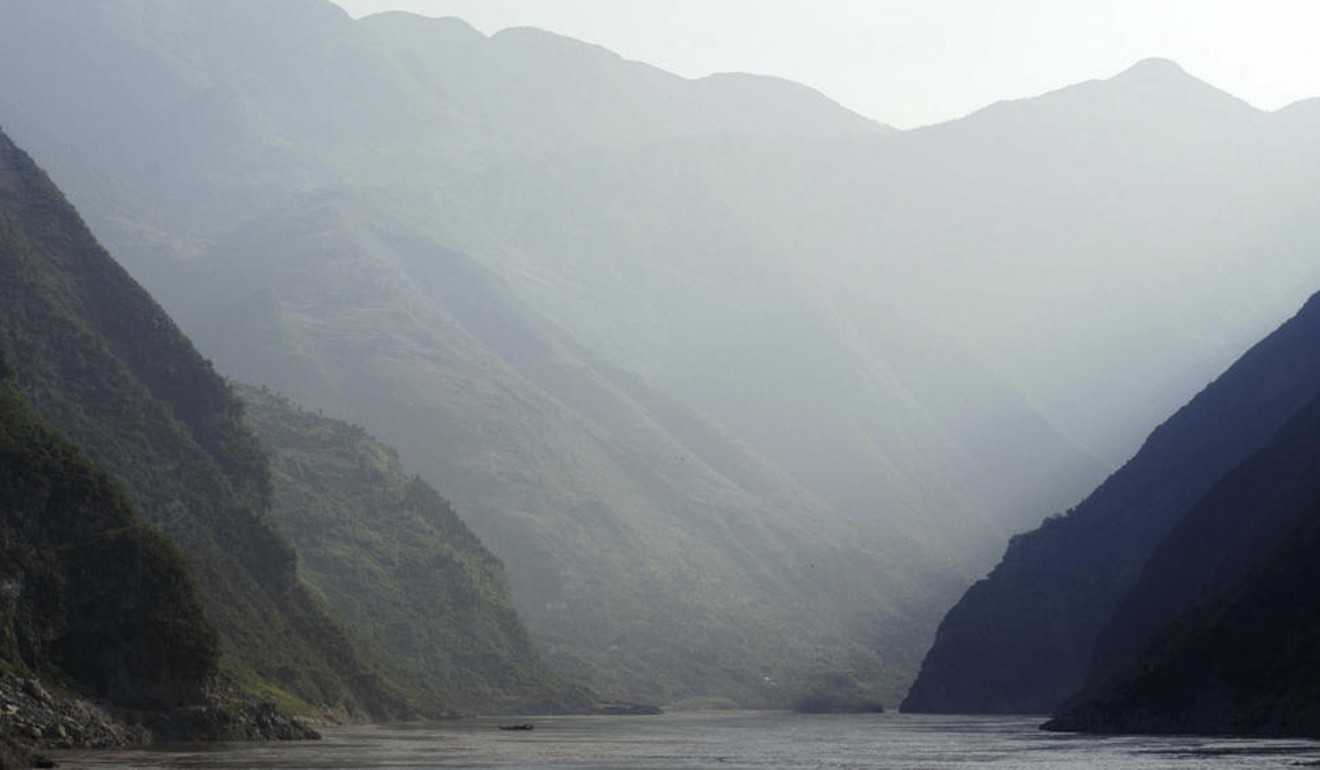
The Yangtze and Jialing rivers come together in the southwestern city of Chongqing. Photo: Simon Song

Water sustains life and livelihoods and enables economic development.

If the world is to avert a thirsty future and contain the risks of greater intrastate and interstate water conflict, it must protect freshwater ecosystems, which harbour the greatest concentration of species.

The Mekong is mighty no more: book charts river’s demise

Yet, according to another study published in Nature this month humans have modified the flows of most long rivers, other than those found in the remote regions of the

Amazon and Congo basins and the Arctic.

Consequently, only a little more than one-third of the world’s 246 long rivers are still free-flowing, meaning they remain free from dams, levees and other man-made water-diversion structures that leave them increasingly fragmented.

Humans have modified the flows of most long rivers, including the Yangtze, home to some of China’s most spectacular natural scenery. Photo: WWF

Such fragmentation is affecting river hydrology, flow of nutrient-rich sediment from the mountains where rivers originate, riparian vegetation, migration of fish and quality of water.

Take the Colorado River, one of the world’s most diverted and dammed rivers. Broken up by more than 100 dams and thousands of kilometres of diversion canals, the Colorado has not reached the sea since 1998.

Sinking sands along the Mekong River leave Vietnamese homeless

The river, which originates in the Rocky Mountains and is the lifeblood for the southwestern United States, used to empty into the Sea of Cortez in Mexico.

But now, owing to the upstream diversion of 9.3 billion cubic metres (328.4 billion cubic feet) of water annually, the Colorado’s flow into its delta has been reduced to a trickle.

Altering the flow characteristics of rivers poses a serious problem for sustainable development, because they affect the ecosystem services on which both humans and wildlife depend. Photo: AP

Other major rivers that run dry before reaching the sea include the Amu Darya and the Syr Darya, the two lifelines of Central Asia; the Euphrates and the Tigris in the Middle East; and the Rio Grande, which marks the border between Texas and Mexico before heading to the Gulf of Mexico.

The overused Murray in Australia and Indus in Pakistan are at risk of meeting the same fate.

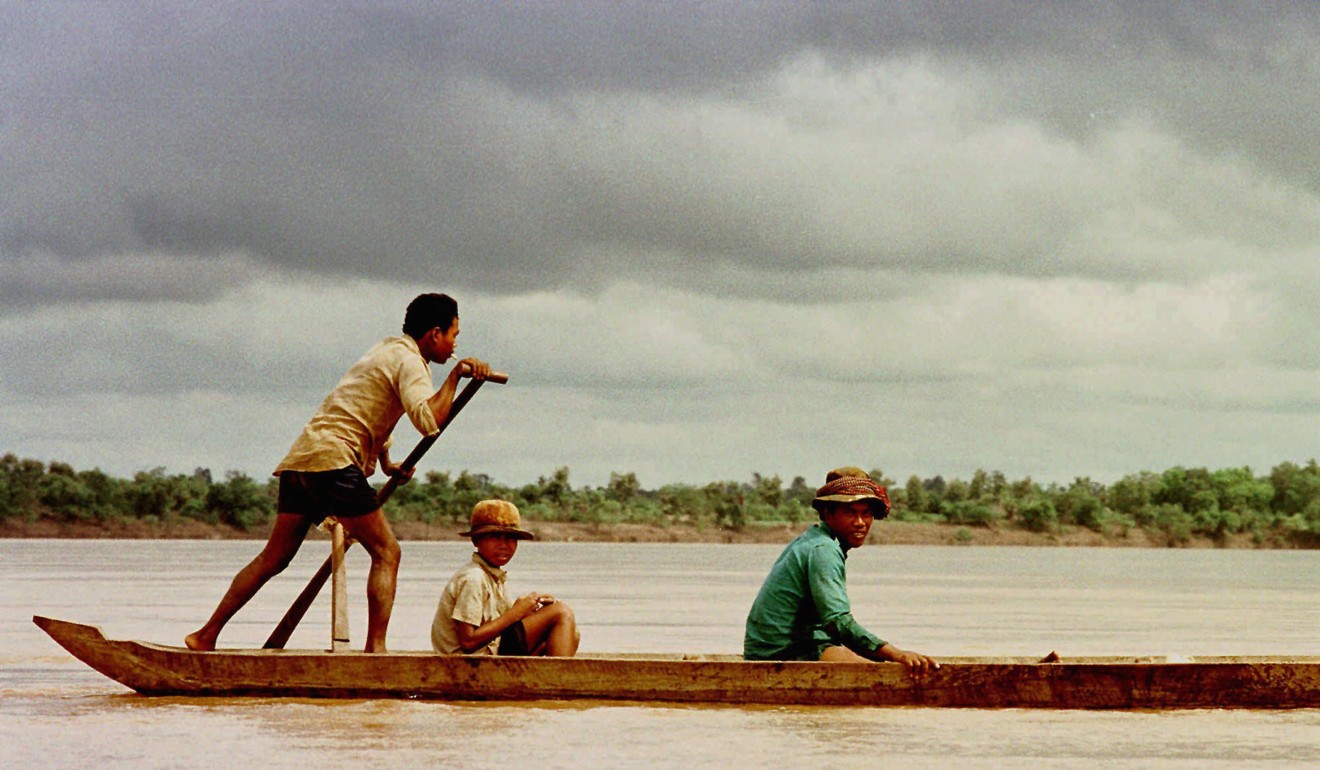
Are China’s Mekong dams washing away Cambodian livelihoods?

More fundamentally, altered flow characteristics of rivers are among the most serious problems for sustainable development, because they seriously affect the ecosystem services on which both humans and wildlife depend.

Free-flowing rivers, while supporting a wealth of biodiversity, allow billions of fish – the main source of protein for the poor – to trek through their waters and breed copiously.

Urgent action is needed to save the world’s rivers, including improving agricultural practices, which account for the bulk of freshwater withdrawals

Free-flowing rivers also deliver nutrient-rich silt crucial to agriculture, fisheries and marine life.

Such high-quality sediment helps to naturally re-fertilise overworked soils in the plains, sustain freshwater species and, after rivers empty into seas or oceans, underpin the aquatic food chain supporting marine life.

China’s hyperactive dam building illustrates the high costs of river fragmentation. No country in history has built more dams than China. In fact, China today boasts more large dams than the rest of the world combined.

China’s chain of dams and reservoirs on each of its long rivers impedes the downstream flow of sediment, thereby denying essential nutrients to agricultural land and aquatic species.

A case in point is China’s Three Gorges Dam – the world’s largest – which has a problematic build-up of sediment in its own massive reservoir because it has disrupted silt flows in the Yangtze River.

Likewise, China’s cascade of eight giant dams on the Mekong, just before the river enters Southeast Asia, is affecting the quality and quantity of flows in the delta, in Vietnam.

Yangtze dams may spell end to sturgeon in a decade
Undeterred, China is building or planning another 20 dams on the Mekong.
How the drying up of rivers affects seas and oceans is apparent from the Aral Sea, which has shrunk 74 per cent in area and 90 per cent in volume, with its salinity growing nine-fold.
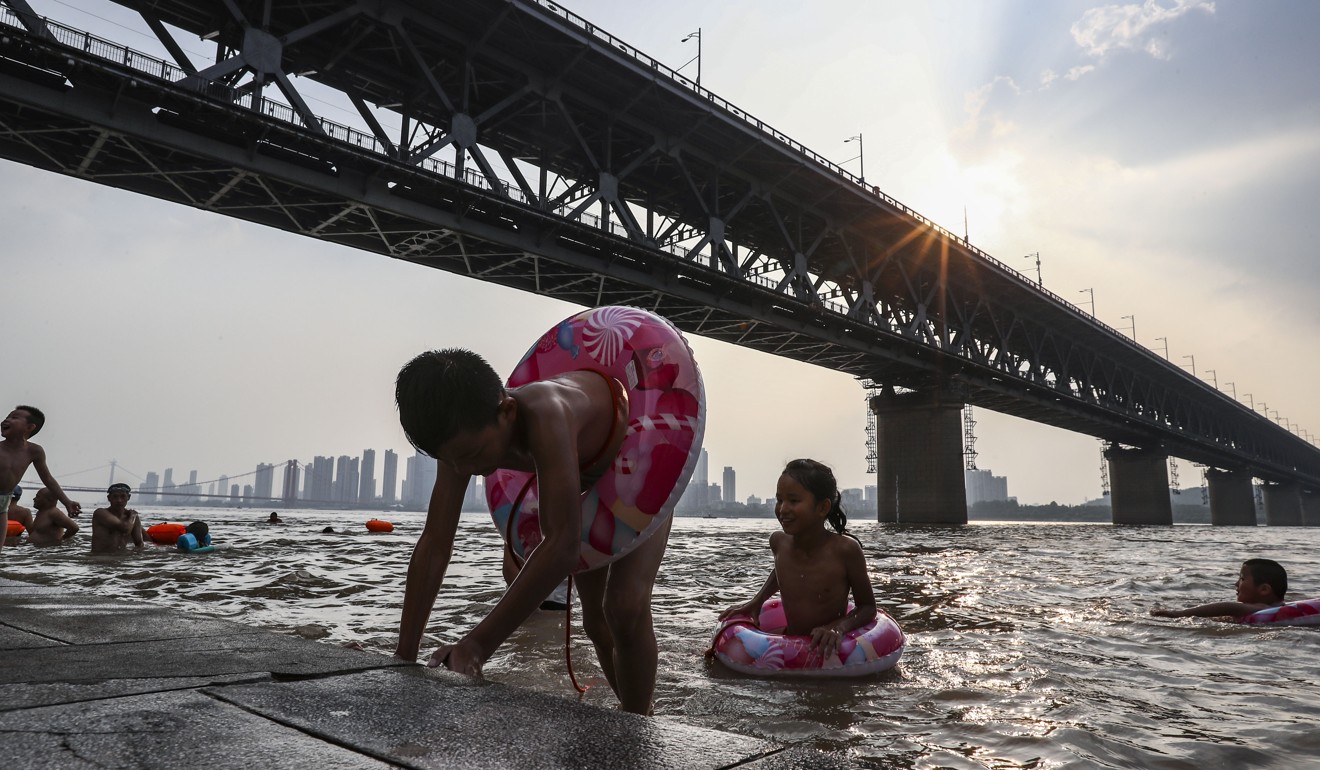
People beat the heat by cooling off in the Yangtze River in Wuhan, in central China’s Hubei province. Photo: Nora Tam

This change is the result of the Aral Sea’s principal water sources, the Amu Darya and Syr Darya, being so overexploited for irrigation that they are drying up before reaching what was once the world’s fourth-largest inland lake.

Compounding the challenges is the increasing pollution of rivers. Aquatic ecosystems have lost half of their biodiversity since the mid-1970s alone.

Chinese court jails nine for dumping toxic waste in Yangtze

Urgent action is needed to save the world’s rivers. This includes action on several fronts, including improving practices in agriculture, which accounts for the bulk of the world’s freshwater withdrawals.

Without embracing integrated water resource management and other sustainable practices, the world risks a parched future.

Source: SCMP

06/03/2019

Commentary: China’s strategic resolve of green development unshakable

BEIJING, March 5 (Xinhua) — Despite increasing downward pressure on its economy, China is assuring the world of its firm resolution in the pursuit of green development with concrete and self-motivated efforts.

For China, green development is a critical element of modernizing its economy. The country sticks to a new development vision that features innovative, coordinated, green and open development for the benefit of all.

It is not at the request of others, but on the country’s own initiative.

With a large population, China is facing increasing resource constraints, severe environmental pollution and a deteriorating ecosystem. People are becoming increasingly aware of environmental problems.

The country’s leadership has made it clear that China must win the battle to ensure blue skies and clean water and soil.

The battle will not be won easily.

Facing a complicated and challenging domestic and international environment of a kind rarely seen in many years, China has two options: lowering standards of environmental protection in launching new projects to stimulate growth; finding fundamental solutions to address pollution and build an ecological civilization that will benefit generations to come.

China’s choice and actions reassure those who may doubt its seriousness about green development.

When China says it “puts ecological protection first,” it is not just lip service.

This year, China will cut the energy consumption per unit of GDP by around 3 percent. Sulfur dioxide and nitrogen oxide emissions will be cut by 3 percent, and there will be a continuous decline in PM2.5 density in key areas.

The central government will allocate 25 billion yuan (3.73 billion U.S. dollars) to prevent and control air pollution, an increase of 25 percent year on year, an evidence of the advantage of China’s governance system which can “concentrate resources to accomplish major undertakings.”

China will also strengthen green and environmental protection industries, and press ahead to conserve and restore the ecosystems of mountains, rivers, lakes, forests, farmland, and grassland.

Simple, moderate, green, and low-carbon ways of life are increasingly popular in China. It has become common sense among the public that “lucid waters and lush mountains are invaluable assets themselves.”

As a matter of fact, the country’s yearning for green growth, instead of dragging down the economy, will be a boon to the economy, for China and the rest of the world.

Chinese and foreign investors are embracing a new wave of opportunities in the market for environment-related products and services, such as thermal power and steel industry upgrading, the development of sewer networks and treatment facilities and the construction of eco-friendly buildings.

China is one of the first countries to sign the Paris Agreement on climate change. China has pledged to halt the rise in carbon dioxide emissions by around 2030.

Among the essence of traditional Chinese thinking is the concept that man and nature form a community of life. Only by observing the laws of nature can mankind avoid costly blunders in its exploitation.

China has embarked on this bumpy but promising road. Marching toward an era of green development, there will be no turning back.

Source: Xinhua

Law of Unintended Consequences

continuously updated blog about China & India

ChiaHou's Book Reviews

continuously updated blog about China & India

What's wrong with the world; and its economy

continuously updated blog about China & India