Chindia Alert: You’ll be Living in their World Very Soon
aims to alert you to the threats and opportunities that China and India present. China and India require serious attention; case of ‘hidden dragon and crouching tiger’.
Without this attention, governments, businesses and, indeed, individuals may find themselves at a great disadvantage sooner rather than later.
The POSTs (front webpages) are mainly 'cuttings' from reliable sources, updated continuously.
The PAGEs (see Tabs, above) attempt to make the information more meaningful by putting some structure to the information we have researched and assembled since 2006.
Huawei has denied that it has any links to the Chinese government.
Huawei’s cyber-security chief John Suffolk told MPs on Monday that the tech giant had never been asked by China or any other government to “do anything untoward”.
Mr Suffolk said Huawei welcomed outsiders to analyse its products and detect engineering or coding flaws.
“We stand naked in front of the world, but we would prefer to do that, because it enables us to improve our products.”
He added: “We want people to find things, whether they find one or one thousand, we don’t care. We are not embarrassed by what people find.”
Huawei was invited to the Technology and Science Select Committee to answer questions from MPs on the security of its equipment, and its links to the Chinese government.
The US has encouraged allies to block Huawei – the world’s largest maker of telecoms equipment – from their 5G networks, saying the Chinese government could use its products for surveillance.
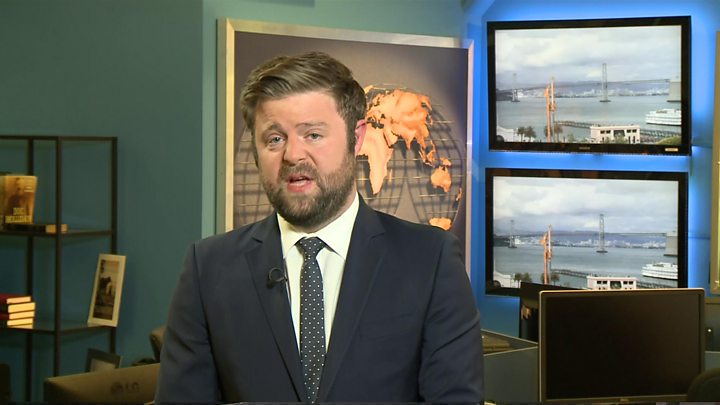
Image copyright PARLIAMENT TVImage caption Huawei’s cyber-security chief John Suffolk said the tech giant has no access to mobile networks
“We’ve never had a request from the Chinese government to do anything untoward at all,” said Mr Suffolk.
“We have never been asked by the Chinese government or any other government, I might add, to do anything that would weaken the security of a product.”
They asked whether Huawei was required to provide equipment to Xinjiang province, especially in light of the 2017 Chinese intelligence law, which requires individuals and associations to comply with Chinese intelligent agencies.
Mr Suffolk said: “We have had to go through a period of clarification with the Chinese government, that has come out and made it quite clear that that is not the requirement of any company.
“We’ve had that validated via our lawyers and revalidated by Clifford Chance…according to our legal advice, that does not require Huawei to undertake anything that weakens Huawei’s position in terms of security.”
Remote access
MPs asked whether Huawei would be able to remotely access the UK’s 5G mobile networks via its equipment.
Image copyright GETTY IMAGESImage caption Huawei said it would have no access to any data on a 5G mobile network
In reply, Mr Suffolk stressed that Huawei is a provider of telecommunications equipment to mobile network operators.
“We don’t run networks, and because we don’t run the network, we have no access to any of the data that is running across that network,” he said.
He also explained that Huawei is only one of about 200 vendors who would be providing various different bits of equipment that would eventually make up a 5G network in the UK.
However, if an operator were to have a problem with Huawei equipment, a support centre based in Romania would be able to remotely access the equipment to fix the problem.
MPs wanted to know whether it would be possible for a 5G network to be used to track an individual user.
In response, Mr Suffolk explained that mobile phone technology requires the mobile operator to constantly track a user’s phone, in order to be able to connect them to the mobile network.
By that logic, the operator is constantly tracking all of its customers, all the time.
He also told MPs that only about 30% of the the components in Huawei products are actually made by the company – the rest of the components are obtained from a global supply chain that Huawei closely monitors in order to prevent security breaches.
IEEE’s ban has ignited a backlash from its Chinese members, resulting in calls to boycott the organisation
Staff at Huawei Technologies have been banned by the Institute of Electrical and Electronics Engineers from taking part in the peer review of research papers, including serving as editors for journals, after the Chinese telecommunications equipment maker was added to a US trade blacklist. Photo: AP
The US government’s efforts to reduce the influence of Huawei Technologies, the world’s largest telecommunications equipment supplier, has extended beyond business to cover scientific research.
That development emerged as the New York-based Institute of Electrical and Electronics Engineers (IEEE) moved to ban Huawei employees from the peer review of research papers, including serving as editors for its journals, after the Chinese hi-tech champion was added to a US trade blacklist.
The decision by IEEE, the world’s biggest technical professional organisation, was leaked online across Chinese social media on Wednesday, igniting a backlash from some of the country’s leading scientists who described the move as “anti-science” and “violating academic freedom”.
Zhang Haixia, a professor with the Institute of Microelectronics at Peking University, announced on her WeChat account on Wednesday that she was quitting IEEE because the decision to comply with the trade blacklist went “far beyond the basic line of science and technology” and challenged her professional integrity.
US is waging a tech war against this district in Shenzhen
“As a professor, I do not accept this,” Zhang wrote online in a public letter addressed to IEEE president-elect Toshio Fukuda.
Her resignation letter was viewed more than 40,000 times since it was posted online. The most popular comments on its thread included calls for Chinese scientists to boycott IEEE.
In a statement on May 30, the IEEE said it must comply with its legal obligations under the laws of the US and other jurisdictions and that compliance with regulations “protects the IEEE, our volunteers, and our members”.
It said Huawei employees are only barred from the peer reviewing process and that they can continue to participate in individual membership, corporate membership, enjoy voting rights and take part in a variety of other activities, including the submission of technical papers for publication.
Huawei said it had no comment about the peer review ban.
The issue between Huawei and IEEE has come amid a raging tech war between the world’s two biggest economies, which recently escalated when the US government placed Huawei and its affiliates under the US Entity List on May 16. That bars the Chinese group from buying hardware, software and services from American hi-tech suppliers without US approval.
A succession of major American technology companies, from Google and Microsoft to Intel and Qualcomm, have suspended their dealings with Huawei to comply with the US trade ban.
Growing disquiet in China as US steps up war on tech champions
US President Donald Trump has also signed an executive order barring US companies from using telecoms equipment made by companies that pose a threat to national security.
The trade blacklist, which is maintained by the Bureau of Industry and Security under the US Department of Commerce, identifies organisations and individuals believed to be involved, or pose a significant risk of becoming involved, in activities contrary to America’s national security or foreign policy interests.
A non-profit organisation founded in January 1963, IEEE had more than 422,000 members in more than 160 countries as of December 31 last year. More than 50 per cent of its members, who are rooted in electrical and computer sciences, engineering and related disciplines, are from outside the US.
Technology is true target of US attack on China, says diplomat
It also publishes around 200 transactions, journals and magazines, and sponsors more than 1,900 conferences in 103 countries.
There is no official data on how many IEEE members are based in mainland China. Public information online, however, showed that at least 80 Huawei employees are members of the organisation.
China’s biggest chip maker to delist from NYSE as US targets tech
In a statement released on May 16, IEEE said that as a corporation organised in New York, it must comply with its legal obligation under US laws. It said the US government’s export restriction covers not only physical goods and software but also technical information.
In the leaked IEEE email, the organisation warned its members of “severe legal implications” if they continue to use Huawei staff as reviewers or editors for the peer review process of its journals.
“IEEE is registered in the US, but we should suggest experts at all levels of IEEE to move its headquarters to places such as Switzerland,” said Zhou Zhihua, a leading computer science professor at Nanjing University and an IEEE fellow, in a post on microblogging site Sina Weibo. “More importantly, let’s show more support to China-produced English-language journals.”
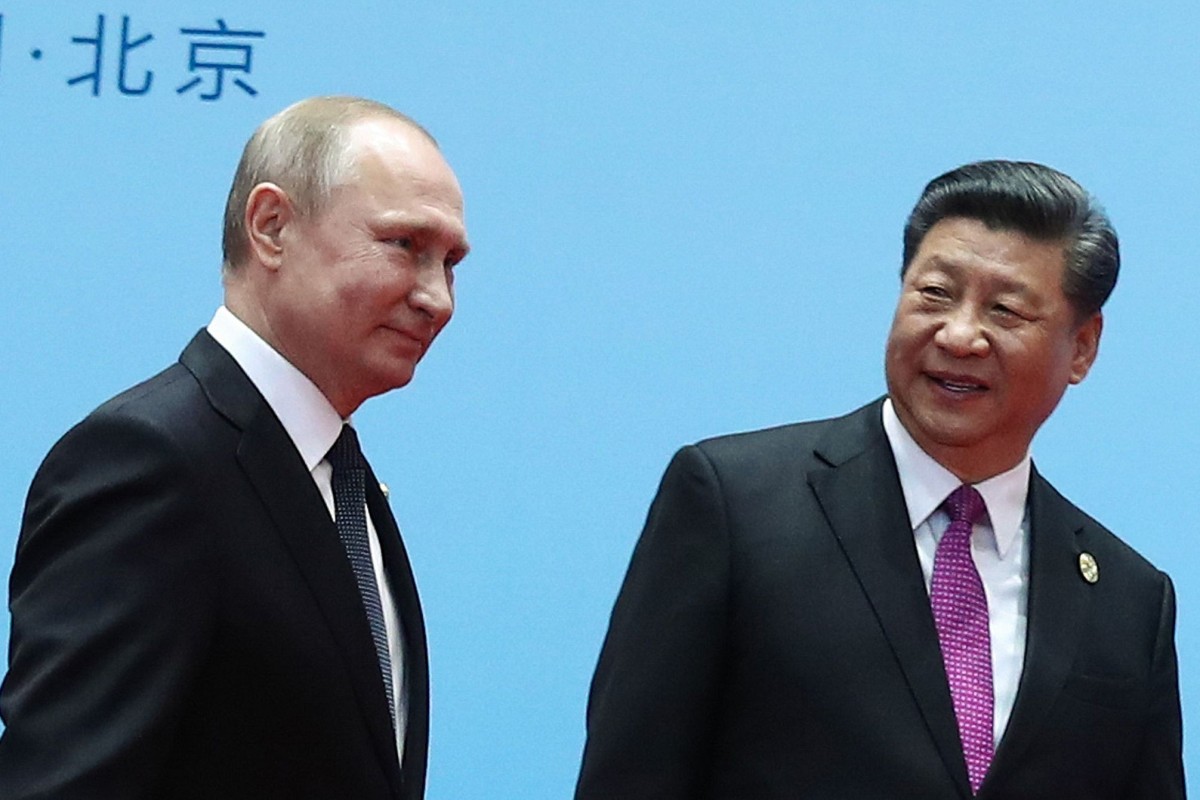
President Xi Jinping will meet Russian counterpart Vladimir Putin next month and address economic summit in St Petersburg
Diplomatic flurry will also include regional security forums in Kyrgyzstan and Tajikistan
Xi Jinping has met Vladimir Putin more times than any other foreign leader since he took power in 2013. Photo: AFP
Beijing is stepping up efforts to seek support from regional and global players such as Russia and Central Asian nations as its geostrategic rivalry with Washington heats up.
President Xi Jinping is expected to meet his Russian counterpart Vladimir Putin next month, when he will also address the St Petersburg International Economic Summit,
The Chinese president will also visit the Kyrgyzstan capital Bishkek for the Shanghai Cooperation Organisation (SCO) summit in June, as well as another regional security forum in Dushanbe, Tajikistan.
Meanwhile, Vice-PresidentWang Qishan is visiting Pakistan before he heads to the Netherlands and Germany, according to the Chinese foreign ministry.
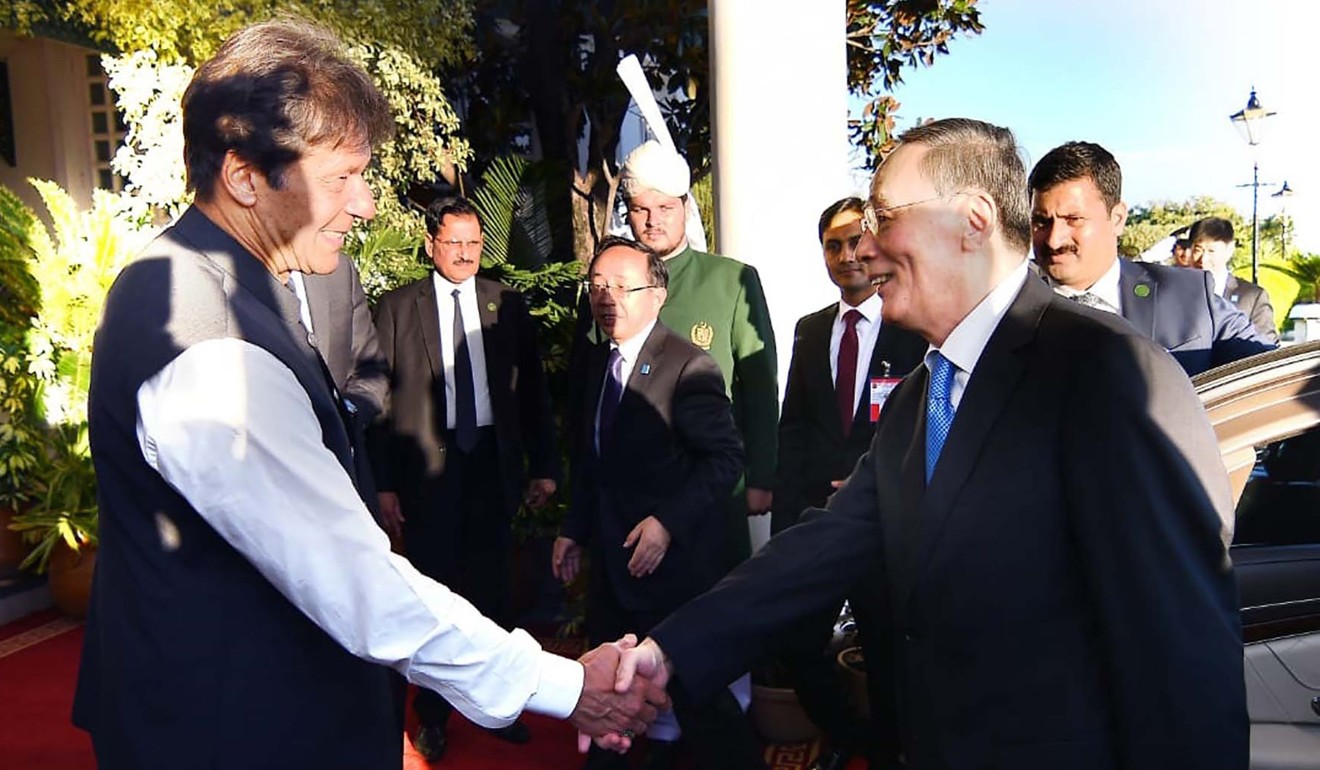
Pakistani Prime Minister Imran Khan meets Chinese Vice-President Wang Qishan in Islamabad on Sunday. Photo: AFP
The latest flurry of diplomatic activity comes as competition between China and the US intensifies on several fronts including trade and technology, the South China Sea and the Arctic, where Beijing’s partnership with Moscow –
It will be Xi’s second time at the St Petersburg forum, and observers expect the Chinese leader will reaffirm Beijing’s commitment to multilateralism and promote the nation as a champion of openness and cooperation.
China-Russia ties unrivalled, Beijing warns before Pompeo meets Putin
It will also be his second meeting with Putin in two months, after talks on the sidelines of the Belt and Road Forum in Beijing in late April, when the Russian president
for the controversial China-led infrastructure and investment initiative.
With China and Russia edging closer, the latest meeting is likely to see efforts to coordinate their strategies on a range of issues – including Venezuela, North Korea, nuclear weapons and arms control, according to observers. Xi has met Putin more times than any other foreign leader since he took power in 2013.
“This time it is very likely that the latest anti-China moves by the US, such as new tariffs and the Huawei ban, will feature prominently in their conversations,” said Artyom Lukin, an associate professor at Far Eastern Federal University in Vladivostok.
Lukin said Russia’s stagnating economy and sanctions imposed by the West limited its role as a substitute for the foreign markets and technologies China could lose access to because of the US crusade. But he said Putin would “provide political and moral support to Xi”.
“That is also significant as Russia has been withstanding intense US-led sanctions pressure for more than five years already,” Lukin said, referring to sanctions imposed after Russia’s annexation of Crimea in 2014.
Xi and Putin are also expected to talk about Venezuela, where US-backed opposition leader Juan Guaido is attempting to oust socialist President Nicolas Maduro, who has the support of China and Russia.
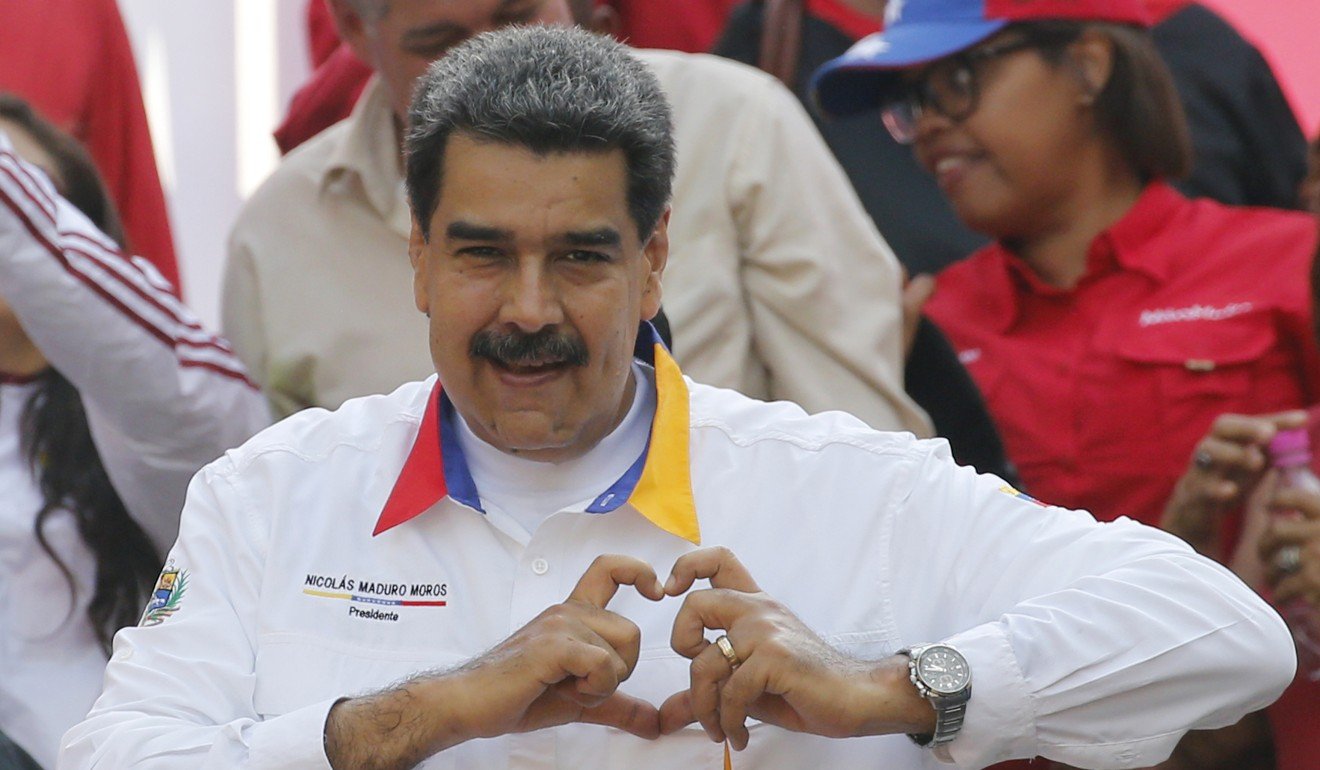
Venezuelan President Nicolas Maduro has the backing of China and Russia. Photo: AP
“Moscow and Beijing are not able to seriously hurt Washington by raising tariffs or denying access to high technology. However, there are plenty of areas where coordinated Sino-Russian policies can damage US interests in the short term or in the long run,” Lukin said. “For example, Moscow and Beijing could intensify their joint support for the Venezuelan government of Nicolas Maduro, frustrating Washington’s efforts to dislodge him.”
China and Russia would also be seeking to boost economic ties. Bilateral trade, dominated by Chinese imports of gas and oil, reached US$108 billion last year – falling far short of the target set in 2011 by Xi’s predecessor, Hu Jintao, of US$200 billion by 2020.
China and Russia to forge stronger Eurasian economic ties
Li Lifan, an associate research professor at the Shanghai Academy of Social Sciences, said bilateral trade was a sticking point. “This is one of the potential hindrances in China-Russia relations and Beijing is hoping to [address this] … in the face of a possible global economic slowdown,” Li said.
Given the escalating trade war with Washington, he said China would seek to diversify its investments and markets to other parts of the world, particularly Russia and Europe.
“China will step up its investment cooperation with Europe and Russia and focus more on multilateral investment,” Li said.
But Beijing was not expected to do anything to worsen tensions with Washington.
“China is currently taking a very cautious approach towards the US, trying to avoid heating up the confrontation and further aggravation of the situation,” said Danil Bochkov, a contributing author with the Russian International Affairs Council. “For China it is important to demonstrate that it has a reliable friend – Russia – but that should not be done in an openly provocative manner.”
Stephen Blank, a senior fellow at the American Foreign Policy Council in Washington, said Beijing and Moscow would also seek to contain US influence “as far as possible” from Central Asia, where China has increased its engagement through infrastructure building under the “Belt and Road Initiative”.
Leaders from the region will gather in Bishkek next month for the SCO summit, a security bloc set up in 2001 that now comprises China, Russia, Kazakhstan, Kyrgyzstan, Tajikistan, Uzbekistan, India and Pakistan. Those members account for about 23 per cent of the world’s land mass, 45 per cent of its population, and 25 per cent of global GDP.
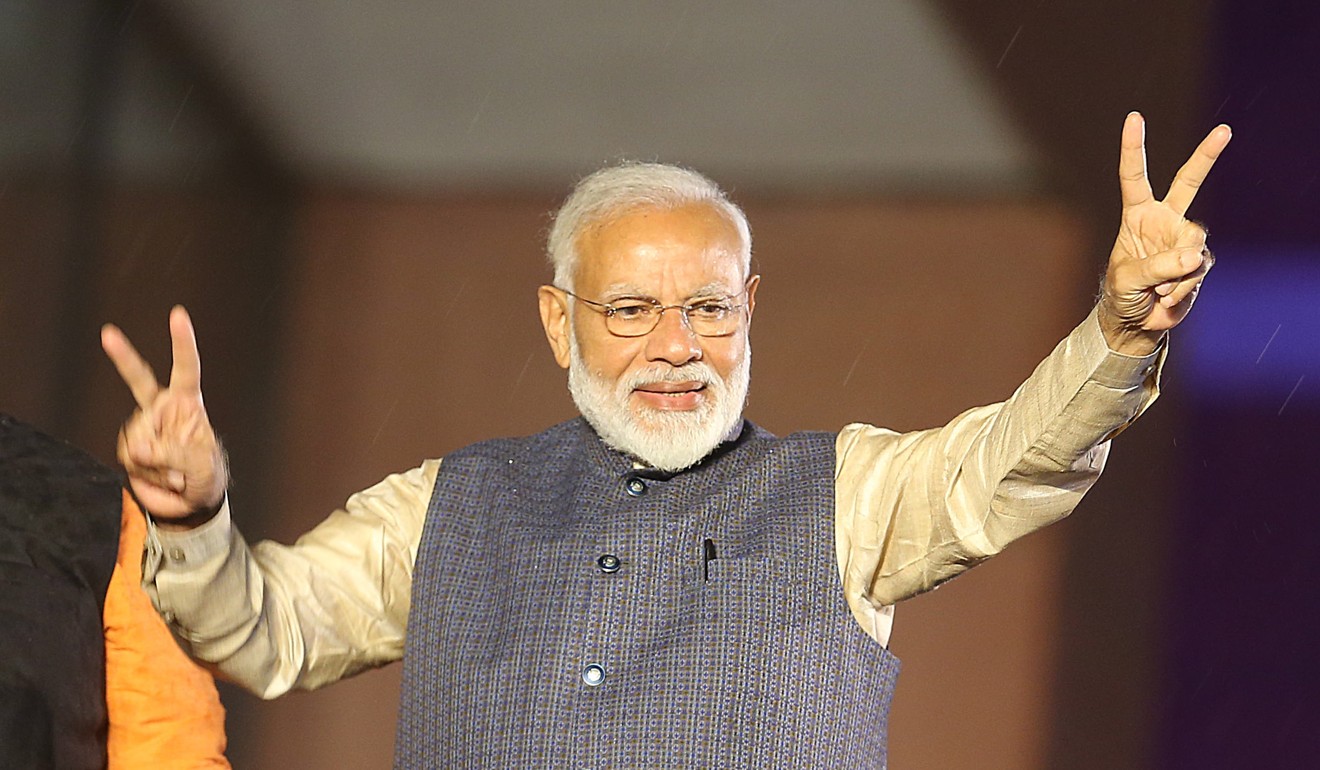
Newly re-elected Indian Prime Minister Narendra Modi could meet the Chinese president for talks in Bishkek next month. Photo: EPA-EFE
There is growing speculation that Xi will meet newly re-elected Indian Prime Minister Narendra Modi on the sidelines of that summit.
Independent analyst and author Namrata Goswami said India would be seeking a commitment to a WTO-led and rules-based multilateral trading system during the SCO talks.
“This is interesting and significant given the current US tendencies under President Donald Trump focused on ‘America first’ and the US-China trade war,” Goswami said.
Counterterrorism will again be a top priority at the SCO summit, amid concerns among member states about the rising number of Islamic State fighters returning from Syria and Iraq. Chinese scholars estimated last year that around 30,000 jihadists who had fought in Syria had gone back to their home countries, including China.
Alexander Bortnikov, chief of the main Russian intelligence agency FSB, said earlier that 5,000 fighters from a group affiliated with Isis had gathered in areas bordering former Soviet states in Central Asia, saying most of them had fought alongside Isis in Syria.
War-torn Afghanistan, which shares a border with four SCO member states – China, Pakistan, Tajikistan and Uzbekistan – is also likely to be high on the agenda at the Bishkek summit.
“With the Trump administration drafting plans to withdraw troops from Afghanistan, the SCO will assess the security situation there and decide whether to provide training for Afghan troops,” Li said.
Eva Seiwert, a doctoral candidate at the Free University of Berlin, expected the security bloc would also discuss Iran after the US withdrew from the 2015 nuclear deal and ordered new sanctions against the country.
Iran, which has observer status with the SCO, was blocked from becoming a full member in 2008 because it was subject to UN sanctions at the time. But its membership application could again be up for discussion.
Iran presses China and Russia to save nuclear deal
“The Trump administration’s unilateral withdrawal from the Iran nuclear deal in 2018 made it easy for China and Russia to present themselves as the proponents of peaceful settlement of conflicts,” Seiwert said. “Discussing the possibility of admitting Iran as a full member state would help the SCO members demonstrate their support of multilateral and peaceful cooperation.
“This would be a strong signal to the US and enhance the SCO’s standing in the international community,” she said.
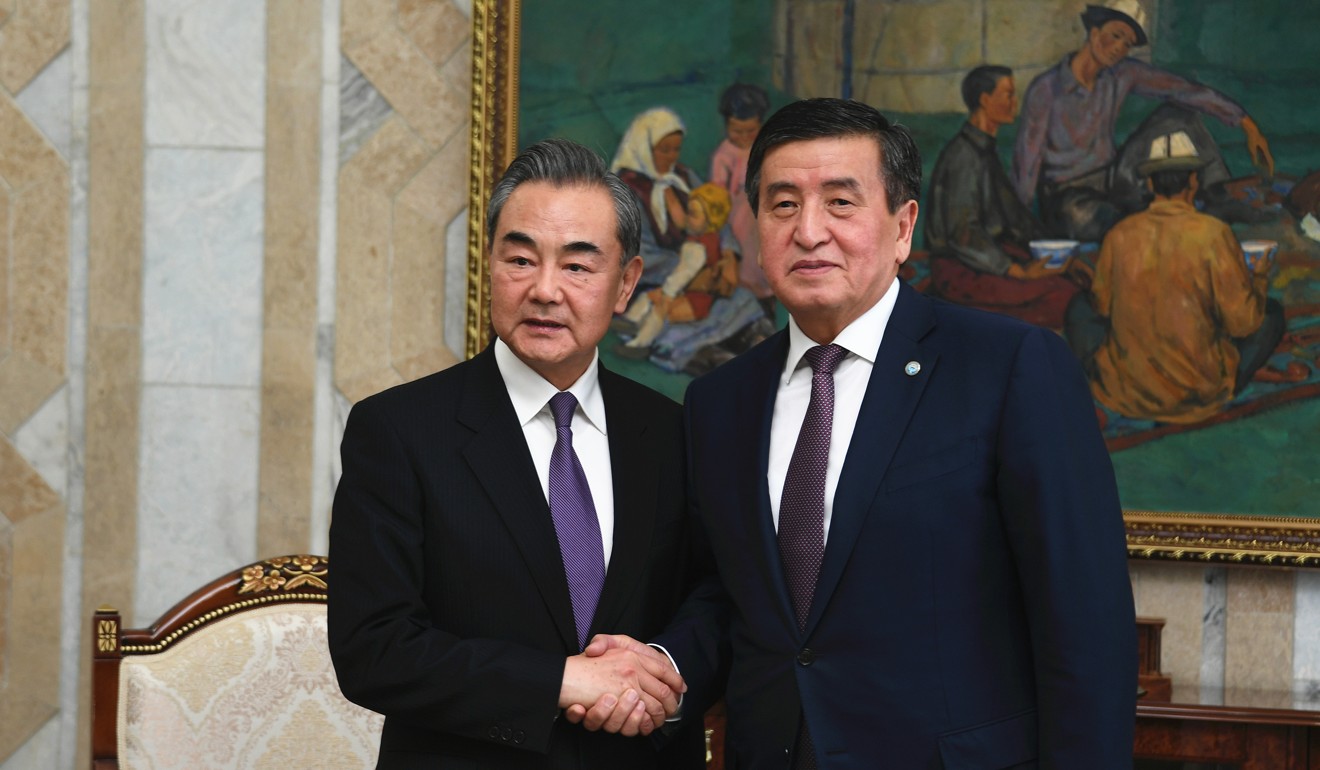
Kyrgyz President Sooronbay Jeenbekov (right) meets Chinese Foreign Minister Wang Yi in Bishkek on Tuesday last week. Photo: Xinhua
As well as security, Xi’s visit to Central Asia is also likely to focus on economic ties. Meeting Kyrgyz President Sooronbay Jeenbekov in Bishkek last week, Chinese Foreign Minister Wang Yi said Beijing would continue to “provide support and help national development and construction in Kyrgyzstan”.
Li said China may increase investment in the Central Asian region, especially in greenfield projects.
“China will continue to buy agriculture products from Central Asia, such as cherries from Uzbekistan, and build hydropower projects to meet local energy demand,” Li said. “Investment in solar and wind energy projects is also expected to increase too.”
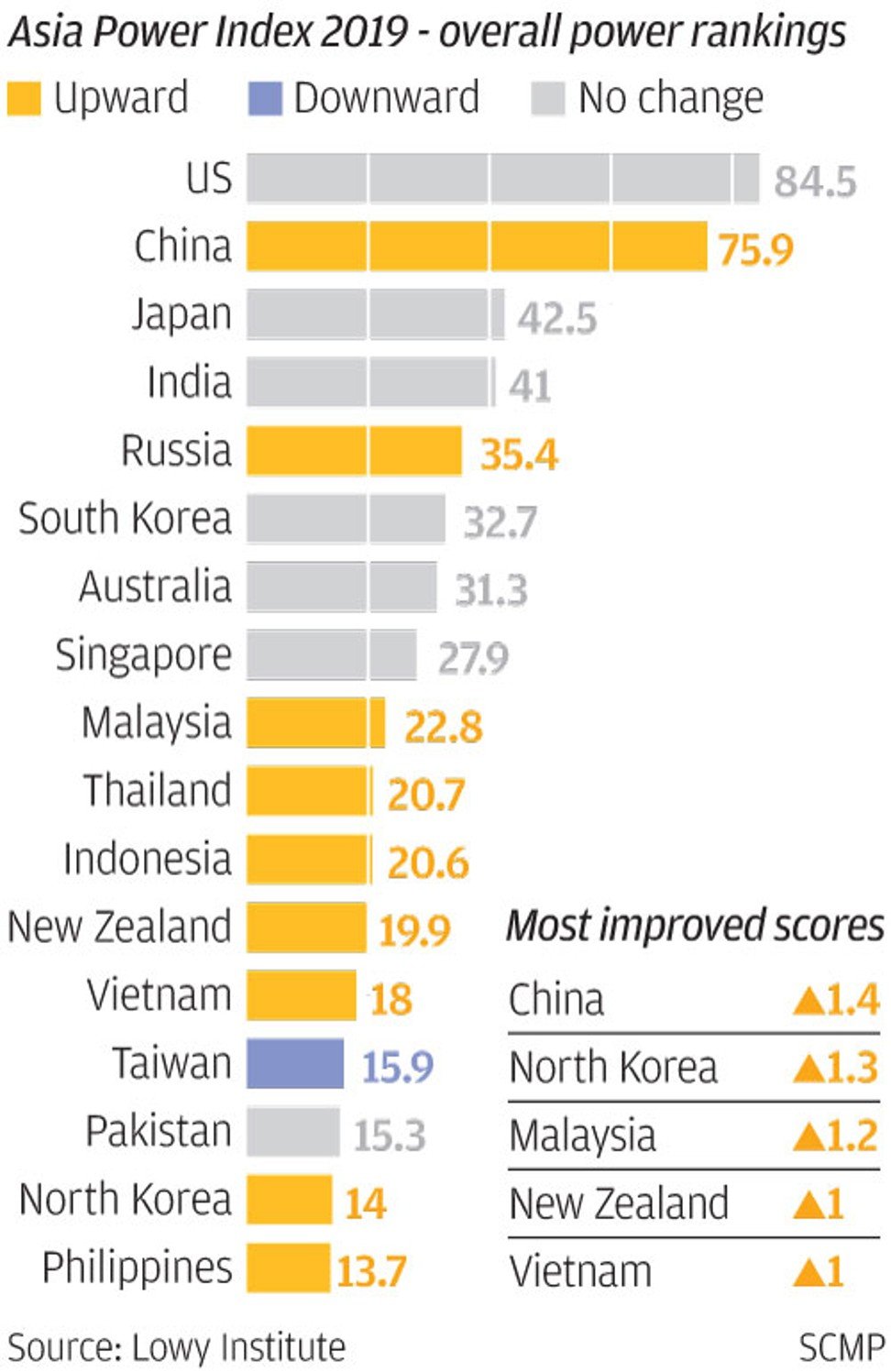
may be a dominant military force in Asia for now but short of going to war, it will be unable to stop its economic and diplomatic clout from declining relative to China’s power.
That’s the view of Australian think tank the Lowy Institute, which on Tuesday evening released its 2019 index on the distribution of power in Asia.
However, the institute also said China faced its own obstacles in the region, and that its ambitions would be constrained by a lack of trust from its neighbours.
The index scored China 75.9 out of 100, just behind the US, on 84.5. The gap was less than America’s 10 point lead last year, when the index was released for the first time.
“Current US foreign policy may be accelerating this trend,” said the institute, which contended that “under most scenarios, short of war, the United States is unlikely to halt the narrowing power differential between itself and China”.
The Lowy Institute’s Asia Power Index. Click to enlarge.
. He most recently hiked a 10 per cent levy on US$200 billion worth of Chinese goods to 25 per cent and has also threatened to impose tariffs on other trading partners such as the European Union and Japan.
Herve Lemahieu, the director of the Lowy Institute’s Asian Power and Diplomacy programme, said: “The Trump administration’s focus on trade wars and balancing trade flows one country at a time has done little to reverse the relative decline of the United States, and carries significant collateral risk for third countries, including key allies of the United States.”
The index rates a nation’s power – which it defines as the ability to direct or influence choices of both state and non-state actors – using eight criteria. These include a country’s defence networks, economic relationships, future resources and military capability.
It ranked Washington behind both Beijing and Tokyo in terms of diplomatic influence in Asia, due in part to “contradictions” between its recent economic agenda and its traditional role of offering consensus-based leadership.
The spoils of trade war: Asia’s winners and losers in US-China clash
Toshihiro Nakayama, a fellow at the Wilson Centre in Washington, said the US had become its own enemy in terms of influence.
“I don’t see the US being overwhelmed by China in terms of sheer power,” said Nakayama. “It’s whether America is willing to maintain its internationalist outlook.”
But John Lee, a senior fellow at the Hudson Institute, said the Trump administration’s willingness to challenge the status quo on issues like trade could ultimately boost US standing in Asia.
“The current administration is disruptive but has earned respect for taking on difficult challenges which are of high regional concern but were largely ignored by the Obama administration –
illegal weapons and China’s predatory economic policies to name two,” said Lee.
“One’s diplomatic standing is not just about being ‘liked’ or ‘uncontroversial’ but being seen as a constructive presence.”
CHINA’S RISE
China’s move up the index overall – from 74.5 last year to 75.9 this year – was partly due to it overtaking the US on the criteria of “economic resources”, which encompasses GDP size, international leverage and technology.
China’s economy grew by more than the size of Australia’s GDP in 2018, the report noted, arguing that its growing base of upper-middle class consumers would blunt the impact of US efforts to restrict Chinese tech firms in Western markets.
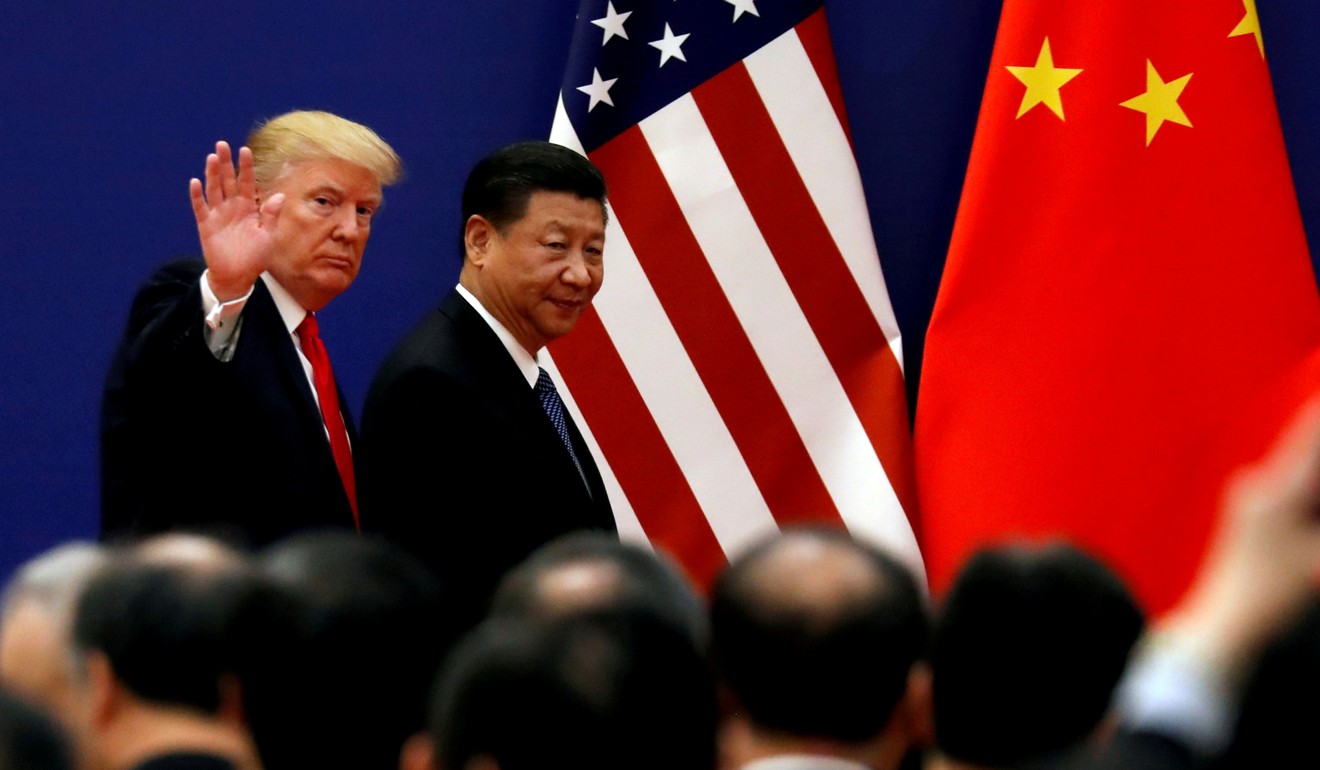
US President Donald Trump with Chinese counterpart Xi Jinping. Photo: Reuters
“In midstream products such as smartphones and with regard to developing country markets, Chinese tech companies can still be competitive and profitable due to their economies of scale and price competitiveness,” said Jingdong Yuan, an associate professor at the China Studies Centre at the University of Sydney.
“However, to become a true superpower in the tech sector and dominate the global market remains a steep climb for China, and the Trump administration is making it all the more difficult.”
The future competitiveness of Beijing’s military, currently a distant second to Washington’s, will depend on long-term political will, according to the report, which noted that China already spends over 50 per cent more on defence than the 10
stands in the way of its primacy in Asia, according to the index, which noted Beijing’s unresolved territorial and historical disputes with 11 neighbouring countries and “growing degrees of opposition” to its signature
and Myanmar due to concerns over feasibility and cost.
If Trump kills off Huawei, do Asia’s 5G dreams die?
Xin Qiang, a professor at the Centre for American Studies at Fudan University in Shanghai, said Beijing still needed to persuade its neighbours it could be a “constructive, instead of a detrimental, force for the region”.
“There are still many challenges for [China to increase its] power and influence in the Asia-Pacific,” Xin said.
Wu Xinbo, also at Fudan University’s Centre for American Studies, said Beijing was having mixed success in terms of winning regional friends and allies.
“For China, the key challenge is how to manage the maritime disputes with its neighbours,” said Wu. “I don’t think there is growing opposition to the Belt and Road Initiative from the region, actually more and more countries are jumping aboard. It is the US that is intensifying its opposition to the project as Washington worries it may promote China’s geopolitical influence.”
would persist and shape the global order into the distant future.
“They can still and do wish to cooperate where both find it mutually beneficial, but I think the more important task for now and for some time to come, is to manage their disputes in ways that do not escalate to a dangerous level,” Yuan said. “These differences probably cannot be resolved given their divergent interests, perspectives, etc, but they can and should be managed, simply because their issues are not confined to the bilateral [relationship] but have enormous regional and global implications.”
Elsewhere in Asia, the report spotlighted Japan, ranked third in the index, as the leader of the liberal order in Asia, and fourth-placed India as an “underachiever relative to both its size and potential”.
China’s wrong, the US can kill off Huawei. But here’s why it won’t
Lee said the index supported a growing perception that Tokyo had emerged as a “political and strategic leader among democracies in Asia” under
“This is important because Prime Minister Abe wants Japan to emerge as a constructive strategic player in the Indo-Pacific and high diplomatic standing is important to that end,” Lee said.
, Malaysia and Thailand rounded out the top-10 most powerful countries, in that order. Among the pack, Russia, Malaysia and Thailand stood out as nations that improved their standing from the previous year.
LONDON (Reuters) – Britain’s biggest mobile operator EE said on Wednesday its 5G network would rely on equipment made by China’s Huawei, at least for the first few years, as it announced plans to switch on the next-generation services on May 30.
However, BT-owned EE joined rival Vodafone in pulling a Huawei smartphone from its 5G launch line-up because of uncertainty about support by Google’s Android after a U.S. move to block the Chinese firm’s access to its technology.
The United States has said Huawei is a security risk and open to spying by Beijing, a claim the Chinese company denies.
The government will rule imminently whether Huawei will be allowed to participate in these new networks.
EE Chief Executive Marc Allera said its planned 5G launch was “the start of the UK’s 5G journey and great news for our customers that want and need the best connections”.
Britain had given the green light for the launch, which will see six cities including London, Cardiff and Edinburgh switched on next week and another 10 by the end of the year, he added.
RELATED COVERAGE
UK’s biggest mobile operator pauses use of Huawei 5G handsets
“We do believe it is important for the UK that we are in the pack of the leading nations (for 5G),” he said. “At the moment we have no instructions [from government] to change our plans.”
EE has said it was already removing Huawei networking equipment from it core network. BT Group’s technology chief Howard Watson, however, said 5G would start before Huawei was totally removed from the core of its network.
“We are launching 5G with Huawei in the radio access network and we are using an upgraded version of that existing core, which will then … be migrated away from,” Watson said.
HUAWEI DROPPED
EE and Vodafone have opened orders for 5G phones, for example from Samsung, to be available when their networks launch.
Apple does not yet have a 5G phone and analysts do not expect it to launch one until 2020 at the earliest.
Users were already regularly achieving speed of 500Mbps in tests networks, Allera said, adding that he was confident speeds of 1Gbps would be reached by the end of the year.
Average speeds at launch would be about 200Mbps, five times faster than typical top 4G speeds, while EE said smartphone tariffs would range from 54 pounds ($68) a month for 10GB of data to 74 pounds a month for 120GB.
It aims to have 1,500 5G sites by the end of 2019, targeting the busiest areas of the busiest cities, he said.
Industry analyst Kester Mann from CCS said he “applauded a realistic launch” that did not over-inflate expectations.
“Although being the first UK network to launch 5G will mean little to consumers, EE clearly see it as an important honor,” he said. Vodafone launches on July 3.
Huawei’s Mate 20X (5G) had been expected to be among the devices available on both company’s superfast networks, but EE dropped the company from a launch line-up that includes Samsung’s Galaxy S10 5G, and devices from Oppo, LG and OnePlus.
“We have put the Huawei devices on pause until we have got a bit some more information,” Allera said, adding that EE needed to be sure the devices it supplies are going to be supported.
Vodafone UK took the same step, stopping pre-orders for the handset before the launch of its network.
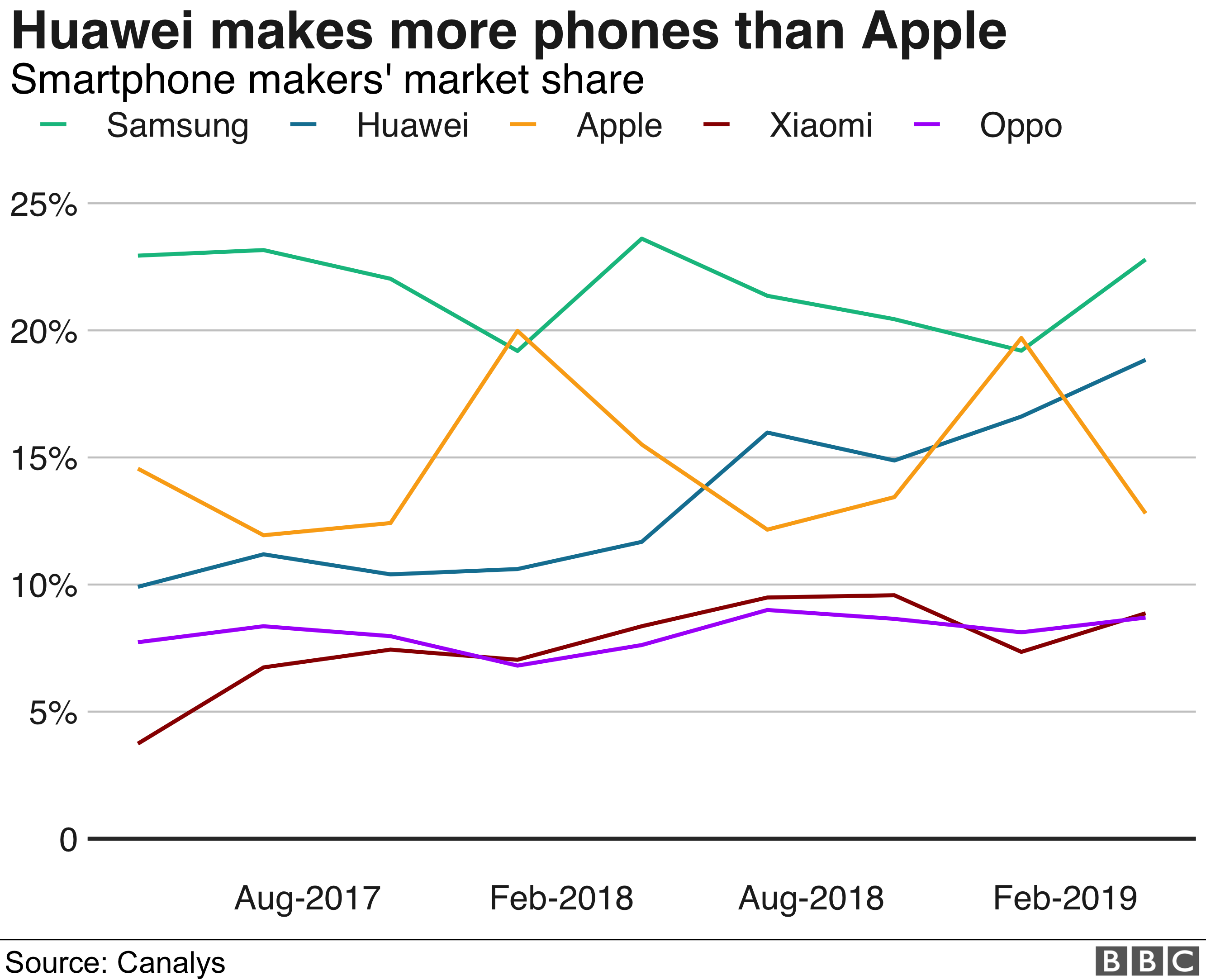
Huawei, the world’s second-biggest phone maker runs its devices on Google’s Android platform outside China, but the U.S. Commerce Department blocked Huawei from buying U.S. goods last week, throwing future software updates into question.
Britain was set to allow Huawei some participation in the radio part of 5G networks but bar it from the intelligent core. But a decision has not been announced, and the U.S. and some politicians are pushing for a more far-reaching ban.
Google has barred the world’s second biggest smartphone maker, Huawei, from some updates to the Android operating system, dealing a blow to the Chinese company.
New designs of Huawei smartphones are set to lose access to some Google apps.
The move comes after the Trump administration added Huawei to a list of companies that American firms cannot trade with unless they have a licence.
Google said it was “complying with the order and reviewing the implications”.
Huawei said it would continue to provide security updates and after sales services to all existing Huawei and Honor smartphone and tablet products covering those have been sold or still in stock globally.
“We will continue to build a safe and sustainable software ecosystem, in order to provide the best experience for all users globally,” it added.
What does this mean for Huawei users?
Existing Huawei smartphone users will be able to update apps and push through security fixes, as well as update Google Play services.
But when Google launches the next version of Android later this year, it may not be available on Huawei devices.
Future Huawei devices may no longer have apps such as YouTube and Maps.
Huawei can still use the version of the Android operating system available through an open source licence.
Ben Wood, from the CCS Insight consultancy, said the move by Google would have “big implications for Huawei’s consumer business”.
What can Huawei do about this?
Last Wednesday, the Trump administration added Huawei to its “entity list“, which bans the company from acquiring technology from US firms without government approval.
In his first comments since the firm was placed on the list, Huawei chief executive Ren Zhengfei told Japanese media on Saturday: “We have already been preparing for this.”
He said the firm, which buys about $67bn (£52.6bn) worth of components each year according to the Nikkei business newspaper, would push ahead with developing its own parts.
Huawei faces a growing backlash from Western countries, led by the US, over possible risks posed by using its products in next-generation 5G mobile networks.
Several countries have raised concerns that Huawei equipment could be used by China for surveillance, allegations the company has vehemently denied.
Huawei has said its work does not pose any threats and that it is independent from the Chinese government.
However, some countries have blocked telecoms companies from using Huawei products in 5G mobile networks.
So far the UK has held back from any formal ban.
“Huawei has been working hard on developing its own App Gallery and other software assets in a similar manner to its work on chipset solutions. There is little doubt these efforts are part of its desire to control its own destiny,” said Mr Wood.
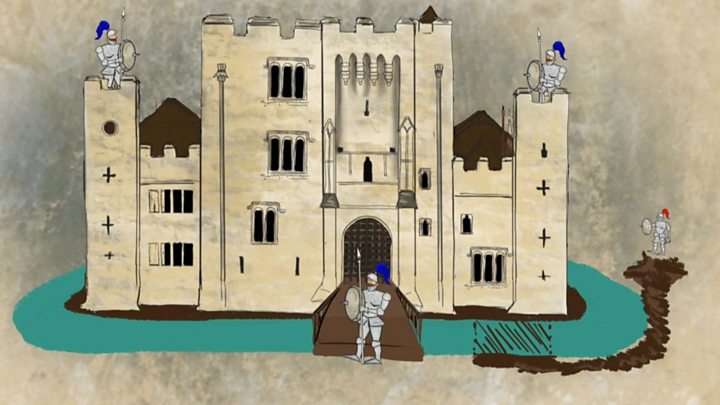
Media caption We explain the controversy around Huawei’s 5G tech – using castles
Short-term damage for Huawei?
By Leo Kelion, BBC Technology desk editor
In the short term, this could be very damaging for Huawei in the West.
Smartphone shoppers would not want an Android phone that lacked access to Google’s Play Store, its virtual assistant or security updates, assuming these are among the services that would be pulled.
In the longer term, though, this might give smartphone vendors in general a reason to seriously consider the need for a viable alternative to Google’s operating system, particularly at a time that the search giant is trying to push its own Pixel brand at their expense.
As far as Huawei is concerned, it appears to have prepared for the eventuality of being cut off from American know-how.
Its smartphones are already powered by its own proprietary processors, and earlier this year its consumer devices chief told German newspaper Die Welt that “we have prepared our own operating systems – that’s our plan B”.
Even so, this move could knock its ambition to overtake Samsung and become the bestselling smartphone brand in 2020 seriously off course.
What about the US-China trade war?
The latest move against Huawei marks an escalation in tensions between the firm and the US.
It comes as trade tensions between the US and China also appear to be rising.
The world’s two largest economies have been locked in a bruising trade battle for the past year that has seen tariffs imposed on billions of dollars worth of one another’s goods.
Earlier this month, Washington more than doubled tariffs on $200bn of Chinese goods, prompting Beijing to retaliate with its own tariff hikes on US products.
The move surprised some – and rattled global markets – as the situation had seemed to be nearing a conclusion.
The US-China trade war has weighed on the global economy over the past year and created uncertainty for businesses and consumers.
WASHINGTON/NEW YORK (Reuters) – The Trump administration on Wednesday took aim at China’s Huawei Technologies Co Ltd, banning the firm from buying vital U.S. technology without special approval and effectively barring its equipment from U.S. telecom networks on national security grounds.
Taken together, the two moves threaten Huawei’s ability to continue to sell many products because of its reliance on American suppliers, and represents a significant escalation in the U.S. government’s worldwide campaign against the company.
The steps also come at a delicate time in relations between China and the United States as the world’s two largest economies ratchet up tariffs in a battle over what U.S. officials call China’s unfair trade practices.
Washington believes the handsets and network equipment for telecommunications companies made by Huawei could be used by the Chinese state to spy on Americans.
Huawei, which has repeatedly denied the allegations, said in a statement that “restricting Huawei from doing business in the U.S. will not make the U.S. more secure or stronger; instead, this will only serve to limit the U.S. to inferior yet more expensive alternatives, leaving the U.S. lagging behind in 5G deployment.”
“In addition, unreasonable restrictions will infringe upon Huawei’s rights and raise other serious legal issues.”
The ban on U.S. suppliers, which appears similar to one on Huawei rival ZTE Corp. last year, could hit the shares of Huawei’s biggest U.S. suppliers, including chipmakers Qualcomm Inc and Broadcom Inc (AVGO.O).
In the first action taken on Wednesday, President Donald Trump signed a long-awaited executive order declaring a national emergency and barring U.S. companies from using telecommunications equipment made by firms posing a national security risk.
The order invoked the International Emergency Economic Powers Act, which gives the president the authority to regulate commerce in response to a national emergency that threatens the United States. It directs the Commerce Department, working with other government agencies, to draw up an enforcement plan by October.
Members of Congress said Trump’s order was squarely aimed at Chinese companies like Huawei, which generated $93 billion in revenue last year and is seen as a national champion in China.
“China’s main export is espionage, and the distinction between the Chinese Communist Party and Chinese ‘private-sector’ businesses like Huawei is imaginary,” Republican Senator Ben Sasse said.
ENTITY LIST
Soon after the White House announced the order had been signed, the Commerce Department said it had added Huawei and 70 affiliates to its so-called Entity List – a move that bans the telecom giant from buying parts and components from U.S. companies without U.S. government approval.
U.S. officials told Reuters the decision would make it difficult, if not impossible, for Huawei, the largest telecommunications equipment producer in the world, to sell some products because of its reliance on U.S. suppliers. It will take effect in the coming days.
Commerce Secretary Wilbur Ross said in a statement Trump backed the decision that will “prevent American technology from being used by foreign owned entities in ways that potentially undermine U.S. national security or foreign policy interests.”
With Huawei on the Entity List, U.S. suppliers will need to apply for licenses to provide the Chinese company with anything subject to U.S. export control regulations. Obtaining such licenses will be difficult because they will have to show the transfer of items will not harm U.S. national security, said John Larkin, a former export control officer in Beijing for the Commerce Department.
The United States in January unsealed a 13-count indictment against Huawei accusing the company and its chief financial officer of conspiring to defraud global financial institutions by misrepresenting Huawei’s relationship with a suspected front company that operated in Iran.
The indictment was unsealed a month after CFO Meng Wanzhou was arrested in Canada on a U.S. warrant for her role in the alleged fraud. Meng, who maintains her innocence, is fighting extradition.
5G NETWORKS
Reuters reported on Tuesday that Trump was expected to sign his long-awaited executive order this week. The order does not specifically name any country or company, but U.S. officials have previously labeled Huawei a “threat”.
The United States has been actively pushing other countries not to use the Chinese company’s equipment in next-generation 5G networks that it calls “untrustworthy.” In August, Trump signed a bill that barred the U.S. government from using equipment from Huawei and another Chinese provider, ZTE Corp.
ZTE was added to the Commerce Department’s Entity List in March 2016 over allegations it organised an elaborate scheme to hide its re-export of U.S. items to sanctioned countries in violation of U.S. law.
The restrictions prevented suppliers from providing ZTE with U.S. equipment, potentially freezing the company’s supply chain, but the restrictions were suspended in a series of temporary reprieves, allowing the company to maintain ties to U.S. suppliers until it agreed to a plea deal a year later.
The status of Huawei and ZTE has taken on new urgency as U.S. wireless carriers rollout 5G networks.
While the big wireless companies have already cut ties with Huawei, small rural carriers continue to rely on both Huawei and ZTE switches and other equipment because they tend to be cheaper. Trump’s order applies to future purchases and does not address existing hardware, officials said Wednesday.
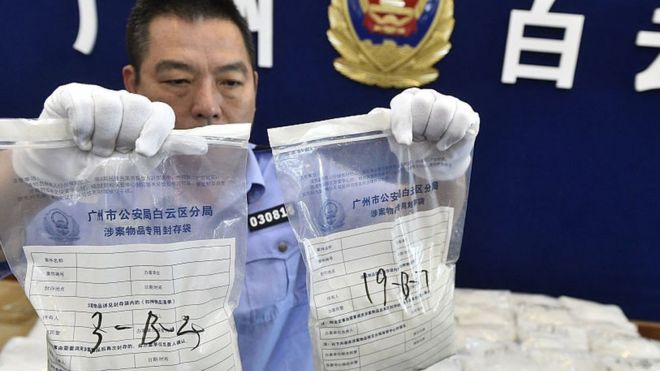
Image copyright GETTY IMAGESImage caption The court said the Canadian was the leader of a drug production and trafficking ring (file pic)
A court in China has sentenced a Canadian citizen to death for producing and trafficking methamphetamine.
Fan Wei is the second Canadian to be sentenced to death this year. Ten others, including five foreigners, were also sentenced on Tuesday.
Relations between Canada and China have been tense since the December arrest of a Huawei executive in Vancouver.
Canada has accused Beijing of arbitrarily applying the death penalty, and have requested clemency for Mr Fan.
In January, another Canadian, Robert Lloyd Schellenberg, had a 15-year jail term increased to a death sentence – prompting condemnation from Canadian Prime Minister Justin Trudeau.
Beijing rejected his comments, saying that Canada was practising “double standards”.
On Tuesday, Foreign Minister Chrystia Freeland told journalists that Canada is “very concerned” by this latest death sentence.
“Canada stands firmly opposed to the death penalty everywhere around the world,” she said.
“We think that this is a cruel and inhumane punishment, which we think should not be used in any country. We are obviously particularly concerned when it is applied to Canadians.”
Global Affairs Canada said in a statement that the country “has raised our firm opposition to the death penalty with China, and will continue to do so”.
The diplomatic agency said representatives attended the 30 April verdict and sentencing trial for Mr Fan, and have called on China to grant clemency to him.
The latest case is likely to further inflame the months-long diplomatic row which started when Meng Wanzhou, the daughter of Huawei’s founder, was arrested in Vancouver on the request of US authorities.
Two other Canadian citizens, former diplomat Michael Kovrig and businessman Michael Spavor, are also being held by China and face accusations of harming national security.
The Jiangmen Intermediate People’s Court in southern Guangdong province said that Fan Wei was the leader of the drugs ring. Another suspect, Wu Ziping, whose nationality was not made clear, was also given a death sentence.
Nine others, including an American and four Mexicans, were given jail terms.
All were detained in 2012 and the trial took place in 2013.
Drug-dealing is punishable by death in China, and at least a dozen foreigners have been executed for drug-related offences. Many more are on death row.
However, the execution of Westerners is less common. One of the most high-profile cases involved British man Akmal Shaikh, who was executed in 2009 despite claims he was mentally ill and an appeal for clemency from the UK prime minister.
BEIJING (Reuters) – China’s Huawei Technologies launched on Monday what it said was the world’s first 5G communications hardware for the automotive industry, in a sign of its growing ambitions to become a key supplier to the sector for self-driving technology.
Huawei said in a statement that the so-called MH5000 module is based on the Balong 5000 5G chip which it launched in January. “Based on this chip, Huawei has developed the world’s first 5G car module with high speed and high quality,” it said.
It launched the module at the Shanghai Autoshow, which began last week and runs until Thursday.
“As an important communication product for future intelligent car transportation, this 5G car module will promote the automotive industry to move towards the 5G era,” Huawei said.
It said the module will aid its plans to start commercializing 5G network technology for the automotive sector in the second half of this year.
Huawei has in recent years been testing technology for intelligent connected cars in Chinese cities such as Shanghai, Shenzhen and Wuxi and has signed cooperation deals with a swathe of car makers including FAW, Dongfeng and Changan.
The company, which is also the world’s biggest telecoms equipment maker, is striving to lead the global race for next-generation 5G networks but has come under increasing scrutiny from Washington which alleges that its equipment could be used for espionage. Huawei has repeatedly denied the allegations.
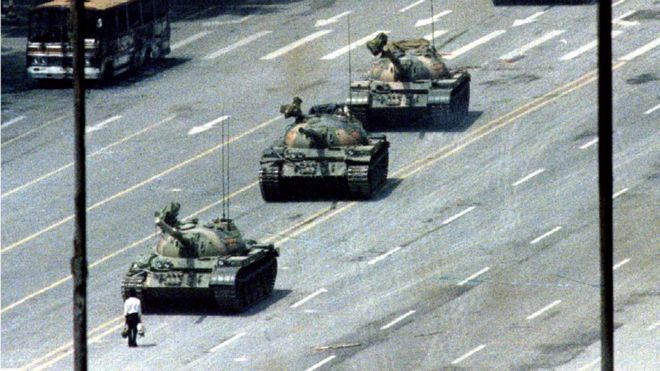
Image copyrightREUTERSImage caption This year marks the 30th anniversary of the pro-democracy protests
A promotional video for camera company Leica has sparked backlash in China for featuring a famous Tiananmen Square image.
The video depicts photographers working in conflicts around the world, including a photographer covering the 1989 protests.
People on Chinese social media site Weibo have called for a boycott of the camera brand.
Leica has distanced itself from the video.
“Tank Man” was a lone protester who brought a column of tanks to a standstill during a crackdown on pro-democracy protesters in Beijing in 1989.
He refused to move out of the way and climbed onto the leading tank to speak to the driver. He was later pulled away from the scene by two men. What happened to him remains unknown.
Users on Chinese social media site Weibo have been forbidden from commenting on recent official posts by Leica. However some people are managing to post carefully worded comments on earlier official Leica posts, BBC Monitoring has found.
A search of the hashtag Leica shows that 42,000 users have left posts on Weibo but only 10 are available to view.
Some comments urge users to “boycott the camera” and joke about the company being linked to “patriotic Huawei”.
Chinese technology giant Huawei has been restricted by the US and other countries over security concerns in telecommunications networks. Consumers in China have rallied around the company, which uses Leica technology in its latest mobile phones.
A spokeswoman for Leica told the South China Morning Post that the film was not an officially sanctioned marketing film commissioned by the company. However it features Leica cameras and the company’s logo at the end of the footage.
They added that the company “must therefore distance itself from the content shown in the video and regrets any misunderstandings of false conclusions that may have been drawn”.
The BBC has contacted Leica for additional comment.
How China keeps Tiananmen off the internet
By Kerry Allen, BBC Monitoring China analyst
China has banned all activists’ commemorations of the 1989 Tiananmen incident for years and has strictly regulated online discussion of it.
If users search for “Tiananmen” on domestic search engines like Baidu or social media platforms like Sina Weibo, they only see sunny pictures of the Forbidden City in Beijing. If any pictures of tanks running along Chang’an Avenue are visible in image searches, they are only from Victory Day parades.
Hundreds of references to 4 June 1989 are banned all-year round by thousands of cyber police, and Weibo steps up censorship of even seemingly innocuous references to the incident on its anniversary.
Simple candle emojis, and number sequences that reference the date, such as “46” and “64” (4 June) and “1989” (the year of the protests), are instantly deleted. Small businesses also struggle to market items on 4 June every year, if their sale price is 46 or 64 yuan. Such advertising posts are swiftly removed by nervous censors.
But creative users always find ways of circumventing the censors. For example in 2014, when Taylor Swift released her 1989 album, the album cover featuring the words “T.S.” and “1989” was seen as an effective metaphor by users to talk about the incident – as T.S. could be taken to mean “Tiananmen Square”.
More than one million Chinese students and workers occupied Tiananmen Square in 1989, beginning the largest political protest in communist China’s history. Six weeks of protests ended with the bloody crackdown on protesters of 3-4 June.
Estimates of the death toll range from several hundred to more than 1,000.
China’s statement at the end of June 1989 said that 200 civilians and several dozen security personnel had died in Beijing following the suppression of “counter-revolutionary riots” on 4 June 1989.


 Image copyrightAFP
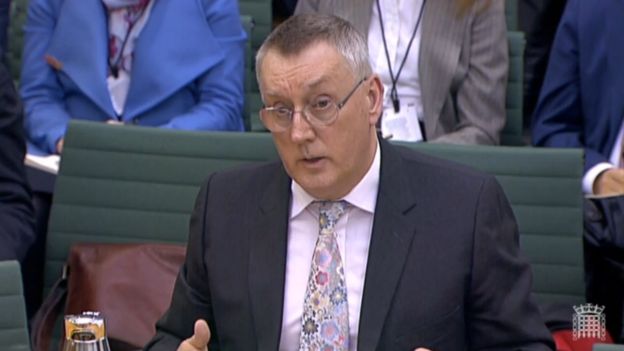 Image copyright PARLIAMENT TV
 Image copyright GETTY IMAGES

 CHINDIA ALERT: You'll be living in their world, very soon