Archive for ‘Jordan’

03/03/2020

Coronavirus: China orders travellers quarantined amid outbreak

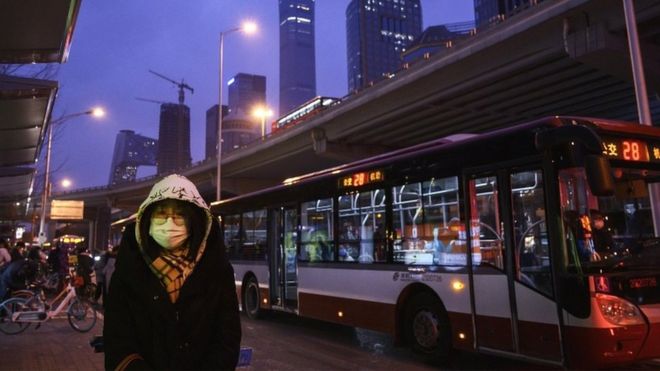
A Chinese office worker wears a protective mask as she waits to take a public bus after leaving work on 2 March 2020 in Beijing, ChinaImage copyright GETTY IMAGES
Image caption Authorities are also asking overseas Chinese to reconsider travel plans

Travellers from countries with severe coronavirus outbreaks who arrive in some parts of China will have to undergo a 14-day quarantine, state media say.

Travellers from the virus hotspots of South Korea, Japan, Iran and Italy arriving in the capital will have to be isolated, a Beijing official has said.

Shanghai and Guangdong announced similar restrictions earlier.

Authorities are worried the virus might be imported back into the country.

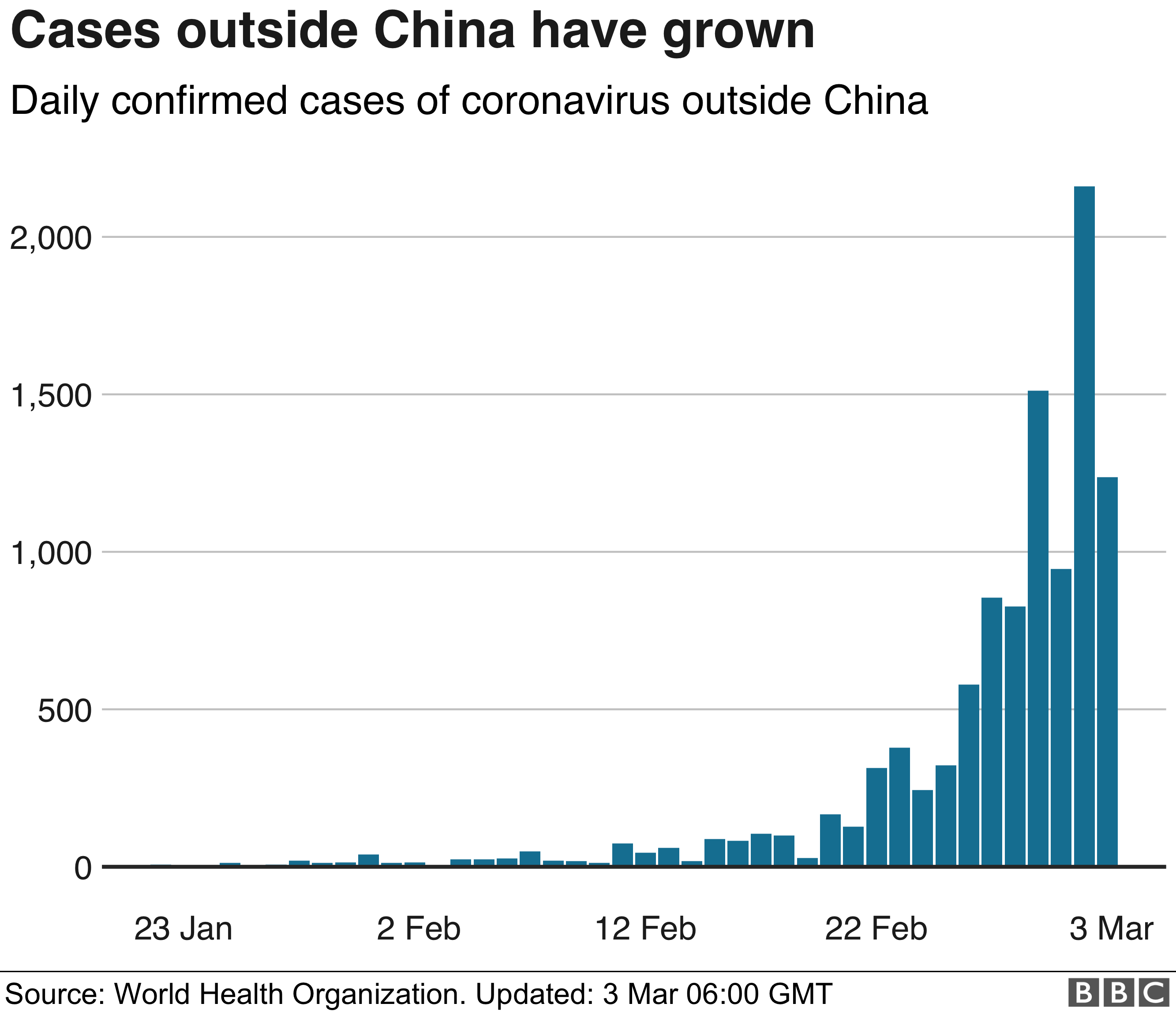
Although most virus deaths have been in China, Monday saw nine times more new infections outside China than in.

Presentational grey line

What do I need to know about the coronavirus?

Presentational grey line

Shanghai said it would require new arrivals from countries with “relatively serious virus conditions” to be isolated, without naming the countries.

Authorities are also asking overseas Chinese to reconsider travel plans.

“For the sake of your family’s health and safety, please strengthen your precautions, carefully decide on your travel plans and minimise mobility,” officials in one southern Chinese province said.

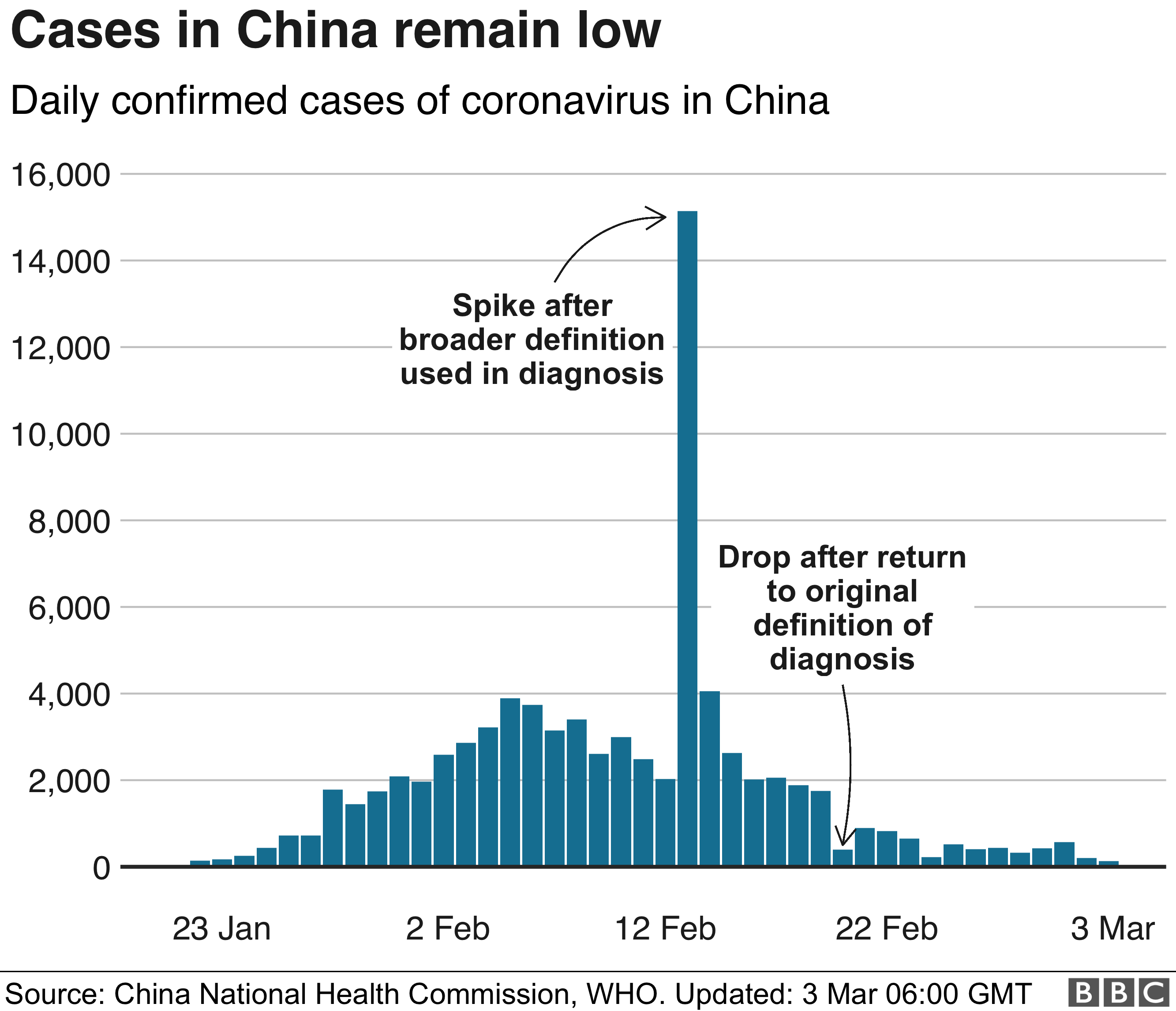
China reported 125 new virus cases on Tuesday – the lowest number of new daily infections in six weeks. There were also 31 more deaths – all in Hubei province, where the virus emerged.Presentational white space

Coronavirus chart 3 March 2020
Presentational white space

In other developments:

  • Finance ministers from the G7 countries have said they are “ready to take action”, including fiscal measures to aid the response to the virus and support the global economy
  • The Pope, who had cancelled a Lent retreat for the first time in his papacy because he was suffering from a cold, has tested negative for the virus, Italian media report
  • South Korean President Moon Jae-in has put the country into a “state of war” and ordered all government departments to shift to a 24-hour emergency system
  • Jailed British-Iranian woman Nazanin Zaghari-Ratcliffe is in good health, Iran’s judiciary has said. She was assessed after her husband said she was showing symptoms of Covid-19
  • Japan’s Olympic minister says the Tokyo 2020 Games could be postponed until later in the year. BBC Sport is keeping track of all events that are affected
  • In the UK, where there are 39 confirmed cases, the government has warned that up to a fifth of the workforce may be off sick during the peak of a coronavirus epidemic

Media caption Julie, who lives in Singapore, was diagnosed with coronavirus and then put into isolation

How are different countries affected?

There are now almost 90,000 cases worldwide in about 70 countries, although the vast majority – just under 90% – remain in China, and most of those are in Hubei province where the virus originated late last year.

Of the nearly 8,800 cases outside China, 81% are in four countries – Iran, South Korea, Italy and Japan.
Coronavirus chart 3 March 2020

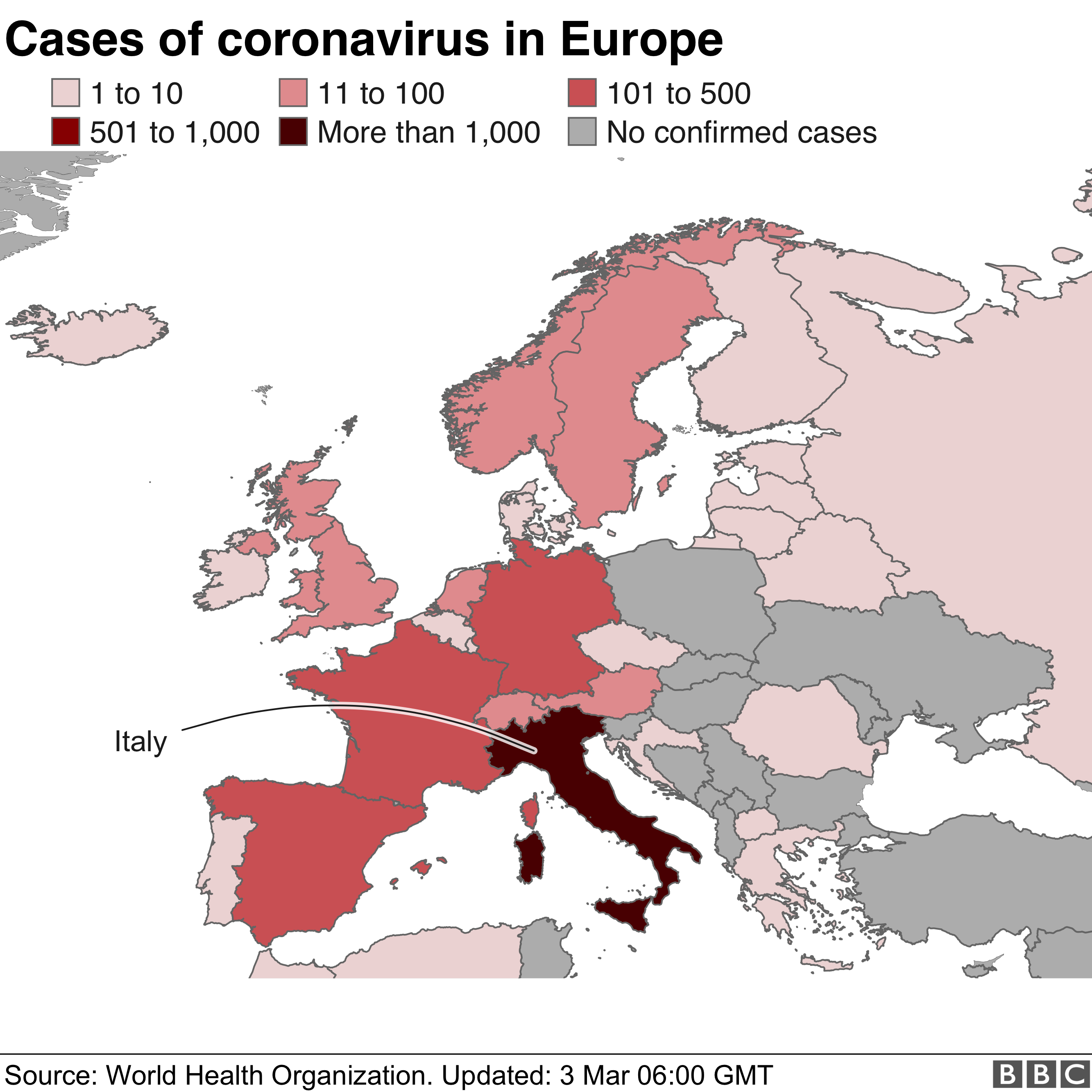
One of the countries worst affected outside China – Italy – said on Monday that the death toll there had risen by 18 to 52. There are 1,835 confirmed cases, most of them in the Lombardy and Veneto areas of the north. Nearly 150 people are said to have recovered.

However, the country is seeing a slowdown in new cases. On Monday, the authorities said there were 258 new cases of the virus – a 16% increase on the previous day – after new cases spiked by 50% on Sunday.
European coronavirus map 3 March 2020
Presentational white space

On Tuesday, Iran said the latest death toll from the virus was 77 – although the real figure is believed to be much higher. More than 2,300 people are said to be infected, including senior political figures. The head of Iran’s emergency medical services, Pirhossein Kolivand, was one of them, the Ilna news agency reported on Tuesday.

Some 23 MPs are also reported to have tested positive for the virus, and an official close to the Supreme Leader, Ayatollah Ali Khamenei, was reported on Monday to have died of the disease.

Health officials in the US state of Washington said on Monday that four more people had died, bringing the total there to six. They are the only deaths in the US so far. Local officials say they are buying a hotel to convert it into an isolation hospital.

On Tuesday, Ukraine confirmed its first case of coronavirus, while Portugal, Iceland, Jordan, Tunisia, Armenia, Latvia, Senegal, Morocco and Andorra confirmed their first cases on Monday.
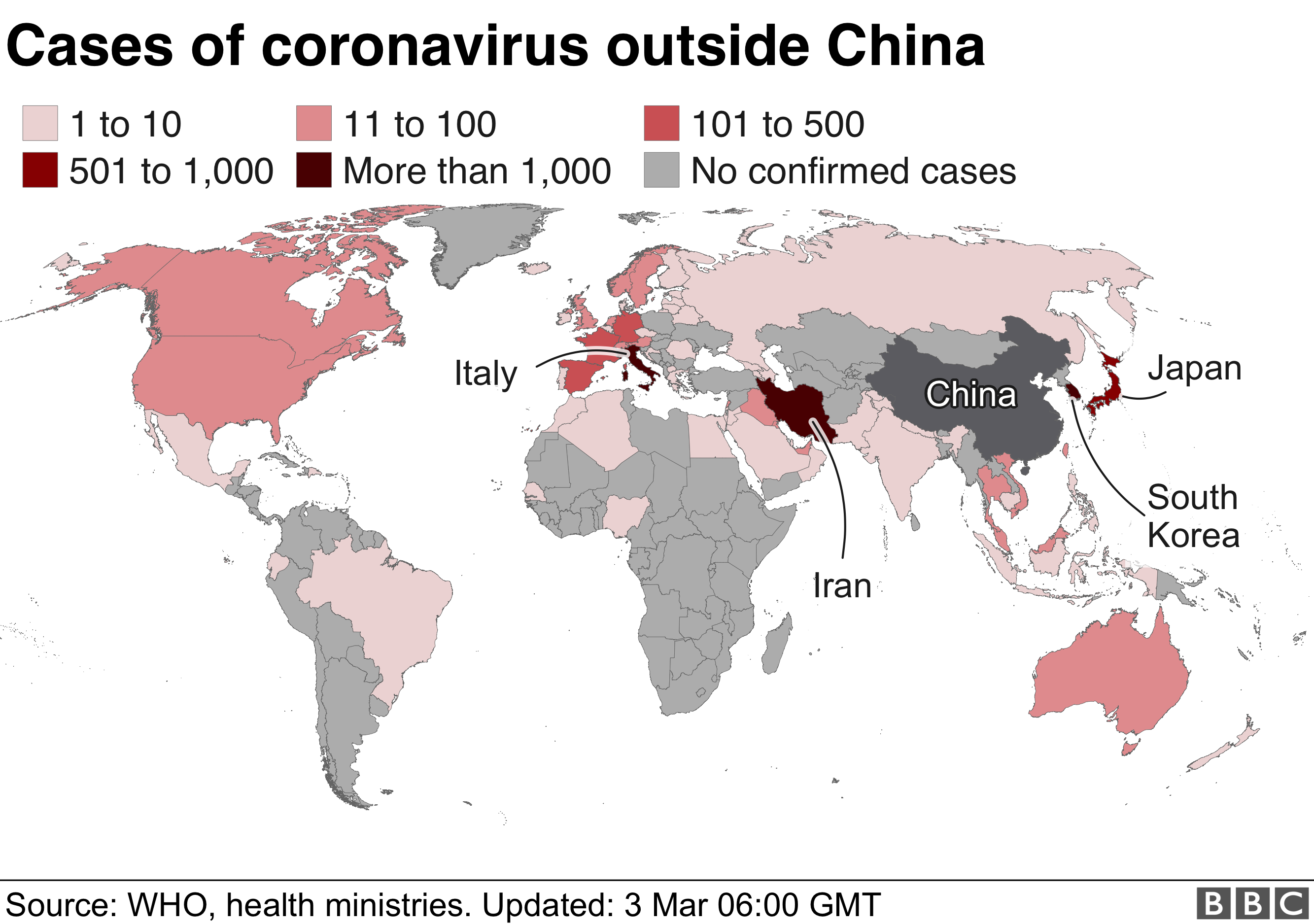
Coronavirus global map

How deadly is Covid-19?

The WHO says the virus appears to particularly affect those over 60, and people already ill.

In the first large analysis of more than 44,000 cases from China, the death rate was 10 times higher in the very elderly compared to the middle-aged.

Most patients have only mild symptoms and the death rate appears to be between 2% and 5%, the WHO said.

By comparison, seasonal flu has an average mortality rate of about 0.1%, but is highly infectious – with up to 400,000 people dying from it each year.

Other strains of coronavirus, such as Severe Acute Respiratory Syndrome (Sars) and Middle East Respiratory Syndrome (Mers), have much higher death rates than Covid-19.
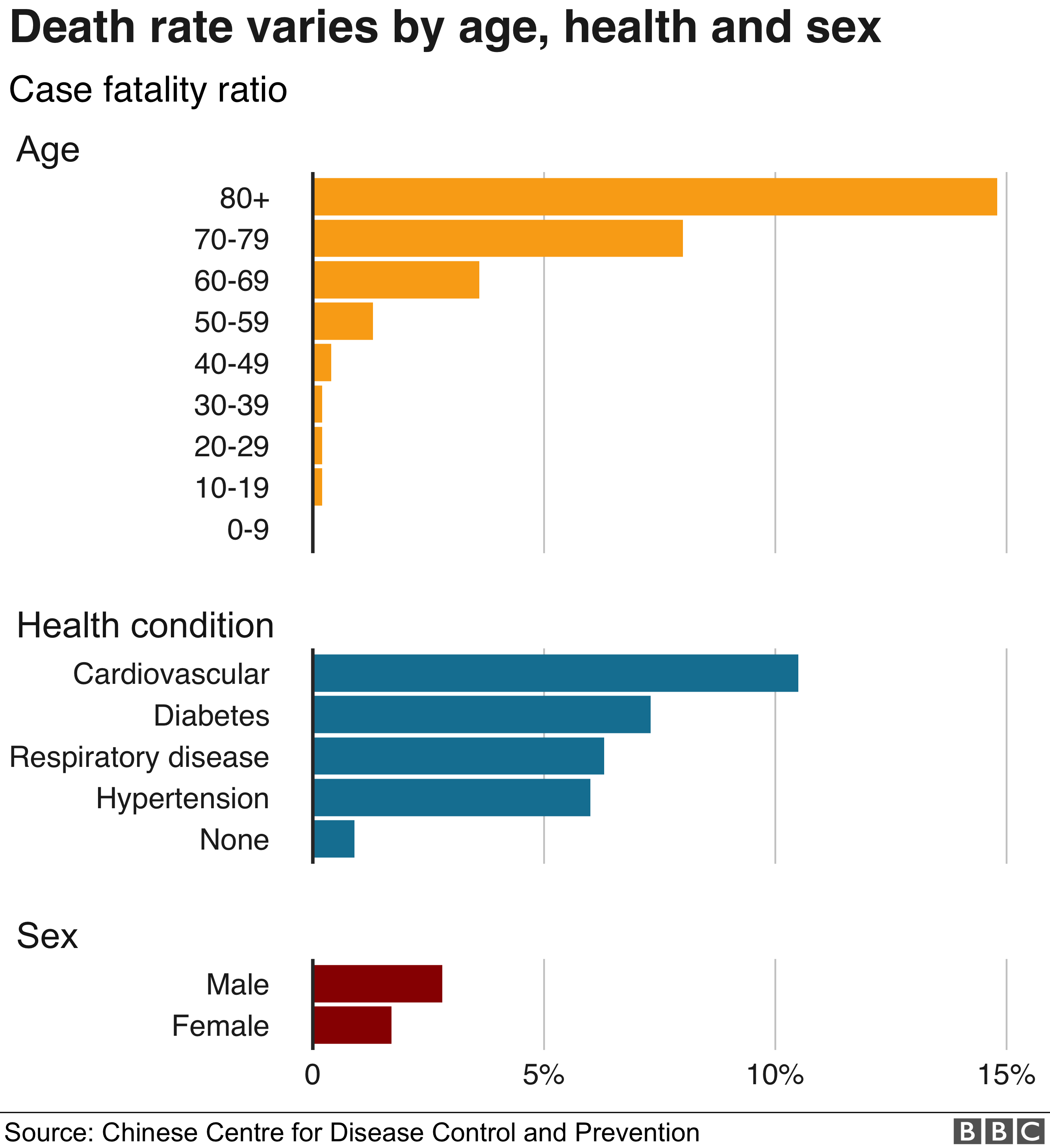
Death rates for different groups

Source: The BBC

08/07/2019

Seven Silk Road destinations, from China to Italy: towns that grew rich on trade

  • Settlements along the route linking Europe and Asia thrived by providing accommodation and services for countless traders
  • Formally established during the Han dynasty, it was a 19th-century German geographer who coined the term Silk Road
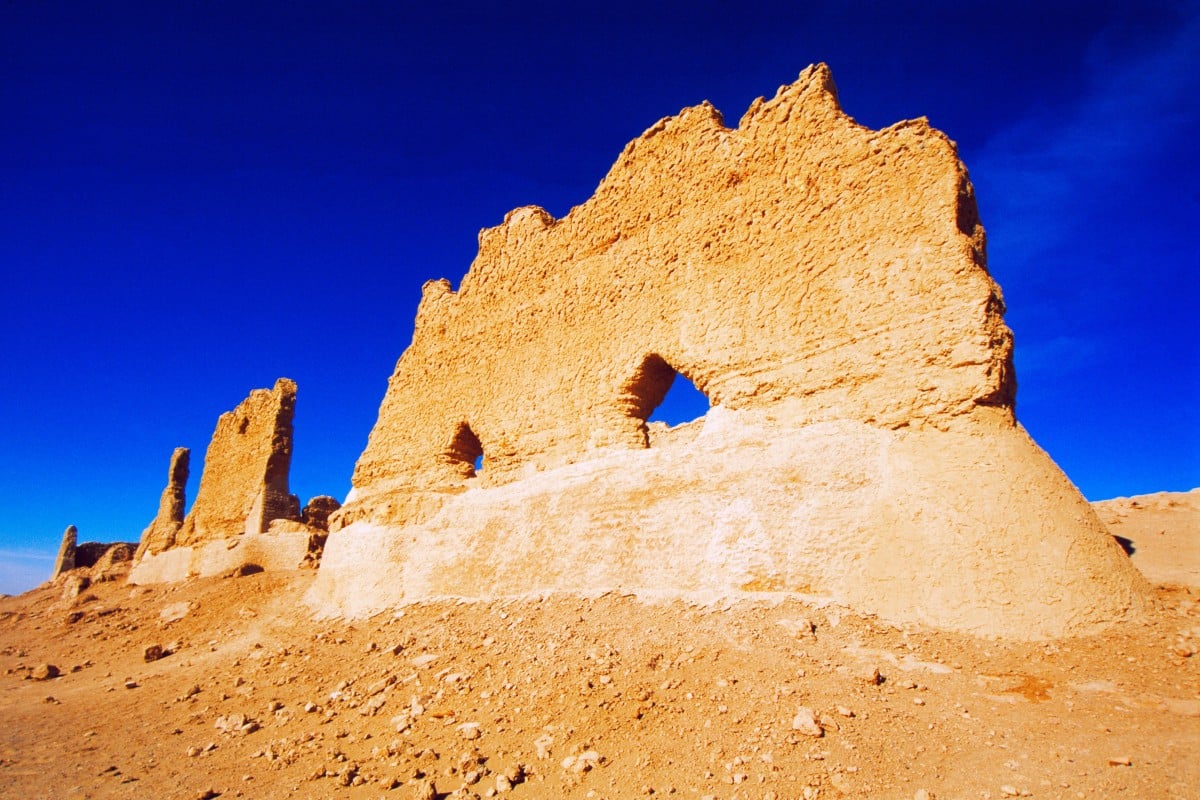
The ruins of a fortified gatehouse and cus­toms post at Yunmenguan Pass, in China’s Gansu province. Photo: Alamy
We have a German geographer, cartographer and explorer to thank for the name of the world’s most famous network of transconti­nental trade routes.
Formally established during the Han dynasty, in the first and second centuries BC, it wasn’t until 1877 that Ferdinand von Richthofen coined the term Silk Road (historians increasingly favour the collective term Silk Routes).
The movement of merchandise between China and Europe had been taking place long before the Han arrived on the scene but it was they who employed troops to keep the roads safe from marauding nomads.
Commerce flourished and goods as varied as carpets and camels, glassware and gold, spices and slaves were traded; as were horses, weapons and armour.
Merchants also moved medicines but they were no match for the bubonic plague, which worked its way west along the Silk Road before devastating huge swathes of 14th century Europe.
What follows are some of the countless kingdoms, territories, (modern-day) nations and cities that grew rich on the proceeds of trade, taxes and tolls.

China

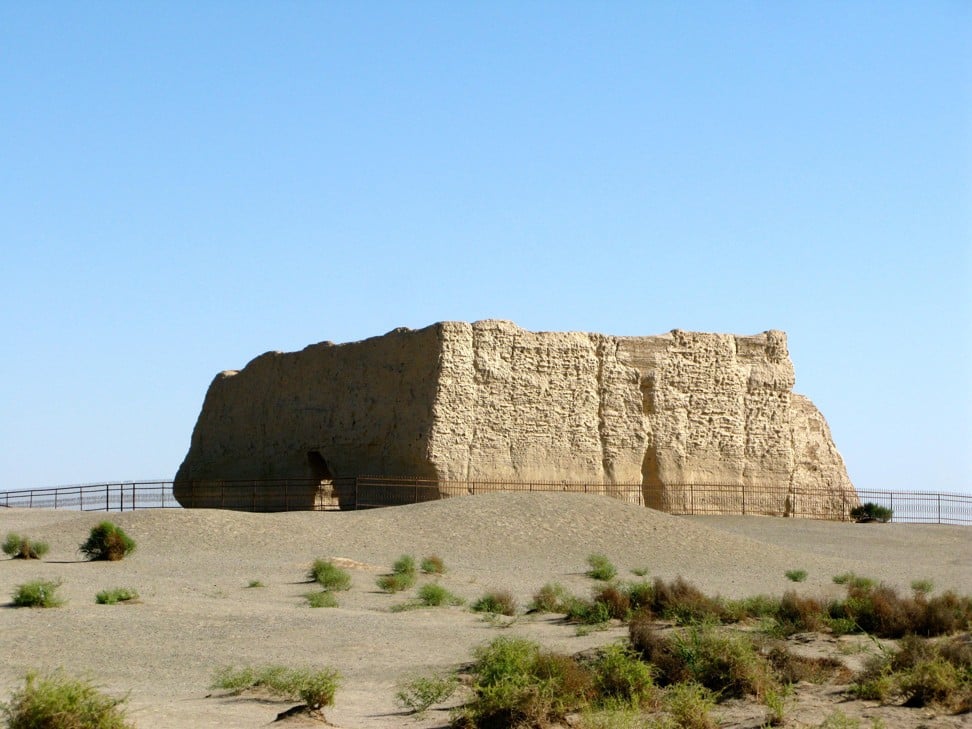
A watchtower made of rammed earth at Dunhuang, a desert outpost at the crossroads of two major Silk Road routes in China’s northwestern Gansu province. Photo: Alamy

Marco Polo worked in the Mongol capital, Khanbaliq (today’s Beijing), and was struck by the level of mercantile activity.

The Venetian gap-year pioneer wrote, “Every day more than a thousand carts loaded with silk enter the city, for a great deal of cloth of gold and silk is woven here.”

Light, easy to transport items such as paper and tea provided Silk Road traders with rich pickings, but it was China’s monopoly on the luxurious shimmering fabric that guaranteed huge profits.

So much so that sneaking silk worms out of the empire was punishable by death.

The desert outpost of Dunhuang found itself at the crossroads of two major Silk Road trade arteries, one leading west through the Pamir Mountains to Central Asia and another south to India.

Built into the Great Wall at nearby Yunmenguan are the ruins of a fortified gatehouse and cus­toms post, which controlled the movement of Silk Road caravans.

Also near Dunhuang, the Mogao Caves contain one of the richest collections of Buddhist art treasures any­where in the world, a legacy of the route to and from the subcontinent.

Afghanistan

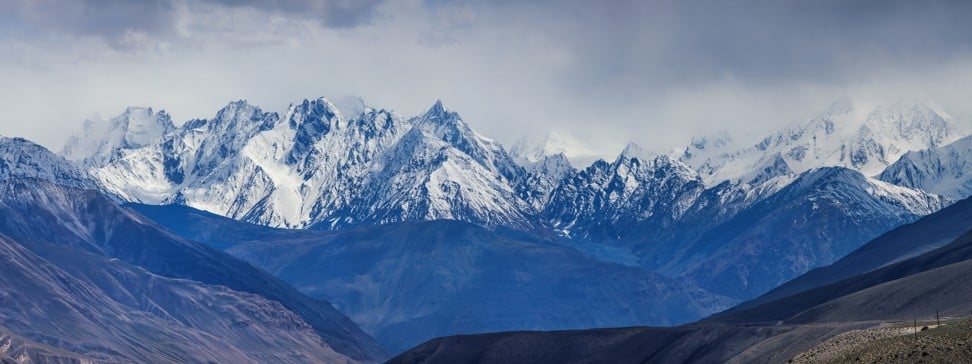
Afghanistan's mountainous terrain was an inescapable part of the Silk Road, until maritime technologies would become the area's undoing. Photo: Shutterstock
Afghanistan’s mountainous terrain was an inescapable part of the Silk Road, until maritime technologies would become the area’s undoing. Photo: Shutterstock

For merchants and middlemen hauling goods through Central Asia, there was no way of bypassing the mountainous lands we know today as Afghanistan.

Evidence of trade can be traced back to long before the Silk Road – locally mined lapis lazuli stones somehow found their way to ancient Egypt, and into Tutankhamun’s funeral mask, created in 1323BC.

Jagged peaks, rough roads in Tajikistan, roof of the world

Besides mercan­tile exchange, the caravan routes were responsible for the sharing of ideas and Afghanistan was a major beneficiary. Art, philosophy, language, science, food, architecture and technology were all exchanged, along with commercial goods.

In fact, maritime technology would eventually be the area’s undoing. By the 15th century, it had become cheaper and more convenient to transport cargo by sea – a far from ideal development for a landlocked region.

Iran

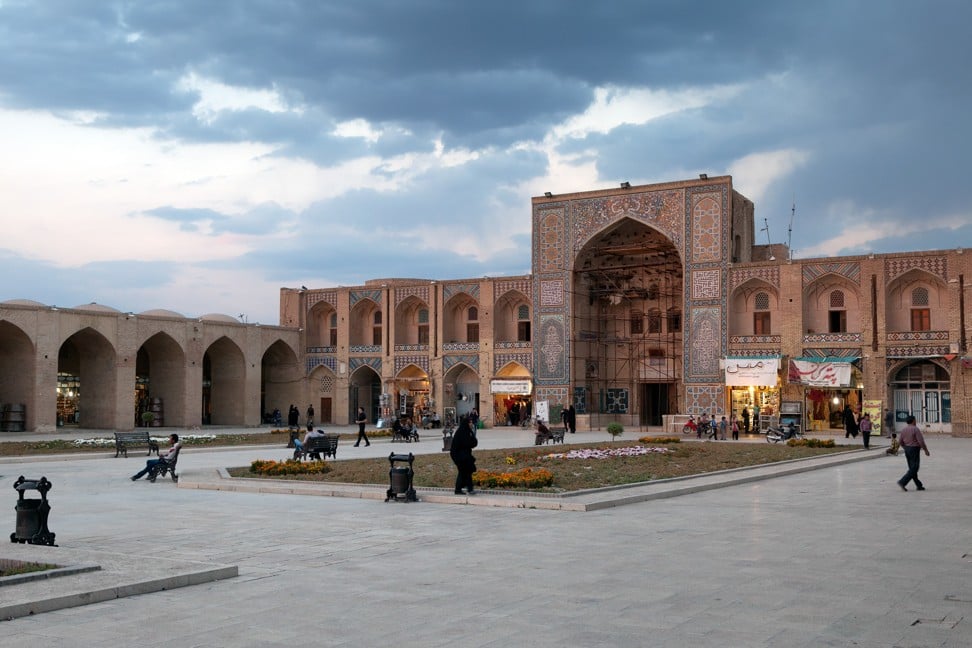
The Ganjali Khan Complex, in Iran. Photo: Shutterstock

Thanks to the Silk Road and the routes that preceded it, the northern Mesopotamian region (present-day Iran) became China’s closest trading partner. Traders rarely journeyed the entire length of the trail, however.

Merchandise was passed along by middlemen who each travelled part of the way and overnighted in caravan­serai, forti­fied inns that provided accom­mo­dation, storerooms for goods and space for pack animals.

The good, bad and ugly sides to visiting Chernobyl and Kiev

With so many wheeler-dealers gathering in one place, the hostelries developed into ad hoc marketplaces.

Marco Polo writes of the Persian kingdom of Kerman, where craftsmen made saddles, bridles, spurs and “arms of every kind”.

Today, in the centre of Kerman, the former caravanserai building forms part of the Ganjali Khan Complex, which incorporates a bazaar, bathhouse and mosque.

Uzbekistan

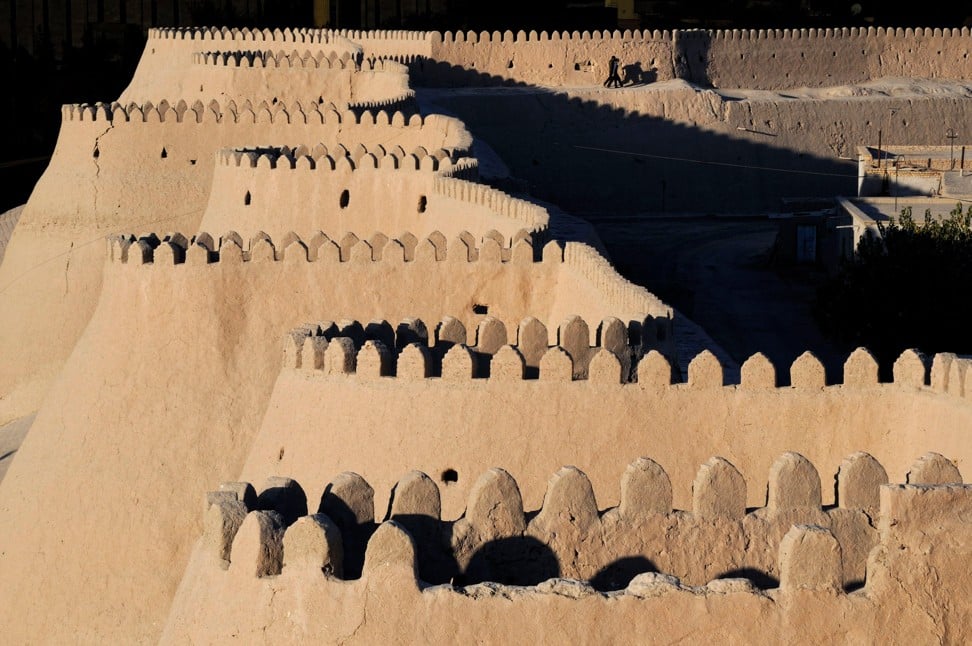
A fort in Khiva, Uzbekistan. Photo: Alamy

The double-landlocked country boasts some of the Silk Road’s most fabled destinations. Forts, such as the one still standing at Khiva, were built to protect traders from bandits; in fact, the city is so well-preserved, it is known as the Museum under the Sky.

The name Samarkand is also deeply entangled with the history of the Silk Road.

The earliest evidence of silk being used outside China can be traced to Bactria, now part of modern Uzbekistan, where four graves from around 1500BC-1200BC contained skeletons wrapped in garments made from the fabric.

Three thousand years later, silk weaving and the production and trade of textiles remain one of Samarkand’s major industries.

Georgia

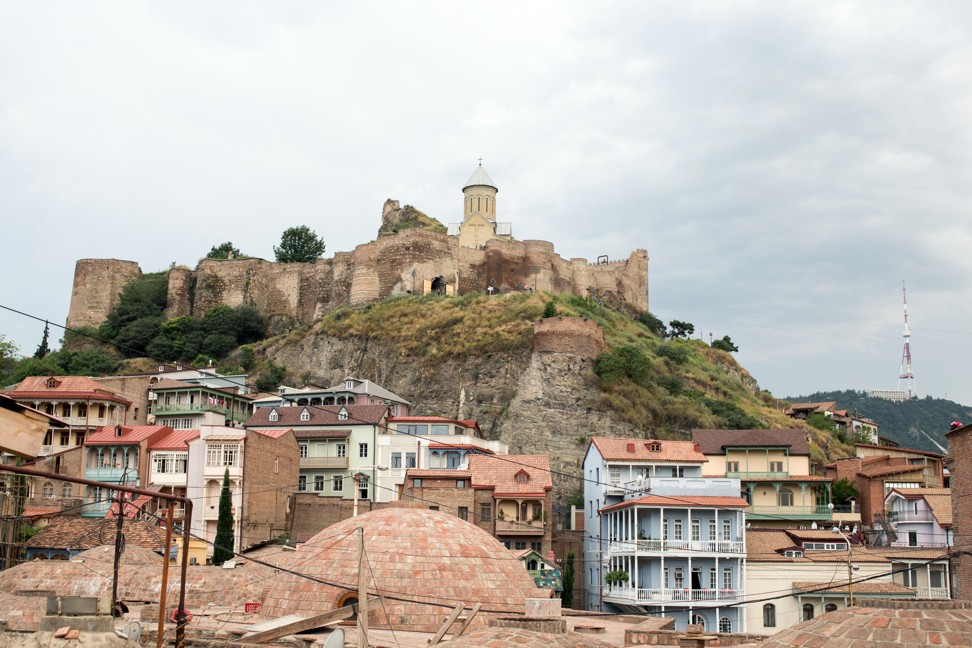
A street in old town of Tbilisi, Georgia. Photo: Alamy

Security issues in Persia led to the opening up of another branch of the legendary trade route and the first caravan loaded with silk made its way across Georgia in AD568.

Marco Polo referred to the weaving of raw silk in “a very large and fine city called Tbilisi”.

Today, the capital has shaken off the Soviet shackles and is on the cusp of going viral.

Travellers lap up the city’s monaster­ies, walled fortresses and 1,000-year-old churches before heading up the Georgian Military Highway to stay in villages nestling in the soaring Caucasus Mountains.

Public minibuses known as marshrutka labour into the foothills and although the vehicles can get cramped and uncomfortable, they beat travelling by camel.

Jordan

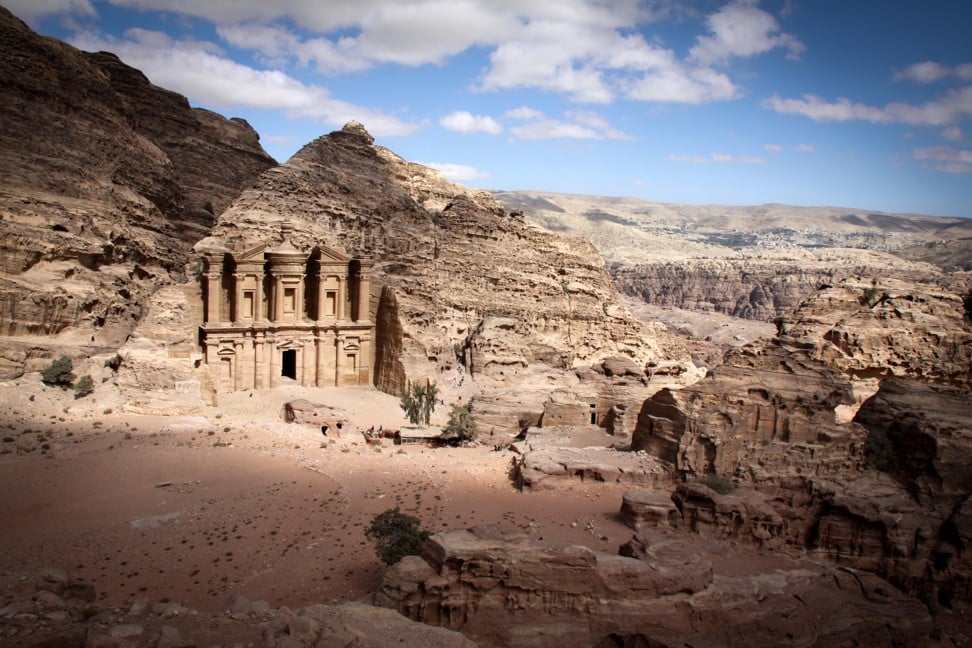
Petra, in Jordan. Photo: Alamy

The location of the Nabataean capital, Petra, wasn’t chosen by chance.

Savvy nomadic herders realised the site would make the perfect pit-stop at the confluence of several caravan trails, including a route to the north through Palmyra (in modern-day Syria), the Arabian peninsula to the south and Mediterranean ports to the west.

Huge payments in the form of taxes and protection money were collected – no wonder the most magnificent of the sand­stone city’s hand-carved buildings is called the Treasury.

The Red Rose City is still a gold mine – today’s tourists pay a hefty

US$70 fee to enter Petra

. The Nabataeans would no doubt approve.

Venice

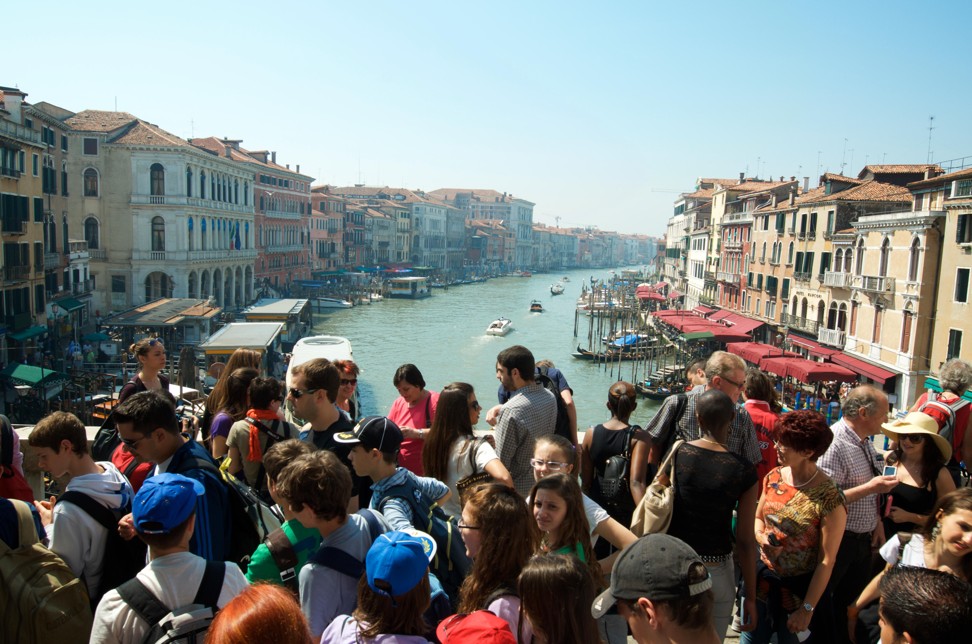
Tourists crowd onto Venice’s Rialto Bridge. Photo: Alamy

Trade enriched Venice beyond measure, helping shape the Adriatic entrepot into the floating marvel we see today.

Besides the well-documented flow of goods heading west, consignments of cotton, ivory, animal furs, grapevines and other goods passed through the strategically sited port on their way east.

Ironically, for a city built on trade and taxes, the biggest problem Venice faces today is visitors who don’t contribute enough to the local economy.

A lack of spending by millions of day-tripping tourists and cruise passengers who aren’t liable for nightly hotel taxes has prompted authorities to introduce a citywide access fee from January 2020.

Two thousand years ago, tariffs and tolls helped Venice develop and prosper. Now they’re needed to prevent its demise.

Source: SCMP

08/04/2019

China to avoid debt burden for BRI participating countries: envoy

AMMAN, April 7 (Xinhua) — Li Chengwen, ambassador for China-Arab States Cooperation Forum Affairs of China’s Foreign Ministry, refuted on Sunday the criticism that China’s Belt and Road Initiative (BRI) will create so-called “debt trap” for some participating countries.

“China is trying to find mechanisms to avoid the ‘debt trap,'” Li said during a session on the second day of the World Economic Forum on the Middle East and North Africa 2019 held in the Dead Sea area of Jordan.

The Chinese envoy was responding to the criticism directed at the BRI by some people in the United States and Europe ahead of the second Belt and Road Forum for International Cooperation, due to be hosted by China later this month in Beijing.

The initiative, proposed by China in 2013, aims at building a trade and infrastructure network connecting Asia with Europe and Africa along the ancient trade routes of the Silk Road to seek common development and prosperity.

As of July 2018, more than 100 countries and international organizations had signed Belt and Road cooperation documents with China, extending the initiative’s scope from the Eurasian continent to Africa, Latin America and the Caribbean, and the South Pacific region.

Li pointed out that no participating country has complained of falling into the so-called “trap” of Chinese loans.

“The Belt and Road Initiative aims to increase the economic prosperity of a country. It does not aim at expanding the political and geographical authority of China in the world,” he said.

Many participants at the forum in Jordan agreed with Li’s comments.

“If you keep your interest first, you will not find China an unfair partner,” said Shandana Gulzar Khan, Pakistan’s parliamentary secretary for commerce. “But it depends on how well you do your homework.”

In Pakistan, a major BRI participating country, the China-Pakistan Economic Corridor has created tens of thousands of jobs and revived the economy of an entire region, Khan noted.

Speaking at the session, He Wenping, a research fellow of the Institute of West-Asian and African Studies, Chinese Academy of Social Sciences, echoed Li’s remarks.

“The biggest worry on the ‘debt-trap diplomacy’ should come from China’s side, not from outside. It is tax payers’ money,” the Chinese professor said.

“China is not waving the ‘China First’ flag,” she said.

The upcoming Belt and Road forum to be held in Beijing later this month could be an opportunity to kickstart a “second phase” of the initiative, she added.

Source: Xinhua

Law of Unintended Consequences

continuously updated blog about China & India

ChiaHou's Book Reviews

continuously updated blog about China & India

What's wrong with the world; and its economy

continuously updated blog about China & India