Chindia Alert: You’ll be Living in their World Very Soon
aims to alert you to the threats and opportunities that China and India present. China and India require serious attention; case of ‘hidden dragon and crouching tiger’.
Without this attention, governments, businesses and, indeed, individuals may find themselves at a great disadvantage sooner rather than later.
The POSTs (front webpages) are mainly 'cuttings' from reliable sources, updated continuously.
The PAGEs (see Tabs, above) attempt to make the information more meaningful by putting some structure to the information we have researched and assembled since 2006.
Chinese President Xi Jinping, also general secretary of the Communist Party of China Central Committee and chairman of the Central Military Commission, takes part in a deliberation with his fellow deputies from the delegation of Inner Mongolia Autonomous Region at the third session of the 13th National People’s Congress (NPC) in Beijing, capital of China, May 22, 2020. (Xinhua/Ju Peng)
BEIJING, May 23 (Xinhua) — “What is people first?” Chinese President Xi Jinping asked, before offering his own answer when he was talking with lawmakers at the ongoing national legislative session.
“So many people worked together to save a single patient. This, in essence, embodies doing whatever it takes (to save lives),” he said.
Xi, also general secretary of the Communist Party of China Central Committee and chairman of the Central Military Commission, is a deputy to the 13th National People’s Congress.
During his deliberations with fellow deputies from Inner Mongolia Autonomous Region on Friday, “people” was a keyword.
Xi referred to a story told by another deputy that morning. Luo Jie, from the COVID-19 hard-hit province of Hubei, told reporters at the session how medical workers in his hospital spent 47 days saving an 87-year-old COVID-19 patient.
“About 10 medical workers meticulously took care of the patient for dozens of days, and finally saved the patient’s life,” Xi said. “I am really impressed.”
In the COVID-19 pandemic, health workers around the world got to know the elderly are the most difficult to treat and require the most sophisticated medical resources. China has given every patient equal treatment irrespective of their age or wealth.
Chinese President Xi Jinping, also general secretary of the Communist Party of China Central Committee and chairman of the Central Military Commission, takes part in a deliberation with his fellow deputies from the delegation of Inner Mongolia Autonomous Region at the third session of the 13th National People’s Congress (NPC) in Beijing, capital of China, May 22, 2020. (Xinhua/Huang Jingwen)
In Hubei alone, more than 3,600 COVID-19 patients over the age of 80 have been cured. In the provincial capital Wuhan, seven centenarian patients have been cured.
“We mobilized from around the nation the best doctors, the most advanced equipment and the most needed resources to Hubei and Wuhan, going all out to save lives,” Xi said during the deliberations, adding that the eldest patient cured is 108 years old.
“We are willing to save lives at all costs. No matter how old the patients are and how serious their conditions have become, we never give up,” Xi said.
Xi joined political advisors and lawmakers on Thursday and Friday in paying silent tribute to the lives lost to COVID-19 as the top political advisory body and the national legislature opened their annual sessions.
This year’s government work report said China’s economy posted negative growth in the first quarter of this year, but it was “a price worth paying” to contain COVID-19 as life is invaluable.
“As a developing country with 1.4 billion people, it is only by overcoming enormous difficulties that China has been able to contain COVID-19 in such a short time while also ensuring our people’s basic needs,” the report said.
Epidemic response is a reflection of China’s governing philosophy.
The fundamental goal for the Party to unite and lead the people in revolution, development and reform is “to ensure a better life for them,” Xi said.
The nation’s average life expectancy reached 77 years in 2018, more than double that in 1949, when the people’s republic was founded.
Chinese people are not just living longer but better lives, with more material wealth and broader choices to pursue individual dreams. All rural poor will bid farewell to poverty this year as part of the goal of building a moderately prosperous society in all respects.
The Party’s long-term governance, Xi said, rests on “always maintaining close bond with the people.”
“We must always remain true to the people’s aspiration and work in concert with them through thick and thin,” Xi said.
WINDHOEK, May 1 (Xinhua) — China’s poverty eradication policy and deliberate attempts to improve the lives of the rural population is a model for Namibia and Africa in general to follow in dealing with inequality in society, experts have said.
University of Namibia social and political analyst Ndumbah Kwamwayah said China has laid a strong foundation in dealing with poverty and emancipating its people since the days of Mao Zedong.
“Chinese literature especially the life journey of Chairman Mao is a good benchmark for developing countries that want to find ways of creating equal societies. If you check here in Namibia inequality and rural poverty are there despite our economy being agro-based.
“We need to take a cue from countries like China who have created better societies through improving agriculture production and mechanization through investing heavily in local people,” he said.
According to Kamwayah, China continues to value its agro-based economy as well as investment in rural development.
“China through its leaders in the past and present has come up with strong policies of decentralizing key services and also curbing rural urban drift through developing villages. Chinese literature also strongly captures the aspect of local development.
“In Namibia there are many regions including the Kunene, Zambezi and Kavango which are heavily affected by poverty. These need deliberate policies to be improved,” he said.
Political analyst from University of Namibia, Hoze Riruako said poverty eradication remains one of the biggest challenges confronting Namibia in contemporary times.
“What is more important is not to reproduce the Chinese way of doing things but to pick certain traits that can dent poverty and rural development from them,” he said.
BEIJING, April 28 (Xinhua) — China’s youth organizations awarded May Fourth Medals to 94 individuals and 34 groups Tuesday for their great contributions to the country.
The medals, which are awarded annually, are the top honor for young Chinese. The Central Committee of the Communist Youth League and the All-China Youth Federation released the list of winners.
Medical teams assisting Hubei Province to combat the novel coronavirus disease (COVID-19) epidemic are among the groups awarded.
Covering a wide range of sectors, the individual winners include firefighters, military personnel, scholars, teachers, engineers, workers and medical staff.
Among the list, 34 were honored posthumously, including those who sacrificed their lives in the fight against COVID-19.
‘I felt excited and proud of myself,’ says restaurant owner and former volunteer ambulance driver Xiang Yafei
‘I didn’t feel afraid at all. In my mind, it’s already a successful vaccine,’ he says
Wuhan restaurant owner Xiang Yafei says he wasn’t afraid to be a coronavirus vaccine guinea pig. Photo: Handout
With more than 1.5 million confirmed cases around the world and over 88,000 deaths, the race to develop a vaccine for the coronavirus is hotting up.
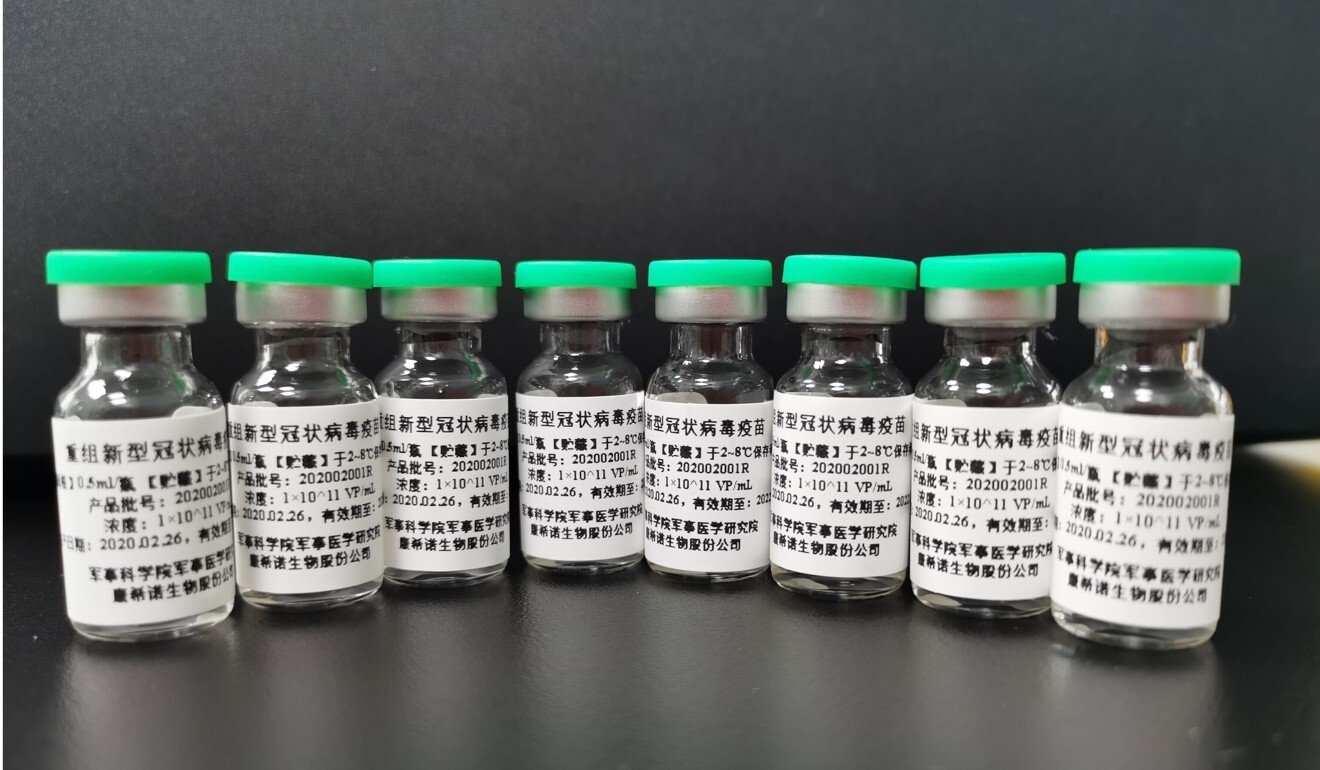
According to the World Health Organisation, about 35 companies and academic institutions are currently working on candidate products. Among the front-runners are China’s CanSino Biologics and Moderna Therapeutics in the United States, both of which have begun phase one clinical trials.
In China, those tests, which started on March 19, involve 108 volunteers from Wuhan, the city in which the virus that causes Covid-19 was first detected.
Among them is 30-year-old restaurant owner Xiang Yafei, who spoke to the South China Morning Post about his experiences so far.
Why did you apply to be a vaccine trial volunteer?
I had been doing various voluntary jobs since the end of January when Wuhan was put under lockdown. In the middle of March, one of my friends who knew about the vaccine study asked if I would be interested in joining.
At first I was afraid because there was uncertainty [about the vaccine]. I asked around and some of my friends said there was some risk to being a candidate as I’d be injected with some kinds of virus, but I felt better after I did some research about it online.
Before joining the clinical trials, Xiang worked as a volunteer ambulance driver. Photo: Handout
Also, because the vaccine was developed by the Academy of Military Medical Sciences [a research unit of the People’s Liberation Army] and CanSino, I thought its safety should be guaranteed, as I have confidence in the PLA because several of my relatives are former soldiers. So I agreed to join the trial but didn’t tell my parents because I didn’t want to worry them.
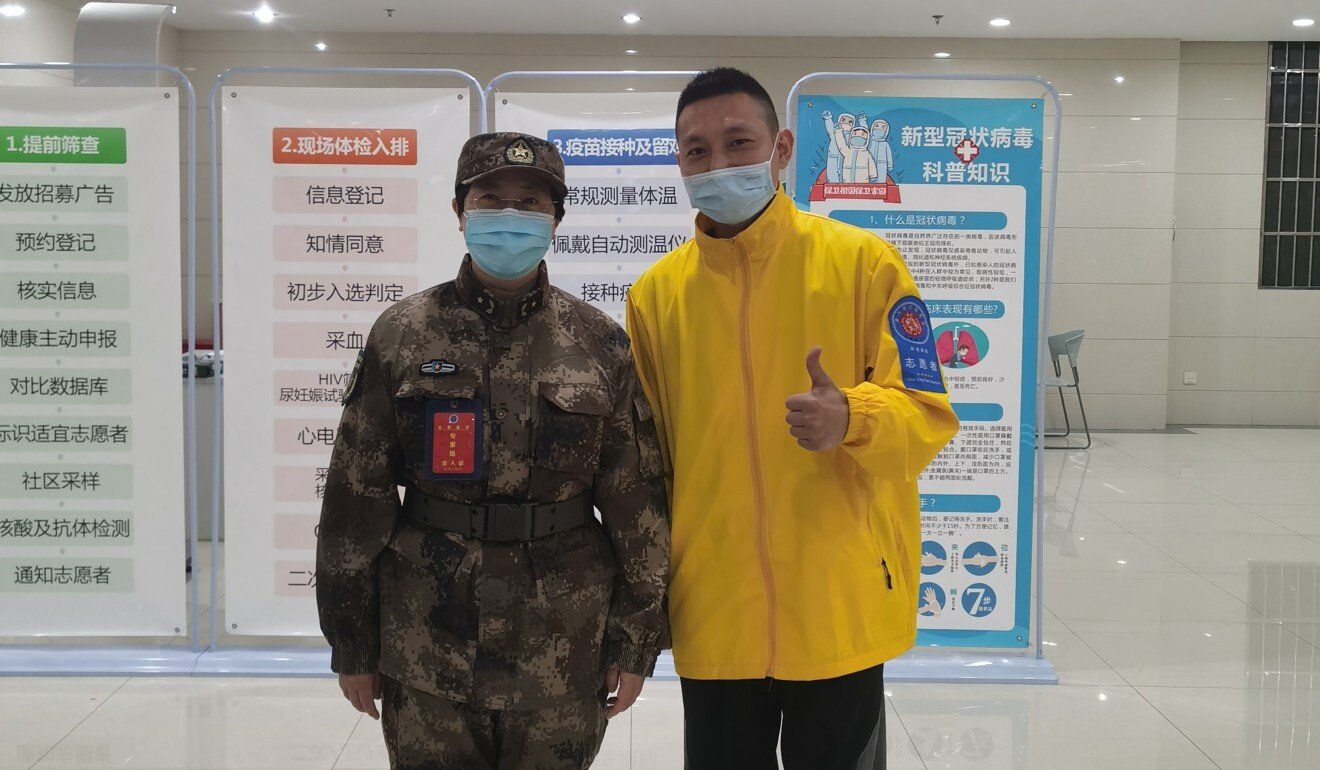
I went to the research team’s office on March 16 and filed my application – that was before they officially announced they were recruiting volunteers on the internet. While I was at the office, I was lucky to meet Major General Chen Wei, the team leader, who explained about the development of the vaccine and assured me that it wouldn’t damage my body. That boosted my confidence.
China ‘leads world in coronavirus research’, followed by US
8 Apr 2020
When did you receive your injection and how did you feel at that time?
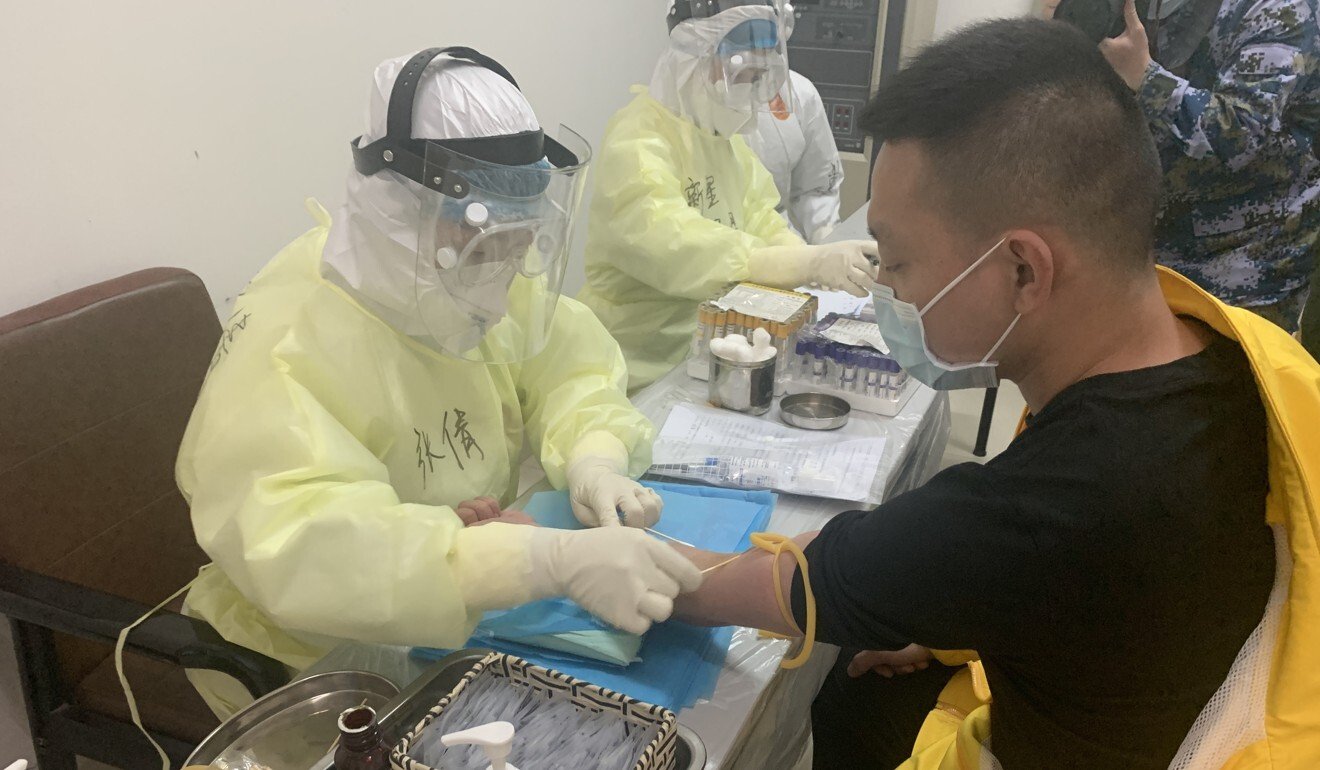
I was given mine on the morning of March 19 and immediately put into quarantine for 14 days at a PLA facility. My number in the volunteer group is 006, meaning I was the sixth person to get the vaccine. Before the injection, I underwent a strict physical check-up. I later learned that more than 5,200 people had applied to be volunteers.
Receiving the vaccine was no different to any other injection I’d had before in my life. I didn’t feel any pain and it only lasted about 10 seconds.
But in my heart, I felt excited and proud of myself. I understand that the vaccine will be an important part in battling this coronavirus and testing it is part of the preparations before it can be put on the market.
Xiang (right) said team leader Chen Wei (left) told him about the development of the vaccine and assured him he would come to no harm. Photo: Handout
As volunteers, our job is to work together with the scientists. After all, academician Chen [the major general is also a member of the Chinese Academy of Engineering] and six members of her team have also been injected with the vaccine, and she was the first person to receive it.
They didn’t show any bad symptoms, so at that moment, I didn’t feel afraid at all. In my mind, it’s already a successful vaccine.
And how has your health been since receiving the vaccine?
I had a fever, 37.6 degrees, for the first two days. It was like catching a normal cold, with symptoms of fatigue and drowsiness. But from the third day, my condition improved and I was basically in good health.
The 108 volunteers are divided into three streams, with each receiving either a low, medium or high dose of the drug. I was in the low group so only got one dose. Volunteers in the medium group also got one and the high group were given two shots. As far as I know, everyone was fine after receiving their injections.
When will your trial result be available?
After my quarantine period ended on April 2, I was given a CAT scan and the researchers took a sample of my blood for testing. They said it would be two weeks before they could tell if there were coronavirus antibodies in my bloodstream.
I am not sure if they will tell me the result, but over the next five months I have to do four more blood tests to see if I have antibodies and how long they might remain in my blood.
What did you do to keep yourself entertained during the quarantine period?
It was just rest for me. Before then I’d been a volunteer ambulance driver in Wuhan, working every day taking coronavirus patients to hospital. I’d been really busy for more than a month, so the 14-day quarantine period gave me a chance to relax and catch up on some sleep.
I really enjoyed my time there thanks to the meals I was given, which were nutritious and varied.
The volunteers had to stay in their rooms and we were not allowed to visit each other. We were also told to check our temperature every day and to report any symptoms. I read books and exercised in my room. Some of the volunteers practised calligraphy, some played football with their toilet paper rolls, some jogged, some composed songs, and some made videos about their life in quarantine and uploaded the clips to social media. We did everything just in our own rooms.
Chinese firm CanSino Biologics is one of the front-runners in the race to develop a vaccine for the coronavirus. Photo: Handout
So what was it like working as an ambulance driver?
It was a race against time trying to get people to hospital as quickly as I could. But I felt a real sense of purpose.
At first, I didn’t want to do such work. I was scared because all the patients had been confirmed or were suspected of being infected, and they were contagious.
I was told that no one wanted to be an ambulance driver, but I had a licence to drive a minivan so I decided to do it. I think we young people should make a contribution to society, especially during this difficult time and in our home city and home province, so I applied.
Also, [each day at work] I took a gourd with me. It is called hulu in Mandarin and has auspicious implications in Chinese, as hu sounds similar to fu, which means good luck.
How was your restaurant business affected by the epidemic?
I lost about half a million yuan (US$70,000) because of it. I decided to shut my restaurant down on January 21, two days before the official lockdown, because there had been rumours it was coming and I wanted my workers to be able to leave Wuhan and return to their hometowns.
Right now I’m making preparations to reopen my restaurant, which means a lot of cleaning and disinfecting, and thinking about serving all my customers again.
So how did you feel when the lockdown was lifted on Wednesday?
The situation in Wuhan is getting better. We are proud of what we did for this city. We hope the coronavirus cases can drop to zero soon and our lives can get back to normal.
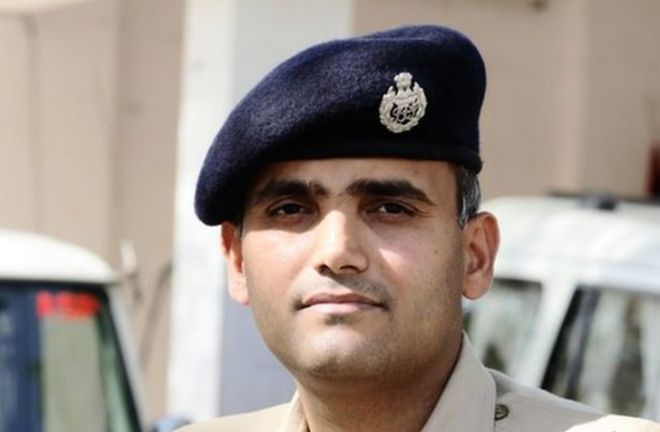
Image copyright ANKIT SRINIVASImage caption Neeraj Jadaun said he was only doing his duty
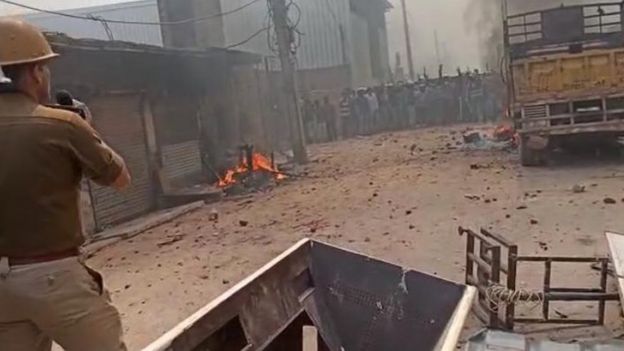
An Indian policeman is being hailed as a hero after he braved rioting mobs to save families during days of religious violence in the capital Delhi.
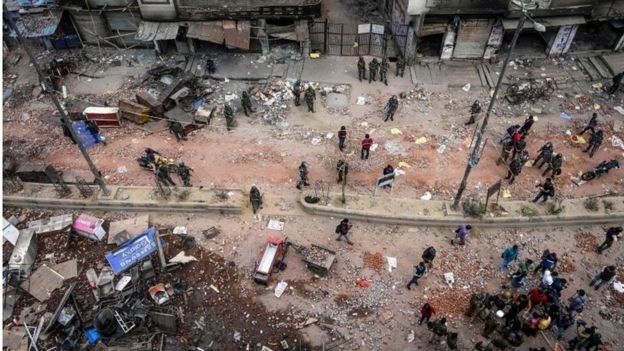
Riots in the city broke out on Sunday, killing 39 people and injuring more than 200.
Neeraj Jadaun, a superintendent of police in neighbouring Uttar Pradesh state, told the BBC’s Vikas Pandey that he was patrolling a border checkpoint on 25 February when he heard sounds of gunfire coming from Karawal Nagar in Delhi – just 200m (650ft) away from him.
He saw a mob of 40-50 people setting vehicles on fire when one of them jumped into a house with a petrol bomb. At that point, Mr Jadaun decided to break with traditional police protocol and made a split-second decision to cross the state border into Delhi.
In India, police officers need explicit permission to cross state borders.
“I chose to cross. I was willing to go alone despite being aware of the danger and the fact that it was beyond my jurisdiction. Those were the most terrifying 15 seconds of my life. Thankfully, the team followed me, and my seniors also supported me when I informed them later,” he said.
“It was dangerous as we were outnumbered and the rioters were armed. We first tried to negotiate with them and when that failed, we told them that police would open fire. They retreated but seconds later, they threw stones at us and we also heard gunshots,” he added.
However, Mr Jadaun and his team held their positions and kept pushing back until the rioters finally left.
Richi Kumar, a reporter with the Hindi daily Amar Ujala, described Mr Jadaun’s decision as the “bravest act” he had ever seen.
“The situation was very dangerous. The rioters were fully armed and they were not ready to listen anybody. I can describe them as bloodthirsty. They were throwing stones at the police but Mr Jadaun did not back down. There was real danger of policemen being shot at by rioters,” he told the BBC.
Image caption Mr Jadaun took a split-second decision to cross state borders and stop a mob
The violence first broke out in north-east Delhi between protesters for and against a controversial citizenship law.
But they have since taken on communal overtones.
Mr Jadaun said the rioters he saw had come prepared for arson.
“The area had many shops with stocks of bamboo. A fire would have engulfed the whole area and had that been allowed to happen, the death toll in Delhi would have been much higher.”
But, Mr Jadaun is uncomfortable about being hailed as a hero.
“I am not a hero. I have taken oath to protect any Indian in danger. I was just doing my duty because I wasn’t willing to let people die under my watch. We were in a position to intervene and we did that,” he added.
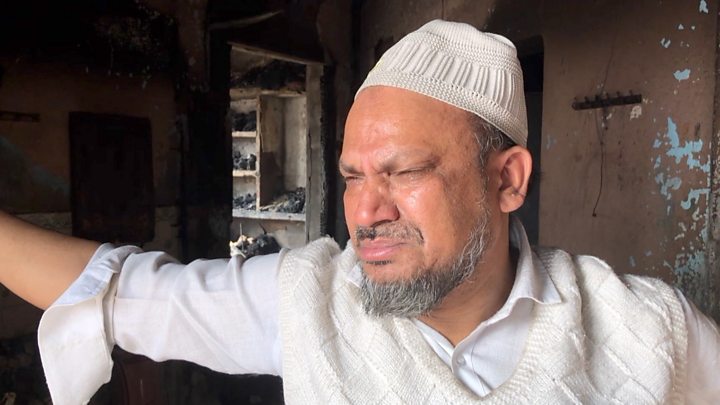
Media caption Delhi religious riots: ‘Mobs set fire to my house and shop’
Similar small acts of heroism – of Hindus and Muslims standing together – have also begun to emerge.
Subhash Sharma, from Ashok Nagar, one of the worst-affected areas, described how he ran to help after mobs set a mosque on fire.
“There were thousands of people in the mob and there were only a handful in the mosque. As soon as I saw it set on fire, I switched on the water pump in my house and ran there with a hose,” Mr Sharma told BBC Hindi.
Murtaza, a man from the same neighbourhood, said that he wanted to flee the area, but his Hindu neighbours told him not to leave.
“They assured us they would not let anybody harm us,” he said.
Image copyright AFPImage caption The religious violence has killed 38 people and injured more than 200
BBC Hindi’s Faisal Mohammed also spoke to two neighbours – a Hindu and a Muslim – from the Vijay park area in Maujpur, one of the areas worst-affected by the violence.
The two described how they rallied their neighbours to chase away a mob that had been burning vehicles and shattering windows in the vicinity.
“The next day we shut the main road and people from the neighbourhood gathered together and sat outside,” one of the men, Jamaluddin Saifi, said.
Residents there also set up a “peace committee” – made up of both Hindus and Muslims – who went from house to house telling people not to believe rumours and to keep children inside.
As the Indian capital struggles to pick up the pieces, it is these stories that are giving residents some hope that life can eventually go back to normal.
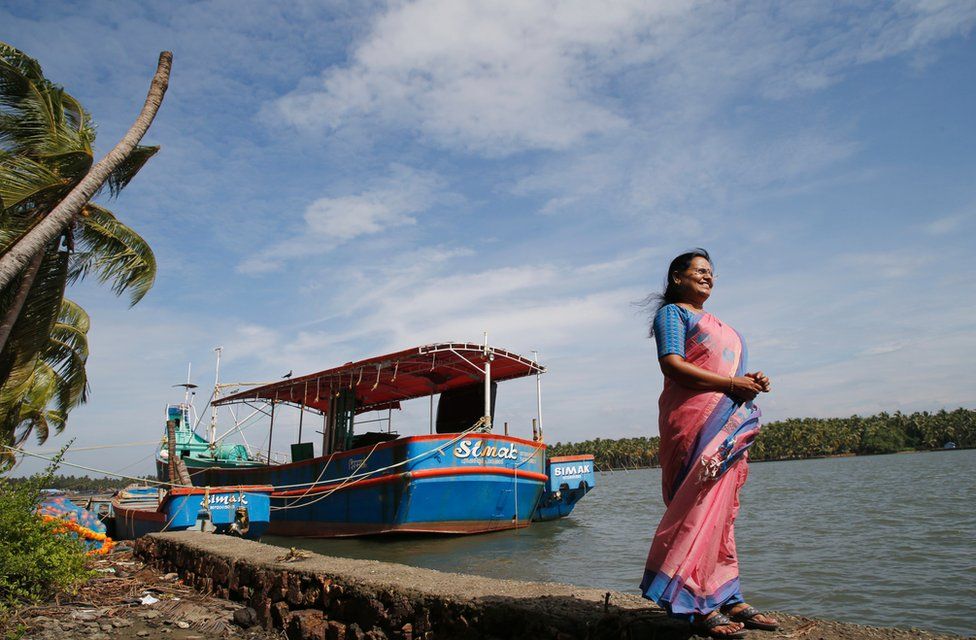
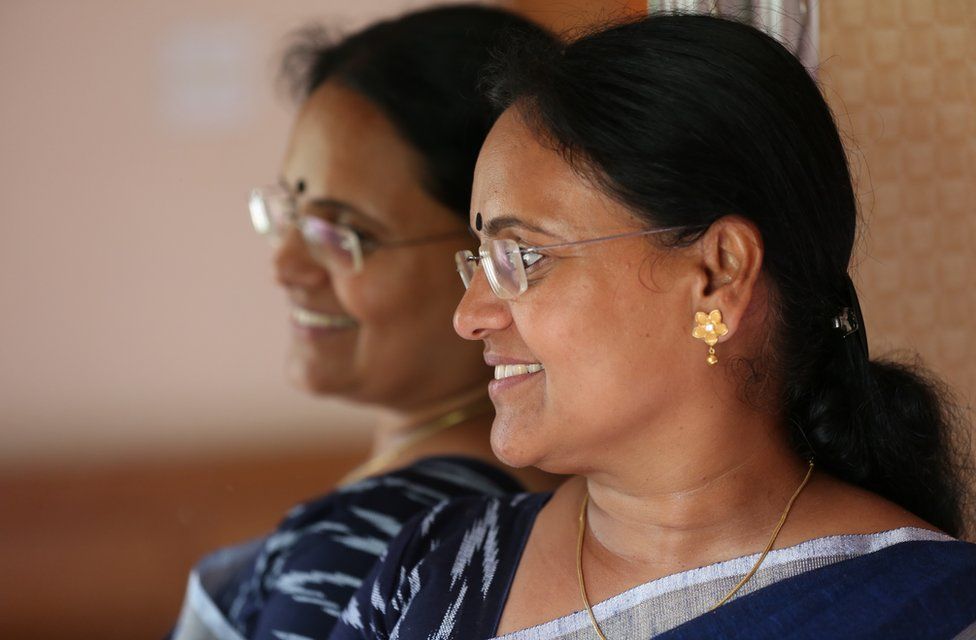
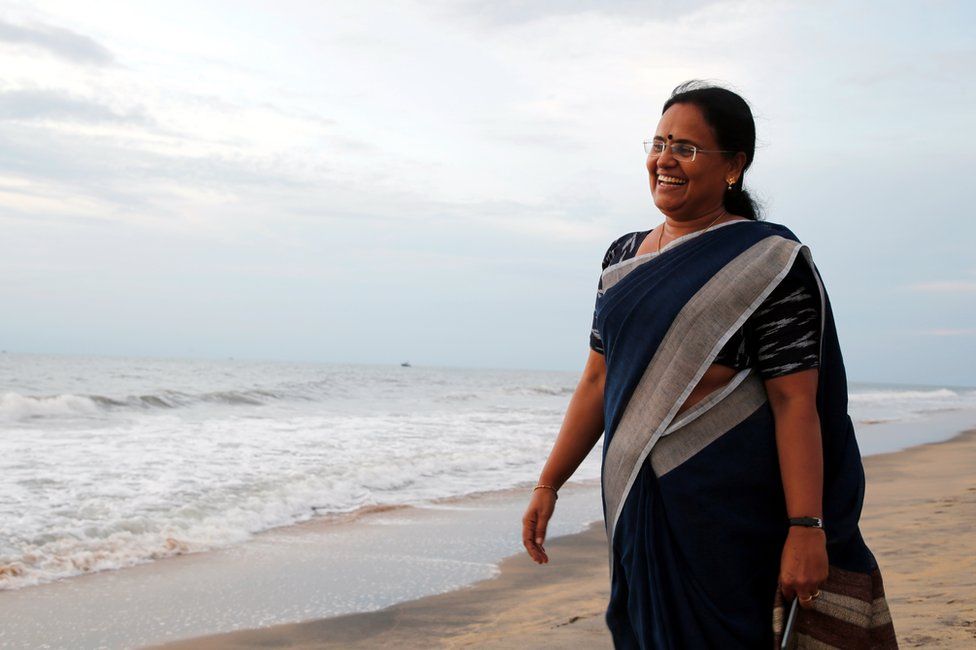
Arranged marriages can often throw up surprises. Uma Preman’s unhappy marriage transformed not only her life, but also the lives of thousands of others – because it left her with the skills and motivation to help disadvantaged Indians gain access to medical treatment.
The moment
Uma always dreamed of a perfect wedding in a traditional south Indian temple. She imagined it decorated throughout with colourful flowers – and a big party by the beach.
But it never happened.
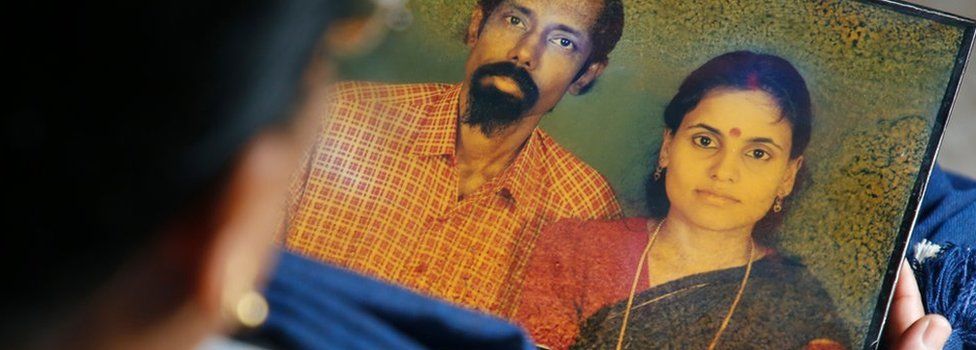
Uma still remembers the grey February morning 30 years ago when her mother introduced her to Preman Thaikad. Uma was only 19, and Preman was 26 years older.
They had never met before, but she was told he was her husband. There were no festivities and no music – in fact there wasn’t even a wedding.
“My mother told me that I was now Preman’s property. He told me that I was his wife but I had no rights over his property,” says Uma.
Preman took her to his house and left her there for the night. She still remembers that she couldn’t sleep and just stared at the pale yellow ceiling and the rickety fan.
The next morning, Preman returned at 6am and asked her to accompany him to a bar. He kept drinking for several hours while she sat in silence, trying to figure out the strange direction her life had taken.
He told her that she was his second wife, but she quickly learned that she was actually his fourth. He also revealed that he had a severe form of tuberculosis – and that her main job was to be his carer.
Before
Uma grew up in Coimbatore, a busy town in the southern Indian state of Tamil Nadu. As a child, she wanted to become a doctor like her father, TK Balakrishnan.
Balakrishnan had studied medicine for a year before his uncle asked him to drop out and work on his farm. He had learned the basics and would use his knowledge to dress wounds, change dressings and treat fevers with basic medicines. Uma heard that the families of the patients would often give him treats – so she began to accompany him on his rounds.
“I just loved food and eating and that’s why I went with him,” she says.
But one day she saw something that made her realise how serious her father’s work was. Her father was treating a patient with gangrene. The stench, Uma says, was unbearable.
“He was using gardening gloves because he didn’t have surgical ones, but he was so calm.”
See below for more stories in the Interrupted Lives series, produced by the BBC’s Geeta Pandey in Delhi
But Uma’s mother hated the fact that her husband was spending most of his time helping others, Uma says.
When she was eight, her mother gave her some money to buy firecrackers for the Hindu festival of Diwali – and when she came back, her mother was gone.
“I found out later that she loved another man and she left with him,” Uma says.
Suddenly it was up to Uma to take care of her three-year-old brother. She says she didn’t know how to cook, but she decided to learn because she couldn’t bear the food her father made for them.
“I went to nearby homes and requested the ladies to teach me. They said I wouldn’t be able to cook because I was small,” Uma says. But within days they had taught her to make a variety of dishes, and cooking became part of her daily routine.
“I would wake up at 5am to make breakfast and lunch. Then I would go to school at 9am. I would come back in the evening and take care of my brother and cook dinner,” Uma says.
“My friends played every evening – they were enjoying their life. But I was happy taking care of my family.”
She kept thinking about her mother though, and worrying that she might never see her again.
Years later, when Uma was 17, she went with some neighbours to visit a famous temple in Guruvayur – 87 miles from Coimbatore – and there she met a man who told her he’d seen a woman who looked exactly like her.
Uma left her address with him and a few days later a letter arrived in the post.
It was from her mother.
Uma rushed back to Guruvayur to be reunited with her, but it quickly became clear there was a problem. Her second husband had borrowed large sums of money, then abandoned her – and the lenders were demanding payment.
“I would see people coming to her house every day to harass her for money,” Uma says. “It was painful to see.”
Her mother’s solution was for her to marry Preman, who was wealthy enough to clear her debts. Uma was reluctant. She tried to get work instead, but failed. Then she returned to her father – but he felt betrayed by her decision to resume contact with her mother, and turned his back on her.
Eventually, Uma gave in.
“I felt worthless. I just accepted my fate and went with Preman.”
After
“Every day before he left for work, Preman would lock me inside the house,” Uma remembers.
“I wasn’t allowed to meet anybody or to go out – not even for a minute. For six months, I was alone. I started talking to walls. I lost my confidence and self-respect.”
As the years passed, Preman’s tuberculosis worsened. The couple started spending most of their time in hospitals, and in 1997, seven years after Uma had moved in with him, Preman died. Although he had once said she would have no right over his property, he left her comfortably off.
Uma says she felt free for the first time in her life.
“I didn’t want him to die, but I couldn’t help but feel that life had given me a second chance.”
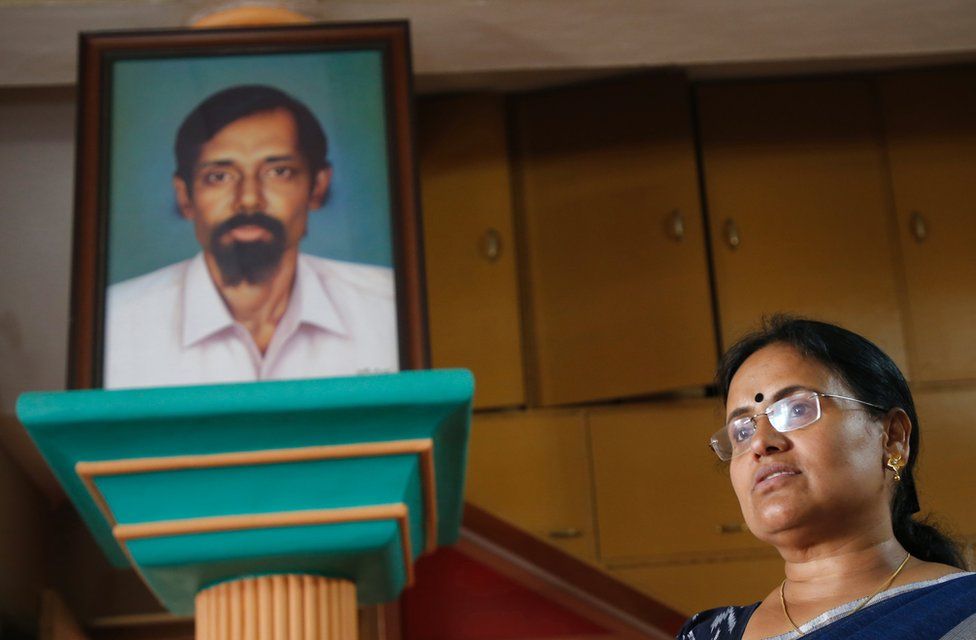
Image caption Uma with Preman’s portrait in the background
It took a while for it to become clear what she would do with this new freedom.
During her years with Preman, Uma had observed that poor people were often unable to get proper medical treatment, not only because they couldn’t afford it but also because they didn’t have the right information – they didn’t know what treatments and facilities were available.
So Uma had started helping them, filling in forms for them, guiding them to the right doctors and sometimes just listening to their problems.
When she left the hospital in Trivandrum where Preman had spent the last six months of his life, she was missed. But she wasn’t completely beyond reach. There was a booth where she had often called Preman’s family, she says, and the person who owned it gave her number to people in need of help.
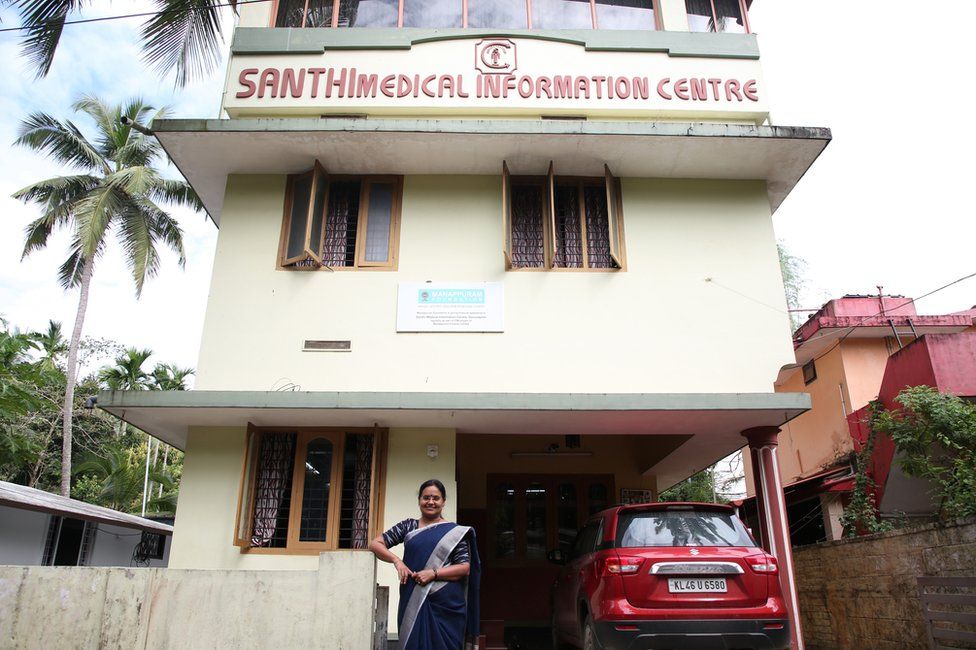
Soon hundreds of people started calling for advice and that’s how the Santhi Medical Information Centre was born. Uma had found her life’s calling – she wasn’t treating people, as her father had done, but she was helping them get treatment.
However, to help other people Uma had to acquire knowledge herself, and in the late 1990s the internet wasn’t yet widely available in India. She had to travel across the country to collect data about treatments, hospitals and the places where people could get free or subsidised treatment.
“I had to travel because no hospital replied to my letters,” she says.
Even when she met people face to face, they often didn’t take her seriously. In other Indian states there was also a language barrier, as Uma spoke only Tamil.
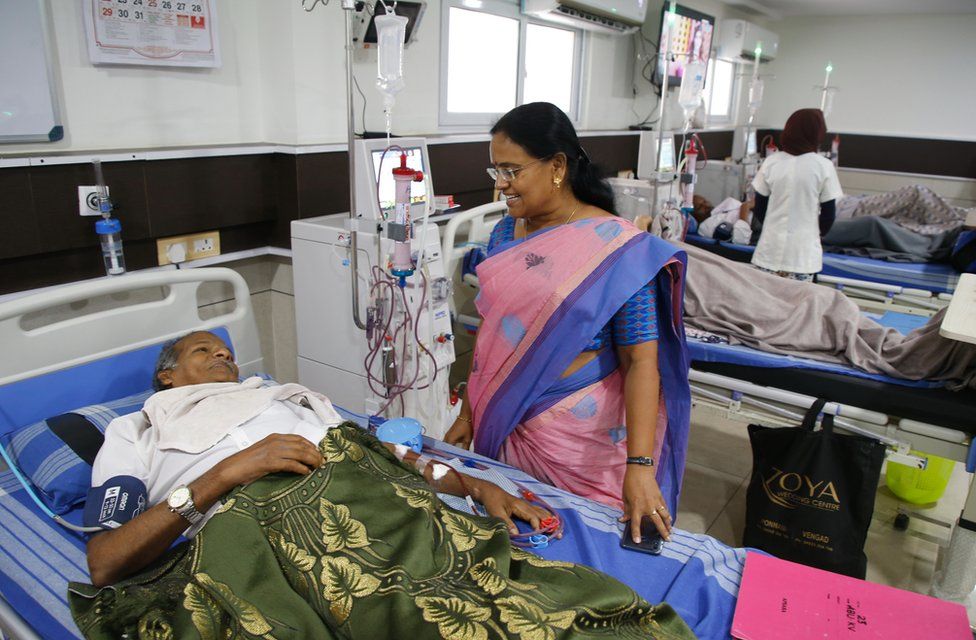
In the past decade, the Santhi Centre’s top priority has been helping people with kidney disease.
There are not enough dialysis centres in the country and the rate of kidney donation is poor. Uma has been working to change this, raising funds for new facilities open to all.
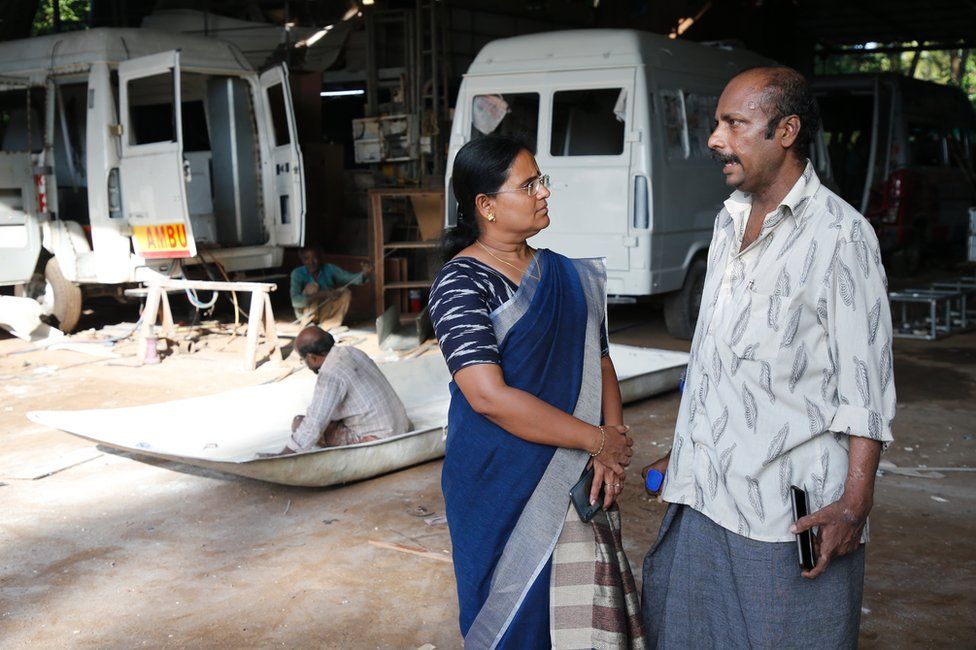
“Our first dialysis centre started in Thrissur district in Kerala. Now we have 20 centres across India. Many rich people donated for the cause,” she says.
Uma says persuading people to donate a kidney is not easy because they often worry about the impact on their own health.
So she decided to set an example, and donated one of her own kidneys. She gave it to an orphan whose kidneys had failed.
Image caption One of Uma’s kidneys enables Salil to live a normal life
Salil says he owes his life to her.
“I was 26 when I was undergoing dialysis. When she met me, she told me that she would donate her kidney on the condition that I continued to work after the transplant.”
He did continue to work – in fact, after a while he went to work for Uma.
Salil says Uma is a woman who truly believes in Mahatma Gandhi’s words that “you have to be the change you want to see”.
“Everyone wants to change the world but no-one is ready to change themselves,” Uma says. “I changed my attitude and I donated one kidney, but I also got a brother in return.”
SHENYANG, Oct. 8 (Xinhua) — China’s leading robot maker, SIASUN Robot & Automation Co., Ltd., said it has been developing robots that can provide better services for the aged.
Based in Shenyang, capital of northeast China’s Liaoning Province, SIASUN’s products have been utilized in nursing institutions, medical institutions and hospitals for the elderly.
So far, the company has created more than 20 kinds of robotic products, including intelligent robots for daily care, intelligent beds, semi-automatic bed chairs and walking aids.
The enterprise said robots could assist the elderly in daily care, which would increase efficiency and reduce the labor intensity of nursing staff.
“With the increasing aging population, there is a huge market and room to grow for rehabilitation robots for the elderly in China,” said Li Xuewei, general manager of SIASUN’s medical and health robot division.
Li said service robots for the elderly and the disabled, such as nursing and rehabilitation robots, would be in high demand in the near future.
As a leading enterprise in China’s robotics industry, SIASUN’s products have been exported to more than 30 countries and regions.
Photo taken on Oct. 3, 2019 shows a large maintenance machine at the Lobito station of the Benguela Railway in Lobito, Angola. The Benguela Railway, which was built by the China Railway 20 Bureau Group Corporation (CR20), was officially handed over to Angola in the port city of Lobito on Thursday. The 1,344-km railway runs through Angola, from west of the Atlantic port city of Lobito, eastward through important cities such as Benguela, Huambo, Kuito and Luena, and reaches the border city of Luao, bordering the Democratic Republic of the Congo. (Photo by Liu Zhi/Xinhua)
LOBITO, Angola, Oct. 3 (Xinhua) — The Benguela Railway, which was built by the China Railway 20 Bureau Group Corporation (CR20), was officially handed over to Angola in the port city of Lobito on Thursday.
The 1,344-km railway runs through Angola, from west of the Atlantic port city of Lobito, eastward through important cities such as Benguela, Huambo, Kuito and Luena, and reaches the border city of Luao, bordering the Democratic Republic of the Congo.
According to Han Shuchen, General Manager of CR20 Angola International Company, the Benguela Railway, which started construction in January 2006, was one of the most important projects in Angola after the civil war.
The total investment of the railway was about 1.83 billion U.S. dollars. It was contracted by CR20 for design, procurement and construction with Chinese standards.
During the construction, CR20 created more than 25,000 jobs for locals, and trained more than 5,000 technicians, including drivers, line workers, communication and signal technicians, said Han.
“Because of natural disasters, diseases and landmines, more than 20 Chinese employees and two local employees sacrificed their lives in the construction of the project. Their lives were honored for the unbreakable friendship between China and Angola.” he said.
On August 21, 2014, the Benguela Railway was announced to be completed and was delivered to the Angola authorities on July 27, 2017.
Luis Lopes Teixeira, chairman of the Benguela Railway company(CFB-EP), spoke at the handover ceremony that the official handover of the railway marked the beginning of a new era, with more cooperation projects and new investment for Angola.
Teixeira expressed confidence with CR20 in the future cooperation, and hoped that CR20 would have more cooperation and support in railway technology, practical operation, line maintenance and other aspects.
Ottoniel Mauro de Almeida Manuel, Director of the National Railways of Angola, stated that the official handover ceremony meant the transfer of responsibility.
Manuel said all the projects of the Benguela Railway are of good quality, and the test results of the equipment also prove that they meet the international standards of railway operation and traffic.
BEIJING, Aug. 12 (Xinhua) — “A spring breeze blew into Sijiqing.”
This is how seniors at the Beijing-based nursing home recalled a visit in 2013 by President Xi Jinping, also general secretary of the Communist Party of China Central Committee and chairman of the Central Military Commission.
During the visit to the Sijiqing Home for the Elderly, Xi chatted with senior citizens, asked them about their health, families and lives.
Xi stressed the need to improve the management and service quality of elderly care institutions to ensure that every senior citizen can live a carefree, healthy, comfortable and happy life.
More than five years on, Liu Jinwen, a member of the elderly fashion models team at Sijiqing, said the visit had a great impact on them.
“Senior citizens should maintain a positive outlook on life and spend their old age gracefully,” Liu said. “To that end, we set up the models team to make our lives more ‘beautiful!'”
Liu is just one of the growing number of happy seniors in China.
Under Xi’s leadership, the country has over the past few years formulated a series of measures to boost elderly care and witnessed a marked improvement of the lives of the senior citizens.
BETTER NURSING HOMES
The services at nursing homes are related to the happiness of more than 200 million old people in China, especially the 40 million of them who have lost the ability in full or in part to take care of themselves.
In 2017, a four-year campaign was launched nationwide to boost nursing homes’ service quality. More rules and regulations on the management of elderly care institutions have also been drawn up.
At Sijiqing, a lot of cultural activities were organized. A “Silver Age” college was set up. And the nursing home teamed up with a local hospital to provide fast access for senior citizens to quality medical treatment.
“It’s really convenient now,” said Zhang Jin, a Sijiqing nursing home resident.
IMPROVED COMMUNITY-LEVEL SERVICES
Another field of senior care that has benefited a lot from policy support is community-level services.
Community-based elderly care is important to China’s old-age care system. About 90 percent of the Chinese elderly prefer to spend their later years at home, 6 percent at community-level elderly care centers and only 4 percent at nursing homes, according to statistics.
But community-level elderly care centers also play a key role in providing food and medical services to senior citizens who opt to stay at home.
Liu Jianguo, 86, and his wife are among the people who benefit.
The couple, living in the southeastern city of Fuzhou, go to the community elderly daycare center almost every day.
“My wife and I usually spend the whole day here,” Liu said, praising the center for its environment, facilities and staff.
Across China, all urban communities and more than half of rural communities had established community-based old-age service facilities as of the end of 2018.
In China, a comprehensive elderly care service system is taking shape, meeting the needs of the elderly who prefer to spend later years at home, community-level centers or nursing homes.






 CHINDIA ALERT: You'll be living in their world, very soon