Chindia Alert: You’ll be Living in their World Very Soon
aims to alert you to the threats and opportunities that China and India present. China and India require serious attention; case of ‘hidden dragon and crouching tiger’.
Without this attention, governments, businesses and, indeed, individuals may find themselves at a great disadvantage sooner rather than later.
The POSTs (front webpages) are mainly 'cuttings' from reliable sources, updated continuously.
The PAGEs (see Tabs, above) attempt to make the information more meaningful by putting some structure to the information we have researched and assembled since 2006.
Image copyright AFP / GETTYImage caption The P4 laboratory (centre) in Wuhan is among a handful around the world cleared to handle viruses that pose a high risk of person-to-person transmission
Chinese state media has accused US Secretary of State Mike Pompeo of lying, after he said there was “enormous evidence” the coronavirus emanated from a laboratory in Wuhan.
Mr Pompeo made the claim on Sunday, without going into specifics.
In an editorial on Tuesday, the hawkish Global Times newspaper said Mr Pompeo was “degenerate”.
The World Health Organization says the US claims are “speculative”, and that it has seen no “specific evidence”.
What did Chinese media say?
Editorials in Chinese state media often given an insight into the direction of government thinking, but there has been no official response to Mr Pompeo’s comments as yet.
“Pompeo aims to kill two birds with one stone by spewing falsehoods,” it said.
“First, he hopes to help Trump win re-election this November…second, Pompeo hates socialist China and, in particular, cannot accept China’s rise.”
Media caption “The Chinese Communist Party has refused to co-operate with world health experts” – Mike Pompeo
The editorial admitted there were “initial problems” in China’s response to the outbreak, but claimed “the overall performance is bright enough to outweigh the flaws”.
It also said it was “conceivable that the virus first contacted humans in other places [than Wuhan]”.
The Global Times is not the only Chinese outlet to take aim at Mr Pompeo and the US.
The People’s Daily said Mr Pompeo had “no evidence”, while a piece on the CCTV site accused US politicians of “nefarious plotting”.
What did Mike Pompeo say?
In an interview with ABC on Sunday, Mr Pompeo said there was “enormous evidence” that the virus had emerged from the Wuhan Institute of Virology.
“Remember, China has a history of infecting the world, and they have a history of running sub-standard laboratories,” he said.
Mr Pompeo – a former director of the Central Intelligence Agency (CIA) – said he did not think the virus was man-made or genetically modified.
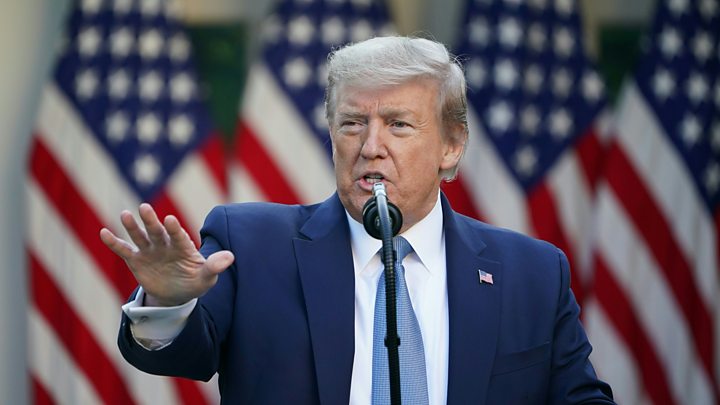
The Wuhan laboratory is known to study coronaviruses in bats. In April, President Trump was asked whether “lax safety protocols” allowed such a virus to escape via an intern and her boyfriend.
Mr Trump did not confirm the theory, but said: “More and more we’re hearing the story.”
Media caption Donald Trump was recently asked if the virus emanated in a laboratory, rather than a market
Last week, he was asked if he had seen evidence that gave him a “high degree of confidence” that the virus emerged in the Wuhan laboratory.
“Yes I have,” he replied – but said he could not go into specifics.
On Monday, World Health Organization emergencies director Michael Ryan said it had received “no data or specific evidence” from the US about the virus origins.
“So from our perspective, this remains speculative,” he said.
Last week, the US intelligence community said it “concurred” that the virus “was not man-made or genetically modified”.
But it said it would “continue to examine” whether the outbreak began via “contract with infected animals, or if it was the result of an an accident at a laboratory in Wuhan”.
Australian Prime Minister Scott Morrison said on Tuesday that the most likely source of the virus was a wildlife market. However he said he would not rule out the theory that it originated in a lab.
“What’s really important is that we have a proper review, an independent review which looks into the sources of these things in a transparent way so we can learn the lessons,” he told reporters.
Meanwhile, Western “intelligence sources” have told several news outlets there is “no evidence” to suggest the virus leaked from a laboratory.
BEIJING (Reuters) – General Motors’ sales in China saw double-digit year-on-year growth in April, its two local ventures said on Sunday, as the world’s biggest auto market recovers from the coronavirus.
GM’s (GM.N) joint venture with SAIC Motor Corp (600104.SS), which manufactures Buick, Chevrolet and Cadillac vehicles, said its sales in China grew 13.6% compared to a year earlier. It said it had sold 111,155 units in April, including exported cars.
Meanwhile, SGMW, a separate GM venture with SAIC and Guangxi Automobile Group which produces no-frills minivans and has started to make higher-end cars, said its sales jumped 13.5% to over 127,000 units last month.
U.S. automaker GM, which is China’s second biggest foreign car company after Volkswagen (VOWG_p.DE), said its sales in China fell 43.3% in the first three months of 2020 compared with the same period last year.
To attract customers, GM and SAIC have hired social media celebrities to promote its new models and are offering free medical masks to customers.
China’s biggest automaker SAIC, which sold more than 6 million cars last year, said its sales rose 0.5% compared to the same period last year. As well as the GM venture, it also builds its own brand cars and operates a venture with Volkswagen.
SHANGHAI (Reuters) – Apple Inc’s (AAPL.O) discounts on the iPhone 11 in China and the release of a new low-price SE model have put the company in a better position than rivals to weather a coronavirus-related plunge in global smartphone demand.
While China, which accounts for roughly 15% of Apple’s revenue, appears to be a rare bright spot, investors will be keen to get a picture of global demand when the Cupertino, California-headquartered company reports second-quarter results on Thursday.
The iPhone maker has shut retail stores in the United States and Europe following the COVID-19 outbreak, and China is the only major market where it has been able to reopen all shops.
Consumer spending is expected to be muted as the pandemic has crippled economies and Apple, the world’s second-most valuable tech company, is better armed with the launch of its new price-conscious iPhone model, analysts said.
“Apple is better positioned than most to experience a rapid recovery in a post COVID world,” Evercore analyst Amit Daryanani said in a research note. “We see demand as pushed out, not canceled.”
He added that the launch of the $399 iPhone SE suggested that Apple’s supply chain was getting back on its feet after weeks of shutdown earlier this year.
Analysts expect Apple to report a 6% drop in revenue and an 11% fall in net income in its fiscal second quarter, according to Refinitiv data.
On the other hand, Chinese brands such as Oppo and Vivo who have steadily moved to offer high-end models to challenge iPhones, stand to lose marketshare as bargain hunters choose Apple.
Earlier this month, several online retailers in China slashed prices of the iPhone 11 by as much as 18% – a tactic Apple has used in the past to boost demand. And while initial social media reaction to the new iPhone SE was muted, analysts said they were seeing a pick up in demand.
The cheaper iPhone SE could tempt iPhone owners to opt for a newer device, something they might have otherwise delayed in a weak economy, said Nicole Peng, who tracks the smartphone sector at research firm Canalys.
“People want to avoid uncertainty in a downturn,” she said. “Having a brand like Apple that can showcase quality and make people less worried about breakdowns or after-sales service can bring in buyers.”
CHEAP IS GOOD
Early data suggests that the Chinese smartphone market is recovering rapidly in the aftermath of the virus, and Apple has emerged relatively unscathed.
Sales of iPhones in China jumped 21% last month from a year earlier and more than three fold from February, government data showed, meaning March-quarter sales in the country were likely to have slipped just 1%.
To be sure, a recovery in Chinese demand won’t offset sales lost in the United States and Europe. And the company is yet to launch a smartphone enabled with 5G wireless technology like those offered by Asian rivals, a disadvantage for Apple so far.
But those same expensive 5G models may not sell well in the current climate of frugality, analysts said.
“If there are no massive subsidies (in China), I doubt there will be many smartphone users who will be eager to upgrade to 5G,” said Linda Sui, who tracks the smartphone sector at research firm Strategy Analytics.
Sui expects iPhone shipments in 2020 to be down 2 percentage points at the most, versus double digit declines at Chinese firms.
Apple also has revenue from its services business to fall back on. It has leveraged its large iPhone customer base to boost services revenue from music, apps, gaming and video.
“Apple’s Services segment should remain resilient in today’s work-from-home environment, thereby demonstrating the durability of Apple’s model,” Cowen analyst Krish Sankar said.
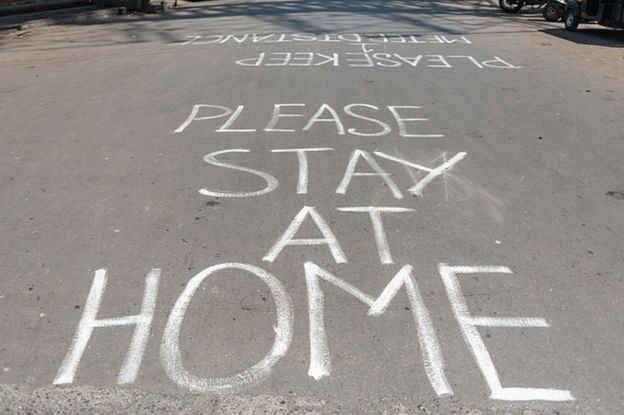
Image copyright GETTY IMAGESImage caption More than a billion people have been staying at home during the lockdown
Will India extend its rigorous 21-day lockdown to slow the spread of coronavirus beyond its end date next week? By all accounts, yes.
On 24 March, India shut its $2.9 trillion economy, closing its businesses and issuing strict stay-at-home orders to more than a billion people. Air, road and rail transport systems were suspended.
Now, more than two months after the first case of Covid-19 was detected in the country, more than 5,000 people have tested positive and some 150 people have died. As testing has ramped up, the true picture is emerging. The virus is beginning to spread through dense communities and new clusters of infection are being reported every day. Lifting the lockdown could easily risk triggering a fresh wave of infections.
A harsh lockdown is certain to slow down the disease. Virologists I spoke to believe India is still at an early stage of the infection. The country still doesn’t have enough data on the transmissibility of the virus or even how many people could have been infected and recovered to develop adequate herd immunity. (It is slowly beginning finger prick blood tests to look at the presence of protective antibodies.)
More than 250 of India’s 700-odd districts have reported the infection. Reports say at least seven states have a third of all infections, and want the lockdown extended. Six states have reported clusters of rapidly growing infections – from the capital Delhi in the north to Maharashtra in the west and Tamil Nadu in the south.
Economic fallout
Not surprisingly, the lockdown is already hurting the economy. Many of the early hotspots are economic growth engines and contribute heavily in revenues to the exchequer. Mumbai, India’s financial capital and Maharashtra’s main city, accounts for more than a third of overall tax collection. The densely populated city has reported more than 500 cases and 45 deaths, and numbers are steadily rising. Authorities say the infection is now spreading through the community. Mumbai has made wearing face masks mandatory.
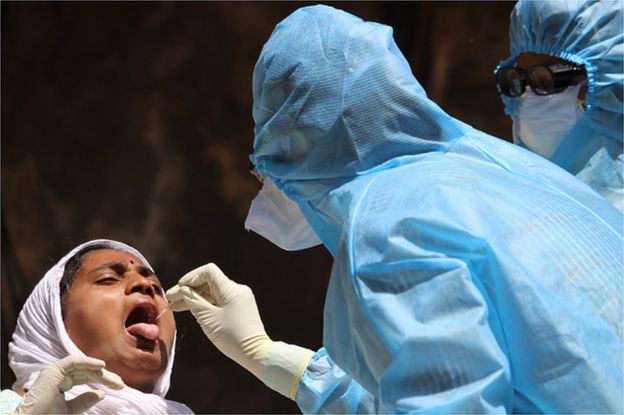
Image copyright GETTY IMAGESImage caption India has ramped up testing during the lockdown
Many of these hotspot clusters are also thriving manufacturing bases. The spread of infection means that they will be under lockdown for a longer period of time.
The services industry, which generates almost half of India’s GDP, is also likely to remain shut for some more time. Construction, which employs a bulk of migrant workers, will remain similarly suspended. The unemployment rate may have already climbed to more than 20% after the lockdown, according to a report by the Center for Monitoring Indian Economy.
For the moment, economists say, the government will have to prioritise farming over everything else to ensure the livelihoods of millions and secure the country’s future food supplies.
Half of India’s labour force work on farms. The lockdown happened at a time when a bumper winter crop had to be harvested and sold, and the rain-fed summer crop had to be sowed. The immediate challenge is to harvest and market the first crop, and secure the second.
Moving trucks to pick up produce and take them to markets, with adequate social distancing and hand washing will be something the government will have to move on quickly.
“The immediate challenge is to ensure that rural India is not hit,” says Rathin Ray, an economist. “Realistically, a complete lockdown cannot be continuously maintained beyond early May. We don’t have a choice but to reopen gradually after that.”
Image copyright GETTY IMAGESImage caption India has been under a lockdown from 24 March
There is little doubt about that. For his part, SK Sarin, who heads a government advisory panel on combating the disease, says the lockdown can be only eased in a “graded manner in areas that are not hotspots” and that the hotspots remained cordoned off.
Like other affected countries, India will have to prepare itself for what Gabriel Leung, an infectious disease epidemiologist and dean of medicine at the University of Hong Kong, describes as several rounds of “suppress and lift” cycles.
During these periods “restrictions are applied and relaxed, applied again and relaxed again, in ways that can keep the pandemic under control but at an acceptable economic and social cost.”
Also, Dr Leung observes, “how best to do that will vary by country, depending on its means, tolerance for disruption and its people’s collective will. In all cases, however, the challenge essentially is a three-way tug of war between combating the disease, protecting the economy and keeping society at an even keel”.
It is now clear that shutdowns need to continue until transmission has slowed down markedly, and testing and health infrastructure has been scaled up to manage the outbreak.
Experts from the southern state of Kerala, a striking outlier that is containing the infection thanks to a transparent government and a robust public health system, say it isn’t time to lift the lockdown yet and have recommended a three-phase relaxation.
For most countries, easing the lockdown is a tricky policy choice. It sparks fears of triggering a fresh wave of infection and presents the inevitable trade-off between lives and livelihoods. French Prime Minister Edouard Phillipe, says relaxing the lockdown in his country is going to be “fearsomely complex”. In a crisis like this, according to his Dutch counterpart Mark Rutte, leaders have to “make 100% of the decisions with 50% of the knowledge, and bear the consequences.”
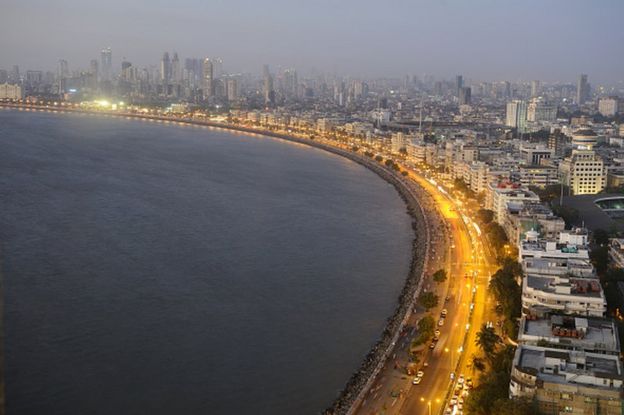
Image copyright GETTY IMAGESImage caption India’s financial capital, Mumbai, is emerging as a hotspot
It is going to be tougher for India with its vast size, densely packed population and enfeebled public health system. Also, no country in the world possibly has so much inter-state migration of casual workers, who are the backbone of the services and construction industries.
How will India manage to return these workers to their work places – factories, farms, building sites, shops – without a substantial easing of public transport at a time when crowded trains and buses can be a vector of transmission and easily neutralise the gains of the lockdown? Even allowing restricted mobility – allowing social distancing, temperature checks and passenger hygiene – would put considerable pressure on the public transport system.
The policy choices are fiendishly tough, and the answers are far from easy. India bungled the lockdown by not anticipating the exodus of millions of migrant workers from cities. The weeks ahead will tell whether the fleeing men, women and children carried the infection to their villages. The country simply cannot afford to make similar mistakes again while trying to relax the lockdown. Nitin Pai of The Takshashila Institution, a think tank, believes states should be left to decide on easing restrictions, and decisions “should be based on threat [of infection], which should be determined by extensive testing”.
This week Prime Minister Narendra Modi said that the “situation in the country is akin to a social emergency”. His government now needs make sure that the looming threat to the nation’s health and economic progress is tackled skilfully.
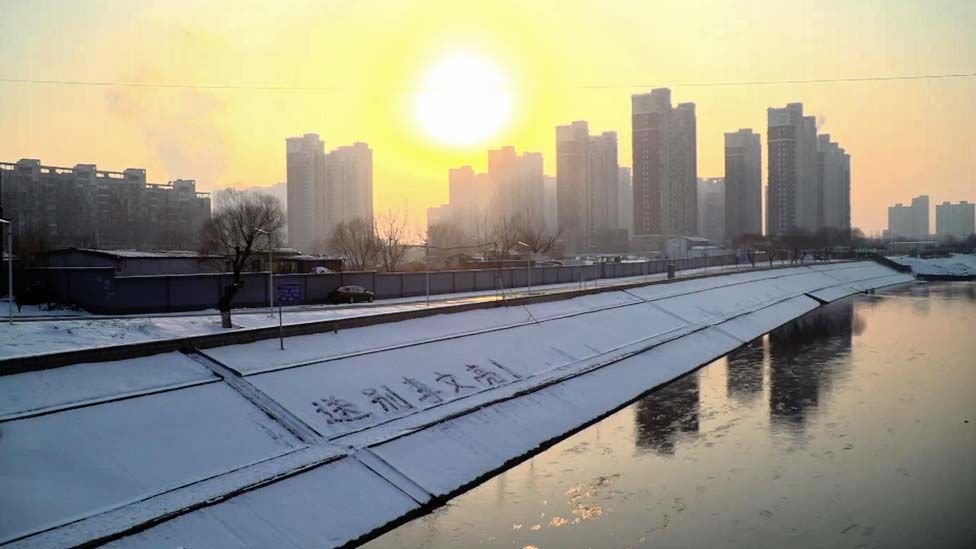
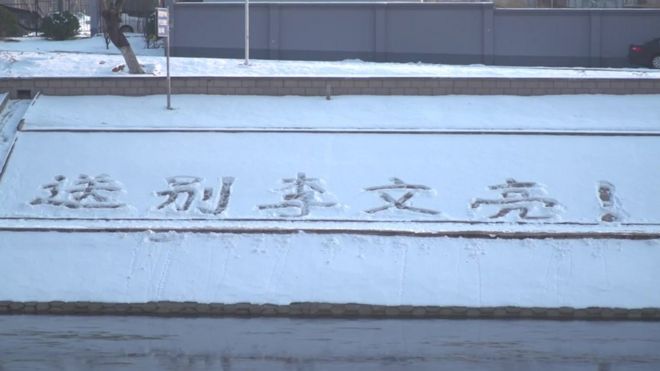
Image caption A message written in the snow alongside the Tonghui river reads “Goodbye Li Wenliang!”
On a cold Beijing morning, on an uninspiring, urban stretch of the Tonghui river, a lone figure could be seen writing giant Chinese characters in the snow.
The message taking shape on the sloping concrete embankment was to a dead doctor.
“Goodbye Li Wenliang!” it read, with the author using their own body to make the imprint of that final exclamation mark.
Five weeks earlier, Dr Li had been punished by the police for trying to warn colleagues about the dangers of a strange new virus infecting patients in his hospital in the Chinese city of Wuhan.
Now he’d succumbed to the illness himself and pictures of that frozen tribute spread fast on the Chinese internet, capturing in physical form a deep moment of national shock and anger.
Image copyright GETTY IMAGESImage caption A worker in a Chinese factory wears a protective mask
There’s still a great deal we don’t know about Covid-19, to give the disease caused by the virus its official name. Before it took its final fatal leap across the species barrier to infect its first human, it is likely to have been lurking inside the biochemistry of an – as yet unidentified – animal. That animal, probably infected after the virus made an earlier zoological jump from a bat, is thought to have been kept in a Wuhan market, where wildlife was traded illegally.
Beyond that, the scientists trying to map its deadly trajectory from origin to epidemic can say little more with any certainty.
But while they continue their urgent, vital work to determine the speed at which it spreads and the risks it poses, one thing is beyond doubt. A month or so on from its discovery, Covid-19 has shaken Chinese society and politics to the core.
That tiny piece of genetic material, measured in ten-thousandths of a millimetre, has set in train a humanitarian and economic catastrophe counted in more than 1,000 Chinese lives and tens of billions of Chinese yuan. It has closed off whole cities, placing an estimated 70 million residents in effective quarantine, shutting down transport links and restricting their ability to leave their homes. And it has exposed the limits of a political system for which social control is the highest value, breaching the rigid layers of censorship with a tsunami of grief and rage.
The risk for the ruling elite is obvious.
It can be seen in their response, ordering into action the military, the media and every level of government from the very top to the lowliest village committee.
The consequences are now entirely dependent on questions no one knows the answers to; can they pull off the complex task of bringing a runaway epidemic under control, and if so, how long might it take?
Across the world, people seem unsure how to respond to the small number of cases being detected in their own countries. The public mood can swing between panic – driven by the pictures of medical workers in hazmat suits – to complacency, brought on by headlines that suggest the risk is no worse than flu. The evidence from China suggests that both responses are misguided. Seasonal flu may well have a low fatality rate, measured in fractions of 1%, but it’s a problem because it affects so many people around the world.
The tiny proportion killed out of the many, many millions who catch it each year still numbers in the hundreds of thousands – individually tragic, collectively a major healthcare burden.
Very early estimates suggested the new virus may be at least as deadly as flu – precisely why so much effort is now going into stopping it becoming another global pandemic. But one new estimate suggests it could prove even deadlier yet, killing as many as 1% of those who contract it. For any individual, that risk is still relatively small, although it’s worth noting such estimates are averages – just like flu, the risks fall more heavily on the elderly and already infirm.
Image copyright REUTERSImage caption Despite the death toll, an increasing number of patients are recovering
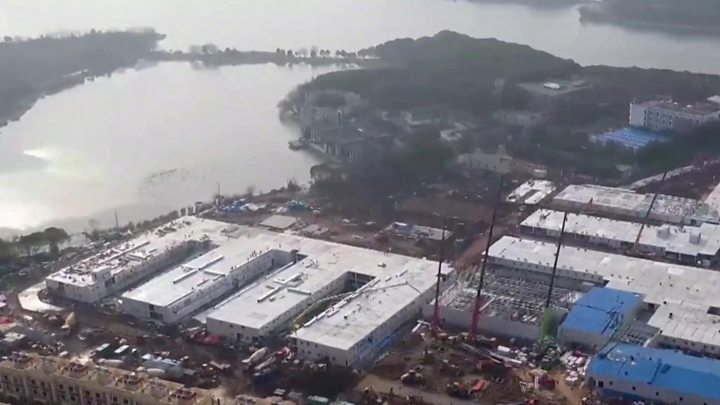
But China’s experience of this epidemic demonstrates two things. Firstly, it offers a terrifying glimpse of the potential effect on a healthcare system when you scale up infections of this kind of virus across massive populations. Two new hospitals have had to be built in Wuhan in a matter of days, with beds for 2,600 patients, and giant stadiums and hotels are being used as quarantine centres, for almost 10,000 more.
Despite these efforts, many have still struggled to find treatment, with reports of people dying at home, unregistered in the official figures. Secondly, it highlights the importance of taking the task of containing outbreaks of new viruses extremely seriously. The best approach, most experts agree, is one based on transparency and trust, with good public information and proportionate, timely government action.
But in an authoritarian system, with strict censorship and an emphasis on political stability above all else, transparency and trust are in short supply.
Media caption Aerial time-lapse shows Wuhan hospital construction
But those measures have become necessary only because its initial response looked like the very definition of complacency.
There’s ample evidence that the warning signs were missed by the authorities, and worse, ignored. By late December, medical staff in Wuhan were beginning to notice unusual symptoms of viral pneumonia, with a cluster linked to the market trading in illegal wildlife. On 30 December, Dr Li Wenliang, an ophthalmologist working in Wuhan’s Central Hospital, posted his concerns in a private medical chat group, advising colleagues to take measures to protect themselves. He’d seen seven patients who appeared to be suffering with an illness similar to Sars – another coronavirus that began in an illegal Chinese wildlife market in 2002 and went on to kill 774 people worldwide.
The case received national media attention, with a high-profile state-run TV report announcing that in total, eight people in Wuhan were being investigated for “spreading rumours”. The authorities, though, were well aware of the outbreak of illness. The day after Dr Li posted his message, China notified the World Health Organization, and the day after that, the suspected source – the market – was closed down.
But despite the multiplying cases and the concerns among medics that human-to-human transmission was taking place, the authorities did little to protect the public. Doctors were already setting up quarantine rooms and anticipating extra admissions when Wuhan held its important annual political gathering, the city’s People’s Congress.
Image caption Images from Chinese state TV show the large banquet in Wuhan
Most remarkable of all perhaps, the following day, Wuhan held a Lunar New Year dance performance, attended by senior officials from across the surrounding province of Hubei. A state media report of the event, since hurriedly deleted but captured here, says the performers, some with runny noses and feeling unwell, “overcame the fear of pneumonia… winning praise from the leaders”.
By the time the national authorities had woken up to the impending disaster, and closed the city down on 23 January, it was too late – the epidemic was out of control. Before Wuhan’s transport links were cut, an estimated five million people had left the city for the Lunar New Year break, travelling across China and the world.
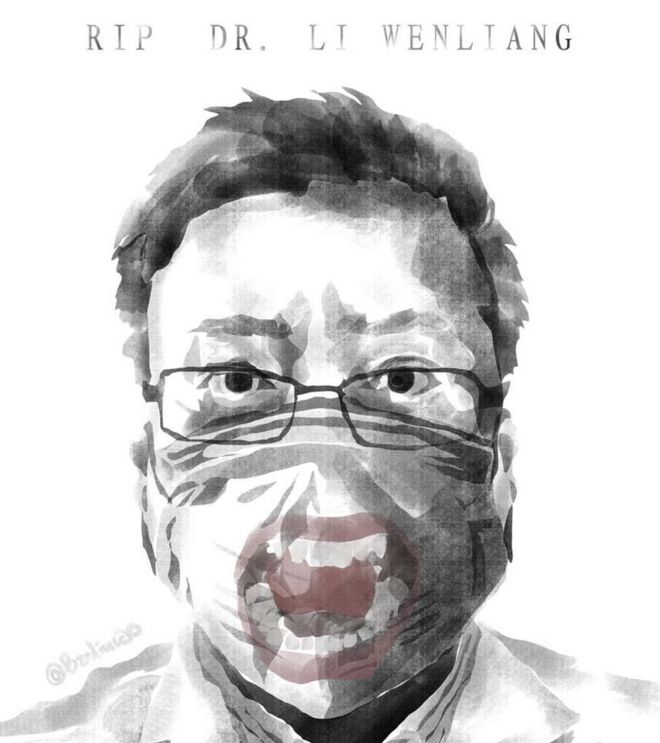
The parallels in failures to pass bad news up the chain of command and the incentives to put the short-term interests of political stability ahead of public safety, seem all too apparent. Li Wenliang, who’d gone back to work after being warned to keep quiet, soon discovered he’d also been infected.
He died earlier this month, leaving a five-year-old son and a pregnant wife.
Anger was already simmering over the authorities’ failure to issue timely warnings, with the crisis now being aired in full view. Wuhan’s politicians were blaming senior officials for failing to authorise the release of the information; senior officials appeared to be preparing to hang Wuhan’s politicians out to dry.
But the death of a man, silenced for simply trying to protect his colleagues, burst open the dam with a wave of online fury directed not just at individuals, but at the system itself. So great was the public outrage, China’s censors appeared unsure what to censor and what to let through. The hashtag #Iwantfreedomofspeech was viewed almost two million times before it was blocked. Aware of the tide of emotion, the Party began paying its own tributes to Dr Li.
Image copyright COURTESY BADIUCAOImage caption Doctor Li Wenliang tried to warn authorities about the new virus and died after contracting it
China’s rulers, untroubled by the inconveniences of the ballot box, have far deeper and older fears of what might sweep them from office. The wars, famines and diseases that shook the dynasties of old have given them their inheritance; an acute historical sense of the danger of the unforeseen crisis. They will also know well what Chernobyl did for the legitimacy of the ruling Communist Party in the former USSR.
“It’s impossible to know if Li Wenliang’s death will serve as the catalyst for something bigger,” Jude Blanchette, an expert on Chinese politics at the Center for Strategic and International Studies in Washington, tells me. “But the raw emotion that surged when news of his condition broke indicates deep levels of frustration and anger exist within the country.”
Precisely because it feels the weight of history, however, the Communist Party has made holding onto power a living obsession, and it has an ever more formidable domestic security apparatus to help it to do so. Over the past few decades it has proven nothing if not resilient, enduring through political chaos, devastating earthquakes and man-made disasters.
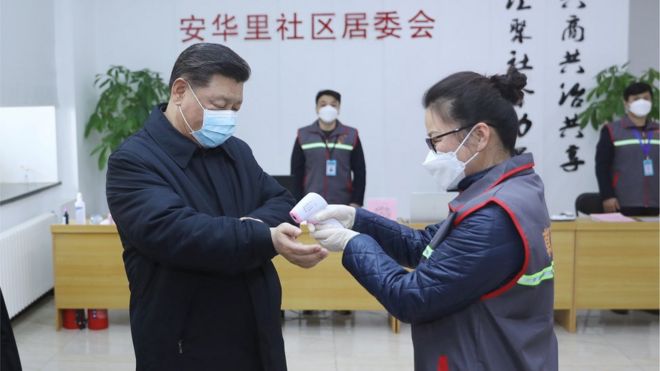
But one sign that might hint at an awareness of just how great the current risks are comes in the role being played by China’s President Xi Jinping. This week – for the first time since the crisis began – he ventured out to meet health workers involved in the fight, visiting a hospital and a virus control centre in Beijing.
In contrast, his premier, Li Keqiang, has been sent to the front lines in Wuhan and appointed head of a special working group to tackle the epidemic.
While it is common for the premier to be the face of reassurance during national disasters, some observers see another reason why Mr Xi might be wise to be seen to delegate.
Image copyright EPAImage caption China’s president has kept a low profile since the outbreak began
“Xi’s absence from this crisis is yet another demonstration that he doesn’t so much lead as he does command,” Mr Blanchette says. “He’s clearly worried that this crisis will blow up in his face, and so he’s pushed out underlings to be the public face of the CCP’s response.”
Already there are signs that the censorship is being ratcheted up once again, with Mr Xi ordering senior officials to “strengthen the control over online media”.
A few days ago, I spoke by phone to the lawyer and blogger, Chen Qiushi, who’d travelled to Wuhan in an attempt to provide independent reporting about the situation. Videos from Mr Chen, and a fellow activist, Fang Bin, have been widely watched, showing not the ranks of patriotic soldier-medics and the building of hospitals that fill state media coverage, but overcrowded waiting rooms and body bags.
He told me he was unsure how long he’d be able to carry on. “The censorship is very strict and people’s accounts are being closed down if they share my content,” he said.
Mr Chen has since gone missing.
Friends and family believe he’s been forced into Wuhan’s quarantine system, in an attempt to silence him.
China’s leaders now find their fate linked to the daily charts of infection rates, published city by city, province by province. There are some signs that the extraordinary quarantine measures may be having an effect – outside of Hubei Province, the worst affected area, the number of new daily infections is falling.
But with the need to try to restart the economy – all but frozen now for over a week – the country has begun a slow return to work.
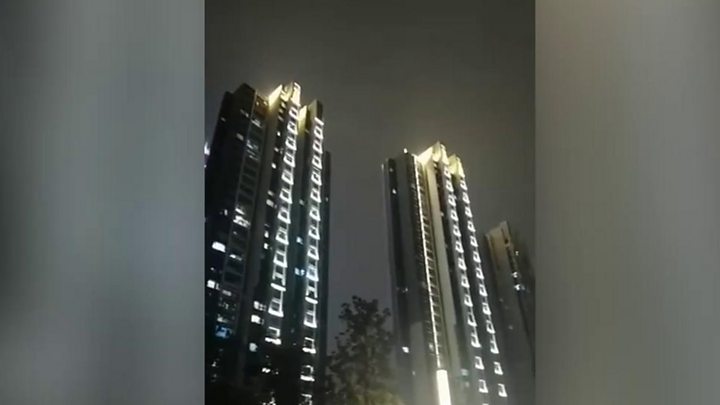
Media caption “Wuhan, add oil!”: Watch residents shouting to boost morale in quarantined city
Strict quarantine measures will remain in force in the worst affected areas, but workers from other parts of the country are trickling back to the cities, with the task of monitoring and managing their movements being handed to local neighbourhood committees.
It will be a difficult balancing act.
Too tough an approach risks further choking off business activity, commerce and travel in a consumer environment already suffocating under the deep psychological fear of contagion. Too lax, and any one of the many potential reservoirs of infection, now scattered across the country, could explode into another, separate epidemic.
That would require further harsh action, knocking domestic confidence and prolonging the international border closures and flight restrictions put in place at such enormous economic cost.
Questions about the systemic failings behind the disaster are dismissed as foreign “prejudice”, as the propaganda machine cranks into overdrive, channelling the narrative and muting the criticisms.
But the devastating scale and scope of China’s world-threatening catastrophe have already revealed something important. The thousands who have lost family members, the millions living under the quarantine measures and the workers and businesses bearing the financial costs have been asking those difficult questions too.
Image caption A tribute in snow to doctor Li Wenliang
On the snowy banks of the Tonghui river, the giant tribute to Li Wenliang remains intact. When we visited, a few locals were taking photos and talking quietly to each other.
A police car crawled slowly by.
Soon, with the warming weather, the characters will be gone.
SHANGHAI/SEOUL (Reuters) – Asia reported hundreds of new coronavirus cases on Wednesday, including a U.S. soldier stationed in South Korea, as the United States warned of an inevitable pandemic and outbreaks in Italy and Iran spread to other countries.
World stocks tumbled for the fifth day on fears of prolonged disruption to global supply chains, while safe-haven gold rose back toward seven-year highs and U.S. bond yields held near record lows.
Stock markets globally have wiped out $3.3 trillion of value in the past four trading sessions, as measured by the MSCI all-country index.
The disease is believed to have originated in a market selling wildlife in the central Chinese city of Wuhan late last year and has infected about 80,000 people and killed more than 2,700, the vast majority in China.
RELATED COVERAGE
Trump returns to U.S. as country warily eyes spread of coronavirus
Facebook to ban misleading ads about coronavirus
The U.S. Centers for Disease Control and Prevention urged Americans to prepare, saying that while the immediate risk there was low the global situation suggested a pandemic was likely.
“It’s not a question of if. It’s a question of when and how many people will be infected,” the CDC’s principal deputy director, Anne Schuchat, said on Tuesday.
World Health Organization (WHO) chief Tedros Adhanom Ghebreyesus, however, advised against referring to a pandemic.
“We should not be too eager to declare a pandemic without a careful and clear-minded analysis of the facts,” Tedros said in remarks to Geneva-based diplomats.
“Using the word pandemic carelessly has no tangible benefit, but it does have significant risk in terms of amplifying unnecessary and unjustified fear and stigma, and paralyzing systems. It may also signal that we can no longer contain the virus, which is not true.”
‘DON’T WAIT’
The United States has reported 57 cases of the virus. U.S. President Donald Trump, back in Washington after a visit to India, said on Twitter that he would meet U.S. officials for a briefing on the coronavirus on Wednesday.
Dr Bruce Aylward, head of a joint WHO-Chinese mission on the outbreak, told reporters on his return to Geneva that countries’ preparations should not wait.
“Think the virus is going to show up tomorrow. If you don’t think that way, you’re not going to be ready,” he said. “This a rapidly escalating epidemic in different places that we have got to tackle super-fast to prevent a pandemic.”
Aylward said China’s “extraordinary mobilization” showed how an aggressive public health policy could curb its spread.
The WHO says the outbreak peaked in China around Feb. 2, after authorities isolated Hubei province and imposed other containment measures.
China’s National Health Commission reported another 406 new infections on Wednesday, down from 508 a day earlier and bringing the total number of confirmed cases in mainland China to 78,064. Its death toll rose by 52 to 2,715.
The WHO said only 10 new cases were reported in China on Tuesday outside Hubei.
South Korea, which with 1,261 cases has the most outside China, reported 284 new ones including a U.S. soldier, as authorities readied an ambitious plan to test more than 200,000 members of a church at the center of the outbreak.
Of the new cases, 134 were from Daegu city, where the virus is believed to have been passed among members of the Shincheonji Church of Jesus, the Korea Centers for Disease Control and Prevention said.
The U.S. military said a 23-year-old soldier based in Camp Carroll, about 20 km (12 miles) from Daegu, had been infected and was in self-quarantine at home.
OLYMPIC WORRIES
In Japan, Prime Minister Shinzo Abe called for sports and cultural events to be scrapped or curtailed for two weeks to stem the virus as concern mounted for the 2020 Tokyo Olympics.
Japan’s professional baseball teams would play matches without spectators until March 15 due to virus concerns, Kyodo news agency reported.
Japan has nearly 170 virus cases, besides the 691 linked to a cruise ship that was quarantined of its coast this month. Six people have died in Japan, including four from the ship.
There have been nearly 50 deaths outside China, including 11 in Italy and 19 in Iran, the most outside China, according to a Reuters tally.
Iran’s deputy health minister – seen mopping his brow at a televised news conference – was among its 139 coronavirus infections. Cases linked to Iran have been reported across the region.
Kuwait said six new coronavirus cases, all linked to travel to Iran, took its tally to 18, while Bahrain said its infections had risen to 26 after three new ones on a flight from Iran.
The United Arab Emirates, which has reported 13 coronavirus cases, is prepared for “worst case scenarios” as it spreads in the Middle East, a government official said.
In Europe, Italy has become a front line in the global outbreak with 322 cases. Italians or people who had recently visited the country, have tested positive in Algeria, Austria, Croatia, Romania, Spain and Switzerland.
Two hotels, one in Austria and one in Spain’s Canary Islands, were also locked down after cases emerged linked to Italy. Spain also reported its first three cases on the mainland.
An extended Lunar New Year holiday provides people from the self-ruled island with the opportunity to rethink their careers as the death toll from the deadly infection continues to rise
Online poll finds 63 per cent of Taiwanese unwilling to return to mainland China over health concerns
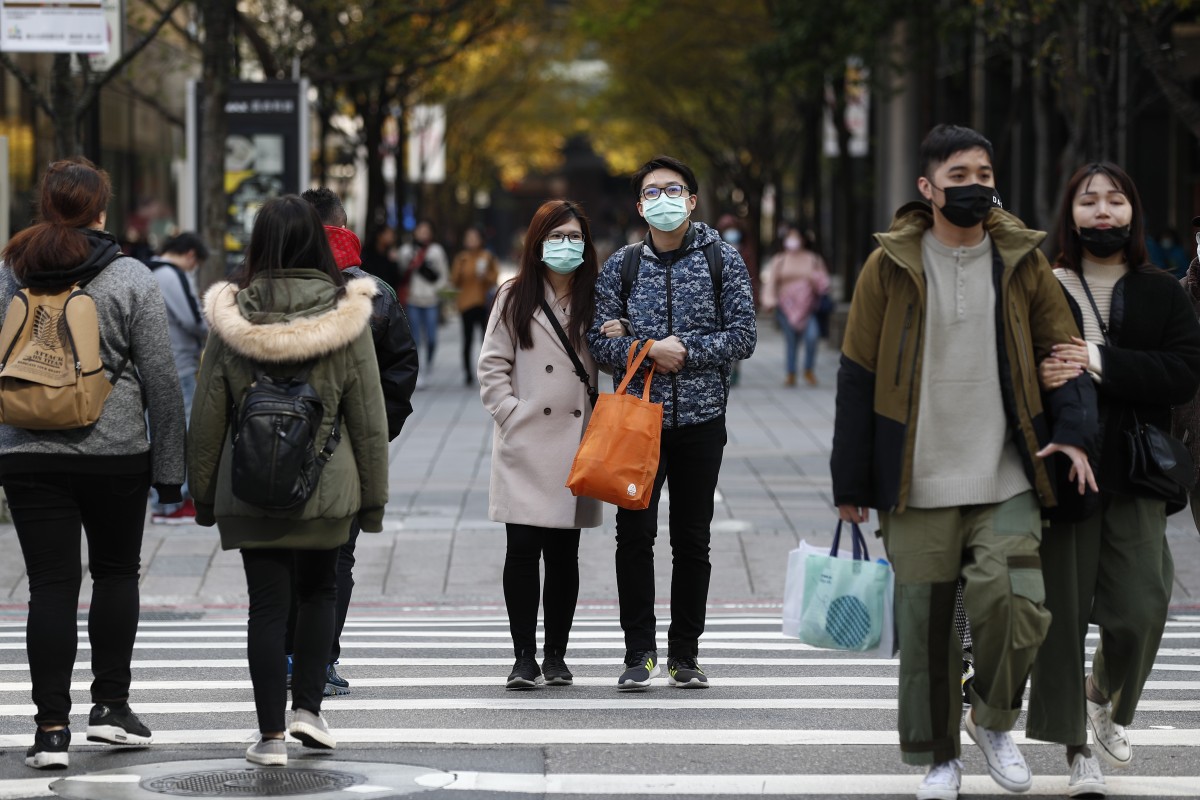
Many Taiwanese are opting not to return to their jobs in mainland China because of the coronavirus epidemic. Photo: EPA-EFE
Taiwanese account manager Douglas Liu values his life more than his job, which is why he will be staying at home on Monday rather than going back to work in the mainland China city of Suzhou.
Liu returned to his home in Taipei on January 10 for an extended Lunar New Year
holiday – and to vote in the island’s presidential election – and planned to go back to work on February 1. But as the coronavirus epidemic worsened, the 45-year-old changed his plans.
“Last week, my company told me I should resume work on February 24, but after I argued in vain over the risk of returning to Suzhou, I tendered my resignation,” he said. “After all, my life is more important.”
Liu works for a firm that manufactures chest freezers for the mainland Chinese market.
“With more than 80 coronavirus infections in Suzhou and little sign of it subsiding, who knows what could happen to me if I return,” he said.
More than 78,700 people have contracted the virus since it was first detected in Wuhan, the capital of central China’s Hubei province, at the end of last year, and close to 2,500 have lost their lives to it.
As of Saturday, about 98 per cent of the infections and 99 per cent of the fatalities were in mainland China, two figures that have prompted many Taiwanese to rethink their employment plans.
According to a survey conducted last week by online recruitment agency 104 Job Bank, 63 per cent of Taiwanese with jobs on the mainland said they would not be returning to work after the extended Lunar New holiday. Before Wuhan was placed under lockdown on January 23 in a bid to contain the coronavirus outbreak, the figure was just 50 per cent.
“The intensification of the outbreak has created panic and insecurity for Taiwanese who work in mainland China and the lockdown of many cities has further discouraged them from returning to their jobs,” said Jason Chin, a senior vice-president at the recruitment agency.
Wuhan has been on lockdown since January 23. Photo: Reuters
Dozens of cities across China have introduced some form of restriction on the movement of residents, and several remain under total lockdown.
Chin said that the containment efforts had made it impossible for many companies to resume normal operations and provided a catalyst for Taiwanese workers to seek employment elsewhere.
“Taiwanese often to change jobs after the Lunar New Year, so the mainland government’s policy of delaying the resumption of regular business activities has given them more time to look for work outside mainland China,” he said.
Shannon Chiu is another Taiwanese who decided to call time on the mainland because of the coronavirus outbreak.
After two years working for an agricultural technology company in Zhengzhou, the capital of central China’s Henan province, she said she already had concerns about the standards of health care there.
“Being sick in Zhengzhou is a nightmare for Taiwanese because of the poor organisation and registration procedures,” she said.
“You either have to wait hours to see a doctor or go hospital-hopping in the hope of getting an appointment somewhere else.”
Chiu said she was still working in Zhengzhou after the outbreak had been reported in Wuhan – about 500km (310 miles) to the south – but no one in the city was wearing a face mask.
“I was lucky because I came back to Taiwan a week before the lockdown and my company allowed me to continue working from Taipei,” she said.
“Although I no longer enjoy the expatriate benefits, I feel a lot safer here because I don’t think I would survive if I was put in a mainland hospital because of Covid-19.”
BEIJING/SINGAPORE (Reuters) – China reported on Wednesday its smallest number of coronavirus cases since January, lending weight to a prediction by its top medical adviser for the outbreak to end by April, but a global infectious diseases expert warned of the spread elsewhere.
Financial markets took heart from the outlook of the Chinese official, epidemiologist Zhong Nanshan, who said on Tuesday the number of new cases was falling in some provinces, and forecast the epidemic would peak this month, even as the death toll in China rose to more than 1,100 people.
World stocks, which had seen rounds of sell-offs over the virus, surged to record highs on hopes of a peak in cases. The Dow industrials, S&P 500 and Nasdaq all hit new highs, and Asian shares nudged higher on Wednesday.
But the World Health Organization (WHO) has warned that the epidemic poses a global threat akin to terrorism and one expert coordinating its response said while the outbreak may be peaking at its epicentre in China, it was likely to spread elsewhere in the world, where it had just begun.
RELATED COVERAGE
Chess, squabbles aboard cruise ship cast away by coronavirus fears
Singapore’s DBS evacuates 300 staff after employee contracts coronavirus
See more stories
“It has spread to other places where it’s the beginning of the outbreak,” the official, Dale Fisher, head of the Global Outbreak Alert and Response Network coordinated by the WHO, said in an interview in Singapore.
“In Singapore, we are at the beginning of the outbreak.”
Singapore has reported 47 cases and worry about the spread is growing. Its biggest bank, DBS (DBSM.SI), evacuated 300 staff from its head office on Wednesday after a confirmed coronavirus case in the building.
Hundreds of cases have been reported in dozens of other countries and territories around the world, but only two people have died outside mainland China – one in Hong Kong and another in the Philippines.
WHO chief Tedros Adhanom Ghebreyesus said on Tuesday the world had to “wake up and consider this enemy virus as public enemy number one” and the first vaccine was 18 months away.
In China, total infections have hit 44,653, health officials said, including 2,015 new confirmed cases on Tuesday. That was the lowest daily rise in new cases since Jan. 30.
The number of deaths on the mainland rose by 97 to 1,113 by the end of Tuesday.
But doubts have been aired on social media about how reliable the figures are, after the government last week amended guidelines on the classification of cases.
‘STAY HOPEFUL’
The biggest cluster of cases outside China is aboard the Diamond Princess cruise ship quarantined off Japan’s port of Yokohama, with about 3,700 people on board. Japanese officials on Wednesday said 39 more people had tested positive for the virus, taking the total to 175.
One of the new cases was a quarantine officer.
Thailand said it was barring passengers from another cruise ship, MS Westerdam, from disembarking, the latest country to turn it away amid fears of the coronavirus, despite no confirmed infections on board.
“We try to stay hopeful,” American passenger Angela Jones told Reuters in a video recording. “But each day, that becomes a little bit more difficult, when country after country rejects us.”
Echoing the comparison with the fight against terrorism, China’s state news agency Xinhua said late on Tuesday the epidemic was a “battle that has no gunpowder smoke but must be won”.
The epidemic was a big test of China’s governance and capabilities and some officials were still “dropping the ball” in places where it was most severe, it said, adding: “This is a wake-up call.”
The government of Hubei, the central province at the outbreak’s epicentre, dismissed the provincial health commission’s Communist Party boss, state media said on Tuesday, amid mounting public anger over the crisis.
China’s censors had allowed criticism of local officials but have begun cracking down on reporting of the outbreak, issuing reprimands to tech firms that gave free rein to online speech, Chinese journalists said.
The pathogen has been named COVID-19 – CO for corona, VI for virus, D for disease and 19 for the year it emerged. It is suspected to have come from a market that illegally traded wildlife in Hubei’s capital of Wuhan in December.
The city of 11 million people remains under virtual lockdown as part of China’s unprecedented measures to seal infected regions and limit transmission routes.
Travel restrictions that have paralysed the world’s second-biggest economy have left Wuhan and other Chinese cities resembling ghost towns.
Even if the epidemic ends soon, it has taken a toll of China’s economy, with companies laying off workers and needing loans running into billions of dollars to stay afloat. Supply chains for makers of items from cars to smartphones have broken down.
ANZ Bank said China’s first-quarter growth would probably slow to 3.2% to 4.0%, down from a projection of 5.0%.
The likely slowdown in China could shave 0.1 to 0.2 percentage points off both euro zone and British growth this year, credit rating agency S&P Global estimated.
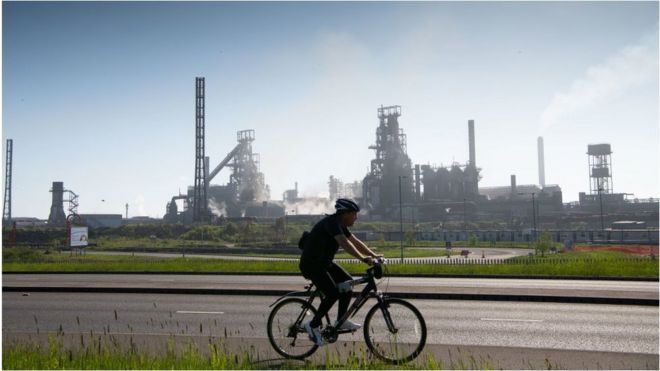
Image copyright GETTY IMAGESImage caption Port Talbot employs just under half of Tata’s 8,385 UK workforce
Tata Steel plans to cut as many as 3,000 jobs across its European business in another bid to come to terms with a “severe” international steel market.
The company wants to focus on higher-value products, it said, adding there would be no plant closures.
About two thirds of the job cuts will be office-based, it added.
The announcement comes after a merger with German rival Thyssenkrupp was blocked during the summer. Bosses had hoped the deal could reduce costs.
“Today we are highlighting important proposals towards building a financially strong and sustainable European business,” said Henrik Adam, chief executive of Tata Steel in Europe.
“We plan to change how we work together to enable better cooperation and faster decision-making. This will help us become self-sustaining and cash positive in the face of unprecedented severe market conditions, enabling us to lead the way towards a carbon-neutral future.”
The business employs about 20,000 people and is owned by India’s Tata.
Port Talbot steelworks employs just under half of Tata’s 8,385-strong workforce in the UK.
Wales’ economy minister Ken Skates said: “I am seeking an urgent conversation with Tata to establish what this means for workers in Wales and how we can support those affected by this announcement.”
It also said it would seek to “preserve thousands of jobs in a key foundation industry for the UK” but did not put a number on how many would be saved.
British Steel employs about 4,000 people in Scunthorpe and Teesside.
As China aims to develop its Greater Bay Area into an international innovation and technology hub, innovation and entrepreneurship resources are shared in the area to provide more opportunities for young Hong Kong and Macao entrepreneurs.
The provincial government of Guangdong has stepped up efforts to improve basic research capability, considered the backbone of an international innovation and technology hub, by building large scientific installations and launching provincial labs.
by Xinhua writers Liu Yiwei, Quan Xiaoshu, Wang Pan, Jing Huaiqiao
GUANGZHOU, Oct. 5 (Xinhua) — Hong Kong man Andy Ng was surprised his shared workspace Timetable was rented out completely only six months after it had started operation in Guangzhou, capital of south China’s Guangdong Province.
While studying economics at City University of Hong Kong, Ng set up his first business, developing an online education platform, but soon realized the Hong Kong market was too small. After earning a master’s degree in the UK in 2017, Ng returned to China and chose Guangzhou as his new base.
Timetable is now accumulating popularity and even fans in Dianping.com, China’s major online consumer guide. Ng feels lucky that his business caught the implementation of the Guangdong-Hong Kong-Macao Greater Bay Area (GBA) development plan.
The bay area, covering 56,000 square km, comprises Hong Kong and Macao, as well as nine cities in Guangdong. It had a combined population of about 70 million at the end of 2017, and is one of the most open and dynamic regions in China.
Aerial photo taken on July 11, 2018 shows the Hong Kong-Zhuhai-Macao Bridge in south China. (Xinhua/Liang Xu)
In July 2017, a framework agreement on the development of the bay area was signed. On February 18 this year, China issued the more specific Outline Development Plan for the Guangdong-Hong Kong-Macao Greater Bay Area. One of its major aims is to develop the area into an international innovation and technology hub.
OPPORTUNITIES FOR YOUTH
The plan proposes that innovation and entrepreneurship resources be shared in the bay area to provide more opportunities for young Hong Kong and Macao entrepreneurs.
An incubator for entrepreneurship, Timetable is home to 52 companies, including 15 from Hong Kong and Macao, such as Redspots, a virtual reality company that won the Hong Kong Information and Communications Technology (ICT) Awards 2019.
“I persuaded them one by one to come here,” Ng said. “I told them of my own experience that the GBA is a great stage for starting a business with ever-upgrading technologies, ever-changing consumer tastes and a population 10 times that of Hong Kong.”
Timetable is a startup base of the Guangzhou Tianhe Hong Kong and Macao Youth Association, which has assisted 65 enterprises founded by Hong Kong and Macao young people since its establishment in October 2017.
The association and its four bases provide a package of services from training and registering to policy and legal consultation, said Chen Jingzhan, one of the association founders.
Tong Yat, a young Macao man who teaches children programming, is grateful the association encouraged him to come to Guangdong, where young people enjoy more preferential policies to start their own businesses.
“The GBA development not only benefits us, but paves the way for the next generation,” Tong said. “If one of my students were to become a tech tycoon in the future and tell others that his first science and technology teacher was me, I would think it all worthwhile.”
In the first quarter of this year, there were more than 980 science and technology business incubators in Guangdong, including more than 50 for young people from Hong Kong and Macao, said Wu Hanrong, an official with the Department of Science and Technology of Guangdong Province.
INNOVATION HIGHLAND
As the young entrepreneurs create a bustling innovative atmosphere, the Guangdong government has stepped up efforts to improve basic research capability, considered the backbone of an international innovation and technology hub, by building large scientific installations and launching provincial labs.
Several large scientific facilities have settled in Guangdong. China Spallation Neutron Source (CSNS) operates in Dongguan City; a neutrino observatory is under construction in Jiangmen City; a high intensity heavy-ion accelerator is being built in Huizhou City.
Aerial photo taken on June 23, 2019 shows the construction site of the Jiangmen Underground Neutrino Observatory (JUNO) in Jiangmen, south China’s Guangdong Province. (Xinhua/Liu Dawei)
Guangdong also plans to build about 10 provincial labs, covering regenerative medicine, materials, advanced manufacturing, next-generation network communications, chemical and fine chemicals, marine research and other areas, said Zhang Yan, of the provincial department of science and technology.
Unlike traditional universities or research institutions, the provincial labs enjoy a high degree of autonomy in policy and spending. A market-oriented salary system allows them to recruit talent from all over the world, and researchers from other domestic organizations can work for the laboratories without giving up their original jobs, Zhang said.
The labs are also open to professionals from Hong Kong and Macao. Research teams from the universities of the two special administrative regions have been involved in many of the key programs, Zhang said.
For example, the provincial lab of regenerative medicine and health has jointly established a regenerative medicine research institute with the Chinese University of Hong Kong, a heart research center with the University of Hong Kong, and a neuroscience research center with the Hong Kong University of Science and Technology (HKUST).
Photo taken on July 24, 2019 shows a rapid cycling synchrotron at the China Spallation Neutron Source (CSNS) in Dongguan, south China’s Guangdong Province. (Xinhua/Liu Dawei)
Guangdong has been trying to break down institutional barriers to help cooperation, encouraging Hong Kong and Macao research institutions to participate in provincial research programs, exploring the cross-border use of provincial government-sponsored research funds, and shielding Hong Kong researchers in Guangdong from higher mainland taxes.
NANSHA FOCUS
Located at the center of the bay area, Guangzhou’s Nansha District is designed as the national economic and technological development zone and national free trade zone, and is an important pivot in building the area into an international innovation and technology hub.
The construction of a science park covering about 200 hectares started on Sept. 26. Gong Shangyun, an official with the Nansha government, said the park will be completed in 2022.
Jointly built by the Guangzhou government and the Chinese Academy of Sciences (CAS), the science park will accommodate CAS research institutes from around Guangzhou, including the South China Sea Institute of Oceanology, the South China Botanical Garden (SCBG) and the Guangzhou Institute of Energy Conversion.
Ren Hai, director of the SCBG, is looking forward to expanding the research platforms in Nansha. “We will build a new economic plant platform serving the green development of the Pearl River Delta, a new botanical garden open to the public, and promote the establishment of the GBA botanical garden union.”
Wang Ying, a researcher with the SCBG, said the union will help deepen the long cooperation among its members and improve scientific research, science popularization and ecological protection. “Predecessors of our botanical garden have helped the Hong Kong and Macao counterparts gradually establish their regional flora since the 1950s and 1960s.”
HKUST also started to build a new campus in Nansha the same day as the science park broke ground. “Located next to the high-speed rail station, the Guangzhou campus is only a 30-minute journey from the Hong Kong campus. A delegation from the HKUST once paid a visit to the site and found it very convenient to work here,” Gong said.
Chief Executive of the Hong Kong Special Administrative Region (HKSAR) Carrie Lam hoped the new campus would help create a new chapter for the exchanges and cooperation on higher education between Guangzhou and Hong Kong, and cultivate more talents with innovative capabilities.
Nansha’s layout is a miniature of the provincial blueprint for an emerging international innovation and technology hub.
“We are seeking partnership with other leading domestic research institutions and encouraging universities from Hong Kong and Macao to set up R&D institutions in Guangdong,” said Zhang Kaisheng, an official with the provincial department of science and technology.
“We are much busier now, because research institutes at home and abroad come to talk about collaboration every week. The GBA is a rising attraction to global scientific researchers,” Zhang said.


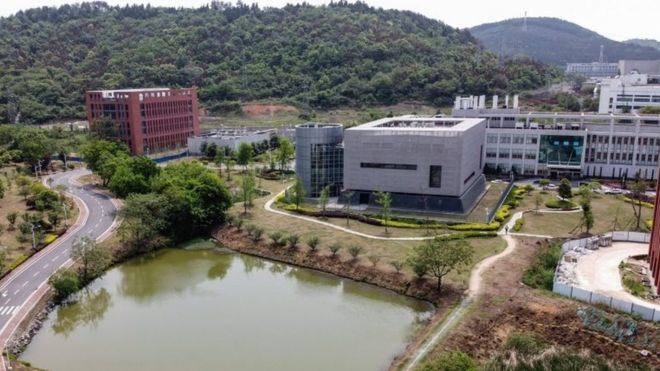 Image copyright AFP / GETTY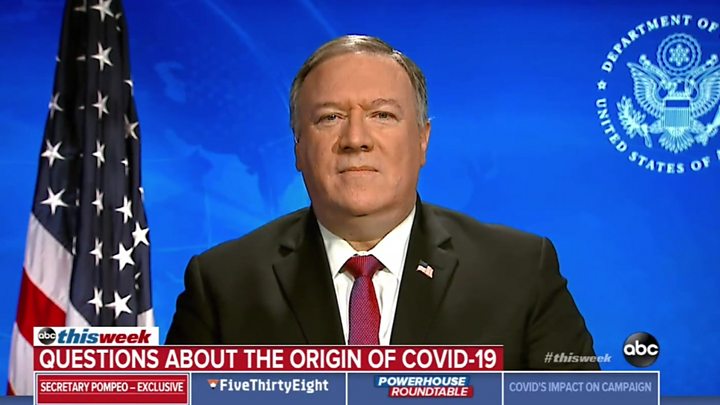



 CHINDIA ALERT: You'll be living in their world, very soon