Chindia Alert: You’ll be Living in their World Very Soon
aims to alert you to the threats and opportunities that China and India present. China and India require serious attention; case of ‘hidden dragon and crouching tiger’.
Without this attention, governments, businesses and, indeed, individuals may find themselves at a great disadvantage sooner rather than later.
The POSTs (front webpages) are mainly 'cuttings' from reliable sources, updated continuously.
The PAGEs (see Tabs, above) attempt to make the information more meaningful by putting some structure to the information we have researched and assembled since 2006.
Image copyright GETTY IMAGESImage caption An empty stretch of the road and Delhi Police barricades to screen commuters during lockdown, at Delhi Gate on April 16, 2020 in New Delhi, India.
India has eased some restrictions imposed as part of a nationwide lockdown to curb the spread of the coronavirus.
Most of the new measures are targeted at easing pressure on farming, which employs more than half the nation’s workforce.
Allowing farms to operate again has been seen as essential to avoid food shortages.
But some other measures announced last week, will not be implemented.
This includes the delivery of non-essential items such as mobile phones, computers, and refrigerators by e-commerce firms – the government reversed its decision on that on Sunday.
And none of the restrictions will be lifted in areas that are still considered “hotspots” for the virus – this includes all major Indian cities.
Domestic and international flights and inter-state travel will also remain suspended.
So what restrictions are being eased?
Most of the new measures target agricultural businesses – farming, fisheries and plantations. This will allow crops to be harvested and daily-wagers and others working in these sectors to continue earning.
To restore the supply chain in these industries, cargo trucks will also be allowed to operate across state borders to transport produce from villages to the cities.
Essential public works programmes – such as building roads and water lines in rural areas – will also reopen, but under strict instructions to follow social distancing norms. These are a huge source of employment for hundreds of thousands of daily-wage earners, and farmers looking to supplement their income.
Banks, ATMs, hospitals, clinics, pharmacies and government offices will remain open. And the self-employed – such as plumbers, electricians and carpenters – will also be allowed to work.
Some public and even private workplaces have been permitted to open in areas that are not considered hotspots.
But all businesses and services that reopen are expected to follow social distancing norms.
Who decides what to reopen?
State governments will decide where restrictions can be eased. And several state chief ministers, including Delhi’s Arvind Kejriwal, have said that none of the restrictions will be lifted in their regions.
Mr Kejriwal said the situation in the national capital was still serious and the decision would be reviewed after one week.
India’s most populous state, Uttar Pradesh, will also see all restrictions in place, as will the southern states of Andhra Pradesh, Telangana and Karnataka.
The southern state of Kerala, which has been widely acknowledged for its success in dealing with the virus, has announced a significant easing of the lockdown in areas that it has demarcated as “green” zones.
This includes allowing private vehicular movement and dine-in services at restaurants, with social distancing norms in place. However, it’s implementing what is known as an “odd-even” scheme – private cars with even and odd number plates will be allowed only on alternate days, to limit the number of people on the road.
Researchers say system should allow them to track any sound-emitting source – from nuclear subs to whales – using a simple listening device mounted on a buoy, underwater drone or ship
Breakthrough builds on previous work by team from Beijing and San Diego
A new AI system developed by Chinese and US scientists could make detecting nuclear submarines possible even in unknown waters. Photo: Xinhua
Scientists from China and the United States have developed a new artificial intelligence
-based system that they say will make it easier to detect submarines in uncharted waters.
The technology builds on earlier work by the team, led by Dr Niu Haiqiang from the Institute of Acoustics at the Chinese Academy of Sciences in Beijing, which saw them develop a deep-learning algorithm that could improve the speed and precision of detection.
The algorithm, however, needs a large amount of data to work, so its use is limited to waters that have already been fully charted. In contrast, the upgrade works in all waters, charted or otherwise.
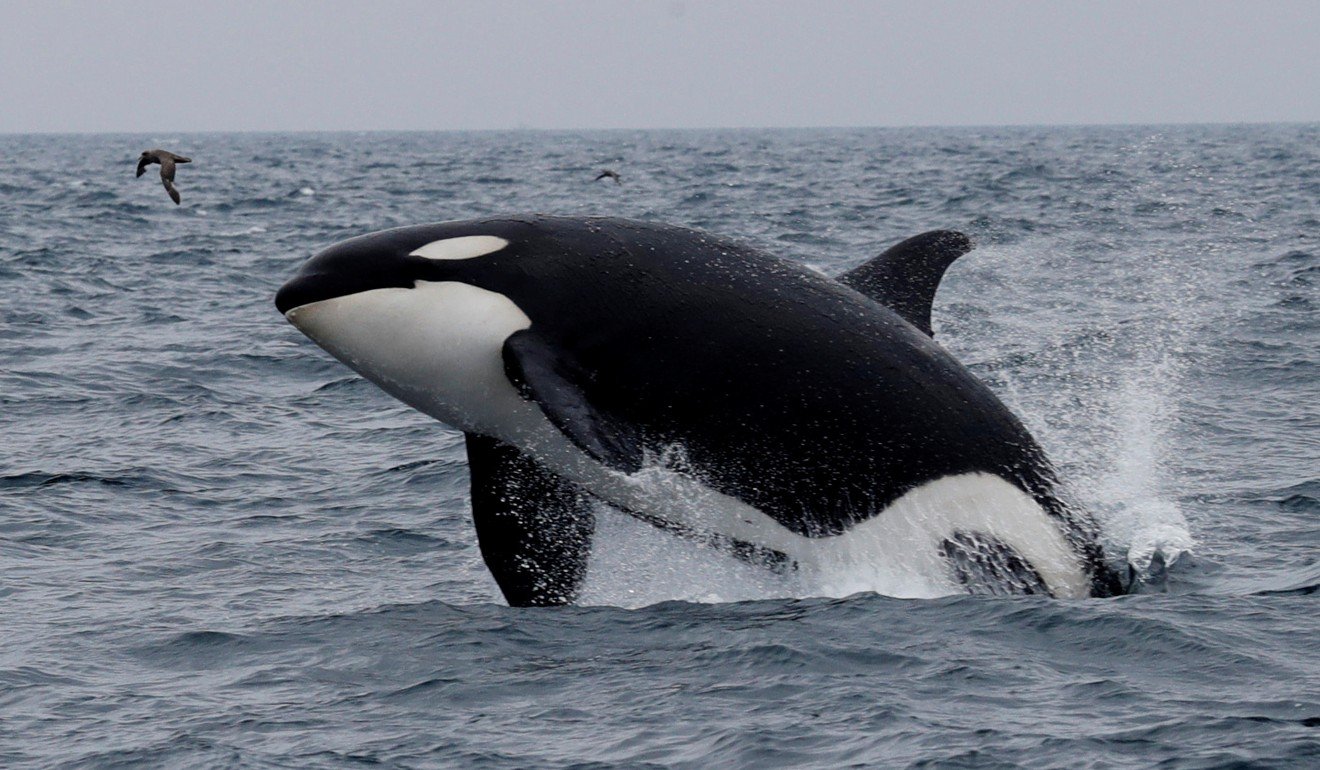
Even killer whales will be unable to hide from the new technology. Photo: Reuters
Niu and his colleagues, who included scientists from the Scripps Institution of Oceanography at the University of California San Diego, started by developing a simulator to generate a wide range of virtual environments from which the algorithm was able to learn.
Once it had assimilated that information, the simulator was able to analyse real-life data taken from the world’s oceans and seas, the team said in a paper published in the July issue of The Journal of the Acoustical Society of America.
It is now able to help a single hydrophone locate more than 80 per cent of underwater targets within an uncharted area with a margin of error of less than 10 metres (33 feet), the paper said.
Chinese monitoring devices installed near US submarine base
The researchers said the new technology should allow them to track any sound-emitting source – be it a nuclear submarine, a whale or even an emergency beeper from a crashed aircraft – using a simple listening device mounted on a buoy, underwater drone or ship.
The scientists worked together to improve the sensitivity and accuracy of passive underwater surveillance technology, according to the academy’s website.
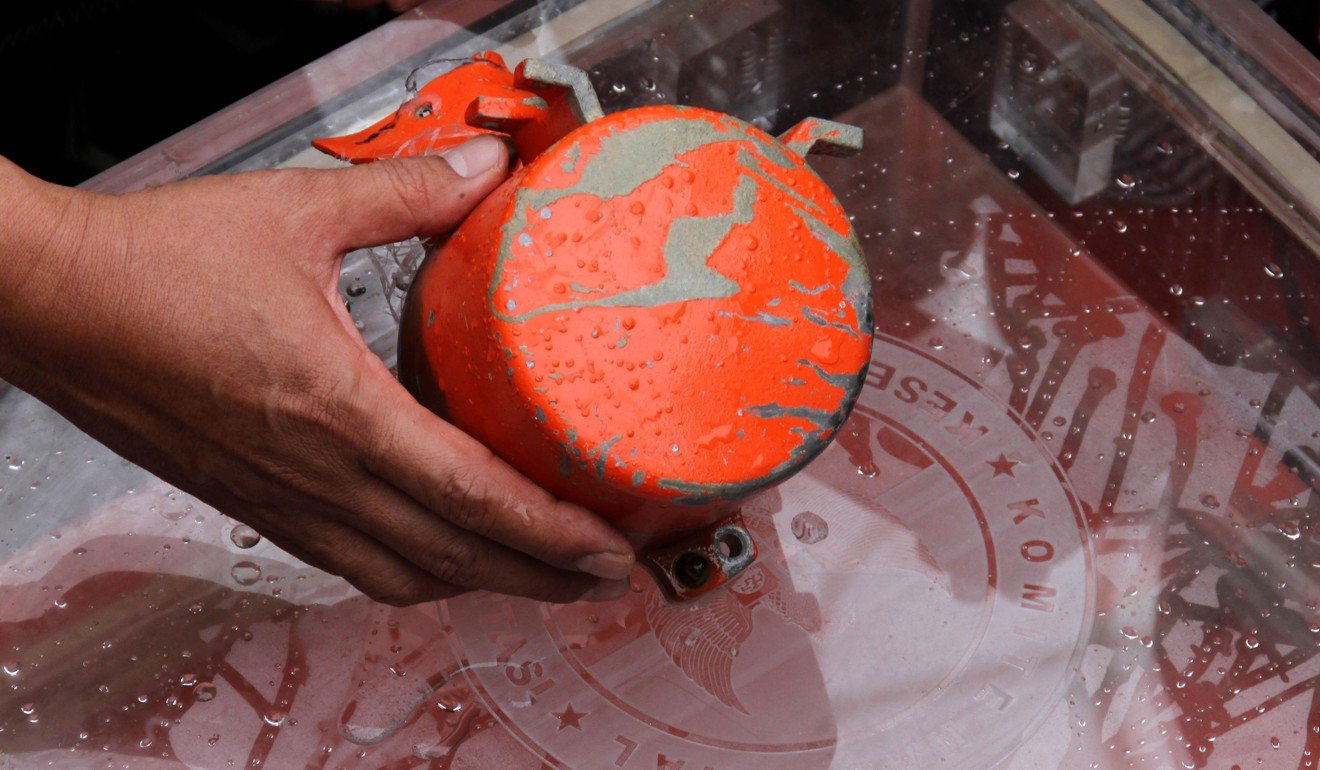
The new technology might also be able to detect emergency beepers from crashed aircraft. Photo: AFP
Locating targets in unfamiliar waters is challenging because the AI relies on environmental data parameters such as underwater currents and seabed landscapes.
But obtaining such information is not easy, and often impossible.
For instance, the United States does not allow China to collect information in waters close to its west coast, while Beijing forbids the US from getting too close to its military facilities in the South China Sea.
Murder suspect ‘caught by AI software that spotted dead person’s face’
Professor Zhang Renhe, a researcher at the Institute of Acoustics who was not involved in the study, said the latest development was encouraging.
“AI can be a useful assistant to underwater target recognition,” he said. “In a way it is similar to the speech recognition technology on our mobile phones.”
But he said scientists were still wrestling with exactly how the technology worked.
“It is like a black box with some inner workings that are still unexplained,” he said.
Researchers were now working on ways to combine the new AI technology with the physical models for underwater target detection that have been developed in recent decades, Zhang said.
“This is a new frontier for fundamental science,” he said. “It requires international cooperation.”


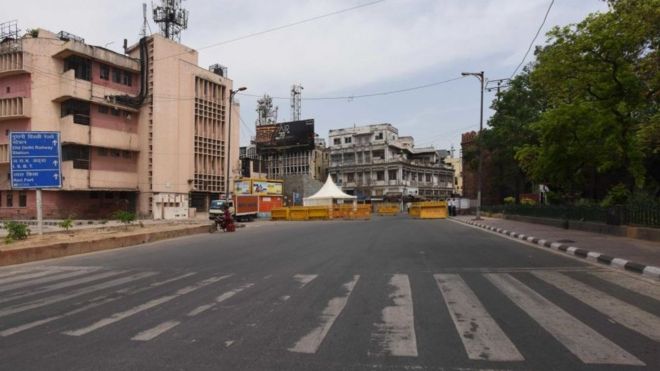 Image copyright GETTY IMAGES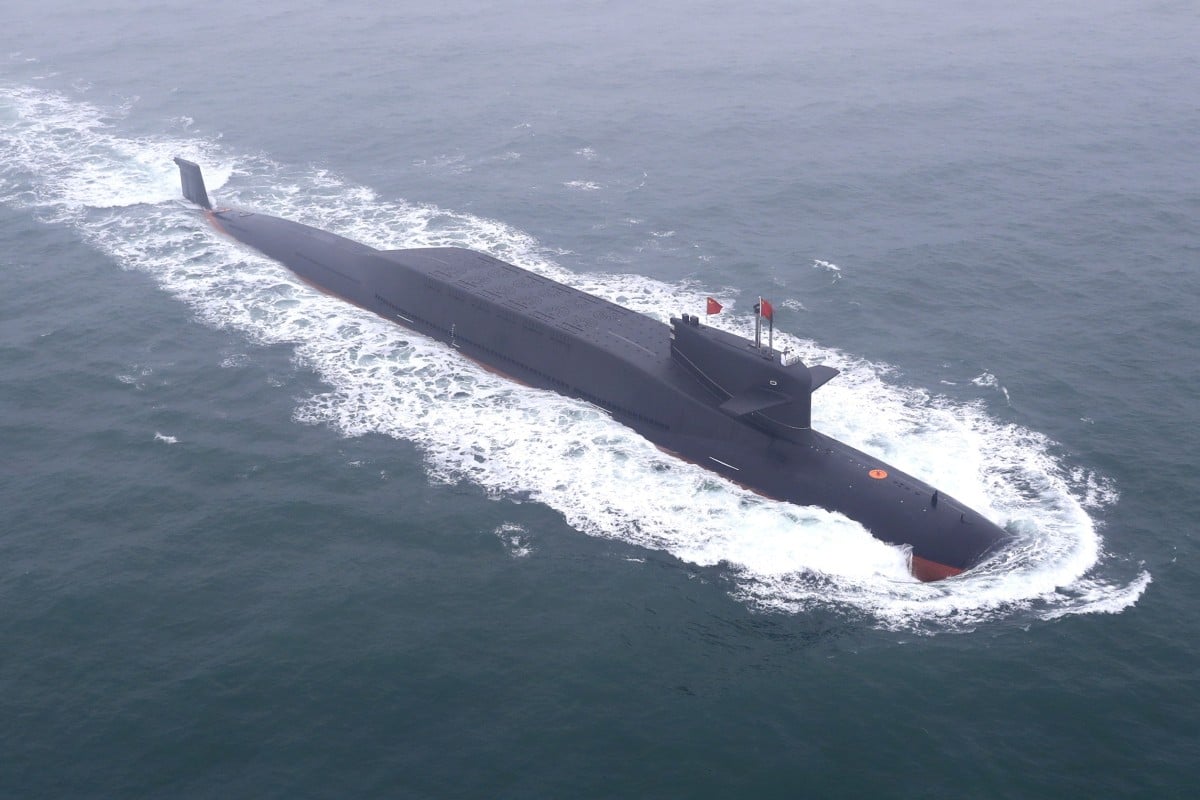

 CHINDIA ALERT: You'll be living in their world, very soon