Archive for ‘novel coronavirus’

26/05/2020

UK COVID-19 death toll tops 47,000 as pressure heaps on PM Johnson

LONDON (Reuters) – The United Kingdom’s COVID-19 death toll surpassed 47,000 on Tuesday, a dire human cost that could define the premiership of Boris Johnson.

The Office for National Statistics said 42,173 people had died in England and Wales with suspected COVID-19 as of May 15, bringing the UK total to 47,343 – which includes earlier data from Scotland, Northern Ireland, plus recent hospital deaths in England.

A death toll of nearly 50,000 underlined Britain’s status as one of the worst-hit countries in a pandemic that has killed at least 345,400 worldwide.

Johnson, already under fire for his handling of the pandemic, has had to defend his top adviser Dominic Cummings who drove 250 miles from London to access childcare when Britons were being told to stay at home to fight COVID-19.

One Johnson’s junior ministers, Douglas Ross, resigned on Tuesday in protest. Johnson has stood by Cummings, saying the aide had followed the “instincts of every father”.

The government says that while it may have made some mistakes it is grappling with the biggest public health crisis since the 1918 influenza outbreak and that it has ensured the health service was not overwhelmed.

Unlike the daily death toll published by the government, Tuesday’s figures include suspected cases and confirmed cases of COVID-19, the respiratory disease caused by the novel coronavirus.

But even these figures underestimate the true number of deaths.

In March, Britain’s chief scientific adviser said keeping deaths below 20,000 would be a “good outcome”. In April, Reuters reported the government’s worst-case scenario was 50,000 deaths.

Disease experts are watching the total number of deaths that exceed the usual for amount for the time of year, an approach that is internationally comparable.

The early signs suggest Britain is faring badly here too.

Excess deaths are now approaching 60,000 across the UK, ONS statistician Nick Stripe said, citing the latest data – a toll equivalent to the populations of historic cities like Canterbury and Hereford.

Source: Reuters

09/05/2020

Xinhua Headlines: World’s factory turns to domestic market amid global coronavirus recession

— As the continued global spread of COVID-19 is weighing on the world economy, China’s foreign trade is under considerable downward pressure.

— Many export-oriented companies in China are turning to the domestic market for a lifeline while grappling with dropping overseas orders as major markets remain in the grip of the pandemic.

by Xinhua writers Zhang Yizhi, Li Huiying, Hu Guanghe, Xu Ruiqing

FUZHOU, May 9 (Xinhua) — Walking back and forth between shelves of neatly stacked shoes, some 20 live streamers dashed at the instructions of their followers on the phone, grabbing a shoe now and then from the shelves for a close-up in front of the camera.

At around eight o’clock every night, the supply chain platform 0594 in the city of Putian, east China’s Fujian Province, springs to life as live streamers flock to the exhibition area to sell shoes produced by the local manufacturers, many of which are troubled by the cancellations or delays of overseas orders amid the global coronavirus pandemic.

“To get rid of the excess inventory, many manufacturers in Putian are turning to live streaming to explore the domestic market,” said Chen Xing, general manager of 0594. “We are now cooperating with over 40 manufacturers and there will be more of them joining us in the future.”

The platform is also building an internet celebrity incubator and has so far organized seven rounds of influencer training courses enrolling more than 200 attendees.

Huang Huafang, 39, signed up for the two-day crash course in late March and soon after started her first live streaming session. She works from around 2 p.m. to 10 p.m., attracting over 500 followers and selling more than 20 pairs of shoes every day.

Though she is not a well-known live streamer, she is optimistic about the future. “There is a long way to go, but I believe live streaming is a trend. It is an essential skill for anyone who wants to market online,” said Huang.

A staff sells shoes through live streaming at an e-commerce warehouse in Putian, southeast China’s Fujian Province, May 7, 2020. (Xinhua/Lin Shanchuan)

According to Chen, the platform 0594 sold almost 130,000 pairs of shoes in April alone. As the domestic economic outlook continues to pick up, the sales target of May has been set at 200,000 pairs.

Like manufacturers in Putian, a city with a large number of export-oriented enterprises, many Chinese factories are turning to the domestic market for a lifeline, while grappling with dropping overseas orders as major markets remain in the grip of the pandemic.

ADAPT OR DIE

With decades of experience in manufacturing and developing products for overseas clients, some export-oriented companies in China are rolling out products catering to the domestic market.

After months of gloomy business, Wu Songlin, general manager of Putian-based Hsieh Shun Footwear Co., Ltd., heaved a sigh of relief as trucks loaded with therapeutic shoes tailored to the home market left his factory.

It was the first shipment for the domestic market since Wu and his partners started the company in 2010. In the past, his company only had two clients, one from Europe and the other from Japan. Business used to run smoothly and life was good.

But his factory was on the brink of a shutdown in March when the coronavirus pandemic started to ravage the global economy. No new orders came in and shipments of existing orders were requested to be delayed until June.

People work in a footwear workshop in Putian, southeast China’s Fujian Province, April 27, 2020. (Xinhua/Lin Shanchuan)

“Orders were canceled after completion of production, and our capital flow is stuck in our inventory. The pressure is mounting to keep the factory running,” Wu said. “By the end of June, workers would be left with no work to do as soon as we complete the existing orders.”

After losing almost all their orders from overseas clients, the desperate shoemaker turned to the domestic market. He called one of his old business partners and secured an order for massage footwear, which is selling like hot cakes in the domestic market as health tops the agenda in the time of the novel coronavirus.

The factory produced 10,000 pairs of massage shoes in April, and the number is expected to reach 30,000 in May, enough to keep the production lines running.

Thanks to the company’s quick adaptation, about 200 workers kept their jobs in the factory, while 20 percent were furloughed and the remaining workers were arranged to work in other companies as part of the city’s employee sharing program.

“If domestic orders keep coming in, our operation will hopefully get back to normal by September when the monthly output of massage shoes will reach 90,000,” Wu said. “By then the company will live and thrive without any orders from overseas customers.”

A woman works in a workshop of Hsieh Shun Footwear Co., Ltd. in Putian, southeast China’s Fujian Province, May 7, 2020. (Xinhua/Lin Shanchuan)

But switching to another market is not easy, explained Wu. In the past, export-oriented factories were only in charge of manufacturing, while brands would take care of sales, promotion as well as customer support.

“If you are selling to the domestic market, you need to have your own brand and marketing capacity,” he said. “Working with e-commerce platforms could be one way out, but it’s more important to understand domestic consumers and meet their needs.”

CUSTOMIZE THE FUTURE

For years, many export-focused manufactures have been trying to climb up the value chain and tap the uncharted waters of the domestic market. As the pandemic continues to spread, there is a strong push for them to embrace customized manufacturing.

In an experience store located in downtown Putian, customers line up waiting to have their feet measured on a smart device. After a few seconds, they get their readings on the phone, and a few swipes and clicks later, they place their orders with unique features, colors, and shapes.

Adjacent to the experience store, there is a flexible manufacturing workshop, which gives quick responses to orders and produces shoes following the customized demands of individual buyers.

SEMS, a longstanding sports footwear manufacturer that has established a partnership with several international brands, started to adopt flexible manufacturing years ago in an effort to adapt to the evolving domestic market.

A customer has her feet measured on a smart device in sports footwear manufacturer SEMS in Putian, southeast China’s Fujian Province, May 8, 2020. (Xinhua/Lin Shanchuan)

Customization gives consumers the benefit of products that fit their needs, and at the same time allows factories to utilize improved workflows and technology to maintain high output and omit the process of inventory and distribution, said Zhu Yizhen, the executive vice president of the company.

“Currently we only sell over 100 pairs of customized shoes a day, but we are at the dawn of a new era,” Zhu said. “We hope more companies awaken to the developing trend and join in the practice of mass customization.”

Customer to manufacturer, or C2M, which allows consumers to place orders directly to factories for customized products, has become a buzzword among export-oriented manufacturers hoping to reach domestic consumers amid the pandemic.

Li Junjie, who runs a ceramic flowerpot plant in Fujian’s Dehua County, one of the manufacturing centers of ceramics in China, did not sell a single pot to his overseas customers since the coronavirus outbreak in late January.

The factory used to export 30 percent of its flowerpots to the United States and Spain, but Li managed to make up for the lost deals by selling on domestic e-commerce platforms. Instead of bulk orders placed by foreign clients, domestic consumers tend to purchase customized products in small amounts.

Photo shows the automatic production line of a customized workshop in sports footwear manufacturer SEMS in Putian, southeast China’s Fujian Province, May 8, 2020. (Xinhua/Lin Shanchuan)

With the big data provided by e-commerce platforms, Li can tell which items will be a hit so as to increase their production and develop new products based on a thorough analysis of different consumer groups.

“Our online sales almost doubled over the past year, and we have sold over 100,000 customized pots this year, thanks to the C2M business model,” Li said.

Li’s company is one of many Chinese small and medium-sized enterprises (SMEs) that have benefited from the e-commerce giant Alibaba’s Spring Thunder Initiative, which is aimed at helping export-focused SMEs expand into new markets.

The initiative will also help some SMEs to transform and develop their business in the Chinese market through measures such as resource support, fee reductions, and fast-track processing.

Source: Xinhua

29/04/2020

Coronavirus: Oxford vaccine effective in monkeys, heading for mass production in India

  • Six animals inoculated with vaccine candidate then exposed to virus did not catch Covid-19 after 28 days
  • Up to 60 million doses could be produced by Serum Institute of India this year
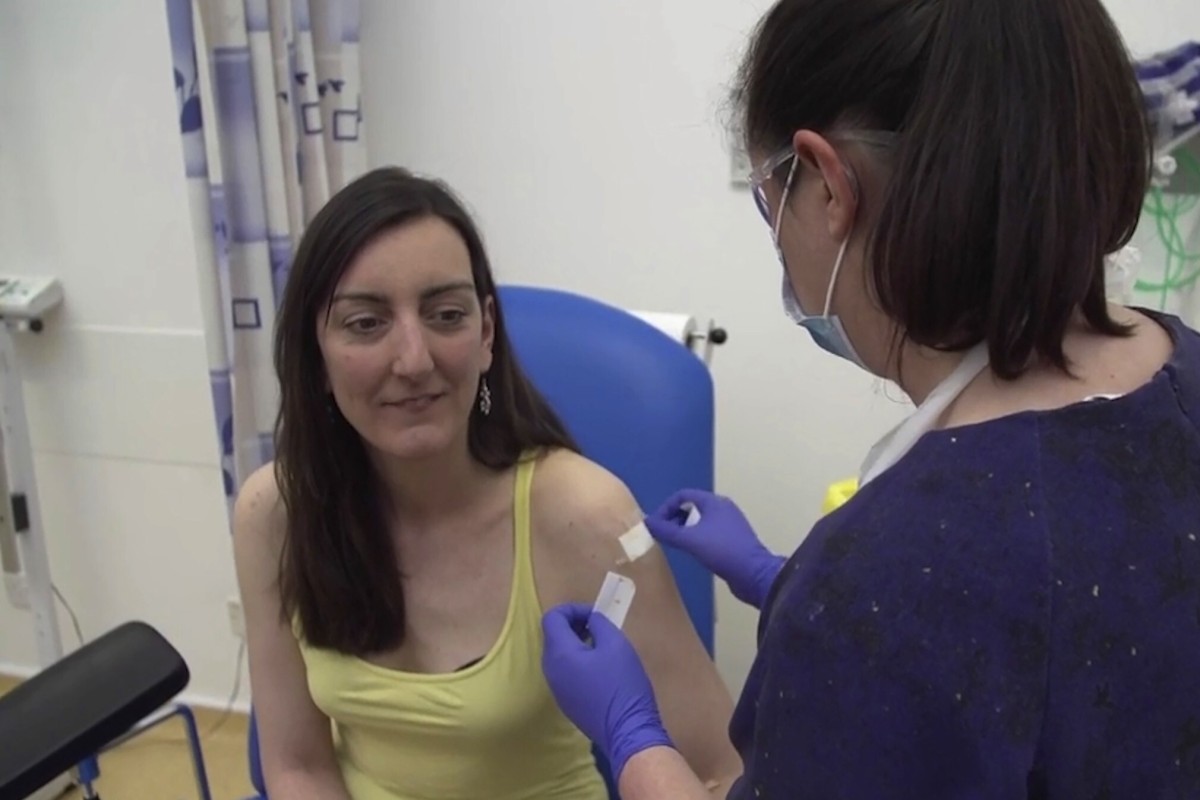
Microbiologist Elisa Granato gets an injection on Thursday as part of the first human trials in Britain for a potential coronavirus vaccine. Photo: University of Oxford via AP

A leading candidate for a Covid-19 vaccine has shown promising results in animal trials, and is expected to see mass production in India within months.

The Serum Institute of India, the world’s largest maker of vaccines by volume, said on Tuesday that it plans this year to produce up to 60 million doses of a potential vaccine developed by the University of Oxford, which is under clinical trial in Britain.

While the vaccine candidate, called “ChAdOx1 nCoV-19”, is yet to be proven to work against Covid-19, Serum decided to start manufacturing it as it had shown success in animal trials and had progressed to tests on humans, Serum Chief Executive Adar Poonawalla said.

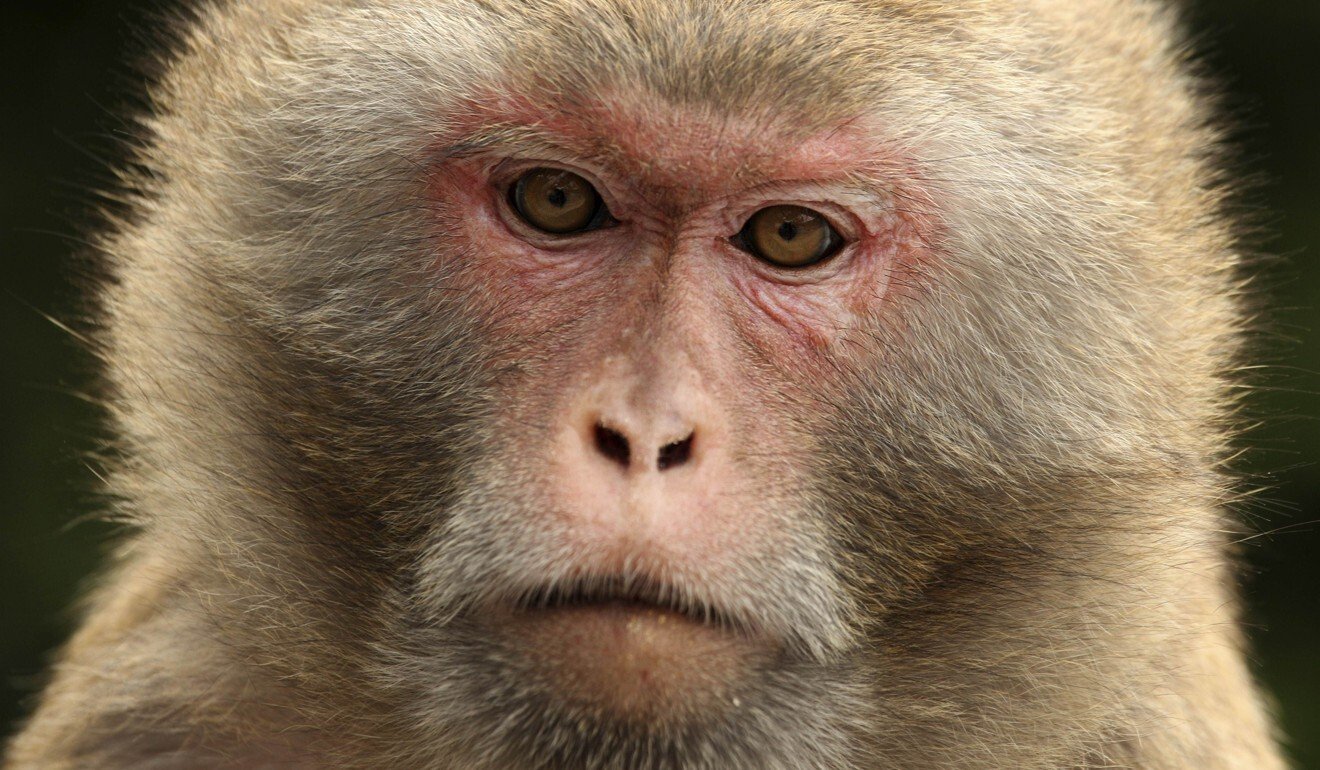
Six rhesus macaque monkeys were inoculated with the vaccine candidate at the National Institutes of Health’s Rocky Mountain Laboratory in Montana last month, according to The New York Times.

Covid-19 vaccine trial starts in Oxford, but remdesivir treatment reportedly flops in China tests
The subjects were exposed afterwards to large quantities of the novel coronavirus, but all six remained healthy after more than 28 days, the newspaper reported, citing researcher Vincent Munster, who conducted the test.

More than 3 million people have been reported to be infected globally and over 210,000 have died from Covid-19, the respiratory disease caused by the coronavirus.

“They are a bunch of very qualified, great scientists [at Oxford] … That’s why we said we will go with this and that’s why we are confident,” Poonawalla told Reuters in a phone interview.

“Being a private limited company, not accountable to public investors or bankers, I can take a little risk and sideline some of the other commercial products and projects that I had planned in my existing facility,” Poonawalla said.

Bill Gates hopes his virus vaccine ‘manufacturing within a year’

27 Apr 2020

As many as 100 potential Covid-19 candidate vaccines are now under development by biotech and research teams around the world, and at least five of these are in preliminary testing in people in what are known as phase one clinical trials.

Poonawalla said he hoped trials of the Oxford vaccine, due to finish in about September, would be successful. Oxford scientists said last week the main focus of initial tests was to ascertain not only whether the vaccine worked but that it induced good immune responses and no unacceptable side effects.

Serum, owned by the Indian billionaire Cyrus Poonawalla, plans to make the vaccine at its two manufacturing plants in the western city of Pune, aiming to produce up to 400 million doses next year if all goes well, Poonawalla said.

“A majority of the vaccine, at least initially, would have to go to our countrymen before it goes abroad,” he said, adding that Serum would leave it to the Indian government to decide which countries would get how much of the vaccine and when.

Rhesus macaque monkeys are often used in animal testing because of their similarity to humans. Photo: AFP
Serum envisages a price of 1,000 rupees (US$14.70) per vaccine, but governments would give it to people without charge, he said.

He said Prime Minister Narendra Modi’s office was “very closely” involved in the vaccine production and the company is hoping the government will help foot the cost of making it.

Over roughly the next five months, Serum will spend some 300 million to 400 million rupees (US$4.4 million to US$5.9 million) on making around 3-5 million doses per month, he said. “[The government] are very happy to share some risk and fund something with us, but we haven’t really pencilled anything down yet,” Poonawalla said.

Coronavirus: clinical trial begins on third vaccine candidate in China

22 Apr 2020

Serum has also partnered with the US biotech firm Codagenix and Austria’s Themis on two other Covid-19 vaccine candidates and plans to announce a fourth alliance in a couple of weeks, he said.

Serum’s board last week also agreed to invest roughly 6 billion rupees (US$8.8 billion) on making a new manufacturing unit to solely produce coronavirus vaccines, Poonawalla said.

Source: SCMP

06/04/2020

China Focus: Government offers bailout, voucher programs to stimulate restaurant industry

SHENYANG, April 5 (Xinhua) — Huo Chunlei, who runs a hotpot restaurant in Shenyang, capital of northeast China’s Liaoning Province, said he did not lay off any of his staff, although the restaurant is having difficulties for reopening after two months of closure in China’s nationwide measures of coronavirus control.

A few weeks after Chinese provincial-regions with low risk of the novel coronavirus gradually resumed work and production, shops and eateries have reopened, and roads become bustling again, as hundreds of millions of people confined at home for weeks in compliance with epidemic prevention rules get back to a normal life.

Huo’s restaurant has been in operation for a week. Only half of the tables are filled at dinnertime. The revenue is barely enough to cover the expenses of the house rent and employee wages, he said.

However, he said his business is able to survive because of the government’s bailout policies. For example, the approval of deferred payment of social insurance premiums for his employees alone can save him 80,000 yuan (about 11,250 U.S. dollars) a month.

“The staff are willing to stay, as we are all confident in tiding over the difficulties together,” he said.

The local governments at all levels have rolled out a slew of measures to shore up the catering business, including cutting taxes, reducing house rent as well as water and electricity fees.

The governments in Liaoning, Shandong, Jiangsu and Zhejiang provinces have issued coupons with a value ranging from 10 million yuan to 100 million yuan to encourage people to spend on dining out.

Before the production resumption, there were some consumer councils’ surveys showing that consumers had suppressed consumption desire for dining out and shopping as well as going to movie theaters, gymnasiums and tourist spots after the epidemic crisis ends.

“The so-called retaliatory consumption has not yet appeared in the catering industry, as people are still wary about the infection risk, but there will be a gradual recovery growth,” said Chen Heng, executive director of Hainan Hotel and Catering Industry Association in the southernmost Chinese province of Hainan.

“Before reopening, we increased the distances between tables, but with reduced tables, there are still many empty tables at dinner time. My restaurant used to have all seats full and even queues,” said Huo.

Like Huo, Lin Lunheng, founder of the Fuzhou Super Dinner Co. Ltd. in southeast China’s Fujian Province, is also worried about business.

“Although the chain stores have reopened, revenues have decreased by 70 percent compared with that before the epidemic. This is a big blow to restaurants,” said Lin.

The Italian style chain restaurant has offered e-coupons to draw customers.

As the spring weather is getting more and more pleasant, consumers’ desire for dining out and travel is growing. According to a survey report jointly released by the China Travel Academy and Trip.com Group on March 19, Chinese are longing for tours across the country, with Yunnan, Hainan and Shanghai among the top destinations.

Source: Xinhua

05/04/2020

As Trump administration debated travel restrictions, thousands streamed in from China

(Reuters) – In defending his strategy against the deadly coronavirus, President Donald Trump repeatedly has said he slowed its spread into the United States by acting decisively to bar travelers from China on Jan. 31.

“I was criticized by the Democrats when I closed the Country down to China many weeks ahead of what almost everyone recommended. Saved many lives,” he tweeted, for instance, on March 2.

But Reuters has found that the administration took a month from the time it learned of the outbreak in late December to impose the initial travel restrictions amid furious infighting.

During that time, the National Security Council staff, the state department and other federal agencies argued about everything from how best to screen for sick travelers to the economic impact of any restrictions, according to two government officials familiar with the deliberations.

The NSC staff ultimately proposed aggressive travel restrictions to high-level administration officials – but it took at least a week more for the president to adopt them, one of the government officials said.

In meetings, Matthew Pottinger, deputy national security adviser and a China expert, met opposition from Treasury Secretary Steven Mnuchin and National Economic Council director Larry Kudlow, said two former NSC officials and one of the government officials involved in the deliberations. The two top aides were concerned about economic fallout from barring travelers from China, the sources said.

Each day that the administration debated the travel measures, roughly 14,000 travelers arrived in the United States from China, according to figures cited by the Trump administration. Among them was a traveler who came from Wuhan to Seattle in mid-January, who turned out to be the first confirmed case in the United States.

On Jan. 22, Trump downplayed the threat posed by the virus, telling CNBC from the World Economic Forum in Davos, Switzerland, “We have it totally under control.”

The battle within the White House over whether and how to stop infected travelers from China lasted nine more days.

On Jan. 31, Trump issued a proclamation barring entry of non-U.S. citizens, other than the immediate family of citizens and permanent residents, who had traveled to China within the last two weeks. The restrictions have since been expanded to many other countries.

It is unclear when the president was made aware of the NSC’s proposal and what prompted his decision to act, but the decision followed the World Health Organization’s declaration the day before that the epidemic was a “public health emergency of international concern.”

U.S. Centers for Disease Control and Prevention officials told Reuters that they contributed to the decision as part of the administration’s newly convened coronavirus task force.

A Treasury Department spokesperson said that Mnuchin “never objected to the decision to restrict flights from China.”

A White House spokesman, Judd P Deere, said: “Any suggestion that Larry Kudlow objected to restricting flights from China to contain COVID-19 and protect the health of the American people is completely false. Larry fully supported the President’s bold decision.”

In a statement, NSC spokesman John Ullyot said that the council’s early meetings about the coronavirus involved great expertise and robust discussion and were professional.

As of April 4, the coronavirus has infected more than 300,000 people in the United States, and killed over 8,000, according to the Reuters coronavirus tracker. The country has more cases than anywhere else in the world.

The sources for this story, former NSC members, public health officials and others involved in, or briefed on, the administration’s response, spoke on condition of anonymity because they were not authorized to comment on the record.

POPPING A FLARE

The NSC, which operates within the White House to coordinate policies and recommendations involving national security across agencies, was at the center of the effort to formulate the early response to the outbreak.

The council was first notified of the outbreak on the morning of Dec. 31, according to one of the government officials involved, when an NSC official was forwarded an email from a Department of Health and Human Services (HHS) attache in Beijing that had been sent to senior HHS officials the night before.

The “pop-a-flare” notice, as it is known, described strange cases of pneumonia that could not be definitively traced to seasonal flu, said the government official, who saw the message. The email said the Chinese would soon be notifying the World Health Organization, the official said.

On Jan. 3, Dr. Gao Fu, head of China’s disease control agency, informed his U.S. counterpart, Dr. Robert Redfield, director of the CDC, in an emotional telephone call that the outbreak was growing out of control, according to the same federal official and a former NSC official. Both said they had been informed of the details.

Gao’s agency did not respond to a request for comment.

Ullyot, the NSC spokesman, disputed the timeline, saying the council did not learn of the coronavirus outbreak until Jan. 3. The CDC, a part of HHS, confirmed to Reuters that it learned of an outbreak in late December and that the call with Gao occurred Jan. 3.

Health agencies were scrambling to gather information, the two government officials involved in the deliberations said. Questions went back to the U.S. Embassy in Beijing, and experts across the government: How many travelers arrive daily from Wuhan, China, the initial site of the outbreak? What U.S. airports do they fly into? What would be the pros and cons, including costs, of any travel restriction?

In discussions with the NSC, public health officials, including from HHS and CDC, initially argued for the targeted approach of medically screening travelers from Wuhan, as they sifted through information about where and how quickly the virus was spreading, one of the government officials involved said. Public health officials tend not to favor border closures because they can restrict medical response and divert limited resources.

The NSC’s Pottinger was pushing hard for strict travel restrictions – expressing doubt about the truth of the data China was releasing, according to the official.

There was “a lot of yelling, a sign of frustration,” said a former NSC staffer who was not in the meetings but got messages from colleagues in attendance expressing dismay. The person described the messages but did not share them with Reuters. The two current federal officials confirmed the acrimony.

The NSC struggled to reconcile conflicting viewpoints, the two government officials involved said.

The debate delayed the screening of travelers from China by at least a week, one of the officials said. CDC officials ultimately announced enhanced medical screenings for travelers from Wuhan at three international airports, in Los Angeles, San Francisco and New York’s John F. Kennedy, on Jan. 17, expanding them to 20 U.S. airports by Jan. 28.

At one point, during a meeting, Pottinger snapped at health officials that their approach “really has to take a step back,” so that national security interests could shape the response, the official said.

The CDC declined to comment on the debate.

Some former NSC officials who spoke to Reuters traced what they saw as an ineffective response by the council in part to structural changes in 2018 in which former National Security adviser John Bolton had folded the council’s Global Health Security and Biodefense directorate into a larger operation, with the result that pandemic planning was not as great a priority. Others said that, under Bolton, the NSC worked effectively on biopreparedness, but after he departed it lost a number of important experts.

NSC spokesman Ullyot rejected as false the suggestion that the council lacked expertise. The council is staffed by officials with “extensive experience in virology, infectious disease epidemiology, global health security, public health, and emergency response,” he said.

The NSC’s own public health experts were involved in the discussions from the beginning, advocating “early and often” for traveler screening and raising the issue of banning flights from Wuhan, he said.

While the conflict soured the interactions, one of the government officials involved said, data soon emerged that led the health agency officials to agree with Pottinger: A travel restriction for all of China was needed. They saw that there were thousands of travelers arriving daily from Wuhan’s Hubei province to the United States, as well as a rising number of Covid-19 cases reported by the Chinese government beginning in mid-January, the source said.

In its statement to Reuters, the CDC did not directly address what led to its ultimate decision to support the travel restrictions.

By Jan. 24, the staff of the NSC had proposed restricting flights from China, said the government official involved in the deliberations. But as Pottinger met with deputies from other cabinet-level agencies, the recommendation met with resistance because of concerns about spooking the markets and scaring the public, three sources with knowledge of the deliberations told Reuters.

STILL DIVIDED

With opinions still divided, the matter went to top White House aides, at which point Treasury Secretary Mnuchin and National Economic Council director Kudlow argued strongly against the travel restrictions, said two former NSC officials and the government official involved in the deliberations.

In addition to the impact on the stock market, the two top aides expressed concern about the supply chain for everything from semiconductors to ingredients for pharmaceuticals, said one of the government officials involved in the deliberations.

Pottinger was “pleading with Mnuchin and others” to stop travelers from coming, the former NSC official said.

By then, the first known patient in the United States – a man in his 30s who had traveled from Wuhan to Seattle on Jan. 15 – tested positive for the coronavirus disease, COVID-19.

He had slipped through travel screenings because his trip had been broken up, so the Wuhan origin of his trip had not been obvious to customs agents, said the government official with knowledge of the deliberations.

At the World Economic Forum in Davos, Switzerland, President Trump told CNBC on Jan. 22: “It’s one person coming in from China, and we have it under control. It’s going to be just fine.”

On Jan. 29, the Council of Economic Advisers, which advises the president on economic policy, presented an analysis describing a worst-case scenario of what a pandemic and travel restrictions could do to the economy, according to one of the government officials involved in the deliberations, who read it. The report supported Kudlow and Mnuchin’s arguments against such restrictions and “scared everyone,” the source said.

The next day, at an afternoon meeting of the White House’s newly formed coronavirus task force, as well as other attendees, travel restrictions were still being debated, according to the government official involved in the deliberations and a former NSC official who learned of the meeting from former colleagues.

During the meeting, Mick Mulvaney, then President Trump’s chief of staff, entered the room, telling a smaller group, including Pottinger: “The president wants to see you now,” according to the official involved in the deliberations and the former NSC officials.

Mulvaney referred questions to the White House, which did not respond.

Trump issued the order the next day. By then, the novel coronavirus was already carving a lethal path through a Seattle nursing home.

Source: Reuters

03/04/2020

Coronavirus: North Korea claims to be ‘totally free’ of virus

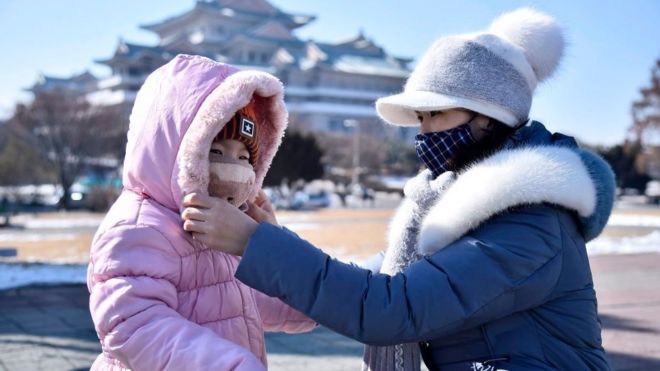
A woman helps her daughter seen wearing a face mask in PyongyangImage copyright GETTY IMAGES
Image caption North Korea says not a single person has the virus

North Korea’s claim that “not a single person” in the country has been infected with the coronavirus is facing growing scepticism.

It has credited strict containment measures and the shutting down of its borders for this success.

But the top US military commander in South Korea has said this is “untrue”, calling it an “impossible claim”.

A North Korean expert told the BBC it was likely there were cases but unlikely a mass outbreak had happened.

There are currently more than one million coronavirus cases across the world and 53,069 deaths, according to a Johns Hopkins University tally.

Pak Myong-su, a director at North Korea’s Central Emergency Anti-epidemic headquarters, told news agency AFP on Friday: “Not one single person has been infected with the novel coronavirus in our country so far.”

“We have carried out pre-emptive and scientific measures such as inspections and quarantine for all personnel entering our country and thoroughly disinfecting all goods, as well as closing borders and blocking sea and air lanes.”

Could this be true?

US General Robert Abrams, head of the US military forces in South Korea, has said it is untrue that North Korea has no virus cases.

“I can tell you that is an impossible claim based on all of the intel that we have seen,” he said in a joint interview with news sites CNN and VOA.

However, he said he could not say exactly how many cases there were, not confirm where the information came from.

Oliver Hotham, managing editor of specialist news site NK News, agreed that North Korea has probably had cases.

“It’s very unlikely that it has seen no cases because it borders China and South Korea. [Especially with China], given the amount of cross border trade and the economic relationship I really don’t see how its possible they could have prevented it,” he said.

However, he adds that it is “unlikely” there is a full scale outbreak.

“They really did take precautions early. I think it’s possible they’ve prevented a full on outbreak.”

How has North Korea reacted to the crisis?

North Korea has indeed moved much more quickly against the virus than many other countries in the region.

In late January, it sealed off its borders and later quarantined hundreds of foreigners in the capital Pyongyang. During that time, the number of cases in China were growing exponentially.

An NK News report also suggests that up to 10,000 citizens had been placed under isolation in the country – around 500 still remain in quarantine.

Are those in North Korea even aware of the virus?

Most people in North Korea are “really aware” of what’s going on, says Mr Hotham.

“There’s been so much media coverage. Almost every day you have a whole page about the efforts the country is taking domestically and also the international situation,” he told the BBC.

Fyodor Tertitskiy, a senior researcher at Kookmin University, also adds the country is currently running an “ongoing propaganda campaign teaching people how to prevent the spread of the virus”.

Banner image reading 'more about coronavirus'
Banner

What is North Korea’s healthcare system like?

The answer is, according to experts – better than you would think – depending on where in North Korea you are.

Mr Tertitsky says the North’s healthcare system is “much, much better than other countries with a similar GDP per capita”.

“What they did was to train a large number of doctors who, although less qualified and infinitely paid less than their colleagues in the West, can still provide basic healthcare to the population,” he told the BBC.

Mr Hotham agrees, but says that the number of doctors in North Korea enables the country to deal with basic illnesses, but perhaps not so much more serious illnesses which also need more healthcare equipment.

Sanctions have also restricted North Korea’s ability to obtain advanced medical equipment.

Mr Hotham adds that the care you receive largely depends on where you are. The capital, Pyongyang, for example, has various medical facilities, but those in rural areas might not be so lucky.

“Some provinces are desperately underfunded, where you’ll have hospitals with no running water or stable power.”

A health worker takes the temperature of a womanImage copyright GETTY IMAGES
Image caption Some international experts say North Korea’s health system is appalling

Why might North Korea be trying to cover up cases?

For North Korea to admit they have cases now could be a sign of “defeat”.

“The state has put a lot of stock into its response and there has been so much propaganda about how well they’re doing,” said Mr Hotham.

“I think for them to admit now that there were cases is essentially to admit defeat. I think it would also cause panic and people would freak out. If you have large movements of people trying to get away, that could create instability and even more infections.”

Mr Tertitskiy also puts this down to North Korea trying to preserve its self-image.

“The country is very paranoid about giving away any information that may make it look bad. Their basic rule is to say nothing unless there is a good reason to do otherwise.”

Source: The BBC

29/03/2020

Coronavirus: pathogen could have been spreading in humans for decades, study says

  • Virus may have jumped from animal to humans long before the first detection in Wuhan, according to research by an international team of scientists
  • Findings significantly reduce the possibility of the virus having a laboratory origin, director of the US National Institute of Health says
An international team of scientists say the coronavirus may have jumped from animal to humans long before the first detection in China. Photo: AP
The coronavirus that causes Covid-19 might have been quietly spreading among humans for years or even decades before the sudden outbreak that sparked a global health crisis, according to an investigation by some of the world’s top virus hunters.
Researchers from the United States, Britain and Australia looked at piles of data released by scientists around the world for clues about the virus’ evolutionary past, and found it might have made the jump from animal to humans long before the first detection in the central China city of Wuhan.
Though there could be other possibilities, the scientists said the coronavirus carried a unique mutation that was not found in suspected animal hosts, but was likely to occur during repeated, small-cluster infections in humans.

The study, conducted by Kristian Andersen from the Scripps Research Institute in California, Andrew Rambaut from the University of Edinburgh in Scotland, Ian Lipkin from Columbia University in New York, Edward Holmes from the University of Sydney, and Robert Garry from Tulane University in New Orleans, was published in the scientific journal Nature Medicine on March 17.

Dr Francis Collins, director of the US National Institute of Health, who was not involved in the research, said the study suggested a possible scenario in which the coronavirus crossed from animals into humans before it became capable of causing disease in people.

“Then, as a result of gradual evolutionary changes over years or perhaps decades, the virus eventually gained the ability to spread from human to human and cause serious, often life-threatening disease,” he said in an article published on the institute’s website on Thursday.

In December, doctors in Wuhan began noticing a surge in the number of people suffering from a mysterious pneumonia. Tests for flu and other pathogens returned negative. An unknown strain was isolated, and a team from the Wuhan Institute of Virology led by Shi Zhengli traced its origin to a bat virus found in a mountain cave close to the China-Myanmar border.

The two viruses shared more than 96 per cent of their genes, but the bat virus could not infect humans. It lacked a spike protein to bind with receptors in human cells.

Coronaviruses with a similar spike protein were later discovered in Malayan pangolins
by separate teams from Guangzhou and Hong Kong, which led some researchers to believe that a recombination of genomes had occurred between the bat and pangolin viruses.
Doctors in Wuhan began noticing a surge in the number of people suffering from a mysterious pneumonia in December. Photo: Handout
But the new strain, or SARS-Cov-2, had a mutation in its genes known as a polybasic cleavage site that was unseen in any coronaviruses found in bats or pangolins, according to Andersen and his colleagues.

This mutation, according to separate studies by researchers from China, France and the US, could produce a unique structure in the virus’ spike protein to interact with furin, a widely distributed enzyme in the human body. That could then trigger a fusion of the viral envelope and human cell membrane when they came into contact with one another.

Some human viruses including HIV and Ebola have the same furin-like cleavage site, which makes them contagious.

It is possible that the mutation happened naturally to the virus on animal hosts. Sars (severe acute respiratory syndrome) and Mers (Middle East respiratory syndrome), for instance, were believed to have been direct descendants of species found in masked civets and camels, which had a 99 per cent genetic similarity.

There was, however, no such direct evidence for the novel coronavirus, according to the international team. The gap between human and animal types was too large, they said, so they proposed another alternative.

“It is possible that a progenitor of SARS-CoV-2 jumped into humans, acquiring the genomic features described above through adaptation during undetected human-to-human transmission,” they said in the paper.

“Once acquired, these adaptations would enable the pandemic to take off and produce a sufficiently large cluster of cases to trigger the surveillance system that detected it.”

They said also that the most powerful computer models based on current knowledge about the coronavirus could not generate such a strange but highly efficient spike protein structure to bind with host cells.

The study had significantly reduced, if not ruled out, the possibility of a laboratory origin, Collins said.

“In fact, any bioengineer trying to design a coronavirus that threatened human health probably would never have chosen this particular conformation for a spike protein,” he said.

The findings by Western scientists echoed the mainstream opinion among Chinese researchers.

Zhong Nanshan, who advises Beijing on outbreak containment policies, had said on numerous occasions that there was growing scientific evidence to suggest the origin of the virus might not have been in China.

“The occurrence of Covid-19 in Wuhan does not mean it originated in Wuhan,” he said last week.

A doctor working in a public hospital treating Covid-19 patients in Beijing said numerous cases of mysterious pneumonia outbreaks had been reported by health professionals in several countries last year.

Re-examining the records and samples of these patients could reveal more clues about the history of this worsening pandemic, said the doctor, who asked not to be named due to the political sensitivity of the issue.

“There will be a day when the whole thing comes to light.”

Source: SCMP

19/03/2020

Commentary: China’s zero increase in coronavirus infection a positive sign for world

BEIJING, March 19 (Xinhua) — China’s report of no new local infections of the novel coronavirus in the mainland for the first time is a positive sign amid the news of sharply increasing infections worldwide.

No new infections of the novel coronavirus were reported Wednesday in Wuhan, the epicenter of the outbreak, and Hubei Province. The Chinese mainland reported 34 new confirmed COVID-19 cases, however, all were imported from overseas.

The progress highlights China’s continually improving trend in its prevention and control of COVID-19 despite a growing challenge of imported cases from abroad. It shows China’s tactics and methods in controlling the virus have continued to deliver positive results.

With a unified and highly efficient command system, the country has launched a people’s war against the epidemic featuring full mobilization, transparency, timely activation and adjustment of response levels by provinces, a model of early detection, reporting, isolation and treatment and orderly resumption of production with targeted preventive moves.

In less than two months, China has efficiently contained the spread of the deadly virus with unprecedented measures including the lockdown of Wuhan and mobilization of medical resources nationwide. The 1.4 billion people have pulled together as one to tackle the tough task.

The measures that China has adopted are law-based, scientific and well-targeted. The country has given play to its technological strength to rapidly identify the virus, advance vaccine development and raise testing capacities in a very short time.

The epidemic situation both in and outside China remains complex and severe. The Chinese mainland still had 7,263 COVID-19 patients in hospitals as of Wednesday. The world faces a vital fight against the pandemic as the number of infections in other countries has exceeded 110,000, outnumbering that of China.

As a community with a shared future, the globe needs more solidarity, communication, responsibility and action than ever. What China has done can serve as a reference for those who are confronting the urgent and grave global pandemic.

China has bought the world time by containing the virus. As the country vows to prevent a reversal of the positive trend and clinch a complete victory over the epidemic, it will continue working closely with others and contribute more to the global fight via sharing experience and information and providing help to those in need.

Source: Xinhua

17/03/2020

AutoNavi maps data shows recovery in traffic around shopping areas in China as coronavirus fears recede

  • AutoNavi’s latest data shows increase in offline traffic and searches of major business districts
  • Traffic data could signal that consumer activity in China has entered a recovery
AutoNavi’s mobile app users can search the names of malls and shops to see real-time traffic data. Photo: AP

Data from AutoNavi, the maps app operated by Alibaba Group Holding, shows that traffic in major shopping districts in China picked up by an average of 30 per cent over the past month, as consumer activity gradually returns to normal now that the coronavirus infection rate appears to have peaked in the country.

The early sign of increased consumer activity in China contrasts with the panic and economic uncertainty now engulfing Europe and the US, as the widening pandemic forces governments around the world to take lessons from China on how to tackle the spread of the disease with curfews and social distancing measures.

AutoNavi’s latest big data report, released on Monday, shows that traffic in and around shopping districts in several major cities in the country rose 30 per cent over the weekend of March 14-15 compared with the weekend of February 15-16, when the coronavirus in China was at its height and many areas in the country were under lockdown.

China’s Meituan Dianping to join maps service battle
15 Aug 2019

“Consumer confidence is starting to rebound as the coronavirus comes under control,” said Guo Ning, vice-president of AutoNavi. “We are seeing more and more people stepping out, with offline consumption slowly recovering.”

Alibaba is the owner of the South China Morning Post.

China’s nearly two-month lockdown has dealt a hammer blow to the economy, with retail sales – a key metric of consumption – down by 20.5 per cent across the combined two months of January and February, marking the first decline on record. The virus has however proved a boon for China’s e-commerce sector, as shoppers stuck at home buy even more online.

The new data appears to show that the country’s offline economy could now see a slow recovery. This does not mean that retail businesses can slack off on preventive measures – hand sanitiser, extra cleaning and temperature monitoring are likely to remain fixtures of everyday life in shopping malls.

AutoNavi’s mobile app users can search the names of malls and shops to see real-time traffic data – often used to avoid visiting malls at peak periods. AutoNavi said the average 30 per cent increase in traffic refers to the combined volume of people using the app to navigate the shopping destinations.

Alibaba’s AutoNavi crosses 100 million daily users

5 Oct 2018

AutoNavi has more than 400 million monthly active users, according to company data. It was the first domestic travel platform to exceed 100 million daily active users.

Digital maps have become a key tool in China’s attempts to control the coronavirus pandemic, with competitor map apps from Baidu and Tencent also launching features to track population flows and provide information on clinics able to test for and treat the disease.

Covid-19, as the novel coronavirus is known, has now killed over 3,200 people in China and infected just over 80,000, of which around 68,000 have recovered. There are now around 87,000 confirmed cases outside China, according to the latest figures from health authorities.

Source: SCMP

13/03/2020

Coronavirus: China’s first confirmed Covid-19 case traced back to November 17

  • Government records suggest first person infected with new disease may have been a Hubei resident aged 55, but ‘patient zero’ has yet to be confirmed
  • Documents seen by the Post could help scientists track the spread of the disease and perhaps determine its source
The first known case of Covid-19 in China dates back to November, but the hunt for “patient zero” goes on. Photo: EPA-EFE
The first case of someone in China suffering from Covid-19, the disease caused by the novel coronavirus, can be traced back to November 17, according to government data seen by the South China Morning Post.
Chinese authorities have so far identified at least 266 people who were infected last year, all of whom came under medical surveillance at some point.
Some of the cases were likely backdated after health authorities had tested specimens taken from suspected patients.
Interviews with whistle-blowers from the medical community suggest Chinese doctors only realised they were dealing with a new disease in late December.

Scientists have been trying to map the pattern of the early transmission of Covid-19 since an epidemic was reported in the central China city of Wuhan in January, two months before the outbreak became a global health crisis.

Understanding how the disease spread and determining how undetected and undocumented cases contributed to its transmission will greatly improve their understanding of the size of that threat.

According to the government data seen by the Post, a 55 year-old from Hubei province could have been the first person to have contracted Covid-19 on November 17.

From that date onwards, one to five new cases were reported each day. By December 15, the total number of infections stood at 27 – the first double-digit daily rise was reported on December 17 – and by December 20, the total number of confirmed cases had reached 60.

On December 27, Zhang Jixian, a doctor from Hubei Provincial Hospital of Integrated Chinese and Western Medicine, told China’s health authorities that the disease was caused by a new coronavirus. By that date, more than 180 people had been infected, though doctors might not have been aware of all of them at the time.

With pandemic declared, the race is on to develop a coronavirus vaccine

13 Mar 2020

By the final day of 2019, the number of confirmed cases had risen to 266, On the first day of 2020 it stood at 381.

While the government records have not been released to the public, they provide valuable clues about how the disease spread in its early days and the speed of its transmission, as well as how many confirmed cases Beijing has recorded.

Scientists are now keen to identify the so-called patient zero, which could help them to trace the source of the coronavirus, which is generally thought to have jumped to humans from a wild animal, possibly a bat.

Of the first nine cases to be reported in November – four men and five women – none has been confirmed as being “patient zero”. They were all aged between 39 and 79, but it is unknown how many were residents of Wuhan, the capital of Hubei and the epicentre of the outbreak.

It is possible that there were reported cases dating back even earlier than those seen by the Post.

According to the World Health Organisation’s website, the first confirmed Covid-19 case in China was on December 8, but the global body does not track the disease itself but relies on nations to provide such information.
A report published in medical journal The Lancet by Chinese doctors from Jinyintan Hospital in Wuhan, which treated some of the earliest patients, put the date of the first known infection at December 1.
Dr Ai Fen, the first known whistle-blower, told People magazine in an interview that was later censored, that tests showed that a patient at Wuhan Central Hospital was diagnosed on December 16 as having contracted an unknown coronavirus.
With pandemic declared, the race is on to develop a coronavirus vaccine
13 Mar 2020

Accounts by other doctors seem to suggest the medical community in Wuhan became aware of the disease in late December.

Previous reports said that although doctors in the city collected samples from suspected cases in late December, they could not confirm their findings because they were bogged down by bureaucracy, such as having to get approval from the Chinese Centre for Disease Control and Prevention, which could take days. They were also ordered not to disclose any information about the new disease to the public.

As late as January 11, Wuhan’s health authorities were still claiming there were just 41 confirmed cases.

Source: SCMP

Law of Unintended Consequences

continuously updated blog about China & India

ChiaHou's Book Reviews

continuously updated blog about China & India

What's wrong with the world; and its economy

continuously updated blog about China & India