Chindia Alert: You’ll be Living in their World Very Soon
aims to alert you to the threats and opportunities that China and India present. China and India require serious attention; case of ‘hidden dragon and crouching tiger’.
Without this attention, governments, businesses and, indeed, individuals may find themselves at a great disadvantage sooner rather than later.
The POSTs (front webpages) are mainly 'cuttings' from reliable sources, updated continuously.
The PAGEs (see Tabs, above) attempt to make the information more meaningful by putting some structure to the information we have researched and assembled since 2006.
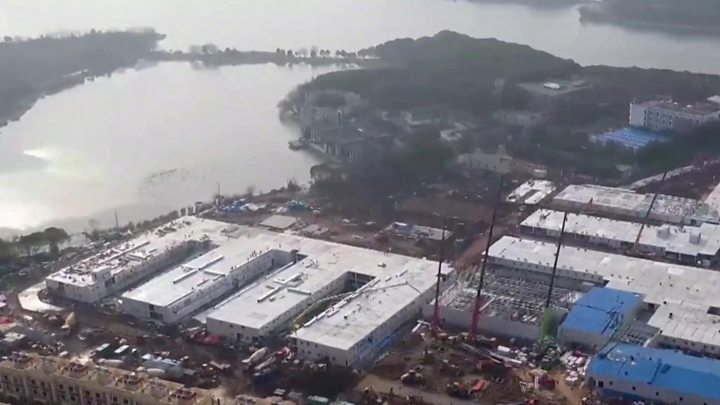
Medical workers help the first batch of patients infected with the novel coronavirus move into their isolation wards at Huoshenshan (Fire God Mountain) Hospital in Wuhan, central China’s Hubei Province, Feb. 4, 2020. A newly-built hospital in Wuhan, the epicenter of the novel coronavirus outbreak in China, began accepting patients infected with the virus on Tuesday. The first batch of patients are being transferred to Huoshenshan (Fire God Mountain) Hospital, which was delivered on Sunday after a 10-day construction. (Xinhua/Xiao Yijiu)
WUHAN, Feb. 4 (Xinhua) — A newly-built hospital in Wuhan, the epicenter of the novel coronavirus outbreak in China, began accepting patients infected with the virus on Tuesday.
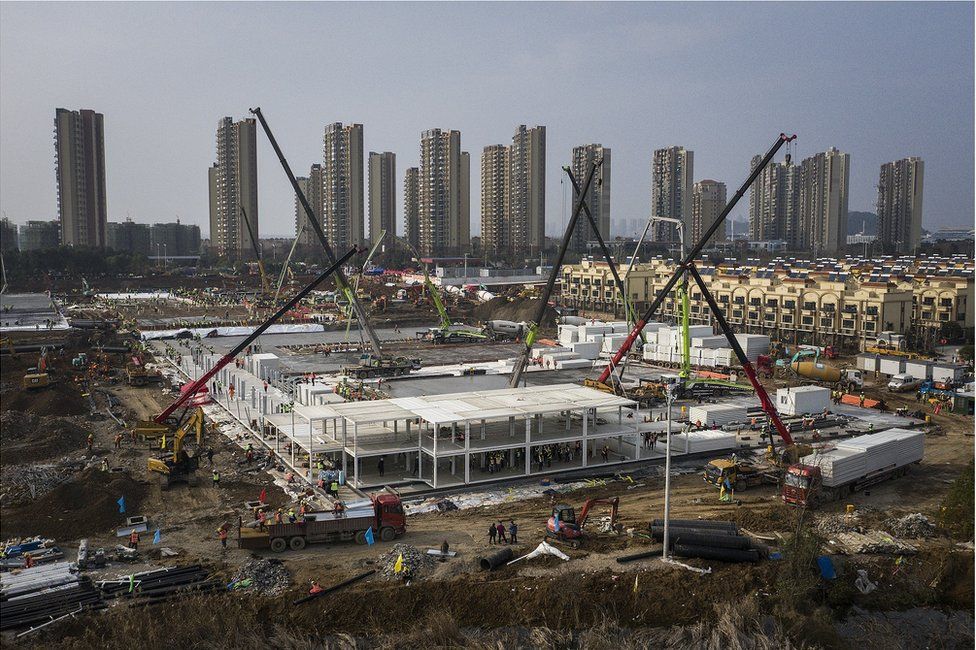
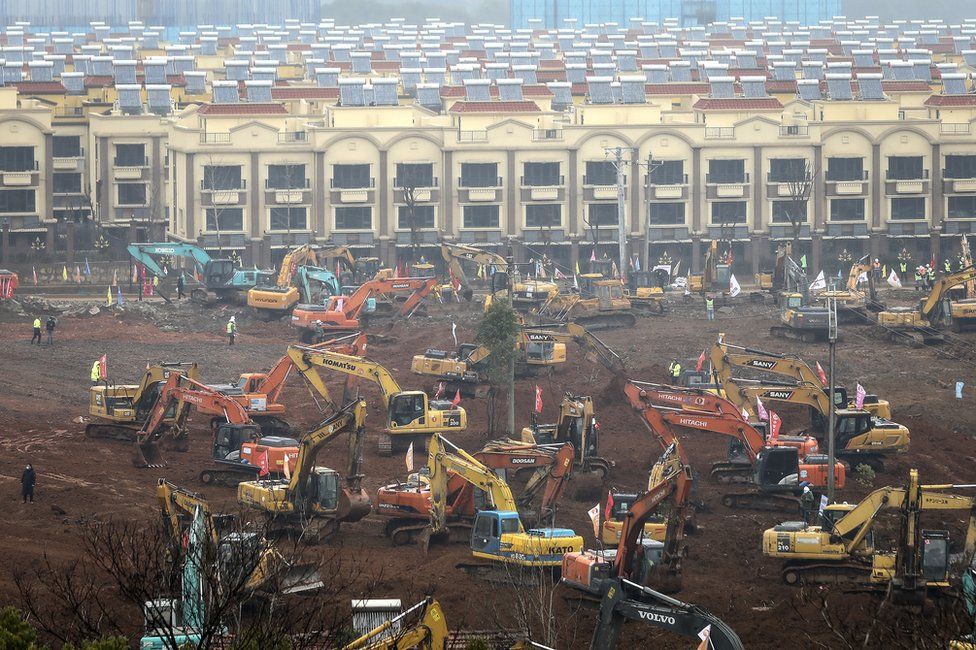
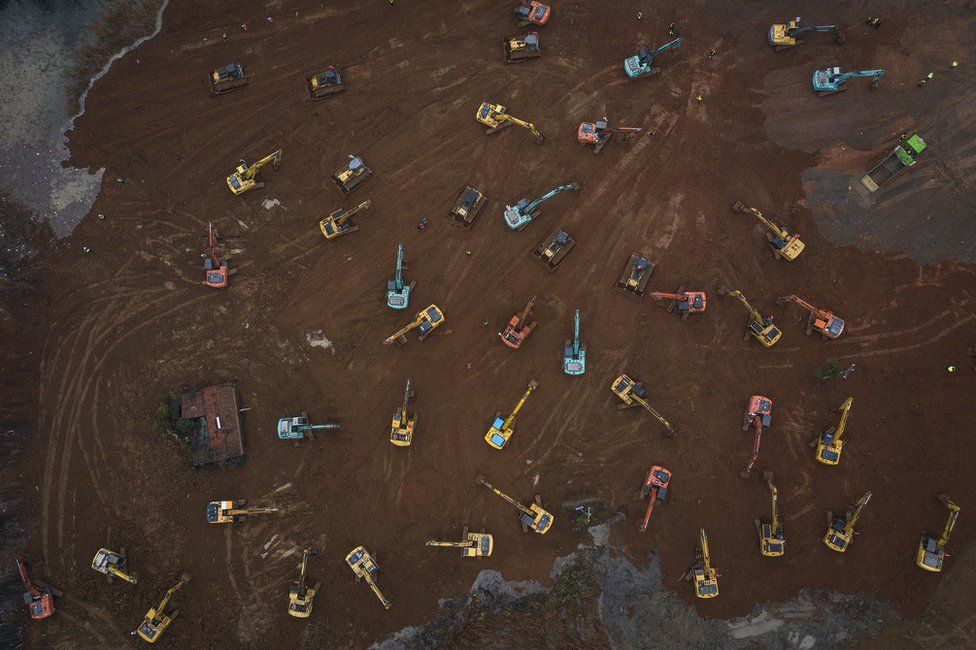
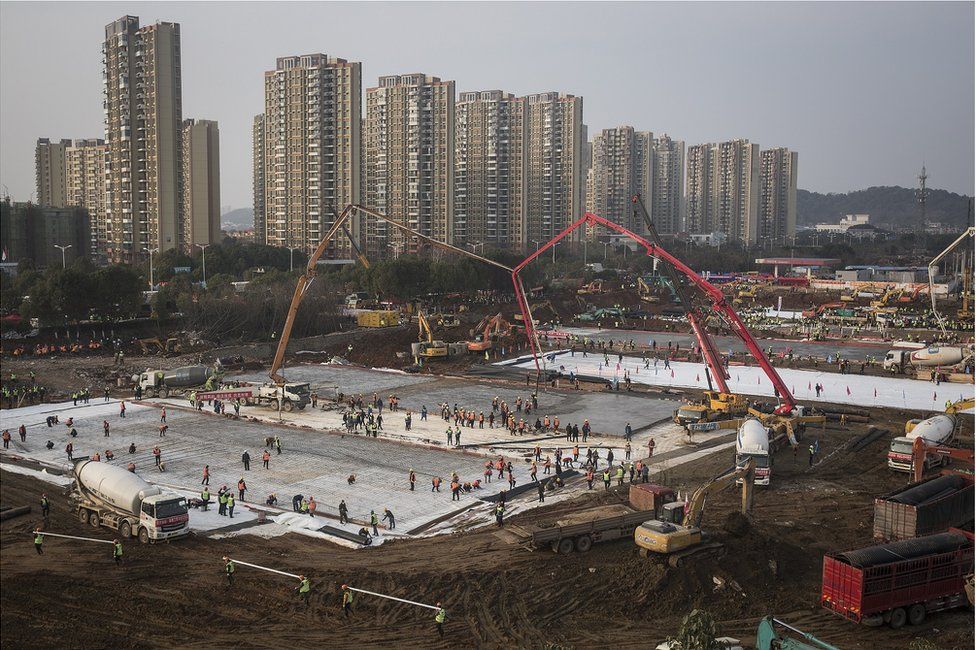
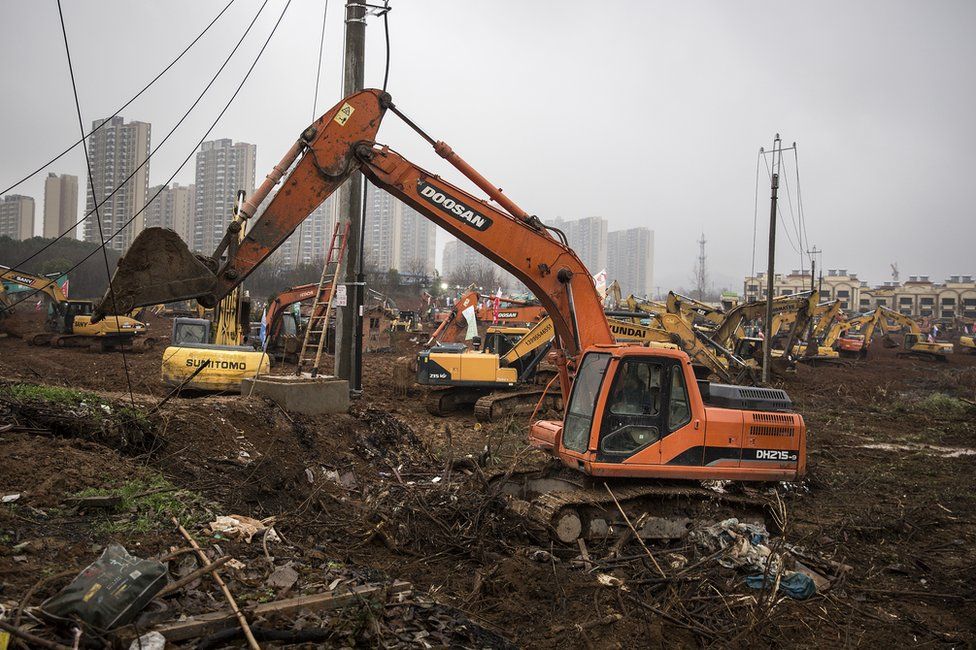
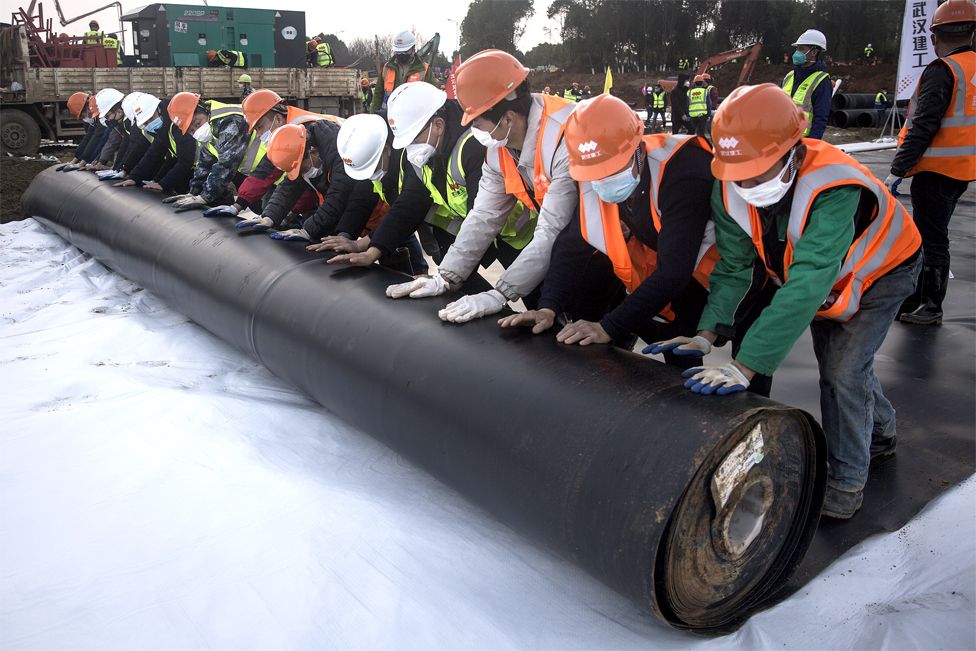
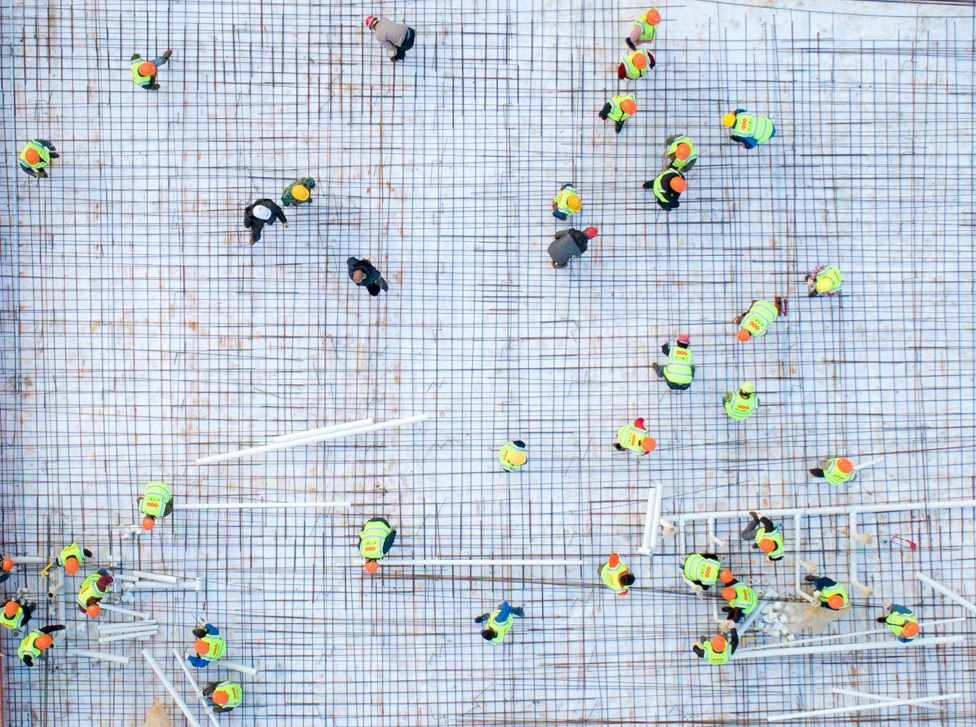
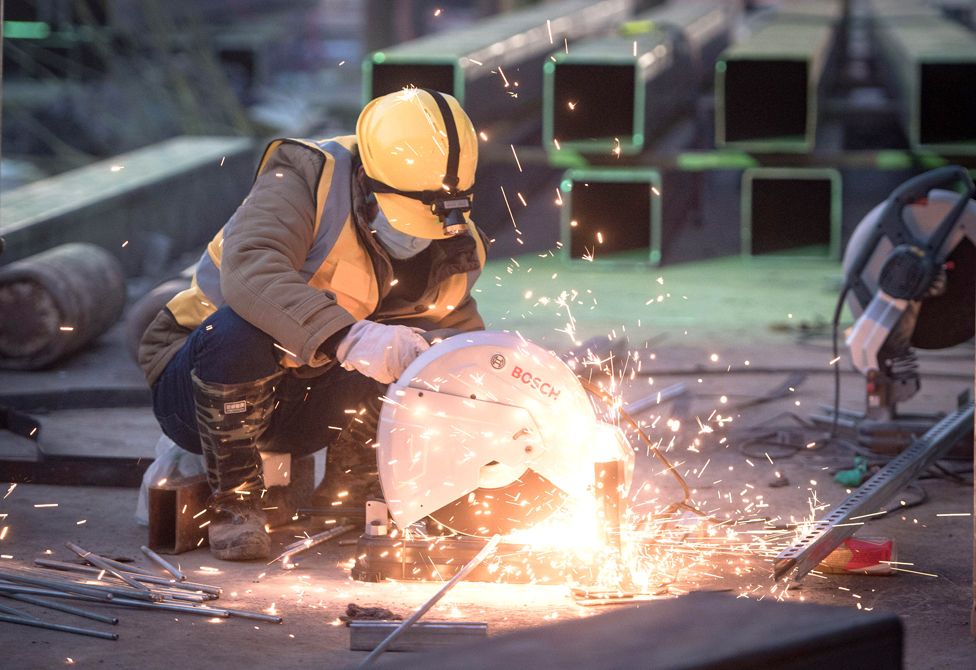
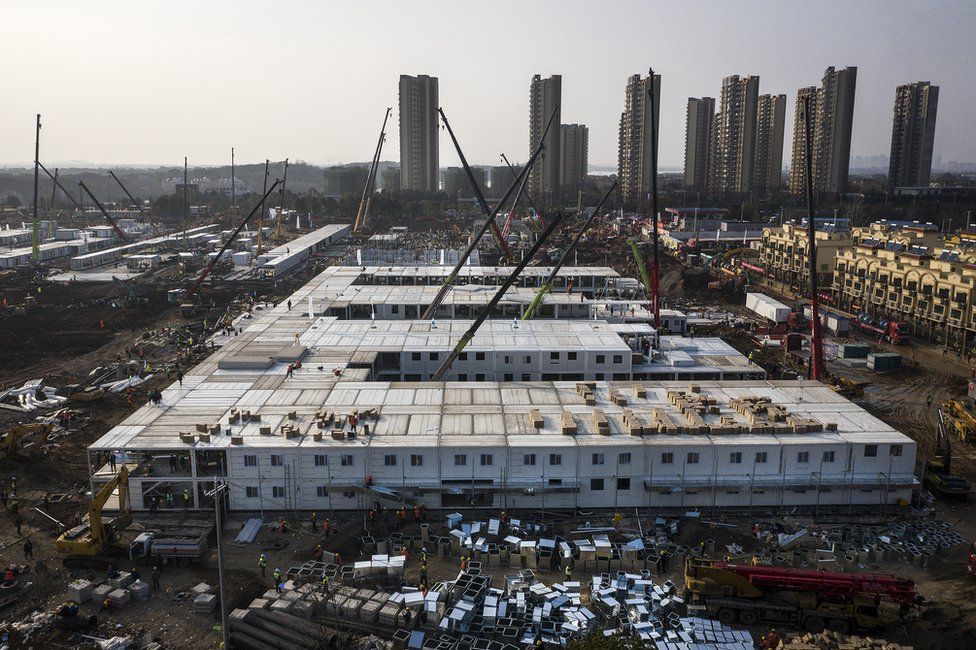
The first batch of patients are being transferred to Huoshenshan (Fire God Mountain) Hospital, which was delivered on Sunday after a 10-day construction.
The hospital is one of the two makeshift hospitals dedicated to treating patients infected with the virus.
“We made all-out efforts in preparing for patient treatment, medical materials and prevention measures,” said Zhang Sibing, head of the hospital, adding that the hospital has a set of strict procedures covering patient admission, diagnosis and treatment.
All the medics working at Huoshenshan Hospital have undergone training and qualification assessments.
In addition, the hospital has deployed more than 10 infectious disease, respiratory and intensive care experts to provide guidance on the handling of complex cases.
Wuhan also plans to convert three existing venues, including a gymnasium and an exhibition center, into temporary hospitals to receive patients infected with the virus, the headquarters for the epidemic control said late Monday.
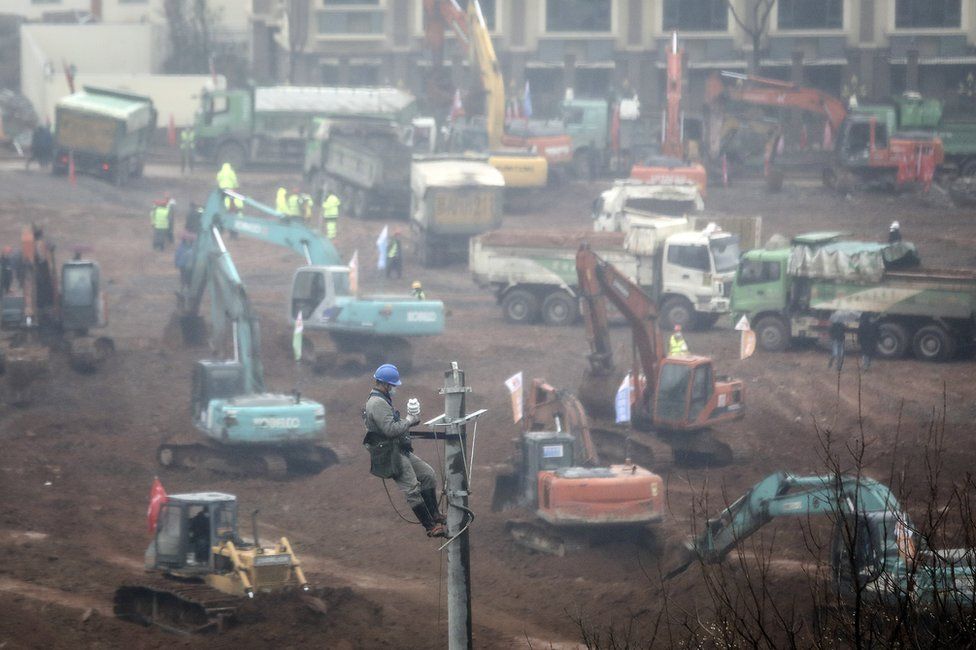
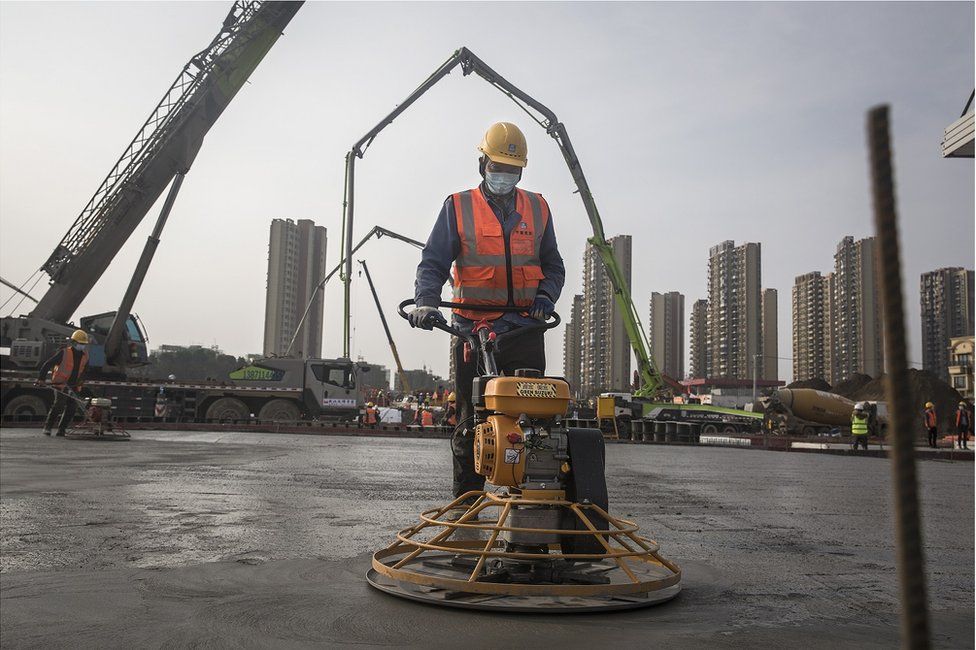
China’s official CCTV broadcaster has been hosting livestreams so people can watch the hospitals being built in real-time – and they have proved an unlikely hit.
The popularity of the footage has led to the construction vehicles earning unusual fame.
Cement mixers have found themselves with nicknames like “The Cement King”, “Big White Rabbit” and “The White Roller”.
Image copyright GETTY IMAGES
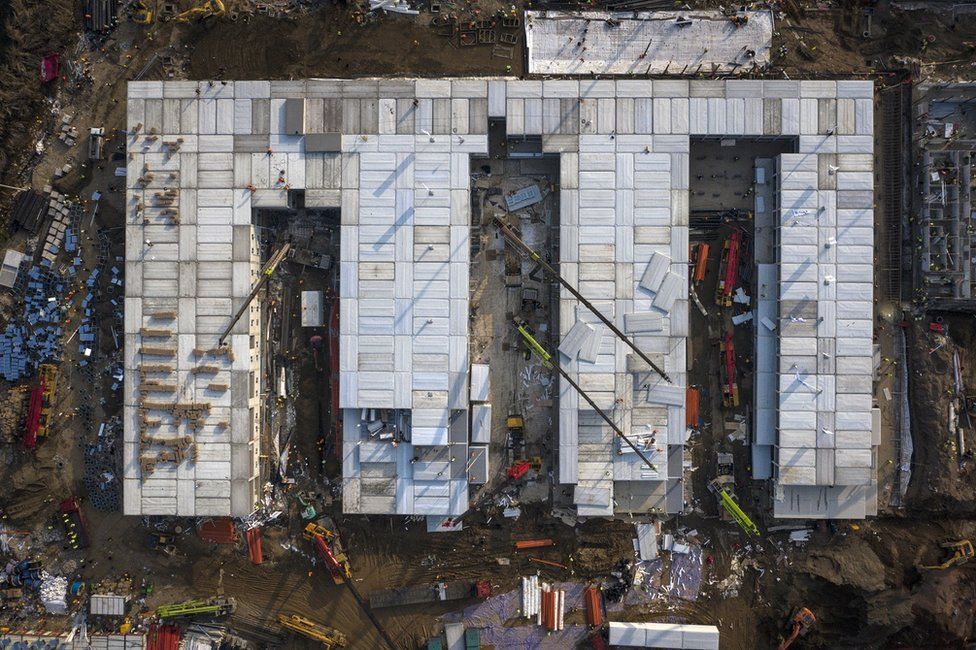
Huoshenshan Hospital is based on Xiaotangshan Hospital, set up in Beijing to help tackle the Sars virus in 2003.
Image copyright GETTY IMAGES
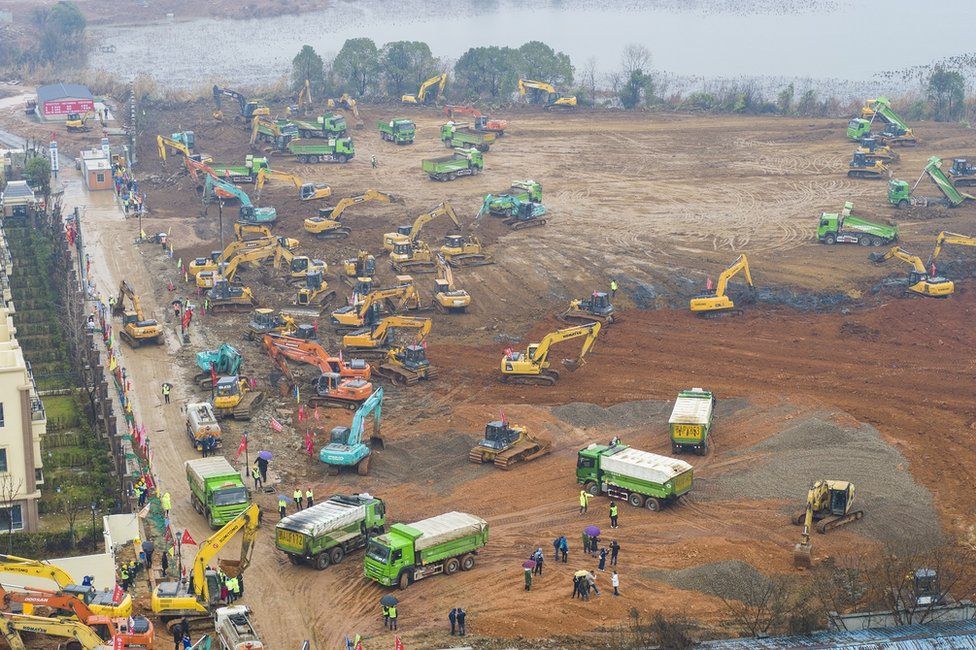
Xiaotangshan Hospital was built in seven days, allegedly breaking the world record for the fastest construction of a hospital.
Image copyright GETTY IMAGES
“China has a record of getting things done fast even for monumental projects like this,” says Yanzhong Huang, a senior fellow for global health at the Council on Foreign Relations.
Image copyright ALAMYImage copyright ALAMY
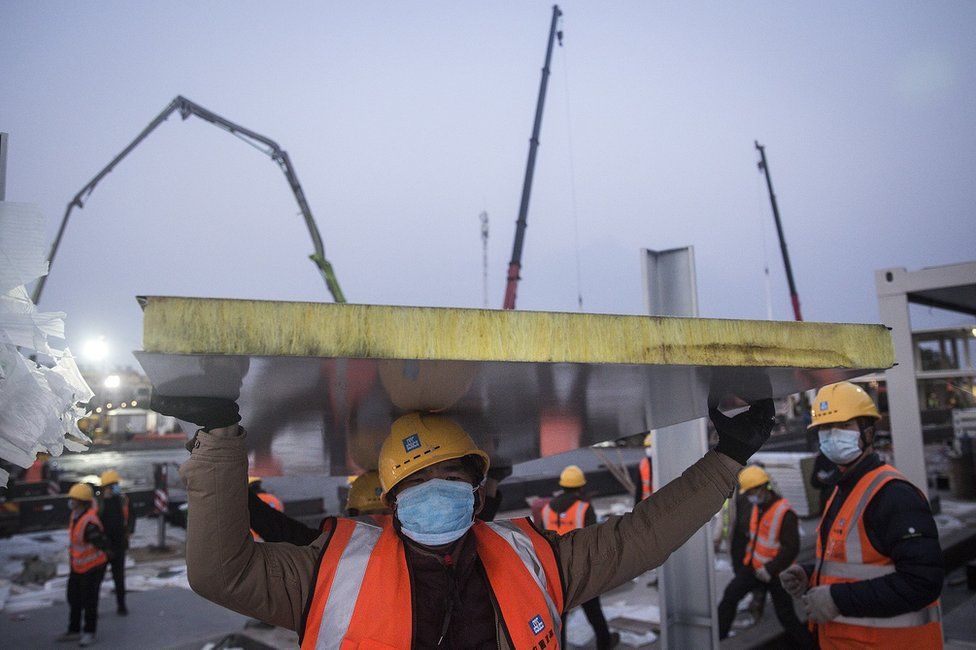
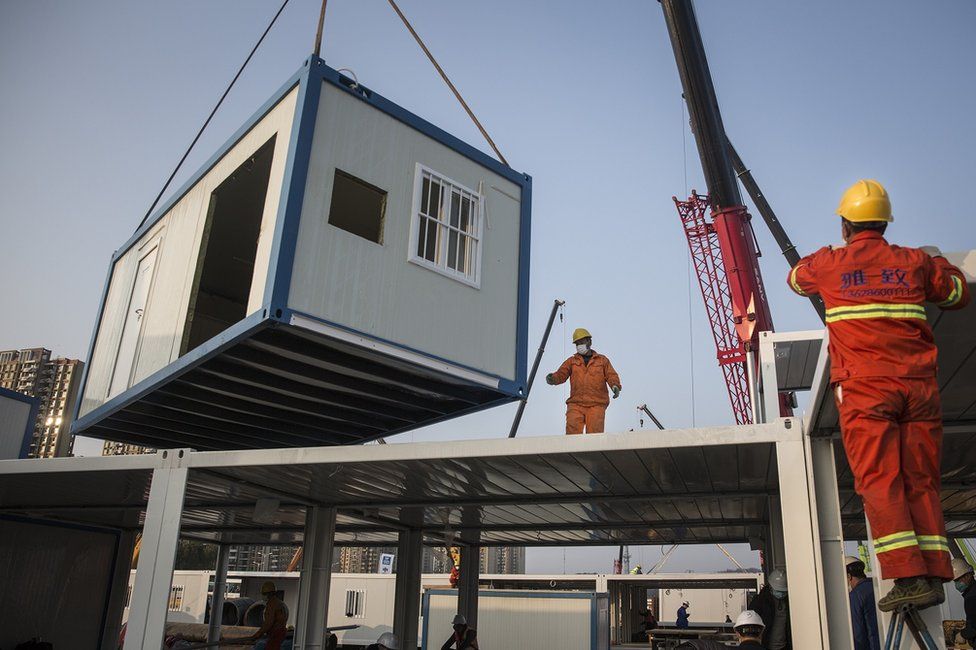
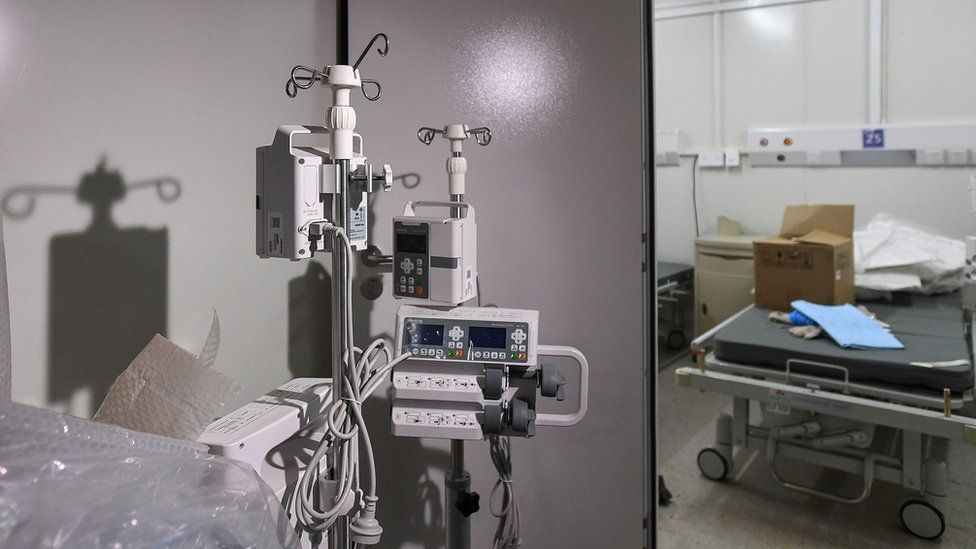
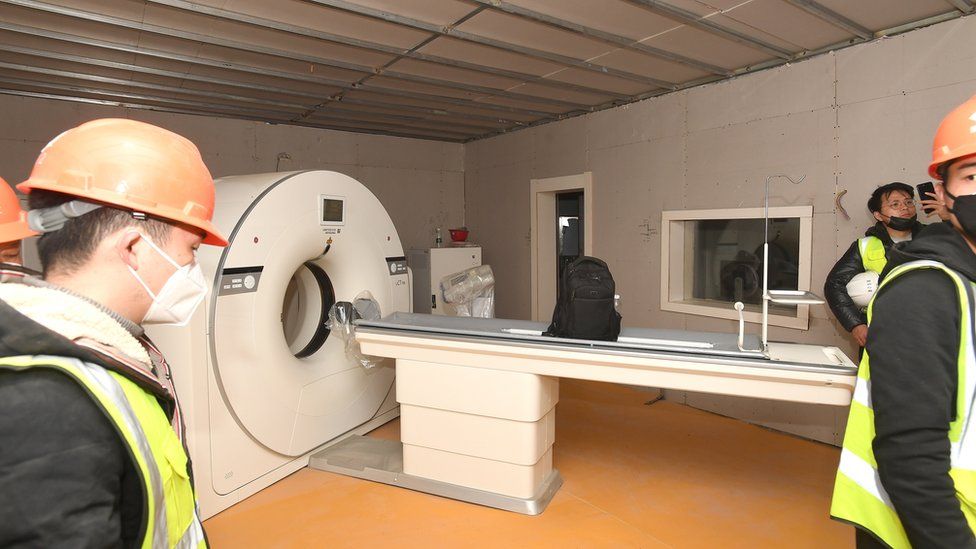
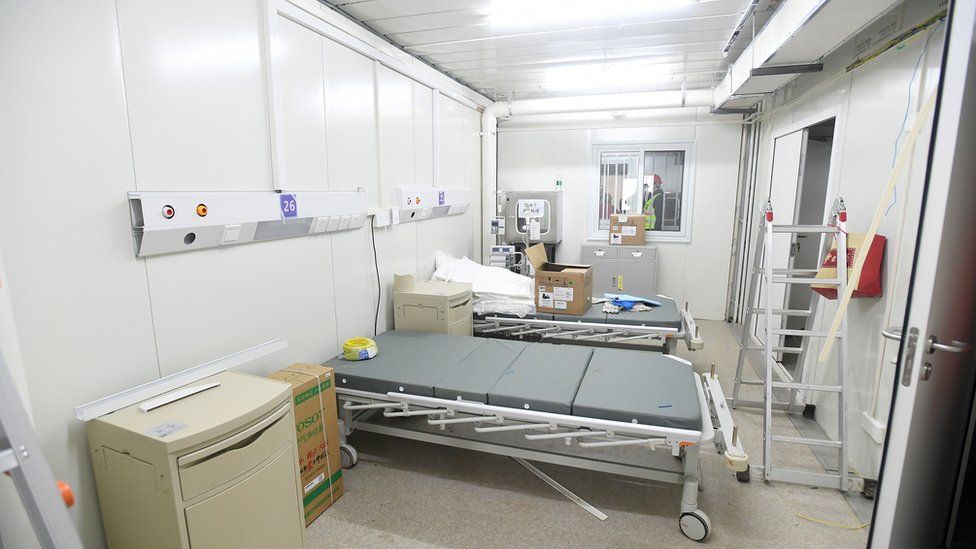
Just like the hospital in Beijing, Huoshenshan Hospital will consist of prefabricated buildings.
Image copyright GETTY IMAGES
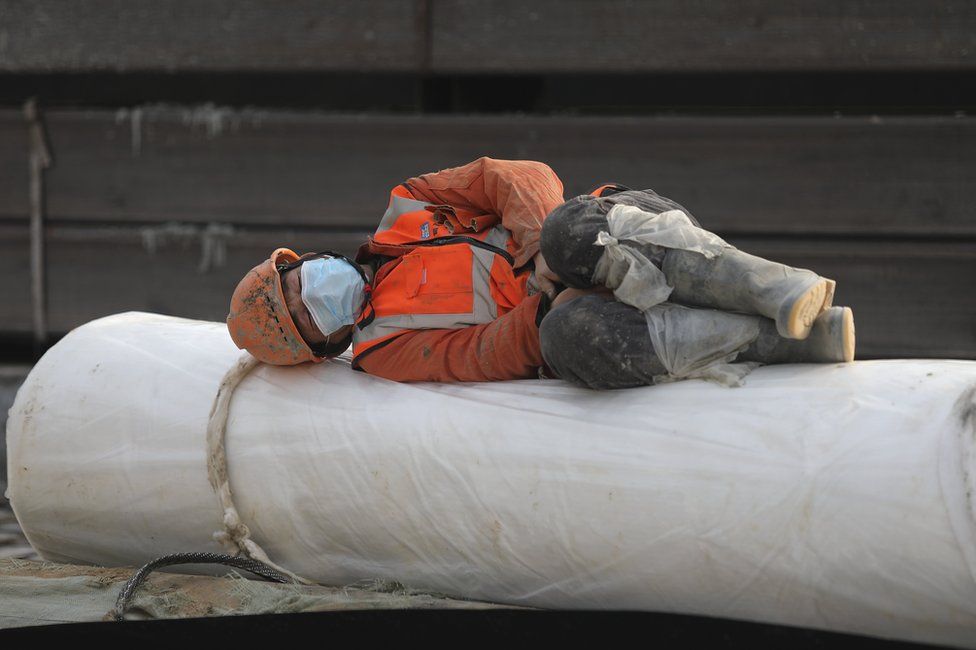
Mr Huang said that engineers would be brought in from across the country in order to complete construction in time.
“Engineering work is what China is good at. They have records of building skyscrapers at speed. This is very hard for Westerners to imagine. It can be done,” he added.
The new coronavirus has been declared a global emergency by the World Health Organization, as the outbreak continues to spread outside China.
“The main reason for this declaration is not what is happening in China but what is happening in other countries,” said WHO chief Tedros Adhanom Ghebreyesus.
The concern is that it could spread to countries with weaker health systems.
Meanwhile, the US has told its citizens not to travel to China.
The state department issued a level four warning – having previously urged Americans to “reconsider” travel to China – and said any citizens in China “should consider departing using commercial means”.
China has said it will send charter plans to bring back Hubei province residents who are overseas “as soon as possible”.
A foreign ministry spokesman said this was because of the “practical difficulties” Chinese citizens have faced abroad. Hubei is where the virus emerged.
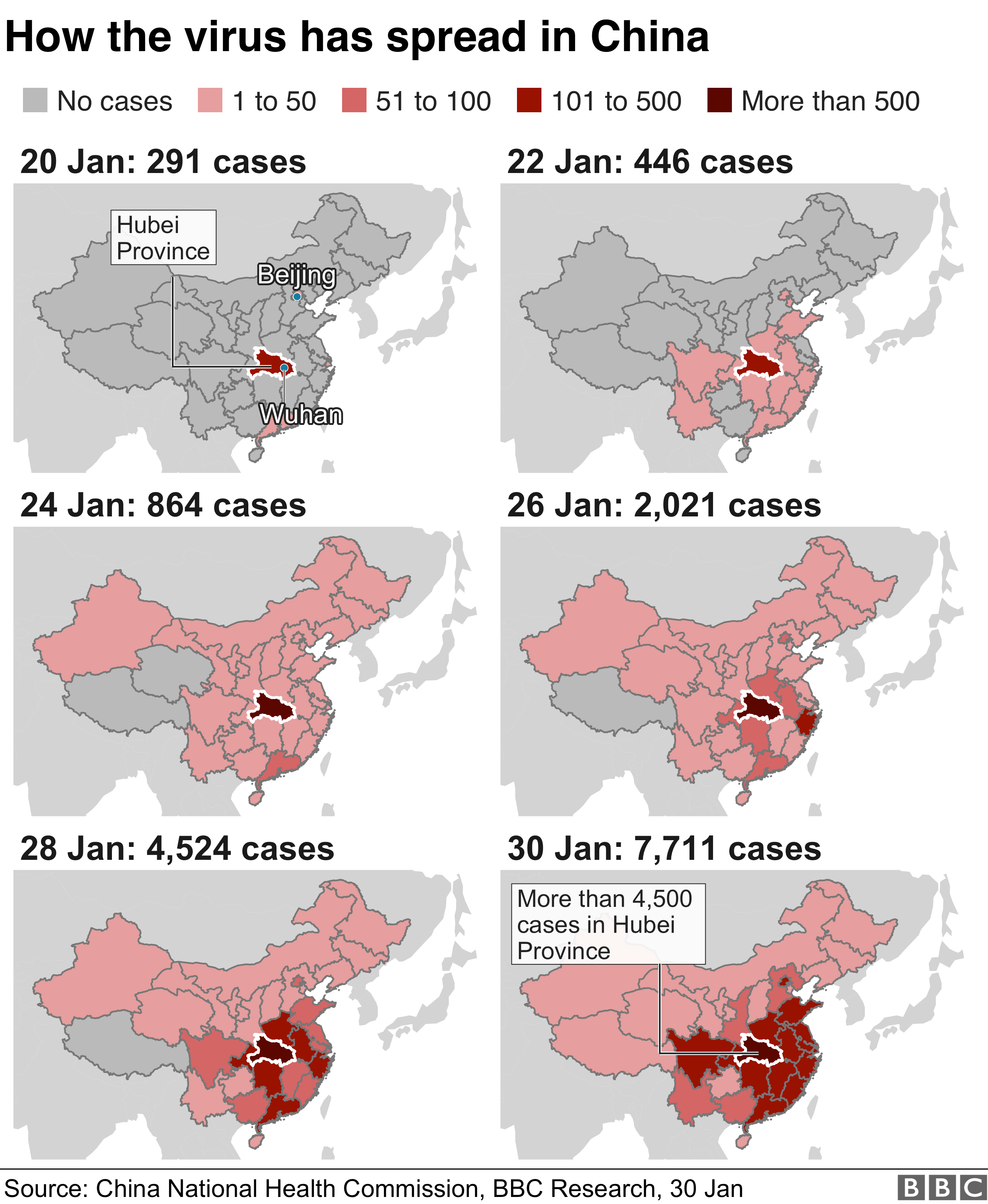
At least 213 people in the China have died from the virus, mostly in Hubei, with almost 10,000 cases nationally.
The WHO said there had been 98 cases in 18 other countries, but no deaths.
Most international cases are in people who had been to Wuhan in Hubei.
However in eight cases – in Germany, Japan, Vietnam and the United States – patients were infected by people who had travelled to China.
Getty Coronavirus outbreak outside China
18 The number of countries with cases
14 Cases in Thailand and Japan
13 Singapore
11 South Korea
8 Australia and Malaysia
5 France and USA
Source: WHO and local authorities
Speaking at a news conference in Geneva, Dr Tedros described the virus as an “unprecedented outbreak” that has been met with an “unprecedented response”.
He praised the “extraordinary measures” Chinese authorities had taken, and said there was no reason to limit trade or travel to China.
The US Commerce Secretary, Wilbur Ross, has said the outbreak could “accelerate the return of jobs to North America”.
Preparing other countries
What happens if this virus finds its way into a country that cannot cope?
Many low- and middle-income countries simply lack the tools to spot or contain it. The fear is it could spread uncontrollably and that it may go unnoticed for some time.
Remember this is a disease which emerged only last month – and yet there are already almost 10,000 confirmed cases in China.
The 2014 Ebola outbreak in West Africa – the largest in human history – showed how easily poorer countries can be overwhelmed by such outbreaks.
And if novel coronavirus gets a significant foothold in such places, then it would be incredibly difficult to contain.
We are not at that stage yet – 99% of cases are in China and the WHO is convinced the country can control the outbreak there.
But declaring a global emergency allows the WHO to support lower- and middle-income countries to strengthen their disease surveillance – and prepare them for cases.
How unusual is this declaration?
The WHO declares a Public Health Emergency of International Concern when there is “an extraordinary event which is determined… to constitute a public health risk to other states through the international spread of disease”.
It has previously declared five global public health emergencies:
Swine flu, 2009 – The H1N1 virus spread across the world in 2009, with death toll estimates ranging from 123,000 to 575,400
Polio, 2014 – Although closer than ever to eradication in 2012, polio numbers rose in 2013
Zika, 2016 – The WHO declared Zika a public health emergency in 2016 after the disease spread rapidly through the Americas
Ebola, 2014 and 2019 – The first emergency over the virus lasted from August 2014 to March 2016 as almost 30,000 people were infected and more than 11,000 died in West Africa. A second emergency was declared last year as an outbreak spread in DR Congo
Media caption Inside the US laboratory developing a coronavirus vaccine
How is China handling the outbreak?
A confirmed case in Tibet means the virus has reached every region in mainland China. According to the country’s National Health Commission, 9,692 cases have tested positive.
The central province of Hubei, where nearly all deaths have occurred, is in a state of lockdown. The province of 60 million people is home to Wuhan, the heart of the outbreak.
The city has effectively been sealed off and China has put numerous transport restrictions in place to curb the spread of the virus.
People who have been in Hubei are also being told to work from home until it is considered safe for them to return.
The virus is affecting China’s economy, the world’s second-largest, with a growing number of countries advising their citizens to avoid all non-essential travel to the country.
How is the world responding?
Voluntary evacuations of hundreds of foreign nationals from Wuhan are under way.
The UK, Australia, South Korea, Singapore and New Zealand are expected to quarantine all evacuees for two weeks to monitor them for symptoms and avoid contagion.
Australia plans to quarantine its evacuees on Christmas Island, 2,000km (1,200 miles) from the mainland in a detention centre that has been used to house asylum seekers.
In other recent developments:
Italy suspended flights to China after two Chinese tourists in Rome were diagnosed with the virus; earlier 6,000 people on board a cruise ship were temporarily barred from disembarking
In the US, Chicago health officials have reported the first US case of human-to-human transmission. Around 200 US citizens have been flown out of Wuhan and are being isolated at a Californian military base for at least 72 hours
Russia has decided to close its 4,300km (2,670-mile) far-eastern border with China
Two flights to Japan have already landed in Tokyo. Japan has now raised its infectious disease advisory level for China
Some 250 French nationals have been evacuated from Wuhan
India has confirmed its first case of the virus – a student in the southern state of Kerala who was studying in Wuhan
Israel has barred all flight connections with China
Papua New Guinea has banned all visitors from “Asian ports”
SRINAGAR (Reuters) – Military roadblocks on Kashmir’s main highway are delaying ambulances carrying patients and leading to confrontations with motorists that occasionally turn physical, residents and medical staff say, as India’s crackdown on separatists in the region causes major disruption to daily life.
Tensions in Kashmir, a mountainous region claimed by both India and Pakistan, have been elevated since a suicide car bomb attack killed 40 Indian paramilitary police in the region on Feb. 14.
The nuclear-armed neighbours, who have fought two wars over the territory, which is divided between them, both launched airstrikes last months, forcing world powers to urge calm.
Tensions between the two countries have temporarily eased. But India has kept up pressure on militant groups on its side of the contested border, boosting its military presence there and arresting hundreds of alleged separatists. Hundreds of thousands of Indian troops patrol the valley, and motorists say security around military convoys has increased delays.
Roadblocks on a 100-kilometre (60-mile) stretch of NH-44, Kashmir’s picturesque main highway linking the summer capital of Srinagar with the rest of India, are sometimes trebling the time it has taken for sick patients to reach hospitals in the capital, several users of the road told Reuters.
India’s military denies this, saying troops are instructed to stop traffic for only a few minutes at a time, and that ambulances and school buses are getting priority.
“School buses, ambulances will be give priority during the convoy movements,” said Indian defence department spokesman Colonel Rajesh Kalia on Monday. “We have given directions to the troops on the ground that they are not stopped.”
But the Kashmir Private Schools Association sees no difference in the security forces approach, and its Chairman G N Var said it may have to close down the schools because the disruption is so great.
“The school buses were stopped even today,” Var said. “It is harassment. We can’t run schools like this.”
CHEST PAIN
Irfan Ahmad, 45, a resident of Awantipora in South Kashmir, said it took him three hours to take his mother, Sajja Begum, for treatment at a hospital in Srinagar on March 11, a journey that usually takes an hour.
“She was crying with chest pain but who listened, there were long queues everywhere we were stopped”, he said.
Mohammad Yusuf, an ambulance driver who frequently ferries critical patients from nearby Qazigund to hospitals in Srinagar, said commuting on the highway has become increasingly difficult.
“We are stopped (in) five to six places on the way,” he said. “It takes four hours to take patients from Qazigund to Srinagar and normally it hardly takes 70-80 minutes.”
Waqar Ahmad, a doctor at North Kashmir’s main Baramulla hospital, said he faced similar delays making him late for work shifts.
“Every few kilometres we are stopped by troops on the highway,” he said. “They are very aggressive and they don’t listen to us. We feel insecure. Earlier, they would nicely talk to you and now they are abusive. We are stopped in at least five to six places in a 60-kilometre journey. It is a routine now and we feel dejected.”
The hospital’s medical superintendent, Syed Masood, said most of its doctors were now late for work.
“It affects the functioning of the hospital which caters to lakhs (hundreds of thousands) of people,” he said.
SCHOOLS HIT
A rail line intended to link mountainous North Kashmir to the winter capital of Jammu is more than a decade behind schedule.
That means the highway – India’s longest that begins in Srinagar and terminates at the country’s southern tip – is a vital lifeline to Indian-administered Kashmir, a Muslim-majority region where many residents say they feel cut off from the rest of Hindu-majority India.
Some residents also allege that troops have damaged cars during roadblocks.
Khursheed Ahmad, a 23-year-old from South Kashmir, said he was hit by troops carrying batons and had one of his car windows broken at a traffic stop on March 8.
“I was on the way to Srinagar and was stopped by troops, it took me a little while to apply the breaks and two men swooped on me,” he said. “They beat me with batons and smashed one of the window panes.”
Lt General KJS Dhillon, one of India’s top military commanders in the region, denied troops had harassed or assaulted motorists.
“The point about harassment and all, it is not true, it is propaganda,” he said. “I appeal to my civilian friends to please cooperate with the security forces for one and a half minutes.”








 CHINDIA ALERT: You'll be living in their world, very soon