Archive for ‘person to person’

05/05/2020

Coronavirus: Chinese state media take aim at US ‘lab theory’

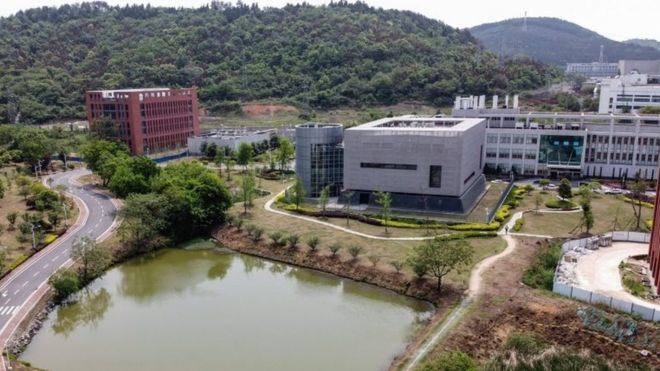
The P4 laboratory (centre) in Wuhan is among a handful of around the world cleared to handle Class 4 pathogens (P4) - dangerous viruses that pose a high risk of person-to-person transmissionImage copyright AFP / GETTY
Image caption The P4 laboratory (centre) in Wuhan is among a handful around the world cleared to handle viruses that pose a high risk of person-to-person transmission

Chinese state media has accused US Secretary of State Mike Pompeo of lying, after he said there was “enormous evidence” the coronavirus emanated from a laboratory in Wuhan.

Mr Pompeo made the claim on Sunday, without going into specifics.

In an editorial on Tuesday, the hawkish Global Times newspaper said Mr Pompeo was “degenerate”.

The World Health Organization says the US claims are “speculative”, and that it has seen no “specific evidence”.

What did Chinese media say?

Editorials in Chinese state media often given an insight into the direction of government thinking, but there has been no official response to Mr Pompeo’s comments as yet.

On Monday, the Global Times accused Mr Pompeo of “absurd theories and twisted facts”, and on Tuesday the attack continued.

“Pompeo aims to kill two birds with one stone by spewing falsehoods,” it said.

“First, he hopes to help Trump win re-election this November…second, Pompeo hates socialist China and, in particular, cannot accept China’s rise.”
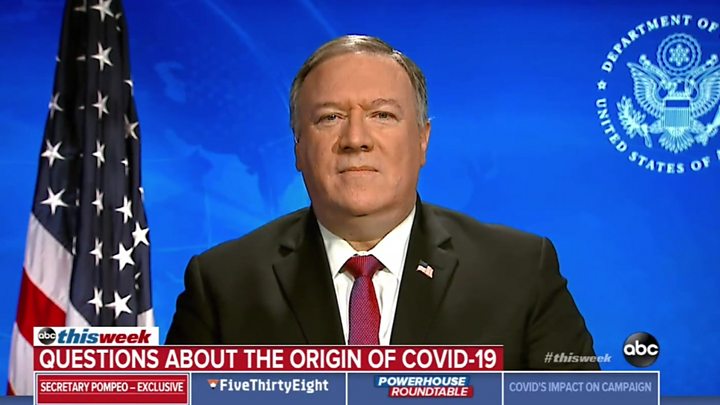
Media caption “The Chinese Communist Party has refused to co-operate with world health experts” – Mike Pompeo

The editorial admitted there were “initial problems” in China’s response to the outbreak, but claimed “the overall performance is bright enough to outweigh the flaws”.

It also said it was “conceivable that the virus first contacted humans in other places [than Wuhan]”.

The Global Times is not the only Chinese outlet to take aim at Mr Pompeo and the US.

The People’s Daily said Mr Pompeo had “no evidence”, while a piece on the CCTV site accused US politicians of “nefarious plotting”.

What did Mike Pompeo say?

In an interview with ABC on Sunday, Mr Pompeo said there was “enormous evidence” that the virus had emerged from the Wuhan Institute of Virology.

“Remember, China has a history of infecting the world, and they have a history of running sub-standard laboratories,” he said.

Mr Pompeo – a former director of the Central Intelligence Agency (CIA) – said he did not think the virus was man-made or genetically modified.

The Wuhan laboratory is known to study coronaviruses in bats. In April, President Trump was asked whether “lax safety protocols” allowed such a virus to escape via an intern and her boyfriend.

Mr Trump did not confirm the theory, but said: “More and more we’re hearing the story.”
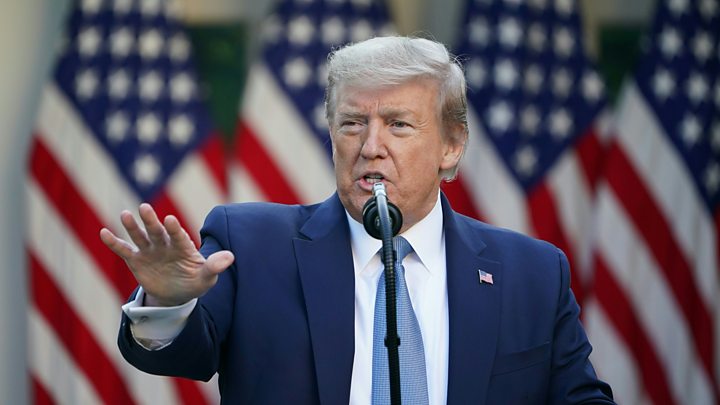
Media caption Donald Trump was recently asked if the virus emanated in a laboratory, rather than a market

Last week, he was asked if he had seen evidence that gave him a “high degree of confidence” that the virus emerged in the Wuhan laboratory.

“Yes I have,” he replied – but said he could not go into specifics.

Last month, the Washington Post reported that US officials visited the laboratory in January 2018, and reported back their safety concerns.

What do the experts say?

On Monday, World Health Organization emergencies director Michael Ryan said it had received “no data or specific evidence” from the US about the virus origins.

“So from our perspective, this remains speculative,” he said.

Last week, the US intelligence community said it “concurred” that the virus “was not man-made or genetically modified”.

But it said it would “continue to examine” whether the outbreak began via “contract with infected animals, or if it was the result of an an accident at a laboratory in Wuhan”.

Australian Prime Minister Scott Morrison said on Tuesday that the most likely source of the virus was a wildlife market. However he said he would not rule out the theory that it originated in a lab.

“What’s really important is that we have a proper review, an independent review which looks into the sources of these things in a transparent way so we can learn the lessons,” he told reporters.

Meanwhile, Western “intelligence sources” have told several news outlets there is “no evidence” to suggest the virus leaked from a laboratory.

Source: The BBC
30/09/2019

Next stop: Croatia. Chinese travellers skip Hong Kong for niche destinations over National Day break

  • Train trips, Xinjiang and chartered flights among the growing holiday trends, travel agents say
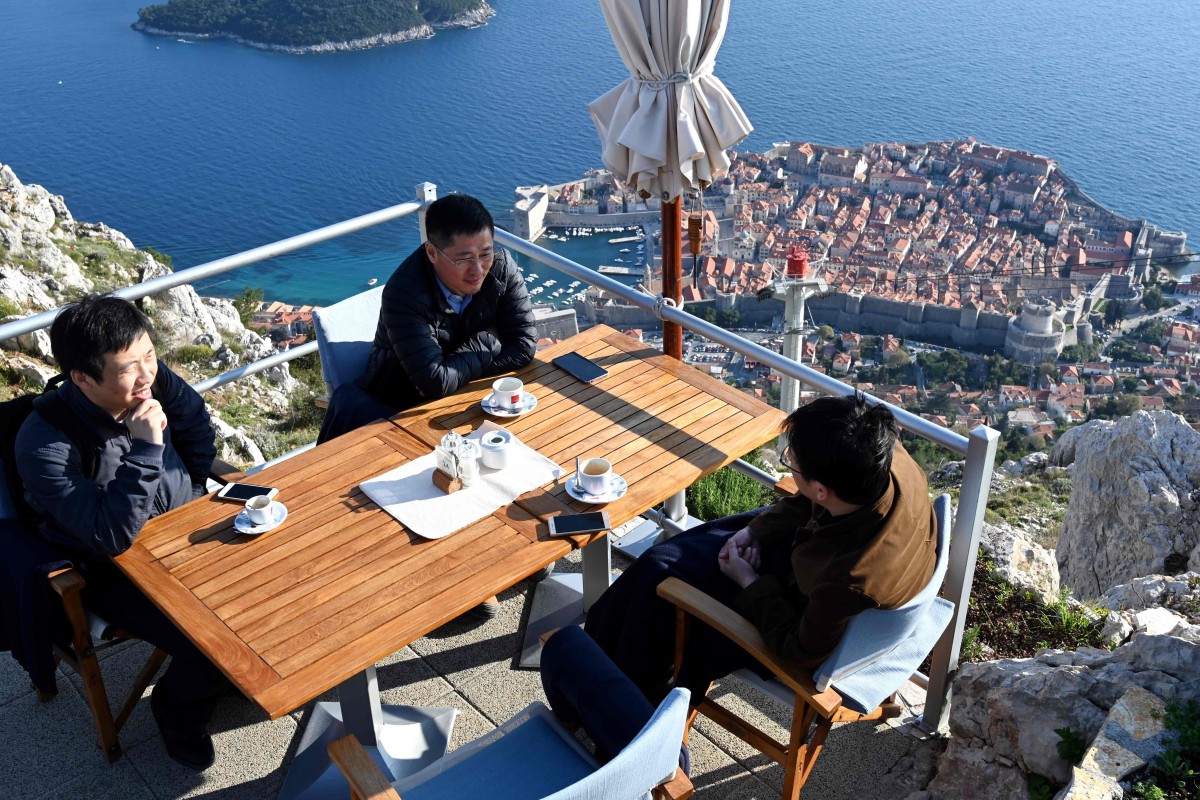
Destinations such as Dubrovnik, Croatia, are becoming more popular among mainland Chinese tourists, according to one of China’ s biggest travel services. Photo: AFP

Chartered flights and niche destinations such as Croatia and Malta are growing in popularity as Hong Kong falls out of favour for mainland Chinese holidaymakers over the National Day “golden week” break.

Japan has overtaken Thailand as the most searched overseas destination on the website of travel agency Ctrip, followed by Malaysia, the United States, Singapore, Australia, Macau, France, Italy and Russia.

Within the mainland places such as Beijing and Shanghai continued to be among the most popular searches but Urumqi, capital of Xinjiang Uygur autonomous region, is a fast-growing term, especially among people in Shanghai and Guangzhou.

“It could be that tourists want to see autumn leaves,” a Ctrip spokesman told the South China Morning Post.

October 1 marks the start of a week-long break on the mainland when millions of Chinese take the chance to travel. This year, an estimated 800 million people are expected to go on trips in China or overseas, about 10 per cent more than last year.
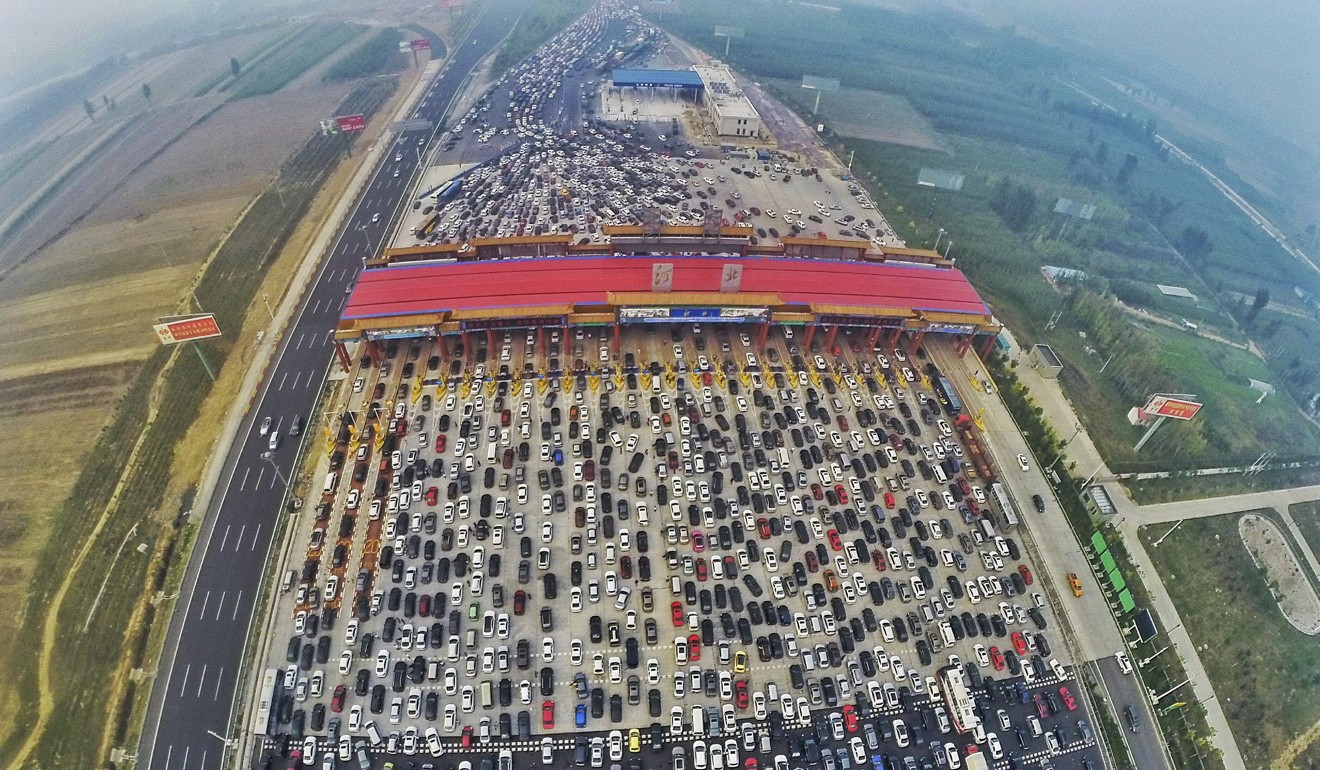
The country’s motorways are expected to be jammed from about 2pm on Monday, reaching a peak at around midnight, and again from 10am Tuesday, according to web mapping service Tencent Map.
China’s highways can expect heavy traffic as travellers head out for the holiday. Photo: Reuters

Ctrip said people heading overseas were increasingly seeking out new destinations, with bookings to places such as the Czech Republic, Austria, Croatia, Malta and Cambodia growing by 45 per cent this year.

“As Chinese people travel outside the country more and their experience of travel grows, many are more willing to go to smaller eastern European countries, such as the Czech Republic,” the spokesman said.

“Popular movies also have a strong influence. Many young people are willing to travel to see where films are shot, such as Croatia, one of the locations for Game of Thrones.”

Other noticeable trends this year include more people travelling with pets, by train and on chartered flights. The site said it sold 60 per cent more European train tickets and 10 times the number of train tickets for Japan for this golden week compared to last year.

The most popular routes in Asia were Tokyo to Kyoto in Japan, and Seoul to Busan in South Korea.

Hong Kong protests leave ‘golden week’ tourist boom in tatters as visitor arrivals during Chinese holiday period are set to be slashed by a third

Thousands of users also chose chartered flights, a service Ctrip introduced in September.

Ji Yu, head of chartered flights for Ctrip said most people thought chartered flights or helicopters were something only millionaires could afford, but in the internet age, they had become cheaper and more accessible.

“In the internet era, consumer needs vary from person to person, especially in terms of travel. There are products on the market to satisfy each customer’s personal needs.”

Among the more popular chartered routes were from Beijing or Shanghai to Tokyo, Bangkok, the Maldives and London.

More people are also going away for longer. Digital travel services giant Qunar said that 80 per cent of the travellers booking flights or hotels through its services were heading off for more than five days. And of those 41 per cent were travelling for more than a week.

Meanwhile, trips to Hong Kong have fallen substantially, with just 15 group tours expected to enter the city each day, down from 110 last year, according to the Travel Industry Council of Hong Kong.

Efforts to promote Hong Kong attractions have also increased in Shenzhen in recent weeks, with advertising videos scenic spots, popular restaurants and malls in Hong Kong playing on cross-border buses. Passengers can also get discounts to some stores and services with their tickets.

Source: SCMP

Law of Unintended Consequences

continuously updated blog about China & India

ChiaHou's Book Reviews

continuously updated blog about China & India

What's wrong with the world; and its economy

continuously updated blog about China & India