Chindia Alert: You’ll be Living in their World Very Soon
aims to alert you to the threats and opportunities that China and India present. China and India require serious attention; case of ‘hidden dragon and crouching tiger’.
Without this attention, governments, businesses and, indeed, individuals may find themselves at a great disadvantage sooner rather than later.
The POSTs (front webpages) are mainly 'cuttings' from reliable sources, updated continuously.
The PAGEs (see Tabs, above) attempt to make the information more meaningful by putting some structure to the information we have researched and assembled since 2006.
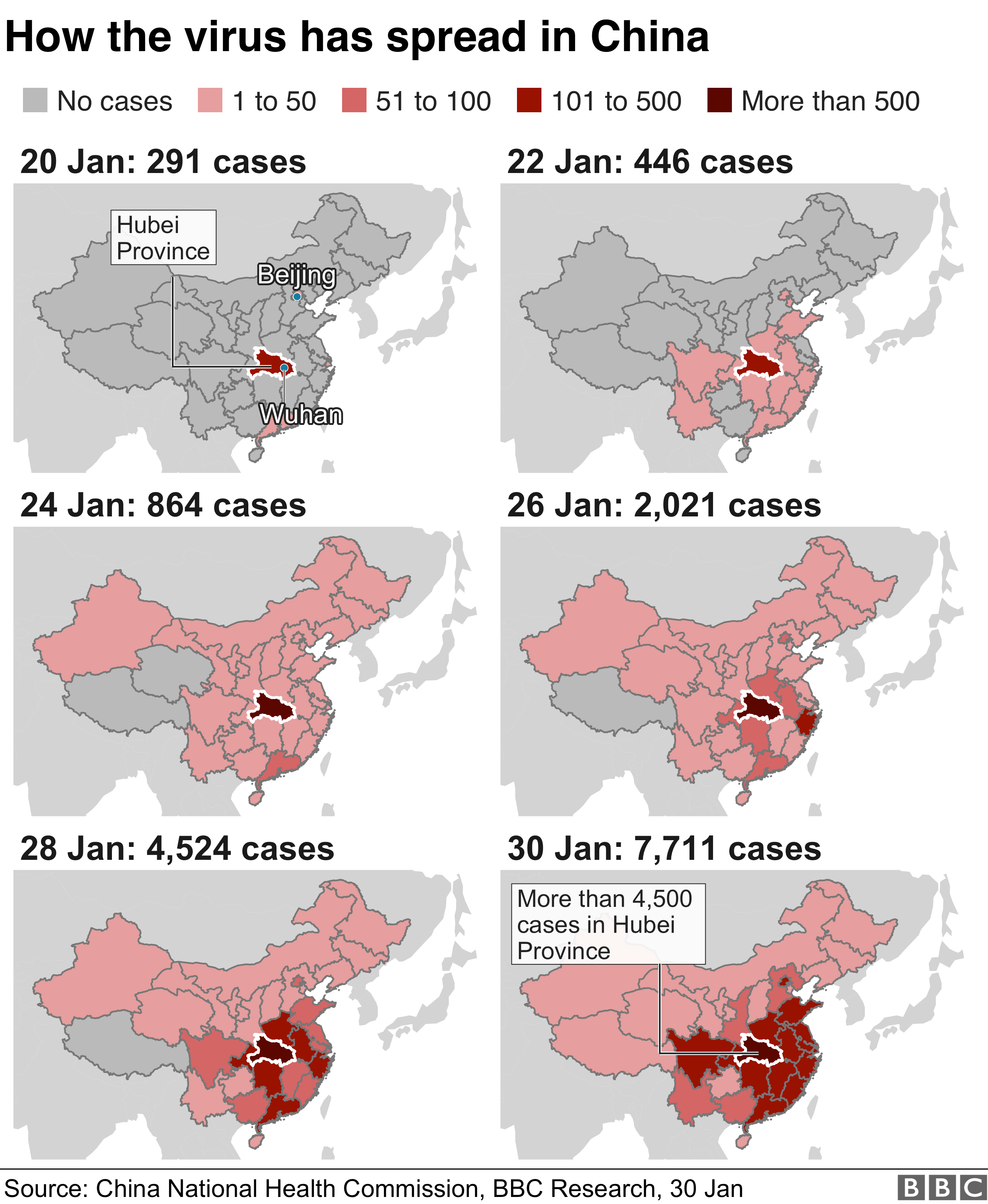
The new coronavirus has been declared a global emergency by the World Health Organization, as the outbreak continues to spread outside China.
“The main reason for this declaration is not what is happening in China but what is happening in other countries,” said WHO chief Tedros Adhanom Ghebreyesus.
The concern is that it could spread to countries with weaker health systems.
Meanwhile, the US has told its citizens not to travel to China.
The state department issued a level four warning – having previously urged Americans to “reconsider” travel to China – and said any citizens in China “should consider departing using commercial means”.
China has said it will send charter plans to bring back Hubei province residents who are overseas “as soon as possible”.
A foreign ministry spokesman said this was because of the “practical difficulties” Chinese citizens have faced abroad. Hubei is where the virus emerged.
At least 213 people in the China have died from the virus, mostly in Hubei, with almost 10,000 cases nationally.
The WHO said there had been 98 cases in 18 other countries, but no deaths.
Most international cases are in people who had been to Wuhan in Hubei.
However in eight cases – in Germany, Japan, Vietnam and the United States – patients were infected by people who had travelled to China.
Getty Coronavirus outbreak outside China
18 The number of countries with cases
14 Cases in Thailand and Japan
13 Singapore
11 South Korea
8 Australia and Malaysia
5 France and USA
Source: WHO and local authorities
Speaking at a news conference in Geneva, Dr Tedros described the virus as an “unprecedented outbreak” that has been met with an “unprecedented response”.
He praised the “extraordinary measures” Chinese authorities had taken, and said there was no reason to limit trade or travel to China.
The US Commerce Secretary, Wilbur Ross, has said the outbreak could “accelerate the return of jobs to North America”.
Preparing other countries
What happens if this virus finds its way into a country that cannot cope?
Many low- and middle-income countries simply lack the tools to spot or contain it. The fear is it could spread uncontrollably and that it may go unnoticed for some time.
Remember this is a disease which emerged only last month – and yet there are already almost 10,000 confirmed cases in China.
The 2014 Ebola outbreak in West Africa – the largest in human history – showed how easily poorer countries can be overwhelmed by such outbreaks.
And if novel coronavirus gets a significant foothold in such places, then it would be incredibly difficult to contain.
We are not at that stage yet – 99% of cases are in China and the WHO is convinced the country can control the outbreak there.
But declaring a global emergency allows the WHO to support lower- and middle-income countries to strengthen their disease surveillance – and prepare them for cases.
How unusual is this declaration?
The WHO declares a Public Health Emergency of International Concern when there is “an extraordinary event which is determined… to constitute a public health risk to other states through the international spread of disease”.
It has previously declared five global public health emergencies:
Swine flu, 2009 – The H1N1 virus spread across the world in 2009, with death toll estimates ranging from 123,000 to 575,400
Polio, 2014 – Although closer than ever to eradication in 2012, polio numbers rose in 2013
Zika, 2016 – The WHO declared Zika a public health emergency in 2016 after the disease spread rapidly through the Americas
Ebola, 2014 and 2019 – The first emergency over the virus lasted from August 2014 to March 2016 as almost 30,000 people were infected and more than 11,000 died in West Africa. A second emergency was declared last year as an outbreak spread in DR Congo
Media caption Inside the US laboratory developing a coronavirus vaccine
How is China handling the outbreak?
A confirmed case in Tibet means the virus has reached every region in mainland China. According to the country’s National Health Commission, 9,692 cases have tested positive.
The central province of Hubei, where nearly all deaths have occurred, is in a state of lockdown. The province of 60 million people is home to Wuhan, the heart of the outbreak.
The city has effectively been sealed off and China has put numerous transport restrictions in place to curb the spread of the virus.
People who have been in Hubei are also being told to work from home until it is considered safe for them to return.
The virus is affecting China’s economy, the world’s second-largest, with a growing number of countries advising their citizens to avoid all non-essential travel to the country.
How is the world responding?
Voluntary evacuations of hundreds of foreign nationals from Wuhan are under way.
The UK, Australia, South Korea, Singapore and New Zealand are expected to quarantine all evacuees for two weeks to monitor them for symptoms and avoid contagion.
Australia plans to quarantine its evacuees on Christmas Island, 2,000km (1,200 miles) from the mainland in a detention centre that has been used to house asylum seekers.
In other recent developments:
Italy suspended flights to China after two Chinese tourists in Rome were diagnosed with the virus; earlier 6,000 people on board a cruise ship were temporarily barred from disembarking
In the US, Chicago health officials have reported the first US case of human-to-human transmission. Around 200 US citizens have been flown out of Wuhan and are being isolated at a Californian military base for at least 72 hours
Russia has decided to close its 4,300km (2,670-mile) far-eastern border with China
Two flights to Japan have already landed in Tokyo. Japan has now raised its infectious disease advisory level for China
Some 250 French nationals have been evacuated from Wuhan
India has confirmed its first case of the virus – a student in the southern state of Kerala who was studying in Wuhan
Israel has barred all flight connections with China
Papua New Guinea has banned all visitors from “Asian ports”
President Milos Zeman says Beijing has not fulfilled its promises and he will not attend this year’s 17+1 summit
He had hoped the country would be an ‘unsinkable aircraft carrier’ for Chinese investment in Europe, but now Zeman has changed his tone
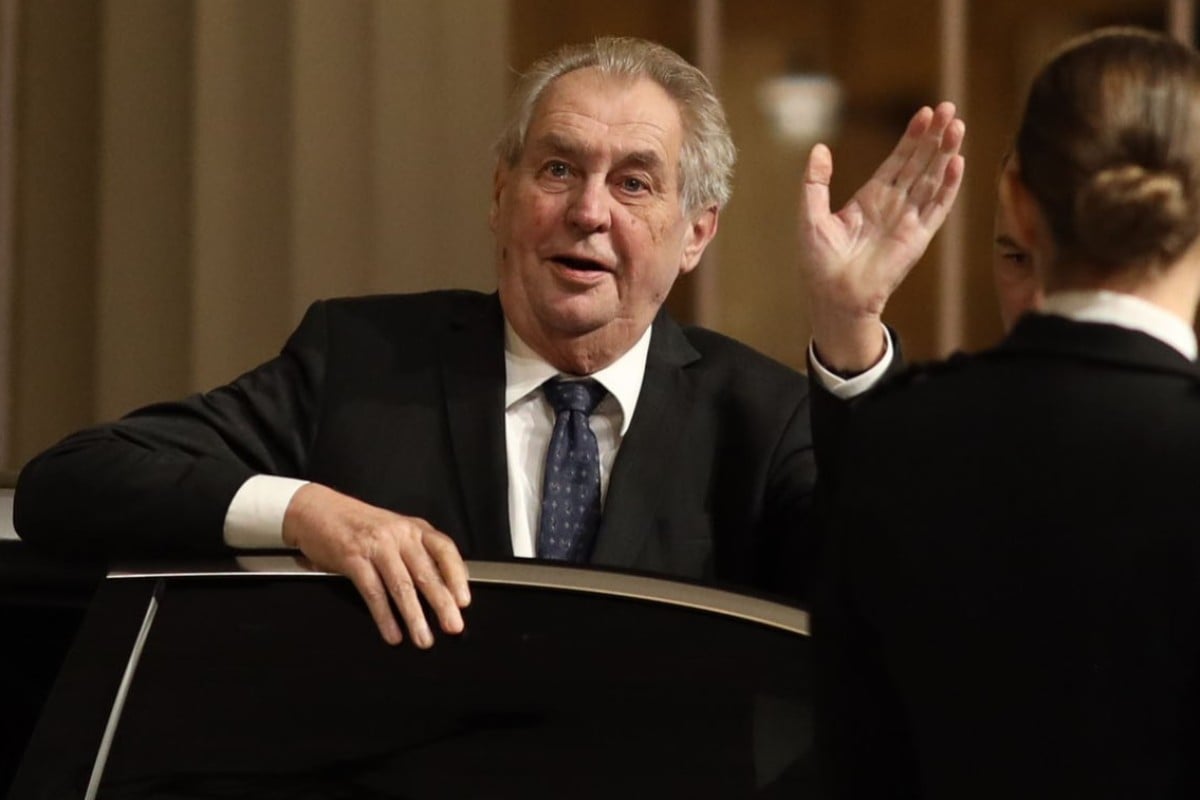
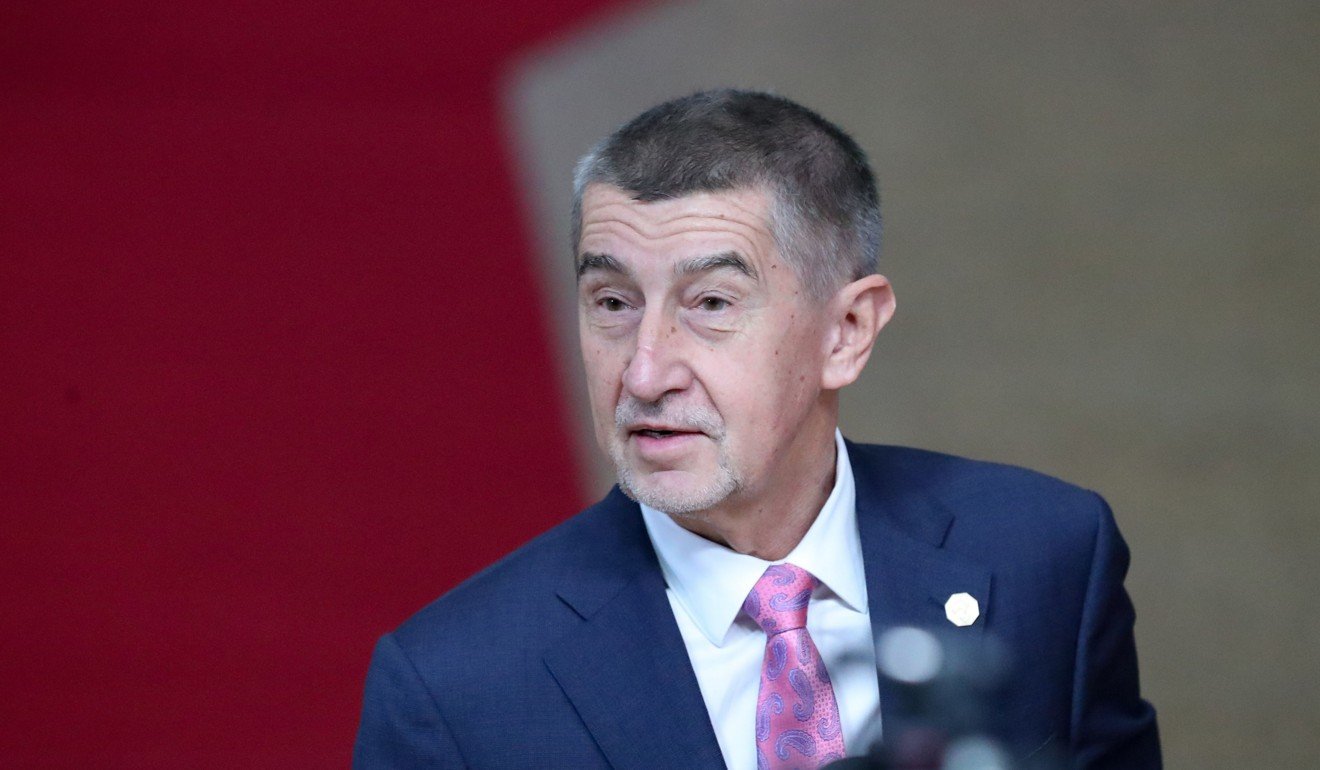
Czech Republic President Milos Zeman has voiced disappointment over China’s lack of investment in the country. Photo: AFP
Czech President Milos Zeman’s decision to skip China’s summit with European leaders in April shows the “honeymoon is over” between Prague and Beijing, analysts say, as it tries to shake up the relationship to push for more investment.
And China could face similar trouble with other nations looking for more at this year’s “17+1” summit with Central and Eastern European nations in Beijing.
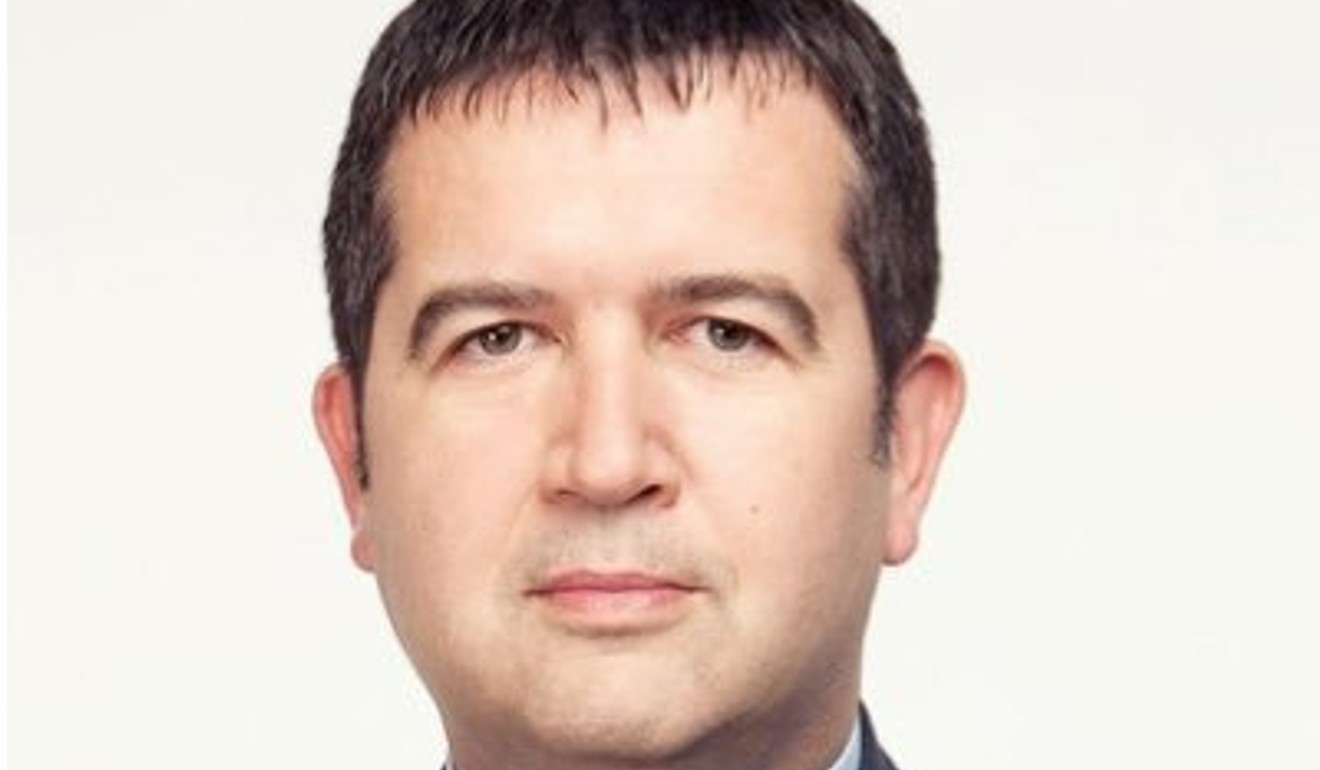
Top leaders usually attend the gathering, but Zeman on Sunday said he would not be going, and that China had not “done what it promised” by failing to invest more in his country. He would instead send Deputy Prime Minister Jan Hamacek, which he said was “adequate to the level of cooperation”.
At last year’s summit in Croatia, Prague was represented by Prime Minister Andrej Babis, who was diplomatically on par with the Chinese representative,
But it is China’s turn this year, and President Xi Jinping will be the host – meaning heads of state are expected to attend. The 17+1 grouping was launched by Beijing in 2012.
Deputy Prime Minister Jan Hamacek will represent Prague at the 17+1 summit. Photo: Twitter
Zeman was a strong advocate for deepening economic ties with China and investments were on the rise, for a time. But Zeman and other Czech leaders have increasingly questioned the nature of the relationship, especially as the economic benefits have dwindled.
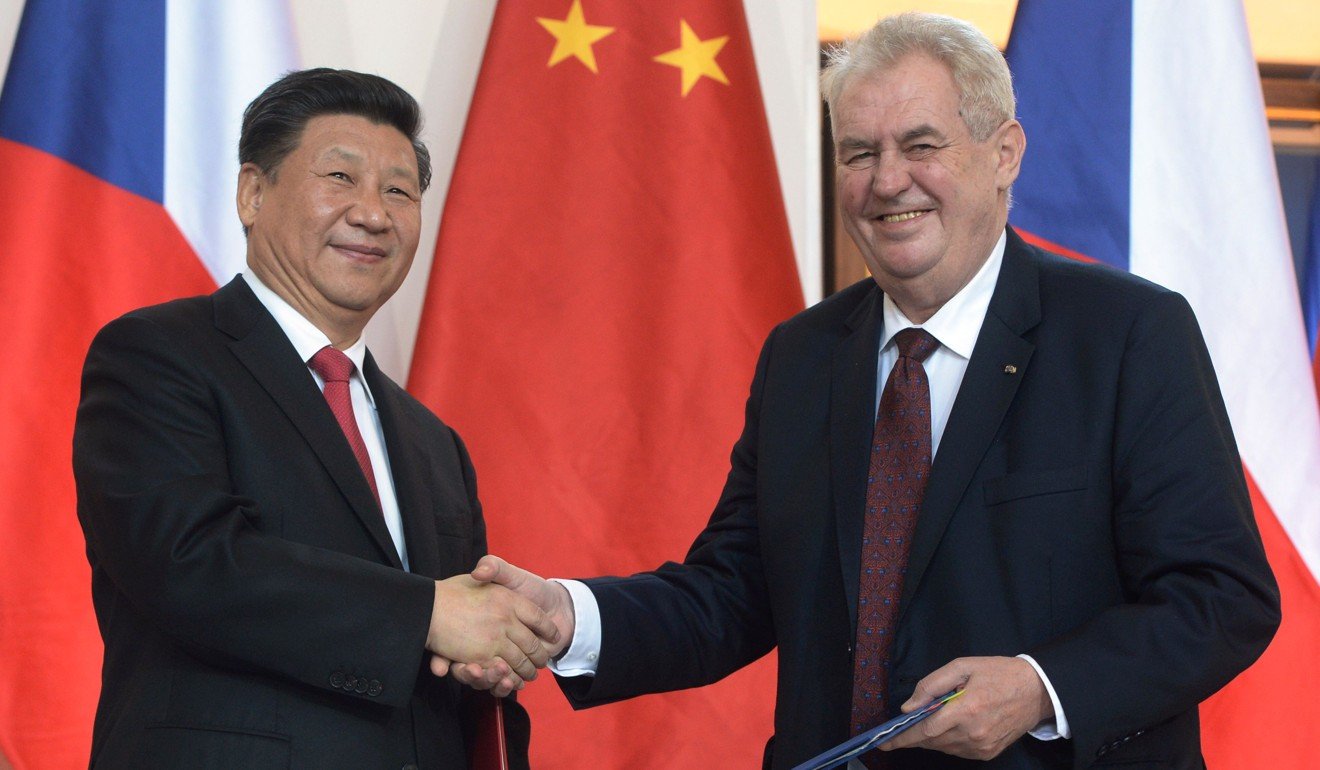
Relations with China grew after Zeman, who is in his second term as president, took office in 2013. The peak came in 2016, when Xi visited the country and promised more Chinese investment. That year, Zeman said he hoped his country would be an “unsinkable aircraft carrier” for Chinese investment in Europe.
But since then, the investments have faltered, not just in the Czech Republic, but across Central and Eastern Europe, and Zeman has changed his tone. In April, he called the lack of investment in his nation a “stain on the Czech-China relationship”, in an interview with Chinese state broadcaster CCTV.
Chinese President Xi Jinping meets his Czech counterpart Milos Zeman during a visit to Prague in 2016, when he promised more investment. Photo: AFP
“I suppose he feels that promises made to him personally were not fulfilled, since he has had personal contact with Xi Jinping on a number of occasions … he surely feels that his commitment to China has not been reciprocated,” said Jeremy Garlick, assistant professor of international relations at the University of Economics, Prague.
Zeman has visited China five times and was the only EU leader to attend a Chinese military parade in 2015 to mark the 70th anniversary of the end of World War II.
I suppose he feels that promises made to him personally were not fulfilled, since he has had personal contact with Xi Jinping on a number of occasions Jeremy Garlick, University of Economics, Prague
Rudolf Furst, a senior researcher at Charles University in Prague, said Zeman had given up his unequivocal support for a pragmatic pro-Chinese agenda.
“Chinese investments flow in Czechia have remained low, and not matching the Czech structural needs for stimulating the GDP growth,” he said.
Most of the 17+1 member states, except for Hungary and Greece, were now “perceiving the Chinese investment promises as merely virtual”, Furst said. “The 2012 new wave of China’s honeymoon is over.”
Rhodium Group has tracked Chinese foreign direct investment data in Europe since 2000. Its data shows that while total Chinese investment in the Czech Republic had grown to about €1 billion (US$1.1 billion) by 2018, growth has been slow, while neighbouring countries like Italy and Germany had some 15 to 20 times more investment in their economies.
Cumulative Chinese foreign direct investment in the Czech Republic between 2000 and 2017 sat at about €600 million, and grew to €1 billion in 2018, while that in neighbour Germany grew from €20.6 billion to €22.2 billion over the same period.
The picture is much the same for Eastern Europe as a whole – Austria, Bulgaria, the Czech Republic, Hungary, Poland, Romania and Slovakia received just 2 per cent of China’s overall investment in Europe in 2018, according to the data.
Countries like France, Germany and Britain meanwhile received 9, 12 and 24 per cent, respectively.
Czech Republic becomes unlikely front line in China’s soft power war
14 Dec 2019
Other Czech politicians have also taken a tougher line on China. Babis warned of a “considerable” trade deficit with China in 2018. The country exported US$1.8 billion of goods to China in the first nine months of last year, down 4.3 per cent from a year earlier. But it imported US$11.7 billion of products from China – by far its largest source of imports.
And after Zeman’s announcement this week, the Green Party, which holds a handful of seats in the Czech Senate, called for Prague to pull out of the 17+1 platform altogether.
Prime Minister Andrej Babis warned of a “considerable” trade deficit with China in 2018. Photo: AFP
Richard Turcsanyi, director of the Central European Institute of Asian Studies at Palacky University in the Czech Republic, said both Prague and Beijing were expecting too much.
“I see the current sharp downturn of Czech-China relations being related to very high and unrealistic expectations which existed perhaps on both sides, driven to a large extent by the ignorance of each other,” he said.
“Due to the impressive economic growth of China and also its international economic expansion, many expected that China could quickly become a significant economic actor in the Czech Republic,” he said.
“In reality, the Czech Republic and China are not natural trading or investment partners. They are more of competitors when it comes to moving up the value chain, rather than complementary economic partners – contrary to what has been claimed for years as part of the diplomatic exchanges.”
Political tensions with China have also increased, including over security allegations about Huawei Technologies, and sensitive issues like Taiwan and Tibet.
This week, Shanghai suspended official contact with the Czech capital Prague after it signed a sister city agreement with Taipei – following Prague cancelling its deal with Beijing in October over a “one China” pledge. Shanghai was also a sister city with Prague.
And although Zeman has been critical of the US-led campaign against Huawei, Babis ordered Czech government institutions to stop using products from the Chinese tech giant last year.
“There has been a breakdown of trust in China, at the level of the public, the media, and now even the president,” Garlick said.
Chinese President Xi Jinping holds a welcome ceremony for President of the Federated States of Micronesia David W. Panuelo before their talks at the Great Hall of the People in Beijing, capital of China, Dec. 13, 2019. (Xinhua/Wang Ye)
BEIJING, Dec. 13 (Xinhua) — Chinese President Xi Jinping on Friday held talks with visiting President of the Federated States of Micronesia David W. Panuelo, calling for joint efforts to advance bilateral ties and better benefit the two peoples.
The two sides should maintain exchanges at all levels, expand communication and exchanges between governmental departments and legislatures, and enhance mutual political trust, Xi said.
Xi welcomed Panuelo’s visit to China as the two countries celebrate their 30th anniversary of the establishment of diplomatic ties, and spoke highly of Panuelo’s commitment to developing bilateral ties and firmly upholding the one-China principle.
China sticks to the path of peaceful development, maintains that all countries, no matter big or small, are always equal, firmly opposes unilateralism and hegemony, and advocates that all countries should work jointly to build a community with a shared future for humanity, he said.
For the past 30 years since the establishment of diplomatic ties, the two countries have respected, trusted and supported each other, and carried out pragmatic cooperation on the basis of equality and mutual benefit, advancing bilateral ties and bringing tangible benefits to the two peoples, Xi noted.
China respects the Micronesian side’s right to take the development path that best suits its national conditions and supports Micronesia’s efforts in maintaining national independence and boosting development, Xi said.
He called on the two sides to complement each others’ advantages and further expand cooperation in such fields as trade, investment, agriculture, fisheries, infrastructure construction and tourism under the framework of the Belt and Road Initiative.
He also welcomed Micronesia to export more products with competitive advantages like tuna to China, make full use of the policies and measures China has announced on cooperation with and support for island countries, and carry out more pragmatic cooperation projects benefiting people’s livelihoods.
“China is willing to offer economic and technical assistance to Micronesia within its own capacity,” he said.
The two sides should take the signing of the visa exemption deal for those holding diplomatic and service passports as well as passports for public affairs as an opportunity to enhance people-to-people exchanges, deepen traditional friendship, and achieve more practical results on local cooperation, Xi said.
He also called on the two sides to strengthen communication and continue to step up coordination on major issues including climate change and marine affairs.
Panuelo said the Micronesian side spoke highly of Xi’s proposal of building a community with a shared future for humanity, which would play an important role in promoting world peace and stability.
Micronesia, as a small country, is appreciative of the equal treatment and respect offered by China, he said, noting that China was the first country to provide support to Micronesia’s national independence and liberation movement as well as assistance to its national development.
He reiterated Micronesia’s stance on abiding by the one-China principle and maintained that Hong Kong, Xinjiang and Tibet affairs are China’s internal affairs and brook no outside interference.
“I have had a personal experience of China’s time-honored history and remarkable development achievement during my visit,” he said, expressing his delight over China’s achievements and confidence in China’s bright future.
Hailing the two countries’ cooperation for the past 30 years, Panuelo pledged to further expand cooperation in economy and trade, infrastructure construction, agriculture, education, and jointly build the Belt and Road.
The Micronesian side spoke highly of China’s important role in global issues like tackling climate change, Panuelo said, hoping to continue strengthening coordination and cooperation with China and playing an active role in promoting ties between China and Pacific island countries.
The two heads of state witnessed the signing of several bilateral cooperation deals after their talks.
Panuelo is on a state visit to China from Dec. 11 to 18.
Image copyright GETTY IMAGESImage caption Protests calling for Uighur freedom have been happening all year
The US has said it will impose visa restrictions on Chinese officials accused of involvement in repression of Muslim populations.
It follows the decision on Monday to blacklist 28 Chinese organisations linked by the US to allegations of abuse in the Xinjiang region.
US Secretary of State Mike Pompeo said the Chinese government had instituted “a highly repressive campaign”.
China has dismissed the allegations as groundless.
In a statement, Mr Pompeo accused the Chinese government of a string of abuses against Uighurs, ethnic Kazakhs, Kyrgyz Muslims and other minority Muslim groups.
These included “mass detentions in internment camps; pervasive, high-tech surveillance; draconian controls on expressions of cultural and religious identities; and coercion of individuals to return from abroad to an often perilous fate in China”.
China has rebuffed the US moves.
“There is no such thing as these so-called ‘human rights issues’ as claimed by the United States,” foreign ministry spokesman Geng Shuang said on Monday.
“These accusations are nothing more than an excuse for the United States to deliberately interfere in China’s internal affairs.”
Media caption The BBC visits the camps where China’s Muslims have their “thoughts transformed”
Visa restrictions are to be imposed on Chinese government and Communist Party officials, as well as their family members.
“The United States calls on the People’s Republic of China to immediately end its campaign of repression in Xinjiang, release all those arbitrarily detained, and cease efforts to coerce members of Chinese Muslim minority groups residing abroad to return to China to face an uncertain fate,” the US statement said.
The US and China are currently embroiled in a trade war, and have sent delegations to Washington for a meeting about the tensions later this week.
China has been carrying out a massive security operation in Xinjiang, in its far west, in recent years.
Human rights groups and the UN say China has rounded up and detained more than a million Uighurs and other ethnic minorities in vast detention camps, where they are forced to renounce Islam, speak only in Mandarin Chinese and learn obedience to the communist government.
But China says they are attending “vocational training centres” which are giving them jobs and helping them integrate into Chinese society, in the name of preventing terrorism.
Media caption The BBC’s John Sudworth meets Uighur parents in Turkey who say their children are missing in China
There have been increasingly vocal denunciations from the US and other countries about China’s actions in Xinjiang.
Aircraft could also be used to counterbalance Japanese and US military activities in the region, analysts say
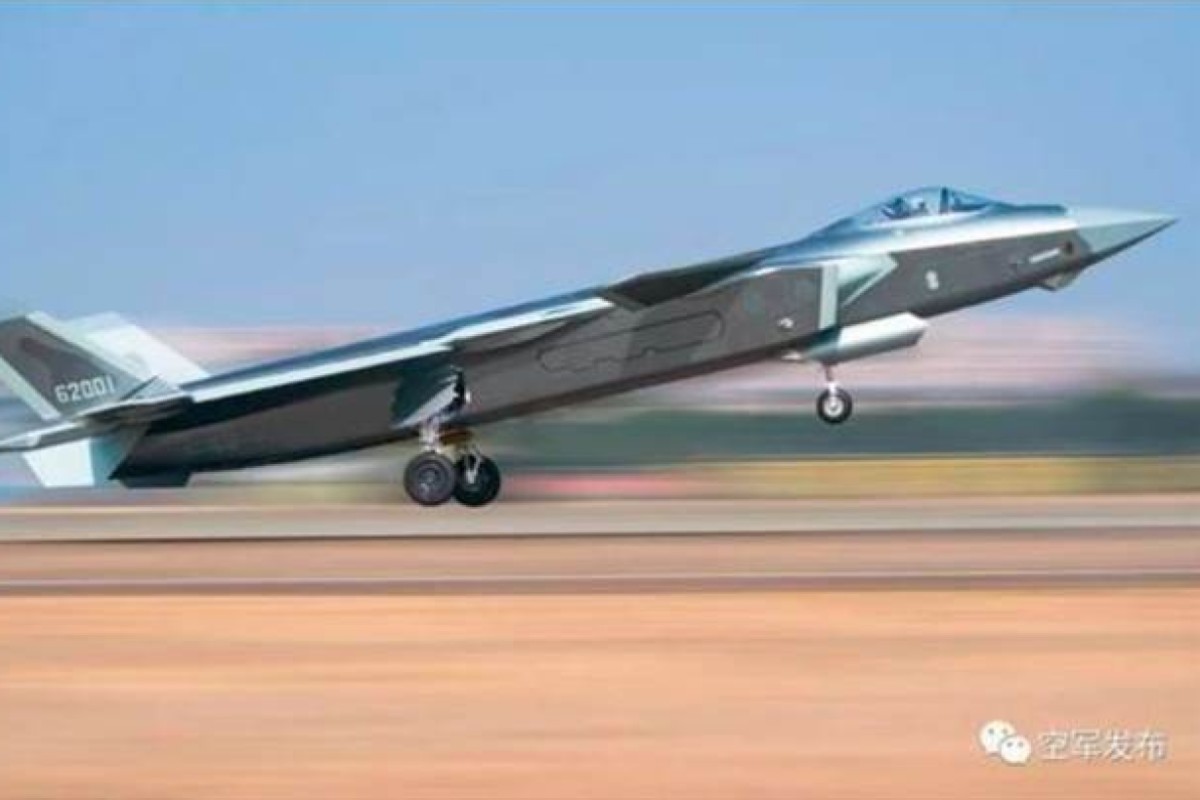
China’s J-20 stealth fighter has gone into service in the Eastern Theatre Command. Photo: PLA Air Force
China’s J-20 stealth fighter has been officially deployed to the country’s Eastern Theatre Command, suggesting it will be focused on the Taiwan Strait and military activities between Japan and the United States, observers said.
The People’s Liberation Army Air Force posted a photo on its social media account this week showing the fifth-generation fighter tagged with the number 62001, designating the aircraft as part of a frontline unit.
Chinese media reported that the stealth fighter had entered the Eastern Theatre Command, which encompasses Taiwan.
Collin Koh, a research fellow at the S Rajaratnam School of International Studies at Nanyang Technological University in Singapore, said the aircraft appeared to have two missions.
“The unit turning operational in Eastern Theatre Command is precisely aimed at Taiwan,” Koh said.
“And to challenge US military activities in Taiwan Strait, besides posing a threat to the median line that Taiwan’s air force patrols along.”
US Air Force gears up for aggressor drills to simulate combat with China’s J-20 fifth-generation fighters
The photo’s release came as China issued a defence white paper, highlighting the risks from “separatist forces”.
In the document, the military said it faced challenges from pro-independence forces in Taiwan but would always defeat those fighting for the island’s independence. It also said there were risks from separatists in the autonomous regions of Tibet and Xinjiang.
A day after the paper was released, an American warship sailed through the Taiwan Strait.
The J-20 is expected to enter mass production this year. If the aircraft was declared ready to go into active operations, it would signal China was a “greater threat” and had “greater capability” in the Pacific, General Charles Brown, the US Air Force’s Pacific commander, said in May.
Brown said US efforts to counter those developments included increasing deployments of next-generation F-35 jets and continuing overflights of strategic areas such as the South China Sea.
China’s J-20 stealth jet may be ready this year, US commander says
According to the US Defence Intelligence Agency, fielding the J-20 would add to what was already the region’s biggest air force and world’s third-largest.
China had more than 2,500 aircraft, including 1,700 combat fighters, strategic bombers, tactical bombers and multi-mission tactical and attack aircraft, in service, the agency said in a report earlier this year.
China’s J-20 fighter was part of a modernisation effort that had been “closing the gap with Western air forces across a broad spectrum of capabilities, such as aircraft performance, command and control and electronic warfare”, the report said.
Macau-based military expert Antony Wong Dong said that in addition to Taiwan, the J-20 fighter could also be used to counterbalance military activities by the United States and Japan.
But Wong added that the Chinese military was still exploring how best the fighter could be used.
“It will take a few years for the aircraft to be fully deployed and to mature. Right now, it’s still in the exploration stage,” he said.
The virus that causes the African swine fever is now endemic in Tibet and Xinjiang, the United Nations’ Food & Agriculture Organisation said
Diseases that are endemic, or generally present, are harder to stamp out
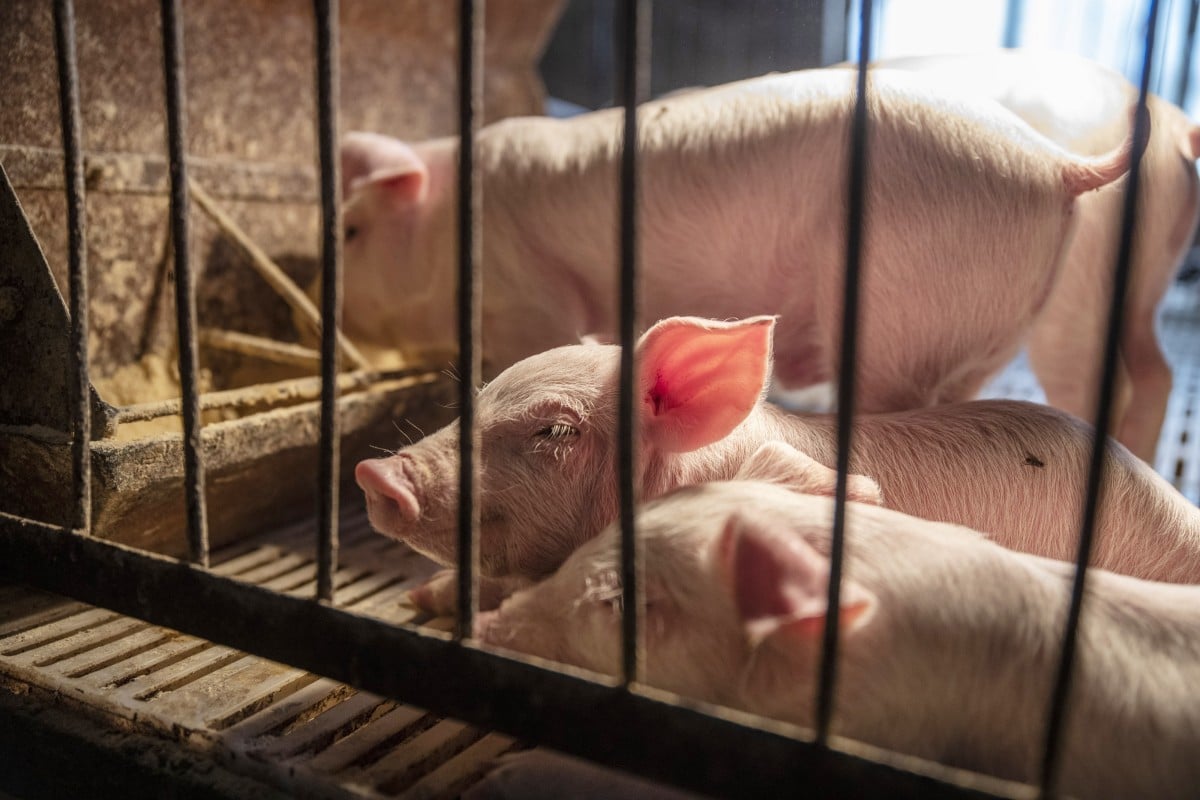
Piglets are kept in pens at a pig farm in Langfang in Hebei province on Monday, April 1, 2019. Photo: Bloomberg
China’s attempts to control African swine fever have been insufficient to stem further spread of the disease, with the deadly pig contagion now endemic in two regions, a United Nations group said.
The virus that causes the disease is entrenched among pig populations in the autonomous regions of Tibet and Xinjiang, the Food & Agriculture Organisation (FAO) in Rome said in a report Thursday.
Diseases that are endemic, or generally present, are more difficult to stamp out by quarantining and culling diseased and vulnerable livestock.
About 20 per cent of China’s pig inventories may have been culled in the first few months of 2019 amid fears of African swine fever spreading more rapidly, according to the FAO, which is monitoring the disease in cooperation with local authorities and China’s Ministry of Agriculture and Rural Affairs.
China’s pig production will drop by 134 million heads, or 20 per cent, in 2019, the US Department of Agriculture said last month.
“While official sources confirm a rapid spread of the disease, both the speed and severity of the spread could prove more pronounced than currently assumed,” the FAO said in its report. A government investigation in seven provinces found “irrational culling of sows on breeding farms in February, reducing the sector’s core production capacity.”
Thailand launches crackdown to keep out African swine fever
Since the first cases were reported last August, 130 outbreaks have been detected in 32 provinces, autonomous regions, municipalities and special administrative regions across the nation, which raises half the world’s pigs.
SCMP Graphics
The FAO report found:
In Jilin province, swine inventory fell 28 per cent from the previous year, with some reports pointing to a larger drop In Shandong province, sow numbers fell 41 per cent from July 2018 to February 2019
In Guangdong province, hog inventories slumped 20 per cent from a year earlier and pig-feed sales fell 10 per cent to 50 per cent
Production of fresh and frozen meat by meatpackers plunged 17 per cent in January and February, compared with the same months in 2018
BEIJING (Reuters) – It’s the most sensitive day of the year for China’s internet, the anniversary of the bloody June 4 crackdown on pro-democracy protests at Tiananmen Square, and with under two weeks to go, China’s robot censors are working overtime.
Censors at Chinese internet companies say tools to detect and block content related to the 1989 crackdown have reached unprecedented levels of accuracy, aided by machine learning and voice and image recognition.
“We sometimes say that the artificial intelligence is a scalpel, and a human is a machete,” said one content screening employee at Beijing Bytedance Co Ltd, who asked not to be identified because they are not authorised to speak to media.
Two employees at the firm said censorship of the Tiananmen crackdown, along with other highly sensitive issues including Taiwan and Tibet, is now largely automated.
Posts that allude to dates, images and names associated with the protests are automatically rejected.
“When I first began this kind of work four years ago there was opportunity to remove the images of Tiananmen, but now the artificial intelligence is very accurate,” one of the people said.
Four censors, working across Bytedance, Weibo Corp and Baidu Inc apps said they censor between 5,000-10,000 pieces of information a day, or five to seven pieces a minute, most of which they said were pornographic or violent content.
Despite advances in AI censorship, current-day tourist snaps in the square are sometimes unintentionally blocked, one of the censors said.
Bytedance declined to comment, while Weibo and Baidu did not respond to requests for comment.
SENSITIVE PERIOD
The Tiananmen crackdown is a taboo subject in China 30 years after the government sent tanks to quell student-led protests calling for democratic reforms. Beijing has never released a death toll but estimates from human rights groups and witnesses range from several hundred to several thousand.
June 4th itself is marked by a cat-and-mouse game as people use more and more obscure references on social media sites, with obvious allusions blocked immediately. In some years, even the word “today” has been scrubbed.
In 2012, China’s most-watched stock index fell 64.89 points on the anniversary day here, echoing the date of the original event in what analysts said was likely a strange coincidence rather than a deliberate reference.
Still, censors blocked access to the term “Shanghai stock market” and to the index numbers themselves on microblogs, along with other obscure references to sensitive issues.
While companies censorship tools are becoming more refined, analysts, academics and users say heavy-handed policies mean sensitive periods before anniversaries and political events have become catch-alls for a wide range of sensitive content.
In the lead-up to this year’s Tiananmen Square anniversary, censorship on social media has targeted LGBT groups, labour and environment activists and NGOs, they say.
Upgrades to censorship tech have been urged on by new policies introduced by the Cyberspace Administration of China (CAC). The group was set up – and officially led – by President Xi Jinping, whose tenure has been defined by increasingly strict ideological control of the internet.
The CAC did not respond to a request for comment.
Last November, the CAC introduced new rules aimed at quashing dissent online in China, where “falsifying the history of the Communist Party” on the internet is a punishable offence for both platforms and individuals.
The new rules require assessment reports and site visits for any internet platform that could be used to “socially mobilise” or lead to “major changes in public opinion”, including access to real names, network addresses, times of use, chat logs and call logs.
One official who works for CAC told Reuters the recent boost in online censorship is “very likely” linked to the upcoming anniversary.
“There is constant communication with the companies during this time,” said the official, who declined to directly talk about the Tiananmen, instead referring to the “the sensitive period in June”.
Companies, which are largely responsible for their own censorship, receive little in the way of directives from the CAC, but are responsible for creating guidelines in their own “internal ethical and party units”, the official said.
SECRET FACTS
With Xi’s tightening grip on the internet, the flow of information has been centralised under the Communist Party’s Propaganda Department and state media network. Censors and company staff say this reduces the pressure of censoring some events, including major political news, natural disasters and diplomatic visits.
“When it comes to news, the rule is simple… If it is not from state media first, it is not authorised, especially regarding the leaders and political items,” said one Baidu staffer.
“We have a basic list of keywords which include the 1989 details, but (AI) can more easily select those.”
Punishment for failing to properly censor content can be severe.
In the past six weeks, popular services including a Netease Inc news app, Tencent Holdings Ltd’s news app TianTian, and Sina Corp have all been hit with suspensions ranging from days to weeks, according to the CAC, meaning services are made temporarily unavailable on apps stores and online.
For internet users and activists, penalties can range from fines to jail time for spreading information about sensitive events online.
In China, social media accounts are linked to real names and national ID numbers by law, and companies are legally compelled to offer user information to authorities when requested.
“It has become normal to know things and also understand that they can’t be shared,” said one user, Andrew Hu. “They’re secret facts.”
In 2015, Hu spent three days in detention in his home region of Inner Mongolia after posting a comment about air pollution onto an unrelated image that alluded to the Tiananmen crackdown on Twitter-like social media site Weibo.
Hu, who declined to use his full Chinese name to avoid further run-ins with the law, said when police officers came to his parents house while he was on leave from his job in Beijing he was surprised, but not frightened.
“The responsible authorities and the internet users are equally confused,” said Hu. “Even if the enforcement is irregular, they know the simple option is to increase pressure.”
WASHINGTON (Reuters) – U.S. Ambassador to China Terry Branstad was due to begin visiting Tibet on Sunday for official meetings and visits to religious and cultural sites, according to a news report on Sunday.
Branstad was scheduled to visit the Tibet Autonomous Region and Qinghai Province, a historic region of Tibet known to Tibetans as Amdo, from Sunday to Saturday, Radio Free Asia said in a report.
RELATED COVERAGE
U.S. Ambassador to China visiting Tibet this week
The State Department did not immediately comment on the story.
Radio Free Asia said it would be the first visit to Tibet by a U.S. official since the U.S. Congress approved a law in December that requires the United States to deny visas to Chinese officials in charge of implementing policies that restrict access to Tibet for foreigners. The U.S. government is required to begin denying visas by the end of this year.
In December, China denounced the United States for passing the law, saying it was “resolutely opposed” to the U.S. legislation on what China considers an internal affair, and it risked causing “serious harm” to their relations.
Since then, tensions have been running high between the two countries over trade. China struck a more aggressive tone in its trade war with the United States on Friday, suggesting a resumption of talks between the world’s two largest economies would be meaningless unless Washington changed course.
On Saturday, China’s senior diplomat Wang Yi told U.S. Secretary of State Mike Pompeo that recent U.S. words and actions had harmed the interests of China and its enterprises, and that Washington should show restraint.
While the Trump administration has taken a tough stance towards China on trade and highlighted security rivalry with Beijing, the administration has so far not acted on congressional calls for it to impose sanctions on China’s former Communist Party chief in Tibet, Chen Quanguo, for the treatment of minority Muslims in Xinjiang province, where he is currently party chief.
A State Department report in March said Chen had replicated in Xinjiang, policies similar to those credited with reducing opposition to Chinese rule in Tibet.
Beijing sent troops into remote, mountainous Tibet in 1950 in what it officially terms a peaceful liberation and has ruled there with an iron fist ever since.
LHASA, May 1 (Xinhua) — China’s Tibet Autonomous Region Tuesday launched its first innovation and entrepreneurship base for small and micro venture companies wanting to take a share of the booming cultural industry.
The base, established by the regional department of culture, prioritizes incubating locally-established cultural startups by providing innovation-oriented training as well as displaying featured cultural products.
Sambo, deputy head of the department, said the base aims to promote Tibetan culture through innovative companies and their featured cultural products.
Official data shows the number of cultural companies in Tibet exceeded 6,000 with more than 50,000 employees by the end of 2018. Their total annual output value surpassed 4.6 billion yuan (about 683 million U.S. dollars), with average yearly growth being maintained at over 15 percent.
LHASA, March 18 (Xinhua) — The State Grid’s Tibet branch announced that 25,000 more people in the plateau region will be covered by the main power grid by the end of this year.
In 2019, Tibet plans to build 140 electric substations of 35 kilovolts and above and 7,000 km of power transmission lines as the region continues to expand and upgrade its electricity infrastructure.
By the end of 2018, 2.76 million people in 63 counties, or over 80 percent of Tibet’s population, were covered by the main power grid, thanks to an investment of 8.89 billion yuan (about 1.3 billion U.S. dollars) in the year.
If the plan goes well, the figure will rise to 66 counties by the end of 2019.
A 16.2-billion-yuan power interconnection project was put into operation in Tibet last November, linking the region with the national grid network for the first time.












 CHINDIA ALERT: You'll be living in their world, very soon