Archive for ‘President Donald Trump’

19/06/2019

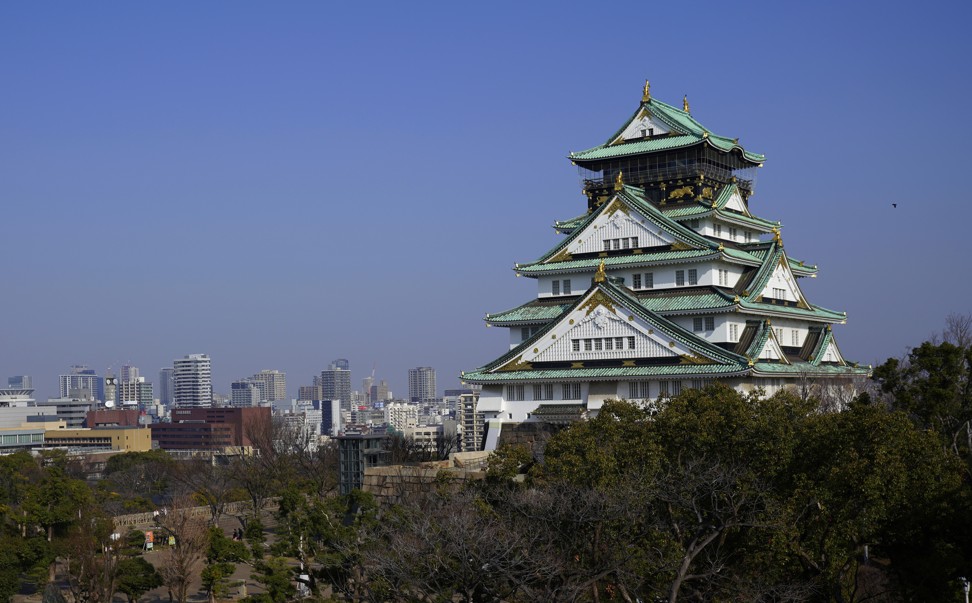
Xi Jinping and Donald Trump to broaden agenda beyond US-China trade war for meeting at G20 summit in Osaka

  • Osaka summit intended to pull bilateral ties away from brinkmanship that has dragged relations to lowest point in decades
  • Trade war just one of the items on the agenda, analysts say, along with principles of relationship, North Korea, and Huawei
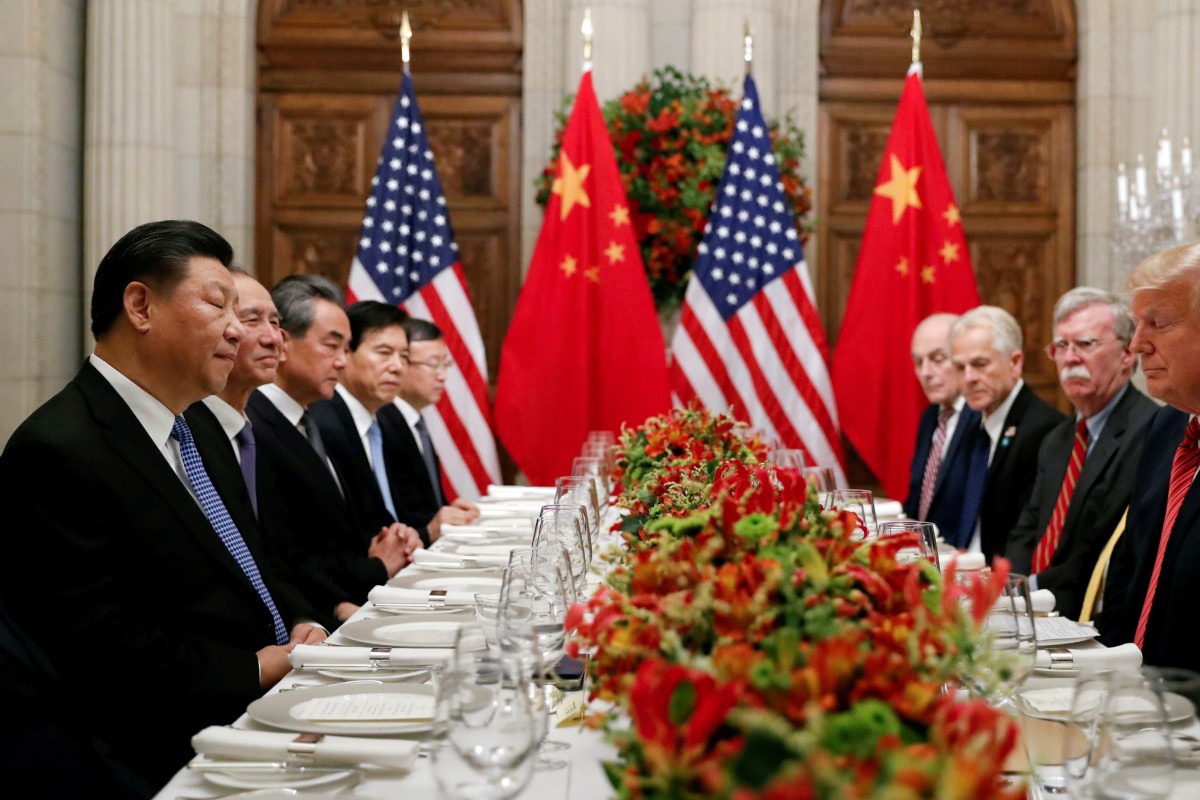
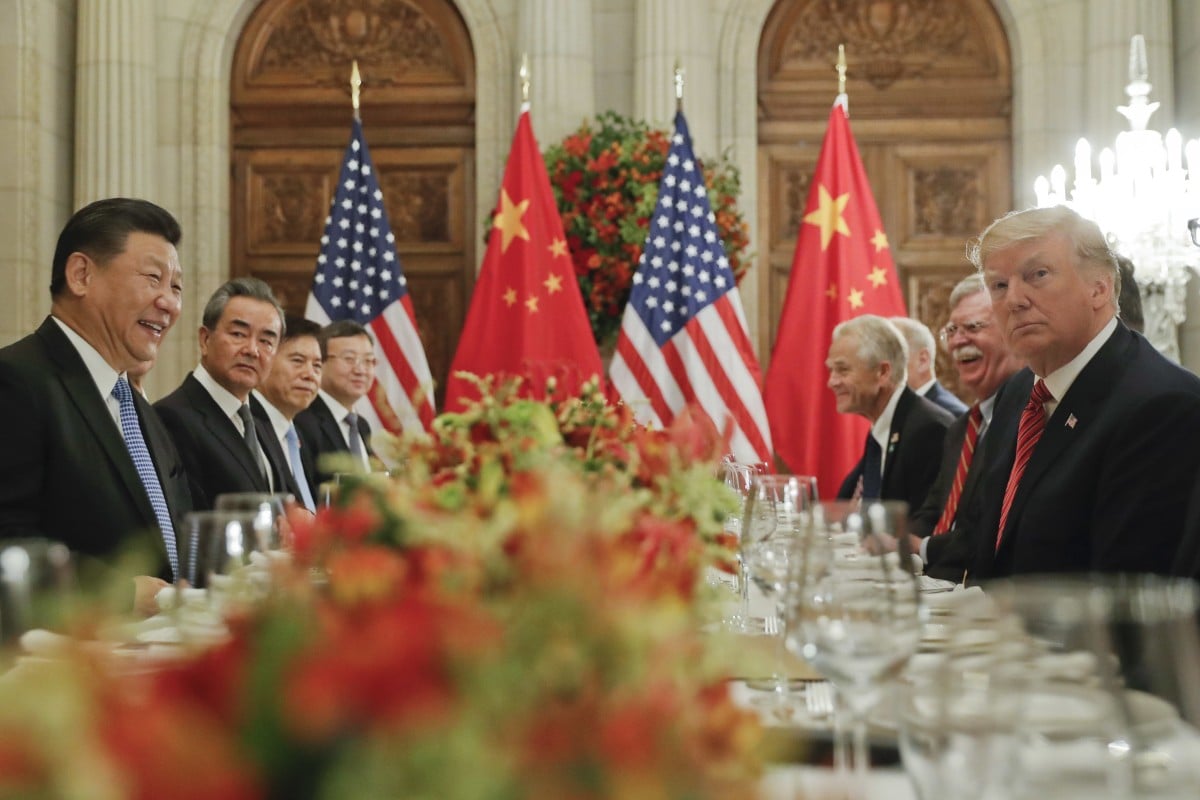
The last time the US President Donald Trump and China’s President Xi Jinping met was in Buenos Aires in December. Analysts are confident that their meeting at the G20 Summit in Osaka this month can yield a freeze in the escalation of the trade war. Photo: Reuters
When Chinese President Xi Jinping meets his US counterpart Donald Trump in Japan at the end of the month they are expected to discuss a broad range of issues, including the trade war, in an effort to stop the relationship from tilting towards sustained confrontation, analysts said.
Neither side has provided an agenda for the meeting on the sidelines of the G20 leaders summit in Osaka, despite confirmation coming from both sides that it was to take place, after weeks of speculation.
A summary of Tuesday’s phone conversation between Xi and Trump published by Xinhua, however, implied that the leaders would cover more strategic issues, leaving the nuts and bolts of a trade deal to their negotiating teams. Meanwhile, China’s foreign ministry spokesperson Lu Kang said at a regular press conference on Wednesday that the two leaders would discuss the overall direction of bilateral relations, but he did not elaborate further.
Both China and the United States have confirmed that their leaders will meet in Osaka at the end of June, at a time when US-China relations have nosedived. Photo: AP
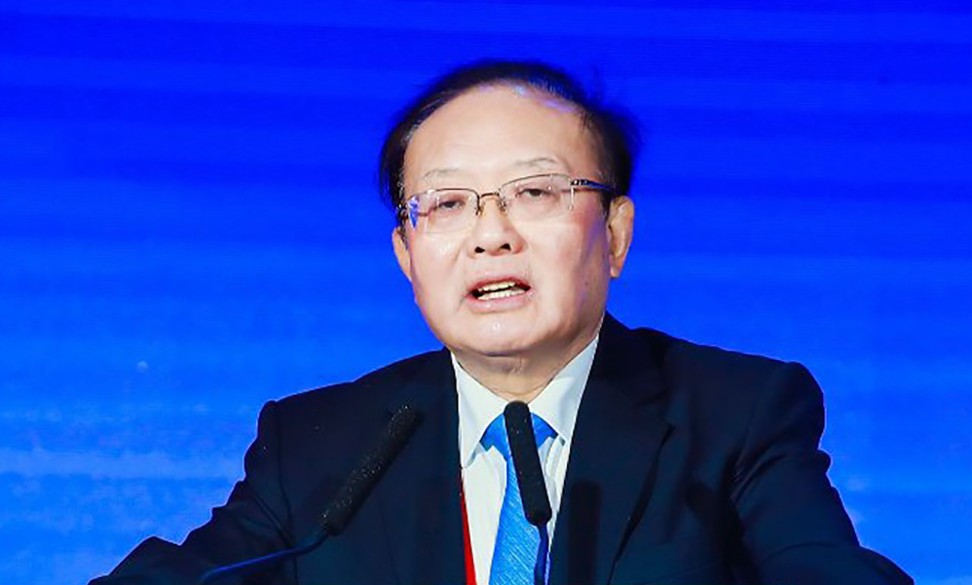
Wei Jianguo

, a former vice-minister at China’s Ministry of Commerce, predicted that Beijing would use the meeting to make clear a few principles regarding the bilateral relationship.

“It’s inevitable [for China and the US] to have problems in certain fields, but both sides should resolve the problems through dialogue on an equal footing rather than opting for a trade war, a tech war, or a financial war,” said Wei, now a vice-chair at the state-backed China Centre for International Economic Exchanges, a think tank.
He added that China would try to convince the US that it had no intention of challenging its global hegemony, but that China’s own “core interests”, including its sovereignty, territorial rights and room to develop, “must be respected”.

A government official in Beijing, who declined to be identified, said China was pinning its hopes on the leaders’ summit to ease general tensions between Beijing and Washington, even though the chances of the leaders reaching any concrete agreements in Osaka was small.

“Without a leaders’ summit, it would be difficult to push ahead the work [to reach agreements] at the ministerial or lower levels,” the source said.

Wei Jianguo, a former vice-minister at China’s Ministry of Commerce, predicted that Beijing would use the meeting to make clear a few principles regarding the bilateral relationship. Photo: Handout

The last summit between Trump and Xi in Buenos Aires in December resulted in a tariff truce and negotiations that continued until early-May. But the talks failed to achieve a deal to end the conflict, resulting in the US more than doubling tariffs on US$200 billion of Chinese imports and threatening tariffs on almost all remaining Chinese imports, valued at US$300 billion by the US government.

Tuesday’s telephone call, in which 

Xi told Trump

he was willing to exchange views with Trump on “the fundamental issues” affecting China-US relations, came at a low point in recent China-US relations.

The tariff increase followed the collapse of trade talks in early-May, while hostile rhetoric has spread into the political and military spheres. The US labelled China a “strategic competitor” and accused Beijing of conducting sustained espionage to impede US’s national security, while China blamed the US for trying to thwart China’s development by targeting Huawei and infringing on China’s sovereignty over Taiwan and Hong Kong.
Zhou Rong, a senior fellow from the Chongyang Institute for Financial Studies at the Renmin University of China, said the two leaders have a long list of issues to talk about this time in addition to trade, including Taiwan, the South China Sea, as well as the treatment of Chinese companies in the US. China can offer to help on some issues but “the US should not force China to swallow bitter fruit it cannot digest”, Zhou said.
Ni Feng, a specialist in Sino-US relations at the Chinese Academy of Social Sciences, said they would discuss the “overall direction” of their bilateral relationship, including where the two nations could engage in “competition and cooperation”.
He added that North Korea may be on the agenda because “China and the US share the same goal of the denuclearisation of the Korean peninsula.” 
Xi is set to start

 a two-day state visit to Pyongyang on Thursday.

Another source in the Chinese government, who wished to remain anonymous, said Xi was very likely to bring up the US’ blacklisting of Huawei, China’s leading technology firm. Washington has effectively banned American companies from providing key components to the Shenzhen-based company.
Meng Wanzhou, Huawei’s chief financial officer and the daughter of founder Ren Zhengfei, is currently on bail in Canada awaiting extradition to the US to face charges that both she and Huawei violated US sanctions on Iran.
During Tuesday’s call, Xi told Trump that China “hopes the US side can treat Chinese businesses fairly”, Xinhua reported.
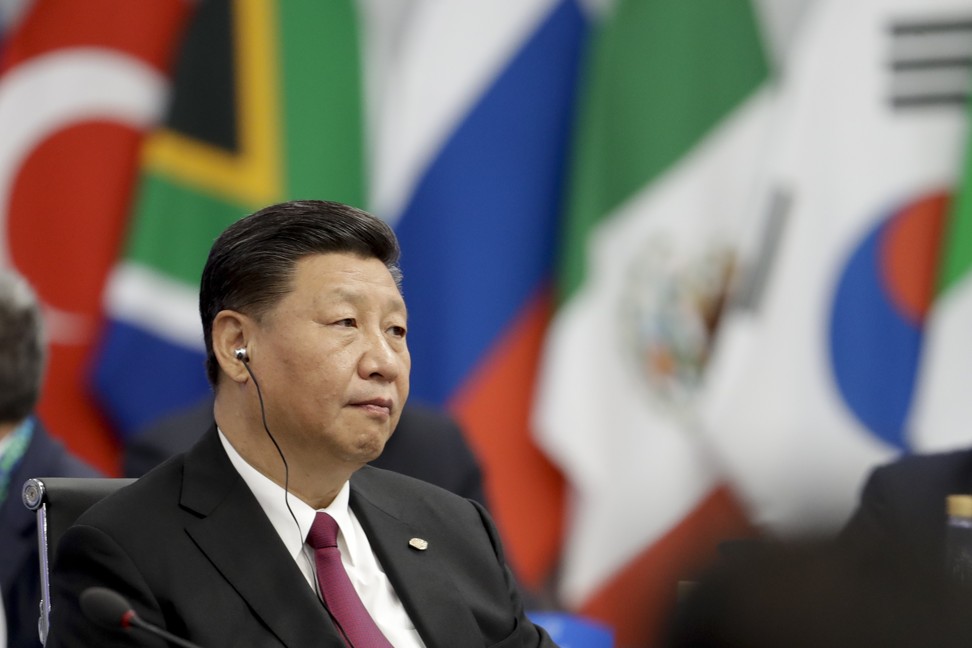
China's President Xi Jinping waits for the start of the G20 summit in Buenos Aires, Argentina, Friday, Nov. 30, 2018. Photo: AP
China’s President Xi Jinping waits for the start of the G20 summit in Buenos Aires, Argentina, Friday, Nov. 30, 2018. Photo: AP

At the same time, Trump and Xi agreed that the two countries’ trade negotiators would start to talk again before the meeting in Japan, raising prospects for a second truce in the trade war, or even a deal to end the conflict.

Matthew Goodman, a researcher at the Centre for Strategic and International Studies in Washington, wrote in a note that a Trump-Xi deal on trade-in Osaka “is certainly possible”.

The most likely outcome is similar to the one reached in Buenos Aires in December last year, when Trump and Xi “agreed to a temporary truce while trade negotiators work to hammer out a deal”, Goodman wrote. “This would postpone the worst effects of the current escalation but is unlikely to solve the deepening and dangerous rift in US-China relations”.

The South China Morning Post previously reported that the Osaka summit meeting, which is likely to take place on Saturday June 29, could also be a sit-down dinner between Trump, Xi and their top economic and security aides, as occurred in Buenos Aires. Trump tweeted Tuesday night that he would have an “extended” meeting with Xi in Japan.

Source: SCMP

17/06/2019

China quiet on Xi Jinping’s G20 meeting and trade talk demands in face of fiery Donald Trump rhetoric

  • It is expected the two leaders will meet in Japan at the end of June
  • Analysts see an increasing caution from China amid low expectations of any deal
Chinese President Xi Jinping and US President Donald Trump last met in Argentina in December on the sidelines of the G20 summit. Photo: AP
China’s relative silence in response to comments by US President Donald Trump in relation to the trade war is due to Beijing redoubling its efforts to take a cautious approach ahead of future talks amid “low expectations” of a quick deal after negotiations collapsed last month, analysts said.
Trump has openly threatened to levy tariffs on additional Chinese products if a meeting with counterpart Xi Jinping does not take place at the G20 summit in Japan at the end of the month, while also urging Beijing to return to talks based on terms negotiated earlier in the year.
“It’s me right now that’s holding up the deal,” Trump said on Tuesday. “And we’re going to either do a great deal with China or we’re not going to do a deal at all.”
China, though, has remained tight-lipped on both a meeting and also the prospects of future talks, with the foreign ministry yet to confirm whether there will be a summit between 
Trump and Xi

in Osaka. The South China Morning Post reported this week that the two leaders could share a more formal dinner, similar to the scene witnessed on the sidelines of the G20 summit in Argentina in December.

That meeting produced a ceasefire and more than five months of negotiations until early May when the talks broke down and the US more than doubled tariffs on US$200 billion in Chinese imports to 25 per cent.
Shi Yinhong, an international relations expert from Renmin University of China, said China had very low expectations ahead of the G20 summit in Japan due to the current level of strained bilateral relations.

Trump’s open threats had put Xi “in a very disadvantageous position”, as any agreement “would be seen as being weak or surrendering to US pressure”, he said.

Instead, the two sides were likely to reach “piecemeal deals” on smaller issues such as people-to-people exchanges and relaxation of visa restrictions, according to Shi, which in turn might help to build a friendlier atmosphere to pave the way for more substantive talks in the future.

It’s me right now that’s holding up the deal. And we’re going to either do a great deal with China or we’re not going to do a deal at all: Donald Trump

China’s state-controlled media outlets have maintained their criticism of the US for starting the trade war, although editorials carried by Xinhua and the People’s Daily have not given concrete information about Beijing’s demands, instead, in its latest editorial, Xinhua urged “US politicians to treat China’s rise with reasonable sense”.
Geng Shuang, a foreign ministry spokesman, said last week that China was aware of hopes emerging from the US side of a meeting between Trump and Xi in Osaka, but that China had no information to disclose on that subject, reiterating government statements from previous days.
Amid a war of words between Beijing and Washington over which side is to blame for the stalled trade talks, both sides have showcased their willingness to talk as long as the conditions are appropriate. Commerce vice-minister Wang Shouwen said at the start of June that China “is always sincere” about negotiating with the US, but the talks must be conducted with mutual respect.
“Otherwise, the negotiation would be meaningless. Even if there’s negotiation, there won’t be an enforceable and sustainable agreement,” Wang said.
Xi said at an economic forum in Russia last week that he did not want to see a decoupling of the US and China and believed that “my friend” Trump did not want that either.
“Trump’s stance that he is unlikely to make any concessions is very clear. So, China should be very cautious when arranging a bilateral meeting with him,” said Liu Weidong, a China-US affairs expert from the Chinese Academy of Social Sciences, a state think tank
Scott Kennedy, a senior adviser at the Centre for Strategic and International Studies in Washington, said Trump and Xi may reach “some sort of truce” as they did in Buenos Aires so that “both sides agree to put on hold their various actions against the other and not further escalate”, but added that the chance was small.
Source: SCMP
17/06/2019

China rolls out rules to guide development of SpaceX-style commercial rocket research in the country

  • Chinese President Xi Jinping has made becoming a “space flight superpower” a priority for his government
Chinese space authorities prepare to launch a rocket from a commercial cargo ship at sea. Photo: Handout
China has rolled out its first rules to regulate the manufacture of commercial space rockets and test flights in a move to guide healthy development of the commercial space sector, mirroring similar moves by the US in recent years.
As a rising number of start-ups set out to be China’s version of Elon Musk’s SpaceX, the guidelines are the first since China’s space industry was opened to the private sector in 2014. They require companies to obtain official permission before carrying out rocket research and development as well as production, according to a notice published on the web site of the State Administration of Science, Technology and Industry for National Defense on Monday.
The new rules also require a confidentiality system to be established among commercial rocket companies and asks them to follow state export control regulations when in doubt about whether they can provide overseas services and products.
The detailed regulations come as the number of private companies engaged in the commercialisation of China’s space industry increased to almost 100 in 2018 from 30 a year earlier, and as Beijing puts more emphasis on private sector involvement to boost its space ambitions.
China rockets to forefront of global space race with sea launch success

“The specifics give clear direction for China’s commercial space industry, clarifying the qualifications, operational boundaries and national guarantees, which will be conducive to the sector’s healthy and orderly development,” Shu Chang, CEO of Beijing-based commercial rocket pioneer OneSpace Technology, was quoted as saying to state media Global Times on Tuesday

Since coming to power in 2012, Chinese President Xi Jinping has made becoming a “space flight superpower” a priority for his government. Since 2014, Beijing has encouraged more private investors to participate in its space push to bolster commercial space technology development, including policies directed at investment and providing land for launches.

The guidelines issued on Monday said commercial rocket development had the potential to lower the cost of space sector development, improving China’s space power and competitiveness globally. It also encourages private companies to partner with state-backed organisations to take full advantage of the latter’s resources in research development, production and launch facilities.

Trump criticises Nasa moon mission after previously promoting it
The move by China mirrors similar efforts by the US in recent years to shift the burden of space exploration and technology development away from the state and into the private sector, leading to space rocket development by the likes of Elon Musk, Jeff Bezos and Richard Branson.

Military interests still weigh though. President Donald Trump has championed a return to the moon, calling for a lunar gateway that would allow a continuous stream of spacecraft and people to visit the moon, and serve as a leaping off point for Mars. Trump has also called for the creation of a “Space Force”, a sixth branch of the military that would be focused on defending US interests.

China accounts for roughly 3 per cent of the US$16.1 billion invested in private space companies and partnerships since 2009 in the world. But investments have increased rapidly since 2016, and the country led the world in the third quarter of 2018, according to Space Angels, a US investment firm that specialises in private space ventures.

Source: SCMP

16/05/2019

Trump administration hits China’s Huawei with one-two punch

WASHINGTON/NEW YORK (Reuters) – The Trump administration on Wednesday took aim at China’s Huawei Technologies Co Ltd, banning the firm from buying vital U.S. technology without special approval and effectively barring its equipment from U.S. telecom networks on national security grounds.

Taken together, the two moves threaten Huawei’s ability to continue to sell many products because of its reliance on American suppliers, and represents a significant escalation in the U.S. government’s worldwide campaign against the company.

The steps also come at a delicate time in relations between China and the United States as the world’s two largest economies ratchet up tariffs in a battle over what U.S. officials call China’s unfair trade practices.

Washington believes the handsets and network equipment for telecommunications companies made by Huawei could be used by the Chinese state to spy on Americans.

Huawei, which has repeatedly denied the allegations, said in a statement that “restricting Huawei from doing business in the U.S. will not make the U.S. more secure or stronger; instead, this will only serve to limit the U.S. to inferior yet more expensive alternatives, leaving the U.S. lagging behind in 5G deployment.”

“In addition, unreasonable restrictions will infringe upon Huawei’s rights and raise other serious legal issues.”

The ban on U.S. suppliers, which appears similar to one on Huawei rival ZTE Corp. last year, could hit the shares of Huawei’s biggest U.S. suppliers, including chipmakers Qualcomm Inc and Broadcom Inc (AVGO.O).

In the first action taken on Wednesday, President Donald Trump signed a long-awaited executive order declaring a national emergency and barring U.S. companies from using telecommunications equipment made by firms posing a national security risk.

The order invoked the International Emergency Economic Powers Act, which gives the president the authority to regulate commerce in response to a national emergency that threatens the United States. It directs the Commerce Department, working with other government agencies, to draw up an enforcement plan by October.

Members of Congress said Trump’s order was squarely aimed at Chinese companies like Huawei, which generated $93 billion in revenue last year and is seen as a national champion in China.

“China’s main export is espionage, and the distinction between the Chinese Communist Party and Chinese ‘private-sector’ businesses like Huawei is imaginary,” Republican Senator Ben Sasse said.

ENTITY LIST

Soon after the White House announced the order had been signed, the Commerce Department said it had added Huawei and 70 affiliates to its so-called Entity List – a move that bans the telecom giant from buying parts and components from U.S. companies without U.S. government approval.

U.S. officials told Reuters the decision would make it difficult, if not impossible, for Huawei, the largest telecommunications equipment producer in the world, to sell some products because of its reliance on U.S. suppliers. It will take effect in the coming days.

Commerce Secretary Wilbur Ross said in a statement Trump backed the decision that will “prevent American technology from being used by foreign owned entities in ways that potentially undermine U.S. national security or foreign policy interests.”

With Huawei on the Entity List, U.S. suppliers will need to apply for licenses to provide the Chinese company with anything subject to U.S. export control regulations. Obtaining such licenses will be difficult because they will have to show the transfer of items will not harm U.S. national security, said John Larkin, a former export control officer in Beijing for the Commerce Department.

The United States in January unsealed a 13-count indictment against Huawei accusing the company and its chief financial officer of conspiring to defraud global financial institutions by misrepresenting Huawei’s relationship with a suspected front company that operated in Iran.

The indictment was unsealed a month after CFO Meng Wanzhou was arrested in Canada on a U.S. warrant for her role in the alleged fraud. Meng, who maintains her innocence, is fighting extradition.

5G NETWORKS

Reuters reported on Tuesday that Trump was expected to sign his long-awaited executive order this week. The order does not specifically name any country or company, but U.S. officials have previously labeled Huawei a “threat”.

The United States has been actively pushing other countries not to use the Chinese company’s equipment in next-generation 5G networks that it calls “untrustworthy.” In August, Trump signed a bill that barred the U.S. government from using equipment from Huawei and another Chinese provider, ZTE Corp.

ZTE was added to the Commerce Department’s Entity List in March 2016 over allegations it organised an elaborate scheme to hide its re-export of U.S. items to sanctioned countries in violation of U.S. law.

The restrictions prevented suppliers from providing ZTE with U.S. equipment, potentially freezing the company’s supply chain, but the restrictions were suspended in a series of temporary reprieves, allowing the company to maintain ties to U.S. suppliers until it agreed to a plea deal a year later.

The status of Huawei and ZTE has taken on new urgency as U.S. wireless carriers rollout 5G networks.

While the big wireless companies have already cut ties with Huawei, small rural carriers continue to rely on both Huawei and ZTE switches and other equipment because they tend to be cheaper. Trump’s order applies to future purchases and does not address existing hardware, officials said Wednesday.

Source: Reuters

06/05/2019

Warren Buffett says U.S.-China trade war ‘bad for the whole world’

(Reuters) – Warren Buffett said on Monday that a trade war between the United States and China would be “bad for the whole world.”

Buffett spoke after U.S. President Donald Trump tweeted on Sunday that he will raise tariffs on $200 billion of Chinese imports to 25 percent from 10 percent beginning on Friday, and “shortly” slap a 25-percent tariff on $325 billion of Chinese goods that have not been taxed.

Major stock markets fell worldwide on Monday in response to the president’s tweet, which came ahead of scheduled trade talks this week, and was a “rational” response, Buffett said on CNBC television.

Buffett’s conglomerate Berkshire Hathaway Inc owns or invests in many companies that do business in China, including Apple Inc, in which it has a more than $50-billion stake.

“If we actually have a trade war it will be bad for the whole world,” Buffett said.

A full-scale trade war is unlikely but “would be bad for everything Berkshire owns,” Buffett added.

He nonetheless said it would be “nonsense” for investors to sell stocks based on headlines, and that the U.S.-China would not affect how Omaha, Nebraska-based Berkshire operates.

“We will buy the same stocks today that we were buying last week,” he said.

Trump on Monday tweeted that the United States has for many years lost $600 billion to $800 billion annually on trade, and “with China we lose 500 Billion Dollars. Sorry, we’re not going to be doing that anymore!”

Buffett said tough talk ahead of trade negotiations was understandable, saying that for some people “the best technique is to act half-crazy,” but it would be ineffective to “shake your fist first and then shake your finger later on.”

He added that Trump’s threat raises the stakes for Chinese leader Xi Jinping.

“You’re talking about two personalities who are very much used to getting their way in politics, and talking about how they will be perceived in their own country in terms of their behavior,” Buffett said. “It gets very complicated.”

Buffett said the trade dispute has already had an effect on Berkshire’s BNSF railroad.

Last week, Jim Weber, the chief executive officer of Berkshire’s Brooks Running unit, said in an interview that his company was ending most shoe production in China and moving it to Vietnam because of tariff concerns.

Buffett also said the United States should bolster its trade relations with Canada and Mexico.

“We’ve got lots and lots and lots of common interests,” he said. “Trade with Mexico and Canada is enormously important. We should treat them as neighbors, and not adversaries.”

Berkshire ended March with $191.8 billion of equity investments. It also owns more than 90 companies including energy and utility companies, Geico auto insurance and Dairy Queen ice cream.

Source: Reuters

11/04/2019

U.S., China agree to establish trade deal enforcement offices – Mnuchin

WASHINGTON (Reuters) – The United States and China have largely agreed on a mechanism to police any trade agreement they reach, including establishing new “enforcement offices,” U.S. Treasury Secretary Steven Mnuchin said on Wednesday.

Mnuchin, speaking on CNBC television, said that progress continues to be made in the talks, including a “productive” call with China’s Vice Premier Liu He on Tuesday night. The discussions would be resumed early on Thursday, Washington time, he added.

“We’ve pretty much agreed on an enforcement mechanism, we’ve agreed that both sides will establish enforcement offices that will deal with the ongoing matters,” Mnuchin said, adding that there were still important issues for the countries to address.

Mnuchin declined to comment on when or if U.S. tariffs on $250 billion worth of Chinese goods would be removed. Although President Donald Trump said recently that a deal could be ready around the end of April, Mnuchin declined to put a timeframe on the negotiations, adding that Trump was focused on getting the “right deal.”

“As soon as we’re ready and we have this done, he’s ready and willing to meet with President Xi (Jinping) and it’s important for the two leaders to meet and we’re hopeful we can do this quickly, but we’re not going to set an arbitrary deadline,” Mnuchin added.

The United States is demanding that China implement significant reforms to curb the theft of U.S. intellectual property and end forced transfers of technology from American companies to Chinese firms.

Washington also wants Beijing to curb industrial subsidies, open its markets more widely to U.S. firms and vastly increase purchases of American agricultural, energy and manufactured goods.

The Chinese commerce ministry on Thursday confirmed that senior trade negotiators from both countries discussed the remaining issues in a phone call following the last round of talks in Washington.

“In the next step, both trade teams will keep in close communication, and work at full speed via all sorts of effective channels to proceed with negotiations,” Gao Feng, the ministry’s spokesman told reporters in a regular briefing in Beijing.

Mnuchin did not address whether the enforcement structure would allow the United States a unilateral right to reimpose tariffs without retaliation if China fails to follow through on its commitments.

People familiar with the discussions have said that U.S. negotiators are seeking that right, but that China is reluctant to agree to such a concession. Alternatively, the United States may seek to keep tariffs in place, only removing them when China meets certain benchmarks in implementing its reforms.

Mnuchin said he and U.S. Trade Representative Robert Lighthizer, who is leading the negotiations, are focused on “execution” of drafting the documents in the trade agreement.
The two sides are working on broad agreements covering six areas: forced technology transfer and cyber theft, intellectual property rights, services, currency, agriculture and non-tariff barriers to trade, according to two sources familiar with the progress of the talks.
“Some of the chapters are close to finished, some of the chapters still have technical issues,” Mnuchin said.
Source: Reuters
09/04/2019

China’s bridge to North Korea opens 3 years after it was built – but why now?

  • Buses from the North make return trip to China on Monday, according to South Korean media
  • Opening of Jian-Manpo border crossing had been delayed during heightened tension over sanctions on the North
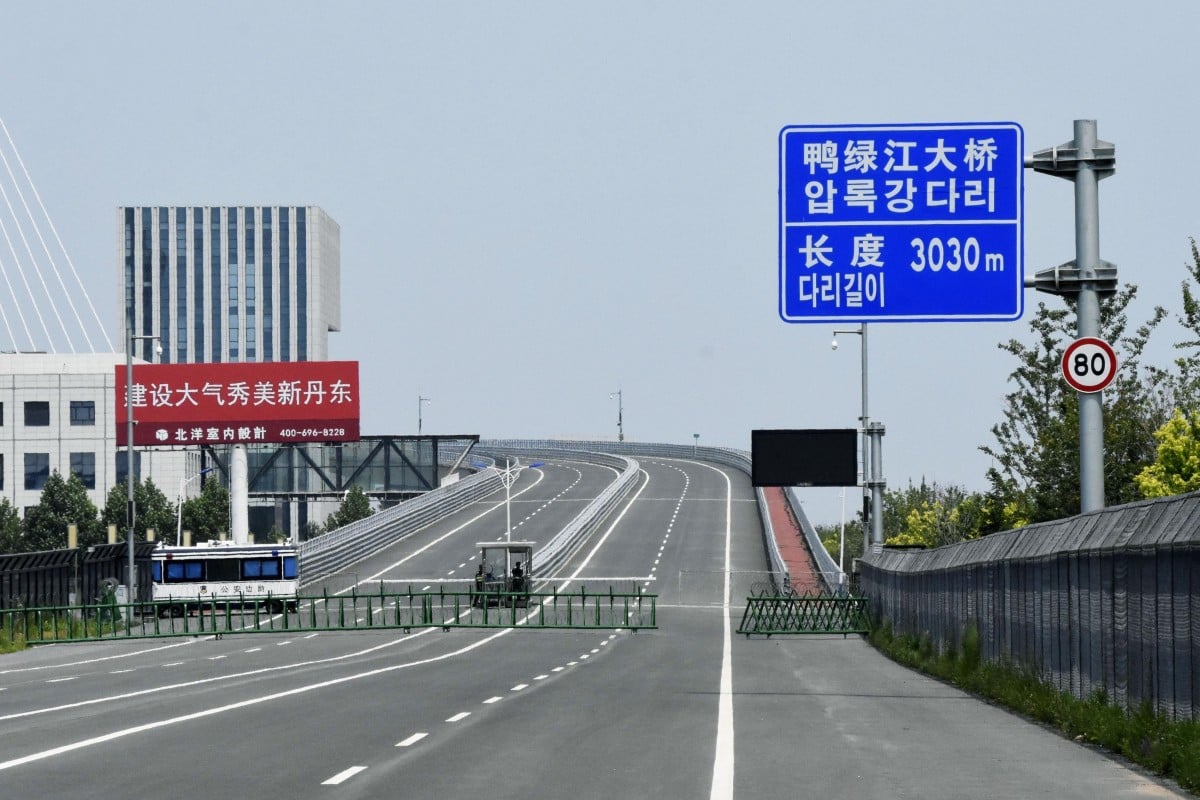
The bridge crosses the Yalu River on the border between China and North Korea. Photo: Kyodo
China and North Korea have finally opened a border bridge built between the two countries in 2016, in a potential boost to the North’s economy as Beijing tries to balance its concerns about its neighbour against ongoing international pressure for it to denuclearise.
A border checkpoint and bridge connecting the Chinese city of Jian with North Korea’s Manpo were open on Monday, following three years of delays since they were built.

Four buses crossed the border from North Korea in the morning and returned to the hermit kingdom about an hour later carrying about 120 people, who included tourists, according to South Korean media. It was not known whether the people travelled from North Korea or boarded the buses in China.

The bridge had remained closed on its completion in 2016, with Beijing taking a cautious approach at a time when it faced international scrutiny of whether it was fully implementing UN Security Council sanctions on the North.

to enforce the sanctions after a UN committee accused it and South Korea of being reluctant to enforce a ban on coal exports from the North.

But there has been a change in the status of the Jian-Manpo border crossing – built near to where Kim’s father, the former leader Kim Jong-il, was reported to have crossed the border in 2010 in a rare trip outside his country.

Kim’s second summit with Trump in February collapsed against a backdrop of continued economic struggles for North Korea. Beijing is wary of instability around the North Korean regime posing a threat to the security of China’s northeast, fearing an influx of refugees into one of its poorest regions.

North Korea’s trade has suffered to the extent that the Korea Development Institute said in February it had almost collapsed.

The North’s exports to China – which accounts for the bulk of its trade – plunged 87 per cent year-on-year in 2018, according to data compiled by South Korea’s Korea

International Trade Association, while there have been myriad other economic problems at a time when Kim has vowed to deliver on the economy.

In April last year, Kim announced that Pyongyang was moving away from its twin-track “byungjin” policy of developing nuclear weapons and the economy simultaneously to focus exclusively on rebuilding the economy.

Boo Seung-chan, adjunct professor at the Yonsei Institute for North Korean Studies in Seoul, said the bridge’s primary use would be to boost tourism in North Korea, which is not restricted by the UN sanctions.

“Tourism is the only sector left for the North Koreans to earn foreign revenue,” Boo said. “Besides, China can only offer its financial help through the tourism sector as it does not wish to violate UN sanctions.

“China’s Korean peninsula policy is to maintain the stability of the region. It may also be drawing a road map for when sanctions may be lifted, finding its means to accelerate its economic engagement to increase its sphere of influence.”

Source: SCMP

07/04/2019

US and China edge closer to ‘epic’ trade deal, says Trump

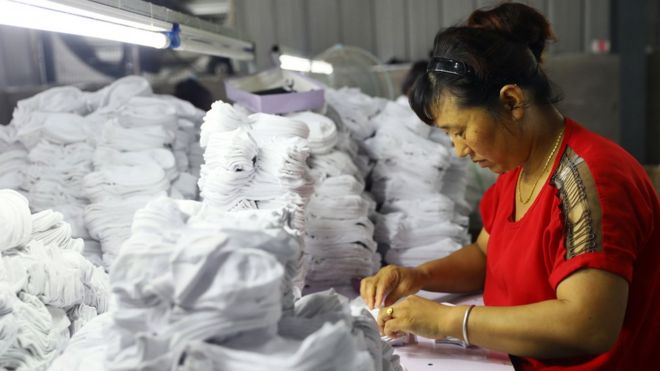
A woman works on socks that will be exported to the US at a factory in Huaibei in China's eastern Anhui province on August 7, 2018Image copyrightGETTY IMAGES

President Donald Trump says the US has found agreement on some of the toughest points in trade talks with China.

He said a deal could come in the next four weeks, but added some sticking points remained.

The Chinese echoed the optimism, with President Xi Jinping touting substantial progress, according to the Chinese state news agency Xinhua.

The US and China have been in talks since December trying to end a trade war that is hurting the global economy.

Mr Trump said the US and China had agreed on “a lot of the most difficult points” but that “we have some ways to go”.

He was speaking from the White House, before a meeting with Chinese Vice Premier Liu He.

The US president said if there was a deal, he would hold a summit with President Xi.

“This is an epic deal, historic – if it happens,” said Mr Trump.

“This is the Grand Daddy of them all and we’ll see if it happens. It’s got a very good chance of happening.”

Sticking points in negotiations in recent weeks have included how fast to roll back tariffs and how a deal would be enforced.

Mr Trump suggested at the press conference that some of these persisted.

He said it would be tough for the US to allow trade to continue with China in the same way as in the past, if a deal did not materialise.

‘Conflicting signals’

The world’s two largest economies imposed tariffs on billions of dollars worth of one another’s goods over the past year.

Negotiations between them have continued since a trade truce was agreed in December, but have at times been rocky.

The BBC’s China correspondent Robin Brant said that both sides were – yet again – giving conflicting signals.

Mr Liu said the US and China had reached a new consensus on important issues like the text of the economic and trade agreement, Xinhua reported.

While that echoed Mr Trump’s comments, US Trade Representative Robert Lighthizer sounded more cautious. He said there were still some major issues left in trade talks, according to reports.

Mr Brant said there was clearly still significant distance between the two sides on the crucial issue of enforcement.

What’s being discussed?

The US accuses China of stealing intellectual property from American firms, forcing them to transfer technology to China.

Washington wants Beijing to make changes to its economic policies, which it says unfairly favour domestic companies through subsidies and other support, and wants China to buy more US goods to rein in a lofty trade deficit.

China accuses the US of launching the largest trade war in economic history, and is unlikely to embrace broader structural changes to its economy.

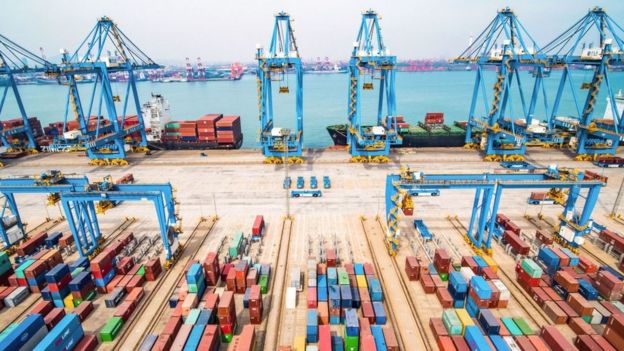
An aerial view of a port in Qingdao in China's eastern Shandong province on March 8, 2019Image copyrightGETTY IMAGES

What’s at stake?

Failure to achieve a deal may see the US more than double the 10% tariffs on $200bn (£153bn) of Chinese goods and impose fresh tariffs.

Mr Trump has in the past threatened to tax all Chinese goods going into the US.

The US has already imposed tariffs on $250bn worth of Chinese goods, and China has retaliated with duties on $110bn of US products.

The damaging trade war has already cast a shadow over global trade and the world economy.

Source: The BBC

05/04/2019

US and China edge closer to ‘epic’ trade deal, says Trump

A woman works on socks that will be exported to the US at a factory in Huaibei in China's eastern Anhui province on August 7, 2018Image copyrightGETTY IMAGES

President Donald Trump says the US has found agreement on some of the toughest points in trade talks with China.

He said a deal could come in the next four weeks, but added some sticking points remained.

The Chinese echoed the optimism, with President Xi Jinping touting substantial progress, according to the Chinese state news agency Xinhua.

The US and China have been in talks since December trying to end a trade war that is hurting the global economy.

Mr Trump said the US and China had agreed on “a lot of the most difficult points” but that “we have some ways to go”.

He was speaking from the White House, before a meeting with Chinese Vice Premier Liu He.

The US president said if there was a deal, he would hold a summit with President Xi.

“This is an epic deal, historic – if it happens,” said Mr Trump.

“This is the Grand Daddy of them all and we’ll see if it happens. It’s got a very good chance of happening.”

Sticking points in negotiations in recent weeks have included how fast to roll back tariffs and how a deal would be enforced.

Mr Trump suggested at the press conference that some of these persisted.

He said it would be tough for the US to allow trade to continue with China in the same way as in the past, if a deal did not materialise.

‘Conflicting signals’

The world’s two largest economies imposed tariffs on billions of dollars worth of one another’s goods over the past year.

Negotiations between them have continued since a trade truce was agreed in December, but have at times been rocky.

The BBC’s China correspondent Robin Brant said that both sides were – yet again – giving conflicting signals.

Mr Liu said the US and China had reached a new consensus on important issues like the text of the economic and trade agreement, Xinhua reported.

While that echoed Mr Trump’s comments, US Trade Representative Robert Lighthizer sounded more cautious. He said there were still some major issues left in trade talks, according to reports.

Mr Brant said there was clearly still significant distance between the two sides on the crucial issue of enforcement.

What’s being discussed?

The US accuses China of stealing intellectual property from American firms, forcing them to transfer technology to China.

Washington wants Beijing to make changes to its economic policies, which it says unfairly favour domestic companies through subsidies and other support, and wants China to buy more US goods to rein in a lofty trade deficit.

China accuses the US of launching the largest trade war in economic history, and is unlikely to embrace broader structural changes to its economy.

An aerial view of a port in Qingdao in China's eastern Shandong province on March 8, 2019Image copyrightGETTY IMAGES

What’s at stake?

Failure to achieve a deal may see the US more than double the 10% tariffs on $200bn (£153bn) of Chinese goods and impose fresh tariffs.

Mr Trump has in the past threatened to tax all Chinese goods going into the US.

The US has already imposed tariffs on $250bn worth of Chinese goods, and China has retaliated with duties on $110bn of US products.

The damaging trade war has already cast a shadow over global trade and the world economy.

Source: The BBC

06/03/2019

China to make forced technology transfer illegal as Beijing tries to woo back foreign investors

  • Issue a key demand made by US President Donald Trump as part of the ongoing US-China trade war
  • China expected to pass new foreign investment law next week during National People’s Congress

26 Feb 2019

Foreign direct investment in China amounted to US$135 billion in 2018, an increase of 3 per cent from a year earlier, according to Chinese government data. Photo: EPA

Foreign direct investment in China amounted to US$135 billion in 2018, an increase of 3 per cent from a year earlier, according to Chinese government data. Photo: EPA
Beijing will make it illegal to force foreign investors to transfer their technology to Chinese partners while also lowering market barriers for foreign firms to enter the domestic market, a senior economic planning official said on Wednesday, highlighting an effort to lure overseas investment inflows.
China is expected to pass a new law next week intended to protect the interests of foreign investors, both as a response to demands from the United States that have formed part of the ongoing trade war negotiations, and to help shore up economic growth, which slowed last year to its lowest rate in 28 years.
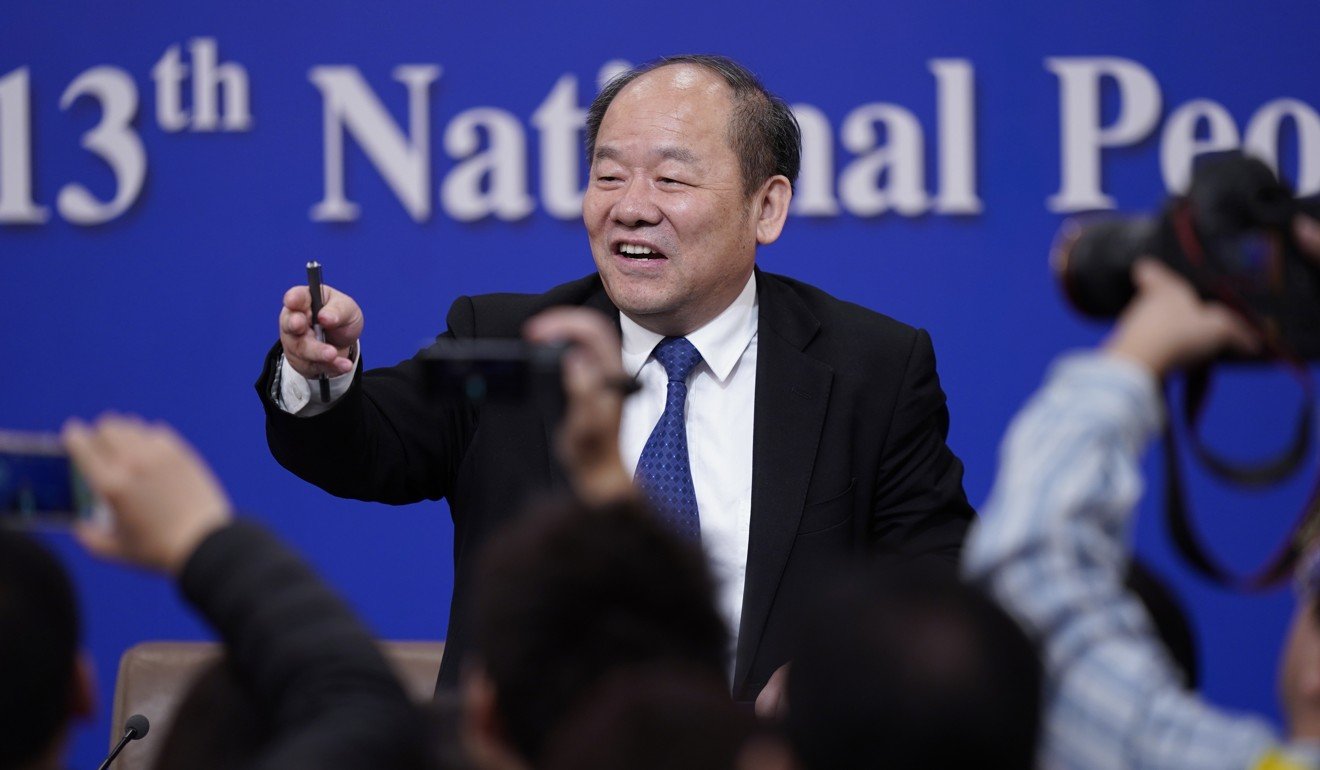
Foreign investors will be allowed to set up ventures in which they have full ownership, instead of being forced into joint ventures with local partners, in more industries, said Ning Jizhe, a vice-chairman of the National Development and Reform Commission, in Beijing on Wednesday during the National People’s Congress.

But foreign investment into the world’s second biggest economy have slowed over last decade, which could deprive China of access to advanced technologies and marginalise the country in the development of future global supply chains.

Beijing is trying to lure more foreign capital and technology to support its plan to upgrade its manufacturing industries and boost the development of new, hi-tech sectors.

“China will roll out more opening-up measures in the agriculture, mining, manufacturing and service sectors, allowing wholly foreign-owned enterprises in more fields,” Ning said.

China law to protect intellectual property, ban forced tech transfer
Since December, China has been rushing to draft legislation for a new foreign investment law, a key clause of which prohibits local government’s from forcing transfer of technology in return for being allowed to conduct business in their jurisdictions.
The National People’s Congress is expected to endorse the new 

“After passing the law, the government will take serious measures to obey and implement it,” Ning added.

He said that China will remove market entry restrictions for foreign investors to ensure that domestic and foreign firms “are treated as equals.”

Ning Jizhe, a vice-chairman of the National Development and Reform Commission. Photo: EPA

However, the jury is still out whether Beijing’s promises of fair treatment, market access and protection for intellectual property rights will be enough to generate a steady inflow of hi-tech investment.

The US has long complained that China has been unwilling to implement previous commitments under the World Trade Organisation to open up its market – allegation Beijing denies.

Shen Jianguang, chief economist at JD Digits, an arm of Chinese e-commerce firm JD.com, said restrictions on foreign investment will exist in China despite the government’s promises.

China’s domestic market remains large and attractive for some foreign investors, he said.

“Foreign investors are still very interested in the Chinese market, if the openness of the economy is sufficient,” Shen added.

Source: SCMP

Law of Unintended Consequences

continuously updated blog about China & India

ChiaHou's Book Reviews

continuously updated blog about China & India

What's wrong with the world; and its economy

continuously updated blog about China & India