Chindia Alert: You’ll be Living in their World Very Soon
aims to alert you to the threats and opportunities that China and India present. China and India require serious attention; case of ‘hidden dragon and crouching tiger’.
Without this attention, governments, businesses and, indeed, individuals may find themselves at a great disadvantage sooner rather than later.
The POSTs (front webpages) are mainly 'cuttings' from reliable sources, updated continuously.
The PAGEs (see Tabs, above) attempt to make the information more meaningful by putting some structure to the information we have researched and assembled since 2006.
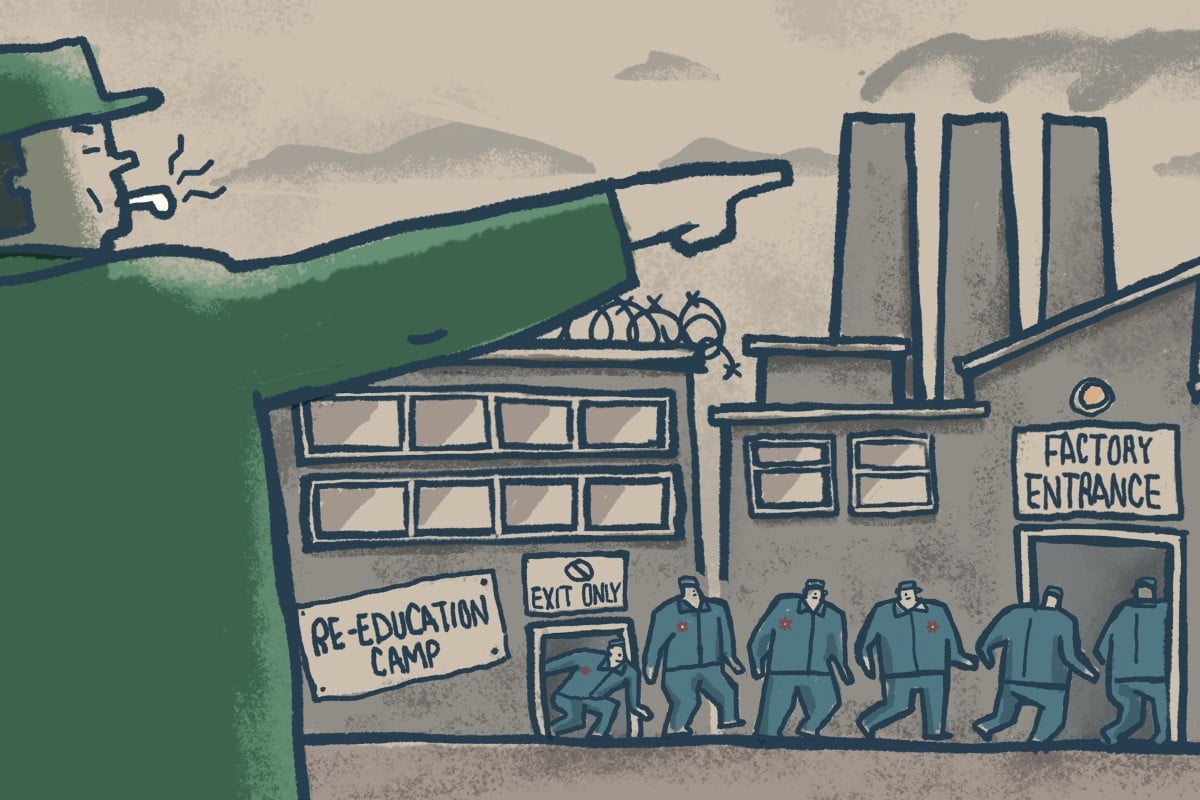
Inmates who have undergone compulsory re-education programme to be moved to other parts of China under job placement scheme delayed by Covid-19 outbreak
Critics have said the camps are a move to eradicate cultural and religious identity but Beijing has defended them as way of boosting job opportunities and combating Islamic radicalisation
Illustration by Perry Tse
The Chinese government has resumed a job placement scheme for tens of thousands of Uygur Muslims who have completed compulsory programmes at the “re-education” camps in the far-western region of Xinjiang, sources said.
The plan, which includes a quota for the numbers provinces must take, was finalised last year but disrupted by the outbreak of Covid-19.
The delay threatens to undermine the Chinese government’s efforts to justify its use of internment camps in Xinjiang.
Critics have said these camps were part of the measures designed to eradicate the ethnic and cultural identity of Uygurs and other Muslim minorities and that participants had no choice but to undertake the re-education programme.
Beijing has repeatedly dismissed these criticisms and said the camps are to give Uygurs the training they need to find better jobs and stay away from the influence of radical fundamentalism.
First Xinjiang, now Tibet passes rules to promote ‘ethnic unity’
17 Feb 2020
Now with the disease under control, the Chinese government has resumed the job placement deal for other provinces to absorb Xinjiang labourers, sources said.
Despite the devastating impact of the disease on its economy and job markets, the Chinese authorities are determined to go ahead with the plan, which they believe would
“Excellent graduates were to be taken on as labourers by various inland governments, in particular, 19 provinces and municipalities,” said the source. It is unclear what constitutes “excellent graduates”.
Some sources earlier said that the programme may be scaled back in light of the new economic reality and uncertainties.
But a Beijing-based source said the overall targets would remain unchanged.
“The unemployment problem in Xinjiang must be resolved at all costs, despite the outbreak,” the source said.
The South China Morning Post has learned that at least 19 provinces and cities have been given quotas to hire Muslim minorities, mostly Uygurs, who have “graduated” from re-education camps.
As early as February, when the daily number of infections started to come down outside Hubei province, China already begun to send Uygur workers to their new jobs.
A photo taken in February showed thousands of young Uygurs, all wearing face masks and with huge red silk flowers pinned to their chests, being dispatched to work in factories outside their hometowns.
By the end of February, Xinjiang alone has created jobs for more than 60,000 Uygur graduates from the camps. A few thousand were also sent to work in other provinces.
Many have been employed in factories making toys and clothes.
Xinjiang’s new rules against domestic violence expand China’s ‘extremism’ front to the home
7 Apr 2020
Sources told the Post that the southern city of Shenzhen – China’s hi-tech manufacturing centre – was given a target last year to eventually resettle 50,000 Uygurs. The city is allowed to do this in several batches, with 15,000 to 20,000 planned for the first stage.
In Fujian province, a government source also said they had been told to hire “tens of thousands of Xinjiang workers”.
“I heard the first batch of several thousands would arrive soon. We have already received official directives asking us to handle their settlement with care,” said the source.
He said the preparation work includes providing halal food to the workers as well as putting in place stronger security measures to “minimise the risks of mass incidents”. It is not known whether they will be given access to prayer rooms.
There are no official statistics of how many Uygurs will be resettled to other provinces and the matter is rarely reported by the mainland media.
But in March, Anhui Daily, the province’s official newspaper, reported that it had received 1,560 “organised labourers from Xinjiang”.
The Uygur workers on average could earn between 1,200 yuan (US$170) to 4,000 yuan (US$565) a month, with accommodation and meals provided by the local authorities, according to Chinese media reports.
However, they are not allowed to leave their dormitories without permission.
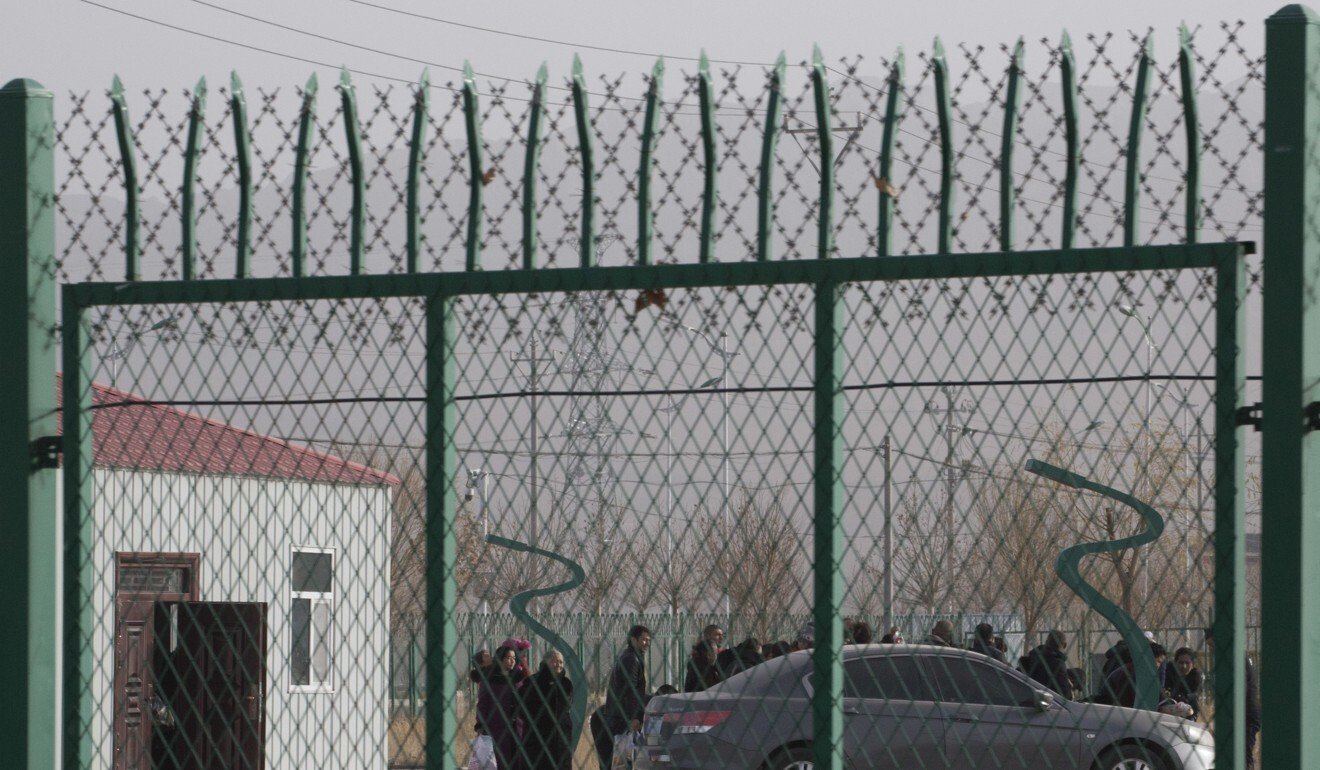
The UN has estimated that up to a million Muslims were being held in the camps. Photo: AP
Xinjiang’s per capita disposable income in 2018 was 1,791 yuan a month, according to state news agency Xinhua. But the salary level outside the region’s biggest cities such as Urumqi may be much lower.
The official unemployment rate for the region is between 3 and 4 per cent, but the statistics do not include those living in remote rural areas.
Mindful of the potential risks of the resettlement, Beijing has taken painstaking efforts to carefully manage everything – from recruitment to setting contract terms to managing the workers’ day-to-day lives.
Local officials will go to each Uygur workers’ home to personally take them to prearranged flights and trains. On arrival, they will be immediately picked up and sent to their assigned factories.
US bill would bar goods from Xinjiang, classifying them the product of forced labour by Uygurs
12 Mar 2020
Such arrangements are not unique to Uygurs and local governments have made similar arrangements for ethnic Han workers in other parts of China.
After screening them for Covid-19, local governments have arranged for workers to be sent to their workplaces in batches. They are checked again on arrival, before being sent to work.
China is accelerating such placement deals on a massive scale to offset the impact of the economic slowdown after the outbreak.
Sources told the South China Morning Post that the job placement deal was first finalised by governments in Xinjiang and other provinces last year.
The aim is to guarantee jobs for Uygur Muslim who have “completed vocational training” at the re-education camps and meet poverty alleviation deals in the region, one of the poorest parts of China.
The training they receive in the camps includes vocational training for various job types such as factory work, mechanical maintenance and hotel room servicing. They also have to study Mandarin, Chinese law, core party values and patriotic education.
Xinjiang’s massive internment camps have drawn widespread international condemnation.
The United Nations has estimated that up to 1 million Uygur and other Muslim minority citizens are being arbitrarily detained in the camps, which Beijing insists are necessary to combat terrorism and Islamic radicalisation.
Late last year, Xinjiang’s officials announced that all the inmates of these so-called vocational training centres had “graduated” and taken up employment.
Before this labour placement scheme was introduced, it was extremely difficult for Uygurs to find jobs or live and work in inland regions.
Muslim ethnic minorities, Uygurs in particular, have been subjected to blatant discrimination in China and the situation worsened after the 2009 clashes.
Earlier this month, the Australian Strategic Policy Institute released a report saying more than 80,000 Uygurs had been moved from Xinjiang to work in factories in nine Chinese regions and provinces.
It identified a total of 27 factories that supplied 83 brands, including household names such as Google, Apple, Microsoft, Mitsubishi, Siemens, Sony, Huawei, Samsung, Nike, Abercrombie and Fitch, Uniqlo, Adidas and Lacoste.
‘Psychological torture’: Uygurs abroad face mental health crisis over plight of relatives who remain in Xinjiang
11 Mar 2020
The security think tank concluded that the Chinese government had transferred Uygur workers “under conditions that strongly suggest forced labour” between 2017 and 2019, sometimes drawing labourers directly from re-education camps.
The report also said the work programme represents a “new phase in China’s social re-engineering campaign targeting minority citizens”.
Workers were typically sent to live in segregated dormitories, underwent organised Mandarin lessons and ideological training outside working hours and were subject to constant surveillance, the researcher found.
They were also forbidden from taking part in religious observances, according to the report that is based on open-source documents, satellite pictures, academic research and on-the-ground reporting.
Chinese foreign ministry spokesman Zhao Lijian criticised the report saying it had “no factual basis”.
BEIJING (Reuters) – Tens of thousands of ethnic Uighurs were moved to work in conditions suggestive of “forced labor” in factories across China supplying 83 global brands, and Australian think tank said in a report released on Sunday.
The Australian Strategic Policy Institute (ASPI) report, which cited government documents and local media reports, identified a network of at least 27 factories in nine Chinese provinces where more than 80,000 Uighurs from the western region of Xinjiang have been transferred.
“Under conditions that strongly suggest forced labor, Uighurs are working in factories that are in the supply chains of at least 83 well-known global brands in the technology, clothing and automotive sectors, including Apple, BMW, Gap, Huawei, Nike, Samsung, Sony and Volkswagen,” the think-tank said in the introduction to its report.
The ASPI report said the transfers of labor were part of a state-sponsored program.
It says the workers “lead a harsh, segregated life,” are forbidden to practice religion, and are required to participate in mandarin language classes.
It also says the Uighurs are tracked electronically and restricted from returning to Xinjiang.
China’s Foreign Ministry on Monday said reports the government had violated the Uighurs’ rights were untrue.
“This report is just following along with the U.S. anti-China forces that try to smear China’s anti-terrorism measures in Xinjiang,” spokesman Zhao Lijian at a regular press briefing on Monday.
The United Nations estimates over a million Muslim Uighurs have been detained in camps in Xinjiang over recent years as part of a wide-reaching campaign by Chinese officials to stamp out terrorism.
The mass detentions have provoked a backlash from rights groups and foreign governments, which say the arbitrary nature of the detentions violates human rights.
China has denied the camps violate the rights of Uighurs and say they are designed to stamp out terrorism and provide vocational skills.
“Those studying in vocational centers have all graduated and are employed with the help of our government,” said the Foreign Ministry’s Zhao, “They now live a happy life.”
The 83 global brands mentioned in ASPI’s report either work directly with the factories or source materials from the factories, it said, citing public supplier lists and the factories’ own information.
One of the factories, O-Film Technology Co Ltd, which has manufactured cameras for Apple Inc’s (AAPL.O) iPhones, received 700 Uighur laborers as part of the program in 2017, a local media article cited by the report said.
Apple referred Reuters to an earlier statement that said “Apple is dedicated to ensuring that everyone in our supply chain is treated with the dignity and respect they deserve. We have not seen this report but we work closely with all our suppliers to ensure our high standards are upheld.”
The other companies mentioned in the introduction to ASPI’s report – BMW (BMWG.DE), Gap Inc (GPS.N) , Huawei Technologies Co Ltd, Nike Inc (NKE.N), Samsung and Sony Corp (6758.T) did not respond to requests for comment on Monday.
O-Film Technology did not respond to a request for a comment either.
Volkswagen told Reuters in a statement that none of the listed companies is a direct supplier. It said the company holds “direct authority” in all parts of its business and “respects minorities, employee representation and social and labor standards.”
The report said a small number of the brands, including Abercrombie & Fitch Co [ANF.N], advised vendors to terminate their relationships with these companies in 2020, and others denied direct contractual relationships with the suppliers.
ASPI describes itself as an independent think-tank whose core aim is to provide insight for the Australian government on matters of defense, security and strategic policy.
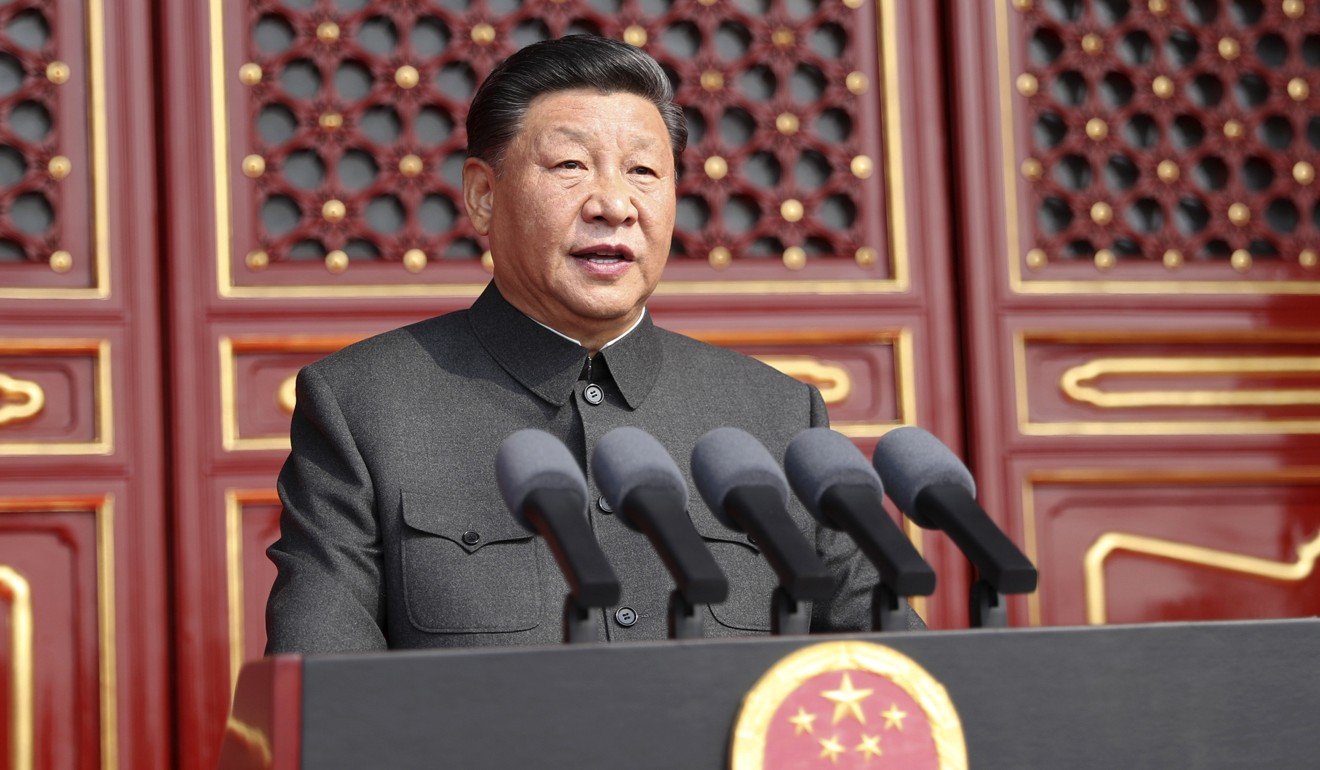
on Saturday reiterated his promise to keep opening up the nation’s markets to companies and investors from around the world.
“The door of China’s opening up will only open wider and wider, the business environment will only get better and better, and the opportunities for global multinational companies will only be more and more,” he said in a congratulatory letter read out by Vice-Premier Han Zheng at the inaugural Qingdao Multinationals Summit in the east China city.
The two-day event, which ends on Sunday, was organised by China’s commerce ministry and the provincial government of Shandong with the aim, according to its website, of giving multinational companies “the opportunity to articulate their business values and vision” and “promote cooperation with host countries”.
In his letter, Xi praised multinational companies for the role they had played in China’s opening up and reform over the past four decades, describing them as “important participants, witnesses and beneficiaries”.
China was willing to continue opening up to benefit not only itself but the world as a whole, he said.
“Only when the world is good, China is good. Only when China is good, can the world get better.”
Despite its upbeat tone, Xi’s message comes as Beijing is facing intense scrutiny from the international business community over its state-led economic model – one of the main bones of contention in its trade war with the US – and its attempts to prevent foreign firms from speaking out on issues it deems too sensitive, from Hong Kong to human rights.
Foreign firms have also long complained about the barriers they face when trying to access China’s markets and the privileged treatment it gives to state-owned enterprises. Even though Beijing has promised to reform its state sector, foreign businesses have complained of slow progress, and just last month the European Union Chamber of Commerce urged the EU to take more defensive measures against China’s “resurgent” state economy.
Xi promised “more and more” opportunities for global firms. Photo: AP
Sheman Lee, executive director of Forbes Global Media Holding and CEO of Forbes China, said at the Qingdao summit that foreign firms were facing a difficult trading environment in the world’s second-largest economy.
“Multinationals have seen their growth in China slow in recent years because of the growing challenge from local firms, a gradually saturating market and rising operation costs,” he said.
Craig Allen, president of the US-China Business Council, said that many multinational companies were reluctant to release their best products in China out of fear of losing their intellectual property.
China still not doing enough to woo foreign investment
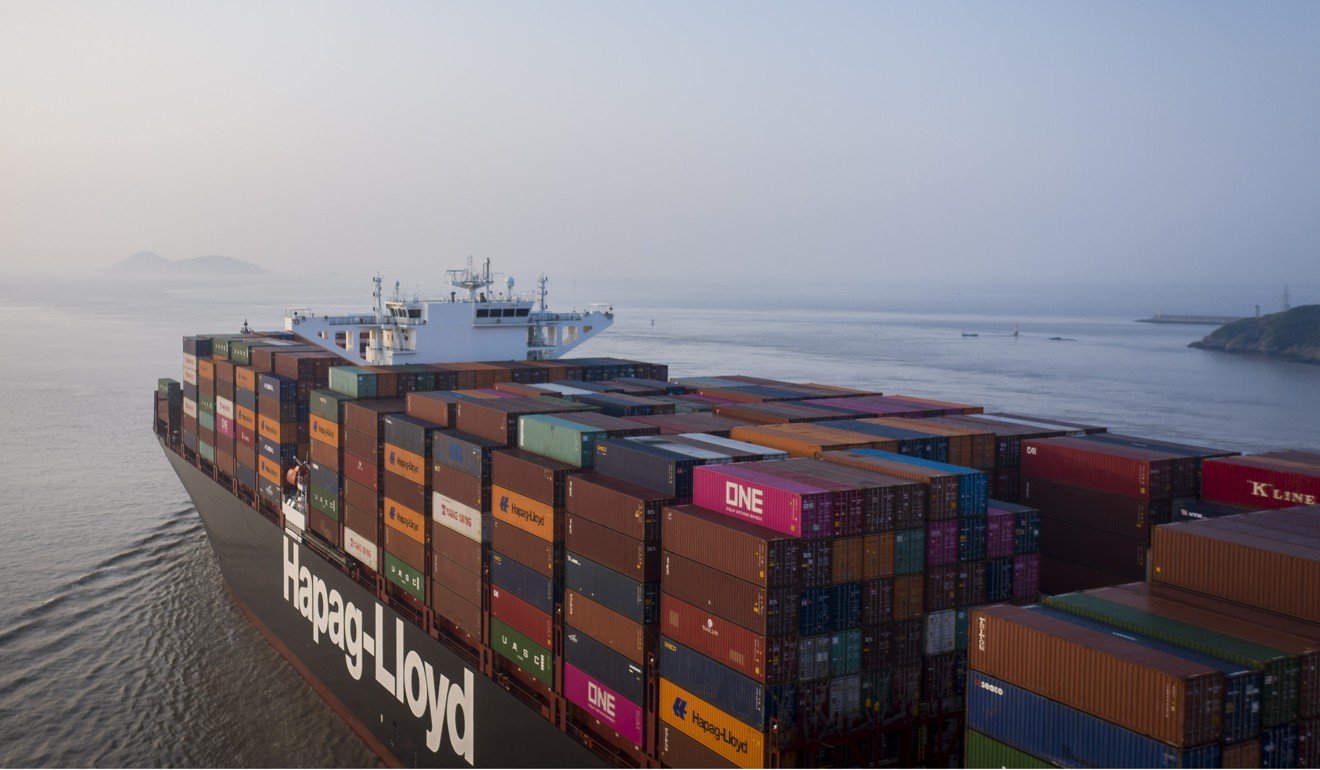
In his letter, Xi said that over the next 15 years, the value of China’s annual imports of goods would rise beyond US$30 trillion, while the value of imported services would surpass US$10 trillion a year, creating major opportunities for multinational companies.
China would also reduce tariffs, remove non-tariff barriers and speed up procedures for customs clearance, he said.
Commerce Minister Zhong Shan said at the opening ceremony that China would also continue to improve market access and intellectual property protection.
The country supported economic globalisation and would safeguard the multilateral trade system, he said, adding that it was willing to work with the governments of other countries and multinational corporations to promote economic globalisation.
Xi Jinping says the value of China’s annual goods imports will rise beyond US$30 trillion over the next 15 years. Photo: Bloomberg
The promise to continue to open up China’s markets came after the State Council
– the nation’s cabinet – made exactly the same pledge at its weekly meeting on Wednesday.
After the latest round of trade war negotiations in Washington, Beijing said it had achieved “substantive progress” on intellectual property protection, trade cooperation and technology transfers, all of which have been major bones of contention for the United States.
Despite its pledge to welcome multinational companies into its market, China is in the process of creating a list of “unreliable foreign entities” it considers damaging to the interests of Chinese companies. The roster, which is expected to include FedEx, is seen as a response to a similar list produced earlier by the United States.
Xi’s gesture would also appear to have come too late for South Korean multinational
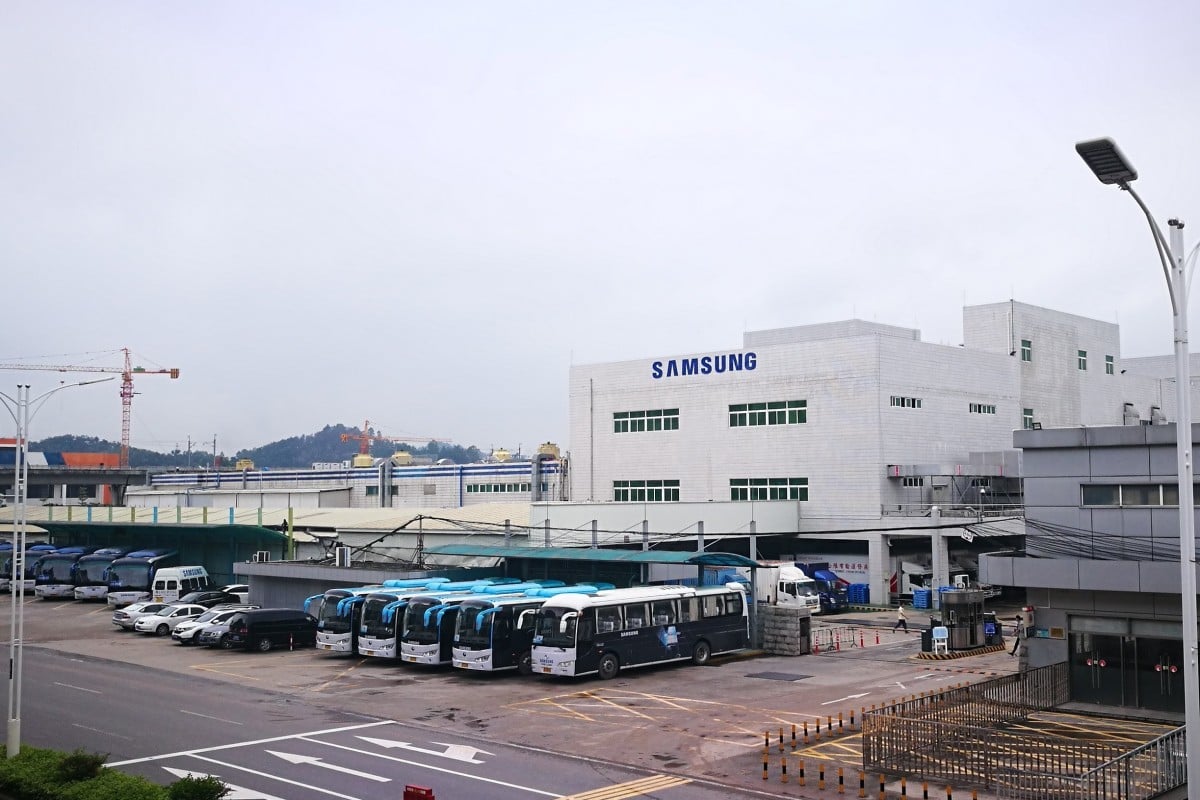
, which announced on October 4 it had ended the production of smartphones at its factory in Huizhou, Guangdong province – its last in China – with the loss of thousands of jobs.
said on Friday it has ended the production of smartphones in its last factory in China.
Operations at the plant in the south China city of Huizhou, Guangdong province, ended last month, it said in an email.
The company made “the difficult decision to cease operations of Samsung Electronics Huizhou” in order “to enhance efficiency” in its manufacturing, it said.
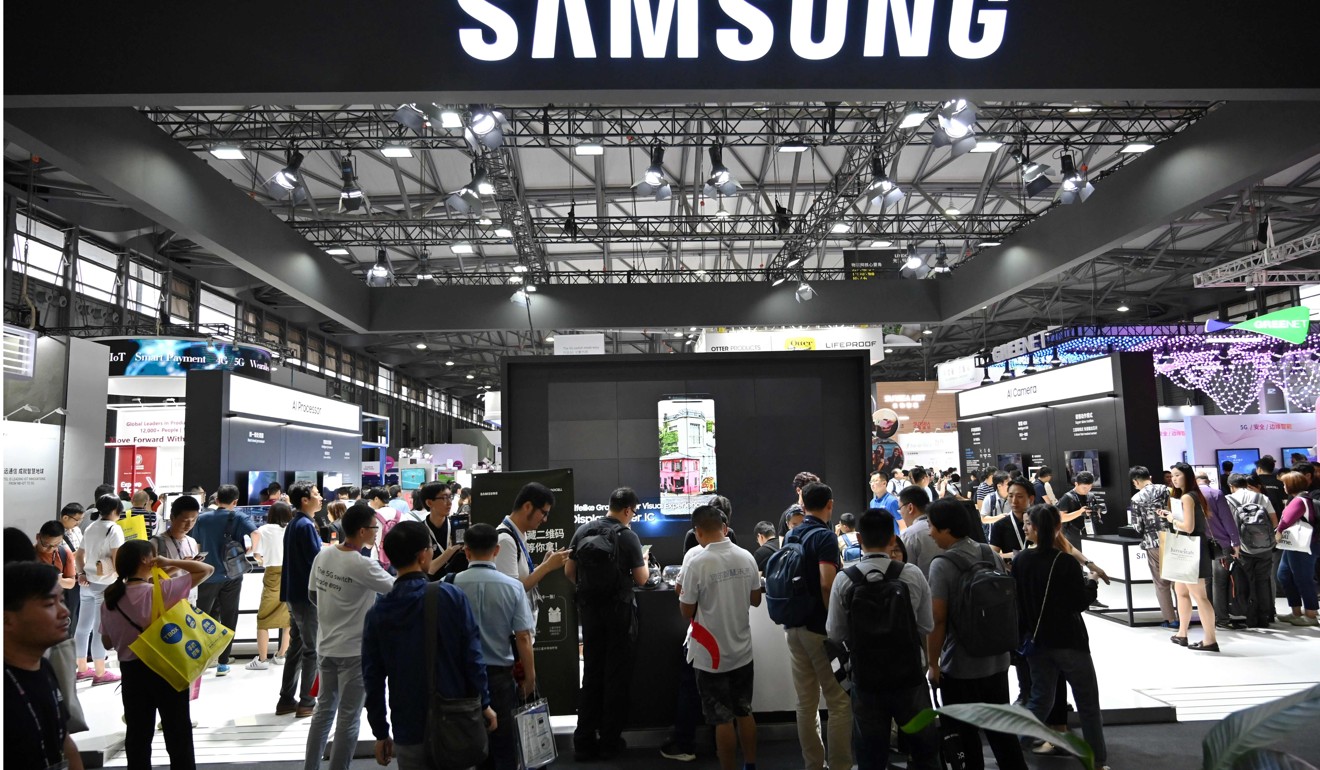
Samsung’s market share in China has dwindled to near insignificance as competitors like Huawei and Xiaomi have taken the upper hand. It once had 15 per cent of China’s smartphone market.
Samsung once had a 15 per cent share of China’s smartphone market. Photo: AFP
The South Korean giant has moved a large share of its smartphone production to Vietnam and closed a factory in northeastern China’s Tianjin last year.
“The production equipment will be reallocated to other global manufacturing sites depending on our global production strategy based on market needs,” the statement said.
Samsung is the world’s biggest manufacturer of semiconductors and smartphones and a major producer of display screens. But the flagship of South Korea’s largest conglomerate is currently weathering a spell of slack demand for computer chips.
Like other South Korean electronics makers, it also is facing the impact of tightened Japanese controls on exports of hi-tech materials used in semiconductors and displays.
On Wednesday, Sony said it was closing its Beijing smartphone plant and would only make smartphones in Thailand.
“In China, people buy low-priced smartphones from domestic brands and high-end phones from Apple or Huawei,” Park Sung-soon, an analyst at Cape Investment & Securities, said.
“Samsung has little hope there to revive its share.”
Samsung’s factory in Huizhou was built in 1992, according to the company. South Korean media said it employed 6,000 workers and produced 63 million units in 2017.
Samsung manufactured 394 million handsets around the world in 2107, according to its annual report.
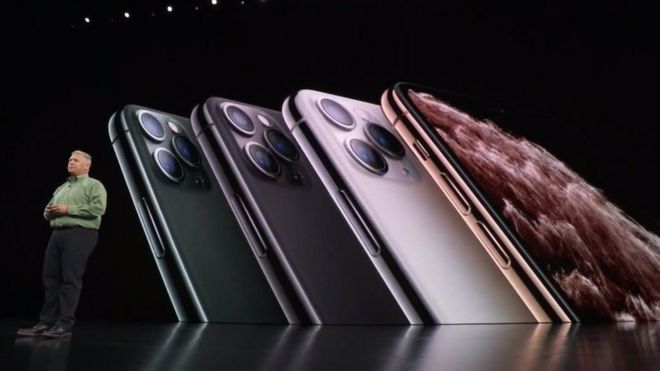
Image copyright APPLEImage caption The iPhone 11 Pro is said to last four hours more than before, while the Pro Max is said to last five hours longer
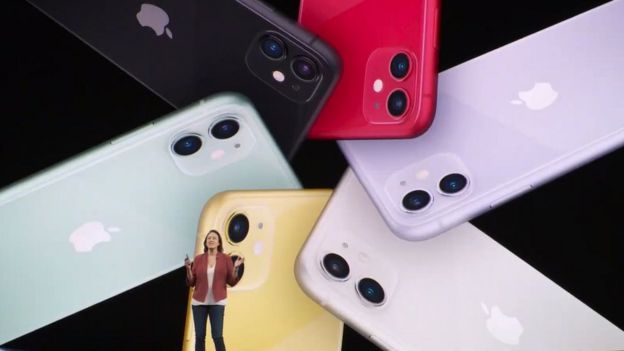
Apple has unveiled its iPhone 11 range of handsets, featuring more cameras and more battery life. But will it be enough to capture one of the world’s only growing smartphone markets?
Samsung has traditionally held dominance in the Indian “premium smartphone” segment, which refers to mobiles that cost 40,000 rupees (£451; $558) or more.
But this year, for the first time ever, Apple surged ahead of the Korean electronics giant in India. It swept up 41.2% of the premium smartphone market in the second quarter of 2019, according to research firm International Data Corporation.
“The Indian smartphone market is a game of changing fortunes,” technology journalist Mala Bhargava told the BBC. “There isn’t a company, no matter how dominant a position it commands, that can afford to sit idle.”
Apple’s latest mobile phones – the iPhone 11, 11 Pro and 11 Pro Max – will be available in India from 27 September.
And the iPhone 11, Ms Bhargava added, is primed to find success in the Indian market.
In recent months, Apple dropped its price for the iPhone 11’s predecessor, the iPhone XR, from 73,900 rupees to 53,900 rupees. The 20,000 rupee price drop was significant enough to make an impact.
“Consumers in India are known to be discount and deal-oriented,” Ms Bhargava said. “Seeing the iPhone as an aspirational product, many snapped up the mobile once prices were slashed.”
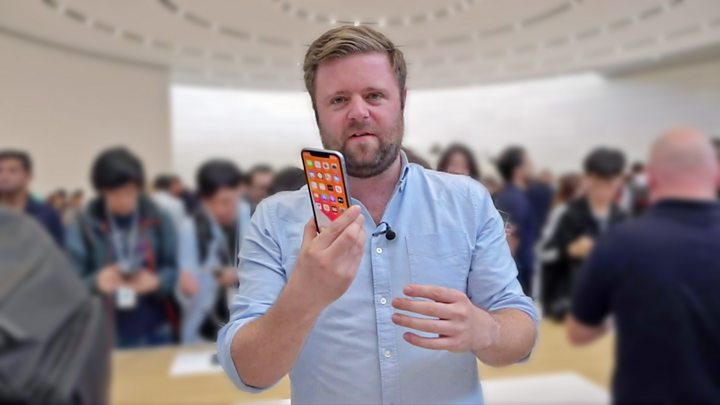
Media caption WATCH: Taking a slowfie with the iPhone 11
This, she said, is also what gave Apple the lead for the first time in India in the smartphone market.
The latest iPhones feature more cameras than before and a processor that has been updated to be faster while consuming less power. There are two Pro models, which the company said would last between four to five hours longer than their XS predecessors.
The entry-level iPhone 11 is the “perfect successor” to the iPhone XR, Ms Bhargava said.
It will start at a price of 64,900 rupees – which is not drastically higher than what the iPhone XR currently sells for.
“The discounted iPhone XR played a big part in bolstering sales in India, so it’s likely that with such a price for the iPhone 11, the company can really extend its market share,” she added.
Image copyright APPLEImage caption The entry-level iPhone 11 is said to last up to one hour longer than the earlier XR
Apple also launched the iPhone 11 Pro and iPhone 11 Pro Max, which at 99,990 rupees and 109,900 rupees a piece, will not be a key attraction as consumers will find that unaffordable.
“But at the same time, this gap could still benefit the company, leaving the field open for older iPhones and for the new iPhone 11 to increase Apple’s share in the country,” Ms Bhargava said.
The company is still selling the iPhone XR, along with the older iPhone 8, which will give consumers more choices and prices to choose from.
“With the sales of smartphones falling in the rest of the world, Apple can’t help but look to consolidate its position in India – it is almost the only market growing at an enthusiastic pace,” she added.
In the second quarter of 2019, 36.9 million handsets were shipped in India – up 9.9% from last year.
In comparison, the premium global smartphone market collapsed 8% in the first quarter this year, with much of the decline pushed by a 20% drop in Apple’s shipments.
“India still has millions of first-time phone buyers,” said Ms Bhargava, “and many of those who have been using budget phones are read to buy something better.”
Lotte, Kia and Hyundai are also gradually winding down their China business due to political risks, tariffs and losing market share
Western companies fleeing Donald Trump’s tariffs may not have luxury of a managed exit, but should look at the South Korean case studies closely, experts say
Samsung’s last mobile phone production line remaining in China in Huizhou is winding down, implementing a voluntary retirement programme. Photo: He Huifeng
Upon landing in Australia in 2017 to attend a seminar, a senior politician with South Korea’s parliamentary defence committee was greeted by Julie Bishop, then Australia’s foreign minister, who had a burning question: “How are you dealing with the China threat?”
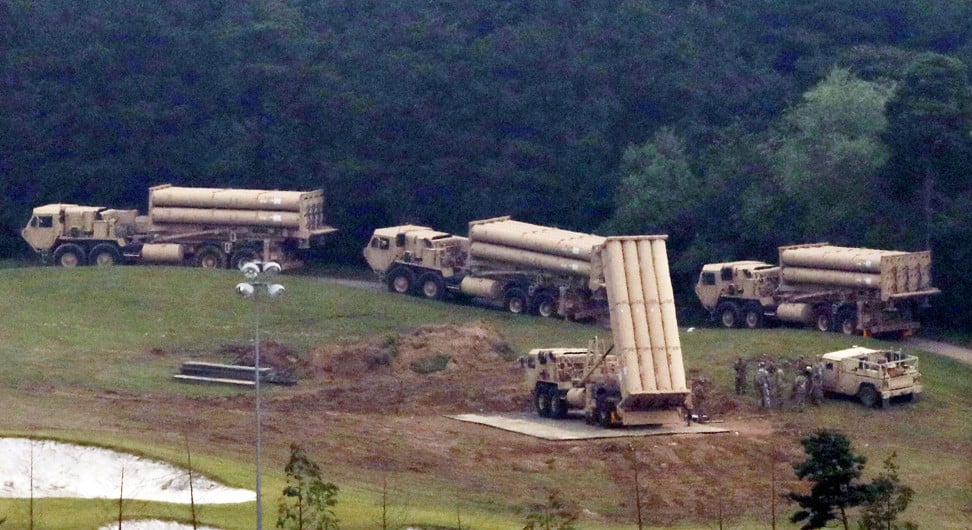
Bishop was referring to the treatment of South Korean firms in China, which escalated after Seoul agreed in 2016 to a long-standing request from the United States to allow the deployment of the Terminal High Altitude Area Defence system (THAAD) on South Korean soil.
Lotte Corporation, one of Korea’s chaebol conglomerates that dominate its economy, had sold a plot of land in Seongju county to the South Korean government, on which the system’s radar and interceptor missiles were set up. While both Washington and Seoul said it was meant to counter threats from North Korea, Beijing viewed THAAD as a security risk, since its radar had the range to monitor China’s nearby military facilities.
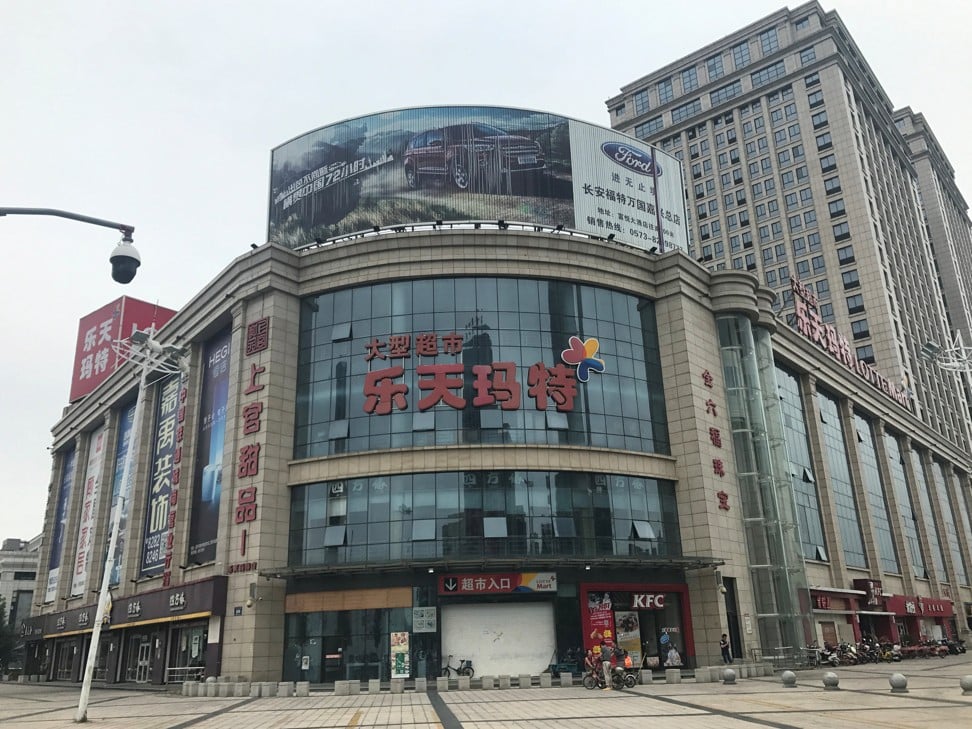
After it was deployed in 2017, THAAD triggered widespread boycotts of Lotte’s retail operations in China, with the state-owned media acting as aggressive cheerleaders. The company was sanctioned by Beijing, with its expansion plans in China grinding to a halt on the orders of the Chinese government.
The Terminal High Altitude Area Defence (THAAD) arrived in Seongju in September 2017. Photo: Reuters
Australia – like South Korea – is heavily dependent on trade with China, but is also closely bound to the US in defence and political terms, and Bishop feared that should Australia fall out of favour with Beijing, Australian companies could face similar risks, and so she sought the counsel of the politician, who asked not to be named.
The case of Canadian canola and meat exports being banned from China, reportedly in retaliation for the arrest of Huawei chief financial officer Meng Wanzhou, also known as Sabrina Meng and Cathy Meng, is an example of how third nations can be drawn into the modern day superpower rivalry.
Many analysts say the efforts of South Korean firms in China should be essential study material for Western governments and businesses about the political risks of doing business in the mainland, which are growing as the US-China trade war threatens to draw in other nations and expand into a broader geopolitical struggle.
But large South Korean firms have been gradually withdrawing from China for a number of years – even before the THAAD crisis – and have been able to leave on a managed basis. They are leaving to avoid a repeat of the political crisis that ruined Lotte’s China business, and to avoid tariffs on exports of their China-made products to the US.
Lotte have been forced to close retail operations in China. Photo: Reuters
Share:
But they are also leaving because Chinese firms have become much more competitive in the domestic market that South Korean companies had found so fruitful for more than a decade – a fate that could easily befall Western companies that are eyeing China’s burgeoning middle-class consumer market. Now, while American firms are considering exiting China and setting up in nations that have lower tariff access to the US, South
Korean competitors have had a few years’ head start.
“In a way, all the problems that some South Korean companies had since 2017 might be a blessing in disguise. It meant that they started all of this [supply chain shift] two years before all the other companies,” said Andrew Gilholm, Seoul-based director of analysis for China and Korea at political risk advisory, Control Risks.
Another chaebol, Samsung Electronics, opened its first plant in Vietnam in 2008 and this long-term presence has enabled it to build a supply chain of South Korean companies, which in turn makes it easier for other South Korean firms to establish a base in the Southeast Asian nation.
We have experienced some of the worst situations in China over the past few years and learnt that the political risk there wouldn’t just simply go away overnight Ex-Lotte Shopping manager
As a result, South Korean investment into Vietnam climbed to US$1.97 billion in the first half of 2018, exceeding the country’s investment in China of US$1.6 billion over the same period for the first time, according to the Export-Import Bank of Korea.
Overall in 2018, South Korea’s total investment to the Southeast Asian country totalled US$3.2 billion. Its exports to Vietnam also increased to US$48.6 billion, 121 times that of 1992, when the two countries established diplomatic relations, and the trend is expected to continue.
“We have experienced some of the worst situations in China over the past few years and learnt that the political risk there wouldn’t just simply go away overnight,” said a former manager of Lotte Shopping, the chaebol’s retail arm, who spoke on condition of anonymity.
“China may pass all the legislation ensuring the safety of foreign investments and the rights of multinational companies, but the chance of it swinging away again when there is another political confrontation is just too high … we cannot afford to take any more risk.”
China eventually lifted its economic sanctions on Lotte in April, and the municipal government of Shenyang, the capital of Liaoning province in Northeastern China, gave the company permission in May to resume work on the US$2.6 billion Lotte Town shopping and leisure development.
But according to a person close to the project, Lotte is considering selling the complex after its completion, as it does not wish to continue its retail business in China. A Lotte spokesman declined to comment, saying the situation is “complicated”.
On one hand, its eagerness to leave China reflects the volatility in the market, but on the other, its decision to complete the construction of project before leaving suggests an unwillingness to burn bridges in the process, analysts said.
Samsung is another South Korean giant downsizing its Chinese manufacturing presence after it closed its Shenzhen production line in May 2018, followed by its Tianjin factory in December.
Samsung has been very aware of the potential issues around those closuresJason Wright
Its last remaining mobile phone production line in
implementing a voluntary retirement programme. Samsung is also considering moving some television manufacturing from China to Vietnam, according to a company insider.
However, it too, is carefully managing its exit strategy, said Jason Wright, founder of Hong Kong-based intelligence firm Argo Associates, who is advising a growing number of South Korean companies seeking to leave China. Samsung is still a large supplier of microchips to Chinese companies like Huawei, and to exit on negative terms could disrupt its ongoing business.
“Samsung has been quite generous in the packages that have been offered [to workers in the factories that it has closed],” Wright said. “Samsung has been very aware of the potential issues around those closures.”
As well as the political risks and tariffs, Samsung has seen its mainland market share in several product queues shrink dramatically due to competition from Chinese rivals. Its share of China’s smartphone market, for example, fell from 20 per cent in 2013 to just 0.8 per cent last year, according to Strategy Analytics, a market research firm.
Over the same period, it has been moving its supply chain out of China in a “subtle and imperceptible” way, according to Julien Chaisse, a professor of trade law at City University of Hong Kong who has advised, among others, Lotte on its plans to relocate to Vietnam.
Samsung Electronics opened its first plant in Vietnam in 2008. Photo: Cissy Zhou
As stories emerged in June that Apple was considering a partial exit of China, it was impossible not to see parallels. iPhone sales in China fell 30 per cent in the first quarter of 2019, according to research firm Canalys, while smartphones will be among those facing a potential tariff of up to 25 per cent, although this has been at least delayed after the trade war truce agreed by
Meanwhile, South Korean car companies Kia and Hyundai’s combined market share in China fell to 2.7 per cent last year, from about 10 per cent at the beginning of the decade. Both companies, which have shared ownership, are downsizing their Chinese operations.
“In the past, China was just a great market, but for Korea, now China has become a competitor. So that is really a change in the dynamic over the last five years. China was not really able to compete with Korea in most areas,” said Wright from Argo Associates.
City University of Hong Kong professor Chaisse traces the exodus of South Korean firms back to 2014, before THAAD and before the trade war, and highlighted an arcane arbitration case at the United Nations’ dispute settlement courts as a turning point. After that case, South Korean companies in China faced an increasingly hostile environment.
Filed in 2014 and settled in 2017, the case emerged after South Korean company Ansung Housing had been forced to sell a golf resort it was developing in Eastern China after a change in the country’s real estate legislation.
Ansung took the case to an arbitration panel, claiming it breached a Sino-Korean investment treaty. The company won – only the second defeat for China in two decades of participation in the court, but this ushered in a “change in atmosphere” for South Korean firms.
“My take is that while the Korean case is unique for a number of reasons, it highlights what is going to happen to many other foreign companies operating in China,” Chaisse said.
“I think very soon even European companies will be reconsidering their businesses in China. Every time it will be a different story: different countries, different companies, in different economic sectors will have different reaction times and the magnitude of their withdrawal may vary.”
But for those now fleeing trade war tariffs, they may not have the luxury of long-term planning that companies like Samsung and Lotte have had, said Gilholm from Control Risks.
“Long term, I think the Korean firms that are moving out of China have had it easier because they haven’t had to do it under quite such pressured and scrutinised circumstances as a company which starts to move things now,” he said.
(This Feb. 24 story corrects paragraph 12 to show Huawei was world’s third-largest smartphone vendor last year, not second largest)
BARCELONA (Reuters) – China’s Huawei welcomed comments from President Donald Trump about the future of U.S. mobile communications on Sunday and asserted its position as a world-leading smartphone producer as Washington and Beijing seek a trade war ceasefire.
U.S. and Chinese negotiators are set to meet for a sixth straight day of negotiations on Sunday as they work to strike a deal ahead of a March 1 deadline on a trade dispute which has disrupted global commerce and slowed the world economy.
At the center of the imbroglio is Huawei Technologies, accused by Washington of sanctions busting, intellectual property theft and facilitating Chinese state espionage operations.
Speaking ahead of the mobile industry’s biggest global event which begins in Barcelona on Monday, Huawei Chairman Guo Ping reiterated his company’s position that it has never and would never allow any country to spy through its equipment.
Guo, who holds Huawei’s rotating chairmanship, said Trump’s recent assertion that the United States needed to get ahead in mobile communications through competition rather than seeking to block technology was “clear and correct”.
Trump’s tweets on Thursday did not specifically mention Huawei, the world’s largest producer of mobile network equipment, but appeared to soften earlier U.S. statements that it should be barred from Western networks on security grounds.
“I have noticed the president’s Twitter, he said that the U.S. needs faster and smarter 5G, or even 6G in the future, and he has realized that the U.S. is lagging behind in this respect, and I think his message is clear and correct,” Guo said, speaking through an interpreter.
He said the United States did not represent the whole world and called for equipment makers, network operators and governments to work together to devise trustworthy standards to manage cyber security risks.
The Huawei logo is displayed ahead of the Mobile World Congress (MWC 19) in Barcelona, Spain, February 24, 2019. REUTERS/Sergio Perez
“We need to have unified standard that should be verifiable. It should not be based on politics,” Guo said.
FOLDING PHONE, RIGID PRICE TAG
Huawei also sought to reaffirm its position as one of the world’s leading technology companies, unveiling a folding 5G smartphone to an audience of media and analysts in Barcelona.
Huawei, the world’s third-largest smartphone vendor after Samsung and Apple, said it had taken the lead in developing phones for 5G – which promises super-fast internet speeds – because it was also involved in developing the networks.
The new Huawei Mate X will have two back-to-back screens which unfold to become an eight-inch tablet display, and goes on sale later this year priced at 2,299 euros ($2,607), setting a new upper limit for consumer smartphones.
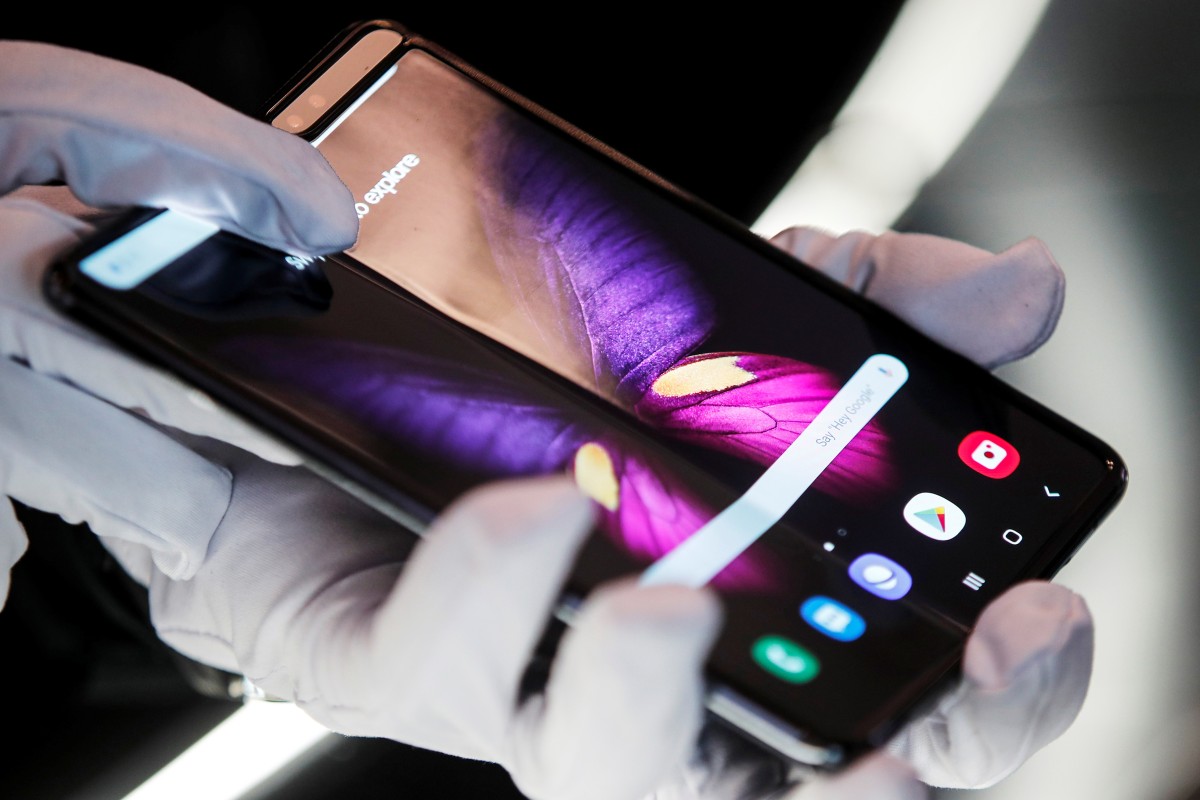
Samsung had unveiled its own folding smartphone last week, priced at nearly $2,000, as part of a bid to top the technology of Chinese rivals and Apple Inc.
Thomas Husson, principal analyst at Forrester Research, said the Mate X showed Huawei was an innovative technology company and no longer trailing American and Korean competitors.
“The fact that Huawei is not just a network equipment provider but also a smartphone manufacturer … gives them a competitive advantage for 5G. It is also a double-edge sword as some argue the security risks are higher,” Husson said.
China’s Xiaomi, the world’s fourth-largest smartphone maker, also unveiled a 5G handset on Sunday, but without the folding screen or high price tags touted by the Huawei and Samsung devices. Xiaomi’s offering will start at 599 euros ($679) when it hits the market in May.
SEOUL (Reuters) – Samsung Electronics is pouring resources into its telecom network equipment business, aiming to capitalize on the security fears hobbling China’s Huawei, according to company officials and other industry executives.
Those efforts include moving high-performing managers and numerous employees to the network division from its handset unit, two Samsung sources said.
Potential customers are taking notice of Samsung’s efforts to reinvent itself as a top-tier supplier for 5G wireless networks and bridge a big gap with market leader Huawei and industry heavyweights Ericsson and Nokia.
French carrier Orange’s chief technology officer, Mari-Noëlle Jégo-Laveissière, visited Japan last year and was impressed with the pace of 5G preparations using alternative equipment makers including Samsung, a company representative told Reuters.
Orange, which operates in 27 markets and counts Huawei as its top equipment supplier, will run its first French 5G tests with Samsung this year.
“Samsung is doing a big push in Europe at the moment,” one industry source said, declining to be identified.
Underscoring the growing importance of the business, South Korean Prime Minister Lee Nak-yeon visited Samsung’s network division in January. In a closed-door meeting during that visit, Samsung heir Jay Y. Lee asked for government help with recruiting high-level engineers.
Huawei is battling allegations by the United States and some other Western countries that its equipment could enable Chinese spying and should not be used in 5G networks, which will offer higher speeds and a host of new services.
Australia and New Zealand have joined the United States in effectively barring Huawei from 5G, and many other countries, especially in Europe, are considering a ban. Huawei denies that its gear presents any security risk.
Its woes have presented Samsung with a rare opportunity. Telecom firms would ordinarily stick with their 4G providers for 5G upgrades as they can use existing gear to minimize costs, but many firms may now be under political pressure to switch.
“We’re bolstering our network business to seize market opportunities arising at a time when Huawei is the subject of warnings about security,” said one of the Samsung sources.
The sources, who did not disclose specific figures for the employee moves, declined to be identified as they were not authorized to speak on the matter.
Keen to seek new growth, particularly as sales of its mainstay chips and smartphones have begun to drop, Samsung plans to invest $22 billion in 5G mobile technology and other fields over three years. It declined to break down how much will go to 5G and the other areas – artificial intelligence, biopharma and automotive electronic parts.
“Samsung is focused on building trust with our partners and leading the global 5G markets, regardless of other companies,” it said in an emailed statement to Reuters.
Asked about Samsung’s big push into network equipment, Huawei said in a statement that it welcomed competition in the market.
INDIA OPPORTUNITY
In India, Samsung is now in talks with Reliance Jio to upgrade its network to 5G, looking to build on what has perhaps been its biggest network success – becoming the key supplier for the upstart carrier.
“We don’t think 5G is far away in India,” a Samsung official with direct knowledge of the matter told Reuters. He declined to be named due to the sensitivity of the matter.
Samsung’s clients include U.S. firms AT&T Inc, Verizon Communications Inc and Sprint Corp and it has 5G network contracts with all three, though it was not clear how extensive those contracts are. It also sells to South Korean carriers and has partnered with Japanese mobile carriers to test its 5G equipment.
In many cases, Samsung supplies only small pieces of networks. According to market tracker Dell’Oro Group, the South Korean firm holds just 3 percent of the global telecom infrastructure market compared with 28 percent for Huawei.
Its network business made 870 billion won ($775 million) in operating profit last year, according to Eugene Investment & Securities. Filings show Nokia’s network business made about 1.2 billion euros ($1.4 billion) while Ericsson’s network operations made 19.4 billion Swedish crowns ($2.1 billion). Figures for Huawei were not available.
FINDING THE PEOPLE
One major hurdle for Samsung will be attracting talent amid a dearth of software engineers in South Korea.
“We need more software engineers and want to work with the government to find that talent,” Lee was quoted as saying by government officials at his meeting with the prime minister.
Samsung’s network business unit employs roughly 5,000 people, according to a government official in the southern city of Gumi where Samsung operates its manufacturing plants.
Kim Young-woo, an analyst at SK Securities, expects Samsung to hire 1,000-1,500 people for 5G network equipment this year. Samsung declined to comment on network employee levels and hiring plans.
But Samsung’s bet remains risky as the long-term nature of telecom network investment means change comes slowly.
Sweden’s Ericsson and Finland’s Nokia, which acquired the remnants of once-powerful network equipment companies Alcatel-Lucent and Nortel, have as yet seen little sales growth from Huawei’s problems, company executives said.
Both are in cost-cutting mode, even in the face of the 5G opportunity and the problems confronting their biggest rival.
Indeed, some network operators in Europe are warning that a Huawei ban – now under consideration in France, the UK, Germany and other countries – could push back deployment of 5G by as much as three years.
Others warn Samsung may struggle to develop a global sales and support organization.
“The way telcos purchase products and services from their suppliers demand a lot of time and resources, which is why Ericsson and Nokia have around 100,000 employees and Huawei almost twice as many,” said Bengt Nordstrom, CEO of telecom consultancy Northstream.
But Samsung is taking the long view. In December, it agreed to extend its Olympic partnership with the International Olympic Committee through to 2028 and expand its sponsorship to 5G technology.
The company did not want to leave its sponsorship spot open to Chinese rivals, a separate source with knowledge of the matter said.
“If Samsung dropped the top mobile sponsorship for the Olympic games beyond 2020, then who would have taken that spot? It would only have been China, Huawei.”







 CHINDIA ALERT: You'll be living in their world, very soon