Archive for ‘saved’

15/04/2020

Coronavirus: Food delivery driver paying back doctors who saved him

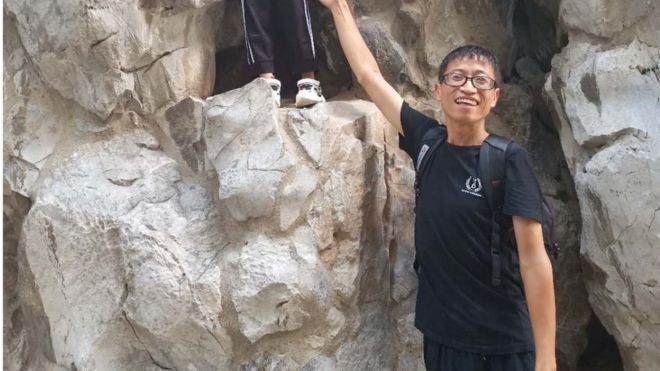
with a seven-month pregnant wife at home, Mr Li is looking forward to happier times.Image copyright LI YAN

“Doctors and nurses are people who saved me from cancer and gave me strength in the darkest time. I need to return the favour,” says Li Yan, a food delivery rider based in Beijing.

Mr Li was diagnosed with lymph cancer in 2003, when he was just 17 years old. He recovered from the disease and has been full of gratitude ever since for the medical workers who nursed him back to health. With China in a national lockdown, food delivery firms found themselves in hot demand providing meals for residents stuck at home to prevent the spread of the coronavirus.

As a delivery rider for Meituan, one of China’s biggest food delivery firms, Mr Li saw an opportunity to repay the medical professionals he admires by providing them with food and drinks as they worked tirelessly on patients across the city. “Given my past experience, I felt I needed to do something for them in return during the virus outbreak,” he adds.

Beijing is a city of 21 million residents, and Mr Li covers its Tongzhou district, where there are a handful of hospitals with fever clinics, one of which is a designated hospital for Covid-19 treatment. “Many might have concerns delivering for the hospital, but I’ve chosen to deliver for them more often. I just think of the local residents and medical workers who need us. I can’t leave them being hungry. It’s not for money.”

Before the outbreak in China, he delivered more than 50 orders on an average day. But during the first ten days after the coronavirus outbreak in late January, the number of orders dropped to less than 20, as some restaurants were closed. The outbreak also coincided with the Chinese New Year period which is normally a low season.

“By mid-February when the situation was brought more under control, and people’s concerns and fears gradually began to ease, orders started to be restored. I can deliver over 40 orders a day now.”
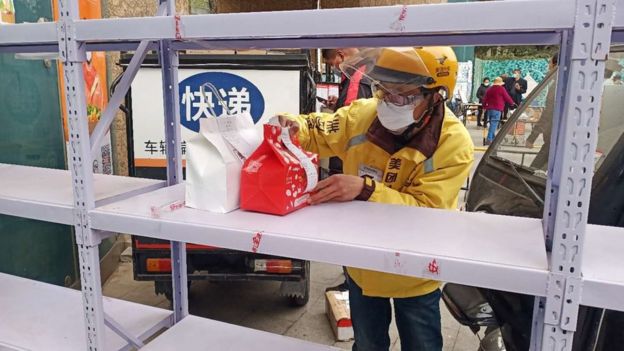
Meituan brought in a contactless delivery option which allowed food to be dropped off at designated points to avoid contact between customers and riders. "Image copyright LI YAN

During this time, Meituan brought in a contactless delivery option which allowed food to be dropped off at designated points to avoid contact between customers and riders. “When I called customers to explain, some initially didn’t understand and wanted to cancel the order. But gradually people grew more understanding and began to welcome the contactless approach.”

Empty streets

China was in lockdown for more than two months, although restrictions are now beginning to be lifted. It will still take time before a sense of normalcy returns.

“I remember when the coronavirus first broke out, it was hazy for a few days in Beijing. Streets were empty and stores were closed. An ambulance or a delivery rider occasionally drove by. It felt like I was living in a different world.”

Mr Li says restaurants have started to re-open and people have begun coming back to work in the office since mid-February. Orders are still lower than normal but are improving.

“I miss the hustling Beijing which used to filled with traffic, the days when I could smell car exhaust when I stop at crossroads, the times when I had to walk all the way up to the 6th floor to deliver food, and even times when I was late for a delivery.”

Mr Li has a new routine now which involves lots of disinfecting and temperature checks.Image copyright LI YAN

When the virus first broke out, face masks and alcohol disinfectant were the most ordered items along with supermarket groceries. “Grains, rice, cooking oil, vegetables, fruits, and solid, packaged food that lasts long. Orders often came in big sizes and transaction prices at around 200 yuan [£23; $28] to 300 yuan on one order.”

Being a food delivery rider, Mr Li feels he can not only give back to the medical community but to the city’s vulnerable too.

“I once received an order that came with a note saying the customer is a 82-year-old who lives alone and couldn’t get downstairs to pick up the food so the rider needs to enter the residential community and deliver food to the door. I had to spend some time communicating with security and finally was allowed in. The door was open when I arrived, and I put the bowl of wontons [a type of dumpling] on the table.”

Tips have increased from happy customers during the pandemic as a result. “Many more send me thank-you notes in the Meituan app and tell me to take care.”

Being a food delivery rider, Mr Li feels he can not only give back to the medical community but to the city's vulnerable too.Image copyright LI YAN

Keeping clean

Mr Li has a new routine now which involves lots of disinfecting and temperature checks. “I get my temperature checked dozens of times everyday now, before entering shopping malls, at restaurants, and returning home to the residential compound I live in. I also bring with me disinfectant sprays, a towel in my scooter and use disposable gloves when delivering to areas with reported confirmed cases.”

While he’s providing a vital service, is Mr Li worried about the risk of infection? “I did have worries when the virus spread and was at its worst time here but I feel like I’ve already been there, given what I went through in the fight against cancer.

“I’ve learnt to take things easy, look at the bright side of things and always seek strength in a dark time. As long as I take sufficient precautions, masks, gloves, disinfectants and everything, and follow advice from disease control experts, I think the possibility of getting the virus is pretty low.”

And with a seven-month pregnant wife at home, Mr Li is looking forward to happier times.

Source: The BBC
12/02/2020

An ‘unhappy marriage’ that has saved thousands of lives

Uma Preman

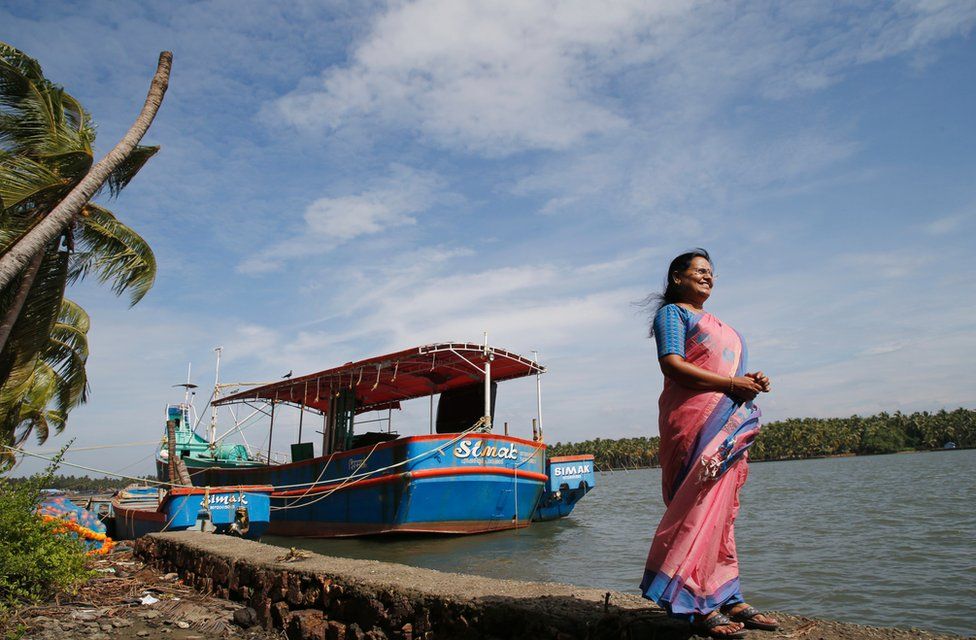
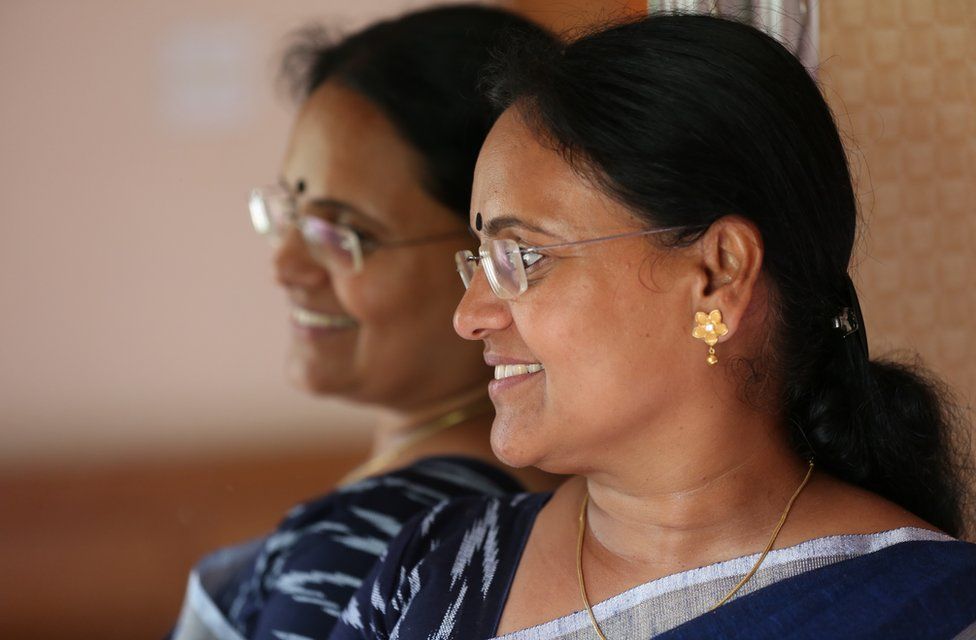
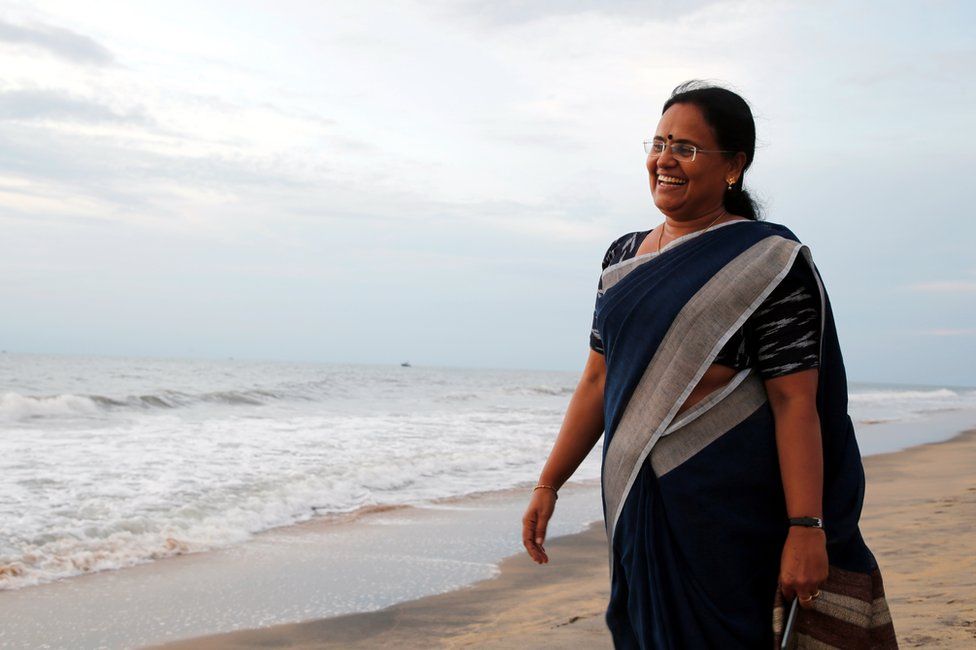
Arranged marriages can often throw up surprises. Uma Preman’s unhappy marriage transformed not only her life, but also the lives of thousands of others – because it left her with the skills and motivation to help disadvantaged Indians gain access to medical treatment.

The moment

Uma always dreamed of a perfect wedding in a traditional south Indian temple. She imagined it decorated throughout with colourful flowers – and a big party by the beach.

But it never happened.

Uma still remembers the grey February morning 30 years ago when her mother introduced her to Preman Thaikad. Uma was only 19, and Preman was 26 years older.

They had never met before, but she was told he was her husband. There were no festivities and no music – in fact there wasn’t even a wedding.

“My mother told me that I was now Preman’s property. He told me that I was his wife but I had no rights over his property,” says Uma.

Uma Preman

Preman took her to his house and left her there for the night. She still remembers that she couldn’t sleep and just stared at the pale yellow ceiling and the rickety fan.

The next morning, Preman returned at 6am and asked her to accompany him to a bar. He kept drinking for several hours while she sat in silence, trying to figure out the strange direction her life had taken.

He told her that she was his second wife, but she quickly learned that she was actually his fourth. He also revealed that he had a severe form of tuberculosis – and that her main job was to be his carer.

Before

Uma grew up in Coimbatore, a busy town in the southern Indian state of Tamil Nadu. As a child, she wanted to become a doctor like her father, TK Balakrishnan.

Balakrishnan had studied medicine for a year before his uncle asked him to drop out and work on his farm. He had learned the basics and would use his knowledge to dress wounds, change dressings and treat fevers with basic medicines. Uma heard that the families of the patients would often give him treats – so she began to accompany him on his rounds.

“I just loved food and eating and that’s why I went with him,” she says.

But one day she saw something that made her realise how serious her father’s work was. Her father was treating a patient with gangrene. The stench, Uma says, was unbearable.

“He was using gardening gloves because he didn’t have surgical ones, but he was so calm.”

Short presentational grey line

Find out more

Short presentational grey line

But Uma’s mother hated the fact that her husband was spending most of his time helping others, Uma says.

When she was eight, her mother gave her some money to buy firecrackers for the Hindu festival of Diwali – and when she came back, her mother was gone.

“I found out later that she loved another man and she left with him,” Uma says.

Suddenly it was up to Uma to take care of her three-year-old brother. She says she didn’t know how to cook, but she decided to learn because she couldn’t bear the food her father made for them.

Uma Preman

“I went to nearby homes and requested the ladies to teach me. They said I wouldn’t be able to cook because I was small,” Uma says. But within days they had taught her to make a variety of dishes, and cooking became part of her daily routine.

“I would wake up at 5am to make breakfast and lunch. Then I would go to school at 9am. I would come back in the evening and take care of my brother and cook dinner,” Uma says.

“My friends played every evening – they were enjoying their life. But I was happy taking care of my family.”

She kept thinking about her mother though, and worrying that she might never see her again.

Years later, when Uma was 17, she went with some neighbours to visit a famous temple in Guruvayur – 87 miles from Coimbatore – and there she met a man who told her he’d seen a woman who looked exactly like her.

Uma left her address with him and a few days later a letter arrived in the post.

It was from her mother.

Uma Preman

Uma rushed back to Guruvayur to be reunited with her, but it quickly became clear there was a problem. Her second husband had borrowed large sums of money, then abandoned her – and the lenders were demanding payment.

“I would see people coming to her house every day to harass her for money,” Uma says. “It was painful to see.”

Her mother’s solution was for her to marry Preman, who was wealthy enough to clear her debts. Uma was reluctant. She tried to get work instead, but failed. Then she returned to her father – but he felt betrayed by her decision to resume contact with her mother, and turned his back on her.

Eventually, Uma gave in.

“I felt worthless. I just accepted my fate and went with Preman.”

After

“Every day before he left for work, Preman would lock me inside the house,” Uma remembers.

“I wasn’t allowed to meet anybody or to go out – not even for a minute. For six months, I was alone. I started talking to walls. I lost my confidence and self-respect.”

As the years passed, Preman’s tuberculosis worsened. The couple started spending most of their time in hospitals, and in 1997, seven years after Uma had moved in with him, Preman died. Although he had once said she would have no right over his property, he left her comfortably off.

Uma says she felt free for the first time in her life.

“I didn’t want him to die, but I couldn’t help but feel that life had given me a second chance.”

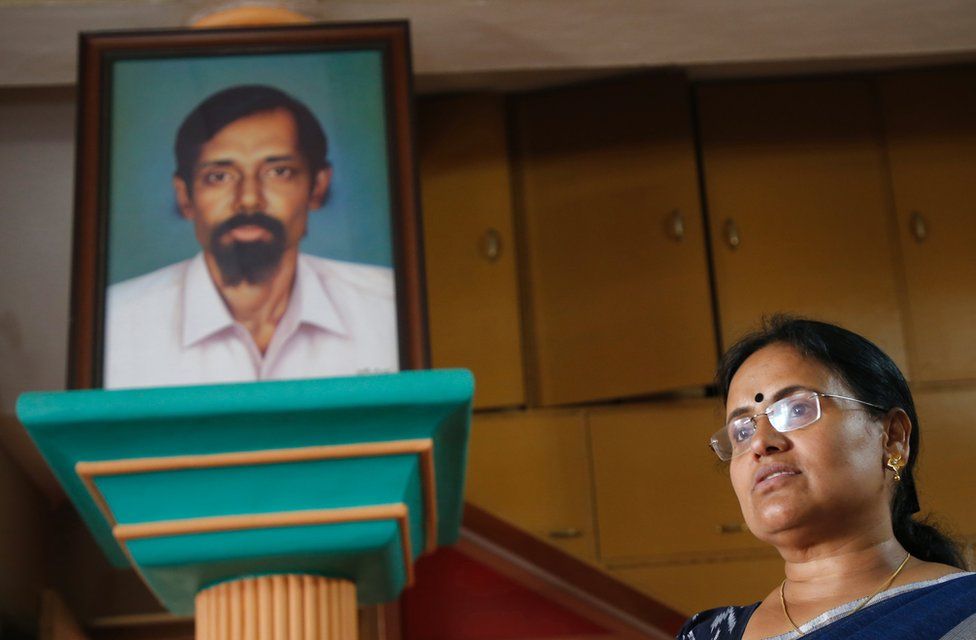
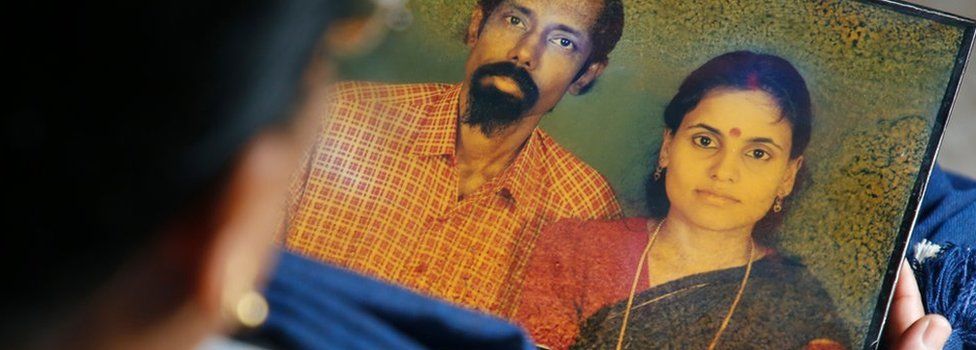
Uma with Preman's photograph
Image caption Uma with Preman’s portrait in the background

It took a while for it to become clear what she would do with this new freedom.

During her years with Preman, Uma had observed that poor people were often unable to get proper medical treatment, not only because they couldn’t afford it but also because they didn’t have the right information – they didn’t know what treatments and facilities were available.

So Uma had started helping them, filling in forms for them, guiding them to the right doctors and sometimes just listening to their problems.

When she left the hospital in Trivandrum where Preman had spent the last six months of his life, she was missed. But she wasn’t completely beyond reach. There was a booth where she had often called Preman’s family, she says, and the person who owned it gave her number to people in need of help.

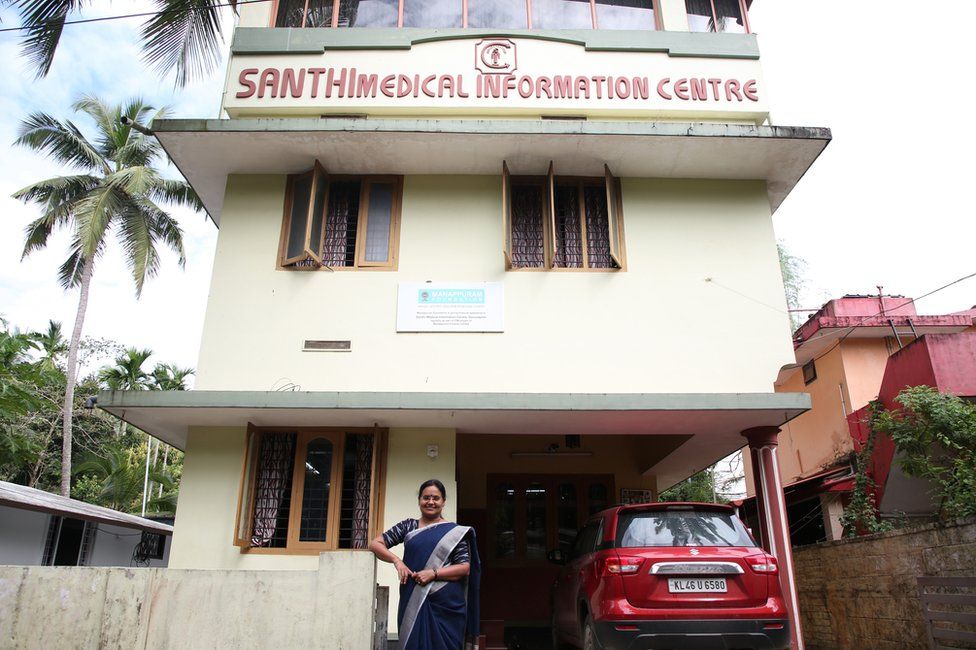
Soon hundreds of people started calling for advice and that’s how the Santhi Medical Information Centre was born. Uma had found her life’s calling – she wasn’t treating people, as her father had done, but she was helping them get treatment.

Uma Preman

However, to help other people Uma had to acquire knowledge herself, and in the late 1990s the internet wasn’t yet widely available in India. She had to travel across the country to collect data about treatments, hospitals and the places where people could get free or subsidised treatment.

“I had to travel because no hospital replied to my letters,” she says.

Even when she met people face to face, they often didn’t take her seriously. In other Indian states there was also a language barrier, as Uma spoke only Tamil.

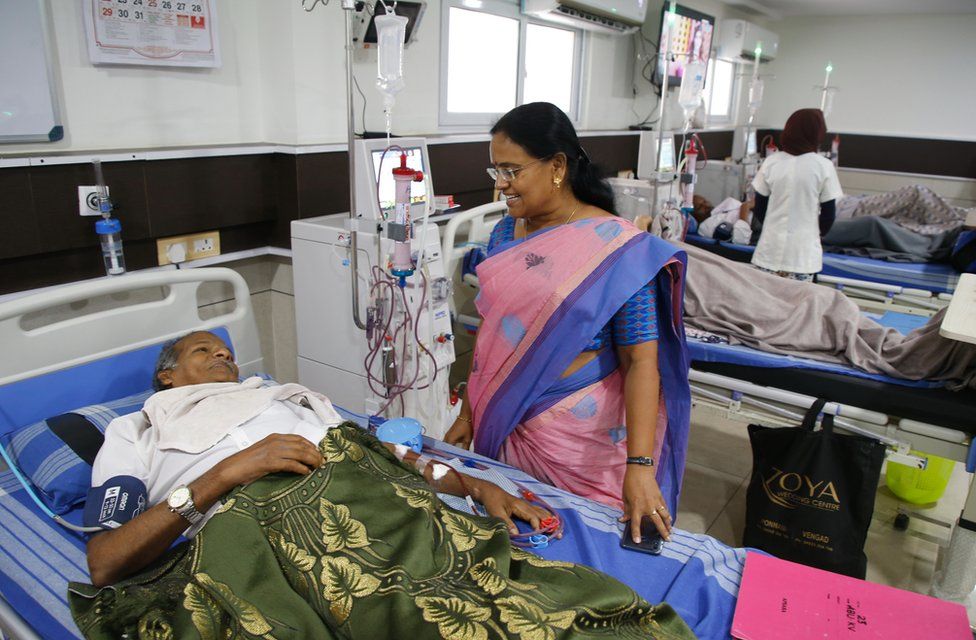
In the past decade, the Santhi Centre’s top priority has been helping people with kidney disease.

Uma Preman

There are not enough dialysis centres in the country and the rate of kidney donation is poor. Uma has been working to change this, raising funds for new facilities open to all.

“Our first dialysis centre started in Thrissur district in Kerala. Now we have 20 centres across India. Many rich people donated for the cause,” she says.

Uma says persuading people to donate a kidney is not easy because they often worry about the impact on their own health.

So she decided to set an example, and donated one of her own kidneys. She gave it to an orphan whose kidneys had failed.

Uma Preman with Salil
Image caption One of Uma’s kidneys enables Salil to live a normal life

Salil says he owes his life to her.

“I was 26 when I was undergoing dialysis. When she met me, she told me that she would donate her kidney on the condition that I continued to work after the transplant.”

He did continue to work – in fact, after a while he went to work for Uma.

Salil says Uma is a woman who truly believes in Mahatma Gandhi’s words that “you have to be the change you want to see”.

“Everyone wants to change the world but no-one is ready to change themselves,” Uma says. “I changed my attitude and I donated one kidney, but I also got a brother in return.”

Source: The BBC

19/05/2019

Shanghai Bund’s historic buildings saved from demolition … for now

  • Experts win reprieve for two out of three heritage houses but fear their success is only temporary
  • Authorities plan public cultural facilities for the site
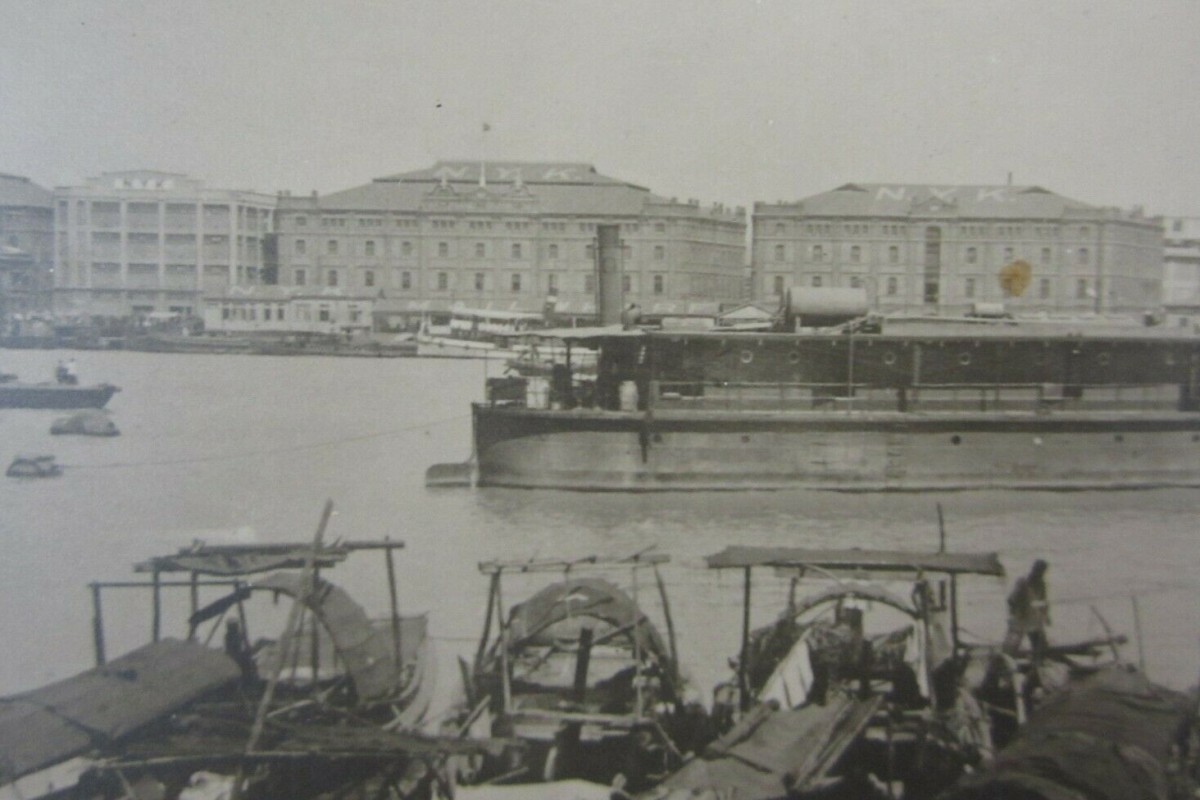
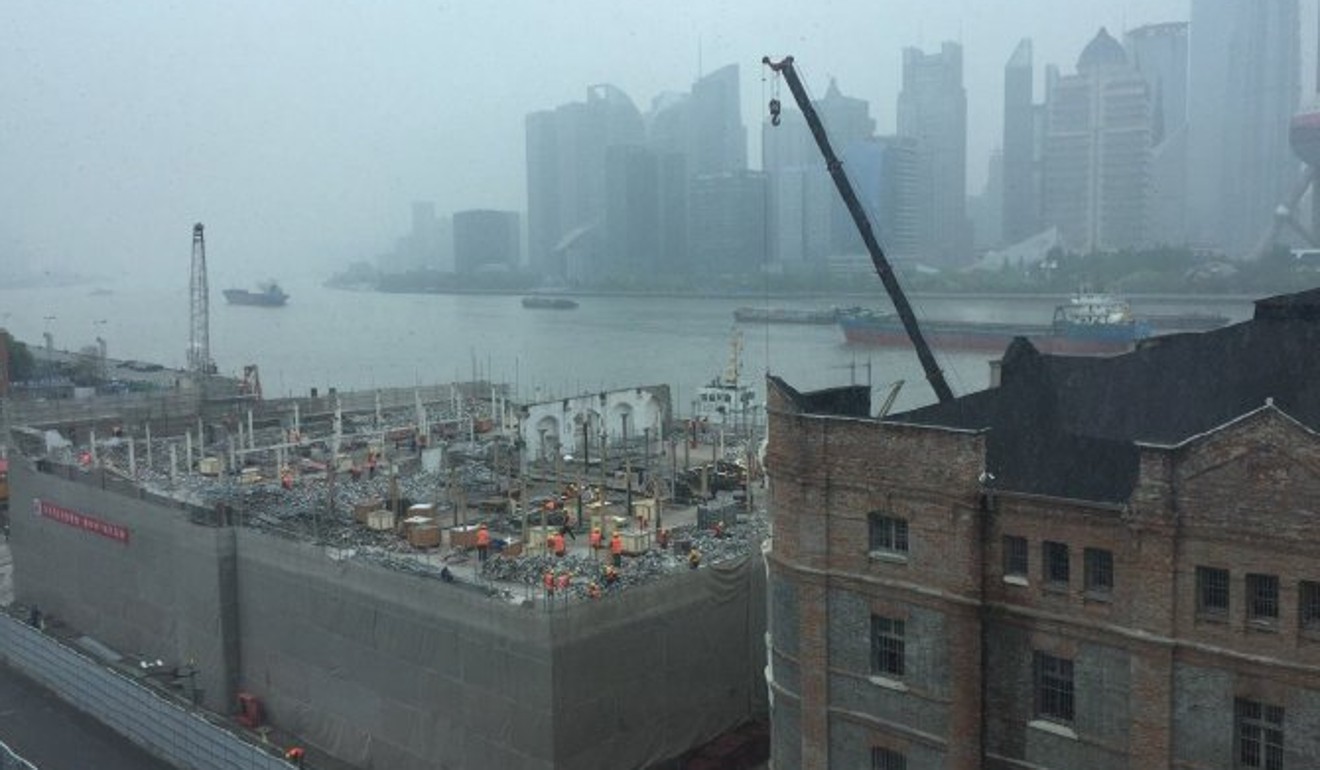
The historic buildings on Shanghai’s Bund in the 1930s. One of the three structures has already been demolished but authorities have temporarily suspended plans to knock down the other two. Photo: Handout
Two historic buildings on Shanghai’s famous Bund have temporarily escaped demolition after a group of experts appealed to the government to conserve the heritage sites, but the intervention was too late to save a third.
About 15 architecture, history and culture experts based in Shanghai banded together to write an article on social media app WeChat last month, calling on the city’s government to “protect the city’s memories” by preserving three houses on Huangpu Road.
A few days after the article was published one of the buildings was demolished as part of a plan to build public cultural facilities on the site. But authorities suspended work on the other two and are considering removing only the interior structure while preserving the external walls, according to the group.
The houses, which date back to 1902, witnessed the city’s boom in the first half of the 20th century when it became one of the world’s most important, and famous, ports, the experts said.
The demolition project on The Bund, Shanghai has been suspended, but not before one of the three historic buildings was demolished. Photo: Urban China magazine

All three of the properties originally belonged to Japanese shipping company Nippon Yusen Kaisha Group and were later used as storage facilities for Japan’s military forces during the second world war, according to Yu Hai, a sociologist from Shanghai’s Fudan University.

“These buildings, along with the nearby Yangzijiang port on the Huangpu River, represented Shanghai’s wharf culture and port culture,” Yu said. “They are historically significant as they witnessed Shanghai grow prosperous through shipping and trade industries about a century ago.”

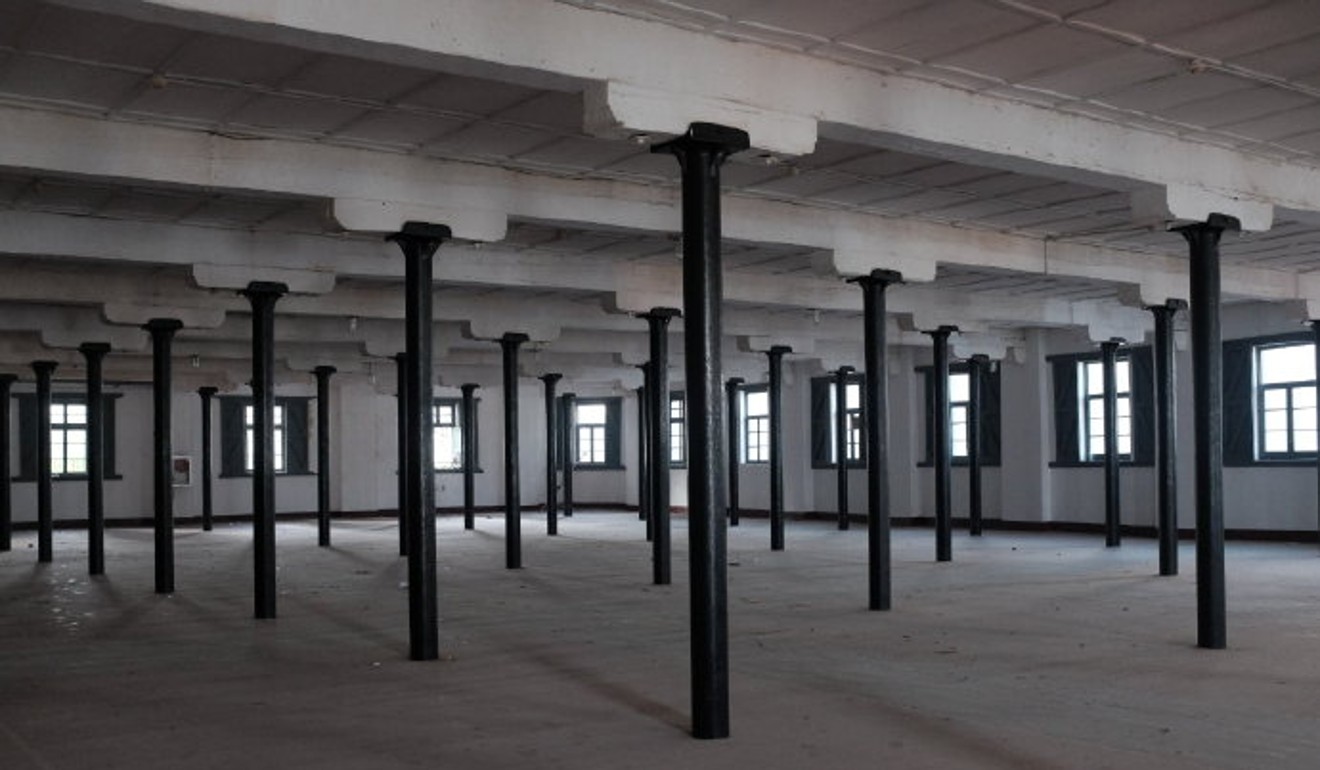
Although the two remaining buildings are safe for now, the experts argue their interiors are also worth preserving.

Liu Gang, an architecture professor at Shanghai’s Tongji University, said the properties featured big wooden beams supported by black iron pillars, which were prominent architectural features of industrial buildings dating back to the 19th century.

“We guess it was hard to move these giant beams with vehicles at the beginning of the 20th century. Quite possibly they were transported on the river. We guess that the wood was chopped down and processed in places across the Pacific [from North America] and shipped to Shanghai.”

In the WeChat article, Liu called for the protection of the interior structure of the buildings. “Without solid research, we cannot simply take them down to be replaced by new ones.”

Yu agreed, saying: “The building with a new inside structure would be a fake and this plan will destroy historical heritage.”

Experts say the interiors of the historic buildings are also worth preserving. Photo: Urban China magazine

Huangpu Road, where these houses sit, is rich with history. It features the Garden Bridge of Shanghai – the city’s first steel bridge, built in 1907 – and was once home to the consulates of the United States, Russia, Japan, Germany, Denmark and the Austro-Hungarian empire.

Other notable landmarks on the road include the Astor House Hotel, built in 1846, where Charlie Chaplin, Albert Einstein and George Bernard Shaw stayed in the 1920s and 1930s. The hotel is still there.

“History happened here,” Yu said. “But it’s a pity that most of the old buildings in this area no longer exist.”

Despite their success in winning a stay of execution for the two buildings, the experts are cautious in their expectations.

“The demolition work was suspended, but that does not mean they have accepted our proposals. We are not optimistic,” Yu said.

About two weeks ago as part of their effort to save the buildings, Yu and three other scholars approached officials from Shanghai’s Planning and Natural Resources Bureau, the government body behind the demolition project.

“Officials emphasised the difficulties of keeping the completeness of the old buildings and we just pointed out the damage to their historical values,” Yu said.

The Shanghai bureau did not immediately reply to a request for comment.

Shanghai nightclub king opens new art space – in disused oil tanks
Appeals by the public to conserve historical buildings have generally not been successful. Shenyuli, a typical Shanghai residential community built in the 1930s, was included in the city’s protected list of historical buildings in 2004.
The listing was not enough to prevent its demolition eight years later to make way for a public green land space.
Three years ago, the Shanghai government announced it was suspending the planned demolition of a former sex slavery station used by Japanese soldiers during the second world war, following media reports and a public outcry.
However, the building was later demolished, according to Su Zhiliang, history professor from Shanghai Normal University and a researcher on sex slavery, who predicts a similar outcome for this latest conservation effort.
“I think the government is just using the same tactic to postpone their plan. After the public’s attention is over, they will continue demolishing,” Su said.
Source: SCMP
Law of Unintended Consequences

continuously updated blog about China & India

ChiaHou's Book Reviews

continuously updated blog about China & India

What's wrong with the world; and its economy

continuously updated blog about China & India