Chindia Alert: You’ll be Living in their World Very Soon
aims to alert you to the threats and opportunities that China and India present. China and India require serious attention; case of ‘hidden dragon and crouching tiger’.
Without this attention, governments, businesses and, indeed, individuals may find themselves at a great disadvantage sooner rather than later.
The POSTs (front webpages) are mainly 'cuttings' from reliable sources, updated continuously.
The PAGEs (see Tabs, above) attempt to make the information more meaningful by putting some structure to the information we have researched and assembled since 2006.
People returning from Hubei arrive at the Beijing West Railway Station in Beijing, capital of China, March 25, 2020. The first batch of over 800 people stranded in virus-hit Hubei Province has arrived in Beijing Wednesday afternoon after Hubei lifted outbound travel restrictions in all areas except the capital city Wuhan starting from Wednesday. (Xinhua/Zhang Chenlin)
BEIJING, March 25 (Xinhua) — The first batch of over 800 people stranded in virus-hit Hubei Province has arrived in Beijing Wednesday afternoon after Hubei lifted outbound travel restrictions in all areas except the capital city Wuhan starting from Wednesday.
The transport of the people was carried out in a well-organized and spot-to-spot way, said Chen Bei, deputy secretary-general of the Beijing municipal government, at a press conference Wednesday.
There are still more than 20,000 teachers and students from Beijing schools and universities stranded in Hubei, according to Chen.
Chen said those who have a fixed residence in Beijing can apply to return to their homes while those who do not still need to wait for further arrangements after the announcement of school and university reopening.
MADRID (Reuters) – Spain’s coronavirus death toll jumped by 738 overnight to exceed that of China, where the disease originated, as the country struggled to cope with an accelerating health crisis and another senior government minister was diagnosed with the virus.
With 3,434 fatalities, Spain now has the second highest number of deaths globally after Italy’s 6,820. Nursing homes across the country have been overwhelmed by cases and a skating rink in Madrid has been turned into a makeshift morgue.
Police stood guard on Wednesday outside the rink, normally a popular venue for children’s birthday parties, as hearses arrived at the building.
RELATED COVERAGE
Spain’s Deputy PM Carmen Calvo tests positive for coronavirus
The government said Deputy Prime Minister Carmen Calvo had tested positive for coronavirus – the third cabinet member to be infected – but was doing well.
Broad avenues in Madrid and Barcelona were virtually deserted, as were towns and villages across Spain, while fire engines and tractors sprayed disinfectant to clean streets.
Authorities began to carry out mass testing for public workers in a requisitioned fairground in Madrid, one of the worst-hit regions.
Spanish medical staff, who themselves account for thousands of infected cases, have taken out lawsuits against the government, complaining of the lack of basic protective equipment like masks, scrubs and gloves.
The Spanish army has asked NATO for ventilators, protective gear and testing kits, Armed Forces Chief Miguel Villarroya said on Wednesday.
The government had ordered 432 million euros ($467 million) worth of masks, gloves, testing kits and ventilators to be delivered over the next eight weeks, with the first large batch expected this week, Health Minister Salvador Illa said.
In an example of how companies are changing assembly lines to produce medical products, a shoe factory in northern Spain has switched to making simple protective masks – first for its own personnel and then for distribution.
“Now we are working hard to … make something a little more sophisticated for it to reach medical use,” Basilio Garcia, chief executive of the Callaghan shoe factory, told Reuters.
Spain is on Day 11 of a 15-day nationwide lockdown which is likely to be extended to 30 days. Schools, bars, restaurants and most shops are shuttered. Social gatherings are banned. People are confined to their homes.
“We have achieved a near total reduction in social contact,” health emergency chief Fernando Simon told a news conference, adding that Spain was nearing the peak of the epidemic.
The number of coronavirus cases increased by a fifth overnight to 47,610 on Wednesday. The total number could be much higher as the government reported 130,000 sick leaves associated with the virus, encompassing workers who are either infected or in preventive isolation. The number does not include retirees.
Aside from the devastating health impact, the lockdown has dealt a punishing blow to the Spanish economy, with tens of thousands of workers temporarily laid off as sectors like retail, tourism and manufacturing grind to a halt. One of Spain’s biggest employers, El Corte Ingles, said it would temporarily lay off 22,000 workers at its department stores.
At Malaga airport in southern Spain, a gateway to the Costa del Sol tourist region, thousands of travellers waited for flights home, many sleeping on seats or on the floor.
The Bank of Spain said on Wednesday that there had been severe disruption on the economy since early March and a sharp contraction in consumer spending.
But in Delhi and the financial capital, Mumbai, people fearing shortages quickly thronged shops and pharmacies.
“I have never witnessed such a chaos in my life,” the owner of one store in the Shakarpur district of Delhi said, quoted by the Press Trust of India.
“All our stocks, including rice, flour, bread, biscuits, edible oils, have been sold out.”
Police in the busy city of Ghaziabad, in Uttar Pradesh state, patrolled the streets with megaphones to tell residents to stay indoors.
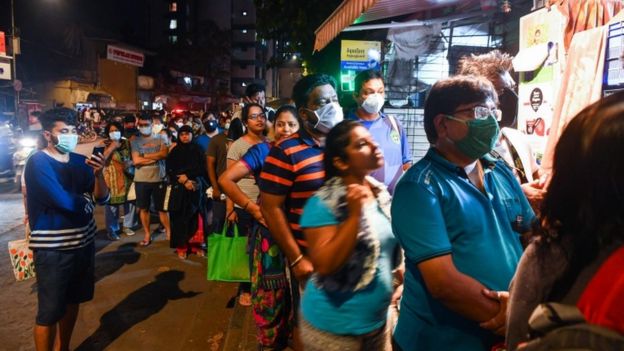
Image copyright AFPImage caption People in Mumbai rushed to stock up on essentials following Mr Modi’s address
Under the new measures, all non-essential businesses will be closed but hospitals and other medical facilities will continue to function as normal. Schools and universities will remain shut and almost all public gatherings will be banned.
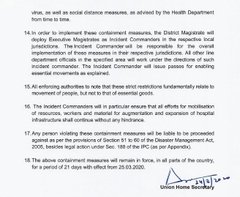
Anyone flouting the new rules faces up to two years in prison and heavy fines.
In his address, Prime Minister Modi also:
Stressed that the 21-day lockdown was “very necessary to break the chain of coronavirus”
Emphasised the seriousness of the situation and said that even developed countries had faced problems in combating it
Said that “social distancing was the only way to stop” the virus spreading
Announced that nearly $2bn (£1.8bn) would be made available to boost the country’s health infrastructure
Called on people not to “spread rumours” and to follow instructions
His announcement came after several Indian states introduced measures of their own, such as travel restrictions and the closure of non-essential services.
India has already issued a ban on international arrivals and grounded domestic flights. The country’s rail network has also suspended most passenger services.
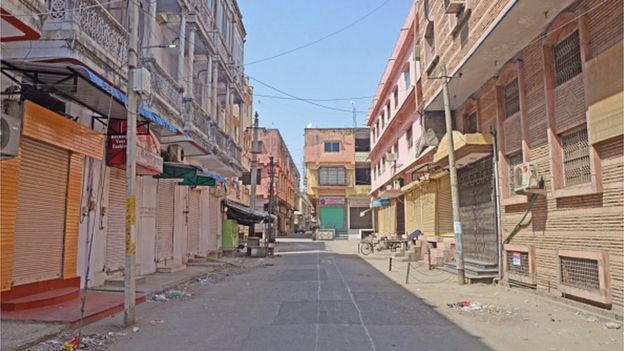
Many parts of India, including cities such as Delhi and Mumbai, are already under tight restrictions. But this move extends those provisions to every corner of the country.
An earlier one-day curfew, which was seen as a trial, was flouted by many.
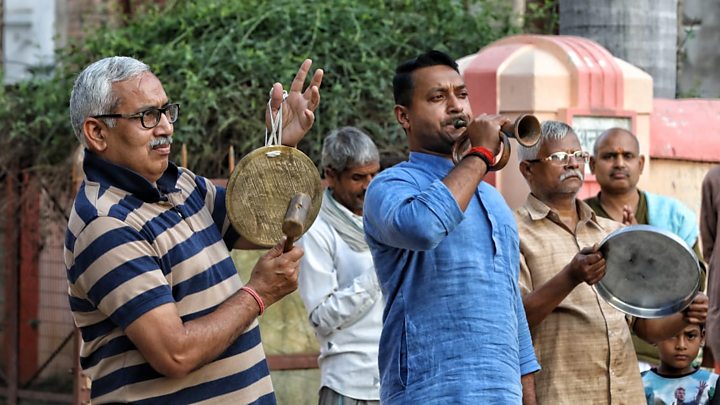
Mr Modi called on Indians to clap and cheer the emergency services from their balconies on Sunday. But many misunderstood the call and congregated in the streets as they danced and chanted.
“It’s impossible to fathom the cost that India may have to pay if such irresponsible behaviour continues,” Mr Modi warned at the time. “Social distancing is the only option to combat coronavirus.”
The implications of a total lockdown in India are huge, not just economically, but socially.
This is a nation where community is everything. Going to worship at a temple, mosque or church is an essential part of daily life for so many.
This is a seismic cultural shift but – like the rest of the world facing similar restrictions – a necessary one.
What’s the latest from around Asia?
Neighbouring Pakistan has almost twice as many confirmed cases – 878 as of Monday evening. Sweeping restrictions are in place although the government has stopped short of imposing a nationwide lockdown. However, several provinces have announced them independently. The army is being brought in to help enforce the restrictions
Bangladesh, which has reported 33 cases and three deaths, is also deploying its armed forces to help maintain social distancing and boost Covid-19 preventive measures. The soldiers will also monitor thousands of quarantined expatriate returnees. Across South Asia, there are concerns that the actual number of cases could be much higher than is being reported.
Indonesia, which has 49 confirmed Covid-19 deaths – the highest in South East Asia – has converted an athlete’s village built for the 2018 Asian Games into a makeshift hospital for coronavirus patients. A state of emergency was declared in Jakarta on Monday
In Thailand, a month-long state of emergency which will include curfews and checkpoints will begin on Thursday. The government has been criticised for failing to take strong action so far. Four people have died and nearly 900 tested positive
The most populous country that was without a case until now – Myanmar – has announced two cases
And what about the rest of the world?
Elsewhere, governments are continuing to work to stem the spread of the virus which has now affected more than 190 countries worldwide
More than 2.6 billion people are in lockdown now India has introduced its new measures, according to a tally by the AFP news agency
Media caption Reality Check tackles misleading health advice being shared online
Europe remains at the epicentre of the pandemic. On Tuesday, the death toll jumped by 514 in a single day in Spain and other European countries also reported sharp increases
Italy is the worst affected country in the world in terms of deaths. The virus has killed almost 7,000 people there over the past month
The World Health Organization (WHO) has warned that the US has the potential to become the new epicentre of the pandemic
In other developments, Japanese Prime Minister Shinzo Abe said the International Olympic Committee has agreed that the 2020 Tokyo Olympics should be postponed by a year
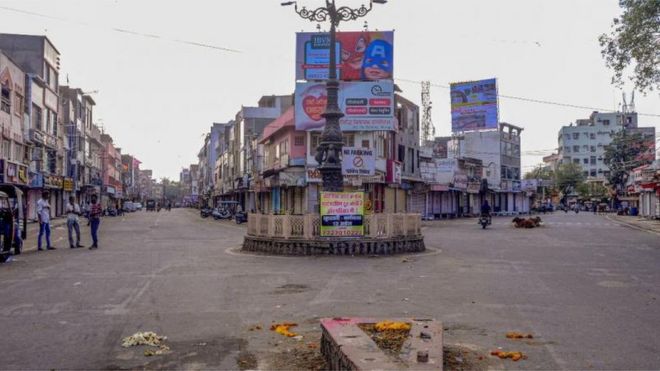
Image copyright PTIImage caption This city of five million people has been under a lockdown since last week
At 05:00 local time (23:30 GMT) of 8 March, the intensive care unit of a private hospital in the northern Indian state of Rajasthan received a 68-year-old man suffering from pneumonia. He was also having problems breathing.
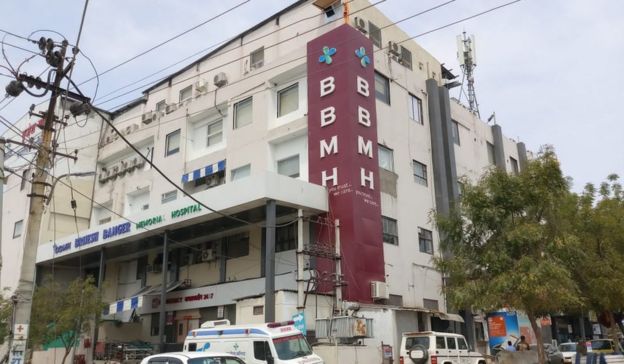
At the Brijesh Bangar Memorial Hospital in Bhilwara, the new patient was examined by 58-year-old Alok Mittal, a doctor of internal medicine, and his team. The patient wasn’t asked about any travel history; nor did he disclose anything. There were six other patients in the ICU.
The man’s condition did not improve much, and two days later, he was sent to a private hospital in Jaipur, some 250km (155 miles) away, for specialised treatment. In Jaipur, he was treated in two hospitals. “We had no idea what was in store,” Shantilal Acharya, an intensive care nurse who received the patient in the Bhilwara hospital, told me.
For reasons that are still unclear, even the hospitals in Jaipur didn’t test a patient with severe pneumonia for coronavirus. His condition deteriorated swiftly and he died a few days later, on 13 March. The news of his death was conveyed to Dr Mittal and his team.
Image copyright SHAUKAT AHMEDImage caption The infection possibly spread from a private hospital in Bhilwara
Strangely enough, the doctors didn’t appear to comprehend the gravity of the situation even though it was clear that India was facing an imminent outbreak of Covid-19. The country has reported more than 460 confirmed cases and nine deaths so far, and testing remains low. On 9 March, according to reports, Dr Mittal and a few others travelled to the city of Udaipur, put up in a resort and played Holi, the Indian spring festival of colours. (Repeated attempts at getting through to Dr Mittal by phone and text yielded no results.)
Days after the death of the pneumonia patient, Dr Mittal and a colleague checked themselves into an isolation ward of a government hospital. Over the next few days, a few more colleagues from the hospital joined them in isolation. Twelve of them, including Dr Mittal, tested positive for Covid-19.
Next day, as news of the infections leaked, all hell broke loose. The private hospital was popular with its residents, and many regularly visited its thriving out-patient department for treatment. As people panicked and began blaming the doctors for spreading the infection, authorities moved swiftly.
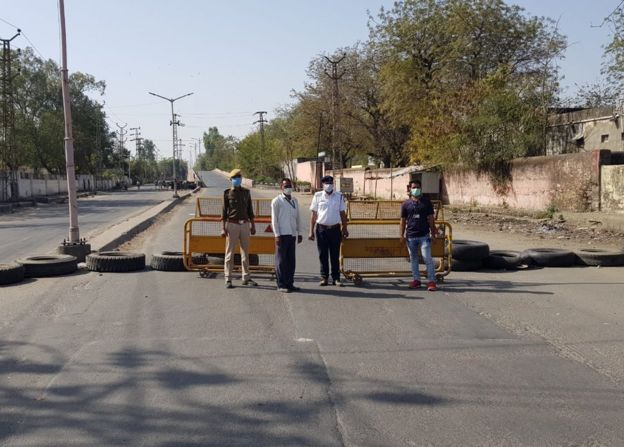
Image copyright SHAUKAT AHMEDImage caption People have been stopped from entering or leaving Bhilwara
They imposed a “civil curfew”, prohibiting people from coming out of their homes and banning public gatherings. They shut schools, colleges, offices, and stopped people from leaving or entering the district. The private hospital was sealed and its 88 patients moved to other healthcare facilities in the area. “Officials were telling us the threat was serious and there was a chance of an outbreak,” local journalist Pramod Tiwari told me.
So Bhilwara, fearing a serious outbreak, did everything that India did a few days later. So could this city of 400,000 people and a major textile making hub, turn out to be India’s first coronavirus “hotspot”?
Of the 69 people tested in the city until Sunday evening, 13 people – including doctors and paramedics – aged between 24 and 58, have tested positive. They include three doctors and nine health workers. Thirty-one people – mostly hospital workers – are in isolation. “Most of them are doing fine,” Dr Arun Gaur, the chief medical officer of the district, told me.
But things could get really bad.
Between 20 February and before going into isolation last week, Dr Mittal and his team of doctors at the hospital saw 6,192 patients who came from 13 districts of Rajasthan and 39 patients belonging to four other states. Drawing from the experience in China and Italy, doctors now know that hospitals might turn out to be the “main source” of Covid-19 transmission. Also, both MERS and SARS had high transmission rates within hospitals. The potential for community transmission of the infection across a large geographical area from the Bhilwara hospital is real, officials fear.
Image copyright SHAUKAT AHMEDImage caption The city’s borders have been sealed
So did the virus reach this city through the patient who was treated at three hospitals and went untested before he died? Or did one of the more than 80 patients admitted in the hospital transmit it? Or was it spread by another patient in the intensive care? Or had one of the doctors picked up the infection separately and spread it unknowingly?
Nobody will know until all the contact tracing and testing is complete, and that’s the scary part.
The lack of early credible information on the transmission meant that rumours had a field day. Local media reported that one of the infected doctors had received guests from Saudi Arabia at home and had contracted the infection. He had then gone to the hospital and spread the infection to co-workers, the reports added.
Dr Niyaz Khan had to record a mobile phone video from his intensive care bed to squelch the rumour. With monitors beeping around him, Dr Khan, masked and breathless, implored: “Just to set the record straight, I have no relative in Saudi Arabia. I have a son and a wife. None of them is positive. Please don’t believe what is coming in the media.” Another doctor said it was unfair to blame the hospital: “The patient fooled us and told us he didn’t travel outside the country for the two days he was in the ICU with us.” And Dr Mittal himself – his wife has also tested positive – recorded videos in isolation saying that he had tested positive, and he was doing well. “Please do not panic,” the well-known doctor said.
Image copyright GETTY IMAGESImage caption Residents in the city have begun panicking
That is easier said than done.
Realising the gravity of the situation, 300 teams of government workers and volunteers have fanned out in Bhilwara city. They are knocking on the doors of some 78,000 houses, and asking residents whether they’ve had a guest from outside the country, been treated in the hospital or know anyone who has tested positive. The survey began on 18 March and will finish on 25 March. “They are asking if we have cold, cough and fever and telling us if we have any of the symptoms we should report for tests at the government hospital,” a resident told me.
Another 1,900 similar teams have travelled out into neighbouring villages where more than 2.5 million people live. People in homes with suspect cases are being put into quarantine. Seven thousand people have been put into home quarantine so far.
Fearing a surge in infections, 20 more beds are being added to the hospital’s 30-bed isolation ward, which is already full. Six private hospitals have promised to provide an additional 35 beds for isolation. Thirteen places with 450 beds – extendable to 2,000 beds – where people can be quarantined have also been identified, Rajendra Bhatt, the senior-most official of the district told me. “It’s like fighting a war, but we have been agile and alert,” he said.
Meanwhile the residents, like elsewhere in India, are enduring an extended lockdown and curfew. Rajkumar Jain, a professor of computer science, is locked down with 14 members of his joint family in a two-storey home. “We are in complete panic,” he told me. “People are saying here that Bhilwara is going to become India’s Italy.”
Media captionWATCH: Millions of Indians bang pots and pans in support of health workers
Image copyright EPAImage caption The world’s second-most populous country has reported about 182 infections
“We have a simple message to all countries – test, test, test,” World Health Organisation (WHO) head Tedros Adhanom Ghebreyesus told reporters in Geneva earlier this week.
He was alluding to the coronavirus outbreak, which has killed more than 10,000 people and infected nearly 250,000 in at least 159 countries.
“All countries should be able to test all suspected cases, they cannot fight this pandemic blindfolded,” he said.
With 182 reported infections and four deaths so far, is India taking this advice seriously? Is the world’s second-most populous country testing enough?
The jury is out on this one. India had tested some 14,175 people in 72 state-run labs as of Thursday evening – one of the lowest testing rates in the world. The reason: the country has limited testing. So, only people who have been in touch with an infected person or those who have travelled to high-risk countries, or health workers managing patients with severe respiratory disease and developing Covid-19 symptoms are eligible for testing.
Why is a densely populated country with more than a billion people testing so little? The official assumption is the disease has still not spread in the community. As early “evidence” health authorities say 826 samples collected from patients suffering from acute respiratory disease from 50 government hospitals across India between 1 and 15 March tested negative for coronavirus. Also, hospitals have not yet reported a spike in admissions of respiratory distress cases.
“It is reassuring that at the moment there is no evidence of community outbreak,” says Balram Bhargava, director of the Indian Council of Medical Research (ICMR). He believes Mr Ghebreyesus’s advice is “premature” for India, and it would only “create more fear, more paranoia and more hype”.
Media caption Dr Ramanan Laxminarayan: “India’s going to be the next hot spot for this epidemic”
But experts are not so sure.
Many of them believe India is also testing below scale because it fears that its under-resourced and uneven public health system could be swamped by patients. India could be buying time to stock up on testing kits and add isolation and hospital beds. “I know mass testing is not a solution, but our testing appears to be too limited. We need to quickly expand to restrict community transmission,” K Sujatha Rao, former federal health secretary and author of But Do We Care: India’s Health System, told me.
On the other hand, say virologists, random, on-demand testing will create panic and completely strain the feeble public health infrastructure. Increased and targeted “sentinel screening” of patients suffering from influenza and diagnoses in hospitals across the country can provide a better idea of whether there is community transmission, they say. “We need focused testing. We cannot do a China or Korea because we simply don’t have the capacity,” a senior virologist told me.
In many ways, it is all about India trying to battle a pandemic with limited resources. Experts talk about the country’s success in defeating polio, combating small pox, successfully controlling the spread of HIV/Aids, and more recently H1N1 with rigorous surveillance, sharp identification of vulnerable people, targeted intervention, and an early engagement with the private sector to prevent disease spread.
Yet, coronavirus is one of the deadliest transmissible viruses in recent history. Every day lost in effective response means the looming danger of a surge in infections. India spends a paltry 1.28% of its GDP on health care, and that may begin to bite if there’s a full-blown outbreak. Partial lockdowns in many cities – shutting schools, colleges, businesses and suspending some rail transport – proves that the government fears that community transmission of the virus might have begun.
Image copyright GETTY IMAGESImage caption The official assumption is the disease has still not spread in the community
Bracing for the inevitable, India is scaling up testing. Officials say existing labs are able to provide results in six hours and each lab has the capacity to test 90 samples a day which can be doubled. Fifty more state labs are expected to begin testing samples by the end of the week, bringing the total number of testing facilities to 122. Authorities claim that together, the labs will be able to test 8,000 samples a day – a significant scaling up. In addition, the government is planning to allow around 50 private labs to start testing, but they will take up to 10 days to procure kits. (Testing at state-run labs is free, and it is unclear whether the private labs will charge.)
Two rapid testing labs, capable of doing 400 tests a day, are expected to be operational by the end of the week. India has also placed orders for a million test kits, and will be possibly asking the WHO for a million more.
“On testing, the government response has been proportionate, taking into account scope, need and capacity,” Henk Bekedam, WHO Representative to India told me. “We recognise that laboratory networks are expanding the scope and testing and they now include patients with severe acute respiratory infection and influenza-like illness detected through the surveillance system. It would also be important to look at ‘atypical pneumonia’ cases. If they are without any distinctive cause, then they need to be considered for testing.”
Image copyright GETTY IMAGESImage caption India could be buying time to stock up on testing kits and add isolation and hospital beds
The weeks and months ahead will show whether these steps have been enough. “We cannot say India has escaped community transmission,” Mr Bhargava says candidly. And if and when there is an explosion of infections and more sick people require hospitalisation, India will face formidable challenges.
India has eight doctors per 10,000 people compared to 41 in Italy and 71 in Korea. It has one state-run hospital for more than 55,000 people. (Private hospitals are out of reach for most people). The country has a poor culture of testing, and most people with flu symptoms do not go to doctors and instead try home remedies or go to pharmacies. There’s a scarcity of isolation beds, trained nursing staff and medics, and ventilators and intensive care beds.
India’s influenza cases peak during the monsoon season, and there is no reason why the coronavirus will not make a second coming, virologists say. “Given the way it is progressing in India, it seems it is about two weeks behind Spain and three weeks behind Italy. But that’s the number of known cases. And without sufficient testing and shutting down large gatherings, the numbers could be a lot worse,” Shruti Rajagopalan, economist and a Senior Research Fellow at the Mercatus Center at George Mason University, told me.
India’s traditional neglect of public healthcare will begin to bite if the disease spreads to its teeming small towns and villages. “This is a very unique and real public health challenge,” says Ms Rao. And it’s early days yet.
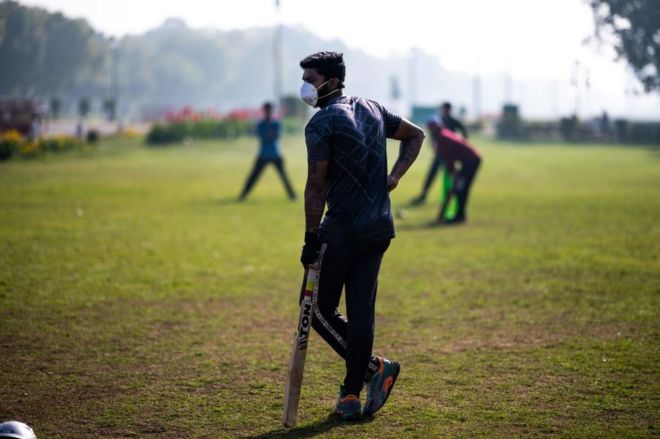
Image copyright GETTY IMAGESImage caption Small groups of young people can be seen playing sports as schools, colleges and even gyms are shut.
Life in India has changed dramatically as the world’s second-most populous country grapples with the coronavirus outbreak.
Otherwise crowded and chaotic cities have quietened down as people stay home, traffic slows and even weddings shrink in size and scale.
India has confirmed 151 active cases and three deaths – but public health experts fear that the low count is the result of limited testing and under-reporting. The country has only conducted about 12,000 tests so far, partly because of a shortage of testing kits.
So it’s still unclear if and to what extent community transmission exists in India – community transmission means a patient had no known contact with another confirmed case or travelled from a country badly affected by the pandemic.
However, India’s central government, several state governments and city administrations have already responded with drastic measures.
Image copyright GETTY IMAGES
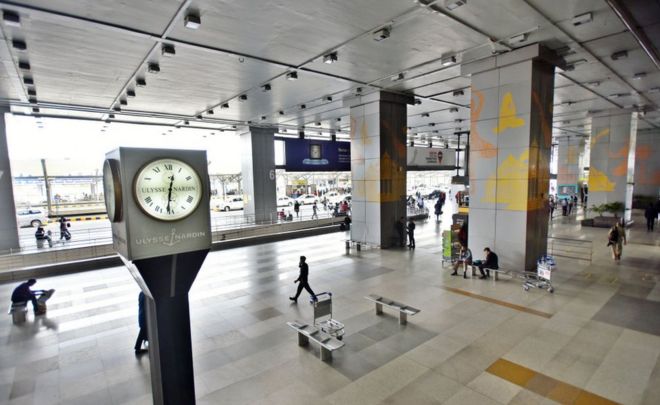
The Indira Gandhi international airport in the national capital Delhi, is the country’s busiest airport but it appears deserted nowadays.
India has barred entry to everyone, including citizens, flying from certain countries, including the UK and most European nations. It has also cancelled most entry visas to people (excluding citizens) flying in from other countries.
This has led to numerous flight cancellations.
Airlines are also struggling as fewer people are flying even within India, wary that new regulations could see them stranded away from their homes. Two of India’s top airlines are reportedly considering grounding planes amid plummeting demand for flights.
Image copyright GETTY IMAGES
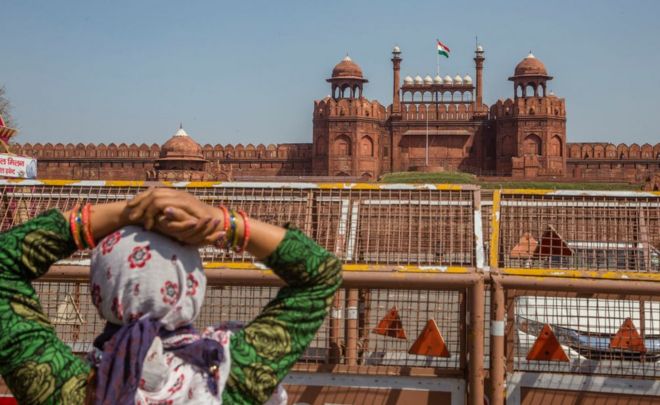
Popular Indian monuments – such as the 16th Century Red Fort in Delhi – have been shut to visitors to prevent large gatherings.
Taj Mahal, the country’s most iconic monument, closed its doors on Tuesday, along with more than 140 other monuments and museums.
With fewer people visiting and closures of public places likely to go up, tourism is expected to take a huge hit across India – the Taj alone draws as many as 70,000 people a day.
Image copyright GETTY IMAGES
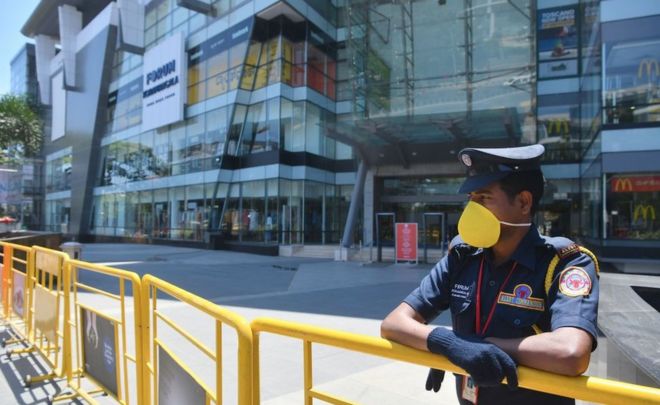
Bangalore, an IT hub in southern India, is among the major cities that has shut down its malls – such as the one above – and schools, colleges, cinema halls and other public places have been closed since late last week. Other major cities such as Delhi, the financial hub Mumbai and Hyderabad in the south, have done the same.
City officials have also imposed restrictions on large gatherings such as weddings, cricket matches or any public ticketed events.
Image copyright GETTY IMAGES
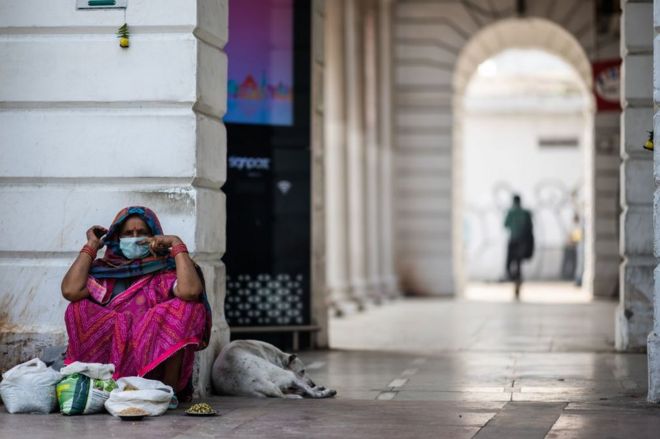
Some of Delhi’s busiest spots, such as Connaught Place, are mostly empty.
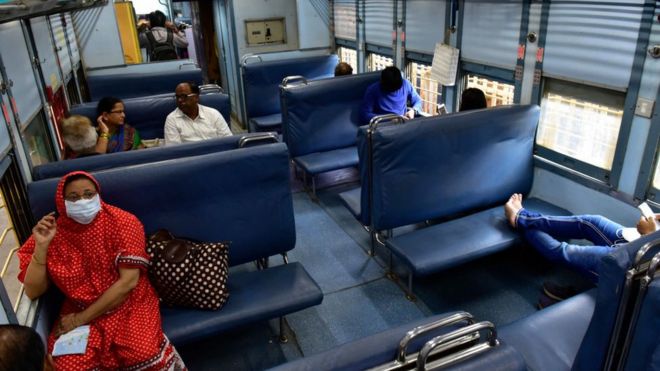
There has also been a significant drop in the number of people using trains, which remain the most popular form of transport in India.
Image copyright GETTY IMAGES
The service from Mumbai to Pune city – which takes about three to four hours – has seen about a 30% fall in passenger traffic, according to some estimates.
The western state of Maharashtra, where both cities are located, has reported the highest number of cases in India so far. The central railways has already cancelled 23 long distance trains going to and from Mumbai – officials say the reason is both the virus and the lower number of passengers.
Overall, more than 150 trains have been cancelled across India. This number could increase in coming days.
Image copyright GETTY IMAGES
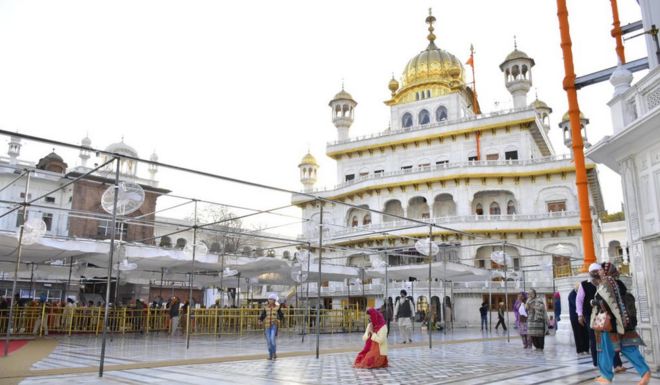
Many holy sites, including the Golden Temple – one of the holiest shrines in Sikhism – remain open, although the footfall is much lower. It’s quite unusual to see such few people in what is one of India’s busiest shrines.
Tirumala Tirupati, the richest Hindu temple, has cancelled many of its daily rituals and is restricting the number of pilgrims for the first time.
Some major Hindu temples, such as the Siddhivinayak temple in the heart of Mumbai, and the Vaishno Devi cave shrine, have closed.
Image copyright GETTY IMAGES
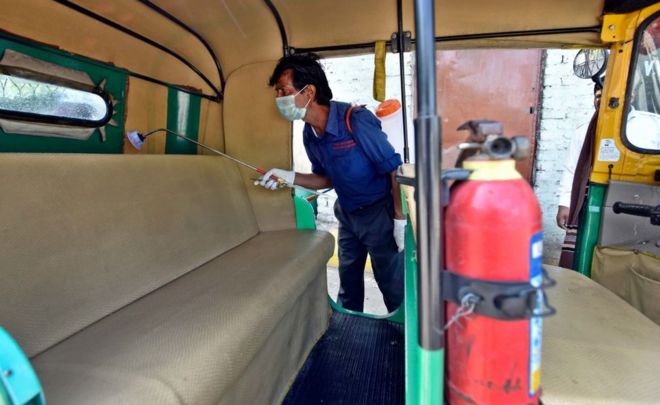
City officials in Delhi have begun sanitising auto rickshaws and taxis to contain the spread of the virus.
Public transport poses a major challenge to containing the outbreak. But it continues to be used regularly across India, even as governments encourage people to stay home as much as possible.
But not all offices have work from home options, and this is especially a challenge for the millions who work in India’s informal sector – these include domestic help, street vendors and daily wage workers.
Image copyright GETTY IMAGES
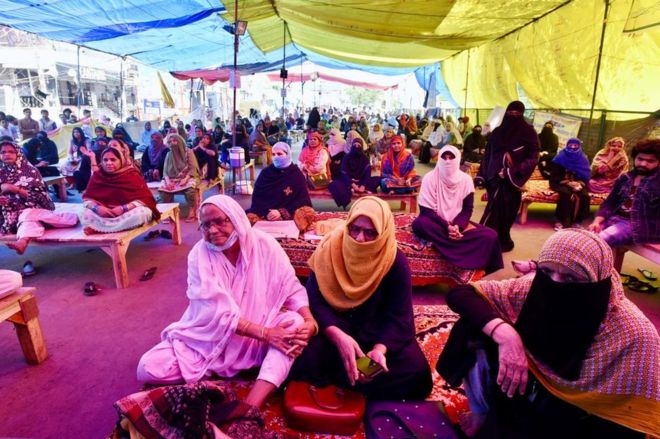
Surprisingly, sit-in protests against India’s controversial new citizenship law continue in some cities, including Delhi and Bangalore.
The most prominent of these, pictured above, is happening in Delhi’s Shaheen Bagh neighbourhood. Thousands of protesters, mostly Muslim women, have been demonstrating against the law, which critics say is anti-Muslim, since December.
But Delhi has shut down schools, colleges, gyms, night clubs, spas and swimming pools – and Chief Minister Arvind Kejriwal has said all social, political and religious gatherings with more than 50 people would be stopped.
Image copyright GETTY IMAGES
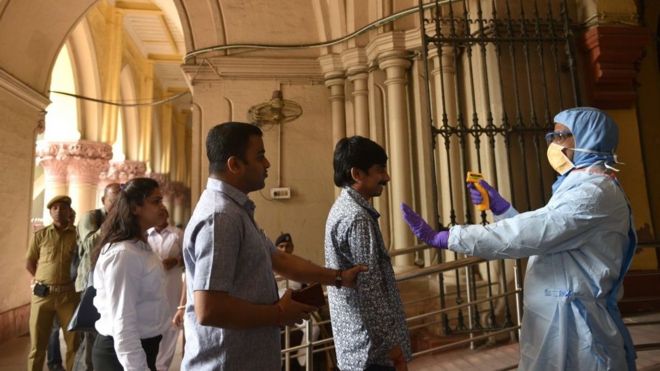
Temperature checks have become a common feature across cities – here, people are being screened before they enter the high court in the eastern city of Kolkata (formerly Calcutta).
This practice has been adopted at airports, corporate offices and several other places that remain open despite the restrictions.
Image copyright GETTY IMAGES
In the southern city of Hyderabad, students appeared for their school-leaving exams, but they came armed with masks.
Delhi, however, has postponed all school examinations.
Experts say India could impose more sweeping lockdowns as the toll climbs further.
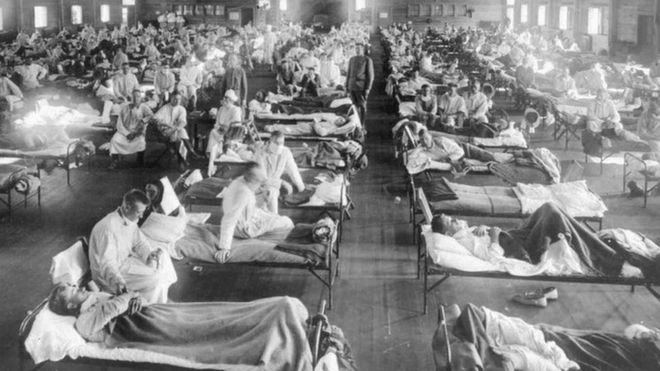
Image copyright NATIONAL MUSEUM OF HEALTH AND MEDICINEImage caption The 1918 flu pandemic is believed to have infected a third of the population worldwide
All interest in living has ceased, Mahatma Gandhi, battling a vile flu in 1918, told a confidante at a retreat in the western Indian state of Gujarat.
The highly infectious Spanish flu had swept through the ashram in Gujarat where 48-year-old Gandhi was living, four years after he had returned from South Africa. He rested, stuck to a liquid diet during “this protracted and first long illness” of his life. When news of his illness spread, a local newspaper wrote: “Gandhi’s life does not belong to him – it belongs to India”.
Outside, the deadly flu, which slunk in through a ship of returning soldiers that docked in Bombay (now Mumbai) in June 1918, ravaged India. The disease, according to health inspector JS Turner, came “like a thief in the night, its onset rapid and insidious”. A second wave of the epidemic began in September in southern India and spread along the coastline.
The influenza killed between 17 and 18 million Indians, more than all the casualties in World War One. India bore a considerable burden of death – it lost 6% of its people. More women – relatively undernourished, cooped up in unhygienic and ill-ventilated dwellings, and nursing the sick – died than men. The pandemic is believed to have infected a third of the world’s population and claimed between 50 and 100 million lives.
Gandhi and his febrile associates at the ashram were lucky to recover. In the parched countryside of northern India, the famous Hindi language writer and poet, Suryakant Tripathi, better known as Nirala, lost his wife and several members of his family to the flu. My family, he wrote, “disappeared in the blink of an eye”. He found the Ganges river “swollen with dead bodies”. Bodies piled up, and there wasn’t enough firewood to cremate them. To make matters worse, a failed monsoon led to a drought and famine-like conditions, leaving people underfed and weak, and pushed them into the cities, stoking the rapid spread of the disease.
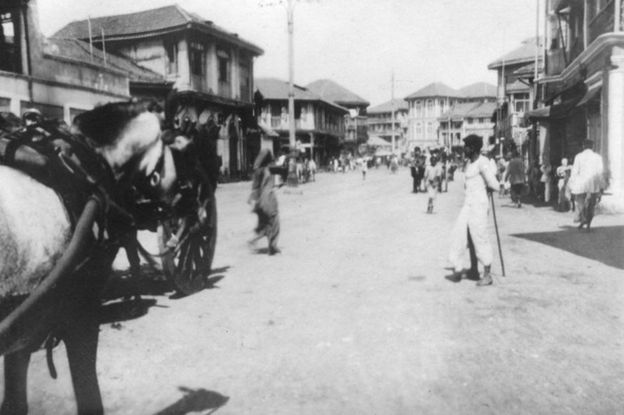
Image copyright PRINT COLLECTORImage caption Bombay was one of the worst hit cities by the 1918 pandemic
To be sure, the medical realities are vastly different now. Although there’s still no cure, scientists have mapped the genetic material of the coronavirus, and there’s the promise of anti-viral drugs, and a vaccine. The 1918 flu happened in the pre-antibiotic era, and there was simply not enough medical equipment to provide to the critically ill. Also western medicines weren’t widely accepted in India then and most people relied on indigenous medication.
Yet, there appear to be some striking similarities between the two pandemics, separated by a century. And possibly there are some relevant lessons to learn from the flu, and the bungled response to it.
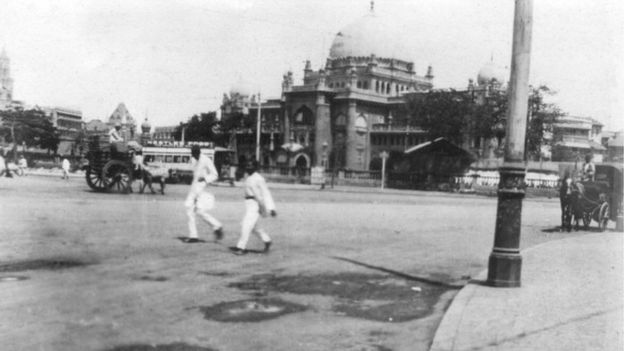
The outbreak in Bombay, an overcrowded city, was the source of the infection’s spread back then – this something that virologists are fearing now. With more than 20 million people, Bombay is India’s most populous city and Maharashtra, the state where it’s located, has reported the highest number of coronivirus cases in the country.
By early July in 1918, 230 people were dying of the disease every day, up nearly three times from the end of June. “The chief symptoms are high temperature and pains in the back and the complaint lasts three days,” The Times of India reported, adding that “nearly every house in Bombay has some of its inmates down with fever”. Workers stayed away from offices and factories. More Indian adults and children were infected than resident Europeans. The newspapers advised people to not spend time outside and stay at home. “The main remedy,” wrote The Times of India, “is to go to bed and not worry”. People were reminded the disease spread “mainly through human contact by means of infected secretions from the nose and mouths”.
“To avoid an attack one should keep away from all places where there is overcrowding and consequent risk of infection such as fairs, festivals, theatres, schools, public lecture halls, cinemas, entertainment parties, crowded railway carriages etc,” wrote the paper. People were advised to sleep in the open rather than in badly ventilated rooms, have nourishing food and get exercise.
“Above all,” The Times of India added, “do not worry too much about the disease”.
Image copyright PRINT COLLECTOR
Colonial authorities differed over the source of infection. Health official Turner believed that the people on the docked ship had brought the fever to Bombay, but the government insisted that the crew had caught the flu in the city itself. “This had been the characteristic response of the authorities, to attribute any epidemic that they could not control to India and what was invariably termed the ‘insanitary condition’ of Indians,” observed medical historian Mridula Ramanna in her magisterial study of how Bombay coped with the pandemic.
Later a government report bemoaned the state of India’s government and the urgent need to expand and reform it. Newspapers complained that officials remained in the hills during the emergency, and that the government had thrown people “on the hands of providence”. Hospital sweepers in Bombay, according to Laura Spinney, author of Pale Rider: The Spanish Flu of 1918 and How It Changed the World, stayed away from British soldiers recovering from the flu. “The sweepers had memories of the British response to the plague outbreak which killed eight million Indians between 1886 and 1914.”
Image copyright PRINT COLLECTORImage caption The hospitals in Bombay were overwhelmed by patients
“The colonial authorities also paid the price for the long indifference to indigenous health, since they were absolutely unequipped to deal with the disaster,” says Ms Spinney. “Also, there was a shortage of doctors as many were away on the war front.”
Eventually NGOs and volunteers joined the response. They set up dispensaries, removed corpses, arranged cremations, opened small hospitals, treated patients, raised money and ran centres to distribute clothes and medicine. Citizens formed anti-influenza committees. “Never before, perhaps, in the history of India, have the educated and more fortunately placed members of the community, come forward in large numbers to help their poorer brethren in time of distress,” a government report said.
Now, as the country battles another deadly infection, the government has responded swiftly. But, like a century ago, civilians will play a key role in limiting the virus’ spread. And as coronavirus cases climb, this is something India should keep in mind.
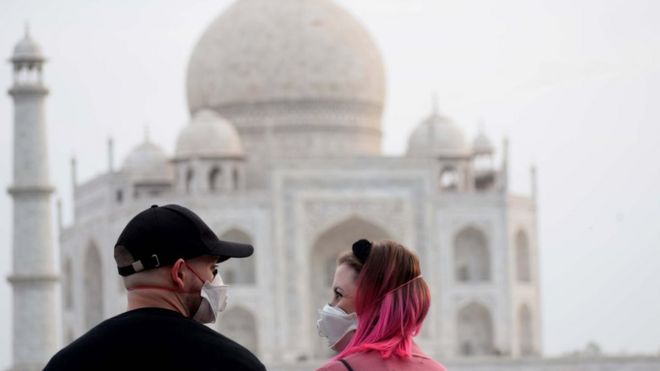
Image copyright GETTY IMAGESImage caption The Taj Mahal is one of the world’s leading tourist attractions.
India’s iconic monument Taj Mahal has shut down to halt the spread of the coronavirus, officials say.
The culture ministry said tens of thousands visit the “monument of love” every day and it was “imperative to shut it down”.
The Taj Mahal is one of the world’s leading tourist attractions, and draws as many as 70,000 people every day.
India has 137 reported cases of Covid-19 and three related deaths. It has tested 6,000 people so far.
On Tuesday, the Indian government announced that all monuments and museums run by the Archaeological Survey of India across the country have also been shut to keep people safe.
Culture Minister Prahlad Patel said all the 143 monuments and museums would remain shut until 31 March and the decision would be reviewed after the shutdown period.
On Tuesday, a 60-year-old doctor in the southern state of Karnataka tested positive after treating a man who died from the coronavirus last week.
Media caption Everything you need to know about the coronavirus explained in one minute
India has taken a number of steps to halt the spread of Covid-19:
All visas, barring a select few categories, have been suspended for a month
Visa-free travel afforded to overseas citizens of the country has been suspended until 15 April and even those allowed in could be subject to 14 days of quarantine
Schools, colleges and movie theatres in most states have been shut until 31 March
The Indian Premier League (IPL), featuring nearly 60 foreign players and scheduled to begin on 29 March, has been postponed to 15 April
India’s health ministry says it was among the first countries in the world to prepare for an outbreak of the respiratory illness, and denied allegations that it was slow in testing suspected cases.
Experts say that India is in a critical phase where it needs to halt community transmissions. The country has only tested 6,000 people so far and many believe that it’s not enough to halt the spread. Experts say that India needs to start testing thousands daily to effectively stop community transmissions.
The government says it’s prepared and has now allowed even private labs to test, apart from government-run labs.
South Africa, Kenya latest to halt arrivals from ‘high-risk’ countries as cases across the continent double over the weekend
Concerns are growing over whether health care systems in some African nations will be able to cope
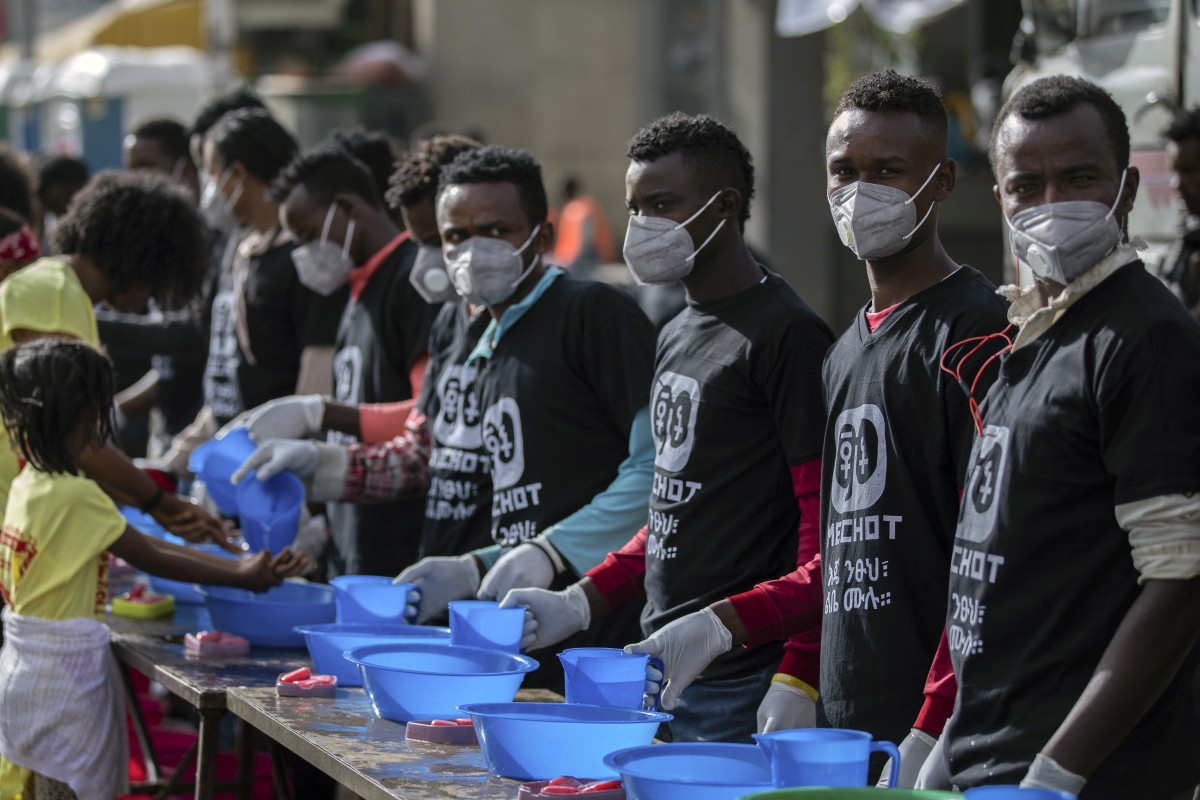
Masked volunteers provide soap and water for participants to wash their hands against the new coronavirus at a women’s 5km fun run in Addis Ababa, Ethiopia on Sunday. Photo: AP
Travel bans and school closures were announced in South Africa and Kenya on Sunday, as concerns grew over the capacity of the continent’s fragile health systems to cope with the spread of the deadly new coronavirus, with more than a dozen countries reporting their first cases.
South African President Cyril Ramaphosa declared a national state of disaster, banning arrivals by foreign nationals from high-risk countries including Italy, Iran, South Korea, Spain, Germany, the United States, Britain and China, effective Wednesday.
“We have cancelled visas to visitors from those countries from today and previously granted visas are hereby revoked,” Ramaphosa said in a televised address on Sunday evening, adding that any foreign national who had visited high-risk countries in the past 20 days would be denied a visa.
South African schools will also be closed from Wednesday until after the Easter weekend. Gatherings of more than 100 people have been banned and mass celebrations for Human Rights Day and other events cancelled. “Never before in the history of our democracy has our country been confronted with such a severe situation,” Ramaphosa said.
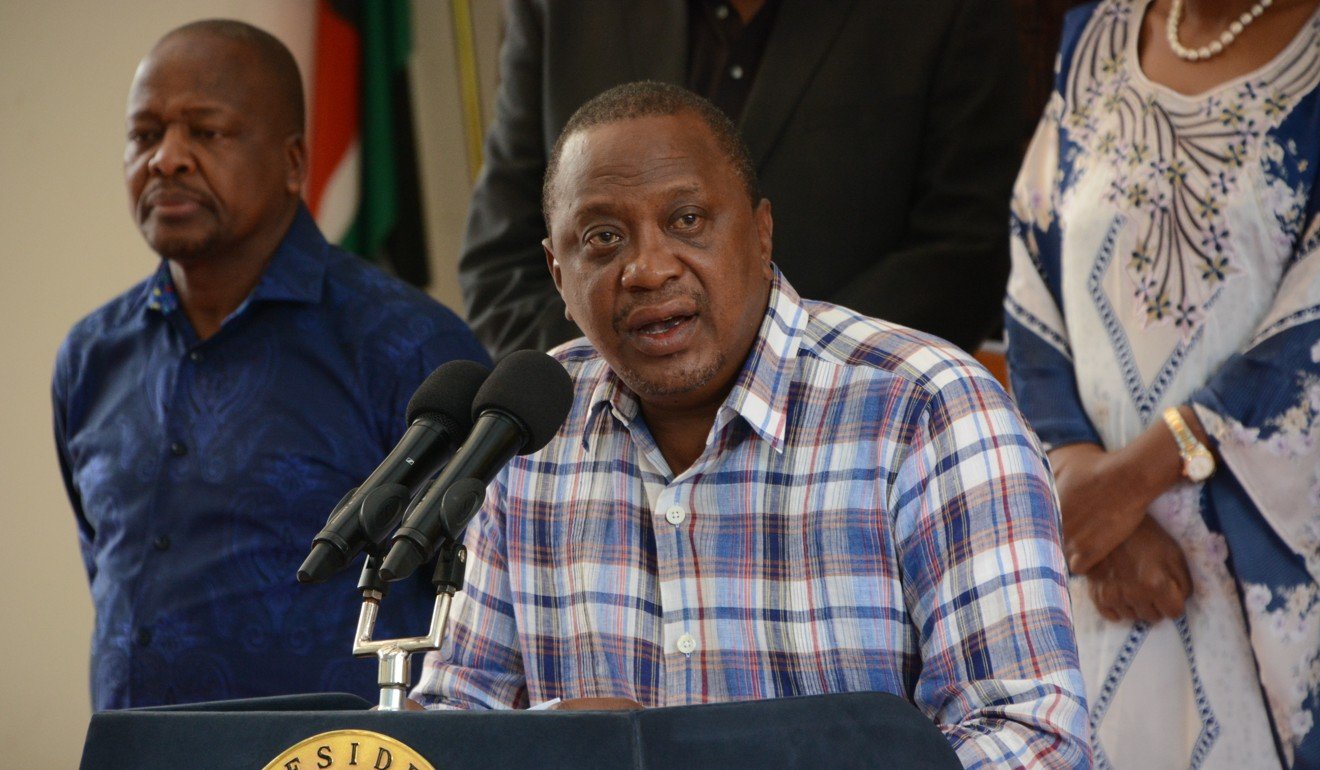
In Kenya, where three cases of Covid-19 – the disease caused by the new coronavirus – have now been confirmed, President Uhuru Kenyatta suspended travel from any country with reported infections. Only Kenyan citizens and foreigners with valid residency permits would be allowed entry, provided they proceeded to self-quarantine or a government-designated quarantine facility, he said.
Kenyan President Uhuru Kenyatta reports two more cases of coronavirus in the country, bringing its total number of cases to three. Photo: DPA
Kenyatta also suspended learning in all educational institutions with immediate effect. “Some of the measures may cause inconvenience, but I want to assure you they are designed to ensure that we effectively contain the spread of the virus,” he said.
Kenya and South Africa join Ghana, Rwanda and Morocco in implementing travel restrictions or outright bans, while others are closing churches, museums, sporting activities, nightclubs and tourist attractions in a bid to curb the spread of the disease.
The continent was largely spared in the early days of the outbreak but has now recorded more than 300 cases and six deaths. Algeria, Morocco, Senegal and Tunisia all reported more new cases over the weekend, which saw numbers of new infections across Africa more than double in just two days.
As numbers rise, the Africa Centres for Disease Control and Prevention (CDC) has said there are around a dozen countries on the continent without the capacity to do their own testing.
They will have to send samples to countries like South Africa, which itself is struggling to contain the virus, with confirmed cases doubling to 61 on Sunday, a day after 114 of its citizens were repatriated from the central Chinese city of Wuhan, the original epicentre of the outbreak and the first to be placed in lockdown.
John Nkengasong, director of the Africa CDC, warned that the risk of other African countries detecting new cases of Covid-19 remained high. “Our strategy is clear: we want to capacitate the member states, so they can quickly detect and mitigate the effects of the disease in Africa, and, if widespread transmission occurs, prevent severe illness and death,” he said.
The World Health Organisation has already warned that critical gaps remain in the capacity of many African nations to trace, detect and treat the disease. On Friday, the WHO Africa office said it was “striving to help member states fill these gaps” but warned of global shortages in personal protective equipment (PPE) including gloves, masks and hand sanitiser.
Major coronavirus outbreak in Africa ‘just a matter of time’
13 Mar 2020
WHO said its first blanket distribution of PPEs, to 24 African countries, had been completed and another wave of distributions was planned.
“With Covid-19 officially declared a pandemic, all countries in Africa must act,” said Dr Matshidiso Moeti, WHO regional director for Africa. “Every country can still change the course of this pandemic by scaling up their emergency preparedness or response.
“Cases may still be low in Africa and we can keep it that way with robust all-of-government actions to fight the new coronavirus.”
The 55 member states of the African Union have suspended meetings until May, while the six countries that make up the East African Community have suspended all planned meetings until further notice.
In Algeria – one of the worst-hit North African countries, with 48 cases and four deaths, as of Monday morning – all schools and universities have been closed, while Senegal, with 24 cases to date, has closed schools and cancelled its Independence Day festivities on April 4, which this year marks 60 years since its independence from France. Cruise ships have also been banned from docking in Senegal.
On Sunday, Rwanda closed all its places of worship and suspended large gatherings such as weddings and sporting activities. Schools and universities in the central African country are also closed. National airline RwandAir has also suspended flights between the capital Kigali and Mumbai until April 30.
This is in addition to earlier suspensions of its routes with Tel Aviv and the southern Chinese city of Guangzhou, which remain in place until further notice.
While most African airlines have suspended flights to cities in mainland China, Ethiopian Airlines has continued flying to most of its destinations, describing its China routes as among its most profitable. Nevertheless, chief executive Tewolde GebreMariam last week said coronavirus fears had cut demand by a fifth on most of its routes.
Image copyright EPAImage caption India has stopped exports of masks to make sure there are ample domestic supplies
A 68-year-old woman from Delhi has been confirmed as the second Indian to die from the coronavirus.
The woman, who had underlying health conditions, is thought to have been infected by her son who travelled to Switzerland and Italy last month.
India’s first fatality from the virus was confirmed on Thursday.
The 76-year-old man, from the southern state of Karnataka, died after returning from a month-long visit to Saudi Arabia on 29 February.
People who came in contact with the man are being traced and quarantined, the state’s health minister said. India has 82 confirmed cases of the virus, the health ministry says.
The Delhi woman’s son was “initially asymptomatic but developed a fever and cough after one day”, a government statement said. The family were then screened and the mother and son admitted to hospital.
The 76-year-old Karnataka man was screened at the airport on his return but showed no symptoms at the time. After he developed difficulties last week, he was taken to hospital. He died on Tuesday but it was not reported until Thursday.
India’s Supreme Court has said it will only hear urgent cases from Monday, and has restricted the number of people who can enter a courtroom.
Karnataka has banned all gatherings including weddings, sports events and conferences for a week as the country attempts to slow the spread of the virus.
Malls, movie theatres, pubs and night clubs have also been shut.
“The government will decide on further action after a week following a review,” the state’s chief minister BS Yediyurappa announced on Friday.
But he said that government offices would continue to function as normal.
India has taken a number of steps to halt the spread of Covid-19:
All visas, barring a select few categories, have been suspended for a month
Visa-free travel afforded to overseas citizens of the country has been suspended until 15 April and even those allowed in could be subject to 14 days of quarantine
Schools, colleges and movie theatres in the capital, Delhi, have been shut until 31 March
The Indian Premier League (IPL), featuring nearly 60 foreign players and scheduled to begin on 29 March, has been postponed to 15 April
Two one-day cricket matches between India and South Africa will be played behind closed doors
India’s health ministry says it was among the first countries in the world to prepare for an outbreak of the respiratory illness, and denied allegations that it was slow in testing suspected cases.
“Our surveillance system is strong and we are able to quickly identify any symptomatic patients,” RR Gangakhedkar from the Indian Council of Medical Research (ICMR) told reporters on Thursday.
However, there are concerns about whether the country will be fully equipped to prevent and treat an outbreak.
It would be near impossible for India to force its citizens into mass quarantine and hospitalise people in numbers like China, says the BBC’s Soutik Biswas.
Our correspondent says there are also concerns about the country’s poor healthcare data. India has a shoddy record in even recording deaths and disease – only 77% of deaths are registered, and doctors are more likely to get the cause of death wrong than right, according to a study the Toronto-based Centre for Global Research. There is patchy data for flu-related deaths.










 CHINDIA ALERT: You'll be living in their world, very soon