Chindia Alert: You’ll be Living in their World Very Soon
aims to alert you to the threats and opportunities that China and India present. China and India require serious attention; case of ‘hidden dragon and crouching tiger’.
Without this attention, governments, businesses and, indeed, individuals may find themselves at a great disadvantage sooner rather than later.
The POSTs (front webpages) are mainly 'cuttings' from reliable sources, updated continuously.
The PAGEs (see Tabs, above) attempt to make the information more meaningful by putting some structure to the information we have researched and assembled since 2006.
Teams from Shanghai, Guangdong – including experts who helped tackle Sars – arrive in Wuhan to lend their support
Tencent, JD.com, Lenovo among raft of private firms offering financial aid to those battling deadly outbreak
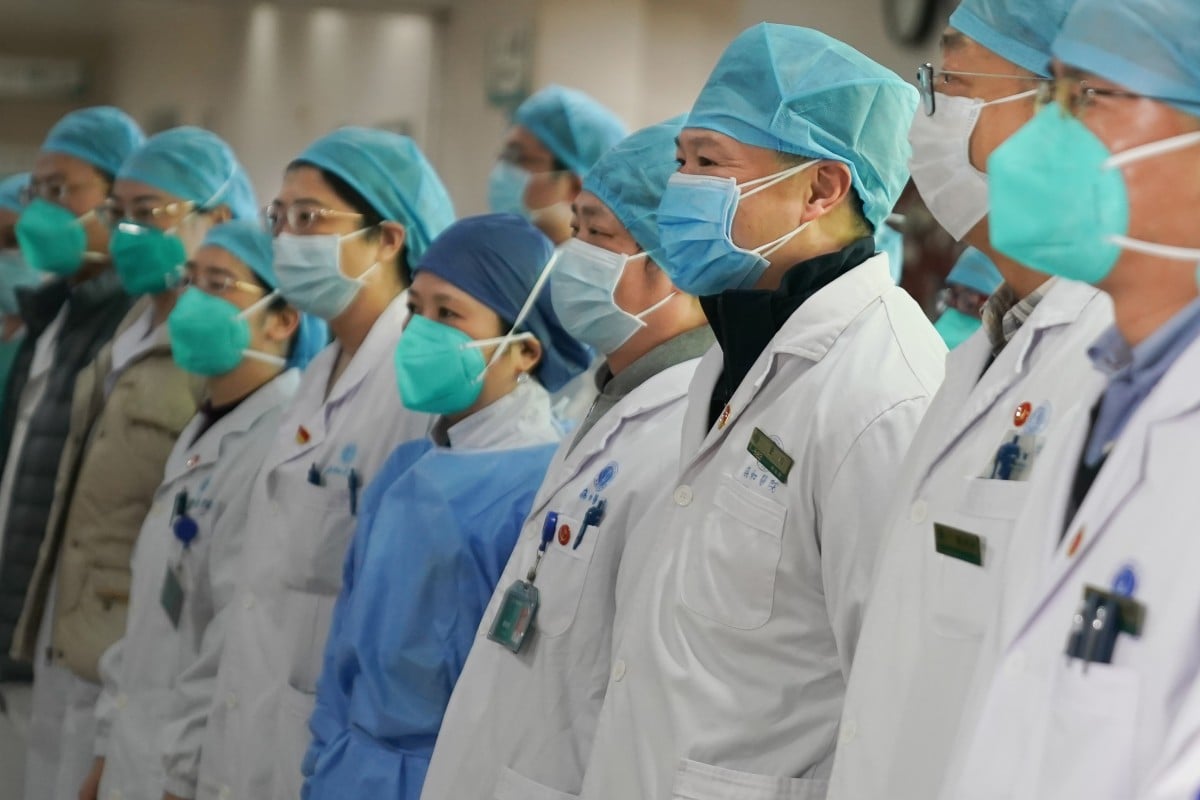
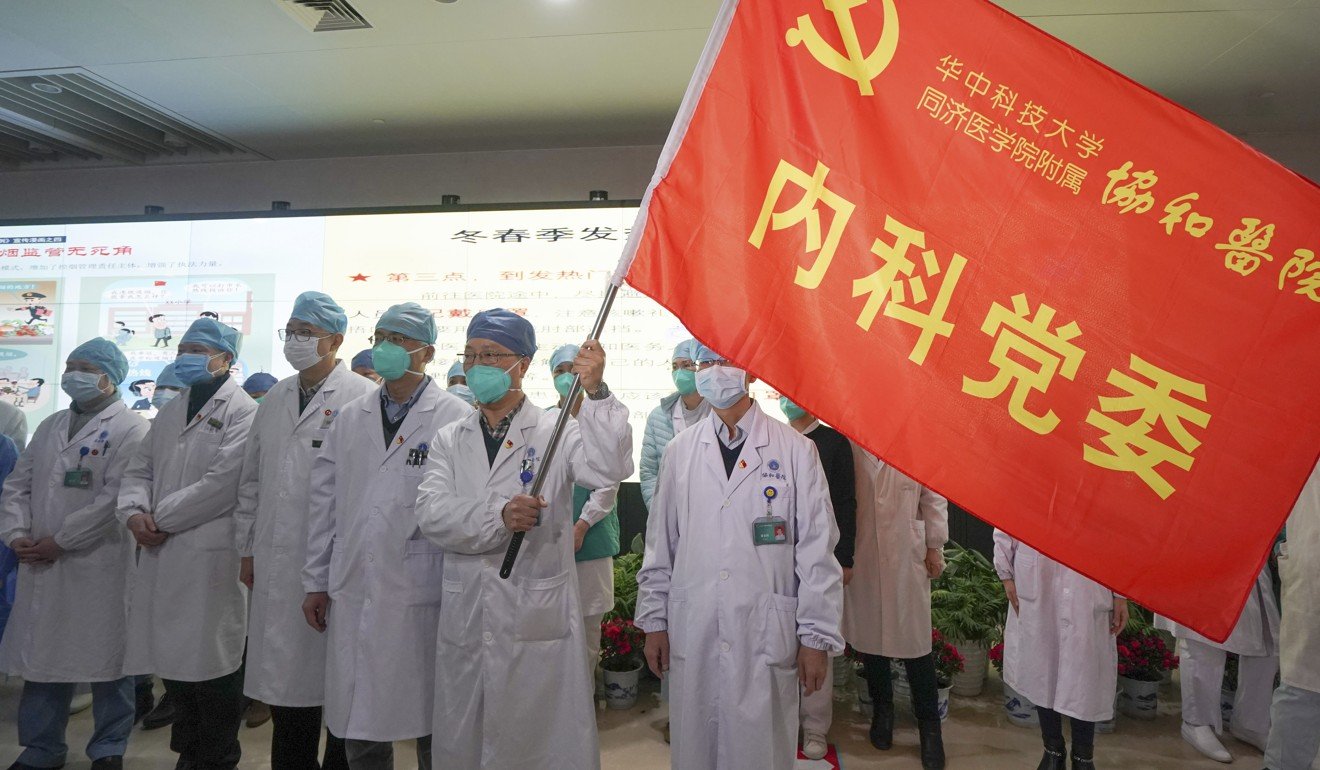
Doctors and nurses from across China are being dispatched to help tackle the coronavirus epidemic in Hubei province. Photo: Xinhua
Chinese authorities and private enterprises are stepping up their support for embattled medical teams in Hubei province as they continue to fight the coronavirus epidemic, while neighbouring governments ramp up their efforts to prevent its further spread.
Hospitals across Wuhan – the city at the centre of the outbreak – have been overwhelmed by the flood of patients and doctors are becoming increasingly frustrated at the lack of support, both in terms of supplies and personnel, they have received.
But national bodies say they are responding to the crisis.
On Saturday, China’s National Health Commission (NHC) said that six medical teams comprising 1,230 staff had been set up and dispatched to help fight the deadly virus in Hubei.
Three medical units from Shanghai, Guangdong and the armed forces had already arrived in the province, it said, though did not make clear if they were in addition to or part of the six teams.
Chen Dechang, a doctor from Ruijin Hospital in Shanghai who is among those sent to Hubei, said it was important there were more medical staff on the scene.
“We can help save more patients in the intensive care unit if we are on the front line,” he said.
Authorities in Shanghai have also sent 81 ECMO (extracorporeal membrane oxygenation) life-support machines to Jinyintan Hospital, which is one of the designated facilities treating patients in Wuhan.
The ECMO technique – which involves removing blood from a person’s body, removing the carbon dioxide and oxygenating red blood cells before pumping them back into the patient – has already been used on one critically ill patient at Wuhan University’s Zhongnan Hospital, according to Shanghai-based news outlet Thepaper.cn.
Though the report did not say how effective the treatment had been.
Medical teams in Wuhan have been under huge pressure since the outbreak began. Photo: Xinhua
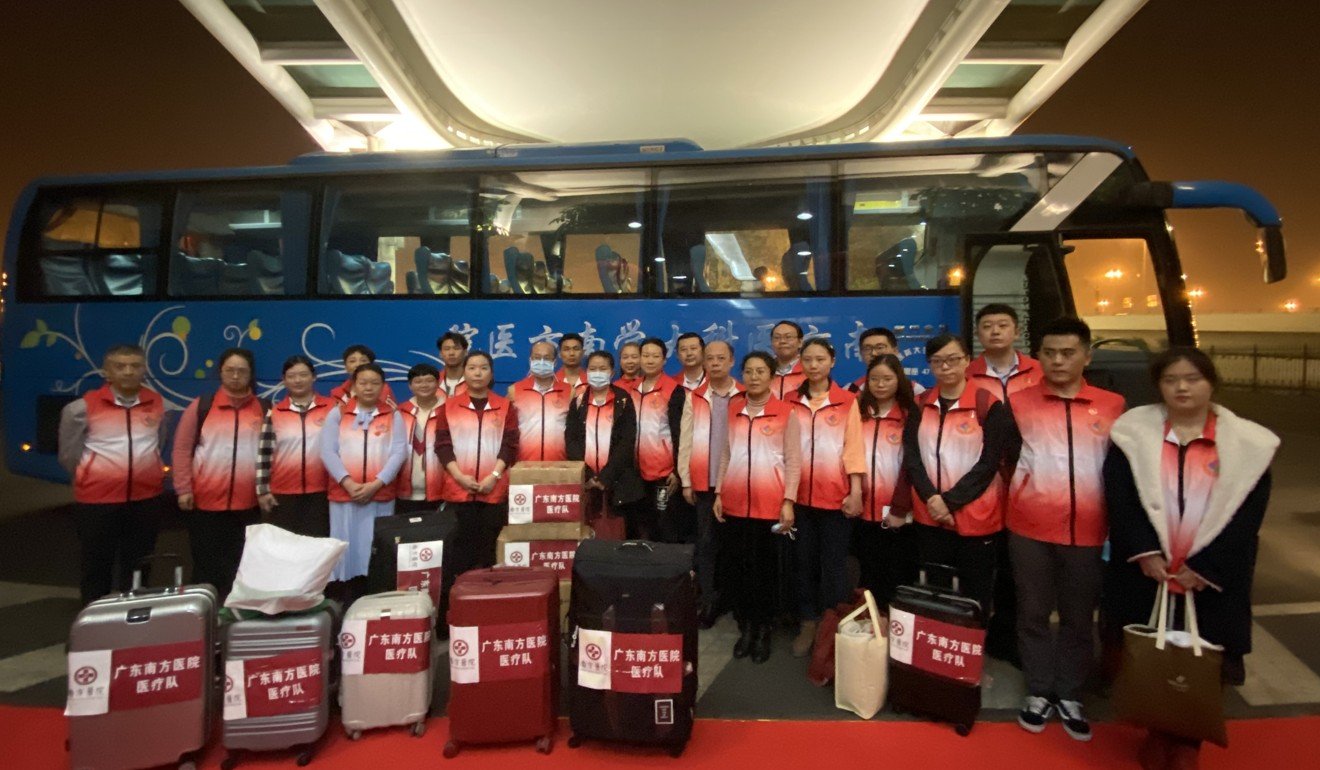
The team from Guangdong comprised 42 doctors and 93 nurses, the NHC said. The deployment came after a group of current and former medical staff from Southern Medical University in Guangzhou – who had helped tackle the Sars (severe acute respiratory syndrome) outbreak in 2002-03 – signed a petition saying they were willing to help in Wuhan.
“We are a team of experienced practitioners who fought Sars,” they said in the petition, a copy of which was posted on the social media accounts of Communist Party mouthpiece People’s Daily.
“We cannot back away from our responsibility to help 17 years later as people are facing the outbreak of a new coronavirus. We are willing to be deployed to the front line to make our contributions.”
A team of 135 doctors from Chongqing arrived in Wuhan on Friday evening, the NHC said, without elaborating.
A medical team from Guangdong province prepares to travel to Wuhan. Photo: Xinhua
As well as the wave of medical support, several private companies said they had provided financial support to help fight the epidemic.
According to Chinese media reports, Shanghai Ocean Forest Assets has donated 10 million yuan (US$1.4 million) to the cause, while Shanghai-based asset management firm, Jinglin Assets is coordinating efforts to buy urgently needed medical supplies from South Korea and Japan.
Shenzhen’s Fantasia Holdings said it would donate 6 million yuan and send medical supplies, including surgical masks, to Wuhan, while tech giant Tencent said it would donate 300 million yuan from its charity. E-commerce platform JD.com said it had donated 1 million surgical masks and 60,000 other medical items.
Chinese smartphone manufacturer Xiaomi said on Friday it had sent a first batch of medical equipment – masks and thermometers worth more than 300,000 yuan – to Wuhan, while tech firm Lenovo said on Saturday it would donate all of the IT equipment required by the new specialist treatment centre being built in the city.
Authorities set a target to have the 1,000-bed facility up and running within six days of starting construction.
Aside from the support from the private sector, state lender China Development Bank on Friday issued a 2 billion yuan emergency loan to Wuhan, while a day earlier, China’s finance ministry said it had allocated 1 billion yuan to authorities in Hubei to help tackle the epidemic.
Across the country, authorities have introduced a number of measures to help prevent the further spread of the coronavirus, including the closure of all cinemas in Shanghai.
Wuhan residents stockpile food, medical supplies
25 Jan 2020
Also on Saturday it was reported that Liang Wudong, a doctor at Xinhua Hospital in Wuhan, had become the first medical professional to die after treating people infected with the virus.
Liang, 62, was suspected of having contracted the virus last week and had been transferred to Jinyintan Hospital for treatment. He died at 7am on Saturday, Thepaper.cn reported.
According to official figures, 41 people have been killed by the coronavirus and there have been more than 1,280 confirmed cases. The vast majority are in the Chinese mainland, but there have also been confirmed cases in Hong Kong, Macau, Taiwan and eight other countries, including the United States and Europe.
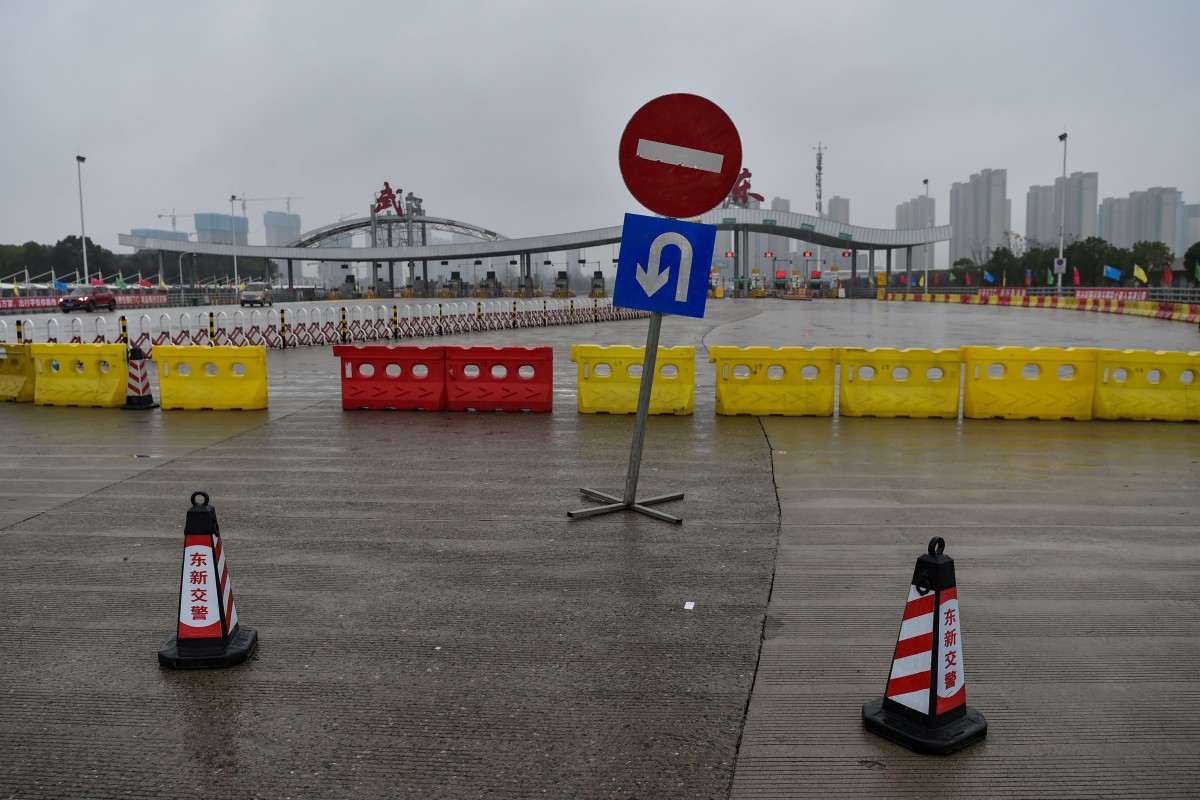
Tens of millions of people in cities across Hubei are effectively on lockdown after the introduction of travel bans to help control the spread of the virus.
Evacuation plan outlined in email as diplomats look for ways to protect foreign nationals
Paris earlier reports three cases on its soil – the first to be identified in Europe
The French consulate in Wuhan is planning to evacuate French nationals from the city to escape the deadly coronavirus. Photo: AFP
Foreign diplomats in Wuhan are scrambling to assess the situation in the coronavirus
-plagued city, with French officials planning to evacuate French nationals trapped by the Chinese government’s lockdown.
The plan would allow French people who want to leave Wuhan, the capital of Hubei province, to travel by bus to Changsha in neighbouring Hunan province, according to an email seen by the South China Morning Post.
“The consulate general, in collaboration with local authorities, plans to set up a bus service to allow French nationals … and their Chinese and foreign spouses and children to travel from Wuhan to Changsha,” it said.
The email, sent by the French consulate, also asked anyone who received it to pass the notice on to other French nationals. It was not clear which bodies received the email and the date of the planned evacuation was not specified.
The consulate could not be reached for comment on Saturday.
France, the United States, Britain and South Korea all have consulates in Wuhan, according to China’s foreign ministry.
The South Korean consulate said in a post on its website that it would suspend all visa applications “indefinitely until further notice”.
A diplomatic source said several foreign embassies in China were considering plans to evacuate their nationals from Wuhan.
First coronavirus case ‘had no links to seafood market’
25 Jan 2020
It is not known how many foreigners remain in the city, which has a population of about 11 million and has been under a government-imposed lockdown since Thursday morning.
French Foreign Minister Jean-Yves Le Drian said in a statement on Friday that Paris was monitoring the crisis and “can increase the power [to respond] if necessary”.
There have so far been three confirmed cases of the new coronavirus in France, in Paris and Bordeaux.
French Foreign Minister Jean-Yves Le Drian said on Friday that Paris was monitoring the crisis in China. Photo: AFP
The US said earlier that most of its consulate staff and their families had been pulled out of Wuhan.
An emailed inquiry to the British consulate in the city received only an automated reply, saying: “Wuhan is now in crisis mode. We may not be able to answer your emails for some time.”
The consulate would be closed for the Lunar New Year holiday until January 31, it said.
Meanwhile, British citizen Kharn Lambert told the BBC on Thursday how he had been “trapped” in Wuhan.
The PE teacher said he was afraid to leave his house for fear of catching the deadly virus.
“If you saw the street behind me at night time where I normally live … if I show you out there now, it’s dead,” he said.
More than 1,280 confirmed cases have been reported across China, of which more than 700 were in Hubei, according to local government figures released on Saturday.
The death toll in Hubei stands at 39, with two other fatalities reported in the provinces of Hebei and Heilongjiang.
Tens of millions of people in Hubei are effectively on lockdown since a travel ban was imposed on most of the province.
Flights, trains, buses and ferries connecting Wuhan to other cities in Hubei have been suspended. Rail authorities in Wuhan, which is a hub for several major high-speed lines, said operations at 61 stations and more than 400 train services had been suspended until further notice.
BEIJING (Reuters) – The death toll from China’s coronavirus outbreak jumped on Saturday to 41 as the Lunar New Year got off to a gloomy start, with Hong Kong declaring a virus emergency, scrapping celebrations, and restricting links to mainland China.
Australia on Saturday confirmed its first four cases, Malaysia confirmed three and France reported Europe’s first cases on Friday, as health authorities around the world scrambled to prevent a pandemic.
Hong Kong leader Carrie Lam on Saturday declared a virus emergency in the Asian financial hub, with five confirmed cases, immediately halting official visits to mainland China and scrapping official Lunar New Year celebrations.
Inbound and outbound flights and high speed rail trips between Hong Kong and Wuhan, the epicentre of the outbreak, would be halted, and schools, now on Lunar New Year holidays, would remain shut until Feb. 17. The territory was also treating 122 people suspected of having the disease.
RELATED COVERAGE
U.S. to evacuate its citizens from Wuhan, China – WSJ
China’s President Xi holds politburo meeting on curbing virus outbreak – state TV
The death toll in China rose to 41 on Saturday from 26 a day earlier and more than 1,300 people have been infected globally with a virus traced to a seafood market in the central city of Wuhan that was illegally selling wildlife.
Hu Yinghai, deputy director-general of the Civil Affairs Department in Hubei province, where Wuhan is located, made an appeal on Saturday for masks and protective suits. Hospitals in the city have made similar pleas.
“We are steadily pushing forward the disease control and prevention … But right now we are facing an extremely severe public health crisis,” he told a news briefing.
Vehicles carrying emergency supplies and medical staff for Wuhan would be exempted from tolls and given traffic priority, China’s transportation ministry said on Saturday.
Wuhan said it would ban non-essential vehicles from its downtown starting Sunday to control the spread of the virus, further paralysing a city of 11 million that has been on virtual lockdown since Thursday, with nearly all flights cancelled and checkpoints blocking the main roads leading out of town.
Authorities have since imposed transport restrictions on nearly all of Hubei province, which has a population of 59 million.
In Australia, three men, aged 53, 43 and 35 in New South Wales were in stable condition after they were confirmed to have the virus after returning from Wuhan earlier this month.
A Chinese national in his 50s, who had been in Wuhan, was also in stable condition in a Melbourne hospital after arriving from China on Jan. 19, Victoria Health officials said.
State-run China Global Television Network reported in a tweet on Saturday that a doctor who had been treating patients in Wuhan, 62-year-old Liang Wudong, had died from the virus.
Police officers stand guard in front of the closed gate of Lama Temple where a notice saying that the temple is closed for the safety concern following the outbreak of a new coronavirus is seen, in Beijing, China January 25, 2020. REUTERS/Carlos Garcia Rawlins
It was not immediately clear if his death was already counted in the official toll of 41, of which 39 were in the central province of Hubei, where Wuhan is located.
U.S. coffee chain Starbucks said on Saturday that it was closing all its outlets in Hubei province for the week-long Lunar New Year holiday, following a similar move by McDonald’s in five Hubei cities.
PROTECTIVE SUITS
In Beijing on Saturday, workers in white protective suits checked temperatures of passengers entering the subway at the central railway station, while some train services in eastern China’s Yangtze River Delta region were suspended, the local railway operator said.
The number of confirmed cases in China stands at 1,287. The virus has also been detected in Thailand, Vietnam, Singapore, Japan, South Korea, Taiwan, Nepal, and the United States.
The U.S. Centers for Disease Control and Prevention said on Friday it had 63 patients under investigation, with two confirmed cases. While China has called for transparency in managing the crisis, after cover-up of the 2002/2003 Severe Acute Respiratory Syndrome spread, officials in Wuhan have come in for criticism over their handling of the current outbreak.
In rare public dissent, a senior journalist at a Hubei provincial newspaper run by the ruling Communist Party on Friday called for a “immediate” change of leadership in Wuhan on the Twitter-like Weibo. The post was later removed.
REINFORCEMENTS TO WUHAN
The World Health Organization (WHO) declared the new coronavirus an “emergency in China” this week but stopped short of declaring it of international concern.
Human-to-human transmission has been observed in the virus.
China’s National Health Commission said it had formed six medical teams totalling 1,230 medical staff to help Wuhan.
Hubei province, where authorities are rushing to build a 1,000 bed hospital in six days to treat patients, announced on Saturday that there were 658 patients affected by the virus in treatment, 57 of whom were critically ill.
The newly-identified coronavirus has created alarm because there are still many unknowns surrounding it, such as how dangerous it is and how easily it spreads between people. It can cause pneumonia, which has been deadly in some cases.
Symptoms include fever, difficulty breathing and coughing. Most of the fatalities have been in elderly patients, many with pre-existing conditions, the WHO said.
NEW YEAR DISRUPTIONS
Airports around the world have stepped up screening of passengers from China, though some health officials and experts have questioned the effectiveness of such screenings.
There are fears the transmission could accelerate as hundreds of millions of Chinese travel during the week-long Lunar New Year holiday, which began on Saturday, although many have cancelled their plans, with airlines and railways in China providing free refunds.
The virus outbreak and efforts to contain it have put a dampener on what is ordinarily a festive time of year.
Sanya, a popular resort destination on the southern Chinese island of Hainan, announced that it was shutting all tourist sites, while the island’s capital city, Haikou, said visitors from Wuhan would be placed under 14-day quarantine in a hotel.
Shanghai Disneyland was closed from Saturday. The theme park has a 100,000 daily capacity and sold out during last year’s Lunar New Year holiday.
Beijing’s Lama Temple, where people traditionally make offerings for the new year, has also closed, as have some other temples.
BEIJING, China (Reuters) – China ramped up measures to contain a virus that has killed 26 people and infected more than 800, suspending public transport in 10 cities, shutting temples over the Lunar New Year and even closing the Forbidden City and part of the Great Wall.
The week-long holiday to welcome the Year of the Rat began on Friday, raising fears the infection rate could accelerate as hundreds of millions of people travel to their homes and abroad in what is usually a festive time of year.
The World Health Organisation (WHO) has declared the new coronavirus an emergency for China but stopped short of declaring the epidemic of international concern.
While most of the cases and all of the deaths have been in China, the virus has been detected in Thailand, Vietnam, Singapore, Japan, South Korea, Taiwan and the United States. It was likely Britain also had cases, a health official said.
RELATED COVERAGE
‘What choice do I have?’ Lock-down strands millions in China’s Wuhan
WHO expects coronavirus cases to rise in China
The newly identified coronavirus has created alarm because it is too early to know just how dangerous it is and how easily it spreads between people.
Symptoms include fever, difficulty breathing and coughing.
Most of the fatalities have been elderly, many with pre-existing conditions, the WHO said.
Cases are likely to continue to rise in China but it is too soon to evaluate the severity of the virus, a WHO spokesman said on Friday.
As of Thursday, there were 830 confirmed cases and 26 people had died there, China’s National Health Commission said.
In Wuhan, where the outbreak began last month, pharmacies were running out of supplies and hospitals were flooded with nervous resident seeking medical checks.
“There’s so much news, so much data, every 10 minutes there’s an update, it’s frightening, especially for people like us in a severely hit area,” Lily Jin, 30, a resident of the city, told Reuters by phone.
While restrictions have already been put in place in cities across the country to curb the outbreak, China will take stricter and more targeted measures, state television reported citing a state council, or cabinet, meeting on Friday, but gave no further details.
“The spread of the virus has not been cut off … Local authorities should take more responsibility and have a stronger sense of urgency,” state broadcaster CCTV said.
Most cases have been in Wuhan, where the virus is believed to have originated in a market that traded illegally in wildlife. Preliminary research suggested it crossed to humans from snakes.
The city of 11 million people, and neighboring Huanggang, a city of about 7 million, were in virtual lockdown.
Nearly all flights at Wuhan’s airport had been canceled, and airports worldwide have stepped up the screening of passengers from China.
Checkpoints blocked the main roads leading out of town, and police checked incoming vehicles for wild animals.
Wuhan was rushing to build a 1,000-bed hospital for the infected by Monday, the official Changjiang Daily reported.
About 10 people got off a high-speed train that pulled into Wuhan on Friday afternoon but nobody got on before it resumed its journey. Although it stopped there, Wuhan had been removed from the train’s schedule.
“What choice do I have? It’s Chinese New Year. We have to see our family,” said a man getting off the train who gave his family name Hu.
CHINA EMERGENCY
The WHO said on Thursday it was a “bit too early” to designate the outbreak a public health emergency of international concern, which would require countries to step up their response.
Some experts believe the virus is not as dangerous as the one that caused the 2002-03 outbreak of Severe Acute Respiratory Syndrome, which also began in China and killed nearly 800 people, or the one that caused Middle East Respiratory Syndrome, which has killed more than 700 people since 2012.
There is no known vaccine or particular treatment.
“There is some work being done and there are some trials now for MERS (vaccines). And we may look at some point whether those treatments and vaccines would have some effect on this novel coronavirus,” WHO spokesman Tarik Jasarevic said on Friday.
Gilead Sciences Inc said it was assessing whether its experimental Ebola treatment could be used. Meanwhile, three research teams were starting work on vaccines, the Coalition for Epidemic Preparedness Innovations said.
In the meantime, Chinese authorities have imposed restrictions on movement and gatherings to try to stem the spread. It has advised people to avoid crowds and 10 cities in the central province of Hubei, where Wuhan is located, have suspended some transport, the Hubei Daily reported.
Some sections of the Great Wall near Beijing will be closed from Saturday, state media said.
Some temples have also closed, including Beijing’s Lama Temple where people make offerings for the new year, have also been closed as has the Forbidden City, the capital’s most famous tourist attraction.
Shanghai Disneyland will close from Saturday. The theme park has a 100,000 daily capacity and sold out during last year’s Lunar New Year holiday.
The virus is expected to dent China’s growth after months of economic worries over trade tensions with the United States, unnerving foreign companies doing business there.
Shares in luxury goods firms have suffered from the anticipated drop in demand from China, and on Friday French spirits group Remy Cointreau said it was “clearly concerned” about the potential impact.
BEIJING (Reuters) – With millions of Asians travelling on Tuesday for the Lunar New Year holiday, authorities in China confirmed that a new virus could be spread through human contact, reporting 15 medical staff had been infected and a fourth person had died.
The chilling update on the coronavirus outbreak that began in the central city of Wuhan sent shivers through financial markets, as the World Health Organisation called a meeting for Wednesday to consider declaring an international health emergency.
By the end of Monday the number of confirmed cases in China had climbed to 291, the National Health Commission said. Some 270 were in Hubei province. Wuhan, a city of 11 million people is the provincial capital.
The outbreak was also spreading to other cities, with 15 cases in southern province of Guangdong, five in the capital Beijing and two in Shanghai.
RELATED COVERAGE
WHO says expects further spread of new coronavirus in China
Death toll from coronavirus outbreak in China’s Wuhan rises to six – state TV
“Information about newly reported infections suggest there may now be sustained human to human transmission,” WHO Regional Director for the Western Pacific Takeshi Kasai said in an email statement.
The scare brought back bad memories of Severe Acute Respiratory Syndrome (SARS), another coronavirus that broke out in China in 2002/2003, resulting in the death of nearly 800 people in global pandemic.
Health authorities around the world have begun to step up screening of travellers arriving from China. Two cases have already been identified in Thailand, one in Japan and one in South Korea, while the Philippines reported on Tuesday its first suspected case.
Wuhan Municipal Health Commission confirmed a fourth fatality on Tuesday, disclosing that an 89-year-old man who had underlying health issues, including heart disease, died on Jan. 19.
Chinese authorities also confirmed for the first time that the virus could spread through human contact and said 15 medical staff had been infected.
The mounting anxiety was transmitted to regional markets. China’s onshore yuan CNY= fell 0.6%, its biggest daily drop since Aug. 26, 2019, while airline and travel stocks fell across the region.
European shares also slipped on mounting concerns about the impact of the outbreak, with luxury goods firms particularly hard-hit on worries about weaker demand from Chinese consumers.
The virus can cause pneumonia, with symptoms including fever and difficulty in breathing. As those symptoms are similar to many other respiratory diseases, extra screening is needed.
AIRPORT SCREENING
The origin of the virus has yet to be identified, but the primary source is most likely animal, according to WHO. Chinese officials have linked the outbreak to a seafood market in Wuhan.
“The outbreak of a SARS-like coronavirus in Wuhan is developing into a major potential economic risk to the Asia-Pacific region now that there is medical evidence of human-to-human transmission,” said Rajiv Biswas, Asia Pacific Chief Economist for IHS Markit, in an email statement.
So far, the WHO has not recommended trade or travel restrictions but such measures could be discussed at Wednesday’s emergency meeting.
China’s National Health Commission will also give an update on the outbreak at a press briefing at 10 a.m. (0200 GMT) on Wednesday.
Foreign ministry spokesman Geng Shuang said China will attend the WHO meeting and share relevant information.
“China is willing to deepen its global cooperation and work with the international community to work together to deal with the epidemic,” Geng told reporters at a regular daily briefing.
Airport authorities in the United States as well as most Asian nations also are screening passengers from Wuhan.
Australia on Tuesday said it would screen passengers on flights from Wuhan, while Singapore announced it would quarantine individuals with pneumonia and a history of travel to Wuhan within 14 days prior to the onset of symptoms.
QUEUES FOR MASKS
Wuhan officials have been using infrared thermometers to screen passengers at airports, railway stations and other passenger terminals since Jan. 14.
Zhong Nanshan, head of the National Health Commission’s team of experts investigating the outbreak, said in footage shown by state television on Monday there was no danger of a repeat of the SARS epidemic so long as precautions were taken.
Images of long lines of people queuing to buy face masks were circulating widely on Chinese social media, where the outbreak was one of the top trending topics.
Some online vendors were limiting sales of masks and hand sanitizers as demand surged.
And Shanghai’s market regulator warned on Tuesday that it will punish speculators who hoard masks and other products used for preventing diseases, according to the Shanghai Observer – a web publication backed by a Communist Party newspaper.
Trip.com, China’s top online travel booking platform, said it would refund customers who cancel bookings in Wuhan this month, or whose travel plans are disrupted by quarantines or other regulatory efforts to prevent the spread of the virus.
BEIJING (Reuters) – The spectre of new confrontation between Pyongyang and Washington hangs over meetings between China, Japan and South Korea this week, with growing risks North Korean actions could end an uneasy detente and upend recent diplomatic efforts.
South Korean President Moon Jae-in and Japanese Prime Minister Shinzo Abe are expected to meet Chinese President Xi Jinping separately on Monday. They will then travel to the southwestern city of Chengdu for a trilateral meeting with Chinese Premier Li Keqiang. Though they are expected to discuss various economic matters, North Korea appears likely to dominate the agenda.
Pyongyang has grown increasingly frustrated that its halt of nuclear and long-range missile tests has not ended the crippling economic sanctions against it. It set a Dec. 31 deadline for the United States to make concessions, but Washington has been unmoved.
Some experts believe North Korea may be readying to test an intercontinental ballistic missile launch soon, which would likely end the 2018 agreement struck by its leader, Kim Jong Un, and U.S. President Donald Trump.
“Safeguarding the stability and peace of the Korean Peninsula and pushing for a political solution to the Korean Peninsula issue are in the interests of China, Japan and South Korea,” Chinese Vice Foreign Minister Luo Zhaohui told reporters on Thursday at a briefing on the trilateral meetings.
U.S. special envoy for North Korea Stephen Biegun met with two senior Chinese diplomats during his two-day visit to Beijing this week, following similar meeting in South Korea and Japan days earlier, as diplomats make last-ditch attempts to prevent new confrontation.
North Korea has not responded to his public call to resume dialogue, however.
“The silence, even after Biegun’s speech in Seoul, makes me concerned,” Jenny Town, managing editor at the North Korea monitoring website 38 North, said on Twitter.
Beijing, jointly with Russia, proposed on Monday that the United Nations Security Council lift some sanctions in what it calls an attempt to break the current deadlock and seeks to build support. But it’s unclear whether Beijing can convince Seoul and Tokyo to break ranks from Washington, which has made its opposition clear and can veto any resolution.
Though South Korea sees China as instrumental in reviving negotiations, it has so far sidestepped questions on whether it supports the new proposal by Beijing and Moscow. Japan, which has historically been a staunch supporter of sanctions against North Korea, has also refrained from commenting on the proposal.
“With the (2020 Tokyo) Olympics coming up, North Korea going wild would pose a problem for Japan,” said Narushige Michishita, professor at Japan’s National Graduate Institute for Policy Studies.
“But bilateral talks with North Korea, for example, will probably be a better approach for Japan than easing UN sanctions.”
The Battle of Triangle Hill is known in China as a victory against foreign aggressors
Film’s timing linked to deteriorating relations between Beijing and Washington on multiple fronts
A scene from the 1956 Chinese film Shang Gan Ling, about the Korean war Battle for Triangle Hill, subject of a new film which is about to go into production in China. Photo: Handout
One of the bloodiest battles of the Korean war is the subject of a film that will soon start production in China, in a move which is being linked to surging Chinese nationalism amid poor relations between Beijing and Washington.
The film, based on the Battle of Triangle Hill – also known as the Shang Gan Ling campaign in China – was given the green light by state regulator the China Film Administration in July, but was not reported by Chinese official media until last week.
Hou Jianwei, one of China’s best known war novelists, has been signed on as screenwriter for the film, to be produced by Ao Bo Film Zhejiang which confirmed on microblogging platform Weibo that production was already in “active preparation”.
“More than 100,000 people from the People’s Voluntary Army and forces from the US and South Korea took part in the 43-day fighting, and over 2.4 million shells of ammunition were fired. The battle was unprecedentedly fierce and 40,000 lives were lost,” the film company said in its most recent Weibo post.
“With a multitude of heroes, our army built up an impenetrable barrier in the East.”
China invokes Korean war talks as reason not to bow to US in trade dispute
News of the film has coincided with mounting confrontations between Beijing and Washington on multiple fronts ranging from trade and technology, to Hong Kong and Xinjiang.
Korean war-themed productions have long been a taboo subject for China’s heavily censored film industry, partly because of Beijing’s complicated relations with the US and North Korea.
But the 1950-53 war, in which China and North Korea battled Western forces led by the US, has increasingly become a tool to rally public opinion behind Beijing’s ongoing trade war with the US. Study Times, a Central Party School publication, for example, has directly likened the trade war to the end of the Korean conflict, saying China was determined to oppose US bullying as trade negotiations entered their 17th month.
While Beijing has never given an official account of its decision to join the Korean war, it is often portrayed as a necessary intervention to shield China from US aggression.
The Battle of Triangle Hill has often been presented in China’s official media as a victory by the “volunteers” of the People’s Liberation Army over foreign aggressors.
News of the production has raised avid discussion on Chinese social media, with many seeing the new film as part of China’s efforts to reinforce surging Chinese nationalism in the face of growing pressure from the West.
“Isn’t the approval [to make the film] a strong signal to the West that we are now a strong power?” one Weibo microblogger wrote.
World’s largest coal consumer shows little sign of ending its dependency even though it is also the biggest market for renewable energy sources
UN climate summit is meeting to discuss ways to limit future warming, but hopes are fading that China will commit to further curbs on emissions
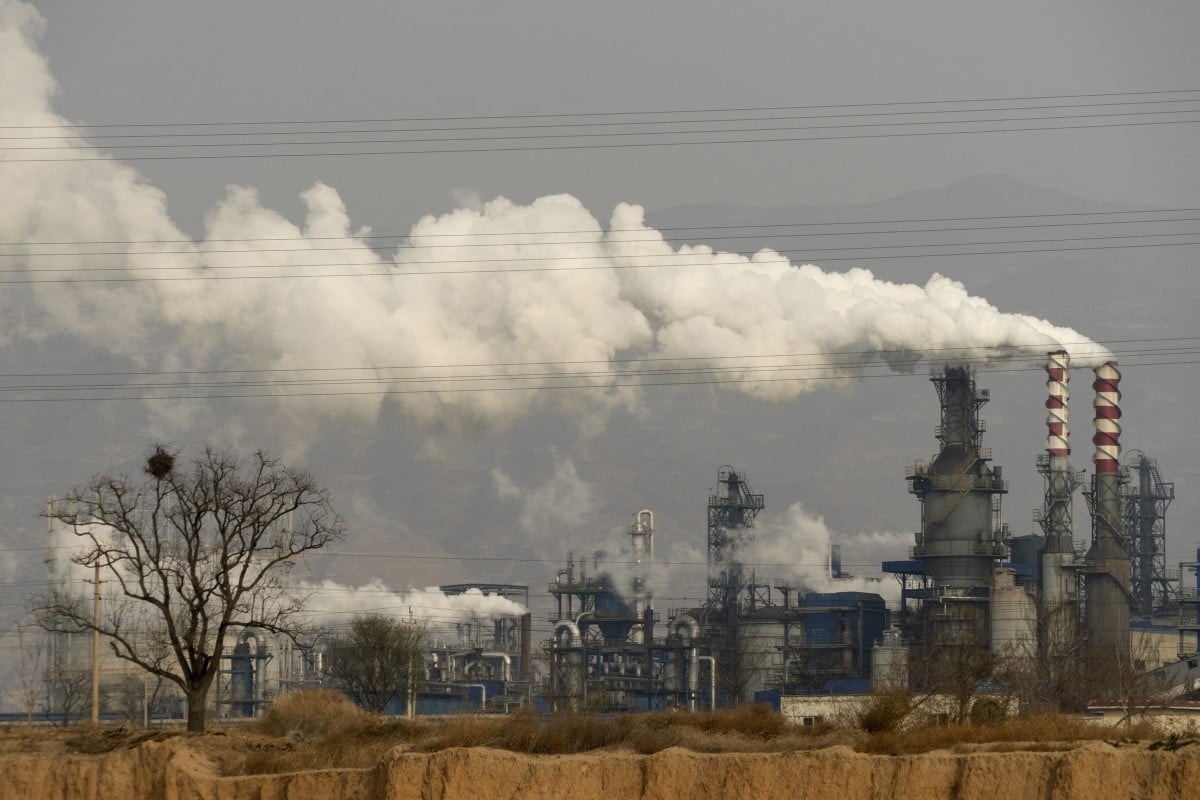
China now accounts for around 30 per cent of the world’s carbon emissions. Photo: AP
As world leaders gather in Spain to discuss how to slow the warming of the planet, the spotlight has fallen on China – the top emitter of greenhouse gases.
China burns about half the coal used globally each year. Between 2000 and 2018, its annual carbon emissions nearly tripled, and it now accounts for about 30 per cent of the world’s total.
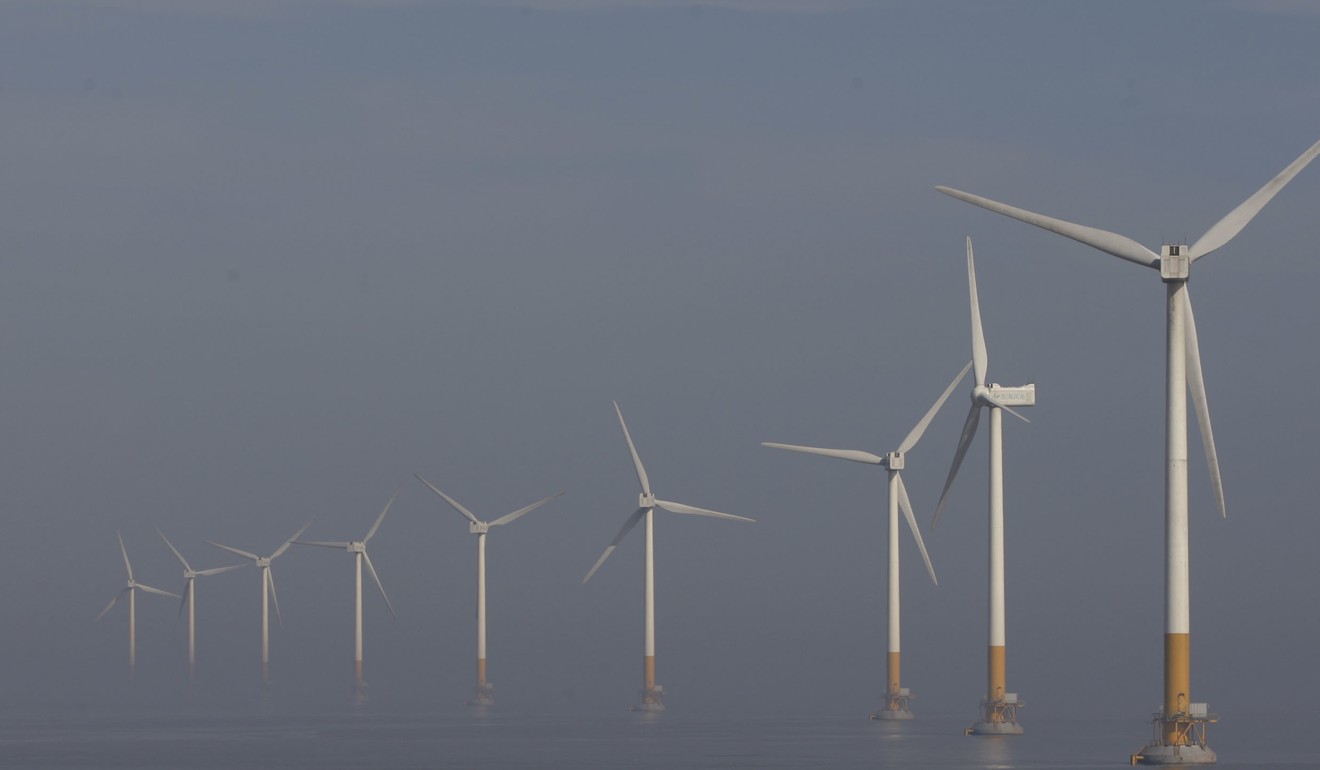
Yet it is also the leading market for solar panels, wind turbines and electric vehicles, and it manufactures about two-thirds of solar cells installed worldwide.
“We are witnessing many contradictions in China’s energy development,” said Kevin Tu, a Beijing-based fellow with the Centre on Global Energy Policy at Columbia University. “It’s the largest coal market and the largest clean energy market in the world.”
That apparent paradox is possible because of the sheer scale of China’s energy demands.
Pollution alarm as tourism businesses contaminate home of China’s hairy crab
But as China’s economy slows to the lowest level in a quarter century – around 6 per cent growth, according to government statistics – policymakers are doubling down on support for coal and other heavy industries, the traditional backbones of China’s energy system and economy. At the same time, the country is reducing subsidies for renewable energy.
At the annual United Nations climate summit, this year in Madrid, government representatives will put the finishing touches on implementing the 2015 Paris Agreement, which set a goal to limit future warming to 1.5 to 2 degrees Celsius above pre-industrial levels.
Nations may decide for themselves how to achieve it.
China had previously committed to shifting its energy mix to 20 per cent renewables, including nuclear and hydroelectric energy.
Climate experts generally agree that the initial targets pledged in Paris will not be enough to reach the goal, and next year nations are required to articulate more ambitious targets.
Hopes that China would offer to do much more are fading.
Recent media reports and satellite images suggest that China is building or planning to complete new coal power plants with total capacity of 148 gigawatts – nearly equal to the entire coal-power capacity of the European Union within the next few years, according to an analysis by Global Energy Monitor, a San Francisco-based non-profit.
China is the world’s leading market for wind turbines and other renewables – but is still a major source of emissions. Photo: Chinatopix via AP
Meanwhile, investment in China’s renewable energy dropped almost 40 per cent in the first half of 2019 compared with the same period last year, according to Bloomberg New Energy Finance, a research organisation. The government slashed subsidies for solar energy.
Last week in Beijing, China’s vice-minister of ecology and environment told reporters that non-fossil-fuel sources already account for 14.3 per cent of the country’s energy mix. He did not indicate that China would embrace more stringent targets soon.
“We are still faced with challenges of developing our economy, improving people’s livelihood,” Zhao Yingmin said.
As a fast-growing economy, it was always inevitable that China’s energy demands would climb steeply. The only question was whether the country could power a sufficiently large portion of its economy with renewables to curb emissions growth.
Many observers took hope from a brief dip in China’s carbon emissions between 2014 and 2016. Today the country’s renewed focus on coal comes as a disappointment.
“Now there’s a sense that rather than being a leader, China is the one that is out of step,” said Lauri Myllyvirta, lead analyst at the Centre for Research on Energy and Clean Air in Helsinki.
He notes that several developed countries – including Germany, South Korea and the United States – are rapidly reducing their reliance on coal power.
After climbing sharply for two decades, China’s emissions stalled around 2013 and then declined slightly in 2015 and 2016, according to Global Carbon Budget, which tracks emissions worldwide.
This dip came as Chinese leaders declared a “war on pollution” and suspended the construction of dozens of planned coal power plants, including some in Shanxi.
Pollution scandal near China nature reserve at Tengger desert’s edge
At the same time, the government required many existing coal operators to install new equipment in chimneys to remove sulphur dioxide, nitrous oxide and other hazardous substances. About 80 per cent of coal plants now have scrubbers, said Alvin Lin, Beijing-based China climate and energy policy director for the Natural Resources Defence Council, a non-profit.
As a result, the air quality in many Chinese cities, including Beijing, improved significantly between 2013 and 2017. Residents long accustomed to wearing face masks and running home air-filter machines enjoyed a reprieve of more “blue sky days,” as low-pollution days are known in China.
In the past three years, China’s carbon emissions have begun to rise again, according to Global Carbon Budget.
The coming winter in Beijing may see a return of prolonged smog, as authorities loosen environmental controls on heavy industry – in part to compensate for other slowing sectors in the economy.
The UN Climate Change Conference is taking place in Madrid this month. Photo: AFP
Permits for new coal plants proliferated after regulatory authority was briefly devolved from Beijing to provincial governments, which see construction projects and coal operations as boosts to local economies and tax bases, said Ted Nace, executive director of Global Energy Monitor.
“It’s as though a boa constrictor swallowed a giraffe, and now we’re watching that bulge move through the system,” said Nace. In China, it takes about three years to build a coal plant.
The world has already warmed by 1 degree Celsius. All scenarios envisioned by the Intergovernmental Panel on Climate Change for holding planetary warming to around 1.5 degrees Celsius involve steep worldwide reductions in coal-power generation.
In that effort, other countries rely on Chinese manufacturing to hold down prices on solar panels. wind turbines and lithium-ion batteries.
“China has a really mixed record. On the one hand, it’s seen rapidly rising emissions over the past two decades,” said Jonas Nahm, an energy expert at Johns Hopkins University.
“On the other hand, it’s shown it’s able to innovate around manufacturing – and make new energy technologies available at scale, faster and cheaper.”
(Reuters) – Asian companies dominate the market for electric vehicle (EV) batteries and they are expanding their production capacity in Europe, China and the United States in a fight to win lucrative contracts from global automakers.
Some carmakers worry, however, there won’t be enough batteries for all the EVs they plan to launch in the coming years and a bitter row between South Korea’s SK Innovation and LG Chem risks exacerbating the potential shortfall.
Below are details of the world’s leading EV battery makers with details of their customers and expansion plans:
CATL
China’s Contemporary Amperex Technology (CATL), the world’s biggest EV battery maker, counts BMW (BMWG.DE), Volkswagen (VOWG_p.DE), Daimler (DAIGn.DE) – which makes Mercedes cars – Volvo, Toyota Motor Corp (7203.T) and Honda Motor Co (7267.T) among its customers.
The company emerged as a major force partly thanks to Beijing’s policy of only subsidising vehicles equipped with Chinese batteries in the world’s biggest EV market. Beijing is phasing out EV subsidies next year.
CATL, which operates factories in China, is building its first overseas plant in Germany and is considering a U.S. factory.
Japan’s Panasonic, a supplier of U.S. EV pioneer Tesla (TSLA.O), said it has installed equipment to ramp up production at Tesla’s Nevada plant to 35 GWh from its current production of around 30 GWh as of late October. Panasonic has said it is investing about $1.6 billion in the factory.
Panasonic also produces EV batteries in Japan, China and plans to shift some of its plants to a new joint venture with Toyota. Panasonic’s clients also include Honda and Ford Motor Company (F.N).
China’s BYD, which is backed by U.S. investor Warren Buffett, is also one of the world’s biggest EV battery makers. It mainly uses them in-house for its own cars and buses. BYD said last year it is was considering cell production in Europe.
The South Korean firm was an early industry mover, winning a contract to supply General Motor’s (GM.N) Volt in 2008. It also supplies Ford, Renault (RENA.PA), Hyundai Motor (005380.KS), Tesla, Volkswagen and Volvo.
It is investing 3.3 trillion won ($2.8 billion) to build and expand production facilities near Tesla’s plant in Shanghai. It has a joint venture (JV) in China with Geely Automobile Holdings (0175.HK), which makes Volvos, and is in talks with other carmakers about JVs in major markets.
The firm is considering building a second U.S. factory in addition to its facility in Michigan and is expanding its plant in Poland.
SAMSUNG SDI CO LTD (006400.KS) Samsung SDI an affiliate of South Korean tech giant Samsung Electronics (005930.KS), has EV battery plants in South Korea, China and Hungary, which supply customers such as BMW (BMWG.DE), Volvo and Volkswagen. Samsung SDI is investing about 1.2 billion euros ($1.3 billion) to expand its factory in Hungary though the EU is investigating whether Budapest’s financial support complies with the bloc’s state aid rules.
Samsung started production last year on the Hungary plant, which will produce batteries for 50,000 EVs a year.
SK INNOVATION CO LTD (096770.KS) LG Chem’s cross-town rival SK Innovation supplies batteries to Volkswagen, Daimler and Kia Motors (000270.KS), as well as Jaguar Land Rover [TAMOJL.UL] and Ferrari (RACE.MI).
An oil refiner that came to the battery industry late, SKI is investing about $3.9 billion to build three plants in the United States, China and Hungary, with a goal of expanding its annual production capacity to 33 GWh by 2022.
SKI currently operates one battery factory in South Korea, with a capacity of 4.7 GWh annually.
It set up a joint venture with Beijing Automotive Industry Corporation (BAIC) of China in August 2018 and another Chinese partner. It is in talks with Volkswagen about another battery JV and is building a $1.7 billion factory in the U.S. state of Georgia, not far from Volkswagen’s Chattanooga plant.
The president is set to become the first Russian leader to make a state visit to the Philippines for more than 40 years, according to a former envoy
Moscow is aware of China’s entry into the Philippines, and could have its eye on some projects there, while the US is also watching developments
Russian President Vladimir Putin and Philippine President Rodrigo Duterte shake hands during a 2016 meeting in Peru. Photo: EPA
The timing of Moscow’s announcement over the weekend that President Vladimir Putin
has accepted an invitation to visit Manila has raised eyebrows, as it comes on the eve of crucial bilateral talks between the Philippines and China on joint oil exploration in the
In a statement immediately welcomed by the Philippine presidential palace, Igor Khovaev, Russia’s ambassador to the Philippines, on Saturday told reporters Putin had accepted Duterte’s invitation “with gratitude”.
No date has been set for the visit, with Khovaev only saying Moscow would “do our best to arrange this meeting as soon as possible”.
A steering committee with representatives from both Manila and Beijing is set to meet this week to discuss the joint oil exploration deal. China has proposed a 60 per cent-40 per cent split in favour of the Philippines, according to Hermogenes Esperon,
Courting Russia with South China Sea oil is a ‘dangerous gamble’ for Duterte
Neither side has clarified if the split refers to ownership or revenue, and no other details were disclosed.
After an August meeting with Duterte, Chinese President Xi Jinping said the countries could take a “bigger step” in jointly developing oil and gas resources if they could properly handle their sovereignty dispute in the South China Sea.
But defence and security analysts say the Philippine president took a “dangerous gamble” on a visit to Russia last month, when he invited the Russian state oil company Rosneft to explore for oil in Philippine waters – which include parts of the South China Sea claimed by China.
The timing of Moscow’s announcement has not gone unnoticed.
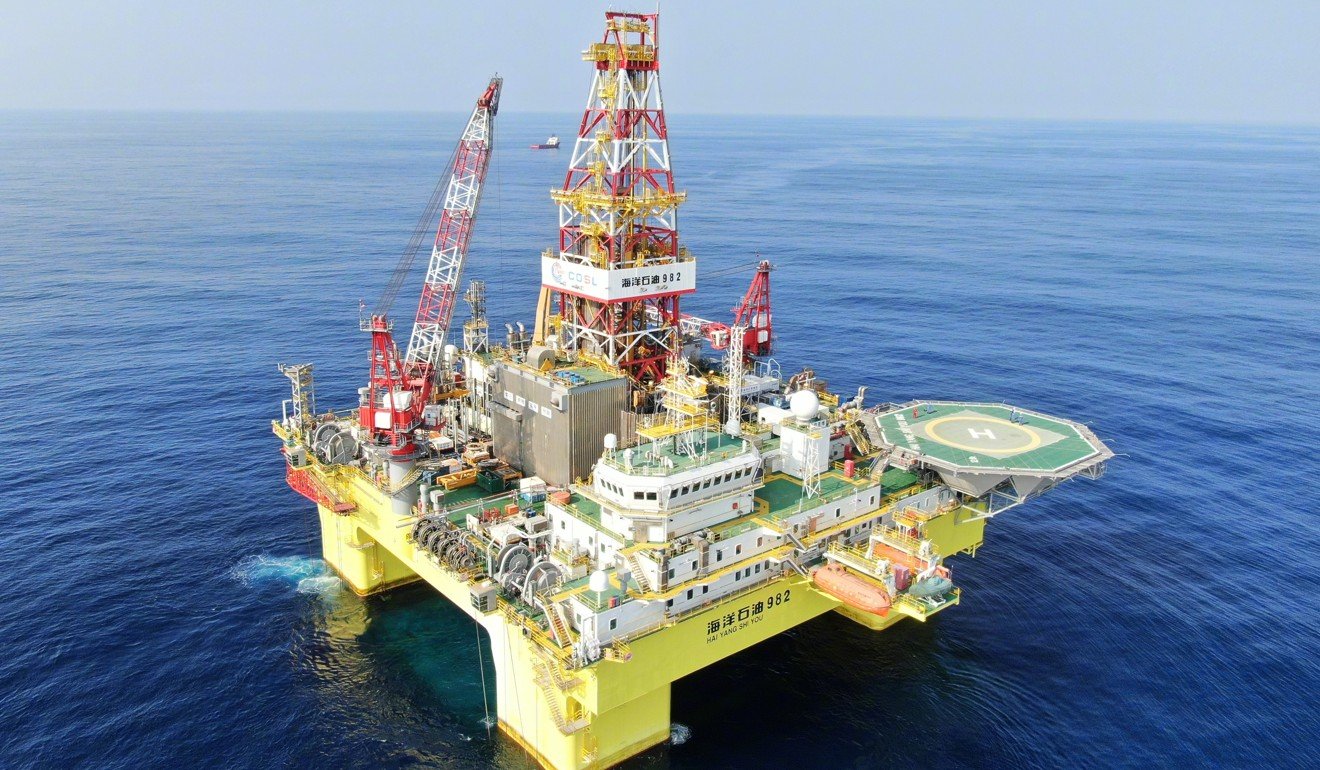
A Chinese deepwater oil rig in the South China Sea. Photo: Weibo
“It’s a welcome and historic development. Some wise guy in the Duterte government thought about timing [the invitation to Putin around the oil talks with Beijing],” said retired Philippine ambassador Lauro Baja, who once served as president of the United Nations Security Council.
Baja told the Post that no Russian president had visited the Philippines during his more than 40 years with the Department of Foreign Affairs.
“The Philippines then was almost a nonentity as far as Russia was concerned, [but] maybe now Russia recognises the strategic importance of the Philippines [in terms of] regional politics,” he said.
Baja said Moscow was aware of China’s entry into the Philippines, and could have its eye on some projects there.
“For all their so-called alliance, China and Russia are fierce competitors for influence and other benefits. And I think Russia has some objectives in mind like selling armaments and [forging] technological agreements,” he said, while cautioning that the situation remained “nebulous”.
New Philippines military chief sees no ‘shooting war’ in South China Sea despite disputes
“It’s a fascinating development but things are still early … For now, this is [just] an invitation extended by Duterte and accepted in principle by Putin.”
The United States will also be monitoring developments in the Philippines, according to Greg Poling, director of the Washington-based Centre for Strategic and International Studies’ Asia Maritime Transparency Initiative.
“Russia is eager to boost its influence in the region, and doubtless doing so with a long-standing US ally is seen as a bonus by Moscow,” he said. “There is nothing that prevents the Philippines from engaging in security cooperation with Russia, but the devil will be in the details.”
Poling added that the US would be concerned if Russia-Philippine cooperation involved acquiring military platforms that were incompatible with the shared platforms and doctrines used by Washington and Manila, as well as the latter’s other major security partners, namely Australia, Japan and South Korea.
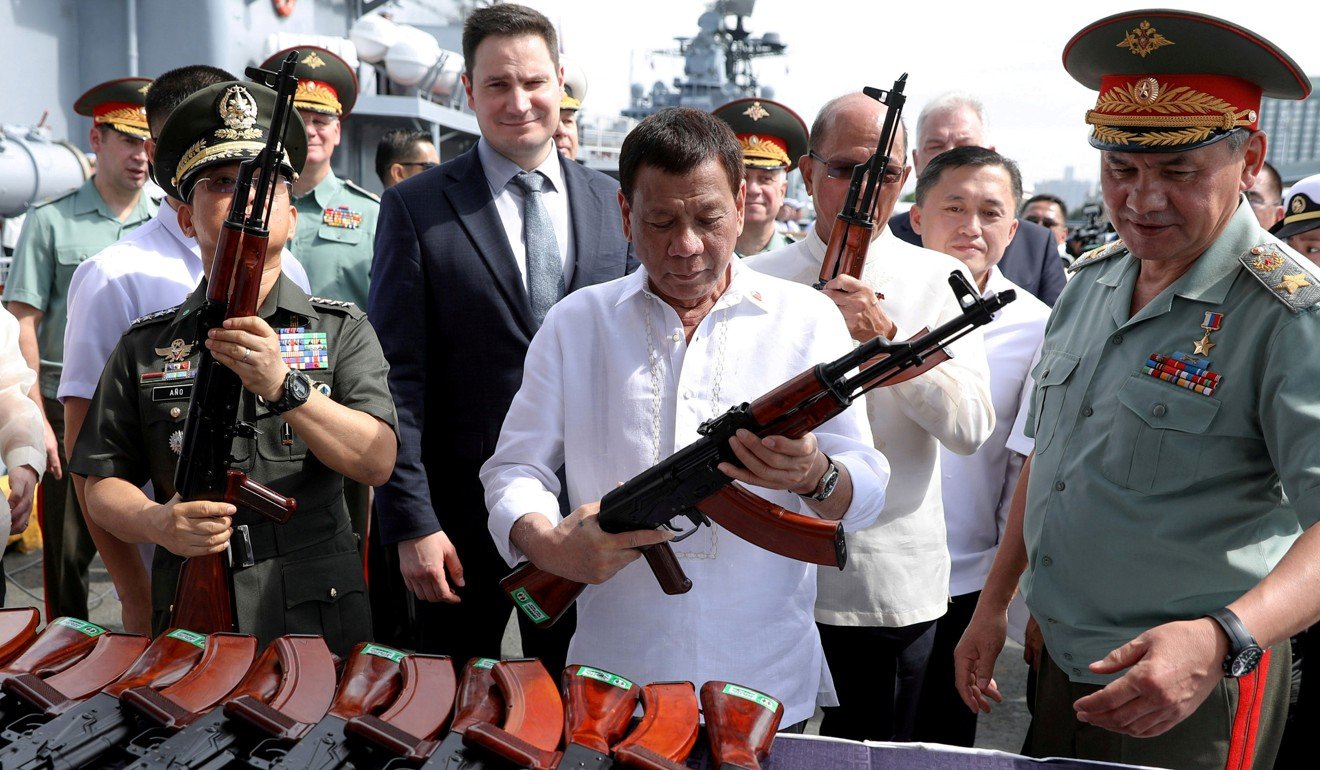
Philippine President Rodrigo Duterte inspects firearms donated by Russia in 2017. Photo: Reuters
“The US will also be concerned if any acquisitions or cooperation with Russia might threaten information security or intelligence cooperation between the US and the Philippines,” he said.
“And finally, any major platforms acquired from Russia would likely require the US to impose sanctions on the Philippines unless a waiver is granted, and the US government has been very stingy about awarding those waivers because they undermine the effectiveness of the sanctions regime.”
“Imagine a US stronghold and long-time ally and former colony becoming a manufacturing hub for Russian arms. And it makes it worse if [the Philippine armed forces] buys them too,” he said.
“Weakening the US alliances in Asia will benefit Russia [as it is] one of the US’ competitors in arms sales and geopolitics.”
Russia offers arms technology to the Philippines with ‘no conditions’ as US ties falter
The Philippines, Montero said, would benefit from such an arrangement since it is “a laggard in defence technology”. However, he pointed out that the country’s armed forces continue to buy weapons from the US and receive American arms as grants, potentially limiting the domestic market for Russian arms.
Navy cooperation has also been on the agenda, as Moscow and Manila discussed signing a new naval pact in March, while warships from each country have visited the other this year. Philippine naval vessels made their first-ever visit to Russia in October, while three Russian ships docked in the Philippines for a goodwill visit in January.
Russia is the top supplier of arms to Southeast Asia, and the No 2 global arms supplier, behind the US. Southeast Asia bought US$6.6 billion of Russian arms between 2010 and 2017, or more than 12 per cent of Russia’s sales, according to the Stockholm International Peace Research Institute, a Swedish think tank that publishes global arms tracking data.







 CHINDIA ALERT: You'll be living in their world, very soon