31/05/2020
BEIJING (Reuters) – China announced on Sunday two new confirmed cases of coronavirus and four new asymptomatic cases, including one person without symptoms of COVID-19 on a chartered flight from Germany.
The two confirmed cases in Shandong province on Saturday compared with four cases the day before, data from the country’s health authority showed.
The National Health Commission (NHC) confirmed three new asymptomatic cases on Saturday.
On Sunday, the Chinese city of Tianjin confirmed one asymptomatic person, a passenger arriving from Frankfurt on a chartered Lufthansa flight, LH342, to Tianjin. This case was discovered between midnight and 6 a.m. local time on Sunday, the city’s daily statements show.
These charter flights are part of an accelerated entry procedure offered by Beijing as China and Germany seek to reignite their economies after months of lockdown. The flight to Tianjin carried about 200 passengers, mostly German business executives.
Lufthansa has another charter flight scheduled for Shanghai on Wednesday.
A 34-year-old German engineer tested positive for the coronavirus after arriving in Tianjin but he does not have any symptoms, the Tianjin government said on its official social media platform Weibo.
The asymptomatic patient has been transferred to a local hospital to be placed under medical observation, the Tianjin government said, adding that the whole process was a “closed loop”, meaning posing no great risk to the Chinese public.
Source: Reuters
Posted in accelerated, announced, arriving, asymptomatic case, ASYMPTOMATIC CASES, “closed loop”, Beijing, business executives, charter, charter flights, chartered, chartered flight, China, Chinese city, Chinese public, confirmed, confirmed cases, coronavirus, coronavirus cases, COVID-19, daily statements, discovered, economies, engineer, entry procedure, flight, Frankfurt, German, Germany, Government, great risk, health authority, local hospital, local time, lockdown, Lufthansa, medical observation, midnight, months, National Health Commission (NHC), offered, Official, passenger, passengers, placed, posing, reignite, scheduled, shandong province, Shanghai, social media platform, tested positive, Tianjin, transferred, Uncategorized, Weibo, whole process |
Leave a Comment »
25/04/2020
- But trade with partner countries might not be as badly affected as with countries elsewhere in the world, observers say
- China’s trade with belt and road countries rose by 3.2 per cent in the January-March period, but second-quarter results will depend on how well they manage to contain the pathogen, academic says
China’s investment in foreign infrastructure as part of its Belt and Road Initiative has been curtailed because of the coronavirus pandemic. Photo: Xinhua
The
coronavirus pandemic is set to cause a slump in Chinese investment in its signature
and a dip in trade with partner countries that could take a year to overcome, analysts say.
But the impact of the health crisis on China’s economic relations with nations involved in the ambitious infrastructure development programme might not be as great as on those that are not.
China’s total foreign trade in the first quarter of 2020 fell by 6.4 per cent year on year, according to official figures from Beijing.
Trade with the United States, Europe and Japan all dropped in the period, by 18.3, 10.4 and 8.1 per cent, respectively, the commerce ministry said.
By comparison, China’s trade with belt and road countries increased by 3.2 per cent in the first quarter, although the growth figure was lower than the 10.8 per cent reported for the whole of 2019.
China’s trade with 56 belt and road countries – located across Africa, Asia,
Europe and South America – accounts for about 30 per cent of its total annual volume, according to the commerce ministry.
Despite the first-quarter growth, Tong Jiadong, a professor of international trade at Nankai University in Tianjin, said he expected China’s trade with belt and road countries to fall by between 2 and 5 per cent this year.
His predictions are less gloomy than the 13 to 32 per cent contraction in global trade forecast for this year by the
World Trade Organisation.
“A drop in [China’s total] first-quarter trade was inevitable but it slowly started to recover as it resumed production, especially with Southeast Asian, Eastern European and Arab countries,” Tong said.
“The second quarter will really depend on how the epidemic is contained in belt and road countries.”
Nick Marro, Hong Kong-based head of global trade at the Economist Intelligence Unit, said he expected China’s total overseas direct investment to fall by about 30 per cent this year, which would be bad news for the belt and road plan.
“This will derive from a combination of growing domestic stress in China, enhanced regulatory scrutiny over Chinese investment in major international markets, and weakened global economic prospects that will naturally depress investment demand,” he said.
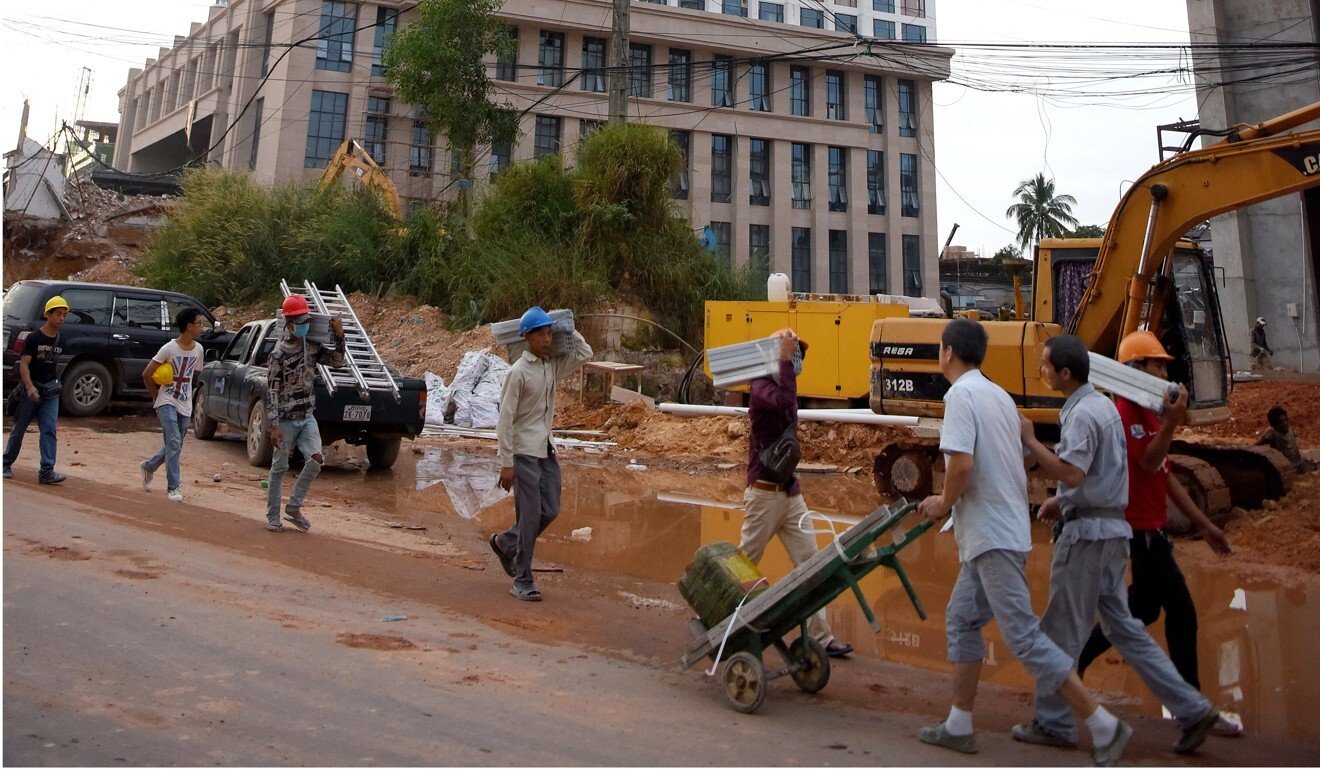
The development of the Chinese built and operated special economic zone in the Cambodian town of Sihanoukville is reported to have slowed, while infrastructure projects in Bangladesh, including the Payra coal-fired power plant, have been put on hold.
The development of the Chinese built and operated special economic zone in the Cambodian town of Sihanoukville is reported to have slowed. Photo: AFP
Marro said the reduction of capital and labour from China might complicate other projects for key belt and road partner, like Pakistan, which is home to infrastructure projects worth tens of billions of US dollars, and funded and built in large part by China.
“Pakistan looks concerning, particularly in terms of how we’ve assessed its sovereign and currency risk,” Marro said.
“Public debt is high compared to other emerging markets, while the coronavirus will push the budget deficit to expand to 10 per cent of GDP [gross domestic product] this year.”
Last week, Pakistan asked China for a 10-year extension to the repayment period on US$30 billion worth of loans used to fund the development of infrastructure projects, according to a report by local newspaper Dawn.
China’s overseas investment has been falling steadily from its peak in 2016, mostly as a result of Beijing’s curbs on capital outflows.
Last year, the direct investment by Chinese companies and organisations other than banks in belt and road countries fell 3.8 per cent from 2018 to US$15 billion, with most of the money going to South and Southeast Asian countries, including Singapore, Vietnam, Indonesia and Pakistan.
Tong said the pandemic had made Chinese investors nervous about putting their money in countries where disease control measures were becoming increasingly stringent, but added that the pause in activity would give all parties time to regroup.
“Investment in the second quarter will decline and allow time for the questions to be answered,” he said.
“Past experience along the belt and road has taught many lessons to both China and its partners, and forced them to think calmly about their own interests. The epidemic provides both parties with a good time for this.”
Dr Frans-Paul van der Putten, a senior research fellow at Clingendael Institute in the Netherlands, said China’s post-pandemic strategy for the
belt and road in Europe
might include a shift away from investing in high-profile infrastructure projects like ports and airports.
Investors might instead cooperate with transport and logistics providers rather than invest directly, he said.
“Even though in the coming years the amount of money China loans and invests abroad may be lower than in the peak years around 2015-16, I expect it to maintain the belt and road plan as its overall strategic framework for its foreign economic relations,” he said.
Source: SCMP
Posted in 10-year, 2018, 2019, 2020, 30, academic, according, accounts, across, activity, africa, airports, allow, ambitious, analysts, annual volume, answered, Arab countries, Asia, bad news, Bangladesh, because, Beijing, Belt and Road Initiative, belt and road plan, billion, billions, budget deficit, Cambodian, capital, capital outflows, cause, China, China’s, Chinese, Clingendael Institute, combination, Commerce Ministry, compared, comparison, complicate, contained, contraction, cooperate, coronavirus, Coronavirus pandemic, countries, curbs, Currency, curtailed, Dawn, decline, demand, depend, depress, derive, development, dip, direct investment, disease control measures, domestic stress, dropped, Eastern European, economic prospects, economic relations, Economist Intelligence Unit, elsewhere, Emerging markets, enhanced, epidemic, especially, Europe, extension, fall, falling, Fell, figure, first-quarter, forecast, foreign, foreign trade, GDP [gross domestic product], global trade, gloomy, great, growth, health crisis, high, impact, increased, increasingly, Indonesia, inevitable, Infrastructure, infrastructure projects, international markets, International trade, Investment, investors, involved, January, Japan, Labour, last week, loans, local newspaper, located, logistics, lower, Major, manage, March, might not, nations, naturally, nervous, Netherlands, observers, official figures, on hold, other, overall strategic framework, overcome, overseas, Pakistan, pandemic, parties, partner, pathogen, pause, Payra coal-fired power plant,, per cent, Period, ports, predictions, production, professor, programme, providers, Public debt, put, questions, recover, reduction, regroup, regulatory scrutiny, repayment, reported, results, resumed, Risk, second-quarter, signature, Singapore, slowed, slower, slump, South, South America, Southeast Asian, sovereign, special economic zone, stringent, take, this year, Tianjin, time, Total, town, Trade, Transport, Uncategorized, United States, US dollars, US$30, Vietnam, weakened, while, World, world trade organisation, worth, year, year-on-year |
Leave a Comment »
28/03/2020
SHANGHAI (Reuters) – China’s authorities plan stronger steps to revive an economy hit by the spread of coronavirus, as the nation on Saturday reported no new locally transmitted infections for the previous day.
The ruling Communist Party’s Politburo said on Friday it would step up macroeconomic policy adjustments and pursue more proactive fiscal policy, state media reported. With the world’s second-biggest economy expected to shrink for the first time in four decades this quarter, China is set to unleash hundreds of billions of dollars in stimulus.
The Politburo called for expanding the budget deficit, issuing more local and national bonds, guiding interest rates lower, delaying loan repayments, reducing supply-chain bottlenecks and boosting consumption.
“We expect government ministries to roll out more tangible measures in the coming weeks as this Politburo meeting gave them no choice but to do more,” Goldman Sachs analysts said in a note.
The Politburo did not elaborate on plans for the central government to issue special treasury bonds, which would be the first such issuance since 2007.
Restrictions on foreigners entering the country went into effect on Saturday, as China reported no new locally transmitted infections and a small drop in so-called imported cases.
Airlines have been ordered to sharply cut international flights from Sunday.
Beijing has in recent days emphasised the risk posed by imported virus cases after widespread lockdowns within China helped to sharply reduce domestic transmissions. The Politburo said it would shift its focus to prevent more imported cases and a rebound in locally transmitted infections.
“We must be extremely vigilant and cautious, and we must prevent the post-epidemic relaxation from coming too soon, leading to the loss of all our achievements,” the Communist Party’s official People’s Daily newspaper said in a front-page editorial.
The authorities also reversed planned reopenings of movie theatres, the state-owned China Securities Journal reported, citing sources.
DEATH TOLL AT 3,295
China’s National Health Commission said on Saturday that 54 new coronavirus cases were reported on the mainland on Friday, all imported cases. There were 55 new cases a day earlier, one of which was transmitted locally.
The number of infections for mainland China stands at 81,394, with the death toll rising by three to 3,295, the commission said.
Hubei province reported no new cases, and three new deaths. The province of 60 million, where the virus was first detected, has recorded 67,801 coronavirus cases and 3,177 deaths.
Shanghai reported the highest number of new cases, with 17. An additional 11 cases were reported in Guangdong, six in Fujian, five in Tianjin, four in Zhejiang, three each in Beijing and Liaoning, two each in Inner Mongolia and Jilin, and one in Shandong.
Chinese President Xi Jinping told U.S. President Donald Trump on Friday that China would support U.S. efforts to fight the coronavirus.
The number of confirmed cases of coronavirus in the United States rose by at least 16,000 on Friday to nearly 102,000, the most of any country.
George Gao, the director-general of the Chinese Center for Disease Control and Prevention, urged people to wear masks to control the virus’s spread overseas.
Gao told the journal Science in an interview published late on Friday that the “big mistake in the United States and Europe has been the failure to wear masks, which “can prevent droplets that carry the virus from escaping and infecting others.”
Source: Reuters
Posted in Beijing, China, Chinese Center for Disease Control and Prevention, Chinese President Xi Jinping, coronavirus, dwindle, Europe, Fujian, Guangdong, hubei province, Jilin, Liaoning, local, National Health Commission, Politburo, readies, shandong province, Shanghai, stimulus measures, Tianjin, U.S. President Donald Trump, Uncategorized, United States, virus cases, zhejiang province |
Leave a Comment »
27/03/2020
BEIJING/SHANGHAI (Reuters) – Chinese President Xi Jinping told U.S. President Donald Trump during a phone call on Friday that he would have China’s support in fighting the coronavirus, as the United States faces the prospect of becoming the next global epicentre of the pandemic.
The United States now has the most coronavirus cases of any country, with 84,946 infections and 1,259 deaths. Hospitals in cities like New York and New Orleans struggle to cope with the wave of patients.
Xi’s offer of assistance came amid a long-running war of words between Beijing and Washington over various issues including the coronavirus epidemic.
Trump and some U.S. officials have accused China of a lack of transparency on the virus, and Trump has at times called the coronavirus a “China virus” as it originated there, angering Beijing.
In the call, Xi reiterated to Trump that China had been open and transparent about the epidemic, according to an account of the conversation published by the Chinese foreign ministry.
Trump said on Twitter that he discussed the coronavirus outbreak “in great detail” with Xi.
“China has been through much & has developed a strong understanding of the virus,” Trump said. “We are working closely together. Much respect!”.
The World Health Organization has said the United States, which saw 17,099 new coronavirus cases and 281 deaths in the past 24 hours, is expected to become the epicentre of the pandemic.
CHINA CUTS FLIGHTS
Like U.S. hospitals now, China’s medical system struggled to contain the coronavirus just two months ago, but draconian city lockdowns and severe travel restrictions has seen China dramatically ease the epidemic.
Mainland China on Friday reported its first local coronavirus case in three days and 54 new imported cases, as Beijing ordered airlines to sharply cut international flights, for fear travellers could reignite the coronavirus outbreak.
The 55 new cases detected on Thursday were down from 67 a day earlier, the National Health Commission said on Friday, taking the tally of infections to 81,340. China’s death toll stood at 3,292 as of Thursday, up by five from a day earlier.
The central province of Hubei, with a population of about 60 million, reported no new cases on Thursday, a day after lifting a lockdown and reopening its borders as the epidemic eased there.
The commercial capital of Shanghai reported the most new imported cases with 17, followed by 12 in the southern province of Guangdong and four each in the capital Beijing and the nearby city of Tianjin.
Shanghai now has 125 patients who arrived from overseas, including 46 from Britain and 27 from the United States.
In effect from Sunday, China has ordered its airlines to fly only one route to any country, on just one flight each week. Foreign airlines must comply with similar curbs on flights to China, although many had already halted services.
About 90% of current international flights into China will be suspended, cutting arrivals to 5,000 passengers a day, from 25,000, the civil aviation regulator said late on Thursday.
From Saturday, China will temporarily suspend entry for foreigners with valid visas and residence permits, in an interim measure, the foreign ministry added.
Before the new curbs, foreign nationals made up about a tenth of the roughly 20,000 travellers arriving on international flights every day, an official of China’s National Immigration Administration said last week.
As commercial flights dwindle, Chinese students from wealthy families are paying tens of thousands of dollars to fly home on private jets.
International demand for chartered and private flights into China increased 227% in March from a year earlier, said Shanghai-based private jet service provider iFlyPlus.
Notably, requests for flights from the United States to China rose 10-fold in late March, iFlyPlus told Reuters.
Source: Reuters
Posted in airlines, Beijing, borders, Britain, China’s, Chinese President Xi Jinping, city lockdowns, coronavirus, coronavirus epidemic, coronavirus outbreak, draconian, epicentre, fighting, Guangdong, hospitals, hubei province, iFlyPlus, international flights, lockdown, Mainland China, National Health Commission, New Orleans, New York, pandemic, patients, phone call, private jet service provider, reignited, Reuters, Shanghai, struggle, support, Tianjin, travellers, Twitter, U.S. President Donald Trump, Uncategorized, United States, Washington, World Health Organization |
Leave a Comment »
18/03/2020
- Company making front-runner appeals for people to take part in trial stage, which nine potential Chinese vaccines are set to enter in April
- US trialling vaccine that copies virus’ genetic code, amid international search for a drug to help limit the outbreak’s human and economic impact
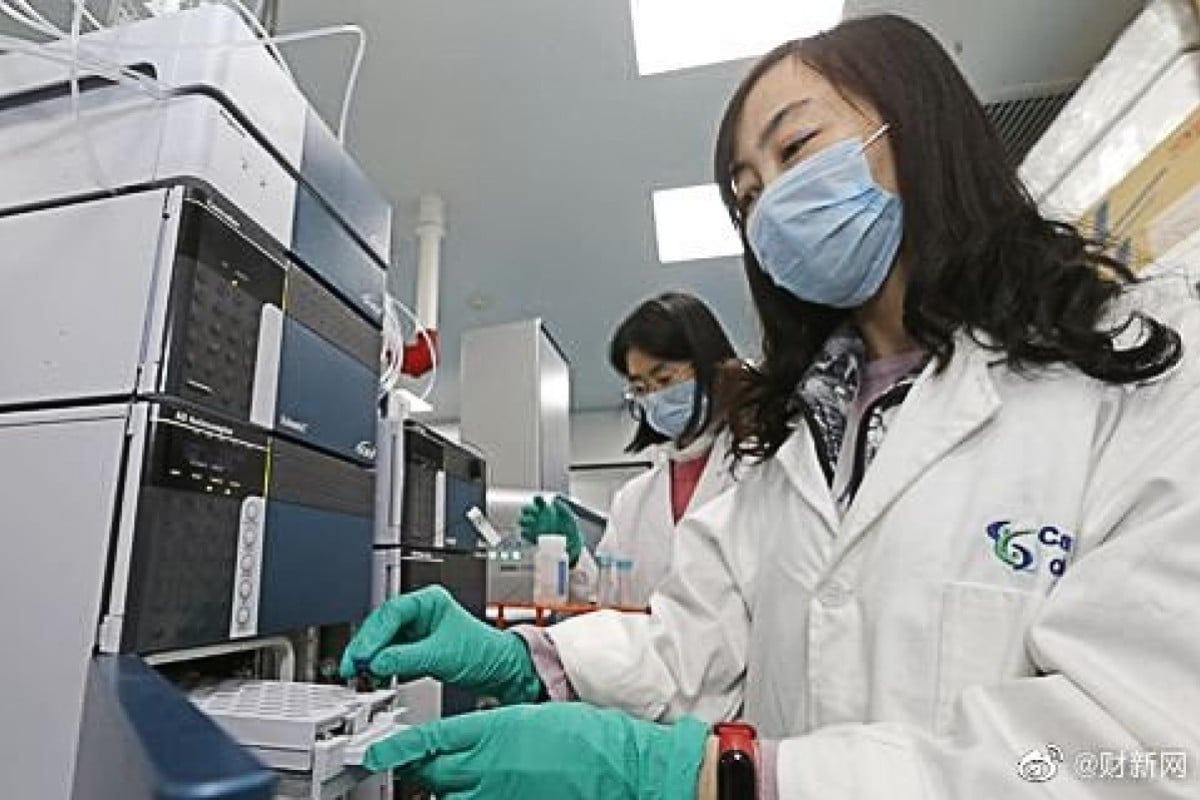
CanSino is recruiting healthy volunteers for a clinical trial of its vaccine candidate. Photo: Weibo
The race to develop a
Covid-19 vaccine is on, with the United States already starting a clinical trial and China close behind.
On Tuesday, vaccine producer CanSino Biologics, in Tianjin in China’s northeast, said it was looking for volunteers to take part in a six-month clinical trial of a treatment it had developed jointly with the Academy of Military Medical Sciences.
“The vaccine does not contain infectious substances, is highly safe and stable, and requires only one inoculation,” the Hubei Centre for Disease Control and Prevention (CDC) said in its request for volunteers.
Its announcement came a day after the first participant began a phase I trial for an experimental vaccine funded by the US National Institutes of Health and developed by biotech startup Moderna.
Chinese scientists identify two major types of the new coronavirus in preliminary study
It uses messenger ribonucleic acid (mRNA) technology that copies the genetic code of the virus instead of the actual virus. To date, no mRNA vaccine has been approved for humans.
China’s own mRNA vaccine candidate, jointly developed by the Chinese Centre for Disease Control and Prevention, Tongji University and Stermina in Shanghai, is undergoing animal trials and is expected to enter the clinical phrase in mid-April.
Developed by the CanSino and the Academy of Military Medical Sciences, the vaccine is the front-runner of nine that China is developing. All are in the process of completing preclinical trial studies and will enter clinical trials in April, with some expected to advance faster than others, according to Wang Junzhi, a biological products quality control expert and academician with the Chinese Academy of Sciences.
US Covid-19 testing accelerates as companies step in where government failed
“China’s research and development of a vaccine for the coronavirus is, generally speaking, among the most advanced in the world,” Wang said at a press briefing in Beijing on Tuesday. “[We] will not be slower than other countries.”
Coronavirus: Scientists dismiss claim that humans engineered the deadly contagion
Hopes have been pinned on developing a vaccine, especially for vulnerable groups such as the elderly, in the face of an epidemic with no known cure that has brought the world to a partial standstill.
Scientists around the world are conducting experiments, and the US is reported to have tried to buy a Germany vaccine developer so that it would supply to the US only – with the German government reportedly offering its own financial incentives for the biopharmaceutical company concerned, CureVac, to stay in the country.
“A vaccine is the most effective medical means for epidemic prevention and control as it can effectively stop the spread of the virus,” Lei Chaozi, director of science and technology at China’s Ministry of Education, said.
“Vaccines also play an important part in … stabilising the economy and enabling the country to return to normal as work and production resume.”
Why did a ‘cured’ coronavirus patient die in China? His widow wants answers
President Xi Jinping called for faster development of coronavirus vaccines and treatment drugs when he inspected the Academy of Military Medical Sciences two weeks ago.
About 1,000 Chinese scientists have been working on the push for vaccines, with nine vaccines developed through five different approaches, including an inactivated vaccine, a viral vector-based vaccine and a gene vaccine.
Wang said that the vaccines needed to satisfy strictly the relevant regulations and technical standards – as well as World Health Organisation requirements – before starting clinical trials.
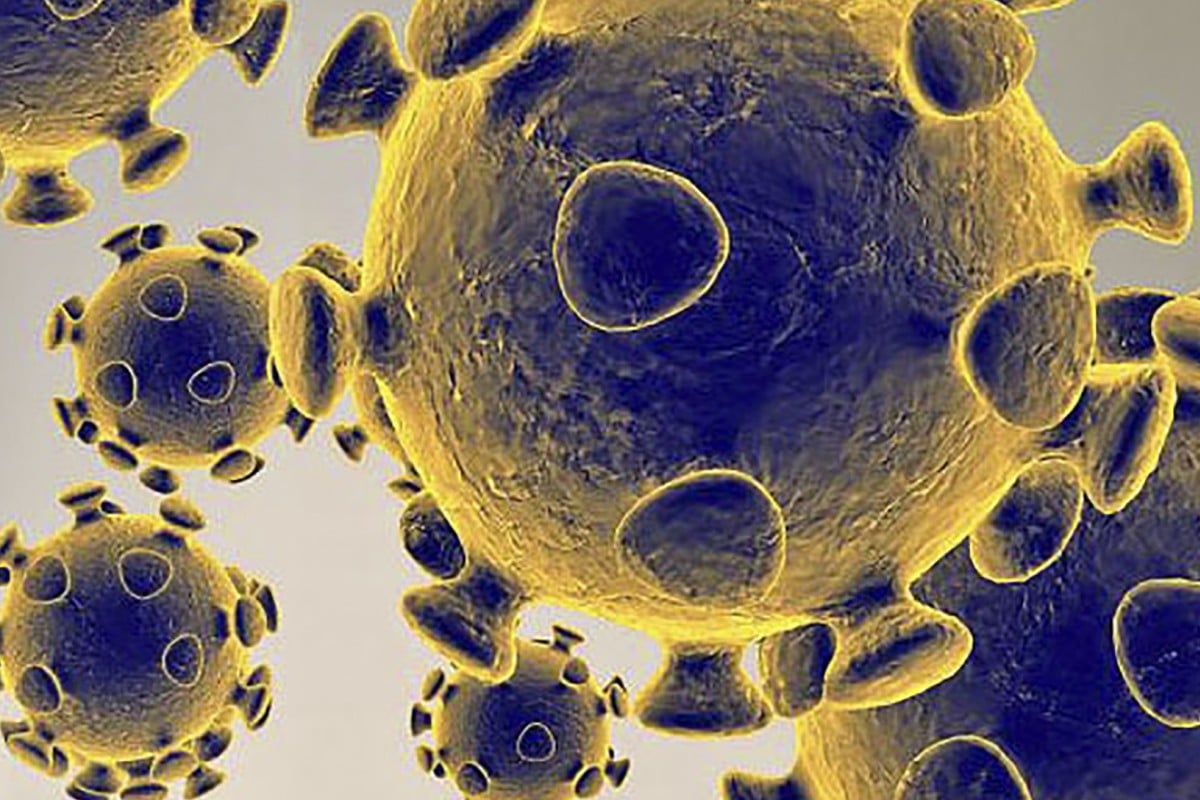
The potential vaccine developed by CanSino and military researchers, led by virologist Chen Wei, is genetically engineered. “Spikes” on the surface of the coronavirus bind to human cells and enable the virus to invade the human cells, causing the sometimes fatal infection known as Covid-19. In theory, vaccines can rehearse such an attack and trigger the human body to be primed to respond to a real infection.
CanSino has submitted the pre-investigational new drug review application for the Ad5-nCoV vaccine to Chinese regulatory authorities, and is in the process of submitting the related technical documents.
According to the Hubei CDC, volunteers for the trial must be 18 to 60 years old with no history of coronavirus infection.
Source: SCMP
Posted in Academy of Military Medical Sciences, CanSino, China, Chinese Academy of Sciences, Clinical trial, coronavirus, COVID-19, cure, CureVac, developing, Germany, global, Hubei CDC, Hubei Centre for Disease Control and Prevention (CDC), inoculation, messenger ribonucleic acid (mRNA), Moderna, potential, President Xi Jinping, race, Shanghai, Stermina, Tianjin, Uncategorized, United States, US National Institutes of Health, vaccines, volunteers, World Health Organisation |
Leave a Comment »
13/03/2020
- System analyses hundreds of images in seconds, then advises doctors what to do next
- China has offered free use of the machine around the world, but US Centres for Disease Control says it does not recommend using scans to diagnose Covid-19
Chinese doctors are using AI to help them diagnose Covid-19 patients. Photo: AFP
A supercomputer in China offers doctors around the world free access to an
artificial intelligence diagnostic tool for early identification of
Covid-19 patients based on a chest scan.
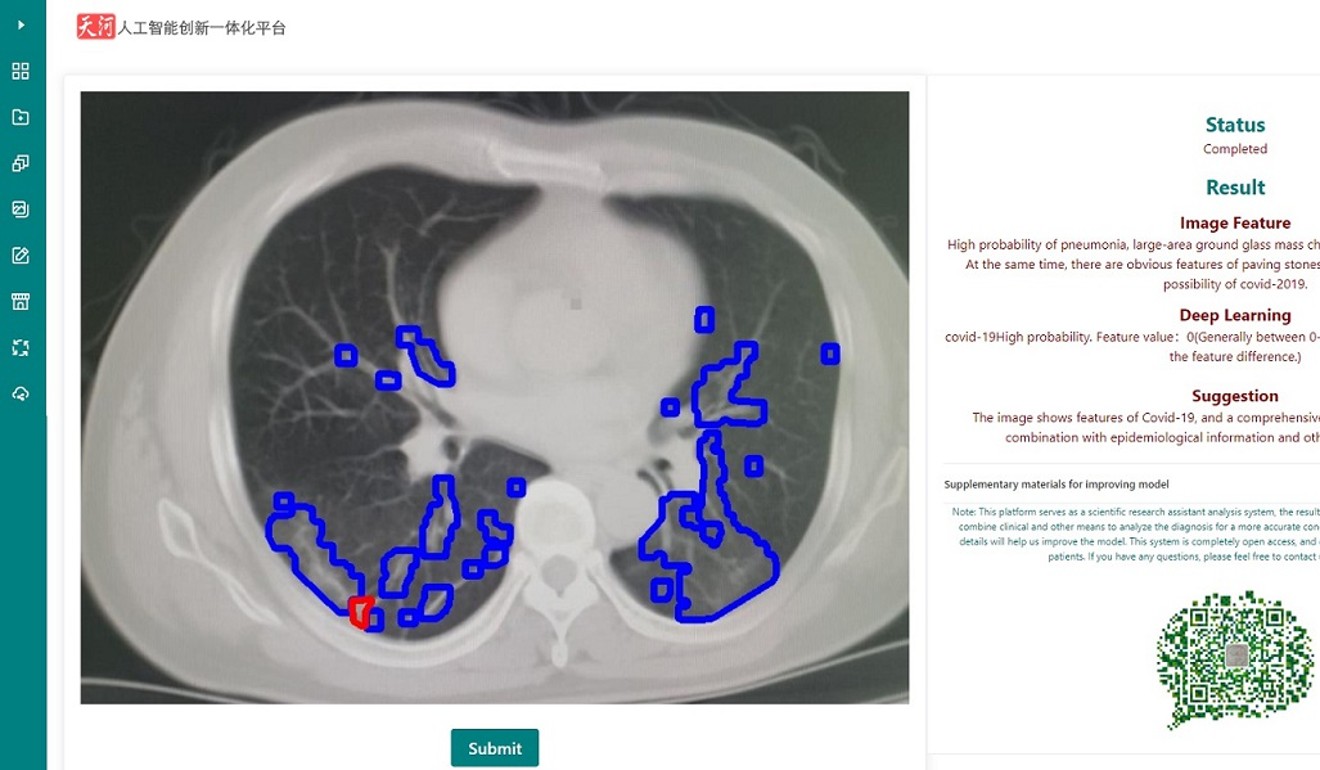
The AI system on the Tianhe-1 computer can go through hundreds of images generated by computed tomography (CT) and gave a diagnosis in about 10 seconds, according to the National Supercomputer Centre in Tianjin, which hosts the machine.
An employee at the facility said the results could then be used to help medical professionals – especially those in areas that have limited test kits or are hit by a sudden increase in suspected cases – to quickly distinguish between patients infected with the novel coronavirus and those with common pneumonia or another illness.
The accuracy of the analysis was higher than 80 per cent “and increasing steadily every day”, he said.
The system has an English interface and the reports it produces direct doctors to those areas of the patient’s lungs that require special attention by circling them in different colours.
It also provides an estimate of the likelihood of the person having contracted Covid-19, in a range from zero to 10, with lower numbers suggesting a higher probability of infection.
It even advises on what to do next, based on the experiences and lessons learned from doctors who have treated coronavirus patients.
Dr Xu Bo, a lead scientist on the project at Tianjin Medical University, said in an interview this week with Science and Technology Daily that the accuracy of the system was initially “rather poor”.
But the team worked round the clock to train the machine using the latest information from doctors with experience of Covid-19 and their clinical practices, he said.
The AI system directs doctors to those areas of the patient’s lungs that require special attention by circling them in different colours. Photo: Handout
As the number of samples increased, the AI’s performance improved significantly, and is now helping medical teams fighting the coronavirus in more than 30 hospitals in Wuhan and other cities.
Xu said that it would take an experienced doctor about 15 minutes to go through the 300 images generated by a CT scan, while the AI did the job in about 10 seconds.
The system could be accessed via a computer or even a mobile phone, he said.
The use of chest scans for diagnosis was first proposed by doctors fighting the Covid-19 epidemic in Wuhan. After the city went into lockdown, a large number of suspected patients appeared and testing them for infection using genetic methods took from several hours to several days. Many people are thought to have died while waiting for their results to come back.
In a series of studies, including a paper published in medical journal The Lancet, Chinese doctors showed that CT scans were a reliable tool because the lungs of coronavirus patients had features unseen in other diseases.
The Chinese government accepted their advice and said scan results could be used as credentials for treatment. Many scientists have said that decision played an important role in controlling the outbreak in the country.
But not all countries agree with that methodology. The US Centres for Disease Control, for instance, “does not currently recommend CXR or CT to diagnose Covid-19”.
It said the reason was that using scans would attract more suspected cases to hospitals and in turn raise the likelihood of them infecting other patients and staff.
The American College of Radiology said: “CT should not be used to screen for or as a first-line test to diagnose Covid-19.”
After the device was used on a suspected patient, it could take an hour to clean the test room, the college said on Wednesday.
A doctor working at a Beijing hospital treating Covid-19 patients said the CT machine could scan hundreds of patients a day in China, but because of the different protocols in some Western countries, the number there fell to just one or two.
“Governments should not let the CT sit idle during a major public health crisis,” she said.
“If you can’t give the people a test, give them a scan.”
Source: SCMP
Posted in American College of Radiology, Artificial intelligence, beijing hospital, chest scans, Chinese, computed tomography (CT), coronavirus, COVID-19 patients, diagnose, National Supercomputer Centre, patients, Science and Technology Daily, supercomputer, Tianhe-1 computer, Tianjin, Tianjin Medical University, Uncategorized, US Centres for Disease Control, Western countries, Wuhan |
Leave a Comment »
05/03/2020
TIANJIN, March 4 (Xinhua) — German shipping giant Hapag-Lloyd AG launched a direct freight route Wednesday linking north China’s Tianjin port with northern Europe, according to the company’s local branch.
The route is expected to further increase the shipment exported from Tianjin to European ports and European goods will also arrive in Tianjin through the direct route, said Tian Liqiang, with Hapag-Lloyd’s Tianjin branch.
The port of Tianjin, a major link in the Beijing-Tianjin-Hebei region, saw its container throughput rise 8.1 percent year on year in 2019, according to the Tianjin Port Group Co. Ltd.
Headquartered in Hamburg, Hapag-Lloyd AG is a leading global liner shipping company that reaches 600 ports worldwide.
Source: Xinhua
Posted in Beijing-Tianjin-Hebei region, China's, Direct, Europe, European goods, European ports, freight route, German, global liner shipping company, Hamburg, Hapag-Lloyd AG, Headquartered, launched, links, northern, Port, shipping giant, shipping route, throughput, Tianjin, Tianjin Port Group Co. Ltd., Uncategorized |
Leave a Comment »
05/02/2020
PARIS (Reuters) – Airbus (AIR.PA) has prolonged a planned closure of its final assembly plant in Tianjin, China, as a result of the coronavirus emergency, the planemaker said on Wednesday, adding it was monitoring for any signs of impact on deliveries.
It appears to be the first significant impact on aerospace production since the coronavirus outbreak, whose death toll has risen to nearly 500.
Airbus has said it is planning to raise output from the plant to six A320-family aircraft a month, just over 10% of Airbus narrowbody production, in early 2020 from a previous rate of four.
“The Tianjin final assembly line facility is currently closed,” Airbus said in a statement.
“Airbus is constantly evaluating the situation and monitoring any potential knock-on effects to production and deliveries and will try to mitigate via alternative plans where necessary.”
Industry sources said the Tianjin plant had been closed along with many businesses over the Chinese New Year but was due to reopen at the end of January.
The reopening has been suspended due to the virus outbreak hitting the logistics involved in keeping the line open.
Tianjin is one of two Airbus aircraft final assembly lines outside Europe, alongside a sister plant in Mobile, Alabama.
Source: Reuters
Posted in A320-family aircraft, Airbus, Airbus (AIR.PA), assembly plant, chinese new year, coronavirus, halts, Mobile, Alabama, output, Paris, planemaker, planned closure, prolonged, Tianjin, Uncategorized |
Leave a Comment »
26/11/2019
NANJING, Nov. 25 (Xinhua) — China’s rocket-carrying ships Yuanwang-21 and Yuanwang-22 wrapped up their mission of transporting the Long March-5 Y3 rocket and arrived at a port in eastern China’s Jiangsu Province Monday.
The two rocket-carrying ships departed from northern China’s Tianjin Port on Oct. 22 and arrived at Qinglan Port in Wenchang in southern China’s Hainan Province after a five-day journey.
The two rocket-carrying ships are China’s first ships made exclusively to carry rockets. With a length of 130 meters, a width of 19 meters and a height of 37 meters, the ships have a displacement of 9,000 tonnes. Each ship is equipped with two 120-tonne cranes that can hoist large rockets.
Each ship has traveled around 4,900 nautical miles, and new hoisting methods have been adopted to improve efficiency, according to Shi Zhe, head of the ships.
Source: Xinhua
Posted in China's, Hainan, jiangsu province, Long March-5 Y3, mission, Nanjing, Qinglan, Rocket, rocket-carrying, ships, Tianjin, transporting, Uncategorized, Wenchang, wrap up, Yuanwang-21, Yuanwang-22 |
Leave a Comment »
06/11/2019
- French leader calls for restraint and says he raised the topic ‘on several occasions’ during his visit
- Two sides find common ground on need to defend free trade and fight climate change as Donald Trump starts process of pulling US out of Paris Climate Agreement
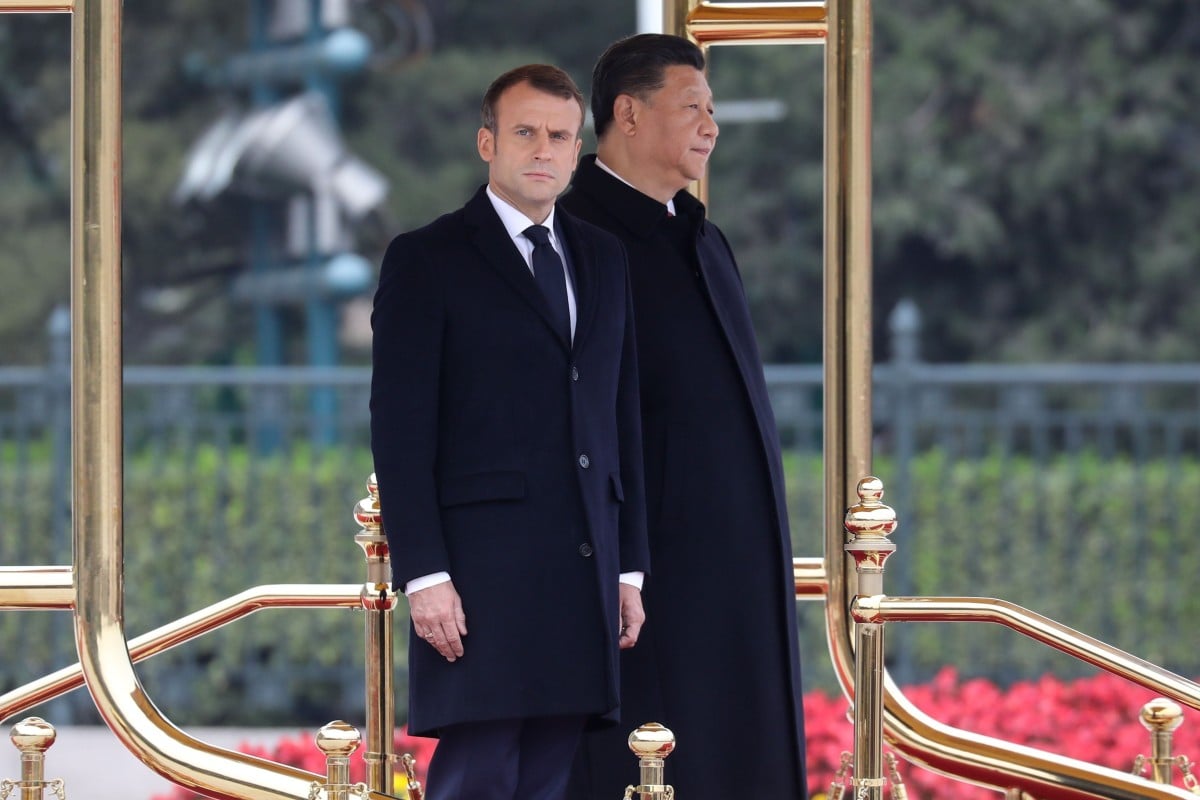
Xi Jinping and Emmanuel Macron at a welcome ceremony ahead of their talks in Beijing on Wednesday. Photo: AFP
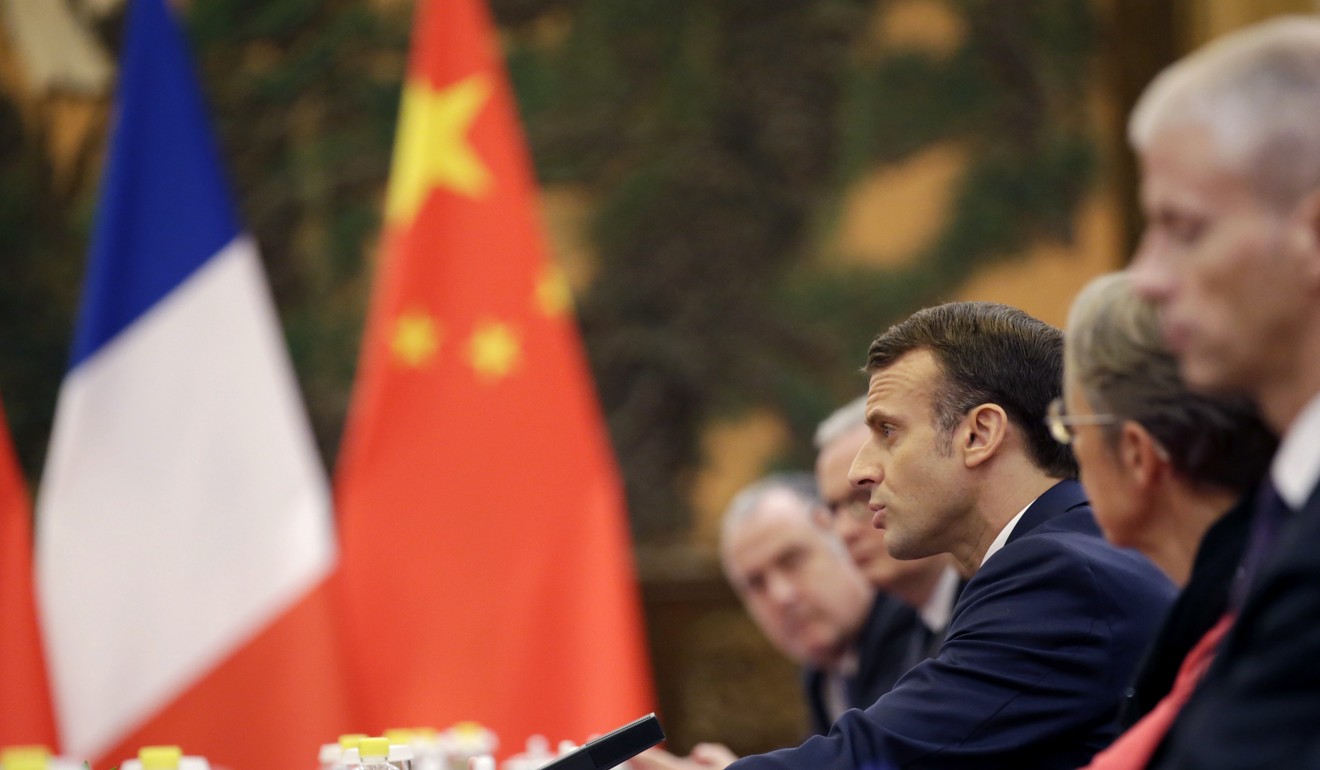
French President Emmanuel Macron said he raised human rights and the Hong Kong situation during his talks with his Chinese counterpart Xi Jinping on Wednesday.
Macron’s visit to China concluded with pledges to work together on climate change, but the French leader also said he also called for a de-escalation of the situation in the city through dialogue after months of protests.
Macron, who had promised to raise “taboo” topics during the visit, told a press conference: “I obviously raised this with President Xi Jinping on several occasions.
“We have repeatedly called on the parties involved to [engage in] dialogue, to show restraint, to de-escalate.”
The discussion followed Xi’s meeting with Hong Kong’s embattled Chief Executive Carrie Lam Cheng Yuet-ngor in Shanghai on Monday, where he expressed “high trust” in her and “fully affirmed” support for her response to the unrest that has gripped the city since June.
Earlier the French and Chinese leaders had restated their commitment to protect free trade and pledged their continued support for the Paris Agreement as the United States begins the process of formally withdrawing from the global climate deal.
Macron expressed “regret” over “some countries’ negative attitude” towards environmental protection and the fight against climate change and pledged to work with China to halt the loss of biodiversity.
The French president’s office also released a statement on Wednesday that reaffirmed France and China’s joint support for the “irreversible” Paris Agreement.
Macron points to common ground with China on tariffs and climate action
With the European Union, China and Russia backing the pact, he added, “the isolated choice of one or another is not enough to change the course of the world. It only leads to marginalisation.”
The two countries also agreed to work together to develop joint nuclear power projects and signed a series of contracts worth US$15 billion.
The deals covered aeronautics, energy and agriculture, including approval for 20 French companies to export poultry, beef and pork to China.
An additional action plan released after the talks said French utility giant EDF and China General Nuclear Power should be encouraged to cooperate on projects in China or third countries, citing the joint efforts by the two companies to build nuclear reactors at the Hinkley Point C station in Britain as an example.
The two sides also committed to signing a contract for the construction of a nuclear fuel recycling plant in China, which would involve French energy giant Orano, by January 31.
Xi took what appeared to be a veiled swipe at the United States, which is still embroiled in a protracted trade war and other confrontations with Beijing.
“We advocate for mutual respect and equal treatment, and are opposed to the law of the jungle and acts of intimidation,” Xi said.
“We advocate for openness, inclusion and for mutually beneficial cooperation, and are opposed to protectionism and a zero-sum game.”
Macron said China and the European Union should work in partnership as the world became more unstable, calling on the two sides to further open up market access.
“We call again for trade multilateralism to respond to distortions that have appeared in the global economy, which have led to a profound rise in inequalities and imbalances that explain the surge of challenges to the international systems,” he said.
“China and Europe also share the same views that the trade war only leads to loss.”
Macron kicks off China visit with deal to protect wine and cheese from counterfeiting
Chinese state news agency Xinhua said the two countries agreed to work together to push forward with plans to assemble Airbus’s A350 model in China.
Meanwhile, Beijing Gas Group and French utility firm Engie will collaborate on a liquefied natural gas terminal and storage in the northern city of Tianjin, while France’s Total will set up a joint venture with China’s Shenergy Group to distribute liquid nitrogen gas by truck in the Yangtze River Delta.
The two countries also agreed to reach an agreement by the end of January 2020 on the cost and location of a nuclear fuel reprocessing facility to be built by Orano, formerly known as Areva.
Wu Libo a professor and director of the Centre for Energy Economics and Strategies Studies at Fudan University, said there was “great potential” for further cooperation between the two countries on nuclear energy.
“France has many useful experiences in the operation and management of nuclear power plants and its plants have long-term safe and stable operation records,” she said.
The two sides agreed to work together on joint nuclear power projects. Photo: AP
Jiang Kejun, a senior researcher at the Energy Research Institute of China’s National Development and Reform Commission, said China’s cooperation with France would add credibility to potential third-country projects.
“China has advanced third-generation technology but it’s still a new member in the nuclear power market, while France has developed nuclear energy for a long time, and its EPR reactors – a technology designed and developed in France – are in business operation,” he said.
Jiang said possible markets for the joint projects included Argentina and India, while some Middle Eastern states – such as Saudi Arabia and Qatar – had expressed interest in nuclear energy.
China’s ambassador hits out at Macron’s team for backing ‘hypocritical’ EU stance on Hong Kong
Tong Jiadong, professor of international trade at Nankai University, said that the deals between the two sides helped show that France and China could work together to counteract US unilateralism.
“Objectively speaking, this will form, or at least imply, an opposition to US unilateralism,” Tong said. “China hopes the cooperation between these two countries produces demonstrable effects for other EU member states.”
Ding Chun, a professor of European Studies at Fudan University, said he did not think the EU wanted to “choose a side” between the US and China.
But Ding continued: “If we are talking about free trade and multilateralism, there’s no doubt that the EU and China share a common view and can balance Donald Trump’s unilateralism.”
Source: SCMP
Posted in Airbus’s A350, Areva, Argentina, Beijing, Beijing Gas Group, calm, Carrie Lam Cheng Yuet-ngor, Centre for Energy Economics and Strategies Studies, Chief Executive, China alert, China’s Shenergy Group, Chinese leader Xi Jinping, Energy Research Institute, Engie, EPR reactors, EU, Europe, European Studies, European Union, French, French President Emmanuel Macron, Fudan University, Hong Kong, India, Liquefied natural gas, liquid nitrogen gas, Middle Eastern states, multilateralism, Nankai University, National Development and Reform Commission, National Development and Reform Commission (NDRC), nuclear energy, nuclear fuel reprocessing facility, nuclear power projects, Orano, Paris climate agreement, President Donald Trump, Qatar, Russia, Saudi Arabia, Shanghai, situation, talks are needed, terminal and storage, Tianjin, Uncategorized, unilateralism, United States, utility firm, welcome ceremony, Yangtze River Delta, zero-sum game |
Leave a Comment »




 CHINDIA ALERT: You'll be living in their world, very soon