19/09/2019
LANZHOU, Sept. 18 (Xinhua) — A total of 26 participants from 21 countries including Brazil, New Zealand and the United States attended the closing ceremony of the Gansu International Fellowship Program held Tuesday in the capital city of Lanzhou, northwest China’s Gansu Province.
Held by the provincial government, the 30-day program, starting from Aug. 20, focused on China’s overall development in areas such as the economy, society and culture, as well as its anti-poverty campaign.
Economic experts, scientists and sociologists from local universities and research institutes as well as government departments were invited to share their experience and give lectures.
During the program, all participants visited the Mogao Grottoes, a UNESCO World Heritage site. Based on the culture courses, they exchanged ideas with local officials and experts.
“I was very impressed with the comprehensive structure planning being undertaken to turn Lanzhou and Gansu as a whole into a major hub of China,” said Robert Love, a strategy and policy planner with Selwyn District Council, New Zealand, after his visit to the Lanzhou Urban Planning Exhibition Hall.
Philippe Dall’Agnol, a state attorney from Brazil, told Xinhua that China’s poverty alleviation efforts and means of increasing production were particularly worth studying, adding that when he returns to Brazil, he will continue to be a messenger of peace and a bridge of friendship, to actively promote exchanges and cooperation between the two countries.
Since it was initiated in 2006, a total of 309 participants from 62 countries have graduated from the program, making it an important platform for international exchanges and cooperation.
Source: Xinhua
Posted in anti-poverty campaign, Brazil, China's development, closing ceremony, Culture, Economic experts, economy, experience, Gansu International Fellowship Program, Gansu Province, government departments, Int'l fellowship program, Lanzhou, Lanzhou Urban Planning Exhibition Hall, lectures, local universities, Mogao Grottoes, New Zealand, poverty alleviation efforts, research institutes, scientists, Selwyn District Council, share, society, sociologists, Uncategorized, unesco world heritage site, United States, World, Xinhua News Agency |
Leave a Comment »
13/09/2019
SYDNEY (Reuters) – A Solomon Islands task force recommended to the government on Friday that the South Pacific archipelago sever its long-standing ties with Taiwan and normalise diplomatic relations with Beijing.
The recommendation is likely to help Beijing peel away another ally from self-ruled Taiwan, which Beijing considers a wayward province with no right to state-to-state ties.
The parliamentary task force advised the government to switch ties to China and invite it to establish a diplomatic mission in the capital, Honiara, on the island of Guadalcanal, according to a copy of its report obtained by Reuters.
“The findings reveal that Solomon Islands stands to benefit a lot if it switches and normalizes diplomatic relations with PRC,” the task force said, referring to China by its official name of the People’s Republic of China.
The recommendation was discussed at a cabinet meeting on Friday, two sources with direct knowledge of the issue said. It has not been presented to parliament.
Prime Minister Manasseh Sogavare has repeatedly said the government would not make a formal decision until reviewing the findings of the task force, which has toured the Pacific studying Chinese aid and bilateral financing.
Taiwan’s representative office in the Solomon Islands called the report a “fallacy” in a Facebook post and said the task force members did not conduct proper fact-finding.
The government of the Solomon Islands did not respond to questions.
China’s foreign ministry did not immediately comment.
A diplomatic switch by the Solomons would reduce the number of countries that recognise Taiwan to 16, after El Salvador in Central America, Burkina Faso in West Africa and the Dominican Republic in the Caribbean, all switched to Beijing last year.
The South Pacific has been a diplomatic stronghold for Taiwan, where formal ties with six island nations make up more than a third of its total alliances, though China has in recent years been expanding its influence in the region.
Solomon Island lawmakers who support maintaining ties with Taiwan will want the report to be made public, and to get feedback before any decision is made, according to one of the sources.
Taiwan’s supporters, who include many university students, would like the decision delayed until Sogavare travels to the U.N. General Assembly meeting in New York later this month, in the hope talks he has there might save the Taiwan alliance.
The issue has divided loyalties in the former British protectorate, an archipelago of just over 600,000 people.
The United States has criticised China for pushing poor countries into debt, mainly through lending for large-scale infrastructure projects, and accused China of using “predatory economics” to destabilise the Indo-Pacific region.
China denies that.
One Solomon Islands province has said it would not be responsible for repaying any debts incurred by the government, according to media reports.
Source: Reuters
Posted in Beijing, British protectorate, Burkina Faso, cabinet meeting, Caribbean, Central America, China alert, Chinese aid, Chinese foreign ministry, diplomatic stronghold, diplomatic switch, Dominican Republic, El Salvador, Guadalcanal, Honiara, Indo-Pacific region, island, Manasseh Sogavare, Pacific, People’s Republic of China, Prime minister, recommends, Sogavare, Solomon Islands, South Pacific, South Pacific archipelago, switch, Taiwan, task force, U.N. General Assembly, Uncategorized, United States, West Africa |
Leave a Comment »
12/09/2019
BEIJING, Sept. 11 (Xinhua) — Premier Li Keqiang on Wednesday expressed his expectation for the Japanese economic community to seize the opportunities of China’s opening up, increase investment in China and expand bilateral cooperation areas to promote more achievements in trade and the economy.
Li made the remarks in a meeting with a delegation from Japan’s business community, led by president of the Japan-China Association on Economy and Trade Shoji Muneoka, chair of the Japan Chamber of Commerce and Industry Akio Mimura, and Nobuyuki Koga, chairman of the Board of Councilors of the Japan Business Federation.
China-Japan relations have returned to the right track since last year thanks to the joint efforts of the two sides, and the trade and economic cooperation between the two countries has been steadily advanced and the prospects for bilateral cooperation are broad, said Li.
When China-Japan relations encountered difficulties, the Japanese economic community made important efforts and contributions to maintain their healthy and steady development as well as accelerate pragmatic cooperation between the two countries, the Chinese premier said.
According to Li, China and Japan are two of the world’s major economies, and should give full play to their complementary advantages and work together to deepen cooperation, which will not only benefit the two countries, but also conducive to regional and global economy, as well as the prosperity and stability of the world.
Noting that economic globalization is irreversible, and economic and trade exchanges should not be blocked by national borders, Li pointed out that promoting the healthy development of globalization is the way of progress.
“China has always firmly upheld the multilateral trading system with the World Trade Organization at its core and promotes the liberalization and facilitation of trade and investment,” Li said, stressing China will unswervingly promote all-round opening up, and strive to optimize the business environment.
China welcomes the Japanese economic community to seize the opportunity brought forth by China’s opening up and increase investments in China, expand cooperation areas, and promote more cooperation achievements in trade and economic areas between the two countries, he said.
While expressing congratulations on the 70th anniversary of the founding of the People’s Republic of China, the Japanese economic delegation said that Japan and China have witnessed progress in bilateral ties since last year, and close high-level exchanges have facilitated the two countries’ economic and trade cooperation.
The Japanese economic community firmly supports free trade and hopes China and the United States will resolutely resolve their trade disputes through negotiation, they said.
Speaking highly of China’s efforts in promoting trade and investment liberalization, expanding market access and improving the business environment, they said that the Japanese economic community is willing to boost cooperation with the Chinese side in science and technology innovation, climate change, health care and third-party markets.
They also expressed their expectation of concluding the negotiations for the Regional Comprehensive Economic Partnership (RCEP), a proposed free trade agreement between the 10 ASEAN (the Association of Southeast Asian Nations) members and Australia, China, India, Japan, South Korea and New Zealand, by the end of the year.
Source: Xinhua
Posted in 70th anniversary, Akio Mimura, ASEAN (the Association of Southeast Asian Nations), Australia, Board of Councilors of the Japan Business Federation, China alert, China–Japan relations, congratulations, economic and trade exchanges, economic globalization, facilitation of trade and investment, founding, founding of the People's Republic of China (PRC), free trade agreement, India alert, irreversible, Japan, Japan Chamber of Commerce and Industry, Japan-China Association on Economy and Trade, Japanese economic community, liberalization, major economies, multilateral trading system, national borders, New Zealand, Nobuyuki Koga, People's Republic of China, People's Republic of China (PRC), Premier Li Keqiang, Regional Comprehensive Economic Partnership (RCEP), Shoji Muneoka, South Korea, Uncategorized, United States, World Trade Organization (WTO) |
Leave a Comment »
11/09/2019
Chinese Premier Li Keqiang meets with an American delegation visiting China for a dialogue with Chinese entrepreneurs and exchanges views with them on China-U.S. trade relations in Beijing, capital of China, Sept. 10, 2019. The delegation consists of U.S. business entrepreneurs and some former high-level officials. (Xinhua/Yao Dawei)
BEIJING, Sept. 10 (Xinhua) — Premier Li Keqiang on Tuesday met with American delegation visiting China for a dialogue with Chinese entrepreneurs and exchanged views with them on China-U.S. trade relations.
The delegation consists of U.S. business entrepreneurs and some former high-level officials.
This year marks 40th anniversary of the establishment of diplomatic relations between the People’s Republic of China and the United States. Over the past 40 years, the two countries have witnessed forward-moving economic and trade ties with win-win results, Li said.
While stressing the importance of extensive common interests between China and the U.S., Premier Li suggested that both sides, in accordance with the consensus reached by the two heads of state, should follow principles of equality and mutual respect, seek common ground and continue to explore approaches accepted by both sides to resolve differences.
China will open only wider to the outside world, and is committed to creating a market-oriented, law-based international business environment where domestic and foreign enterprises are treated equally and protection of intellectual property is given priority to.
China has fully liberalized its manufacturing sector and accelerated the opening up of its service sector, the premier said.
“China has a vast market. We welcome enterprises from all countries, including those from the United States, to expand economic, trade and investment cooperation with China and achieve mutually beneficial results,” Li added.
The American entrepreneurs said that U.S. companies, which were inspired by China’s new measures to open up, are looking at the current U.S.-China trade frictions from a long-term perspective, opposing actions to weaken economic relations with China and economic decoupling between the two countries.
They also voiced their hope that bilateral economic and trade consultations will gain ground with an agreement being reached at an early date.
Source: Xinhua
Posted in 40th anniversary, American delegation, Chinese entrepreneurs, Chinese premier Li Keqiang, diplomatic relations, People's Republic of China (PRC), Premier Li Keqiang, Uncategorized, United States |
Leave a Comment »
10/09/2019
ANKARA (Reuters) – Turkey sees opportunity to boost trade with the United States amid Washington’s trade war with Beijing, the Turkish trade minister said on Tuesday, reinforcing an ambitious goal of quadrupling the bilateral trade to $100 billion (81.1 billion pounds) a year.
“We have determined that the issues between the U.S. and China will create a significant opportunity for trade in various sectors,” Trade Minister Ruhsar Pekcan told a joint press conference with U.S. Secretary of Commerce Wilbur Ross.
“We have expressed to the U.S. side our readiness to provide goods,” she said.
Pekcan added that trade and investment would be the main topic when U.S. President Donald Trump and Turkish counterpart Tayyip Erdogan meet during the United Nations General Assembly later this month in New York.
On Saturday, Turkey asked the United States to lift trade barriers during talks aimed at sharply increasing bilateral commerce.
Washington and Ankara’s goal of $100 billion in trade a year comes despite the prospect of U.S. sanctions over Turkey’s purchase of Russian S-400 missile defence systems. The United States says trade with Turkey totalled $24 billion in 2017, with the U.S. surplus standing at $1.5 billion.
The White House said in May it was ending a preferential trade agreement with Turkey, saying Turkey’s level of economic development meant it was no longer eligible for the support.
Source: Reuters
Posted in Ankara, Beijing, opportunity, Recep Tayyip Erdogan, Ruhsar Pekcan, Trade Minister, trade war, Turkey, U.S. President Donald Trump, U.S. Secretary of Commerce, U.S.-China trade war, Uncategorized, United Nations General Assembly, United States, Washington, White House, Wilbur Ross |
Leave a Comment »
08/09/2019
Chinese State Councilor and Foreign Minister Wang Yi (L), Pakistani Foreign Minister Shah Mahmood Qureshi (C) and Afghan Foreign Minister Salahuddin Rabbani attend the 3rd China-Afghanistan-Pakistan Foreign Ministers’ Dialogue in Islamabad, capital of Pakistan, Sept. 7, 2019. (Xinhua/Liu Tian)
ISLAMABAD, Sept. 8 (Xinhua) — The 3rd China-Afghanistan-Pakistan Foreign Ministers’ Dialogue was held here in Islamabad on Saturday, and the three sides stressed the need to jointly safeguard regional peace and stability amid the changing and complicated circumstances.
The situation in south Asia is going through profound and complicated changes, Chinese State Councilor and Foreign Minister Wang Yi said at the meeting.
Progress has been achieved in the peace talks between the United States and the Afghan Taliban, and there is an important opportunity for Afghanistan’s peace and reconciliation, he noted.
Meanwhile, some historical disputes have again escalated, undermining peace and stability in the region, Wang said.
In the international arena, unilateralism, protectionism and hegemony have threatened and challenged the interests of developing countries, he added.
China, Afghanistan and Pakistan are close neighbors with a shared future, Wang said. The three countries share the aspirations to safeguard regional peace and achieve lasting stability, the need to push forward Belt and Road development and regional connectivity, as well as the expectation to achieve sustainable development and improve people’s livelihood.
The three sides should work together and make new efforts to push forward the Afghan-led and Afghan-owned reconciliation process in Afghanistan, improve the relations between Afghanistan and Pakistan, promote trilateral practical cooperation as well as jointly combat terrorism, among others, he said.
For their part, Afghan Foreign Minister Salahuddin Rabbani and Pakistani Foreign Minister Shah Mehmood Qureshi made positive assessment on the progress achieved in cooperation and exchange on the three major themes within the framework of the China-Afghanistan-Pakistan Foreign Ministers’ Dialogue, namely political mutual trust and reconciliation, development cooperation and connectivity, and security cooperation and fighting terrorism. They also spoke highly of China’s contribution in pushing forward the cooperation among the three countries.
The two foreign ministers said China, always a good neighbor and a trustworthy friend of Afghanistan and pakistan, has long played an important and positive role in promoting Afghanistan’s peace and reconciliation process, pushing forward the improvement of the relations between Afghanistan and Pakistan and maintaining peace and stability in the region.
With the complicated regional situation which is undergoing fast change, Afghanistan and Pakistan are willing to boost communication and coordination with China so as to deepen cooperation in such fields of economy and trade, people to people exchange, communication and connectivity, jointly build the Belt and Road, join hands in combating terrorism including the East Turkestan Islamic Movement, maintaining regional peace and stability as well as promoting regional development and prosperity, they said.
The foreign ministers from China, Afghanistan and Pakistan reached agreement on pressing forward the realization of lasting peace and stability in Afghanistan through the Afghan-led and Afghan-owned reconciliation process and implementing common connectivity programs with international financial institutions including the World Bank, among others.
The three foreign ministers also agreed to hold the 4th China-Afghanistan-Pakistan Foreign Ministers’ Dialogue in 2020 in China.
Source: Xinhua
Posted in 3rd China-Afghanistan-Pakistan Foreign Ministers' Dialogue, Afghan Foreign Minister, Afghan Taliban, Afghan-led and Afghan-owned reconciliation, Afghanistan, belt and road development programme, China alert, Chinese State Councilor and Foreign Minister Wang Yi, East Turkestan Islamic Movement, efforts, Islamabad, Pakistan, Pakistani Foreign Minister, pledge, regional peace, regional stability, safeguard, Salahuddin Rabbani, Shah Mehmood Qureshi, Uncategorized, United States |
Leave a Comment »
07/09/2019
NEW YORK, Sept. 7 (Xinhua) — Overseas Chinese in New York City presented a brilliant concert late Friday night in Lincoln Center to mark the 40th anniversary of the establishment of the diplomatic relations between China and the United States and to celebrate the forthcoming Mid-Autumn Festival.
The 2019 Golden Night Concert, staged by The Asian Cultural Symphony of the USA, featured a mix of well-known classical western and Chinese symphonies, operas and songs, attracting hundreds of overseas Chinese and American audience.
Young Chinese songwriter and singer Huo Zun performed three songs at the concert, including his signature song Rolled-Up Pearl Curtain, the unique pop-song One Night in Beijing, and a Peking opera excerpt Butterfly Love from The Great Concubine of Tang in cooperation with renowned Peking opera singer Li Jun, winning prolonged warm applause.
Li Jun’s Peking opera excerpt Morning Sun in Heart from Climbing Tiger Mountain and Wang Hongli’s Henan opera excerpt from Mulan enchanted the audience with the quintessence of traditional Chinese culture.
Famed female vocalist Zheng Xulan staged her classic pieces Shepherdess Song and The Sea, The Homeland, renewing old memories of overseas Chinese.
Also presented included The Toreador Song from Carmen by baritone Nigel Smith, Tambourin Chinois and Zigeunerweisen by violinist Lin Zhaoliang, and Hulunbuir Grassland by the Krliu family singers.
The concert served as a platform for overseas Chinese to convey their goodwill. Over the past 40 years, Chinese American made significant contribution in bridging China-U.S. exchange in a variety of aspects. As the center of classical music in New York City and a coveted platform by artists, Lincoln Center witnessed another wonderful cultural exchange between the East and the West.
Source: Xinhua
Posted in 40th anniversary, Asian Cultural Symphony of the USA, brilliant concert, Butterfly Love from The Great Concubine of Tang, Carmen, celebrate, China alert, China-U.S. exchange, cultural exchange, diplomatic relations, Golden Night Concert, Henan opera, Hulunbuir Grassland, Lincoln Center, Mid-Autumn Festival, Morning Sun in Heart from Climbing Tiger Mountain, Mulan, New York City, One Night in Beijing, operas, Overseas Chinese, Peking opera, Rolled-Up Pearl Curtain, Shepherdess Song and The Sea, singer, songs, symphonies, Tambourin Chinois and Zigeunerweisen, the East and the West, The Homeland, The Toreador Song, Uncategorized, United States |
Leave a Comment »
07/09/2019
- China Reconnects: Joining a Deep-rooted Past to a New World Order looks at how the Middle Kingdom is trying to build a modern civilisation without forgetting its heritage
The Scales of Justice and Lady Justice in front of China’s national flag. Photo: Alamy
China Reconnects: Joining a Deep-rooted Past to a New World Order is a new book by Australian historian Wang Gungwu. The book seeks to explain the new-found confidence among the Chinese in their capacity to learn all they need from the developed world while retaining enough from their past to build a modern civilisation. It does not employ theoretical frameworks to explain China’s rise, as Wang believes they are not appropriate to describe the changes sweeping the country. He calls for greater understanding of why history is particularly important to the Chinese state and its people, as the nation seeks the means to respond to a United States trying to preserve its dominant position in the international status quo.
Historian Wang Gungwu. Photo: Handout
Wang is university professor at the National University of Singapore and professor emeritus of the Australian National University. The book is published by World Scientific Publishing. Here are some excerpts.
Xi Jinping’s China inherited the policies that opened the country to the global economy. The policies created the conditions that made China prosperous and, to many, they put China on the world map again. At the same time, what Xi Jinping inherited also includes practices and lapses of discipline that led to corruption on an unprecedented scale. Deng Xiaoping might have expected some leakages in a more open system, but would not have thought that his party cadres could succumb to that extent.
China’s rise is peaceful, Xi Jinping tells foreign experts
Xi Jinping also inherited programmes from his predecessors “theories” like sange daibiao (Three Represents) and hexie shehuizhuyi shehui (Harmonious socialist society).
Given the pervasive corruption that he found in high places, he must have wondered how useful these theories were. The former was implicitly socialist, stressing productive forces, advanced culture and concern for the interests of the majority. The latter, however, was redolent of Confucian values, made even more explicit when Hu Jintao spoke of barong bachi, or “eight honours and eight disgraces”. Despite these exhortations, the corruption that accompanied them reminds us of conditions familiar to Chinese dynasties in decline.
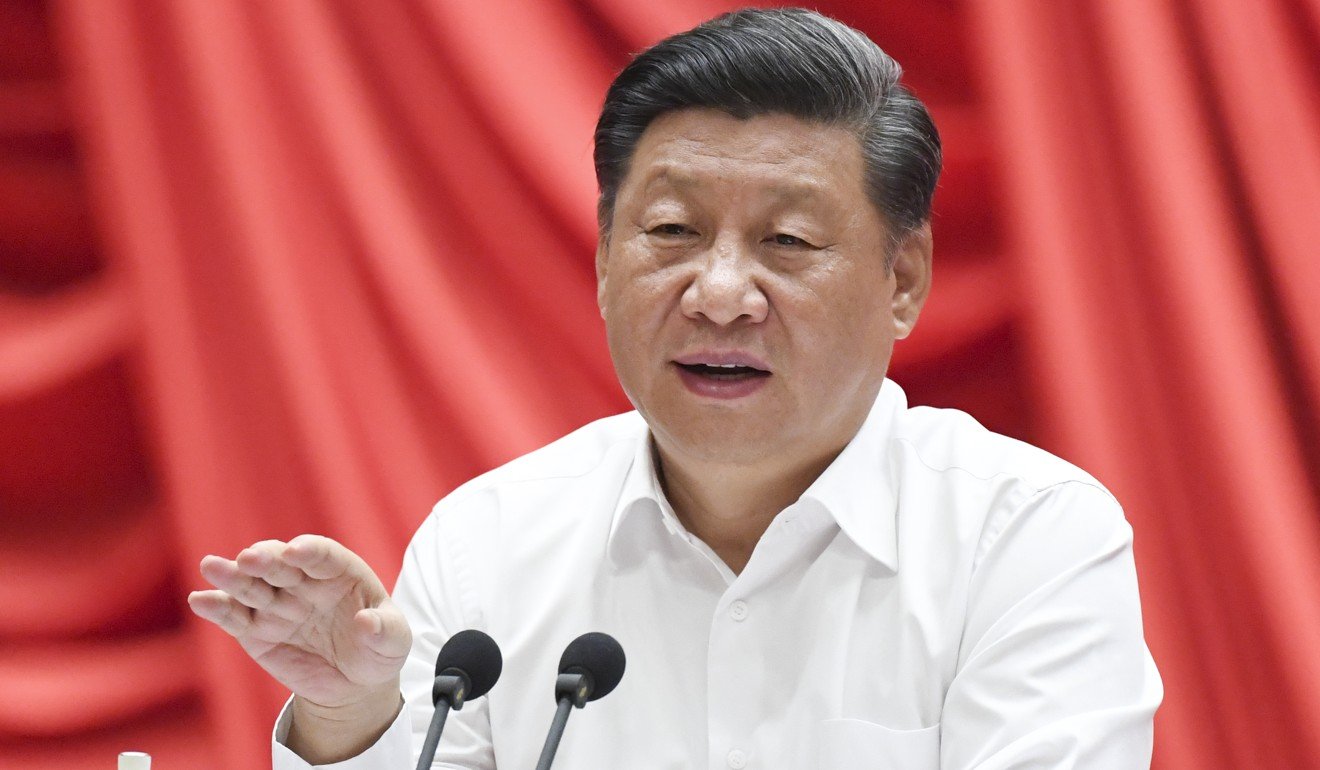
Chinese President Xi Jinping inherited the policies that opened the country to the global economy. Photo: Xinhua
If the regime’s Chinese characteristics enabled officials to be corrupt and the rich to become excessively rich and selfish, where was the socialism? While no one would claim that everything in China’s past was desirable, surely there were better features that could have been chosen to inspire the present. Perhaps not all the corruption should be blamed on old feudal China; the open market economy with its capitalist characteristics is also known for creating the huge gap today between the super rich and the rest. If the capitalist mode is undermining socialist good intentions, are there Chinese characteristics that can protect China from that infection?
How China’s rise is revealing the cracks in US claims to legitimacy as global leader
Critics have been quick to attack as well as defend Confucian China and the market and no simple answer has been found. What Xi Jinping inherited was a collective leadership system that failed to police the Party. He thus reacted by asserting that the Party was in grave danger of collapse. The foremost patriotic act was to save the party. He has to find the socialism that could induce his comrades to rededicate themselves.
He turned to Karl Marx to emphasise its original inspiration and avoided the Russian duo, Lenin and Stalin. By stressing the importance of Marx’s world view and analytical methods, he could ignore the Soviet institutional baggage. Above all, Marx stood for the idea of progress, the modern import from the Enlightenment that has impressed generations of Chinese.
China’s modern story began by rebuilding a unified state. Those leaning towards socialism further agreed that the country had to have a strong centralised government, perhaps the most enduring feature of dynastic China. Sun Yat-sen had recognised that and wanted to be the leader with power to get things done. When Chiang Kai-shek seized power, he fought with every weapon available to maintain his supreme position. It was therefore not surprising that Mao Zedong thought that the Party leader should have full control. His victory over the Nationalists had put him in an unassailable position.
Thereafter, he could redefine the goals that fit his agenda. He was so successful that socialism in his hands became almost unrecognisable. Deng Xiaoping had a difficult time teaching another generation why socialism was progressive and why infusing it with Chinese characteristics would ensure its legitimacy.
China’s reform and opening must continue, 40 years after its ‘second revolution’
This was the background to the corrupted China that came so unexpectedly into Xi Jinping’s hands. From his appointment as party secretary in Shanghai to the Politburo Standing Committee and as vice-president, he had five years to prepare to become the leader of the country. Some of what went through his mind during that period may be gleaned from his writings when he served in Zhejiang, in the Zhijiang xinyu that he published in 2007, but more important was what he thought of a collective leadership that was headless.
Xi Jinping obviously believes that his anti-corruption campaign was vital to enable him to save the Party. His campaign also made him popular and he has tied the campaign to a new faith in socialism.
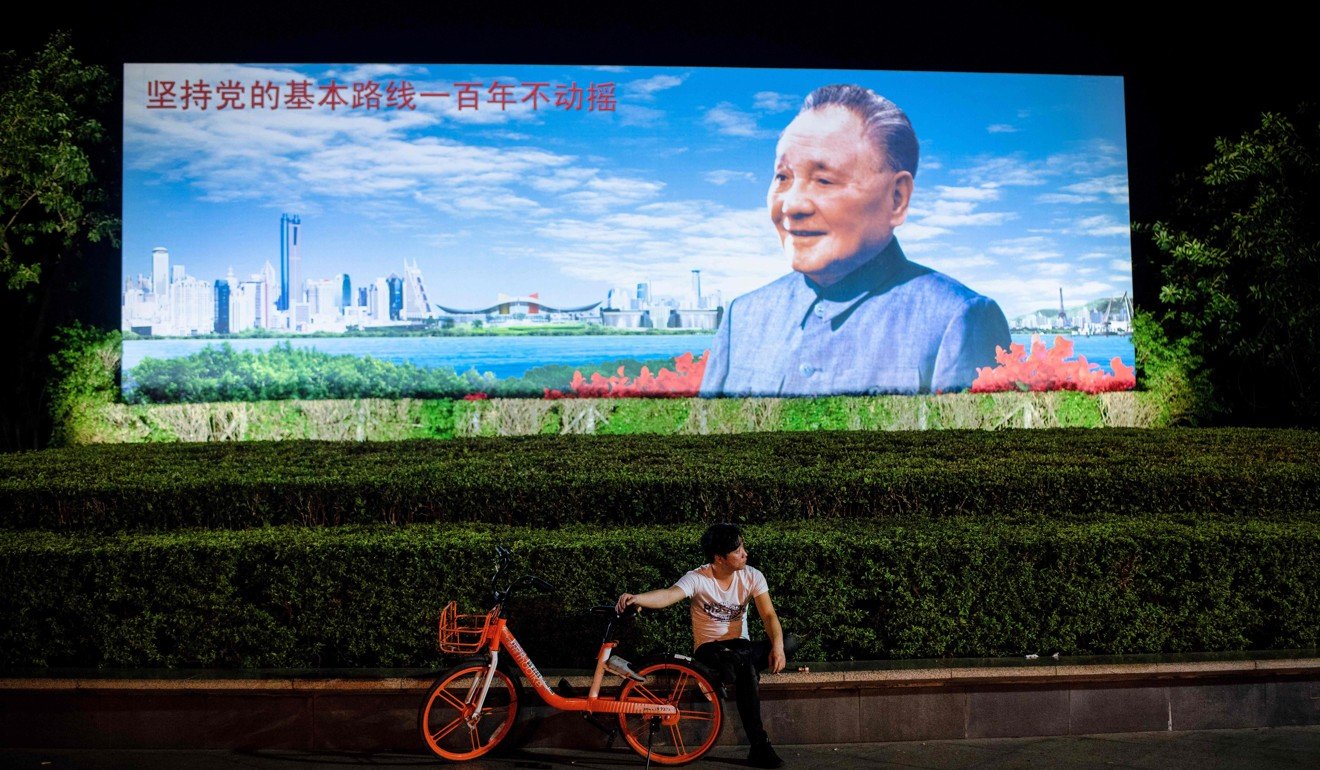
A poster of former Chinese leader Deng Xiaoping in Shenzhen. Photo: AFP
He has emphasised that Deng Xiaoping’s reforms saved the state and the Party and are integral to the power that he has inherited. He had worked dutifully in support of reform and this helped him rise to the highest office. His youthful experiences growing up with the peasants of the northwest taught him about failures as well as successes. That has led him to ask the Party to connect with the first 30 Maoist years as much as study the later years of reform. That way he confirmed the continuity of what he, his father and their comrades had committed their lives to serve. This attitude towards continuities in Chinese history has always looked to a strong state with powerful leaders. Xi Jinping discovered during his years of service what kind of power would be required to establish the caring and fair society that socialism stood for. When he became president, he not only knew that Mao Zedong as cult leader could not succeed but also that a leaderless collective endangered the Party. He has concluded that the Chinese way of doing socialism would have to be connected to the lessons learned throughout the Chinese past.
Where to now? 40 years after the big economic experiment that changed China
Only by recognising how relevant those lessons are can China confidently go forward to devise the modern state that it wants.
There is some truth in the French saying that the more things change the more things remain the same. The Chinese were even more directly paradoxical. They believed that change was inevitable and hence prepared for changes that could occur several times in a lifetime. When thus prepared, they hoped that each change would not destroy the things that were still valued. If the foundations survived, change could make the new become stronger.
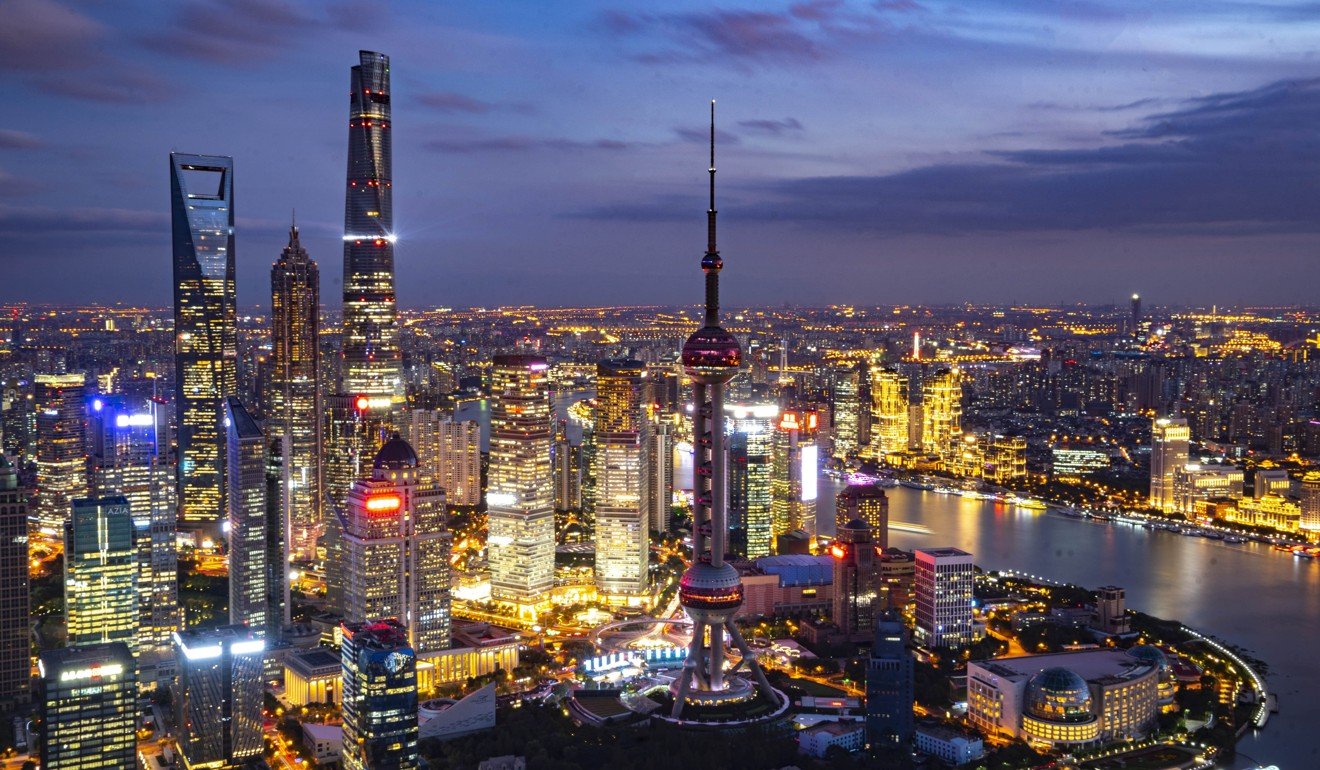
Shanghai is a showcase for China’s modernisation efforts. Photo: Xinhua
There are other ideas in the tradition that Xi Jinping understands. One is that of zhi and xing (knowing and acting) and zhixing heyi (combining knowledge with action). This had been highlighted since the days of Ming philosopher Wang Yangming.
In modern times, Sun Yat-sen advocated xing erhou zhi (act then you will know) as preferable to the safer and more conservative zhi erhou xing (know before acting) and Xi Jinping seems to share that view. When you act and make your choices, these add up so that you will really know. From that perspective, Mao Zedong’s choices taught hard lessons and the Chinese people now know what not to do. Another idea goes back to Confucius, who said shu er buzuo, or transmitting (tradition) and not doing (something new). In other words, without claiming newness or discovery, he transmitted wisdom and knowledge to those who followed. Xi Jinping seems to focus on drawing on past experiences that enable future generations to learn: with learning, something new would result.
Xi Jinping can dramatically reform China’s economy or maintain high growth – but he can’t do both
Xi Jinping may not need the word “new” for his socialism. His shehui zhuyi could be the accumulation of layers of modern experience that harmonise with selected bits of China’s history. Explaining the actions and reactions of generations of his predecessors could take his party-state to another level of development. Here a sage Marx symbolically as important as Confucius would add the goal of progress to inherited wisdom. Socialism could be “hard” in rational and disciplined action and “soft” in moral goals deeply rooted in people’s aspirations. A strong leader who knew how to link the past to a dream of the future could shape the socialism that his people could identify as the datong shehui in China’s heritage.
DIFFERENT HERITAGE
The distance between the legal systems in China and the West has long been a matter of regret. It began when Britain was no longer prepared to let Chinese law be used to punish British subjects; that issue became the cause célèbre in the Anglo-Chinese wars.
Despite the fact that China had, with the help of Anglo-American and other European legal scholars, reformed and modernised its legal system during the past 100 years, the gulf has remained and has continued to fuel an underlying lack of trust. This has once again surfaced in contemporary interstate relations wherever the People’s Republic is involved.
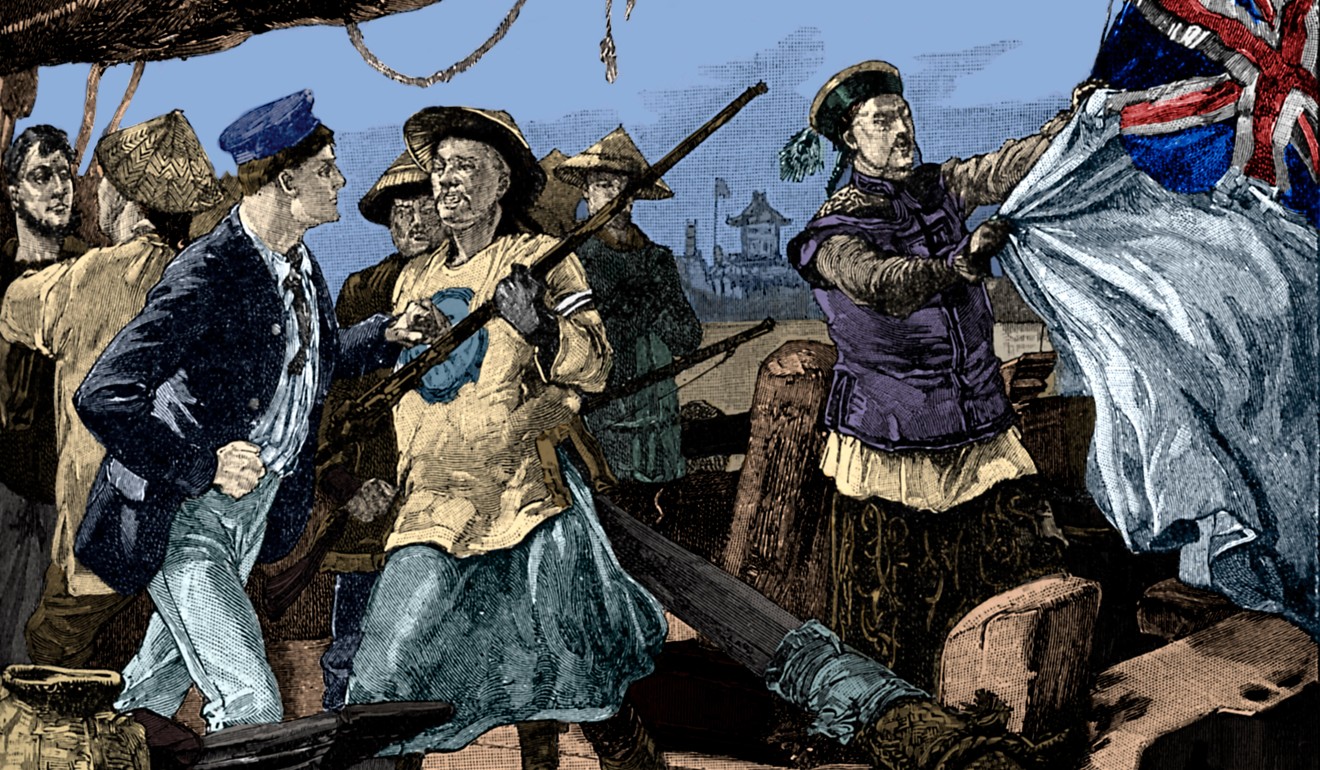
Chinese officials pull down a British flag on a ship in 1856. Photo: Alamy Stock Photo
The issue had become sensitive when the Western powers made it clear that their legal ideals were meant to cover the relations between civilised states, and China had been found wanting. The divide stemmed from the European assumption that international law was built on a common Christian heritage. The treaties that followed China’s several defeats led to extraterritorial jurisdictions by Western powers and Japan. These humiliated China for being so uncivilised that provisions were necessary for the protection of civilised people. The set of practices that diminished China’s sovereign rights remained a source of anger for 100 years and coloured Chinese attitudes towards all Western reference to the rule of law down to the present.
The different value given by China and the West to the role of law has deep roots. It originated from the different premises made about the relationship between man and nature, between those who moved from believing in many gods to faiths in one God, and those whose world views allowed them to live without reference to any God or gods.
Is reform dead in China? Trump’s trade war may be breathing life back into the cause
The single-god world emerged in the Mediterranean region (among Jewish, Christian or Islamic believers) while the mixed often-godless realm was developed in the Sinic cultural zone in eastern Asia.
When traced far back, what is significant is that, while there were great differences in conceptions, both godly and godless traditions paid respect to the role of law, albeit each in its own way. There was no question of not depending on law for securing order, especially the controls needed for political order. Whether the laws reached into private and family affairs, or were in the main varieties of civil and criminal law, all those in authority gave much thought to formulating them to bring out what was fair and most efficacious. And both European and Chinese rulers paid close attention to laws pertaining to governance, and specifically to their relations with their subjects.
The distance between legal systems in China and the West has long been a matter of contention. Photo: Xinhua
Where their respective heritage parted significantly was the way their rulers institutionalised their codes. Those in Europe believed that the rule of law was a higher principle that stood above other considerations; it was sanctified by the supernatural and therefore sacrosanct. The idea had grown out of customary law observed by tribal organisations as well as in the royal and canon laws promulgated in princely states or kingdoms. In time, they were extended to cover larger political units like nation states or empires. Law was therefore at the centre of all governance and remained steadfast whether the rulers were strong men or a group of oligarchs, or leaders who were democratically chosen. Whoever they were and wherever they came from, they could only rule through regulations and statutes that were seen as parts of God’s law. Thereafter, that conception of the rule of law led to questions being asked as to what would best serve those who are equal in the eyes of God. That led people to demand that law should protect people from abusive rulers. The key point was that, behind the respect for the law was religious doctrine and the Church. In certain contexts, God’s law had the power to send even the strongest leaders to the fires of hell. When this authority shifted following the Reformation, Christian Europe still maintained that each church embodied the spirit of God’s law.
To end the trade war, ‘China must deliver on its promises to reform and open up’
When the classics of the Greco-Roman period were given a new lease of life during the Renaissance, this ancient learning stimulated revolts within the Church. The Protestants reinterpreted their heritage and provided conditions whereby new ideas were allowed to grow. As a result, the advent of scepticism, rationalism and the scientific mind enabled an intense questioning of past assumptions that eventually led to a secular view of the world.
Western Europe largely moved away from church-determined ideas and went on to develop laws that have been described as rational and modern. That saw the beginning of a powerful legal system under which the ruler gave up most of his powers so that his subjects would have more say. Of course, who actually had a say was another matter.
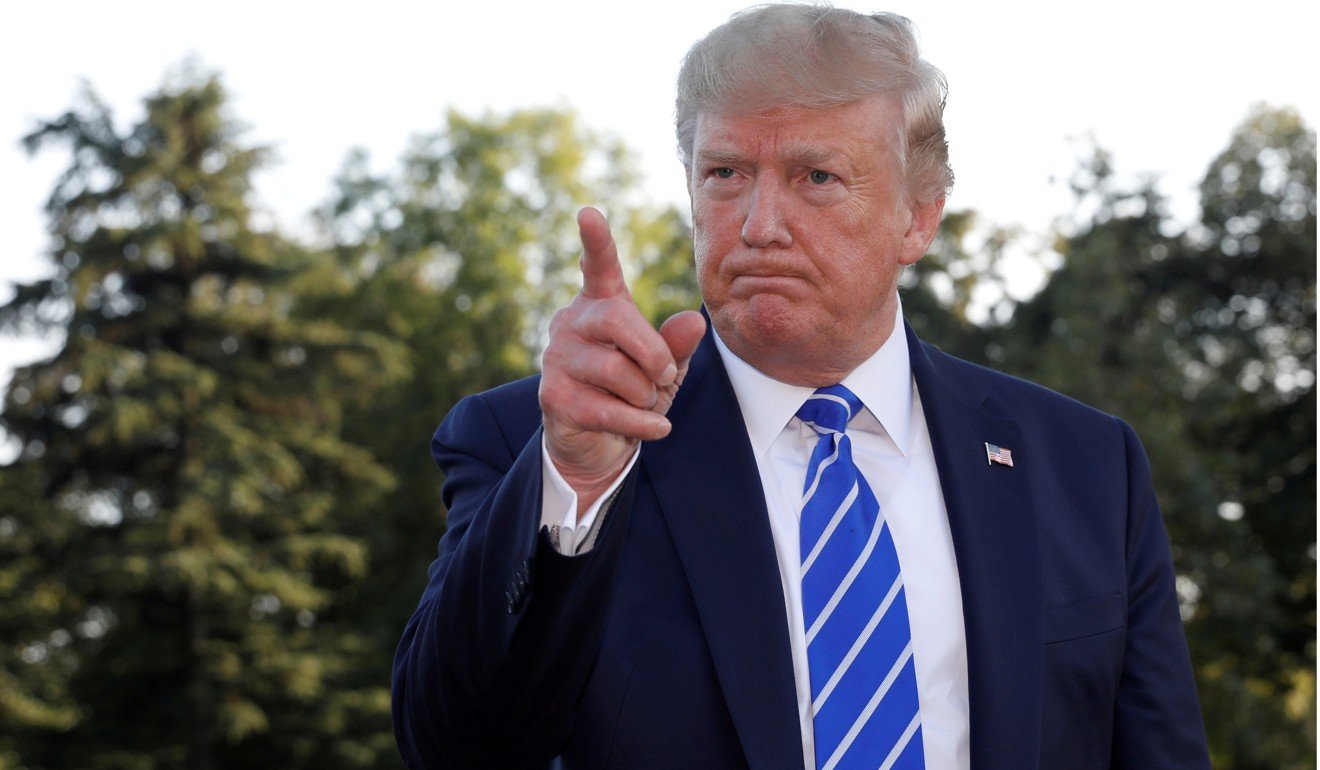
US President Donald Trump, who many Chinese believe is trying to contain China’s rise. Photo: Reuters
It took the British more than 100 years to let ordinary men have the vote, and the women did not get theirs until the 20th century. The British were unapologetic about that pace of development. They thought that the only people who should be allowed to vote were people who owned property and were well-educated. Nevertheless, the principle that people could control their own destiny was confirmed.
In one form or another, laws were obeyed in good conscience by God-fearing people and rational scientific-minded people alike. Even when the laws were obviously man-made and could be cruelly implemented, whether by kings, judges or elected legislators, it continued to be understood that a higher spirit rested behind their making. That belief gave the laws a special moral standing and placed the rule of law at the heart of Western political culture. In short, the ruler was always subject to God’s law.
In comparison, the Chinese have also long acknowledged that laws should be respected but the idea of the rule of law was only implicitly understood. Everyone was conscious that the laws demanded absolute obeisance; that was akin to fear of the ruler’s wrath. Those draconian laws had been given centrality by the state of Qin during the Warring States period. The legalists who drew them up enabled the Qin to defeat the rival states and use the laws to control, dominate and dictate in every respect. What was understood, and sometimes made explicit, was that the ruler would always employ the law to stay in power.
Beijing unveils detailed reform plan to make Shenzhen model city for China and the world
The idea that rules accompanied by harsh punishments made states strong attracted many of the warring lords from the fifth to the third century BC. It led them to challenge the Zhou dynasty’s claim that good governance came from the model rulers of a legendary Golden Age who embodied the principle that the right to rule had to be defined in moral terms. In that context, legitimacy was confirmed through rituals that demonstrate that the ruler had received the Mandate of Heaven.
The rulers of the state of Qin thought otherwise. They employed legalists who believed that power depended on total control through harsh laws and finally destroyed all rivals to establish a new dynasty. The new emperor made sure everyone knew that he was above the law and his laws must be obeyed.
This law was a revolutionary instrument used to destroy a decrepit ancient regime. However, the legalists were so extreme in their rejection of traditional moral and social norms that people rose in revolt and that enabled the Han dynasty to take over the empire. The Han rulers reformed the emperor-state system and experimented with other ideas.
But they retained the body of Qin laws that guided the centralised bureaucracy and brought in non-legalists to administer the empire.
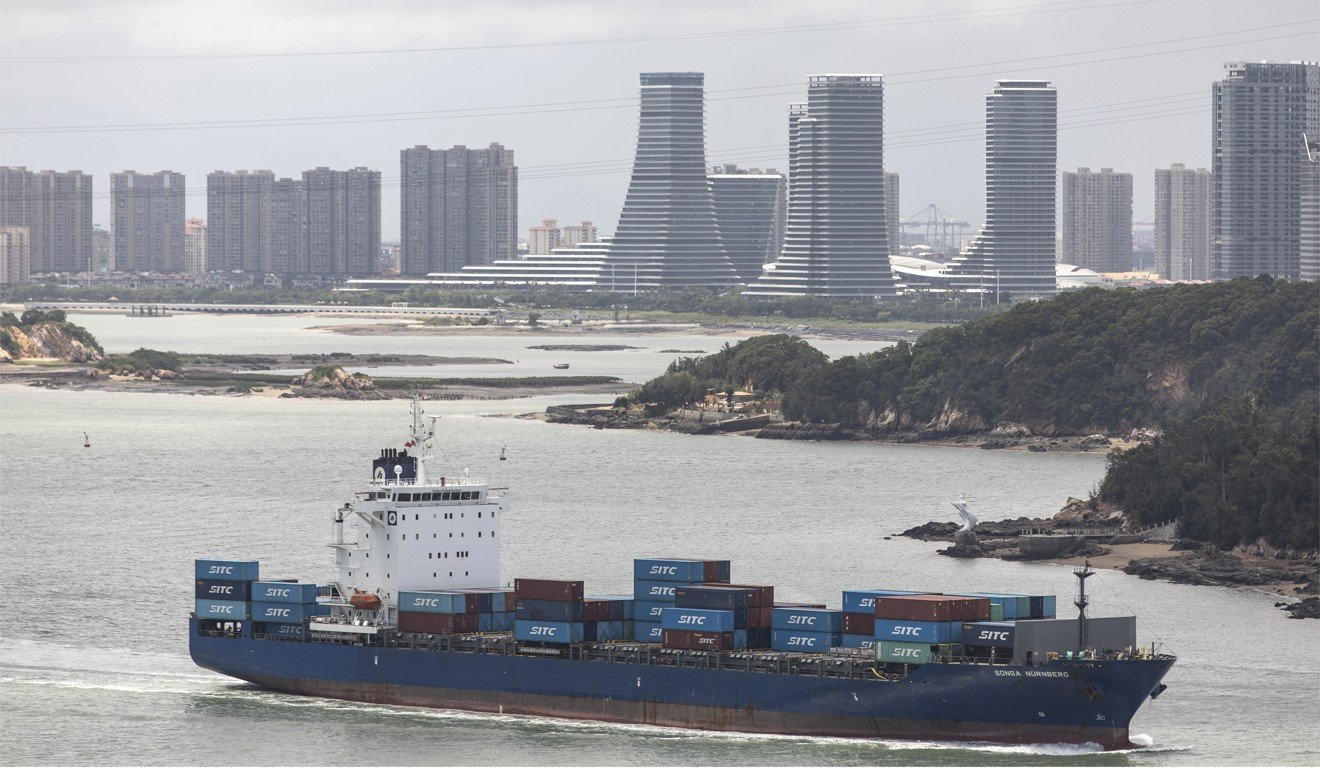
Xiamen in China’s Fujian province. Photo: Bloomberg
The fourth emperor, Han Wudi, then entrusted men of Confucian learning to balance the harsh laws with their moral ideals. The writings of Confucius had been torched and banned by the Qin. Now his disciples could practise what they preached.
The Han ideal thereafter was to educate rulers in the Confucian Classics that extolled them to be guided by responsible officials chosen for their learning and moral principles. The legal system was no longer upfront but remained there to be used by Confucian scholars whenever necessary. That set the tone of imperial governance even for the Central Asian tribal successors of the Han during the fifth and sixth centuries.
By the Tang dynasty, Confucian moral wisdom modified the law codes again, and these were further revised during the Ming-Qing dynasties.
In short, laws with deep roots in Confucian renzhi provided the foundations of the empire state for at least 1,500 years. As outlined earlier, God’s law in its secular form came to stand at the heart of the universalism promoted by the West and led by the United States and its European allies since the end of World War Two. In contrast, the idea of what was civilised in China had been particularistic and the laws guiding its modernisation process operate within its own framework.
Qin dynasty crossbow found at China’s Terracotta Army site may reveal secret of emperor’s success
The country has been prepared to learn from and even adopt Western law codes, but also wants to reconnect with the moral principles that had protected its heritage. This reminds us that law today has not only been a question of adapting modern law for China’s use but is also the source of tension in Sino-Western relations. The normative use of law extended by the West to apply to all interstate relations continues to provide a challenge. Chinese leaders closely observed how those legal institutions have worked in international relations. In particular, they noted how those institutions could not prevent the two wars that destroyed European supremacy. This has led them to believe that the system is not fair or stable and could be improved.
THE NANYANG CONNECTION
Today a new Southeast Asia can work through Asean. This regional organisation is a remarkable achievement, but it is still work in progress. Beginning with maritime interests, it now includes continental states with very different histories. Vietnam, for example, learnt the same lessons as the Chinese and now looks much more to the sea while Laos is totally landlocked. As for Cambodia and Myanmar, how they respond to maritime challenges is still unclear. As members of Asean, this may matter less as long as they can count on a united organisation to monitor the region’s naval concerns.
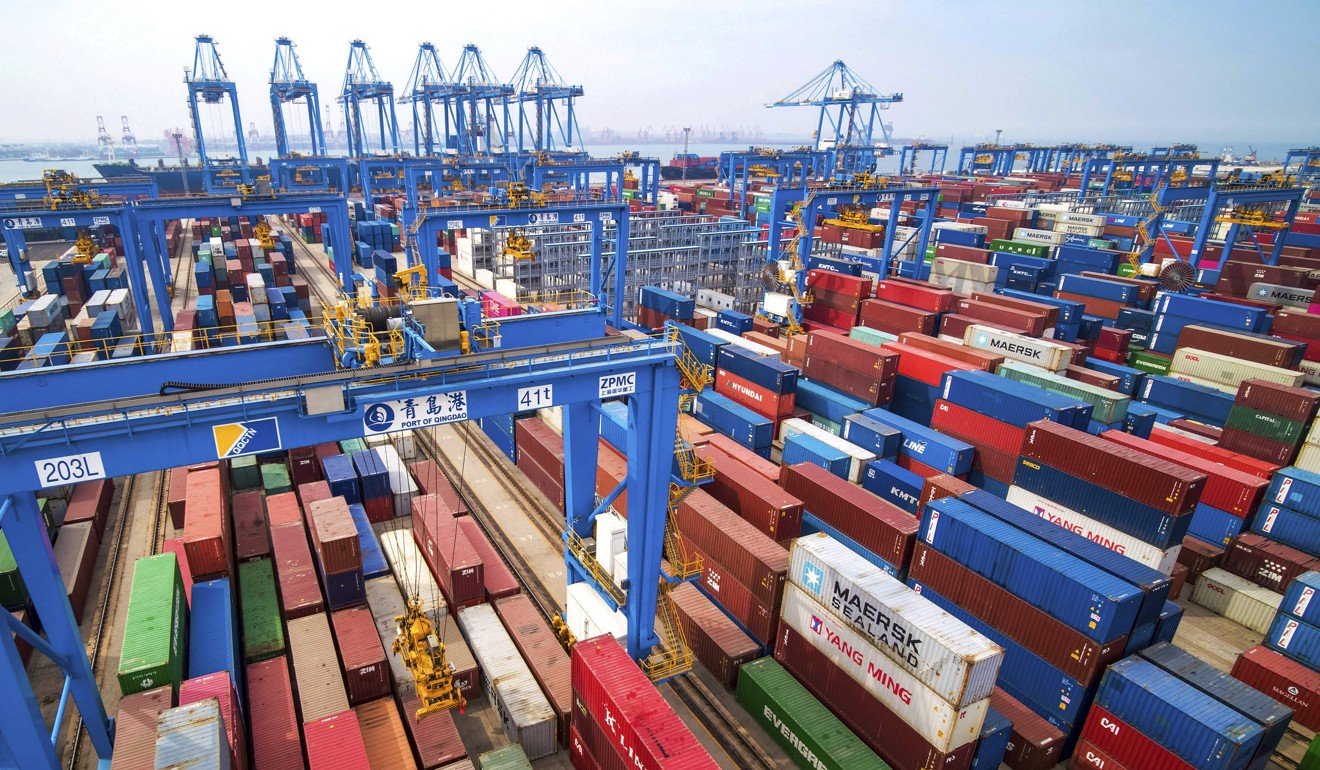
A container port in Qingdao, in China’s Shandong province. Photo: AP
Here Asean’s efforts could make it greater than its parts. The region’s location between the Indian and Pacific Oceans ensures that the great maritime powers of the world will always have a strategic interest in its well-being. But there are analogies with the Mediterranean world that may be relevant. Although on a smaller scale, naval power in that sea determined the fates of all the states involved, deep divisions between the states on its northern and southern coasts have lasted to this day. It is never a question of naval power alone. The states facing the sea have strong hinterlands and neither those of the north nor of the south could dominate the Mediterranean for long. That should remind us that Southeast Asia with its continental and maritime members could also be vulnerable to divisions when confronted by external forces coming from different directions and calling on each of its member states to choose sides.
Should China be worried about the US-Asean sea drill?
Another interesting question is why the South China Sea was never a zone of naval conflict the way the Mediterranean was. It is narrower in parts and wider in others and not well sealed like having Gibraltar at one end and Suez at the other. There are more openings to the ocean, as in the Taiwan Strait, the Sunda and Malacca Straits, as well as the passages leading into the South Pacific. In addition, unlike the Mediterranean where there were always powerful states on both sides of the sea, there was no power that could challenge the Chinese empire in the South China Sea. Had there been one, perhaps that sea would also have been a zone of tense and extended competition from ancient times.
That may be about to change. Today, the newly announced Indo-Pacific front has created a counter-power to face a rising China. At the same time, dynamic economic growth is moving from the Atlantic to this extended maritime space. Together, they have given new life to the Old World. Thus countries like China and India are building more credible navies to match those of Japan and the United States. In that way, the Indo-Pacific could serve as a larger Mediterranean in which the South China Sea acts as its strategic centre. That would make the double-ocean zone one of continuous tension in which powerful protagonists will keep the divisions permanent.
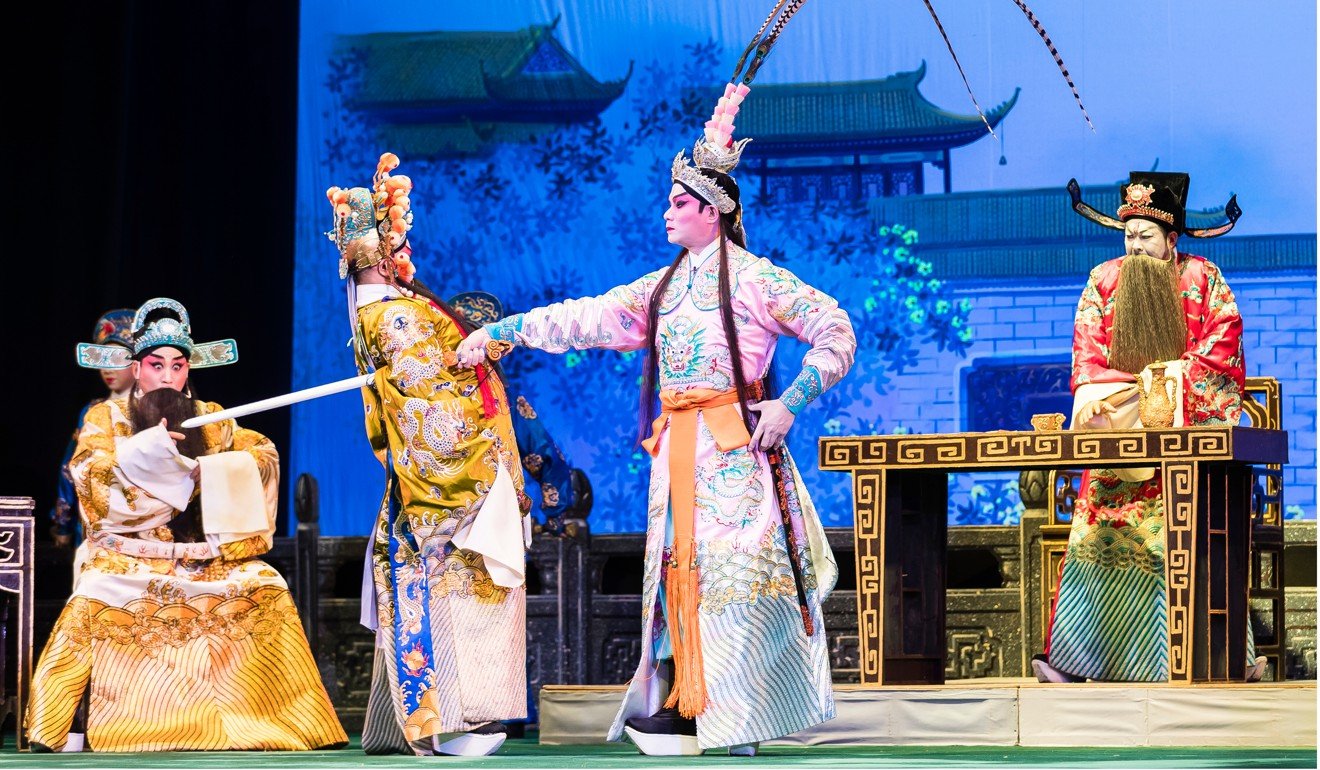
A Cantonese opera show. Can China hold on to its past as it builds a prosperous future? Photo: Handout
If Asean is divided underneath that overarching framework, it would be of little use to anybody. The region’s history renders it open to divisions, especially between the mainland and the archipelagic states that tend to look in different directions for their well-being. However, if these states can overcome their historical baggage, Asean could have a major role to play in the midst of the rapid changes in the relations between the New Global and Old World. If it is united on critical issues, it could provide a bridge that helps to make those relationships peaceful and constructive. That would not only help its members withstand the pressures put on them, but also demonstrate to all major powers that their interests are also best served by a truly united Asean.
Source: SCMP
Posted in Ancient past, Australian historian, Australian National University, barong bachi, build, China Reconnects: Joining a Deep-rooted Past to a New World Order, China’s national flag, Chinese Characteristics, Chinese dynasties, Confucian China, Confucian values, corruption, decline, Deng Xiaoping, eight honours and eight disgraces, forgetting, French saying, global leader, heritage, hexie shehuizhuyi shehui (Harmonious socialist society), historian, Karl Marx, Lady Justice, Middle Kingdom, modern ambitions, modern civilisation, National University of Singapore, sange daibiao (Three Represents), Scales of Justice, Shenzhen, the more things change the more things remain the same, Uncategorized, United States, Wang Gungwu, World Scientific Publishing, Xi JinPing, Zhejiang, zhi and xing (knowing and acting), Zhijiang xinyu, zhixing heyi |
Leave a Comment »
05/09/2019
- New material is almost identical in structure to human enamel, which does not regenerate itself
- Crystal-like mineral can grow on teeth and last permanently, researchers say
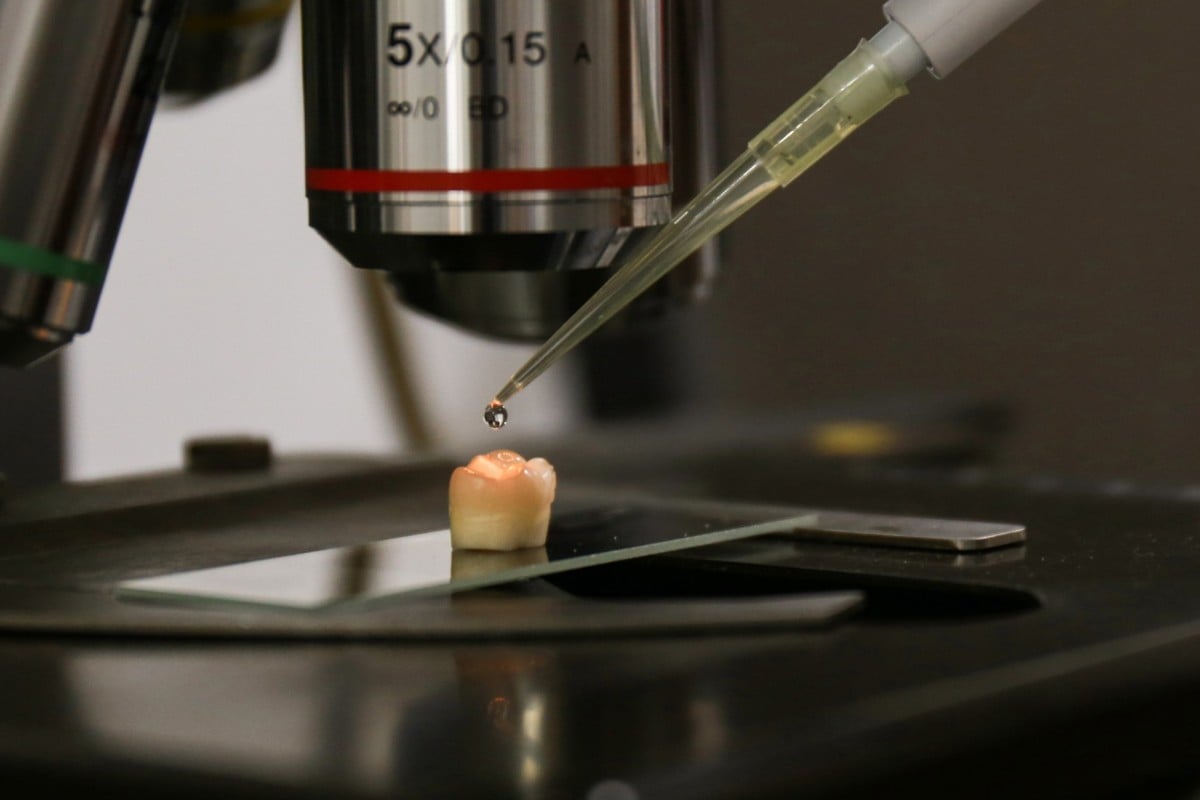
Drops of the liquid solution are applied to a human tooth. Photo: Zhejiang University
Scientists at a Chinese university say they have discovered the world’s first material that can repair damaged tooth enamel once and last for life.
A few drops of the liquid solution can fix all invisible cracks and wear on an ageing molar, according to researchers at Zhejiang University in Hangzhou, eastern China, whose work was published on Friday in the journal Science Advances.
The material, calcium phosphate ion clusters, can grow a thin layer of protective shield on teeth, the research showed. The transparent, crystal-like mineral has a structure resembling fish scales and a high mechanical strength – almost identical to the enamel on a human tooth.
Its repair of the tooth “would be permanent”, wrote the researchers, led by Professor Tang Ruikang at the university’s chemistry department.
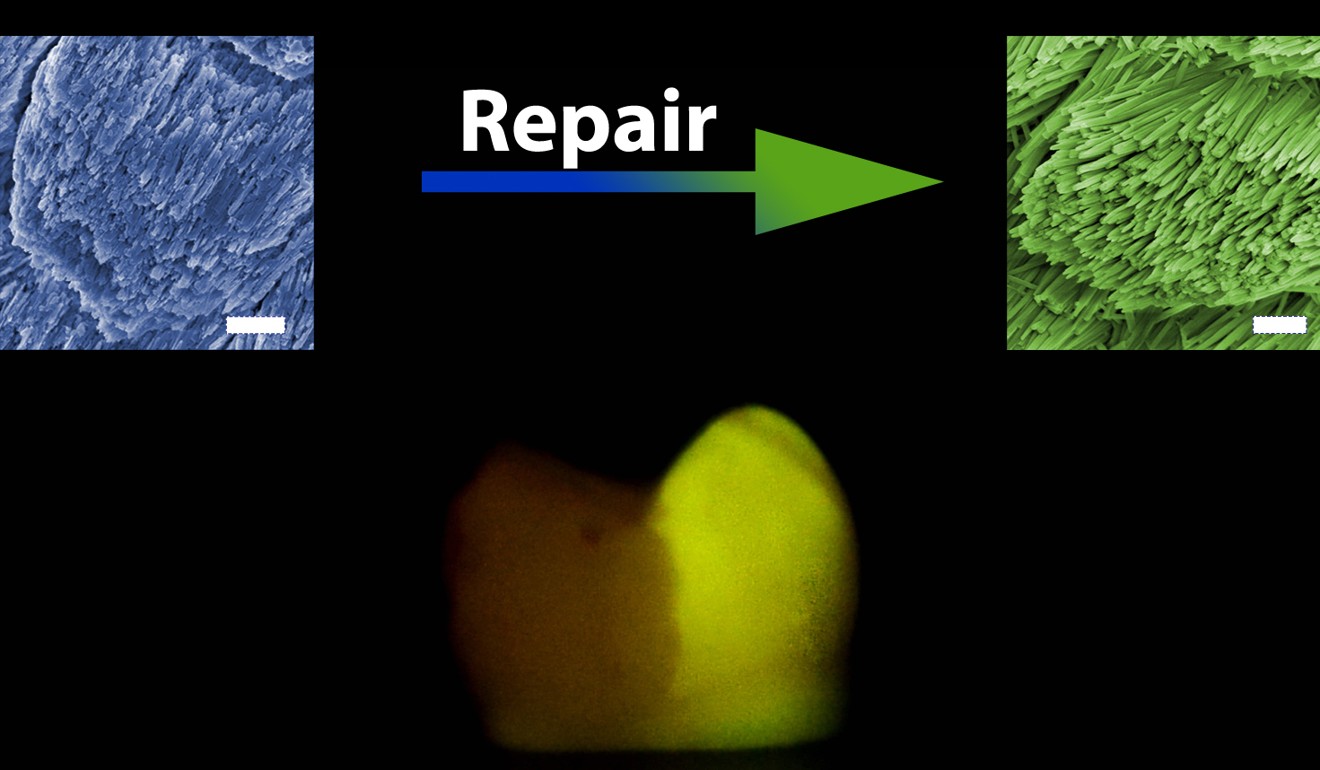
A tooth’s non-repaired left side (darker) and repaired right side (lighter) are compared using a fluorescent chemical. Photo: Zhejiang University
The technology could be developed as an effective remedy in clinical practice for enamel erosion, the main cause of tooth decay, Tang’s team said. Tooth decay affects almost half of the world’s population, costing dental patients in the United States and European Union a combined US$200 billion annually, according to the World Dental Federation.
Enamel, the outer covering of teeth, is the hardest tissue in the human body, protecting teeth during biting and chewing food.
Unlike other tissues such as muscle, bone and skin, enamel is generated by cells that die immediately after completing their job. The human body cannot produce more of them, so when enamel breaks or chips, it will not regenerate itself.
For decades, researchers around the world have conducted studies to seek a solution, but the artificial materials tested previously could not recreate precisely the fine structure of natural enamel, leaving gaps or holes that could cause it to break off real enamel.
Wouldn’t it be nice if our teeth fixed themselves, just like pandas’ do?
Tang’s team claim their new material can grow seamlessly on human teeth. They mixed two different types of repairing material together to form tiny clusters of mineral particles only 1.5 nanometres in diameter – smaller than a strand of human DNA.
Unlike in previous experiments, these clusters could remain stable for a long time without clumping together, making precise reconstruction of an enamel-like structure possible.
Chen Haifeng, associate professor at Peking University’s biomedical engineering department, said that the research was a positive step but that the new material might need improvements before clinical use.
For instance, the artificial layer requires two days to grow, which could be difficult for dentists to schedule with patients.
Many children use so much toothpaste it’s unhealthy, experts warn
The liquid solution contains triethylamine, a toxic substance with a very strong smell, which may pose a health risk, according to Chen. “But it doesn’t mean we can’t do anything,” he said.
The researchers said the chemical would quickly vaporise and none would be left in the teeth after the protective shield had formed.
Some products preventing enamel erosion and decay, such as toothpaste with enamel-strengthening ingredients, are already available in shops.
“Prevention is the best approach,” Chen said. “We should never wait until the damage is done. Our teeth are a miracle of nature. Artificial replacement will never do the job as well.”
Source: SCMP
Posted in ageing molar, almost, biomedical engineering department, bone, calcium phosphate ion clusters, chemistry department, Chinese scientists, Crystal-like mineral, dental patients, Enamel, European Union, first, fish scales, fix, grow, Hangzhou, human enamel, identical, invisible cracks, itself, last permanently, make, muscle, New material, pandas, Peking University, perfect replica, regenerate, researchers, Science Advances, skin, structure, teeth, tooth enamel, triethylamine, Uncategorized, United States, wear, World Dental Federation, Zhejiang University |
Leave a Comment »
05/09/2019
- Researchers will conduct tests at site in Gansu to see whether it will make a viable facility to store highly radioactive waste safely
- Scientists say China has the chance to become a world leader in this field but has to find a way to ensure it does not leak
A preliminary design for the Beishan Underground Research Laboratory. Photo: Handout
China has chosen a site for an underground laboratory to research the disposal of highly radioactive waste, the country’s nuclear safety watchdog said on Wednesday.
Officials said work will soon begin on building the Beishan Underground Research Laboratory 400 metres underground in the northwestern province of Gansu.
Liu Hua, the head of the Chinese National Nuclear Safety Administration, said work would be carried out to determine whether it would be possible to build a repository for high-level nuclear waste deep underground.
“China sees radioactive waste disposal as a very important part [of the development nuclear energy],” said Liu. “To develop nuclear energy, we must have safe storage and disposal of nuclear waste.”
China condemns US blacklisting of nuclear firms and says American companies could be hurt as a result
The Chinese authorities see nuclear power an important source of energy that will help to curb carbon emissions and pollution as well as reducing its dependence on fuel imports.
But while the country has made great strides in the development of nuclear power, it needs to find a safe and reliable way of dealing with its growing stockpiles of nuclear waste.
Liu said the Gansu site had been identified as a possible location for a deep nuclear waste store after years of searching.
Once the laboratory is built, scientists and engineers will start experiments to confirm whether it will make a viable underground storage facility.
“Based on the data of the experiments, we can then decide if we are going to pick this as the final site,” he added.
China ‘actively promoting’ nuclear fuel processing plant with French Areva
Chinese officials usually stay tight-lipped about how nuclear waste is disposed of mainly because of fears that any discussion of the topic would trigger safety fears, although in recent years more efforts have been made to inform the public to win support.
Scientists say that nuclear waste can be divided into three categories depending on the level of radioactivity.
Low-level waste consists of minimally radioactive materials such as mop heads, rags, or protective clothing used in nuclear plants, while intermediate-level waste covers things such as filters and used reactor components.
High-level waste, however, is generated by the reprocessing of spent nuclear fuel and scientists generally agree that the safest way to dispose of it is to bury it deep underground in areas where the geology means it will have a minimal impact on the environment while it decays over thousands of years.
The facility will be built in a remote part of Gansu province. Photo: Handout
Some Chinese scientists said the country had the chance to lead the world in this area of research but others have expressed concerns about safety.
Jiang Kejun, a senior researcher at the Energy Research Institute of China’s National Development and Reform Commission, said that very few countries in the world are studying this form of nuclear waste disposal.
“It gives China an opportunity to be a leader in research in this area, plus China has the technology and financial means,” he said.
About a dozen countries including France, Switzerland, Japan, and the United States have carried out research in this area, but in recent years most have abandoned or scaled back their programmes.
At present there are storage sites operating in Finland and the US, but other countries such as Germany have abandoned plans to build similar facilities.
Washington blacklists Chinese nuclear firms for ‘helping military acquire US technology’
But despite broad scientific support for underground disposal, some analysts and many members of the public remain sceptical about whether it is really safe.
Lei Yian, an associate professor at the School of Physics at Peking University, said there was no absolute guarantee that the repositories would be safe when they are come into operation.
“Leakage has happened in [repositories] in the US and the former Soviet Union … it’s a difficult problem worldwide,” he said. “If China can solve it, then it will have solved a global problem.”
China is also building more facilities to dispose of low and intermediate level waste. Officials said new plants were being built in Zhenjiang, Fujian and Shandong, three coastal provinces that currently lack disposal facilities.
At present, two disposal sites for low and intermediate-level waste are in operation in Gansu and Guangdong provinces.
Source: SCMP
Posted in American companies, Beishan Underground Research Laboratory, blacklists, bury it deep, carbon emissions, China alert, chinese authorities, Chinese National Nuclear Safety Administration, Chinese nuclear firms, Chinese officials, coastal provinces, condemns, conduct, Country, deep underground, difficult problem, disposal facilities, earmarks, Energy Research Institute, Environment, filters, Finland, France, French Areva, fuel imports, Fujian, Gansu Province, geology, Germany, global problem, great strides, helping military acquire, High-level waste, highly radioactive waste, hurt, intermediate-level waste, Japan, lack, Leakage, Low-level waste, mop heads, National Development and Reform Commission, National Development and Reform Commission (NDRC), nuclear energy, nuclear firms, nuclear fuel processing plant, Nuclear power, nuclear safety watchdog, nuclear waste, Peking University, Pollution, protective clothing, rags, repositories, repository, reprocessing of spent nuclear fuel, researchers, result, safely, School of Physics, scientists, shandong province, site, source of energy, Soviet Union, stockpiles, store, Switzerland, tests, Uncategorized, underground, underground disposal, United States, US, US blacklisting, US technology, used reactor components, viable facility, Washington, world leader, worldwide, Zhenjiang |
Leave a Comment »





 CHINDIA ALERT: You'll be living in their world, very soon