Archive for ‘Washington’

28/06/2019

Commentary: Xi-Trump meeting an opportunity to bring talks back on track

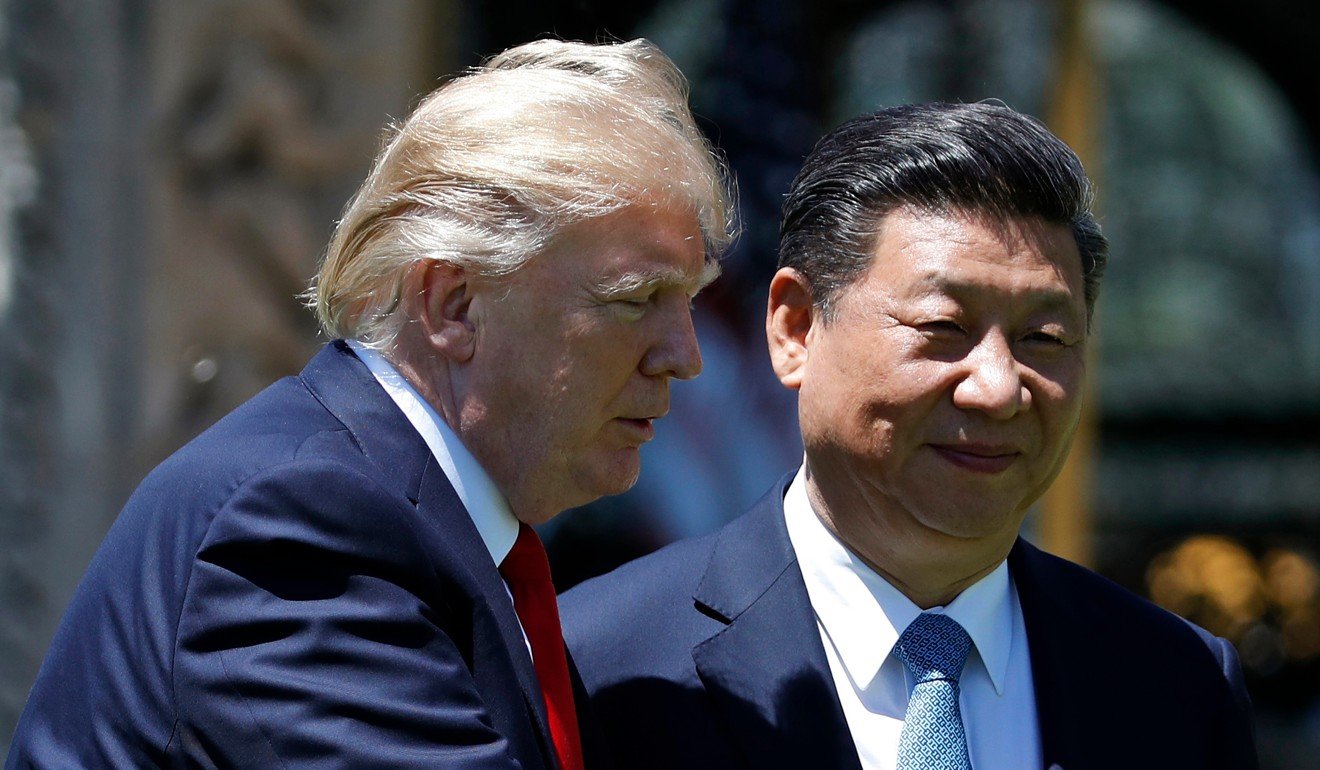
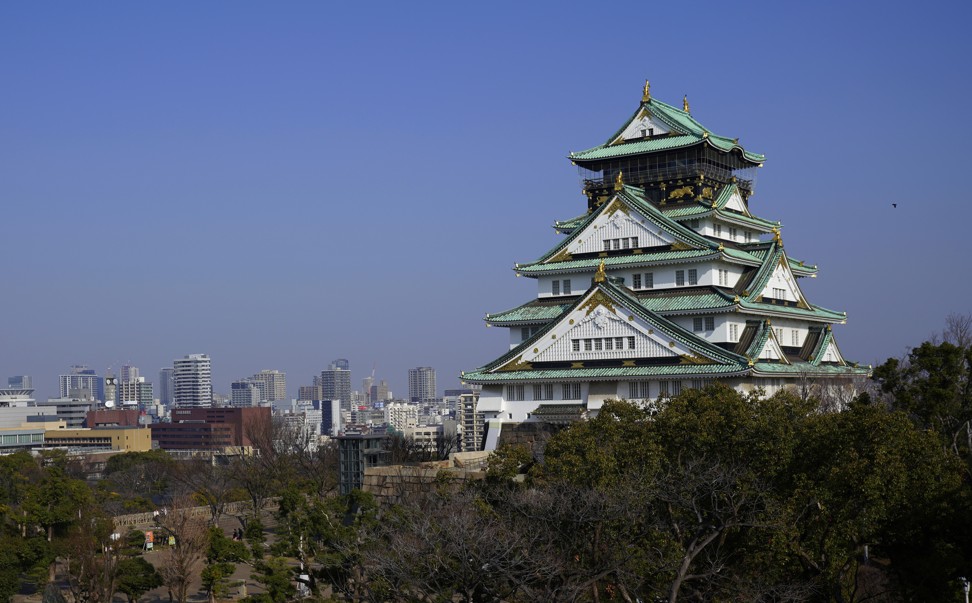
BEIJING, June 28 (Xinhua) — Chinese President Xi Jinping is set to sit down with his U.S. counterpart, Donald Trump, on the sidelines of the Group of 20 (G20) summit in the Japanese city of Osaka, igniting a flicker of hope to bring the China-U.S. trade talks back on track.

The meeting arrives at a time when Washington’s trade offensive against China is not only poisoning one of the world’s most important bilateral relationships, but also risking throttling the already frail global economic recovery. Its significance is thus too great to miss.

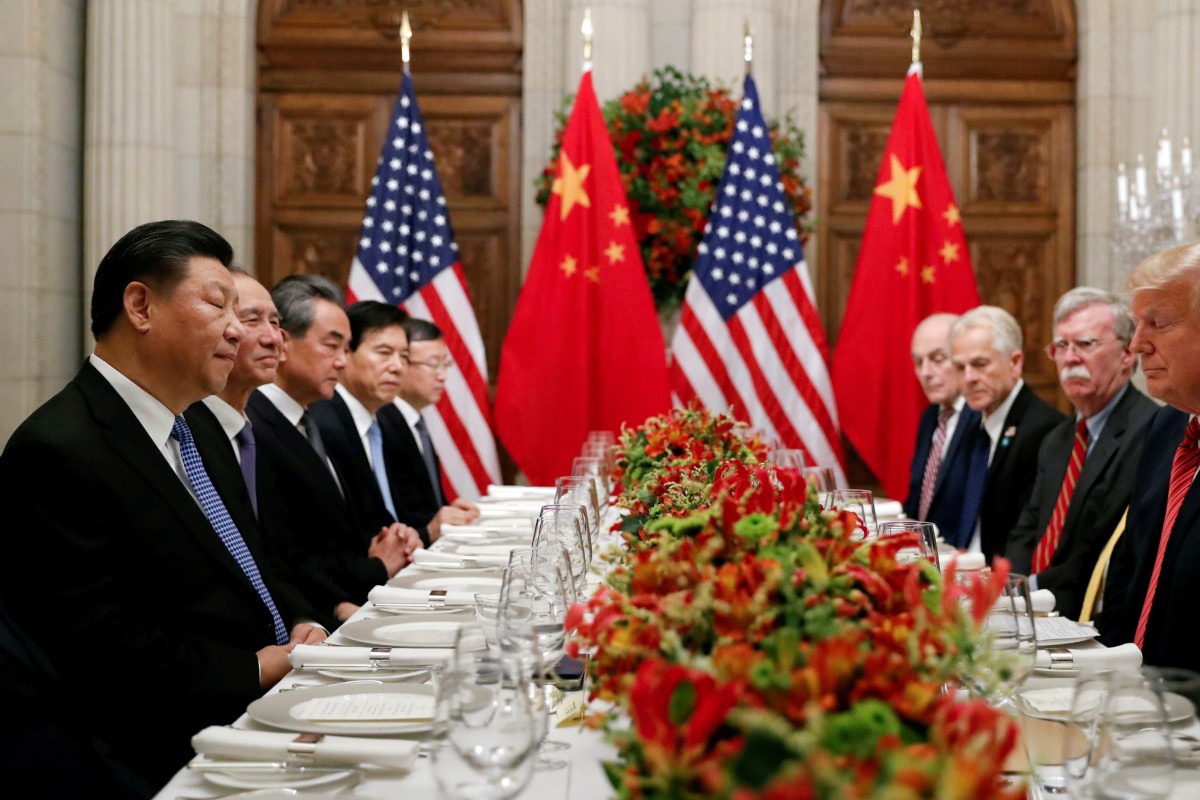
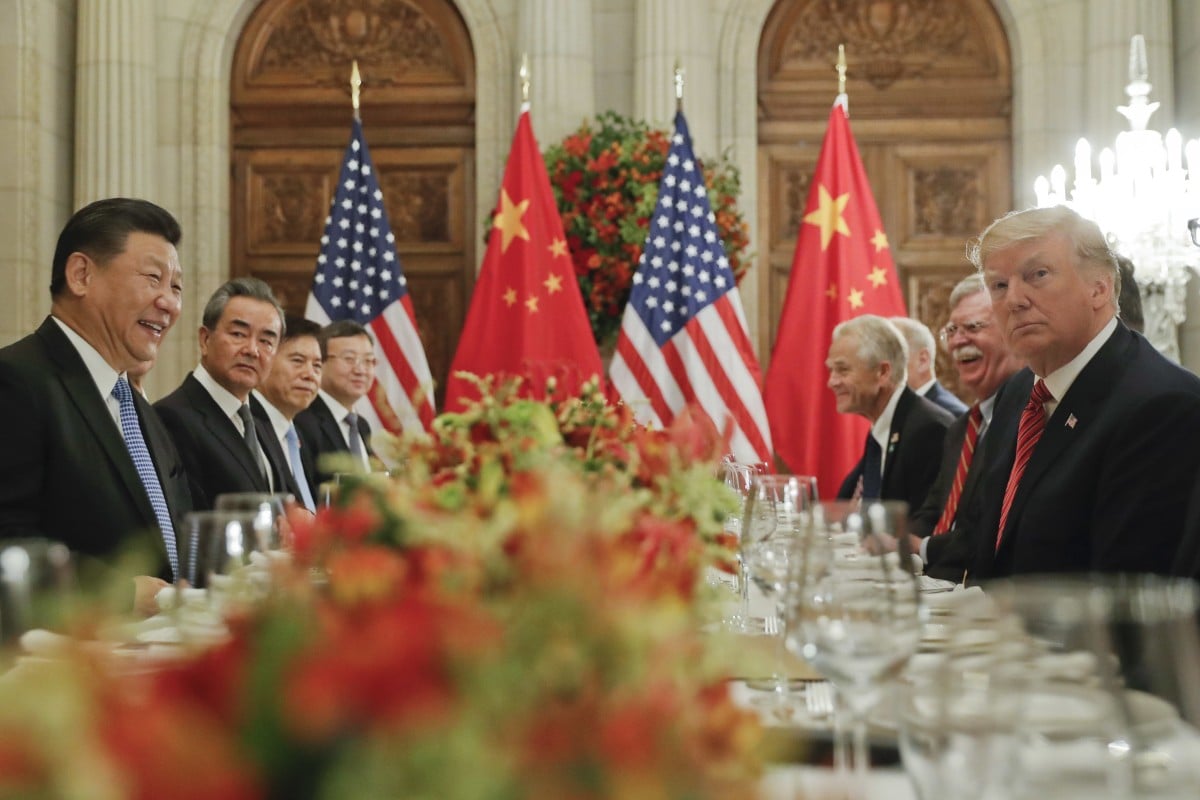
When the two presidents met each other at last year’s G20 summit in Argentina’s capital city of Buenos Aires, they reached an important consensus to pause the trade confrontation and resume talks. Since then, negotiating teams on both sides have held seven rounds of consultations in search for an early settlement.

However, China’s utmost sincerity demonstrated over the months seems to have only prompted some trade hawks in Washington to press for their luck.

Following its failure to coerce Beijing into swallowing a deal with unequal terms, a disappointed and enraged Washington returned to its tactic of tariffs by raising additional levies on 200 billion U.S. dollars’ worth of Chinese goods from 10 percent to 25 percent, and threatening a new round of tariff hikes on another 300 billion dollars’ worth of goods.

Some ultra-conservative U.S. decision-makers, who have for many years seen in China a “threat” to Washington’s sole superpower status, have tried to extend the trade campaign into a broader operation to shut China out and contain its rise.

As a result, Washington is cracking down on Chinese high-tech companies including telecom equipment provider Huawei, while many Chinese students seeking to study in the United States are facing more restrictions like months-long visa delay.

Thanks to Washington’s relentless efforts, the two countries, which should have celebrated the 40th anniversary of their diplomatic ties this year, are seeing their relations slipping down the path to a possible all-out confrontation.

Despite Washington’s “in-your-face” style of maximum pressure strategy, China has been steadfastly consistent in its position. It has always been committed to settling trade frictions via dialogue and consultation and safeguarding its legitimate and sovereign rights at the same time.

Beijing, as it has on various occasions reaffirmed, does not want a trade war, but is not afraid of one, and will fight to the end if necessary.

Last week, Xi had a telephone conversation with Trump at the request of the U.S. leader, saying that he stands ready to meet Trump in Osaka to exchange views on fundamental issues concerning the development of China-U.S. relations.

Xi’s words reflect an alarming fact that the two countries are facing a challenge to the fundamentals of their relationship. The upcoming Xi-Trump meeting provides a unique opportunity for the two sides to find new common ground in easing trade tensions and bring the troubled ties back onto the right track.

If the two sides can reach an agreement to pick up the talks, the United States needs to place itself on an equal footing with China, and accommodate China’s legitimate concerns on the basis of mutual respect, equality and mutual benefit in order to seek win-win results in the future negotiations.

Just one day ahead of the Osaka G20 summit, some U.S. politician again threatened to slap punitive levies on imported Chinese goods. Such cheap tactics to bring China down to its knees with pressure will get nowhere.

For more than a year, Washington’s spoils in its tariff campaign have so far only seen rising daily costs for ordinary American consumers, growing rejections from U.S. farmers, industry workers and business leaders, roller-coaster rides in U.S. stock markets, as well as China’s increasingly stronger determination to defend its rights.

The trade fight between the world’s two largest economies has already hit hard the global market and dented investors’ confidence worldwide. The latest World Trade Outlook Indicator reading of 96.3 remains at the weakest level since 2010, signaling continued falling trade growth in the first half of 2019, according to the World Trade Organization.

Trade wars produce no winner. In his latest telephone talk with Xi, Trump said he believes the entire world hopes to see the United States and China reach an agreement. To get an agreement, Washington’s hardliners need to know that Beijing will neither surrender to their pressure, nor permit Washington to deprive Chinese people of their rights to pursue a better life.

And for the agreement to be sustainable, Washington’s China policy should be rational. A rising China is not seeking to grab global hegemony. It will continue to work with nations around the world, including the United States, to boost common development and build a community with a shared future for mankind.

The past 40 years of China-U.S. relationship have proved that when the two countries work together, they both win and the world gains as well. But when they fight each other, all are poised to lose.

China and the United States, as two major economies in the international community, bear special responsibility for the wider world.

Therefore, the two sides, just as what Xi said during his meeting with The Elders delegation this April in Beijing, need to manage their differences, expand cooperation and jointly promote bilateral relations based on coordination, cooperation and stability so as to provide more stable and expectable factors to the world.

Source: Xinhua
28/06/2019

Japan’s Abe and China’s Xi Jinping meet amid trade war fears

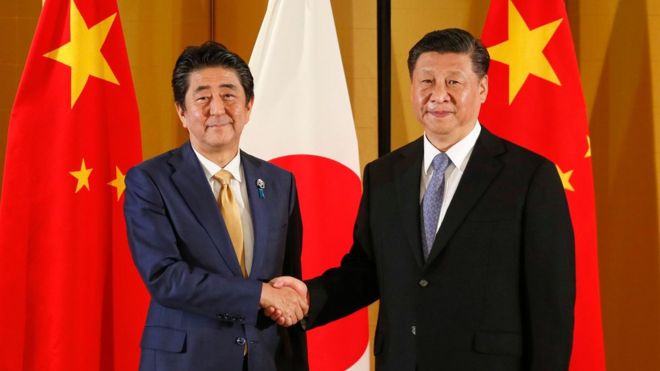
Japanese Prime Minister Shinzo Abe (R) shakes hands with Chinese President Xi JinpingImage copyright AFP

Chinese President Xi Jinping has met Japanese Prime Minister Shinzo Abe at a time of warming ties between the two nations.

Relations have historically been strained, but concerns over US trade policy and North Korea’s nuclear programme have shifted them closer.

The two leaders met on the sidelines of the forthcoming G20 summit in Japan.

“I want to open up a new age of Japan-China relations hand in hand with President Xi,” Mr Abe told reporters.

The pair agreed to work together to promote “free and fair trade” following a “very frank exchange”, a Japanese official said.

It is the first official visit Mr Xi has made to Japan since becoming president in 2013. At the outset of their talks on Thursday, Mr Abe invited him to return on a state visit next year.

“Around the time of the cherry blossoms next spring, I would like to welcome President Xi as a state guest to Japan,” he said. “[I] hope to further elevate ties to the next level.”

What did the leaders discuss?

Japan and China are by far Asia’s largest economies and the talks on Thursday focused strongly on business.

Last year, the two sides signed a deal to maintain annual dialogue and to co-operate on innovation. This time around, officials say, they pledged to develop a “free and fair trading system” in a “complicated” global economic landscape.

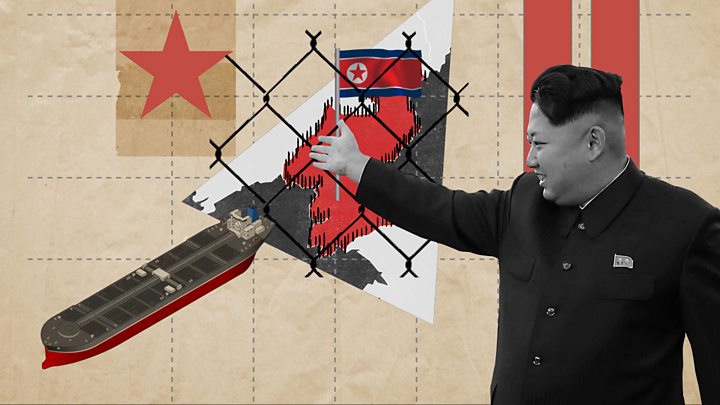
Media caption North Korea has been called out for evading UN sanctions

Another topic on the schedule would probably have been North Korea. While China is North Korea’s biggest trading partner, both Tokyo and Beijing want it to abandon its nuclear programme.

Mr Abe has only very limited leverage on the matter and will try to sway both the US and China to keep Tokyo’s interests in mind in any negotiations.

The G20 summit will begin on Saturday, but the main meeting is likely to be overshadowed by the many bilateral talks that are set to happen on the sidelines.

For example, Mr Xi will meet President Trump as China and the US try to resolve their trade dispute.

Do Japan and China get along?

In the past, relations have been tense. While the two countries do have close trade ties, politically things have been much more fragile.

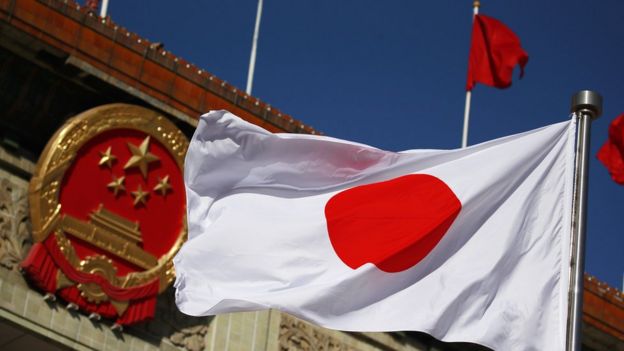
Japanese and Chinese flagsImage copyright EPA
Image caption Japan and China have not always had warm relations

Japan’s World War Two occupation of parts of China remains a very emotional issue. There are also several ongoing territorial disputes between Tokyo and Beijing.

But tensions with Washington over its protectionist trade policy have driven Japan and China into an unlikely friendship.

In 2018, Mr Abe hailed his high-profile visit to Beijing as an historic turning point. Both leaders have since promised to establish positive, constructive, relations.

Source: The BBC

26/06/2019

Pompeo meets India PM Modi for talks on trade, defence

NEW DELHI (Reuters) – U.S. Secretary of State Mike Pompeo met India’s Prime Minister Narendra Modi on Wednesday for talks on trade and defence issues that have strained ties between the countries.

Just days before Pompeo’s visit, India slapped higher retaliatory tariffs on 28 U.S. products following Washington’s withdrawal of key trade privileges for New Delhi.

Indian broadcasters showed footage of Pompeo exchanging handshakes with Modi at the prime minister’s official residence in the capital New Delhi on Wednesday morning. Neither side released details of the meeting.

India’s relations with Russia and Iran – both under U.S. sanctions – are also a sore point.

Under U.S. pressure, India has stopped buying oil from Iran, one of its top suppliers. The United States has also stepped up pressure on India not to proceed with its purchase of S-400 surface-to-air missile systems from Russia.

Pompeo is scheduled to have lunch with foreign minister Subrahmanyam Jaishankar, followed by a news conference at 1400 local time (0930 GMT), the foreign ministry said.

He is expected to round off the trip with a policy speech hosted by the U.S. Embassy on Wednesday evening, before departing on Thursday for the G20 summit in Japan.

Source: Reuters

23/06/2019

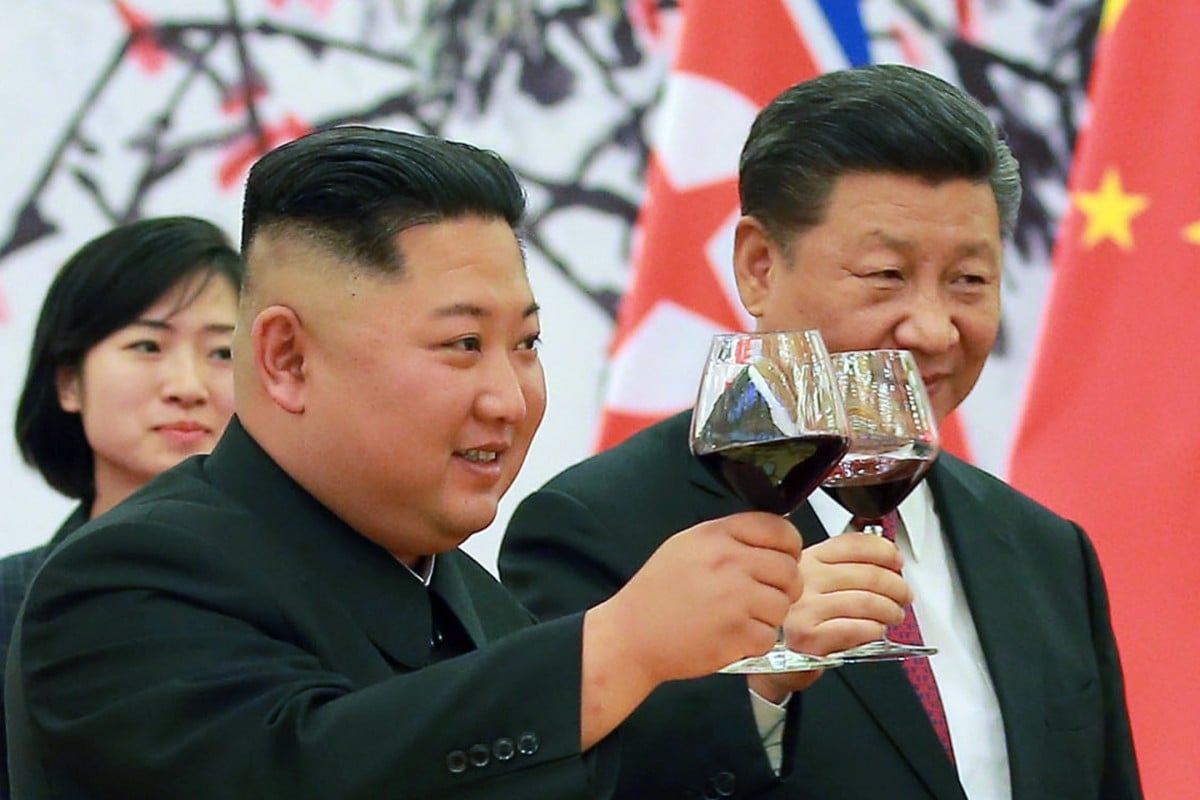
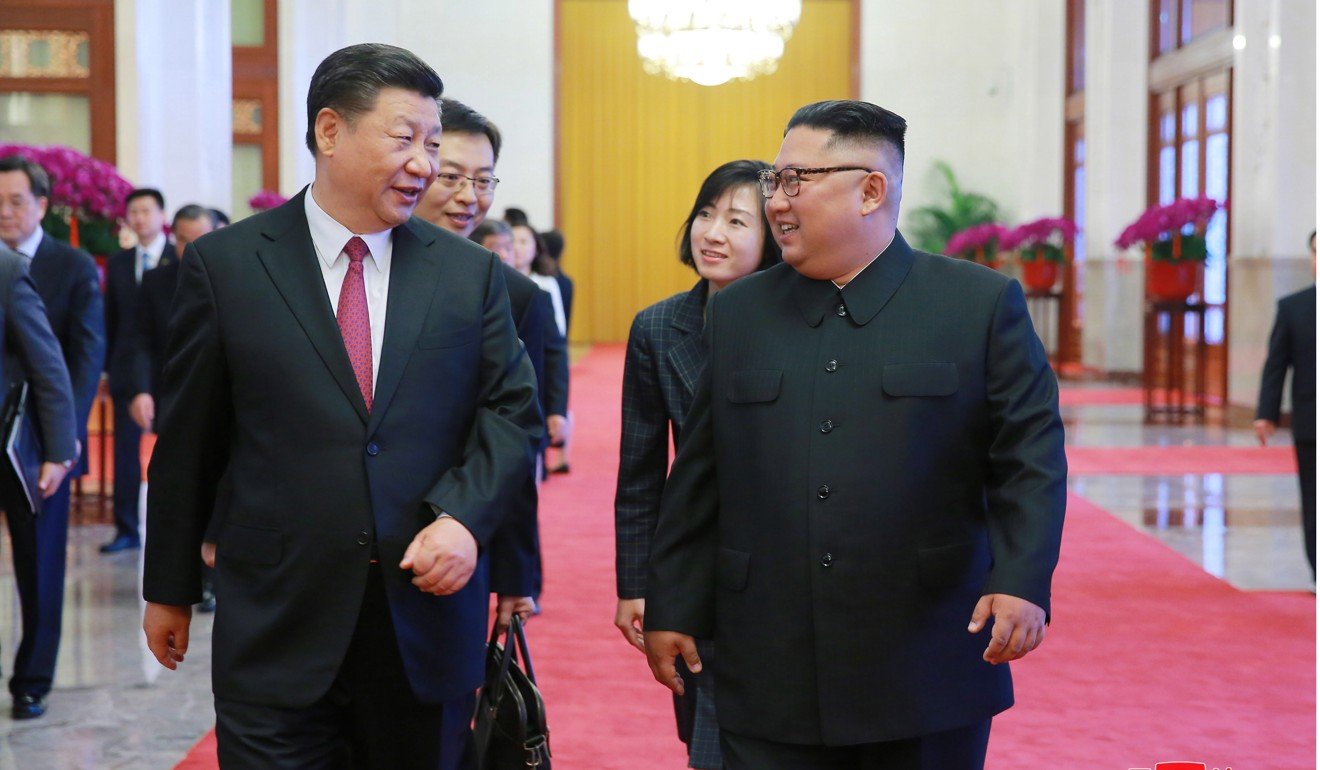
Xi Jinping’s state visit to North Korea aims for ‘new impetus’ in ties

  • Stalled denuclearisation talks also expected to be on the agenda when Chinese president meets Kim Jong-un this week
  • Analysts say Korean peninsula has become intense diplomatic battleground between Beijing and Washington
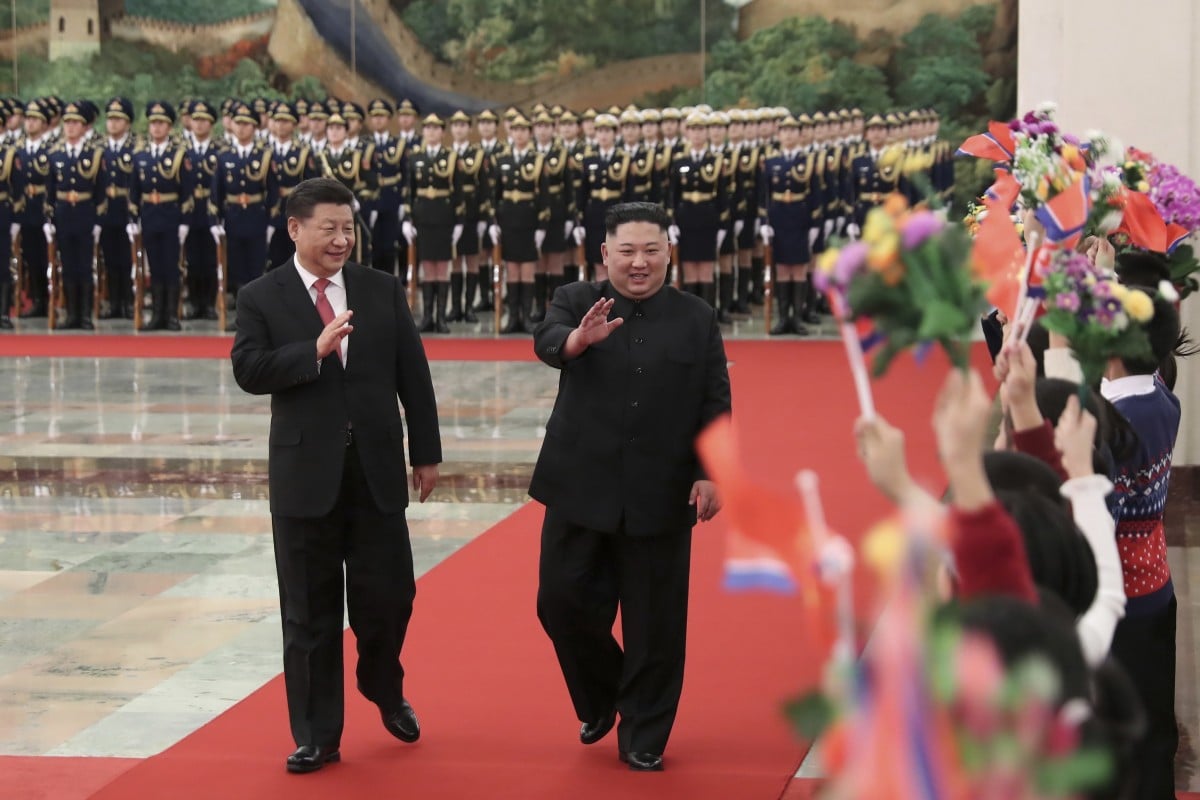
North Korean leader Kim Jong-un (right) attends a welcome ceremony in Beijing with Chinese President Xi Jinping in January. Xi will begin a visit to Pyongyang on Thursday. Photo: AP
Xi Jinping’s upcoming trip to 
North Korea

will be a state visit – a higher status than the last trip to the hermit kingdom by a Chinese president, highlighting the close bilateral ties between Beijing and Pyongyang.

Xi’s two-day trip, which 
begins on Thursday

, is the first by a Chinese president to North Korea in 14 years and comes just a week before he is due to meet US President Donald Trump for talks on the sidelines of the Group of 20 summit in Japan.

“Leaders of the two countries will review the development of the bilateral relationship and carry out an in-depth exchange of opinions on the development of Sino-North Korean relations in the new era, and chart the future course of development,” state news agency Xinhua reported on Tuesday.
Xi’s predecessor, Hu Jintao, went to North Korea in October 2005 on a three-day trip described as an “official goodwill” visit.
Speaking at a regular press briefing in Beijing on Tuesday, foreign ministry spokesman Lu Kang said Xi’s visit aimed to “inject new impetus” into relations in the year the two countries marked the 70th anniversary of establishing diplomatic ties, and to give stalled denuclearisation talks a much needed push.
“Regarding the progress on denuclearisation, as I said, the result of the Hanoi leaders’ meeting in February was indeed a little unexpected. But after that, everyone actually looks forward to the resumption of dialogue in a good direction,” Lu said, referring to the failed talks between Trump and North Korean leader Kim Jong-un in the Vietnamese capital four months ago.

Trump hinted at the possibility of another meeting with Kim after receiving what he called “a beautiful letter” from the North Korean leader last week. On Tuesday, South Korea’s chief nuclear negotiator, Lee Do-hoon, said the US had been in contact with the North.

Life in North Korea the ‘admiration and envy’ of others, state media says

Washington will also send US Special Representative for North Korea Stephen Biegun to South Korea next week, days after Xi’s visit to Pyongyang, to fully align its position on North Korea with its ally.

Meanwhile, Trump confirmed he would meet Xi for talks in Osaka next week, saying in a tweet on Tuesday they had “a very good telephone conversation” and would hold “an extended meeting” at the G20 summit, where they are

expected to try to cool tensions

over an almost year-long trade war.

Donald J. Trump

@realDonaldTrump

Had a very good telephone conversation with President Xi of China. We will be having an extended meeting next week at the G-20 in Japan. Our respective teams will begin talks prior to our meeting.

Analysts said the Korean peninsula had become an intense diplomatic battleground between Beijing and Washington.
Cha Du-hyeogn, a visiting research fellow at the Asan Institute for Policy Studies in Seoul, said China and the US were competing for influence over the peninsula.
“The US and China are seeking a greater sphere of influence in the region. After the Singapore summit between Trump and Kim last year, the US and North Korea are the only key players on peninsula matters. China may want to restore its influence and become a major player,” Cha said.
“But China is less likely to have a so-called strategic competition with the US – that is to say, it won’t challenge the US-led sanctions regime and its goal in achieving North Korea’s denuclearisation. In fact, it is likely to persuade Kim to come to the negotiating table for complete denuclearisation.”
Chinese tourists flood North Korea as Beijing remains Pyongyang’s key ally

Pyongyang has demanded the lifting of sanctions imposed on the regime following its nuclear and missile tests, while Beijing has said the livelihoods of North Koreans should not be affected. But Washington insists full sanctions should remain in place.

The US has also voiced scepticism about Chinese compliance with the sanctions. At a security summit in Singapore earlier this month, US acting Pentagon chief Patrick Shanahan – who on Wednesday stepped down from his role 

amid domestic abuse claims

– presented his Chinese counterpart Wei Fenghe with photographs and satellite images of North Korean ships transferring oil near China’s coast.

Analysts said Xi would seek to use the visit to boost China’s diplomatic leverage on the North Korean nuclear front, strengthening its hand in dealing with the US.
Exports from North Korea to China, which account for the bulk of its trade, plunged 87 per cent last year from 2017, and the country has faced other economic problems at a time when Kim has vowed to deliver on the economy.
A diplomatic source said China was expected to offer a large amount of humanitarian assistance, such as food and fertiliser, to North Korea, which could weaken the impact of sanctions.

China’s goal of denuclearisation on the Korean peninsula is unwavering and will not changeLu Chao, North Korean affairs expert at Liaoning Academy of Social Sciences

Communist Party mouthpiece People’s Daily on Tuesday said via its social media account that Xi would discuss economic and trade cooperation with Kim during the visit.

Quoting Zheng Jiyong, director of the Centre for Korean Studies at Fudan University in Shanghai, the newspaper said Pyongyang had taken steps to reform its economy and introduced China’s industrial manufacturing blueprint.

In September, Beijing proposed building a rail link from the city of Dandong, in China’s northeastern Liaoning province, to Pyongyang and then on to Seoul and Busan in the South, as well as a new road between Dandong and Pyongyang through Sinuiju.

Lu Chao, a North Korean affairs expert at the Liaoning Academy of Social Sciences, said large-scale economic cooperation between China and North Korea was unlikely because of the sanctions, but smaller moves were possible.

Chinese tourists flood North Korea as Beijing remains Pyongyang’s key ally

“For example, China may export daily necessities to North Korea. And if it’s needed, China is very likely to provide [food] assistance to North Korea,” Lu said. “I believe the UN sanctions on North Korea should change, because it has shown a more substantive approach to [achieving] denuclearisation.”

But analysts said Beijing remained firm on the need for Pyongyang to honour its pledges so that denuclearisation could be achieved.

“China’s goal of denuclearisation on the Korean peninsula is unwavering and will not change … China supports [North Korea] and the US continuing to hold talks,” Lu said.

Beijing also had an important part to play in the peace process, according to Boo Seung-chan, an adjunct professor at the Yonsei Institute for North Korean Studies in Seoul.

“China can have a positive role as a mediator to facilitate the peace process on the Korean peninsula,” Boo said.

Source: SCMP

23/06/2019

China confirms President Xi Jinping’s three-day trip to Japan this week

  • Leader will arrive on Thursday, ahead of G20 summit in Osaka, foreign ministry says
  • He is expected to hold talks with Donald Trump on sidelines of meeting
China has confirmed that President Xi Jinping will travel to japan this week. Photo: AFP

China on Sunday confirmed that President Xi Jinping will attend the G20 summit in Osaka this week.

Xi will spend three days in Japan – his first visit to the country since coming to power in 2013 – the foreign ministry said.

He will travel to Japan on Thursday and is expected to meet his US counterpart Donald Trump on the sidelines of the meeting of leading and emerging economies, which runs from Friday to Saturday, it said.

It is possible the pair will hold formal negotiations over dinner, as they did in Argentina in December at the last G20 summit.
Presidents Xi and Trump are expected to hold talks over dinner, as they did in Argentina in December. Photo: Kyodo

On Saturday, People’s Daily, the mouthpiece of China’s Communist Party said in a commentary that the trade war between China and the US could be resolved only through “equal conversation”.

“For the talks to resume … the key is to address the primary concern of the other side. The tariffs already in place must be revoked,” it said.

Trade deal ‘within reach if Xi and Trump show courage’

Meanwhile, state broadcaster CCTV on Friday criticised Washington’s decision to add five Chinese companies to its list of entities considered a threat to national security.

“The US made this move to put more pressure China ahead of the trade talks,” it said, adding that it might produce a result opposite to the one desired by Washington.

The report came after the US commerce department said it had added five Chinese firms that manufacture supercomputers and their components to the entity list, restricting their ability to do business with the US.

The blacklist effectively bars American firms from selling technology to the Chinese organisations without government approval. Last month, the commerce ministry added telecoms giant 

Huawei

to the list, heightening tensions with Beijing.

Xi told Trump on Tuesday he was willing to meet in Japan. Photo: AP

In a telephone conversation on Tuesday, Xi told Trump he was willing to meet in Japan and said he “agreed that the two countries’ trade delegations should keep communications going to solve their differences”, CCTV reported.

Kong Xuanyou, China’s new envoy to Japan, said on Friday that he hoped Xi would make an official visit to the country soon, ideally during the cherry blossom season next spring. The foreign ministry statement made no mention of such a visit.

Source: SCMP

19/06/2019

Chinese President Xi Jinping gives North Korean leader Kim Jong-un his full support

  • ‘Traditional friendship’ between two nations will continue whatever the future brings, Xi says ahead of two-day trip to Pyongyang
  • Visit comes amid rising tensions between Beijing and Washington, and stalled negotiations on the denuclearisation of the Korean peninsula
Chinese President Xi Jinping says China will continue to “firmly support” North Korean leader Kim Jong-un. Photo: AP
Chinese President Xi Jinping has pledged his full support for North Korean leader Kim Jong-un and promised to play an active role in efforts to bring peace and stability to the region, a day ahead of his 
first ever state visit

to the reclusive nation.

Xi’s comments, in an editorial published by North Korean newspaper Rodong Sinmunon Wednesday, come as China remains locked in a trade and technology war with the United States, and after a second summit between US President Donald Trump and Kim in Hanoi in February failed to achieve any progress on the denuclearisation of the Korean peninsula.
“No matter how the international situation changes”, China would “firmly support Chairman Kim Jong-un to lead the North Korean party and people to implement the new strategic line”, the article said.
As well as expressing the two sides’ desire to strengthen “strategic communication and exchanges”, Xi said Beijing would continue to support Pyongyang in its negotiations with other countries.
Xi Jinping (left) says China will “contribute to peace, stability, development and prosperity in the region”. Photo: EPA-EFE

“We will actively contribute to peace, stability, development and prosperity in the region by strengthening communication and coordination with the Democratic People’s Republic of Korea,” he said, referring to the country by its official name.

China would also engage with other stakeholders “by jointly expediting progress on dialogue and negotiations on the issues of the Korean peninsula”, he said.

Xi’s state visit to North Korea aims for ‘new impetus’ in ties

Speaking ahead of Xi’s two-day trip to Pyongyang, which starts on Thursday, Chinese foreign ministry spokesman Lu Kang said on Tuesday that the outcome of the Trump-Kim summit in Hanoi was “a little unexpected” and that China was encouraging both sides to continue their dialogue.

Trump said last week that he had received a “

beautiful letter

” from Kim that had “reset” the tone between the two countries. In May, he said Pyongyang was “not ready to negotiate”.

One of the major stumbling blocks in the negotiation process has been the United Nations sanctions. Pyongyang has stipulated that they should be lifted as a precondition of the denuclearisation process while Washington has insisted they should remain in place until North Korea provides clear evidence the process is under way.

China, meanwhile, has been accused of providing large amounts of humanitarian aid to its neighbour to help offset the impact of the sanctions.

Xi said China would continue to support North Korea in raising “legitimate concerns through dialogue”.

“No matter how the wind and clouds of the international situation change, our two parties and two peoples inherit and carry forward the traditional friendship between China and the DPRK,” he said.

Zhao Tong, a fellow at the Carnegie-Tsinghua Centre for Global Policy, said that while the main aim of Xi’s visit was to reaffirm ties, its timing, amid the US-China dispute, was designed to show Beijing still had a role to play in the negotiations.

“As China-US strategic rivalry grows, China wants to maintain its geopolitical influence on the Korean peninsula. By demonstrating its unique relations with the DPRK at a time when neither Washington nor Seoul is able to resume high-level engagements with Pyongyang, Beijing is signalling to Washington that it is still a helpful, constructive and indispensable partner to resolve important regional problems,” he said.

Xi’s visit to North Korea will be the first by a Chinese leader since Hu Jintao in 2005.

Source: SCMP

19/06/2019

Xi Jinping and Donald Trump to broaden agenda beyond US-China trade war for meeting at G20 summit in Osaka

  • Osaka summit intended to pull bilateral ties away from brinkmanship that has dragged relations to lowest point in decades
  • Trade war just one of the items on the agenda, analysts say, along with principles of relationship, North Korea, and Huawei
The last time the US President Donald Trump and China’s President Xi Jinping met was in Buenos Aires in December. Analysts are confident that their meeting at the G20 Summit in Osaka this month can yield a freeze in the escalation of the trade war. Photo: Reuters
When Chinese President Xi Jinping meets his US counterpart Donald Trump in Japan at the end of the month they are expected to discuss a broad range of issues, including the trade war, in an effort to stop the relationship from tilting towards sustained confrontation, analysts said.
Neither side has provided an agenda for the meeting on the sidelines of the G20 leaders summit in Osaka, despite confirmation coming from both sides that it was to take place, after weeks of speculation.
A summary of Tuesday’s phone conversation between Xi and Trump published by Xinhua, however, implied that the leaders would cover more strategic issues, leaving the nuts and bolts of a trade deal to their negotiating teams. Meanwhile, China’s foreign ministry spokesperson Lu Kang said at a regular press conference on Wednesday that the two leaders would discuss the overall direction of bilateral relations, but he did not elaborate further.
Both China and the United States have confirmed that their leaders will meet in Osaka at the end of June, at a time when US-China relations have nosedived. Photo: AP
Wei Jianguo

, a former vice-minister at China’s Ministry of Commerce, predicted that Beijing would use the meeting to make clear a few principles regarding the bilateral relationship.

“It’s inevitable [for China and the US] to have problems in certain fields, but both sides should resolve the problems through dialogue on an equal footing rather than opting for a trade war, a tech war, or a financial war,” said Wei, now a vice-chair at the state-backed China Centre for International Economic Exchanges, a think tank.
He added that China would try to convince the US that it had no intention of challenging its global hegemony, but that China’s own “core interests”, including its sovereignty, territorial rights and room to develop, “must be respected”.

A government official in Beijing, who declined to be identified, said China was pinning its hopes on the leaders’ summit to ease general tensions between Beijing and Washington, even though the chances of the leaders reaching any concrete agreements in Osaka was small.

“Without a leaders’ summit, it would be difficult to push ahead the work [to reach agreements] at the ministerial or lower levels,” the source said.

Wei Jianguo, a former vice-minister at China’s Ministry of Commerce, predicted that Beijing would use the meeting to make clear a few principles regarding the bilateral relationship. Photo: Handout

The last summit between Trump and Xi in Buenos Aires in December resulted in a tariff truce and negotiations that continued until early-May. But the talks failed to achieve a deal to end the conflict, resulting in the US more than doubling tariffs on US$200 billion of Chinese imports and threatening tariffs on almost all remaining Chinese imports, valued at US$300 billion by the US government.

Tuesday’s telephone call, in which 

Xi told Trump

he was willing to exchange views with Trump on “the fundamental issues” affecting China-US relations, came at a low point in recent China-US relations.

The tariff increase followed the collapse of trade talks in early-May, while hostile rhetoric has spread into the political and military spheres. The US labelled China a “strategic competitor” and accused Beijing of conducting sustained espionage to impede US’s national security, while China blamed the US for trying to thwart China’s development by targeting Huawei and infringing on China’s sovereignty over Taiwan and Hong Kong.
Zhou Rong, a senior fellow from the Chongyang Institute for Financial Studies at the Renmin University of China, said the two leaders have a long list of issues to talk about this time in addition to trade, including Taiwan, the South China Sea, as well as the treatment of Chinese companies in the US. China can offer to help on some issues but “the US should not force China to swallow bitter fruit it cannot digest”, Zhou said.
Ni Feng, a specialist in Sino-US relations at the Chinese Academy of Social Sciences, said they would discuss the “overall direction” of their bilateral relationship, including where the two nations could engage in “competition and cooperation”.
He added that North Korea may be on the agenda because “China and the US share the same goal of the denuclearisation of the Korean peninsula.” 
Xi is set to start

 a two-day state visit to Pyongyang on Thursday.

Another source in the Chinese government, who wished to remain anonymous, said Xi was very likely to bring up the US’ blacklisting of Huawei, China’s leading technology firm. Washington has effectively banned American companies from providing key components to the Shenzhen-based company.
Meng Wanzhou, Huawei’s chief financial officer and the daughter of founder Ren Zhengfei, is currently on bail in Canada awaiting extradition to the US to face charges that both she and Huawei violated US sanctions on Iran.
During Tuesday’s call, Xi told Trump that China “hopes the US side can treat Chinese businesses fairly”, Xinhua reported.
China's President Xi Jinping waits for the start of the G20 summit in Buenos Aires, Argentina, Friday, Nov. 30, 2018. Photo: AP
China’s President Xi Jinping waits for the start of the G20 summit in Buenos Aires, Argentina, Friday, Nov. 30, 2018. Photo: AP

At the same time, Trump and Xi agreed that the two countries’ trade negotiators would start to talk again before the meeting in Japan, raising prospects for a second truce in the trade war, or even a deal to end the conflict.

Matthew Goodman, a researcher at the Centre for Strategic and International Studies in Washington, wrote in a note that a Trump-Xi deal on trade-in Osaka “is certainly possible”.

The most likely outcome is similar to the one reached in Buenos Aires in December last year, when Trump and Xi “agreed to a temporary truce while trade negotiators work to hammer out a deal”, Goodman wrote. “This would postpone the worst effects of the current escalation but is unlikely to solve the deepening and dangerous rift in US-China relations”.

The South China Morning Post previously reported that the Osaka summit meeting, which is likely to take place on Saturday June 29, could also be a sit-down dinner between Trump, Xi and their top economic and security aides, as occurred in Buenos Aires. Trump tweeted Tuesday night that he would have an “extended” meeting with Xi in Japan.

Source: SCMP

17/06/2019

China quiet on Xi Jinping’s G20 meeting and trade talk demands in face of fiery Donald Trump rhetoric

  • It is expected the two leaders will meet in Japan at the end of June
  • Analysts see an increasing caution from China amid low expectations of any deal
Chinese President Xi Jinping and US President Donald Trump last met in Argentina in December on the sidelines of the G20 summit. Photo: AP
China’s relative silence in response to comments by US President Donald Trump in relation to the trade war is due to Beijing redoubling its efforts to take a cautious approach ahead of future talks amid “low expectations” of a quick deal after negotiations collapsed last month, analysts said.
Trump has openly threatened to levy tariffs on additional Chinese products if a meeting with counterpart Xi Jinping does not take place at the G20 summit in Japan at the end of the month, while also urging Beijing to return to talks based on terms negotiated earlier in the year.
“It’s me right now that’s holding up the deal,” Trump said on Tuesday. “And we’re going to either do a great deal with China or we’re not going to do a deal at all.”
China, though, has remained tight-lipped on both a meeting and also the prospects of future talks, with the foreign ministry yet to confirm whether there will be a summit between 
Trump and Xi

in Osaka. The South China Morning Post reported this week that the two leaders could share a more formal dinner, similar to the scene witnessed on the sidelines of the G20 summit in Argentina in December.

That meeting produced a ceasefire and more than five months of negotiations until early May when the talks broke down and the US more than doubled tariffs on US$200 billion in Chinese imports to 25 per cent.
Shi Yinhong, an international relations expert from Renmin University of China, said China had very low expectations ahead of the G20 summit in Japan due to the current level of strained bilateral relations.

Trump’s open threats had put Xi “in a very disadvantageous position”, as any agreement “would be seen as being weak or surrendering to US pressure”, he said.

Instead, the two sides were likely to reach “piecemeal deals” on smaller issues such as people-to-people exchanges and relaxation of visa restrictions, according to Shi, which in turn might help to build a friendlier atmosphere to pave the way for more substantive talks in the future.

It’s me right now that’s holding up the deal. And we’re going to either do a great deal with China or we’re not going to do a deal at all: Donald Trump

China’s state-controlled media outlets have maintained their criticism of the US for starting the trade war, although editorials carried by Xinhua and the People’s Daily have not given concrete information about Beijing’s demands, instead, in its latest editorial, Xinhua urged “US politicians to treat China’s rise with reasonable sense”.
Geng Shuang, a foreign ministry spokesman, said last week that China was aware of hopes emerging from the US side of a meeting between Trump and Xi in Osaka, but that China had no information to disclose on that subject, reiterating government statements from previous days.
Amid a war of words between Beijing and Washington over which side is to blame for the stalled trade talks, both sides have showcased their willingness to talk as long as the conditions are appropriate. Commerce vice-minister Wang Shouwen said at the start of June that China “is always sincere” about negotiating with the US, but the talks must be conducted with mutual respect.
“Otherwise, the negotiation would be meaningless. Even if there’s negotiation, there won’t be an enforceable and sustainable agreement,” Wang said.
Xi said at an economic forum in Russia last week that he did not want to see a decoupling of the US and China and believed that “my friend” Trump did not want that either.
“Trump’s stance that he is unlikely to make any concessions is very clear. So, China should be very cautious when arranging a bilateral meeting with him,” said Liu Weidong, a China-US affairs expert from the Chinese Academy of Social Sciences, a state think tank
Scott Kennedy, a senior adviser at the Centre for Strategic and International Studies in Washington, said Trump and Xi may reach “some sort of truce” as they did in Buenos Aires so that “both sides agree to put on hold their various actions against the other and not further escalate”, but added that the chance was small.
Source: SCMP
17/06/2019

Oil tanker attacks: did Iran’s ties with China just go up in smoke?

  • Washington has blamed Tehran for an attack on two oil tankers near the Strait of Hormuz, putting pressure on Iran’s allies like China
  • Beijing usually backs its trade partner – but experts say the trade war with the US and problems with Huawei may have changed the equation
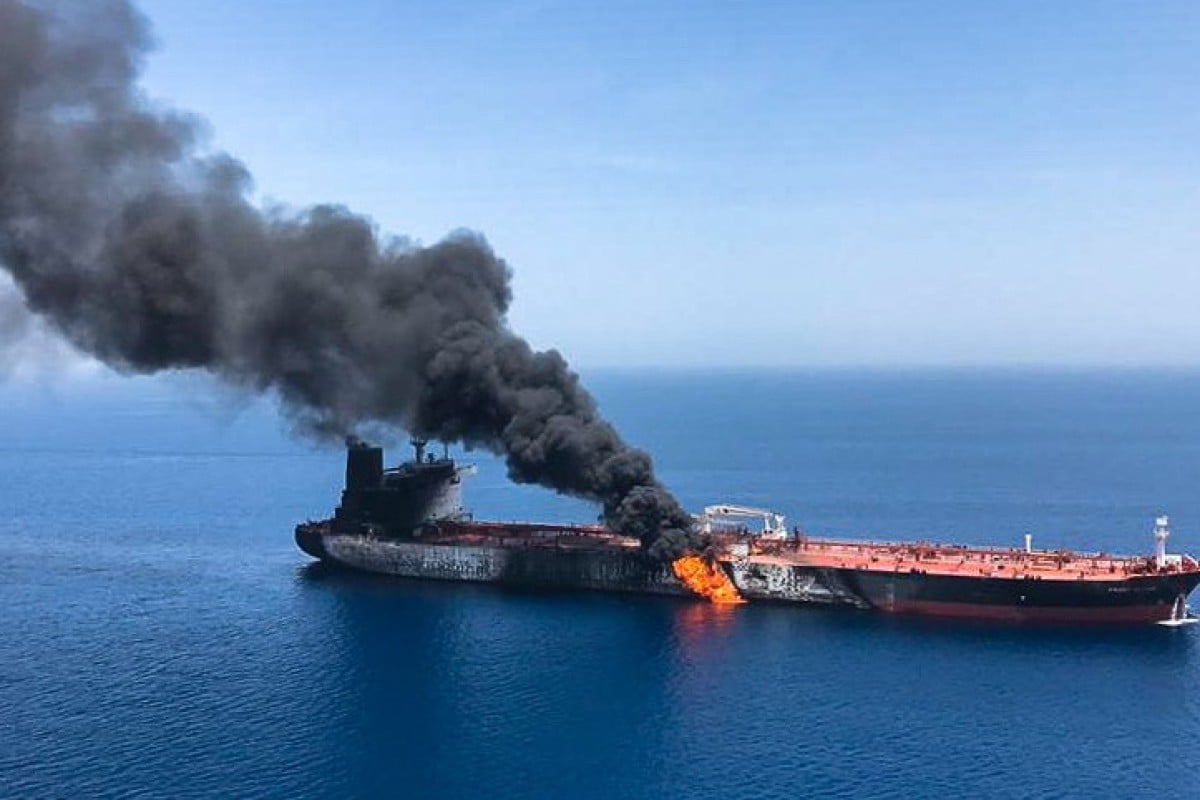
A tanker burns in the Gulf of Oman after a mystery attack that the United States has blamed on Iran. Photo: AFP
When 
Shinzo Abe

headed to Tehran this week for the first visit by a sitting Japanese prime minister in four decades, some in the diplomatic world imagined he could be the man to bring

Iran

back to the negotiating table with the

United States

.

Those hopes were torpedoed on Thursday when, on the same day Abe was meeting Iran’s supreme leader Ayatollah Khamenei, explosions ripped through two oil tankers, one Japanese and one Norwegian, near the Strait of Hormuz, a strategically significant shipping lane.
The attack immediately overshadowed an earlier success for Abe, who had met President Hassan Rowhani a day before and was assured Iran would stick to the terms of a 2015 agreement limiting its nuclear activities.
Washington accused Iran of being behind the attack on the tankers, releasing a video on Friday that it said showed Iran’s revolutionary guard removing an unexploded mine from one of the ships, and warning that it would “defend its interests”.
Iranian President Hassan Rowhani and Japanese Prime Minister Shinzo Abe meet Iran’s Supreme Leader Ayatollah Ali Khamenei in Tehran. Photo: Reuters

Tehran, for its part, claimed to have been set up, with its foreign minister Mohammad Javad Zarif saying “suspicious doesn’t begin to describe” the incident. So much, then, for hopes of mediation.

US President

Donald Trump

, who had encouraged the Japanese leader’s visit, admitted on Twitter soon afterwards that when it came to negotiating, “they are not ready, and neither are we!”

Still, the incident exposed more than just the naivety of those hoping for an Abe-led breakthrough. In raising the stakes in Washington’s confrontation with Tehran, it also threw the spotlight on Iran’s dwindling number of allies – and perhaps most significantly on its largest trading partner, China – which face mounting pressure to rethink the relationship.

Tanker attacks: world divided over Iran role as Saudi prince breaks silence
The day after the attack, China’s President

Xi Jinping

said Beijing would promote its ties with Iran “however the situation changes” – a comment made during a meeting with Iranian President Hassan Rowhani on the sidelines of the Shanghai Cooperation Organisation summit in Kyrgyzstan – but diplomatic observers question just how far China can go in accommodating its controversial trading partner.

BEST FRIENDS FOREVER?

Iran has long been able to count on support from China, which accounts for 30 per cent of the Islamic republic’s exports and imports, and its willingness to defy US pressure is a gamble at least partly based on an assumption it can continue to count on Beijing’s support.

As Iran’s largest economic partner – Chinese direct investment in Iran hit a record high of nearly US$4 billion last year, according to data analysis project ChinaMed – Beijing already plays a key role in relieving US pressure on Iran, said Mohsen Shariatinia, assistant professor of regional studies at Shahid Beheshti University in Tehran.

But experts warn that reliance will come into question as China becomes increasingly hamstrung by its own problems.

China has enough problems of its own, starting with US pressure on Huawei. Photo: EPA
Chief among Beijing’s headaches are its

trade war

with Washington and the related assault on its

5G

giant

Huawei

– which, as analysts point out, originally ignited over allegations it was defying US sanctions on Iran. Beijing will also be well aware of the need to keep

Saudi Arabia

, its second-biggest oil supplier and Tehran’s critic-in-chief, happy.

On the other hand, analysts say, China will be wary of being seen to abandon its old friend, as doing so would send a message to other nations at odds with Washington that they could no longer look to China as a diversification strategy.
“This could mean Chinese investment is vulnerable to US interference,” said Esfandyar Batmanghelidj, founder of Bourse Bazaar, a media company that supports business diplomacy between Europe and Iran.
Sanctions drive Iranian students away from US towards Asia
Doing so, Batmanghelidj said, would put a question mark over one of China’s most significant foreign policies of recent years – President Xi’s signature

Belt and Road Initiative

to fund infrastructure across Eurasia.

THE BELT AND ROAD QUESTION
Tensions between Iran and the US have reached boiling point in recent weeks, after the Trump administration last month ended waivers on sanctions for nations importing Iranian oil – a move the US says is aimed at making the republic “radioactive to the international community” and which Rowhani has described as an “economic war against Iran”.
So far, China has largely stuck by the Islamic Republic, continuing to buy fuel from it despite the latest wave of US sanctions on Iranian oil that followed Trump’s decision last year to withdraw the US from the landmark 2015 agreement curbing Tehran’s nuclear development.
The deal had been widely lauded as a triumph of multilateralism and the dawning of a new economic era for Iran.
US releases video of ‘Iranian forces removing unexploded mine’ from ship
Part of its eagerness to support Iran has stemmed from the Islamic Republic’s key position in the Belt and Road plan. In 2017 alone, China signed deals for more than US$15 billion in Iranian infrastructure investment, according to the

Chinese Communist Party

mouthpiece China Daily.

Planned projects include high-speed rail lines, upgrades to the nation’s electrical grid, and natural gas pipelines. The two nations have also vowed to boost bilateral trade to US$600 billion in the next seven years.
“China sees Iran as its Western gateway, where not only is it a big market in itself, but it will also be the gateway to the rest of the 
Middle East

and ultimately to Europe for China,” said Anoush Ehteshami, professor of international relations at Durham University in Britain.

Nisha Mary Mathew, at the Middle East Institute in Singapore, said that China’s relationship with Iran was not just economic – but primarily strategic, with both nations envisioning an international order that was no longer dominated by the US and its Western allies.
DEFIANCE, FOR NOW
If the belt and road gives China good reason to stick with Iran, there are plenty of voices urging just that action. As Andrea Ghiselli at Shanghai’s Fudan University pointed out, US sanctions until now have only strengthened the hardline factions in Iran’s government.
The combination of the US withdrawal from the nuclear deal – which had the support of the international community – along with Europe’s tepid efforts to rescue it, may have emboldened those favouring resistance over negotiation.
Xi’s supportive comments in Kyrgyzstan were only the latest in a string of remarks from China that could encourage such factions.
If Trump kills off Huawei, do Asia’s 5G dreams die?
After China’s Foreign Minister Wang Yi met Iranian Foreign Minister Mohammad Javad Zarif in Beijing last month, the ministry’s spokesman Lu Kang said China’s economic relationship with Iran was “reasonable and lawful”.
Two months prior to that, China’s Minister of Commerce Zhong Shan, while hosting his Iranian counterpart Farhad Dejpasand, had claimed China’s “determination to maintain and develop the China-Iran comprehensive strategic partnership is unshakeable”.
Chinese President Xi Jinping with Iranian President Hassan Rowhani. Photo: AFP

Even so, the pressure is getting to some. In February, Foreign Minister Zarif temporarily resigned, in what Andrea Ghiselli at Fudan University in Shanghai called a clear sign of the “changing and precarious power balance with Iran’s foreign policy establishment”.

And nowhere is the pressure felt more keenly than the economy and China’s ability to serve as a lifeline.

“The real anxiety in Iran right now is about market share,” said Bourse and Bazaar’s Batmanghelidj. “If you’re exporting zero oil and your customers are buying oil elsewhere, you lose market share.

“The government wants to know if it agreed to go back to the negotiating table and the US promised sanctions relief, that there are people who are going to buy in significant volume.”

TURNING POINT: HUAWEI

For many analysts, the event most likely to have changed the equation in Beijing’s eyes is the arrest by the Canadian authorities of 

Meng Wanzhou

, the chief financial officer of Chinese telecom giant Huawei.

Meng’s arrest came at the request of the US government, which claimed her company had violated sanctions by selling equipment to Iran.
Many observers saw the action as Washington’s way of signalling to Chinese companies that they would face repercussions if they eased the pressure on Iran by continuing to trade.
Huawei’s chief financial officer Meng Wanzhou. Photo: Reuters

“Going after Huawei was about going after Chinese enterprises – signalling that they can no longer trade with Iran with impunity,” Batmanghelidj said.

Since then, Chinese firms have shown increased skittishness towards trading with Iran. According to China’s General Customs Administration, Chinese exports to Iran declined by more than half between October 2018 and February 2019, from over US$1 billion to just under US$500 million.

Mohammad Ali Shabani, a researcher at the School of Oriental and African Studies in London, said other countries in the region were now watching to see if China would blink in the face of US pressure. “This could have dire consequences for China’s image as a reliable partner,” he said.

NOT JUST ABOUT AMERICA

There are reasons beyond US pressure that may factor into Beijing’s thinking. It has long stated its opposition to Iranian nuclear weapons development, and Chinese Foreign Minister Wang Yi has said that China is “ready” to take on “its due responsibilities and make a greater contribution to world peace and common development”.

Trade war: here are Beijing’s options – and none look any good

Zhao Hong, at the Research School of Southeast Asian Studies at Xiamen University, said that in stepping up as a responsible world power Beijing faced a dilemma over its approach to Iran.
“Chinese leaders have to painfully balance an impulse towards economic cooperation with Iran against other vital interests, including convincing Washington that China is a responsible stakeholder,” he wrote in the Journal of Contemporary China.
Saudi Aramco's Ras Tanura oil refinery. The country is China’s second-largest oil supplier after Russia. Photo: Reuters
Saudi Aramco’s Ras Tanura oil refinery. The country is China’s second-largest oil supplier after Russia. Photo: Reuters

Then there is China’s relationship with Iran’s chief adversary, Saudi Arabia, to consider. Riyadh is China’s second-largest oil supplier, behind Russia, and it plays a central role in Beijing’s energy strategy.

According to International Trade Centre data, more than 12 per cent of China’s imported oil came from Saudi Arabia last year, compared with just 6 per cent from Iran. Last year, Saudi Arabia shipped 56.73 million tonnes of oil to China, or 1.135 million barrels per day.

Why would Kim Jong-un trust Trump, now that he’s ripped up Iran’s nuclear deal?

This April, China imported 6.3 million tonnes of oil from Saudi Arabia, nearly twice the 3.24 million tonnes it imported from Iran, according to China’s General Administration of Customs.

Iran’s comparatively small share of China’s oil imports market and its heavy reliance on China as a trading partner add up to a deeply uneven relationship, experts say, and it is this imbalance that will encourage the US that China may be open to rethinking its ties.

As Jon Alterman, director of the Middle East programme at Washington DC think tank the Centre for Strategic and International Studies, pointed out, while China was Iran’s largest trading partner, Iran represented less than 1 per cent of China’s international trade.

“Iran needs China,” Alterman said. “But to China, Iran is expendable.”

Source: SCMP

15/06/2019

Lessons from an old trade war: China can learn from the Japan experience

  • In the last half of the 20th century US worries about a rising Japan led to tariffs and technology mistrust
  • Differences in the Chinese experience may predict a different outcome
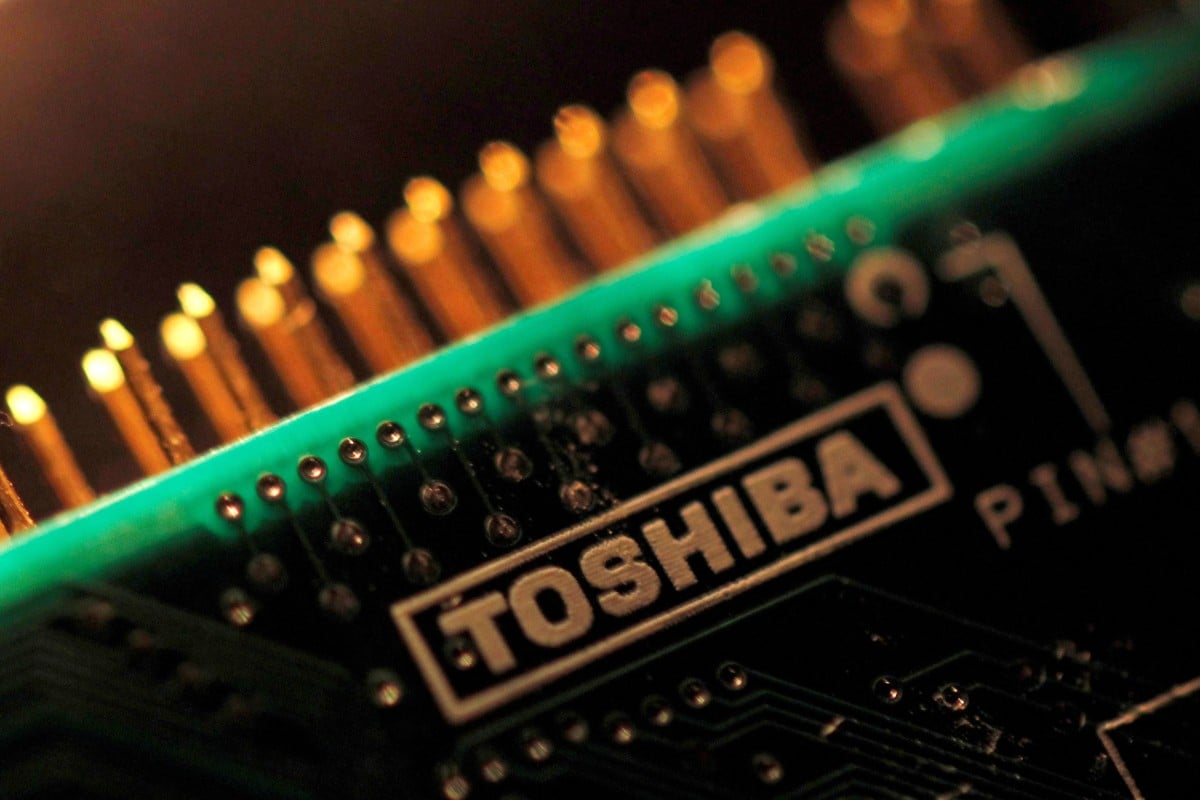
Toshiba was one of the companies affected by US actions to prevent the rise of Japan in a trade war that echoes in today’s tensions between the US and China. Photo: Reuters
If history is a mirror to the future, the similarities between the spiralling technology stand-off between China and the US and the economic wars waged by the US with Japan – which peaked in the 1980s and 1990s – may be instructive. But there are differences between the two which may predict a different outcome.
The US-Japan economic tensions started in the 1950s over textiles, extended to synthetic fibres and steel in the 1960s, and escalated – from the 1970s to 1990s – to colour televisions, cars and semiconductors, as Japan’s adjusted industrial policy and technology development moved it up the industrial chain.
Boosted by government support, Japan’s semiconductor industry surpassed the US as the world’s largest chip supplier in the early 1980s, causing wariness and discontent in the US over national security risks and its loss of competitiveness in core technologies.

The Reagan administration regarded Japan as the biggest economic threat to the US. Washington accused Tokyo of state-sponsored industrial policies, intellectual property theft from US companies, and of dumping products on the American market.

The US punished Japanese companies for allegedly stealing US technology and illegally selling military sensitive products to the Soviet Union. It also forced Japan to sign deals to share its semiconductor technologies and increase its purchases of US semiconductor products.

“The Trump administration is using similar tactics against China that were used against Japan in the 1980s and 1990s,” said an adviser to the Chinese government, on condition of anonymity, adding that the US was continuing its hegemony to curtail China’s tech development and was trying to mobilise its allies to follow suit.

After talks to end the US-China trade faltered last month, Huawei – a global leader in the 5G market – is now standing at centre stage of a protracted technology stand-off between Beijing and Washington, which has grown increasingly wary of the rising competitiveness of Chinese tech companies.

Zhang Monan, a researcher with the Beijing-based China Centre for International Economic Exchanges, does not foresee an easing of the rivalry between the US and China.

“The current US-China conflicts are more complicated than those between the US and Japan,” she said.

“The US will only get more intense in its containment of China and the tech rivalry won’t ease, even if China and the US could reach a deal to de-escalate the trade tensions.”

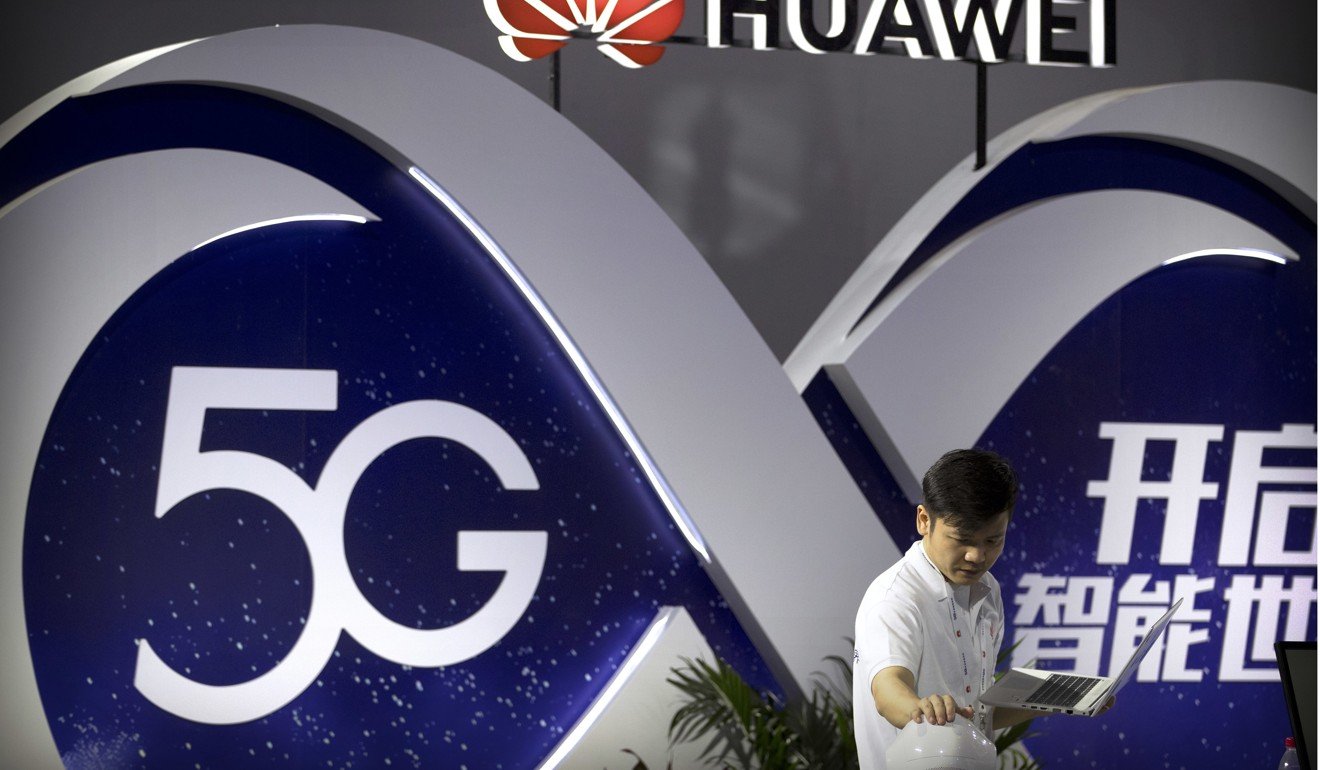
Huawei is at the centre of a technology stand-off between Beijing and Washington. Photo: AP

Back in 1982, the US justice department charged senior officials at Hitachi with conspiracy to steal confidential computer information from IBM and take it back to Japan. IBM also sued Hitachi. The two companies settled the case out of court and Hitachi paid 10 billion yen (US$92.3 million) to IBM in royalties in 1983, while accepting IBM inspections of its new software products for the next five years.

Toshiba, a major electronics producer in Japan, and Norway’s Kongsberg Vaapenfabrikk secretly sold sophisticated milling machines to the Soviet Union from 1982 to 1984, helping to make its submarines quieter and harder to detect. This transfer of sensitive military technology in the middle of an arms race between the US and the Soviet Union was not revealed until 1986.

The US issued a three-year ban on Toshiba products in 1987 and the company ran full-page advertisements in more than 90 American newspapers apologising for its actions.

In 1985, the US imposed 100 per cent tariffs on Japanese semiconductors. A year later, in its five-year semiconductor deal with the US, Japan agreed to monitor its export prices, increase imports from the US, and submit to inspections by the Office of the United States Trade Representative.

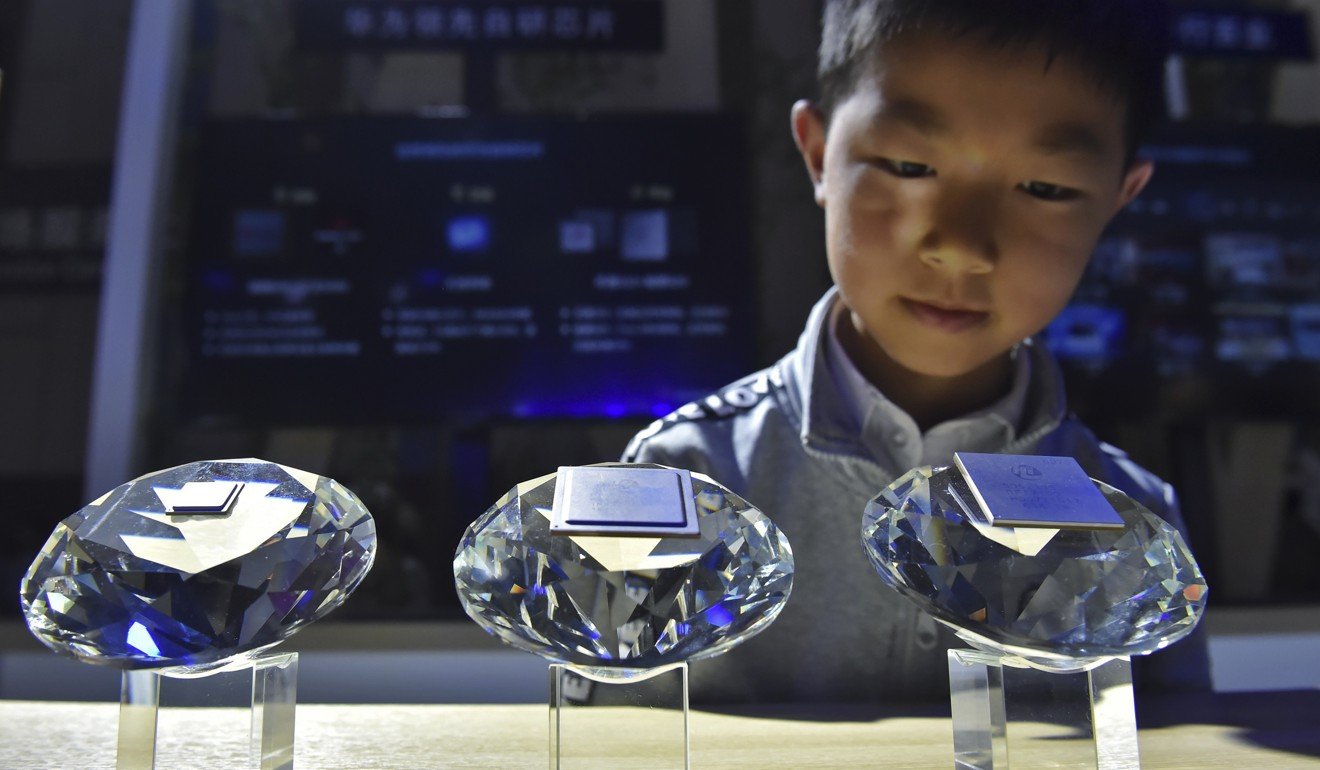
A display of chips designed by Huawei for 5G base stations on show at the China International Big Data Industry Expo. Photo: AP

This was followed by a second five-year semiconductor deal in 1991, in which Japan agreed to double the US market share in Japan to 20 per cent. In yet another bilateral semiconductor deal in 1989 Japan was required to open its semiconductor patents to the US.

Meanwhile, the US government boosted its efforts to help American businesses cement their industrial leverage in the chip sector and unveiled rules to protect its domestic chip industry.

The two countries were irreconcilable in 1996 on how to measure their respective market share. Overall market circumstances had also changed by then, with the US becoming competitive in microprocessing, and South Korea and Taiwan emerging as strong rivals to Japan.

Its dominance in semiconductors lost, Japan reached out to Europe for a range of cooperative technology deals.

Cooperate, don’t confront: academic advises Beijing on trade war tactics

“History can tell that high technology matters greatly to national security strategies. It is not a process of mere market competition. It follows the law of the jungle,” Zhang said.

The US has intensified its investment scrutiny by rolling out the Foreign Investment Risk Review Modernisation Act last year, which extends the regulation to key industrial technology sectors.

Zhang predicted the US would continue to contain China’s technological development in key sectors such as AI, aerospace, robots and nanotechnology – all of which are of great importance to Beijing.

The US has said Chinese tech giants Huawei and ZTE present a national security risk. Last April it cut US supplies to ZTE, citing violations of sanctions against Iran and North Korea. The ban was removed three months later after ZTE paid US$1.4 billion in fines.

It was a wake-up call for China to develop its own core technologies. The subsequent US ban on Huawei added to the urgency to do so, observers said.

Wang Yiwei, a professor in international relations with Renmin University, said China had to develop its own hi-tech know-how while continuing the opening up process.

“China has paid a price to learn whose globalisation it is,” he said.

“We may see some extent of disengagement with the US in technology and dual-use sectors, but China can speed up cooperation with European countries, and other countries such as Israel, to offset the risks from the US.”

In December, the US filed criminal charges against Huawei and its chief financial officer Sabrina Meng Wanzhou, alleging bank fraud, obstruction of justice and technology theft.

The squeeze continued last month with the US blacklisting Huawei, restricting its access to American hi-tech supplies and putting pressure on its allies to freeze the company out of the 5G market. So far, those allies, including Germany and Japan, have remained hesitant about meeting the US request and refrained from siding with either country.

Chinese foreign ministry spokesman Geng Shuang said on Monday that Huawei had obtained 46 commercial contracts in 30 countries as of June 6, “including some US allies and some European countries that the US has been working hard to persuade out of the contracts”.

For Zhang, the differences between Japan’s experience of US concerns of technological advancement and China’s may offer some hope for Chinese ambitions.

“Dependent on US for security protection, Japan was limited in [its ability to] push back and was already a developed country,” she said.

“But China has huge domestic market potential to address the imbalance [between] economic and technology development. This remains a big attraction to multinational companies, which would enable China to integrate into global innovation and technology cooperation, but China has to figure out how to dispel the doubts on its growth model.”

Source: SCMP

Law of Unintended Consequences

continuously updated blog about China & India

ChiaHou's Book Reviews

continuously updated blog about China & India

What's wrong with the world; and its economy

continuously updated blog about China & India