Chindia Alert: You’ll be Living in their World Very Soon
aims to alert you to the threats and opportunities that China and India present. China and India require serious attention; case of ‘hidden dragon and crouching tiger’.
Without this attention, governments, businesses and, indeed, individuals may find themselves at a great disadvantage sooner rather than later.
The POSTs (front webpages) are mainly 'cuttings' from reliable sources, updated continuously.
The PAGEs (see Tabs, above) attempt to make the information more meaningful by putting some structure to the information we have researched and assembled since 2006.
Image copyright AFP / GETTYImage caption The P4 laboratory (centre) in Wuhan is among a handful around the world cleared to handle viruses that pose a high risk of person-to-person transmission
Chinese state media has accused US Secretary of State Mike Pompeo of lying, after he said there was “enormous evidence” the coronavirus emanated from a laboratory in Wuhan.
Mr Pompeo made the claim on Sunday, without going into specifics.
In an editorial on Tuesday, the hawkish Global Times newspaper said Mr Pompeo was “degenerate”.
The World Health Organization says the US claims are “speculative”, and that it has seen no “specific evidence”.
What did Chinese media say?
Editorials in Chinese state media often given an insight into the direction of government thinking, but there has been no official response to Mr Pompeo’s comments as yet.
“Pompeo aims to kill two birds with one stone by spewing falsehoods,” it said.
“First, he hopes to help Trump win re-election this November…second, Pompeo hates socialist China and, in particular, cannot accept China’s rise.”
Media caption “The Chinese Communist Party has refused to co-operate with world health experts” – Mike Pompeo
The editorial admitted there were “initial problems” in China’s response to the outbreak, but claimed “the overall performance is bright enough to outweigh the flaws”.
It also said it was “conceivable that the virus first contacted humans in other places [than Wuhan]”.
The Global Times is not the only Chinese outlet to take aim at Mr Pompeo and the US.
The People’s Daily said Mr Pompeo had “no evidence”, while a piece on the CCTV site accused US politicians of “nefarious plotting”.
What did Mike Pompeo say?
In an interview with ABC on Sunday, Mr Pompeo said there was “enormous evidence” that the virus had emerged from the Wuhan Institute of Virology.
“Remember, China has a history of infecting the world, and they have a history of running sub-standard laboratories,” he said.
Mr Pompeo – a former director of the Central Intelligence Agency (CIA) – said he did not think the virus was man-made or genetically modified.
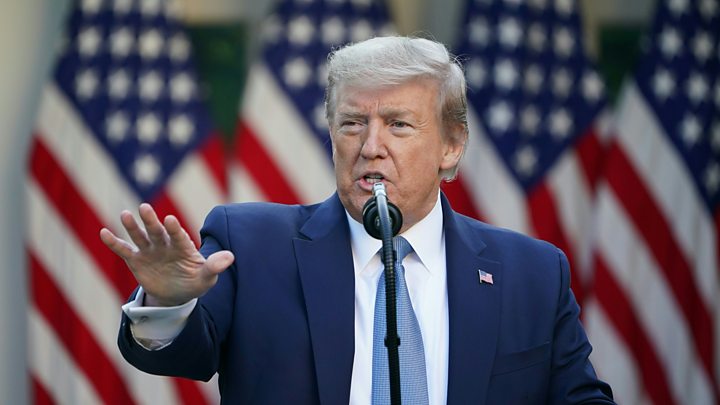
The Wuhan laboratory is known to study coronaviruses in bats. In April, President Trump was asked whether “lax safety protocols” allowed such a virus to escape via an intern and her boyfriend.
Mr Trump did not confirm the theory, but said: “More and more we’re hearing the story.”
Media caption Donald Trump was recently asked if the virus emanated in a laboratory, rather than a market
Last week, he was asked if he had seen evidence that gave him a “high degree of confidence” that the virus emerged in the Wuhan laboratory.
“Yes I have,” he replied – but said he could not go into specifics.
On Monday, World Health Organization emergencies director Michael Ryan said it had received “no data or specific evidence” from the US about the virus origins.
“So from our perspective, this remains speculative,” he said.
Last week, the US intelligence community said it “concurred” that the virus “was not man-made or genetically modified”.
But it said it would “continue to examine” whether the outbreak began via “contract with infected animals, or if it was the result of an an accident at a laboratory in Wuhan”.
Australian Prime Minister Scott Morrison said on Tuesday that the most likely source of the virus was a wildlife market. However he said he would not rule out the theory that it originated in a lab.
“What’s really important is that we have a proper review, an independent review which looks into the sources of these things in a transparent way so we can learn the lessons,” he told reporters.
Meanwhile, Western “intelligence sources” have told several news outlets there is “no evidence” to suggest the virus leaked from a laboratory.
Faced with a backlash from the West over its handling of the early stages of the pandemic, Beijing has been quietly gaining ground in Asia
Teams of experts and donations of medical supplies have been largely welcomed by China’s neighbours
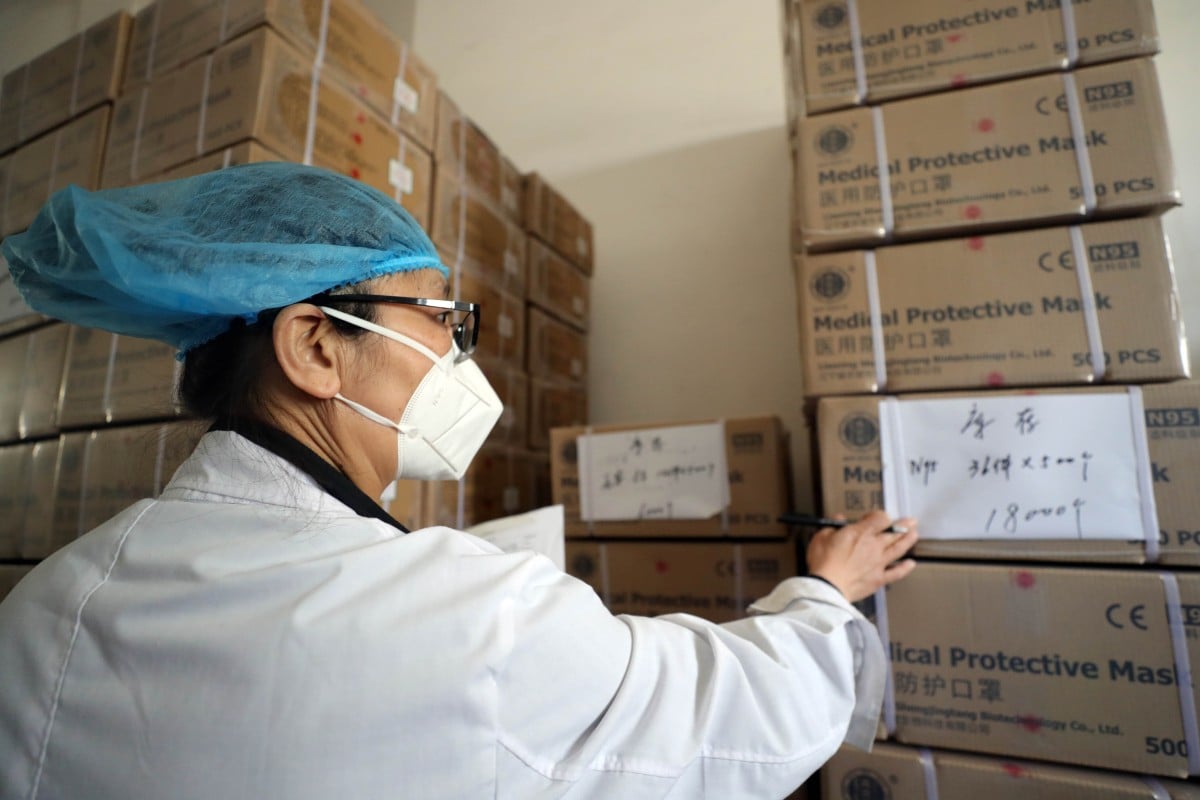
Despite facing some criticism from the West, China’s Asian neighbours have welcomed its medical expertise and vital supplies. Photo: Xinhua
While China’s campaign to mend its international image in the wake of its handling of the coronavirus health crisis has been met with scepticism and even a backlash from the US and its Western allies, Beijing has been quietly gaining ground in Asia.
Teams of experts have been sent to Cambodia, the Philippines, Myanmar, Pakistan and soon to Malaysia, to share their knowledge from the pandemic’s ground zero in central China.
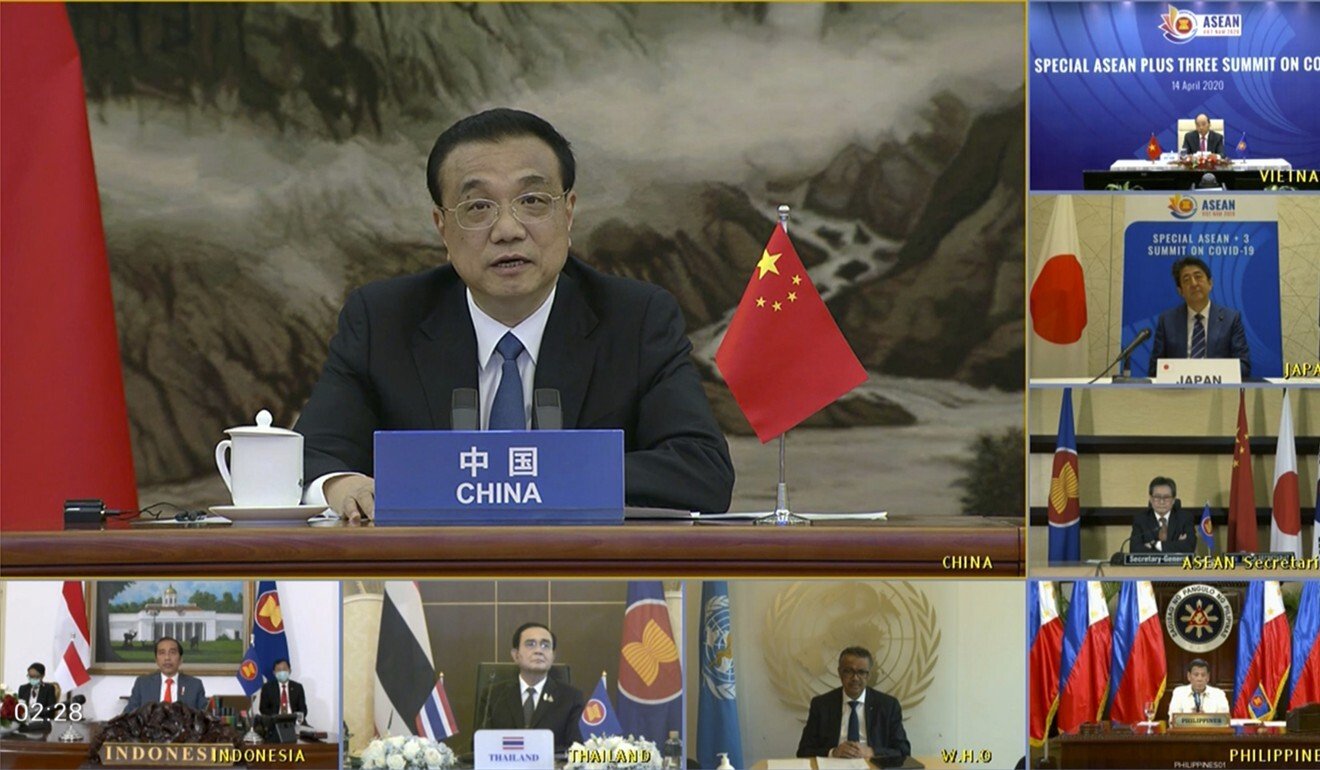
China has also held a series of online “special meetings” with its Asian neighbours, most recently on Tuesday when Premier Li Keqiang discussed his country’s experiences in combating the disease and rebooting a stalled economy with the leaders of the Association of Southeast Asian Nations (Asean), Japan and South Korea.
Chinese Prime Minister Li Keqiang speaks to Asean Plus Three leaders during a virtual summit on Tuesday. Photo: AP
Many Western politicians have publicly questioned Beijing’s role and its subsequent handling of the crisis but Asian leaders – including Philippine President Rodrigo Duterte and Japanese Prime Minister Shinzo Abe – have been reluctant to blame the Chinese government, while also facing criticism at home for not closing their borders with China soon enough to prevent the spread of the virus.
An official from one Asian country said attention had shifted from the early stages of the outbreak – when disgruntled voices among the public were at their loudest – as people watched the virus continue its deadly spread through their homes and across the world.
“Now everybody just wants to get past the quarantine,” he said. “China has been very helpful to us. It’s also closer to us so it’s easier to get shipments from them. The [medical] supplies keep coming, which is what we need right now.”
The official said also that while the teams of experts sent by Beijing were mainly there to observe and offer advice, the gesture was still appreciated.
Another Asian official said the tardy response by Western governments in handling the outbreak had given China an advantage, despite its initial lack of transparency over the outbreak.
“The West is not doing a better job on this,” he said, adding that his government had taken cues from Beijing on the use of propaganda in shaping public opinion and boosting patriotic sentiment in a time of crisis.
“Because it happened in China first, it has given us time to observe what works in China and adopt [these measures] for our country,” the official said.
Experts in the region said that Beijing’s intensifying campaign of “mask diplomacy” to reverse the damage to its reputation had met with less resistance in Asia.
Why China’s ‘mask diplomacy’ is raising concern in the West
29 Mar 2020
“Over the past two months or so, China, after getting the Covid-19 outbreak under control, has been using a very concerted effort to reshape the narrative, to pre-empt the narrative that China is liable for this global pandemic, that China has to compensate other countries,” said Richard Heydarian, a Manila-based academic and former policy adviser to the Philippine government.
“It doesn’t help that the US is in lockdown with its domestic crisis and that we have someone like President Trump who is more interested in playing the blame game rather than acting like a global leader,” he said.
Shahriman Lockman, a senior analyst with the foreign policy and security studies programme at Malaysia’s Institute of Strategic and International Studies, said that as the US had withdrawn into its own affairs as it struggled to contain the pandemic, China had found Southeast Asia a fertile ground for cultivating an image of itself as a provider.
China’s first-quarter GDP shrinks for the first time since 1976 as coronavirus cripples economy
Beijing’s highly publicised delegations tasking medical equipment and supplies had burnished that reputation, he said, adding that the Chinese government had also “quite successfully shaped general Southeast Asian perceptions of its handling of the pandemic, despite growing evidence that it could have acted more swiftly at the early stages of the outbreak in Wuhan”.
“Its capacity and will to build hospitals from scratch and put hundreds of millions of people on lockdown are being compared to the more indecisive and chaotic responses seen in the West, especially in Britain and the United States,” he said.
Coronavirus droplets may travel further than personal distancing guidelines
16 Apr 2020
Lockman said Southeast Asian countries had also been careful to avoid getting caught in the middle of the deteriorating relationship between Beijing and Washington as the two powers pointed fingers at each other over the origins of the new coronavirus.
“The squabble between China and the United States about the pandemic is precisely what Asean governments would go to great lengths to avoid because it is seen as an expression of Sino-US rivalry,” he said.
“Furthermore, the immense Chinese market is seen as providing an irreplaceable route towards Southeast Asia’s post-pandemic economic recovery.”
Aaron Connelly, a research fellow in Southeast Asian political change and foreign policy with the International Institute for Strategic Studies in Singapore, said Asian countries’ dependence on China had made them slow to blame China for the pandemic.
“Anecdotally, it seems to me that most Southeast Asian political and business elites have given Beijing a pass on the initial cover-up of Covid-19, and high marks for the domestic lockdown that followed,” he said.
“This may be motivated reasoning, because these elites are so dependent on Chinese trade and investment, and see little benefit in criticising China.”
China and Vietnam ‘likely to clash again’ as they build maritime militias
12 Apr 2020
The cooperation with its neighbours as they grapple with the coronavirus had not slowed China’s military and research activities in the disputed areas of the South China Sea – a point of contention that would continue to cloud relations in the region, experts said.
Earlier this month an encounter in the South China Sea with a Chinese coastguard vessel led to the sinking of a fishing boat from Vietnam, which this year assumed chairmanship of Asean.
And in a move that could spark fresh regional concerns, shipping data on Thursday showed a controversial Chinese government survey ship, the Haiyang Dizhi 8, had moved closer to Malaysia’s exclusive economic zone.
The survey ship was embroiled in a months-long stand-off last year with Vietnamese vessels within Hanoi’s exclusive economic zone and was spotted again on Tuesday 158km (98 miles) off the Vietnamese coast.
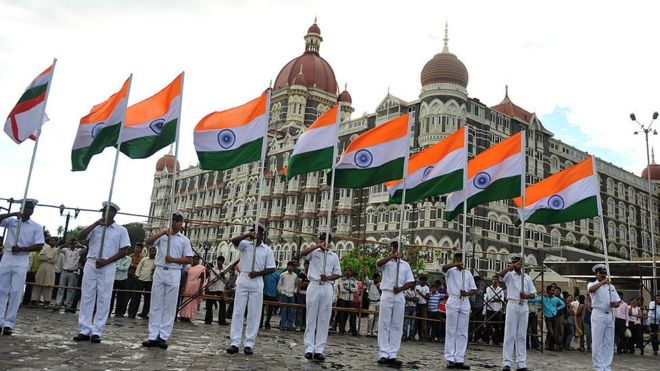
Indian defence officials have reported a coronavirus outbreak at a key naval base in the western city of Mumbai.
Twenty-one personnel have tested positive for Covid-19 at INS Angre, which is the seat of the force’s western command, the navy said in a statement on Saturday.
It added that there are no infections aboard any ships or submarines.
India has 11,906 active infections and 480 deaths, according to the latest data from the ministry of health.
The Navy said that they had tested a number of personnel who had come into contact with a soldier who had tested positive earlier this month. Many of those who had tested positive for the virus, the statement added, were asymptomatic.
All 21 personnel live in the same residential block, which has been declared a containment zone and has been placed under lockdown.
In a video message to personnel last week, Navy Chief Admiral Karambir Singh stressed the importance of keeping ships and submarines free of the virus.
“The coronavirus pandemic is unprecedented and it has never been seen before. Its impact has been extraordinary across the globe, including India,” he said.
The navy has been playing an active role in India’s response to the Covid-19 outbreak.
It has set up isolation facilities to treat patients at one of its premier hospital units and is also running quarantine camps.
The outbreak aboard the Indian naval base follows reports of outbreaks aboard vessels belonging to other nations.
More than 500 sailors on the USS Roosevelt have tested positive for the virus and one of them died earlier this week. And nearly a third of the sailors serving with France’s aircraft carrier Charles de Gaulle – 668 out of nearly 2,000 – have been infected with coronavirus.
Global retailers are facing scrutiny over cotton supplies sourced from Xinjiang, a Chinese region plagued by allegations of human rights abuses.
China is one of the world’s top cotton producers and most of its crop is grown in Xinjiang.
Rights groups say Xinjiang’s Uighur minority are being persecuted and recruited for forced labour.
Many brands are thought to indirectly source cotton products from the Xinjiang region in China’s far west.
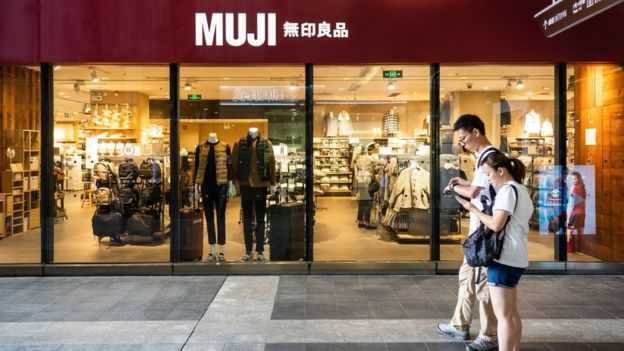
Japanese retailers Muji and Uniqlo attracted attention recently after a report highlighted the brands used the Xinjiang-origin of their cotton as a selling point in advertisements.
“You can’t be sure that you don’t have coerced labour in your supply chain if you do cotton business in China,” said Nathan Ruser, researcher at the Australian Strategic Policy Institute.
“Xinjiang labour and what is almost certainly coerced labour is very deeply entrenched into the supply chain that exists in Xinjiang.”
What is happening in Xinjiang?
UN experts and human rights groups say China is holding more than a million Uighurs and other ethnic minorities in vast detention camps.
Rights groups also say people in camps are made to learn Mandarin Chinese, swear loyalty to President Xi Jinping, and criticise or renounce their faith.
China says those people are attending “vocational training centres” which are giving them jobs and helping them integrate into Chinese society, in the name of preventing terrorism.
What is produced in Xinjiang?
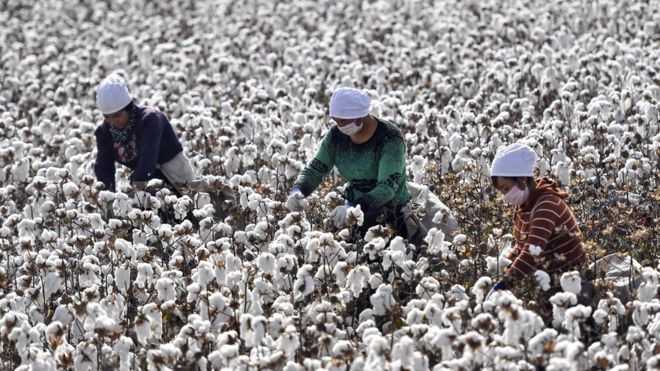
The Xinjiang region is a key hub of Chinese cotton production.
Last year, 84% of Chinese cotton came from Xinjiang, the report said.
That has raised concerns over whether forced labour has been used in the production of cotton from the region.
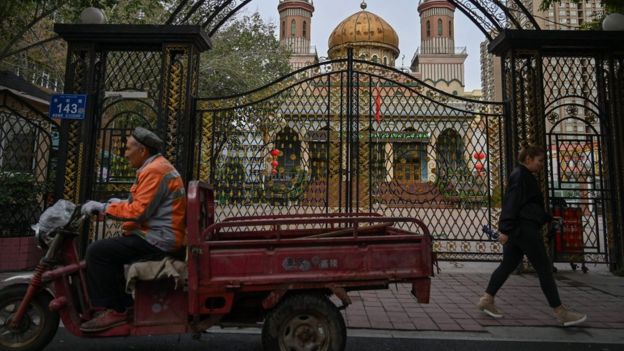
Image copyright GETTY IMAGESImage caption The Uighurs are mostly Muslims, and number about 11 million in China’s Xinjiang region
Nury Turkel, chairman of the Uighur Human Rights Project in Washington, said the Uighurs were being “detained and tormented” and “swept into a vast system of forced labor” in Xinjiang.
In testimony to US congress, he said it was becoming “increasingly hard to ignore the fact” that the goods manufactured in the region have “a high likelihood” of being produced with forced labour.
Which brands use Xinjiang cotton?
Amy Lehr, director of CSIS Human Rights Initiative, said in many cases Western companies aren’t buying directly from factories in Xinjiang.
“Rather, the products may go through several stages of transformation after leaving Xinjiang before they are sent to large Western brands,” she said.
Some, like Muji, are very open about sourcing material from Xinjiang.
“Uniqlo does not have any production partners located in the Xinjiang region. Moreover, Uniqlo production partners must commit to our strict company code of conduct.
“To the best of our knowledge, this means our cotton comes only from ethical sources,” the spokesperson told the BBC.
Many of the companies looked into the allegations, including those without clear links to the Huafu mill.
In a statement to the BBC, Adidas said: “While we do not have a contractual relationship with Huafu Fashion Co., or any direct leverage with this business entity or its subsidiary, we are currently investigating these claims.”
“We advised our material suppliers to place no orders with Huafu until we have completed those investigations,” the Adidas spokesperson said.
Esprit, which also does not source cotton directly from Xinjiang, said it had made several inquiries earlier this year.
“We concluded that a very small amount of cotton from a Huafu factory in Xinjiang was used in a limited number of Esprit garments,” the firm said in a statement.
The company has instructed all suppliers to not source Huafu yarn from Aksu, the statement said.
H&M said it does not have “a direct or indirect business relationship” with any garment manufacturer in the Xinjiang region.
“We have an indirect business relationship with Huafu’s spinning unit in Shanyu, which is not located in the Xinjiang region, and according to our data, the vast majority of the yarn used for our garment manufacturing comes from this spinning unit,” a spokesperson for H&M said.
“Since we have an indirect business relationship with the yarn supplier Huafu, we also asked for access to their spinning facilities in Aksu. Our investigations showed no evidence of forced labor.”
Photo taken on April 20, 2017 shows Chengdu railway container center station in the Qingbaijiang railway port of China (Sichuan) pilot free trade zone in Chengdu, southwest China’s Sichuan Province. China has released an overall plan about the country’s new western sea-land transportation channel to deepen the sea-land two-way opening-up and the development of western China, according to the National Development and Reform Commission. The plan covers the period from 2019 to 2025 with an outlook extended to 2035. (Xinhua/Xue Yubin)
BEIJING, Aug. 15 (Xinhua) — China has released an overall plan about the country’s new western sea-land transportation channel to deepen the sea-land two-way opening-up and the development of western China, according to the National Development and Reform Commission.
The plan covers the period from 2019 to 2025 with an outlook extended to 2035.
The new western sea-land transportation channel is located in the hinterlands of the western regions, connecting the Silk Road Economic Belt from the north, the 21st Century Maritime Silk Road from the south and the Yangtze River economic belt.
According to the plan, the new western sea-land transportation channel is strategically positioned to support the country’s western regions in participating in international economic cooperation and promote the deep integration of transportation, logistics and the economy.
legalisation of same-sex marriage
would get the impression this was Asia’s first taste of marriage equality. They would be quite wrong.
While Taiwan may be the first jurisdiction in Asia to legalise the modern form of same-sex marriage, such unions have been recognised across the region in various guises for centuries.
It may be true that Asia does not have a great reputation among the
community, but it does have a rich history of acceptance of sexual and gender diversity – one that has largely been forgotten.
When Europeans first encountered Chinese society, they praised many aspects of it, from its efficient government to the sophisticated lifestyles of the upper-class. But they were shocked and repulsed about one aspect of Chinese society: the “abominable vice of sodomy”.
Opinion: Three lessons for Hong Kong from Taiwan’s LGBT journey
One Portuguese Dominican friar, Gaspar da Cruz, even wrote an apocalyptic tract which portrayed China as the new Sodom – beset by earthquakes, floods, and other natural disasters due to their acceptance of that “filthy abomination, which is that they are so given to the accursed sin of unnatural vice”, that is, sodomy.
Southern China, in particular, was known for a widespread acceptance of homosexual relationships. Shen Defu, a Chinese writer during the Ming dynasty, wrote that it was common for men of all social classes in Fujian province to take male lovers. While men generally took on these lovers while maintaining respectable marriages to women, there were some men who took their lover-relationships to a quasi-marriage level. The older man would be considered qixiong (adoptive older brother) and the younger qidi(adoptive younger brother).
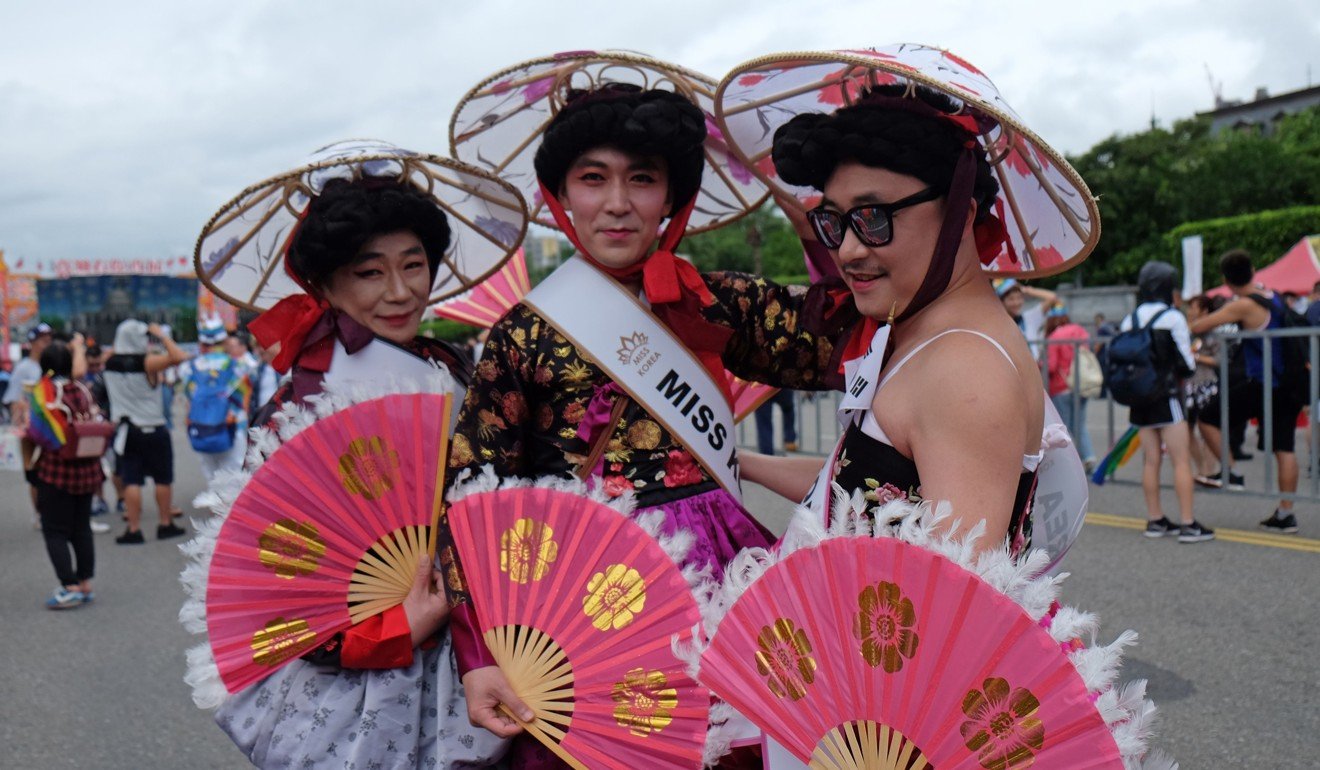
South Korean men take part in Taiwan’s annual LGBT pride parade in Taipei. Photo: AFP
Bret Hinsch, a professor of history in Taiwan, describes the ceremony based on the narration of a Chinese playwright, Li Yu (1610-1680): “Two men sacrifice a carp, a rooster, and a duck. They then exchange their exact times of birth, smear each other’s mothers with the blood of their sacrifices, and then swear eternal loyalty to one another.
The ceremony concludes with feasting on the sacrificial victims …. The younger qidi would move into the qixiong’s household. There he would be treated as a son-in-law by his husband’s parents. Throughout the marriage, many of which lasted for 20 years, the qixiong would be completely responsible for his younger husband’s upkeep.
The marriage would typically dissolve after a number of years so that the younger man could find a bride to marry to procreate and further the family lineage. The elder man was expected to pay the bride a price for the younger man.
These forms of gay “marriage” were prevalent enough in Fujian that there was even a patron deity of homosexuality, the rabbit. Many Han people from Fujian migrated to Taiwan starting in the 17th century; they now make up 80 per cent of the population.
Explained: gay rights, LGBTQ and same-sex marriage in Asia
Most literary accounts of homosexual relationships in China involve men, and there is a lively debate among scholars as to whether women enjoyed the same freedom.
Nevertheless, the most documented of female “quasi-marriages” are the “Golden Orchid Associations” in Guangdong. (Around 15 per cent of Taiwan’s population is Hakka, which historians trace specifically to Han migrants from Guangdong and surrounding areas.) The Golden Orchid Society was a movement based in Guangdong that lasted from the late Qing dynasty until the early 1900s. It provided a “sisterhood” alternative to women who did not want to get married for various reasons.
To announce her intentions, one woman would offer another gifts of peanut candy, dates and other goods. If the recipient accepted the gift, it was a signal she had accepted the proposal. They would swear an oath to one another, where sometimes one woman was designated “husband” and the other “wife”.
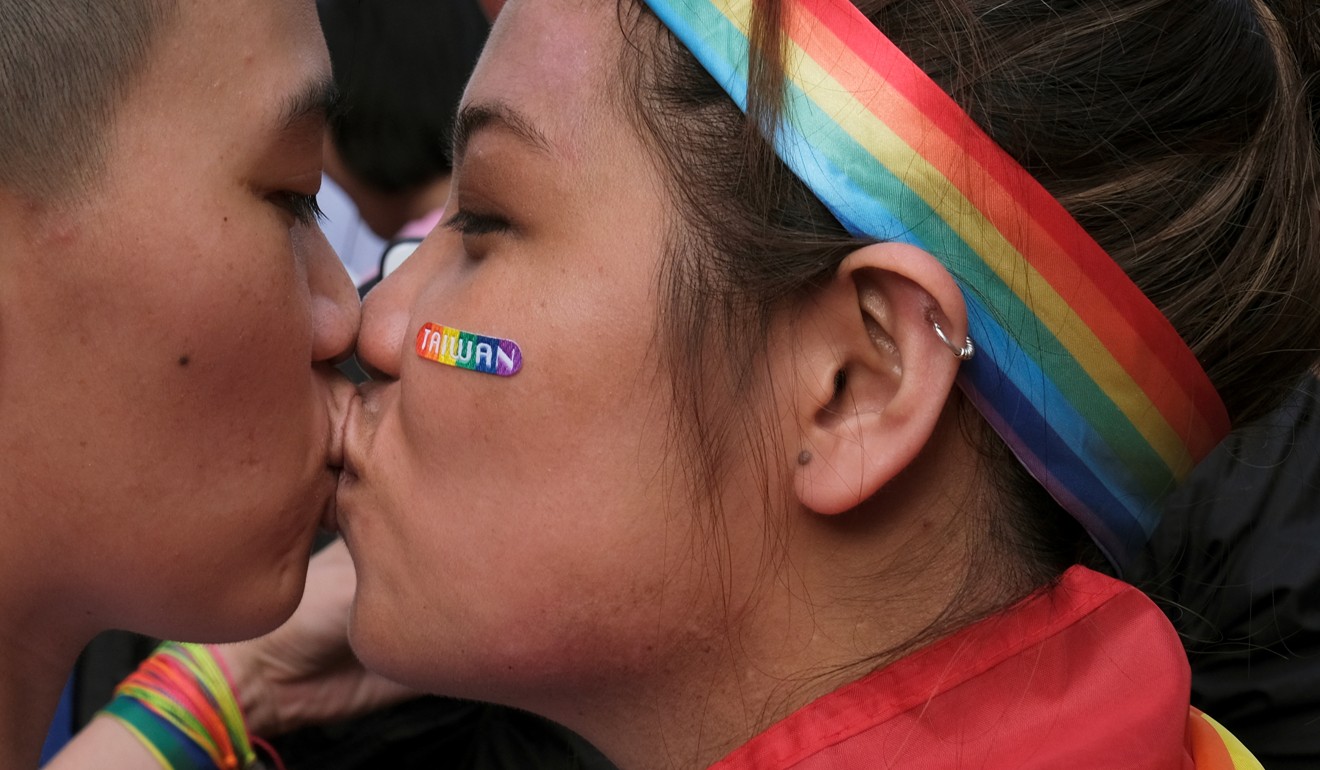
A couple kiss as they celebrate Taiwan’s legalisation of same-sex marriage. Photo: Reuters
Hinsch describes the ceremony in this way: “After an exchange of ritual gifts, the foundation of the Chinese marriage ceremony, a feast attended by female companions served to witness the marriage. These married lesbian couples could even adopt female children, who in turn could inherit family property from the couple’s parents.”
While these “marriages” are not equivalent to the same-sex marriages of today, they nevertheless are historical precedents for what is now happening in Taiwan.
And China is far from being the only country in Asia with a queer history – Southeast Asia’s LGBTQ history is even richer.
Why some members of Singapore’s LGBT community prefer life in the shadows
In the early modern period, marriages between two people of the same assigned sex but who identified as different genders, were fairly normal in many parts of Southeast Asia. We know this primarily from the records Europeans kept when they landed on Asian shores.
For instance, here is a letter by a Portuguese missionary, Antonio de Paiva, to his Catholic bishop in 1544 about his observations of the Bugis people in what is now
: “Your lordship will know that the priests of these kings are generally called bissus. They grow no hair on their beards, dress in a womanly fashion, and grow their hair long and braided; they imitate [women’s] speech because they adopt all of the female gestures and inclinations. They marry and are received, according to the custom of the land, with other common men, and they live indoors, uniting carnally in their secret places with the men whom they have for husbands …”
After this scandalised description, the author concludes with amazement that the Christian god, who had destroyed “three cities of Sodom for the same sin”, had not yet destroyed such “wanton people” who were “encircled by evil”.
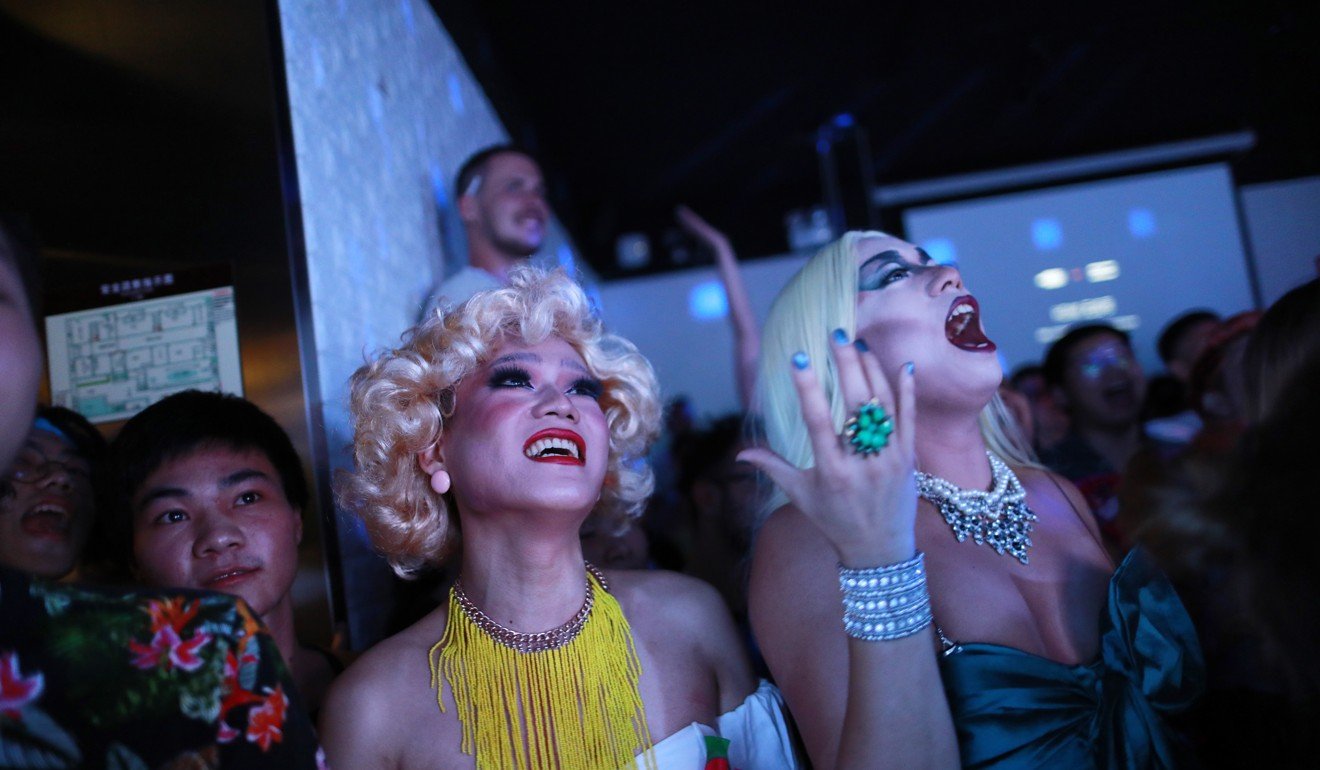
Drag queens at a gay nightclub in Beijing. Despite its reputation, Asia has a long history of accepting diversity. Photo: EPA
Dating as far back as the 13th century, bissu have traditionally served as council to kings and guarded sacred manuscripts. They are considered a fifth gender within the Bugis’ gender-system: oroané (male men), makkunrai (female women), calabai (male women), calalai (female men), and bissu, who were neither male nor female (or both).
Brunei’s LGBT residents face up to new death by stoning law against gay sex
Today, their ranks have thinned – in one area, the population has dwindled to just six people – but the tradition remains, and they still perform important blessings. Contemporary bissu are typically male-bodied individuals who adopt feminine and masculine elements in their appearance. Although in the past bissu were married men, today they are required to be celibate.
In pre-Islamic Bugis culture, bissu were accorded priestly honours and tasked with mediating between the gods and people precisely because of, not in spite of, their gender. According to professor Halilintar Lathier, an Indonesian anthropologist, Bugis culture “perceived the upper world as male and this world as female, and therefore only a meta-gender would be able to become an intermediary”.
This pattern of a “gender-expansive” priest able to marry others of the same sex recurs throughout Southeast Asia.
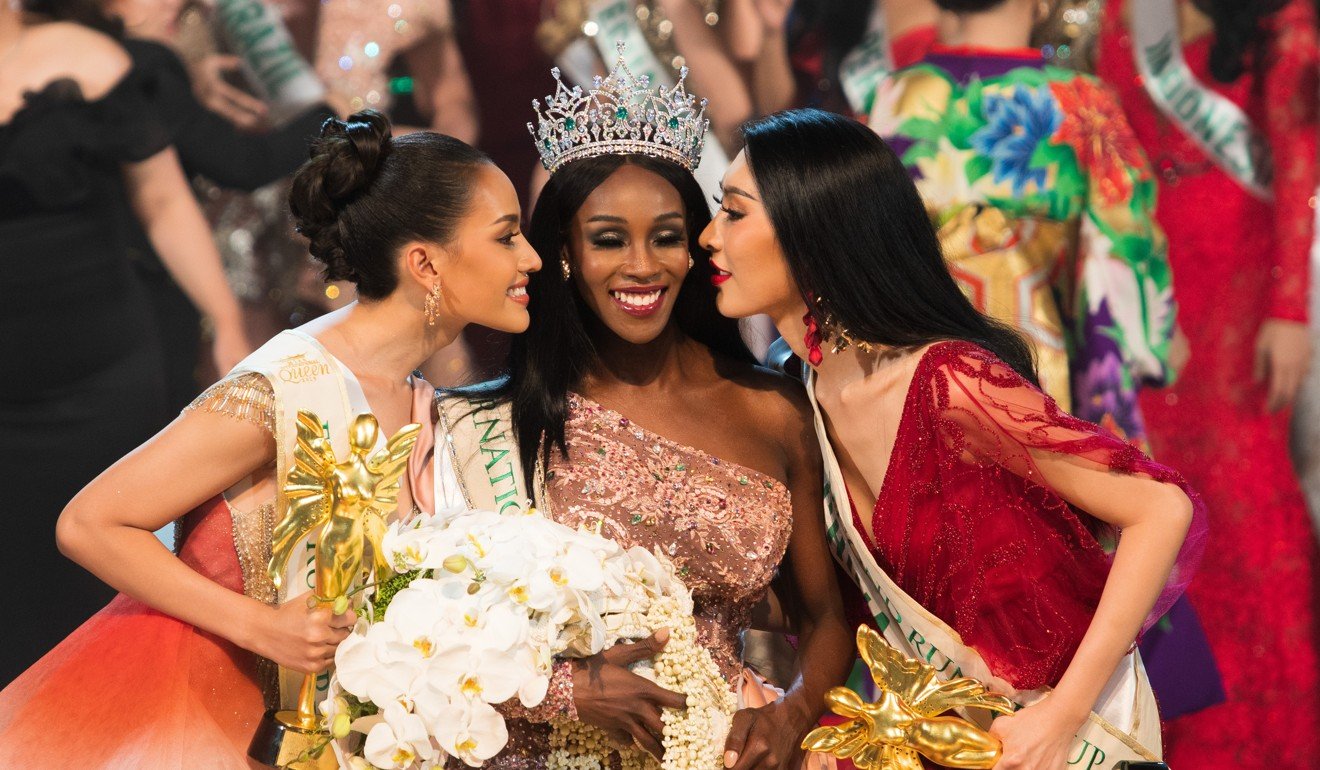
A transgender beauty contest in Pattaya, Thailand. Despite its reputation, Asia has a long history of accepting diversity. Photo: Handout
To the west of South Sulawesi is Borneo, a large island that contains all of Brunei and parts of Indonesia and
. Borneo is home to many indigenous communities, including the Iban. The Iban historically respected manang bali, who were typically male-bodied shamans who adopted feminine dress and demeanour, and who took men as their husbands. Manang bali were mediators and held roles of great ritual importance; they were typically wealthy village chiefs known for their healing arts.
West of Borneo is the Malay Peninsula, where there are records from the Malay Annals and Misa Melayu dating as far back as the 15th century about priests, called sida-sida, who served in the palaces of the Malay sultans. They were responsible for safeguarding women in the palace as well as the food and clothing of royalty, and overseeing ritual protocol. The sida-sida undertook “androgynous behaviour” such as wearing women’s clothing and doing women’s tasks. A Malay anthropologist in the 1950s, Shamsul A.B., recalls seeing male-bodied sida-sida in the royal palace in his childhood, who were believed by the population to either be celibate and asexual, or attracted to men. Michael Peletz, an anthropologist and author of Gender Pluralism in Southeast Asia, notes that based on the evidence, it is “highly likely” that sida-sida involved both male- and female-bodied people who were involved in transgender practices, and who engaged in sexual relationships with people of the same and opposite sex.
How a gay student’s suicide is helping Japan’s LGBT community speak up
, where pre-colonial communities were religiously led by babylan: women healers and shamans who were responsible for mediating between the gods and people. Male-bodied people (asog, bayog), sometimes considered a third sex, could also hold these roles so long as they comported themselves like women. A 16th century Spanish Catholic manuscript records asog in the following manner:
“Ordinarily they dress as women, act like prudes and are so effeminate that one who does not know them would believe they are women … they marry other males and sleep with them as man and wife and have carnal knowledge.”
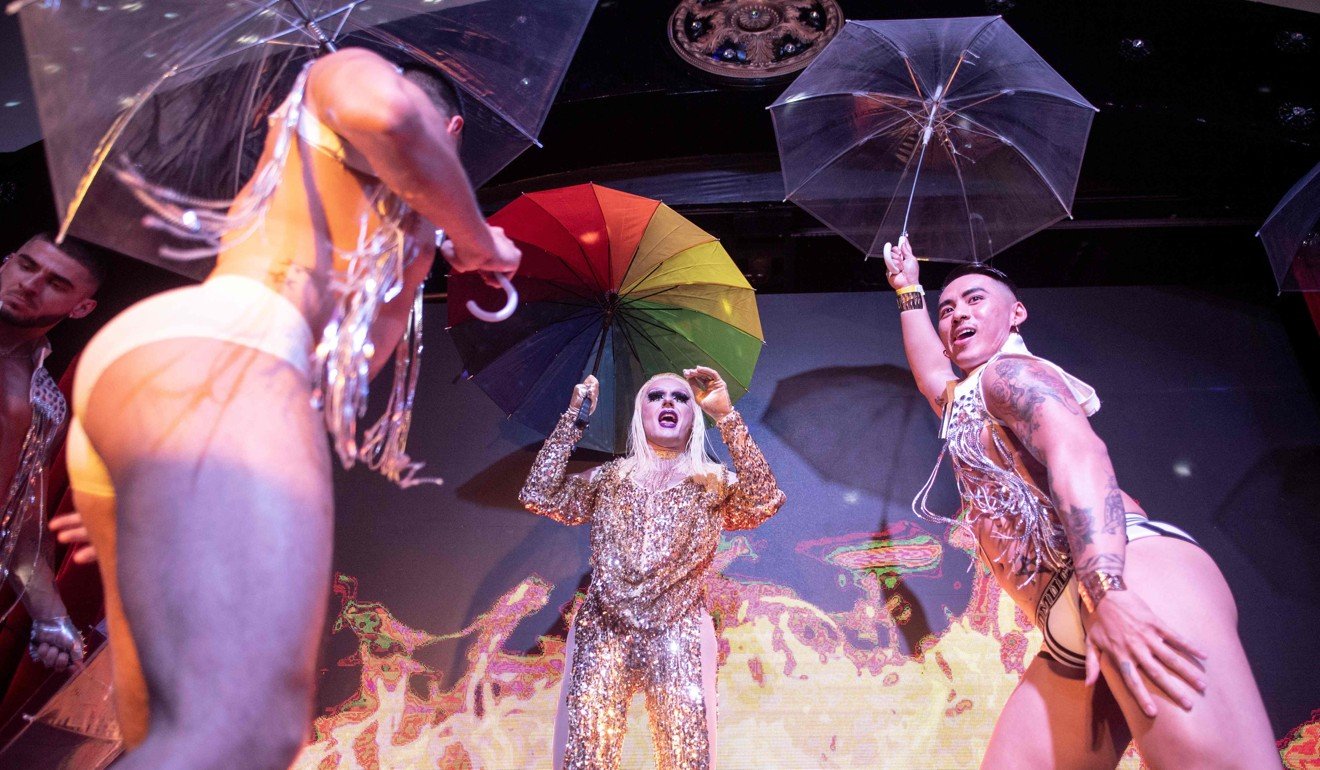
Dancers perform at the Shanghai PRIDE opening party. Despite its reputation, Asia has a long history of accepting diversity. Photo: AFP
The Spanish priests saw these asog as “devil-possessed”, particularly because they habitually practised “sodomy” among one another. Due to the Chinese reputation for homosexuality and various Sinophobic attitudes, some even attributed the prevalence of sodomy to the Chinese, whom they said had “infected the natives” and introduced the curse to the “Indians”, although there is no evidence of this.
COLONIAL CURVEBALL
Although these examples relate to the religious arena, anthropologists believe the respect accorded to these ritual specialists were an indicator of a wider societal acceptance of gender and sexual diversity in Southeast Asia – an acceptance that began to be eroded through the introduction of world religions (particularly Christianity), modernity, and colonialism. For example, in Malaysia, Brunei,
, Myanmar and throughout the commonwealth, the British enforced a penal code that legislated against sodomy. More than half of the countries that currently legally prohibit sodomy do so based on laws created by the British.
On gay sex, India has assumed an ancient position. Read the kama sutra
Similarly, after the Chinese were defeated by Western and Japanese imperialists, many Chinese progressives in the early 20th century sought to modernise China, which meant adopting “modern” Western ideas of dress, relationships, science and sexuality.
Concubinage was outlawed, prostitution was frowned upon, and women’s feet were unbound. It also meant importing European scientific understandings of homosexuality as an inverted or perverted pathology. These “scientific ideas” were debunked in the 1960s in the West, but lived on in China, frozen in time, and have only recently begun to thaw with the rise of LGBTQ activists in Asia.
A recent headline on the news from Taiwan read: “First in Asia: marriage equality comes to Taiwan”, as if the recent bill was an unprecedented “first” for Asia and that marriage equality – which, presumably, the headline writer associates with the West – has finally reached Asian shores.
But when we zoom out historically, it is evident that what happened in Taiwan is not so much a novel “breakthrough” for Asia. It is more a reconnection to its queer Chinese and Asian heritage, as well as a rejection of outdated Western ideas that it once adopted.
There is still much more work to be done to advance LGBT rights in Taiwan and the rest of Asia, but perhaps looking backwards in time can help us move forward.


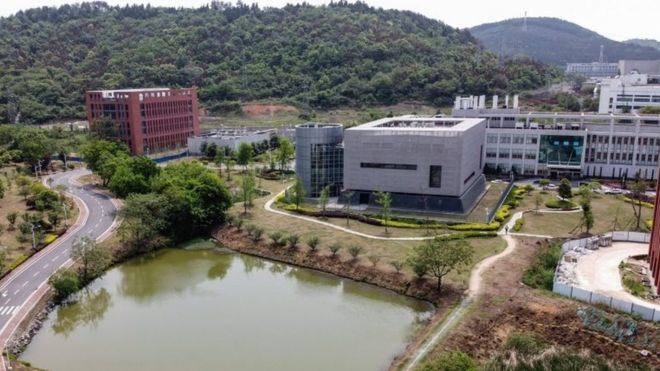 Image copyright AFP / GETTY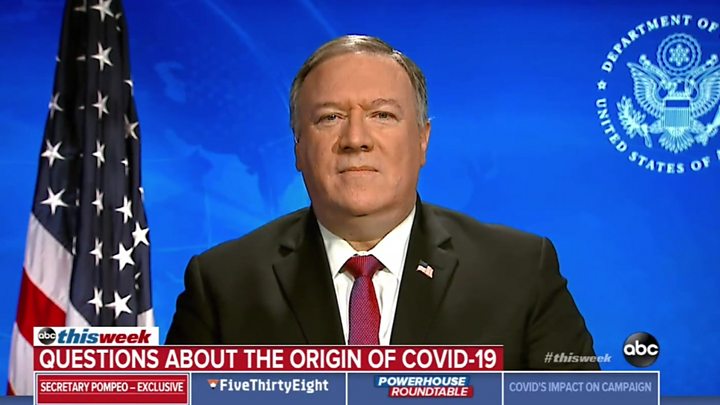





 CHINDIA ALERT: You'll be living in their world, very soon