29/02/2020

Chinese, Chilean presidents discuss COVID-19 epidemic, bilateral ties over phone

BEIJING, Feb. 29 (Xinhua) — Chinese President Xi Jinping and his Chilean counterpart, Sebastian Pinera, held a telephone conversation on Friday night to discuss the ongoing COVID-19 epidemic and how to further deepen bilateral ties.

Xi said the COVID-19 outbreak is a major public health emergency that features the fastest speed of transmission, the most extensive range of infection and the highest level of containment difficulty in the country since the founding of the People’s Republic of China.

“Since the outbreak of the epidemic, I have been personally commanding the work and making arrangements. The whole country has become a nation of one mind sharing the same boat, and has taken the most comprehensive, rigorous and thorough prevention and control measures,” said Xi, adding that the positive trend in preventing and controlling the epidemic is gaining momentum thanks to the hard work.

“We have full confidence, capacity and certainty to win the battle against the epidemic,” he added.

In this anti-epidemic fight, he stressed, China has always adhered to the vision of a community with a shared future for mankind and an attitude of openness, transparency and responsibility, sharing information with the WHO and the international community in a timely fashion as well as actively responding to the concerns of various sides and strengthening international cooperation, so as to prevent the epidemic from spreading around the world.

The WHO and the international community have spoken highly of China’s prevention and control work, he said, adding that the governments and people of many countries, including Chile, have offered China strong support in various ways, for which China is sincerely grateful.

Xi pointed out that the Chinese nation has experienced many ordeals in its history, but has never been overwhelmed, and that the impact of the epidemic on China’s economy is temporary and generally manageable, and the fundamentals of China’s long-term sound economic growth remain unchanged.

While making unrelenting, solid and meticulous efforts in epidemic prevention and control, China will roll out a series of policies and measures to gradually restore orderly production and life and ensure realization of this year’s economic and social development goals, he added.

With China and Chile being comprehensive strategic partners, their relationship has long been taking the lead in China-Latin America relations, Xi said, recalling that Pinera’s China visit last year bore rich fruit.

Noting that this year marks the 50th anniversary of bilateral diplomatic relations, Xi urged the two sides to take it as an opportunity to maintain close high-level exchanges and ensure the success of celebration events.

He also called on the two sides to expand cooperation in such fields as trade, investment, technological innovation and infrastructure construction by promoting high-quality Belt and Road cooperation.

At the same time, the two sides should work together to firmly safeguard multilateralism, promote trade and investment liberalization and facilitation, and tackle such global challenges as climate change, he added.

In so doing, Xi said, the two countries can carry forward their friendship, ensure a sound development of bilateral cooperation and bring more benefits to both peoples.

Pinera, on behalf of the Chilean government and people, extended sincere sympathies to the Chinese people over the COVID-19 outbreak and offered firm support to the Chinese people for their united efforts in fighting the epidemic.

He said that under the strong command of the Communist Party of China and the Chinese government, the Chinese side has taken very effective measures to deal with the epidemic, whose spread has been gradually put under control.

Noting that China is a great country that has gone through numerous hardships and difficulties, Pinera said he believes that under the strong leadership of Xi, China will surely achieve a complete victory over the epidemic at an early date.

The Chilean side stands ready to strengthen cooperation with the Chinese side to jointly tackle the challenge of infectious diseases and safeguard global public health security, he added.

Chile, he said, has always regarded its relations with China as a foreign policy priority, and is willing to take the 50th anniversary of bilateral diplomatic ties as an opportunity to join hands with China to further bolster collaboration in various fields, promote Belt and Road cooperation, safeguard multilateralism, and strengthen coordination in international affairs, so as to lift Chile-China relations to a new level.

Source: Xinhua
29/02/2020

Chinese, Cuban presidents discuss COVID-19 epidemic, bilateral ties over phone

BEIJING, Feb. 29 (Xinhua) — Chinese President Xi Jinping talked over phone with Cuban President Miguel Diaz-Canel on Friday night to compare notes on the ongoing COVID-19 epidemic and how to further promote bilateral ties.

Xi noted that after the outbreak of the coronavirus disease, Raul Castro Ruz, first secretary of the Central Committee of the Communist Party of Cuba, and Diaz-Canel immediately extended their sympathies to him, and the Cuban president also paid a special visit to the Chinese embassy in Cuba to express support for China.

That, said the Chinese president, has fully demonstrated the profound traditional friendship between China and Cuba.

In line with the professional guidelines proposed by the World Health Organization (WHO), Cuba has maintained normal exchanges and cooperation between the two countries, which means respect and support of China’s prevention and control work, Xi said.

China, he added, highly appreciates the understanding and support the Cuban side and the Cuban president himself have shown for China’s anti-epidemic efforts.

Xi stressed that since the outbreak of the epidemic, he has been personally leading the response, and the country, with its people united as one, has taken the most comprehensive, rigorous and thorough prevention and control measures.

China has put forward the principle of early detection, early reporting, early isolation and early treatment for prevention and control, and the principle of pooling together patients, experts and resources for concentrated treatment for treatment efforts, he said.

Meanwhile, China has made it a prominent task to improve the admission and cure rates and reduce the infection and mortality rates, added the Chinese president.

Thanks to those arduous endeavors, the positive trend in COVID-19 prevention and control is gathering steam, Xi said, stressing that China has full confidence, capacity and certainty to win the battle against the epidemic.

In this anti-epidemic fight, he stressed, China has always adhered to the vision of a community with a shared future for mankind and an attitude of openness, transparency and responsibility, sharing information with the WHO and the international community in a timely fashion as well as actively responding to the concerns of various sides and strengthening international cooperation, so as to prevent the epidemic from spreading around the world.

Meanwhile, China has also taken strong and effective measures to ensure the health and safety of foreign nationals in China, including Cuban citizens, Xi said.

The WHO and the international community have spoken highly of China’s prevention and control work, he said, adding that China is willing to continue exchanges and cooperation with Cuba in the fields of medicine and epidemic prevention and control.

Xi pointed out that the Chinese nation has experienced many ordeals in its history, but has never been overwhelmed, and that the impact of the epidemic on China’s economy is temporary and the fundamentals of China’s long-term sound economic growth remain unchanged.

The Chinese president added that his country has made coordinated efforts to both contain the epidemic and promote economic and social development.

While making solid and meticulous efforts in epidemic prevention and control, China has adopted a series of policies and measures to restore orderly production and life and ensure realization of this year’s economic and social development goals, he said, reiterating that China has full confidence in it.

China and Cuba are good friends, good comrades and good brothers who can rely on each other in difficult times and are as close as lips and teeth, Xi stressed, adding that bilateral relations have withstood major tests of winds and waves and remained resilient and vibrant.

Xi said the Communist Party of China (CPC) and the Chinese government will, as always, support Cuba’s pursuit of a socialist path suitable for its national conditions and its just fight to defend national sovereignty and oppose foreign intervention, and stands ready to continue to provide support and assistance within their capacity for Cuba.

As this year marks the 60th anniversary of bilateral diplomatic ties, China is willing to work with Cuba to organize the celebrations, and take that as an opportunity to sum up the successful experience in the development of bilateral ties and lift bilateral exchanges and cooperation in various fields to new levels from a new historical starting point, Xi said.

Diaz-Canel, for his part, said Cuba highly appreciates and firmly supports China’s efforts to combat the COVID-19 epidemic and thanks China for providing help and care for Cuban nationals in China.

Facing the severe challenge of the epidemic, China has united its people as one and adopted swift and effective measures, which have gradually achieved positive results, noted the Cuban leader.

That, he added, has fully demonstrated China’s strong mobilization ability and the great advantages of the socialist system.

China’s timely and effective response made outstanding contributions to restraining the spread of the epidemic, which has been highly appreciated by the international community, including the United Nations and the WHO, Diaz-Canel noted.

He said he is confident that under the strong leadership of the CPC with Xi at its core, and with China’s great comprehensive national strength and experience accumulated in fighting the SARS outbreak in 2003, China will definitely achieve a resounding victory against COVID-19.

Cuba, he added, will stand firmly with China at this difficult time and is willing to provide all possible help for its Chinese brothers at any time.

Cuba sincerely thanks China for its long-standing support for Cuba’s just cause and its assistance for Cuba’s development and construction, Diaz-Canel said.

He added that Cuba stands ready to work with China to further consolidate their traditional friendship, and take the opportunity of celebrating the 60th anniversary of bilateral diplomatic ties to expand and deepen practical cooperation in various fields, so as to push for greater development of their relations for the benefit of both peoples.

Source: Xinhua
29/02/2020

Could the coronavirus help to improve China’s ties with South Korea, Japan?

  • Cooperation on ‘soft’ issues like public health can provide an ‘opportunity for improvement’ in the nations’ broader relationship, international affairs expert says
  • Foreign ministers agree to do all they can to ensure Chinese President Xi Jinping’s planned visits to east Asian neighbours go ahead later this year
South Korea on Thursday reported 505 new coronavirus cases, its largest increase yet. Photo: AP
The rapid spread of the coronavirus outside China, especially in South Korea and

Japan, 

has created a fresh challenge to Beijing’s delicate relationship with its northeast Asian neighbours, but experts say the unprecedented public health crisis could draw them closer, at least for now.

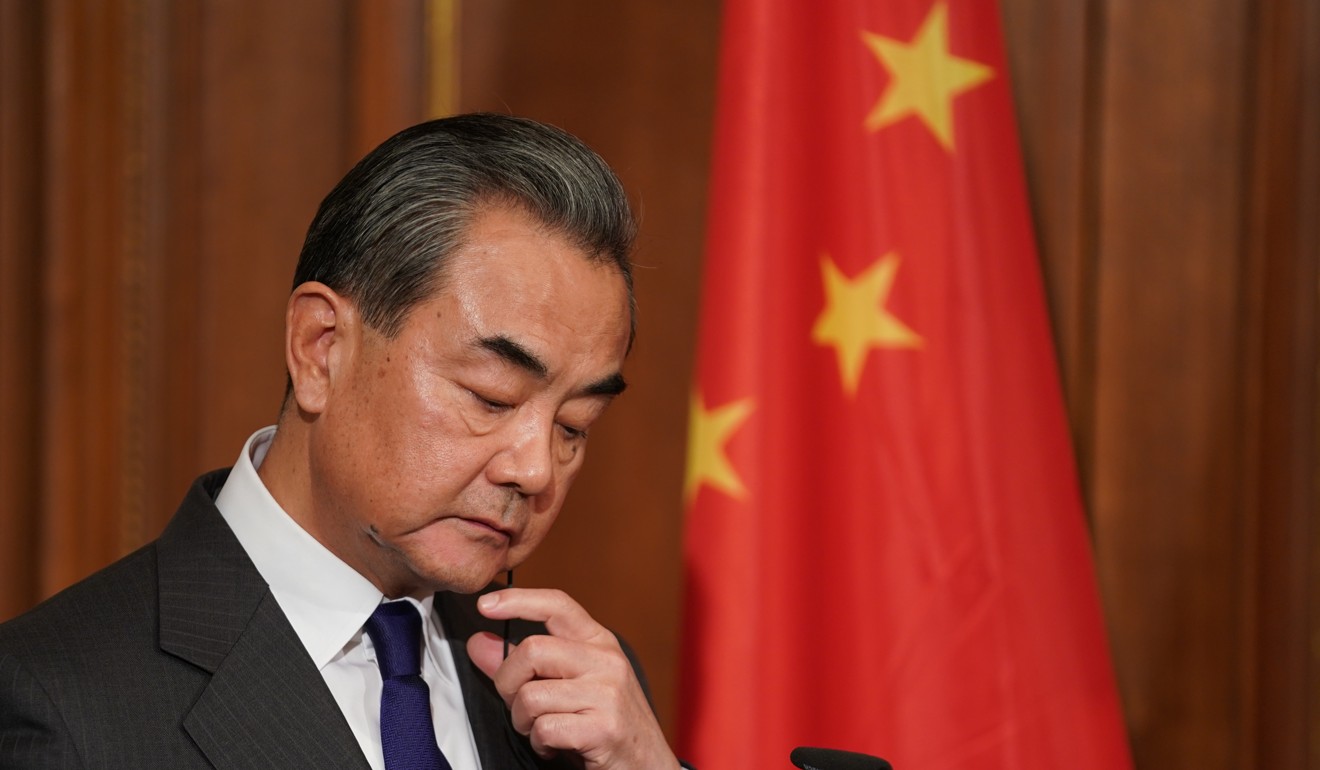
China’s Foreign Minister Wang Yi held separate conversations with his South Korean and Japanese counterparts on Wednesday as Beijing scrambles to deal with the growing risk of imported infections from the two countries.
In a sign of the “strong momentum at the leadership level on both sides”, Wang and Japanese Minister for Foreign Affairs Toshimitsu Motegi agreed to ensure Chinese President Xi Jinping’s state visit to Japan later this year goes ahead as planned, despite mounting fears the virus outbreak will become a pandemic.
China’s foreign ministry said on Thursday that Yang Jiechi, Wang’s predecessor and Xi’s top aide on foreign affairs, would visit Japan on Friday. His trip is expected to pave the way for Xi’s high stakes visit in the spring, observers said.

But Benoit Hardy-Chartrand, an international affairs expert at Temple University in Tokyo, said that if the outbreak did not subside in the next few weeks, Japanese Prime Minister Shinzo Abe’s government would come under intense pressure to delay the visit.

“Despite reassuring official pronouncements, no one would be surprised if the visit was postponed to a later date,” he said. “With an already declining approval rate, the Abe administration would be hard-pressed to go ahead with the summit.”

During her phone call with Wang, South Korean Foreign Minister Kang Kyung-wha urged China to refrain from carrying out what she described as “excessive” restrictions and forcible quarantine measures against visitors from her country, the Yonhap news agency reported.

White House announces coronavirus ‘coordinator’ to lead response under Pence

28 Feb 2020
South Korea

on Thursday reported 505 new coronavirus cases – its largest increase yet and the first time any country has confirmed more daily cases than China. The outbreak has now spread to more than 30 countries and killed more than 2,800 people.

US-CHINA TRADE WAR
In the cities of Qingdao and Weihai in east China’s Shandong province – both of which are home to large South Korean and Japanese communities – local authorities have begun to quarantine arrivals from the two countries, while similar measures targeting South Koreans in particular have been introduced in Shenyang and Nanjing.

This is the first time China, where the coronavirus originated and which earlier criticised other nations for overreacting to the outbreak, has introduced country-specific measures in the name of disease control.

The move sparked fierce criticism in South Korea, with more than 750,000 people signing an online petition calling for a ban on Chinese visitors.

The foreign ministry in Seoul said that about 40 nations and regions had imposed some sort of restrictions on South Korean visitors.

Both South Korea and Japan – which were among the first to offer support and aid to China when the epidemic took hold – have imposed only partial restrictions on Chinese travellers, mostly those from Hubei, the province at the centre of the contagion.

Wang again thanked South Korea for its support and defended China’s control measures, saying they were necessary to reduce the cross-border movement of people and restrict the spread of the disease, China’s foreign ministry said.

China’s Foreign Minister Wang Yi. Photo: EPA-EFE
Yonhap said both Wang and Kang also agreed that Xi’s proposed trip to South Korea in the first half of the year would proceed as planned.
Chinese experts said the coronavirus had deepened distrust and antagonism towards China in both countries, with many South Koreans and Japanese blaming China for the spread of the disease.
Li Wen, an expert from the China Institute of International Studies, said the coronavirus crisis had seen the rise of the “China threat” in South Korea, with its government under enormous pressure to get tough on its giant neighbour.

According to Yonhap, Kang urged South Korean diplomats in China earlier this month to help minimise any negative impact the epidemic might have had on relations between the two countries.

Hardy-Chartrand said relations between China and South Korea remained tense because of Seoul’s deployment of the American-made THAAD missile defence system, which in turn led to Beijing introducing unofficial sanctions that caused resentment among South Koreans.

Hongkongers stuck in Japan with airlines reluctant to fly them home

28 Feb 2020

But the latest spat over the control measures was unlikely to be a major obstacle to regional relations, he said.

“Overall, cooperation on so-called soft issues like public health, as we are witnessing at the moment, can provide an opportunity for further improvement in the broader relationship, at least in the short term,” he said.

China-Japan relations might also benefit from closer cooperation on disease control given uncertainty in the region over the US-China trade war, the North Korean denuclearisation impasse, the United States’ commitment to its allies, and the coronavirus outbreak, he said.

“I am less sanguine about the mid- to long-term prospects for Sino-Japanese relations, given that the sources of the tensions that we saw from 2010 to 2017, namely the East China Sea territorial dispute and other historical issues, remain wholly unresolved,” he said.

According to a Pew study in December, 85 per cent of Japanese have an unfavourable view of China, the highest among 34 countries surveyed, while 63 per cent of South Koreans see China negatively.

Source: SCMP

29/02/2020

Coronavirus: cost to China’s economy may be larger than Beijing hopes as February manufacturing and service sectors plunge

  • Purchasing managers’ indexes for both manufacturing and service sectors drop to all-time lows
  • Steep falls raise questions over extent of damage epidemic has caused to China’s economy and how long it will take the country to recover
Many Chinese factories have faced a labour shortage as migrants have been unable to return to work because of the coronavirus outbreak. Photo: AFP
The damage caused by the coronavirus outbreak to China’s US$14 trillion economy could be much worse than Beijing hoped, as official measures for the country’s factory and service activity indicated on Saturday, threatening President Xi Jinping’s vision for 2020 and underscoring his urgent appeal to get production back to normal.
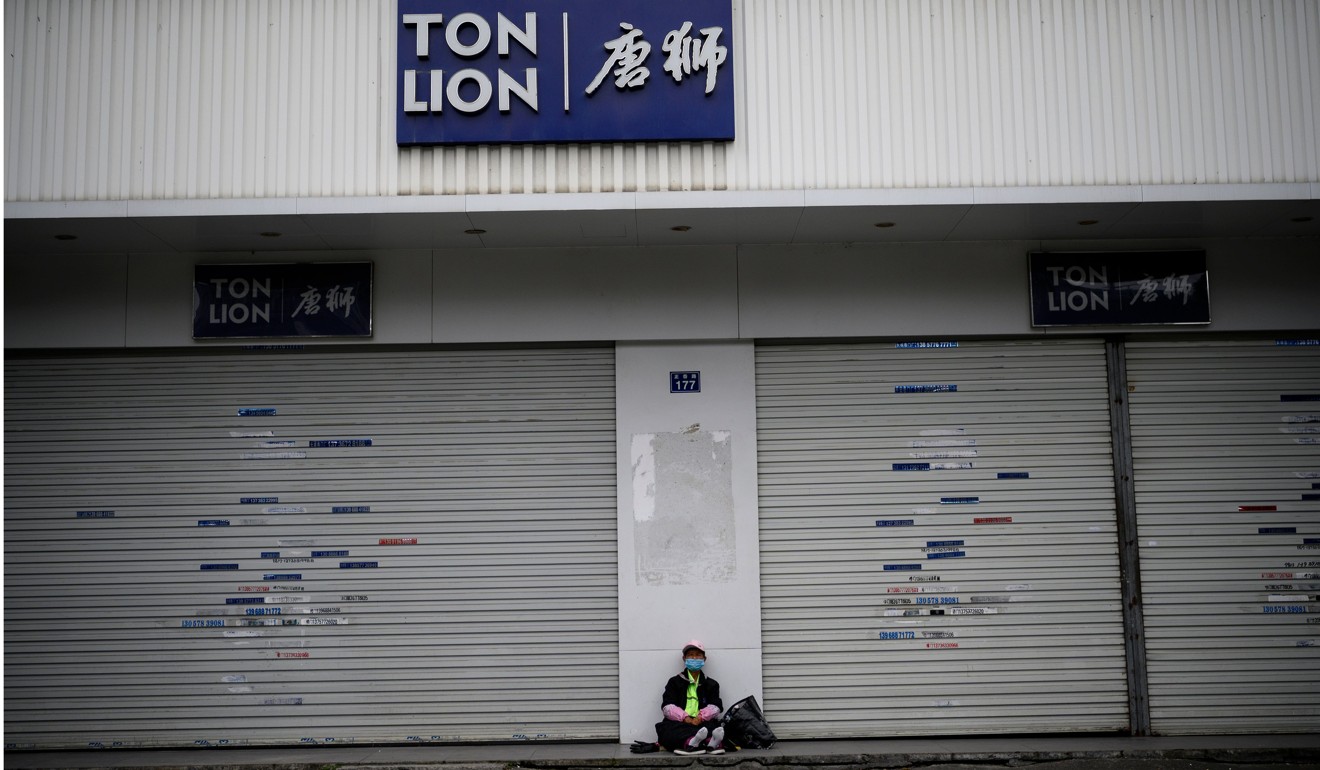
Monthly economic indicators for February sank to all-time lows as the coronavirus halted China’s manufacturing machine and froze activity in the service sector – from retailing to recycling – painting a bleak picture of the world’s second-biggest economy and challenging Beijing’s repeated assurance that the impact would be manageable and short-lived.
Covid-19, the disease caused by the coronavirus – was first reported in Wuhan in December. Since then it has spread to more than 50 countries and more than 85,000 people have been infected. The outbreak has disrupted travel and cargo shipments, and caused stock markets to slump.

China’s official February purchasing managers’ indexes (PMI) for both manufacturing and services, released by the National Bureau of Statistics on Saturday, confirmed fears that China’s economy was in bad shape and fanned speculation that it may even contract in the first quarter.

Larry Hu, chief China economist at Macquarie Capital in Hong Kong, said in a note that Beijing might report negative growth for “the first time since the Cultural Revolution”.

The manufacturing PMI, which measures factory activity, dropped to 35.7 in February – below the previous all-time low of 38.8 set in November 2008 during the global financial crisis – from 50 in January when the impact of the epidemic was not apparent.

A reading below 50 indicates a contraction in activity.

The February PMI figures confirmed fears that China’s economy was in bad shape. Photo: AFP
All of the sub-indexes of the PMI pointed to the difficult situation facing Chinese factories. Output plummeted, new orders vanished, exports and imports stopped, and logistics were badly disrupted. Input prices, which reflects the costs factories must pay, was the only sub-index that remained above 50.

The non-manufacturing PMI – a gauge of sentiment in the services and construction sectors – also dropped, to 29.6 from 54.1 in January. This was also the lowest on record, beating the previous low of 49.7 in November 2011, according to the China Federation of Logistics and Purchasing, which produces the index with the National Bureau of Statistics.

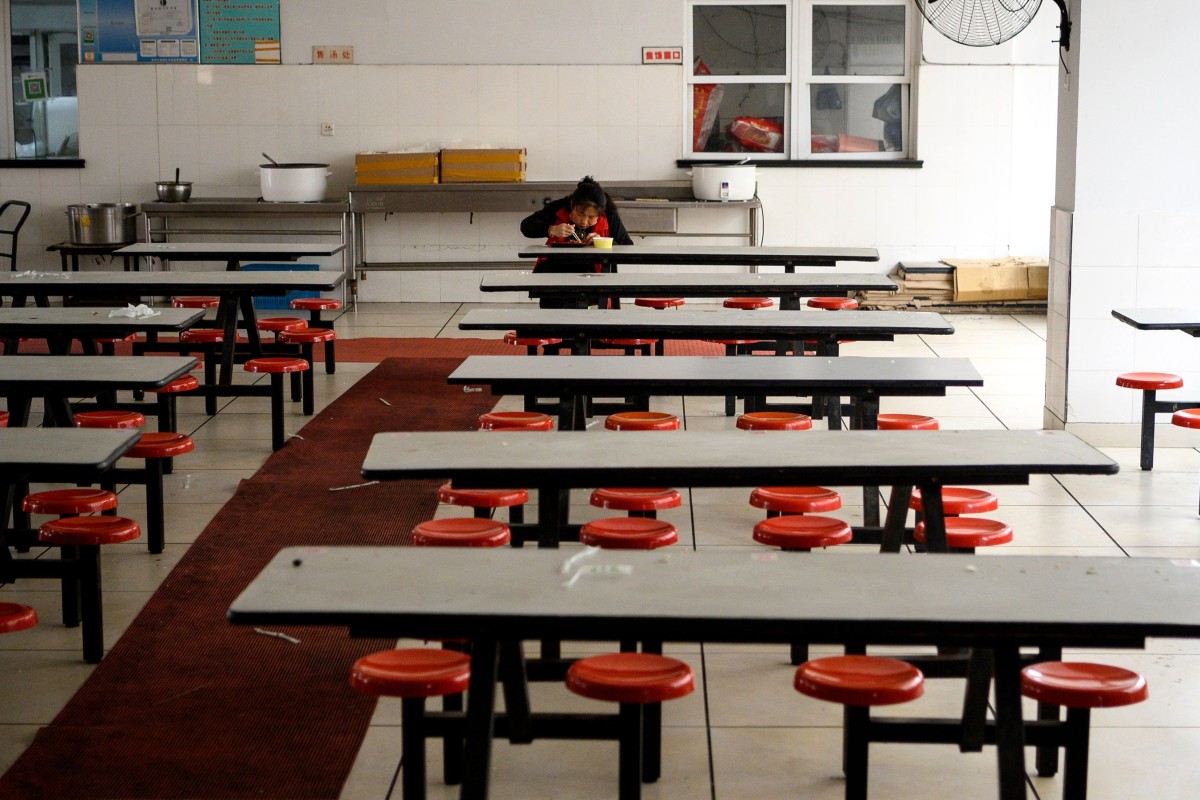
The declines in the February reflect the difficulties businesses are having in bringing production back online due to shortages of labour as well as difficulties receiving supplies or shipping goods to market because of transport restrictions enacted to contain the spread of the virus.

An extended slump would put upwards pressure on unemployment, especially among small, private sector service firms. Beijing, which worries that rising joblessness could cause social unrest, has called on local governments to remove unnecessary restrictions to get businesses back to work.

The employment sub-index in the manufacturing PMI fell to 31.8 in February.

“It is not because factories have stopped hiring migrant workers, it is because the flow of migrant workers to factories has been blocked,” said Hua Changchun, an analyst at brokerage Guotai Junan Securities. “There’s no point talking about resuming production if workers can’t return to their jobs.”

Zhang Qiqun, a researcher with the Development Research Centre of State Council, said in a statement that the major economic indicators for this quarter would see “obvious drops” and China must “be prepared”.

The employment sub-index in the manufacturing PMI fell to 31.8 in February. Photo: AFP
How quickly China can dig itself out of the coronavirus hole is a matter of debate.
According to the PMI survey, about 90 per cent of medium and large-sized manufacturers are expected to resume production in March, meaning about 10 per cent will still be closed four weeks from now.
As for small firms, the industry ministry said this week that two-thirds would still be closed at the end of February.
China’s production difficulties have resulted in economic problems for nations around the world that rely on supply chains that begin or pass through the country. The global spread of the coronavirus will only exacerbate the problem.
Barclays and Nomura forecast China’s first-quarter growth at 2 per cent, while Capital Economics said it would contract in year-on-year terms.
“The sharp drop in China’s manufacturing PMI in February reinforces our view that the normalisation in economic activity will be delayed,” said Xing Zhaopeng, an economist at Australia & New Zealand Banking Group.
“There’s scant chance for a V-shaped rebound – the authorities are using targeted aids more than stimulus to stabilise the economy and that will lead to a gradual bounce.”
The National Bureau of Statistics tried to put a brave face on the data, saying there would be a substantial improvement in March.
“The resumption of work is ramping up and market confidence is steadily recovering,” said Zhao Qinghe, a senior statistician at the NBS.
“Although the novel coronavirus pneumonia epidemic has caused a larger impact on production and operations of Chinese enterprises … currently the epidemic has come under initial containment, and the negative impact on production is gradually weakening.”
Source: SCMP
28/02/2020

China Focus: Xi says China, Mongolia help each other in face of difficulties

CHINA-BEIJING-XI JINPING-MONGOLIAN PRESIDENT-TALKS (CN)

Chinese President Xi Jinping holds talks with Mongolian President Khaltmaa Battulga at the Great Hall of the People in Beijing, capital of China, Feb. 27, 2020. (Xinhua/Liu Bin)

BEIJING, Feb. 27 (Xinhua) — Chinese President Xi Jinping Thursday held talks with Mongolian President Khaltmaa Battulga at the Great Hall of the People in Beijing.

Xi said the Chinese government and people are making all-out efforts to fight the novel coronavirus outbreak (COVID-19), during which the Mongolian government and people have offered precious support.

Hailing Battulga as the first foreign head of state to visit China since the outbreak, Xi said the special visit by Battulga to express consolations and support to China fully embodies the high attention he pays to the China-Mongolia ties and the profound friendship between the two peoples.

This vividly shows that China and Mongolia, as neighboring countries, can rely on each other in difficult times, said Xi.

Xi expressed his welcome as Battulga paid the visit only one day after Mongolia’s traditional Tsagaan Sar holiday, and sent festive greetings to the Mongolian people.

Xi said that since the outbreak of COVID-19, the Communist Party of China (CPC) and the Chinese government have attached great importance to the epidemic, activated a national response mechanism and taken the most comprehensive, thorough and rigorous measures.

A leading group of the CPC Central Committee on the prevention and control of the COVID-19 was established immediately and a central government guiding team was sent to Hubei province, said Xi.

After arduous work, the positive trend in the prevention and control work is now expanding, Xi said, adding that the country has full confidence, capability to win this battle against the epidemic.

China has coordinated the prevention and control work with the economic and social development, and tried its best to minimize the impact of the epidemic, he said.

According to Xi, China has adopted a targeted approach in different regions to advance resumption of work and production based on local health risks, ensure timely agriculture work in spring and guarantee people’s basic livelihood.

Noting that China’s economy is resilient with broad domestic demand and a strong industrial basis, Xi said China will strive to meet this year’s economic and social development targets.

Xi said that guided by the vision of a community with a shared future for humanity, China is making every effort not only to protect the life and health of its own people but also to contribute to global public health security.

With an open, transparent and responsible attitude, the Chinese government has actively stepped up international cooperation on fighting the outbreak, said Xi, adding that China’s efforts have been highly affirmed and recognized by the World Health Organization and the international community.

China will continue to work with countries including Mongolia to fight the epidemic and safeguard regional and global public health security, he said.

Noting that China and Mongolia are friendly neighbors linked by waters and mountains, Xi said China has attached high importance to the bilateral relations and always taken Mongolia as an important direction of China’s neighborhood diplomacy.

China is committed to cementing political mutual trust with Mongolia and enhancing Belt and Road cooperation to benefit both peoples, he said.

Battulga expressed consolations to the Chinese people over the outbreak and spoke highly of China’s rapid establishment of a joint prevention and control mechanism and national people-oriented efforts to fight the epidemic.

Stressing that Mongolia and China are comprehensive strategic partners, Battulga said the Mongolian people completely relate to what the Chinese people are going through and would like to stand closely together with the Chinese people in the difficult times.

Mongolia launched fund-raising activities to support China’s fight against the epidemic, and received active responses from all walks of life, he said, adding that Mongolia will send additional 30,000 sheep apart from the previous donations.

Battulga said he believes that the Chinese people will definitely win the battle against the epidemic at an early date and overcome the difficulties to realize the set goals of social and economic development under the strong leadership of President Xi.

Mongolia commends China’s pursuit of neighborhood diplomacy featuring amity, sincerity, mutual benefit and inclusiveness, and stands ready to work with China to deepen mutual trust and support, enhance cooperation to promote greater development of bilateral relations, said Battulga.

Source: Xinhua

28/02/2020

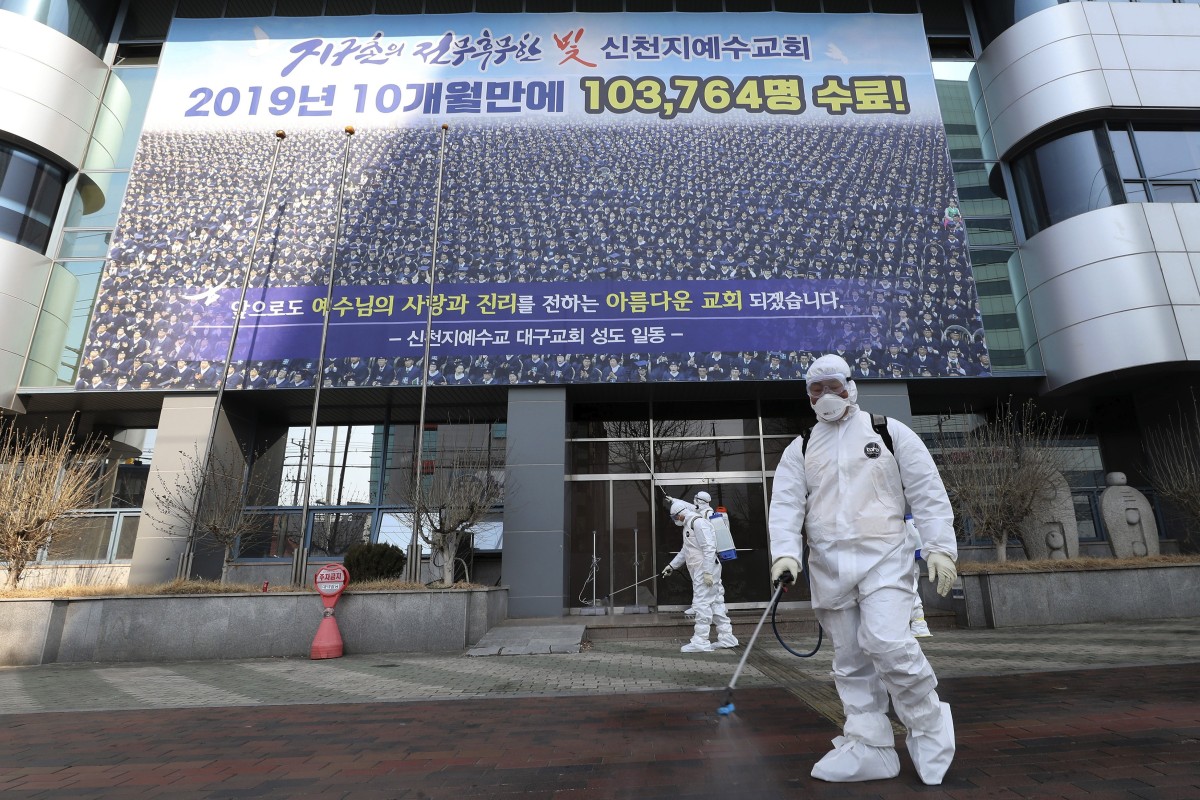
Coronavirus: secretive South Korean church linked to outbreak held meetings in Wuhan until December

  • Around 200 Shincheonji Church of Jesus members continued to meet in the Chinese city amid rumours of virus, but ‘no one took [claims] seriously’ at first
  • Around half the Covid-19 cases in South Korea have been linked to members of the religious group
The Shincheonji church in Daegu has been linked to a cluster of infections. Photo: Yonhap via AP

Members of the Christian sect linked to a cluster of coronavirus cases in South Korea held meetings in Wuhan until December, only stopping when they realised that their community had been hit by Covid-19, the previously unknown disease caused by the virus.

The South China Morning Post has learned that the Shincheonji Church of Jesus in Wuhan, the Chinese city at the centre of the epidemic, has around 200 members, most of whom are currently under quarantine outside the city.

“Rumours about a virus began to circulate in November but no one took them seriously,” said one member, a 28-year-old kindergarten teacher.

“I was in Wuhan in December when our church suspended all gatherings as soon as we learned about [the coronavirus],” said the woman, who declined to be named because of the sensitivity of the matter.

She said the group was continuing to share sermons and teachings online, but most members had returned home at the start of the Lunar New Year holiday in late January.

The 250,000-member Shincheonji Church of Jesus is regarded by mainstream Christian groups as a secretive and unorthodox sect. Its founder, Lee Man-hee, has claimed that he is the second coming of Jesus Christ.

Around half the Covid-19 infections in South Korea have been linked to a branch of the church in Daegu.

Coronavirus spreads through Europe from Italy to Austria, Croatia, Tenerife

26 Feb 2020

According to the Korea Centres for Disease Control and Prevention, there were 977 confirmed cases as of Tuesday – the second highest number outside China – and 11 deaths.

Of the 84 new cases reported on Tuesday, over half were recorded in Daegu city.

Coronavirus: Churches on high alert as South Korea confirms huge rise in infections
A member of the church from Daegu reportedly visited China in January, and health officials in South Korea are investigating whether a cluster of infections in Cheongdo city is linked to a three-day funeral ceremony held at a local hospital.

Chinese sources said that the Shincheonji church has about 20,000 members in China – most of whom live in major cities such as Beijing, Shanghai, Dalian, Changchun and Shenyang.

One Christian pastor in Hubei province, who declined to be named, said that Shincheonji church members were hard-working and some continued to proselytise even during the outbreak.

Chinese cities quarantine travellers from South Korea amid spike in coronavirus cases

25 Feb 2020

The Wuhan kindergarten teacher said she was confident that the recent mass outbreaks in South Korea were not linked to Shincheonji church members from the city.

“I don’t think the virus came from us because none of our brothers and sisters in Wuhan have been infected. I don’t know about members in other places but at least we are clean. None of us have reported sick,” she said.

“There are so many Chinese travelling to South Korea, it’s quite unfair to pin [the disease] on us.”

Coronavirus: China reports 508 new Covid-19 cases, with only nine outside outbreak epicentre
She sidestepped questions on whether church members had travelled from Wuhan to South Korea after the outbreak.
The teacher said that in 2018 the Wuhan group’s “holy temple” in Hankou district had been raided by police “who branded us a cult”, but members continued to worship in small groups.
“We are aware of all the negative reporting out there after the outbreak in South Korea, but we do not want to defend ourselves in public because that will create trouble with the government,” she said. “We just want to get through the crisis first.”
Airfares from South Korea to China shoot up amid Covid-19 fears
25 Feb 2020

Bill Zhang, a 33-year-old Shanghai resident and a former missionary with Shincheonji, said the group’s secretive nature made it hard for the authorities to effectively crackdown on its activities.

He said the Shanghai branch held its main meetings on Wednesdays and Saturdays, attracting 300 to 400 people at a time.

“The Shincheonji church in Shanghai has been raided many times and police spoke to church leaders regularly.

“But the church members simply continued their meetings in smaller groups of eight-to-10 people and regrouped when the surveillance was relaxed.”

Zhang continued: “Shincheonji holds that it is the only real church that upholds the biblical truth and all other churches – mainstream or cults – are evil.”

Source: SCMP

28/02/2020

After fumbled messaging, Donald Trump gets a coronavirus tsar by another name

  • Health official Debbie Birx appointed as ‘coronavirus response coordinator’ under Vice-President Mike Pence
  • Facing outbreak threat a month ago, US president said ‘we have it totally under control’. This week, under fire, he changed course
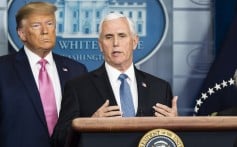
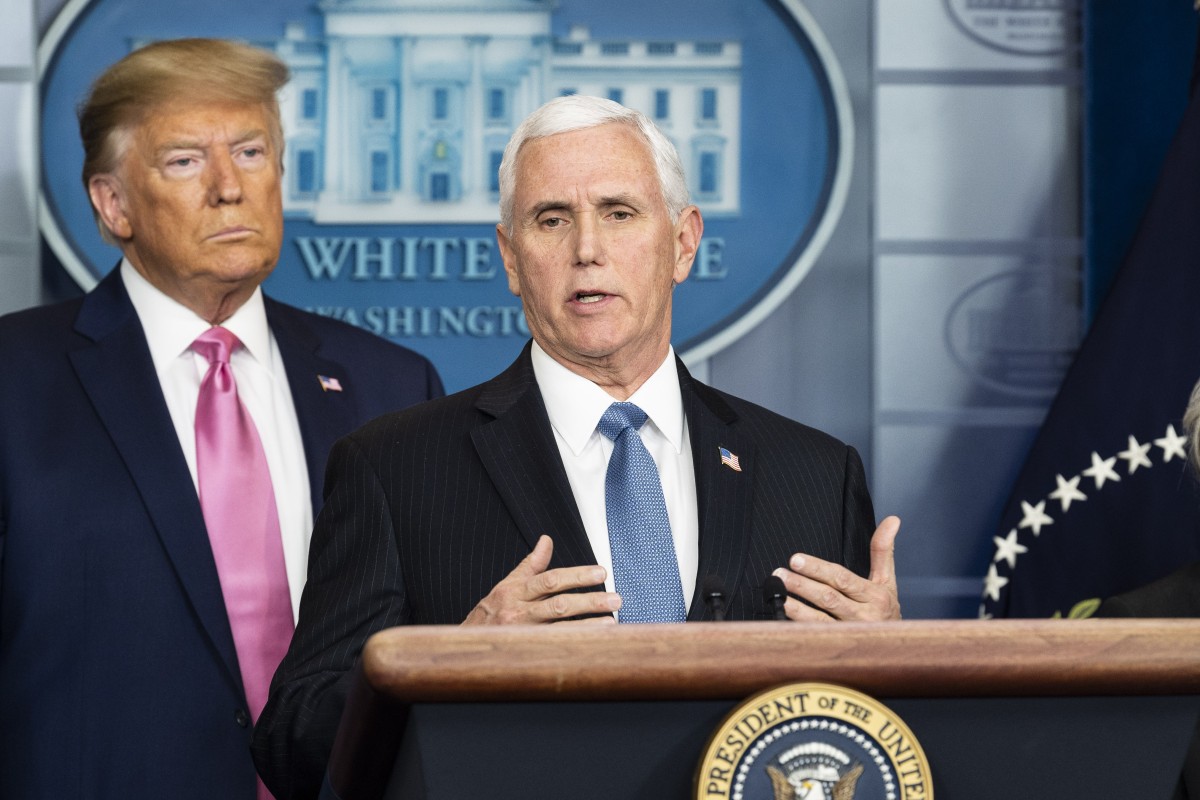
US Vice-President Mike Pence (right) speaks alongside US President Donald Trump during a press conference about the coronavirus at the White House on Wednesday. Photo: dpa
This story is published in a content partnership with POLITICO. It was originally reported by Adam Cancryn, Quint Forgey and Dan Diamond on politico.com on February 27, 2020.
In the end, US President Donald Trump got a coronavirus tsar – without having to call it a tsar.
Vice-President Mike Pence, whom Trump appointed on Wednesday to lead his coronavirus response, announced a global health official as the “White House coronavirus response coordinator” – installing a tsar-like figure under him to guide the administration’s response to the outbreak after a protracted public dance around how to display the power of the federal bureaucracy to the American people.
The move marked the administration’s latest attempt to show it is in control of the spreading global threat after weeks of fumbled messaging, rising market jitters and mounting backlash from lawmakers on both sides of the aisle.
Coronavirus: New cases outside China outnumber those inside for first time since start of epidemic
The two-day journey of upgrading the federal government’s public response highlighted a sharp contrast between Trump’s political instincts to play down the virus risk in an election year and calls from health officials and lawmakers to show the government in command of a deadly and frightening threat.

The new role will put Ambassador Debbie Birx, who has served since 2014 as the US government’s leader for combating HIV/Aids globally, at the centre of what now appears to be three leaders of the government response.

Trump revealed in a news conference on Wednesday evening that Pence would head up the administration’s management of the coronavirus, overseeing a task force nominally led by Health and Human Services Secretary Alex Azar. Birx will report to Pence but serve on the task force that Azar chairs.

Over three decades of public health experience, Birx “has been utilising the best science to change the course of the HIV pandemic and bring the pandemic under control”, the White House said in a statement, adding that she “will bring her infectious disease, immunologic, vaccine research and inter-agency coordinating capacity to this position”.

Speaking at the Conservative Political Action Conference on Thursday, Pence said “we are ready for anything” to fight coronavirus.

Trump faces ‘black swan’ threat to economy and re-election

25 Feb 2020

“I promise you, this president, this administration, is going to work with leaders in both parties. We’ll work with leaders across this nation, at the state and local level. And this president will always put the health and safety of America first.”

Birx’s appointment marked the latest swerve by the White House in assigning responsibility to tackle the burgeoning public health crisis.

At the World Economic Forum in Davos last month, Trump said “we have it totally under control” and maintained “it’s going to be just fine”. The virus has since exploded globally from China to nearly 50 countries, with more worries emerging inside the US.

A week after Trump’s Davos comments, the White House announced a task force to handle the widening outbreak. A month later, Trump was forced to vastly upgrade the response when his bold predictions proved to be wrong.

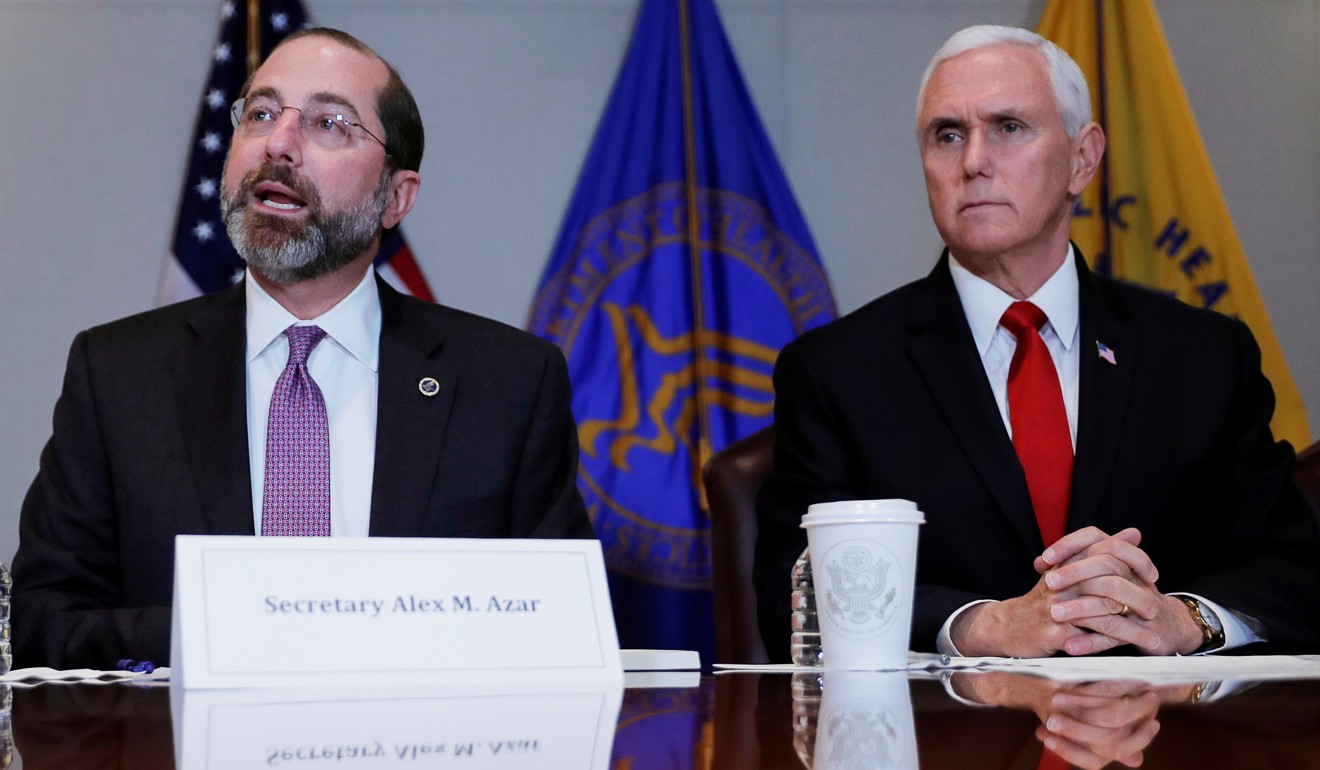
US Health and Human Services Secretary Alex Azar (left) speaks as US Vice-President Mike Pence listens during a coronavirus task force meeting in Washington on Thursday. Photo: Reuters
Appointing a “coordinator” allowed Trump to fulfil an increasingly urgent call from lawmakers to put a trusted public health official at the centre of the White House response as a tsar.
Some administration officials had opposed appointing a tsar – a move President Barack Obama used in 2014 during the Ebola threat – because it could be perceived as an admission of failure up to this point, while others have been criticising Azar for months for his work on the president’s health initiatives far beyond coronavirus.
On Wednesday, Azar told lawmakers “I serve as the lead” on coronavirus efforts, and he denied a POLITICO report stating that the White House was weighing whether to appoint a tsar to coordinate its response to the spreading epidemic.
The leadership change – putting Pence in charge – was a shock to Azar and his team, four people familiar with the matter said, coming soon after the health secretary returned from his full day of congressional testimony.
Facebook cancels its big annual developers event due to coronavirus
28 Feb 2020

Azar had reason to be confident: Trump had reassured him earlier in the day that he was doing a good job atop the task force and would not be replaced. And technically, he was not, even though he has lost ultimate authority over the federal response.

Azar insisted at Trump’s Wednesday news conference, however, that he would remain the chair of the White House task force, indicating Pence would play a supervisory role. That was before Thursday morning’s coronavirus “coordinator” announcement, which Trump hinted at the prior night.

At a congressional hearing on Thursday, Azar downplayed the significance of Pence’s appointment, calling it a “a lot of continuity” of the administration’s response to date.

“What the vice-president will do is actually a function very similar to what acting chief of staff Mick Mulvaney has been doing very ably for me,” he told the House Ways and Means Committee, describing the role largely as ensuring alignment across the government and coordinating decision-making outside the health care arena.

“The vice-president’s involvement and leadership across the whole of government brings just the weight of the office of the vice-president to that task.”

Why the WHO isn’t labelling Covid-19 a pandemic and how the world coped with past global diseases
Azar later insisted that he was consulted and involved in the decision to put Pence in charge, telling lawmakers that he was supportive as soon as the suggestion was made. “I said, quote, that’s genius,” he said.
Azar also told reporters after the hearing that he was “involved” in the decision Wednesday to name Birx.
“She’s a terrific leader. And she will do wonderful work helping us with just the internal processes,” he said. As for Pence’s new role, Azar said “the vice-president helps me, in terms of heft within the executive agency” but maintained that he’s still leading the inter-agency task force work among a slew of other responsibilities as the nation’s health chief.
The compromise position allows the White House to respond to frustration inside and outside the administration while allowing Azar to save face. Trump remains pleased with his health secretary and had reassured him as recently as Wednesday that he was happy with his work on the coronavirus, people close to the White House said.
The White House is battling bipartisan criticism from members of Congress sceptical of the administration’s response and emergency funding request, which some lawmakers have slammed as insufficient to counter the growing threat.
US lawmakers push White House for more aggressive coronavirus preparations
27 Feb 2020

The administration’s disjointed messaging about the severity of the threat earlier this week frustrated even Republicans on Capitol Hill, especially after White House National Economic Director Larry Kudlow declared the containment effort as nearly “airtight” at nearly the same time CDC officials were warning of its “inevitable” spread.

An exasperated Senator John Kennedy aired his concerns directly to Trump on Tuesday, after the Louisiana Republican struggled to extract basic answers about the disease from acting Homeland Security Secretary Chad Wolf.

“We had one story from the classified briefing, we had another story from one Cabinet secretary, then we had another story from another Cabinet secretary,” said Kennedy, who on Thursday praised the decision to elevate Pence. “[Trump] said, I hear what you’re saying, I’m gonna get this straight.”

The announcement of Birx’s latest role within the administration came hours after news broke in California of the first potential case of coronavirus spreading within the US.

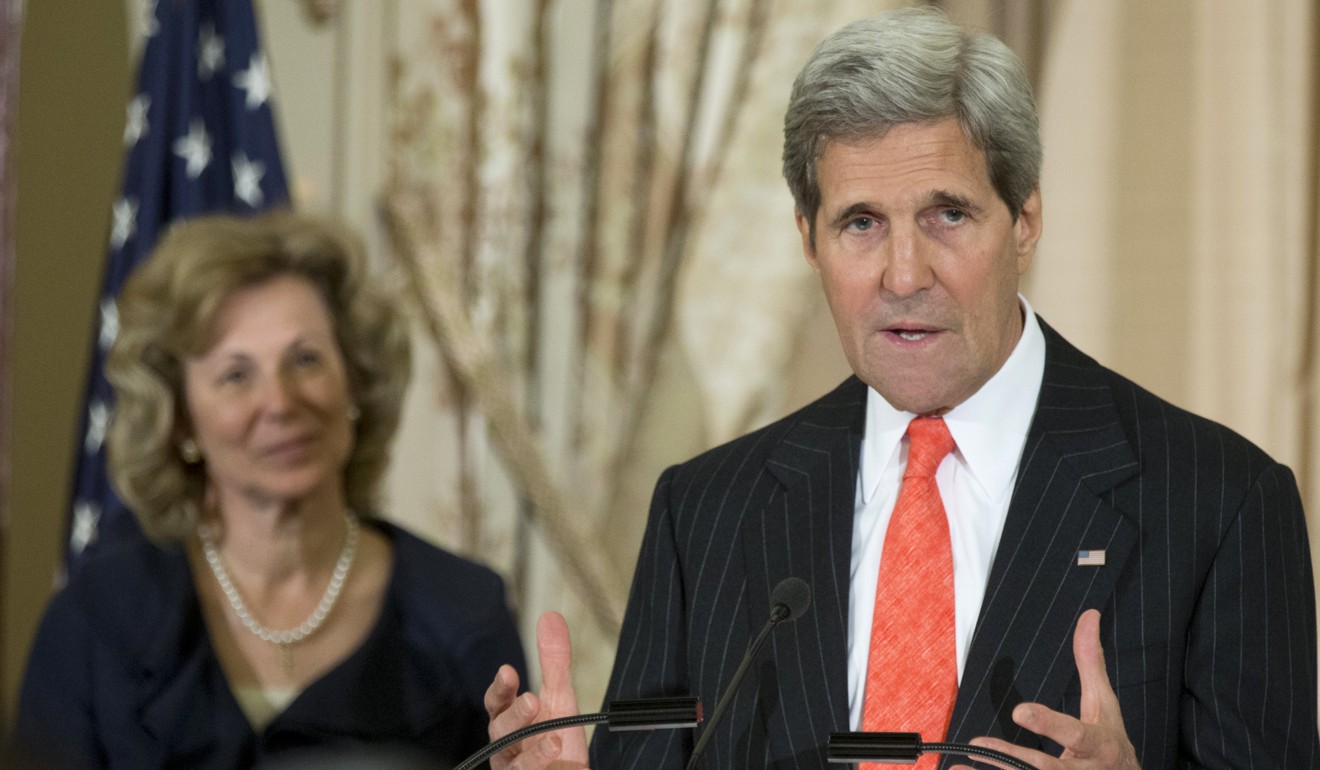
Secretary of State John Kerry speaks during an April 2014 swearing-in ceremony for Debbie Birx (left) as ambassador-at-large and coordinator of US government activities to combat HIV/Aids. Photo: AP
Secretary of State John Kerry speaks during an April 2014 swearing-in ceremony for Debbie Birx (left) as ambassador-at-large and coordinator of US government activities to combat HIV/Aids. Photo: AFP
It also follows intense scrutiny of Pence’s record as governor of Indiana overseeing a massive HIV outbreak in the state that public health experts deemed preventable – an episode that House Speaker Nancy Pelosi raised directly with the vice-president on Thursday morning.
“I expressed to him the concern that I had of his being in this position,” she said during her weekly press conference.
Birx brings bipartisan credibility to the job, having won widespread praise from Democrats in the run-up to her 2014 confirmation as head of the Obama administration’s global HIV/Aids office.
Senate Foreign Relations Committee Democrat Ben Cardin in 2014 called her “one of the most well-qualified nominees that has ever come before the US Senate for confirmation,” ahead of a unanimous vote to install her in the job.
Trump asks Congress for US$2.5 billion to fight coronavirus
25 Feb 2020

Congressman Eliot Engel, now the top Democrat on the House’s Foreign Affairs Committee, similarly lauded her as a “dedicated force in efforts to eliminate the global scourge of HIV/Aids”.

Yet despite her Obama-era appointment, Birx is a Republican and could be characterised as a conservative, one person who knows her said.

This person added that she’d be “good on camera” and has already worked closely with several of the administration’s current top public health officials – including Centres for Disease Control and Prevention director Robert Redfield, with whom she served as an Army doctor.

Most notably, this person said, she aided Redfield’s candidacy to become CDC chief in 2018, serving as a reference and advocating for him within the administration.

Source: SCMP

28/02/2020

US Navy says Chinese warship pointed laser at patrol aircraft near Guam

  • US Pacific Fleet calls the action last week ‘unsafe and unprofessional’ and a breach of code of conduct
  • Analyst describes it as a ‘serious provocation’ that could have posed a navigational hazard
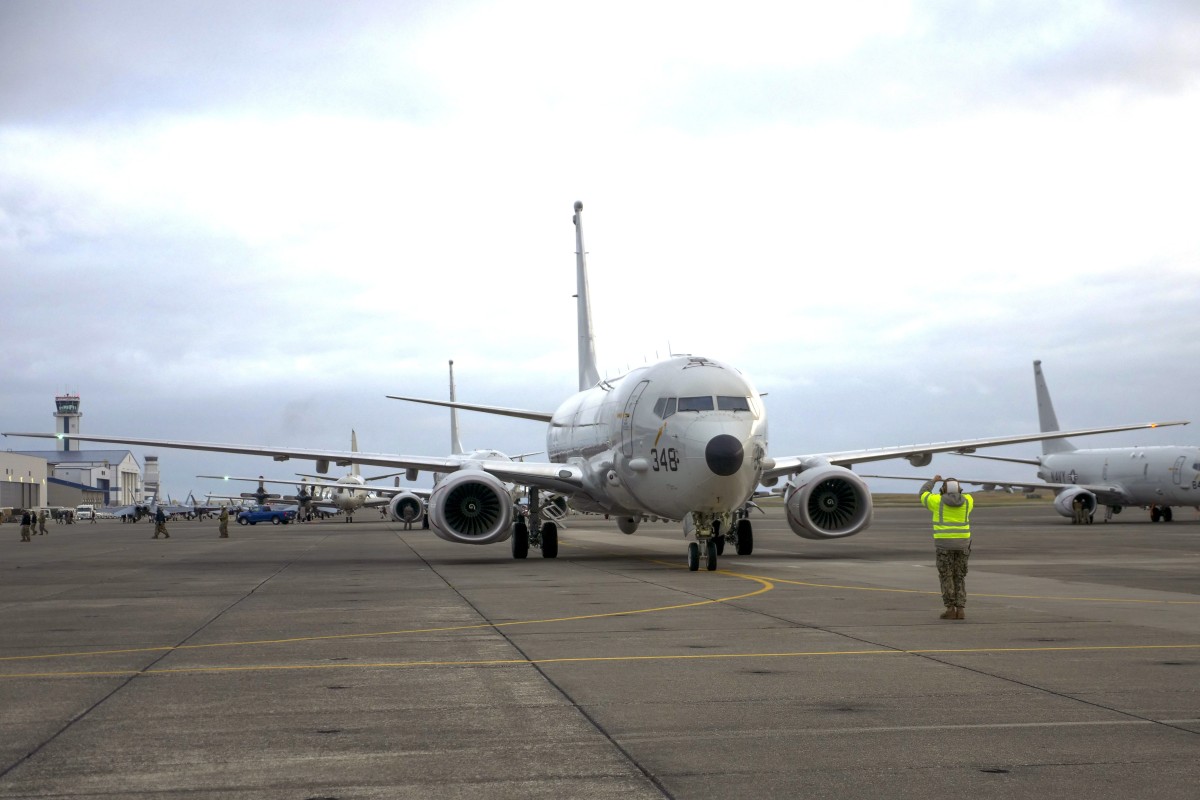
The US said a P-8A Poseidon maritime patrol aircraft was targeted as it flew over international waters in the western Pacific last week. Photo: AP

A Chinese destroyer pointed a laser at an American maritime patrol aircraft over the western Pacific Ocean last week, the US Navy said, calling the incident “unsafe and unprofessional”.

The US Pacific Fleet said in a statement on Friday that the destroyer targeted the P-8A Poseidon aircraft as it flew over international waters about 610km (380 miles) west of Guam on February 17.

“The laser, which was not visible to the naked eye, was captured by a sensor on board the P-8A,” the statement said. “Weapons-grade lasers could potentially cause serious harm to aircrew and mariners, as well as ship and aircraft systems.”

It said the action by the Chinese warship had breached the multilateral Code for Unplanned Encounters at Sea, which “specifically addresses the use of lasers that could cause harm to personnel or damage to equipment”.

China’s arms industry back in business despite disruption by coronavirus

23 Feb 2020

The action was also “inconsistent” with a memorandum of understanding reached between the US and Chinese defence ministries on rules of behaviour for safety during air and maritime encounters, the US Pacific Fleet said.

The P-8A is deployed to the Kadena Air Force Base in Okinawa, Japan, and is part of a squadron that conducts routine operations, maritime patrols and reconnaissance in the US 7th Fleet area of operations, according to the statement.

China and the United States have exchanged tough words as tensions simmer over their military activities in the Asia-Pacific region, particularly over the South China Sea and Taiwan.

A Chinese destroyer is said to have pointed a laser at a US Navy aircraft near Guam. Photo: Weibo
A Chinese destroyer is said to have pointed a laser at a US Navy aircraft near Guam.
Photo: Weibo The Chinese South Sea Fleet completed a 41-day drill in the western Pacific earlier this week, according to state media, in a move to show its military exercises were continuing even as the country battles the coronavirus epidemic.
Meanwhile, the US Air Force sent two surveillance planes over the Taiwan Strait
on February 12, after the People’s Liberation Army conducted naval and air force drills
in the area.

Collin Koh, a research fellow with the S Rajaratnam School of International Studies at Singapore’s Nanyang Technological University, said the latest incident was a “serious provocation”, noting that the Chinese military had also pointed lasers at the US in Djibouti.

The South China Sea dispute explained
“Use of lasers is as dangerous as manoeuvring one’s aerial or naval asset too close to another to cause the potential of collision – the lasers can pose a serious navigational hazard,” Koh said.

“While both [the Chinese and US navies] have the legitimate right to carry out their activities on the high seas out there in the western Pacific – including the use of these platforms to monitor each other – the use of lasers to endanger navigation in fact represents a serious provocation,” he said.

“The US Navy P-8A might have flown lower for closer observation, but I don’t think it went to the point of risking a collision with the [Chinese] warship.”

The incident was likely to further undermine trust and military stability between China and the United States, Koh said.

Conflict prevention in the South China Sea depends on China abiding by the existing rules of navigation

27 Feb 2020

“It also wouldn’t be the first time the [Chinese navy] formations would have had ‘company’ from US military assets keeping tabs on them,” he said.

But Hong Kong-based military commentator Song Zhongping rejected the US Navy’s claim that the Chinese warship had violated the code of conduct, saying its action was just a routine warning.

“The US is unhappy because the Chinese fleet was very close to Guam, and it saw the Chinese fleet as taking an unfriendly measure against the US,” he said.

“But it’s normal for a naval fleet and aircraft to send warnings to each other,” Song said. “If the other side’s reconnaissance plane gets too close to vessels, it can be a security risk. So they take self-defence measures.”

Source: SCMP

28/02/2020

US professor Anming Hu charged with hiding China ties from Nasa

  • Tennessee academic Hu was arrested on Thursday and charged with three counts of wire fraud and three counts of making false statements
  • The Justice Department said Hu hid his link to the Peking University while taking funding from the US space agency
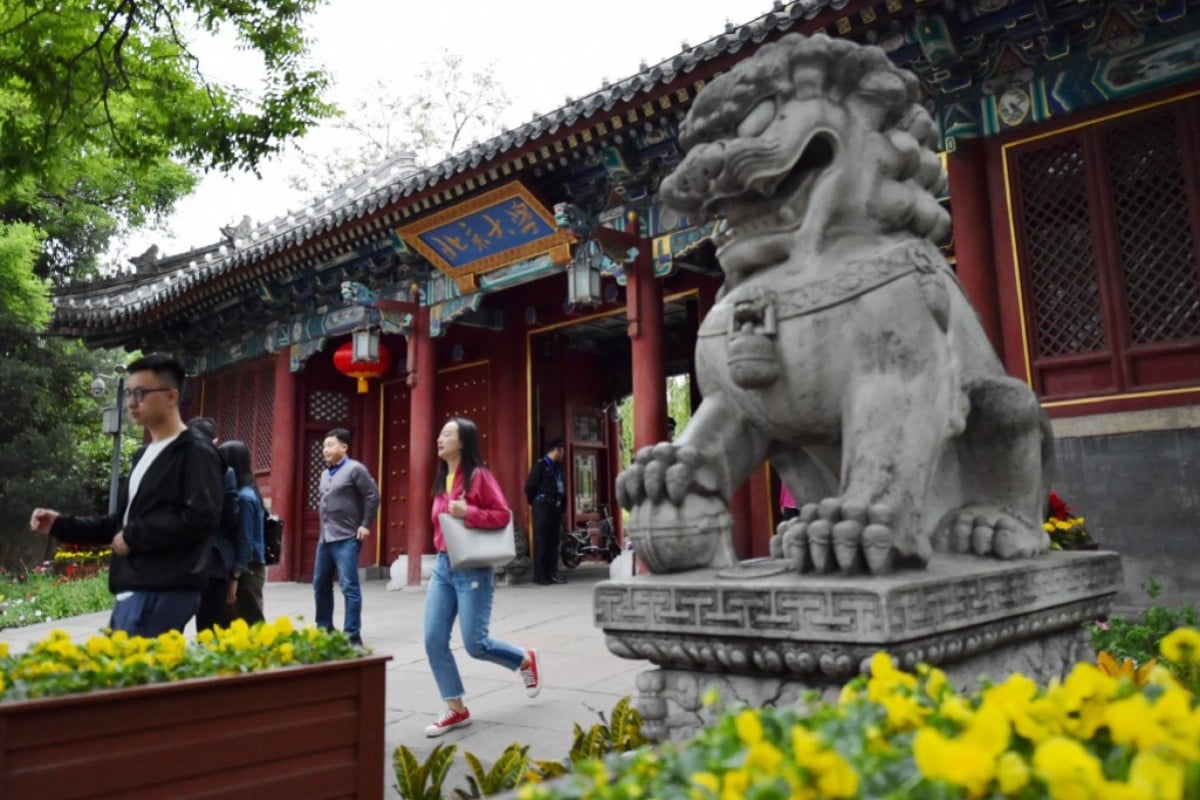
Peking University in Beijing. Photo: Xinhua

US authorities on Thursday charged a professor at a university in Tennessee with fraud and false statements, saying he hid his link to a Chinese institution while taking funding from Nasa.

In the latest case related to US efforts to halt alleged unauthorised technology transfers to China, the Justice Department said Anming Hu hid his ties to Peking University of Technology while he taught and did research at University of Tennessee, Knoxville.

The indictment said that from 2016, Hu “engaged in a scheme to defraud the National Aeronautics and Space Administration” (Nasa) by hiding his affiliation with the Peking University.

“Federal law prohibits Nasa from using appropriated funds on projects in collaboration with China or Chinese universities,” the Justice Department said in a statement.

Hu was arrested on Thursday and charged with three counts of wire fraud and three counts of making false statements.

The wire fraud charges bring up to 20 years in prison and a fine of up to $250,000 each; the false statement counts each bring a maximum five years in prison.

Chinese man pleads guilty to photographing US Navy base

23 Feb 2020

The case was brought by the national security division of the Justice Department, which has taken aim over the past year at a number of Chinese nationals for allegedly stealing industrial and other secrets to boost China’s economy and defence sectors.

“This is just the latest case involving professors or researchers concealing their affiliations with China from their American employers and the US government. We will not tolerate it,” said John Demers, the assistant attorney general for national security.

US charges Harvard chemistry chair with lying about China ties

17 Feb 2020

Washington says Beijing both pressures and incentivises its nationals to bring back proprietary technology from the US.

Among those arrested for allegedly supporting Beijing’s illicit technology acquisition efforts is the chairman of Harvard University’s chemistry and chemical biology department.

Charles Lieber allegedly hid from Harvard and US authorities payments of $50,000 a month for his personal needs and $1.5 million in lab funding from a Chinese university.

Source: SCMP

28/02/2020

Sun Yang: Eight-year ban for Chinese Olympic champion

Sun Yang
Sun Yang was a double Olympic gold medallist at London 2012 and won the men’s 200m freestyle title in 2016

China’s three-time Olympic champion Sun Yang has been banned for eight years for missing a doping test in September 2018.

The 28-year-old was initially cleared of wrongdoing by Fina, the swimming federation, in January 2019.

Following an appeal by the World Anti-Doping Agency (Wada) to the Court of Arbitration for Sport (Cas), the decision has been overturned.

An eight-year ban was imposed on Sun because this was his second offence.

He had served a three-month suspension in 2014 for taking prohibited stimulant Trimetazidine.

Sun told China’s Xinhua news agency that he plans to appeal against the decision.

He said: “This is unfair. I firmly believe in my innocence.”

Cas said its decision can be challenged before the Swiss Federal Tribunal within 30 days.

Sun had told an appeal hearing in November that he missed a test because testers failed to prove their identity when they arrived at his home.

He also denied a vial containing his blood samples was smashed with a hammer.

‘You’re a loser, I’m a winner’ – ugly scenes as GB’s Scott refuses to share podium with Sun

Cas said: “The athlete failed to establish that he had a compelling justification to destroy his sample collection containers and forego the doping control when, in his opinion, the collection protocol was not in compliance with the ISTI (international standard for testing and investigations).

“As the Cas panel noted, it is one thing, having provided a blood sample, to question the accreditation of the testing personnel while keeping the intact samples in the possession of the testing authorities; it is quite another thing, after lengthy exchanges and warnings as to the consequences, to act in such a way that results in destroying the sample containers, thereby eliminating any chance of testing the sample at a later stage.”

Wada welcomed the ruling, and added that it was “satisfied that justice in this case has been rendered”.

At the 2019 World Aquatics Championships in July, Sun won gold in the 200m freestyle but Britain’s Duncan Scott refused to share the podium with him.

Australian Mack Horton took a similar stance after the 400m freestyle, years after accusing him of being a “drug cheat”.

Scott said on Friday: “I fully respect and support the decision that has been made.

“I believe in clean sport and a level playing field for all athletes and I trust in Cas and Wada to uphold these values.”

Sun’s results prior to, during and after the championships will stand because he has not tested positive for doping.

He has won 11 world titles since 2011, including two golds at last year’s event in Gwangju, South Korea.

When Fina originally cleared him, it said that testers had breached several rules, including failing to produce authorisation letters and a nursing licence. Sun was subsequently issued with a warning.

The Cas appeal was heard in public. The only previous time that had happened was in 1999 when Ireland’s triple Olympic swimming champion Michelle Smith de Bruin failed with her appeal against a four-year ban for tampering with an anti-doping sample.

‘You’re disrespecting your country’ – reaction

Adam Peaty, British Olympic 100m breaststroke champion: “Very good. For anyone that’s been banned once, potentially it’s a mistake.

“You’re looking at it twice – you’re a fool. I believe that you’re disrespecting the sport, you’re disrespecting yourself and you’re disrespecting your country.”

Lizzie Simmonds, British two-time Olympian & former European champion: “I once called this man the Harry Houdini of doping control, but it seems that justice has finally been served.

“Imagine there will be a few very relieved freestylers waking up across the world.

“Given the damning length of this sentence, it seems inconceivable that he originally just received a slap on the wrist from Fina.

“A strong message to those who cheat, but I hope an even stronger message to those who seek to protect bureaucratic harmony over sporting integrity.”

James Guy, British four-time world swimming champion: “The truth always comes out.”

Source: The BBC

Law of Unintended Consequences

continuously updated blog about China & India

ChiaHou's Book Reviews

continuously updated blog about China & India

What's wrong with the world; and its economy

continuously updated blog about China & India