20/02/2020

China, Vietnam vow to promote ties, jointly advance Lancang-Mekong cooperation

LAOS-VIENTIANE-WANG YI-VIETNAM-MEETING

Chinese State Councilor and Foreign Minister Wang Yi meets with Vietnamese Deputy Prime Minister and Minister for Foreign Affairs Pham Binh Minh in Vientiane, Laos, Feb. 19, 2020. (Photo by Kaikeo Saiyasane/Xinhua)

VIENTIANE, Feb. 19 (Xinhua) — Chinese State Councilor and Foreign Minister Wang Yi met here Wednesday with Vietnamese Deputy Prime Minister and Minister for Foreign Affairs Pham Binh Minh, with both sides pledging to further promote bilateral ties and jointly advance Lancang-Mekong cooperation.

Wang is in Vientiane, capital of Laos, for the Special ASEAN-China Foreign Ministers’ Meeting on Coronavirus Disease and the fifth Lancang-Mekong Cooperation Foreign Ministers’ Meeting.

During the meeting with Pham Binh Minh, Wang said that under the strong leadership of the Communist Party of China Central Committee with Xi Jinping at the core, the whole party and the whole country are rallying together to counter the COVID-19 epidemic.

Thanks to the arduous efforts, China’s measures to prevent and control the epidemic have been achieving visible progress, he noted.

It is necessary for China and the Association of Southeast Asian Nations (ASEAN), linked by mountains, rivers and waters and sharing weal and woe, to timely share information and work together to tackle the epidemic so as to safeguard people’s health of China and ASEAN countries, Wang said.

Vietnam, as the ASEAN chair, has made active response to China’s proposal to hold the Special ASEAN-China Foreign Ministers’ Meeting on Coronavirus Disease, Wang said, noting that it testifies to the fine tradition of their shared spirit of “good neighbor, good friend, good comrade and good partner” as well as supporting and helping each other, he said.

Wang expressed belief that the Special ASEAN-China Foreign Ministers’ Meeting on Coronavirus Disease to be held Thursday will achieve success, thus sending out an explicit message that China and ASEAN countries will overcome difficulties with concerted efforts.

This year marks the 70th anniversary of the establishment of the diplomatic relations between China and Vietnam, Wang said, noting that the China-Vietnam comprehensive strategic cooperative partnership has entered into a critical phase of inheriting the past and ushering in the future.

He called on the two sides to carry forward the friendly cause initiated by past generations of leaders of both sides, implement the important consensus reached by leaders of the two countries, maintain high-level strategic communication and advance exchanges and cooperation across the board and at sub-national levels.

He also said that the two countries should properly manage and control differences, steadily promote practical cooperation in various fields and well uphold the common strategic interests of the two socialist countries.

China attaches great importance to the Lancang-Mekong cooperation, Wang said, adding that China stands ready to work together with the Vietnamese side to actively develop greater synergy between the Lancang-Mekong cooperation and the construction of the “new land-sea corridor” so as to give a boost to the economic development of the Mekong River areas.

Pham Binh Minh, for his part, said Vietnam speaks highly of the efforts China has made in the fight against the COVID-19 epidemic, believing that the Chinese government and the Chinese people will tide over the difficulties and win the fight.

Minh told Wang that those in Vietnam affected by the virus have almost recovered.

He said his country is willing to work together with China to ensure that the Special ASEAN-China Foreign Ministers’ Meeting on Coronavirus Disease will be held successfully here on Thursday.

Noting that the development of bilateral relations has maintained good momentum for the time being, Minh hoped that the two sides will boost strategic coordination, jointly hold activities to celebrate the 70th anniversary of the establishment of the diplomatic ties between the two countries and promote the cooperation in all fields so as to make greater achievements.

He said Vietnam is willing to strengthen mutual political trust with China, properly handle maritime issues and encourage the cooperation between localities of the two countries, especially in the border areas.

Minh also said his country is willing to strengthen coordination and cooperation with China within the framework of multilateralism.

Vietnam applauds the achievements made in Lancang-Mekong cooperation and is ready to join hands with China to advance the mechanism, he added.

Source: Xinhua
20/02/2020

Coronavirus: how Diamond Princess cruise ship became a ‘super spreading’ site

  • It started with a cough by a passenger who had visited China, leading to the two-week quarantine of some 3,700 passengers and crew
  • At least 218 cases have been detected on board the Diamond Princess, which has been described as ill-equipped to prevent the spread of infections
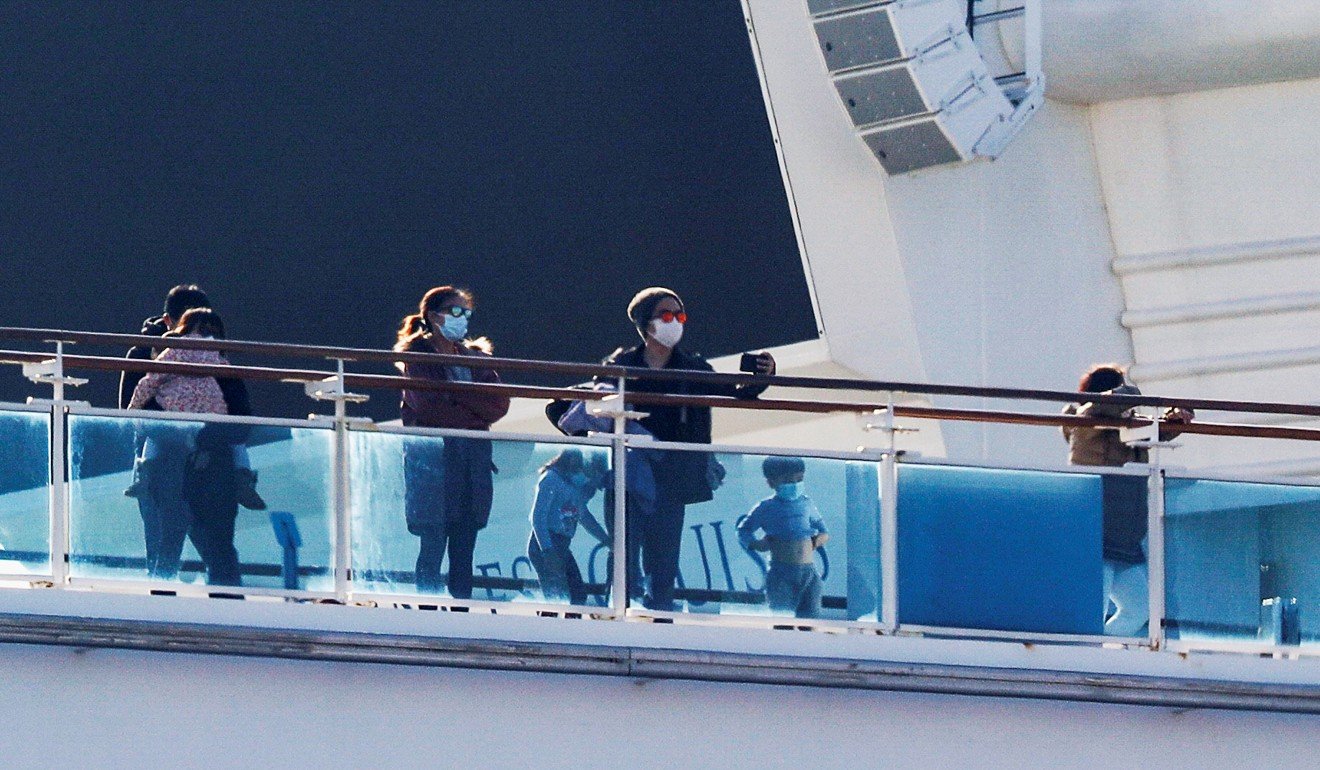
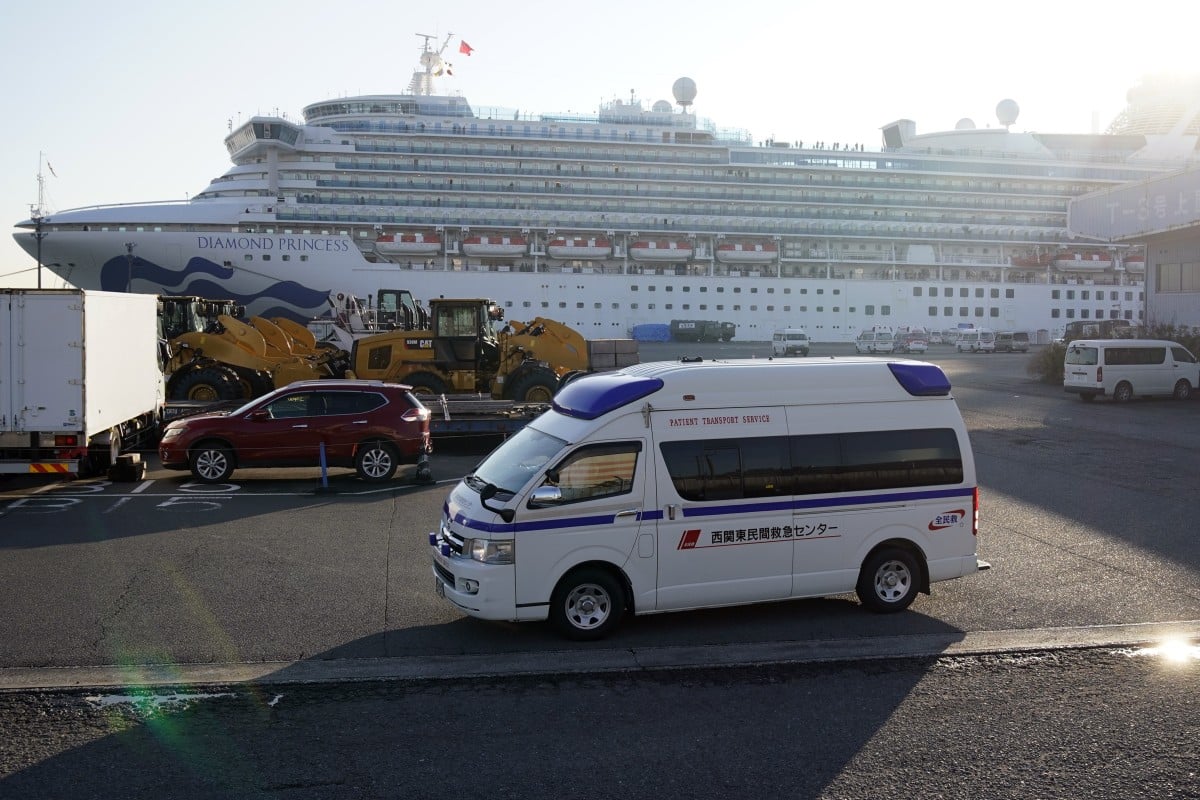
Passengers and crew on the Diamond Princess cruise liner are under quarantine until February 19, 2020. Photo: Reuters
For almost a fortnight and counting, the Diamond Princess has resembled a floating hospital more than a luxury cruise liner, as 3,711 passengers and crew have remained under quarantine in Japan due to an outbreak of the deadly coronavirus on board.
The UK-flagged vessel, which set out on a 29-day voyage from Singapore to Yokohama on January 6, has been in lock-down since arriving at the Japanese city on February 3, after an elderly passenger who disembarked in Hong Kong tested positive for the virus, which causes the respiratory disease officially known as Covid-19.
Along the way, the ship had stopped at 14 ports, including Ho Chi Minh City in 
Vietnam, 

Kobe and Osaka in Japan, and Taipei in Taiwan, with repeat visits to a number of destinations, including Hong Kong.

How did the outbreak start?

While the exact source of the outbreak on the Diamond Princess is yet to be determined, it is suspected to be linked to a 80-year-old man from Hong Kong who had recently made a brief visit to mainland China.

The man boarded the ship on January 20 in Yokohama before disembarking five days later in Hong Kong, where he tested positive for the virus after seeking medical attention for symptoms including a cough.
Coronavirus: 44 more cases on Diamond Princess cruise ship
13 Feb 2020

How many people have tested positive for the coronavirus on board?

Japanese Health Minister Katsunobu Kato announced on Thursday that 44 new cases
of the virus had been detected on the Diamond Princess, including a quarantine officer who tested positive, bringing the total number of infections on board to at least 218.
The hike in infections came after officials announced 40 fresh cases on Wednesday. Authorities have so far tested 713 people on board, fewer than one-fifth of the total, but the outbreak already ranks as the largest single cluster of infections outside mainland

China.

Japan has confirmed 247 cases overall since the virus was first detected in the Chinese city of Wuhan in late December.

Passengers are allowed short visits above deck for fresh air. Photo: Reuters

What has it been like for passengers on board?

Passengers who have not been diagnosed with the coronavirus have been asked to stay in their cabins, except for short visits above deck for fresh air, until the quarantine period ends on February 19.

Those who have tested positive have been evacuated to onshore medical facilities. Health officials announced on Thursday that they intended to move elderly people and those with pre-existing conditions off the ship in the coming days even if they tested negative.

Many of those on board have described the tedium of being confined to their cabins and anxiety about the virus spreading further, or expressed frustration at the lack of timely information about the outbreak coming from Japanese authorities.

“It’s getting tougher by the day, and certainly for passengers with the inside cabins, it’s not easy,” said British passenger David Abel in a Facebook live-stream on Thursday.

The sorry state of Hongkongers stuck aboard quarantined cruise ship in Japan

11 Feb 2020

Some passengers have praised the efforts of the crew to keep up people’s spirits, including putting together videos featuring magic tricks and dance and stretching routines.

Matthew Smith, a passenger from the United States, has racked up thousands of followers on Twitter with his regular upbeat appraisals of the ship’s food.

“Don’t believe the honeymooners who would rather be in an American hospital,” he wrote in one post last week. “You might have to drag me off the ship when the quarantine ends.”

The event on the Diamond Princess cruise would fit the description of a super spreading event. David Hui, infectious diseases expert

Why has Japan’s handling of the outbreak been so controversial?

Some medical experts have questioned the wisdom of placing the passengers and crew in quarantine in the close confines of a ship, rather than removing them to dedicated facilities on the shore.

“Ideally, the crew members and the passengers should be quarantined at holiday camps,” said David Shu-Cheong Hui, the director of the Stanley Ho Centre for Emerging Infections Diseases in Hong Kong. “The event on the Diamond Princess cruise would fit the description of a super spreading event.”

Panic buying, mistrust and economic woes as Japan reels from coronavirus

12 Feb 2020

Kumar Visvanathan, an infectious diseases expert at the University of Melbourne, said a cruise liner such as the Diamond Princess would be ill-equipped to prevent the spread of infections.

“It seems that though isolation in individual cabins is somewhat effective, the increasing numbers of symptomatic infections seems to suggest active infections even with the best precautions are occurring,” Visvanathan said.

“It is clear that cruise ships and their individual cabins are not made for isolation purposes and depend heavily on individual participation in the isolation procedures, including respiratory hygiene, cough etiquette and hand hygiene,” he said.

Japanese city encourages travellers in coronavirus quarantine after return from China

Visvanathan said, however, that gauging the correct response was difficult as authorities had to consider the welfare of both the general public and those on the ship.

“I think the way to look at it is there are two disparate concerns that need to be balanced,” he said. “The first is the protection of the outside community which I think the Japanese government is taking as most important, and in this case isolation on board is the most efficient way to prevent infection of the Japanese population.”

Criticism has also been levelled at authorities for not testing all of those on board from the start. After initially insisting that they did not have the resources to test everyone on board, health officials said on Thursday that they were now aiming to test 1,000 people a day.

The World Health Organisation, however, has defended Japan’s handling of the situation, saying the country was ensuring those who were ill received proper treatment, the most important consideration during such an outbreak.

Source: SCMP

20/02/2020

‘We’re like cash cows’: stranded Chinese students upset after Australia’s coronavirus travel ban

  • A government task force has estimated a US$5 billion loss if Chinese students – angered and frustrated by the ban – cannot enrol for university
  • The tourism sector is also likely to be hit by restrictions on travel from the mainland as Chinese visitors spend about U$8 billion in Australia each year
Some 150,000 Chinese nationals are enrolled at Australian universities, making up around 11 per cent of the student population. Photo: Shutterstock
Abbey Shi knows first hand the anger and frustration felt by Chinese students left stranded by the Australian government’s decision to ban travel from the mainland in response to the coronavirus outbreak.
Shi, general secretary of the Students’ Representative Council at the University of Sydney, is in contact with more than 2,000 Chinese students who went home for the Lunar New Year holiday and now cannot return to Australia with just weeks to go until the start of the new academic year.
“There is a lot of confusion about the ban and anger towards the government,” said Shi, an international student from Shanghai. Currently in Australia, she is sharing information with the stranded students via WeChat.
How to beat the coronavirus? Re-creating it in Singapore, Australia is vital first step
3 Feb 2020
“The education sector in Australia is being commercialised and students are being treated like cash cows,” she said. “Universities don’t care about our affected career path, life, tenancy issues, our pets at home.”
Prime Minister Scott Morrison on Saturday announced that non-citizens – excluding permanent residents and their immediate family members – who arrived from or passed through mainland China within the previous 14 days would be denied entry to Australia as part of efforts to halt the spread of the coronavirus, which was first detected in December in the Chinese city of Wuhan.
Other countries including the United States, Singapore and the Philippines have introduced similar travel restrictions in response to the outbreak, which has sickened more than 19,000 people in at least 26 countries and territories outside mainland China and claimed 425 lives.

The travel ban, which is due to be reviewed on February 15, has upended the plans of numerous Chinese students who were due to begin or return to their studies from late February following the summer break.

Tony Yan, a mathematics undergraduate at Australian National University (ANU), said he had been left out of pocket for several weeks’ rent after being stranded in his home province of Jiangsu, but hoped he could return before classes started on February 24.

“I think the Australian government should have given a few days earlier notice,” Yan said. “I haven’t paid the tuition yet, many others haven’t as well.”

About 150,000 Chinese nationals are enrolled at Australian universities, making up around 11 per cent of the student population – a far greater proportion than in Britain and the United States, which came in at 6 per cent and 2 per cent respectively, in a 2017 report from an Australian think tank.

Coronavirus: Australia evacuates 243 people from China as deaths mount

3 Feb 2020

ANU Vice-Chancellor Brian Schmidt on Saturday described the travel ban as “disappointing”, pledging that the university would be “generous and flexible in supporting our students” through the coming weeks.

Monash University in Melbourne has delayed the start of its academic year, while other universities are exploring options such as online tuition and intensive summer courses.

Australian universities, some of which rely on Chinese students for nearly one-quarter of their revenue, are bracing to take a major financial hit due to the ban.

Phil Honeywood, the head of a government task force initially set up to manage the reputation of Australia’s international education sector in the wake of the country’s bush fires crisis, on Sunday warned the ban could cost universities A$8 billion (US$5.34 billion) if Chinese students could not enrol for the first semester of the year.

Coronavirus: what we know so far about the outbreak spreading in China and abroad

Education minister Dan Tehan on Monday met with peak body Universities Australia to discuss ways to minimise fallout for the sector.

“Australia will remain an attractive study destination for Chinese students, but it may take several years for Chinese student numbers to recover,” said Salvatore Babones, associate professor at the University of Sydney and adjunct scholar at the Centre for Independent Studies. “Students who are already in the middle of a degree are likely to return at the first possible opportunity, even at the cost of missing one semester, but students who have not yet started may make other plans.”

But ANU tertiary education expert Andrew Norton said there remained too many unknowns, including the number of Chinese students stranded abroad, to gauge the impact of the ban.

How the coronavirus spread anti-Chinese racism like a disease through Asia

17 Feb 2020

“This travel ban is a short-term policy to minimise the risk of disease spreading, which would be a more serious problem than a disruption to university timetables,” he said. “One of Australia’s major [education] competitors – the US – has a similar policy, and due to travel restrictions within China and the cancelling of commercial flights to and from China Australia’s competitors are unlikely to be able to take advantage.”

Norton noted that the sector had weathered previous outbreaks such as the 2003 outbreak of severe acute respiratory syndrome (Sars), and “although there were sometimes short-term dips in numbers, none of them have changed the long-term trend towards growth”.

The ban has also sent jitters throughout the tourism industry, which relies on Chinese visitors for a quarter of international spending. Nearly 1.5 million 

Chinese nationals

visited Australia in 2018-19, Australian Bureau of Statistics records show, accounting for about one in eight arrivals.

Nearly 1.5 million Chinese nationals visited Australia in 2018-19, according to Australian Bureau of Statistics records. Photo: SCMP / Alkira Reinfrank
With Chinese tourists spending about A$12 billion (US$8 billion) in Australia each year, according to Tourism Research Australia, every month the travel ban remains in place could amount to billion-dollar losses for the sector.
Tourism Tropical North Queensland on Monday said the outbreak had already cost operators for Cairns and the Great Barrier Reef 25,000 direct bookings worth A$10 million. Chief executive Mark Olsen said the situation constituted a crisis for the industry that called for “unprecedented action” by the government.
David Beirman, senior lecturer in tourism at the University of Technology Sydney, said the ban was especially damaging for the industry as it came on the heels of devastating bush fires that had kept visitors away.
Coronavirus: how Facebook clickbait fuels a perfect storm of fake news
15 Feb 2020

“There is no doubt that the coronavirus outbreak following on so closely to the bush fires will combine to hit international tourism to Australia very hard,” Beirman said. “Later this month the Australian Bureau of Statistics will reveal the December 2019 tourism figures, which are expected to show at best a 25 per cent downturn in international visitor arrivals compared to December 2018. January 2020 is likely to be far worse as the impact of coronavirus will certainly be a factor.”

Others have raised concerns about the impact of the travel restrictions on public attitudes toward Chinese and Chinese-Australians, warning they could stoke latent prejudices.

“This is an overreaction from the Australian government, and in many ways it feels like it is a form of racial targeting,” said Erin Chew, national convenor of the Asian Australian Alliance. “When previous viruses happened such as mad cow disease or the swine flu, Australia didn’t ban non-citizens from Britain and the US. Nor was the blame placed on the people in [those countries].

“Since the coronavirus outbreak it has been coined that this virus is the fault of Chinese people, not just in mainland China, but really all over the world.”

Source:, SCMP

20/02/2020

India’s surgical mask makers scramble to meet Asian demand surge amid coronavirus outbreak

  • Eyeing large profits, Indian manufacturers are scrambling to meet the demand from countries such as China and Malaysia
  • But this new focus on exports means the domestic market is being underserved, and substandard masks are hitting shelves
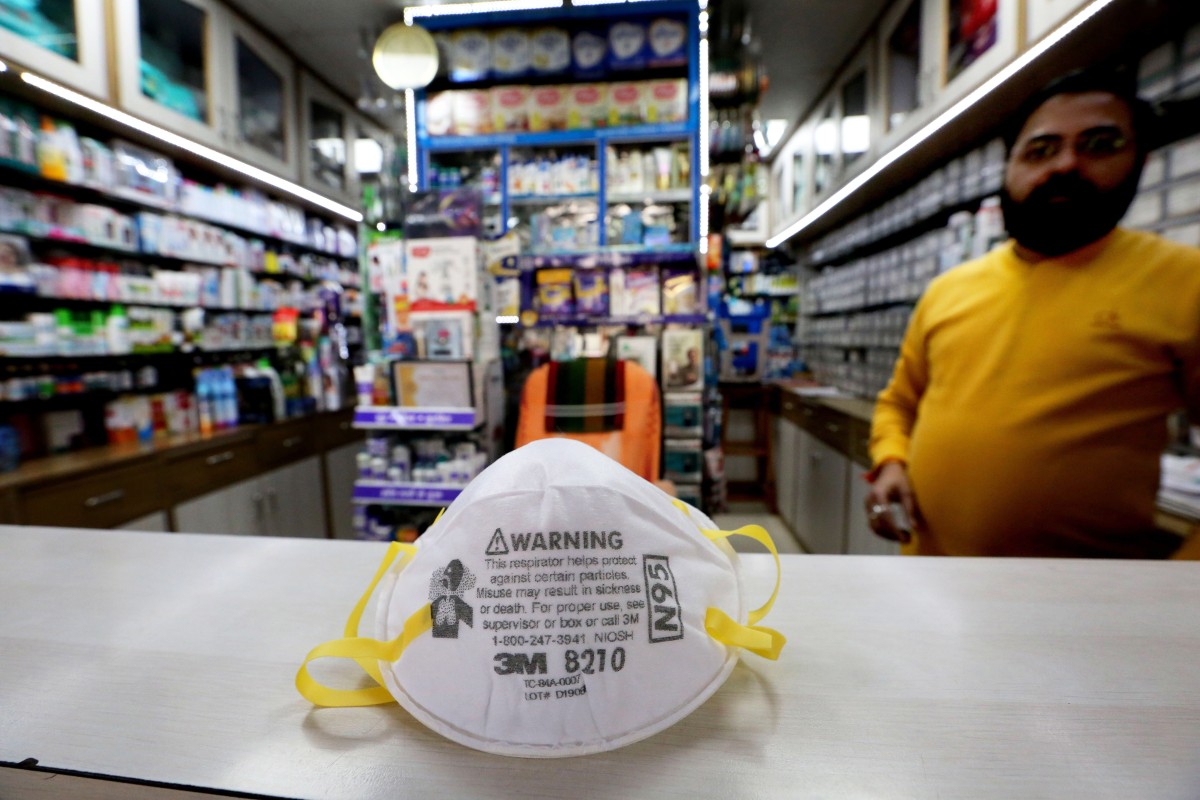
A vendor shows an N95 face mask at medical store in Bhopal, India. Photo: EPA
Indian

manufacturers and distributors of surgical face masks are currently in overdrive to meet a surge in global demand for protective gear amid the coronavirus outbreak.

With an eye on enormous profits, these suppliers have turned their focus to exports,

particularly China

– causing a chronic local shortage of masks due to the relatively lower margins in the domestic market.

Indian manufacturers produce 240 million disposable masks every year, primarily for domestic use, as per the estimates of the Association of Indian Medical Device Industry.

There are no large-scale manufacturers of surgical masks in the country; the landscape is dominated by more than a dozen medium-sized companies with a production capacity of between 20,000 and 100,000 masks a day.

China, Asean foreign ministers begin emergency meeting on coronavirus in Vientiane

20 Feb 2020

The production cost of a mask is estimated to be 1 rupee (less than 2 US cents), and masks were sold for 2-4 rupees at retail outlets a month ago. As of this week, the price of a surgical mask has skyrocketed to 15 rupees.

In some regions where there is a shortfall, retail stores are reportedly demanding as much as 50 rupees. Some experts, meanwhile, say exporting masks to coronavirus-threatened Asian countries where masks are in high demand could fetch firms up to US$15 per mask.

China has so far imported over 1.2 billion masks to meet soaring demand, according to the Ministry of Commerce.

Manoj Rajawat – director of Orthosut Biomedical and Engineering Company, which distributed about 500,000 masks every month before the surge in demand – estimates that nearly 90 per cent of masks manufactured in India in recent weeks have been exported to countries such as China, Malaysia and Singapore.

“The value of the exported masks could [easily be more than 50] times what it was before the virus outbreak in China,” Rajawat said.

More than 75,000 people have been infected with the coronavirus, the vast majority of them on mainland China, and more than 2,000 patients have died with more than 16,000 staging a full recovery. This includes India’s three cases of infection, which were discovered in Kerala and have since been cured.

To allay fears of a domestic shortage, the Indian government briefly banned exports of masks and protective gear earlier this month, when the country’s first case of coronavirus infection was confirmed. A week later, however, the ban was partially lifted for two- and three-ply masks as the demand for such protective equipment kept rising overseas.

Multiple Indian ministries are closely monitoring the situation, but are reluctant to comment on specific issues beyond releasing official notifications.

Coronavirus: Anxious Asian countries want China flight ban, says new poll

20 Feb 2020

“Indian manufacturers have exponentially increased their production of masks. With the government lifting the restrictions on exports, [these firms] are also catering to international demand, somewhat focusing more on exports as it seems more beneficial,” said Vivek Tiwari, chief executive of Medikabazaar, a business-to-business online platform for medical supplies and equipment.

However, experts and observers such as Prasad Danave, president of the Retail and Dispensing Chemist Association, say Indian manufacturers are not equipped to deal with the sudden demand for such large quantities.

“I talked to one of the manufacturers and his capacity to produce disposable masks is 20,000 pieces per day. Suddenly, two purchasers approached him asking for 2 million masks and 5 million masks respectively. It is impossible to cater to such a need immediately,” Danave said.

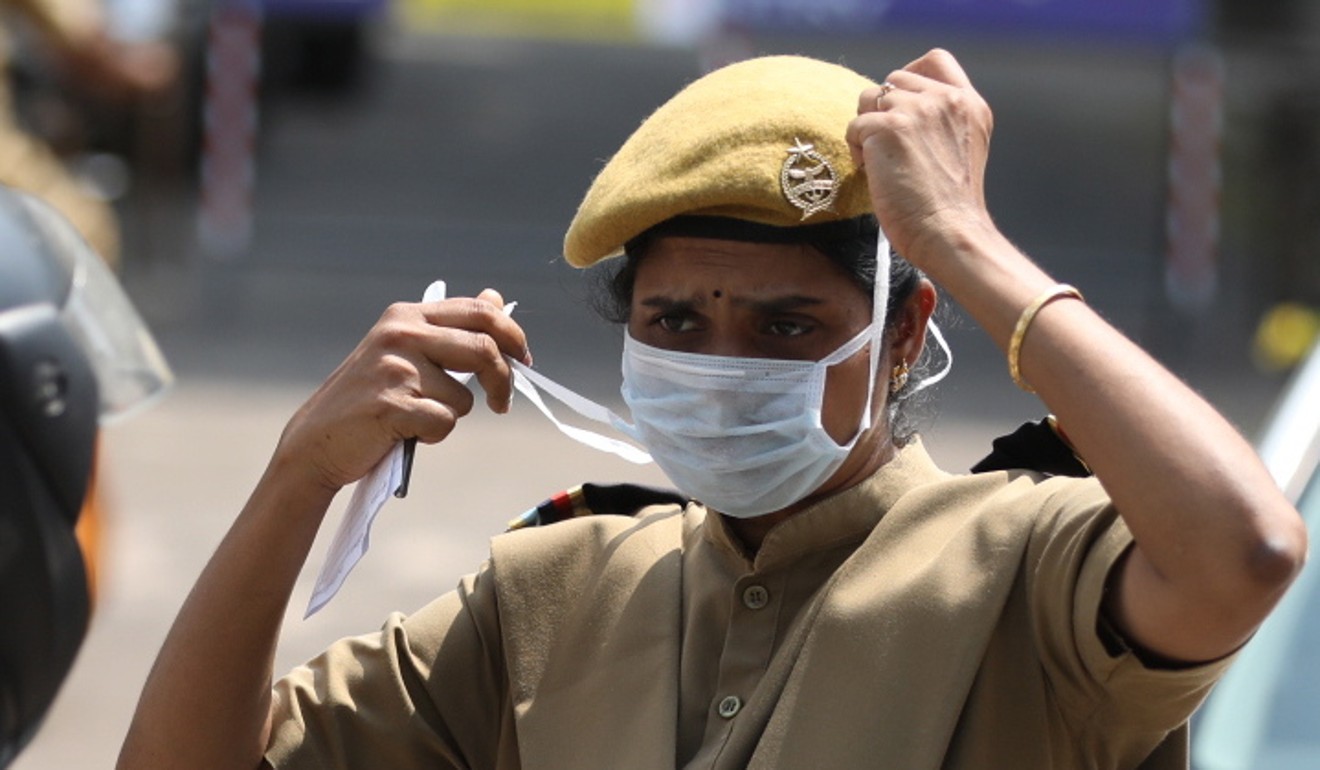
A police officer in Kochi, India wears a face mask amid fears of the coronavirus outbreak. Photo: EPA
The N95 respirator, an industrial-purpose face mask, is in huge demand as people seek to protect themselves from the coronavirus. Alcohol-based hand sanitisers are also flying off shelves, while there are also concerns of panic buying and shopkeepers hyping up demand for their products to capitalise on the situation.
Abhay Pandey is the national president of the All Food and Drug Licence Holder Foundation, an industry organisation which represents about 7,000 pharmaceutical suppliers across India. He said vendors are distributing substandard face masks to domestic consumers due to a shortage of production time given the increased demand, as well as the lack of a credible mechanism to ensure standards.
Coronavirus: Japan scientist stands by ‘chaotic’ criticism of cruise ship quarantine
20 Feb 2020

“There’s a micro-filter which is usually fitted between two layers in the three-ply face masks used by doctors during surgical procedures. Now, the suppliers are preparing substandard face masks without this filter for the Indian market, and for exports they’re sending the good quality ones,” Pandey said.

Mask makers in China, the world’s largest producer of face masks, are currently operating at 76 per cent capacity, National Development and Reform Commission official Cong Liang said at a press conference in Beijing on Tuesday.

This means they are producing about 15.2 million masks daily but demand is estimated to be between 50 and 60 million units, according to Chinese media reports citing mainland mask manufacturers.

Source: SCMP

20/02/2020

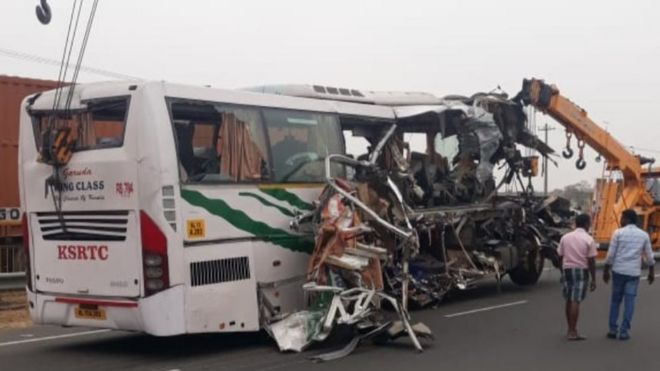
Container slides off truck killing 19 in India freak accident

The bus after the accidentImage copyright TIRUPUR MANIKANDAN

At least 19 people have been killed in a freak accident in southern India, after a container slipped off a truck and rammed into a passenger bus.

Police are investigating the incident, but officials say the container came off its hinges after one of the wheels of the truck had a puncture.

“There were about 48 people in the bus, and several are in a critical condition,” an official told BBC Hindi.

The incident occurred around 3:30am local time (21:50 GMT), police said.

The bus was on a highway when the container slipped off the truck, which was in the opposite lane. It then rolled onto the other side, colliding with the bus.

The Volvo bus, owned by the Kerala state transport corporation, was travelling from Bangalore city in the neighbouring state of Karnataka to Ernakulam in Kerala.

The district collector, Dr Vijay Karthikeyan, told BBC Hindi that the cause of the accident was still being investigated.

The driver of the truck is reportedly absconding.

Source: The BBC

20/02/2020

Ahead of Trump’s visit, Indian city cleans the swamp

LUCKNOW (Reuters) – U.S. President Donald Trump vowed to “drain the swamp” of lobbyists and elites in Washington D.C. Now, one Indian city is racing to clean up a stagnant river as he prepares to visit.

Trump arrives in India on Feb. 24 on a maiden two-day trip that aims to repair bilateral relations hurt by a trade spat.

He plans to visit the western city of Ahmedabad and India’s capital New Delhi, as well as Agra, where he will view the famed monument to love, the Taj Mahal, at sunset.

In the city, authorities are on a clean-up drive, including the polluted waters of the Yamuna river, that backs on to the monument complex.

Jal Singh Meena, an officer with the Agra Ganga Nahar, the government body that manages the canal network that feeds into the Yamuna in Agra, said on Thursday an additional 17 million litres of water are being released from three locks in the week preceding Trump’s visit on Monday- more than double the usual amount.

The extra flow had been ordered “to keep it clean and remove the foul smell,” he told Reuters.

On Thursday, workers scrubbed walls and fountains at the monument, commissioned in 1632 by Mughal emperor Shah Jahan in memory of his late wife Mumtaz, TV channels showed.

India’s best-known attraction, the Taj Mahal is visited by nearly seven million tourists a year, according to official data, but has been blighted by overcrowding and pollution.

Along with polluted water, authorities are battling some of the world’s filthiest air that stains the white marble of the monument, and increasingly aggressive troops of monkeys that have been known to attack visitors.

District authorities have denied local media reports they have relocated some of the more troublesome primates for the visit, and that a bridge on a proposed route taken by Trump will be unable to bear the weight of his armour-plated limousine known as “The Beast”.

Source: Reuters

19/02/2020

Xi extends congratulations to new Croatian President Zoran Milanovic

BEIJING, Feb. 18 (Xinhua) — Chinese President Xi Jinping on Tuesday sent a congratulatory message to Zoran Milanovic on his assumption as Croatia’s new president.

In his message, Xi said that Croatia and China enjoy strong political mutual trust, fruitful results in joint Belt and Road construction and positive cooperations within the framework of cooperation between China and Central and Eastern European countries (CEECs).

Noting that Croatia, the rotating presidency of the European Union (EU), is China’s good friend in the bloc, Xi said that he attaches great importance to the development of China-Croatia relations.

Xi said that he would like to work with Milanovic to deepen the bilateral friendship and mutually beneficial cooperation and make new contributions to China-CEECs cooperation and the development of China-EU relations.

Source: Xinhua
19/02/2020

Xinhua Headlines: Traditional Chinese medicine offers oriental wisdom in fight against novel virus

Traditional Chinese medicine has never missed a single fight against epidemics throughout Chinese history. After over 2,000 years, the long-tested oriental wisdom is still making its due contributions to the well-being of Chinese people.

by Xinhua writers Cao Bin, Zhang Yujie, Wu Zhonghao and Wang Haiyue

WUHAN, Feb. 18 (Xinhua) — Another 1,701 patients infected with the novel coronavirus (COVID-19) were discharged from hospitals Monday, bringing the total number of discharged patients in China to over 12,000 since the epidemic.

When scrutinizing the commonalities of those people, the contributions of traditional Chinese medicine (TCM) can not go unnoticed.

“Western medicine offers important life-supporting measures such as respiratory and circulatory assistance, while TCM focuses on improving patients’ physical conditions and immune function. They complement each other,” said Zhang Boli, an academician of the Chinese Academy of Engineering.

Zhang Boli, an academician of the Chinese Academy of Engineering, speaks during an interview with Xinhua about the effect of integrated treatment with traditional Chinese medicine (TCM) and Western medicine at Jiangxia temporary hospital in Wuhan, capital city of central China’s Hubei Province, Feb. 14, 2020. (Xinhua/Cheng Min)

Last Friday, the first phase of a sports center-turned hospital began operation in Wuhan, the epicenter of the COVID-19 outbreak. It is the city’s first TCM-oriented temporary hospital. A total of 800 patients will receive treatment there once the second phase is completed.

The medical team of 209 doctors and nurses from 20 TCM hospitals in five provinces led by Zhang have since been carrying out TCM clinical treatment and research at the hospital.

The recommended TCM treatment plan includes multiple herbal prescriptions targeting fever, heavy coughing, loss of appetite, nausea, vomiting, diarrhea, shortness of breath and tiredness.

A specific chapter detailing TCM treatment during a patient’s medical observation, clinical treatment and recovery was included in the latest version of the COVID-19 diagnosis and treatment scheme released by the National Health Commission.

A pharmacist weighs Chinese herbal medicines for patients infected with the novel coronavirus at Anhui Provincial Hospital of Traditional Chinese Medicine in Hefei, east China’s Anhui Province, Feb. 18, 2020. (Xinhua/Bai Bin)

Wuhan’s coronavirus control headquarters have since ordered integrated treatment of TCM and Western medicine, especially among non-critical patients, and observation of TCM’s curative effects at designated hospitals.

Statistics show that 2,220 medics from TCM hospitals and institutions across China have been sent to aid the epidemic fight in Hubei so far. Over 75 percent of COVID-19 patients are receiving TCM treatment in Hubei and over 90 percent in other parts of China.

A medical worker tests the pulse of a patient infected with the novel coronavirus at the Affiliated Hospital of Jiangxi Traditional Chinese Medicine University in Nanchang, east China’s Jiangxi Province, Feb. 18, 2020. (Xinhua/Hu Chenhuan)

On Feb. 6 alone, 23 patients in Hubei were discharged after receiving integrated treatment of TCM and Western medicine.

Zhang said patients with mild symptoms showed obvious improvement after TCM treatment, and for critical patients, TCM decreased their lung exudation, stabilized blood oxygen saturation and reduced respiratory support and antibiotic use.

TCM has never missed a single fight against epidemics throughout Chinese history. TCM classics have provided sufficient evidence of how TCM cured epidemic diseases such as smallpox over the past several thousand years.

The 2003 SARS fight was a recent example. TCM offered timely and effective solutions to the treatment and recuperation of SARS patients.

“Compared with Western medicine, TCM offers highly varied prescriptions to each and every patient based on their unique conditions during different stages of the disease, which is more flexible and targeted,” said Xiong Jibai, a TCM expert and consultant to the coronavirus treatment group of neighboring Hunan Province.

Hunan has sent hundreds of medical workers to help fight the epidemic in the city of Huanggang, one of the hardest-hit cities in Hubei.

Zeng Puhua, vice president of the affiliated hospital of Hunan Academy of Traditional Chinese Medicine, has been working around the clock in the SARS treatment-model hospital of Huanggang since late January.

“Clinical experience has repeatedly proven that TCM plays an active and effective role in the treatment of pneumonia-related epidemics,” he said.

According to Hunan’s health commission, TCM was used in the treatment of nearly 95 percent of the admitted patients. Among the discharged, over 90 percent underwent integrated treatment of TCM and Western medicine.

Cured novel coronavirus pneumonia patients, who have received integrated treatment with traditional Chinese medicine (TCM) and Western medicine, are discharged from a hospital in Wuhan, central China’s Hubei Province, Feb. 6, 2020. (Xinhua/Wang Yuguo)

In the city of Bozhou, eastern China’s Anhui Province, TCM has shortened the course of treatment and reduced medical expenses for seven discharged COVID-19 patients taking herbal soups or capsules.

“Patients showed quickened fever reduction after using TCM, and obvious alleviation of certain symptoms such as coughing, tiredness and loss of appetite. Some critical patients became non-critical,” said Zhang Nianzhi, a chief doctor at the respiratory medicine department of Anhui Provincial Hospital of TCM.

Discharged patients are required to stay home for another 14 days. Zhang said a 14-day herbal compound treatment based on TCM theories is prescribed to help them restore their pre-illness state.

Zhang has planned to include 100 discharged patients into the herbal compound treatment group, to follow their symptoms, physical and chemical indicators, CT results and living quality for one year. Thirty patients have so far been taking the prescription.

Non-drug treatment such as cupping, acupuncture and scraping is another feature of TCM, which can help patients recover more effectively after being discharged from hospitals, said Tong Xiaolin, an academician of Chinese Academy of Sciences and head of the treatment group of the state administration of TCM.

Source: Xinhua
19/02/2020

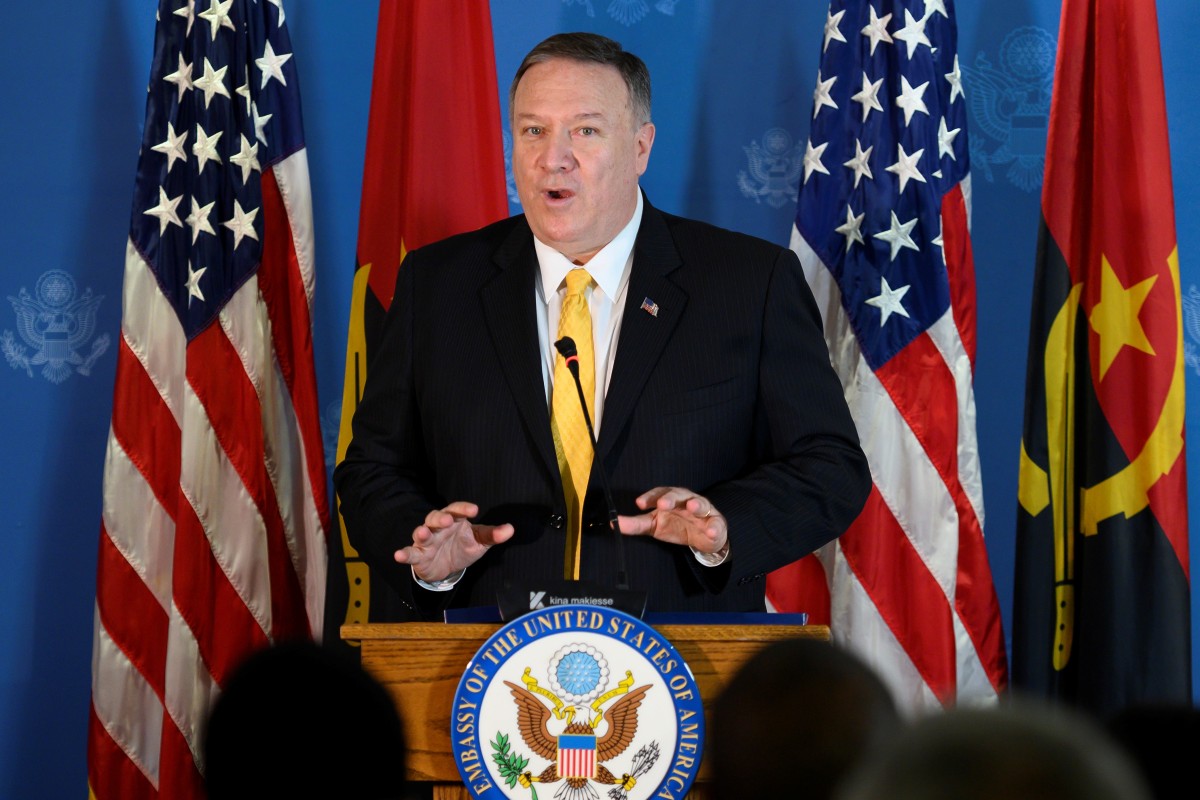
Mike Pompeo takes aim at corruption and Chinese investment in Angola

  • US secretary of state is eager to promote US investment as an alternative to China, which holds the lion’s share of Angola’s foreign debt
  • Isabel dos Santos, the former president’s daughter, became Africa’s richest woman but now stands accused of massive fraud
US Secretary of State Mike Pompeo in Luanda, Angola. Photo: Reuters

US Secretary of State Mike Pompeo denounced corruption and touted American business on Monday during the second leg of an African tour in Angola, where the government is seeking to claw back billions of dollars looted from state coffers.

Pompeo is aiming to promote US investment as an alternative to Chinese loans while assuaging concerns over a planned US military withdrawal and the expansion of visa restrictions targeting four African countries.

In Angola’s capital Luanda, Pompeo met with President Joao Lourenco, who took office in 2017 promising wide-ranging economic reforms and a crackdown on the endemic corruption that marked his predecessor Jose Eduardo dos Santos’ four-decade rule.

“Here in Angola, damage from corruption is pretty clear,” he told a group of businessmen following that meeting. “This reform agenda that the president put in place has to stick.”

Here in Angola, damage from corruption is pretty clear Mike Pompeo
Portugal’s public prosecutor has ordered the seizure of bank accounts belonging to

Isabel dos Santos

, the former president’s billionaire daughter, who is a suspect in an Angolan fraud investigation. Reputedly the richest woman in Africa, she has repeatedly denied any wrongdoing.

Angola, with Sub-Saharan Africa’s third-largest economy and its second-largest oil producer is ranked as one of the world’s most corrupt nations, in 165th place on a list of 180 countries, according to anti-corruption group Transparency International.

US oil majors ExxonMobil and Chevron have significant stakes in Angolan oilfields.

Last year, Chevron signed onto a consortium to develop Angola’s natural gas assets alongside Italy’s Eni, France’s Total, BP and Angolan state oil company Sonangol.

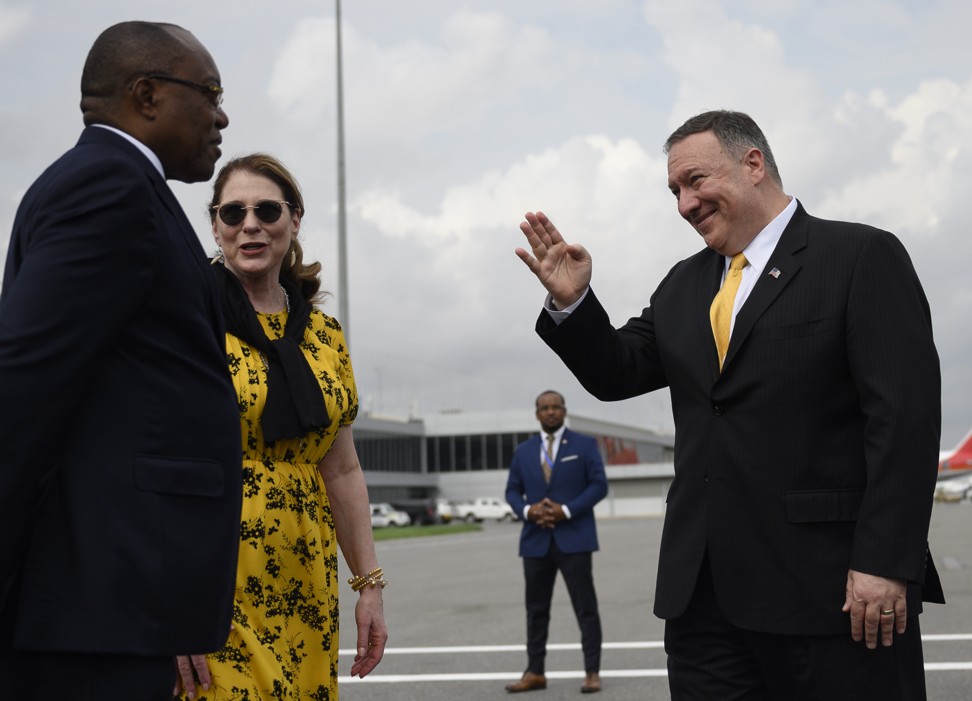
Mike Pompeo and his wife Susan greet Angola Foreign Minister Manuel Domingos Augusto in Luanda on Monday. Pool photo: AFP
“We’ve got a group of energy companies that have put more than US$2 billion in a natural gas project. That will rebound to the benefit of the American businesses for sure, but to the Angolan people for sure as well,” Pompeo said.

Despite US investments, the bulk of Angola’s oil production is destined for China, which holds the lion’s share of Angolan foreign debt.

The Trump administration has accused China of predatory lending in Africa, where Beijing has loaned governments billions of dollars for infrastructure projects in exchange for access to natural resources as part of its Belt and Road project. China rejects the criticism.

With a revamped International Development Finance Corporation and its new Prosper Africa trade and investment strategy, the administration is seeking to combat Chinese influence on the continent.

But the push comes as some governments are questioning US President Donald Trump’s commitment to Africa.

Do Africa’s emerging nations know the secret of China’s economic miracle?

13 Oct 2019

The White House last month tightened visa restrictions on nationals from Sudan, Tanzania, Eritrea and Nigeria.

West African governments are also worried about a proposed US troop withdrawal from the region just as Islamist groups with links to Islamic State and al-Qaeda are gaining ground.

During the first leg of his African trip in Senegal on Sunday, Pompeo sought to put some of those fears to rest.

“We have an obligation to get security right here, in the region. It’s what will permit economic growth, and we’re determined to do that,” he told reporters.

Source: SCMP

19/02/2020

WHO sends coronavirus test kits to African nations after first coronavirus case confirmed

  • Forty countries will be able to diagnose the disease, and the Africa CDC is training health workers
  • Until two weeks ago, there were only two laboratories on the continent that could test for the virus, in Senegal and South Africa
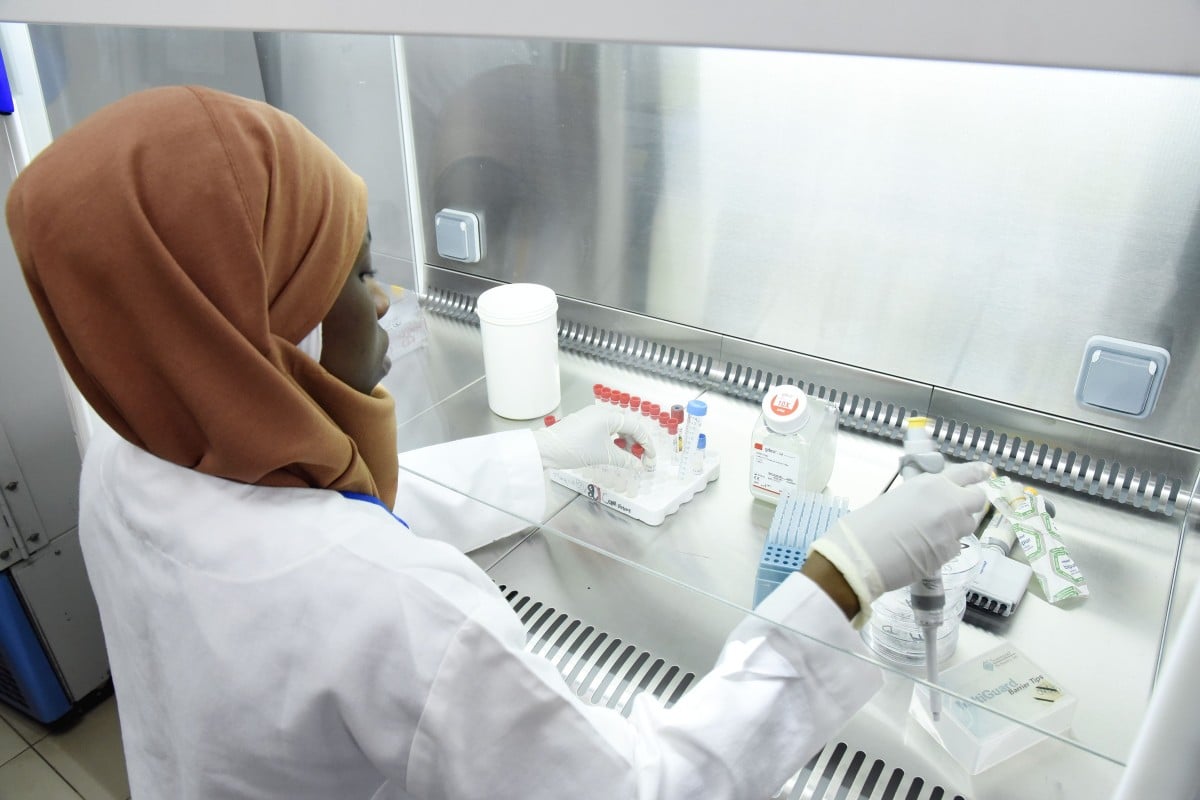
A scientist researches the coronavirus at the Pasteur Institute in Dakar, Senegal, which until two weeks ago was one of just two labs in Africa that could test for the disease. Photo: AFP
Forty countries in Africa will be able to test for the deadly new coronavirus
by the end of the week, the WHO said, after Egypt confirmed the first case on the continent last week.
The World Health Organisation said many of those nations had been sending samples elsewhere for testing and waiting several days for results.
“Now they can do it themselves, within 24 to 48 hours,” WHO director general Tedros Adhanom Ghebreyesus said in a media briefing on Tuesday.
Until about two weeks ago, there were only two laboratories in the continent of 54 countries – in Senegal and South Africa – with the reagents needed to test for the virus. That meant dozens of nations that had quarantined suspected patients were sending samples to South Africa or Senegal to be tested.
The WHO earlier this week sent reagent kits for coronavirus diagnosis to more than 20 countries in Africa to step up diagnosis of the virus, which causes a disease now known as Covid-19. The global health body said more countries in Africa were expected to receive testing kits this week.

In addition, the WHO last week sent testing kits to Cameroon, Ivory Coast, the Democratic Republic of Congo, Egypt, Ethiopia, Gabon, Ghana, Kenya, Morocco, Nigeria, Tunisia, Uganda and Zambia.

Coronavirus: WHO urges caution over study showing ‘decline’ in new Covid-19 cases in China
Tedros said some countries in Africa, including the Democratic Republic of Congo, were using systems developed to test for the deadly Ebola virus to now test for the coronavirus.

“This is a great example of how investing in health systems can pay dividends for health security,” Tedros said.

Several countries, including Ethiopia and South Sudan, were prioritising surveillance and monitoring at ports of entry, he said. “We’re also working with partners in some of the most fragile contexts, from Syria to the Central African Republic, to prepare countries for the arrival of the virus,” he said.

The WHO and Egyptian health officials on Friday confirmed that a 33-year-old foreigner had tested positive for the coronavirus. Egypt’s health ministry said the patient had tested positive for the virus without any symptoms, raising concern that there could be undetected cases on the continent, as countries scramble to equip labs to test for the disease.

The asymptomatic patient in Egypt was identified through contact screening of an index case who travelled to Cairo on a business trip from January 21 to February 4 and tested positive for the virus on February 11 in China, the WHO regional office said.

The new virus strain has killed more than 2,000 people and infected over 74,000 since the outbreak began in central China in December. It has spread to more than 20 countries.

Screening measures have been stepped up across Africa, including quarantining all passengers arriving from Chinese cities, amid fears that poorer countries with weaker health systems may struggle to cope if the virus spreads on the continent. More than a dozen countries still do not have the capacity to test for the pneumonia-like illness.

There are concerns that Africa’s close links with China put it at high risk for the spread of the new virus. Africa has become home to millions of Chinese since Beijing started looking to the continent for raw materials for its industries and markets for its products. China has been Africa’s largest trading partner since 2009, after it overtook the United States, with two-way trade standing at US$108 billion last year, according to China’s commerce ministry.

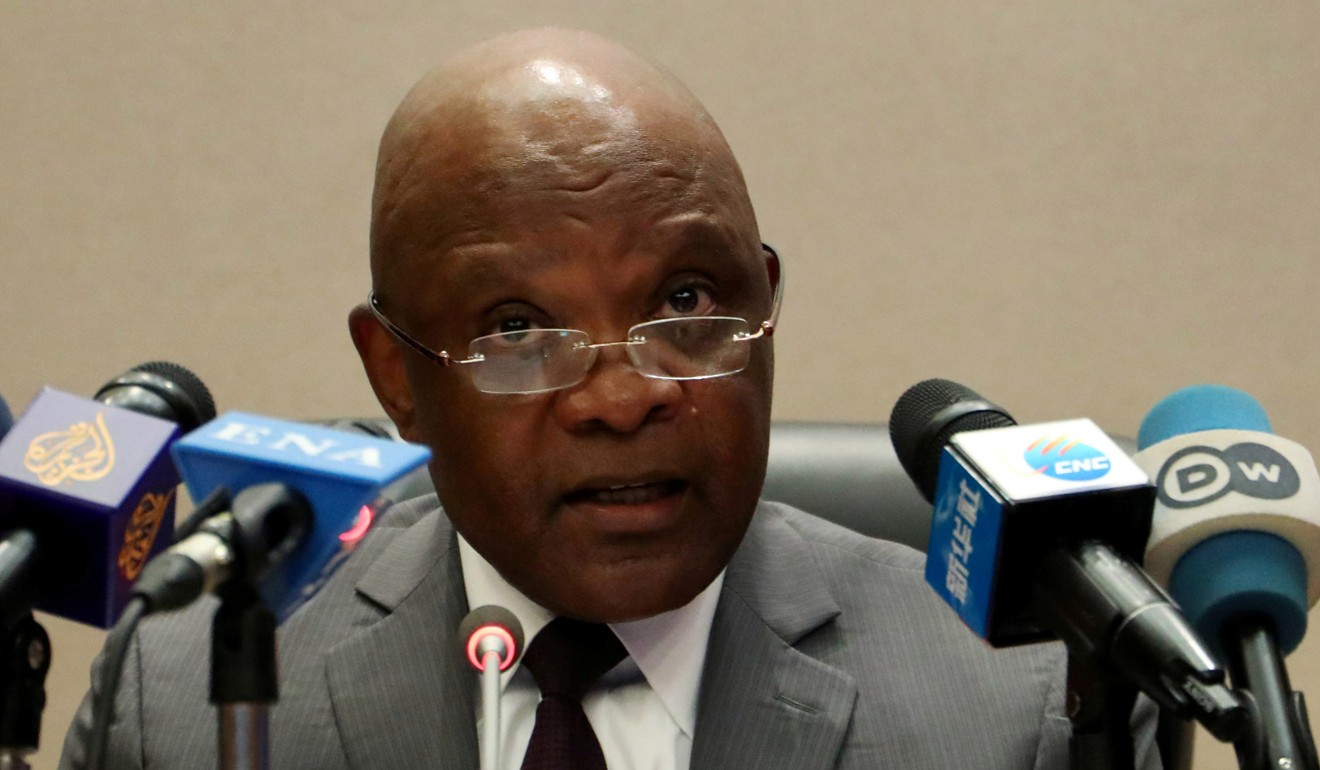
Africa CDC director John Nkengasong said it had been “investing in preparedness and response to the disease”. Photo: Reuters
John Nkengasong, director of the Africa Centres for Disease Control and Prevention (Africa CDC), said it was working closely with the WHO and other partners to ensure that Egypt had the diagnostic tools it needed, and that the right actions were taken to contain the spread of the virus.
“We anticipated that the Covid-19 outbreak would inevitably impact Africa. That is why the Africa CDC has been working actively with African Union member states and partners in the past four weeks and investing in preparedness and response to the disease,” he said.
“[Last week in Dakar, Senegal] we conducted training and supplied test kits to 16 African laboratories, including from Egypt. Egypt also received additional test kits from the WHO,” Nkengasong said.
The Africa CDC would train 40 health workers from nine countries, including Egypt, in Nairobi this week, he said, on “enhancing detection and investigation of Covid-19 at points of entry”.
The Chinese medical workers on the front line of the coronavirus fight in Wuhan
On Monday, Ethiopia, home to one of the continent’s busiest airports, said it had received equipment and reagents for virus detection and control. “We are working hard day and night with the government to improve the critical measures needed to ensure that the country is ready to effectively respond to an outbreak of Covid-19,” said Boureima Hama Sambo, the WHO representative in Ethiopia.
National flag carrier Ethiopian Airlines has continued flying to Chinese cities
 despite pressure for it to suspend services to the country. Many countries on the continent have restricted travel to and from mainland China, while six out of eight African airlines with Chinese routes have halted flights until the virus is contained, including EgyptAir.
Egypt has suspended all flights to and from the mainland until the end of the month and has evacuated more than 300 Egyptians from Wuhan, the epicentre of the epidemic.
Source: SCMP
Law of Unintended Consequences

continuously updated blog about China & India

ChiaHou's Book Reviews

continuously updated blog about China & India

What's wrong with the world; and its economy

continuously updated blog about China & India