Chindia Alert: You’ll be Living in their World Very Soon
aims to alert you to the threats and opportunities that China and India present. China and India require serious attention; case of ‘hidden dragon and crouching tiger’.
Without this attention, governments, businesses and, indeed, individuals may find themselves at a great disadvantage sooner rather than later.
The POSTs (front webpages) are mainly 'cuttings' from reliable sources, updated continuously.
The PAGEs (see Tabs, above) attempt to make the information more meaningful by putting some structure to the information we have researched and assembled since 2006.
Hong Kong and Thailand are likely to suffer most from the novel coronavirus outbreak because of close their economic ties with China
A drop in Chinese tourist arrivals and imports, as well as supply chain disruptions are likely to weigh on regional economy
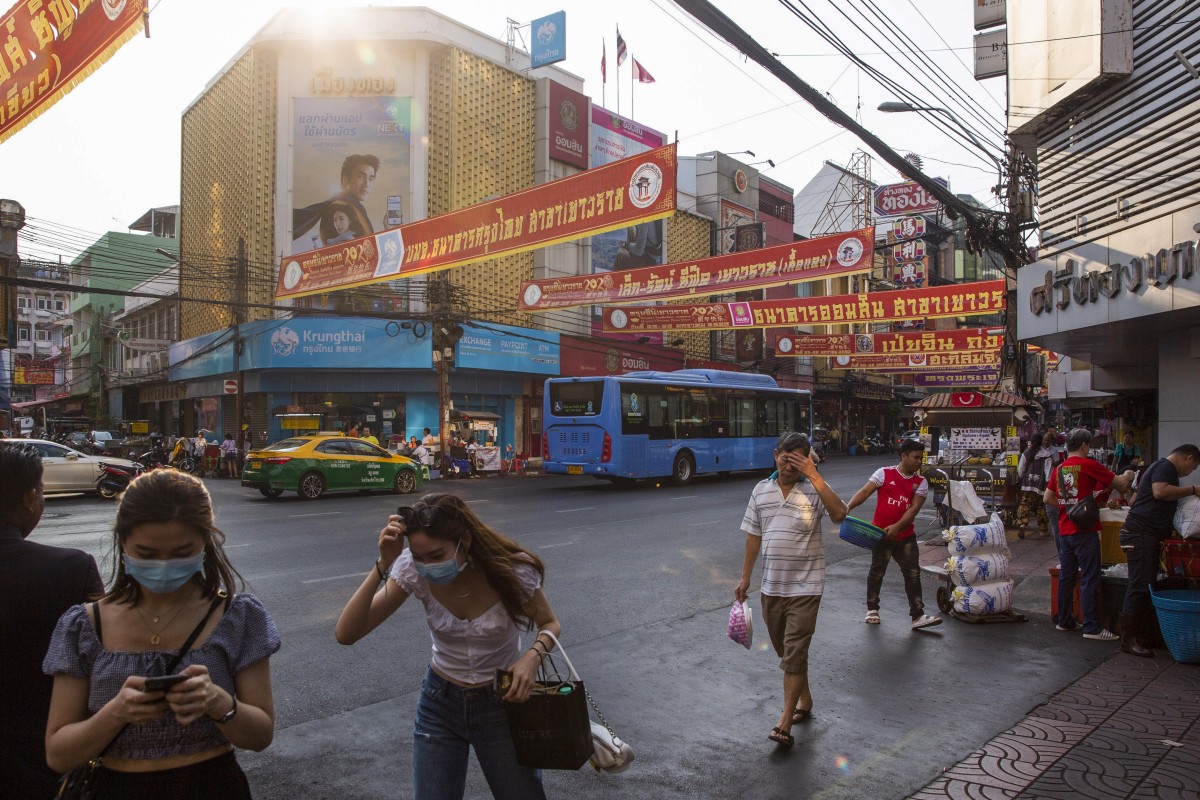
Thailand’s economy could be one of the most affected by the coronavirus outbreak due to its close ties with China, especially in the tourism sector. Photo: Bloomberg
Hong Kong and Thailand are likely to be the hardest hit Asian economies outside mainland China from the deadly coronavirus outbreak, according to analysts.
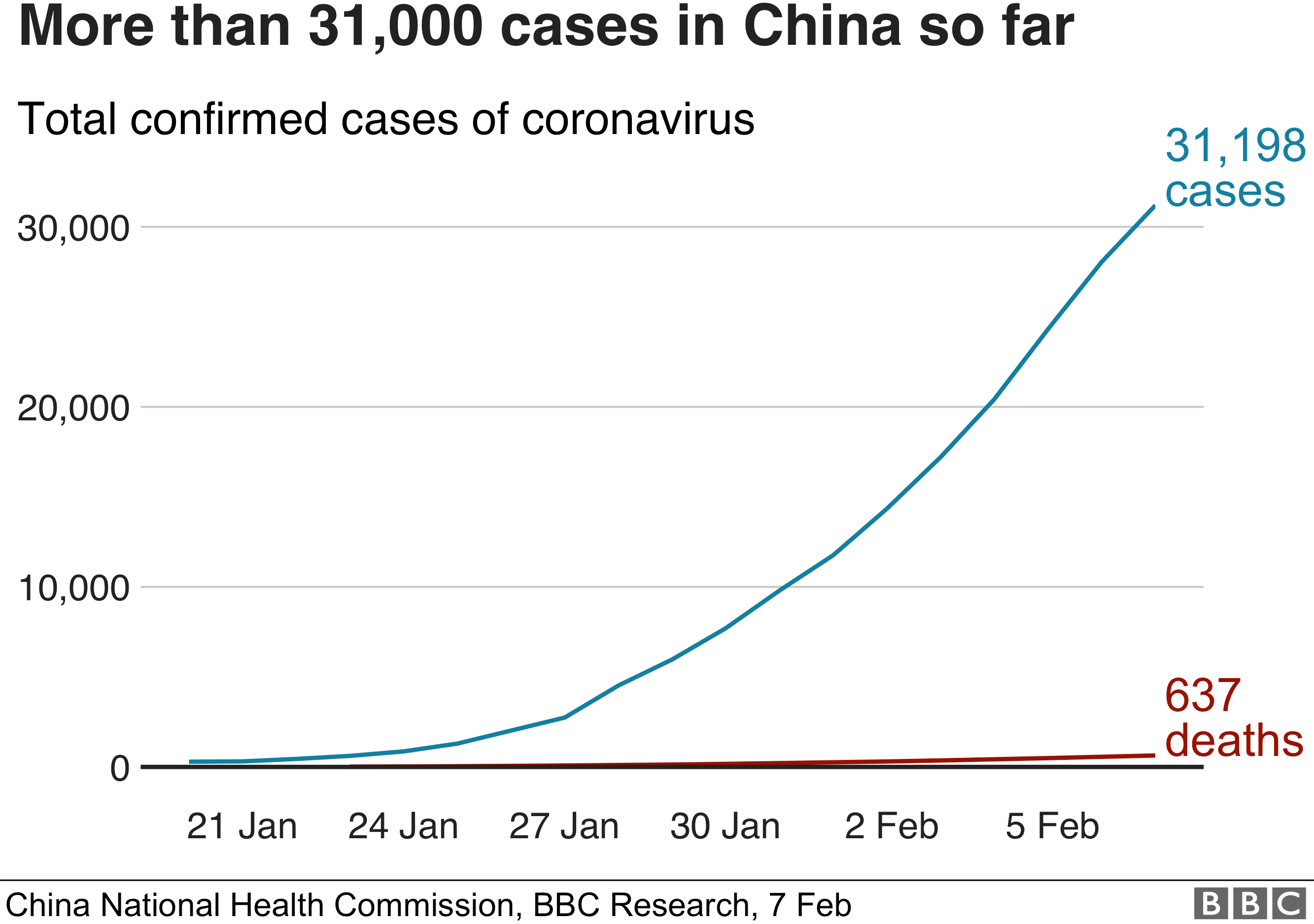
The 2019-nCoV, which had claimed the lives of nearly 640 people and infected more than 31,000 in mainland China by Friday, is viewed as even more damaging than the severe acute respiratory syndrome (Sars) epidemic in 2002-2003 because of prolonged factory closures and transport restrictions that have locked down many Chinese cities.
China has become more closely integrated with the rest of Asia since the Sars outbreak, meaning the disruptions to China’s industrial and export sectors, combined with a sharp drop in economic activity in the first quarter, will have significant repercussions across the region, particularly through tourism and trade, analysts said.
“A collapse in tourism arrivals from China will be the first shock wave for the rest of the region,” said Gareth Leather, senior Asia economist at Capital Economics. “Factory closures in China will affect the rest of the region by disrupting regional supply chains.”
A collapse in tourism arrivals from China will be the first shock wave for the rest of the region. Factory closures in China will affect the rest of the region by disrupting regional supply chainsGareth Leather
Hong Kong would likely be the most affected because of its status as a trade hub, its tight linkages to the Chinese economy and the sharp decline in tourism expenditure that is expected, UBS economist William Deng noted.
“Due to the risk of infection, domestic households significantly reduced such activities as dining out, shopping and entertainment,” Deng wrote in a recent note. He cut Hong Kong’s gross domestic product (GDP) growth forecast to minus 1.8 per cent for 2020, against his previous projection of a 0.5 per cent drop.
A community outbreak spread by human-to-human transmission has started in the city, said Professor Yuen Kwok-yung, a top microbiologist at the University of Hong Kong on Wednesday.
Thailand could be the next most affected due to its dependence on Chinese tourism. Outside Hong Kong and Macau, the country has the highest exposure to China as a share of GDP in the region.
China locks down Hangzhou, mega-city far from epicentre of coronavirus outbreak
ANZ Bank’s head of Asia research Khoon Goh said that the novel coronavirus could knock US$760 million from Thailand’s economy in the first quarter. Hong Kong could could see losses of US$1.4 billion. Travel services as a share of GDP were 11.2 per cent in Thailand and 9.4 per cent in Hong Kong.
“The Thai economy would expand at a slower rate in 2020 than previously forecast and much further below its potential due to the outbreak of coronavirus,” Bank of Thailand said in a statement after it slashed interest rates to a record low on Wednesday.
South Korean and Taiwanese businesses will also have negative spillover effects from the coronavirus outbreak because of supply chain disruptions and weaker consumer sentiment inside and outside China, analysts said.
South Korean car and tech companies that rely on parts from Chinese suppliers are exposed to potential production disruptions stemming from factory closures and the evacuation of Korean workers from China-based production lines, said Sean Hwang, corporate finance group analyst at Moody’s Investors Group.
Coronavirus: here are the places and airlines restricting travel to China
For instance, Hyundai Motor Company closed some if its South Korea-based plants on February 4 because of a shortage of wiring harnesses.
Korean customers are also limiting their trips to bricks-and-mortar retail stores such as E Mart and Lotte Shopping to avoid crowds amid the outbreak, potentially leading to a significant decline in revenue and earnings, Hwang said.
Although Singapore is not as closely tied to China as Hong Kong, the city state could still see a knock-on effect from China’s expected near-term downturn, as its economy has become much more integrated with the world’s second largest economy since the Sars outbreak.
The number of Chinese tourists rose six times from 568,000 in 2003 to 3.4 million in 2018, said Irvin Seah, senior economist at DBS Bank.
Coronavirus outbreak: global businesses shut down operations in China
“We expect a decline of about 1 million tourists or about SGD1 billion (US$722 million) of lost tourism receipts for every three months of travel ban,” Seah said. “We have lowered our full-year GDP growth forecast to 0.9 per cent, down from 1.4 per cent previously.”
Taiwan has banned Chinese visitors as well as foreigners who have visited Hong Kong and Macau from entering the island due the coronavirus. International cruise ships are also unable to dock on the island, which will lead to at least 112 liner visits cancelled by the end of March, affecting around 144,000 passengers, said the Taiwan International Ports Corporation.
Capital Economics’ Leather said the economic impact on Taiwan from 2019-nCoV could stand out from the rest of Asia, as it had the most exposure in value-added, intermediate exports to China – 18 per cent of GDP.
20 coronavirus infections confirmed on cruise ship in Japan, as thousands remain under quarantine
Elsewhere, Malaysia’s commodity driven trade growth this year has been threatened by the almost 20 per cent fall in crude oil prices, a decline triggered by fears that the coronavirus outbreak would dampen China’s imports. Malaysia’s purchasing managers’ index, a survey of manufacturers, dropped to 48.8 in January from 50.0 the prior month prior, data released this week showed. The drop was blamed on slowing output, with new orders dropping the most since September amid a decline in exports.
“The Bank Negara Malaysia’s surprising policy rate cut at the last meeting on 22 January, just around the time the coronavirus started to dominate headlines, tells us that the central bank is ahead of the curve in recognising the risk,” said Prakash Sakpal, Asia economist at ING Bank said.
India and Indonesia will be the least affected given the small contribution the tourism sector makes to their economies, and the low share of visitors from China, ANZ’s Goh said.
Some companies polled by Shanghai’s American Chamber of Commerce said they were speeding up plans to move operations out of mainland
Transport bans and strict public health measures have disrupted economic activity
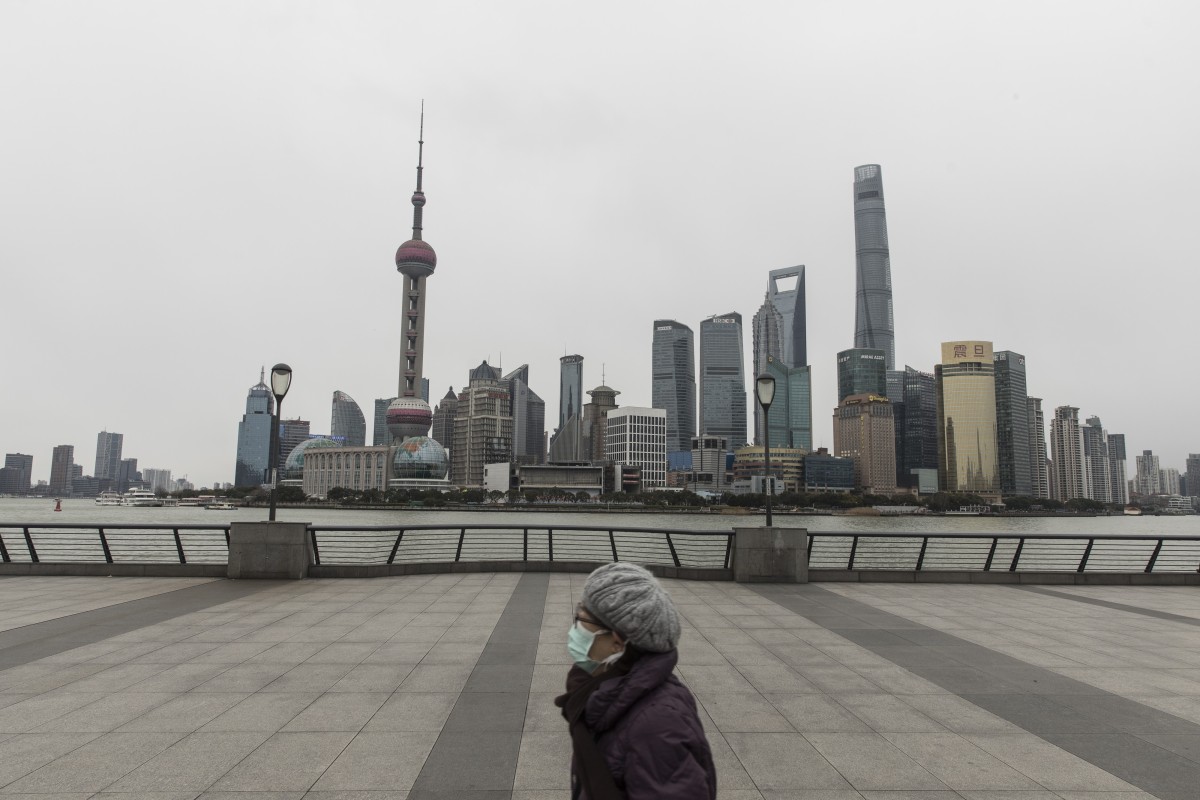
China’s economic growth may drop to 5 per cent or lower because of the outbreak, according to a government economist. Photo: Bloomberg
The majority of US firms with operations in China expect a virus outbreak
to cut revenue this year, and some are accelerating plans to shift their supply chains out of the country, according to a poll by Shanghai’s American Chamber of Commerce.
Nearly a quarter of the firms forecast revenue would fall by at least 16 per cent this year due to the outbreak, while over a fifth said it would decline by 11-15 per cent. Only 13 per cent of respondents said revenue would see very little or no impact from the virus.
The survey covered 127 companies, including 20 with China-sourced revenues of over US$500 million and 27 with China revenues of US$100 million to US$500 million.
Sixteen per cent of respondents expected China’s gross domestic product to fall by more than 2 per cent due to the outbreak.
China tries to get back to work amid coronavirus outbreak
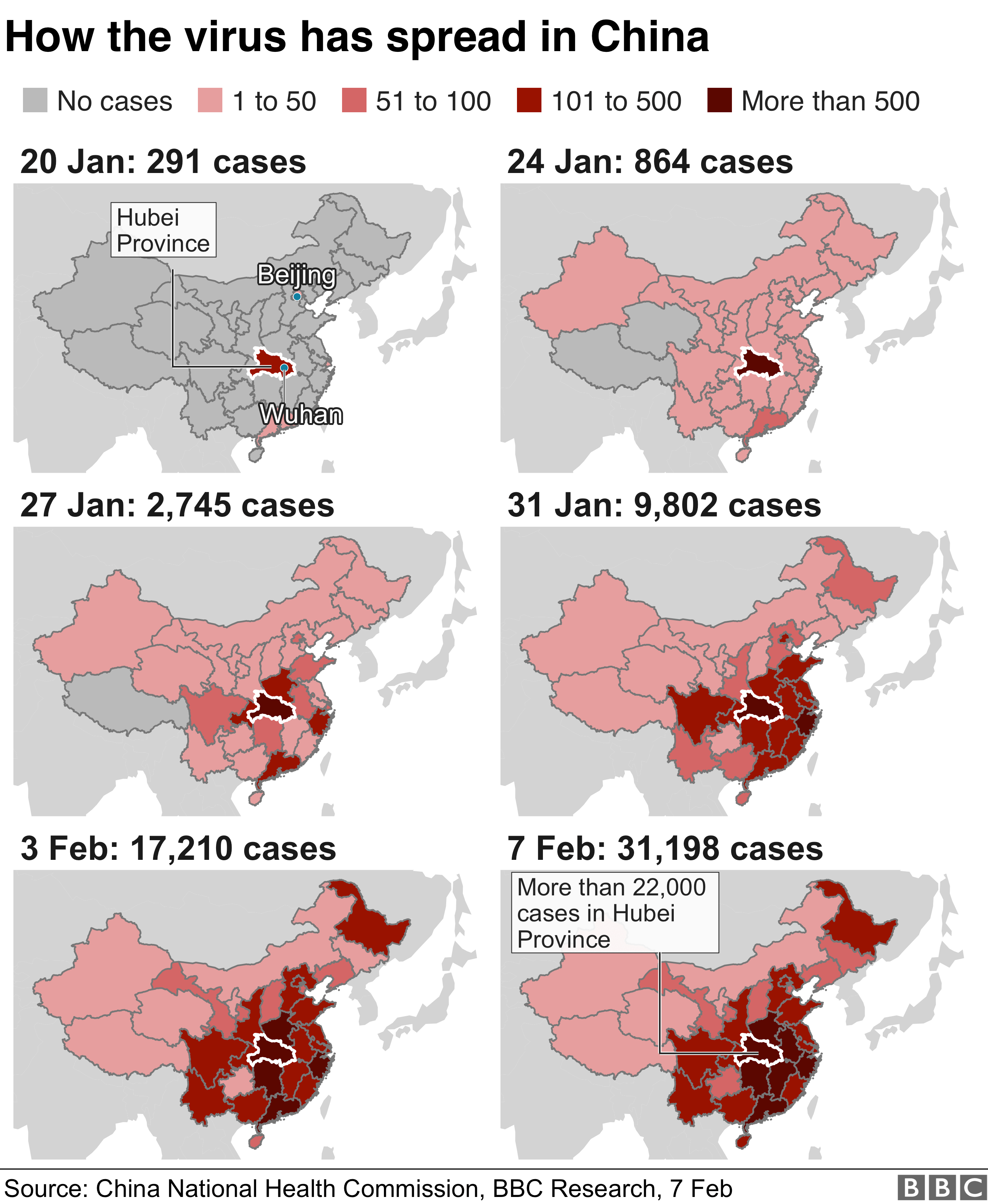
The death toll from the virus in China has topped 600, with more than 31,000 people infected. Widespread transport bans and strict public health measures have disrupted economic activity in much of the country, and factory closures are starting to ripple through global supply chains.
China faces dilemma as it tries to get back to work amid coronavirus outbreak fears
7 Feb 2020
A government economist said last week that China’s economic growth may drop to 5 per cent or even lower due to the outbreak, possibly pushing policymakers into introducing more stimulus measures.
Sources said Chinese policymakers were preparing measures, including more fiscal spending and interest rate cuts, amid expectations the outbreak would have a devastating impact on first-quarter growth.
In response to the virus, some survey respondents said they were shifting operations out of China and moving more production to other areas, including India.
“Not innovative, but our suppliers are moving operations to Taiwan. This has been considered before, options and planning were being made, but they are pulling the trigger now,” according to one respondent in the survey.
“Our company will directly source from Taiwan and eliminate the mainland China supply chain for more and more products.”
News of his death was met with an intense outpouring of grief on Chinese social media site Weibo – but this quickly turned into anger.
There had already been accusations against the government of downplaying the severity of the virus – and initially trying to keep it secret.
Dr Li’s death has fuelled this further and triggered a conversation about the lack of freedom of speech in China.
The country’s anti-corruption body has now said it will open an investigation into “issues involving Dr Li”.
The Chinese government has previously admitted “shortcomings and deficiencies” in its response to the virus, which has now killed 636 people and infected 31,161 in mainland China.
According to Chinese site Pear Video, Dr Li’s wife is due to give birth in June.
What has the public reaction been?
Chinese social media has been flooded with anger – it is hard to recall an event in recent years that has triggered as much grief, rage and mistrust against the government.
The top two trending hashtags on the website were “Wuhan government owes Dr Li Wenliang an apology” and “We want freedom of speech”.
Both hashtags were quickly censored. When the BBC searched Weibo on Friday, hundreds of thousands of comments had been wiped. Only a handful remain.
“This is not the death of a whistleblower. This is the death of a hero,” said one comment on Weibo.
A photo circulating on Twitter reportedly sourced from messaging platform WeChat also shows a message in Chinese saying “Farewell Li Wenliang” written in the snow on a riverbank.
Many have now taken to posting under the hashtag “Can you manage, do you understand?” – a reference to the letter Dr Li was told to sign when he was accused of disturbing “social order”.
These comments do not directly name him – but are telling of the mounting anger and distrust towards the government.
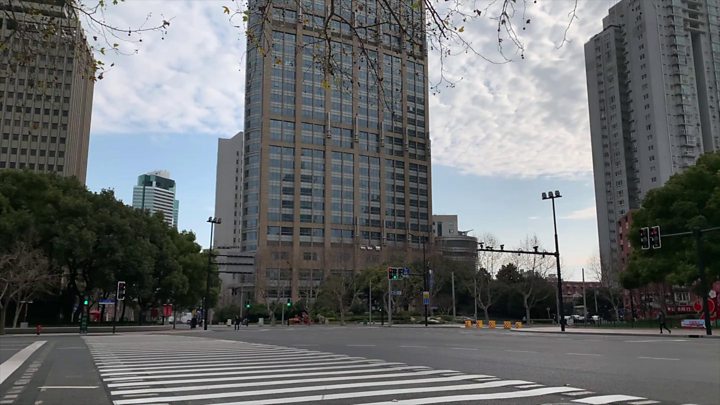
Media caption Coronavirus: Shanghai’s deserted streets and metro
“Do not forget how you feel now. Do not forget this anger. We must not let this happen again,” said one comment on Weibo.
“The truth will always be treated as a rumour. How long are you going to lie? What else do you have to hide?” another said.
“If you are angry with what you see, stand up,” one said. “To the young people of this generation, the power of change is with you.”
An epic political disaster
The death of Dr Li Wenliang has been a heart-breaking moment for this country. For the Chinese leadership it is an epic political disaster.
It lays bare the worst aspects of China’s command and control system of governance under Xi Jinping – and the Communist Party would have to be blind not to see it.
If your response to a dangerous health emergency is for the police to harass a doctor trying to blow the whistle, then your structure is obviously broken.
The city’s mayor – reaching for excuses – said he needed clearance to release critical information which all Chinese people were entitled to receive.
Now the spin doctors and censors will try to find a way to convince 1.4 billion people that Dr Li’s death is not a clear example of the limits to the party’s ability to manage an emergency – when openness can save lives, and restricting it can kill.
He was initially declared dead at 21:30 on Thursday (13:30GMT) by state media outlets the Global Times, People’s Daily and others.
Hours later the Global Times contradicted this report – saying he had been given a treatment known as ECMO, which keeps a person’s heart pumping.
Journalists and doctors at the scene said government officials had intervened – and official media outlets had been told to change their reports to say the doctor was still being treated.
But early on Friday, reports said doctors could not save Dr Li and his time of death was 02:58 on Friday.
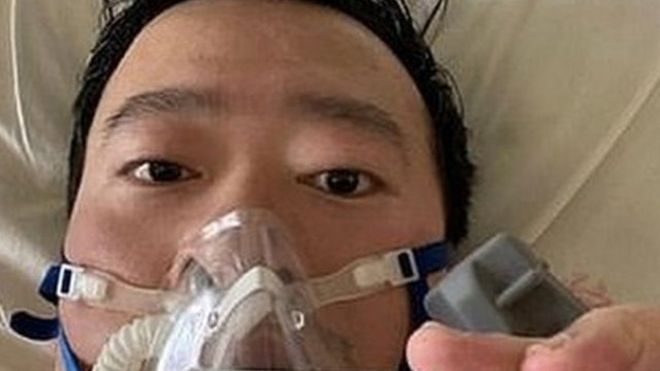
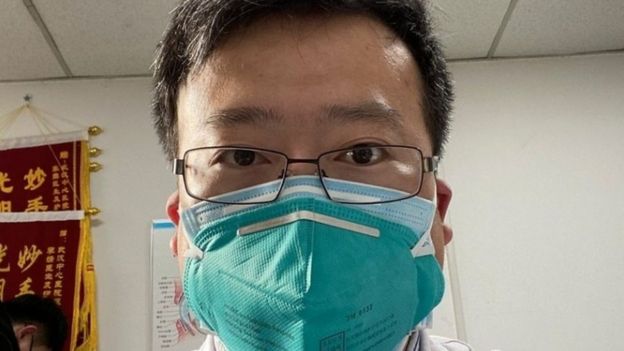
Image copyright LI WENLIANGImage caption Li Wenliang contracted the virus while working at Wuhan Central Hospital
What did Li Wenliang do?
Dr Li, an ophthalmologist, posted his story on Weibo from a hospital bed a month after sending out his initial warning.
He had noticed seven cases of a virus that he thought looked like Sars – the virus that led to a global epidemic in 2003.
On 30 December he sent a message to fellow doctors in a chat group warning them to wear protective clothing to avoid infection.
Four days later he was summoned to the Public Security Bureau where he was told to sign a letter.
In the letter he was accused of “making false comments” that had “severely disturbed the social order”. Local authorities later apologised to Dr Li.
In his Weibo post he describes how on 10 January he started coughing, the next day he had a fever and two days later he was in hospital. He was diagnosed with the coronavirus on 30 January.
Media caption The BBC’s online health editor on what we know about the virus
Singapore has raised its Disease Outbreak Response System Condition (Dorscon) level from yellow to orange. This means that the disease is deemed severe and spreads easily from person to person but has not spread widely and is being contained
Chinese President Xi Jinping has told his US counterpart Donald Trump that China is “fully confident and capable of defeating the epidemic”. The country has introduced more restrictive measures to try to control the outbreak:
The capital Beijing has banned group dining for events such as birthdays. Cities including Hangzhou and Nanchang are limiting how many family members can leave home each day
Hubei province has switched off lifts in high-rise buildings to discourage residents from going outside.
The virus has now spread to more than 25 countries. There have been more than 28,000 cases worldwide but only two of the deaths have been outside mainland China.
TOKYO (Reuters) – Toyota Motor Corp (7203.T) on Friday said production at all of its China plants would remain suspended through Feb. 16, joining a growing number of automakers facing stoppages due to supply chain issues as the coronavirus spreads.
The Japanese automaker, which operates 12 vehicle and components factories in China, said it would extend its production stoppage “after considering various factors, including guidelines from local and region governments, parts supply, and logistics.
“For the week of Feb. 10, we will be preparing for the return to normal operation from Feb. 17 and beyond,” it said in a statement.
The decision extends Toyota’s initial plans to suspend operations through Sunday, and comes as the threat from the coronavirus crisis closes in on the global auto industry.
South Korea’s Hyundai Motor (005380.KS) and affiliate Kia Motors (000270.KS) said on Friday that they plan to restart production at their Chinese factories on Feb. 17, from a previously planned Feb.9.
“We will take preventive measures against infection at factories,” a spokeswoman said.
A growing number of car makers, including those who do not make cars in China, are flagging the possibility that their global operations could take a hit if they cannot access parts supplies from the country, where there are transportation bans to stop the virus spreading.
Suzuki Motor Corp said it was looking at the possibility of procuring “made in China” car parts from other regions if it cannot access parts due to ongoing stoppages.
The Japanese automaker does not produce or sell any cars in China, but procures some components there for its plants in India, where it controls around half of the passenger vehicle market via its local unit Maruti Suzuki India Ltd (MRTI.NS).
Fiat Chrysler Automobiles NV (FCHA.MI) on Thursday said one of its European plants could close within two to four weeks if Chinese parts suppliers cannot get back to work soon, while Hyundai Motor Co (005380.KS) earlier this week suspended production at its South Korean plants due to a shortage of China-made parts.
Parts made in China are used in millions of vehicles assembled elsewhere, and China’s Hubei province – the epicentre of the coronavirus outbreak – is a major hub for vehicle parts production and shipments.
To limit the spread of the virus, Chinese authorities have announced an extended holiday period in Hubei and 10 other provinces, which account for more than two-thirds of the country’s vehicle production.
IHS Automotive projects plant closures through Feb. 10 would result in a 7% cut in vehicle production in China for the first quarter.
In a note, its analysts said extended closures into March may result in lost production of over 1.7 million vehicles for the period, a decline of roughly one-third of pre-virus output expectations.
“If the situation lingers into mid-March, and plants in adjacent provinces are also idled, the China-wide supply chain disruption caused by parts shortages from Hubei, a major component hub, could have a wide-reaching impact,” they said.
Other industry experts said suppliers had built up a cushion of parts in inventory and in-transit ahead of the long Lunar New Year holiday in late January. Those will start to run out if factories cannot get back to work next week, or if flights to and from China remain limited.
Toyota said its plants outside China were operating as normal for the moment but it has said it was also considering the possibility of manufacturing parts commonly made in China in other regions.
BEIJING, Feb. 6 (Xinhua) — China has lodged solemn representations to the United States regarding the recent officials exchanges between the United States and Taiwan, a foreign ministry spokesperson said Thursday.
Spokesperson Hua Chunying made the remarks at an online news briefing when answering a question about Lai Ching-te’s visit to the United States.
China firmly opposes any form of official exchanges between the United States and Taiwan, Hua said, stressing that China’s position is consistent and clear.
China has lodged solemn representations to the U.S. side for allowing Lai’s visit, urging the U.S. side to abide by the one-China principle and the three China-U.S. joint communiques, stop official exchanges with Taiwan, and cut off all forms of contact between Lai and U.S. leaders, government officials and Congress members, said Hua.
She said the United States should handle Taiwan issues prudently and properly and stop sending wrong signals to the “Taiwan independence” forces to avoid serious damage to China-U.S. relations.
BEIJING, Feb. 6 (Xinhua) — A slew of preventive measures have been taken to contain the novel coronavirus as a growing number of Chinese people hit the road and return to work after the Spring Festival holiday, the Ministry of Transport (MOT) said Thursday.
According to big data analysis, passenger flow is expected to pick up around this weekend, said Cai Tuanjie, an official with the MOT, at a press conference.
To contain virus infections during the trips, railways, airports and other public transportation operators have intensified disinfection, ventilation and sanitation of vehicles and stations, Cai said.
Passengers will go through body temperature screening at both entrances and exits of operating public transportation stations across the country. People found to have caught a fever above 37.3 degrees Celsius will be transferred to health departments.
Meanwhile, steps have been taken to make sure vehicles are not fully booked to allow a safe distance between passengers, Cai said, adding that temporary isolation areas had been set in the vehicles to avoid cross-infections in case of emergency during the journey.
BEIJING, Feb. 6 (Xinhua) — Suspending flights by some countries against the World Health Organization (WHO) recommendations will not help contain the epidemic, but sow panic among the public, a Chinese foreign ministry spokesperson said Thursday.
Spokeswoman Hua Chunying made the remarks at an online press briefing when asked to comment on some countries’ decisions to suspend flights after the novel coronavirus outbreak.
Hua said since the onset of the outbreak, the Chinese government has taken the most thorough and strict prevention and control measures, and such measures are showing positive effects.
The WHO lauded China’s strong measures and stressed many times that it disapproves of and even opposes imposing travel or trade restrictions on China, said Hua. The ICAO has also issued bulletins and encouraged all countries to follow WHO recommendations.
“We are dissatisfied with and oppose some countries going against the WHO’s professional recommendations and ICAO bulletins, and have lodged solemn representations with them,” she said.
Actions of those countries have gravely disrupted normal personnel exchanges, international cooperation and the order of international air transportation market, Hua said.
China urges the countries to think carefully and not to overreact nor restrict flights operated by airlines of both sides, keeping bilateral relations and cooperation in mind, she added.
“They should immediately correct their policies and wrongdoings in accordance with recommendations of the WHO and ICAO and take concrete actions to support China’s battle against the epidemic,” Hua said.
Some residents of the coastal Chinese province are being locked inside their homes while others must present a ‘passport’ to go out every two days for supplies
Weddings and funerals discouraged as ‘unessential’ venues are also shut down
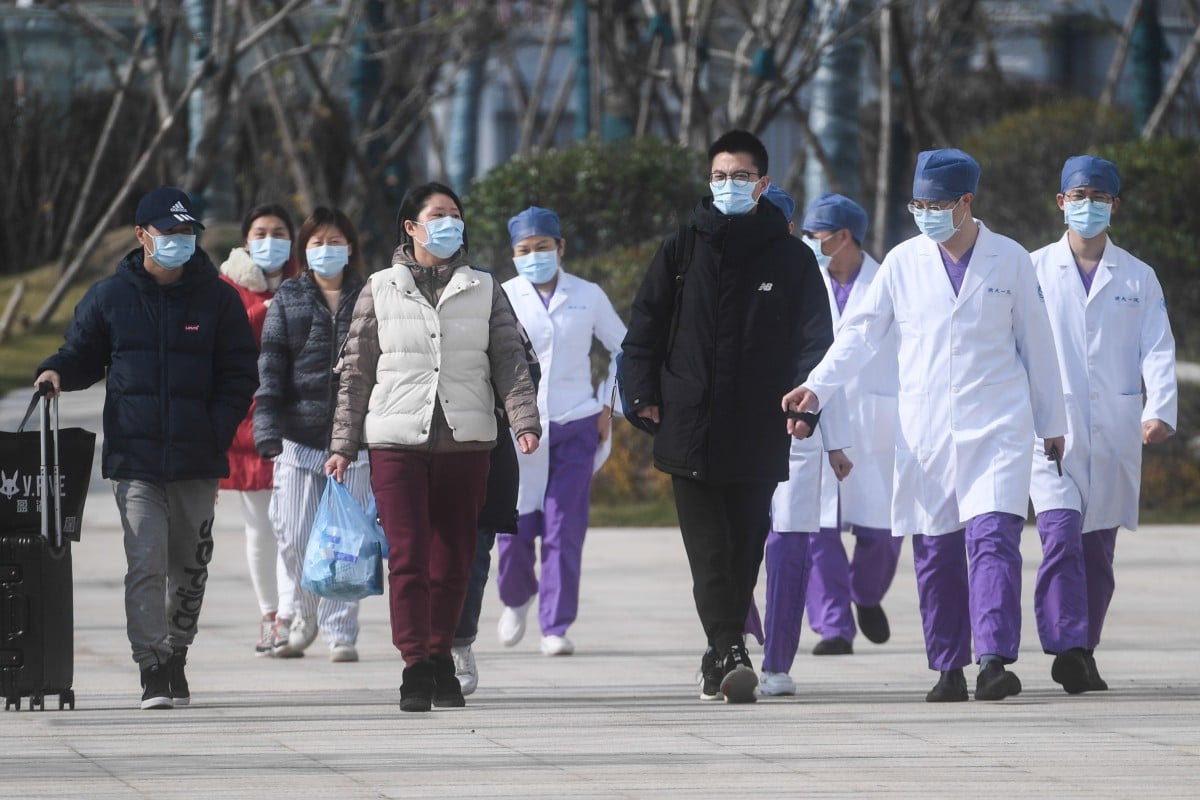
Cured coronavirus patients leave hospital in Hangzhou, one of four cities in the eastern Chinese province of Zhejiang which has adopted draconian quarantine measures for its residents. Photo: Xinhua
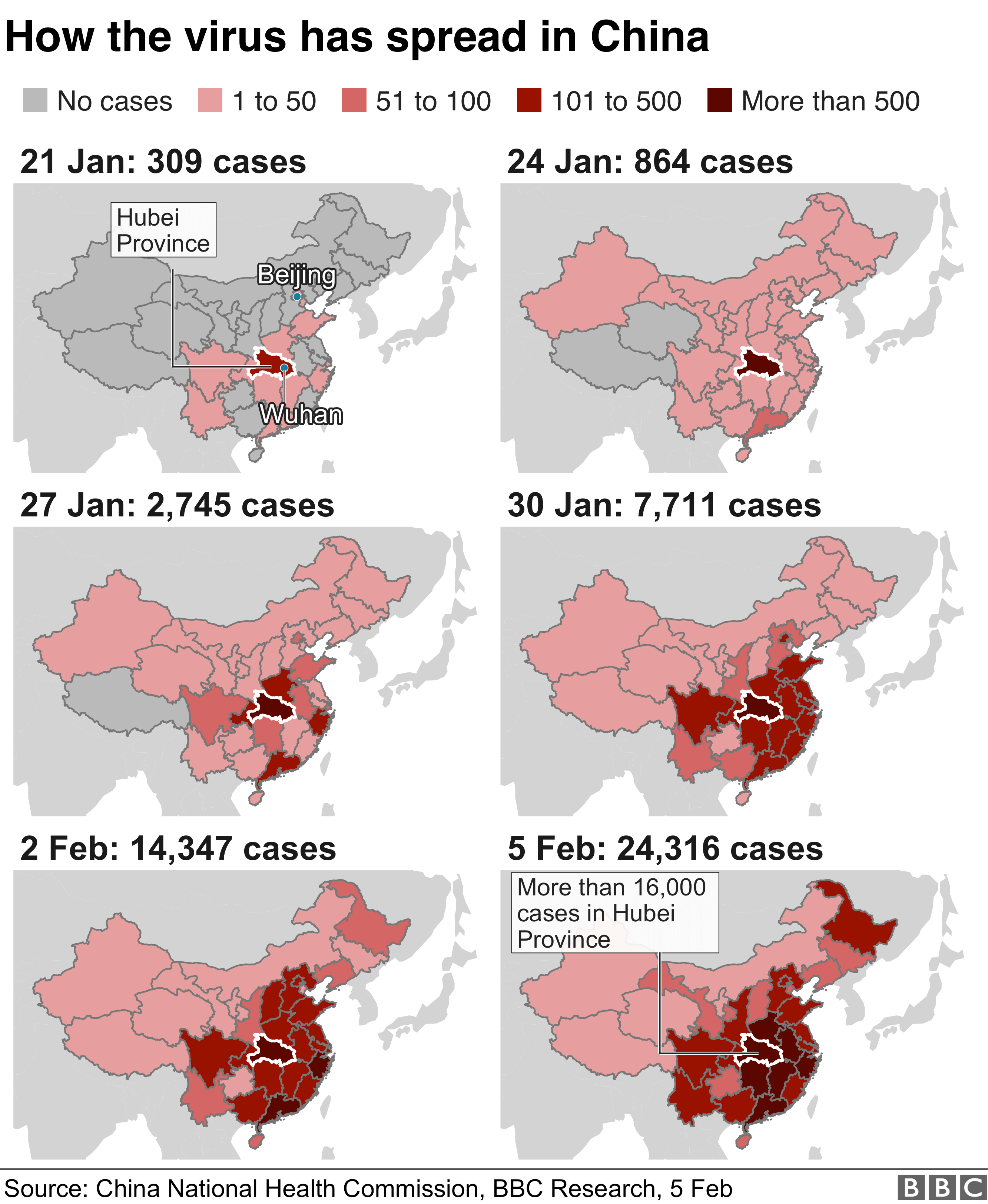
In the Chinese coastal province of Zhejiang, some 560km (350 miles) east of where the new coronavirus originated, at least four cities have introduced measures that mirror the draconian rules established by Hubei province – epicentre of the outbreak – to keep the virus from spreading.
Authorities in Zhejiang, which neighbours the port city of Shanghai, have closed “unessential” public venues, banned funerals and weddings, limited the number of times people can go out and quarantined families at home, sometimes by locking them in.
In the Zhejiang cities of Wenzhou, Hangzhou, Ningbo and Taizhou – which have a combined population of more than 30 million – each household is being issued a “passport”, usually a piece of paper that carries one’s name, home address and an official stamp. Only one person per household is permitted to leave their home every two days.
The rules were announced on state media and the governments’ social media accounts, and families have already received their “passports”.
Some people have been locked inside their homes, including Allen Li and his family in Hangzhou. Photo: Handout
To enforce the new travel rules, community officers have been stationed at the entrance of some residential compounds. Every time a resident leaves their compound, an officer at the entrance marks the time and date on the “passport”. People from the same household are then barred from going out again for the next two days.
With 954 coronavirus patients, the province of Zhejiang is the hardest hit region outside Hubei, which has about 19,665 of the more than 28,000 total cases.
Hangzhou, the provincial capital and home to some of China’s biggest tech companies, has reported 151 confirmed cases. The port city of Wenzhou has reported 396 cases.
Yao Gaoyuan, mayor of Wenzhou, said in an interview with CCTV on February 2 that the city had decided to impose the restrictions to contain the spread the coronavirus. “This could reduce the transmission to the greatest extent possible,” he said.
One neighbourhood in Wenzhou introduced a mobile technology system to enforce the stay-at-home rules, according to the state-run Wenzhou Daily, with residents using their phones to scan a QR code at the checkpoints every time they leave the compound. Only those who have not been out for two days will be allowed through.
In Hangzhou, the government on Tuesday banned all weddings and demanded that funerals, which traditionally involve family gatherings and banquets, be held frugally.
All public venues deemed “unessential” were ordered to close. Underground train services are running at 30-minute intervals. Factories need special permission to resume work during the extended Lunar New Year holiday.
Some families have also been confined to their homes because they have travelled to places with large numbers of confirmed cases.
No, the coronavirus can’t be kept away by saltwater gargling or cow dung
6 Feb 2020
Allen Li, 26, who is now living with his parents in Hangzhou, said the family had been told to stay home for 14 days after they returned from Wenzhou.
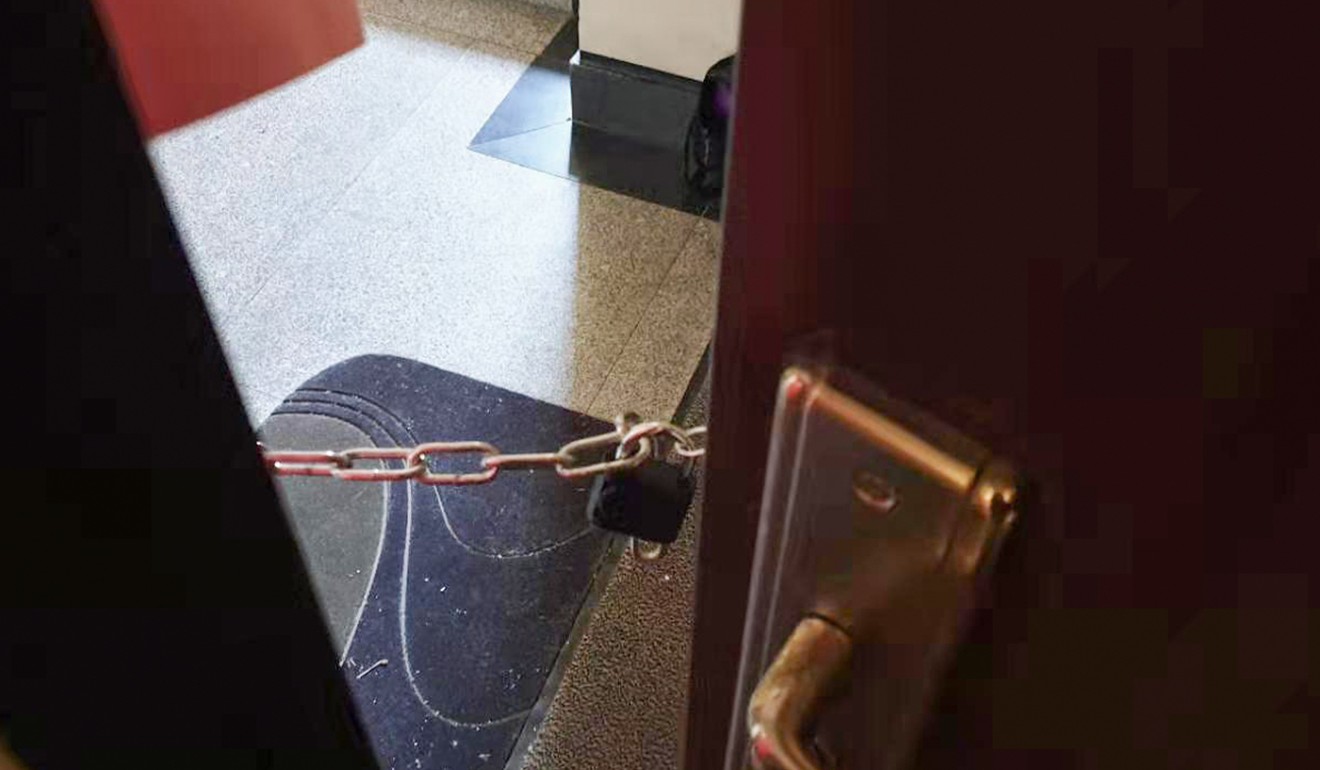
Community workers put up a sign saying “quarantined at home, no visitors allowed” on their door. On Wednesday, they locked the flat with a metal chain from the outside despite the family’s protest.
“We argued with them, but they said it’s a decision from above,” Li said. “We understand we should not go out. But this is not humane. What if there’s a fire at our home at midnight, and we can’t get anyone to unlock it?”
China scrambles to deliver food to coronavirus epicentre Wuhan amid lockdown
Some social media users have applauded such measures as ways to contain the virus, but others have criticised the quarantine as essentially “house arrest”.
Wuhan party official apologises for failures in coronavirus outbreak
6 Feb 2020
Some Hangzhou residents have complained online that they were barred from entering their rented homes after having spent the Lunar New Year holiday elsewhere.
The coronavirus was first reported in December in Wuhan, the provincial capital of Hubei that has been sealed off since January 23.
In a sign of the rising fear of contagion, regional authorities across China have imposed travel restrictions on residents that mirror the draconian measures in Hubei province.
But officials said about 5 million people had already travelled out of the city during the Lunar New Year travel season, contributing to the spread of the virus to other Chinese provinces and at least 24 countries.
We can’t know a definitive overall number as the virus spreads across China, but to give an idea of the scale of the demand, let’s start by looking at the situation in Hubei province, the epicentre of the outbreak.
Just dealing with medical staff alone, there are an estimated 500,000 across the province.
Medical advice in China is to change face masks regularly, as often as four times a day for medical teams, which would require two million masks each day.
This is the procedure being followed in one of the main hospitals in Wuhan, the largest city in Hubei province.
We don’t have a breakdown for the numbers of medical staff in other significantly affected provinces, but it would be reasonable to assume a similar pattern of usage, as coronavirus infections spread.
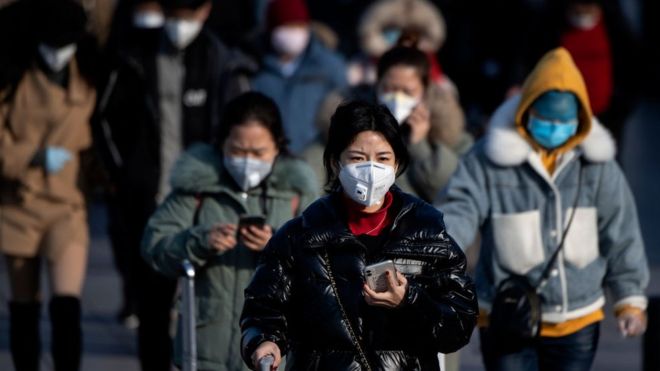
Then there’s the widespread use of face masks among the ordinary population, whether or not they’ve been instructed to do so by the authorities.
More than half a million staff working on public transport in China have been told to use masks
There are reports that some shops, businesses and other public premises have told people to use masks if they want to enter
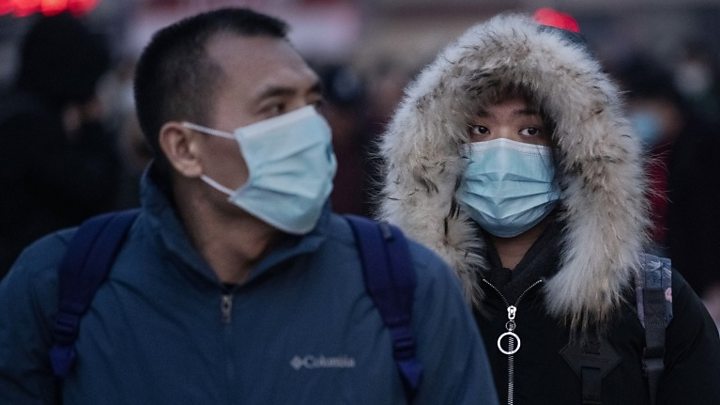
It’s also important to say that culturally, it’s quite common for people in China to wear face masks, both as general protection and if they feel they are getting ill.
So, although we can’t know overall numbers of masks needed, it’s clear there’s already a huge demand which is only going to increase across China, particularly as people head back to work in mid-February after the New Year holiday.
How many is China producing?
Under normal circumstances, China produces around twenty millions masks each day. That’s estimated to be around half of all masks made globally.
However, Chinese production has currently been cut to around 10 million, both because of the New Year holiday as well as the impact of the virus itself.
That’s clearly not sufficient to meet even the current demand in China.
In addition, it’s the higher-quality masks which are most effective, and most needed.
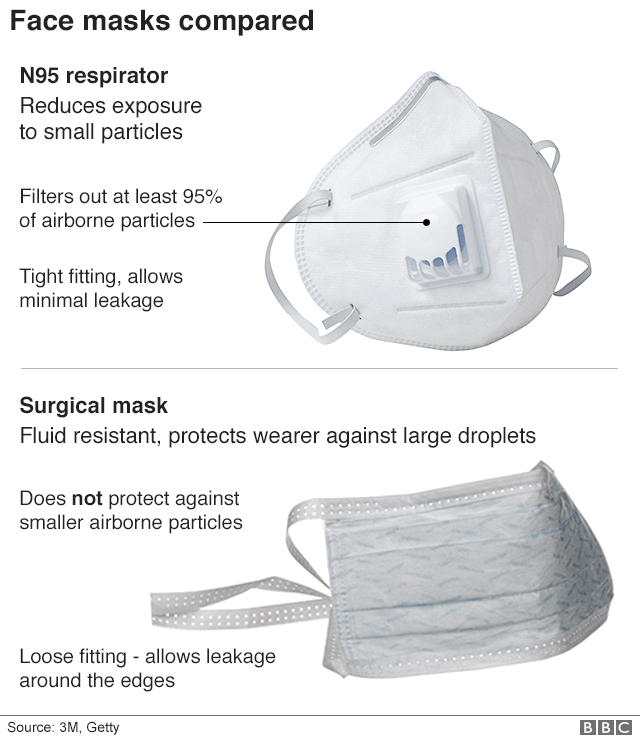
One type, known as the N95 respirator, is designed to filter at least 95% of airborne particles, and is more effective than an ordinary surgical or medical mask, which also needs to be changed more frequently.
China currently produces each day around 600,000 of these high-quality masks, according to figures from the Ministry of Industry.
One province, Zhejiang, reported on 27 January that they needed a million of these masks each day, and other provinces have said they are only just able to meet demand for these high-quality masks.
In addition, hospitals don’t have large stockpiles of these masks – in most cases, only enough to last two weeks.
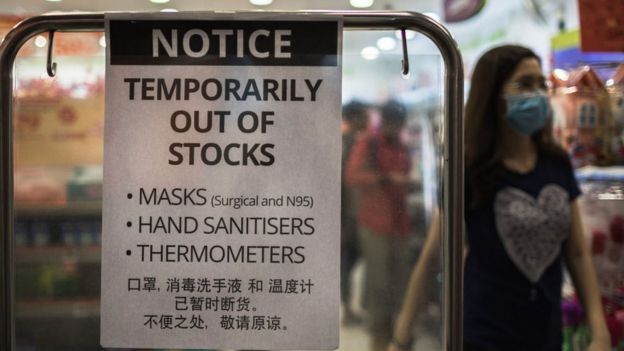
Across China, there have been reports of shortages and soaring prices, as people have rushed to buy masks.
To give an idea of this demand, the Chinese online shopping site Taobao says than in just two days in January, they sold more than 80 million masks.
Can China get masks from abroad?
China bought 220 million face masks between 24 January and 2 February, with South Korea one of the countries supplying them.
Since the beginning of February, the authorities have also removed tariffs and duties on imported medical supplies.
The US firm, 3M, which is a major producer of high-quality face masks, says the company is increasing production to meet global demand.
The UK-based Cambridge Mask Company, which makes high-quality respirator masks, says it has faced unprecedented demand, and has completely sold out.
Image copyright GETTY IMAGESImage caption A pharmacy in Singapore: Supplies have been bought up in countries outside China
Some countries, such as Taiwan and India, have banned the export of protective clothing such as face masks.
Taiwan says it wants to prioritise the protection of its own citizens, and has announced a rationing system for buying face masks.
There have also been reports of shortages in countries outside China because of panic buying, as fears grow about the global spread of the coronavirus.
SHANGHAI/HONG KONG (Reuters) – China’s President Xi Jinping is enlisting the state-dominated financial sector in a war against a virus outbreak that has killed more than 500, mobilising lenders, brokerages and fund managers to pump resources into stricken parts of the economy.
Answering Beijing’s call, banks are rushing to offer virus-fighting loans at ultra-low rates, investment banks are helping companies issue anti-virus bonds faster, and managers of mutual funds are refraining from selling stocks, to damp market panic.
Concerted efforts to rein in the virus that emerged late last year in the central city of Wuhan highlight the centralized power the ruling Communist Party wields in a sector dominated by state-owned companies.
But the campaign, which has stirred memories of government rescue efforts during a market crash in 2015, deepens concern over corporate governance in China and risks sowing seeds of future trouble.
Wuhan DDMC Culture & Sports Co (600136.SS), a leisure company in the city, won Shanghai Stock Exchange approval to issue bonds of up to 600 million yuan (66.32 million pounds) via a “green channel” created for virus-hit companies, it said on Thursday.
“It’s like receiving charcoal on a snowy day,” the company, whose operations were wrecked by the epidemic, said on its website.
Three other companies – Zhuhai Huafa Group, Sichuan Kelun Pharmaceutical and China Nanshan Development Group – have raised a combined 2.1 billion yuan ($301 million) this week by issuing bonds via the interbank market, to fund virus-battling efforts.
Proceeds from the debt issuance, which won quicker-than-usual approval from regulators, will fund drug discovery programmes and hospital construction, the companies said.
Regulators have also asked banks to inject cheap funds into virus-stricken areas, and not to withdraw loans from companies suffering the impact. Sectors such as tourism, transport and leisure are the worst-hit.
Bank of Suzhou, in the eastern province of Jiangsu, vowed to cut financing costs for hundreds of small corporate clients and bolster lending.
For companies such as food producers, logistics firms and makers of anti-virus drugs, it will cut the rate on loans by 10 basis points below the lending benchmark, to stand as low as 3.98%.
A loan officer at Bank of China promised special treatment for those defaulting because of virus fallout, saying the central bank would cap interest on loans to firms with operations critical to beating the virus, such as makers of masks and drugs.
He added, “Such companies will enjoy the lowest possible rates.”
But the orchestrated support also triggered concerns of moral hazard among some.
“I’m afraid many companies about to go bankrupt will come and say their businesses are affected by the virus outbreak,” said a bond fund manager, who declined to be named.
A flurry of government support has helped stabilise stocks in China’s equity market after a plunge on Monday.
Regulators have told major mutual fund companies and insurers not to cut net equity positions this week, and urged brokerages to limit short-selling activities by clients, said sources who sought anonymity.
Fund managers were also nudged to do their bit. China’s fund association, which is supervised by the securities regulator, said employees at 26 mutual fund houses had put their own money – or more than 2 billion yuan ($287 million) – into fund products since Monday.









 CHINDIA ALERT: You'll be living in their world, very soon