

- Five thousand-year-old ruins in Zhejiang province are the earliest known example of Chinese civilisation
- Country passes Italy to become home to the largest number of World Heritage Sites
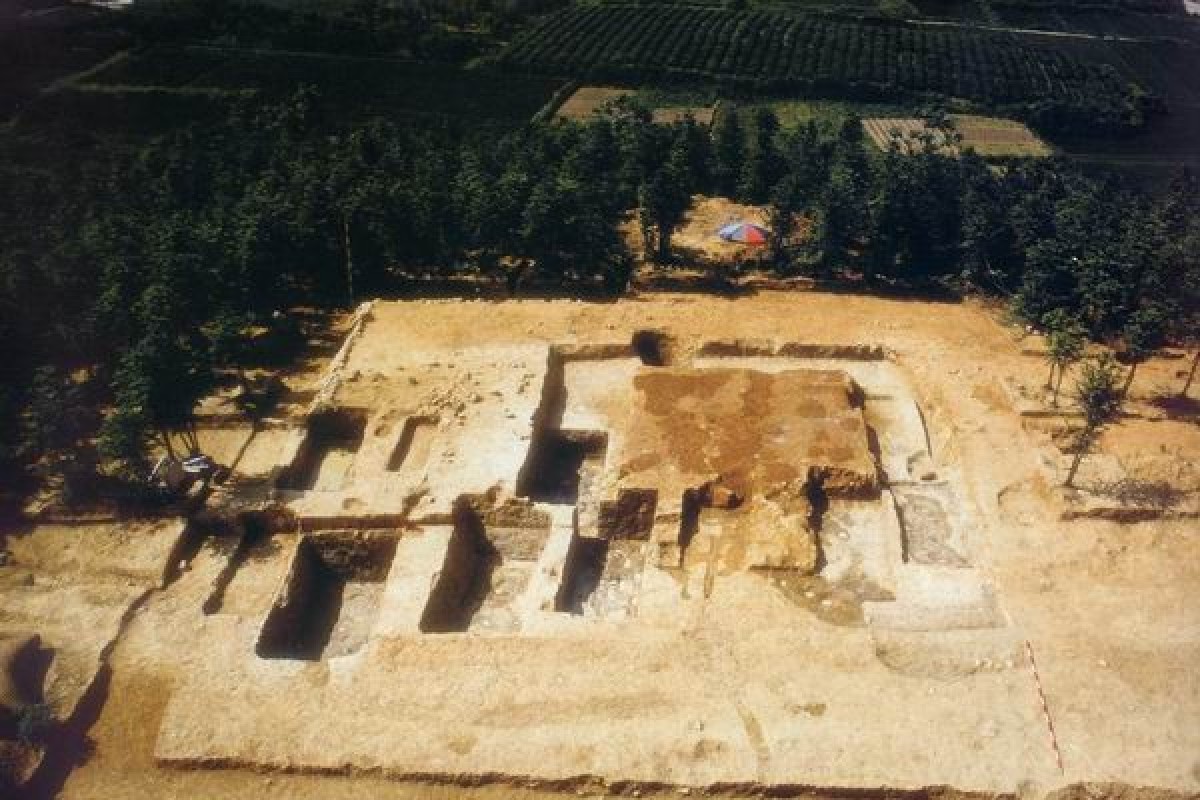
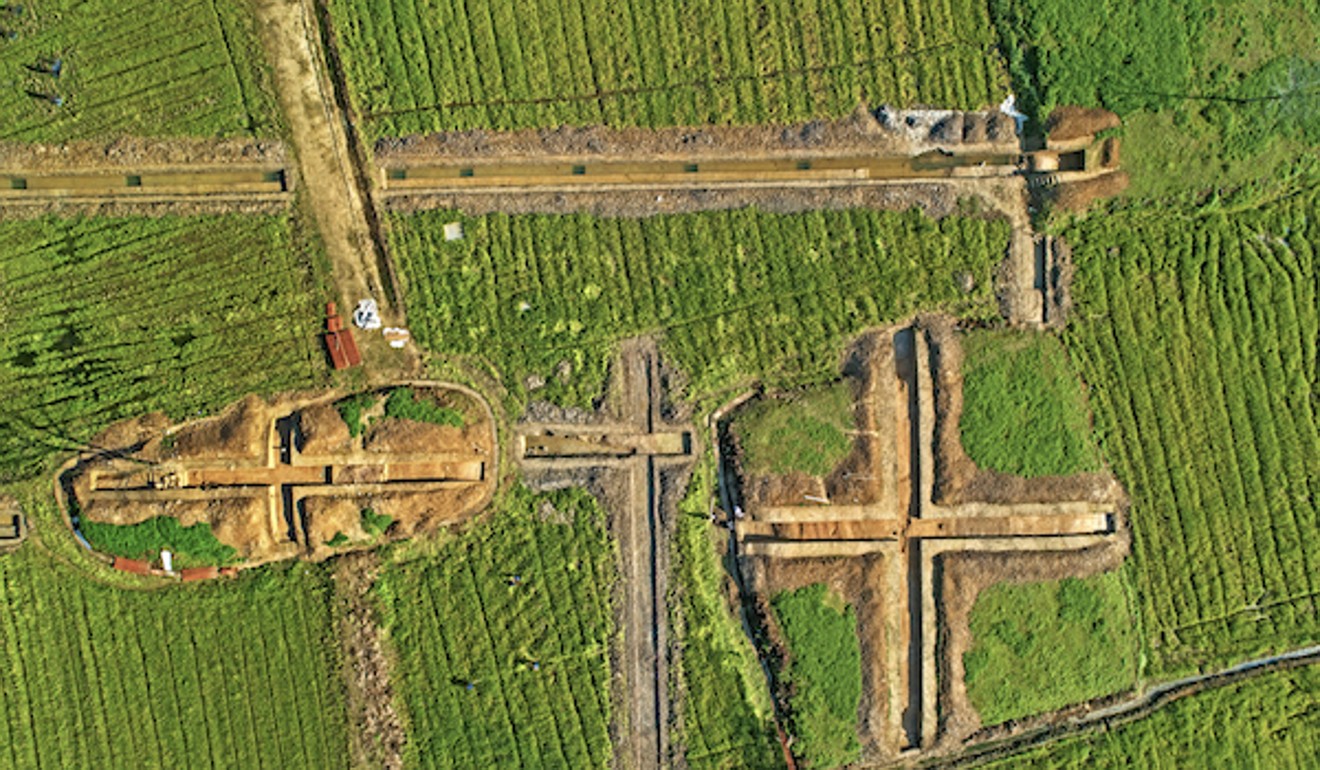
The discovery of the site was of “primary importance” as it provides evidence of compelling evidence that Chinese civilisation started 5,000 years ago, 1,000 years earlier than previously thought, Colin Renfrew, a retired professor of archaeology at University of Cambridge, told state news agency Xinhua.
“So when we are talking of the origins of state society in China, we can think of the Liangzhu … instead of the Shang civilisation around 1,500BC.
The site was first discovered in 1936 when a team of archaeologists unearthed some pottery and began searching for further evidence
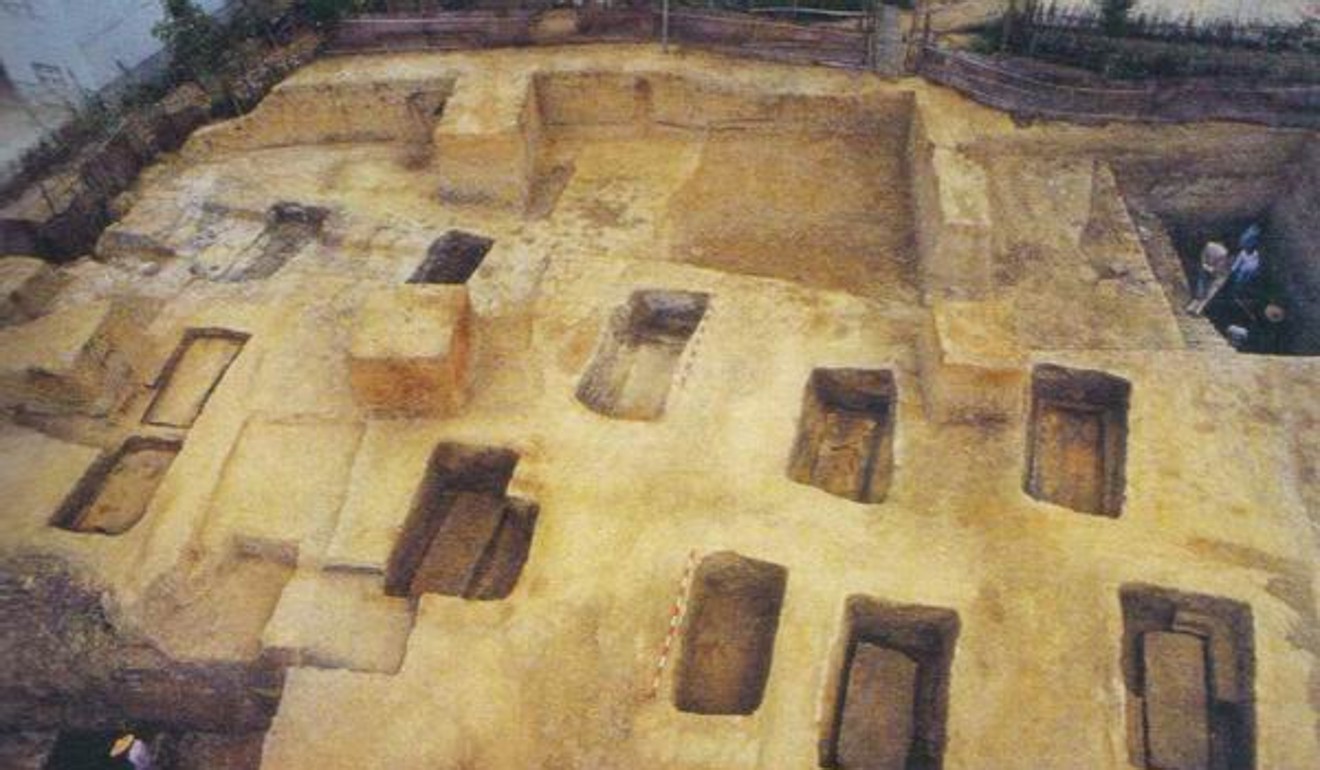
A breakthrough came in 1986 when a burial site with around 1,200 artefacts made from jade, pottery and ivory was uncovered.
The walls of the city were discovered in 2007 and the surrounding water conservancy system was unearthed in 2015.
Archaeologists estimate that it would have taken 4,000 people working for a decade to build the system, according to Xinhua.
The decision to add the site to the Unesco list is the culmination of more than two decades’ work, with preliminary work starting in 1994.
The site is now open to tourists, but a maximum number allowed to visit the site is limited to 3,000 a day and bookings must be made online.
Source: SCMP

 CHINDIA ALERT: You'll be living in their world, very soon
Leave a comment