Chindia Alert: You’ll be Living in their World Very Soon
aims to alert you to the threats and opportunities that China and India present. China and India require serious attention; case of ‘hidden dragon and crouching tiger’.
Without this attention, governments, businesses and, indeed, individuals may find themselves at a great disadvantage sooner rather than later.
The POSTs (front webpages) are mainly 'cuttings' from reliable sources, updated continuously.
The PAGEs (see Tabs, above) attempt to make the information more meaningful by putting some structure to the information we have researched and assembled since 2006.
China will not set an economic growth goal for this year as it deals with the fallout from the coronavirus pandemic.
It is the first time Beijing has not had a gross domestic product (GDP) target since 1990 when records began.
The announcement was made by Premier Li Keqiang at the start of the country’s annual parliament meeting.
The world’s second largest economy shrank by 6.8% in the first quarter from a year ago as lockdowns paralysed businesses.
“This is because our country will face some factors that are difficult to predict in its development due to the great uncertainty regarding the Covid-19 pandemic and the world economic and trade environment,” Premier Li said.
The country’s leadership has promised to boost economic support measures amid growing concerns that rising unemployment could threaten social stability.
The move comes as tensions between Beijing and Washington are becoming increasingly strained over the coronavirus pandemic, trade and Hong Kong.
On Thursday, President Donald Trump stepped up his attacks on China, suggesting that the country’s leader, Xi Jinping, is behind a “disinformation and propaganda attack on the United States and Europe.”
It came as Mr Trump and other Republicans have escalated their criticism of Beijing’s handling of the early stages of the outbreak.
Also on Thursday, China announced plans to impose new national security legislation on Hong Kong after last year’s pro-democracy protests.
The announcement was met with a warning from Mr Trump that the US would react “very strongly” against any attempt to gain more control over the former British colony.
Separately, two US senators have proposed legislation to punish Chinese entities involved in enforcing the planned new laws and penalise banks that do business with them.
Earlier this week, the US Senate unanimously passed a proposal to delist Chinese companies from American stock exchanges if they fail to comply with US financial reporting standards.
US-listed Chinese companies have come under increasing scrutiny in recent weeks after Luckin Coffee revealed that an internal investigation found hundreds of millions of dollars of its sales last year were “fabricated”.
US chip giant GlobalFoundries confirms it has ceased operations at its only Chinese facility, with industry experts saying the poorly-planned project was doomed to fail
Closure deals blow to China’s plans to move up semiconductor value chain, amid increasingly hostile tech rivalry with the United States
Beijing boasted that the final total investment in the GlobalFoundries plant could be US$10 billion. The plant was intended to produce 300mm wafers, a key material in making chips, but production never started at the 65,000 square metre facility, which was completed mid-2018. Photo: Weibo
US chip giant GlobalFoundries has halted operations at a joint venture factory in China, the company has confirmed, dealing a potential blow to China’s bid to own a bigger slice of the global semiconductor market.
The closure of the firm’s only China facility comes just three years after it announced plans to make chips in the mainland, and comes amid an escalating tech war with the United States.
The winding down, however, has little to do with the fierce superpower rivalry. It comes after two years of speculation as to what was actually happening at the US$100 million facility, which was hailed as “a miracle” by local media when announced to fanfare in 2017, but which never got off the ground.
Nonetheless, the symbolism is rich.
China is struggling in its efforts to boost its domestic chip research and production in a bid to counter US efforts to block it from American technology.
Last week, the US Department of Commerce upped the ante by banning the sale
of Huawei-designed chips produced outside America if they are made using the US software and technology, adding further pressure to the Chinese telecom giant’s global supply chain.
The GlobalFoundries factory, in a hi-tech park in the southwestern city of Chengdu, was one of China’s major foreign-invested semiconductor projects, for which the local government rolled out the red carpet three years ago.
At the time, Chengdu boasted that the final total investment in the plant could be US$10 billion. The plant was intended to produce 300mm wafers, a key material in making chips, but production never started at the 65,000 square metre facility, which was completed mid-2018.
A spokesperson for California-based GlobalFoundries confirmed that the Chengdu plant had stopped operations and that it had offered staff an “employee optimisation plan”, a commonly-used euphemism for lay-offs.
“The plan is being carried out on the basis of open and transparent communications with the employees and they have been offered various options to choose from based on their personal situations,” a company statement read.
A 2018 annual report from the joint venture, in which GlobalFoundries had a stake of 51 per cent with the rest controlled by an investment vehicle of the Chengdu government, showed that the plant had 320 employees.
A company notice sent to employees dated May 14 and seen by the Post said that after mid-June, the company would only pay 70 per cent of Chengdu’s minimum monthly wage, about 1,246 yuan (US$175.38), while negotiating severance packages with staff.
For some industry analysts who have followed the Chengdu project from its inception, its demise has less to do with the trade war, more to do with poor planning.
There was little detailed research and planning before the project was launched. As far as the Chengdu government is concerned, it lacks a sufficient understanding of GlobalFoundriesGu Wenjun, analyst
“There was little detailed research and planning before the project was launched. As far as the Chengdu government is concerned, it lacks a sufficient understanding of GlobalFoundries, its decision-making mechanism and economic strengths, and it did not get strong support from the central government,” said Gu Wenjun, chief analyst at Shanghai-based semiconductor research firm ICwise.
The idea of establishing a joint venture was first pitched to Chongqing municipality, a neighbouring city of Chengdu, in 2016. Chongqing signed a memorandum of understanding with GlobalFoundries to set up a plant to manufacture 300mm silicon wafers – components for making integrated circuits – using technology from GlobalFoundries’ Singapore factory.
After the deal to open a Chongqing plant fell through for unclear reasons, Chengdu moved in to cut a deal with GlobalFoundries in late-2016. A 2017 blueprint stated that 3,500 employees could be working at the site, according to Wallace Pai, then GlobalFoundries’ general manager for China.
But production never started. Initially the project was supposed to have two phases: using mainstream technologies to manufacture 300mm wafers from 2018, then transferring to more advanced technologies in late-2019.
However, in October 2018, the two partners decided to “bypass” the phase one manufacturing stage, partly because of China’s increasing demand for more advanced products and GlobalFoundries’ own financial stress. The project has since stalled.
Comparing official announcements from the Chengdu government and GlobalFroundries back in 2017, Gu from ICwise said the two had different focuses, which might explain the plant’s derailment. The government clearly wanted to bring in mainstream, lower-risk technologies to boost the city’s brand, while the company aimed for Chinese capital and government support to invest in more advanced technology, Gu said.
The joint venture will continue after the factory’s demise, with GlobalFoundries still expecting to expand sales in the Chinese market, the company said in its statement. It now has five factories, three in the US and one each in Singapore and Germany.
When The Post contacted the office of the joint venture partner within the Chengdu government, the person answering the phone said they did not know anything about the closure nor future plans, before hanging up without giving their name.
“Our focus in China is on developing and growing our partner ecosystem including creating local technology infrastructure and bringing more intellectual property vendors and electronic design automation partners to better serve the local market,” the company said.
According to the China Semiconductor Industry Association, China’s integrated circuits sales rose 15.8 per cent in 2019 from a year earlier to 756.2 billion yuan (US$106.44 billion), while sales in the global semiconductor market dropped by 12 per cent to US$412 billion.
Last week, Dutch company ASML Holding, a key supplier of chip-making equipment, set up a plant in Wuxi, in Jiangsu province, in a boost to China’s efforts to attract foreign semiconductor investment.
American destroyer’s mission comes a week before Taiwanese president officially starts second term in office
Increased military activity in the region could have unintended consequences but unlikely to lead to direct conflict, observer says
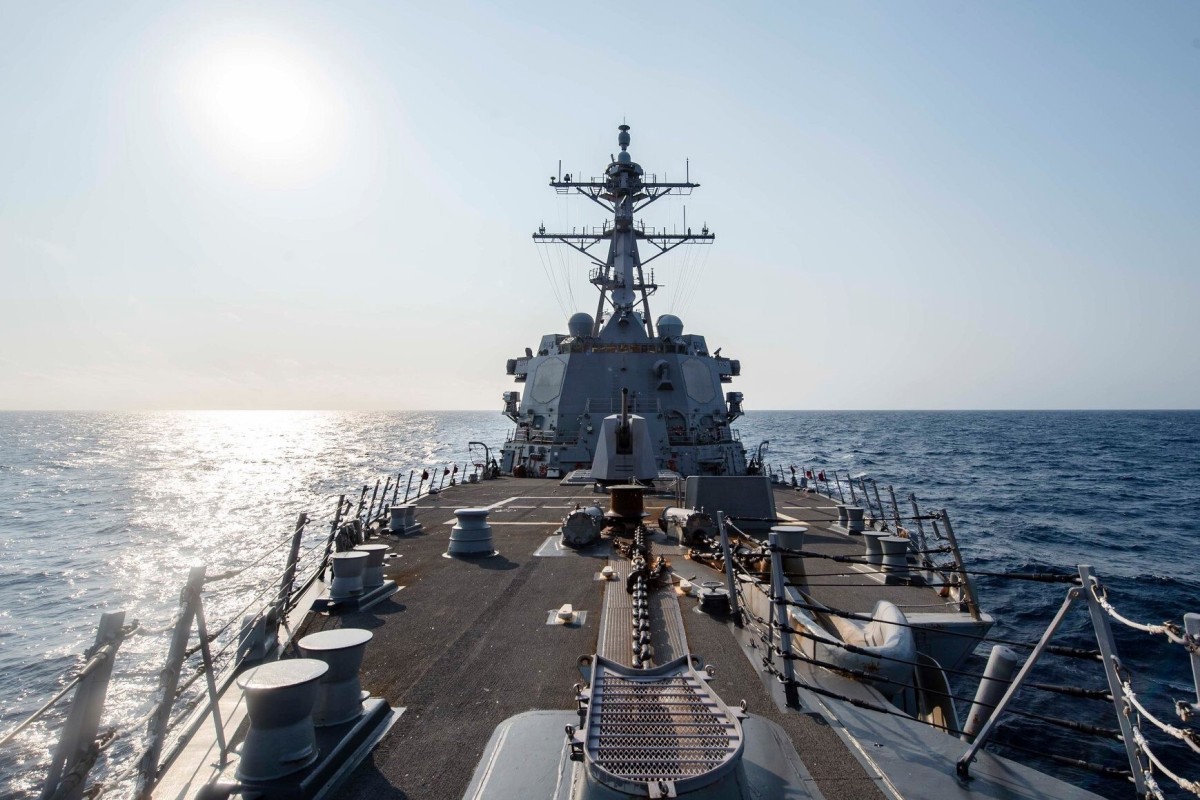
The guided-missile destroyer USS McCampbell made a transit through the Taiwan Strait on Thursday. Photo: US Navy
The United States sent a warship through the Taiwan Strait on Thursday as the Chinese military embarked on more than two months of live-fire naval drills off the mainland’s northern coast.
According to Taiwan’s defence ministry, the Arleigh Burke-class guided-missile destroyer transited the narrow body of water separating Taiwan from mainland China from north to south “in a routine mission”.
“It is continuing its southward voyage and the military is monitoring its movement through the intelligence it has gathered,” the ministry said.
In a statement on its Facebook page, the US Pacific Fleet said the McCampbell transited the Taiwan Strait as part of ongoing operations in the Indo-Pacific.
Analysts said the passage was a response to the People’s Liberation Army’s increasing military activity near Taiwan and in the wider region.
“This will become a new routine as a kind of US security commitment to maintain stability in the Indo-Pacific region,” said Soong Hseik-wen, professor of strategic studies and international relations at National Chung Cheng University in Taiwan.
Beijing urges France to cancel contract to sell arms to Taiwan
13 May 2020
The PLA has staged a series of war games, including fly-bys and warship transits through the strait, in recent months in response to what Beijing sees as growing pro-independence moves by the Tsai government and her party. China has also warned the US against supplying weapons to the island, which Beijing considers to be a wayward province that must return to the mainland fold, by force if necessary.
Mainland China has suspended official exchanges with Taiwan since Tsai was first elected president in 2016 and refused to accept the one-China policy, which Beijing says must be the foundation for any talks.
The PLA has embarked on 11 weeks of naval exercises off the coast of Tangshan in northern China, barring all other vessels from a 25km (15 mile) radius of the drill area, according to the China Maritime Safety Administration.
Taiwanese support closer ties with US over China, few identify as solely Chinese, Pew Research survey finds
13 May 2020
Both Beijing and Washington have ramped up military activities near Taiwan in recent months during the coronavirus pandemic, moves that some observers say run the risk of miscommunication.
Alexander Huang Chieh-cheng, professor of strategic studies and international relations at Tamkang University in Taipei, said no one could exclude the possibility of unintended incidents when both the US and the mainland were stepping up their presence in the region.
“Rational analysts would however argue that the two nuclear powers are not likely to engage in or escalate to direct military conflict,” he said.
Huang said he believed cross-strait relations would worsen during Tsai’s second term in office, which begins on May 20.
“The already damaged relationship between Taiwan and mainland China has worsened since the pandemic mainly due to travel bans and Taiwan’s increased international visibility,” he said.
On Tuesday, Japan’s Kyodo News reported that the PLA was planning a large-scale beach landing exercise near Hainan province in August, simulating a takeover of the Pratas Islands, which are controlled by Taiwan and also known as the Dongsha Islands.
In Taipei, Major General Lin Wen-huang said Taiwan was monitoring the PLA movements and “has contingency plans in place for the South China Sea to strengthen combat readiness and defence preparedness on both the Spratly and Pratas islands”.
Taiwan’s coastguard also announced on Wednesday that its Pratas Islands Garrison was scheduled to conduct an annual live-fire exercise in June to ensure the “effectiveness of various mortar and machine-gun positions”.
Taiwan shows off its military power after presidential election
Shanghai-based military commentator Ni Lexiong said that both the US Navy and PLA were increasing activities during the pandemic because neither side could afford to show weaknesses that the other might take advantage of.
The destroyer’s passage and the PLA’s drills were all part of such efforts, Li said.
But he agreed that both countries were unwilling, unable, and unlikely to have a real conflict.
“They are both bluffing. It’s a fake crisis,” he said. “A pandemic always ends or prevents a war if you look at history.
“I also don’t believe the PLA would want to take over the Dongsha or Taiping islands [in the South China Sea], because these islets alone are not worth a military campaign and all the consequences of that. The only target valuable enough for the PLA is Taiwan.”
An antibody engineered from the animal’s immune system was found to neutralise the virus that causes Covid-19
American and Belgian researchers hope the discovery may help protect humans from the deadly illness
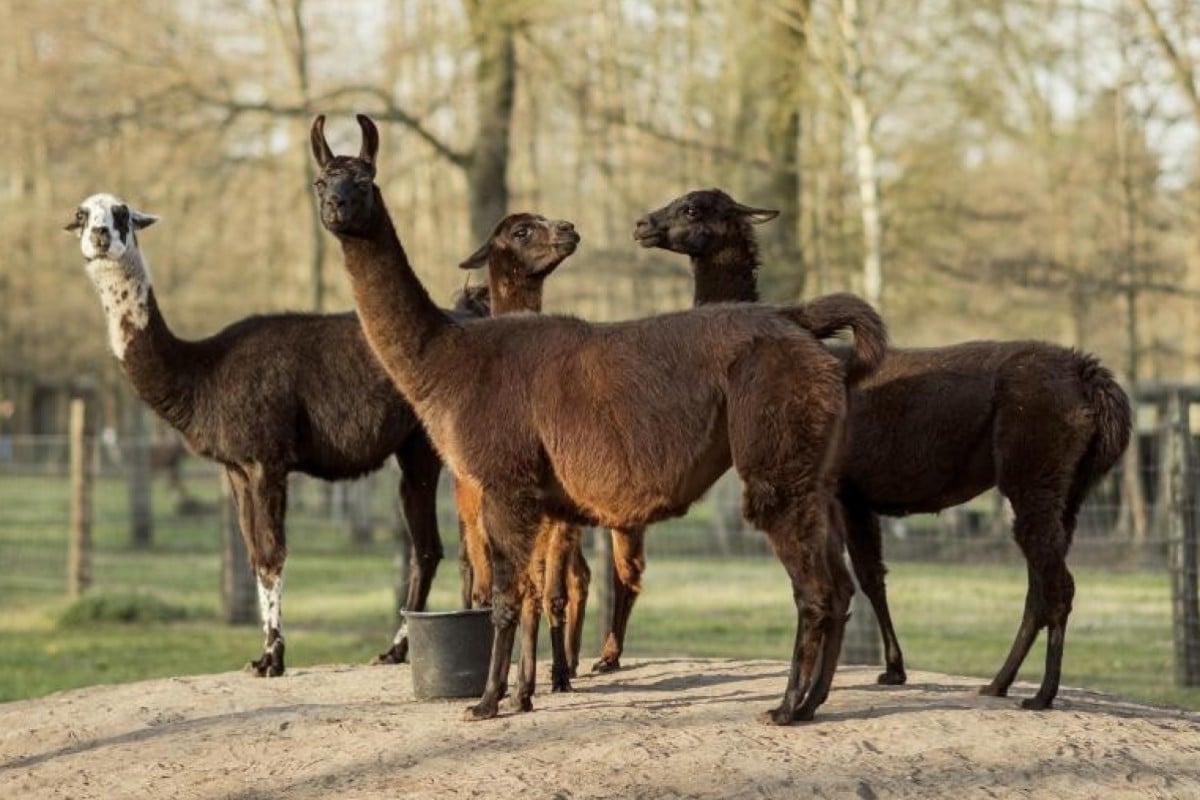
Winter the llama (front) lives on a farm operated by Ghent University’s Vlaams Institute for Biotechnology. Photo: Tim Coppens
A Belgian llama could hold the key to producing an antibody that neutralises the coronavirus that causes Covid-19.
More studies and clinical trials are needed to see if it can be used in humans to treat Covid-19, but the team of American and Belgian scientists who engineered the antibody said they were encouraged by their preliminary findings, which will be published in the journal Cell next week.
Jason McLellan, from the University of Texas at Austin and co-author of the study, described it as one of the “first antibodies known to neutralise Sars-CoV-2”, the official name for the virus.
“With antibody therapies, you’re directly giving somebody the protective antibodies and so, immediately after treatment, they should be protected,” he wrote in a press release.
“The antibodies could also be used to treat somebody who is already sick to lessen the severity of the disease.”
Winter the llama produced antibodies that proved effective against the Sars-CoV-2 virus. Photo: Tim Coppens
The scientists have been working on coronaviruses – including severe acute respiratory syndrome (Sars) and Middle East respiratory syndrome (Mers) – for years.
In 2016 they injected the llama, named Winter, with Sars and Mers in the hope of developing a treatment for the diseases.
“I thought this would be a small side project,” said Dorien De Vlieger from Ghent University in Belgium, who helped to isolate antibodies against coronaviruses from the llamas.
China’s race for a Covid-19 vaccine hits a hurdle – no outbreak at home
1 May 2020
“Now the scientific impact of this project became bigger than I could ever expect. It’s amazing how unpredictable viruses can be.”
A llama’s immune system produces two types of antibodies when it detects pathogens, one similar to human antibodies and one that is about a quarter of the size.
The antibodies produced by Winter were found to be effective in targeting the Sars virus’s spike protein, which allows it to bind to human cells.
Chinese firm ready to make 100 million Coronavirus vaccine doses if trials are successful
This year they decided to test the antibodies Winter had produced during the Sars experiment to see if it could prove effective against Covid-19.
Although it did bind itself to the Sars-CoV-2 virus it did so “weakly”, so the team then linked two copies of the antibody together to make it bind more effectively.
Oxford vaccine effective in monkeys, heading for mass production in India
30 Apr 2020
“That was exciting to me because I’d been working on this for years. But there wasn’t a big need for a coronavirus treatment then. This was just basic research,” said Daniel Wrapp from the University of Texas, a co-author of the study.
The smaller type of antibodies produced by llamas, called single-domain antibodies or nanobodies, can be used in an inhaler, according to Wrapp.
“That makes them potentially really interesting as a drug for a respiratory pathogen because you’re delivering it right to the site of infection,” said Wrapp.
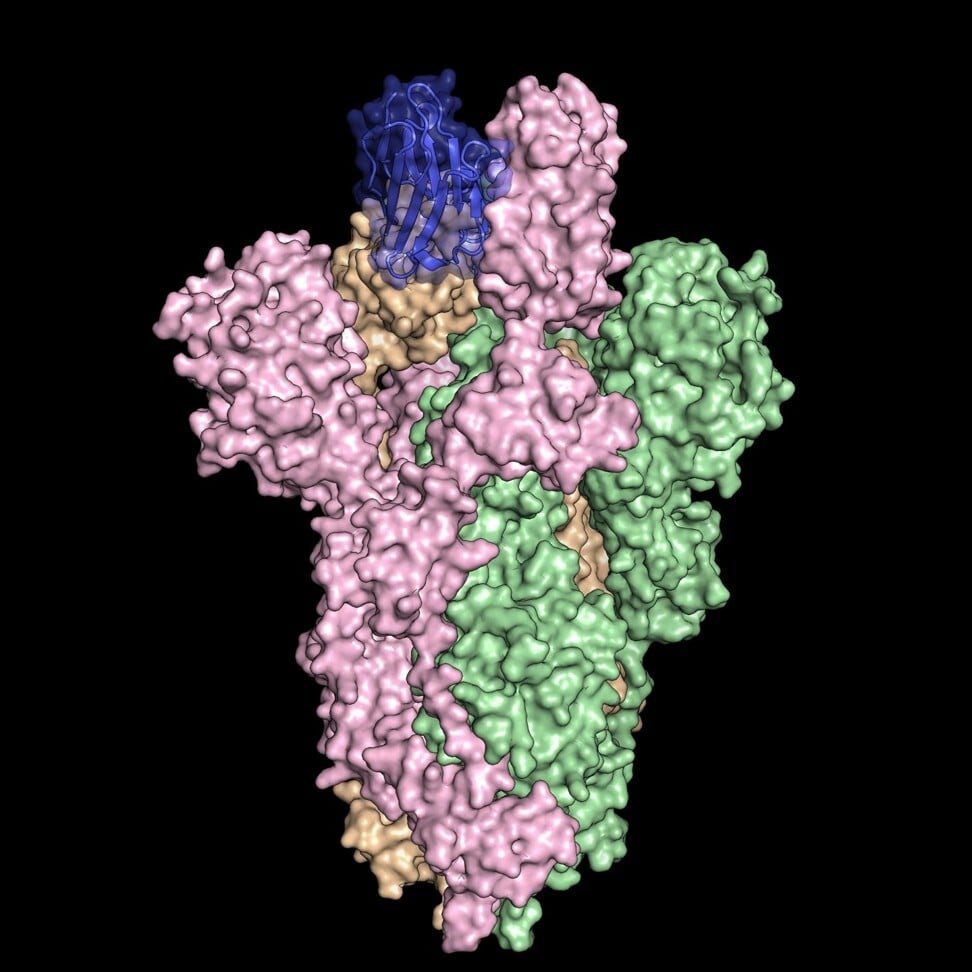
Researchers created an antibody dubbed VHH-72Fc (blue) that binds tightly to the Sars-CoV-2 spike protein (pink, green and orange), blocking the virus from infecting cells. Photo: University of Texas at Austin
The researchers are preparing for more trials with hamsters or primates to further test the antibody, before taking it to human trials.
The main subject of the study, Winter the llama, is now four years old and lives on a farm operated by Ghent University’s Vlaams Institute for Biotechnologym which said it has around 130 other llamas and alpacas at the facility.
Test in Xiong’an, the new city being built south of Beijing, will focus on everyday goods and services for the first time
American food outlets to be included in the digital currency tests, conducting small transactions with local firms
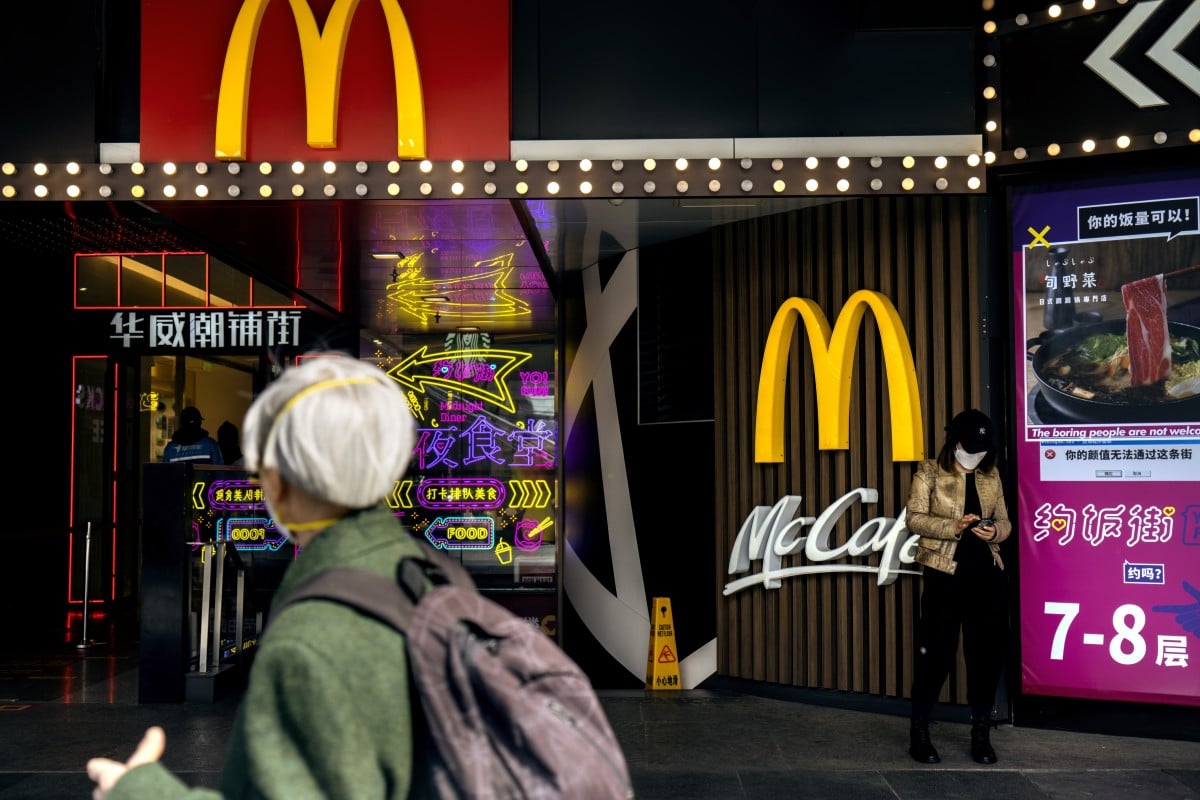
American chains Starbucks, McDonald’s and Subway were named on the People’s Bank of China’s list of firms that will test the digital currency in small transactions with 19 local businesses. Photo: Bloomberg
China’s central bank has accelerated the testing of its new sovereign digital currency and, for the first time, will include some foreign consumer brands in the programme.
American chains Starbucks, McDonald’s and Subway were named on the People’s Bank of China (PBOC)’s list of firms that will test the digital currency in small transactions with 19 local businesses.
The global names will be joined by local hotels, convenience stores, a stuffed bun shop, a bakery, a bookstore and a gym, according to details revealed at a promotional event in the Xiong’an New Area, a city being built south of Beijing, news portal Sina.com reported.
The inclusion of businesses providing everyday goods and services marks an expansion of the PBOC’s testing. It follows a previous disclosure that last week in Suzhou the digital currency was used to pay half public sector workers’ travel subsidies for May.
Is China a currency manipulator?
Wednesday’s promotional event was organised by the local branch of the National Development and Reform Commission, the powerful planning agency, and attended by representatives of the Big Four state-owned banks and two of the country’s internet giants – Alibaba and Tencent.
China has not released a timetable for launching the digital yuan, but last week’s reports on new testing have fanned speculation that it could be imminent.
The tests were reportedly accelerated after Facebook launched its Libra project in June last year, an attempt to create a global digital currency pegged to a basket of currencies and backed by global commercial giants.
The Libra Association, the consortium managing the project, announced changes last week in an attempt to win regulatory approval and pave the way for an official launch sometime later this year. The consortium said it would create multiple digital units tied to existing currencies such as the US dollar or the euro, rather than a single token based on a basket of currencies.
China’s official digital currency, known as Digital Currency Electronic Payment (DCEP), came into the public spotlight last week when a screenshot of a test version of an app developed by the Agricultural Bank of China circulated online.
The digital currency app has several basic functions, similarly to other Chinese online payment platforms such as Alipay and WeChat Pay – the country’s two most popular online payment tools – allowing users to make and receive payments, and transfer money.
“It’s certain that the DCEP is now in its final testing stage and should be officially launched,” BlockVC, an investment firm, said in a research note.
The PBOC’s digital currency research institute confirmed last Friday that testing was being conducted in four cities: Shenzhen, Suzhou, Xiong’an and Chengdu. In addition, venues for the 2022 Winter Olympics in Beijing and Zhangjiakou will join the testing programme in the future.
What is the Hong Kong Dollar Peg?
The institute, which was inaugurated in 2017, said that the test versions and applications of the currency had not been finalised.
The project testing is based on two principles: the central bank issues the virtual money to commercial banks who then pass it on to consumers, and that is aimed at replacing cash in all transactions.
China is the first major economy to publicly announce plans for a sovereign digital currency, aiming to better control the rapid rise of digital payments worldwide.
The PBOC has, however, cracked down on the trading of other digital currencies and banned banks from accepting cryptocurrencies, which it views as a risk to financial stability.
WASHINGTON (Reuters) – U.S. President Donald Trump said on Wednesday his government is trying to determine whether the coronavirus emanated from a lab in Wuhan, China, and Secretary of State Mike Pompeo said Beijing “needs to come clean” on what they know.
The source of the virus remains a mystery. General Mark Milley, chairman of the Joint Chiefs of Staff, said on Tuesday that U.S. intelligence indicates that the coronavirus likely occurred naturally, as opposed to being created in a laboratory in China, but there is no certainty either way.
Fox News reported on Wednesday that the virus originated in a Wuhan laboratory not as a bioweapon, but as part of China’s effort to demonstrate that its efforts to identify and combat viruses are equal to or greater than the capabilities of the United States.
This report and others have suggested the Wuhan lab where virology experiments take place and lax safety standards there led to someone getting infected and appearing at a nearby “wet” market, where the virus began to spread.
At a White House news conference Trump was asked about the reports of the virus escaping from the Wuhan lab, and he said he was aware of them.
“We are doing a very thorough examination of this horrible situation that happened,” he said.
Asked if he had raised the subject in his conversations with Chinese President Xi Jinping, Trump said: “I don’t want to discuss what I talked to him about the laboratory, I just don’t want to discuss, it’s inappropriate right now.”
Trump has sought to stress strong U.S. ties with China during the pandemic as the United States has relied on China for personal protection equipment desperately needed by American medical workers.
As far back as February, the Chinese state-backed Wuhan Institute of Virology dismissed rumors that the virus may have been artificially synthesized at one of its laboratories or perhaps escaped from such a facility.
Pompeo, in a Fox News Channel interview after Trump’s news conference, said “we know this virus originated in Wuhan, China,” and that the Institute of Virology is only a handful of miles away from the wet market.
“We really need the Chinese government to open up” and help explain “exactly how this virus spread,” said Pompeo.
“The Chinese government needs to come clean,” he said.
The broad scientific consensus holds that SARS-CoV-2, the virus’ official name, originated in bats.
Trump and other officials have expressed deep skepticism of China’s officially declared death toll from the virus of around 3,000 people, when the United States has a death toll of more than 20,000 and rising.
He returned to the subject on Wednesday, saying the United States has more cases “because we do more reporting.”
“Do you really believe those numbers in this vast country called China, and that they have a certain number of cases and a certain number of deaths; does anybody really believe that?” he said.
, the People’s Liberation Army said on Friday, amid a growing number of patrols and exercises by US warships in the region.
The drill, which involved two aircraft, was conducted earlier this month, not long before the US naval and marine units took part in expeditionary strike force training in the disputed waters, the PLA Navy said in a report.
While acknowledging the difficulties involved in such an operation, the report said the aircraft successfully identified several suspicious objects.
“Anti-submarine exercises are like trying to find a needle in a haystack. It’s difficult, the underwater hydrological conditions are complex,” Yu Yang, the captain of one of the aircraft, was quoted as saying.
But by having two planes working together, it “increase[d] the probability of finding a submarine”, he said.
The anti-submarine exercise involved two aircraft from the PLA Navy. Photo: Handout
Wang Shelin, one of the commanders of the exercise, said that anti-submarine operations were not only dangerous but a real test of the pilots’ skills.
Successfully completing the mission demanded precise “control of the speed and altitude of the aircraft”, he said.
The publication of the PLA report came after the United States staged a four-day exercise in the South China Sea last week involving the Theodore Roosevelt Carrier Strike Group, the America Expeditionary Strike Group and the 31st Marine Expeditionary Unit.
At the end of last month, the US Navy accused the PLA of “unsafe and unprofessional” behaviour after a Chinese destroyer pointed a laser at an American maritime patrol aircraft flying over international waters west of Guam.
Collin Koh, a research fellow with the S Rajaratnam School of International Studies at Nanyang Technological University in Singapore, said the Chinese military was keen to promote its anti-submarine capabilities.
“This means we can expect to see more such exercises in the future, with no let up because of the coronavirus,” he said.
“You can also see this as a response not only to the [recent] carrier strike group operations, but the intensified US military presence in the South China Sea.
“And it would not be surprising if a nuclear attack submarine was in the vicinity of the carrier strike group,” he said.
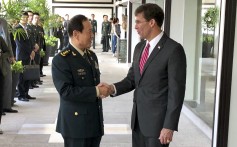
Chinese and US defence chiefs discuss coronavirus crisis in phone call
4 Mar 2020
Song Zhongping, a Hong Kong-based commentator on military affairs, said that with the possibility of a military conflict growing in the South China Sea, it was important for the PLA Navy to increase its anti-submarine training.
“The rivalry between the great powers is getting more and more intense, and the PLA must strengthen its preparations,” he said.
Echoing commander Wang’s comments, Song said that the high volume of maritime traffic and sheer size and depth of the South China Sea made searching for submarines difficult.
“So the PLA is trying to enhance its capabilities by constantly installing and testing new anti-submarine equipment,” he said.
BEIJING/SINGAPORE (Reuters) – China reported on Wednesday its smallest number of coronavirus cases since January, lending weight to a prediction by its top medical adviser for the outbreak to end by April, but a global infectious diseases expert warned of the spread elsewhere.
Financial markets took heart from the outlook of the Chinese official, epidemiologist Zhong Nanshan, who said on Tuesday the number of new cases was falling in some provinces, and forecast the epidemic would peak this month, even as the death toll in China rose to more than 1,100 people.
World stocks, which had seen rounds of sell-offs over the virus, surged to record highs on hopes of a peak in cases. The Dow industrials, S&P 500 and Nasdaq all hit new highs, and Asian shares nudged higher on Wednesday.
But the World Health Organization (WHO) has warned that the epidemic poses a global threat akin to terrorism and one expert coordinating its response said while the outbreak may be peaking at its epicentre in China, it was likely to spread elsewhere in the world, where it had just begun.
RELATED COVERAGE
Chess, squabbles aboard cruise ship cast away by coronavirus fears
Singapore’s DBS evacuates 300 staff after employee contracts coronavirus
See more stories
“It has spread to other places where it’s the beginning of the outbreak,” the official, Dale Fisher, head of the Global Outbreak Alert and Response Network coordinated by the WHO, said in an interview in Singapore.
“In Singapore, we are at the beginning of the outbreak.”
Singapore has reported 47 cases and worry about the spread is growing. Its biggest bank, DBS (DBSM.SI), evacuated 300 staff from its head office on Wednesday after a confirmed coronavirus case in the building.
Hundreds of cases have been reported in dozens of other countries and territories around the world, but only two people have died outside mainland China – one in Hong Kong and another in the Philippines.
WHO chief Tedros Adhanom Ghebreyesus said on Tuesday the world had to “wake up and consider this enemy virus as public enemy number one” and the first vaccine was 18 months away.
In China, total infections have hit 44,653, health officials said, including 2,015 new confirmed cases on Tuesday. That was the lowest daily rise in new cases since Jan. 30.
The number of deaths on the mainland rose by 97 to 1,113 by the end of Tuesday.
But doubts have been aired on social media about how reliable the figures are, after the government last week amended guidelines on the classification of cases.
‘STAY HOPEFUL’
The biggest cluster of cases outside China is aboard the Diamond Princess cruise ship quarantined off Japan’s port of Yokohama, with about 3,700 people on board. Japanese officials on Wednesday said 39 more people had tested positive for the virus, taking the total to 175.
One of the new cases was a quarantine officer.
Thailand said it was barring passengers from another cruise ship, MS Westerdam, from disembarking, the latest country to turn it away amid fears of the coronavirus, despite no confirmed infections on board.
“We try to stay hopeful,” American passenger Angela Jones told Reuters in a video recording. “But each day, that becomes a little bit more difficult, when country after country rejects us.”
Echoing the comparison with the fight against terrorism, China’s state news agency Xinhua said late on Tuesday the epidemic was a “battle that has no gunpowder smoke but must be won”.
The epidemic was a big test of China’s governance and capabilities and some officials were still “dropping the ball” in places where it was most severe, it said, adding: “This is a wake-up call.”
The government of Hubei, the central province at the outbreak’s epicentre, dismissed the provincial health commission’s Communist Party boss, state media said on Tuesday, amid mounting public anger over the crisis.
China’s censors had allowed criticism of local officials but have begun cracking down on reporting of the outbreak, issuing reprimands to tech firms that gave free rein to online speech, Chinese journalists said.
The pathogen has been named COVID-19 – CO for corona, VI for virus, D for disease and 19 for the year it emerged. It is suspected to have come from a market that illegally traded wildlife in Hubei’s capital of Wuhan in December.
The city of 11 million people remains under virtual lockdown as part of China’s unprecedented measures to seal infected regions and limit transmission routes.
Travel restrictions that have paralysed the world’s second-biggest economy have left Wuhan and other Chinese cities resembling ghost towns.
Even if the epidemic ends soon, it has taken a toll of China’s economy, with companies laying off workers and needing loans running into billions of dollars to stay afloat. Supply chains for makers of items from cars to smartphones have broken down.
ANZ Bank said China’s first-quarter growth would probably slow to 3.2% to 4.0%, down from a projection of 5.0%.
The likely slowdown in China could shave 0.1 to 0.2 percentage points off both euro zone and British growth this year, credit rating agency S&P Global estimated.
Chinese government advisers say Beijing has not reached direct intervention point but that could change if the violence continues
Military action would trigger international backlash, observers say, as US expresses concern over reported paramilitary movements and ‘erosion of Hong Kong’s autonomy’
Footage of trucks from the paramilitary People’s Armed Police in Shenzhen has circulated online. Photo: Handout
The unrest in Hong Kong does not yet warrant direct intervention by Beijing despite hardening public sentiment and calls for tougher action in mainland China, according to Chinese government advisers.
Shi Yinhong, an international relations expert at Renmin University and an adviser to the State Council – China’s cabinet – said China would risk damaging its ties with the United States and other major foreign powers, upsetting its own development and losing Hong Kong’s special status if it took the matter directly into its hands.
“I don’t think we need to use troops. Hong Kong police will gradually escalate their action and they haven’t exhausted their means,” Shi said, expressing a view shared by other mainland government advisers and academics.
But he warned that if the violence and chaos continued, it “won’t be too far away from reaching that point”.
A US State Department spokeswoman said the United States was “deeply concerned” about reports of paramilitary movements along the Hong Kong border and reiterated a US call for all sides to refrain from violence.
She said it was important for the Hong Kong government to respect “freedoms of speech and peaceful assembly” and for Beijing to adhere to its commitments to allow a high degree of autonomy for Hong Kong.
She said the protests reflected “broad and legitimate concerns about the erosion of Hong Kong’s autonomy”.
“The continued erosion of Hong Kong’s autonomy puts at risk its long-established special status in international affairs,” she said.
brought the city’s air traffic to a halt and triggered a huge backlash on the mainland
, where the public feel they have been wrongly targeted by the increasingly violent protesters. Many demanded the central government take action to end the chaos.
The tension deepened after US President Donald Trump, citing intelligence sources,
to the border with Hong Kong. Trump described the situation in the city as “tricky” and called on all sides to remain “calm and safe”.
Footage of trucks from the paramilitary People’s Armed Police rolling into Shenzhen began circulating online on Saturday.
Beijing ‘unlikely to intervene’ in Hong Kong as pressure mounts on police
But Shi and others said direct intervention would be too costly to China and would only be used when all other methods had been exhausted.
“As the trade war with the US goes on, Hong Kong’s importance to our financial system is getting bigger,” Shi said. “If Beijing intervenes with too much assertiveness, the US might revoke the preferential status of Hong Kong.”
He was referring to the US’ 1992 Hong Kong Policy Act which gives the city a special status. In June, American lawmakers introduced a bipartisan bill requiring the US government to examine Hong Kong’s autonomy annually to decide whether to extend the arrangement.
Losing that status could cripple the operations of many businesses based in Hong Kong, said Shen Dingli, a Shanghai-based international affairs expert.
A satellite image appears to show a close-up of Chinese military vehicles at Shenzhen Bay Sports Centre in Shenzhen. Photo: Maxar Technologies
Wang Yong, another specialist on international political economy with Peking University, agreed.
“There would be a lot of opposition from interest groups in the US. Hong Kong is the bridgehead for many multinational corporations and investors from Wall Street to get into the Chinese market,” said Wang, who also teaches at an academy affiliated with China’s Ministry of Foreign Affairs.
“Hong Kong and the Chinese government will need to handle this with extra care, so as not to give any ammunition to hawks in the United States.
“If Hong Kong is not handled properly, it could add tensions to the bilateral ties and ruin any prospect of a trade deal.”
China rejects requests for US warships to visit Hong Kong amid protests Pang Zhongying, an international relations specialist at Ocean University of China in Qingdao, said direct intervention could also damage China’s ties with other countries.
“The whole world is watching. Beijing has exercised restraint for two months and still hasn’t taken any clear action because this is not an easy choice,” said Pang, who is also a member of the Beijing-based Pangoal Institution, a think tank that advises several ministerial offices.
While some observers said Beijing was under political pressure to end the protests in Hong Kong before October 1 – the 70th anniversary of the founding of the People’s Republic, Shi said the central government would not lose patience so easily.
“National Day [on October 1] is an important time, but the Chinese government is not naive to believe there has to be peace under all heaven then,” he said.
“It’s only a bit more than a month from now, we can almost say for sure the trade war will still be on by then and a major turning point in Hong Kong is not likely to happen. But the celebration must go on.”
Researchers at academy of science believe electromagnetic wave model is key that will herald new era in radar detection and avoidance for military ships and aircraft
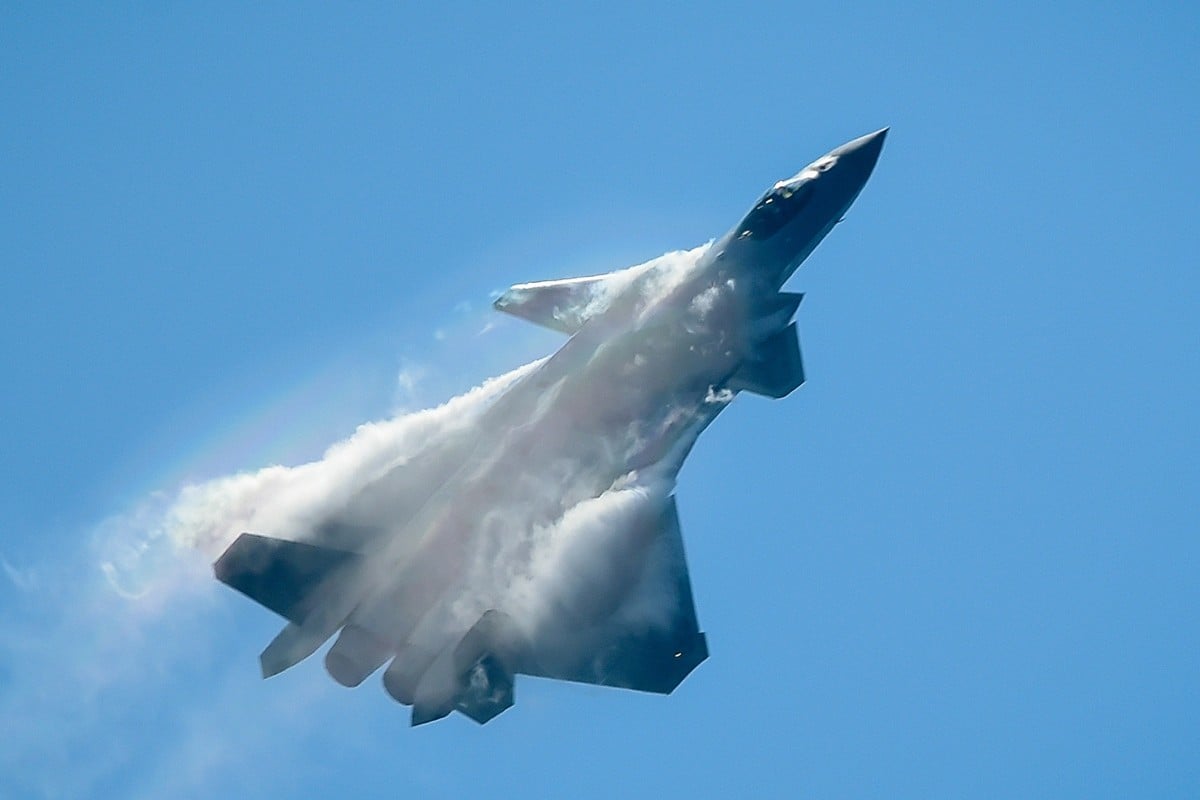
China’s J-20 stealth fighter. Photo: AFP
Chinese scientists have achieved a series of breakthroughs in stealth materials technology that they claim can make fighter jets and other weaponry lighter, cheaper to build and less vulnerable to radar detection.
Professor Luo Xiangang and colleagues at the Institute of Optics and Electronics, Chinese Academy of Sciences in Chengdu, Sichuan province, said they had created the world’s first mathematical model to precisely describe the behaviour of electromagnetic waves when they strike a piece of metal engraved with microscopic patterns, according to a statement posted on the academy’s website on Monday.
With their new model and breakthroughs in materials fabrication, they developed a membrane, known as a meta surface, which can absorb radar waves in the widest spectrum yet reported.
At present, stealth aircraft mainly rely on special geometry – their body shape – to deflect radar signals, but those designs can affect aerodynamic performance. They also use radar absorbing paint, which has a high density but only works against a limited frequency spectrum.
In one test, the new technology cut the strength of a reflected radar signal – measured in decibels – by between 10 and nearly 30dB in a frequency range from 0.3 to 40 gigahertz.
A stealth technologist from Fudan University in Shanghai, who was not involved in the work, said a fighter jet or warship using the new technology could feasibly fool all military radar systems in operation today.
“This detection range is incredible,” the researcher said. “I have never heard of anyone even coming close to this performance. At present, absorbing technology with an effective range of between 4 and 18 GHz is considered very, very good.”
China’s new radar system could spot stealth aircraft from at long range
The lower the signal frequency, the longer a radar’s detection range. But detailed information about a moving target can only be obtained with higher frequency radio waves. Militaries typically use a combination of radars working at different frequencies to establish lines of defence.
The Medium Extended Air Defence System, Nato’s early warning radar, operates at a frequency range of 0.3 to 1 GHz. The American Terminal High Altitude Area Defence system, the missile defence radar that caught Beijing’s attention when it was deployed in South Korea in 2017, operates at frequencies around 10 GHz.
Some airports use extremely short-range, high-frequency radars running at 20 GHz or above to monitor vehicle and plane movements on the ground, but even they might not be able to see a jet with the new stealth technology until it is overhead.
“Materials with meta surface technology are already found on military hardware in China, although what they are and where they are used remains largely classified,” the Fudan researcher said.
Professor Luo Xiangang. Photo: Baidu
Luo and his colleagues could not be reached for comment. But according to the academy’s statement and a paper the team published in the journal Advanced Science earlier this year, the stealth breakthroughs were based upon a discovery they made several years ago.
They found that the propagation pattern of radio waves – how they travelled – in extremely narrow metallic spaces was similar to a catenary curve, a shape similar to that assumed by chains suspended by two fixed points under their own weight.
China tests stealth ‘invisibility cloaks’ on regular fighter jets
Inspired by catenary electromagnetics, the team developed a mathematical model and designed meta surfaces suitable for nearly all kinds of wave manipulation.
These included energy-absorbing materials for stealth vehicles and antennas that can be used on satellites or military aircraft.
Zhu Shining, a professor of physics specialising in meta materials at Nanjing University, said the catenary model was a “novel idea”.
“The Institute of Optics and Electronics in Chengdu has conducted long-term research in this area which paved a solid foundation for their discoveries. They have done a good job,” Zhu said.
“Scientists are exploring new features of metal materials, some of them are already in real-life applications.”


 Image copyright GETTY IMAGES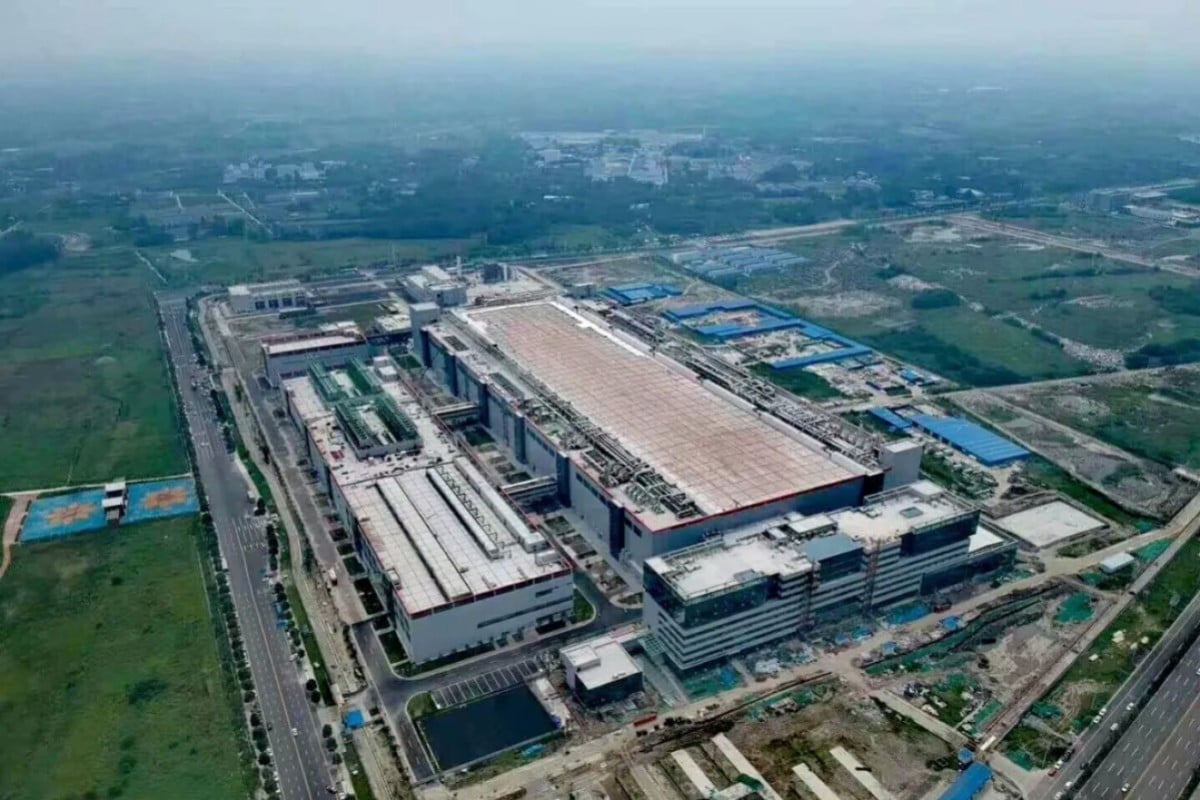









 CHINDIA ALERT: You'll be living in their world, very soon