Chindia Alert: You’ll be Living in their World Very Soon
aims to alert you to the threats and opportunities that China and India present. China and India require serious attention; case of ‘hidden dragon and crouching tiger’.
Without this attention, governments, businesses and, indeed, individuals may find themselves at a great disadvantage sooner rather than later.
The POSTs (front webpages) are mainly 'cuttings' from reliable sources, updated continuously.
The PAGEs (see Tabs, above) attempt to make the information more meaningful by putting some structure to the information we have researched and assembled since 2006.
Chinese groups calling for more ‘fighting spirit’ are getting the upper hand on those who favour calm and cooperation, government adviser says
From Hong Kong to Covid-19, trade to the South China Sea, Beijing and Washington are clashing on a growing number of fronts and in an increasingly aggressive way
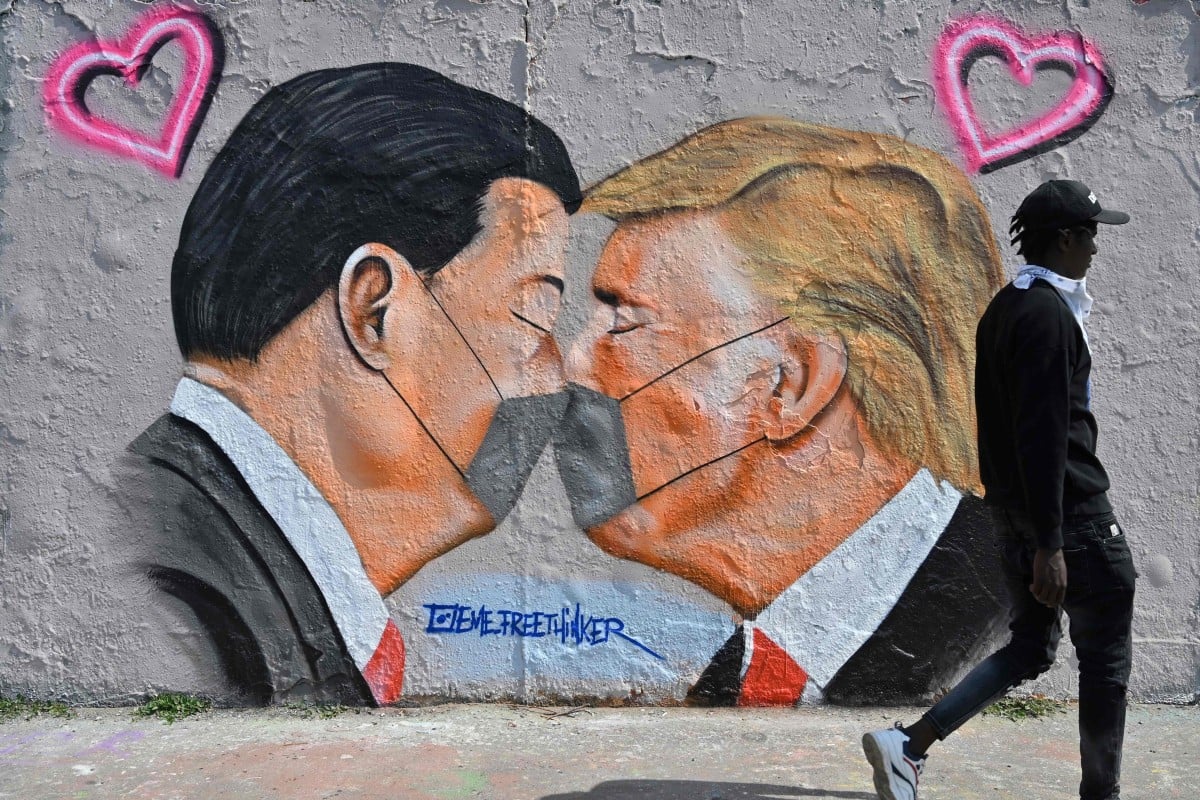
Efforts to promote dialogue and cooperation between the US and China are failing, observers say. Photo: AFP
Moderates who favour dialogue and cooperation as a way to resolve China’s disputes with the United States are losing ground to hardline groups bent on taking the fight to Washington, according to political insiders and observers.
“There are two camps in China,” said a former state official who now serves as a government adviser and asked not to be named.
“One is stressing the combat spirit, the other is trying to relieve tensions. And the former has the upper hand.”
Relations between China and the US are under intense pressure. After Beijing moved to introduce a national security law for Hong Kong, US President Donald Trump said on Friday that Washington would begin eliminating the special policy exemptions it grants the city, as it no longer considers it autonomous from mainland China.
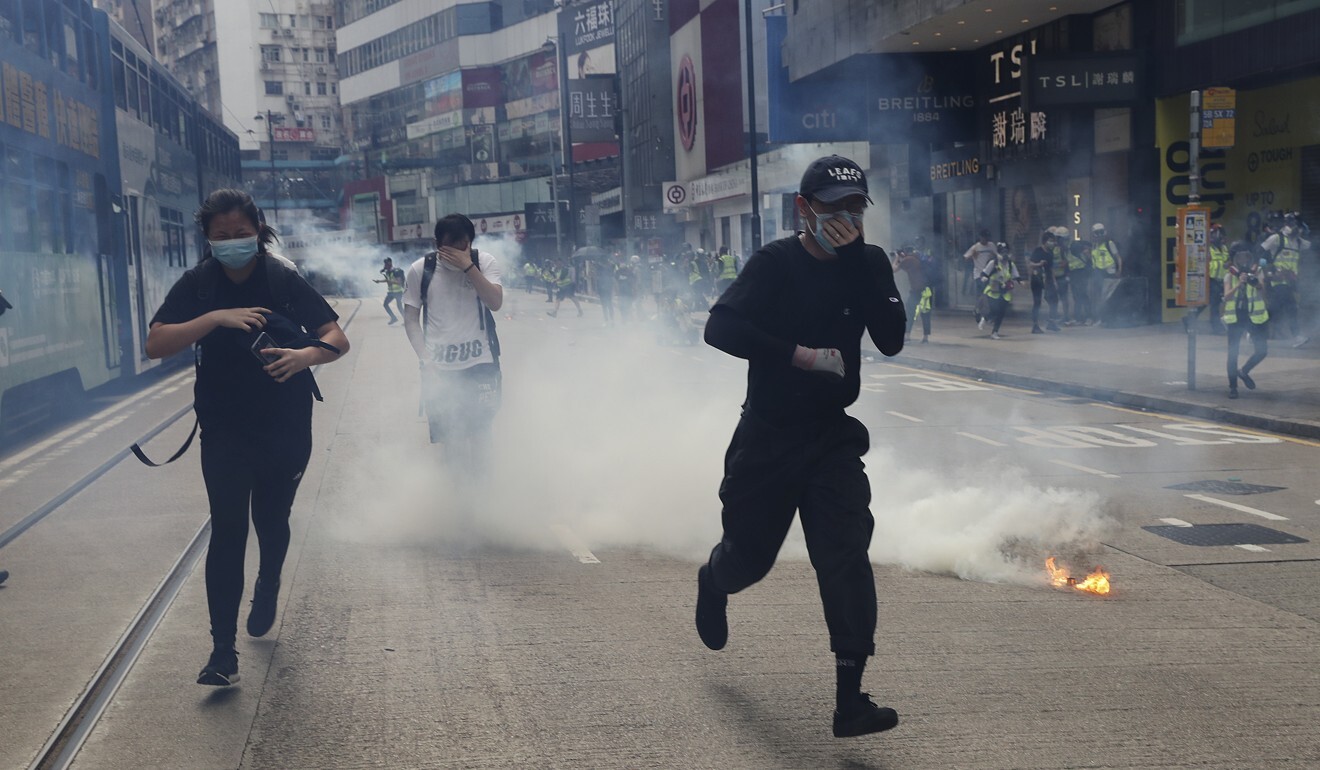
Beijing’s decision to enact a national security law for Hong Kong was met with anger from the US and other Western countries. Photo: Sam Tsang
The two nations have also clashed over trade, Xinjiang, Taiwan and the South China Sea, with the US passing several acts denouncing Beijing and sanctioning Chinese officials.
China has also experienced turbulence in its relations with other countries, including Australia and members of the European Union, mostly related to the Covid-19 pandemic
and Beijing’s efforts to position itself as a leader in the fight against the disease with its policy of “mask diplomacy”.
After Canberra appealed for an independent investigation to be carried out to determine the origins of the coronavirus, Beijing responded by imposing tariffs on imports of Australian barley, showing it is prepared to do more than just trade insults and accusations with its adversaries.
Pang Zhongying, a professor of international relations at Ocean University of China in Qingdao, said there was a worrying trend in China’s relations with other nations.
“We need political and diplomatic means to resolve the challenges we are facing, but … diplomatic methods have become undiplomatic,” he said.
“There are some who believe that problems can be solved through tough gestures, but this will never work. Without diplomacy, problems become confrontations.”
said during his annual press conference on the sidelines of the National People’s Congress last weekend that China and the United States must work together to prevent a new Cold War.
His words were echoed by Chinese Premier Li Keqiang, who said during a press conference after the closure of the legislative session on Thursday that the many challenges facing the China-US relations could only be resolved through cooperation.
However, the government adviser said there was often quite a chasm between what China’s leaders said and what happened in reality.
“Even though we say we do not want a Cold War, what is happening at the working level seems to be different.” he said. “The implementation of policies is not properly coordinated and often chaotic.”
Tensions between China and the US have been in a poor state since the start of a trade war almost two years ago. After multiple rounds of negotiations, the sides in January signed a phase one deal, but the positivity that created was short-lived.
In February, Beijing expelled three reporters from The Wall Street Journal over an article it deemed racist, while Washington has ramped up its military activity in the South China Sea and Taiwan Strait, and threatened to revoke the visas of Chinese students studying science and technology in the US over concerns they might be engaged in espionage.
Beijing has also used its state media and army of “Wolf Warrior” diplomats to promote its narrative, though many Chinese scholars and foreign policy advisers have said the latter’s nationalistic fervour has done more harm than good and appealed to Beijing to adopt a more conciliatory tone.
However, Hu Xijin, editor-in-chief of Chinese tabloid Global Times, said China had no option but to stare down the US, which regarded the world’s most populous nation as its main rival.
“Being contained by the US is too high a price for China to pay,” he said. “I think the best thing people can do is forget the old days of China-US ties”.
Jin Canrong, a professor of international relations at Renmin University in Beijing, wrote in a recent newspaper article that Beijing’s actions – notably enacting a national security law for Hong Kong – showed it was uncompromising and ready to stand its ground against the US.
Wu Xinbo, dean of international studies at Fudan University in Shanghai, agreed, saying relations between the two countries were likely to worsen in the run-up to the US presidential election in November and that Beijing should be prepared for a fight.
But Adam Ni, director of China Policy Centre, a think tank in Canberra, said the issue was not that the moderate camp had been sidelined, but rather Beijing’s perception of the US had changed.
“Beijing has woken up to the idea that America’s tough policy on China will continue and it is expecting an escalation of the tensions,” he said.
“The centre of gravity in terms of Beijing’s perception of the US has shifted, in the same way the US perception of China has shifted towards a more negative image”.
Beijing was simply responding in kind to the hardline, assertive manner of the US, he said.
People’s Liberation Army has officially recorded no infections but disease fears have delayed recruitment, training and operations
Analysts say Sars experience guided military’s prompt response, but combat effectiveness has been affected
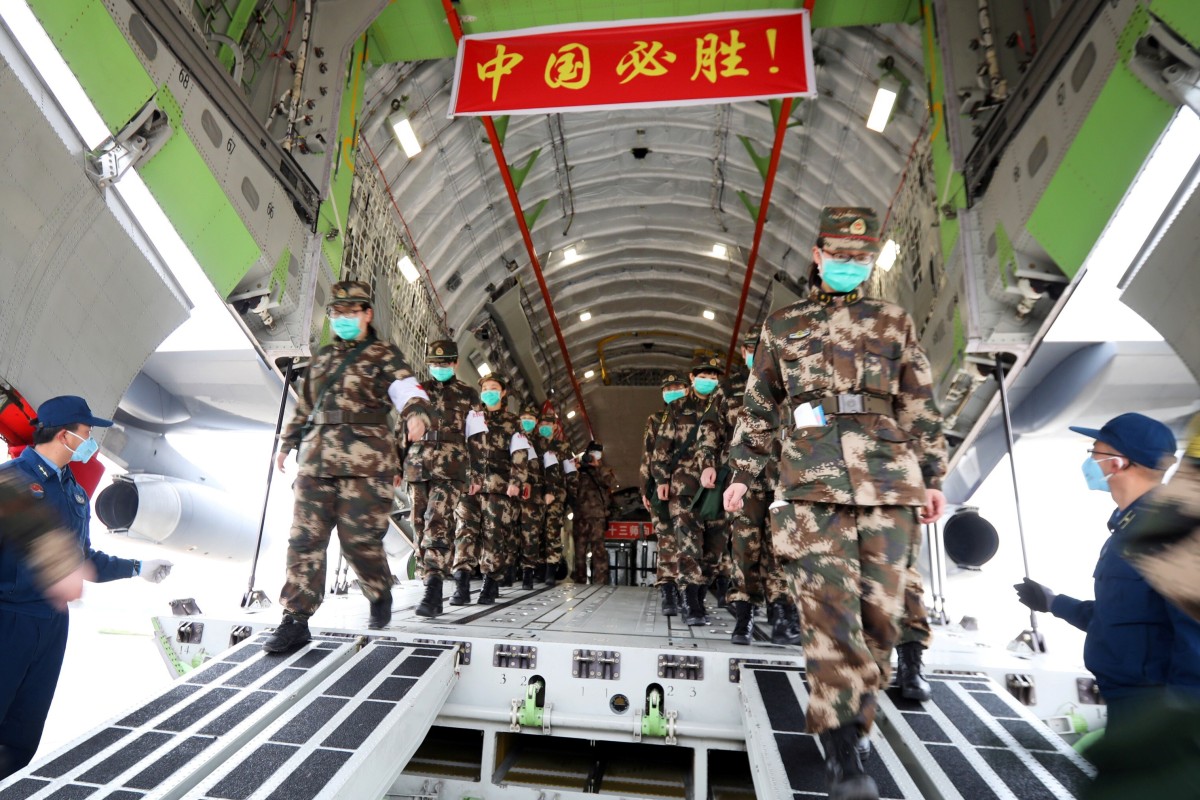
Chinese military medical personnel arriving in Wuhan in February to assist with the coronavirus outbreak response to the February. Photo: Reuters
China’s military may have been spared any coronavirus infections, but the global health crisis has slowed the progress of Chinese President Xi Jinping’s plan to transform the People’s Liberation Army into a modern fighting force capable of long-range power-projecting operations, experts say.
According to China’s defence ministry, the world’s largest armed force – with about 2.3 million personnel – has had zero confirmed cases of Covid-19. In contrast, the US and Russian militaries, ranked second- and third-largest in the world, have reported more than 4,000 and 1,000 respectively.
But the PLA has been affected in other ways by the disease, which was first reported in Wuhan in December before going on to infect 3.9 million people around the world to date.
Safety concerns delayed its annual spring recruitment programme – it has been rescheduled for August – while the PLA Navy was forced to change its training arrangements, switching to classroom study of military theory and tactics, according to Xinhua.
“The PLA is still a conscription army and, given its large turnover of soldiers every year and the late recruitment and training plan this year, the coronavirus pandemic has already affected combat effectiveness,” said Adam Ni, director of the China Policy Centre, an independent, non-profit research organisation based in Canberra, Australia.
China’s military budget will still rise despite coronavirus, experts predict
3 May 2020
The navy’s operations, in particular, would have been affected, according to Charlie Lyons Jones, a researcher from the Australian Strategic Policy Institute’s defence and strategy programme.
“The Chinese navy, short of highly effective disease control measures, is unlikely to avoid similar outbreaks of the novel coronavirus on board its warships,” he said.
“Therefore, even if the PLA Navy currently has zero personnel infected by the novel coronavirus, its position as a navy that can operate effectively in a period of higher-than-normal tension remains precarious at best,” Jones said. He also questioned Beijing’s claims that the military was virus-free.
“The PLA played an important role in China’s response to the coronavirus outbreak in Wuhan … The idea that none of these personnel working on the front lines in Wuhan became infected by the novel coronavirus would be inconsistent with the experiences of countries from around the world,” he said.
More than 4,000 military medical workers were sent to Wuhan as part of China’s effort to contain the outbreak at ground zero – which included the rapid-built emergency field facility, the Huoshenshan hospital – and their efforts were highlighted in a documentary screened recently by state broadcaster CCTV.
China opens coronavirus hospital built in 10 days
At the time, rumours were rampant that the Chinese military had been affected by the coronavirus, fuelled by a report on February 17 by the official PLA Daily that some soldiers had been placed in quarantine and Yu Qiusong, captain of the Changzhou type 054A frigate, was isolating in a guest house. The news report did not mention why the personnel were in quarantine.
But analysts said that whether the official numbers were accurate, the PLA’s closed management, fast response and past experience with severe acute respiratory syndrome (Sars) gave China’s military an advantage in keeping the coronavirus at bay.
Zhou Chenming, a Beijing-based military observer, said a key reason for the less serious hit to the PLA compared to other forces was its speed in recognising the severity of the situation.
“What’s more, the PLA has its own logistic support system that can help minimise its contact with the outside world, thus reducing the possibility of contracting the virus,” he said.
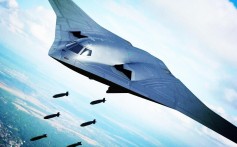
China’s long-range stealth bomber could make its debut this year
4 May 2020
According to Xinhua, the PLA’s Centre for Disease Control and Prevention drew up an emergency response plan and mobilisation arrangements on January 20, the same day Xi issued an instruction to the public that the virus must be “resolutely contained”.
Timothy Heath, a senior international defence research analyst with the Rand Corporation, a US think tank, said China’s military had benefited from its less international role, compared to US forces.
“The US is a globally distributed force while the Chinese military largely operates on the mainland. The US thus faces challenges in containing the disease that the Chinese military does not have to face … and the US military has a large range of missions and tasks it carries out to counter threats to its allies and partners, as well as to US security. This complicates efforts by the US military to carry out disease control measures,” he said.
SYDNEY (Reuters) – The Australian government said on Friday it would meet a week ahead of schedule to decide whether to ease social distancing restrictions, as the numbers of new coronavirus infections dwindle and pressure mounts for business and schools to reopen.
Australia has reported about 6,700 cases of the new coronavirus and 93 deaths, well below the levels reported in the United States and Europe. Growth in new infections has slowed to less 0.5% a day, compared to 25% a month ago.
Prime Minister Scott Morrison said it was imperative to lift social distancing restrictions as early as possible as 1.5 million people were now on unemployment benefits and the government forecast the unemployment rate to top 10% within months.
“We need to restart our economy, we need to restart our society. We can’t keep Australia under the doona,” Morrison said, using an Australian word for quilt.
Morrison’s government has pledged spending of more than 10% of GDP to boost the economy but the central bank still warns the country is heading for its worst contraction since the 1930s.
With less than 20 new coronavirus cases discovered each day, Morrison said state and territory lawmakers would meet on May 8 – a week earlier than expected – to determine whether to lift restrictions.
“Australians deserve an early mark for the work that they have done,” Morrison told reporters in Canberra.
Australia attributes its success in slowing the spread of COVID-19 to social distancing restrictions imposed in April, including the forced closures of pubs, restaurants and limiting the size of indoor and outdoor gatherings.
Morrison said 3.5 million people had downloaded an app on their smartphones designed to help medics trace people potentially exposed to the virus, though the government is hoping for about 40% of the country’s 25.7 million population to sign up to ensure it is effective.
Cabinet will also decide next week how to restart sport across the country, the prime minister said.
The government says any resumption of sport should not compromise the public health, and recommends a staggered start beginning with small groups that play non-contact contact sport outdoors.
The recommendations suggests Australia’s National Rugby League (NRL) competition may not get permission to restart its competition as soon as many in the sports-mad country would like.
A push to connect Pacific nations highlights a submarine struggle for dominance over the world’s technology infrastructure
The ambitions of Chinese tech giants like Huawei, which have laid thousands of kilometres of cable, are of increasing concern to Washington
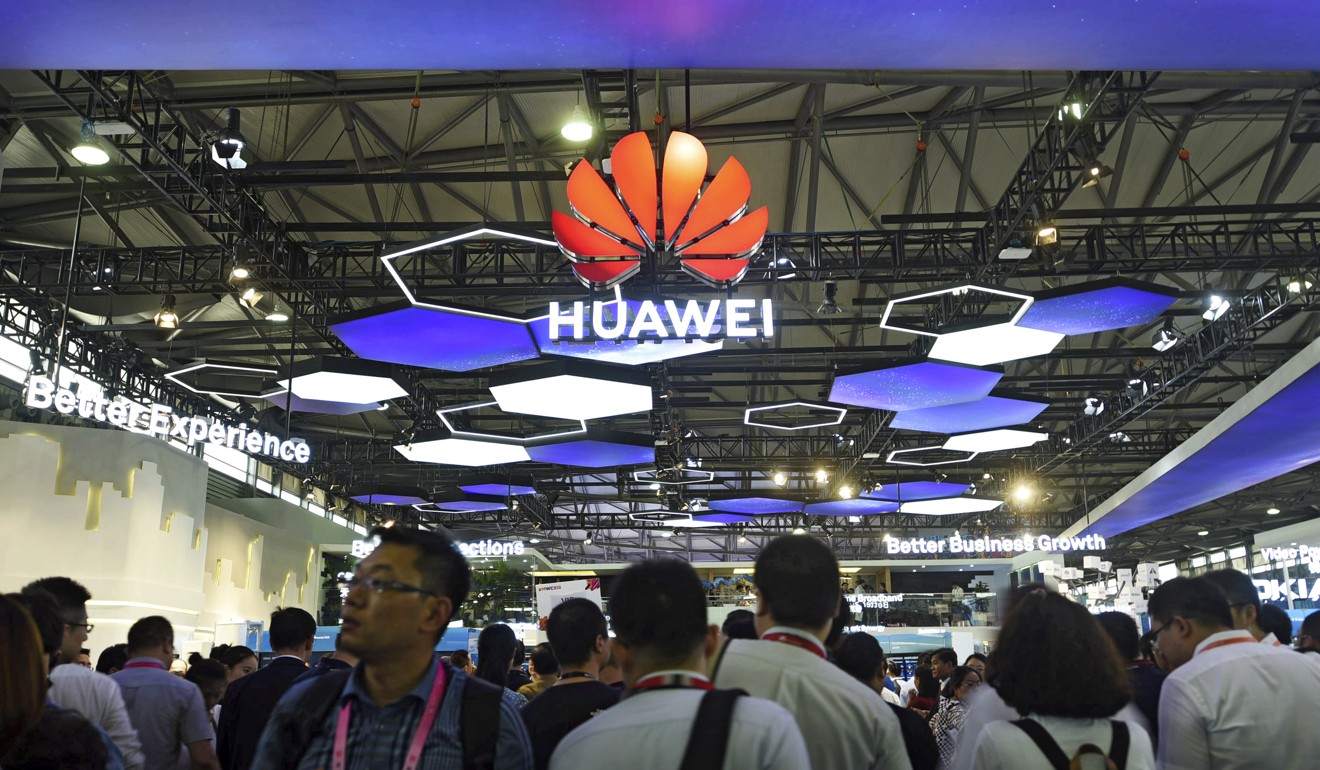
The ambitions of Chinese tech giants like Huawei, which have laid thousands of kilometres of cable, are of increasing concern to Washington. Photo: Reuters
While the US has been upping the pressure on its allies not to include equipment made by Chinese telecom giants like Huawei and ZTE in their 5G systems, Chinese companies have gained a foothold in some of the world’s most essential communications infrastructure – undersea internet cables.
Smart telecom cables: climate change hope or submarine spying tech?
14 Dec 2019
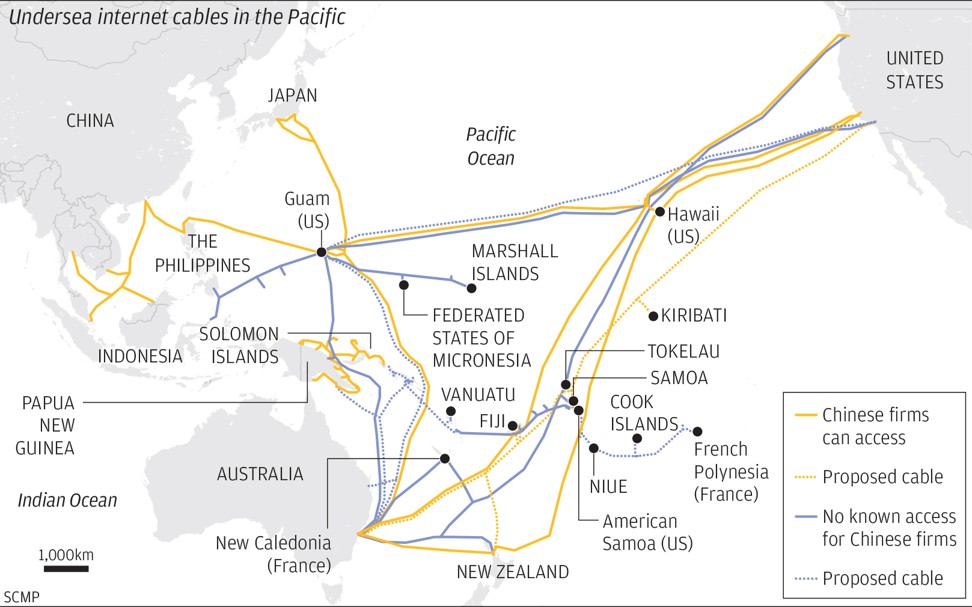
Almost all global data communications flow through cables under the ocean – just one per cent travels by satellite – and Chinese companies have quietly been eroding US, European and Japanese dominance over the backbone of the internet, the undersea cable market. Now, they have trained their sights on connecting one of the most virtually remote parts of the globe, the Pacific Island countries.
Of the 378 cables currently operating worldwide, 23 are under the Pacific. But many of these cables run right by Pacific Island nations on their paths between hubs in Los Angeles, Tokyo and Singapore.
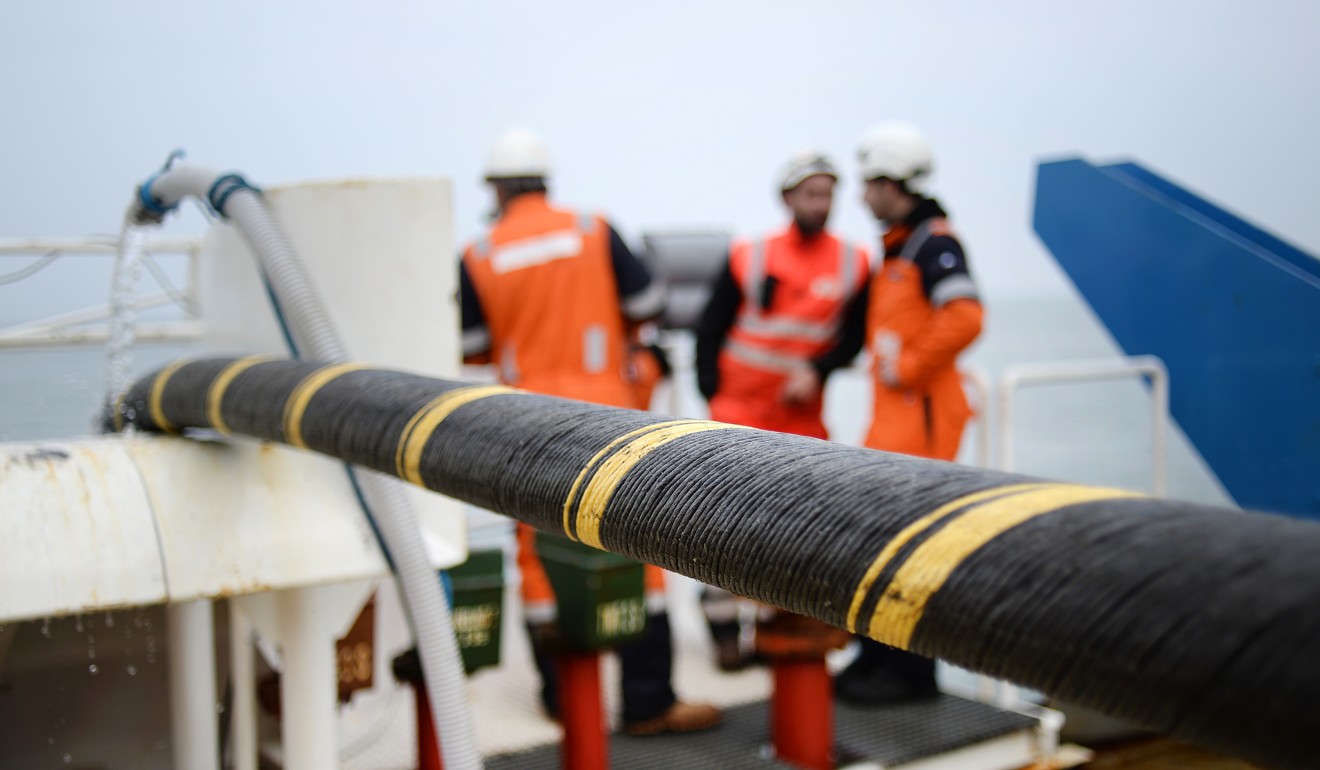
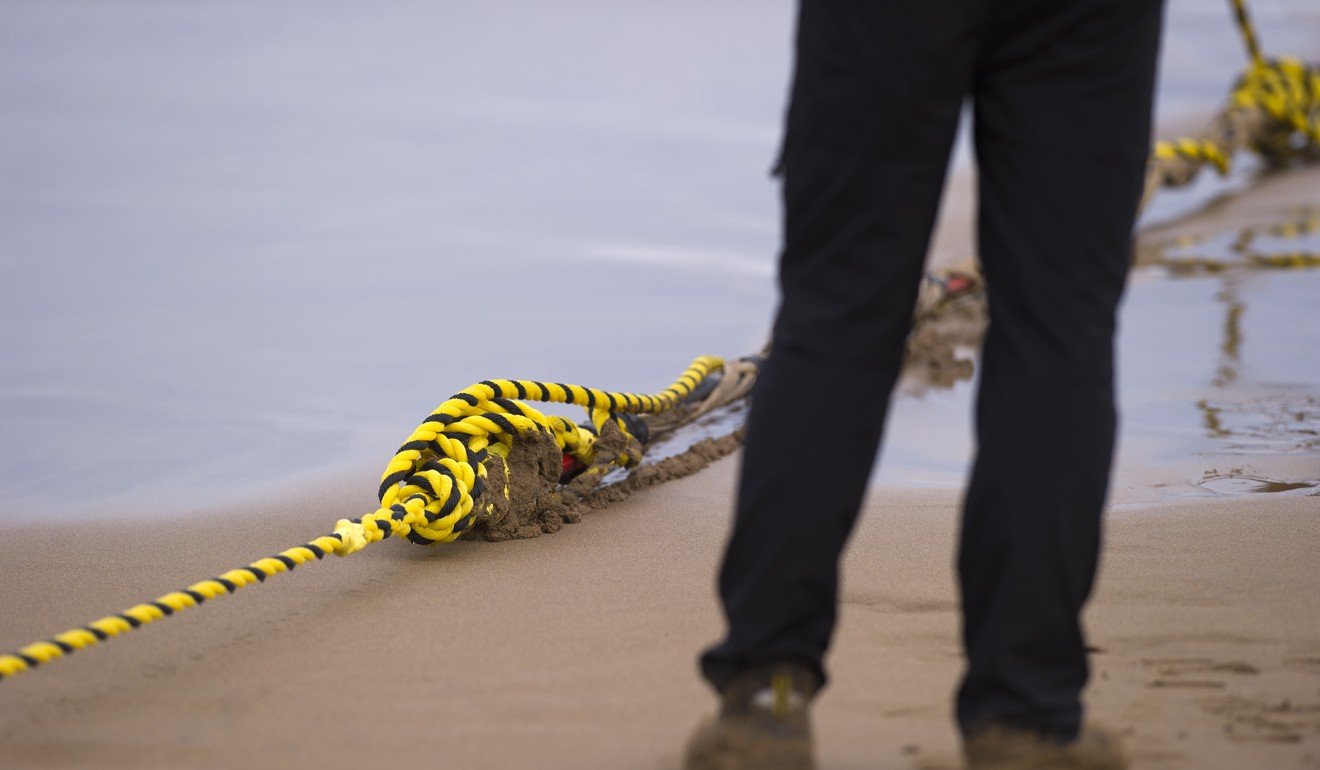
An electric submarine cable and optical fibre. File photo
Despite the volume of data flowing under the Pacific Ocean, just half a million of the 11 million people living in Pacific Island countries and Papua New Guinea – less than five per cent – have access to a wired internet connection and only 1.5 million to a mobile connection, according to the United Nations Economic and Social Commission for the Asia Pacific (UNESCAP), compared with 53 per cent of people in Thailand and 60 per cent in the Philippines.
More than US$4 billion worth of cables are to come into service by 2021, continuing a trend in which US$2 billion worth of cables have come online every year since 2016, and six of these cables will connect Pacific Island countries.
The push to connect Pacific Island nations to the latest generation of internet infrastructure has received extra scrutiny from the US and its allies like Australia
over the involvement of Chinese tech companies.
Choose Beijing over Taipei, Solomon Islands task force recommends
13 Sep 2019
SECURITY CONCERNS
While the US has moved to block Huawei from supplying equipment to its allies’ 5G networks, experts say Chinese tech companies could contest the US, EU and
long-standing dominance over global data traffic through investments in subsea cables.
Chinese tech giants like Huawei have entire divisions devoted to undersea connectivity that have laid thousands of kilometres of cable, and Chinese state telecommunication companies such as China Unicom have access to many of the existing trans-Pacific cables.
But a panel led by the US Department of Justice has held up a nearly complete trans-Pacific cable project over concerns about its Chinese investor, Beijing-based Dr Peng Telecom & Media Group.
The project, the Pacific Light Cable Network, could be the first cable rejected by the panel on the grounds of national security – despite being backed by American tech giants Google and Facebook – setting a precedent for a tougher US stance on Chinese involvement in subsea cables.
Chinese tech giants like Huawei have entire divisions devoted to undersea connectivity that have laid thousands of kilometres of cable. Photo: AP
Craige Sloots, director of sales at Southern Cross Cable Network, which operates the largest existing sets of trans-Pacific cables, said for any new cable, regulators were likely to scrutinise the ownership of the companies involved and the maker of the project’s equipment.
These two factors, said Sloots, “pragmatically limit some of the providers you can use if you want to connect through the US”.
Experts say that Hong Kong, where the stalled Pacific Light Cable would land, was previously considered a more secure shore landing point than mainland China. But people close to the project say the recent unrest in the city has made this distinction less relevant, according to The Wall Street Journal.
If these nations want to be part of the international economy, they need reliable communications: Bruce Howe, University of Hawaii
Similar concerns caused a proposed Huawei-backed cable linking Vanuatu with Papua New Guinea to be called off last year after Australia stepped in to fund its own cable instead.
Just months after the government-owned Solomon Islands Submarine Cable Company agreed to the project with Huawei in mid-2017, Canberra put up US$67 million to connect Sydney with the Solomon Islands and Papua New Guinea with cables laid under the Coral Sea by Nokia’s Alcatel Submarine Networks.
Simon Fletcher, CEO of Vanuatu company Interchange, which had been planning another cable in the neighbourhood connecting Vanuatu with the Solomon Islands, said the Coral Sea project undercut the viability for small private businesses to operate in the fledgling market, where services had historically been provided by international organisations like development banks. His company’s cable has been on pause since the announcement of the Coral Sea project, though Fletcher said it would go forward next year.
US-China battle for dominance extends across Pacific, above and below the sea
22 Jul 2019
VIRTUALLY REMOTE
For years, as Japan, Hong Kong and Singapore became global hubs of high-speed internet data traffic, the cables criss-crossing the ocean floor passed by just off the shores of Pacific Island countries en route between hubs on either side of the ocean.
Tiziana Bonapace, director of UNESCAP’s information technology and disaster risk-reduction division, said the Pacific Islands remain one of the most disconnected areas in the world, where “a vast proportion of the population has no access to the internet”.
Over the past five years, international organisations like UNESCAP, the Asia Development Bank and the World Bank have been pushing for better connectivity in the region. The World Bank’s Pacific Regional Connectivity Programme has invested more than US$90 million into broadband infrastructure for Fiji, the Federated States of Micronesia, Kiribati, the Marshall Islands, Palau, Samoa and Tuvalu.
Internet cables in the Pacific Ocean.
But the business case had never been good, said Bonapace.
“A cable has to travel thousands of kilometres just to connect a population smaller than one of Asia’s megacities,” she said. “As everything we do is somehow connected to the internet, the prospects for the Pacific to become virtually more remote are even higher.”
Even nations which are connected have tenuous infrastructure. In January, Tonga experienced a total internet blackout for two weeks after damage to its single cable. Most parts of the world were linked by multiple cables to prevent this type of outage, said Bruce Howe, professor of ocean and resources engineering at University of Hawaii.
“If these nations want to be part of the international economy, they need reliable communications,” Howe said.
Is Chinese support for Pacific nations shaping their stance on West Papua?
26 Aug 2019
DRAWING NEW LINES
In Papua New Guinea, where mobile internet currently reaches less than a third of the population, a partnership between local telecoms company GoPNG and the Export-Import Bank of China funded the new Huawei-built Kumul Domestic cable system, which came online this year.
The Southern Cross Next system, owned by Spark, Verizon, Singtel Optus and Telstra – the same group of shareholders which operates the massive 30,500km (19,000 mile) set of twin cables connecting the US with Australia and New Zealand known as Southern Cross – is planned to come online in 2022, and will connect directly to Fiji, Samoa, Kiribati and Tokelau.
Chinese telecoms company China Unicom counts the existing Southern Cross cables among its network capabilities – meaning it is likely to have access to the cable through a leasing agreement with one of the other companies that uses the cable, according to Canberra think tank the Australian Strategic Policy Institute (ASPI).
An undersea fibre optic cable. Photo: AFP
China Unicom and China Telecom also list the Asia America Gateway Cable System as one of their network capabilities, according to ASPI. The 20,000km (12,400-mile) cable came online in 2009 and connects the US, Guam, Hong Kong, Brunei, the Philippines, Singapore, Malaysia, Vietnam and Thailand.
It is owned by a consortium of carriers including AT&T, Telekom Malaysia, Telstra and Spark.
A cable backed by Google and the Australian Academic and Research Network connecting Japan and Australia through Guam is to come online early next year.
China: the real reason Australia’s pumping cash into the Pacific?
28 Jul 2018
WHAT’S NEXT
Natasha Beschorner, senior digital development specialist at the World Bank, said that while there were challenges ahead in terms of broadband access and affordability, increased connectivity was starting to bring new opportunities to the Pacific.
“Digital technologies can contribute to economic diversification, income generation and service delivery in the Pacific,” Beschorner said. “E-commerce and financial technologies are emerging and governments are considering how to roll out selected services online.”
Experts say the industry has recently seen a switch from cables being mostly funded by telecommunication carriers to being funded by content providers, like Google and Facebook. Members of the private cable industry say content companies can afford to invest in cable infrastructure to ensure the supply chain for their customers, but that the competition puts the squeeze on the research-and-development budgets of other types of companies.
Sloots at Southern Cross predicted that the nations which connected directly to the massive next-generation cable – Samoa, Kiribati and Tokelau – would be able to function as connecting points for intra-Pacific cables.
“There’s a blossoming effect in capability once certain islands are connected,” Sloots said.
There is also the push to locate an exchange point within the Pacific so that internet data no longer has to travel to a hub in Tokyo or Los Angeles and back to Pacific nations when processing – a move that could ultimately lower the cost of broadband internet service for consumers in the Pacific.
Perhaps the most effective outcome could be for Pacific nations to cut the cord and receive their internet by satellite.
The Asian Development Bank has agreed to give a US$50 million loan to Singapore’s Kacific Broadband Satellites International to provide up to two billion people across the Asia-Pacific region with affordable satellite-based internet.
The project is to be launched into orbit by SpaceX next week and aims to begin providing service by early next year.
‘Snow Dragons’ Xuelong and Xuelong II leave on China’s 36th Antarctic expedition
Mission to resource-rich continent carries great scientific and economic weight
A ceremony is held for the maiden voyage of China’s home-built polar icebreaker Xuelong II in Shenzhen, Guangdong province. Photo: Xinhua
China has sent two icebreakers to the Antarctic in its most ambitious polar expedition to the Earth’s resource-rich southernmost continent yet.
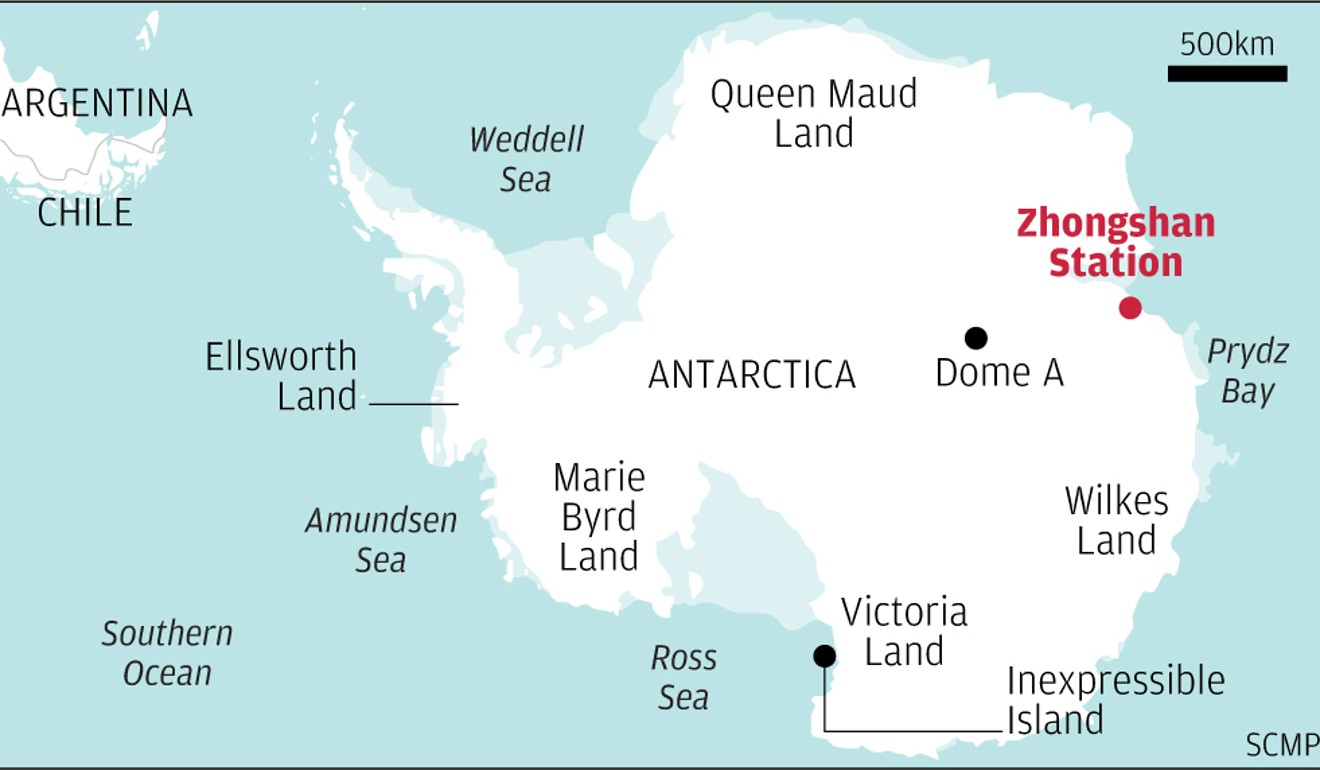
The Xuelong, or Snow Dragon, left Shanghai on Tuesday morning with a crew of 107 and 1,450 tonnes of supplies on board. It is expected to meet another icebreaker, Xuelong II, at Zhongshan Station on Prydz Bay in East Antarctica in late November before the ships carry out separate missions in the region.
This will be the 36th official Antarctic expedition for China, and the first involving two research icebreakers. Xuelong II, the first Chinese-built vessel of its kind, was commissioned in July and left for its maiden Antarctic journey last week. The ships will be back in China by late spring next year.
The voyages have been hailed by state media as “the start of China’s new era of polar exploration”. Zhao Yanping, the captain of Xuelong II, was quoted by the Science Daily website as saying that experts believed the ships could significantly expand Chinese science missions in the polar regions.
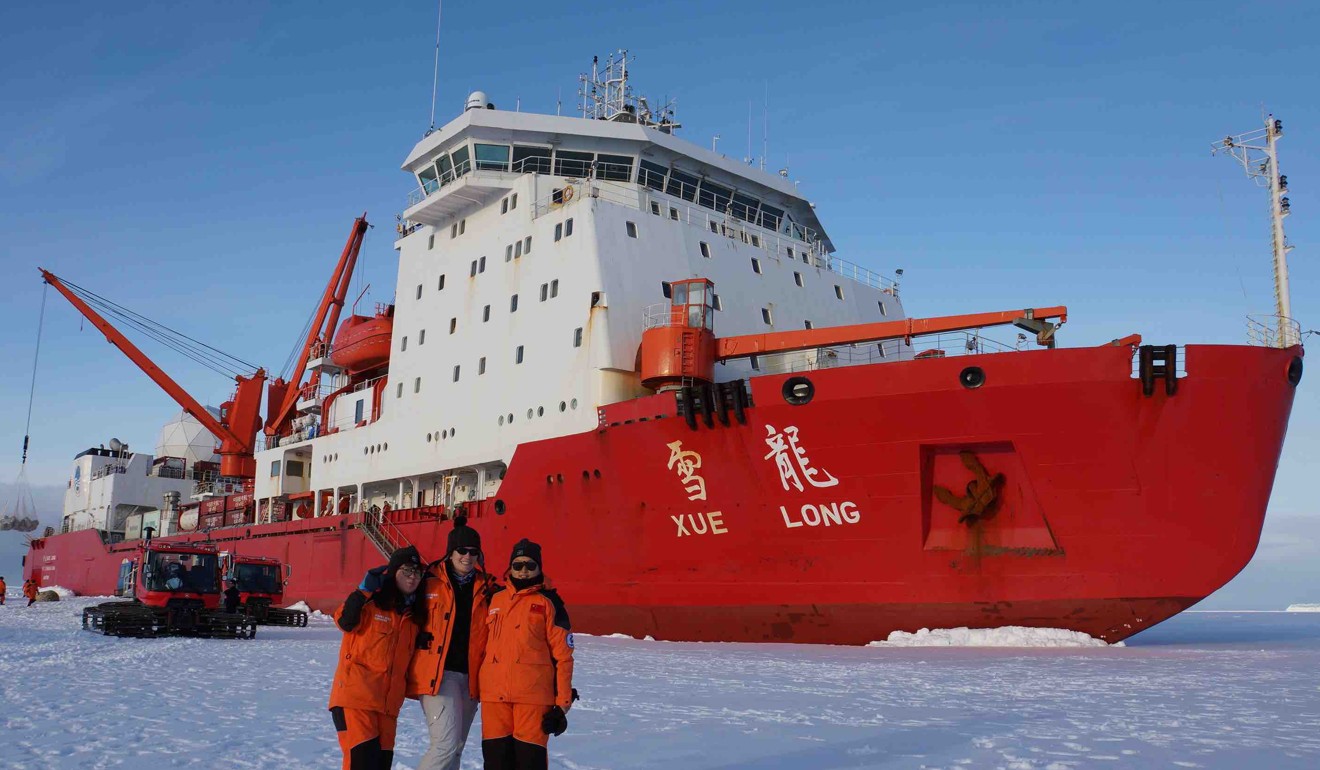
China’s Xuelong icebreaker was bought from Ukraine in 1994. Photo: Handout
Xuelong II, with propellers at bow and stern, can make up to 15 knots (28km/h) in open water and three knots (5.6km/h) when breaking ice. Observers said it could pave the way for a nuclear-powered icebreaker.
Xuelong, the country’s first polar research vessel, bought from Ukraine in 1994, is to carry out surveys in the Amundsen and Ross seas.
A report by The Beijing News said that Xuelong’s crew would also visit Inexpressible Island in Terra Nova Bay on the Ross Sea to help in construction work on China’s fifth Antarctic scientific station, which is expected to be operational in 2022.
How Chinese access to Chilean port could give Antarctic exploration activities a boost
Since it joined the Antarctic Treaty in June 1983, China has steadily increased its stakes in a region that contains vast, untapped natural resources, including oil, gas and minerals.
Last year, China announced it would begin building its first permanent airfield on Antarctica – a 1,500 metre strip to be located on an ice cap about 28 kilometres from Zhongshan Station.
Meanwhile, Chinese businesses have taken an interest in the region. Food companies have been among the largest players in fishing krill – tiny, protein-rich shrimp-like creatures that are abundant in Antarctic waters. Tourists from China now account for 16 per cent of the total number of travellers to the world’s last great untouched wilderness, second to visitors from the United States, according to the International Association of Antarctica Tour Operators.
While Beijing said its engagement in the Antarctic would be “peaceful” and the focus of its expeditions was on protecting the environment, its growing presence there has raised concerns in the West, particularly among established explorers such as Australia and the US.
Australia said at the annual meeting of the Commission for the Conservation of Antarctic Marine Living Resources in Hobart, Tasmania, this week, that despite opposition from China and Russia, it would push for the creation of marine reserves off East Antarctica.
China’s new icebreaker Snow Dragon II ready for Antarctica voyage later this year
China and Australia have also been at odds over Beijing’s proposal to establish a code of conduct for the region around Dome A on the Antarctic Plateau, an area on the top of the ice sheet ideal for space and satellite observation. Canberra rejected the proposal, saying that Dome A is inside its territory.
Academic on-board the HMAS Canberra says pilots were struck by lasers on a voyage from Vietnam to Singapore, during which they were being tailed by a Chinese warship
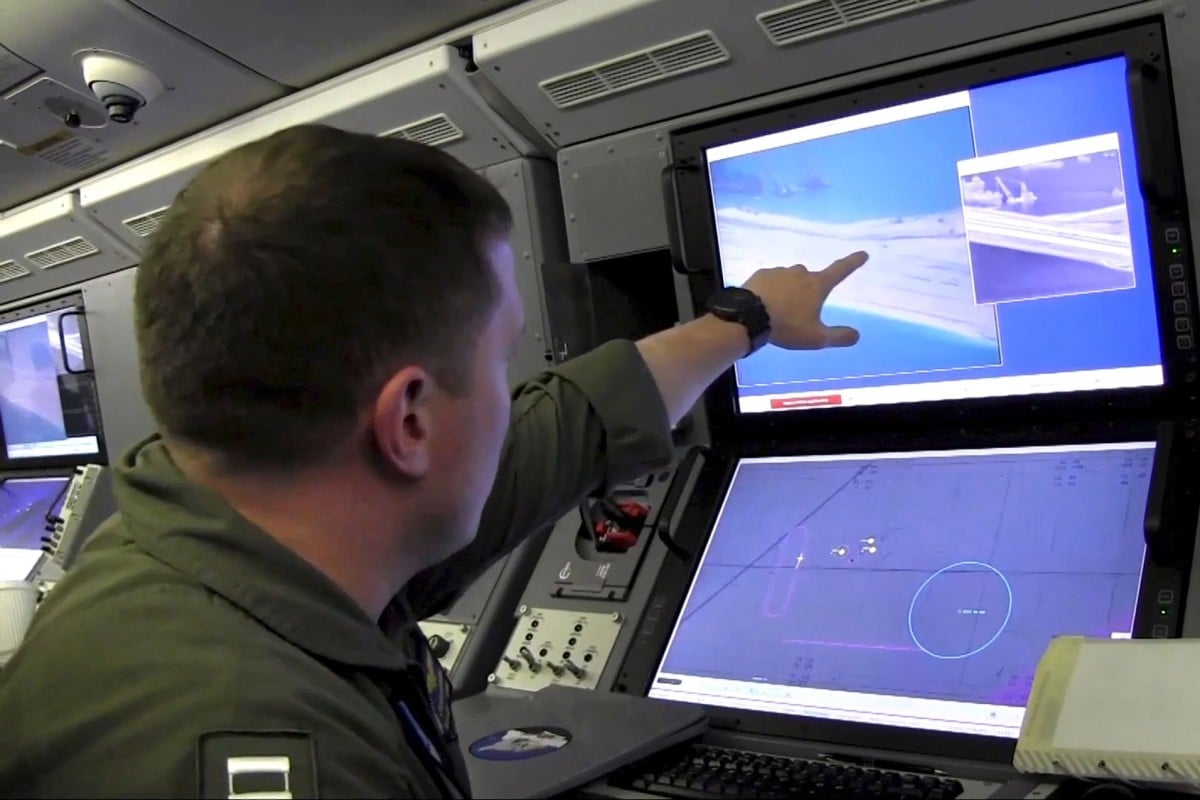
US Navy personnel point at a computer screen showing Chinese activity on the Fiery Cross Reef in the Spratly Islands in the South China Sea. An Australian scholar said
Chinese ships pointed lasers at them during a flight over the disputed sea. Photo: Reuters
Australian navy helicopter pilots were hit by lasers and forced to land during exercises in
flagship HMAS Canberra during a voyage from Vietnam to Singapore, said the lasers had been pointed from passing fishing vessels while the Canberra was being
“Was this startled fishermen reacting to the unexpected? Or was it the sort of coordinated harassment more suggestive of China’s maritime militia? It’s hard to say for sure, but similar incidents have occurred in the western Pacific,” he wrote on the website The Strategist run by the Australian Strategic Policy Institute, an independent, non-partisan think tank based in Canberra.
His account of the incident appeared on Tuesday.
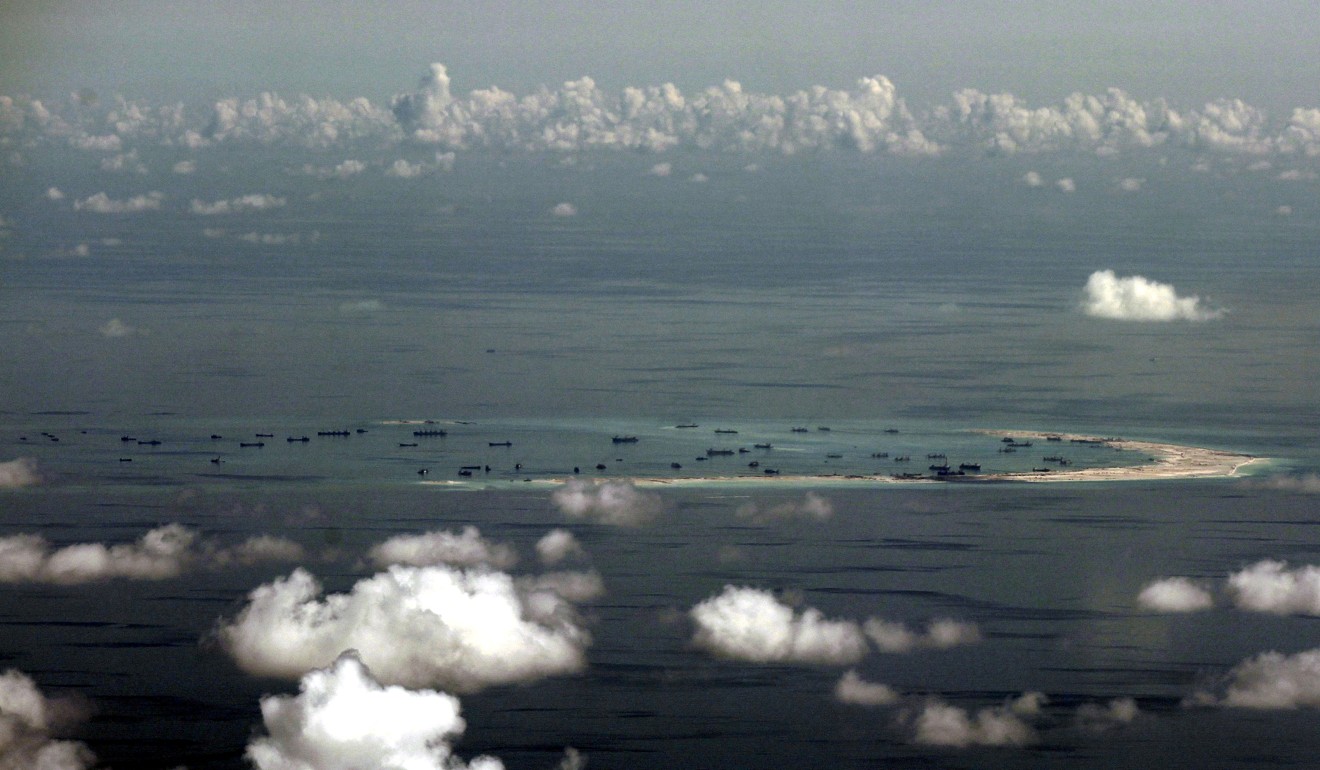
The Mischief Reef in the Spratly Islands in the South China Sea, where China is said to be increasing its military presence. Photo: Reuters
China maintains a robust maritime militia in the South China Sea, composed of fishing vessels equipped to carry out missions just short of combat. China claims the strategic waterway virtually in its entirety and is sensitive to all foreign naval action in the area, especially by
Similar incidents involving lasers and the Chinese military have been reported as far away as Djibouti, where the US and China have bases. Last year, the US complained to China after lasers were directed at aircraft in the Horn of Africa nation, causing minor injuries to two American pilots.
China denied that its forces targeted the US military aircraft.
Graham said that while bridge-to-bridge communications with the Chinese during the voyage were courteous, the Chinese requested the Australian warships notify them in advance of any corrections to their course.
That was something the Australian navy was “not about to concede while exercising its high-seas freedoms”, Graham wrote.
In South China Sea, Asean has a choice: ‘Asian values’ or rule of law?
He wrote that the constant presence of Chinese vessels shadowing foreign ships appeared to indicate that the Chinese fleet had grown large enough to allow it to have vessels lying in wait for just such orders.
He said their trailing actions also appeared to show that China’s over-the-horizon surveillance capability was also maturing, supported by technology based at points such as Fiery Cross Reef in the contested Spratly island group where China has built military installations and an airstrip atop coral reefs.
Five other governments have claims in the South China Sea that overlap with China’s, and the US and its allies insist on the right to sail and fly anywhere in the area is permitted under international law, despite China’s differing interpretation of such guidelines.
Graham, who is executive director of La Trobe Asia at La Trobe University in Australia, was one of several academics invited to observe Australia’s engagement exercise Indo-Pacific Endeavour 2019.
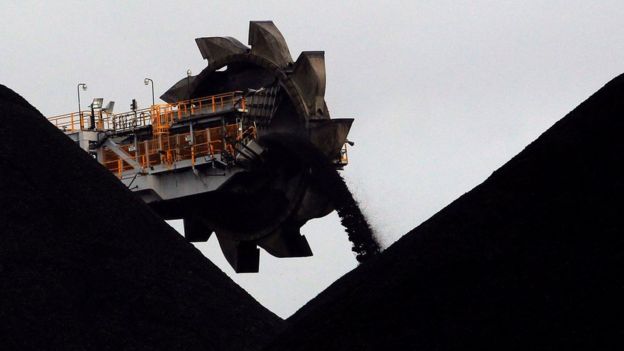
Image copyrightGETTY IMAGESImage captionOne of China’s biggest ports is reported to have halted Australian coal imports
The Australian government says it is seeking an “urgent” clarification from Beijing over reports that a major Chinese port has halted imports of Australian coal.
Australia is a top supplier of coal to China, its biggest export market.
Beijing has not confirmed the reported halt in the port of Dalian, but called changes in such arrangements “normal”.
Canberra sought to play down speculation on Friday that the matter may be linked to bilateral tensions.
Australian officials said there was “confusion” over the situation, and they were consulting their Chinese counterparts.
“I wouldn’t jump to conclusions. The Australia-China trading relationship is exceptionally strong,” Treasurer Josh Frydenberg told the Australian Broadcasting Corporation.
Fears about the issue have prompted a fall in the Australian dollar.
What has happened?
On Thursday, Reuters reported that China’s Dalian port region would not allow Australian coal to pass through customs.
The news agency quoted officials as saying that only Australian coal had been affected, with no limits placed on Indonesian and Russian shipments.
It said other Chinese ports had delayed Australian coal shipments in recent months.
Image copyrightREUTERSImage captionCoal is Australia’s biggest export commodity
Australian trade officials said they had been notified of recent industry concerns about market access.
When asked about the reported halt, Chinese Foreign Ministry spokesman Geng Shuang offered general comments that authorities sought “to safeguard the rights and interests of Chinese importers and protect the environment”.
“The banning of those coal shipments is a form of coercion against Australia. It’s punishment against states that resist China’s pressure,” said Dr Malcolm Davis, from the Australian Strategic Policy Institute.
Other recent tensions have emerged over allegations – denied by Beijing – of Chinese interference in Australian politics and society.
However others, including the head of the Reserve Bank of Australia, have suggested that China’s concerns about its own coal industry may be behind any such halts.
Blocking “a couple of months of coal exports” would not hurt the Australian economy, said Philip Lowe.
“If it were to be the sign of a deterioration in the underlying political relationship between Australia and China then that would be more concerning,” he said.
Mr Frydenberg said: “We can see these occasional interruptions to the smooth flow but that doesn’t necessarily translate to some of the consequences that aspects of the media might seek to leap to.”
Image copyrightGETTY IMAGESImage captionOne of China’s biggest ports is reported to have halted Australian coal imports
The Australian government says it is seeking an “urgent” clarification from Beijing over reports that a major Chinese port has halted imports of Australian coal.
Australia is a top supplier of coal to China, its biggest export market.
Beijing has not confirmed the reported halt in the port of Dalian, but called changes in such arrangements “normal”.
Canberra sought to play down speculation on Friday that the matter may be linked to bilateral tensions.
Australian officials said there was “confusion” over the situation, and they were consulting their Chinese counterparts.
“I wouldn’t jump to conclusions. The Australia-China trading relationship is exceptionally strong,” Treasurer Josh Frydenberg told the Australian Broadcasting Corporation.
Fears about the issue have prompted a fall in the Australian dollar.
What has happened?
On Thursday, Reuters reported that China’s Dalian port region would not allow Australian coal to pass through customs.
The news agency quoted officials as saying that only Australian coal had been affected, with no limits placed on Indonesian and Russian shipments.
It said other Chinese ports had delayed Australian coal shipments in recent months.
Image copyrightREUTERSImage captionCoal is Australia’s biggest export commodity
Australian trade officials said they had been notified of recent industry concerns about market access.
When asked about the reported halt, Chinese Foreign Ministry spokesman Geng Shuang offered general comments that authorities sought “to safeguard the rights and interests of Chinese importers and protect the environment”.
“The banning of those coal shipments is a form of coercion against Australia. It’s punishment against states that resist China’s pressure,” said Dr Malcolm Davis, from the Australian Strategic Policy Institute.
Other recent tensions have emerged over allegations – denied by Beijing – of Chinese interference in Australian politics and society.
However others, including the head of the Reserve Bank of Australia, have suggested that China’s concerns about its own coal industry may be behind any such halts.
Blocking “a couple of months of coal exports” would not hurt the Australian economy, said Philip Lowe.
“If it were to be the sign of a deterioration in the underlying political relationship between Australia and China then that would be more concerning,” he said.
Mr Frydenberg said: “We can see these occasional interruptions to the smooth flow but that doesn’t necessarily translate to some of the consequences that aspects of the media might seek to leap to.”








 CHINDIA ALERT: You'll be living in their world, very soon