Archive for ‘China alert’

16/04/2019

Xi goes to Chongqing on inspection tour

CHINA-CHONGQING-XI JINPING-INSPECTION (CN)

Chinese President Xi Jinping, also general secretary of the Communist Party of China Central Committee and chairman of the Central Military Commission, talks with villagers to learn about the progress of poverty alleviation and in solving prominent problems including meeting the basic need of food and clothing and guaranteeing compulsory education, basic medical care and safe housing, in Huaxi Village of Shizhu Tujia Autonomous County, southwest China’s Chongqing, April 15, 2019. Xi went on an inspection tour in southwest China’s Chongqing Municipality Monday. (Xinhua/Xie Huanchi)

CHONGQING, April 15 (Xinhua) — Xi Jinping, general secretary of the Communist Party of China Central Committee, went on an inspection tour in southwest China’s Chongqing Municipality Monday.

Source: Xinhua

16/04/2019

Premier Li meets Japanese officials

CHINA-BEIJING-LI KEQIANG-JAPANESE OFFICIALS-MEETING (CN)

Chinese Premier Li Keqiang meets with Japanese Foreign Minister Taro Kono and some other cabinet ministers who are here to attend the fifth high-level economic dialogue between China and Japan in Beijing, capital of China, April 15, 2019. (Xinhua/Rao Aimin)

BEIJING, April 15 (Xinhua) — Chinese Premier Li Keqiang Monday met with Japanese Foreign Minister Taro Kono and some other cabinet ministers who were here to attend the fifth high-level economic dialogue between China and Japan.

Li said China and Japan are important neighbors. Since last year, through joint efforts, bilateral relations have returned to the right track and achieved new development. On the basis of the principles enshrined in the four China-Japan political documents, the two sides should promote the long-term, healthy and stable development of bilateral relations in the spirit of taking history as a mirror and looking into the future.

He said since China and Japan are two of the world’s major economies, strengthening cooperation is not only in the interests of the two countries but also conducive to peace, stability and prosperity in the region and world.

As both sides support free trade and abide by the rules of the World Trade Organization, they should work together to create a fair, equitable and non-discriminatory business environment for each other’s companies, said Li.

The Chinese side will unswervingly deepen reforms and expand opening up, and welcome Japanese companies to expand investment in China, Li added.

China and Japan successfully held the first meeting of the China-Japan Innovative Cooperation Mechanism this April, said Li, expressing the hope that the two countries further enhance cooperation in the area of innovation and expand cooperation in the areas of finance, third-party market and tourism.

The premier said China stands ready to work with Japan and other relevant parties to promote the negotiation of the China-Japan-Republic of Korea free trade agreement and the Regional Comprehensive Economic Partnership (RCEP) to create more opportunities for regional countries.

China supports Japan in hosting the G20 Okasa Summit this year, Li said, adding that China is willing to jointly promote the reform of global economic governance to inject new impetus into the world economy.

Hailing that Japan-China ties returned to normal last year and the high-level economic dialogue yielded fruitful results, Taro Kono said Japan-China relations in the new era were greatly intensified.

Japan is willing to enhance cooperation with China in areas such as innovation, finance, environmental protection, hydrogen-energy, tourism, youth, smart city and the third-party market, deepen coordination in multi-lateral areas and promote the RCEP negotiation to achieve new progress this year.

Source: Xinhua

16/04/2019

McDonalds apologises to Chinese woman who was served tea contaminated with chlorine cleaner

  • Doctors say drink contained anti-bacteria compound used by catering industry
  • Woman took ‘one sip and found it tasted bad’
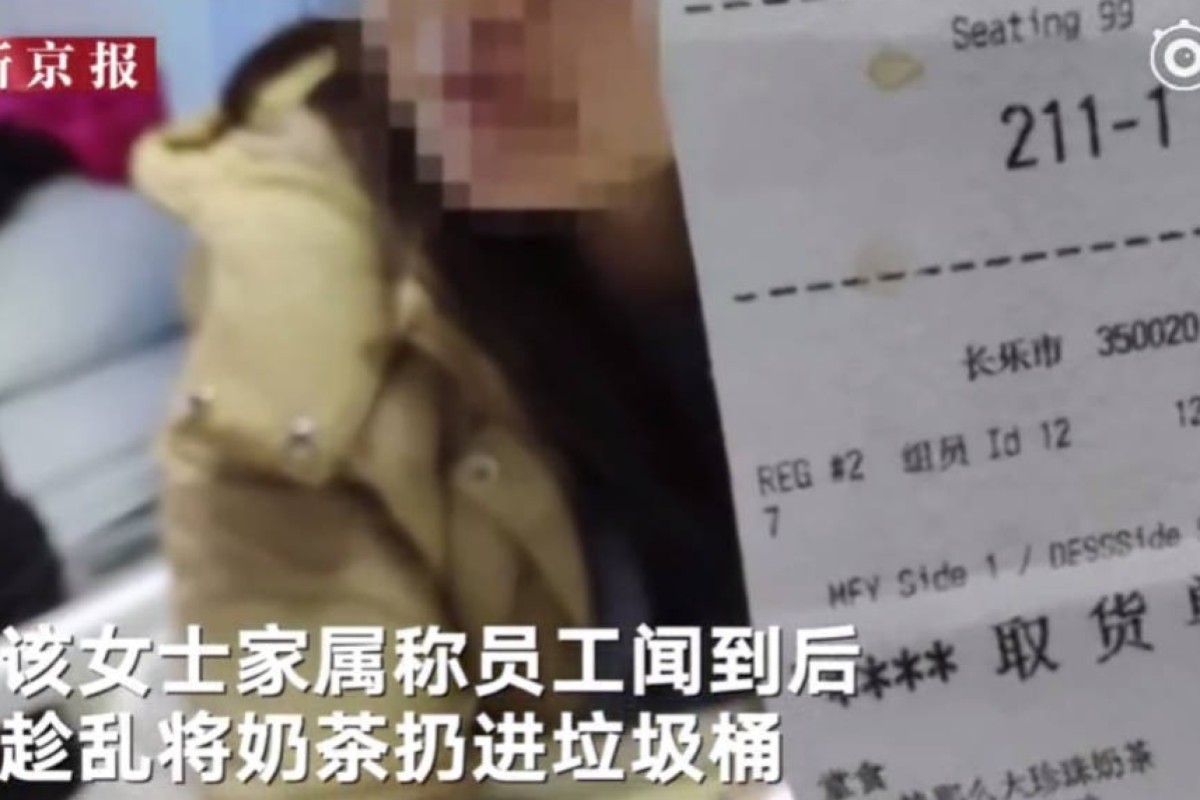
Fast food chain McDonald’s apologised to a customer who was served milk tea contaminated with disinfectant at one of its stores in eastern China. Photo: Weibo
Fast food chain McDonald’s apologised to a customer who was served milk tea contaminated with disinfectant in one of its stores in eastern China, damaging her digestive tract.
The restaurant said on Monday that it had reached a settlement with the customer, a woman surnamed Huang, after she suffered vomiting, a sore throat, a stomach ache and was taken to hospital on Friday for treatment.
Huang – who was still in hospital – suffered the symptoms shortly after taking a sip of the drink in a restaurant at Changle Airport in Fuzhou, the capital of Fujian province, the Strait Metropolis Daily reported.
“She just had one sip and found it tasted bad. But she already swallowed some of it,” Huang’s husband, surnamed Tang, told the newspaper.
McDonald’s apologises after advertisement showing Taiwan as a country draws criticism

When the lid was removed from the cup there was a strong smell of disinfectant, Tang said.

“I asked staff workers about the drink, but they just took it and smelled it, without giving any explanation. They threw the drink into the rubbish when we were not looking, but we took it back,” Tang said.

Doctors said the woman’s symptoms were caused by sodium dichloroisocyanurate, a chlorine compound widely used to kill bacteria in water by the catering industry and by the leisure sector in swimming pools.

On its Weibo feed, McDonald’s described the incident as unintentional and said staff would be given more training.

“McDonald’s has paid great attention to the incident and is deeply sorry for the error made by a staff member of our restaurant,” it said.

McDonald’s said that it would improve staff training after the customer was given tea tainted with disinfectant. Photo: Weibo
Source: SCMP
16/04/2019

Jack Ma defends the ‘blessing’ of a 12-hour working day

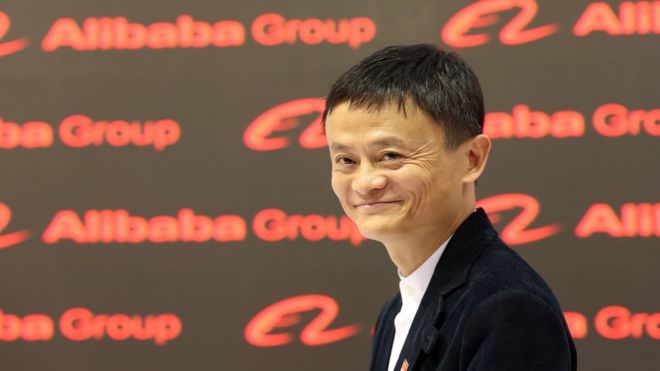
Jack MaImage copyrightGETTY IMAGES
Image caption Jack Ma is stepping down as Alibaba’s executive chairman

The Chinese billionaire and co-founder of the online shopping giant Alibaba has continued to argue for a 9am to 9pm working day, and a six-day week.

Jack Ma’s backing for the so-called “996 system” is being hotly debated in the Chinese media.

Last week, Mr Ma wrote that without the system, China’s economy was “very likely to lose vitality and impetus”.

His stance was backed by fellow tech entrepreneur Richard Liu, the boss of ecommerce giant JD.com.

On Friday, Mr Ma called the opportunity to work 996 hours a “blessing”.

Mr Liu said years of rapid economic growth in China had boosted the number of “slackers”.

The country has enjoyed economic growth averaging 10% for more than 25 years – from the late 1970s to the mid 2000s – but in subsequent years that has slowed to nearer 6%.

The entrepreneurs’ comments come amid reports this week that JD.com is cutting jobs.

Mr Liu, who started the company that would become JD.com in 1998, recently wrote about his attitude to work, saying he used to set his alarm to wake him up every two hours to make sure he could offer his customers a full, 24-hour, service.

He wrote: “JD in the last four, five years has not made any eliminations, so the number of staff has expanded rapidly, the number of people giving orders has grown and grown, while the those who are working have fallen.

“Instead, the number of slackers has rapidly grown! If this carries on, JD will have no hope! And the company will only be heartlessly kicked out of the market! Slackers are not my brothers!”

Mr Ma co-founded Alibaba, sometimes called China’s eBay, in 1999 and has seen it become one of the world’s biggest internet companies.

The company’s market value is now approximately $490bn (£374bn), and Mr Ma’s personal wealth is estimated at around $40bn.

Last year, he announced that he would step down as executive chairman in the near future.

Source: The BBC

15/04/2019

China’s online authors grow 3.82 mln in 3 years

HANGZHOU, April 14 (Xinhua) — China had 8.62 million online authors as of 2018, a significant increase from 4.8 million in 2015, according to a national conference on digital reading.

Among the digital reading materials, original online works took up 79.8 percent last year, up from 69 percent three years ago, while Liu Shu, vice president of Amazon China, said that e-book readers still love classic works.

An industry report released by the China Audio-Video and Digital Publishing Association at the conference showed that the value of China’s digital reading market reached 25.4 billion yuan last year, a 19.6 percent yearly growth.

About 432 million Chinese read digital publications on electronic devices during the year, averaging 12.4 digital publications per person and 71.3 minutes per read, the report said.

Over 66 percent of the respondents of the report were willing to pay for digital publications, up from 60.3 percent in 2016.

Since 2015, the conference has been held annually in east China’s city of Hangzhou, Zhejiang Province before World Book Day, which falls on April 23.

Source: Xinhua

15/04/2019

Int’l talent exchange conference opens in Shenzhen

CHINA-SHENZHEN-17TH CIEP (CN)

A foreign job seeker attends a job fair during the 17th Conference on International Exchange of Professionals (CIEP) in Shenzhen, south China’s Guangdong Province on April 14, 2019. The conference kicked off in Shenzhen on Sunday, attracting about 4,000 agencies and organizations from more than 50 countries and regions, as well as 40,000 government representatives, experts and high talented people. (Xinhua/Mao Siqian)

SHENZHEN, April 14 (Xinhua) — The 17th Conference on International Exchange of Professionals (CIEP) opened in south China’s tech hub Shenzhen on Sunday.

The two-day event, featuring a series of forums and recruitment fairs, attracted more than 4,000 professional institutions and organizations as well as over 40,000 government officials, experts and high-end talents from more than 50 countries and regions.

Over 1,500 enterprises will provide 30,000 jobs at the recruitment fairs.

A variety of activities were held in Britain, the guest of honor of this year’s CIEP, before the conference’s opening to attract more innovative overseas talent to start their business in China.

Created in 2001, CIEP has become one of China’s top events for international talent exchange.

Source: Xinhua

15/04/2019

China unveils guideline for improving natural resource asset management

BEIJING, April 14 (Xinhua) — Chinese authorities on Sunday unveiled a guideline on reforming the country’s property rights system for natural resource assets.

By 2020, a system featuring confirmed ownership, clarified rights and responsibility, strict protection, smooth transfer and effective supervision should have been basically in place, reads the guideline released by the general offices of the Communist Party of China Central Committee and the State Council.

The efficiency of natural resource development and use, as well as resource protection, should have been significantly enhanced by then, providing strong support for improving ecological civilization, and guaranteeing national ecological security and resource security, the guideline says.

The system should play a fundamental role in strictly protecting resources and promoting ecological functions, and also play a key role in optimizing resource allocation, improving the efficiency of resource development and use, and promoting high-quality development.

China will explore more effective ways to realize the rights and interests of natural resource assets owners by giving play to the decisive role of the market in allocating resources, the guideline reads.

Meanwhile, the country must strengthen government supervision and administration, and promote the reasonable use of natural resources by natural resource rights holders, it says.

The country will improve the legal system for property rights over natural resource assets, protect the rights and interests of property rights holders on an equal footing, and give better play to the role of the property rights system as both an incentive and restraint in promoting ecological progress.

Local governments are encouraged to carry out bold explorations in accordance with local conditions to accumulate sufficient practical experience for reforming the property rights system, according to the guideline.

China will accelerate the formulation of unified classification standards for natural resources, and establish a unified investigation, monitoring and evaluation system.

It will make a balance sheet for natural resource assets, establish a dynamic monitoring system and keep track of changes in all types of natural resources in a timely manner, the document reads.

Efforts will also be made to accelerate the confirmation and registration of natural resource ownerships, with a focus on major ecological space including national parks, key state-owned forests, wetlands and major rivers.

The country will compile and implement a plan for the ecological restoration of natural space, and establish and improve a mechanism of restoration and comprehensive management of mountains, forests, land, lakes and grassland.

China will improve the system of compensation for damages to the ecological environment, with the persons liable taking the responsibility for restoration or compensation, according to the document.

Source: Xinhua

15/04/2019

China Focus: Nine years on, people in Yushu embrace new life after quake

YUSHU, Qinghai Province, April 14 (Xinhua) — Nine years after a catastrophic earthquake battered Yushu Tibetan Autonomous Prefecture, which killed thousands of people, new schools, hospitals and squares have mushroomed out of debris, and the locals are rebuilding their new life.

Lodru Gyatso, 16, lost his father in the magnitude-7.1 quake, which hit Yushu in northwest China’s Qinghai province on April 14, 2010 and left around 3,000 people dead or missing.

“I was reading books in school when the quake struck,” he said. “When I got back home, my brother told me our dad had been buried under the toppled house.”

Lodru Gyatso’s mother passed away when he was young. He was admitted to a local orphan school after the quake. The school is now home to more than 460 students, many of whom lost their parents in the disaster.

“After the earthquake, we have received many donations, which help to improve our infrastructure,” said Nyima Rigzin, headmaster of the school.

The school, humble with one-storey temporary houses, now has a classroom building, dormitory building, canteen and library.

Lodru Gyatso likes to make robots in the classroom equipped with a 3D-printer.

For 23-year-old Dawa Tsedin, takeout delivery is a bit boring. But it allows him to enjoy the beauty of Yushu’s new cityscape, which has sprung up from a remote, backward town to a modern city over the past nine years.

Dawa Tsedin chose to be a take-away food delivery man in Yushu after graduating from a vocational school in Xi’an, capital of neighboring Shaanxi Province.

He said he returned because he had seen great potential in takeout delivery in the city.

“In the past, I couldn’t believe that takeout delivery was available in Yushu,” he said. “Now as I pass by the landmarks such as the Gesar Square, I really feel that Yushu looks like a big city.”

New buildings with Tibetan characteristics, new business quarters and broad avenues have sprung up in the city, in sharp contrast to the scenes before the quake.

Cai Chengyong, the city’s Party chief, said Yushu has also been improving urban management and building a smart city with advanced technologies.

To date, the city has invested over six million yuan (about 895,000 U.S. dollars) to build an intelligent urban management network covering all streets and communities.

During reconstruction, Beijing has lent a hand, investing heavily in infrastructure construction and bringing talent of education, medicine, city planning and urban management.

Pei Zhifei, a veteran gynecologist from a hospital in Beijing, has been working in the Yushu Prefectural People’s Hospital since 2017, tutoring local doctors in complex surgeries.

“Now many critically ill patients get treated in Yushu,” said Pei. “And many patients from Sichuan and Tibet have come to our hospital seeking medical help.”

Official data show 163 experts from Beijing, including teachers and doctors, have worked in Yushu to assist the reconstruction.

In recent years, Yushu has received a growing number of tourists from home and abroad as it has listed tourism as a pillar industry.

Ashak Yumpon, director of Yushu prefecture tourism bureau, said the prefecture, home to the Hol Xil Nature Reserve and the headwaters of the Yangtze, Yellow and Lancang (Mekong) rivers, boasts abundant tourism resources.

“We will promote sustainable development of the tourism industry and build ourselves into an international tourism destination,” he said.

Source: Xinhua

15/04/2019

China, Japan hold 5th high-level economic dialogue

CHINA-BEIJING-JAPAN-HIGH-LEVEL ECONOMIC DIALOGUE (CN)

Chinese State Councilor and Foreign Minister Wang Yi co-chairs the fifth high-level economic dialogue between China and Japan with visiting Japanese Foreign Minister Taro Kono in Beijing, capital of China, April 14, 2019. (Xinhua/Li Tao)

BEIJING, April 14 (Xinhua) — Chinese State Councilor and Foreign Minister Wang Yi on Sunday co-chaired the fifth high-level economic dialogue between China and Japan with visiting Japanese Foreign Minister Taro Kono in Beijing.

Hailing that China-Japan relations has returned to the right track and yielded new achievements by the joint efforts of the two countries’ leaders and people of all social circles, Wang said the fourth high-level economic dialogue, which was restarted after an eight-year hiatus last April, facilitated policy communication and pragmatic cooperation effectively.

This year marks the 70th anniversary of the founding of the People’s Republic of China, while Japan will enter the new era “Reiwa”, Wang said, adding that the two countries should uphold the major consensus reached by the two countries’ leaders and jointly construct bilateral economic relations to meet the needs of the new era.

The two sides should make steady headway in promoting bilateral investments and trade cooperation, jointly build the Belt and Road, and actively explore third party market cooperation as well as local cooperation, Wang said.

He also called for consolidating the cooperation results in such areas as energy conservation and environment protection, science and technology innovation, high-end manufacturing, finance, sharing economy, medical care and elderly care industries.

Wang said that China and Japan should make joint efforts to promote trade and investment liberalization and facilitation, uphold a business environment of fairness, justice and non-discrimination, speed up negotiations on the Regional Comprehensive Economic Partnership and China-Japan-ROK free trade agreement, and safeguard multilateralism and free trade regime.

Kono said that economic cooperation has been an important foundation and driving force for Japan-China relations.

Facing a global situation of intense uncertainty, the two sides should jointly safeguard the multilateral trade mechanism based on rules, he said.

During the dialogue, senior foreign affairs and economic officials of both countries exchanged views and achieved a series of consensus on macroeconomic policies, bilateral economic cooperation and exchanges, regional economic integration, and global economic governance.

Before the dialogue, Wang and Kono jointly attended the opening ceremony of the “China-Japan Youth Exchange Promotion Year.”

Source: Xinhua

15/04/2019

How China’s swine fever outbreak is upending global soybean market

  • Getting rid of the disease in a nation that consumes half the world’s pork could take three to five years
  • Demand for soybeans used in feed is expected to be curbed
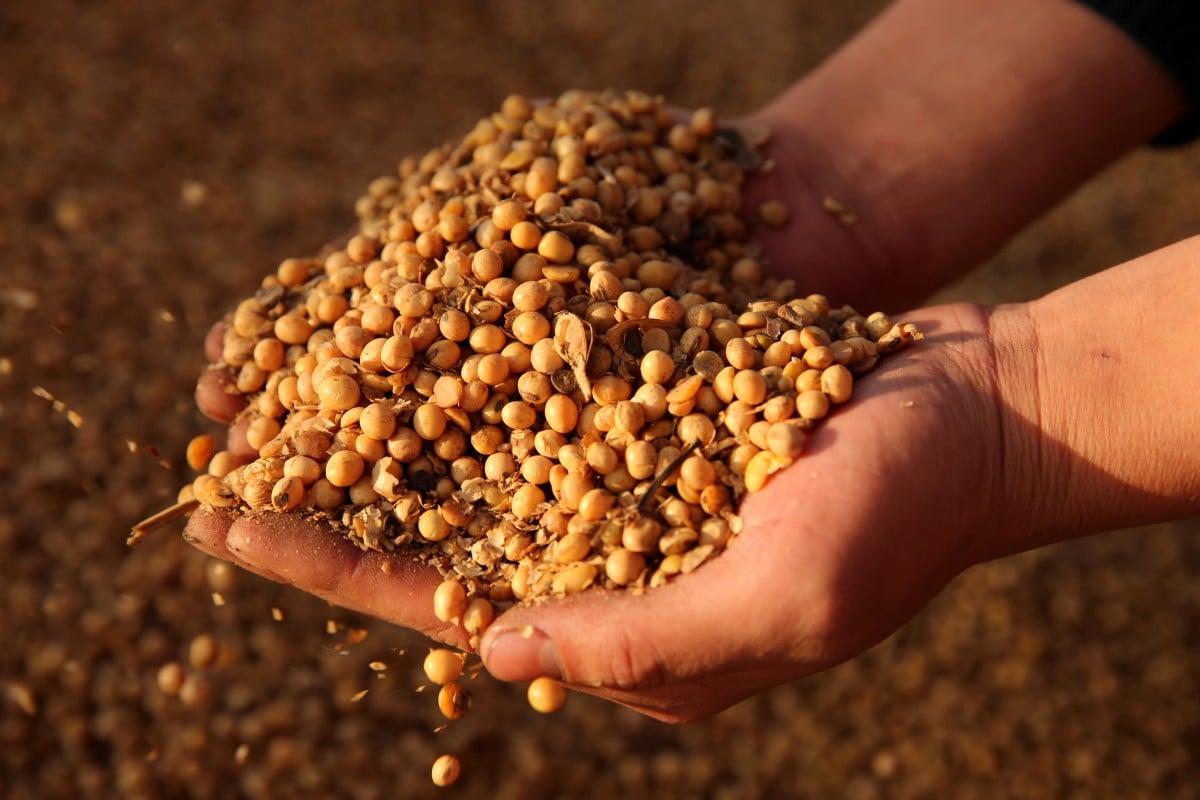
A decline or slower growth in Chinese soy imports has been forecast for the next couple of years. Photo: Reuters
Forget Donald Trump’s trade war. It’s a deadly pig disease spreading through China that will really reshape the global soybean market for years to come.
Getting rid of the disease and rebuilding the herd in a nation that consumes half the world’s pork will take three to five years, curbing demand for soybeans used in feed, according to analysts.
Given China is the largest soybean importer and most of its shipments usually come from the US, the oilseed has been the poster-child for the tit-for-tat tariff spat. While trade tensions have prompted China’s feed makers to curb the oilseed’s usage, it is the pig virus that will upend the market.

The US Department of Agriculture and Intl FCStone are already forecasting a decline or slower growth in Chinese soy imports for the next couple of years.

“Today, African swine fever is the bigger story as it relates to demand,” said Corey Jorgenson, president of the grain unit of US crop handler The Andersons, which buys and sells corn, wheat and soybeans from American farmers. “It will impact us for a crop year or more. This is not a 2019 event.”

African swine fever, first spotted in Africa in the 1900s, kills most infected pigs within 10 days, although it isn’t known to harm humans. China has already culled more than a million pigs after 122 outbreaks in 30 provinces. The disease shows no signs of abating.

Cargill, one of the top agriculture commodity traders, said quarterly earnings from animal nutrition and Chinese oilseed crushing were hit by the virus. Andersons also has soybean demand destruction built into its projections.

Pork production in China probably will decline about 30 per cent this year, a drop roughly the size of Europe’s entire annual supply, according to Rabobank, a top lender to the agriculture industry.

Pork production in China is expected to drop about 30 per cent this year, according to Rabobank, a top lender to the agriculture industry. Photo: Bloomberg

The number of breeding sows in China already slumped 21 per cent in March from a year earlier, according to a report by the Ministry of Agriculture and Rural Affairs published on Friday.

The bank says it will take at least three years to rebuild the herd. Informa’s Agribusiness Intelligence is betting on three years, while brokerage FCStone expects at least five years.

China inflation soars on African swine fever epidemic
The structure of China’s pork industry makes it “nearly impossible” to stop the spread of African swine fever, said Arlan Suderman, chief commodities economist for FCStone.

That is because a large part of the production and slaughter is in small family-owned operations. Many farmers who had the disease and tried to repopulate their herds ended up getting it again, according to Informa.

“We are seeing that the Chinese hog producer today is not repopulating those facilities because either they are afraid they are going to get African swine fever from a neighbour or it is still in the building and they cannot get it cleaned,” said David Williams, director of global proteins at Informa.

Chinese soy imports dropped 14 per cent in the first quarter, partly as the trade war pushed feed makers to switch to alternatives.

Why are the little piggies no longer going to market in China’s Shandong?

While some fear that could be a permanent change, Jim Sutter, the chief executive of the US Soybean Export Council, says feed makers would return to using whatever is more economical when the trade war ends, and that includes soy.

Soybean imports by China are forecast to decline for the first time in 15 years to 88 million tonnes this season and FCStone says purchases could drop again to 71 million tonnes in 2019-20 due to the impact of African swine fever – the firm’s forecast also assumes the continuation of the tariff dispute.

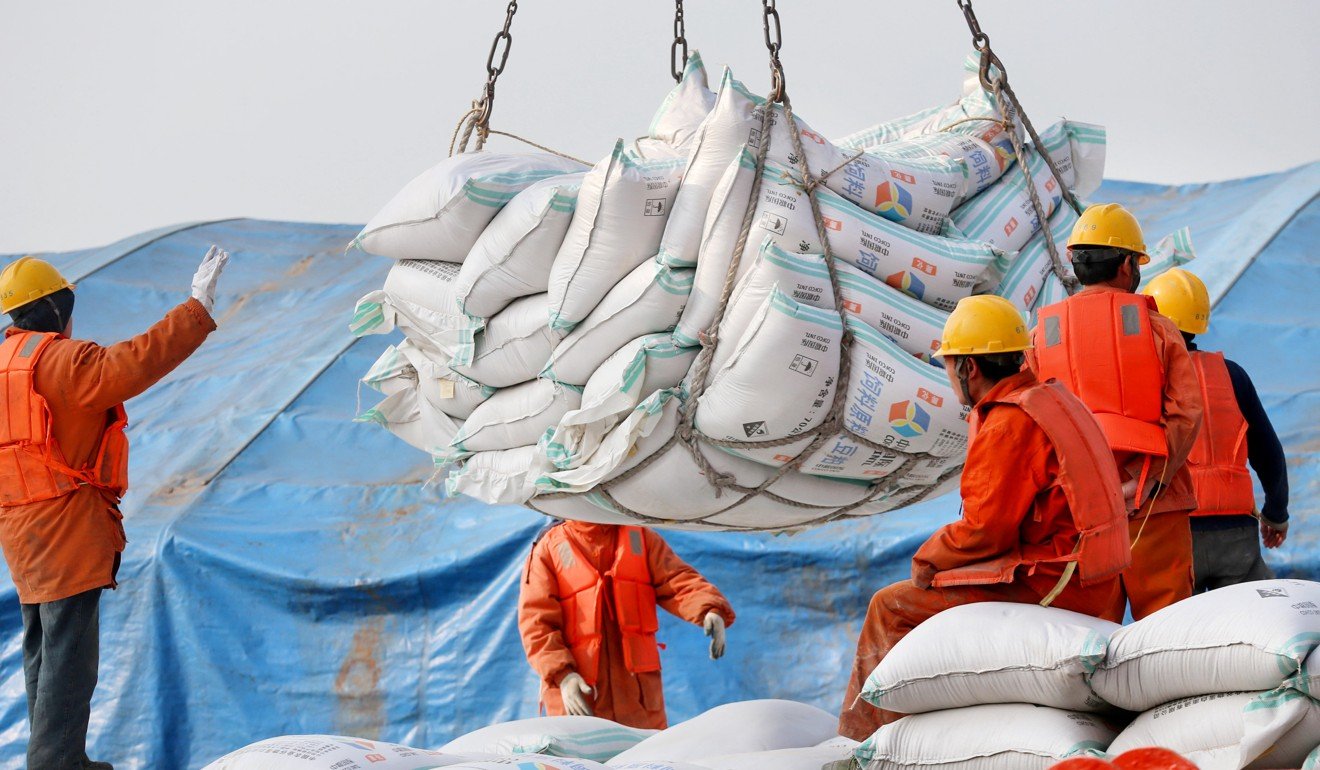
Soybean imports by China are forecast to decline for the first time in 15 years to 88 million tonnes this season. Photo: Reuters

The USDA’s Foreign Agriculture Service still expects imports to grow next season, albeit at a slower pace. They would remain below levels reached in 2017-18.

China is buying enough soybeans “that they don’t need to try to influence the trade talks”, said Suderman. “That is masking the drop in consumption right now, but that means they will have more soybeans in storage that they can use down the road as well, so eventually we will see that full drop in demand.”

Pork group scraps big trade event over African swine fever fears

It’s not all bad news for the soybean market. In the medium term, China will need to import more pork and other meats. As a result, American pork exports will probably jump 20 per cent this year, while European Union shipments could climb 10 to 15 per cent, Informa estimates.

All of that will require expansion of herds, boosting demand for soy meal and increasing crush margins for the likes of Archer-Daniels-Midland and Bunge.

Soybean-based feed for pigs was already becoming pricier before the swine virus outbreak, because of the trade war. Photo: AFP

China’s appetite for pork is already starting to pick up. The nation bought a record 77,700 tonnes of US supply in the week ended April 4, even as 25 per cent tariffs on American product remained in place, according to USDA data. The purchase sent Chicago futures up by the daily maximum allowed by the exchange.

The spread of the virus combined with China’s voracious appetite for pork means June hog futures are already up 21 per cent this year, the best performing agricultural benchmark in the Bloomberg Commodity Index.

China to expand soybean crop, subsidies to cut reliance on US imports

Pork prices are expected to rise by more than 20 per cent in the US this year and 15 per cent in western Europe, according to Informa forecasts.

“People are continuing to want to eat pork,” USSEC’s Sutter said in an interview after returning from a trip to China.

“They might in the short run be eating other meats because the price of pork has gone up. But people did not think when we asked them the question that there would be a long-term loss in demand for pork in China. People did not think that was the case.”

Source: SCMP

Law of Unintended Consequences

continuously updated blog about China & India

ChiaHou's Book Reviews

continuously updated blog about China & India

What's wrong with the world; and its economy

continuously updated blog about China & India