Archive for ‘COVID-19 outbreak’

29/03/2020

Coronavirus: Xi Jinping’s visit to Zhejiang sends ‘clear message’ it’s time to get the economy back on its feet, state media says

  • Chinese president is fighting ‘two tough battles’ to reboot industry and defeat Covid-19, Xinhua says
  • Choice of industrial powerhouse for official visit shows the importance Xi gives to reviving the economy, observers say
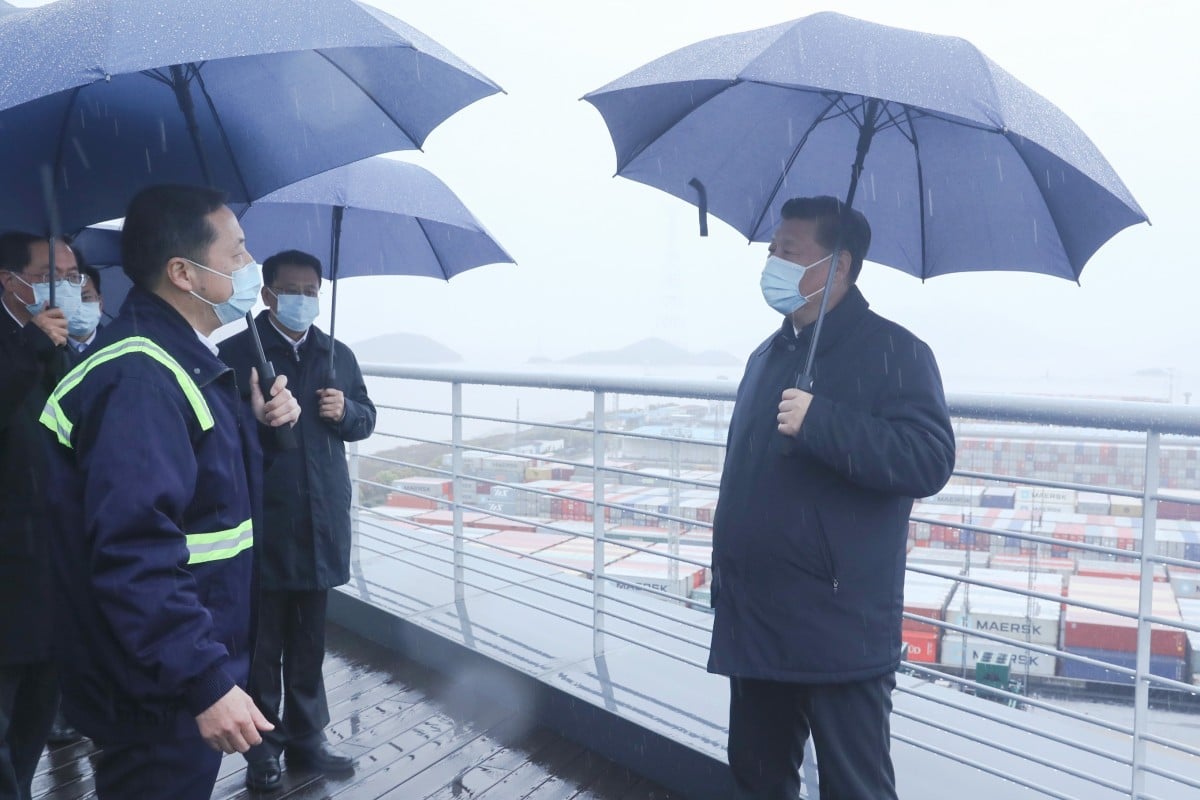
Chinese President Xi Jinping chats to workers and officials at Ningbo port in east China on Sunday. Photo: Xinhua
Chinese President Xi Jinping

visited the industrial powerhouse of Zhejiang province on Sunday in a move state media described as a clear message the country was ready to get the economy back on track amid the “new normal” of dealing with the coronavirus.

The trip, to Ningbo – one of the world’s busiest ports and a trade hub for eastern China – was Xi’s first outside Beijing since he visited Wuhan, the initial epicentre of the Covid-19 outbreak, earlier in the month.

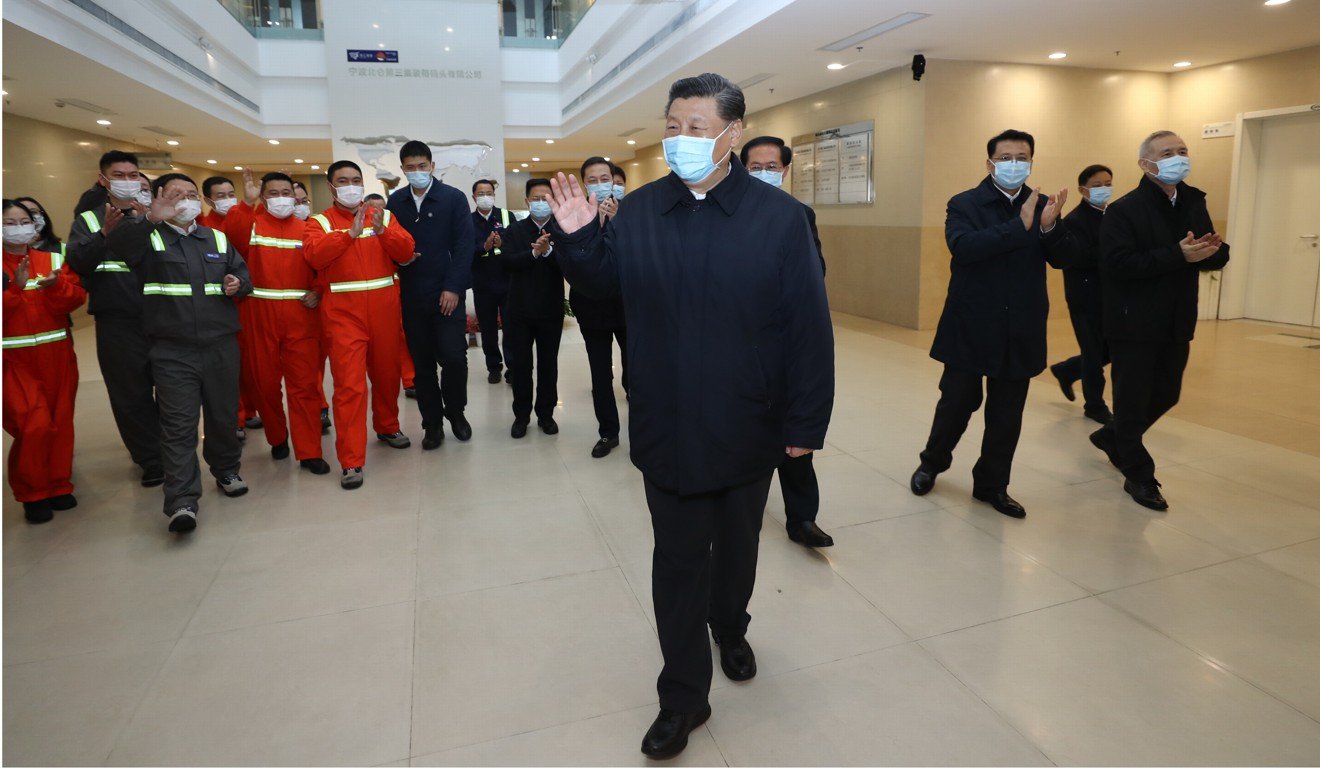
As well as a visiting the port, he spoke to workers at an industrial zone for car part manufacturers, where he learned about the latest efforts to restart production, Xinhua said in a brief report.

The visit came after two months of almost total lockdown in many parts of the country that disrupted businesses, transport and people’s daily lives, and ground the economy to a near standstill.

While local transmissions of the coronavirus in China appear to be under control, Beijing has implemented strict measures to prevent imported cases, including slashing international flights and banning most foreigners from entering the country.

In a separate report, Xinhua said Xi’s visit sent “a clear message” that China was resuming its industrial production and social activities, and described the fight against the coronavirus as the “new normal”.

Reviving the economy and battling a deadly disease were Xi’s “two tough battles”, it said.

Xi’s choice of destination was a clear message that restarting the economy is a top priority. Photo: Xinhua
Zhejiang is something of a power base for Xi, who spent nearly five years there during his climb through the ranks of the Communist Party.

One of the country’s biggest trading hubs, the province generated 3 trillion yuan (US$423.2 billion) in foreign trade last year, or more than 13 per cent of the national total, according to official figures.

“It’s a highly export-oriented economy … which has made it crucial not only to China’s development plan but also to safeguarding the stability of the global supply chain,” Xinhua said.

Observers said Xi’s visit was evidence of Beijing’s determination to get the economy back up and running as soon as possible.

Zhao Xijun, an economics professor at Renmin University, said Ningbo was a key part of the export economy and a base for many local and foreign entrepreneurs.

“It is a clear signal that China, after getting domestic infections under control, is now prioritising economic growth,” he said.

“It also shows the country will keep developing its economy and opening up its markets.”

But hopes of a quick recovery for the Chinese economy have been dashed by the spread of the coronavirus across Europe and the United States, causing a sharp decline in demand for Chinese goods.

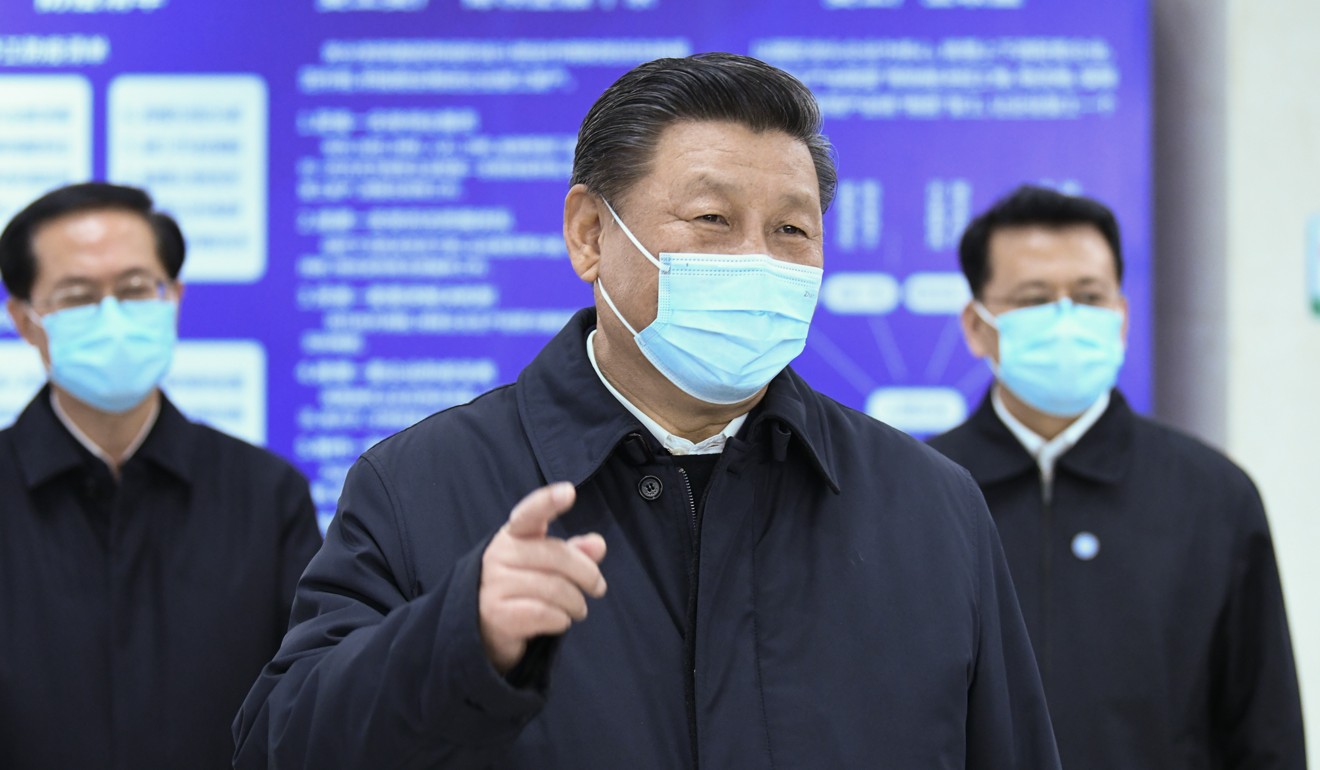
Xi spent five years in Zhejiang while climbing the ranks of the Communist Party. Photo: Xinhua
In a meeting on Friday, the Communist Party’s Politburo said it would step up macroeconomic policy adjustments and pursue a more proactive fiscal policy while optimising measures to control the coronavirus to speed up the restoration of production, doing whatever it could to “minimise the losses caused by the epidemic”.

“China has successfully reopened much of its economy from the extremes of the coronavirus lockdown, but now faces a new problem: an impending collapse in demand for its exports as its customers go into lockdowns of their own,” Gavekal Dragnomics said in a research report.

“That shock to industry and manufacturing employment means that China will not enjoy the hoped-for V-shaped recovery in growth.”

Source: SCMP

29/03/2020

China’s Wuhan reopens subway, railway station

CHINA-WUHAN-SUBWAY SERVICE-RESUMPTION (CN)

Passengers walk on the platform of the subway station connected with Hankou Railway Station in Wuhan, central China’s Hubei Province, March 28, 2020. Wuhan, a central Chinese city once at the epicenter of the COVID-19 epidemic, on Saturday resumed its subway service following more than two months of suspension due to the epidemic. Passengers for six metro lines in the capital of Hubei Province are asked to scan their health QR codes with real name information and check body temperature before entering the metro stations and wear face masks during the whole journey. (Xinhua/Xiao Yijiu)

WUHAN, March 28 (Xinhua) — Wuhan, a central Chinese city once at the epicenter of the COVID-19 outbreak, on Saturday reopened its subway and railway station following more than two months of suspension due to the epidemic.

“We clearly remember that the metro service had been suspended for 65 days,” said Li Wei, a staff worker of the Wuhan metro service operator. “I was startled when I first saw the news of shutting down the metro system as I never expected such scenario to happen one day.”

“We are excited and happy today to resume the service to serve the Wuhan residents again,” Li said.

Passengers for six metro lines in the capital of Hubei Province are asked to scan their health QR codes with real name information and check body temperature before entering the metro stations and wear face masks during the whole journey. Many were seen even wearing rubber gloves and hats that can cover the face.

The subway service operator has installed 200 infrared intelligent temperature monitoring equipment at 182 subway stations that are back to service in the initial period.

Inside the subway carriages, there are yellow signs that ask passengers to sit with an empty seat between two of them and security guards who tell people to wear masks during the whole of their trips, not to assemble and scan trip-tracking codes when getting off the subway.

The trip tracking is designed to aid the epidemic prevention and control work. To reduce potential cross-infection, the subway carriages will also be disinfected partly every day and entirely every five days.

“We are finally back. I can go to work next Monday,” said a subway passenger surnamed Yang, who just arrived in Wuhan Saturday with another two family members carrying eggs, preserved meat and vegetables from Sichuan Province.

On Saturday, the Wuhan railway station resumed the arrival service as the epidemic waned. More than 12,000 Hubei passengers returned to Wuhan by high-speed trains from all over the country on Saturday, greeted by applauses and flowers at the station.

“I earlier booked the railway ticket for Feb. 14, but the railway service was halted due to the epidemic,” said a passenger surnamed Zhang. Although the arrival was delayed by one and a half months, he felt safe and relieved to see the epidemic situation under control in his hometown, Zhang said.

“Wandering outside for such a long time, I have anticipated the return to home all the time,” Zhang said. “I finally feel at ease and calm after I step on the land of Wuhan.

“Source: Xinhua

28/03/2020

Except Wuhan, Hubei removes all outbound traffic highway checkpoints

WUHAN, March 28 (Xinhua) — Central China’s Hubei Province had removed all 1,450 highway checkpoints, except 51 others in its capital city of Wuhan, to resume outbound traffic as of Friday, the provincial headquarters for epidemic prevention and control said Saturday.

The virus-hit province lifted outbound travel restrictions in all areas except Wuhan on March 25, with all checkpoints at expressway exits, national and provincial-level highways removed within two days.

All remaining checkpoints in Wuhan will be removed on April 8, when the hardest-hit Chinese city in the COVID-19 outbreak plans to lift outbound travel curbs after over two months of lockdown.

Source: Xinhua

27/03/2020

Xi Focus: China underscores unity to save world economy from recession

BEIJING, March 27 (Xinhua) — As the novel coronavirus disease (COVID-19) makes social distancing and working from home the new normal, leaders of the Group of 20, home to almost two-thirds of the world’s population and about 86 percent of the gross world product, convened Thursday for a virtual summit that sent a clear message: We are in the same boat.

The G20 Extraordinary Virtual Leaders’ Summit on COVID-19 was the first of its kind in the history of G20, and also the first major multilateral event attended by President Xi Jinping since the outbreak of the COVID-19.

Speaking to his colleagues via video link from Beijing, Xi put forward four proposals to cope with a situation that is “disturbing and unsettling,” calling for an all-out global war against the COVID-19 outbreak and enhancing international macro-economic policy coordination to prevent a recession.

“At such a moment, it is imperative for the international community to strengthen confidence, act with unity and work together in a collective response,” Xi said. “We must comprehensively step up international cooperation and foster greater synergy so that humanity as one could win the battle against such a major infectious disease.”

In a demonstration of the need for greater global coordination and solidarity, the G20 members were joined by leaders from invited countries including hard-hit Spain as well as multiple international organizations including the United Nations (UN), the World Health Organization (WHO), the World Trade Organization (WTO), and the International Monetary Fund (IMF).

While previous G20 summits often discussed high-stake topics like economic recession and boosting development policy, Thursday’s emergency meeting came at a time when the world is grappling with a dicey pandemic and concerns are mounting over the “black swan” event that could derail the global economy.

As China’s epidemic prevention and control are continuously improving, and the trend of an accelerated restoration of normal production and life is being consolidated and expanded, his remarks at the G20 summit are timely and of critical importance for countries now fighting at the front lines of a battle to stem the pandemic and forestalling a recession.

UNITED WE STAND

The number of COVID-19 cases worldwide topped 462,684, with 20,834 deaths as of 10 a.m. Central European Time, Thursday, according to the data kept by the WHO. The economic toll is also climbing as more businesses and trade come to a grinding halt amid massive lockdowns.

“The COVID-19 pandemic is endangering countries rich and poor, large and small, strong and weak alike,” said Wei Jianguo, vice chairman of the China Center for International Economic Exchanges and former vice minister of Commerce. “We are now at a critical juncture of fighting the pandemic and stabilizing the global economy, and the international community expects the G20 to play a leading role.”

The significance and urgency of Thursday’s meeting hark back to scenarios in the depth of the global financial crisis in 2008 when meetings of G20 finance ministers and central bank governors were raised to the level of heads of state and government for better crisis coordination. What’s different is that grave challenges facing the world today have led to warnings of a downturn even worse than in 2008.

“This pandemic will inevitably have an enormous impact on the economy,” WTO Director-General Roberto Azevedo said in a video clip posted on the website of the organization. “Recent projections predict an economic downturn and job losses that are worse than the global financial crisis a dozen years ago.”

To prevent the world economy from falling into recession, Xi said countries need to leverage and coordinate their macro policies to counteract the negative impact as the outbreak has disrupted production and demand across the globe.

“We need to implement strong and effective fiscal and monetary policies to keep our exchange rates basically stable. We need to better coordinate financial regulation to keep global financial markets stable. We need to jointly keep the global industrial and supply chains stable,” he told the summit in a speech titled “Working Together to Defeat the COVID-19 Outbreak.”

Xi’s remarks on fighting as one echoed. IMF Managing Director Kristalina Georgieva said: “We project a contraction of global output in 2020, and recovery in 2021. How deep the contraction and how fast the recovery depends on the speed of containment of the pandemic and on how strong and coordinated our monetary and fiscal policy actions are.”

“We will get through this crisis together. Together we will lay the ground for a faster and stronger recovery,” she said in a statement released after the conference call.

The important lesson in international solidarity is often forgotten when things are going fine, William Jones, Washington bureau chief of the U.S. publication Executive Intelligence Review, told Xinhua in a recent interview.

“The experience with the COVID-19 will hopefully lead to more collaborative efforts between countries and strengthen the notion of a community with a shared destiny,” he said.

As China is a key driver of global economic growth, its economic performance bears great significance on the outlook of global recovery. In a strong morale and practical boost, Xi reaffirmed China would actively contribute to the global war against COVID-19 and a stable world economy.

“Guided by the vision of building a community with a shared future for mankind, China will be more than ready to share its good practices, conduct joint research and development of drugs and vaccines, and provide assistance where it can to countries hit by the growing outbreak,” Xi said.

Xi said China will contribute to a stable world economy by continuing to advance reform and opening-up, widen market access, improve the business environment and expand imports and outbound investment, and called on all G20 members to take collective actions — cutting tariffs, removing barriers, and facilitating the unfettered flow of trade.

The country is beefing up wider opening-up to foreign investment. Revision of the negative list on foreign investment is underway as part of the plan to improve business environment and expand the catalog of industries where foreign investment is encouraged.

New editions of the list will probably be released in May, expanding market access of the tertiary sector, such as health care, aged service, finance, transportation, logistics, tourism, education and training and value-added services of telecommunications, said Zhang Fei with the Chinese Academy of International Trade and Economic Cooperation.

Noting that a global solution is needed to address the global challenge brought about by the pandemic, Azevedo said cross-border trade and investment flows have a role to play in efforts to combat the COVID-19 pandemic and will be vital for fostering a stronger recovery once the medical emergency subsides.

“No country is self-sufficient, no matter how powerful or advanced it may be. Trade is what allows for the efficient production and supply of basic goods and services, medical supplies and equipment, food and energy that we all need,” he said.

Source: Xinhua

27/03/2020

Coronavirus: India ‘super spreader’ quarantines 40,000 people

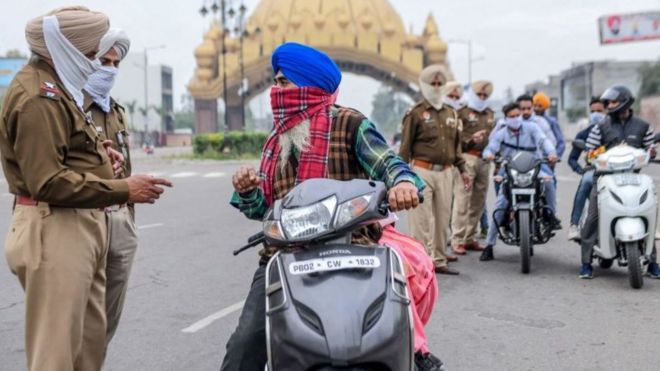
Punjab has 30 confirmed cases of the virusImage copyright GETTY IMAGES
Image caption Punjab has 30 confirmed cases of the virus

Indian authorities in the northern state of Punjab have quarantined around 40,000 residents from 20 villages following a Covid-19 outbreak linked to just one man.

The 70-year-old died of coronavirus – a fact found out only after his death.

The man, a preacher, had ignored advice to self quarantine after returning from a trip to Italy and Germany, officials told BBC Punjabi’s Arvind Chhabra.

India has 640 confirmed cases of the virus, of which 30 are in Punjab.

However, experts worry that the real number of positive cases could be far higher. India has one of the lowest testing rates in the world, although efforts are under way to ramp up capacity.

There are fears that an outbreak in the country of 1.3 billion people could result in a catastrophe.

The man, identified as Baldev Singh, had visited a large gathering to celebrate the Sikh festival of Hola Mohalla shortly before he died.

The six-day festival attracts around 10,000 people every day.

A week after his death, 19 of his relatives have tested positive.

“So far, we have been able to trace 550 people who came into direct contact with him and the number is growing. We have sealed 15 villages around the area he stayed,” a senior official told the BBC.

Another five villages in an adjoining district have also been sealed.

This is not the first time that exposure has resulted in mass quarantining in India.

In Bhilwara, a textile city in the northern state of Rajasthan, there are fears that a group of doctors who were infected by a patient could have spread the disease to hundreds of people.

Seven thousand people in villages neighbouring the city are under home quarantine.

India has also declared a 21-day lockdown, although people are free to go out to buy essential items like food and medicine.

Source: The BBC

26/03/2020

India coronavirus: $22bn bailout announced for the poor


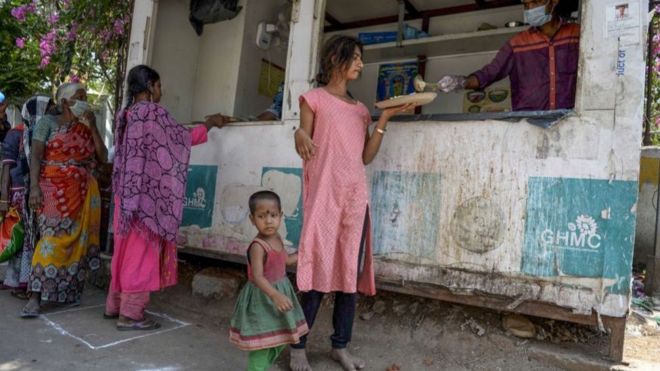
Homeless people receive free food offered by the Telangana state government during a 21-day government-imposed nationwide lockdown as a preventive measure against the COVID-19 coronavirus in HyderabadImage copyright GETTY IMAGES
Image caption Many Indians face losing their income and some say they could starve

India has announced a $22bn (£19bn) bailout for the country’s poor to help counter the economic effects of the Covid-19 outbreak.

“We don’t want anyone to remain hungry, and we don’t want anyone to remain without money in their hands,” finance minister Nirmala Sitharaman said.

The package, which includes free food and cash transfers, was for “those who need immediate help”, she said.

She also said health workers would get medical insurance of up to $66,500.

Correspondents point out that this amounts to just 1% of India’s GDP – in stark contrast to the US and Singapore which are spending about 10% of their GDP on similar packages.

However, this could be just stage one, with similar packages set to be announced later, they added.

India’s economy was already in the midst of a severe slowdown before the country went into lockdown, shutting workplaces, factories and affecting millions of daily-wage and informal workers.

They form India’s vast informal sector, which constitutes a large part of its workforce. The lockdown and social distancing have left many of them with no viable means of getting any income, and many have expressed fears that they could starve.

Growth had slumped to 4.7% last month – the slowest pace in years – as a steep drop in manufacturing affected overall economic health.

Barclays said the total shutdown cost to India would be around $120bn, or 4% of the country’s GDP.

Ms Sitharaman, who is also the head of an economic task force announced by the prime minister, said that workers under an employment guarantee scheme would get a wage increment, and that recipients of other welfare schemes would also get benefits, like free gas cylinders instead of just subsidised ones.

Source: The BBC

02/03/2020

Vice premier stresses role of medics sent to Hubei in anti-virus battle

CHINA-HUBEI-WUHAN-SUN CHUNLAN-MEDIC-ANTI-VIRUS BATTLE (CN)

Chinese Vice Premier Sun Chunlan, also a member of the Political Bureau of the Communist Party of China Central Committee, inspects Wuhan Women’s Prison in Wuhan, central China’s Hubei Province, March 1, 2020. Sun Chunlan Sunday stressed giving full play to the role of medical personnel sent to Hubei Province, the epicenter of the COVID-19 outbreak, in containing the epidemic. Sun, who is leading a central government team guiding the epidemic control work in Hubei, made the remarks during a video conference with representatives of more than 340 medical teams that arrived in Hubei from across the country. (Xinhua/Li He)

WUHAN, March 1 (Xinhua) — Chinese Vice Premier Sun Chunlan Sunday stressed giving full play to the role of medical personnel sent to Hubei Province, the epicenter of the COVID-19 outbreak, in containing the epidemic.

Sun, who is leading a central government team guiding the epidemic control work in Hubei, made the remarks during a video conference with representatives of more than 340 medical teams that arrived in Hubei from across the country.

Acknowledging the prominent contributions made by the medical teams, Sun, also a member of the Political Bureau of the Communist Party of China Central Committee, noted that the speedy gathering of over 40,000 medics on the anti-epidemic frontlines demonstrated the strength of the country’s system and has won international acclaim.

More efforts should be made to optimize medical resource allocation, strengthen safety protection for the medical personnel and strictly implement incentive measures so that the medical teams will maintain their morale in the battle against the epidemic, Sun said.

The central government team Sunday inspected the epidemic control work at a local social welfare institute and a prison, stressing enhanced containment efforts in densely populated areas and the adoption of precise isolation and treatment measures in such places.

Source: Xinhua

Law of Unintended Consequences

continuously updated blog about China & India

ChiaHou's Book Reviews

continuously updated blog about China & India

What's wrong with the world; and its economy

continuously updated blog about China & India