Archive for ‘optimism’

29/03/2020

Why are there so few coronavirus infections in Singapore’s health workers?

  • Throughout the world, overworked health care professionals are being infected with Covid-19, yet the Lion City has kept numbers low
  • Preparation, planning, patient ratios and protective equipment have all played a part. Still, even the best gear cannot guard against discrimination
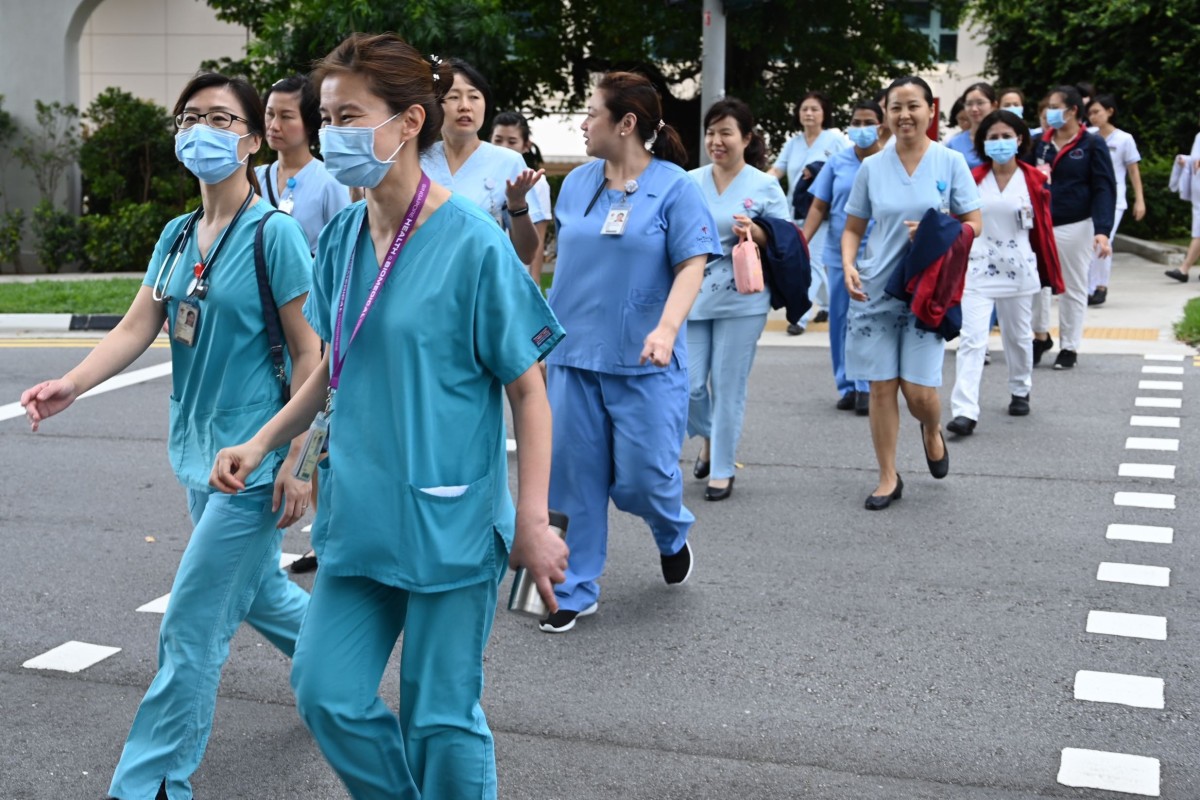
Medical staff walk to the National Centre for Infectious Diseases building at Tan Tock Seng Hospital in Singapore. Photo: AFP
Uncooperative patients, long hours and a lack of protective equipment are hampering health care workers across the world as they take the fight to the coronavirus, leading many to fall sick themselves.
In Malaysia, a pregnant woman who did not disclose that her father was infected tested positive after giving birth, leading to the shutdown of the entire hospital for cleaning. In the Philippines, nine doctors have died, two of whom had dealt with a patient who lied about her travel history.
In Spain, where more than 5,400 health care workers have been infected, accounting for about 14 per cent of the country’s patients, there are no longer enough workers to care for patients.
In Italy, which has more than 69,000 patients, the virus killed a doctor who had no choice but to work without gloves.
In the United States, which has surpassed China to become the world’s most infected nation with more than 83,000 people testing positive for Covid-19, hospitals are being overrun with patients.

Health care staff in the country say patients are packed into emergency wards and intensive care units (ICUs), further raising the risk of infections. They also report shortages of ventilators, face masks, gowns and shields.

The US Centres for Disease Control and Prevention on March 7 released interim guidelines saying health care workers exposed to the coronavirus could be asked to return to work as long as they wore face masks and were not showing symptoms, if their employers had no other manpower available.
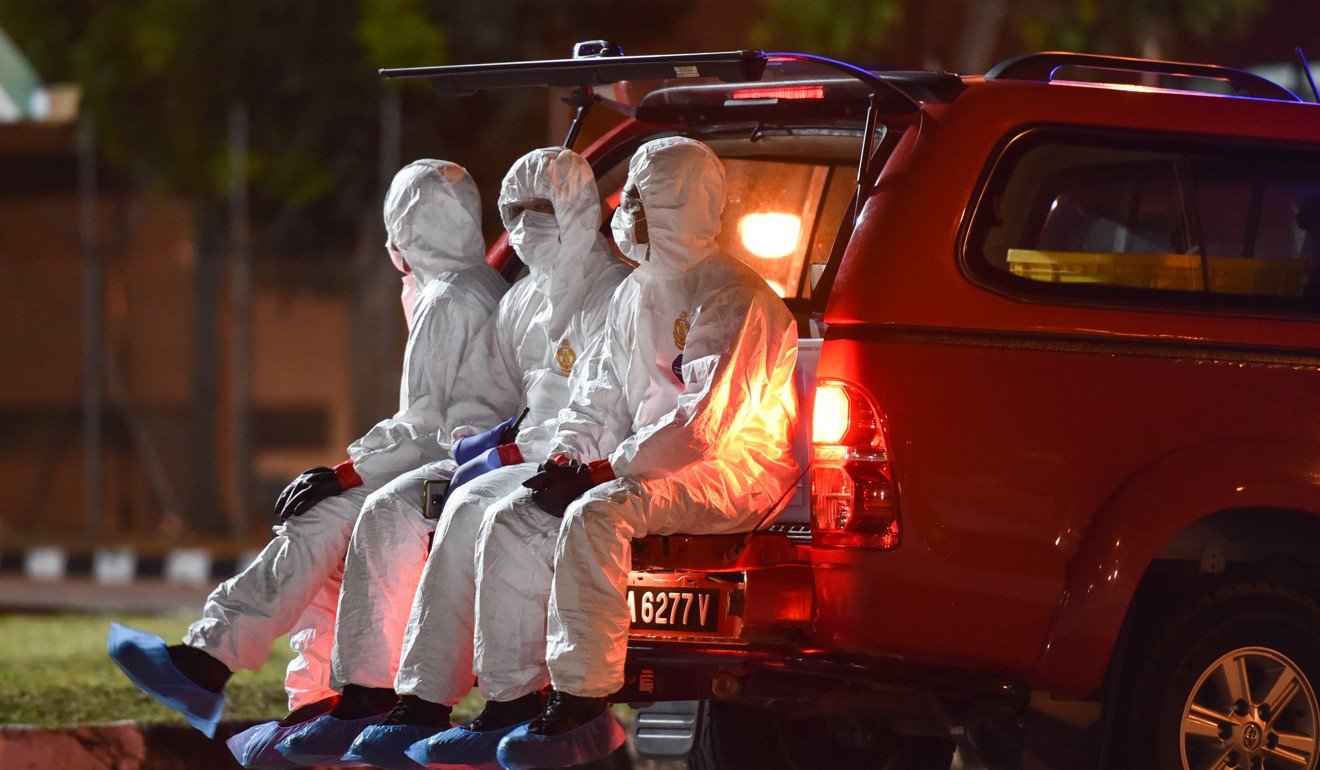
Malaysian health workers at Kuala Lumpur International Airport. Photo: AFP
A REASON FOR OPTIMISM
However, amid all the gloom, Singapore’s experienceis being held up as a reason for optimism. The city state has reported more than 630 cases of infection, all of which are being treated in hospital, yet only a handful of its health care professionals have been infected. What’s more, even these cases, according to Vernon Lee, director of communicable diseases at the Ministry of Health, are thought to have been infected outside the health care setting.

Experts suggest this has been more than just luck, pointing to a case in which 41 health workers were exposed to the coronavirus in a Singapore hospital yet evaded infection.

The workers had all come within two metres of a middle-aged man with Covid-19 who was being intubated, a procedure which involves a tube being inserted into the patient’s trachea. The procedure is seen as being particularly hazardous for health workers as it is “aerosol generating” – patients are likely to cough.

The workers had not known at the time that the man had the virus and all were quarantined after he tested positive. However, on their release two weeks later, none of them had the virus.

Coronavirus: as Malaysia braces for third wave, doctors make their own face masks

27 Mar 2020

The case has come to widespread attention partly because the workers were wearing a mix of standard surgical masks and the N95 mask, which doctors see as the gold standard as it filters out 95 per cent of airborne particles.

The conclusion, published in The Annals of Internal Medicine this month, was this: “That none of the health care workers in this situation acquired infection suggests that surgical masks, hand hygiene, and other standard procedures protected them from being infected.”

Surgeon and writer Atul Gawande mentioned the case in an article for The New Yorker on how health care workers could continue seeing patients without becoming patients. He said there were things to learn from Asia and that some of the lessons came out of the “standard public health playbook”. In other words, there is much to be said for social distancing, basic hand hygiene and cleaning regimens.
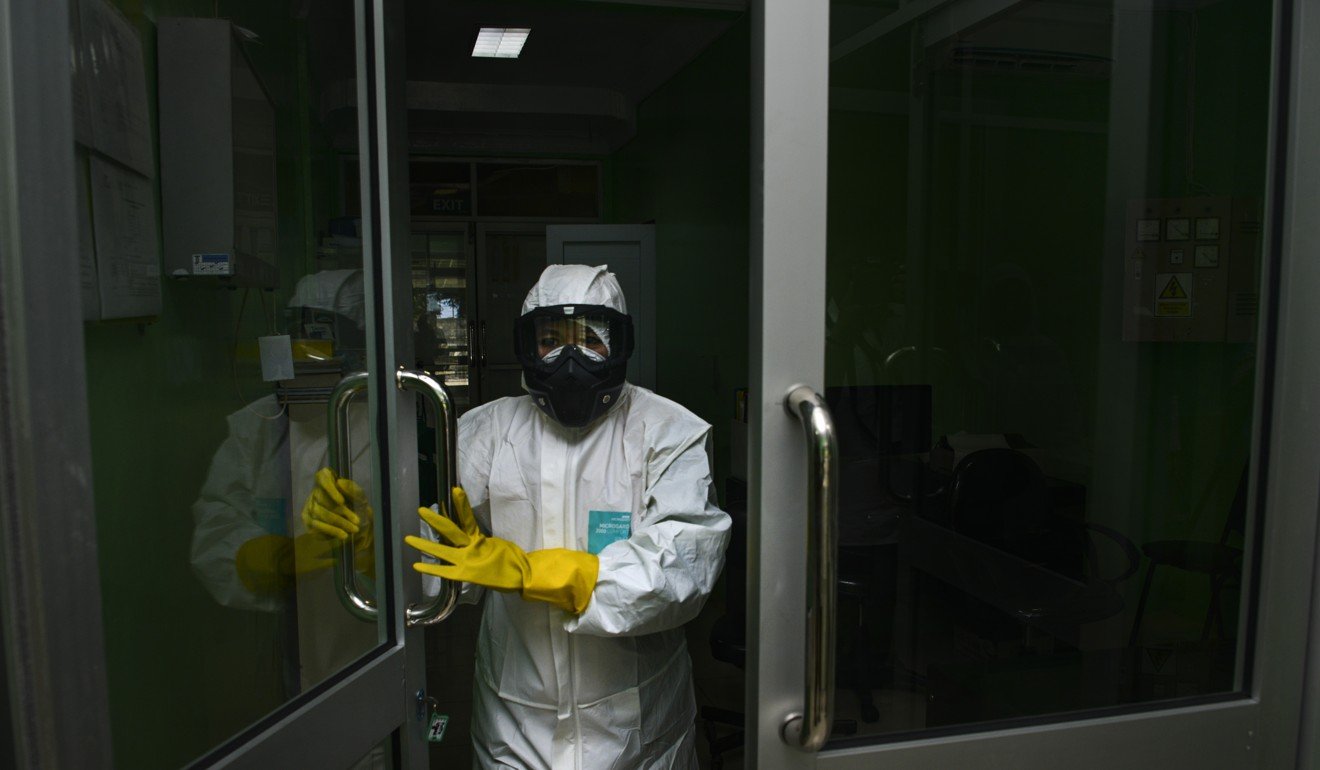
A health worker in protective gear walks into a quarantine room at a hospital in Banda Aceh, Indonesia. Photo: AFP
COMING TOGETHER
With critical supplies running short in many countries, experts say it is increasingly vital that countries share both knowledge and resources.
To this end, China has been donating personal protective equipment to places including the Philippines, Pakistan and Europe. China’s richest man Jack Ma is donating 1.8 million masks, 210,000 Covid-19 test kits and 36,000 pieces of protective clothing to 10 countries in Asia.
At the same time, doctors are encouraging the Western world to learn from Asia.
Infectious diseases expert Leong Hoe Nam said that being “bitten by Sars” (severe acute respiratory syndrome) in 2003 had prepared Asia for Covid-19, while Western countries were not similarly prepared and hence lacked sufficient protective equipment.
He pointed to how about 2,000 health care workers had fallen sick in China early in the outbreak because workers did not initially have protective gear. The trend reversed as equipment became available.
“Once the defences were up, there were very few health care workers who fell sick at work. Rather, they fell sick from contact with sick individuals outside the workplace,” he said.
Malaysia is a case in point. While it has reported 80 health care workers falling ill, most are thought to be community infections.
Coronavirus: Doctor explains the proper way to wash your hands and put on a face mask

In a webinar organised by Caixin Global on Thursday night, Peng Zhiyong, an intensive care specialist at Zhongnan Hospital of Wuhan University, shared how they managed a shortage of personal protective equipment early on in the outbreak by rationing workers to two sets of gear per shift.

Meanwhile, in the Philippines, doctors from Manila’s Chinese General Hospital held a video conference call with doctors in Zhejiang to learn from China’s experience of treating Covid-19 patients.

Crowdsourcing platforms have also been created to share advice. The Brigham and Women’s Hospital in Boston has released guidelines for treating critically ill patients and its website includes information from Chinese doctors.

Why Singapore’s coronavirus response worked – and what we can all learn
27 Mar 2020

The Jack Ma Foundation has also launched an online platform for doctors and nurses around the world to share knowledge on fighting the virus. “One world, one fight,” it said in a tweet.

Associate Professor Jeremy Lim from the global health programme at the Saw Swee Hock School of Public Health said it was crucial for countries to work together.

“Viruses don’t respect borders. Countries have to share information and help each other as we are only as strong as the weakest link. Any country can become a reservoir of disease and the world may then be forced to endure a ping-pong of outbreaks over and over again.”

And the advice of Lee, at Singapore’s Ministry of Health? “Practise good hygiene and wash hands regularly.”
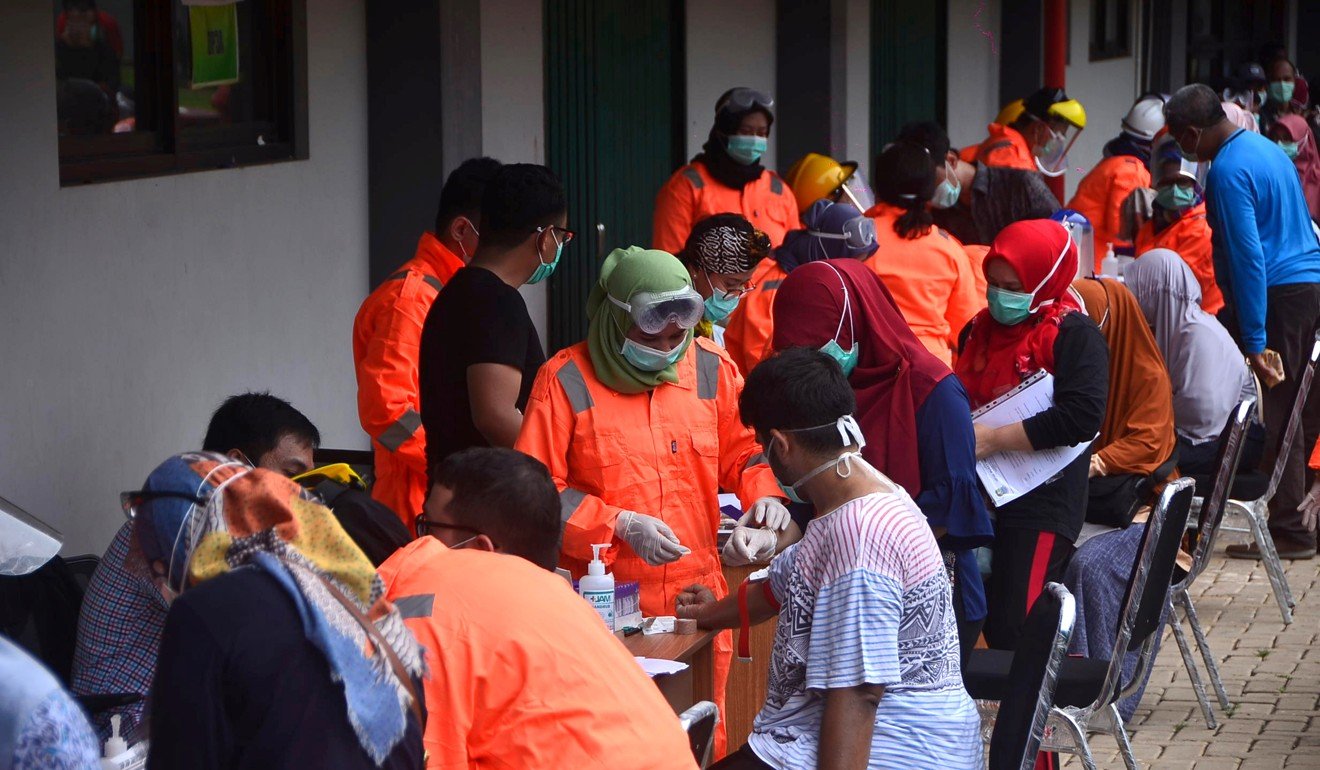
Indonesian medical staff administer mass testing for Covid-19 in Bekasi, West Java. Photo: AFP
SINGAPORE, A CASE STUDY
Amid this sharing of advice, it is often Singapore that is held up as an example to replicate. Despite the country grappling with a rising load of Covid-19 patients, most of whom have recently returned to the city state from abroad, its health care system has continued to run smoothly. Doctors say this is because it has been preparing for a pandemic ever since Sars caught it by surprise. During the Sars outbreak, health care workers accounted for 41 per cent of Singapore’s 238 infections.
Consequently its hospitals swung into contingency planning mode early on in the coronavirus outbreak, telling staff to defer leave and travel plans after its first cases emerged.
Meanwhile, its hospitals swiftly split their workforces into teams to ensure there were enough workers if the outbreak worsened, and to ensure workers got enough rest.

Singapore has 13,766 doctors, or 2.4 doctors for every 1,000 people. That compares to 2.59 in the US, 1.78 in China and 4.2 in Germany. Places like Myanmar and Thailand have fewer than one doctor for every 1,000 people.

Coronavirus: Covid-19 could live on in Indonesia long after world recovers

22 Mar 2020

“The objective is that you can run essential services with the greatest amount of security. Make sure functional units have redundancy built in, and are separate from each other. It depends on what you feel is sufficient to carry on services if one team is affected, factoring in rest periods and some system of rotation,” said Chia Shi-Lu, an orthopaedic surgeon.

The key is to ensure a good doctor-to-patient ratio and ensure there are enough specialists for the critical work, such as doctors and nurses who can provide intensive care, and know how to operate mechanical ventilators or machines to pump and oxygenate a patient’s blood outside the body.

At the emergency department where paediatrics emergency specialist Jade Kua treats Covid-19 cases in addition to regular emergencies, doctors are split into four teams of 21. Each team takes alternate 12-hour shifts and does not interact with other teams.

“We are in modular teams so the teams move together. So you and I would both do morning, off, night, off, morning off. Together. And then the other teams would do the same and we don’t intermingle,” said Kua.
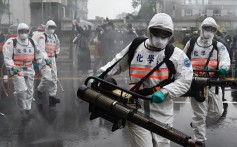
US now has world’s most coronavirus cases, surpassing China
Chia, who works at the Singapore General Hospital, said doctors had been split up according to their functions.
“We try not to meet at all with the other teams as much as possible. We’ll just say hi from across the corridor. Meals are the same. All our cafeterias and everything have got social distancing spaced in already,” said Chia, who is also a member of parliament and chairs a shadow committee on health.
Chia said the health care system could also tap on doctors in the private sector.
Not every country has a plan like this. Last year’s Global Health Security Index by the Economist Intelligence Unit found that 70 per cent of 195 countries scored poorly when it came to having a national plan for dealing with epidemics or pandemics. Almost three in 10 had failed to identify which areas were insufficiently staffed. In India, with a population of 1.3 billion, only about 20,000 doctors are trained in key areas such as critical care, emergency medicine and pulmonology.
Singapore, Hong Kong, Taiwan: the real coronavirus world leaders
19 Mar 2020

In contrast, Singapore published its first Influenza Pandemic Preparedness and Response Plan in June 2005 and has since honed it to a tee. Hospitals regularly war-game scenarios such as pandemics or terrorist attacks and the simulations are sometimes observed by the Ministry of Health, which grades the performance and recommends areas for improvement.

The plan also covers the need to stockpile equipment to avoid the sort of shortages many countries are now facing, another lesson inspired by Sars when masks, gloves and gowns were in short supply.

In a pandemic preparation paper published in 2008, Singapore public health specialist Jeffery Cutter wrote that Singapore’s stockpile was sufficient to cover at least 5 to 6 months’ use by all front-line health care workers.

During the Covid-19 outbreak, it has also told citizens to not wear masks so it can conserve supply for medical staff.

Having enough protective gear has reassured Singapore’s health care workers such as Kua, a mother of six who blogged about her experience fighting Covid-19. Kua said: “I’m safe and my family is safe.”

India’s poor hit hard by 21-day nationwide lockdown amid the coronavirus pandemic
SOMETHING YOU CAN’T GUARD AGAINST
Despite the many positives to emerge from the Lion City, its health care workers are struggling with another problem: discrimination.
While in France, Italy and Britain, residents cheer health care workers from their windows, in Singapore health care workers are seen by some people as disease carriers.
“I try not to wear my uniform home because you never know what kind of incidents you may encounter,” said one Singapore nurse. “The public is scared and wearing our uniforms actually causes quite a bit of inconvenience. One of my staff tried to book a private-hire car to the hospital for an emergency and she was rejected by five drivers.”

There is a similar stigma in India, where the All India Institute of Medical Sciences has appealed to the government for help after health workers were forced out of their homes by panicked landlords and housing societies.

“Many doctors are stranded on the roads with all their luggage, nowhere to go, across the country,” the institute said in a letter.

Lim, from the Saw Swee Hock School of Public Health, said the worst human impulses and “every man for himself” attitudes could emerge in crises and “that is exactly why governments have to step in”.

Discrimination could affect both the performance and motivation of health care workers, Lim warned.

Meanwhile, when health care workers are infected, it creates a “triple whammy” threat.

“It means one fewer professional in an already-strained system, another patient to care for and, potentially, a team of colleagues who need to be quarantined,” said Lim.

“We must do everything possible to keep our health care workforce safe and free from Covid-19.”

Source: SCMP

20/03/2020

Why China’s ‘zero new coronavirus infections’ could be cause for optimism – or caution

  • The country’s only new infections confirmed in the past two days have been imported from overseas, suggesting containment measures worked
  • But there are still likely to be infected people with mild or no symptoms, and questions over how the data was compiled, experts say
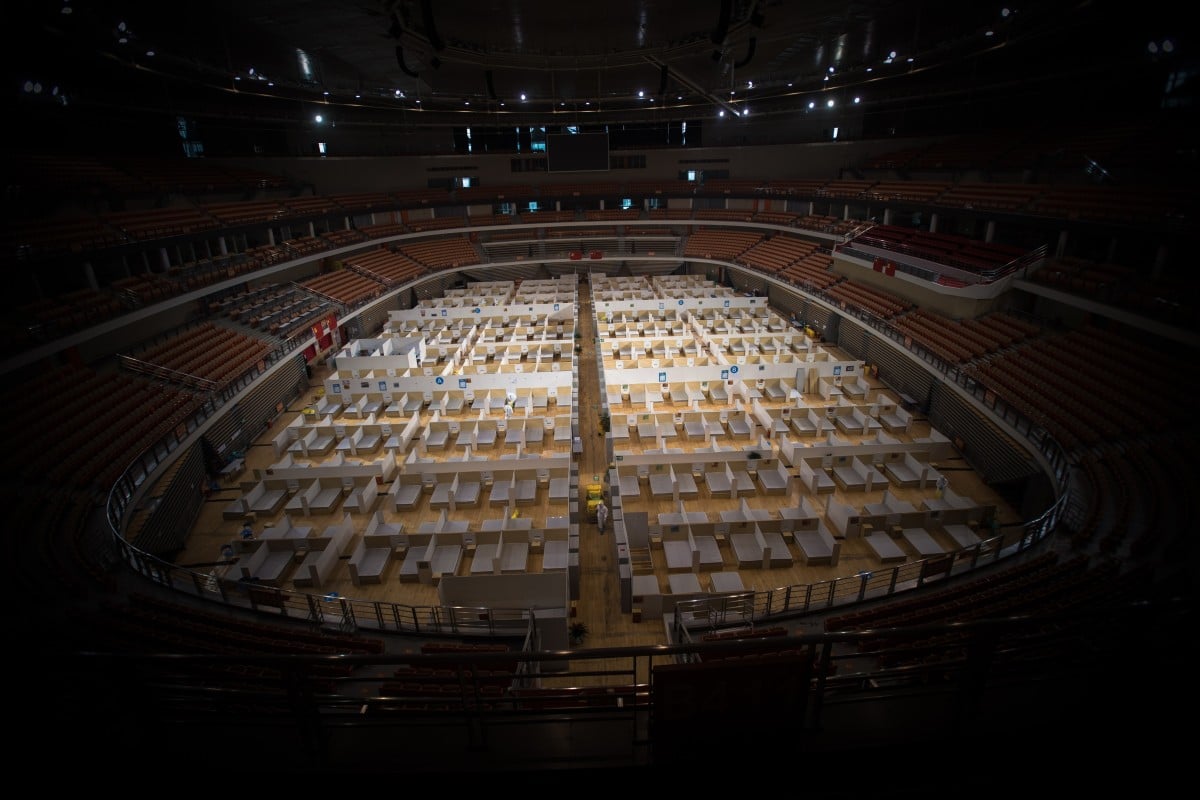
A makeshift hospital in Wuhan, converted from a sports arena, closed on Sunday after its last patients were discharged. Photo: Xinhua
China reached an apparent milestone this week in the fight against the Covid-19 pandemic, announcing zero new non-imported infections on Thursday and Friday, but experts said the figures needed to be treated with caution.
After reporting thousands of daily new infections for much of February, China had a sharp decline this month while the wider world experienced the opposite trend as the coronavirus spread.
As China closes makeshift coronavirus hospitals in the outbreak’s initial epicentre of Wuhan because of a lack of patients, and eases some quarantine restrictions in the city and the broader Hubei province, there is consensus that its unprecedented measures changed the direction of the epidemic, offering hope for other countries.
But there are concerns over whether China’s rock-bottom case numbers reflect the full picture in the country. The high incidence of mild cases of Covid-19 is one reason, health experts said, warning that there could be infected people who were not counted but still able to spread the disease.
Coronavirus: More people have now died from Covid-19 in Italy than in China
“It is important that China is doing a good job testing and screening throughout the country to ensure that there are no pockets of infection remaining,” virologist Jeremy Rossman, of Britain’s University of Kent, said, adding that the news was “exciting” but needed to be “treated with caution”.

“With many of these cases having mild to no symptoms, ensuring that the whole country remains prepared and is actively looking for new cases is essential,” he said. “While it is possible there are no new cases, it is also very possible that somewhere in the country there are mildly infected people.”

Missing mild cases, and those infected but showing no symptoms, are a “legitimate concern”, according to Xi Chen, an assistant professor at the Yale School of Public Health.

Unconfirmed cases ‘may be behind rapid spread of coronavirus in China’
19 Mar 2020

“Eighty per cent of cases have mild symptoms, so zero cases is a milestone, but not the end of the epidemic in China,” he said. Patients with mild symptoms or who are asymptomatic can still spread the disease to others, he added, and this needed to be monitored carefully in the coming weeks.

Are medicines to prevent and cure the coronavirus disease within reach?
China has come under scrutiny for how it treats asymptomatic cases. The National Health Commission excludes patients who test positive yet show no symptoms from its number of confirmed cases, although it monitors those cases when it knows of them.

The extent to which asymptomatic carriers contribute to spreading the disease is yet to be understood by scientists.

In addition, Hubei province in mid-February changed how it classified its confirmed cases, which caused a surge in infection numbers. This decision, which allowed doctors to diagnose a person by a clinical examination, not only by a positive laboratory test, was later reversed, leaving confusion about the true extent of the disease.

China must focus on keeping out imported cases, expert says

20 Mar 2020

Other commentators said it could not be ignored that political considerations may play a part as China looks to highlight its communist governance model and portray itself as a global leader in combating the disease.

“We are in the midst of the most intensive propaganda operation of the [Communist] Party state in living memory, in trying to project its success in dealing with the virus,” Steve Tsang, director of the University of London’s SOAS China Institute, said. “That narrative requires statistical backup.

Coronavirus: China starts getting back on track after being hit hard by the Covid-19 pandemic
“I’m not saying [the zero number] is necessarily wrong; I’m simply saying we don’t know. What we do know is that there is now a political imperative for the statistics to be [low], and now we have statistics that serve the political imperative.”

Data can be trusted when it comes with transparency about how it was collected, so that it can be independently evaluated, Tsang said.

Nis Gruenberg, an analyst with Berlin-based independent think tank the Mercator Institute for China Studies, said that the numbers could be viewed as an “indicator” of a reduction of cases in China.

China’s economy slowly emerging from lockdown with power, transport gains

20 Mar 2020

“Some [Western critics] have been saying China and its system are ill-equipped to handle this outbreak, and now the Chinese government is trying to invert that argument and say, ‘Look at you, you are not doing it well enough,’” Gruenberg said.

The message from the Chinese government that it has succeeded in containing the virus may “politicise” the figures and is a potential driver for under-reporting around the country, according to Gruenberg.

“If history is any guide in China then there is a massive history of under-reporting for various reasons, both within the system and internationally,” he said. “I’m sceptical that this is the true number, or that anyone really knows the true number.”

Source: SCMP

23/02/2019

Trump says he’s inclined to extend China trade deadline and meet Xi soon

WASHINGTON (Reuters) – President Donald Trump said on Friday there was “a very good chance” the United States would strike a deal with China to end their trade war and that he was inclined to extend his March 1 tariff deadline and meet soon with Chinese President Xi Jinping.

“I think that we both feel there’s a very good chance a deal will happen,” Trump said.

Liu agreed there had been “great progress”.

“From China, we believe that (it) is very likely that it will happen and we hope that ultimately we’ll have a deal. And the Chinese side is ready to make our utmost effort,” he said at the White House.

The Republican president said he probably would meet with Xi in March in Florida to decide on the most important terms of a trade deal.


Optimism that the two sides will find a way to end the trade war lifted stocks, especially technology shares. The S&P 500 stock index reached its highest closing level since Nov. 8. Oil prices rose to their highest since mid-November, with Brent crude reaching a high of $67.73 a barrel. [.N] [O/R]

CURRENCY AGREEMENT

Trump and Treasury Secretary Steven Mnuchin said the two sides had reached an agreement on currency. Trump declined to provide details, but U.S. officials long have expressed concerns that China’s yuan is undervalued, giving China a trade advantage and partly offsetting U.S. tariffs.

Announcement of a pact aimed at limiting yuan depreciation was putting “the currency cart before the trade horse,” but would likely be positive for Asian emerging market currencies, said Alan Ruskin, global head of currency strategy at Deutsche Bank in New York.

“How can you agree to avoid excessive Chinese yuan depreciation or volatility if you have not made an agreement on trade that could have huge FX implications?” Ruskin asked in a note to clients.

In a letter to Trump read aloud by an aide to Liu at the White House, Xi called on negotiators to work hard to strike a deal that benefits both country.

Trump said a deal with China may extend beyond trade to encompass Chinese telecommunications companies Huawei Technologies and ZTE Corp.

The Justice Department has accused Huawei of conspiring to violate U.S. sanctions on Iran and of stealing robotic technology from T-Mobile US Inc.

Chinese peer ZTE was last year prevented from buying essential components from U.S. firms after pleading guilty to similar charges, crippling its operations.

MEMORANDUMS NO MORE

Trump appeared at odds with his top negotiator, U.S. Trade Representative Robert Lighthizer, on the preliminary terms that his team is outlining in memorandums of understanding for a deal with China. Trump said he did not like MOUs because they are short term, and he wanted a long-term deal.

“I don’t like MOUs because they don’t mean anything,” Trump said. “Either you are going to make a deal or you’re not.”

Lighthizer responded testily that MOUs were binding, but that he would never use the term again.

Reuters reported exclusively on Wednesday that the two sides were drafting the language for six MOUs covering the most difficult issues in the trade talks that would require structural economic change in China.

Negotiators have struggled this week to agree on specific language within those memorandums to address tough U.S. demands, according to sources familiar with the talks. The six memorandums include cyber theft, intellectual property rights, services, agriculture and non-tariff barriers to trade, including subsidies.

An industry source briefed on the talks said both sides have narrowed differences on intellectual property rights, market access and narrowing a nearly $400 billion U.S. trade deficit with China. But bigger differences remain on changes to China’s treatment of state-owned enterprises, subsidies, forced technology transfers and cyber theft of U.S. trade secrets.

Lighthizer pushed back when questioned on forced technology transfers, saying the two sides made “a lot of progress” on the issue, but did not elaborate.

The United States has said foreign firms in China are often coerced to transfer their technology to Chinese firms if they want to operate there. China denies this.

The U.S. Chamber of Commerce on Friday urged the U.S. government to ensure the deal was comprehensive and addressed core issues, rather than one based on more Chinese short-term purchases of goods.

China has pledged to increase purchases of agricultural produce, energy, semiconductors and industrial goods to reduce its trade surplus with the United States.

China committed to buying an additional 10 million tonnes of U.S. soybeans on Friday, U.S. Agriculture Secretary Sonny Perdue said on Twitter. China bought about 32 million tonnes of U.S. soybeans in 2017. The commitments are a “show of good faith by the Chinese” and “indications of more good news to come,” Perdue wrote.

China was the top buyer of U.S. soybeans before the trade war, but Beijing’s retaliatory tariffs on U.S. soybeans slashed business that had been worth $12 billion annually.

Source: Reuters

06/10/2016

Chinese people optimistic about the future, says Pew survey – BBC News

At a time of Brexit and talk of a wall between the United States and Mexico, it seems the Chinese are embracing international engagement.

They think their country’s power is rising, that their living standards will keep improving, that corruption is being cleaned up and that air pollution should be fixed even if it means slowing down economic growth.

These are the views which have emerged from a broad survey from Washington-based the Pew Research Center.

Elsewhere there is fear and uncertainty. Here optimism trumps all.

When asked about economic globalisation, 60% of people said it is a good thing and only 23% think it is bad for China.

While some China watchers are warning that this country’s mounting local government debt could mean that a hard landing is on the way, Chinese people don’t appear to share this pessimism.

Nearly 90% of respondents amongst this group of 3,154, interviewed face-to-face in China earlier this year, think that the state of their country’s economy is either “very good” or “somewhat good”.

GETTY IMAGES – Chinese people seem to remain optimistic

Looking into the future things will apparently get even better: 76% of people think the economy will improve over the next 12 months, 70% said their personal financial situation will improve and eight out of 10 people believe that their children will have a better standard of living than they do.

Bread and butter issues

It’s not that people are without concerns.

“Corrupt officials” is at the top of the table when it comes to people’s worries (83% said this was a “very big” or “moderately big” problem) and yet here too we see optimism.

Some 64% of them said that President Xi Jinping‘s massive anti-corruption drive would improve the situation over the next five years.

Running down the concern list, an alarmingly high number of people see income inequality and the safety of food and medicine as “very big” problems.

This should give the Chinese Communist Party pause for concern.

If you enjoy monopoly power on the basis that you are delivering “socialism with Chinese characteristics” then a small group of ultra-rich driving around in their sports cars and showing off their wealth while most struggle to pay the rent is surely at odds with your central message.

Then, if ordinary Chinese people can’t even trust the food and medicine they are giving their children, the possibility for social unrest over bread and butter issues is looming large.

The environment also emerges as a massive challenge with water and air pollution at the front of people’s minds.

Air pollution is so bad in China that half of those polled said their country should fight air pollution harder even if it means sacrificing economic growth.

GETTY IMAGES – Emissions from coal-powered industries, cars and heating systems generate the smog

Only 24% saw air deterioration as a necessary price to pay.

When it comes to the war of ideas in the top echelons of power here, those ministers in favour of tougher environmental protection measures could do worse than table this research.

A “major threat” to China?

The South China Sea and other geo-strategic tensions offer some of the most bleak opinions.

Nearly six out of 10 people think that territorial pressures with neighbours could lead to military conflict; 77% say their way of life needs to be protected from “foreign influence” (up by 13 percentage points since 2002) and only 22% say China should help other nations.

Regarding relations with rival superpower the United States people views are complex and, at times, seemingly contradictory.

Around half of Chinese respondents rated the US favourably but more than half think that Washington is trying to prevent China from becoming an equal power.

About 45% said that US power and influence poses a “major threat” to China. In fact the US came in at number one as the top international threat to the country.

GETTY IMAGES – More than half of Chinese people think that Washington is trying to prevent China from becoming an equal power

It’s interesting that some would see the Obama administration’s so-called “pivot to Asia” as a greater threat than say jihadist extremist groups just across the western border promoting bloody conflict in China’s vast Muslim region of Xinjiang.

Either way, whatever the perceived threat, China is seen as becoming ever more important and with ever more power at its disposal.Information is being controlled here ever more tightly – whether it is coming from the traditional media or sources online – so some analysts will see these views as the inevitable result of messages being delivered to the Chinese people by their government.

This may the be case but, in a world where politicians in various countries are accused of exploiting people’s fear and insecurity, could it be that a quarter of the globe’s population are going around with a smile on their dial because every day they look out the window and to them it just gets better and better?

Source: Chinese people optimistic about the future, says Pew survey – BBC News

Law of Unintended Consequences

continuously updated blog about China & India

ChiaHou's Book Reviews

continuously updated blog about China & India

What's wrong with the world; and its economy

continuously updated blog about China & India