Archive for ‘global’

02/12/2019

Factbox – The world’s biggest electric vehicle battery makers

(Reuters) – Asian companies dominate the market for electric vehicle (EV) batteries and they are expanding their production capacity in Europe, China and the United States in a fight to win lucrative contracts from global automakers.

Some carmakers worry, however, there won’t be enough batteries for all the EVs they plan to launch in the coming years and a bitter row between South Korea’s SK Innovation and LG Chem risks exacerbating the potential shortfall.

Below are details of the world’s leading EV battery makers with details of their customers and expansion plans:

CATL

China’s Contemporary Amperex Technology (CATL), the world’s biggest EV battery maker, counts BMW (BMWG.DE), Volkswagen (VOWG_p.DE), Daimler (DAIGn.DE) – which makes Mercedes cars – Volvo, Toyota Motor Corp (7203.T) and Honda Motor Co (7267.T) among its customers.

The company emerged as a major force partly thanks to Beijing’s policy of only subsidising vehicles equipped with Chinese batteries in the world’s biggest EV market. Beijing is phasing out EV subsidies next year.

CATL, which operates factories in China, is building its first overseas plant in Germany and is considering a U.S. factory.

PANASONIC CORP (6752.T)

Japan’s Panasonic, a supplier of U.S. EV pioneer Tesla (TSLA.O), said it has installed equipment to ramp up production at Tesla’s Nevada plant to 35 GWh from its current production of around 30 GWh as of late October. Panasonic has said it is investing about $1.6 billion in the factory.

Panasonic also produces EV batteries in Japan, China and plans to shift some of its plants to a new joint venture with Toyota. Panasonic’s clients also include Honda and Ford Motor Company (F.N).

For a graphic of expansion plans: tmsnrt.rs/35tFmOL

BYD CO LTD (002594.SZ)

China’s BYD, which is backed by U.S. investor Warren Buffett, is also one of the world’s biggest EV battery makers. It mainly uses them in-house for its own cars and buses. BYD said last year it is was considering cell production in Europe.

LG CHEM LTD (051910.KS)

The South Korean firm was an early industry mover, winning a contract to supply General Motor’s (GM.N) Volt in 2008. It also supplies Ford, Renault (RENA.PA), Hyundai Motor (005380.KS), Tesla, Volkswagen and Volvo.

It is investing 3.3 trillion won ($2.8 billion) to build and expand production facilities near Tesla’s plant in Shanghai. It has a joint venture (JV) in China with Geely Automobile Holdings (0175.HK), which makes Volvos, and is in talks with other carmakers about JVs in major markets.

The firm is considering building a second U.S. factory in addition to its facility in Michigan and is expanding its plant in Poland.

SAMSUNG SDI CO LTD (006400.KS) Samsung SDI an affiliate of South Korean tech giant Samsung Electronics (005930.KS), has EV battery plants in South Korea, China and Hungary, which supply customers such as BMW (BMWG.DE), Volvo and Volkswagen. Samsung SDI is investing about 1.2 billion euros ($1.3 billion) to expand its factory in Hungary though the EU is investigating whether Budapest’s financial support complies with the bloc’s state aid rules.

Samsung started production last year on the Hungary plant, which will produce batteries for 50,000 EVs a year.

SK INNOVATION CO LTD (096770.KS) LG Chem’s cross-town rival SK Innovation supplies batteries to Volkswagen, Daimler and Kia Motors (000270.KS), as well as Jaguar Land Rover [TAMOJL.UL] and Ferrari (RACE.MI).

An oil refiner that came to the battery industry late, SKI is investing about $3.9 billion to build three plants in the United States, China and Hungary, with a goal of expanding its annual production capacity to 33 GWh by 2022.

SKI currently operates one battery factory in South Korea, with a capacity of 4.7 GWh annually.

It set up a joint venture with Beijing Automotive Industry Corporation (BAIC) of China in August 2018 and another Chinese partner. It is in talks with Volkswagen about another battery JV and is building a $1.7 billion factory in the U.S. state of Georgia, not far from Volkswagen’s Chattanooga plant.

Source: Reuters
25/11/2019

Priya: India’s female comic superhero returns to rescue ‘stolen girls’

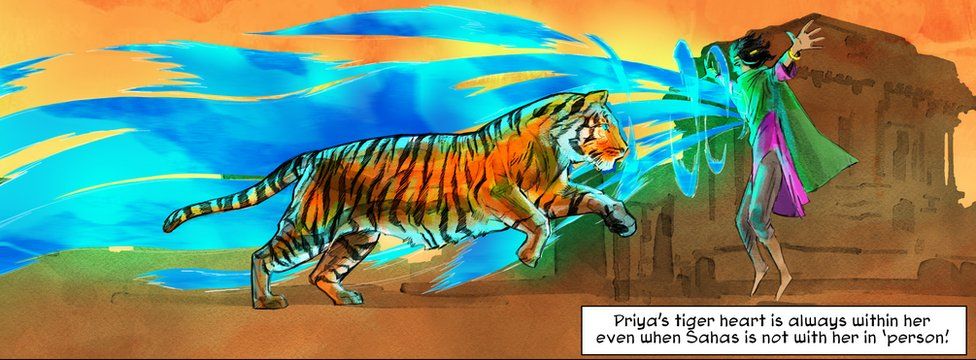
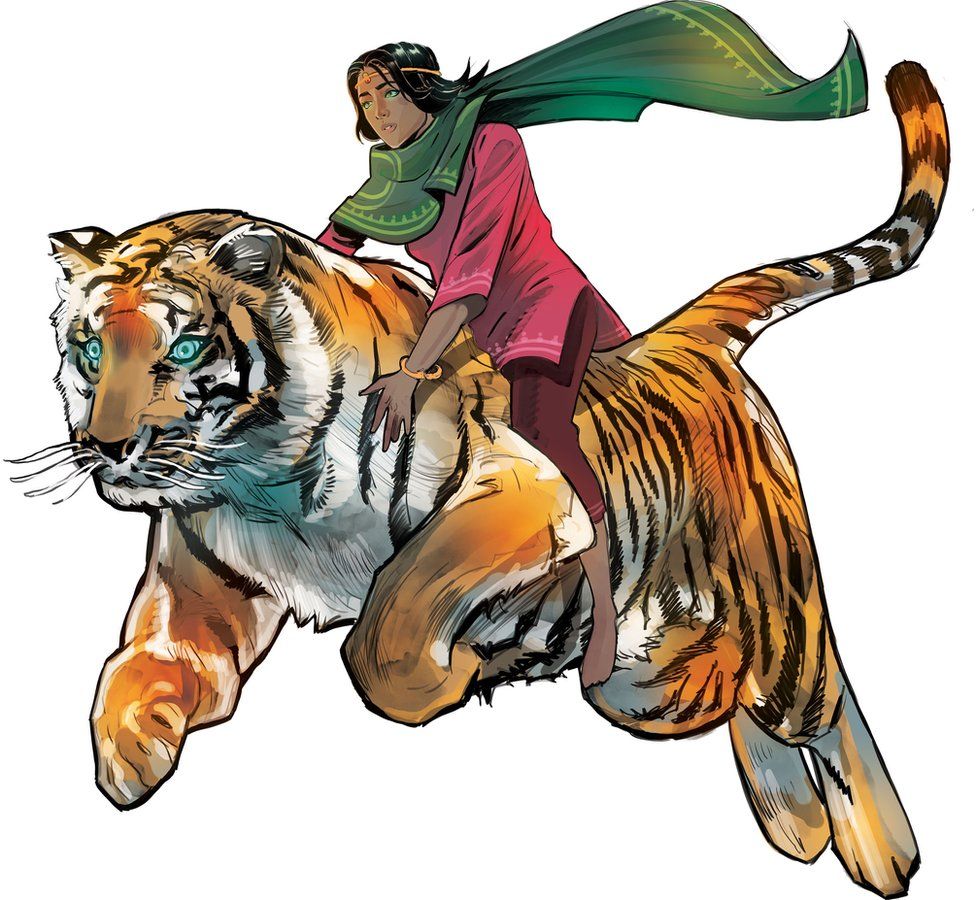
Priya Shakti riding her pet tiger SahasImage copyright PRIYASHAKTI

Comic crusader Priya, a gang-rape survivor who earlier campaigned against rape and acid attack, is back in a new avatar. This time she is fighting the trafficking of girls and women for sex.

The “modern-day female superhero” was first launched in December 2014, exactly two years after the horrific gang rape of a young woman on a bus in Delhi, to focus attention on the problems of gender and sexual violence in India.

In the first edition, Priya Shakti, the tiger-riding heroine challenges the stigma surrounding rape while in Priya’s Mirror, the second edition, she returns to fight acid attacks.

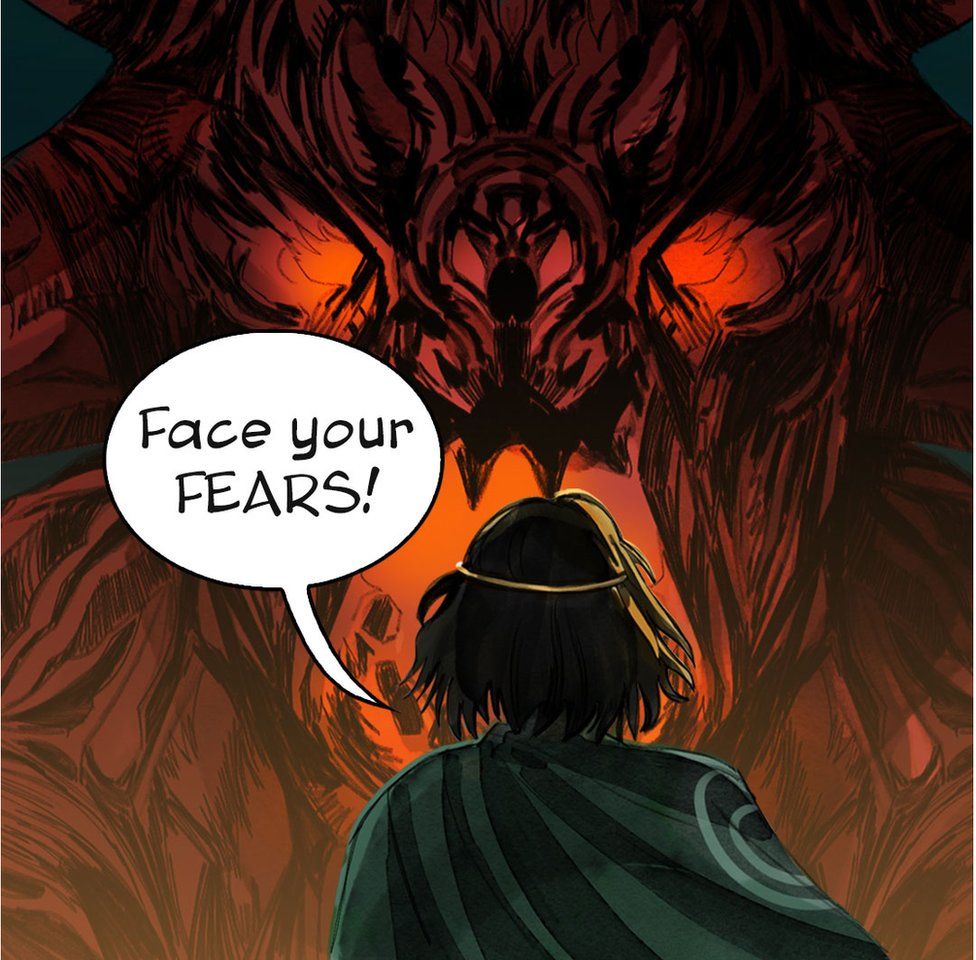
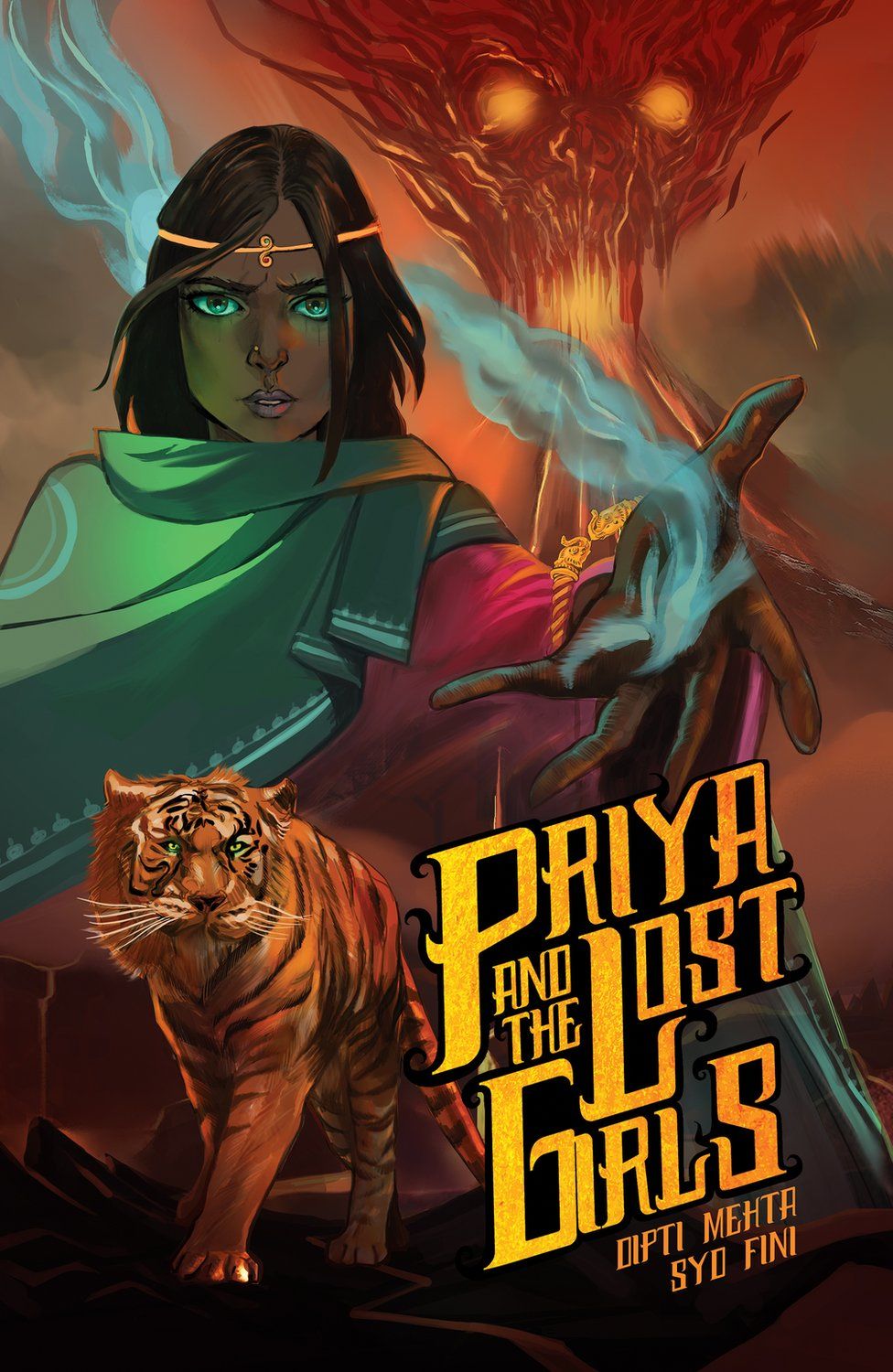
In the latest edition – Priya and the Lost Girls – she takes on the powerful sex-trafficker Rahu, the evil demon who runs an underworld brothel city where he has entrapped many women, including Priya’s sister Lakshmi.

Indian-American actor and writer Dipti Mehta, who wrote the script of the comic, draws on ancient Indian mythology to create larger-than-life fantastical characters and delivers a powerful feminist statement.

The story of Lost Girls begins when the protagonist returns home to find that there are no girls in her village.

She then mounts her flying tiger Sahas (Hindi for courage) and arrives in Rahu’s den. It’s a city ruled by greed, jealousy and lust, where women exist only to serve and please men – and those who resist are turned into stone.

Priya with her tiger SahasImage copyright PRIYASHAKTI

Priya is threatened and attacked, a woman who works for Rahu tries to lure her into the sex trade saying: “If you work for us, you’d serve only five to six men and not 20”, but in the end, good wins over evil and she manages to vanquish Rahu and liberate her sister and all the other trafficked girls.

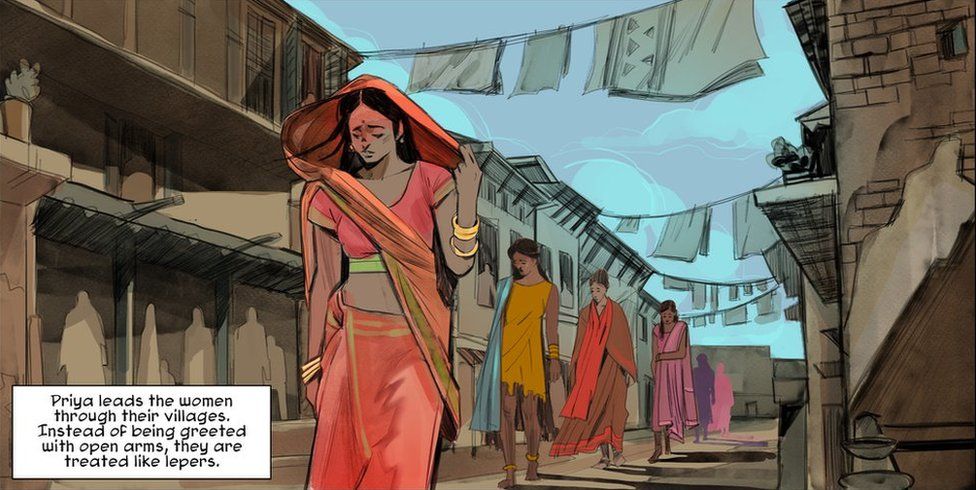
But victory still eludes her. The families of rescued girls refuse to take them back. The survivors are treated like “lepers”, facing stigma, scorn and ridicule.

But Priya and the other girls stand up to confront patriarchy, says Ms Mehta, “just as women have broken their silence to talk about MeToo”, the campaign against sexual harassment and abuse that started in Hollywood in October 2107 and later spread to many other parts of the world.

“I was very clear from the start that Lost Girls can’t be just another comic book where good guy wins and evil dies, it had to be much more than that,” Ms Mehta says.

Presentational grey line
Priya Shakti in the comicImage copyright PRIYASHAKTI
Presentational grey line

Ram Devineni, the Indian-American creator of the comic series, told the BBC that he had decided to focus on sex trafficking in this edition after visiting Sonagachi, India’s largest red-light area in the eastern city of Kolkata, where he met several women engaged in sex work.

“Half of them told me they had been tricked into coming there and, once there, they were forced into the sex trade. The other half said they’d agreed to do this for a living because they were dirt poor and they had no alternative.

“Often there were two to three women sharing a small dingy room, many of them had young children who lived with them, and some of them said their children slept in the same bed where they serviced clients.

“I found that really disheartening.”

Presentational grey line
Cover of Priya and The Lost GirlsImage copyright PRIYASHAKTIPresentational grey lineAccording to the United Nations Office on Drugs and Crime, human trafficking is the second largest organised criminal business in the world after the arms trade. It is even ahead of the drugs trade.

“It’s a multi-billion-dollar industry,” anti-trafficking activist Ruchira Gupta told the BBC on the phone from New York.

Ms Gupta, who supports trafficked girls and women in India through her charity Apne Aap Women Worldwide, says there are 100 million people trapped in human trafficking globally, of which 27 million are in India alone, and most of the trafficking is in girls and young women.

India, Bangladesh and Nepal, she says, make up “the epicentre” of global sex trafficking.

Ms Gupta, who collaborated on Priya and the Lost Girls, says she plans to take the comic to schools and colleges in India and the US to use it as a talking tool, “as a conversation starter on what is a very difficult topic”.

The only way to fight trafficking, she believes, is to “de-normalise” sex trade – and cinema, art and pop culture are tools that can help do that.

The comic is made to appeal to young people. After its launch, it can be downloaded for free anywhere in the world; it also has “augmented reality features”, which means people can see special animation and movies by scanning the artwork with their smartphones.

The families of rescued girls refuse to take them back, the survivors facing stigma, scorn and ridiculeImage copyright PRIYASHAKTI

“People often make flippant comments to say that prostitution is the oldest occupation in the world, but they don’t realise that trafficking is not some poor woman getting money in exchange for having sex with a man. It is the extreme exploitation of most vulnerable girls,” Ms Gupta says.

To stop this “commodification” of girls, she adds, we need to create revulsion in men’s minds about sex trade – and it’s best to catch them young.

“We must work with young boys and teenagers, 13 to 14 year olds, through storytelling and pop culture. They learn about sex from porn sites which portray sex workers as happy hookers, and no-one sees the girl behind her.

“I want to demolish that myth of the happy hooker. I want to ensure that people see the girl behind her.”

Artwork by Syd Fini and Neda KazemifarPresentational grey line

You may also be interested in…

Media caption Freida Pinto: Why I made a film about sex slaves

Source: The BBC

13/11/2019

Xinjiang cotton sparks concern over ‘forced labour’ claims

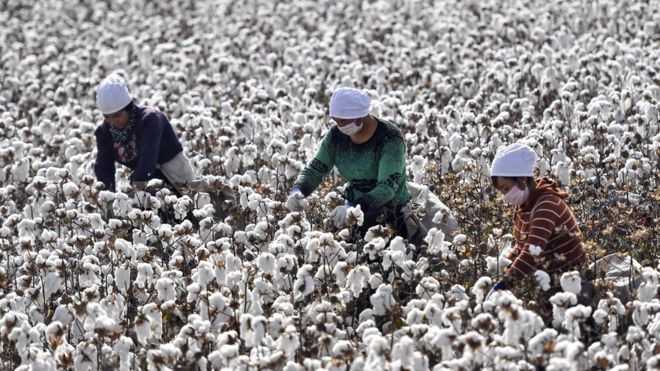
Farmers pick cotton during the harvest on October 21, 2019 in Shaya County, Xinjiang Uygur Autonomous Region of China.Image copyright GETTY IMAGES

Global retailers are facing scrutiny over cotton supplies sourced from Xinjiang, a Chinese region plagued by allegations of human rights abuses.

China is one of the world’s top cotton producers and most of its crop is grown in Xinjiang.

Rights groups say Xinjiang’s Uighur minority are being persecuted and recruited for forced labour.

Many brands are thought to indirectly source cotton products from the Xinjiang region in China’s far west.

Japanese retailers Muji and Uniqlo attracted attention recently after a report highlighted the brands used the Xinjiang-origin of their cotton as a selling point in advertisements.

H&M, Esprit and Adidas are among the firms said to be at the end of supply chains involving cotton products from Xinjiang, according to a Wall Street Journal investigation.

“You can’t be sure that you don’t have coerced labour in your supply chain if you do cotton business in China,” said Nathan Ruser, researcher at the Australian Strategic Policy Institute.

“Xinjiang labour and what is almost certainly coerced labour is very deeply entrenched into the supply chain that exists in Xinjiang.”

What is happening in Xinjiang?

UN experts and human rights groups say China is holding more than a million Uighurs and other ethnic minorities in vast detention camps.

Rights groups also say people in camps are made to learn Mandarin Chinese, swear loyalty to President Xi Jinping, and criticise or renounce their faith.

China says those people are attending “vocational training centres” which are giving them jobs and helping them integrate into Chinese society, in the name of preventing terrorism.

What is produced in Xinjiang?

The Xinjiang region is a key hub of Chinese cotton production.

China produces about 22% of global cotton supplies, according to a report by the Center for Strategic and International Studies (CSIS).

Last year, 84% of Chinese cotton came from Xinjiang, the report said.

That has raised concerns over whether forced labour has been used in the production of cotton from the region.

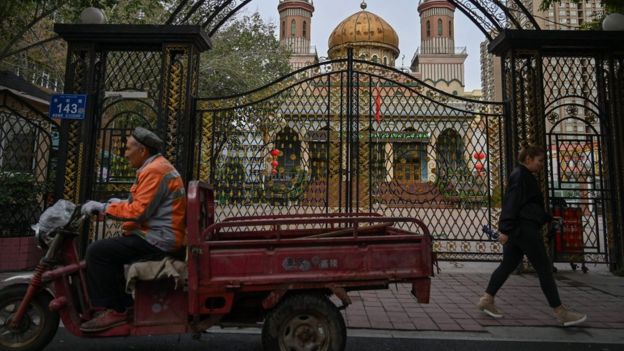
This photo taken on September 11, 2019 shows people walking past a mosque in Urumqi, the regional capital of Xinjiang.Image copyright GETTY IMAGES
Image caption The Uighurs are mostly Muslims, and number about 11 million in China’s Xinjiang region

Nury Turkel, chairman of the Uighur Human Rights Project in Washington, said the Uighurs were being “detained and tormented” and “swept into a vast system of forced labor” in Xinjiang.

In testimony to US congress, he said it was becoming “increasingly hard to ignore the fact” that the goods manufactured in the region have “a high likelihood” of being produced with forced labour.

Which brands use Xinjiang cotton?

Amy Lehr, director of CSIS Human Rights Initiative, said in many cases Western companies aren’t buying directly from factories in Xinjiang.

“Rather, the products may go through several stages of transformation after leaving Xinjiang before they are sent to large Western brands,” she said.

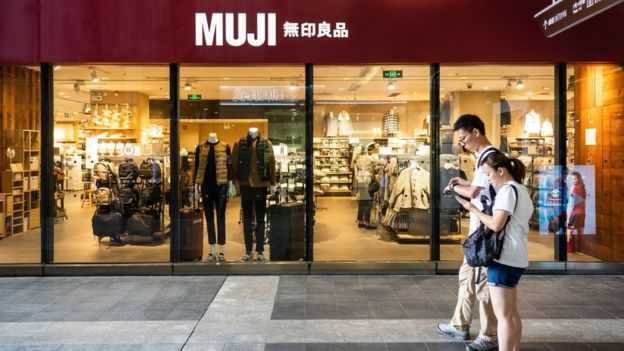
Some, like Muji, are very open about sourcing material from Xinjiang.

The Japanese retail chain launched a new Xinjiang Cotton collection earlier this year.

One of its advertisements boasts “soft and breathable” men’s shirts made from organic cotton “delicately and wholly handpicked in Xinjiang”.

Another Japanese fashion brand Uniqlo had also touted the Xinjiang region in an advertisement advertisment for men’s shirts.

In the fine print of the shirt description, the advert said the shirts were made from Xinjiang cotton, “famous for its superb quality”.

That reference was later removed from the advertisement “given the complexity of this issue”, according to a spokesperson for Uniqlo.

“Uniqlo does not have any production partners located in the Xinjiang region. Moreover, Uniqlo production partners must commit to our strict company code of conduct.

“To the best of our knowledge, this means our cotton comes only from ethical sources,” the spokesperson told the BBC.

Pedestrians walk past a Japanese household and consumer goods retailer, Muji store in ShenzhenImage copyright GETTY IMAGES

According to the Wall Street Journal report which focused on workers at a mill operated by Huafu Fashion in Aksu, Xinjiang, yarn made in the region was present in the supply chains of several international retailers including H&M, Esprit and Adidas.

Many of the companies looked into the allegations, including those without clear links to the Huafu mill.

In a statement to the BBC, Adidas said: “While we do not have a contractual relationship with Huafu Fashion Co., or any direct leverage with this business entity or its subsidiary, we are currently investigating these claims.”

“We advised our material suppliers to place no orders with Huafu until we have completed those investigations,” the Adidas spokesperson said.

Esprit, which also does not source cotton directly from Xinjiang, said it had made several inquiries earlier this year.

“We concluded that a very small amount of cotton from a Huafu factory in Xinjiang was used in a limited number of Esprit garments,” the firm said in a statement.

The company has instructed all suppliers to not source Huafu yarn from Aksu, the statement said.

H&M said it does not have “a direct or indirect business relationship” with any garment manufacturer in the Xinjiang region.

“We have an indirect business relationship with Huafu’s spinning unit in Shanyu, which is not located in the Xinjiang region, and according to our data, the vast majority of the yarn used for our garment manufacturing comes from this spinning unit,” a spokesperson for H&M said.

“Since we have an indirect business relationship with the yarn supplier Huafu, we also asked for access to their spinning facilities in Aksu. Our investigations showed no evidence of forced labor.”

Source: The BBC

04/12/2018

India urges global planemakers to ‘Make in India’

MUMBAI, June 3 (Reuters) – India wants to encourage aircraft makers to manufacture in the country, starting with components and moving eventually to complete aircraft, Aviation Minister Suresh Prabhu said on Sunday.

In a series of messages on Twitter, Prabhu appealed to Airbus and Boeing Co to participate in the push as part of the government’s flagship “Make In India” campaign, highlighting the growth potential of the booming market, which has been adding passengers and cutting fares.

India’s booming aviation market and economy needs more than 1,000 passenger planes and “many more” cargo planes, Prabhu, who last week visited an Airbus facility in Toulouse in France, wrote in the Twitter post.

Airbus said last year it expected Indian carriers to order 1,750 aircraft over 20 years. Boeing predicted up to 2,100 planes would be sold in the same period. (Reporting by Aditi Shah and Devidutta Tripathy, editing by Larry king)

Law of Unintended Consequences

continuously updated blog about China & India

ChiaHou's Book Reviews

continuously updated blog about China & India

What's wrong with the world; and its economy

continuously updated blog about China & India