Archive for ‘Hebei province’

21/08/2019

Beijing-Caofeidian bullet trains starts operation

Beijing-Caofeidian bullet trains starts operation

新华网| 2019-08-21 16:25:40|Editor: Xiang Bo
CHINA-HEBEI-CAOFEIDIAN-HIGH-SPEED RAILWAY-OPERATION (CN)

Aerial photo taken on Aug. 21, 2019 shows the D6622 train leaves Caofeidian East Railway Station for Beijing South Railway Station in Tangshan City, north China’s Hebei Province. Bullet trains running between Beijing and Caofeidian, with a stopover in Tangshan, officially started operation on Wednesday. (Xinhua/Yang Shiyao)

Source: Xinhua

18/08/2019

China offers financial support to deal with typhoon, flood, drought

BEIJING, Aug. 17 (Xinhua) — The central government has offered financial support of 920 million yuan (about 131 million U.S. dollars) to local governments to help counter typhoon, flood control and drought relief.

An emergency relief fund of 600 million yuan has been offered to 11 provincial regions including Henan, Sichuan and Gansu to help them control flood and deal with drought, according to the Ministry of Finance and the Ministry of Emergency Management.

Another fund worth 320 million yuan was used to support Hebei, Liaoning, Jilin and Heilongjiang provinces in flood control and typhoon relief.

Typhoon Lekima landed in east China’s Zhejiang on Aug. 10, wreaking havoc as a super typhoon. About 13 provincial regions have been affected by the typhoon.

China announced the second-highest level in China’s four-level typhoon emergency response system to deal with Typhoon Lekima and minimize casualties and losses.

Source: Xinhua

26/07/2019

Li Yanxia: Chinese ‘love mother’ jailed for fraud

File photo of Li YanxiaImage copyrightWEIBO
Image captionLi Yanxia was once hailed as a great philanthropist

A 54-year-old Chinese woman who was once hailed as a philanthropist for adopting 118 children has been sentenced to 20 years in jail.

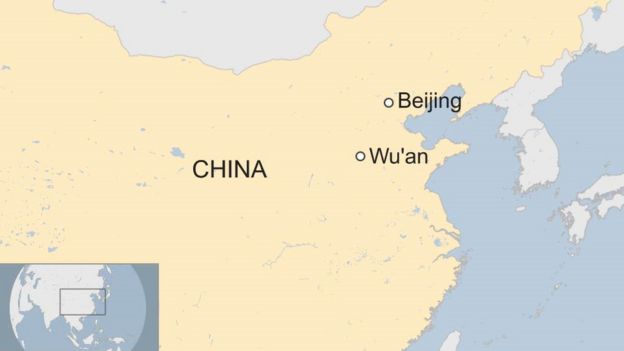
Li Yanxia was found guilty at Wu’an Court in Hebei province on Wednesday of extortion, fraud, forgery and disturbing social order.

The former orphanage owner, who was once nicknamed “Love Mother”, was also fined 2.67m yuan (£311,000; $388,000).

Fifteen accomplices, including her boyfriend, were also convicted.

The court found that Li Yanxia – also known as Li Lijuan – had “abused the orphanage’s influence”.

“[She] committed fraud together with the gang amongst other crimes to obtain vast economic benefit,” said a post released by the Wu’an City People’s Court on microblogging site Weibo.

Her boyfriend Xu Qi was charged with disturbing social order, extortion, fraud and intentional injury. He received a sentence of 12.5 years in jail and a fine of 1.2m yuan.

Some of the other 14 accomplices received jail terms of up to four years.

‘Love mother’ who opened a village

Li first shot to fame in 2006 after the media got wind of the fact that she had been adopting dozens of children in her hometown of Wu’an, a small city in the province of Hebei.

She told media outlets that she had once been married but had divorced. Her ex-husband had sold their son to a trafficker for 7,000 yuan, she alleged. She said she had managed to get her son back – and it was then that she decided she wanted to try to help other children.

Over the years she accrued significant wealth, becoming one of the richest women in Hebei. In the mid-1990s she invested in an iron mining company, and eventually became its owner.

China map

“I often saw a five- or six-year-old girl running around the mine. Her father died… her mother ran away… so I took the girl to my home. She was the first child I adopted,” she told local newspaper the Yanzhao Metropolis Daily at the time.

She went on to adopt dozens of other children and eventually opened an orphanage, which she named “Love Village”. She was often written about in the media, including some reports that she had battled cancer and had spent all her fortune.

The number of children under her care reached its peak in 2017 with 118 children.

It was in that year that the government received tip-offs from members of the public alerting them to suspicious activities.

In May 2018, police found that she had more than 20 million yuan and $20,000 in her bank accounts, and owned luxury vehicles like Land Rovers and Mercedes Benz.

They found she had been carrying out illegal activities since 2011.

She also manipulated some of her adopted children into hindering work on construction sites – in one instance, making them run under trucks so construction could not continue. Li then blackmailed these construction companies.

The 54-year-old was also found to have gained money on the pretext of building up the “Love Village”.

Li was placed under criminal detention later in May that year.

There were 74 children left in the village when she was detained. They were transferred to various other government and school facilities.

Many on social media in China have condemned her actions, calling her a wolf in sheep’s clothing.

“Disgusting. My uncle actually donated to her [orphanage] before,” said one commenter on Weibo.

“I once called her Love Mother,” said another user. “I want to take it back… there’s no love in her at all. She’s not worthy of that name.”

Source: The BBC

22/07/2019

China’s population numbers are almost certainly inflated to hide the harmful legacy of its family planning policy

  • China has inflated its population data so much that its status as the world’s most populous country may be false
  • This happens so provinces can get education subsidies and Beijing can hide the results of decades of family planning
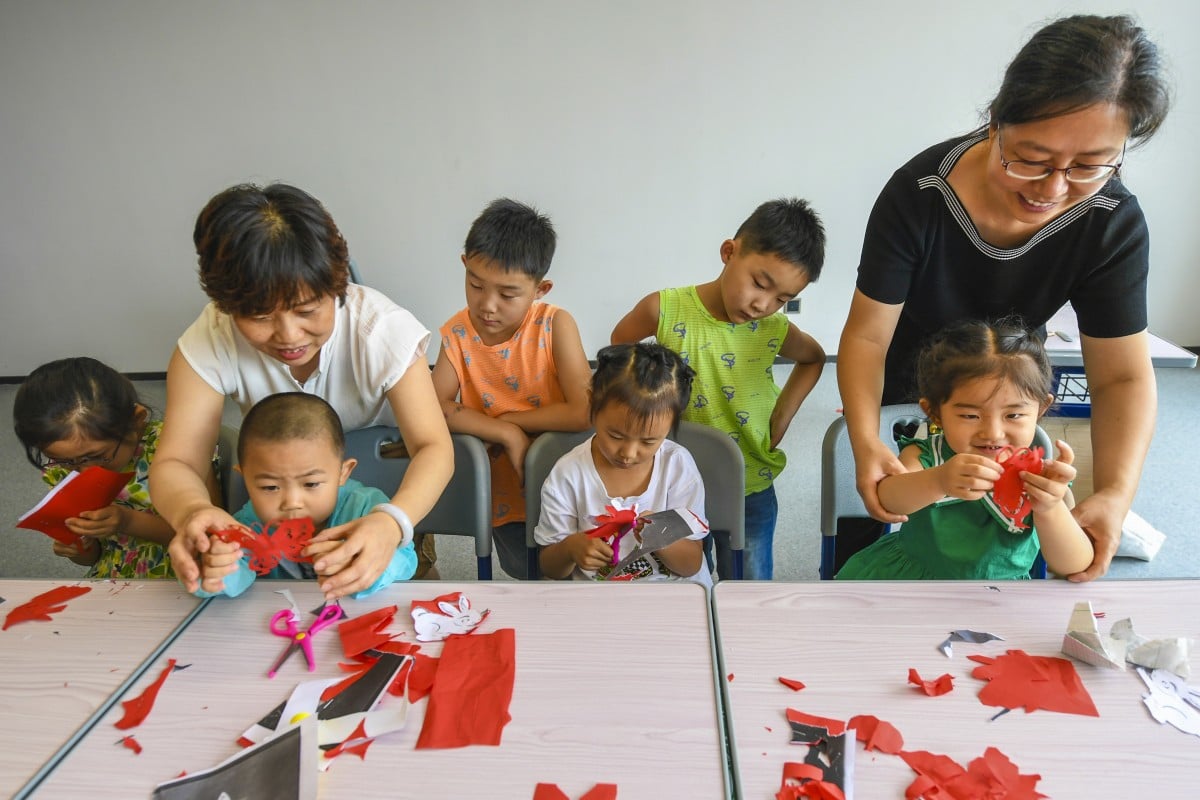
Children in Xianghe county, Hebei province, learn the traditional art of paper-cutting during their summer vacation. The over-reporting of student in enrolment in Chinese schools points to a bigger problem with obtaining an accurate population count. Photo: Xinhua
China’s official demographic figures, including the now-cliched “country of 1.4 billion people”, seriously misrepresent the country’s real population landscape. The real size of China’s population could be 115 million fewer than the official number, putting China behind India in terms of population.
This massive error, equal to the combined populations of the United Kingdom and Spain, is a product of China’s rigged population statistics system, influenced by the vested interests of China’s family planning authority.
To start with, the raw data of China’s population figures were “adjusted”. China’s total fertility rate, or the number of kids per woman throughout her life, dropped below the watershed level of 2.1 in 1991, from which moment the population size of the next generation would be smaller than the current one, and the average total fertility rate was 1.36 in 1994-2018, according to data from census and surveys. However, the family planning authority in charge of the country’s population control refused to believe the numbers and “adjusted” the rate to 1.6-1.8 and, accordingly, the official population size.
For instance, the real total fertility rate in 2000 was 1.22, according to a census result, but the government revised it to 1.8. Accordingly, the country had 14.1 million new births in 2000, but the government revised the figure by 26 per cent to 17.7 million. A census, which is conducted every 10 years, should provide the truest picture of China’s demographic situation. But for the 2000 census, the government was unhappy about the original finding of 1.24 billion and revised it up to 1.27 billion.
One incentive to inflate population size is that China’s family planning authority needs to present a picture of a “rapidly growing population” to justify the country’s brutal family control policies and even the very existence of the birth control apparatus.
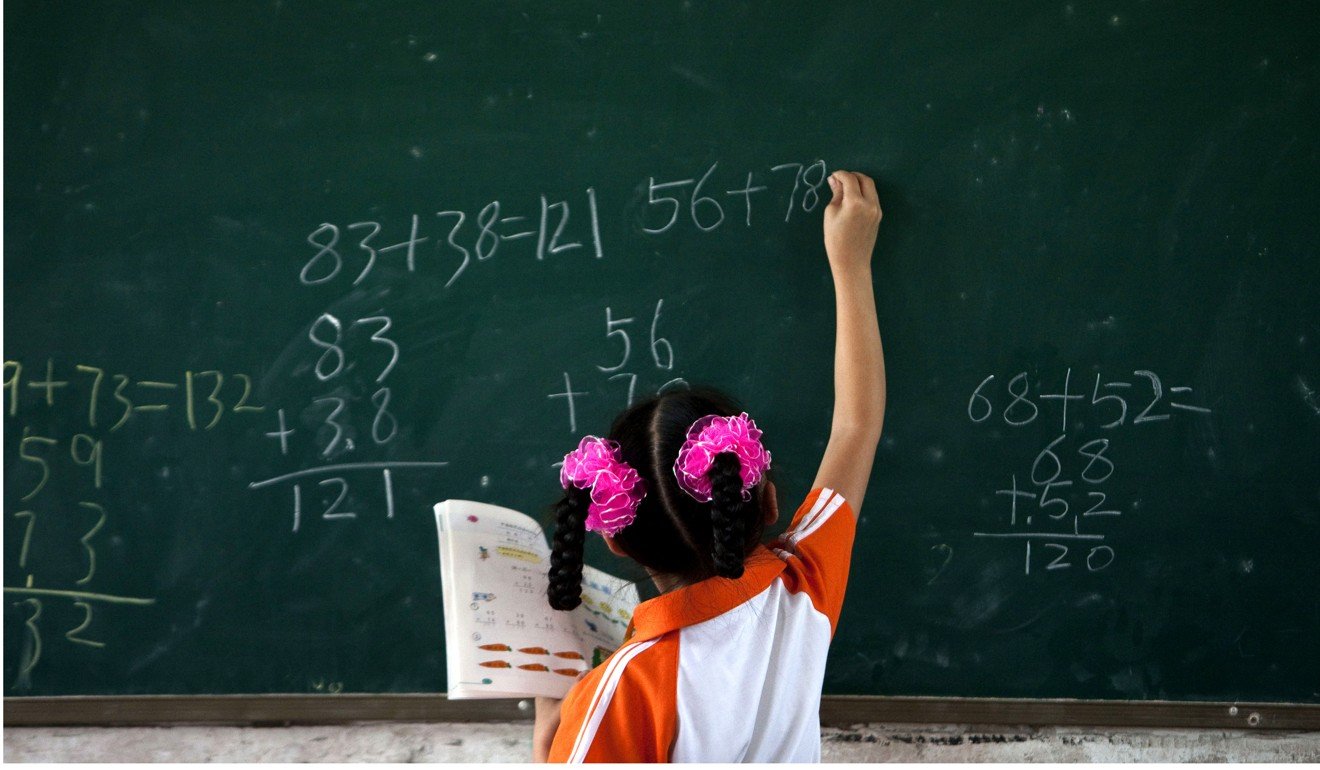
The basis for these adjustments, according to the Chinese government, is the size of primary school enrolment. For the official statisticians, the primary school enrolment data should be reliable because public education covers every Chinese child. They were wrong, however, because primary school enrolment data in China is often inflated so that local authorities can claim more education subsidies from Beijing.
China should simply adapt to having fewer babies

In 2012, one school in Anhui was found over-reporting its student size by 42 per cent to claim subsidies, and another school in Hubei province was discovered in the same year over-reporting student size by more than 300 per cent – and these two cases are the tip of an iceberg.

According to a report by CCTV on January 7, 2012, the Jieshou city in Anhui province reported 51,586 primary school students, when the actual number was only 36,234, allowing them to extract an additional 10.63 million yuan (about US$1.54 million) in state funding. On June 4, 2012, China Youth Daily reported that a middle school in Yangxin county, Hubei province reported 3,000 students, while the actual number was only 700.

The latest census in 2010 also shows the tendency of over-reporting. For example, the original aggregated population of Fujian province was only 33.29 million, which was revised to 36.89 million. China’s government claimed it found 1.34 billion people during the census, but there were inconsistencies. For instance, government data showed that China had 366 million new births in 1991-2010, but the group aged 0-19 in 2010 census was only 321 million.

The official number of births in 2011-2018 is also overestimated by 40 million. While Beijing is overestimating new births, it is underreporting the other end of population change – death. Some Chinese families have a tendency of not reporting deaths to the government in order to keep receiving social welfare.

Also, according to UN data, there was a net international emigration of 8 million from China in 1991-2018. But Chinese officials ignored this data.

China’s population to peak in 2023, five years earlier than official estimates

It’s not an easy job to get a country’s population number right. This is especially true in China, where the territory is vast and domestic migration is frequent.
But Beijing’s mishandling of the country’s population figures has been clumsy and easy to spot. China’s real population in 2018 should be 1.280 billion, instead of the officially announced 1.395 billion. China’s economic, social, political, educational and diplomatic policies are all based on false demographic data. After decades of brutal implementation of birth control, often involving forced abortions and hefty fines, maybe it’s time for China to review its population figures carefully to take stock of the economic and social costs of this controversial demographic experiment.
Source: SCMP
05/07/2019

Joint law enforcement on environment in Beijing-Tianjin-Hebei region

SHIJIAZHUANG, July 4 (Xinhua) — Authorities in Beijing, Tianjin and Hebei will conduct joint law enforcement in environment-related areas from 2019 to 2020.

That was learned from a working meeting, held Wednesday in Langfang of Hebei Province, on joint law enforcement involving ecology and environment in Beijing, Tianjin and Hebei.

The campaign is aimed at handling cases of cross-region environmental pollution and related violations.

The authorities will inspect industries, with priority going to polluters such as printing, furniture-making, medicine and pesticide, and rubber products. They will also inspect water resources in regional border areas.

China pledged to coordinate its efforts on environmental protection and economic development in 2019. It promised to push for better air quality with better regional coordination and heavy-polluter revamps, according to the Ministry of Ecology and Environment.

Source: Xinhua

02/07/2019

China Focus: China starts implementing tougher vehicle emission standards

BEIJING, July 1 (Xinhua) — Several provincial-level regions on Monday started implementing the “China VI” vehicle emission standards ahead of schedule to ramp up efforts against a major source of air pollution.

Sales and registrations of new vehicles in regions including Beijing, Shanghai, Tianjin, Hebei Province and Guangdong Province now have to comply with what is believed to be one of the world’s strictest rules on automobile pollutants.

In Beijing, all new buses and other heavy-duty diesel vehicles shall follow the new emission rules, while all new vehicles are expected to follow suit starting Jan. 1, 2020.

All existing vehicles on the roads are obliged to meet the previous “China V” emission standards.

According to official data, emissions from some 6.2 million vehicles were responsible for 45 percent of Beijing’s concentration of small, breathable particles known as PM2.5, a key indicator of air pollution.

Compared with the “National V” standards, the new rules demand substantially fewer pollutants such as nitrogen oxides and particulate matters and introduce limits on particulate number and ammonia.

The new emission standards were initially set to take effect nationwide from July 1, 2020. A three-year action plan on air pollution control released last July urged early implementation in major heavily-polluted areas, the Pearl River Delta region, Sichuan Province and Chongqing Municipality.

Automakers and the market have been preparing for the tougher rules.

Manufacturers have completed the development of most “China VI” models and have entered the stage of mass production and sales, said Liu Youbin, a spokesperson with the Ministry of Ecology and Environment.

By June 20, 99 light vehicle makers had unveiled environmental protection information of 2,144 new models and 60 heavy-duty vehicle manufacturers unveiled information on 896 green models, Liu said.

“The market has basically accomplished a smooth transition,” Liu said.

Li Hong, an official with the China Association of Automobile Manufacturers (CAAM), said roll-outs of “China VI” vehicles as well as preferential tax and fee policies would boost China’s auto market.

“The production and sales of new energy vehicles (NEVs) will continue its relatively fast growth,” Li said.

Car sales in China continued to drop in May, with about 1.913 million vehicles sold, down by 16.4 percent year on year, CAAM showed. Bucking the trend, sales of NEVs kept growing that month, edging up 1.8 percent year on year.

China saw robust sales growth of NEVs in the first four months this year with 360,000 NEVs sold, surging by 59.8 percent from the same period a year earlier.

Chinese authorities have announced that the tax exemptions on NEV purchases will continue through 2020 to boost the country’s green development and retain a strong domestic market.

Source: Xinhua

01/07/2019

Why West means best for middle-class parents fleeing the Chinese education system

  • International schools and companies offering extracurricular services have sprung up to prepare children to study overseas
  • Families disenchanted with exam-based classes and intense competition for tertiary places look offshore for alternatives
A group of young Chinese students tour the University of Cambridge in England. Photo: Alamy
On a sunny summer’s day, 24 schoolchildren head off on a four-day field trip to Guizhou province in southwestern China.
The children, aged eight to 16, have gone into the far reaches of the mountainous province not to see its picturesque Huangguoshu waterfall or to meet people from the ethnic Miao minorities. Instead, they are there to see the Five-hundred-metre Aperture Spherical Telescope, or Fast – the world’s biggest radio telescope, built in 2016.
The trip was organised by All in One Education, a Shenzhen-based company offering extracurricular classes and educational trips for Chinese students who aim to study abroad.
The agency has organised similar trips to Hebei and Yunnan provinces, catering to parents who want to expand their children’s horizons.
“This kind of experience is not usually available to students who follow the traditional Chinese education model, but it does appeal to those who go to international schools and schools that emphasise exploration,” Zhang Yong, the teacher leading the field trip, said.

Zhang said other agencies in China arranged educational trips abroad, including to universities such as Harvard and Oxford.

Many Chinese parents want their children to have a broader education than they get in the public schools system. Photo: Reuters

The companies are part of an industry targeting an ever-growing market of parents who have high expectations for their children and who are anxious to ensure their children go to the best schools they can afford.

The services are also aimed at parents who see studying abroad as a way to avoid the intense competition and discipline of the Chinese education system.

Crunch time as gaokao exam season starts for China’s university hopefuls

An overseas education has long been reserved for the privileged few in China but it is becoming more of an option as people become more affluent and more services open up to cater to the demand to give the best to the next generation.

According to the Ministry of Education, 662,100 people studied abroad last year, 53,700 more than in 2017.

For Shanghai parent Iris Wang the best means a Western university. She said that not only were Western universities better than their Chinese equivalents but she had also lost faith in China’s secondary education system.

With her daughter starting at an international middle school in September, Wang is now planning for the child to go overseas for experience and study.

She said that although the teachers working in public schools in China were responsible, the system itself was too rigid.

“In summer, the pupils have to take naps at noon, and teachers write down the names of those who don’t sleep and tell their parents,” she said. “And even if you don’t want to take nap, you are not allowed to take a walk or talk; you must rest your heads and arms on the table.”

Many middle-class Chinese parents are seeking alternatives to the public education system. Photo: AP

Such rules are common in Chinese public schools and meant to instil a sense of discipline among the pupils.

“But educating kids is not the same as making a product on an assembly line,” Wang said.

By withdrawing her daughter from the public system, Wang has forfeited her child’s chance to go to a Chinese high school or university.

It’s a route more Chinese parents are taking, according to a report released in April by the Social Sciences Academic Press and the 21st Century Education Research Institute, a Beijing-based think tank. In 2018, there were 821 international schools in China, up 12 per cent from a year earlier.

Wang has not just sent her daughter to an international school but has also begun researching the next steps, convinced that her daughter should leave China early to better adapt to university abroad.

“She will need to learn the language, develop a different learning mindset, as well as adapt to the lifestyle there,” Wang said.

China’s infamous gaokao university entrance exam

Shenzhen mother Yao Li has also decided that an early exit from the Chinese education system would be good for her daughter, who is still in primary school.

Yao plans to send her daughter to an international secondary school so she can receive a Western education and eventually apply to schools abroad.

Compared with the traditional Chinese education, which focused on exams as measures of excellence, an international education could give a child more possibilities, she said.

“The competition in China for a good education is so fierce that my child will not have sufficient room for development if she stays here,” she said. “We hope that she can become more international and have more diverse abilities as well.”

Why did one of China’s elite universities need to offer big money to get the best students?

Yao has already signed her daughter up for extracurricular classes such as English, art and public speaking, hoping that she can develop a diverse set of skills instead of focusing on academic results alone.

Zhang, the teacher at All In One Education, said there was a huge market in China catering to parents who are interested in such classes.

“The reason is simple, the university entrance examination in China is very difficult,” Zhang said. “So parents in areas like Shenzhen who are doing well will send their children abroad to study instead.”

But making the decision to send a child to an international school is just the start. For the middle-class parents who are preparing their children early, there are many more decisions to make, many more classes to attend and many more tests to take.

“We will have to think about which country to send her to in a year or so,” Wang from Shanghai said. “The options are different and so are the preparations – even the language tests required are different, one is TOEFL, one is IELTS.”

Source: SCMP

27/06/2019

Chinese smog hotspot Hebei breathes a little easier after hitting air quality standard for first time

  • PM2.5 in steel heartland below 35 micrograms for first time since China started measuring pollutant in 2013
  • In May, Hebei’s air pollution index was down 6.6 per cent year on year
The environment bureau in Hebei province, China’s steelmaking heartland, says PM2.5 levels in May were below 35 micrograms for the first time since China began measuring the pollutants in 2013. Photo: Reuters
Smog-prone Hebei, China’s biggest steel producing region, met a national air quality standard for the first time in May, the province’s environment bureau said on Tuesday.

Hebei surrounds Beijing and has been on the front line of a war on pollution since 2014, after toxic smog spread to the Chinese capital.

Provincial authorities converted thousands of households to natural gas from coal, curbed pollution from vehicles and imposed ultra-low emissions standards on its many steel mills, cement factories and power plants.

In May, Hebei’s average concentration of lung-damaging small particles, known as PM2.5, stood at 33 micrograms per cubic metre, the Hebei Ecology and Environment Bureau said.
Blue skies over Hebei as province reports a reduction in air pollutants in May. Photo: Weibo

It was the first time that Hebei’s monthly average fell below the interim standard of 35 micrograms since China began measuring PM2.5 in 2013, the bureau said.

The World Health Organisation recommended average PM2.5 rates of no more than 10 micrograms.

Hebei’s overall air pollution index fell 6.6 per cent in May compared to the same month last year.

While the province has had success in reducing PM2.5 rates and other air pollutants, concentrations of ground-level ozone – known as “sunburn for the lungs” – have continued to rise.

Ozone levels reached 196 micrograms per cubic metre in May, up 5.9 per cent from the same month a year earlier, the bureau said.

China can become a renewable-energy superpower if it follows Norway’s path – away from coal
Ozone is caused when sunlight interacts with organic compounds found in car exhaust fumes.
Air pollution in China generally eases in May as weather improves and coal consumption falls.
From January to April, PM2.5 rates in Hebei rose year on year, raising fears that the war on pollution had stalled amid concerns about China’s slowing economy.
Source: SCMP
13/06/2019

From cosplay to cause play: why the Communist Party supports a revival in traditional Chinese clothing

  • Han costumes are enjoying a renaissance across China, buoyed by a call to nationalism backed by President Xi Jinping
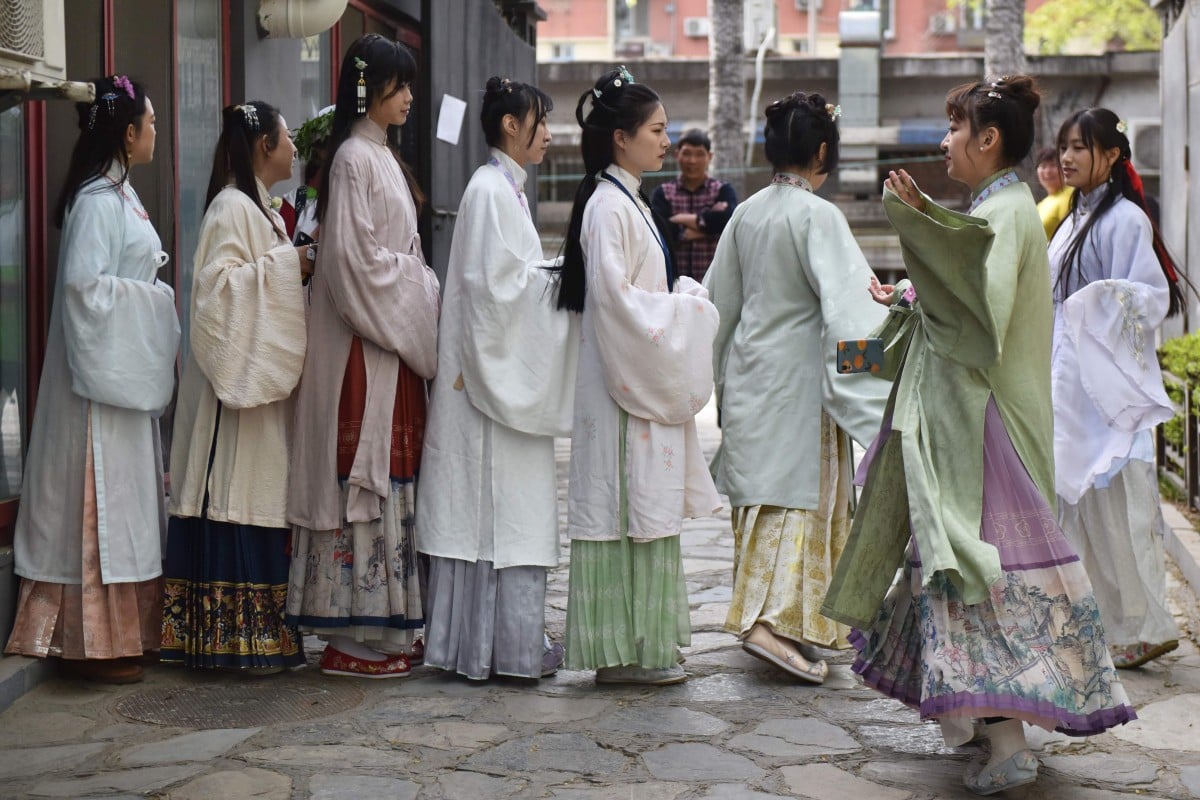
Women wear Han-style clothing in Beijing as part of April’s Traditional Chinese Costume Day celebration. Photo: AFP
Dressed in a flowing robe adorned with beaded floral embroidery from a bygone era, stylist Xiao Hang looks like she emerged from a time machine as she strides across the bustling Beijing metro, attracting curious glances and questions.
While China embraced Western fashion as its economy boomed in recent decades, now a growing number of young people like Xiao look to the past for their sartorial choices and have adopted hanfu, or Han clothing.
The costumes of the Han ethnic majority are enjoying a renaissance in part because the government is promoting traditional culture in an effort to boost patriotism and national identity.

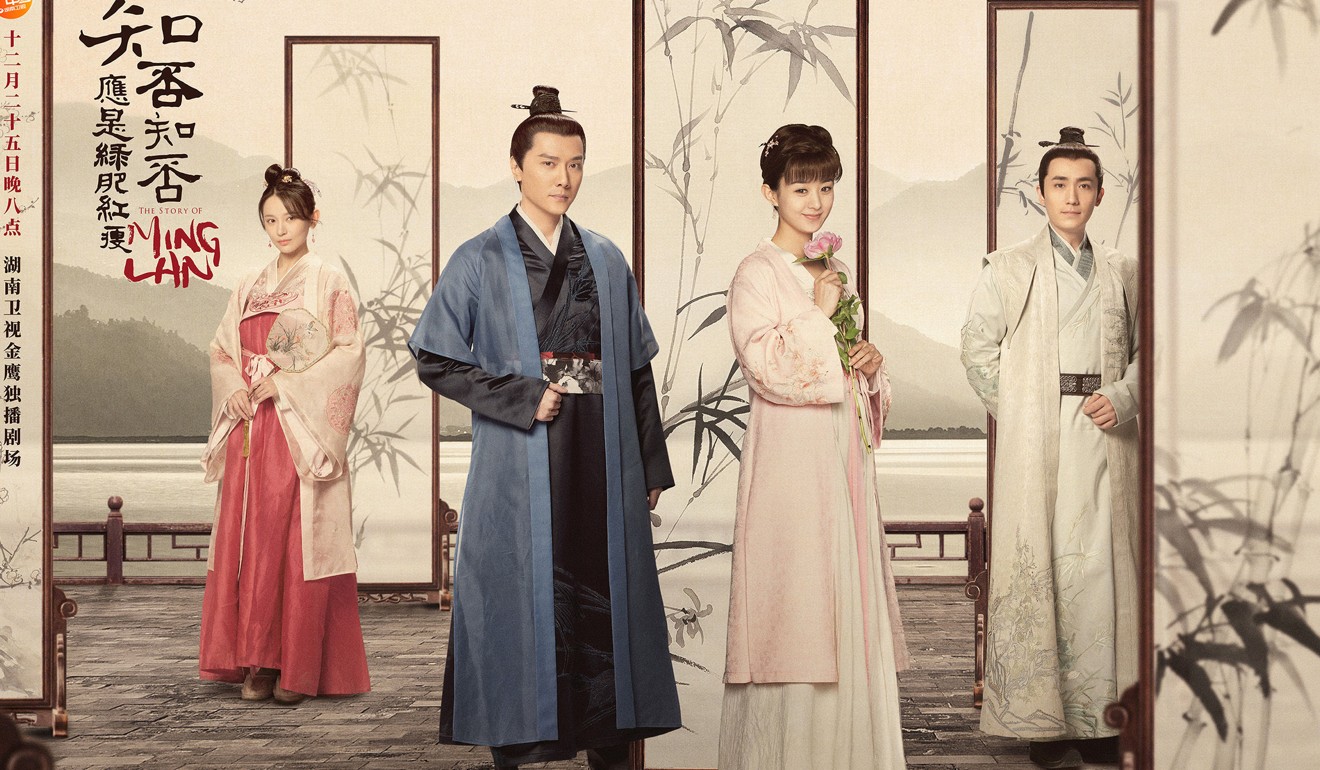
Like the film, television and comic book productions that have inspired cosplay fans in the West, period dramas on Chinese TV have contributed to the surge in interest in traditional clothing. The Story of Minglan, a series set during the Song dynasty, attracted more than 400 million viewers over three days when it was first shown this year.

The success of television drama The Story Of Minglan this year reflects China’s interest in its Han heritage. Photo: Baidu

While each Han-dominated dynasty had its own style, hanfu outfits were generally characterised by loose, flowing robes with sleeves that reached the knees.

“When we were little, we would drape sheets and duvets around ourselves to pretend we were wearing beautiful clothes,” Xiao said.

Once a worker at a state-owned machine manufacturing company, Xiao now runs her own hanfu business, where she dresses customers for photo shoots and plans hanfu-style weddings.

The Hanfu fashion revival: ancient Chinese dress finds a new following

In modern China, the hanfu community includes history enthusiasts and anime fans, students and young professionals.

Yang Jiaming, a high school pupil in Beijing, wears his outfit under his school uniform.

“Two-thirds of my wardrobe are hanfu,” he said, decked out in a Tang-style beige gown and black boots, adding that his classmates and teachers were supportive of his fashion choices.

A government-supported revival in Chinese culture has energised the hanfu community. Since he entered office in 2012, President Xi Jinping has supported the promotion of a Han-centric vision of Chinese heritage.

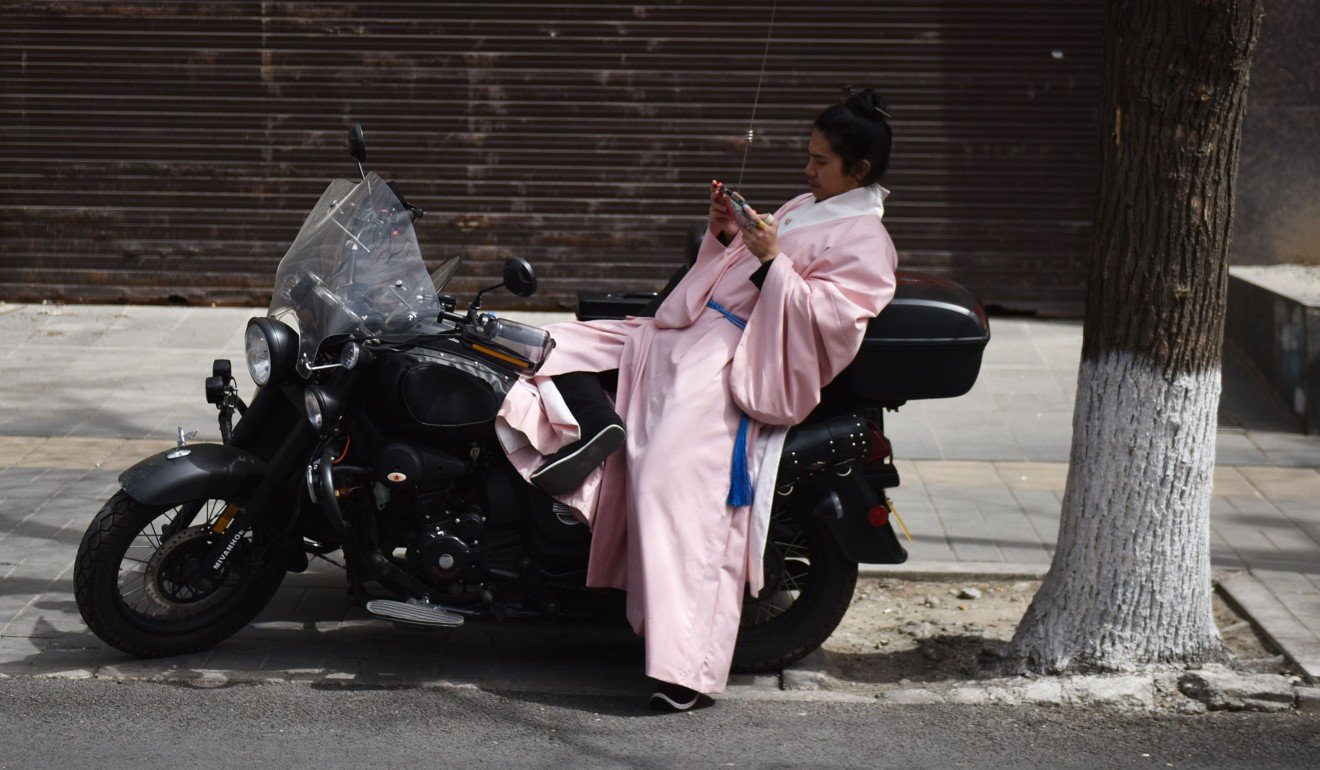
Fans of traditional Chinese clothing dare to mix old and new, and hanfu is not the preserve of women. Photo: AFP

In April, the Communist Youth League of China launched a two-day conference celebrating traditional Chinese garb, which included hanfu and took in Traditional Chinese Costume Day.

A live broadcast of the event drew about 20 million viewers, alongside an outpouring of emotions.

“Chinese people have abandoned their own culture and chosen Western culture. The red marriage gown has now become a wedding dress,” wrote a user of Bilibili, a video-streaming platform popular among young anime, comic and gaming fans in China.

Clothes were the “foundation of culture”, said Jiang Xue, who is part of Beijing-based hanfu club Mowutianxia, which has received funding from the Communist Youth League.

“If we as a people and as a country do not even understand our traditional clothing or do not wear them, how can we talk about other essential parts of our culture?” she said.

Forget K-pop and US missiles, Korea is back in fashion with China thanks to live-stream shopping

The style has not yet gained mainstream acceptance in China.

In March, two students in Shijiazhuang Medical College, in northern Hebei province, were reportedly threatened with expulsion for wearing the outfits to class.

Others said they were put off by the reaction they got while wearing hanfu in public.

“I used to be very embarrassed to wear [hanfu] out,” screenwriter Cheng Xia said.

The 37-year-old said she overcame her reservations after going out dressed in a full outfit last year.

Meanwhile, the movement to revive Han ethnic clothing has prompted questions about nationalism and Han-ethnocentrism – a sensitive issue in China, where the government is wary of conflict between ethnic groups.

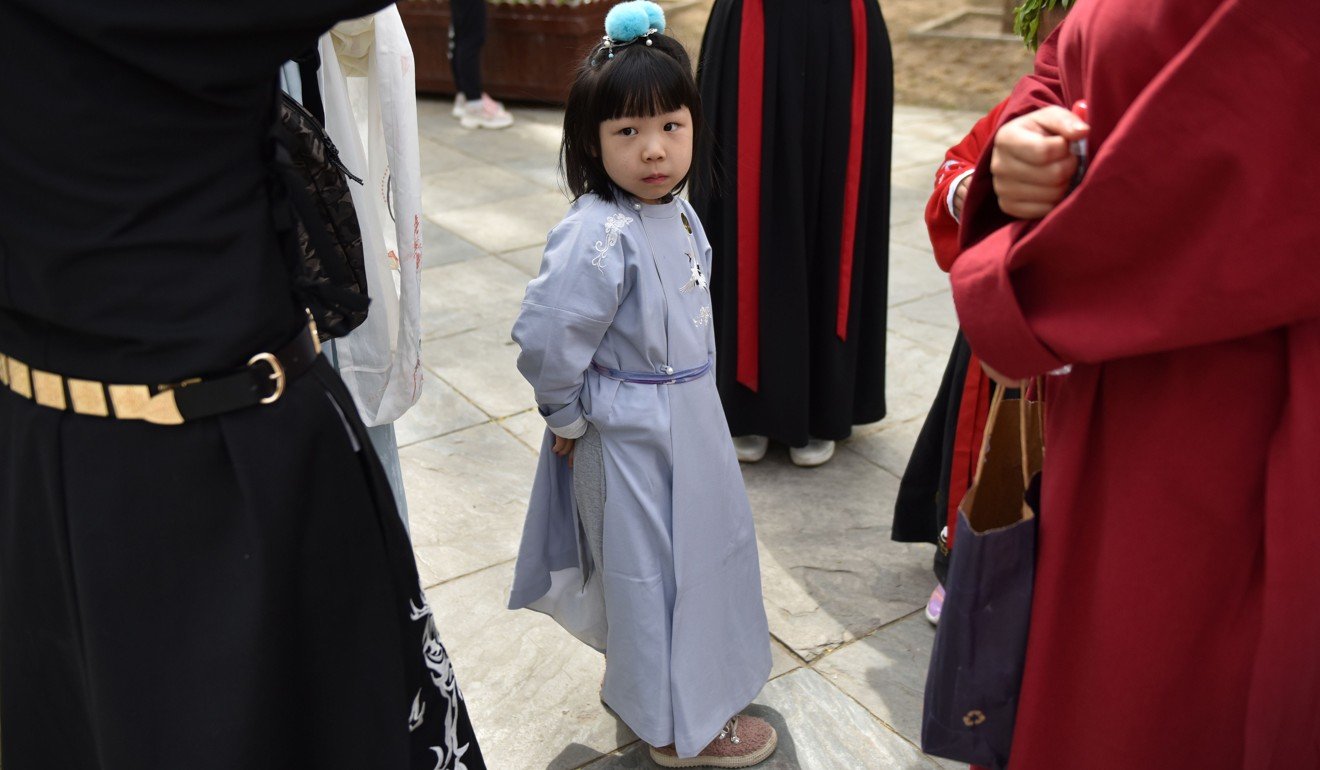
High school pupils and young children are drawn to China’s hanfu trend. Photo: AFP

For instance, within the hanfu community there is long-running opposition towards the qipao, the high-collared, figure-hugging garment that was once a staple of women’s wardrobes.

Known as cheongsam in Cantonese, the qipao – meaning “Qi robe” – began as a long, loose dress worn by the Manchu, or Qi people, who ruled China from the 17th century until the early 1900s.

Its popularity took off in 1920s Shanghai, when it was refashioned into a fitted must-have, favoured by actresses and intellectuals as a symbol of femininity and refinement.

“Some people … think that the cheongsam was inspired by the Qing dynasty, which is not enough to represent China. There are nationalist undertones in this issue,” Chinese culture scholar Gong Pengcheng said.

Master of a dying art: traditional dressmaker recalls golden era of cheongsam in Hong Kong

“It is a good trend to explore traditional culture and clothing culture … There are many things we can talk about, and we need not shrink to nationalist confrontation.”

Yang, the high school pupil, was more upbeat. He said: “At the very least, we can wear our own traditional clothes, just like the ethnic minorities.”

Source: SCMP

09/06/2019

China Focus: Marine ranching restores ecology on desertified seabeds

SHIJIAZHUANG, June 9 (Xinhua) — A decade after the launch of a pilot project to restore ecology in overexploited offshore seawaters, some local fish species which had disappeared, returned to the coastal area of Tangshan, a major industrial city in north China’s Hebei Province.

Algae, shellfish and other fish grow abundantly and form the marine biologic chain in the 4,000-mu (266 hectares) seawater area, run by Tangshan Marine Ranching Co., Ltd.

In collaboration with leading domestic ocean research institutes, the private company has succeeded in transforming the desertified seabeds into an “undersea forest” and rebuilding the marine ecosystem, through dropping artificial reefs into the sea, artificial breeding and releasing of fish since 2009.

“The biomass in the area with artificial reefs underneath is 30 times that of the neighboring seawaters without reefs,” said Zhang Zhenhai, chairman of the company.

“The ecological environment is in good shape in the piloted area,” he said. This condition is in sharp contrast to what Zhang saw in the early 2000s when he planned to develop marine tourism but realized that the worsening offshore environment would only lead tourism to a dead end. Then he decided to restore the environment for sustainable development.

China’s marine ranching must put ecological restoration and construction in the first place because the offshore areas in many regions have suffered severe damage due to excessive fishing and pollution, Zhang said.

At an accumulative investment of 150 million yuan (21.7 million U.S. dollars), the marine ranch at Xiangyun Bay in Tangshan is one of the first group of state-level demonstration marine ranching zones. The ranch’s investment comes from government subsidy, bank loans and the company’s own fund.

Nearly 200 local villagers have stopped traditional fishing methods due to decreasing fishery resources. They work for Zhang’s marine ranch to offer tourists an ocean fishing experience, part of the company’s recreational fishery program.

After making a living by fishing for 26 years, Yang Xingwu bought a leisure boat in 2011 and joined the fleet of 19 boats to showcase fishing for tourists at the Tangshan marine ranch developed by Zhang’s company.

“We earned 40,000 to 50,000 yuan a year in the past from fishing, which was a tiring job and sometimes dangerous due to strong winds on the sea,” said Yang, 52, from a village along the coast of the Bohai Sea.

Now, Yang invites tourists to his boat to experience the life of a fisherman. “It is much safer and stable. My annual income has doubled.”

Zhang Hongrong, 86, from a fishing village in Laoting County in Tangshan, said until the 1970s, the Bohai Sea still abounded in fish, yet in recent years, some fish became almost extinct due to overfishing and pollution.

“It is really a blessing in my lifetime to see some fish species reappear in the sea,” the old fisherman said.

Based on the restoration experiment, Tangshan Marine Ranching plans to plant eelgrass on a preliminary seawater area of around 6.5 hectares and extend the restoration project to 1,300 hectares of seawater area.

“The rehabilitation of marine ecology needs a big environment,” said Zhang, chairman of the company. “After two or three years, the restoration project will show its ecological and economic benefits.”

By the end of 2018, China had completed the construction of 233 marine ranches, which include 86 state-level demonstration marine ranching zones, producing considerable output in both economic and ecological terms, data with the Ministry of Agriculture and Rural Affairs show.

This year, the country aims to build more than ten national demonstration marine ranches, according to the ministry.

Source: Xinhua

Law of Unintended Consequences

continuously updated blog about China & India

ChiaHou's Book Reviews

continuously updated blog about China & India

What's wrong with the world; and its economy

continuously updated blog about China & India