Chindia Alert: You’ll be Living in their World Very Soon
aims to alert you to the threats and opportunities that China and India present. China and India require serious attention; case of ‘hidden dragon and crouching tiger’.
Without this attention, governments, businesses and, indeed, individuals may find themselves at a great disadvantage sooner rather than later.
The POSTs (front webpages) are mainly 'cuttings' from reliable sources, updated continuously.
The PAGEs (see Tabs, above) attempt to make the information more meaningful by putting some structure to the information we have researched and assembled since 2006.
Image copyright ANIImage caption People participating in the chariot-pulling festival
Indian officials have suspended a local magistrate and a police official for allowing large crowds to attend a chariot-pulling festival at a Hindu temple on Thursday morning.
A case has also been filed against the trustees of the temple and another 20 people, police told the BBC.
Pictures of the crowds caused outrage after they surfaced on social media.
It comes weeks after Covid-19 clusters were linked to a Muslim religious gathering in the capital, Delhi.
Revoor village, which is in the state’s Kalburagi district, has been sealed off and officials are rushing teams of medical personnel to set up fever clinics there, the deputy commissioner of the district, told the BBC.
Kalburagi recorded India’s first coronavirus-related death – it is also the first district to implement “containment areas”, which involves sealing off villages where infections are reported.
Revoor is also close to another village that has been sealed off after a two-year-old tested positive for coronavirus.
The festival was held despite temple trustees giving officials an undertaking that it would not go ahead, a state lawmaker, Priyank Kharge, told the BBC.
Officials say that the daily rituals were performed at the temple on Wednesday evening in the presence of a few priests and temple trustees.
But early the next morning, the chariot was brought out of the temple premises and was pulled by “hundreds of people,” according to one official. They estimate that under 1,000 devotees attended the event.
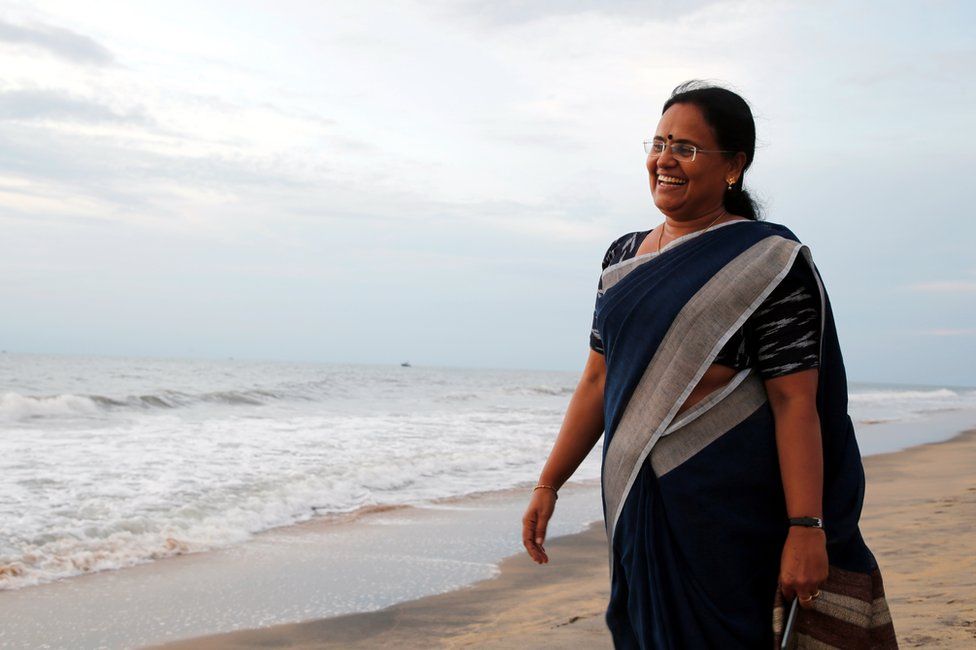
Arranged marriages can often throw up surprises. Uma Preman’s unhappy marriage transformed not only her life, but also the lives of thousands of others – because it left her with the skills and motivation to help disadvantaged Indians gain access to medical treatment.
The moment
Uma always dreamed of a perfect wedding in a traditional south Indian temple. She imagined it decorated throughout with colourful flowers – and a big party by the beach.
But it never happened.
Uma still remembers the grey February morning 30 years ago when her mother introduced her to Preman Thaikad. Uma was only 19, and Preman was 26 years older.
They had never met before, but she was told he was her husband. There were no festivities and no music – in fact there wasn’t even a wedding.
“My mother told me that I was now Preman’s property. He told me that I was his wife but I had no rights over his property,” says Uma.
Preman took her to his house and left her there for the night. She still remembers that she couldn’t sleep and just stared at the pale yellow ceiling and the rickety fan.
The next morning, Preman returned at 6am and asked her to accompany him to a bar. He kept drinking for several hours while she sat in silence, trying to figure out the strange direction her life had taken.
He told her that she was his second wife, but she quickly learned that she was actually his fourth. He also revealed that he had a severe form of tuberculosis – and that her main job was to be his carer.
Before
Uma grew up in Coimbatore, a busy town in the southern Indian state of Tamil Nadu. As a child, she wanted to become a doctor like her father, TK Balakrishnan.
Balakrishnan had studied medicine for a year before his uncle asked him to drop out and work on his farm. He had learned the basics and would use his knowledge to dress wounds, change dressings and treat fevers with basic medicines. Uma heard that the families of the patients would often give him treats – so she began to accompany him on his rounds.
“I just loved food and eating and that’s why I went with him,” she says.
But one day she saw something that made her realise how serious her father’s work was. Her father was treating a patient with gangrene. The stench, Uma says, was unbearable.
“He was using gardening gloves because he didn’t have surgical ones, but he was so calm.”
See below for more stories in the Interrupted Lives series, produced by the BBC’s Geeta Pandey in Delhi
But Uma’s mother hated the fact that her husband was spending most of his time helping others, Uma says.
When she was eight, her mother gave her some money to buy firecrackers for the Hindu festival of Diwali – and when she came back, her mother was gone.
“I found out later that she loved another man and she left with him,” Uma says.
Suddenly it was up to Uma to take care of her three-year-old brother. She says she didn’t know how to cook, but she decided to learn because she couldn’t bear the food her father made for them.
“I went to nearby homes and requested the ladies to teach me. They said I wouldn’t be able to cook because I was small,” Uma says. But within days they had taught her to make a variety of dishes, and cooking became part of her daily routine.
“I would wake up at 5am to make breakfast and lunch. Then I would go to school at 9am. I would come back in the evening and take care of my brother and cook dinner,” Uma says.
“My friends played every evening – they were enjoying their life. But I was happy taking care of my family.”
She kept thinking about her mother though, and worrying that she might never see her again.
Years later, when Uma was 17, she went with some neighbours to visit a famous temple in Guruvayur – 87 miles from Coimbatore – and there she met a man who told her he’d seen a woman who looked exactly like her.
Uma left her address with him and a few days later a letter arrived in the post.
It was from her mother.
Uma rushed back to Guruvayur to be reunited with her, but it quickly became clear there was a problem. Her second husband had borrowed large sums of money, then abandoned her – and the lenders were demanding payment.
“I would see people coming to her house every day to harass her for money,” Uma says. “It was painful to see.”
Her mother’s solution was for her to marry Preman, who was wealthy enough to clear her debts. Uma was reluctant. She tried to get work instead, but failed. Then she returned to her father – but he felt betrayed by her decision to resume contact with her mother, and turned his back on her.
Eventually, Uma gave in.
“I felt worthless. I just accepted my fate and went with Preman.”
After
“Every day before he left for work, Preman would lock me inside the house,” Uma remembers.
“I wasn’t allowed to meet anybody or to go out – not even for a minute. For six months, I was alone. I started talking to walls. I lost my confidence and self-respect.”
As the years passed, Preman’s tuberculosis worsened. The couple started spending most of their time in hospitals, and in 1997, seven years after Uma had moved in with him, Preman died. Although he had once said she would have no right over his property, he left her comfortably off.
Uma says she felt free for the first time in her life.
“I didn’t want him to die, but I couldn’t help but feel that life had given me a second chance.”
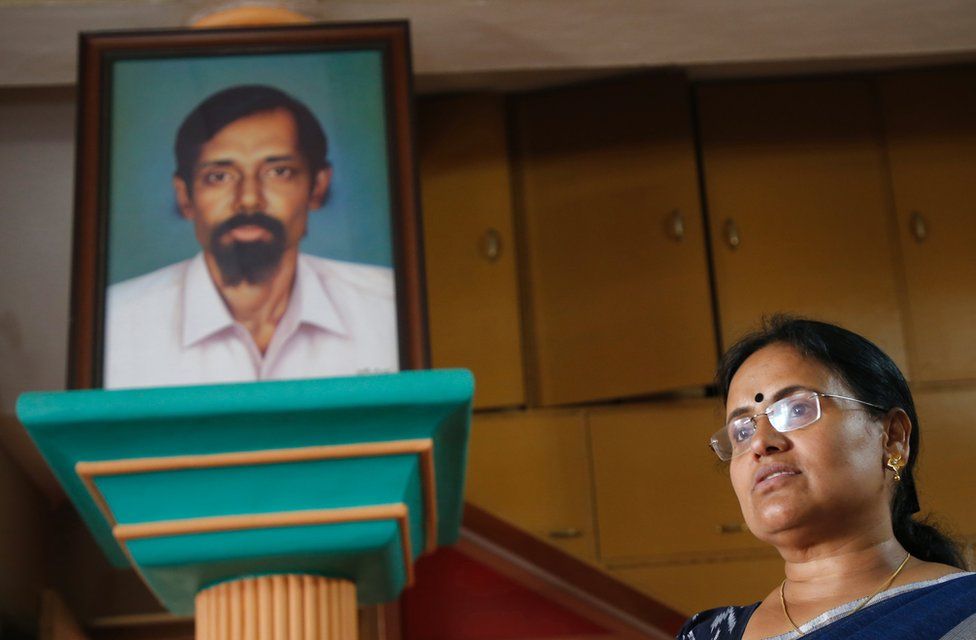
Image caption Uma with Preman’s portrait in the background
It took a while for it to become clear what she would do with this new freedom.
During her years with Preman, Uma had observed that poor people were often unable to get proper medical treatment, not only because they couldn’t afford it but also because they didn’t have the right information – they didn’t know what treatments and facilities were available.
So Uma had started helping them, filling in forms for them, guiding them to the right doctors and sometimes just listening to their problems.
When she left the hospital in Trivandrum where Preman had spent the last six months of his life, she was missed. But she wasn’t completely beyond reach. There was a booth where she had often called Preman’s family, she says, and the person who owned it gave her number to people in need of help.
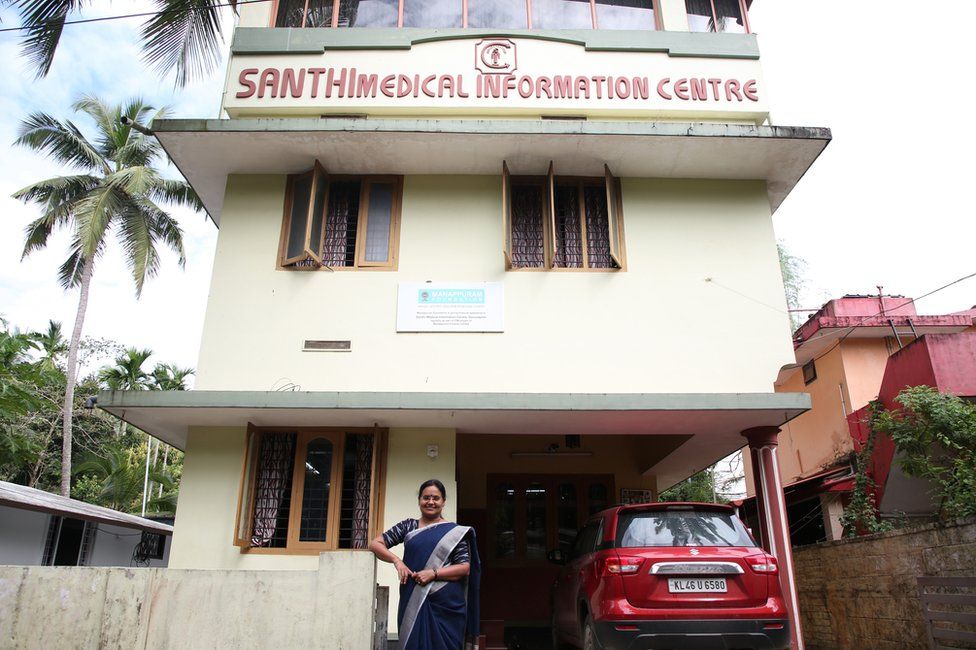
Soon hundreds of people started calling for advice and that’s how the Santhi Medical Information Centre was born. Uma had found her life’s calling – she wasn’t treating people, as her father had done, but she was helping them get treatment.
However, to help other people Uma had to acquire knowledge herself, and in the late 1990s the internet wasn’t yet widely available in India. She had to travel across the country to collect data about treatments, hospitals and the places where people could get free or subsidised treatment.
“I had to travel because no hospital replied to my letters,” she says.
Even when she met people face to face, they often didn’t take her seriously. In other Indian states there was also a language barrier, as Uma spoke only Tamil.
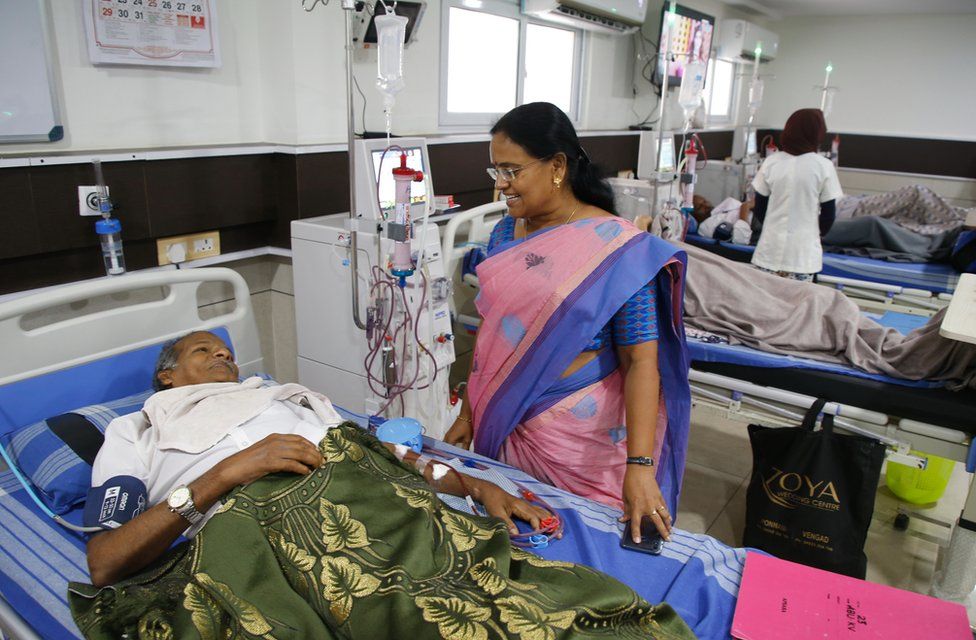
In the past decade, the Santhi Centre’s top priority has been helping people with kidney disease.
There are not enough dialysis centres in the country and the rate of kidney donation is poor. Uma has been working to change this, raising funds for new facilities open to all.
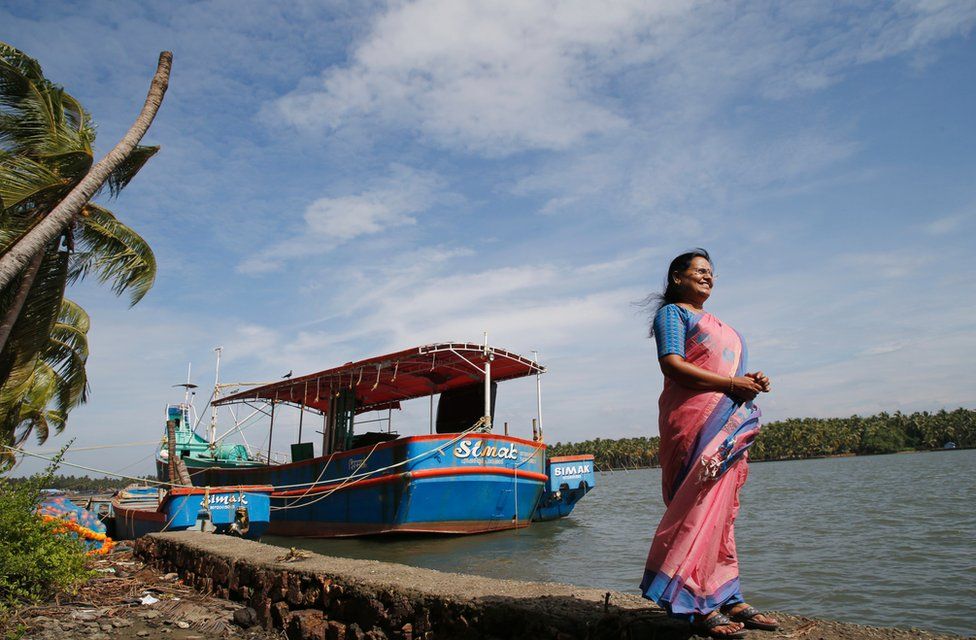
“Our first dialysis centre started in Thrissur district in Kerala. Now we have 20 centres across India. Many rich people donated for the cause,” she says.
Uma says persuading people to donate a kidney is not easy because they often worry about the impact on their own health.
So she decided to set an example, and donated one of her own kidneys. She gave it to an orphan whose kidneys had failed.
Image caption One of Uma’s kidneys enables Salil to live a normal life
Salil says he owes his life to her.
“I was 26 when I was undergoing dialysis. When she met me, she told me that she would donate her kidney on the condition that I continued to work after the transplant.”
He did continue to work – in fact, after a while he went to work for Uma.
Salil says Uma is a woman who truly believes in Mahatma Gandhi’s words that “you have to be the change you want to see”.
“Everyone wants to change the world but no-one is ready to change themselves,” Uma says. “I changed my attitude and I donated one kidney, but I also got a brother in return.”
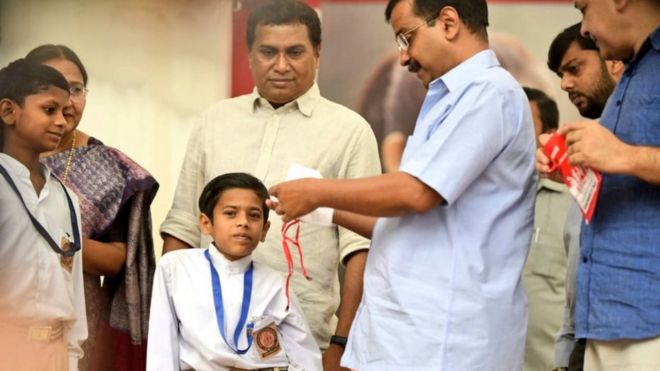
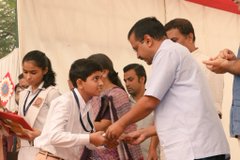
Image copyright TWITTER/@ARVINDKEJRIWALImage caption Delhi Chief MinisterArvind Kejriwal has been handing out masks to school students
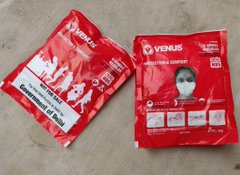
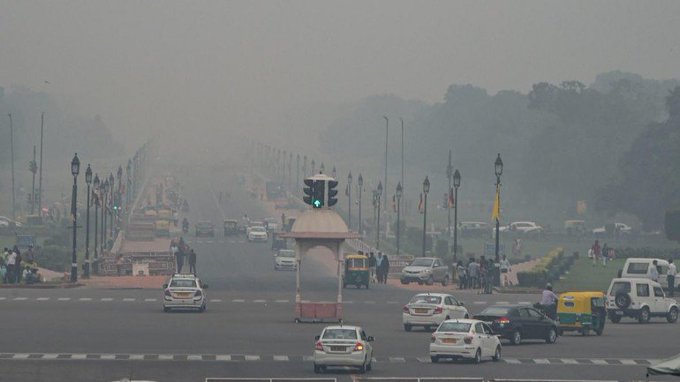
Five million masks are being distributed at schools in India’s capital, Delhi, after pollution made the air so toxic officials were forced to declare a public health emergency.
A Supreme Court mandated panel imposed several restrictions in the city and two neighbouring states, as air quality deteriorated to “severe” levels.
All construction has been halted for a week and fireworks have been banned.
The city’s schools have also been closed until at least next Tuesday.
Delhi’s Chief Minister Arvind Kejriwal said Delhi had been turned into a “gas chamber”.
The masks are being handed out to students and their parents, and Mr Kejriwal has asked people to use them as much as possible.
The levels of tiny particulate matter (known as PM2.5) that enter deep into the lungs are 533 micrograms per cubic metre in the city. The WHO recommends that the PM2.5 levels should not be more than 25 micrograms per cubic metre on average in 24 hours.
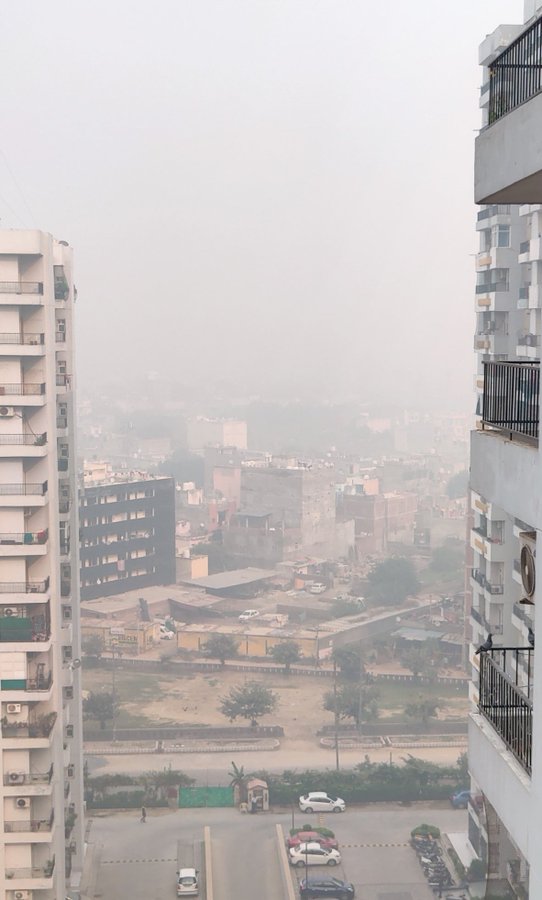
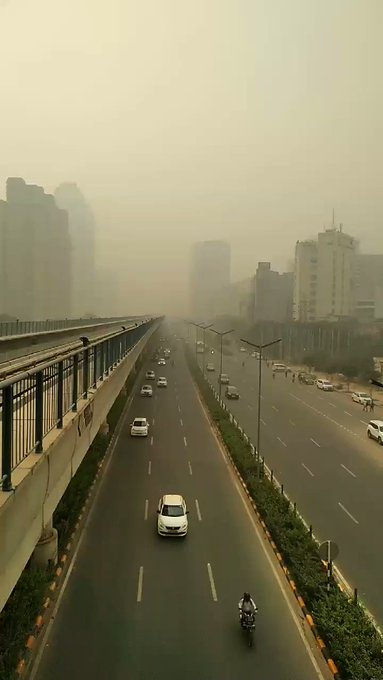
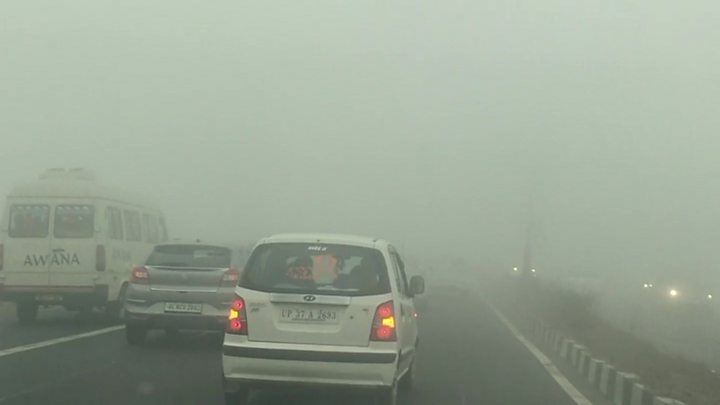
As thick white smog blanketed the city, residents started tweeting pictures of their surroundings. Many are furious that the situation remains the same year after year.
The hashtags #DelhiAirQuality and #FightAgainstDelhiPollition are trending on Twitter.
One of the main reasons for air quality in the city worsening every year in November and December is that farmers in the neighbouring states of Punjab and Haryana burn crop stubble to clear their fields. It’s made worse by the fireworks during the Hindu festival of Diwali.
There are other reasons too, including construction dust, factory and vehicular emissions, but farm fires remain the biggest culprit.
Media caption A hair-raising drive through the Delhi smog
More than two million farmers burn 23 million tonnes of crop residue on some 80,000 sq km of farmland in northern India every winter.
The stubble smoke is a lethal cocktail of particulate matter, carbon dioxide, nitrogen dioxide and sulphur dioxide.
Using satellite data, Harvard University researchers estimated that nearly half of Delhi’s air pollution between 2012 and 2016 was due to stubble burning.
The burning is so widespread that it even shows up in satellite photos from Nasa.
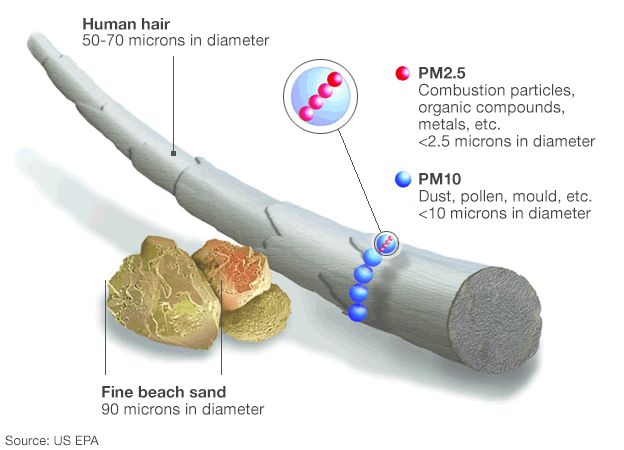
What are PM 2.5 particles?
Particulate matter, or PM, 2.5 is a type of pollution involving fine particles less than 2.5 microns (0.0025mm) in diameter
A second type, PM 10, is of coarser particles with a diameter of up to 10 microns
Some occur naturally – e.g. from dust storms and forest fires, others from human industrial processes
They often consist of fragments that are small enough to reach the lungs or, in the smallest cases, to cross into the bloodstream as well


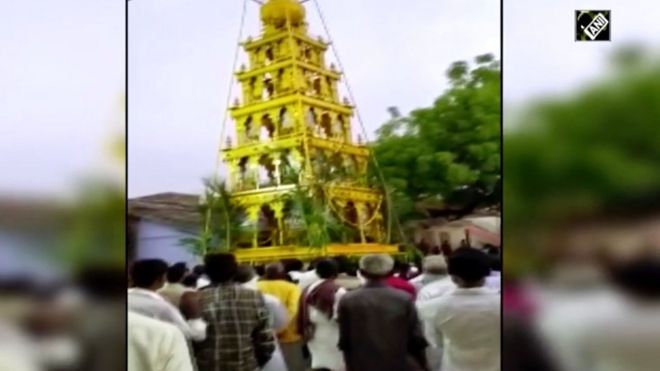 Image copyright ANI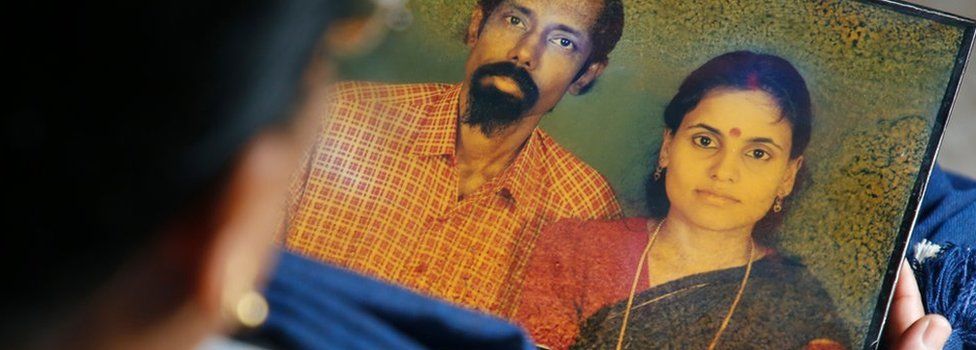








 CHINDIA ALERT: You'll be living in their world, very soon