Chindia Alert: You’ll be Living in their World Very Soon
aims to alert you to the threats and opportunities that China and India present. China and India require serious attention; case of ‘hidden dragon and crouching tiger’.
Without this attention, governments, businesses and, indeed, individuals may find themselves at a great disadvantage sooner rather than later.
The POSTs (front webpages) are mainly 'cuttings' from reliable sources, updated continuously.
The PAGEs (see Tabs, above) attempt to make the information more meaningful by putting some structure to the information we have researched and assembled since 2006.
Ophthalmologist Mei Zhongming, 57, said to have been infected after working long hours treating patients
He is the third doctor from the hospital to die from Covid-19
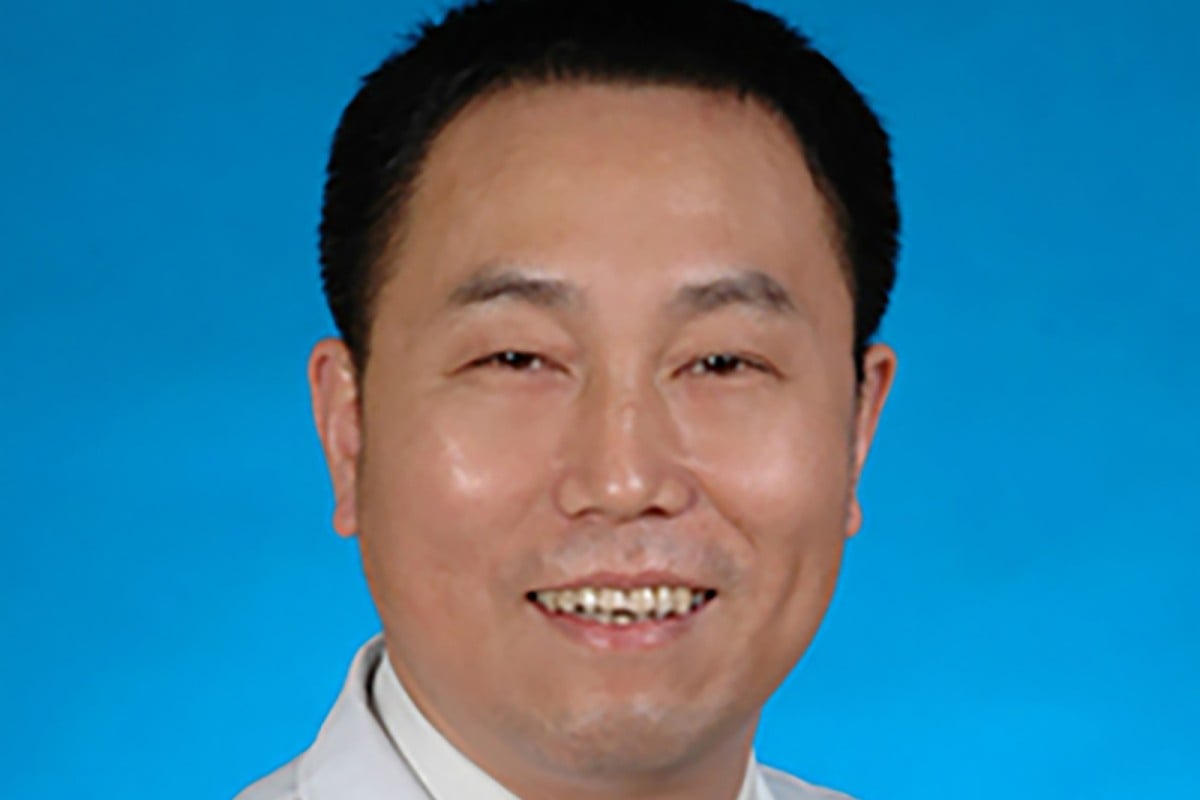
Mei Zhongming died at the age of 57 after contracting the virus while he was working at the Wuhan Central Hospital. Photo: Weibo
An ophthalmologist who worked with whistle-blower doctor Li Wenliang on the coronavirus front line in Wuhan has also died from Covid-19, the disease caused by the virus.
Mei Zhongming, 57, contracted the virus while he was working at the Wuhan Central Hospital and died on Tuesday.
His 34-year-old colleague Li – who was silenced by police for sounding the alarm about the new virus strain – also died from the pneumonia-like illness last month, prompting an outpouring of grief and anger in China.
Mei is the third doctor from the hospital to die from Covid-19. Two days ago, Jiang Xueqing, head of thyroid and breast surgery, also died from the disease at the age of 55.
The hospital expressed condolences to Mei’s family and praised his 30 years of service in a brief announcement on social network WeChat.
Public mourning in China after death of coronavirus whistle-blower doctor Li Wenliang
According to the official numbers, 13 doctors and nurses have died from Covid-19 and more than 3,000 have been infected in China since the epidemic began in the central city of Wuhan in December. Hospitals in Wuhan and across the province of Hubei have been swamped with tens of thousands of patients, and health care workers treating them have also had to cope with a shortage of protective gear and medical supplies.
Part of the Wuhan Central Hospital is located just 2km (1.2 miles) from the Huanan Seafood Wholesale Market – the place the first coronavirus patients were linked to.
The hospital started treating patients who had been in close contact with the market in the middle of December, the director of its emergency department Ai Fen told China News Weekly last month.
Doctors reported the cases to management but no action was taken to protect medical staff at first, and they were warned not to talk publicly about the respiratory illness, the report said.
The Chinese medical workers on the front line of the coronavirus fight in Wuhan
posted a message to a closed group of medical school classmates on WeChat on December 30, warning them about an outbreak of a mysterious viral pneumonia at his hospital.
Two days later, Wuhan police announced that eight people had been punished for “spreading rumours”. It was later reported that they were all medical staff and one of them was Li.
The young doctor fell ill on January 10, later saying that he was probably infected by an 82-year-old glaucoma patient. “The patient did not have a fever, and I didn’t wear extra protection while taking care of her,” Li wrote in his blog. “I was careless.”
Li died from the illness on February 7, sparking widespread grief and fury over Beijing’s crackdown on “online rumours”, and calls for freedom of speech.
According to emergency department director Ai, staff on the front line at Wuhan Central Hospital began wearing N95 respirator masks and other protective gear in January as the number of virus cases jumped – but before authorities confirmed the virus was being transmitted between humans on January 20.
Despite the precautions, the first medical worker at the hospital was confirmed with the virus on January 10. More than 30 others from the emergency department alone have tested positive for Covid-19 since then, Ai told China News Weekly. The department has a staff of 200.
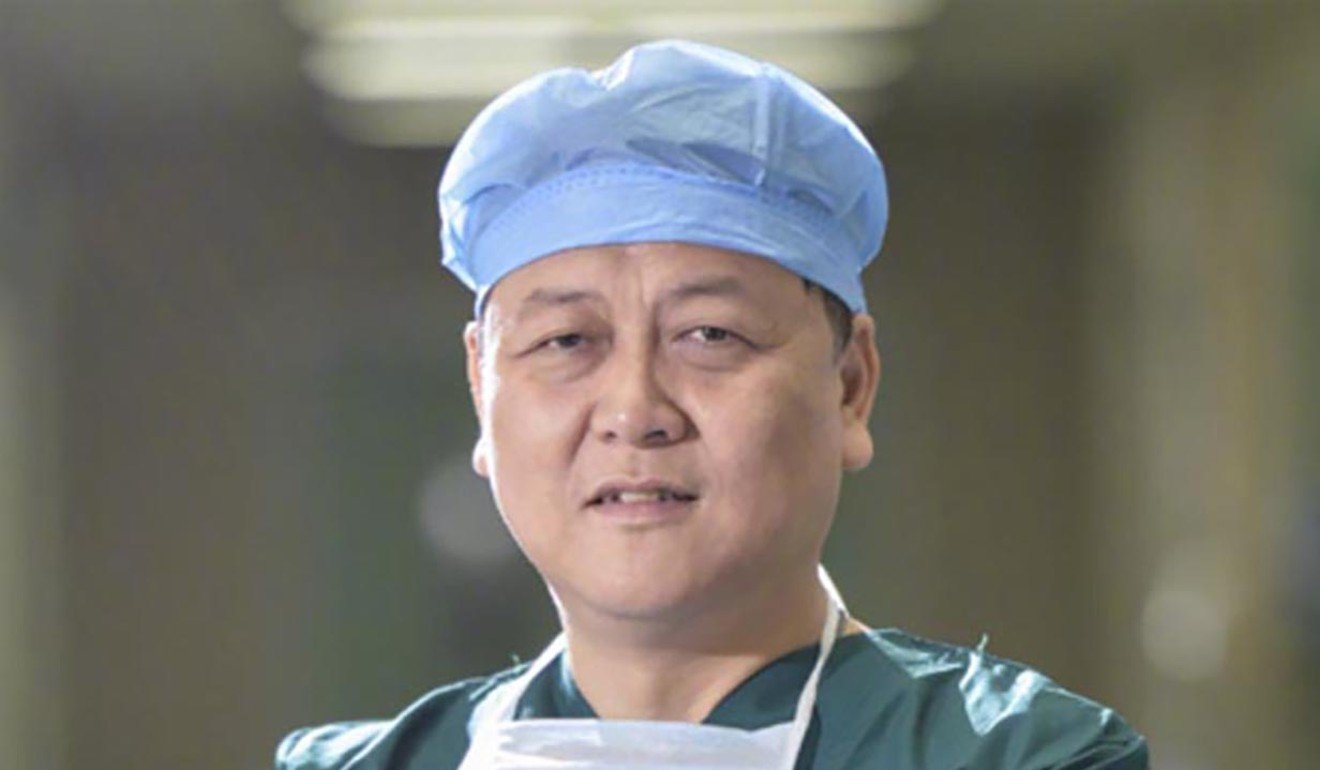
Jiang Xueqing, 55, head of thyroid and breast surgery at the hospital, died on Sunday. Photo: Weibo
The hospital did not give details of how Mei contracted the virus. But a report from the Wuhan Committee of the Chinese People’s Political Consultative Conference on February 18 said he had been infected after working long hours on the coronavirus front line.
Similarly, little information was released about Jiang’s death on Sunday. His colleague Li Hai told official newspaper People’s Daily that Jiang had been exhausted after working “non-stop” treating coronavirus patients.
Wuhan, China scrambles to handle massive amount of medical waste during the epidemic
Ian Lipkin, John Snow professor of epidemiology at the Mailman School of Public Health at Columbia University, said the risks faced by health care workers were high, even with protective gear, as they had a very intimate relationship with their patients.
“In addition, those individuals who are working in hospital settings may be immunosuppressed because, frankly, they’re exhausted … the viral load that they receive may be larger,” Lipkin said in a briefing last month after visiting China at the invitation of the government.
The coronavirus has claimed the lives of several young medical workers. Among the youngest was 29-year-old respiratory and critical care doctor Peng Yinhua, who worked at the Jiangxia district People’s No 1 Hospital in Wuhan and died last month from the disease. Peng had planned to get married over the Lunar New Year holiday but postponed his wedding to help treat coronavirus patients.
Another 29-year-old, gastroenterologist Xia Sisi, also died last month after she became infected while working at the Union Jiangbei Hospital in Wuhan.
WUHAN, March 1 (Xinhua) — The temporary hospital with the most beds in Wuhan, the epicenter of the novel coronavirus outbreak in central China’s Hubei Province, has discharged a total of over 1,000 people as of Sunday, according to local authorities.
The Jianghan temporary hospital, converted from Wuhan International Conference and Exhibition Center, started receiving patients from Feb. 5. It is equipped with 1,564 beds and over 1,100 staff, according to the provincial epidemic prevention and control headquarters.
The hospital has received a total of 1,830 patients, the most in temporary hospitals in Wuhan, by the end of Saturday, and a total of 1,072 patients have been discharged from the hospital as of Sunday, the headquarters said.
As of Friday, Wuhan has over 5,000 spare beds in its 16 temporary hospitals, which were converted from gyms, exhibition centers and other facilities to cope with a shortage of beds amid the coronavirus outbreak.
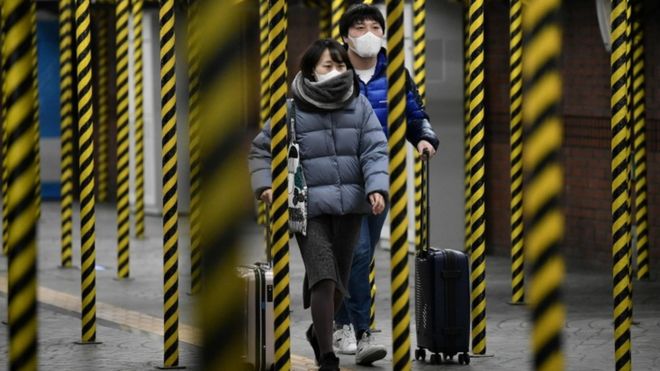
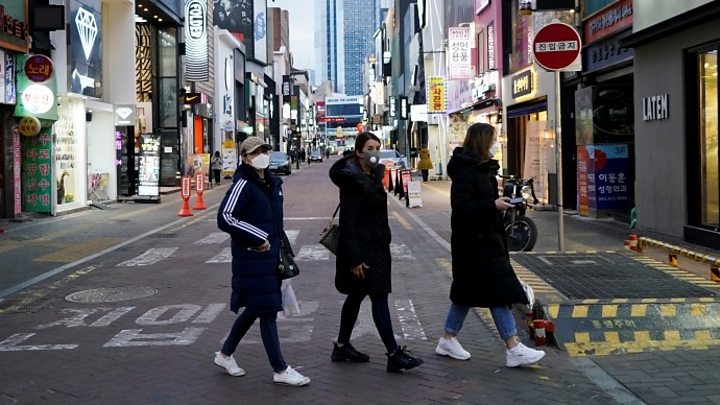
Image copyright GETTY IMAGESImage caption Cases of coronavirus have risen sharply in South Korea, where the outbreak is worsening
The head of the World Health Organization (WHO) has expressed concern at the number of coronavirus cases with no clear link to China or other confirmed cases.
Dr Tedros Adhanom Ghebreyesus said the window of opportunity to contain the virus was “narrowing”.
Chinese health authorities reported a decrease in deaths and new cases of the coronavirus on Saturday.
But cases are on the rise in South Korea, Italy, Iran and other countries.
Outside China, more than 1,200 cases of the virus have been confirmed in 26 countries and there have been eight deaths, the WHO says.
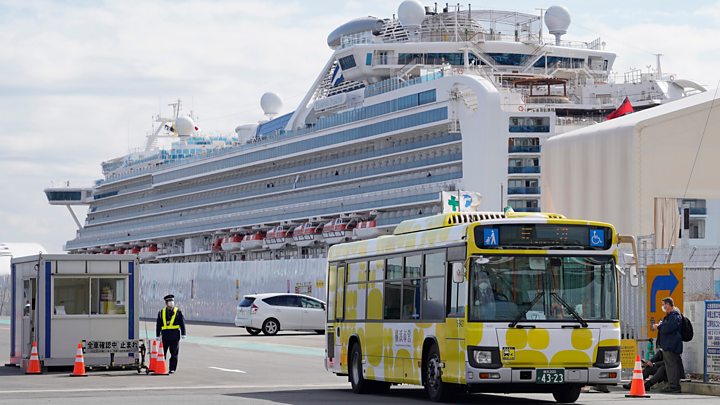
They include two deaths in South Korea, which has the biggest cluster of confirmed cases apart from China and a cruise ship quarantined in Japan.
On Saturday, South Korea reported 142 new confirmed cases of the coronavirus, bringing the national tally to 346.
On Friday, doctors in Italy said a 78-year-old man became the first person in the country to die from the new coronavirus, Ansa news agency reported.
Earlier Italy had announced 16 more cases and its health minister said schools and offices would be closed and sports events cancelled in the affected regions.
China has reported 76,288 cases including 2,345 deaths. The new virus, which originated last year in Hubei province in China, causes a respiratory disease called Covid-19.
What did the WHO chief say?
Dr Tedros said the number of coronavirus cases outside China was “relatively small” but the pattern of infection was worrying.
“We are concerned about the number of cases with no clear epidemiological link, such as travel history to or contact with a confirmed case,” he said.
The new deaths and infections in Iran were “very concerning”, he said.
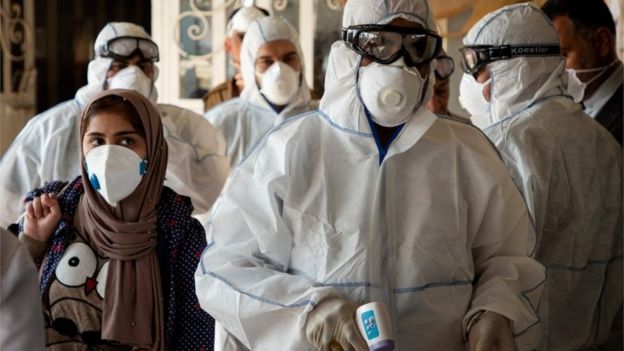
Image copyright AFPImage caption Iraq has been checking people at its border with Iran
But he insisted that the measures China and other countries had put in place meant there was still a “fighting chance” of stopping further spread and called on countries to put more resources into preparing for possible outbreaks.
What is the latest in South Korea?
Prime Minister Chung Sye-kyun declared a public health emergency as the total number of cases surpassed 300 on Saturday.
The southern cities of Daegu and Cheongdo have been declared “special care zones”. The streets of Daegu are now largely abandoned.
The nation’s capital, Seoul, banned demonstrations in central areas.
Two cases were also reported in Busan, South Korea’s second-largest city, and one on the Island of Jeju on Saturday – the first in both places.
Media caption People in Daegu have voiced concern over the spread of the virus
All military bases are in lockdown after three soldiers tested positive.
The authorities suspect the current outbreak in South Korea originated in Cheongdo, pointing out that a large number of sect followers attended the funeral of the founder’s brother from 31 January to 2 February.
The sect – known as Shincheonji – which has been accused of being a cult, said it had now shut down its Daegu branch and that services in other regions would be held online or individually at home.
As of Friday, more than 400 members of the church were showing symptoms of the disease, though tests were still ongoing, the city mayor said.
Can we answer your question on the coronavirus?
Here’s what others have been asking
Once you’ve had coronavirus, will you be immune?
Could the coronavirus become a pandemic?
Is the coronavirus worse than flu or Sars?
Hand sanitizers and warning signs
By Hyung Eun Kim, BBC Korean Service, Seoul
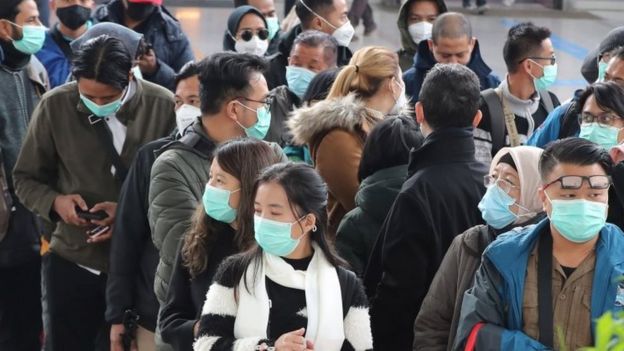
Many people in South Korea are wearing masks on a daily basis.
Hand sanitizers have been placed at public transport stops and building entrances.
Warning government signs are everywhere. They say: “Three ways to prevent further infection: wear a mask at all times; wash your hands properly with soap for more than 30 seconds; and cover yourself when coughing.”
Image copyright EPAImage caption New norm: Mask-wearing crowd in Seoul
Koreans have also developed several apps and websites that tell you how much risk you face where you are. They show where the infected people are within a 10km radius.
“I can’t miss work, what I can do is minimise contact with others and stay at home during the weekend,” Seung-hye Lim, a Seoul resident, told the BBC.
“I do wonder if we reacted too laxly initially or if it really is because of the specific service practices of the Shincheonji sect.”
So-young Sung, a mother of two in Seoul, told the BBC: “It feels like my daily life is collapsing.”
She said she was struggling to find pharmacies that had masks.
She added that checking coronavirus-related alarms from her children’s schools and kindergartens was now a daily routine for her.
What about the Iran cases?
In Iran the outbreak is centred on the holy city of Qom, south of the capital Tehran, which is a popular destination for Shia Muslims in the region.
Iran reported two more deaths in Qom on Friday, adding to the two deaths it reported on Thursday. A total of 18 cases have been confirmed in the country.
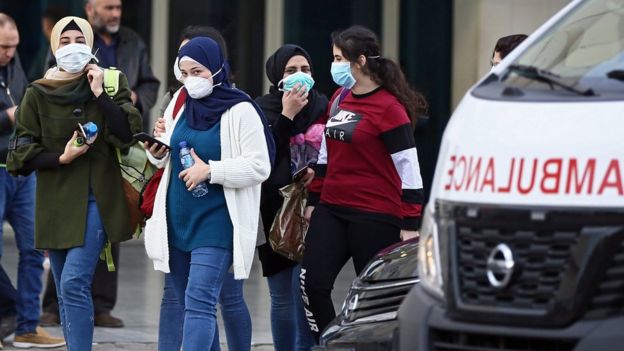
Lebanon has reported its first confirmed case – a 45-year-old woman who was detected as she arrived in Beirut from Qom. The UAE, Israel and Egypt have also reported cases.
Image copyright EPAImage caption Lebanon has confirmed its first case – a woman returning from the Iranian city of Qom
Meanwhile Canadian officials said one of the nine cases there was a woman who had recently returned from Iran.
WHO officials said both Iran and Lebanon had the basic capacity to detect the virus and the WHO was contacting them to offer further assistance.
But Dr Tedros said the organisation was concerned about the virus’s possible spread in countries with weaker health systems.
What about China and elsewhere?
The virus has now hit the country’s prison system, with more than 500 inmates confirmed infected.
They include 230 patients in a women’s prison in Wuhan. More cases have been found in a prison in the eastern province of Shandong and the south-eastern province of Zhejiang.
Some 36 people at a hospital in Beijing have also tested positive.
Senior officials have been sacked for mishandling management of the outbreak.
Passengers of the Diamond Princess cruise ship who have tested negative continue to disembark the ship in Yokohama after more than 14 days quarantined on board.
However, 18 American evacuees from the ship tested positive after arriving in the US, officials said. More than 300 other US nationals have arrived back in the US after disembarking.
Media caption Coronavirus: Quarantined passengers released from Japan ship
More than 150 Australian passengers have been evacuated from the ship and have already arrived in Darwin, where they will begin two more weeks of quarantine.
Australian officials said on Friday that six people had reported feeling unwell on arrival in Darwin and were immediately tested. Two of those people tested positive despite having received negative tests before leaving Japan.
The first batch of people from Hong Kong have also flown back to the city, where they will similarly be quarantined.
BEIJING, Feb. 13 (Xinhua) — The rise in the number of recovered patients infected with the novel coronavirus is a positive signal that the current treatments are getting results, said Guo Yanhong, an official with the National Health Commission (NHC).
A total of 5,911 infected people had been discharged from hospital after recovery by the end of Wednesday, the NHC said in a daily report.
Each day since Feb. 7 has seen some 500 patients walk out of hospital after recovery, Guo said at a press conference held in Beijing Thursday afternoon.
A preliminary analysis of 597 discharged cases found that about 90 percent of the cured patients had mild symptoms while 10 percent were those in severe or critically ill condition, she noted.
“Even severe and critically ill patients can be cured and discharged from hospital after careful treatment,” Guo said.
Citing the analysis, Guo said that the 597 infected were hospitalized for an average of some 10 days before being discharged.
Chinese President Xi Jinping, also general secretary of the Communist Party of China (CPC) Central Committee and chairman of the Central Military Commission, inspects the center for disease control and prevention of Chaoyang District in Beijing, capital of China, on Feb. 10, 2020. (Xinhua/Liu Bin)
WHO Spokesperson Fadela Chaib said that the visit has sent a very important signal to both China and the international community.
BEIJING, Feb. 12 (Xinhua) — The international community have spoke highly of Chinese President Xi Jinping’s inspection tour of the epidemic prevention and control work in Beijing, saying it has injected enormous confidence into the battle against the novel coronavirus pneumonia (NCP).
Xi, also general secretary of the Communist Party of China Central Committee and chairman of the Central Military Commission, visited a residential community, a hospital and a district center for disease control and prevention in Beijing on Monday.
The World Health Organization (WHO) has expressed firm support for China’s fight against the NCP and spoken highly of Xi’s field visit. WHO Spokesperson Fadela Chaib said that the visit has sent a very important signal to both China and the international community.
Chinese President Xi Jinping, also general secretary of the Communist Party of China (CPC) Central Committee and chairman of the Central Military Commission, inspects the novel coronavirus pneumonia prevention and control work in Beijing, capital of China, on Feb. 10, 2020. (Xinhua/Ju Peng)
Stephen Perry, chairman of Britain’s 48 Group Club, told Xinhua that through his inspection visit, Xi has shown his concern for the people and strong determination to fight against the epidemic.
The government has carried out anti-epidemic steps with great accuracy, and the whole population of China has united behind the government to carry out the steps necessary in different areas, Perry said.
Subhomoy Bhattacharjee, a consultant at India’s Research and Information System for Developing Countries based in India, said that Xi’s inspection visit has greatly encouraged the medical staff there and sent a positive signal to citizens and investors about the health of the society and economy.
Thai former Deputy Prime Minister Pinij Charusombat said that Xi’s field visit at this crucial moment has shown that the government truly put the people’s lives on top priority, sending out a message to the international community that the Chinese people united as one will get through the difficulties with joint efforts.
Chinese President Xi Jinping, also general secretary of the Communist Party of China (CPC) Central Committee and chairman of the Central Military Commission, checks the treatment of hospitalized patients at the monitoring center and talks to medical staff on duty via a video link at Beijing Ditan Hospital in Beijing, capital of China, on Feb. 10, 2020. (Xinhua/Ju Peng)
Oh Ei Sun, principal advisor for Malaysia’s Pacific Research Center, said Xi’s visit to the residential community has shown the Chinese government’s concern for the people, focus on the people’s voice and understanding of the people’s needs in the fight against epidemic.
Xi’s remarks during the inspection sent out a positive signal that scientific prevention and control measures and targeted policies are needed in the fight against the epidemic, Oh Ei Sun said.
Abdalmuhdi Abumotawi, director of Egypt’s Middle East Forum for Strategic Studies & National Security, said that as China has now entered a critical stage in the fight against the NCP epidemic, President Xi gave everyone more confidence by inspecting the relevant sites in Beijing.
The measures taken by the Chinese government and the response and interaction of the Chinese people confirm once again that China has the ability to eliminate the virus, the Egyptian expert added.
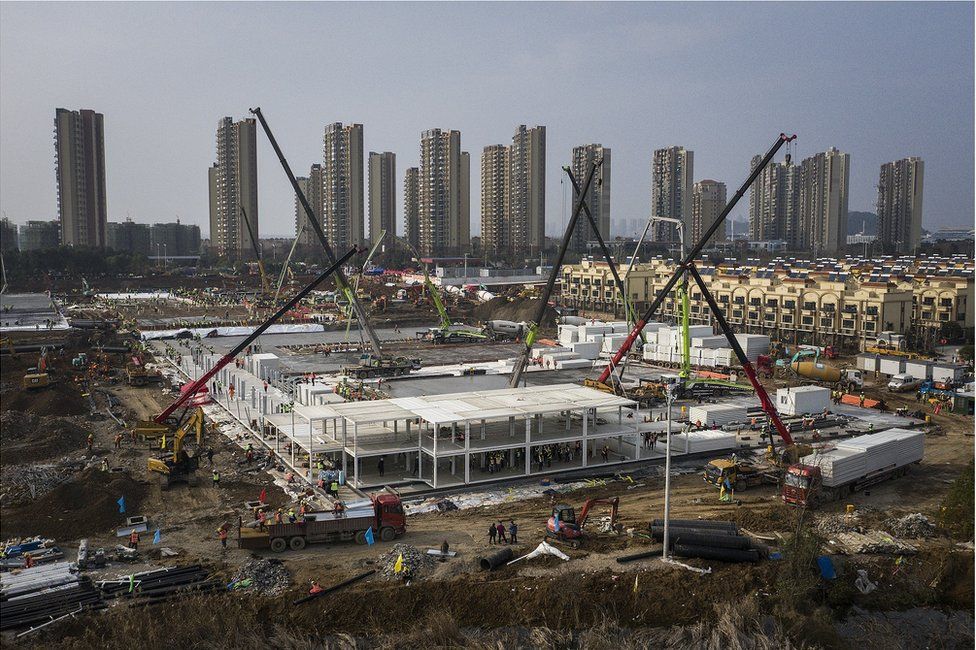
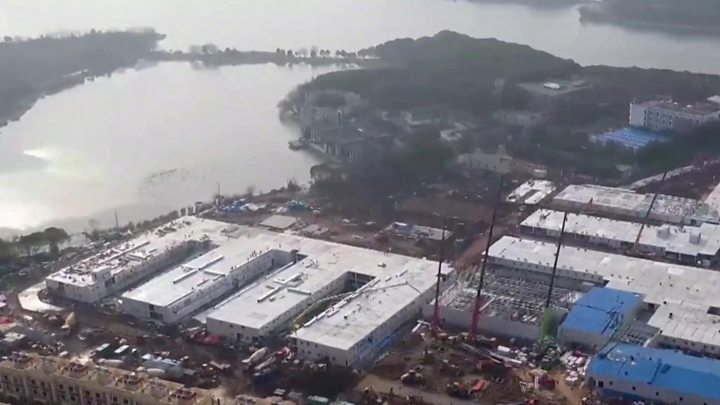
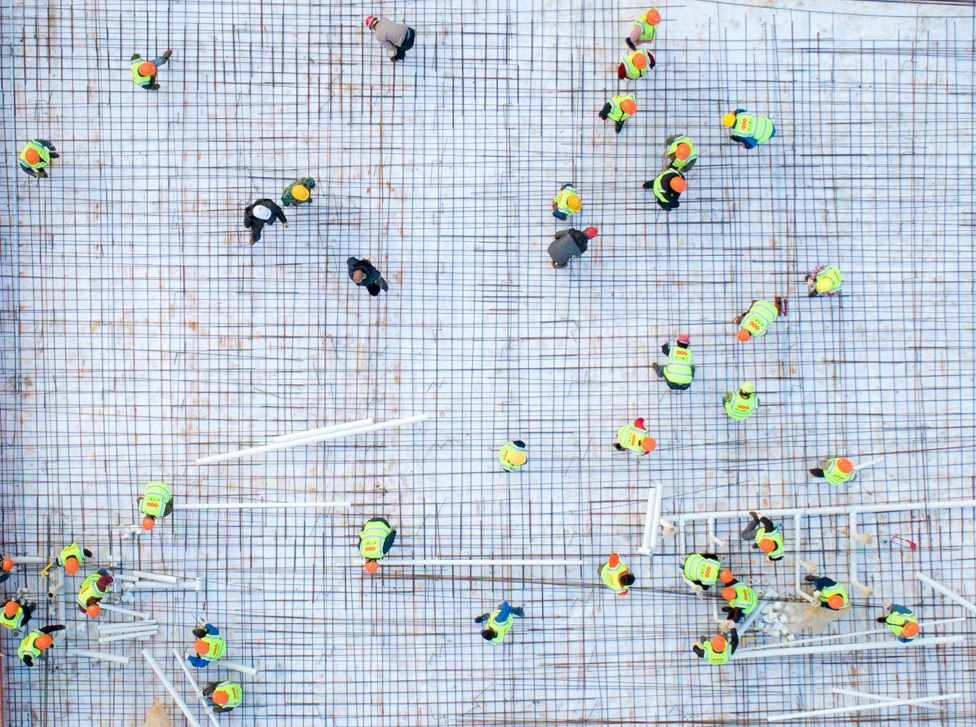
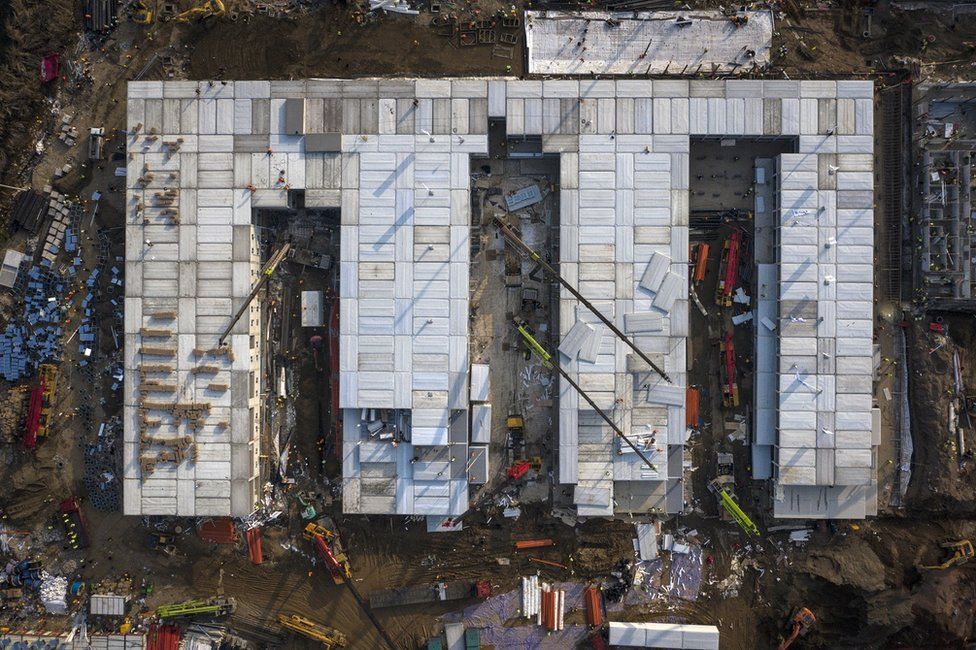
Combo photo shows aerial views of the construction site of Leishenshan (Thunder God Mountain) Hospital taken on Jan. 26, 2020 (top) by Xiao Yijiu and on Feb. 5, 2020 by Li He, in Wuhan, central China’s Hubei Province. After 10 days’ work, the Leishenshan Hospital, another makeshift hospital in Wuhan, started to be delivered gradually after passing the check by the city’s urban construction and health departments Thursday. (Xinhua)
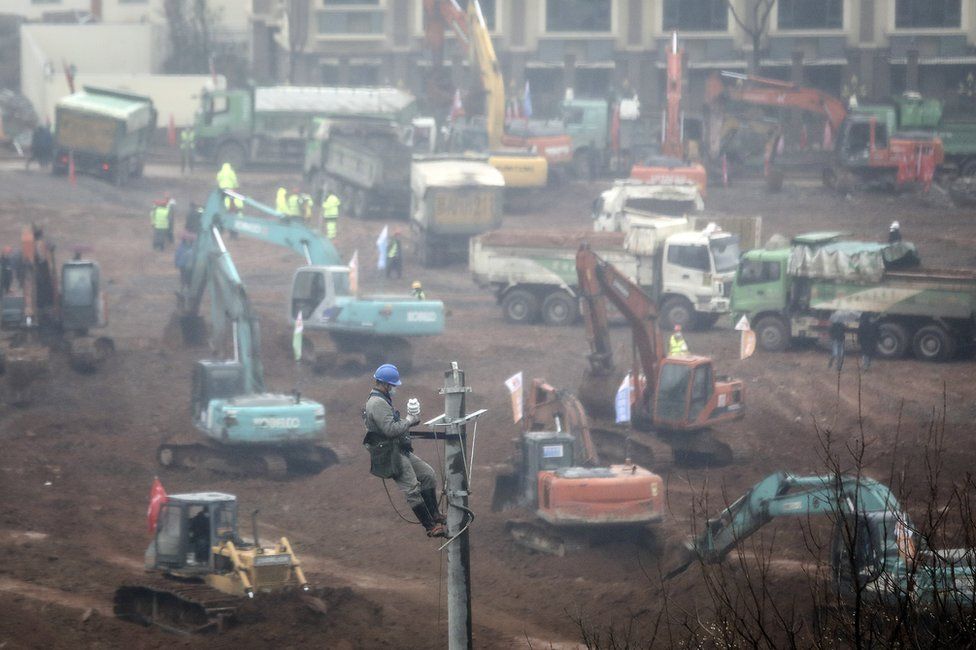
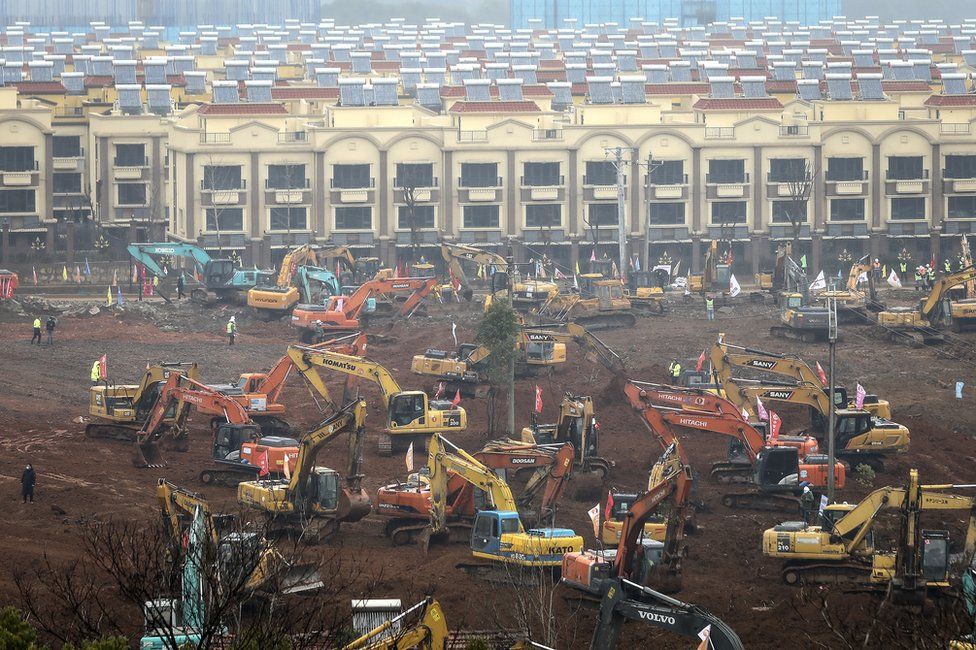
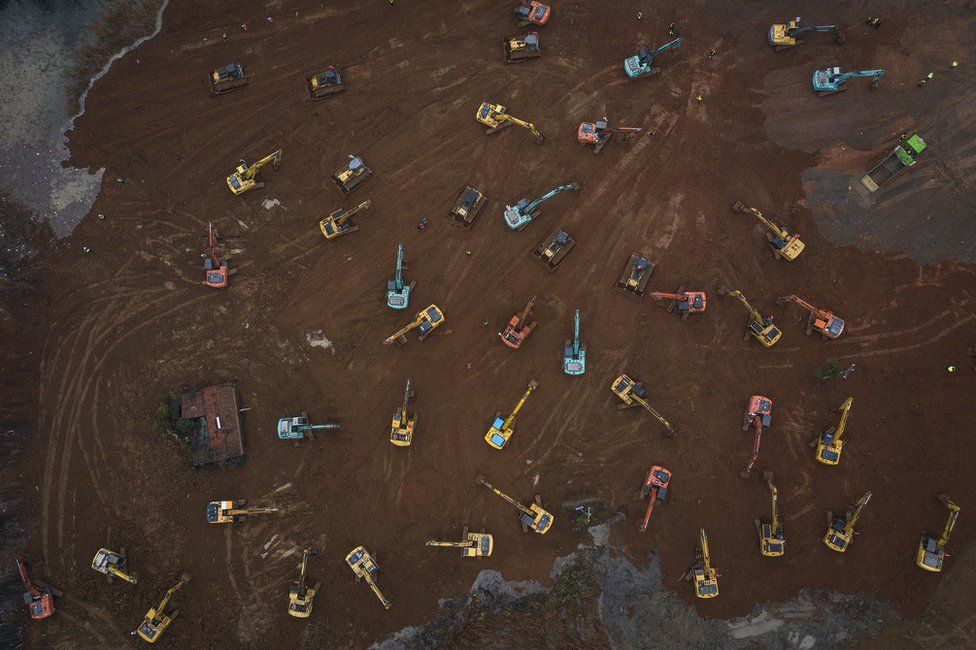
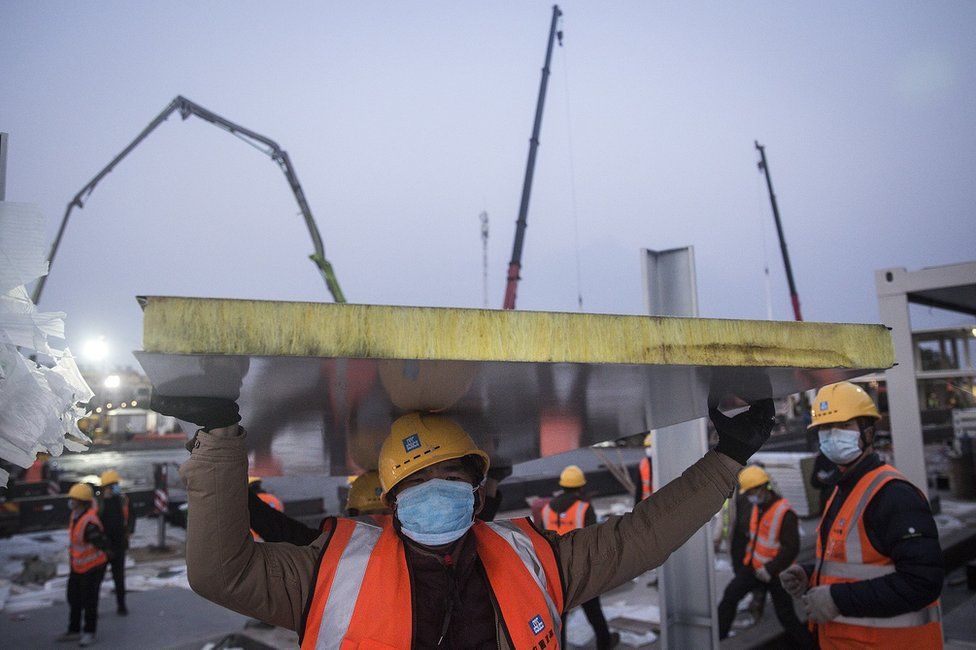
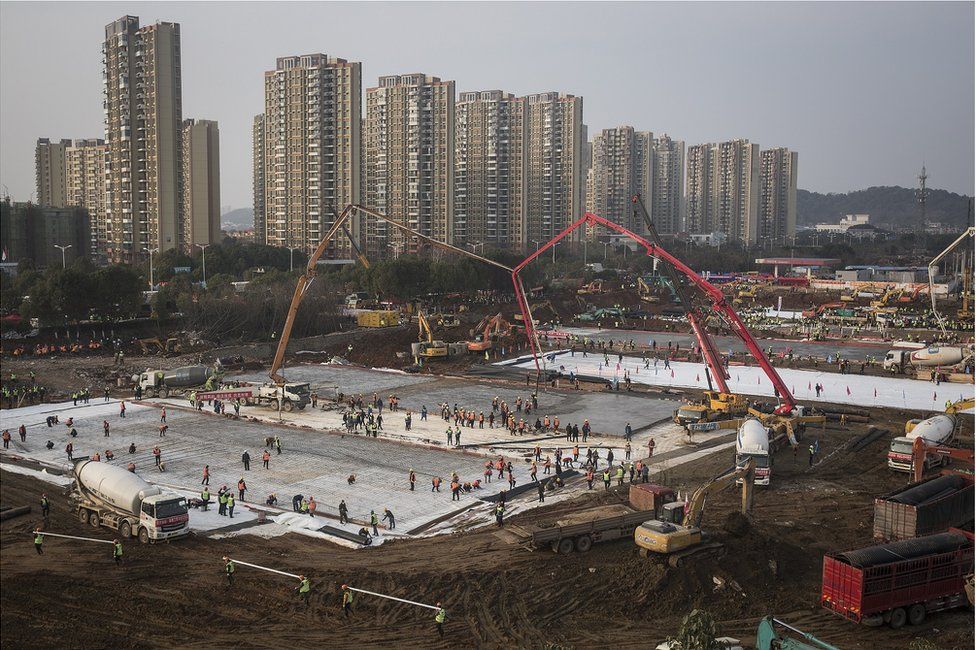
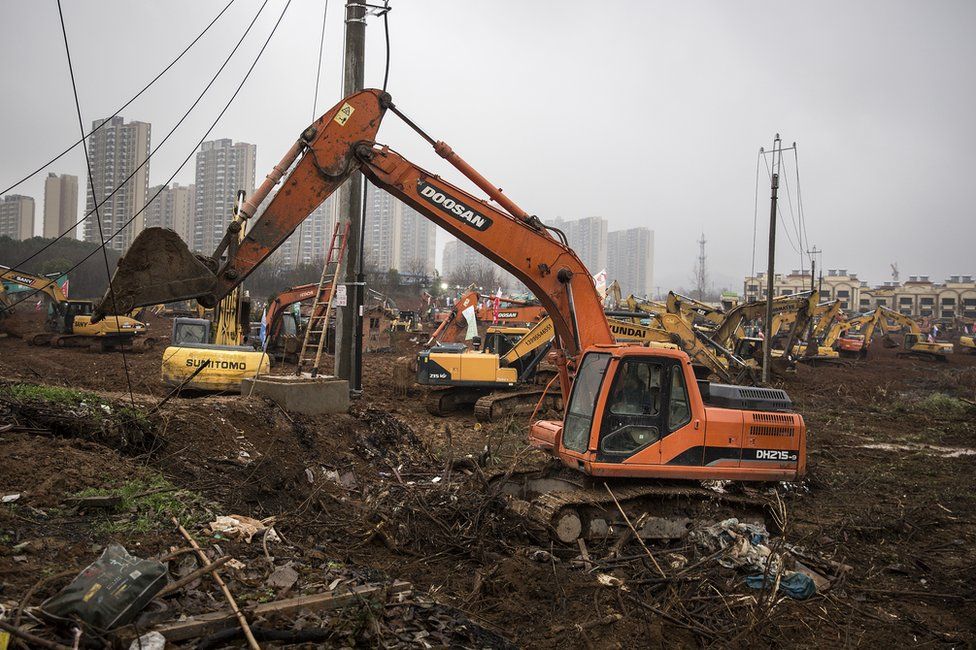
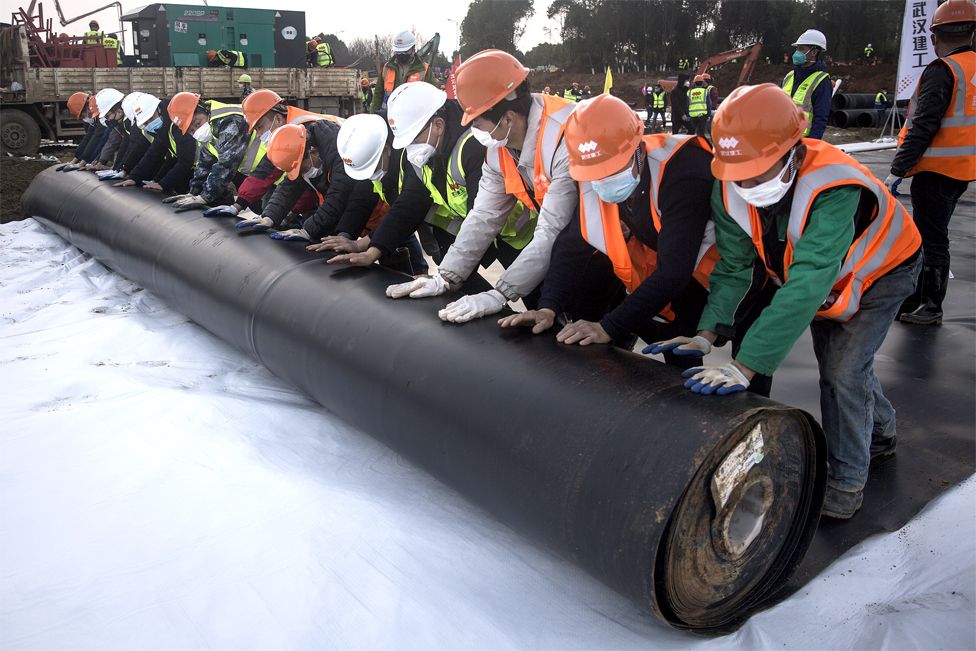
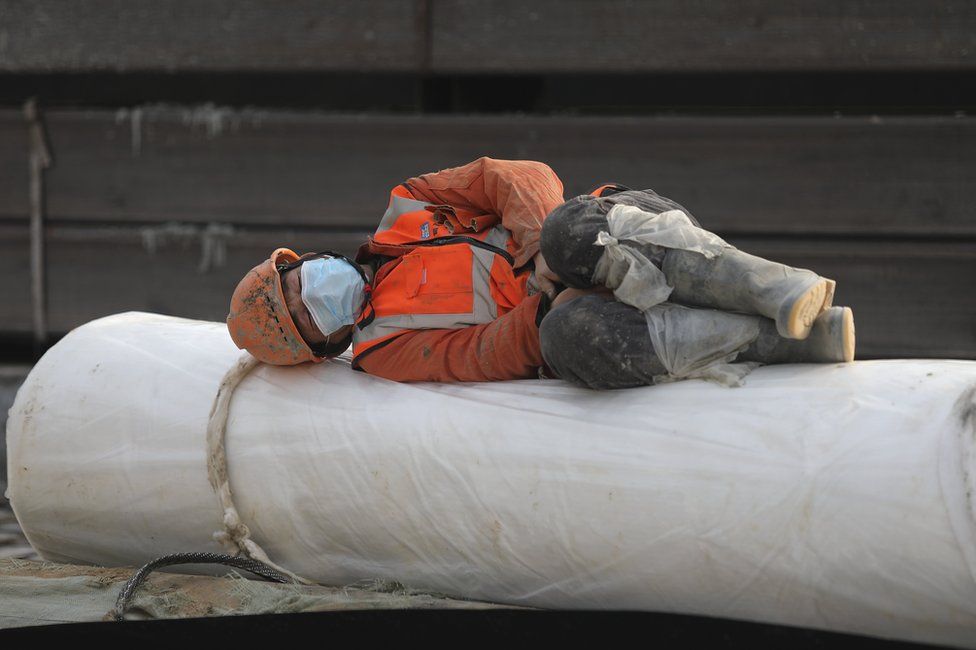
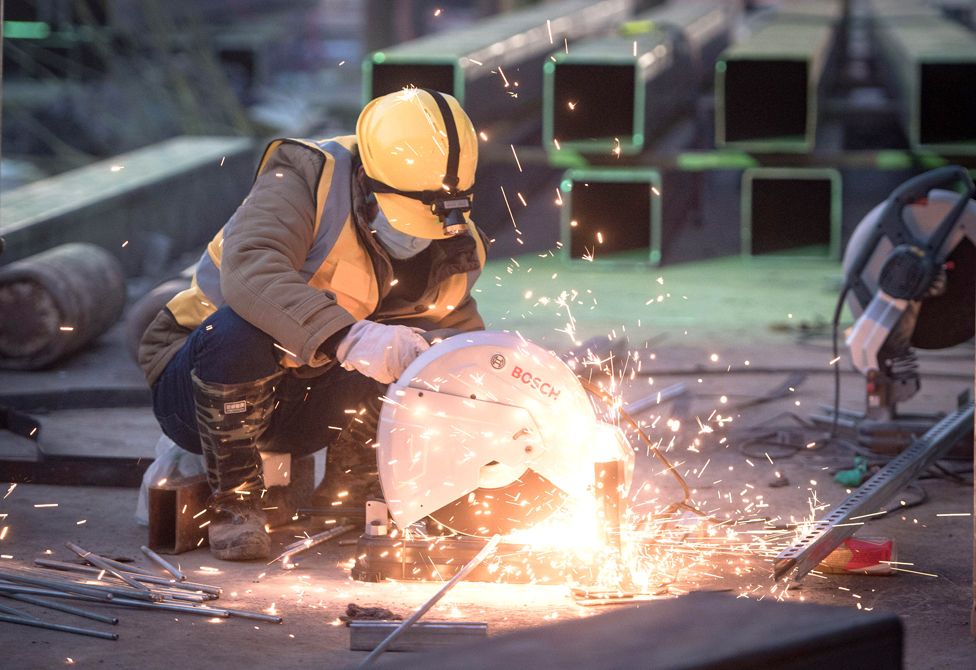
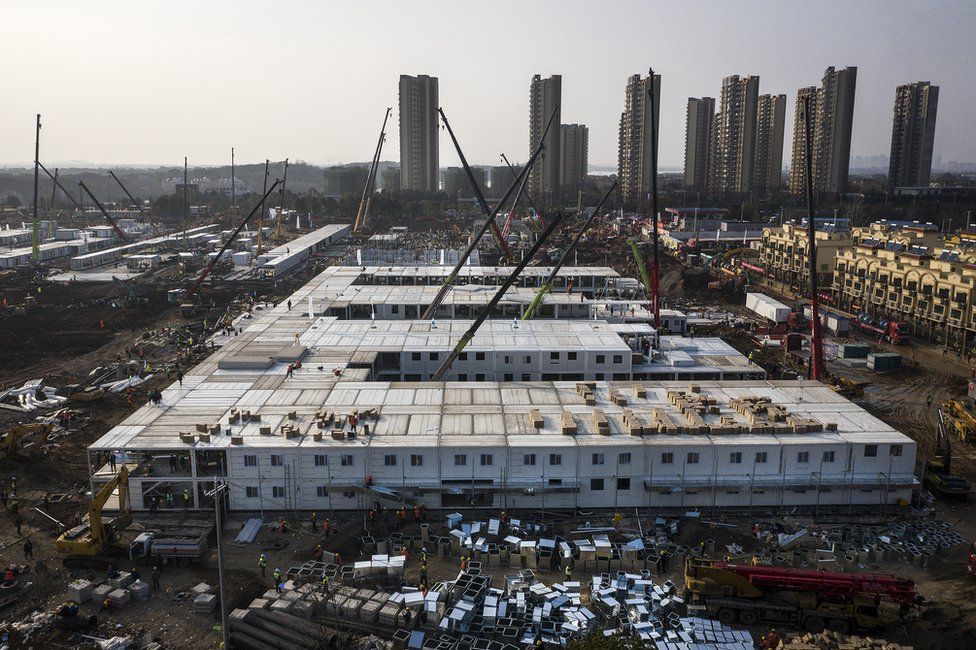
WUHAN, Feb. 6 (Xinhua) — After 10 days’ work, the Leishenshan (Thunder God Mountain) Hospital, another makeshift hospital in Wuhan, started to be delivered gradually after passing the check by the city’s urban construction and health departments Thursday.
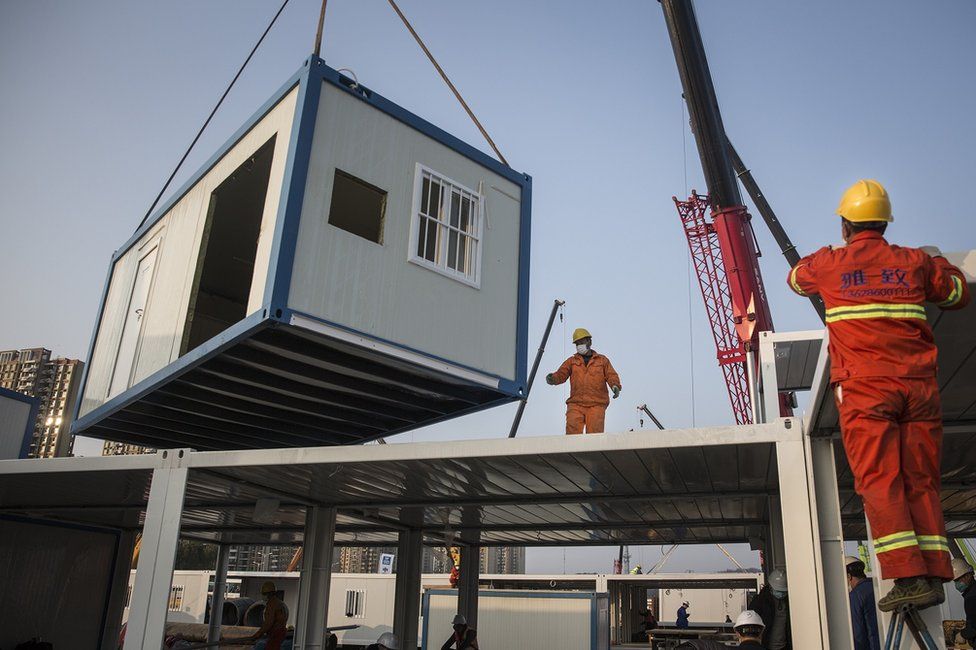
Located on the bank of the Huangjia Lake in the Jiangxia District, Leishenshan Hospital uses a modular design based on the layout of a field hospital. It covers 21.9 hectares.
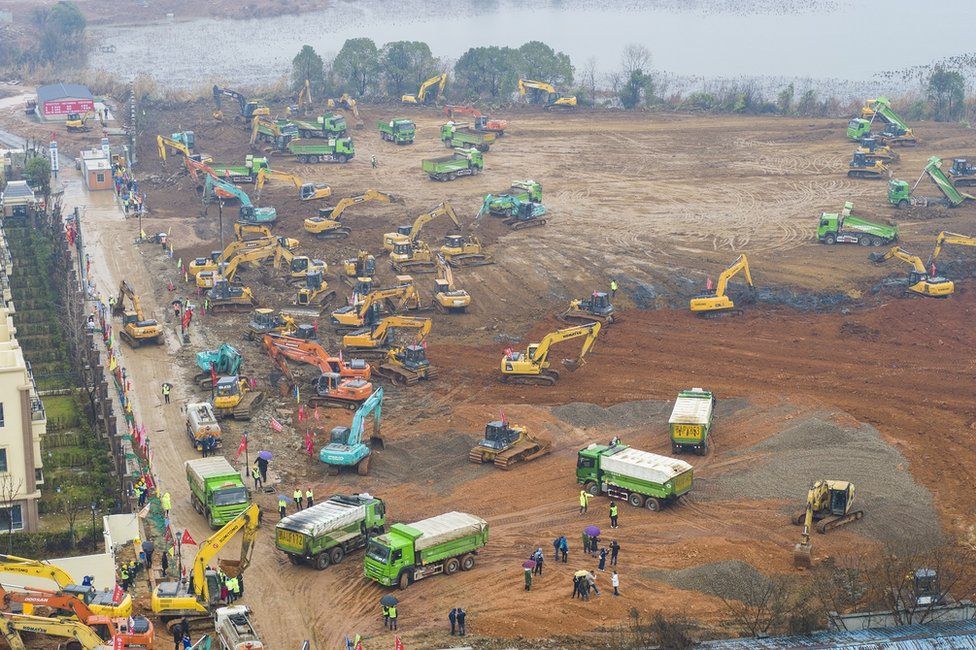
Replicating Beijing’s SARS treatment model in 2003, Wuhan started building two makeshift hospitals: Leishenshan (Thunder God Mountain) and Huoshenshan. Construction work of Leishenshan Hospital started on Jan. 27. After being put into operation, Leishenshan Hospital is expected to provide 1,600 beds and accommodate over 2,000 medical workers.
On Jan. 23, workers broke ground on Huoshenshan Hospital, with a capacity of 1,000 beds. Huoshenshan was finished Sunday and has started to accept patients.
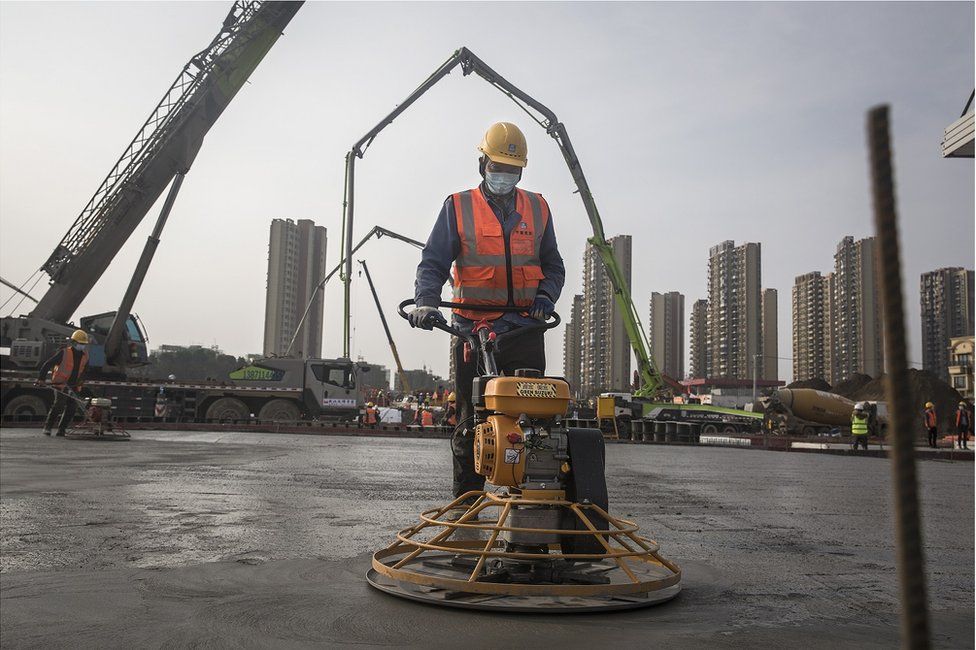
China’s official CCTV broadcaster has been hosting livestreams so people can watch the hospitals being built in real-time – and they have proved an unlikely hit.
The popularity of the footage has led to the construction vehicles earning unusual fame.
Cement mixers have found themselves with nicknames like “The Cement King”, “Big White Rabbit” and “The White Roller”.
Image copyright GETTY IMAGES
Huoshenshan Hospital is based on Xiaotangshan Hospital, set up in Beijing to help tackle the Sars virus in 2003.
Image copyright GETTY IMAGES
Xiaotangshan Hospital was built in seven days, allegedly breaking the world record for the fastest construction of a hospital.
Image copyright GETTY IMAGES
“China has a record of getting things done fast even for monumental projects like this,” says Yanzhong Huang, a senior fellow for global health at the Council on Foreign Relations.
Image copyright ALAMYImage copyright ALAMY
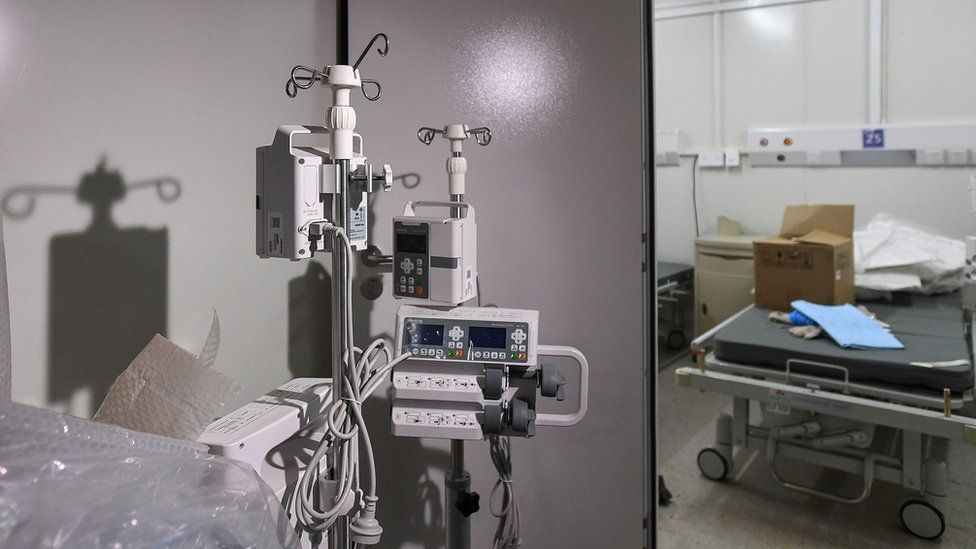
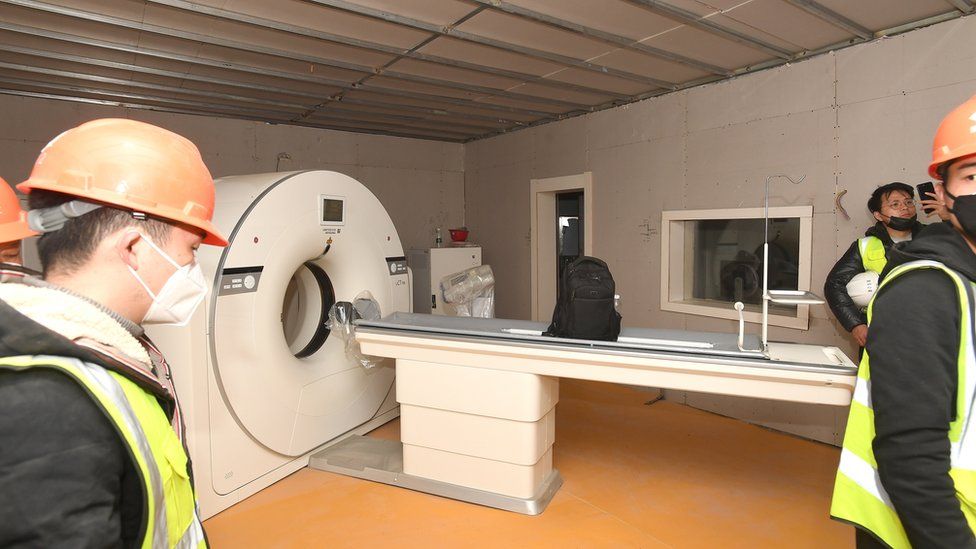
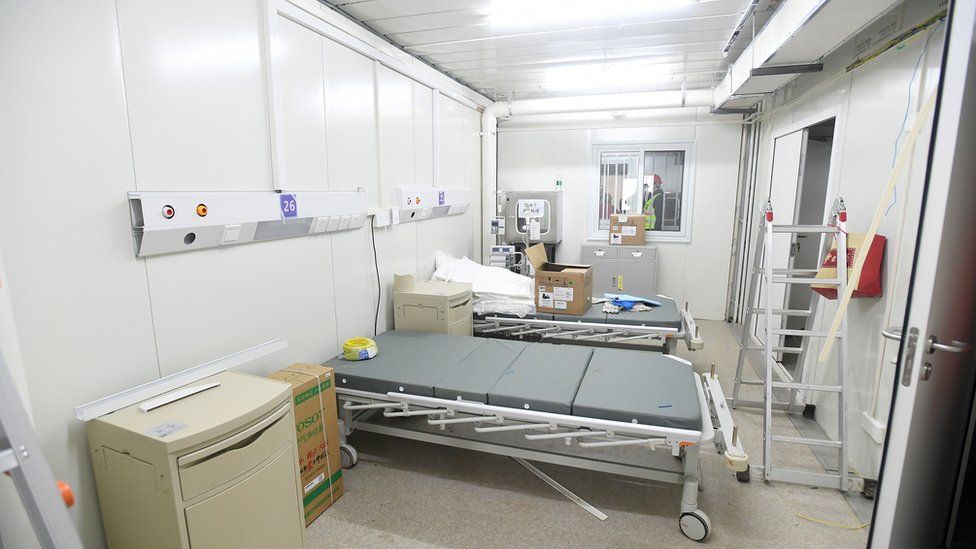
Just like the hospital in Beijing, Huoshenshan Hospital will consist of prefabricated buildings.
Image copyright GETTY IMAGES
Mr Huang said that engineers would be brought in from across the country in order to complete construction in time.
“Engineering work is what China is good at. They have records of building skyscrapers at speed. This is very hard for Westerners to imagine. It can be done,” he added.
NEW DELHI (Reuters) – Violent clashes erupted in Delhi between police and hundreds of university students on Friday over the enactment of a new citizenship law that critics say undermines India’s secular foundations.
The unrest has already led Japanese Prime Minister Shinzo Abe to cancel a planned visit to India from Sunday.
The new law offers a way to Indian citizenship for six minority religious groups from neighbouring Bangladesh, Pakistan and Afghanistan including Hindus and Christians, but not Muslims.
RELATED COVERAGE
Explainer: What does India’s new citizenship law mean?
Clashes erupt in New Delhi between students, police over citizenship law
See more stories
Police fired tear gas and used baton charges to disperse scores of students demonstrating at Jamia Millia Islamia university in the heart of Delhi over the law.
Protesters attacked cars in the capital, and several people were injured and taken to hospital.
Zakir Riyaz, a PhD student in social work, said the new law made a mockery of India’s religious openness.
“It goes against the whole idea of a secular India,” he said, speaking by phone from the Holy Family Hospital in New Delhi where 15 of his fellow students were admitted after being injured in a police baton charge.
Police barricades were knocked down and streets were strewn with shoes and broken bricks. An official at the university dispensary said that more than 100 students had been brought in with injuries but all had been discharged.
Parvez Hashmi, a local politician who went to the protest site to speak to police, said about 50 students had been detained.
Students said it was meant to be a peaceful protest, with them trying to go from Jamia University to Parliament Street to show their opposition to the legislation. But police pushed them back, leading to clashes.
Critics of Prime Minister Narendra Modi’s government say it is promoting a Hindu-first agenda for India and that the citizenship law excluding Muslims showed a deep-seated bias against India’s 170 million Muslims.
Imran Chowdhury, a researcher, said “either give citizenship to refugees of all religions or none at all. The constitution is being tampered with in the name of religion.”
Modi’s ruling Bharatiya Janata Party denies any religious bias but says it is opposed to the appeasement of one community. It says the new law is meant to help minority groups facing persecution in the three nearby Muslim countries.
ABE CANCELS
The United Nations human rights office voiced concern that the new law is “fundamentally discriminatory in nature”, and called for it to be reviewed.
Two people were killed in India’s Assam state on Thursday when police opened fire on mobs torching buildings and attacking railway stations in protest at the new citizenship rules signed into law on Thursday.
Japan’s Prime Minister Shinzo Abe cancelled a trip to Assam for a summit with his Indian counterpart Narendra Modi that had been due to begin on Sunday.
Japan has stepped up infrastructure development work in Assam in recent years, which the two sides were expected to highlight during the summit. Abe had also planned to visit a memorial in the nearby state of Manipur where Japanese soldiers were killed in World War Two.
“With reference to the proposed visit of Japanese PM Abe Shinzo to India, both sides have decided to defer the visit to a mutually convenient date in the near future,” Indian foreign ministry spokesman Raveesh Kumar said in a tweet.
Japan’s Chief Cabinet Secretary Yoshihide Suga said both countries would decide on the appropriate timing for the visit although nothing has been decided yet.
A movement against immigrants from Bangladesh has raged in Assam for decades. Protesters there say granting Indian nationality to more people will further strain the state’s resources and lead to the marginalisation of indigenous communities.
LUCKNOW, India (Reuters) – Heavy rains have killed at least 113 people in India’s Uttar Pradesh and Bihar states over the past three days, officials said on Monday, as flood waters swamped a major city, inundated hospital wards and forced the evacuation of inmates from a jail.
India’s monsoon season that begins in June usually starts to retreat by early September, but heavy rains have continued across parts of the country this year, triggering floods.
An official said that at least 93 people had died in most populous Uttar Pradesh since Friday after its eastern areas were lashed by intense monsoon showers.
Rising water levels forced authorities to shift 900 inmates from a prison in eastern Ballia district, police officer Santosh Verma said.
In neighbouring Bihar, an impoverished agrarian region that was hit by floods earlier this year, the death toll from the latest bout of rain had reached 20 on Monday, a state government official said.
Bihar’s capital city of Patna, home to around 2 million, has been badly hit, with waist-deep flood waters across many streets, and entering homes, shops, and even the wards of a major hospital. In some parts, authorities deployed boats to rescue residents.
“The rains have stopped but there is waterlogging in many areas,” Bihar’s Additional Secretary in the Disaster Relief Department Amod Kumar Sharan said.
In its bulletin on Monday, India’s Meteorological Department said the intensity of rainfall over Bihar was very likely to reduce. Showers in Uttar Pradesh are also expected to abate this week.
Weather department officials said this month that monsoon rains were likely to be above average for the first time in six years. [nL3N26B1MD]
German Chancellor Angela Merkel visits Wuhan Yangtze River Bridge in Wuhan, capital city of central China’s Hubei Province, Sept. 7, 2019. German Chancellor Angela Merkel visited Wuhan on Saturday. (Xinhua/Xiao Yijiu)
WUHAN, Sept. 7 (Xinhua) — Angela Merkel Saturday visited central China’s Wuhan during her 12th trip to the country as German Chancellor since 2005.
Before Wuhan, capital city of Hubei province, Merkel had visited a number of cities besides Beijing during her China trips in the past.
When talking with students of Huazhong University of Science and Technology, Merkel highlighted the importance of international cooperation in the era of globalization, and called on the students to be participants.
Saying that a nation’s prosperity is part of the prosperity of the whole world, she voiced her hope that students should shoulder common responsibilities to combat global challenges.
In the speech, Merkel reviewed her past trips to China. In Shenyang, she witnessed economic upgrading. In Chengdu she learned about development of western China. In Shenzhen she saw remarkable progress brought by the reform and opening-up.
She said quite a few noted German companies including Siemens, and small and medium-sized innovation enterprises are operating business in Wuhan. Wuhan and Duisburg became the first pair of sister cities between China and Germany in 1982.
Merkel exchanged views with students on internet, artificial intelligence, intelligent manufacturing, and environmental protection.
Before wrapping up her trip, Merkel also visited a local hospital and a factory of the German company Webasto.










 CHINDIA ALERT: You'll be living in their world, very soon