30/04/2020
- European nations are divided over how best to deal with Beijing, which looms larger in their policy and public debates
- Think tanks came together and reported on China’s much-touted medical aid and ‘mask diplomacy’ during Covid-19 crisis
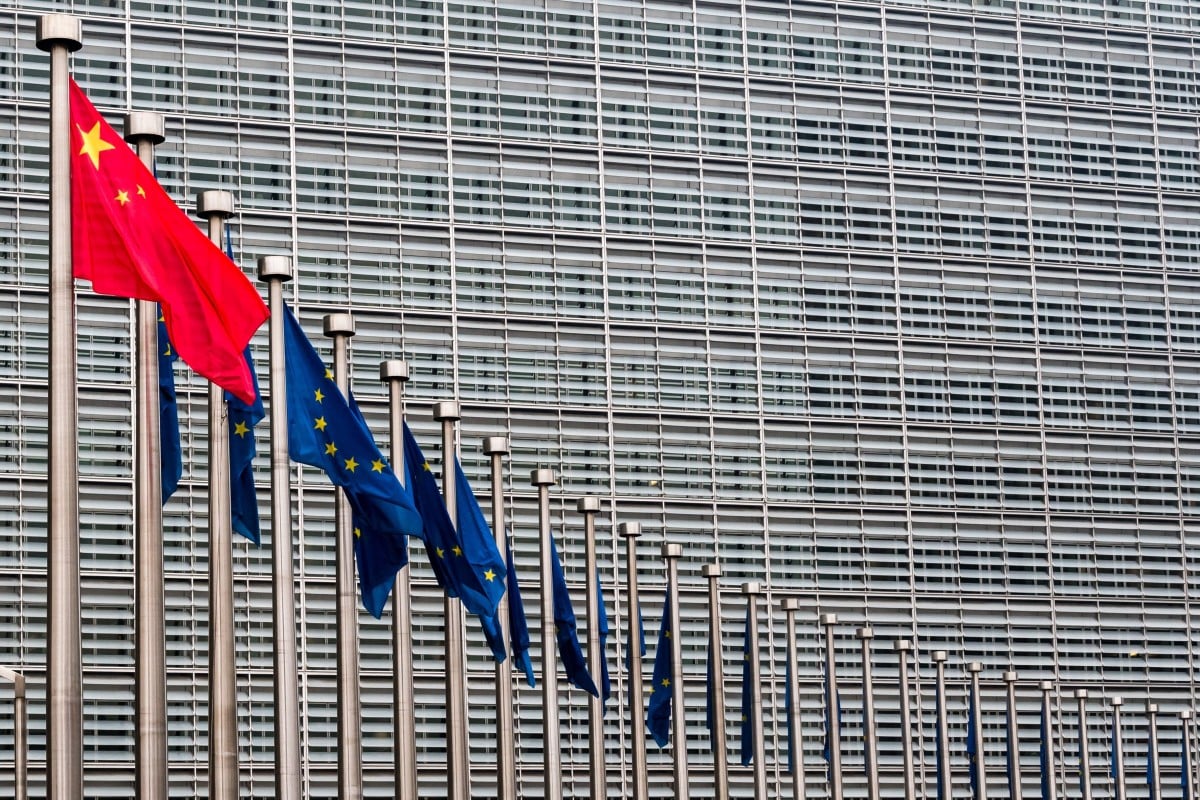
European nations are looking to be more cohesive in their approach towards relations with China. Photo: Bloomberg
As Beijing steps up its pressure campaign on Europe in the wake of the Covid-19 pandemic, their relations look set to become more diverse and contested amid growing distrust and wariness of China’s expanding influence, according to new research.
The study, based on analysis of China’s role in 19 European countries’ handling of the coronavirus crisis, showed that Europe remained largely divided over how to deal with Beijing, which has figured ever more prominently in policy and public debates in many parts of the continent.
A total of 28 experts from 21 think tanks across the continent, collectively known as the European Think-tank Network on China, were involved in the research.
It came on the heels of a diplomatic debacle in the past week that saw the European Union reportedly bowing to pressure by China. The EU reportedly toned down part of a report documenting Beijing’s disinformation efforts to deflect the blame and rewrite the global coronavirus narrative.
Although a spokesperson for the EU denied those allegations, the saga has “moreover revealed the pressures that China has placed on
officials during the crisis”, according to John Seaman, editor of the report and a research fellow at the French Institute of International Relations.
In a phone call on Wednesday, Chinese Premier Li Keqiang and European Commission President Ursula von der Leyen shrugged off concerns about their discord and vowed to boost the fight against the virus and boost economic recovery, according to Xinhua.
Germany ‘rejected China’s bid for positive spin’ on pandemic response
According to Seaman, the Covid-19 crisis hit at a time when traditionally trade-driven China-EU relations had grown more complex and competitive after the European Commission said for the first time last year that Beijing was a systemic rival.
“Debates over the need to adopt more coherent strategies towards China have been emerging across Europe. In many ways, the current crisis has become a catalyst for a number of trends that have been shaping Europe-China relations in recent years, while in other ways it has turned the tables,” he said in the report.
“It has simultaneously brought Europe and China into closer cooperation, pushed them further apart, and seemingly underlined the fractures that exist within Europe on how to approach an increasingly influential China.”
A growing number of European countries, including
Sweden and Britain, have joined the United States and
Australia in calling for an international inquiry into China’s handling of the pandemic. Leaders from Germany and France have also pressed Beijing for greater transparency about the origin of the deadly virus.
The European think tanks’ report was also focused on China’s unusually aggressive coronavirus diplomacy, with Chinese embassies and ambassadors shifting the blame on to Western democracies and promoting Beijing’s messaging “with varying degrees of dogmatism, divisiveness and moderation” on Twitter and in traditional media.
“While China’s increasingly proactive public diplomacy is widespread, and there appears to be a relative degree of consistency in messaging, there is a diversity in method that ranges from low key (Latvia or Romania) to charm offensive (Poland, Portugal, Italy or Spain) to provocative or aggressive (Sweden, Germany or France),” the report said.
It examined China’s much-touted medical aid and “mask diplomacy” and found “a correlation between Chinese companies with commercial interests in the country and donations from these companies” in countries including Greece, Hungary, Italy, Portugal and Spain.
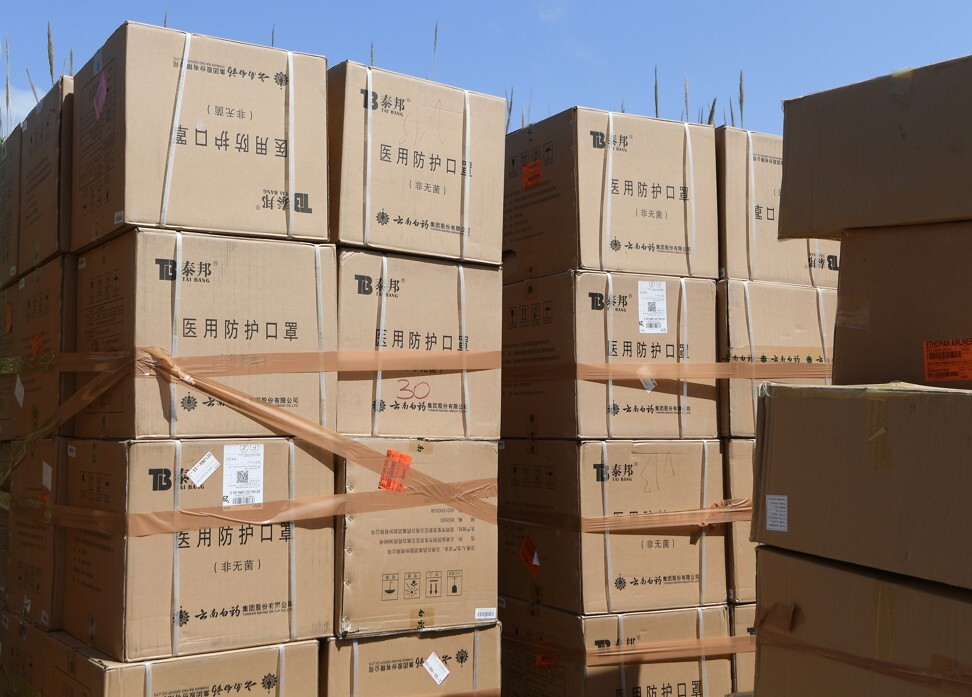
Boxes of medical supplies from China in Rome. Some European nations are growing wary about China’s diplomatic overreach and apparent willingness to alter the coronavirus narrative. Photo: Xinhua
Many countries have pushed back against China’s diplomatic overreach and its preferred narrative that has served to “[underline] the apparent successes of its autocratic governance model, ignoring its clear downfalls in managing the crisis initially, while sowing doubt on the effectiveness of liberal democracies”, according to Seaman.
While the European Union’s foreign policy chief Josep Borrell warned of Beijing’s geopolitical game to expand its influence through spinning and “politics of generosity”, countries such as Germany and Sweden have moved to tighten investment screening, 5G and industrial policies targeting Chinese firms.
Zhang Ming, China’s top envoy to the EU, last week dismissed the concerns about China’s alleged ploy to use the vulnerabilities of other countries to advance China’s geopolitical interests, such as with the country’s embattled tech giant Huawei and the ambitious Belt and Road Initiative.
“Disinformation is our common enemy and we need to make joint efforts to eradicate it,” Zhang said, claiming China had been a victim of unspecified disinformation campaigns.
The report also noted that China’s actions towards Europe in times of crisis looked set to amplify the fractures across the continent and prompt further debates about the need for a coherent EU strategy on China.
A poll of more than 12,000 people across the 28 EU member countries by German think tank Bertelsmann Stiftung in September last year showed 45 per cent of Europeans saw China as a competitor while only 9 per cent believed their countries shared the same political interests or values with China.
Another survey of 16 European countries released by the Pew Research Centre in December also showed the continent remained deeply divided over how to approach China.
While people in most of western Europe and some of Central and Eastern Europe, such as Slovak and Czech, saw China negatively, 51 per cent in Greece had a positive view of China and those in Russia, Ukraine, Poland, Bulgaria and Lithuania tended to see China more favourably.
Source: SCMP
Posted in according, Australia, “disinformation”, Beijing, Britain, Bulgaria, Chinese premier Li Keqiang, Covid-19 crisis, Czech, distrust, diversity, divided, dogmatism, during, Eastern Europe, European Commission President, European nations, European Union, France, French Institute of International Relations, Germany, Greece, hit, Hungary, international inquiry, Italy, Lithuania, medical aid, pandemic, Poland, Portugal, Rome, Russia, Slovak, Spain, Sweden, Twitter, Ukraine, Uncategorized, United States, Xinhua |
Leave a Comment »
23/04/2020
SHENYANG, April 23 (Xinhua) — With trucks standing bumper to bumper and large cranes loading containers on the train, work returned to normal at a logistics base in northeast China’s Liaoning Province.
The base, where the China-Europe freight trains are set to depart in Shenyang, the provincial capital, has seen stable departures since early April as the novel coronavirus epidemic ebbs away.
With the global supply chain being affected by restrictions in air, land, and port travel due to the global pandemic, China-Europe railway has been playing a more important role, experts say.
“The train was operated by staff in different sections, which means it does not require cross-border personnel health inspections, giving it advantages during the pandemic,” said Shan Jing, an industry insider who wrote a book on China-Europe freight trains.
In March, a total of 809 China-Europe freight trains carrying 73,000 containers were sent across China. Both numbers hit a monthly record.
At the Shenyang logistics base, trains depart to travel through Russia, Belarus, Poland and finally reach Germany in around 18 days. As of April 13, a total of 130 trains carrying 11,200 standard containers had departed from the base.
“The province sends a stable number of five trains each week,” said He Ruofan, a business manager with the Shenyang branch of China Railway Container Transport Corp., Ltd, operator of the trains.
The stable operation has made the route a top choice for many Chinese enterprises, said Yao Xiang, a manager with logistics group Sinotrans’s northeast company.
“Many shipping routes have been canceled, and the rest are more and more expensive amid the epidemic,” said Yao, noting the price for air cargo surged 5 to 10 times the normal price as flights decreased from China to Europe.
With increasing departing trains, returning trains on the route have also been increasing, Yao said.
Among the 130 trains that have been sent from the Shenyang base so far this year, 33 returned, carrying construction materials, car parts, mechanical equipment, and daily products.
“These goods provide supplies to large companies like BMW and Michelin’s Shenyang factories,” Yao said.
Medical supplies have also been sent to hard-hit Europe to fight against the coronavirus pandemic.
As of April 18, a total of 448,000 pieces of medical supplies weighing 1,440 tonnes had been sent to European countries via the route, according to China State Railway Group Company, Ltd.
“China-Europe freight trains have shown great service capabilities during the epidemic,” said Shan, the industry insider. “It serves as a new choice for European enterprises, and I believe more people will come to realize the importance of the route.”
Source: Xinhua
Posted in affected, air, air cargo, April, away, Belarus, BMW, bumper to bumper, canceled, car parts, Carrying, China Railway Container Transport Corp., Ltd, China State Railway Group Company, Ltd, China-Europe freight trains, Construction, containers, Coronavirus pandemic, cranes, dairy products, different, early, ebbs, equipment, Europe, European countries, experts, factories, fight, Germany, global pandemic, global supply chain, help, important role, land, large, Liaoning province, loading, logistics base, materials, mechanical, medical supplies, normal, northeast China's, novel coronavirus epidemic, operated, pieces, playing, Poland, Port, provincial capital, railway, restrictions, route, sections, sent, Shenyang, shipping routes, Sinotrans's, stabilize, stable departures, staff, standing, tonnes, Train, travel, trucks, Uncategorized, weighing |
Leave a Comment »
25/02/2020
LONDON (Reuters) – Britain’s biggest retailer Tesco (TSCO.L) has completed its exit from China with the 275 million pound sale of its joint venture stake to state-run partner China Resources Holdings (CRH).
Having struggled to crack the Chinese market, Tesco established the Gain Land venture with CRH in 2014, combining the British group’s 131 stores in China with its partner’s almost 3,000.
The disposal of its 20% stake allows Tesco to further simplify and focus the business on core operations, it said on Tuesday, adding that the proceeds will be used for general corporate purposes.
The deal is scheduled to complete on Feb. 28.
Shares in Tesco were up 0.7% at 0816 GMT, extending its gains over the last year to 12.4%.
“This extra 275 million pounds of ‘forgotten value’ should be accretive to most street valuations,” said Bernstein analyst Bruno Monteyne.
After costly exits from Japan and the United States and the sale of its South Korean business, Tesco signalled in December a further retreat from its once lofty global ambitions by starting a review of its operations in Thailand and Malaysia – its last remaining wholly owned businesses in Asia.
A sale of its operations in Thailand and Malaysia would mean Tesco’s only remaining overseas operations, apart from Ireland, would be its central European division, comprising stores in the Czech Republic, Hungary, Poland and Slovakia.
The Asian exit could be one of the last acts of Tesco CEO Dave Lewis, who will be succeeded by Ken Murphy in October.
Bernstein’s Monteyne expects Tesco to start a 1 billion pound share buyback programme in its 2020-21 financial year.
“With this transaction and the possible sale of Thailand and Malaysia, Tesco’s biggest short-term concern could be how to efficiently return cash to shareholders,” he said.
Source: Reuters
Posted in Britain’s biggest retailer, Business, China, China Resources Holdings (CRH), completes, Czech Republic, exit, Hungary, Ireland, Japan, Malaysia, Poland, Slovakia, South Korean, Tesco, Tesco (TSCO.L), Thailand, Uncategorized, United States |
Leave a Comment »
18/01/2020
- President Milos Zeman says Beijing has not fulfilled its promises and he will not attend this year’s 17+1 summit
- He had hoped the country would be an ‘unsinkable aircraft carrier’ for Chinese investment in Europe, but now Zeman has changed his tone
Czech Republic President Milos Zeman has voiced disappointment over China’s lack of investment in the country. Photo: AFP
Czech President Milos Zeman’s decision to skip
China’s summit with European leaders in April shows the “honeymoon is over” between Prague and Beijing, analysts say, as it tries to shake up the relationship to push for more investment.
And China could face similar trouble with other nations looking for more at this year’s “17+1” summit with Central and Eastern European nations in Beijing.
Top leaders usually attend the gathering, but Zeman on Sunday said he would not be going, and that China had not “done what it promised” by failing to invest more in his country. He would instead send Deputy Prime Minister Jan Hamacek, which he said was “adequate to the level of cooperation”.
At last year’s summit in Croatia, Prague was represented by Prime Minister Andrej Babis, who was diplomatically on par with the Chinese representative,
But it is China’s turn this year, and President Xi Jinping will be the host – meaning heads of state are expected to attend. The 17+1 grouping was launched by Beijing in 2012.
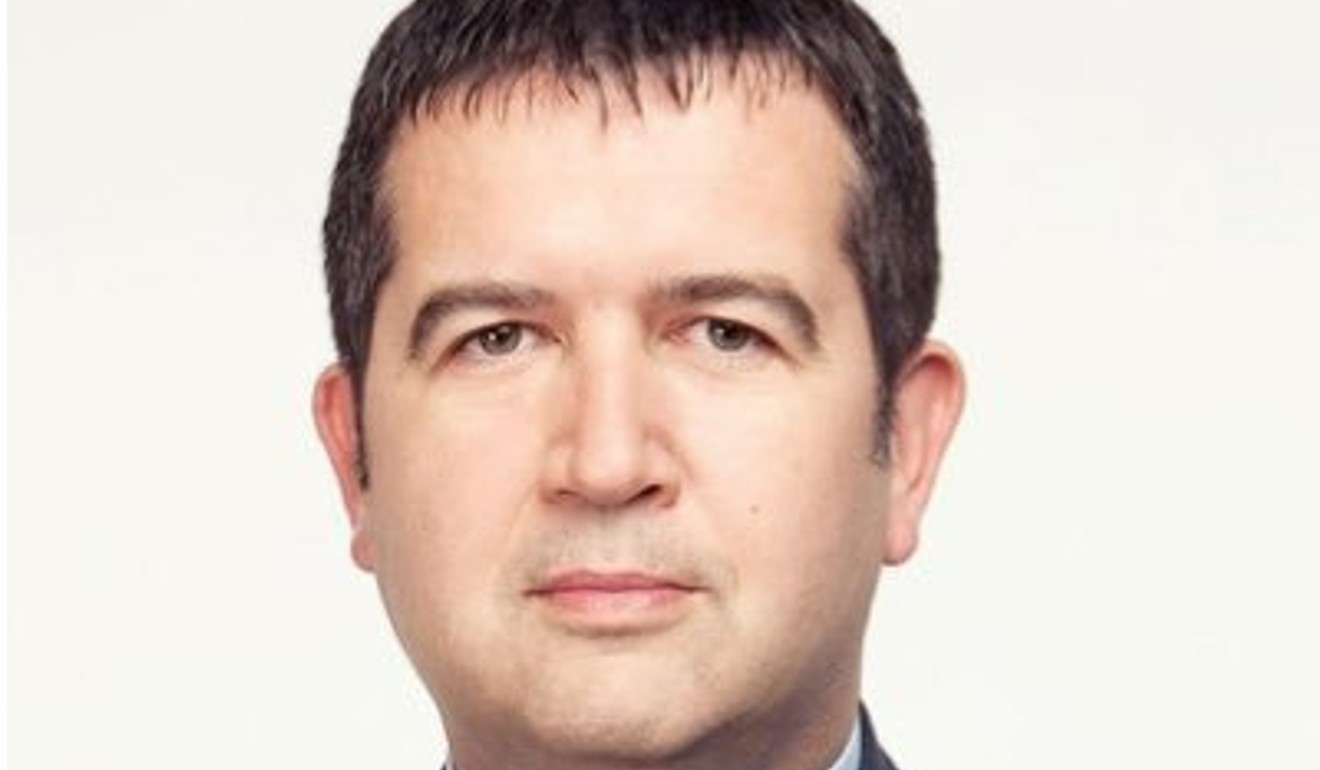
Deputy Prime Minister Jan Hamacek will represent Prague at the 17+1 summit. Photo: Twitter
Zeman was a strong advocate for deepening economic ties with China and investments were on the rise, for a time. But Zeman and other Czech leaders have increasingly questioned the nature of the relationship, especially as the economic benefits have dwindled.
Relations with China grew after Zeman, who is in his second term as president, took office in 2013. The peak came in 2016, when Xi visited the country and promised more Chinese investment. That year, Zeman said he hoped his country would be an “unsinkable aircraft carrier” for Chinese investment in Europe.
But since then, the investments have faltered, not just in the Czech Republic, but across Central and Eastern Europe, and Zeman has changed his tone. In April, he called the lack of investment in his nation a “stain on the Czech-China relationship”, in an interview with Chinese state broadcaster CCTV.
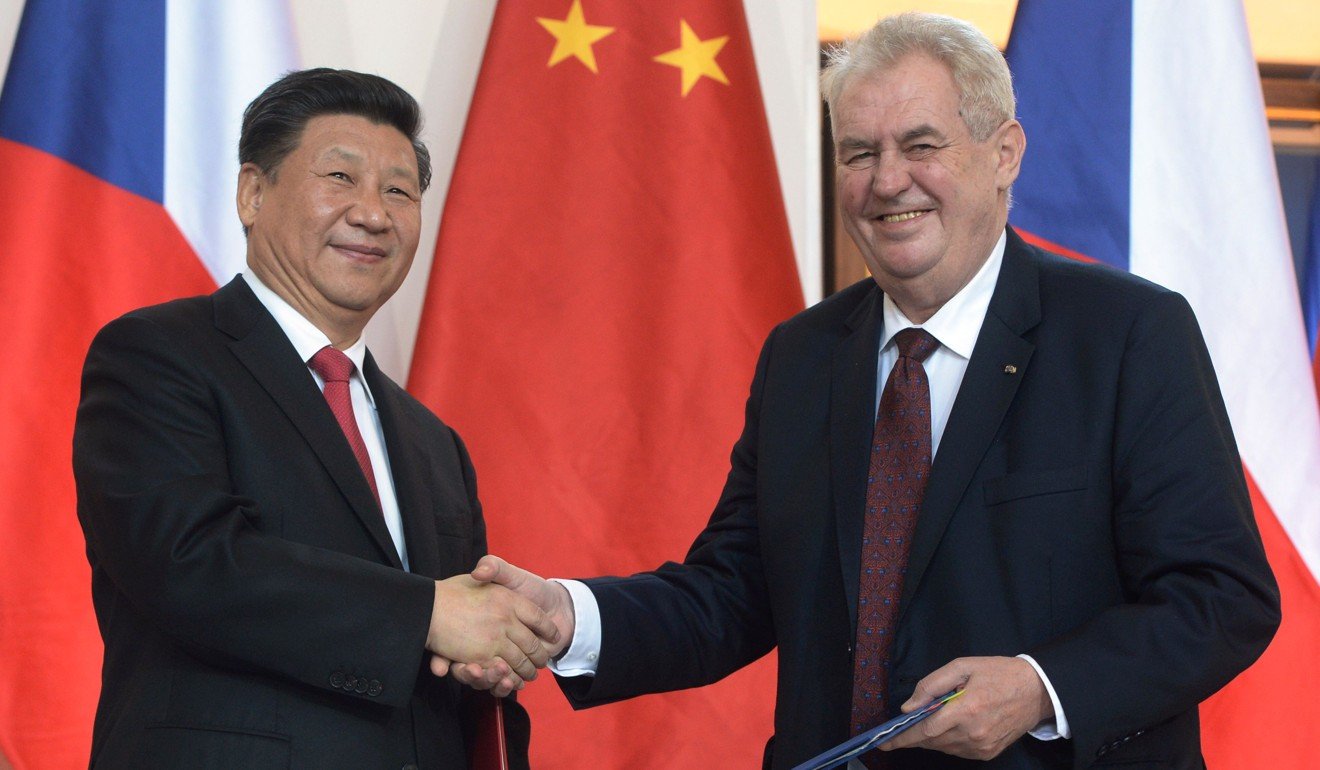
Chinese President Xi Jinping meets his Czech counterpart Milos Zeman during a visit to Prague in 2016, when he promised more investment. Photo: AFP
“I suppose he feels that promises made to him personally were not fulfilled, since he has had personal contact with Xi Jinping on a number of occasions … he surely feels that his commitment to China has not been reciprocated,” said Jeremy Garlick, assistant professor of international relations at the University of Economics, Prague.
Zeman has visited China five times and was the only EU leader to attend a Chinese military parade in 2015 to mark the 70th anniversary of the end of World War II.
I suppose he feels that promises made to him personally were not fulfilled, since he has had personal contact with Xi Jinping on a number of occasions Jeremy Garlick, University of Economics, Prague
Rudolf Furst, a senior researcher at Charles University in Prague, said Zeman had given up his unequivocal support for a pragmatic pro-Chinese agenda.
“Chinese investments flow in Czechia have remained low, and not matching the Czech structural needs for stimulating the GDP growth,” he said.
Most of the 17+1 member states, except for Hungary and Greece, were now “perceiving the Chinese investment promises as merely virtual”, Furst said. “The 2012 new wave of China’s honeymoon is over.”
Rhodium Group has tracked Chinese foreign direct investment data in Europe since 2000. Its data shows that while total Chinese investment in the Czech Republic had grown to about €1 billion (US$1.1 billion) by 2018, growth has been slow, while neighbouring countries like Italy and Germany had some 15 to 20 times more investment in their economies.
Cumulative Chinese foreign direct investment in the Czech Republic between 2000 and 2017 sat at about €600 million, and grew to €1 billion in 2018, while that in neighbour Germany grew from €20.6 billion to €22.2 billion over the same period.
The picture is much the same for Eastern Europe as a whole – Austria, Bulgaria, the Czech Republic, Hungary, Poland, Romania and Slovakia received just 2 per cent of China’s overall investment in Europe in 2018, according to the data.
Countries like France, Germany and Britain meanwhile received 9, 12 and 24 per cent, respectively.
Czech Republic becomes unlikely front line in China’s soft power war
Other Czech politicians have also taken a tougher line on China. Babis warned of a “considerable” trade deficit with China in 2018. The country exported US$1.8 billion of goods to China in the first nine months of last year, down 4.3 per cent from a year earlier. But it imported US$11.7 billion of products from China – by far its largest source of imports.
And after Zeman’s announcement this week, the Green Party, which holds a handful of seats in the Czech Senate, called for Prague to pull out of the 17+1 platform altogether.
Prime Minister Andrej Babis warned of a “considerable” trade deficit with China in 2018. Photo: AFP
Richard Turcsanyi, director of the Central European Institute of Asian Studies at Palacky University in the Czech Republic, said both Prague and Beijing were expecting too much.
“I see the current sharp downturn of Czech-China relations being related to very high and unrealistic expectations which existed perhaps on both sides, driven to a large extent by the ignorance of each other,” he said.
“Due to the impressive economic growth of China and also its international economic expansion, many expected that China could quickly become a significant economic actor in the Czech Republic,” he said.
“In reality, the Czech Republic and China are not natural trading or investment partners. They are more of competitors when it comes to moving up the value chain, rather than complementary economic partners – contrary to what has been claimed for years as part of the diplomatic exchanges.”
Political tensions with China have also increased, including over security allegations about Huawei Technologies, and sensitive issues like Taiwan and Tibet.
This week, Shanghai suspended official contact with the Czech capital Prague after it signed a sister city agreement with Taipei – following Prague cancelling its deal with Beijing in October over a “one China” pledge. Shanghai was also a sister city with Prague.
And although Zeman has been critical of the US-led campaign against Huawei, Babis ordered Czech government institutions to stop using products from the Chinese tech giant last year.
“There has been a breakdown of trust in China, at the level of the public, the media, and now even the president,” Garlick said.
Source: SCMP
Posted in Austria, ‘honeymoon is over’, Beijing, Britain, Bulgaria, Central European Institute of Asian Studies, Charles University, China, Chinese President Xi Jinping, Chinese state broadcaster CCTV, Czech Republic President, Eastern Europe, France, Germany, Greece, huawei technologies, Hungary, Milos Zeman, Palacky University, Poland, Prague, Romania, Slovakia, Taiwan, Tibet, Uncategorized, University of Economics, Prague |
Leave a Comment »
08/12/2019
FUZHOU, Dec. 7 (Xinhua) — Chinese and foreign experts have marveled at the archaeological and anthropological value of the Wanshouyan Paleolithic Relics in east China’s Fujian Province.
Dozens of archaeological experts from China, Malaysia, Poland, Russia and Japan gathered in Sanming City on Friday and Saturday for a visit to the relics and academic exchanges.
“I have never seen such a thing,” said Lucyna Domanska, a professor with the Institute of Archaeology at the University of Lodz from Poland, pointing to a 120-square-meter space floored with pebbles inside a cavern.
The artificial floor, built about 40,000 years ago, is part of the Wanshouyan Paleolithic Relics, a habitat of human ancestors dating back as early as 200,000 years ago.
“This site is very exciting,” Domanska said. “It is important not only for Asia but for the whole world.”
Some of the relics are “unusual,” said Evgeny Rybin, a senior researcher at the Institute of Archaeology and Ethnography at the Siberian branch of the Russian Academy of Sciences, noting that “it could be a source of scientific advancements.”
Standing inside a cavern named Lingfeng where ancient stone choppers, scraping devices and hammering tools were unearthed, Rybin said the relics from this site broadened their understandings about the capabilities of ancient people.
“The relics show that ancient people not only used caves but also changed them to fit their lifestyles,” he said.
It is a contribution to the world, said Mohd Mokhtar Saidin, a professor and director of Malaysia’s Center for Global Archaeological Research.
“This is very important. Not every country has evidence of human activities 200,000 years ago, and not every region has this type of cave,” he added.
Inside the limestone hill of Wanshouyan, archaeological remains of the Paleolithic Age have been found in several caverns, which provide important evidence for studying human life as early as hundreds of thousands of years ago.
In 2000, the Wanshouyan Paleolithic Relics was listed as one of China’s top 10 archaeological discoveries of the year.
Source: Xinhua
Posted in archaeological and anthropological value, Center for Global Archaeological Research, China alert, from, Fujian Province, gain, Institute of Archaeology, Institute of Archaeology and Ethnography, int'l experts, Japan, Malaysia, paleolithic relics, Poland, recognition, Russia, Russian Academy of Sciences, Sanming City, Siberian branch, Uncategorized, University of Lodz, Wanshouyan Paleolithic Relics |
Leave a Comment »
02/12/2019
(Reuters) – Asian companies dominate the market for electric vehicle (EV) batteries and they are expanding their production capacity in Europe, China and the United States in a fight to win lucrative contracts from global automakers.
Some carmakers worry, however, there won’t be enough batteries for all the EVs they plan to launch in the coming years and a bitter row between South Korea’s SK Innovation and LG Chem risks exacerbating the potential shortfall.
Below are details of the world’s leading EV battery makers with details of their customers and expansion plans:
CATL
China’s Contemporary Amperex Technology (CATL), the world’s biggest EV battery maker, counts BMW (BMWG.DE), Volkswagen (VOWG_p.DE), Daimler (DAIGn.DE) – which makes Mercedes cars – Volvo, Toyota Motor Corp (7203.T) and Honda Motor Co (7267.T) among its customers.
The company emerged as a major force partly thanks to Beijing’s policy of only subsidising vehicles equipped with Chinese batteries in the world’s biggest EV market. Beijing is phasing out EV subsidies next year.
CATL, which operates factories in China, is building its first overseas plant in Germany and is considering a U.S. factory.
PANASONIC CORP (6752.T)
Japan’s Panasonic, a supplier of U.S. EV pioneer Tesla (TSLA.O), said it has installed equipment to ramp up production at Tesla’s Nevada plant to 35 GWh from its current production of around 30 GWh as of late October. Panasonic has said it is investing about $1.6 billion in the factory.
Panasonic also produces EV batteries in Japan, China and plans to shift some of its plants to a new joint venture with Toyota. Panasonic’s clients also include Honda and Ford Motor Company (F.N).
For a graphic of expansion plans: tmsnrt.rs/35tFmOL
BYD CO LTD (002594.SZ)
China’s BYD, which is backed by U.S. investor Warren Buffett, is also one of the world’s biggest EV battery makers. It mainly uses them in-house for its own cars and buses. BYD said last year it is was considering cell production in Europe.
LG CHEM LTD (051910.KS)
The South Korean firm was an early industry mover, winning a contract to supply General Motor’s (GM.N) Volt in 2008. It also supplies Ford, Renault (RENA.PA), Hyundai Motor (005380.KS), Tesla, Volkswagen and Volvo.
It is investing 3.3 trillion won ($2.8 billion) to build and expand production facilities near Tesla’s plant in Shanghai. It has a joint venture (JV) in China with Geely Automobile Holdings (0175.HK), which makes Volvos, and is in talks with other carmakers about JVs in major markets.
The firm is considering building a second U.S. factory in addition to its facility in Michigan and is expanding its plant in Poland.
SAMSUNG SDI CO LTD (006400.KS) Samsung SDI an affiliate of South Korean tech giant Samsung Electronics (005930.KS), has EV battery plants in South Korea, China and Hungary, which supply customers such as BMW (BMWG.DE), Volvo and Volkswagen. Samsung SDI is investing about 1.2 billion euros ($1.3 billion) to expand its factory in Hungary though the EU is investigating whether Budapest’s financial support complies with the bloc’s state aid rules.
Samsung started production last year on the Hungary plant, which will produce batteries for 50,000 EVs a year.
SK INNOVATION CO LTD (096770.KS) LG Chem’s cross-town rival SK Innovation supplies batteries to Volkswagen, Daimler and Kia Motors (000270.KS), as well as Jaguar Land Rover [TAMOJL.UL] and Ferrari (RACE.MI).
An oil refiner that came to the battery industry late, SKI is investing about $3.9 billion to build three plants in the United States, China and Hungary, with a goal of expanding its annual production capacity to 33 GWh by 2022.
SKI currently operates one battery factory in South Korea, with a capacity of 4.7 GWh annually.
It set up a joint venture with Beijing Automotive Industry Corporation (BAIC) of China in August 2018 and another Chinese partner. It is in talks with Volkswagen about another battery JV and is building a $1.7 billion factory in the U.S. state of Georgia, not far from Volkswagen’s Chattanooga plant.
Source: Reuters
Posted in automakers, batteries, battery, Beijing Automotive Industry Corporation (BAIC), Beijing’s, biggest, BMW, BMW (BMWG.DE), Budapest’s, BYD, BYD CO LTD (002594.SZ), Chattanooga, China alert, Chinese, Contemporary Amperex Technology (CATL), contracts, Daimler, Electric vehicle, equipped, Europe, EV pioneer, Factory, Ferrari (RACE.MI), firm, Ford, Ford Motor Company (F.N), Geely Automobile Holdings (0175.HK), General Motor’s (GM.N), Georgia, Germany, global, Honda Motor Co (7267.T), Hungary, Hyundai Motor (005380.KS), industry mover, Japan, Japan’s, Kia Motors (000270.KS), LG Chem, LG CHEM LTD (051910.KS), Makers, Mercedes, Michigan, Nevada, Panasonic, PANASONIC CORP (6752.T), Plant, Poland, policy, Renault (RENA.PA), Rover [TAMOJL.UL], Samsung Electronics (005930.KS), SAMSUNG SDI CO LTD (006400.KS), Shanghai, SK Innovation, SK INNOVATION CO LTD (096770.KS), South Korea, South Korean, subsidising, Tesla (TSLA.O), Toyota Motor Corp (7203.T), U.S., U.S. investor, Uncategorized, United States, vehicles, Volkswagen, Volkswagen (VOWG_p.DE), Volt, Volvo, Warren Buffett, world's |
Leave a Comment »
23/10/2019
- International rules on seabed mining set for approval in 2020, with China most likely to lead the race, UN body says
Governments, research institutions and commercial entities have already signed contracts for the exploration phase to extract minerals from the seabed, with China holding the most. Photo: Shutterstock
China is in pole position for the global race to start deep sea mining operations to extract valuable minerals used in smartphones and electric car batteries from the seabed.
The head of the International Seabed Authority (ISA) said China was likely to become the first country in the world to start mining seabed minerals if the international rules for exploitation were approved next year.
The ISA has already signed 30 contracts with governments, research institutions and commercial entities for exploration phase, with China holding the most, five contracts.
The body, which was established to manage the seabed resources by the United Nations Convention on the Law of the Sea (UNCLOS), is aiming to adopt seabed mineral exploitation rules by July 2020.
As China leads the hunt for deep-sea minerals, environmental concerns surface
“I do believe that China could easily be among the first (to start exploitation),” said Michael Lodge, ISA general secretary, who visited China last week.
“The demand for minerals is enormous and increasing, there is no doubt about the market.”
There is also interest from European countries including Belgium, Britain, Germany and Poland, as well as from the Middle East.
The quest to exploit seabed minerals – such as polymetallic nodules containing nickel, copper, cobalt and manganese – is driven by demand for smartphones and electric car batteries, and the need to diversify supply.
However, no one has yet shown that deep sea mining can be cost effective and some non-governmental organisations have questioned whether it would be possible to reach a deal on exploitation rules next year.
“I think, it’s pretty good. I think the current draft is largely complete,” Lodge said, when asked about prospects of adopting the rules by next July.
One of the issues yet to be agreed is proportionate financial payments to the Jamaica-based ISA for subsea mineral exploitation outside national waters.
“We are looking at ad valorem royalty that would be based on the value of the ore at a point of extraction … The middle range is 4 per cent to 6 per cent ad valorem royalty, potentially increasing over time,” Lodge said.
New iPhone models to use recycled rare earths, Apple says
If the rules are approved, it could take about two to three years to obtain permits to start deep sea mining under the current draft, Lodge said.
Canadian Nautilus Minerals had tried to mine underwater mounds for copper and gold in the national waters off Papua New Guinea, but ran out of money and had to file for creditor protection earlier this year.
This has not deterred others, such as Global Sea Mineral Resources (GSR), a unit of Belgian group DEME, and Canada’s DeepGreen, to continue technology tests and research.
In July, Greenpeace called for an immediate moratorium on deep sea mining to learn more about its potential impact on deep sea ecosystems, but the ISA has rejected such a proposal.
Source: SCMP
Posted in Apple, Belgian, Belgium, Britain, canada, Canadian Nautilus Minerals, China alert, cobalt, copper, deep sea, DeepGreen, DEME, electric car batteries, exploit, first country, Germany, Global Sea Mineral Resources (GSR), Gold, Greenpeace, International rules, International Seabed Authority (ISA), IPhone, manganese, Middle East, minerals, national waters, Nickel, Papua New Guinea, Papua New Guinea (PNG), Poland, polymetallic nodules, rare earths, recycled, seabed mining, smartphones, Uncategorized, United Nations Convention on the Law of the Sea (UNCLOS), valuable minerals |
Leave a Comment »
09/07/2019
Chinese State Councilor and Foreign Minister Wang Yi (L) and Polish Foreign Minister Jacek Czaputowicz attend a press conference after holding talks and attending the opening ceremony of the second plenary session of China-Poland Intergovernmental Cooperation Committee in Warsaw, Poland, on July 8, 2019. (Xinhua/Chen Xu)
WARSAW, July 8 (Xinhua) — Chinese State Councilor and Foreign Minister Wang Yi held talks with Polish Foreign Minister Jacek Czaputowicz here on Monday, calling for deepening comprehensive strategic partnership with Poland.
Noting this year marks the 70th anniversary of the establishment of diplomatic relations between China and Poland, Wang said bilateral relations have withstood the tests of changing international situations and maintained good momentum. During Chinese leader’s visit to Poland in 2016, the leaders of the two countries agreed to elevate the bilateral ties to comprehensive strategic partnership, indicating the direction for future development of the bilateral ties.
China attaches great importance to the key role Poland plays as a major country among Central and Eastern European Countries (CEEC) as well as in the European Union (EU), Wang said, adding China stands ready to work with the Polish side to extend traditional friendship, build cooperation consensus, inject new impetus into bilateral relations, and push for the comprehensive strategic partnership between the two nations to run at the forefront of China-CEEC ties.
The Chinese foreign minister called on the two countries to strengthen strategic communication, maintain high-level exchanges in various fields, cement political mutual trust, and respect and give consideration to each other’s core interests and major concerns.
The two sides should seize the cooperation opportunities of jointly building the Belt and Road Initiative (BRI) to boost infrastructural construction, production capacity, and Eurasian transport corridor so as to contribute to the global interconnectivity partnership, Wang said.
The two sides should also cultivate new growth points in areas like nuclear power, environmental protection and technological innovation, he added.
The Chinese market is open to Poland, and China is willing to import more Polish products to mitigate trade imbalance, Wang said, noting that China encourages its enterprises to invest and operate in Poland and hopes the Polish side will offer them fair, open and non-discriminatory business environment.
The Chinese foreign minister also called on the two sides to uphold multilateralism, safeguard the rules-based multilateral trading system, and join hand in hand to tackle global challenges like climate change.
The two sides should also strengthen communication and coordination on international and regional affairs so as to boost stability and prosperity in Eurasia, he said. The Chinese official also hopes Poland can serve as a bridge linking China and Western countries as well as Asia and Europe.
On his part, Czaputowicz said Poland, located in the heartland of the Europe, is willing to actively take part in the joint construction of the BRI, strengthen bilateral exchanges, and play an active role in promoting China-CEEC cooperation and EU-China ties.
Poland welcomes Chinese investments, and will treat foreign enterprises according to international laws and business principles. Poland will not exclude Chinese enterprises or adopt any discriminatory measures against them, said Czaputowicz.
The two officials also on Monday attended the opening ceremony of the second plenary session of China-Poland Intergovernmental Cooperation Committee.
Source: Xinhua
Posted in Belt and Road Initiative (BRI), Central and Eastern European countries (CEEC), China-Poland Intergovernmental Cooperation Committee, Chinese State Councilor and Foreign Minister, comprehensive strategic partnership, European Union (EU), Jacek Czaputowicz, Poland, Polish Foreign Minister, Uncategorized |
Leave a Comment »
06/07/2019
BEIJING, July 6 (Xinhua) — Chinese State Councilor and Foreign Minister Wang Yi will visit Poland, Slovakia and Hungary from July 7 to 13, at the invitation of Polish Foreign Minister Jacek Czaputowicz, Slovak Foreign Minister Miroslav Lajcak, and Hungarian Foreign Minister Peter Szijjarto respectively.
He will also co-host the second plenary session of China-Poland Intergovernmental Cooperation Committee with Czaputowicz and the second China-Hungary “Belt and Road” working group meeting with Szijjarto during the visit, foreign ministry spokesperson Geng Shuang said Saturday in Beijing.
Source: Xinhua
Posted in Beijing, China-Hungary "Belt and Road" working group, China-Poland Intergovernmental Cooperation Committee, Chinese State Councilor and Foreign Minister, Hungary, Poland, Slovakia, Uncategorized, Wang Yi |
Leave a Comment »
18/02/2019
(Reuters) – British security officials do not support a full ban of Huawei from national telecoms networks despite U.S. allegations the Chinese firm and its products could be used by Beijing for spying, people with knowledge of the matter said.
Huawei, the world’s biggest producer of telecoms equipment, faces intense scrutiny in the West over its relationship with the Chinese government and allegations of enabling state espionage, with the United States calling for its allies not to use its technology.
Although no evidence has been produced publicly and Huawei has denied the claims, the allegations have led several Western countries to restrict its access to their markets.
“We don’t favour a complete ban. It’s not that simple,” one of the sources told Reuters on Monday after a Financial Times report on Sunday said that Britain had decided it could mitigate the risks of using Huawei equipment in 5G networks.
The FT cited two sources familiar with what it said was a conclusion by the government’s National Cyber Security Council (NCSC), which last year said technical and supply-chain issues with Huawei’s equipment had exposed national telecom networks to new security risks. Huawei had no immediate comment.
Any decision to allow Huawei to participate in building next-generation 5G networks would be closely watched by other nations, because of Britain’s membership of the Five Eyes intelligence-sharing group with the United States.
Britain is an important market for Huawei and last month Vodafone, the world’s second-largest mobile operator, said it was “pausing” the deployment of its equipment in core networks until Western governments give the Chinese firm full security clearance.
Other operators in Europe, including Britain’s BT and France’s Orange have already removed Huawei’s equipment or taken steps to limit its future use.
Two sources said the NCSC did not think it was necessary to completely bar Huawei from British networks, believing it could continue to manage any risks by testing the products at a special laboratory overseen by intelligence officials.
Both sources, who spoke on condition of anonymity because of the sensitivity of the matter, said the position was consistent with public statements made by the NCSC and British officials.
“As was made clear in July’s HCSEC oversight board, the NCSC has concerns around Huawei’s engineering and security capabilities. We have set out the improvements we expect the company to make, an NCSC spokeswoman said on Monday.
CONFIDENCE MEASURES
People with knowledge of the matter said the next NCSC report on Huawei’s position in Britain will criticise its slow response to issues raised in last year’s report and detail tense relations with British officials.
The report, which is expected to be released in coming weeks, does not itself set government policy.
The results of a government review of British telecoms infrastructure is expected later in the year and will include recommendations on managing security risks, including in future 5G networks.
Fellow Five Eyes member Australia has banned Huawei from supplying 5G equipment, while New Zealand said on Monday it would make its own independent assessment of the risk of using Huawei equipment in 5G networks.
Huawei has set up security labs in Britain and Germany aimed at building confidence that its equipment does not contain “back doors” for Chinese intelligence services.
It has also offered to build a cyber-security centre in Poland, where authorities have arrested a Chinese Huawei employee along with an ex-Polish security official.
Source: Reuters
Posted in 5G networks, Australia, back doors, Beijing, Britain, BT, equipment, Espionage, Financial Times, Five Eyes, Germany, HCSEC, Huawei, National Cyber Security Council, NCSC, network ban, New Zealand, Orange, Poland, spying, telecoms equipment, Uncategorized, West |
Leave a Comment »







 CHINDIA ALERT: You'll be living in their world, very soon