Chindia Alert: You’ll be Living in their World Very Soon
aims to alert you to the threats and opportunities that China and India present. China and India require serious attention; case of ‘hidden dragon and crouching tiger’.
Without this attention, governments, businesses and, indeed, individuals may find themselves at a great disadvantage sooner rather than later.
The POSTs (front webpages) are mainly 'cuttings' from reliable sources, updated continuously.
The PAGEs (see Tabs, above) attempt to make the information more meaningful by putting some structure to the information we have researched and assembled since 2006.
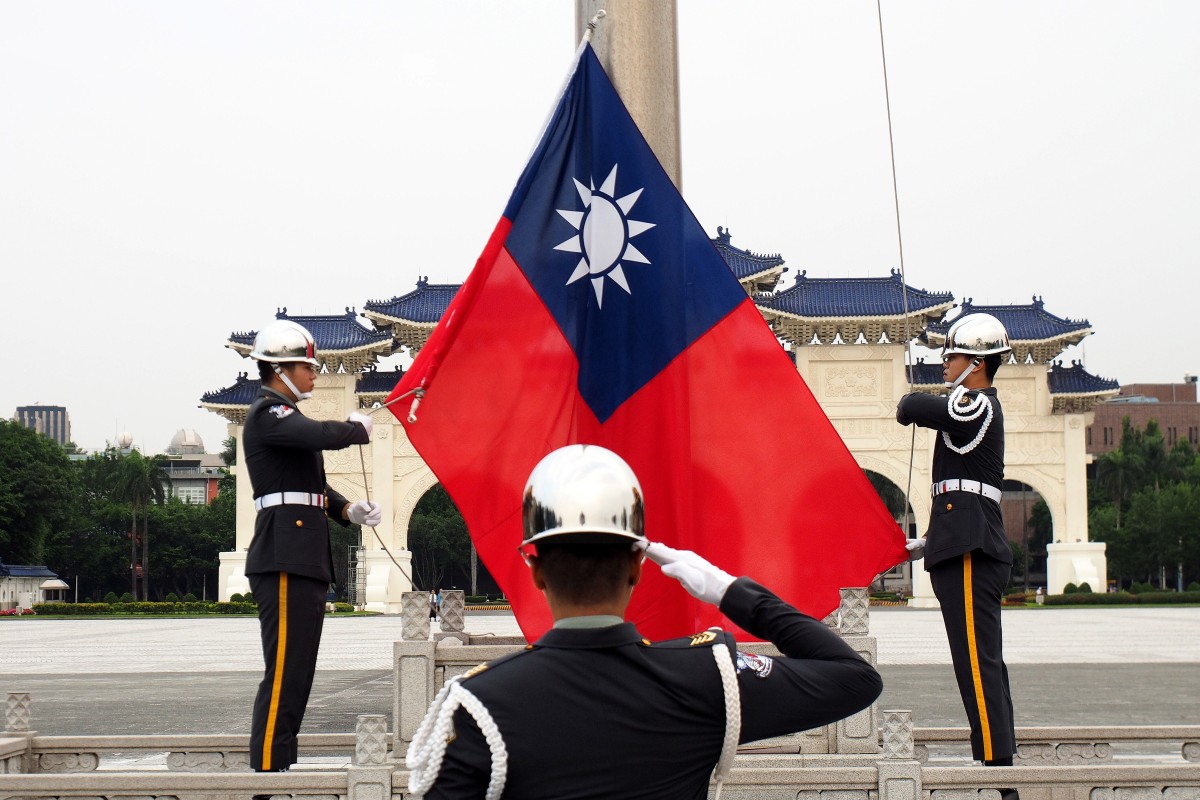
The rhetoric towards the self-ruled island has hardened in Premier Li Keqiang’s annual work report
Beijing regards Taiwan as one of its core national interests and says it ‘resolutely opposes’ any separatist activity
Beijing regards reunification with Taiwan as one of its core interests. Photo: EPA-EFE
Beijing has hardened its rhetoric towards Taiwan, removing references to “peaceful reunification”, in the government’s annual work report.
Observers said the change reflected the stronger stance Beijing would adopt in tackling the Taiwan issue, which it regards as one of its key national interests.
The past six work reports since President Xi Jinping took power in 2013 stressed peaceful reunification and the 1992 consensus – under which both sides tacitly agree there is only one China, but have different interpretations on what this means.
But the latest report from Premier Li Keqiang took a different tone, saying: “We will adhere to the major principles and policies on work related to Taiwan and resolutely oppose and deter any separatist activities seeking ‘Taiwan independence’.”
US to sell US$180 million worth of submarine-launched torpedoes to Taiwan
21 May 2020
“We will improve institutional arrangements, policies, and measures to encourage exchanges and cooperation between the two sides of the Taiwan Strait, further cross-strait integrated development, and protect the well-being of our compatriots in Taiwan,” the report said.
“We will encourage them to join us in opposing ‘Taiwan independence’ and promoting China’s reunification.
“With these efforts, we can surely create a beautiful future for the rejuvenation of the Chinese nation,” it said, dropping a clause that described the process as “peaceful”.
The 1992 consensus allows leeway for both parties to negotiate an agreement, but President Tsai Ing-wen has said the island would never accept it as the basis for cross-strait relations.
Taiwan’s Mainland Affairs Council said on Friday that the “one country, two systems” framework, touted by Beijing as a political basis for unification, had harmed cross-strait relations. It called for the two sides to work together to resolve their differences.
Tang Shao-cheng, an international relations specialist at Taiwan’s National Chengchi University, said the change in wording and tone of the Taiwan section of the work report could be seen as a warning to Tsai’s independence-leaning Democratic Progressive Party (DPP).
“Not mentioning ‘peace’ suggests Beijing is considering unification both by peaceful means and by force,” Tang said.
President Xi Jinping and Premier Li Keqiang at the National People’s Congress opening session on Friday. Photo: Kyodo
Derek Grossman, an analyst from US-based think tank Rand Corporation, said Beijing would continue to put pressure on the island using diplomatic, military, economic and psychological means.
“Beijing will continue to send military aircraft near the island … [it] could decide to end the Economic Cooperation Framework Agreement which has remained active in spite of Tsai’s election in 2016; Beijing could steal one or more diplomatic partners from Taipei. I would expect these types of actions to be on the table,” Grossman said.
How would mainland China attack Taiwan? A video outlines one scenario
22 May 2020
Sun Yun, director of the China programme at the Stimson Centre think tank in the US, said Beijing faced a dilemma on whether to continue economic integration with Taiwan because that had not had the political effect it wanted.
“The obstacles to unification are not economic, but political. Taiwan is unwilling to pursue unification with an authoritarian mainland. To solve that issue, presumably the mainland could pursue political reform. But in reality, the Chinese Communist Party is unwilling,” she said.
“If the economic and political approach doesn’t work, what’s left is the military approach. But with US intervention, the mainland will not prevail.”
Beijing recently warned Washington it would respond after US Secretary of State
, and demanded that the US stop selling arms to the island.
Joshua Eisenman, a professor from the University of Notre Dame in Indiana, said Beijing was running out of countermeasures, since its actions had only hardened attitudes on the island and enhanced the sense of Taiwanese identity.
“As I see it, all that remains is for the [Chinese Communist Party[ to sit down and talk to the DPP without preconditions and establish a modus vivendi for cross-strait relations,” he said.
China will not set an economic growth goal for this year as it deals with the fallout from the coronavirus pandemic.
It is the first time Beijing has not had a gross domestic product (GDP) target since 1990 when records began.
The announcement was made by Premier Li Keqiang at the start of the country’s annual parliament meeting.
The world’s second largest economy shrank by 6.8% in the first quarter from a year ago as lockdowns paralysed businesses.
“This is because our country will face some factors that are difficult to predict in its development due to the great uncertainty regarding the Covid-19 pandemic and the world economic and trade environment,” Premier Li said.
The country’s leadership has promised to boost economic support measures amid growing concerns that rising unemployment could threaten social stability.
The move comes as tensions between Beijing and Washington are becoming increasingly strained over the coronavirus pandemic, trade and Hong Kong.
On Thursday, President Donald Trump stepped up his attacks on China, suggesting that the country’s leader, Xi Jinping, is behind a “disinformation and propaganda attack on the United States and Europe.”
It came as Mr Trump and other Republicans have escalated their criticism of Beijing’s handling of the early stages of the outbreak.
Also on Thursday, China announced plans to impose new national security legislation on Hong Kong after last year’s pro-democracy protests.
The announcement was met with a warning from Mr Trump that the US would react “very strongly” against any attempt to gain more control over the former British colony.
Separately, two US senators have proposed legislation to punish Chinese entities involved in enforcing the planned new laws and penalise banks that do business with them.
Earlier this week, the US Senate unanimously passed a proposal to delist Chinese companies from American stock exchanges if they fail to comply with US financial reporting standards.
US-listed Chinese companies have come under increasing scrutiny in recent weeks after Luckin Coffee revealed that an internal investigation found hundreds of millions of dollars of its sales last year were “fabricated”.
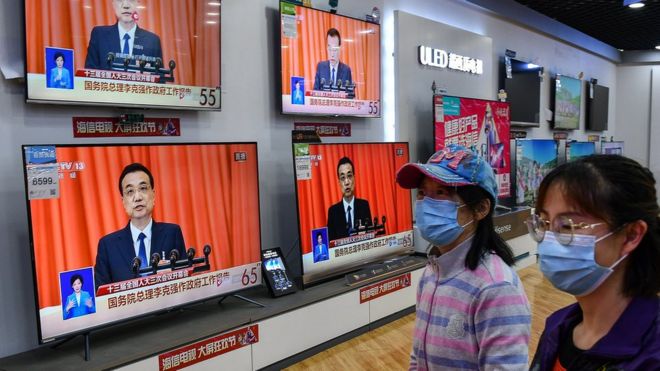
Image copyright AFP / GETTYImage caption Shoppers walking past a broadcast of Chinese Premier Li Keqiang delivering his speech at the opening of the NPC on Thursday
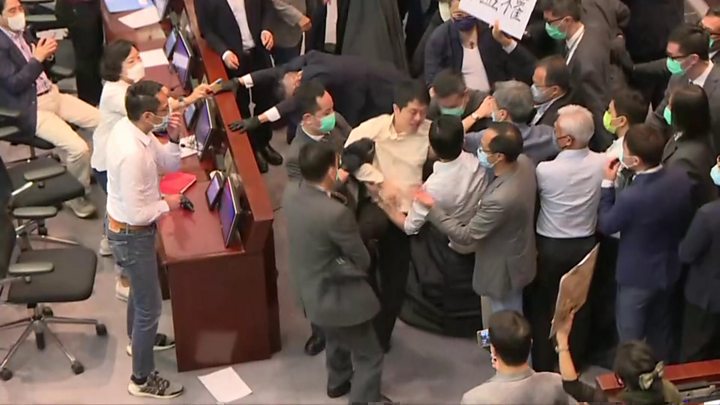
China’s ruling Communist Party has set in motion a controversial national security law for Hong Kong, a move seen as a major blow to the city’s freedoms.
The law to ban “treason, secession, sedition and subversion” could bypass Hong Kong’s lawmakers.
Critics say China is breaking its promise to allow Hong Kong freedoms not seen elsewhere in China.
It is likely to fuel public anger and may even trigger fresh protests and demands for democratic reform.
The plan was submitted at the annual National People’s Congress (NPC), which largely rubber-stamps decisions already taken by the Communist leadership, but is still the most important political event of the year.
Hong Kong, a semi-autonomous region and an economic powerhouse, was always meant to have introduced such laws after the handover from British control to Chinese rule in 1997.
After last year’s wave of sustained and violent protest, Beijing is now attempting to push them through, arguing “law-based and forceful measures” must be taken to “prevent, stop and punish” such protests in the future.
On Friday, Hong Kong’s government said it would co-operate with Beijing to enact the law, adding it would not affect the city’s freedoms.
That article says Hong Kong “must improve” national security, before adding: “When needed, relevant national security organs of the Central People’s Government will set up agencies in Hong Kong to fulfil relevant duties to safeguard national security in accordance with the law.”
China could essentially place this law into Annex III of the Basic Law, which covers national laws that must be implemented in Hong Kong – either by legislation, or decree.
Addressing the congress, Premier Li Keqiang spoke of the economic impact of the coronavirus and on Hong Kong and Macau said: “We’ll establish sound legal systems and enforcement mechanisms for safeguarding national security in the two Special Administrative Regions.”
What do opponents say the dangers are?
Hong Kong is what is known as a “special administrative region” of China.
It has observed a “one country, two systems” policy since Britain returned sovereignty in 1997, which has allowed it certain freedoms the rest of China does not have.
Pro-democracy activists fear that China pushing through the law could mean “the end of Hong Kong” – that is, the effective end of its autonomy and these freedoms.
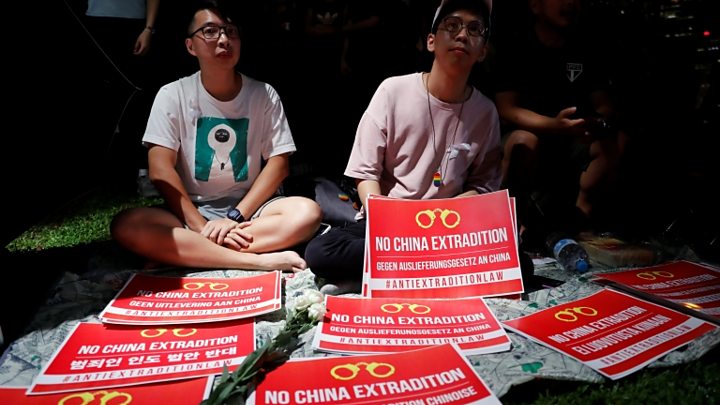
Last year’s mass protests in Hong Kong were sparked by a bill that would have allowed extraditions to mainland China.
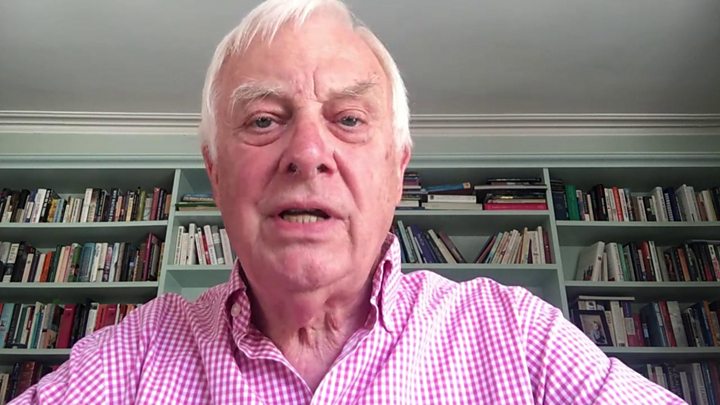
Media caption Former Hong Kong governor Chris Patten: “UK should tell China this is outrageous”
The bill was paused, then withdrawn – but the protests continued until the virus outbreak at the end of the year.
The US has also weighed in, with President Trump saying the US would react strongly if it went through – without giving details.
It is currently considering whether to extend Hong Kong’s preferential trading and investment privileges.
Why is China doing this?
Mr Wang said the security risks had become “increasingly notable” – a reference to last year’s protests.
“Considering Hong Kong’s situation at present, efforts must be made at the state-level to establish and improve the legal system and enforcement mechanisms,” he is quoted as saying in state media.
Media caption The BBC’s Helier Cheung on Hong Kong’s 2019 protests
Beijing may also fear September’s elections to Hong Kong’s legislature.
If last year’s success for pro-democracy parties in district elections is repeated, government bills could potentially be blocked.
What is Hong Kong’s legal situation?
Hong Kong was under British control for more than 150 years up to 1997.
The British and Chinese governments signed a treaty – the Sino-British Joint Declaration – that agreed Hong Kong would have “a high degree of autonomy, except in foreign and defence affairs”, for 50 years.
This was enshrined in the Basic Law, which runs out in 2047.
Faced with a backlash from the West over its handling of the early stages of the pandemic, Beijing has been quietly gaining ground in Asia
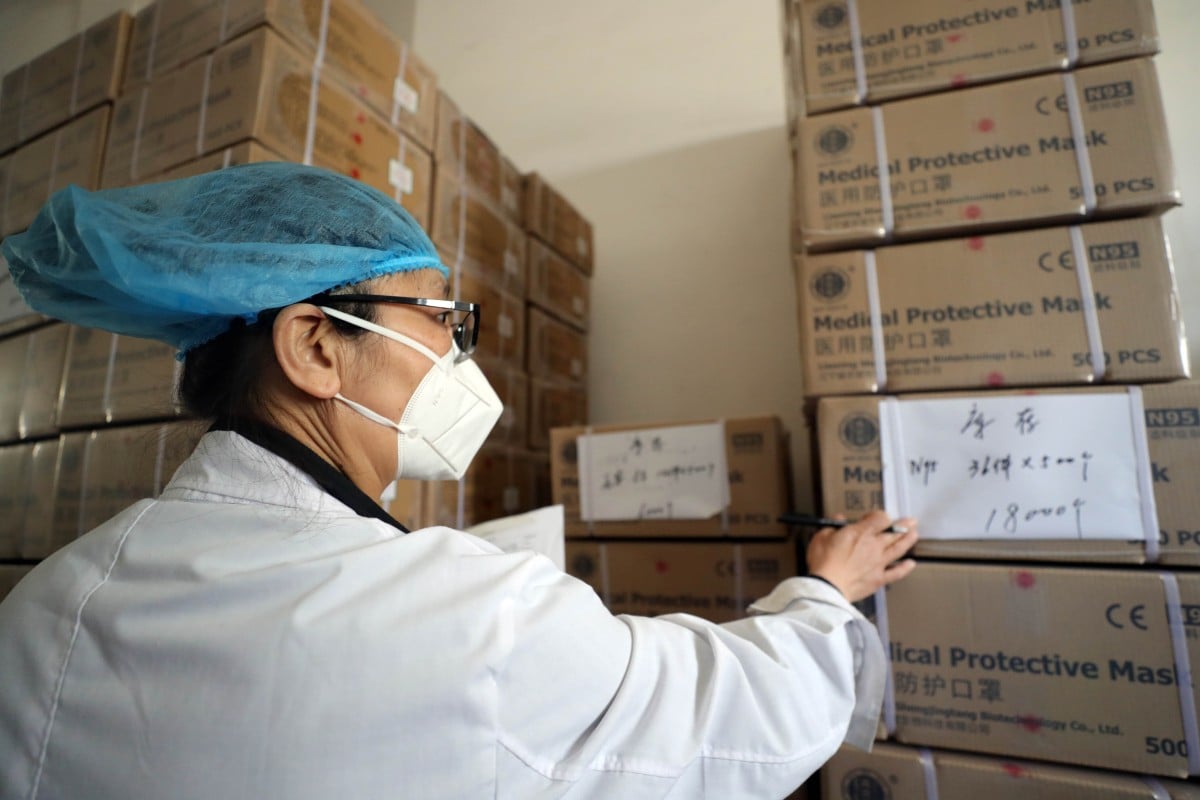
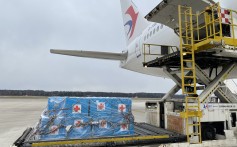
Teams of experts and donations of medical supplies have been largely welcomed by China’s neighbours
Despite facing some criticism from the West, China’s Asian neighbours have welcomed its medical expertise and vital supplies. Photo: Xinhua
While China’s campaign to mend its international image in the wake of its handling of the coronavirus health crisis has been met with scepticism and even a backlash from the US and its Western allies, Beijing has been quietly gaining ground in Asia.
Teams of experts have been sent to Cambodia, the Philippines, Myanmar, Pakistan and soon to Malaysia, to share their knowledge from the pandemic’s ground zero in central China.
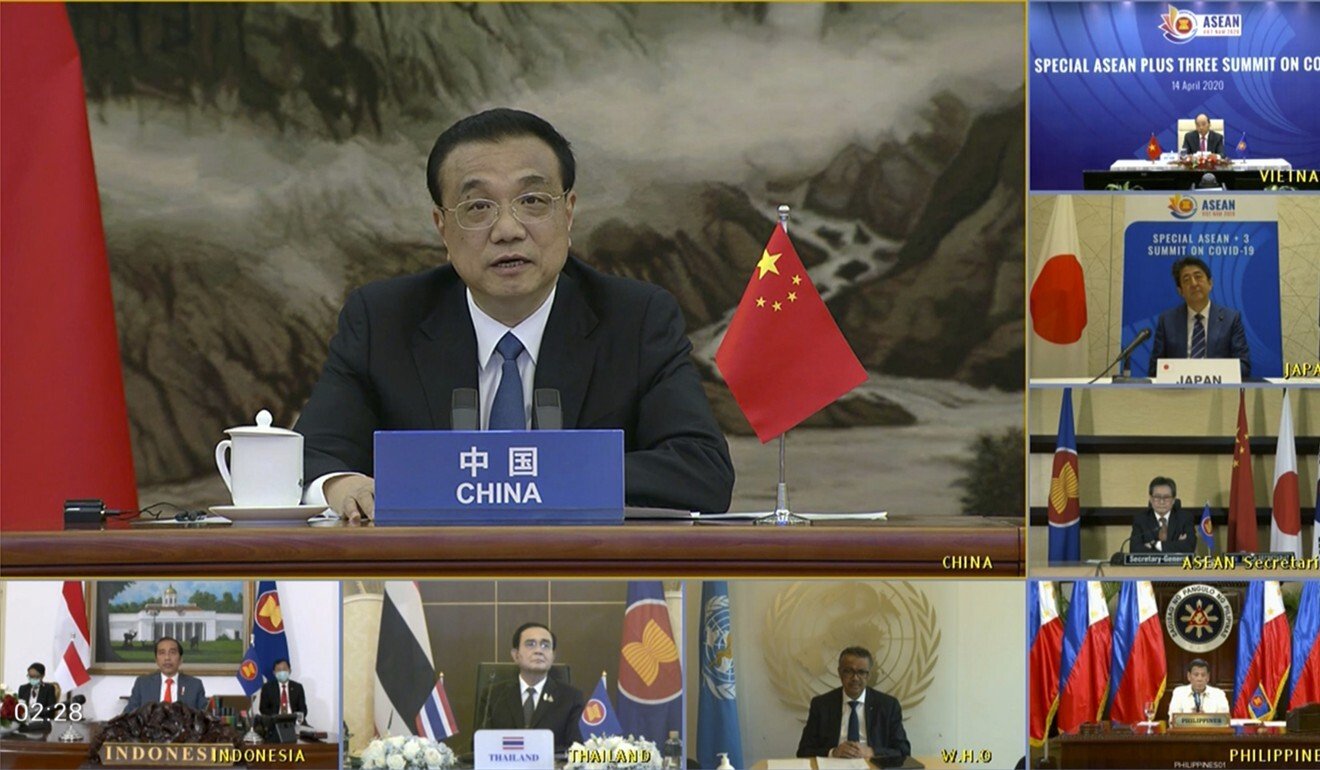
China has also held a series of online “special meetings” with its Asian neighbours, most recently on Tuesday when Premier Li Keqiang discussed his country’s experiences in combating the disease and rebooting a stalled economy with the leaders of the Association of Southeast Asian Nations (Asean), Japan and South Korea.
Chinese Prime Minister Li Keqiang speaks to Asean Plus Three leaders during a virtual summit on Tuesday. Photo: AP
Many Western politicians have publicly questioned Beijing’s role and its subsequent handling of the crisis but Asian leaders – including Philippine President Rodrigo Duterte and Japanese Prime Minister Shinzo Abe – have been reluctant to blame the Chinese government, while also facing criticism at home for not closing their borders with China soon enough to prevent the spread of the virus.
An official from one Asian country said attention had shifted from the early stages of the outbreak – when disgruntled voices among the public were at their loudest – as people watched the virus continue its deadly spread through their homes and across the world.
“Now everybody just wants to get past the quarantine,” he said. “China has been very helpful to us. It’s also closer to us so it’s easier to get shipments from them. The [medical] supplies keep coming, which is what we need right now.”
The official said also that while the teams of experts sent by Beijing were mainly there to observe and offer advice, the gesture was still appreciated.
Another Asian official said the tardy response by Western governments in handling the outbreak had given China an advantage, despite its initial lack of transparency over the outbreak.
“The West is not doing a better job on this,” he said, adding that his government had taken cues from Beijing on the use of propaganda in shaping public opinion and boosting patriotic sentiment in a time of crisis.
“Because it happened in China first, it has given us time to observe what works in China and adopt [these measures] for our country,” the official said.
Experts in the region said that Beijing’s intensifying campaign of “mask diplomacy” to reverse the damage to its reputation had met with less resistance in Asia.
Why China’s ‘mask diplomacy’ is raising concern in the West
29 Mar 2020
“Over the past two months or so, China, after getting the Covid-19 outbreak under control, has been using a very concerted effort to reshape the narrative, to pre-empt the narrative that China is liable for this global pandemic, that China has to compensate other countries,” said Richard Heydarian, a Manila-based academic and former policy adviser to the Philippine government.
“It doesn’t help that the US is in lockdown with its domestic crisis and that we have someone like President Trump who is more interested in playing the blame game rather than acting like a global leader,” he said.
Shahriman Lockman, a senior analyst with the foreign policy and security studies programme at Malaysia’s Institute of Strategic and International Studies, said that as the US had withdrawn into its own affairs as it struggled to contain the pandemic, China had found Southeast Asia a fertile ground for cultivating an image of itself as a provider.
China’s first-quarter GDP shrinks for the first time since 1976 as coronavirus cripples economy
Beijing’s highly publicised delegations tasking medical equipment and supplies had burnished that reputation, he said, adding that the Chinese government had also “quite successfully shaped general Southeast Asian perceptions of its handling of the pandemic, despite growing evidence that it could have acted more swiftly at the early stages of the outbreak in Wuhan”.
“Its capacity and will to build hospitals from scratch and put hundreds of millions of people on lockdown are being compared to the more indecisive and chaotic responses seen in the West, especially in Britain and the United States,” he said.
Coronavirus droplets may travel further than personal distancing guidelines
16 Apr 2020
Lockman said Southeast Asian countries had also been careful to avoid getting caught in the middle of the deteriorating relationship between Beijing and Washington as the two powers pointed fingers at each other over the origins of the new coronavirus.
“The squabble between China and the United States about the pandemic is precisely what Asean governments would go to great lengths to avoid because it is seen as an expression of Sino-US rivalry,” he said.
“Furthermore, the immense Chinese market is seen as providing an irreplaceable route towards Southeast Asia’s post-pandemic economic recovery.”
Aaron Connelly, a research fellow in Southeast Asian political change and foreign policy with the International Institute for Strategic Studies in Singapore, said Asian countries’ dependence on China had made them slow to blame China for the pandemic.
“Anecdotally, it seems to me that most Southeast Asian political and business elites have given Beijing a pass on the initial cover-up of Covid-19, and high marks for the domestic lockdown that followed,” he said.
“This may be motivated reasoning, because these elites are so dependent on Chinese trade and investment, and see little benefit in criticising China.”
China and Vietnam ‘likely to clash again’ as they build maritime militias
12 Apr 2020
The cooperation with its neighbours as they grapple with the coronavirus had not slowed China’s military and research activities in the disputed areas of the South China Sea – a point of contention that would continue to cloud relations in the region, experts said.
Earlier this month an encounter in the South China Sea with a Chinese coastguard vessel led to the sinking of a fishing boat from Vietnam, which this year assumed chairmanship of Asean.
And in a move that could spark fresh regional concerns, shipping data on Thursday showed a controversial Chinese government survey ship, the Haiyang Dizhi 8, had moved closer to Malaysia’s exclusive economic zone.
The survey ship was embroiled in a months-long stand-off last year with Vietnamese vessels within Hanoi’s exclusive economic zone and was spotted again on Tuesday 158km (98 miles) off the Vietnamese coast.
BEIJING, April 7 (Xinhua) — China will set up 46 new integrated pilot zones for cross-border e-commerce, as well as support processing trade with new steps and hold the Canton Fair online to keep foreign trade and investment stable amid the epidemic, according to the State Council’s executive meeting chaired by Premier Li Keqiang Tuesday.
Figures from the General Administration of Customs showed that the retail sales of China’s cross-border e-commerce businesses reached 186.21 billion yuan (about 26.25 billion U.S. dollars) in 2019.
The Tuesday meeting noted the massive impact of the fast-evolving outbreak worldwide on the global economy, trade and investment. The fast growth of cross-border e-commerce in recent years has become a new highlight in the country’s foreign trade. It is important to leverage the unique strength of cross-border e-commerce when the traditional sectors in foreign trade are hit hard in the COVID-19 outbreak, in order to drive foreign trade with new business forms in this trying time.
“Tackling the economic impact of the outbreak abroad is a pressing task. With the tight containment measures introduced across countries, foreign trade and investment are persistently going downward,” Li said.
The meeting decided to set up another 46 integrated pilot zones for cross-border e-commerce on top of the 59 existing ones. In addition to applying the practices proven effective in boosting the flow of commerce, firms in these zones will enjoy such support policies as exemption of value-added and consumption taxes on retail exports, and assessed levy of the corporate income tax.
Integrated pilot zones with proper conditions will be listed into the pilot program on retail imports of cross-border e-commerce. Companies will be supported to jointly build and share overseas warehouses.
“We must accelerate the development of cross-border e-commerce and other new models to boost foreign trade and investment. Competent departments must exercise sound quality supervision and ensure unimpeded logistic services,” Li said.
Measures to boost processing trade are also discussed at the meeting. With processing trade accounting for one fourth of the country’s foreign trade, the meeting stressed the need to coordinate domestic and foreign trade and help companies engaged in processing trade tackle their difficulties, as well as to stabilize foreign investment and employment.
“In a globalized world, countries all have a stake in each other’s future. The Chinese economy has been deeply integrated into the world economy. We must promptly analyze the outbreak’s impact on the industrial chains and work out our policy response accordingly. This is vitally important for stabilizing employment,” Li said.
It was decided at the meeting that interests of the deferred tax for the bonded materials or finished products in processing trade sold domestically will be temporarily waived till the end of this year. The pilot program where processing trade companies may pay duty for their domestic sales as either imported materials or finished goods will be extended to all the integrated bonded zones.
The category of industries where foreign investment is encouraged will be expanded, and the list of prohibited goods in processing trade will be shortened.
“We must take a holistic approach in developing domestic and foreign trade, and swiftly introduce support policies prioritizing the domestic sales by processing trade companies,” Li added.
It was also decided that given the serious outbreak situation globally, the 127th China Import and Export Fair, also known as Canton Fair, will be hosted online in mid- to late June.
Companies from home and abroad will be widely invited to exhibit their products online. Powered by advanced information technology, the Fair will provide around-the-clock services for online product promotion, matchmaking and business negotiations. It will be an Internet-enabled foreign trade platform of quality and specialty products where Chinese and foreign businesses may place orders and cut deals without the hassle of travel.
The spring session of China’s Canton Fair has been postponed due to fears about the spread of the coronavirus pandemic, authorities in Guangdong province say
Premier Li Keqiang had insisted early this month that the fair’s spring session would go ahead as it was crucial for efforts to ‘stabilise’ the global economy
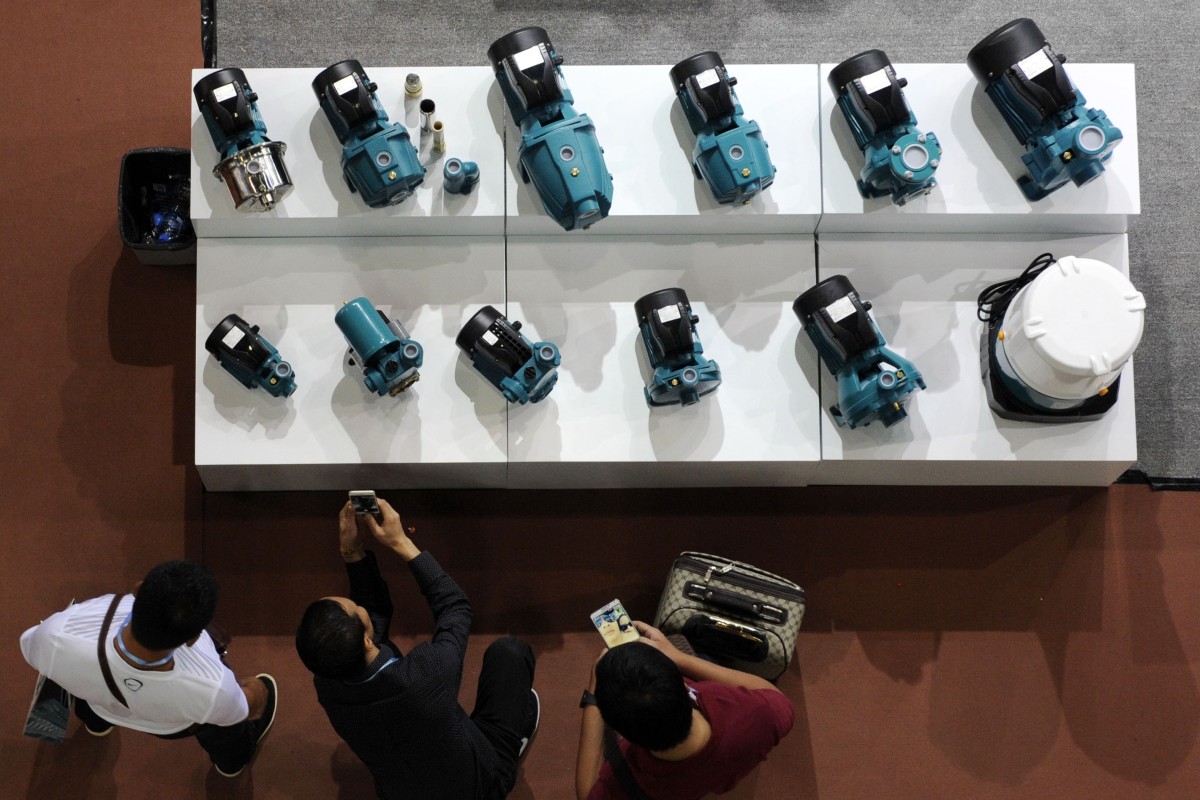
The spring session of China’s Canton Fair has been postponed due to the coronavirus outbreak. Photo: Xinhua
The spring session of China’s largest trade expo, the Canton Fair, has been suspended over concerns about the spread of the coronavirus, Chinese authorities said on Monday.
The announcement comes amid reports that regular foreign buyers were scrapping plans to attend the event, which was due to open on April 15. The fair has held its spring session in Guangzhou, the capital of Guangdong province, between mid-April and early May since 1957.
The decision was made after considering the current development of the pandemic, especially the high risk of imported infections, Ma Hua, deputy director of Guangdong’s department of commerce, was quoted as saying on Monday by the official Nanfang Daily.
Guangdong will assess the epidemic situation and make suggestions to the relevant departments of the central government, Ma said at a press conference.
No new date for the fair was announced, but veteran traders who regularly attend the event said the Guangdong government is talking with Beijing about a new time, possibly in May.
Premier Li Keqiang had insisted early this month that the fair’s spring session would go ahead despite the virus outbreak, as it was an important part of Beijing’s efforts to
Authorities of Guangdong, China’s main export and manufacturing hub, joined other large cities, including Beijing and Shanghai, in introducing new restrictions on Saturday that require all foreign visitors be isolated for 14 days at their own expense.
The containment measures, which come as China braces for a second wave
of imported coronavirus cases, would have applied to tens of thousands of foreign merchants attending the fair.
Coronavirus: Chinese companies cut salaries and staff in industries hit hardest by Covid-19
The Canton Fair occurs twice a year and is China’s oldest and largest exhibition. The spring session last year attracted 195,454 foreign buyers from 213 countries and regions across the world. The top five sources of buyers were from Hong Kong, India, the United States, South Korea and Thailand.
But a growing number of regular attendees have recently cancelled plans to take part in this year’s spring session, Chinese exporters said, as concerns mount about possible infection and extra expenses due to a mandatory two week quarantine after arrival.
“About 80 per cent of our firm’s veteran clients told us last month they won’t come this time,” said Jason Liang, a sales manager at a Guangzhou-based exporter of electronic products, who did not want his company identified. “Plus with this new [quarantine], I think at least 90 per cent or almost all of them would drop the trip.
“The costs – time, security and expense – are totally uncontrollable for international travel currently. We also have no plans to attend any exhibition before the summer.”
About 80 per cent of our firm’s veteran clients told us last month they won’t come this time … The costs – time, security and expense – are totally uncontrollable for international travel currently. Jason Liang
Felly Mwamba, a leader of the Congolese community in Guangzhou who has been in the city since 2003, said China’s quarantine measures made it hard for people to visit Guangzhou.
Xie Jun, a furniture and fabric exporter from Zhejiang, said buyers from developing countries that were part of the Belt and Road Initiative would be hard hit if they were forced to pay for quarantine and treatment.
“In February before the pandemic occurred, to cushion the impact some local governments in China’s exporting trade hubs, such as Yiwu and Jinhua, introduced subsidies to attract foreign merchants,” he said. “But now all the subsidies policies are cancelled from what I know.”
Coronavirus and the ‘war economy’: the US and China bicker as the shop goes down
Chinese exporters, traders, and even local residents in Guangdong, have previously voiced concern about authorities’ decision to press on with the even due to the growing number of imported cases to China.
“We strongly call on the government to cancel the spring session of the Canton Fair,” said Zhu Yinghua, a retired teacher in Guangzhou, said before the announcement.
“It’s too dangerous for us local residents if dozens of thousands of foreigners to flock into Guangzhou.”
BEIJING, March 11 (Xinhua) — China will take new measures to keep the foreign trade and investment stable, and help the enterprises tide over difficulties to mitigate the impact of the coronavirus outbreak.
Further steps will be taken to smooth the industrial and capital chain, and promote work and production resumption in coordination, according to a State Council executive meeting chaired by Premier Li Keqiang Tuesday.
Li urged continued efforts to give better play to the role of reloan and rediscount to ensure supply of materials for epidemic prevention and control and support firms in difficulty.
BANGKOK (Reuters) – Leaders from China and Southeast Asia states called for swift agreement on what could become the world’s largest trade bloc at a regional summit on Sunday, but new demands from India left officials scrambling to salvage progress.
Hopes of finalising the Asia-wide Regional Comprehensive Economic Partnership (RCEP), which is backed by China, have been thrown into doubt at the summit of the Association of Southeast Asian Nations (ASEAN) in Bangkok, Thailand.
Summit host Thailand said late on Sunday that the deal could be signed by February 2020. Thailand had previously said it aimed to conclude negotiations by the end of the year.
New impetus to reach agreement has come from the U.S.-China trade war, which has helped knock regional economic growth to its lowest in five years.
“The early conclusion of RCEP negotiations will lay the foundation for East Asia’s economic integration,” said a statement from China’s foreign ministry after Premier Li Keqiang met Southeast Asian leaders.
But Indian Prime Minister Narendra Modi did not even mention the RCEP deal in opening remarks at a meeting with Southeast Asian leaders and instead spoke only of reviewing the existing trade agreement between ASEAN and India.
Nor did Modi mention the trade bloc, whose 16 countries would account for a third of global gross domestic product and nearly half the world’s population, in Twitter posts after meeting Thai and Indonesian leaders.
RELATED COVERAGE
Asia trade bloc deal possible by February 2020 – Thai spokeswoman
An Indian foreign ministry official later told a media briefing “Let’s take all the RCEP questions tomorrow.”
Southeast Asian countries had hoped at least a provisional agreement could be announced on Monday.
But India has been worried about a potential flood of Chinese imports. A person with knowledge of New Delhi’s negotiations said new demands were made last week “which are difficult to meet.”
TRADE WAR IMPACT
Negotiators were meeting into the evening on Sunday to try to come to an agreement, Thai government spokeswoman Narumon Pinyosinwat told reporters on Sunday.
“We don’t have a conclusion yet. Once there is one, it would be announced,” she said. “Commerce ministers are still discussing outstanding issues. The signing is expected around February next year.”
Thai Prime Minister Prayuth Chan-ocha told the formal opening of the ASEAN summit on Sunday that the 16 nations in the potential trade bloc ought to come to agreement this year to stimulate economic growth, trade and investment.
He highlighted the risks of “trade frictions” and “geo strategic competition” in the region.
Some countries have raised the possibility of moving ahead without India on forming a bloc that also included Japan, South Korea, Australia and New Zealand.
But Thai commerce minister Jurin Laksanawisit told Reuters on Sunday that India had not pulled out.
Another advantage for Southeast Asian countries from having relative heavyweight India in the trade pact would be less domination by China.
Longstanding rivals China and India, which fought a border war in 1962, clashed verbally in recent days over India’s decision to formally revoke the constitutional autonomy of the disputed Muslim majority state of Kashmir.
The U.S. decision to send a lower level delegation to the summits this year has raised regional concerns that it can no longer be relied on as a counterweight to China’s increasing regional might.
Instead of President Donald Trump or Vice President Mike Pence, the United States will be represented by Commerce Secretary Wilbur Ross and White House national security adviser Robert O’Brien.
At the summit, China’s Premier Li said China was ready to work with countries in the region for long term peace and stability in the South China Sea, where neighbours reject Beijing’s sweeping maritime claims.
BEIJING, Oct. 25 (Xinhua) — Chinese President Xi Jinping has underlined the important role of traditional Chinese medicine (TCM) in building “Healthy China.”
The country should carry on fine elements in TCM and innovate them, Xi said in a recent instruction, stressing that traditional medicine is a treasure of Chinese civilization embodying the wisdom of the nation and its people.
Xi’s instruction was delivered at a national conference of TCM held Friday in Beijing.
Xi said that equal importance should be placed on traditional Chinese and Western medicines and efforts be made to enable them to supplement each other and prosper together.
He also underlined the efforts to promote TCM internationally and fully develop its unique strength in preventing and treating diseases.
In an instruction also delivered at the conference, Premier Li Keqiang called TCM a great creation of the Chinese nation.
Li stressed promoting talent training, scientific and technological innovation, and research and development of medicines.
He required efforts to promote preservation, innovation and high-quality development of TCM so that it will contribute to the improvement of people’s health and wellbeing.
Addressing the event, Vice Premier Sun Chunlan pledged to thoroughly implement the leaders’ instructions.
People who made outstanding contribution to TCM development were awarded at the conference.
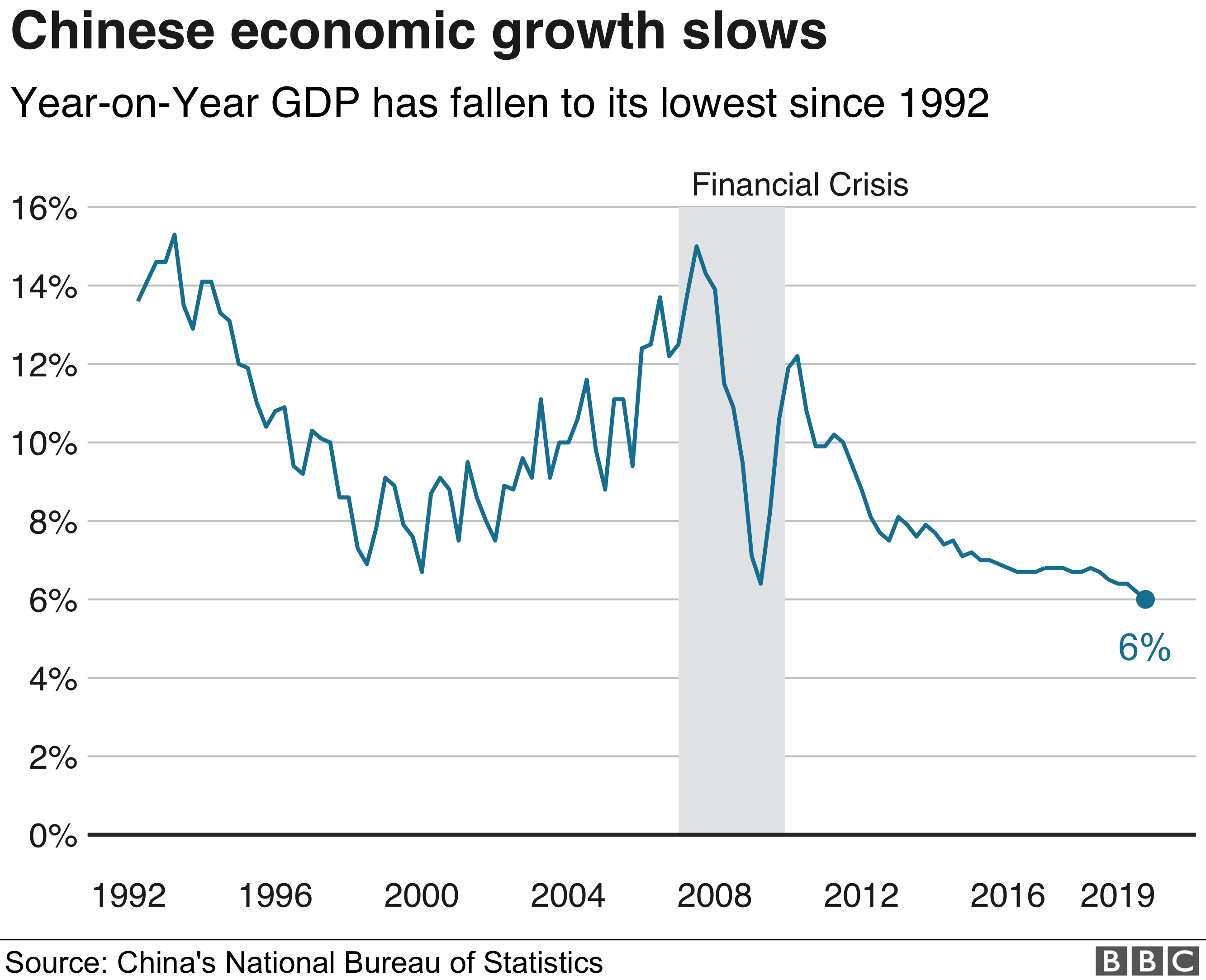
China’s economy grew at a slower pace than expected in the third quarter as it struggled with a US-led trade war and softer domestic demand.
In the three months to September, the economy expanded 6% from a year earlier, official figures showed.
The result fell just short of expectations for 6.1% growth for the period.
The slowdown comes despite government efforts to support the economy, including measures such as tax cuts.
The latest figures mark a further loss of momentum in the world’s second largest economy, which had already seen growth languishing at its slowest pace in around three decades.
The rate remained within the government’s target range for annual growth of between 6% and 6.5%.
The strength of the Chinese economy is closely watched as slowing growth can have far-reaching consequences for the global economy.
The country has become a key engine of growth in recent decades. Its healthy demand for a range of products, from commodities to machinery, has supported growth around the world.
Some analysts worry that a sharp slowdown in China could hurt an already sluggish world economy and increase the risk of a recession.
Julian Evans-Pritchard, senior China economist at Capital Economics, said pressure on the Chinese economy “should intensify in the coming months”.
He said more intervention by policymakers to support the economy was likely “but it will take time for this to put a floor beneath economic growth”.
What challenges does China face?
China has been fighting a trade war with the US for the past year, which has created uncertainty for businesses and consumers.
At the same time, it faces domestic challenges including a swine fever outbreak that has fuelled inflation and hit consumer spending.
Image copyright GETTY IMAGESImage caption China accounted for 16% of global gross domestic product in 2018, according to the McKinsey Global Institute
This week the International Monetary Fund trimmed its 2019 growth forecast for China to 6.1% from 6.2% due to the long-running trade dispute and slowing domestic demand.
But there have been some signs of progress toward resolving the trade battle, with the US and China reaching a “phase one deal” earlier this month.
Any analysis of China’s economic data has to come with a caveat: Many economists believe the actual figures are much lower than what we are told, but it’s the trajectory of growth and signalling from the government that you should pay attention to.
The fact that the growth figures have come in below market expectations indicate that China’s economy is hurting more than many thought.
There were signs from China that these numbers were going to be worrying. Earlier this week, Premier Li Keqiang made the unusual move to warn local officials that they must do “everything” to make sure they hit growth targets for this year.
China’s economy is being hit on three fronts: The US-led trade war, slowing demand at home and rising domestic challenges including the outbreak of swine fever that has dealt a huge blow to its pork farmers. It’s also pushed up prices for consumers.
China’s slowdown is nothing new. But these challenges pose new headaches for policymakers who are trying to manage the slowdown. The country’s political stability depends on economic security – and over the last forty years, that’s what the Communist Party has delivered. They’re under pressure to keep that contract.









 CHINDIA ALERT: You'll be living in their world, very soon