

China has mourned the victims of the coronavirus outbreak by observing a three-minute silence, bringing the nation to a halt.
A day of remembrance was declared in China on Saturday to honour the more than 3,300 people who died of Covid-19.
At 10:00 local time (03:00 GMT), people stood still nationwide for three minutes in tribute to the dead.
Cars, trains and ships then sounded their horns, air raid sirens rang as flags were flown at half-mast.
The first cases of coronavirus were detected in the Chinese city of Wuhan in Hubei province late last year.
Since then, the virus has swept the globe, infecting more than one million people and killing nearly 60,000 in 181 countries.
- In pictures: Wuhan partially reopens
- Confirmed global cases pass one million
- Tracking the global outbreak
In Wuhan, the epicentre of China’s outbreak, all traffic lights in urban areas were turned red at 10:00, ceasing traffic for three minutes.
China’s government said the event was a chance to pay respects to “martyrs”, a reference to the 14 medical workers who died battling the virus.
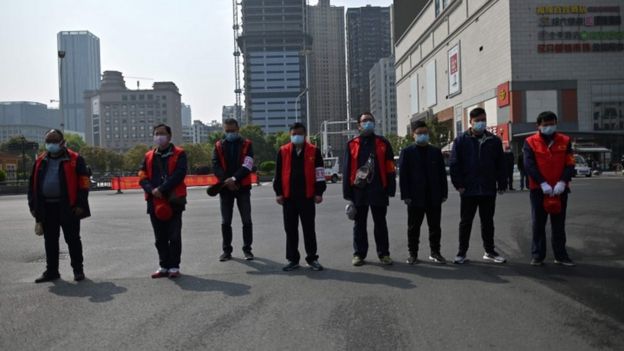 Image copyright GETTY IMAGES
They include Li Wenliang, a doctor in Wuhan who died of Covid-19 after being reprimanded by the authorities for attempting to warn others about the disease.
“I feel a lot of sorrow about our colleagues and patients who died,” a Chinese nurse who treated coronavirus patients told AFP news agency. “I hope they can rest well in heaven.”
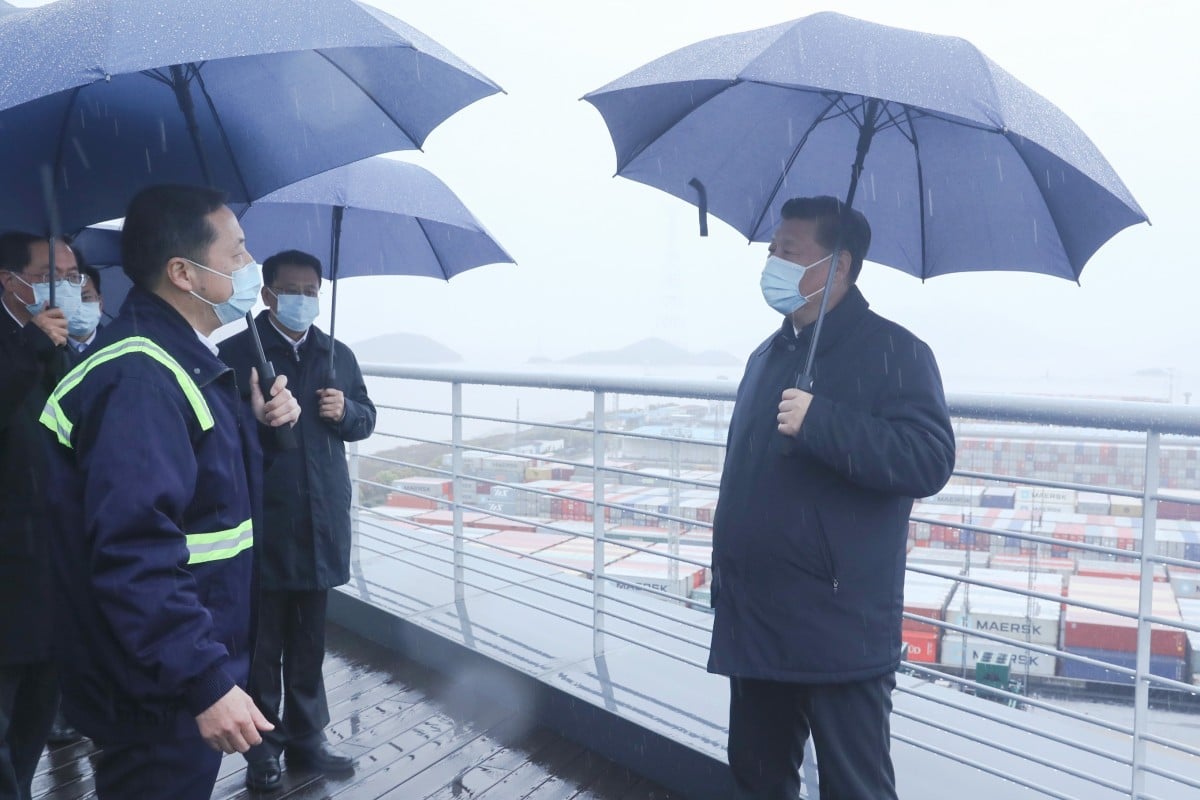
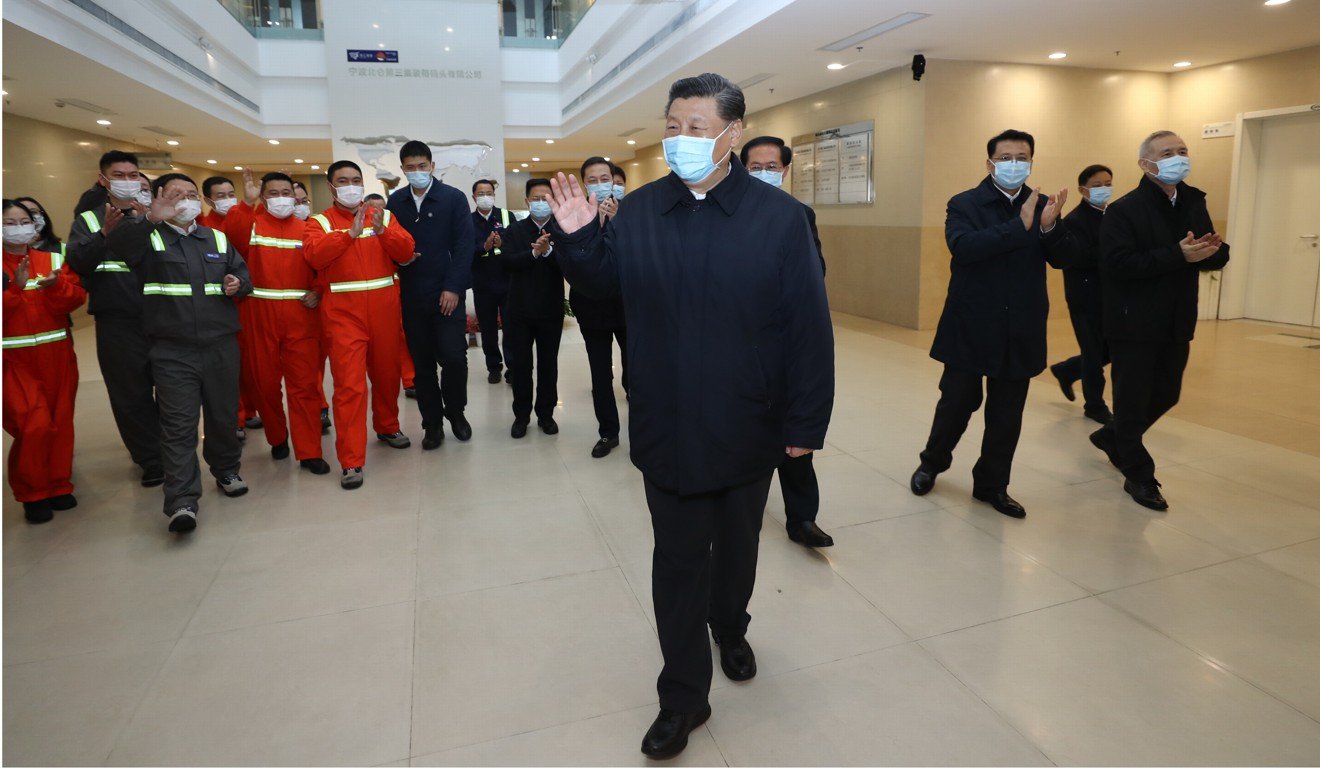
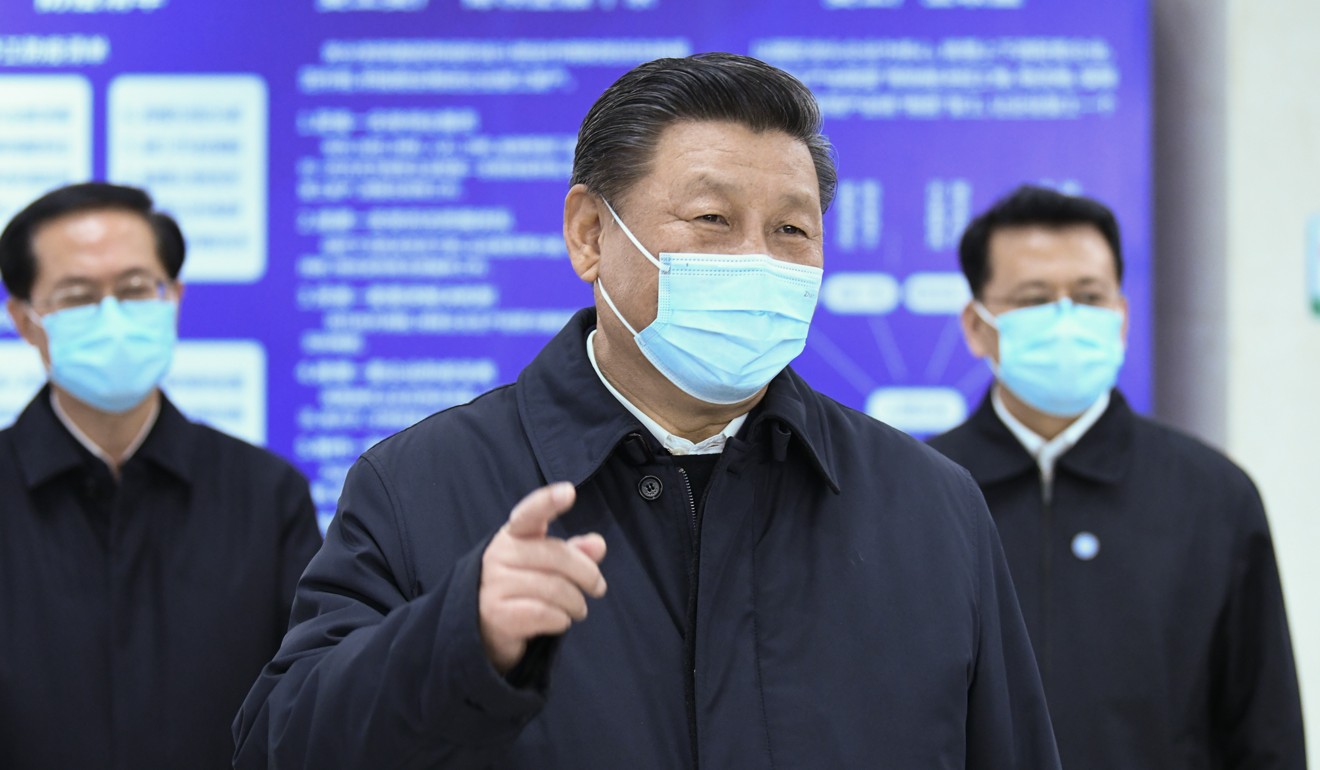
Wearing white flowers pinned to their chest, Chinese President Xi Jinping and other government officials paid silent tribute in Beijing.
Saturday’s commemorations coincide with the annual Qingming festival, when millions of Chinese families pay respects to their ancestors.
China first informed the World Health Organization (WHO) about cases of pneumonia with unknown causes on 31 December last year.
By 18 January, the confirmed number of cases had risen to around 60 – but experts estimated the real figure was closer to 1,700.
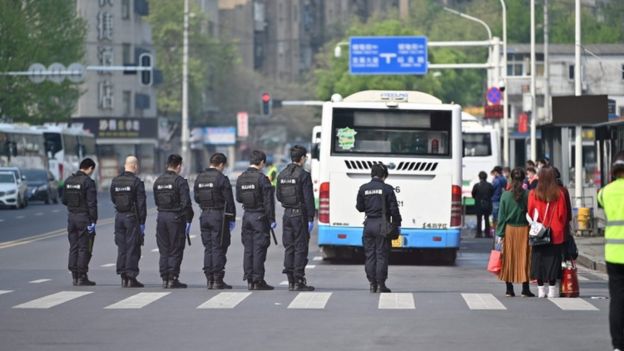 Image copyright GETTY IMAGES
Just two days later, as millions of people prepared to travel for the lunar new year, the number of cases more than tripled to more than 200 and the virus was detected in Beijing, Shanghai and Shenzhen.
From that point, the virus began to spread rapidly in Asia and then Europe, eventually reaching every corner of the globe.
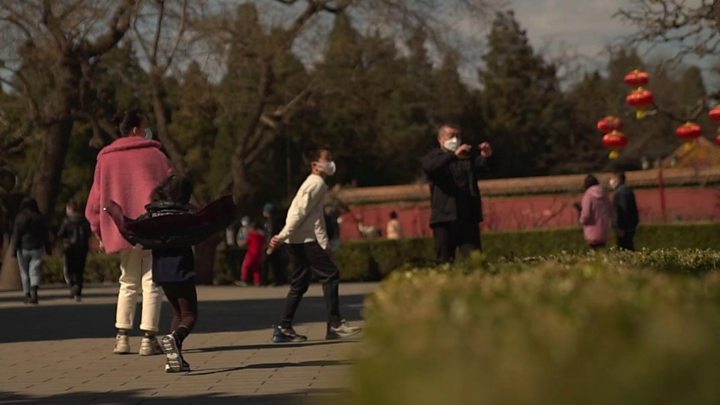
In the past few weeks, China has started to ease travel and social-distancing restrictions, believing it has brought the health emergency under control.
Last weekend, Wuhan partially re-opened after more than two months of isolation.
On Saturday, China reported 19 new confirmed cases of coronavirus, down from 31 a day earlier. China’s health commission said 18 of those cases involved travellers arriving from abroad.
As it battles to control cases coming from abroad, China temporarily banned all foreign visitors, even if they have visas or residence permits.
What is the latest worldwide?
As the coronavirus crisis in China abates, the rest of the world remains firmly in the grip of the disease.
In the US, now the global epicentre of the outbreak, the number of deaths from the disease jumped to 7,152 on Friday, according to data collated by Johns Hopkins University.
The deaths increased by 1,480 in 24 hours, the highest daily death toll since the pandemic began, AFP news agency reported, citing Johns Hopkins University’s case tracker.

- A SIMPLE GUIDE: How do I protect myself?
- AVOIDING CONTACT: The rules on self-isolation and exercise
- LOOK-UP TOOL: Check cases in your area
- MAPS AND CHARTS: Visual guide to the outbreak
- VIDEO: The 20-second hand wash

As of Friday, there were 277,953 confirmed cases of coronavirus in the US, a rise of more than 32,000 in 24 hours.
Meanwhile, deaths continue to climb in Italy and Spain, the second and third worst-affected countries in the world.
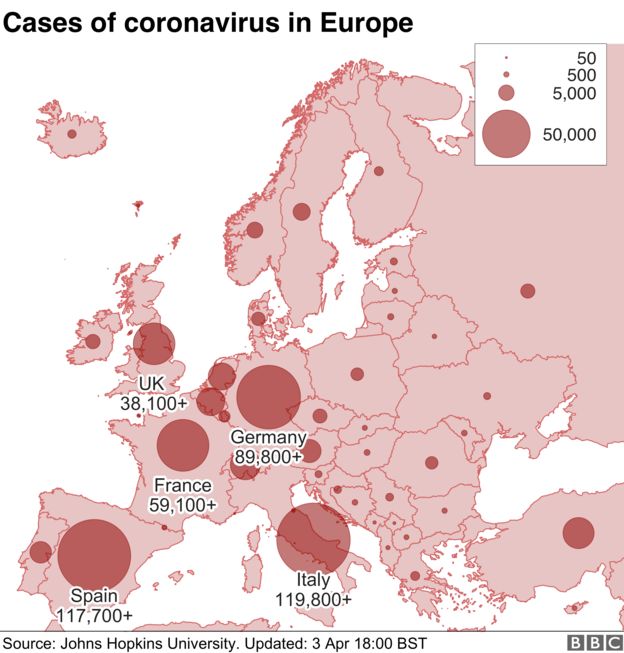

In Italy, deaths increased by 766 on Friday, bringing the total to 14,681. In Spain, the death toll stood at 10,935, a rise of 932 in the past day.
However, there was a glimmer of hope for both countries, as the downward trend in the rate of new cases continued.
In other global developments:
- South Korea is extending social distancing measures until at least 19 April, saying that although the outbreak is slowing it is still spreading
- US President Trump said the US Centers for Disease Control (CDC) had recommended that face coverings should be worn in public to help prevent the spread of Covid-19 – but added that he would not be wearing one
- New York state had its highest increase in deaths for one day – 562, bringing the total to 2,935
- The US was accused of “modern piracy” for redirecting 200,000 Germany-bound masks for its own use
- The head of the International Monetary Fund (IMF) said the pandemic has bought the global economy to a standstill, causing a recession “way worse than the global financial crisis” of 2008
- The United Nations appealed to governments around the world not to use the pandemic as an excuse to stifle dissent
- The UK government urged people to stay at home over the weekend, with warm weather expected
- The Queen will address the nation in a broadcast on Sunday night in the UK
- Source: The BBC

 CHINDIA ALERT: You'll be living in their world, very soon