Archive for ‘UK’

28/01/2020

UK grants Huawei a limited role in 5G, defying President Trump

LONDON (Reuters) – Prime Minister Boris Johnson on Tuesday granted China’s Huawei a limited role in Britain’s 5G mobile network, resisting U.S. pressure to exclude the company from next generation communications on fears China could use it to steal secrets.

In the biggest test of his post-Brexit foreign policy to date, Johnson ruled that “high-risk vendors” would be allowed into the “non-sensitive” parts of 5G networks, but their involvement would be capped at 35%.

They would be excluded from the sensitive core of networks, where data is processed, and banned from all critical networks and sensitive locations such as nuclear sites and military bases, the government said.

The decision will dismay President Donald Trump’s administration which fears China could use Huawei to steal secrets and which has warned that if London gives Huawei a role then it could scale back intelligence cooperation.

“This is a UK-specific solution for UK-specific reasons and the decision deals with the challenges we face right now,” Communications Secretary Nicky Morgan said following a meeting of the National Security Council chaired by Johnson.

Huawei was not mentioned by name in the British government’s statement, but British cyber security officials said they had always treated the company as a “high risk” vendor.

The White House and U.S. state department did not immediately respond for a request to comment.

Huawei, though, was happy.

“Huawei is reassured by the UK government’s confirmation that we can continue working with our customers to keep the 5G roll-out on track,” said Victor Zhang, Vice-President, Huawei.

“This evidence-based decision will result in a more advanced, more secure and more cost-effective telecoms infrastructure that is fit for the future. It gives the UK access to world-leading technology and ensures a competitive market.”

Sources told Reuters last week senior British officials had proposed granting Huawei a limited role in the 5G network – a “calculated compromise” which could be presented to Washington as a tough restriction but also accepted by British operators already using the company’s equipment.

Huawei, the world’s biggest producer of telecoms equipment, says the United States wants it blocked from Britain’s 5G network because no U.S. company can offer the same range of technology at a competitive price.

The United States has argued that as 5G technology evolves, the distinction between the “edge” and “core” will blur as data is processed throughout the network, making it difficult to contain any security risks.

Huawei’s equipment is already used by Britain’s biggest telecoms companies such as BT (BT.L) and Vodafone (VOD.L), but it has been largely deployed at the “edge” of the network and excluded in the “core” where data is processed.

Source: Reuters

10/12/2019

China Uighurs: Detainees ‘free’ after ‘graduating’, official says

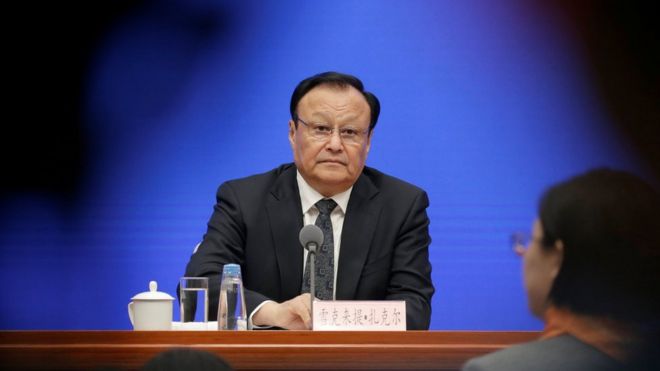
Shohrat Zakir, deputy secretary of the Communist Party committee for China's Xinjiang and chairman of the Xinjiang Uighur Autonomous Region, attends a news conference in BeijingImage copyright REUTERS
Image caption Shohrat Zakir told reporters the released detainees now had an “improved quality of life”

A senior Chinese official has said that all of the people sent to detention centres in the western region of Xinjiang have now been released.

Regional government chairman Shohrat Zakir told reporters those held in what Beijing say are “re-education camps” had now “graduated”.

It is not possible to independently verify Mr Zakir’s claims.

Rights groups say the camps are actually high-security prisons, holding hundreds of thousands of Muslims.

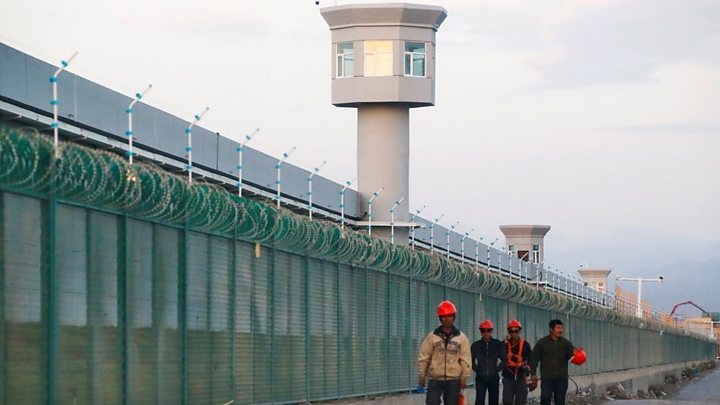
Beijing has always denied this, despite the prevalence of high-security features, like watchtowers and razor wire, and leaked documents detailing how inmates at the so-called centres are locked up, indoctrinated and punished.

What is Beijing saying?

Mr Zakir told reporters in the Chinese capital on Monday that everyone in the centres had completed their courses and – with the “help of the government”- had “realised stable employment [and] improved their quality of life”.

He said that, in future, training would be based on “independent will” and people would have “the freedom to come and go”.

Media caption The BBC’s John Sudworth meets Uighur parents in Turkey who say their children are missing in China

BBC China correspondent John Sudworth points out it is not possible to verify the claims, as access for journalists is tightly controlled and it’s impossible to contact local residents without placing them at risk of detention.

In recent months, independent reports have suggested that some camp inmates are being released, only to face house arrest, other restrictions on their movement or forced labour in factories.

What could be behind the move?

Pressure has been increasing on Beijing in recent months.

A number of high-profile media reports based on leaks to the New York Times and the International Consortium of Investigative Journalists (ICIJ) have shone a spotlight on what is happening at the network of centres, which are believed to hold more than a million people, mainly Uighur Muslims and other minorities.

Then last week, the US House of Representatives passed a bill to counter what it calls the “arbitrary detention, torture, and harassment” of the Uighurs, calling for “targeted sanctions” on members of the Chinese government – and names the Communist Party secretary in the Xinjiang autonomous region, Chen Quanguo.

The bill still needs approval from the Senate and from President Donald Trump.

However, Mr Zakir used the press conference to dismiss the numbers detained as “pure fabrication”, reiterating Beijing’s argument that the centres were needed to combat violent religious extremism.

Media caption“An electric baton to the back of the head” – a former inmate described conditions at a secret camp to the BBC

“When the lives of people of all ethnic groups in Xinjiang were seriously threatened by terrorism, the US turned a deaf ear,” Mr Zakir said at a press briefing.

“Now that Xinjiang society is steadily developing and people of all ethnicities are living and working in peace, the US feels uneasy, and attacks and smears Xinjiang.”

What’s going on in Xinjiang?

Reports of widespread detentions first began to emerge in 2018, when a UN human rights committee was told there were credible allegations that China had “turned the Uighur autonomous region into something that resembles a massive internment camp”.

Rights groups also say there’s growing evidence of oppressive surveillance against people living in the region.

The Chinese authorities said the “vocational training centres” were being used to combat violent religious extremism. However, evidence showed many people were being detained for simply expressing their faith, by praying or wearing a veil, or for having overseas connections to places like Turkey.

Presentational white space

Records seen by the BBC show China has deliberately been separating Muslim children from their families.

This is an attempt to “raise a new generation cut off from original roots, religious beliefs and their own language”, Dr Adrian Zenz, a German researcher, told BBC News earlier this year.

“I believe the evidence points to what we must call cultural genocide.”

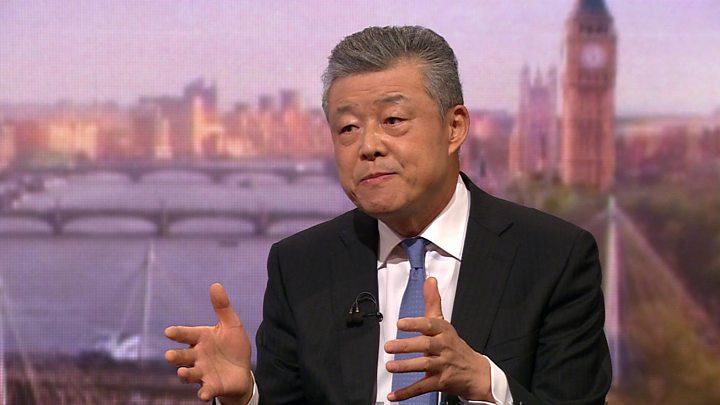
China’s ambassador to the UK said the allegations were “lies”.

Media caption Chinese Ambassador Liu Xiaoming dismisses evidence of a separation campaign in Xinjiang

Source: The BBC

19/11/2019

Tata Steel to cut 3,000 jobs in ‘severe’ market

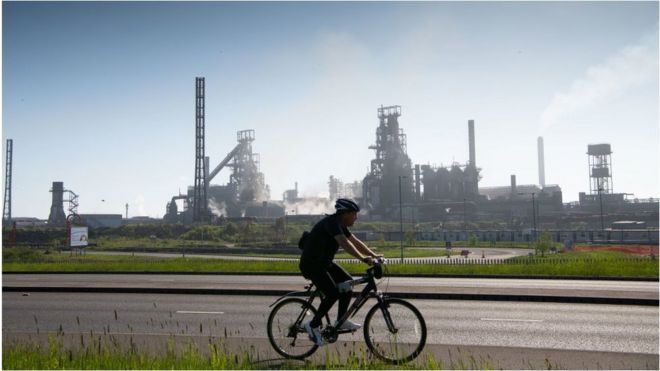
Port TalbotImage copyright GETTY IMAGES
Image caption Port Talbot employs just under half of Tata’s 8,385 UK workforce

Tata Steel plans to cut as many as 3,000 jobs across its European business in another bid to come to terms with a “severe” international steel market.

The company wants to focus on higher-value products, it said, adding there would be no plant closures.

About two thirds of the job cuts will be office-based, it added.

The announcement comes after a merger with German rival Thyssenkrupp was blocked during the summer. Bosses had hoped the deal could reduce costs.

“Today we are highlighting important proposals towards building a financially strong and sustainable European business,” said Henrik Adam, chief executive of Tata Steel in Europe.

“We plan to change how we work together to enable better cooperation and faster decision-making. This will help us become self-sustaining and cash positive in the face of unprecedented severe market conditions, enabling us to lead the way towards a carbon-neutral future.”

The business employs about 20,000 people and is owned by India’s Tata.

Port Talbot steelworks employs just under half of Tata’s 8,385-strong workforce in the UK.

Wales’ economy minister Ken Skates said: “I am seeking an urgent conversation with Tata to establish what this means for workers in Wales and how we can support those affected by this announcement.”

Last week, Chinese firm Jingye agreed to invest £1.2bn in British Steel as it signed a deal to rescue the UK steelmaker.

It also said it would seek to “preserve thousands of jobs in a key foundation industry for the UK” but did not put a number on how many would be saved.

British Steel employs about 4,000 people in Scunthorpe and Teesside.

It has been kept running by the government via the Official Receiver since May when the company went into liquidation.

Source: The BBC

04/11/2019

Hong Kong ‘protest’ cake disqualified from UK competition

CakeImage copyright 3RD SPACE
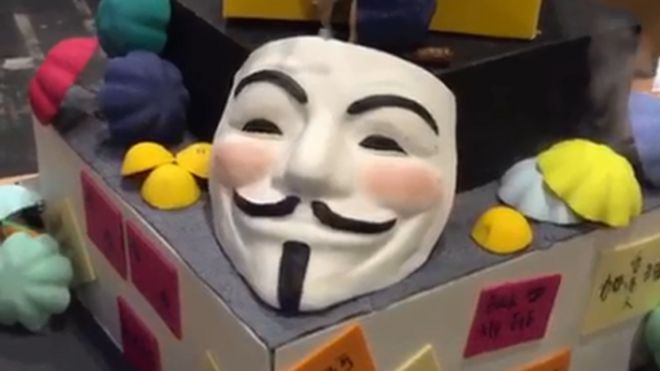
Image caption The Guy Fawkes mask has been worn by many protesters during anti government rallies

A Hong Kong protest-themed cake has been disqualified from a cake decorating competition in the UK, in a move that has been referred to as “political censorship”.

It featured protest symbols including umbrellas and a Guy Fawkes mask.

The company behind the cake told the BBC it believed it was pulled after complaints from Chinese competitors.

But the Birmingham competition organisers said it was because one element of the cake was oversized.

Anti-government protests have been taking place in Hong Kong for five months.

They first erupted in June, triggered by a controversial bill that would have allowed extradition to mainland China.

The bill has been withdrawn but the protests have continued, having evolved into a broader revolt against the way Hong Kong is administered by Beijing.

‘Obvious it was an excuse’

The cake was one of many displayed this year at the Cake International competition, held in the city of Birmingham from 1- 3 November.

It draws competitors from all over the world.

The entry by a baker from the 3rd Space cafe in Hong Kong included fake tear gas and a figure made to look like a typical protester clad in black and wearing a hard hat.

CakeImage copyright 3RD SPACE
Image caption A man in a yellow hard hat, carrying an umbrella, was one element of the cake
CakeImage copyright 3RD SPACE
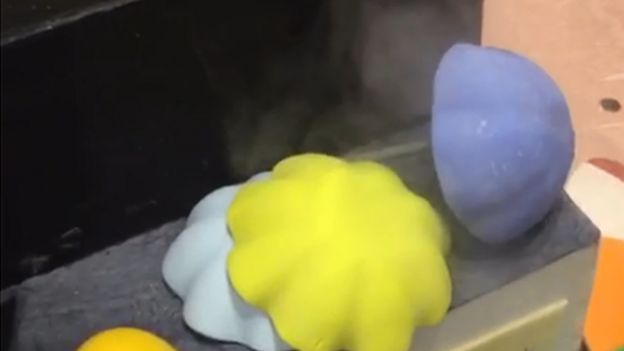
Image caption The cake also had umbrellas which had fake “tear gas” coming out of them

It was inspired by the “streets [of] Hong Kong”, the spokesperson for the cafe told the BBC.

“The design was simply an expression of what is happening at the moment in Hong Kong,” the spokesperson added.

A music box placed inside the cake also played “Glory to Hong Kong”- a tune which has been adopted as the unofficial anthem of the protests – on loop.

But according to 3rd Space, Cake International decided to take action after it received numerous “complaints from Chinese candidates”, who said the cake featured “offensive content… promoting [the] independence of Hong Kong”.

Cake International first decided to turn the music off, before later sending the baker an email telling them that the cake would be “removed”, said 3rd space.

Dozens of people later took to Cake International’s social media platforms complaining, accusing the organisers of pandering to “censorship”.

Cake International later released a statement saying the cake was removed due to complaints, saying that some had threatened to damage the piece.

It clarified that the cake was separately disqualified as one of its elements – a fondant umbrella – had hung over the “allowed area”.

“Oversized exhibits will be disqualified. This entry was not removed as a political statement,” it said in a Facebook post.

However, 3rd space said: “It is obvious that it was an excuse that they came up [with] to cover their political censorship.”

The company said it goes against the principle the competition is meant to uphold to provide an inclusive platform.

Protests in Hong Kong have grown increasingly violent. Over the weekend, five people were injured in a knife attack, and one man had part of his ear bitten off.

The protests have presented a serious challenge to China’s leaders, who have painted the demonstrators as dangerous separatists and accused foreign powers of backing them.

Source: The BBC

02/11/2019

China’s Nobel ambitions on show as dozens of science laureates meet in Shanghai

  • Chinese academics and young scientists join global scientific elite to explore frontiers of research
  • International joint laboratory announced at Shanghai forum
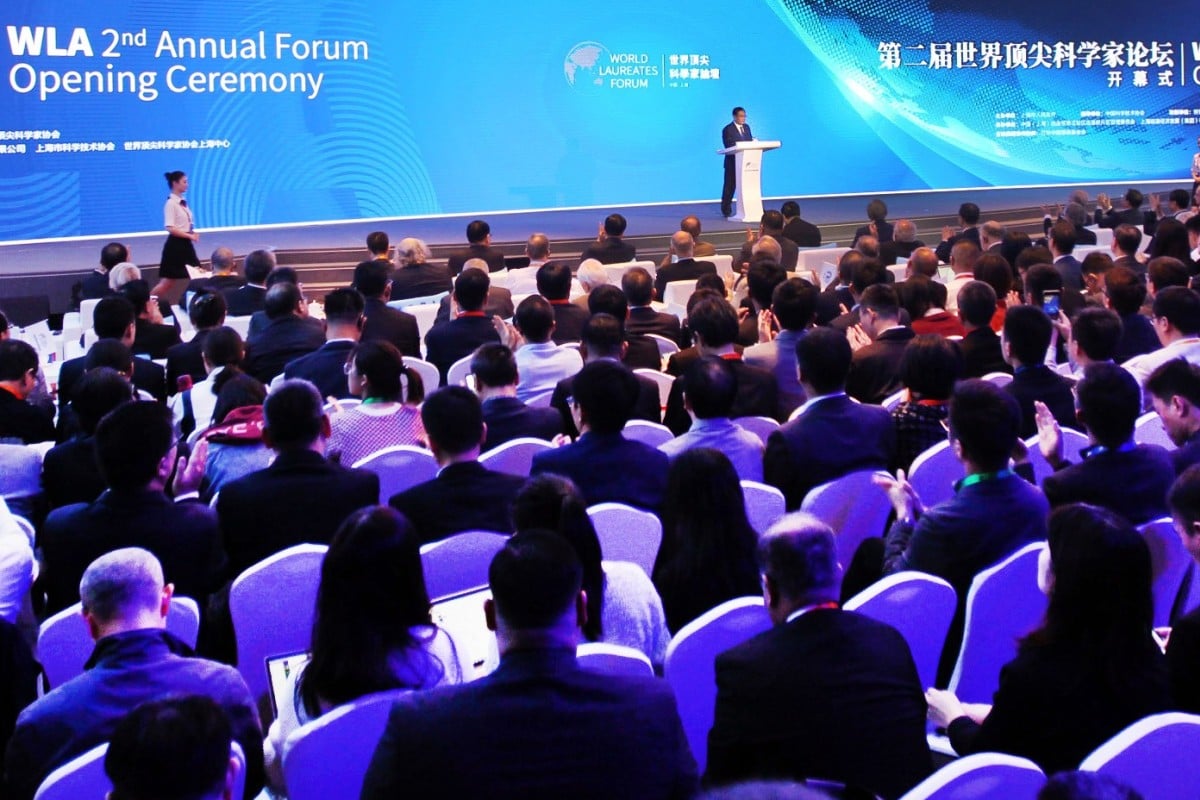
More than three dozen Nobel Prize winners for science were among the gathering in Shanghai for the second annual forum of the World Laureates Association. Photo: Xinhua

Shanghai hosted one of the largest gatherings of Nobel laureates in the world last week, with 44 Nobel Prize-winning scientists in the city for a government-sponsored forum with the lofty goal of discussing science and technology for the “common destiny of mankind”.

The four-day forum, which brought together young Chinese scientists and the cream of the international scientific crop, was a signal of China’s ambitions for its own researchers to take their place at the forefront of development and bring home their own prizes.

Experts agreed the event – the second in an annual “World Laureates Forum” – was hardly a public relations stunt, but a testament to China’s deep-seated, steadfast desire to learn from the world’s top scientists and join them, and their home countries, as leaders on the frontier of science and produce regular home-grown contenders for top prizes.

“The Nobel Prize is the holy grail for China, and it is still quite elusive for Chinese indigenous scientists to be awarded this prestigious recognition,” said Chengxin Pan, an associate professor of international relations at Australia’s Deakin University. “You could say China has a Nobel Prize complex.”

China says US tech ban is a barrier but will not halt scientific advance
Becoming a leader in the sciences was more than just an issue of driving economic expansion through technology and innovation, it was a matter of national preservation with deep roots in Chinese history, Pan said.

“China sees the lack of power, lack of scientific achievements and modern technology as largely responsible for the backwardness and humiliation it suffered during much of the 19th century and early 20th century,” he said.

“They need to make up for lagging behind by engaging with the top leading scientists in the world, wherever they are from.”

To that end, celebrated theoretical physicists, organic chemists, neuroscientists and biologists joined Chinese academics and youth scientists for the conference organised by the Shanghai city government and an association of top global scientists known as the World Laureates Association.

Among them were 2019 Nobel Prize for physics laureates Michel Mayor and Didier Queloz, as well as winners of other top prizes including the Wolf Prize, Lasker Award, and Fields Medal for mathematics. Discussions included the latest breakthroughs in disease prevention and drug development, sustainability and new energy, aerospace and black holes, as well as what drives their scientific curiosity.

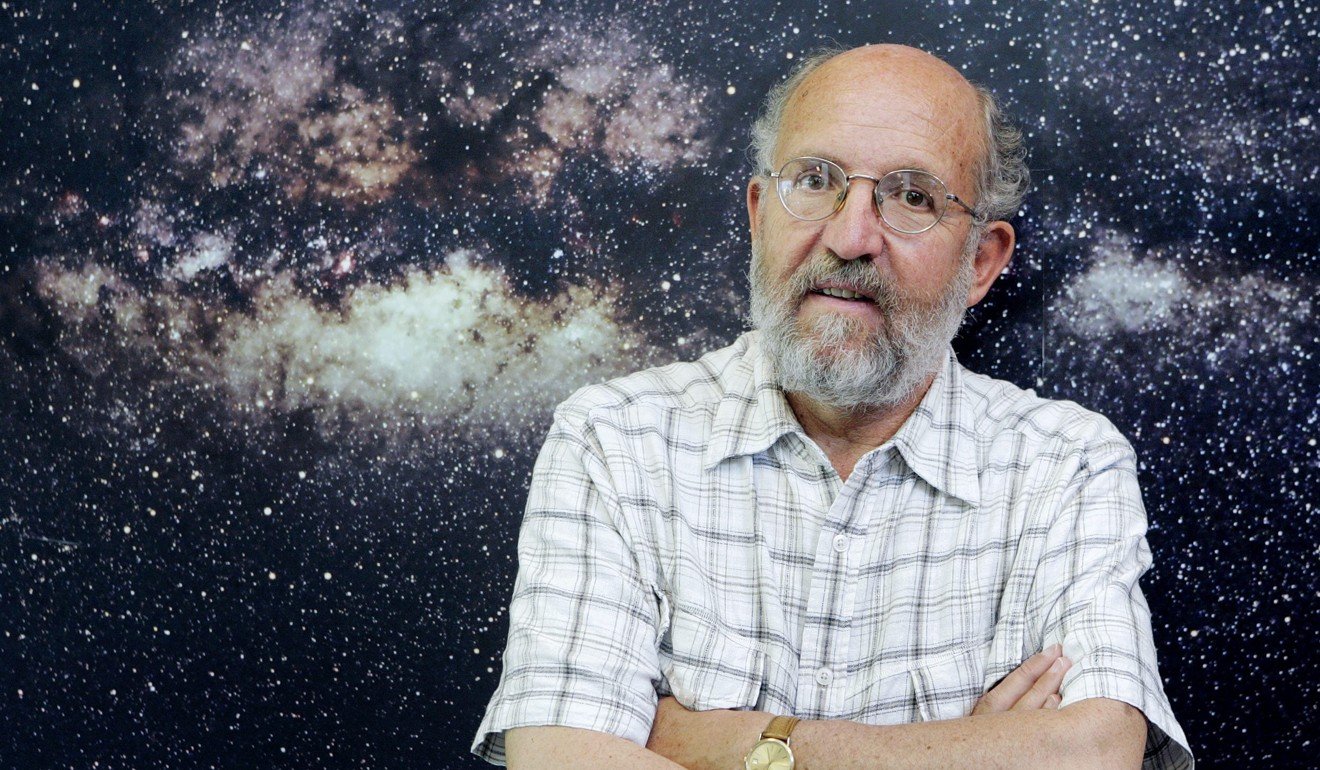
Swiss professor Michel Mayor, astrophysicist and director of the Geneva Observatory, was one of the co-winners of the 2019 Nobel Prize in physics and among the attendees at the forum in Shanghai. Photo: EPA-EFE

The event, which culminated with the announcement of an international joint research laboratory for the world’s top scientists, to be established in Shanghai, was lauded by President Xi Jinping in an open letter to the attendees.

“China attaches great importance to the development of the frontier fields of science and technology,” Xi said, stressing China’s willingness to “work with all countries of the world” to “address the challenges of our age”.

The high calibre meeting was a rare opportunity for China to broadcast its message of commitment to scientific advancement, at a time when the reputation of its universities, academics and hi-tech companies have been taking a broad hit as part of a blowback from the US-China trade and tech wars, as well as suspicion among Western countries of China’s geopolitical aims.

In the past year, a number of major global Chinese tech companies, including Huawei and Hikvision, have been blacklisted in the US, while US tech giants like Google and Apple noticeably skipped out on China’s annual state-run World Internet Conference last month. Academic ties between Chinese and Western universities have also been called into question over suspicions of espionage, fraud, and intellectual property theft.

“China is saying we are still open for business and, at this juncture, we more warmly welcome foreign scientists and collaboration between countries in science and technology,” said Zhu Tian, an economics professor at the Chinese Europe International Business School in Shanghai.

60 science groups demand US end crackdown on foreign-born researchers

The past decade has seen China advance rapidly in the sciences. A surge in government funding, along with successive top level strategies to build up science and tech – including the Made in China 2025 innovation blueprint – and a significant uptick in international collaborations, have propelled the nation on to the global scientific stage.

Recent developments, like the first successful landing of a probe on the far side of the moon earlier this year, the dominance of the 5G network technology created by China’s Huawei, and the opening of the world’s largest radio telescope in Guizhou in 2017, have also raised the country’s profile in emerging tech and science.

But, so far, China’s rising visibility as a scientific powerhouse has been largely driven by scale. A June report by the journal Nature found researchers affiliated with the Chinese Academy of Sciences contributed the greatest number of “high-quality natural sciences research” to international journals compared with their peers at other institutions, while last month the journal found the top four “fastest rising” new universities for research output were all from mainland China.

“To some in the outside world, China is already a powerhouse in innovation … but in terms of the quality of innovations or scientific research, China still lags behind developed countries like the US, UK or Switzerland,” Zhu said.

Despite “making the fastest progress among all countries”, and significant leaps as a developing nation, “China is not at the frontier of technology or science yet,” he said, which is why international engagement, like the recent summit, is key to China’s growth.

“In order to catch up you have to know what is the frontier, you have to learn from those who are at the frontier.”

It is a point further underlined by the numerous blog posts and widely circulated articles in Chinese media about China’s meagre Nobel track record. Apart from one celebrated exception – 2015 Nobel laureate for medicine Tu Youyou – Chinese-born scientists who have won the prize did so for their work in overseas laboratories, or after changing citizenship.

Nobel Prize winner may have found solution to malaria drug resistance

Tu was the People’s Republic of China’s first Nobel Prize winner in the sciences and the country’s first woman to win the prize in any category.

Among China’s other Nobel laureates in the sciences are 1957 physics prizewinners Li Zhengdao and Yang Chen-ning, who won their award while in the US, having left China before the Communist Party takeover in 1949. Both later became US citizens. In 2017, 

Yang returned to China,

relinquishing his US citizenship to become a Chinese citizen.

China has worked hard to reverse the damage of brain drain, for example with its flagship “Thousand Talents” programme, a high-profile, state-backed recruitment drive set up in 2008 to attract overseas Chinese students and academics back to China with generous funding.
But reaching the frontiers of science, and making Nobel-worthy advancements, will also require China to do some reshuffling of its domestic priorities, which have been heavy on producing innovations in applied sciences and tech, but lighter on the basics – like physics, chemistry, and biology – whose mysteries are probed by the leading labs around the developed world.
Chinese scientists turn black coal by-product into gleaming white paper
“China in the past has been known as a place for incremental innovation, and not the place where really radical innovation and big breakthroughs have come from, but they don’t want to be tinkering at the margins, they want to be a major innovation powerhouse,” said Andrew Kennedy, an associate professor in the policy and governance programme at the Australian National University.
To change this, China has begun to raise investment in basic sciences, Kennedy said, pointing to National Bureau of Statistics figures which indicate an average spending increase of more than 20 per cent each year between 1995 to 2016. Even so, spending at the end of that period – some US$11.9 billion at market rates – still lagged well below the figure cited for the US in 2015, which rang up US$83.5 billion, he said.
Chinese scientists develop laser that could track submarines
The gathering of science laureates itself was further indication of that shift to place more emphasis on basic sciences, the kinds of disciplines the laureates lead, and could be a major boost to that agenda, according to Naubahar Sharif, associate professor of social science and public policy at Hong Kong University of Science and Technology.
“This [event] is a rocket-propelled, massive injection of scientific power into one place, and China has ambitions to gear up their own scientists to this level,” Sharif said, “and I’m sure the local Chinese scientists have been prepped to take advantage of it.”
While China has work to do in pushing back on criticism of questionable practices in intellectual property transfer, or the extent to which they share their own advances with others, collaboration with leading scientists is a crucial part of China’s “long-haul” vision in the sciences, Sharif said.
“If you rub shoulders with the most prestigious scientists of your era, your local scientists will learn something, and there’s going to be knowledge exchange and making linkages and a start to partnerships,” he said.
“This is the way that getting to that frontier can be achieved.”
Source: SCMP
24/10/2019

Essex lorry deaths: 39 found dead ‘were Chinese nationals’

The 39 people found dead in a refrigerated trailer in Essex were Chinese nationals, it is understood.

Police are continuing to question lorry driver Mo Robinson, 25, who was arrested on suspicion of murder.

Officers in Northern Ireland have raided two houses and the National Crime Agency said it was working to identify “organised crime groups who may have played a part”.

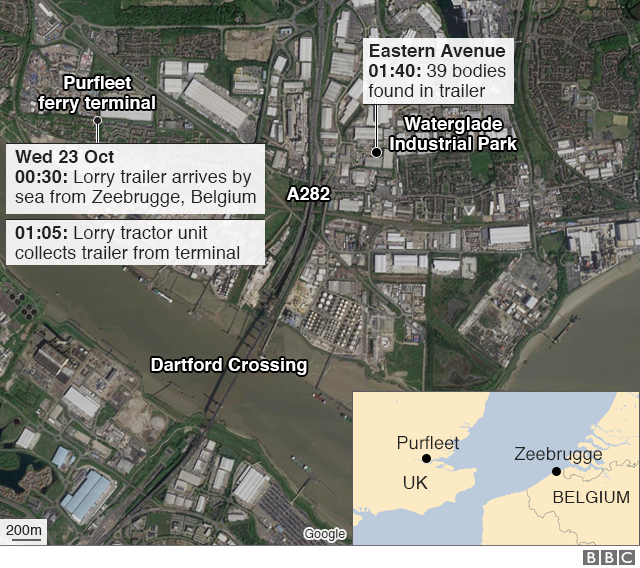
The trailer arrived in Purfleet on the River Thames from Zeebrugge in Belgium.

Ambulance staff discovered the bodies of the 38 adults and one teenager in the container at Waterglade Industrial Park in Grays just after 01:30 BST on Wednesday.

The lorry and trailer left the port at Purfleet shortly after 01:05.

Police said the tractor unit – the front part of the lorry – came from Northern Ireland and picked up the trailer from Purfleet.

Mo RobinsonImage copyright FACEBOOK
Image caption The lorry driver has been named locally as Mo Robinson, from County Armagh

Councillor Paul Berry said the village of Laurelvale in County Armagh, where the Robinson family live, was in “complete shock”.

He said he had been in contact with Mr Robinson’s father, who had learned of his son’s arrest on Wednesday through social media.

“The local community is hoping that he [Mo Robinson] has been caught up innocently in this matter but that’s in the hands of Essex Police, and we will leave it in their professional hands to try to catch the perpetrators of this,” he said.

The Belgian Federal Public Prosecutor’s Office said it had opened a case which would focus on the organisers and others involved in the transport.

A spokesman said the container arrived in Zeebrugge at 14:29 on Tuesday and left the port later that afternoon before arriving in Purfleet in the early hours of Wednesday.

It was not clear when the victims were placed in the container or if this happened in Belgium, he said.

Media caption Essex lorry deaths: CCTV shows arrival at industrial park

St Peter and St Paul’s Church in Grays will be open for people to light candles and say prayers between 12:00 and 14:00.

A vigil is being held at 18:00 outside the Home Office to “call for urgent action to ensure safe passage” for people fleeing war and poverty.

The lorry was moved to a secure site at Tilbury Docks on Wednesday so the bodies could be “recovered while preserving the dignity of the victims”.

Essex Police initially suggested the lorry could be from Bulgaria, but later said officers believed it entered the UK from Belgium.

The force said formal identification of the 39 bodies “could be a lengthy process”.

A spokesman for the Bulgarian foreign affairs ministry said the truck was registered in the country under the name of a company owned by an Irish citizen.

He said it was “highly unlikely” the deceased were Bulgarians.

Graphic of Purfleet ferry channel

Shaun Sawyer, the National Police Chiefs Council lead for modern slavery and human trafficking, said while forces had prevented thousands of deaths, “tragically, for 39 people that didn’t work yesterday”.

He told BBC Radio 4’s Today programme even if there were routes perceived as easier to get through, organised criminals would still exploit people who could not access those.

“You can’t turn the United Kingdom into a fortress,” added Mr Sawyer, who is the Chief Constable of Devon and Cornwall Police.

Media caption I’ve seen people running out of a lorry’

Thurrock’s Conservative MP Jackie Doyle-Price said there needed to be an international response.

“We have partnerships in place but those efforts need to be rebooted, this is an international criminal world where many gangs are making lots of money and until states act collectively to tackle that it is going to continue,” she said.

Richard Burnett, chief executive of the Road Haulage Association, said temperatures in refrigerated trailers could be as low as -25C.

He described conditions for anyone inside as “absolutely horrendous”.

Prime Minister Boris Johnson said it was an “unimaginable tragedy and truly heartbreaking”.

Presentational grey line

How many migrants have died in transit?

The number of migrants who die in transit has been recorded by the UN since 2014.

Since then, five bodies of suspected migrants had been found in lorries or containers in the UK before this tragedy.

Data was not collected in the same way before the migrant crisis began in 2014, but such deaths are not new.

In 2000, 58 Chinese migrants were found suffocated to death in a lorry at Dover.

In 2015, the bodies of 71 people were found in an abandoned lorry on an Austrian motorway. Police suspected the vehicle was part of a Bulgarian-Hungarian human trafficking operation.

Source: The BBC

06/10/2019

Xinhua Headlines: China’s Greater Bay Area busy laying foundation for innovation

As China aims to develop its Greater Bay Area into an international innovation and technology hub, innovation and entrepreneurship resources are shared in the area to provide more opportunities for young Hong Kong and Macao entrepreneurs.

The provincial government of Guangdong has stepped up efforts to improve basic research capability, considered the backbone of an international innovation and technology hub, by building large scientific installations and launching provincial labs.

by Xinhua writers Liu Yiwei, Quan Xiaoshu, Wang Pan, Jing Huaiqiao

GUANGZHOU, Oct. 5 (Xinhua) — Hong Kong man Andy Ng was surprised his shared workspace Timetable was rented out completely only six months after it had started operation in Guangzhou, capital of south China’s Guangdong Province.

While studying economics at City University of Hong Kong, Ng set up his first business, developing an online education platform, but soon realized the Hong Kong market was too small. After earning a master’s degree in the UK in 2017, Ng returned to China and chose Guangzhou as his new base.

Timetable is now accumulating popularity and even fans in Dianping.com, China’s major online consumer guide. Ng feels lucky that his business caught the implementation of the Guangdong-Hong Kong-Macao Greater Bay Area (GBA) development plan.

The bay area, covering 56,000 square km, comprises Hong Kong and Macao, as well as nine cities in Guangdong. It had a combined population of about 70 million at the end of 2017, and is one of the most open and dynamic regions in China.

Aerial photo taken on July 11, 2018 shows the Hong Kong-Zhuhai-Macao Bridge in south China. (Xinhua/Liang Xu)

In July 2017, a framework agreement on the development of the bay area was signed. On February 18 this year, China issued the more specific Outline Development Plan for the Guangdong-Hong Kong-Macao Greater Bay Area. One of its major aims is to develop the area into an international innovation and technology hub.

OPPORTUNITIES FOR YOUTH

The plan proposes that innovation and entrepreneurship resources be shared in the bay area to provide more opportunities for young Hong Kong and Macao entrepreneurs.

An incubator for entrepreneurship, Timetable is home to 52 companies, including 15 from Hong Kong and Macao, such as Redspots, a virtual reality company that won the Hong Kong Information and Communications Technology (ICT) Awards 2019.

“I persuaded them one by one to come here,” Ng said. “I told them of my own experience that the GBA is a great stage for starting a business with ever-upgrading technologies, ever-changing consumer tastes and a population 10 times that of Hong Kong.”

Timetable is a startup base of the Guangzhou Tianhe Hong Kong and Macao Youth Association, which has assisted 65 enterprises founded by Hong Kong and Macao young people since its establishment in October 2017.

The association and its four bases provide a package of services from training and registering to policy and legal consultation, said Chen Jingzhan, one of the association founders.

Tong Yat, a young Macao man who teaches children programming, is grateful the association encouraged him to come to Guangdong, where young people enjoy more preferential policies to start their own businesses.

“The GBA development not only benefits us, but paves the way for the next generation,” Tong said. “If one of my students were to become a tech tycoon in the future and tell others that his first science and technology teacher was me, I would think it all worthwhile.”

In the first quarter of this year, there were more than 980 science and technology business incubators in Guangdong, including more than 50 for young people from Hong Kong and Macao, said Wu Hanrong, an official with the Department of Science and Technology of Guangdong Province.

INNOVATION HIGHLAND

As the young entrepreneurs create a bustling innovative atmosphere, the Guangdong government has stepped up efforts to improve basic research capability, considered the backbone of an international innovation and technology hub, by building large scientific installations and launching provincial labs.

Several large scientific facilities have settled in Guangdong. China Spallation Neutron Source (CSNS) operates in Dongguan City; a neutrino observatory is under construction in Jiangmen City; a high intensity heavy-ion accelerator is being built in Huizhou City.

Aerial photo taken on June 23, 2019 shows the construction site of the Jiangmen Underground Neutrino Observatory (JUNO) in Jiangmen, south China’s Guangdong Province. (Xinhua/Liu Dawei)

Guangdong also plans to build about 10 provincial labs, covering regenerative medicine, materials, advanced manufacturing, next-generation network communications, chemical and fine chemicals, marine research and other areas, said Zhang Yan, of the provincial department of science and technology.

Unlike traditional universities or research institutions, the provincial labs enjoy a high degree of autonomy in policy and spending. A market-oriented salary system allows them to recruit talent from all over the world, and researchers from other domestic organizations can work for the laboratories without giving up their original jobs, Zhang said.

The labs are also open to professionals from Hong Kong and Macao. Research teams from the universities of the two special administrative regions have been involved in many of the key programs, Zhang said.

For example, the provincial lab of regenerative medicine and health has jointly established a regenerative medicine research institute with the Chinese University of Hong Kong, a heart research center with the University of Hong Kong, and a neuroscience research center with the Hong Kong University of Science and Technology (HKUST).

Photo taken on July 24, 2019 shows a rapid cycling synchrotron at the China Spallation Neutron Source (CSNS) in Dongguan, south China’s Guangdong Province. (Xinhua/Liu Dawei)

Guangdong has been trying to break down institutional barriers to help cooperation, encouraging Hong Kong and Macao research institutions to participate in provincial research programs, exploring the cross-border use of provincial government-sponsored research funds, and shielding Hong Kong researchers in Guangdong from higher mainland taxes.

NANSHA FOCUS

Located at the center of the bay area, Guangzhou’s Nansha District is designed as the national economic and technological development zone and national free trade zone, and is an important pivot in building the area into an international innovation and technology hub.

The construction of a science park covering about 200 hectares started on Sept. 26. Gong Shangyun, an official with the Nansha government, said the park will be completed in 2022.

Jointly built by the Guangzhou government and the Chinese Academy of Sciences (CAS), the science park will accommodate CAS research institutes from around Guangzhou, including the South China Sea Institute of Oceanology, the South China Botanical Garden (SCBG) and the Guangzhou Institute of Energy Conversion.

Ren Hai, director of the SCBG, is looking forward to expanding the research platforms in Nansha. “We will build a new economic plant platform serving the green development of the Pearl River Delta, a new botanical garden open to the public, and promote the establishment of the GBA botanical garden union.”

Wang Ying, a researcher with the SCBG, said the union will help deepen the long cooperation among its members and improve scientific research, science popularization and ecological protection. “Predecessors of our botanical garden have helped the Hong Kong and Macao counterparts gradually establish their regional flora since the 1950s and 1960s.”

HKUST also started to build a new campus in Nansha the same day as the science park broke ground. “Located next to the high-speed rail station, the Guangzhou campus is only a 30-minute journey from the Hong Kong campus. A delegation from the HKUST once paid a visit to the site and found it very convenient to work here,” Gong said.

Chief Executive of the Hong Kong Special Administrative Region (HKSAR) Carrie Lam hoped the new campus would help create a new chapter for the exchanges and cooperation on higher education between Guangzhou and Hong Kong, and cultivate more talents with innovative capabilities.

Nansha’s layout is a miniature of the provincial blueprint for an emerging international innovation and technology hub.

“We are seeking partnership with other leading domestic research institutions and encouraging universities from Hong Kong and Macao to set up R&D institutions in Guangdong,” said Zhang Kaisheng, an official with the provincial department of science and technology.

“We are much busier now, because research institutes at home and abroad come to talk about collaboration every week. The GBA is a rising attraction to global scientific researchers,” Zhang said.

Source: Xinhua

19/09/2019

China to tap pork reserves as swine fever hits industry


A customer shops for pork at at butcher in ChinaImage copyright GETTY IMAGES

China is set to release pork supplies from its central reserves as it moves to tackle soaring prices and shortages caused by an outbreak of swine fever.

A state-backed body will auction 10,000 tonnes of frozen pork from its strategic reserves on Thursday.

China, the world’s biggest producer and consumer of pork, has struggled to control the spread of the disease.

Beijing has slaughtered more than 1 million pigs in a bid to contain the incurable pig virus.

The highly contagious disease is not dangerous to humans, but has hit China’s crucial pig-farming industry and driven up costs for consumers.

Pork prices jumped 46.7% in August on a year earlier, official figures showed.

In a bid to stabilise prices, a state-backed group that manages the pork reserves will auction imported frozen pork from countries including Denmark, France, the US and UK.

Only 300 tonnes will be sold to each bidder at the auction.

Pork is used widely in Chinese festivals, and the auction comes as the country prepares to celebrate a week-long national holiday for the 70th anniversary of the People’s Republic of China.

Julian Evans-Pritchard, senior China economist at Capital Economics, said the auction would provide slight relief to the industry but would not do much to contain prices.

“In itself, I don’t think it will be able to prevent pork prices from rising further unless they manage to get the disease under control,” he said.

Beijing created its strategic pork reserve in 2007 but the size of the stockpile is not known.

Capital Economics estimates that at most, the stockpile would hold four days’ worth of pork supplies to feed China.

How has swine fever hit China’s pork industry?

Pork is one of China’s main food staples and accounts for more than 60% of the country’s meat consumption. The industry produced close to 54 million tonnes of pork last year.

About 1.2 million pigs have been culled in China in an effort to halt the spread of swine fever since August 2018, according to data from the Food and Agriculture Organization, a UN agency.

In April, Rabobank estimated Chinese pork production would fall by up to 35% this year due to swine fever.

The supply shortage has sent pork prices soaring and has eaten into household incomes.

That poses a fresh challenge for the Chinese economy, which is already facing a slowdown and a trade war between Beijing and Washington.

Source: The BBC

10/07/2019

Chinese ethnic group biggest earners in the UK

female workers in suitsImage copyright GETTY IMAGES

Chinese and Indian ethnic group workers have higher average earnings than their white British counterparts, the first detailed official figures show.

But the data on the ethnicity pay gap, showed all other ethnic groups have lower wages than white British workers.

The Office for National Statistics said employees in the Bangladeshi ethnic group have the largest pay gap, earning 20% less than white British employees.

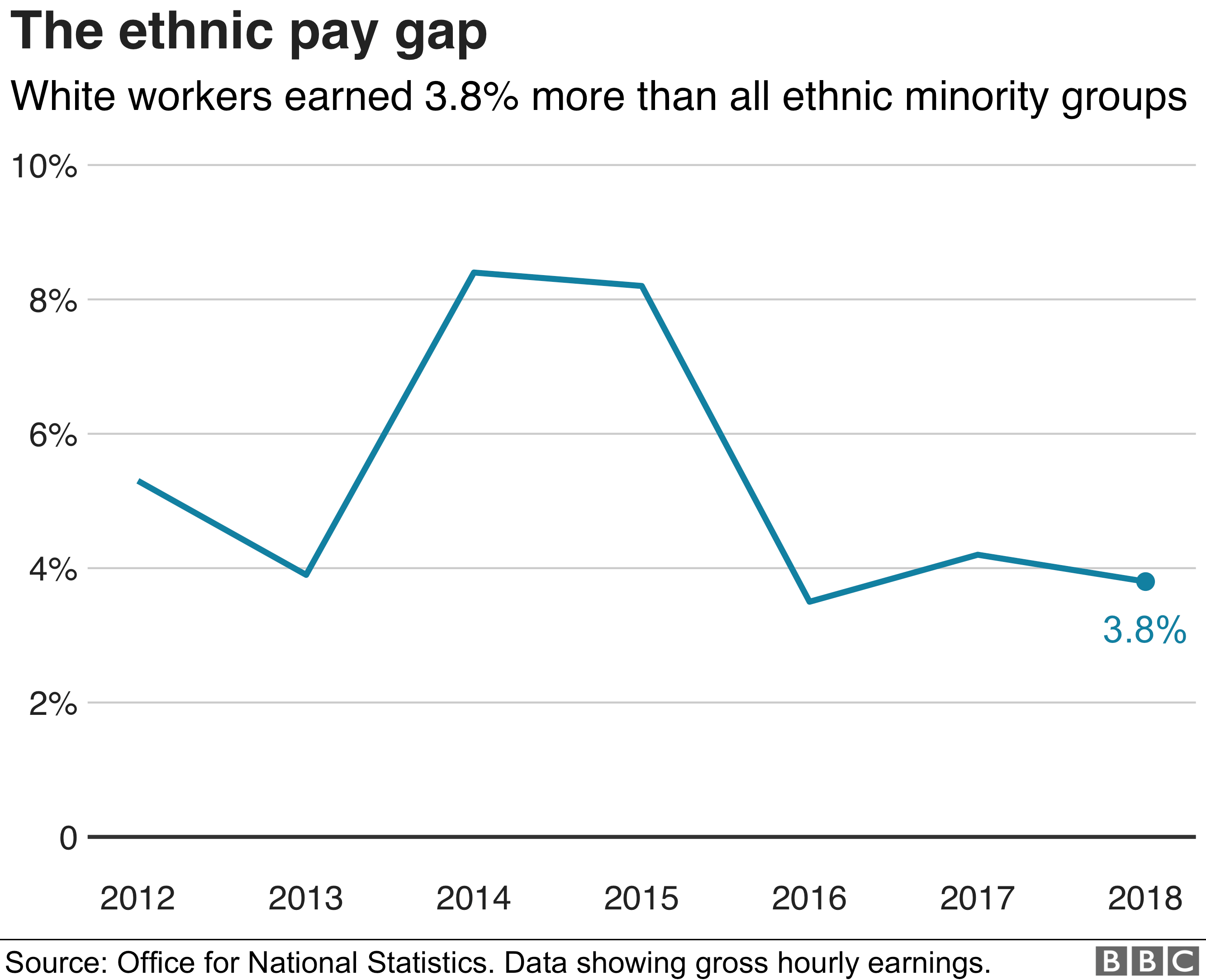
On average, ethnic minorities earn 3.8% less than white ethnic groups.

The categories are the official ones used by ONS.

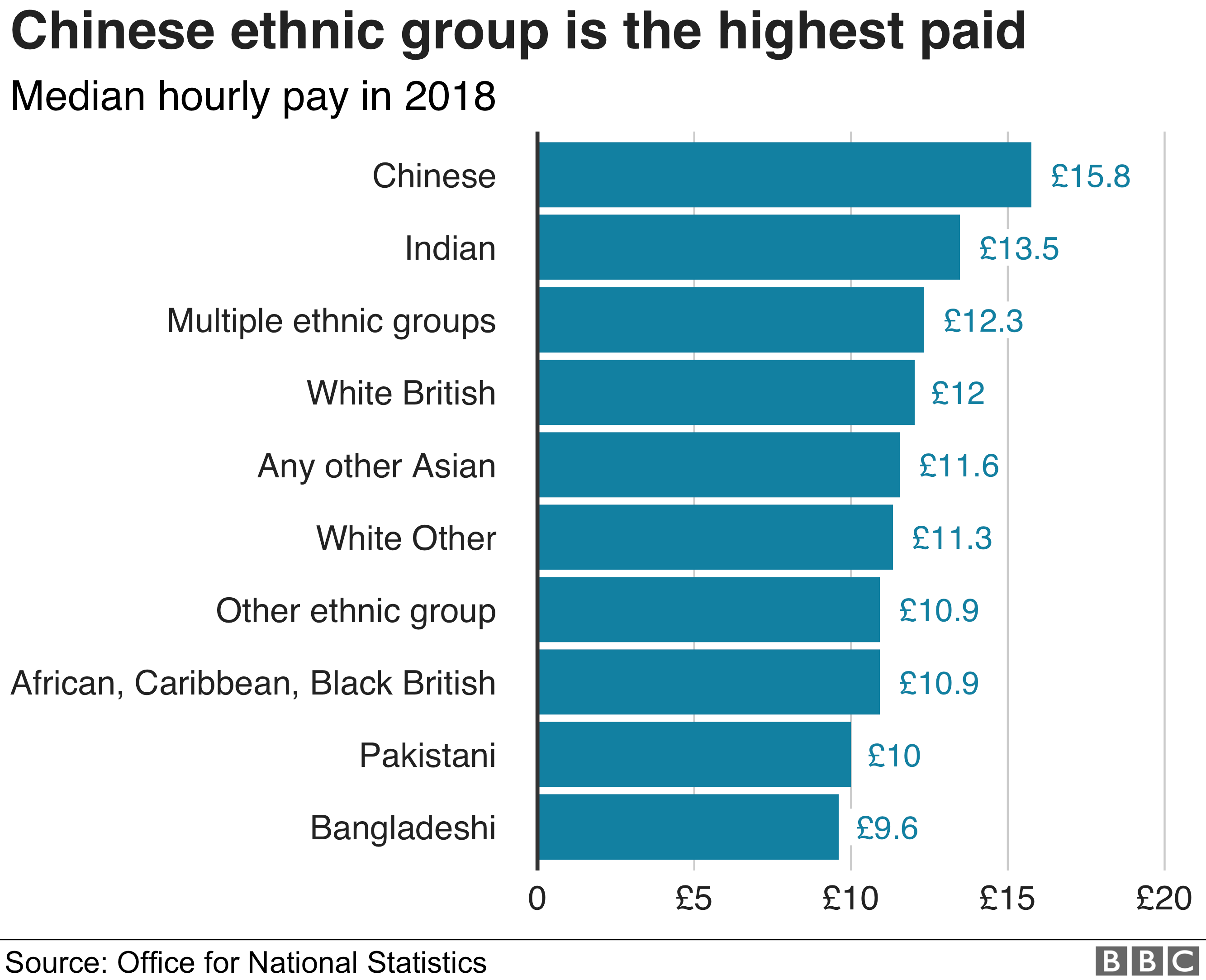
In 2018, employees from the Chinese ethnic group earned 30.9% more than white British employees.

chart

Hugh Stickland, senior ONS analyst, said: “Overall, employees from certain ethnic groups such as Indian and Chinese, have higher average earnings than their white British counterparts.

“However, all other ethnic groups have average wages lower than for white British employees, with employees from the Bangladeshi ethnic group having the largest pay gap.

“However, once characteristics such as education and occupation are taken into account, the pay gap between white British and most other ethnic groups becomes narrower, though significant differences still remain.”

Bangladeshis are the UK’s lowest earners

The data – based on median gross hourly earnings between 2012 and 2018 – shows that the Chinese ethnicity group is the highest paid, receiving £15.75 an hour in 2018.

That group is followed by the Indian ethnic group – which earns £13.47 an hour – and mixed/multiple ethnicity group, with a £12.33 hourly pay rate.

The median pay of the white British group was £12.03. The Bangladeshi group had the lowest median hourly pay of £9.60 with the second-lowest paid group being of Pakistani origin at £10 an hour.

chart

The data comes after a report last year from the Resolution Foundation found black and ethnic minority workers were paid significantly less than their white counterparts.

“The harsh reality is that even today race still plays a real role in determining pay,” said Frances O’Grady, general secretary of the TUC.

“Ministers must take bold action to confront inequality and racism in the labour market. The obvious first step is to introduce mandatory ethnicity pay gap reporting without delay,” she said.

The government has consulted on whether mandatory reporting will help address disparities between the pay and career prospects of minorities.

The female gap

The government has already introduced mandatory reporting on the gender pay gap – which stands at 9.6% in favour of men – and the ONS data also shows discrepancies in male and female earnings in the ethnic groups.

The Chinese and Indian groups, which both have the highest rate of hourly pay, were among those with the biggest gender gaps.

Chinese men on average earned 19.1% more than women and Indian men earned 23.2% more than women.

chart

But women in the Bangladeshi ethnic group earn more than their male counterparts – with a 10.5% gap.

The ONS said, though, that the sample size for the Bangladeshi group was smaller and susceptible to inaccuracy compared with other ethnic groups.

London’s gap

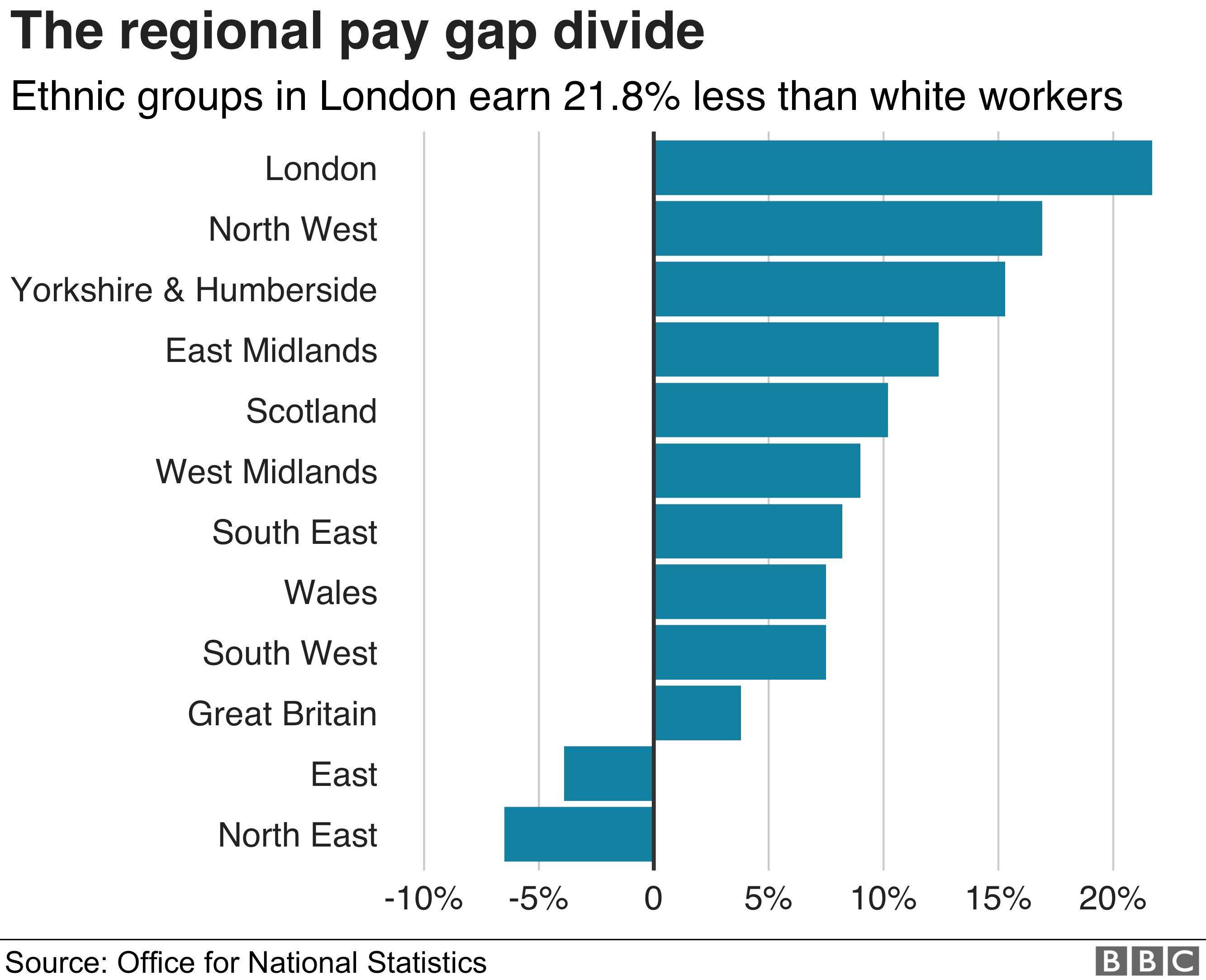
London, which has the highest proportion of its population classified as an ethnic minority group, also has the largest pay gap of 21.7%.

The ONS found this gap was reversed in other parts of Britain. In the north-east of England, for instance, employees from an ethnic minority group had average earnings that were 6.5% more than the average earnings of white employees.

chart

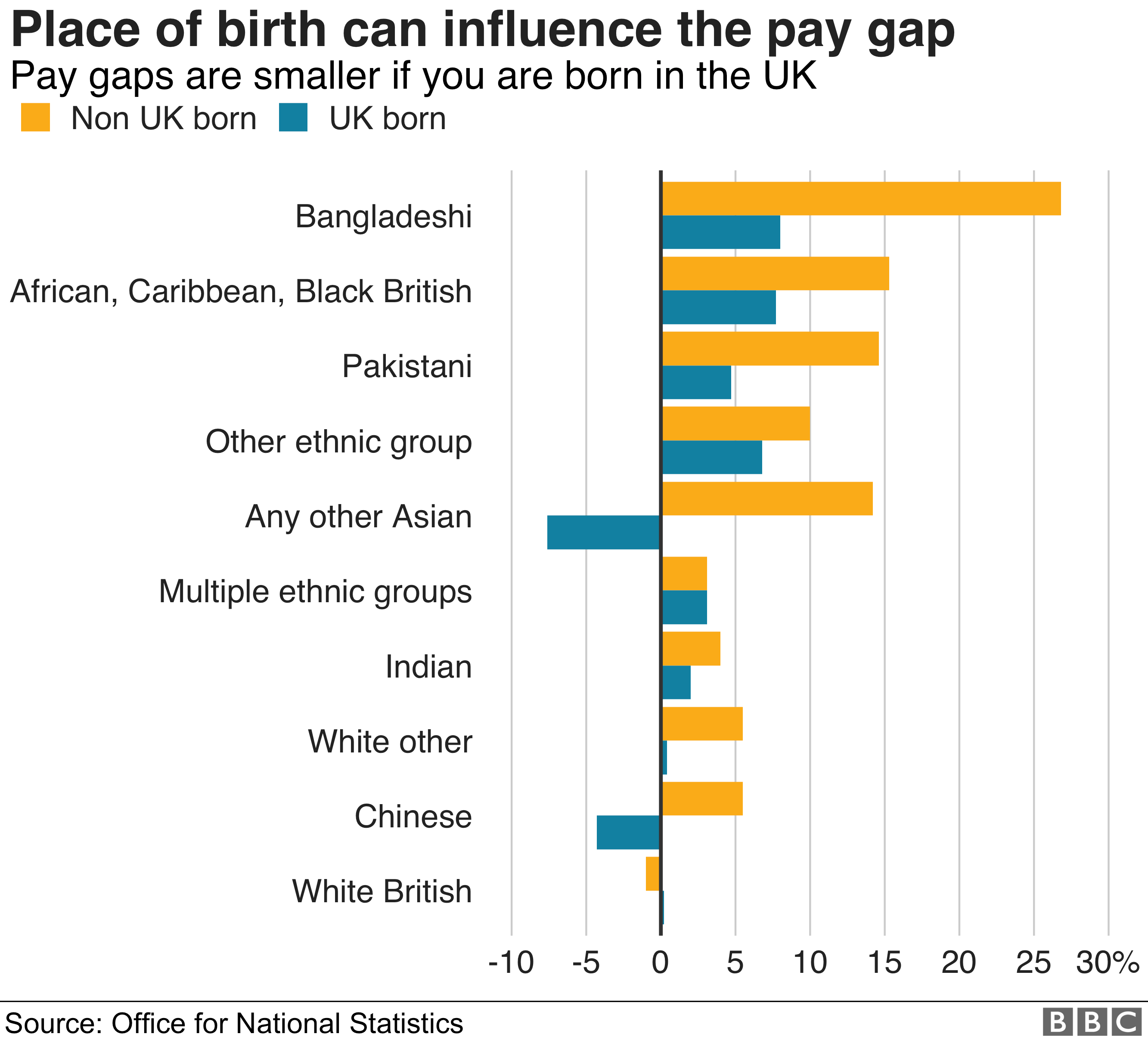
Birth-place divide

The ONS says that where someone is born can have an influence on how much they are paid.

“By comparing those who were born in the UK and those who were not, it may give us an idea of what sort of effect having a UK education and the higher likelihood of speaking English as a first language may have on those from an ethnic minority background,” the ONS said.

It found those in the Bangladeshi ethnic group – who had been born in the UK – earned 8% less than white British employees. But for Bangladeshi employees born outside the UK the gap was 26.8%.

birth place chart

When taking other factors into account, such as education, UK-born employees in the Indian and Chinese ethnic groups do not have pay gaps that are “statistically different” from the UK-born white British employees, the ONS found.

For example, almost a third of workers in the Indian ethnic group work in professional roles which means they tend to be higher-paid.

Source: The BBC

22/06/2019

Chinese ambassador believes UK will make independent decision

LONDON, June 21 (Xinhua) — Chinese Ambassador to the United Kingdom Liu Xiaoming on Friday said he trusted that Britain will make its decision independently, in the UK’s national interest and in the interest of Sino-UK cooperation.

Liu said in an exclusive interview with Sky News that even though there have always been differences between China and Britain, these differences have not prevented the countries from working for the common good.

Liu said Huawei is a good company and it has made its contribution to the telecom industry in the country.

The Ambassador said Huawei is the leader in 5G technology. “I do hope that the UK will keep Huawei for the benefit,” he said.

Source: Xinhua
Law of Unintended Consequences

continuously updated blog about China & India

ChiaHou's Book Reviews

continuously updated blog about China & India

What's wrong with the world; and its economy

continuously updated blog about China & India