02/04/2020
- 36-hour exercise simulates countering enemy planes during wartime, report says
- People’s Liberation Army placing increasing emphasis on airborne early-warning and control aircraft, observers say
The Eastern Theatre Command’s latest exercise follows joint air and naval drills near Taiwan in February. Photo: Handout
The Chinese military command responsible for patrols around
Taiwan stepped up its drills by staging a long-endurance early-warning exercise in March, the official
PLA Daily reported on Wednesday.
A warplane conducted tactical acrobatics, which were not specified, immediately after taking off, the report said. The move had not been common during previous drills, and was intended to simulate quickly countering enemy planes during wartime, the report quoted the plane’s captain Liu Yin as saying.
The plane performed reconnaissance, early-warning and surveillance work, tested airborne strikes, and an unspecified number of fighter jets in two groups staged a confrontation in a combat scenario.
The drill lasted for about 36 hours, the report said.
Taiwan shows off its military power after presidential election
Zi Kun, an officer from the division’s training unit, said the drill was a test for both pilots and equipment because it involved planning and coordination to meet actual combat requirements.
The exercise came after the Eastern Theatre Command in early February launched joint drills featuring naval and air forces near Taiwan and a combat-readiness drill in which its warplanes encircled the self-ruled island.
It also came after the United States sent EP-3E Aries electronic warfare and reconnaissance aircraft to fly near Kaohsiung, in southern Taiwan, and Hong Kong in late March.
Beijing may step up drills in South China Sea amid US military tensions
Beijing views the self-governed Taiwan as a renegade province that must be united with mainland China by force if necessary.
Experts said the drill was designed to enhance China’s intelligence-gathering capabilities to better monitor activities at sea and in the air.
Taiwan’s re-elected president Tsai Ing-wen meets US and Japanese envoys to call for closer ties
“The People’s Liberation Army’s Air Force used to rely only on ground-based early-warning radar. Only in the past two decades, it started to acquire airborne early-warning and control aircraft, which could allow the air force to extend their radar coverage beyond the limits of ground-based radars,” said Collin Koh, a research fellow from the S Rajaratnam School of International Studies at Singapore’s Nanyang Technological University.
“The problem with ground-based radars is they are often limited by line of sight and Earth curvature, whereas the airborne early-warning assets can help to address these radar gaps and also have a better ability to pick up low-flying targets and those obscured by terrain,” Koh said.
Taiwan military stages exercise to fight off mock invasion
Zhou Chenming, a Beijing-based military expert, said that China did not have enough early-warning planes to support its expanding military ambitions and needed to maximise its capabilities through various exercises to act as a credible deterrent.
The command’s ongoing drills in recent months would be intended to send signals to the outside world on two fronts, according to Koh.
“The Eastern Theatre Command’s primary area of responsibility would cover Taiwan. And by extension, it also means targeting US forces concentrated not just in the nearby bases in Japan but also further afield beyond the First Island Chain, especially Guam,” he said.
Source: SCMP
Posted in aimed at, airborne early-warning and control aircraft, airborne strikes, Beijing, Chinese air force’s drill, combat requirements, combat scenario, CONFRONTATION, deterrent, early-warning and surveillance work, Eastern Theatre Command’s latest exercise, EP-3E Aries electronic warfare and reconnaissance aircraft, fighter jets, First Island Chain, ground-based early-warning radar, Guam, intelligence-gathering capabilities, Japan, joint air and naval drills, Kaohsiung, Mainland China, military power, naval and air forces, People’s Liberation Army, People’s Liberation Army’s Air Force, pilots and equipment, President Tsai Ing-wen, reconnaissance, renegade province, signalling, Singapore’s Nanyang Technological University, South China Sea, tactical acrobatics, Taiwan, Uncategorized, united, United States, US and Japanese envoys, warplane |
Leave a Comment »
01/04/2020
- The coronavirus has fuelled explosive growth of the app, which now has 800 million users, few of whom will know it is owned by China’s ByteDance
- While videos of dancing teens may seem benign, there are growing fears in America it could be a Trojan Horse for mass surveillance by Beijing
TikTok is seen by some as the latest front in the US-China tech war. Photo: Shutterstock
Y
our average, not-so-hip adult would have probably drawn a blank at the mention of
not long ago – unless they have a child addicted to the wildly popular app, on which users make and share short, amusing videos.
It has grown explosively since its 2016 launch, with 800 million monthly active users now – 300 million of them outside China in places such as India (120 million) and the
(37 million). And many have no idea it is owned by a Chinese company, ByteDance.
The first Chinese app to mount a real global challenge to Facebook and Instagram, it is seen as one of the shiniest new weapons in the US-China technology war. And a boost, perhaps, to Chinese soft power.
TikTok, the missing link between Hong Kong and Indian protesters?
9 Feb 2020
It experienced a growth spurt in 2019 that analysts predicted would slow a little this year. That, however, was before the
coronavirus, which seems to be giving the app a bump, especially beyond its core teenage fan base.
As pandemic fears rise and millions are stuck indoors, major Hollywood celebrities such as Jennifer Lopez, 50, have taken to posting their own all-singing, all-dancing videos, which then go viral on other media platforms.
Even the
World Health Organisation has jumped on the bandwagon, joining the app in late February to share public health advice.
The TikTok logo on a smartphone. Photo: Getty Images
But to some, the growth of TikTok is far from benign.
Privacy advocates and several US congressmen want to rein in the app over concerns it may censor and monitor content for the Chinese government, and be used for misinformation and election interference. This despite the fact that TikTok keeps its servers outside China and swears it will not hand over user data.
Are these fears justified – or fuelled by political and anticompetitive motives?
Thinkers such as Yuval Noah Harari warn that the
coronavirus pandemic could be a watershed in the history of mass surveillance.
But Eric Harwit, a professor of Asian studies at the University of Hawaii, does not buy such arguments against TikTok, especially given that 60 per cent of its US users are aged 16 to 24.
“ByteDance has done a pretty good job of having a firewall between TikTok and the Chinese version of it, Douyin.
TikTok, iPhone: all you need to escape Mumbai’s slums – for 15 seconds
“Also, many users in the US are teens and they’re not a particularly useful source of national security information.
“So I’d say the concerns are motivated more by a general fear of any kind of Chinese telecommunication application rather than actual attempts to siphon off valuable US intelligence information.
“And Facebook and other American companies have similar products,” Harwit points out. “US government officials will always want to protect American commercial interests.”
Sarah Cook, a China analyst for Freedom House – the US government-funded think tank – disagrees.
“We have concerns about how Facebook and Twitter deal with information affecting electoral politics, and that’s magnified if you’re talking about a Chinese company that now has a user base that rivals theirs.”
Chinese officials, she argues, have shown a willingness to censor and manipulate information well beyond their country’s borders – for instance, regarding the scale of the initial outbreak in Wuhan, an obfuscation that may have exacerbated its impact abroad.
“For those who think Chinese government censorship is only Chinese people’s problem, this pandemic shows how much that’s not the case.
“And even if it’s not happening right now with TikTok, the concern is that Chinese companies are beholden to their government, whether they want to be or not.
“I’m not saying block TikTok entirely,” she says. “It’s a question of looking at it in a democratic system and deciding on reasonable oversight and safeguards to protect users and information flows when that time comes.”
When it comes to expanding China’s cultural influence, though, neither Cook nor Harwit believes the app is especially effective.
Most people are oblivious to its Chinese origins, which the user experience does not reflect in any way. So there is no goodwill-generating soft power of the sort wielded by, say,
through the K-pop industry.
If anything, TikTok often promotes the increasingly homogenous, Western-leaning culture seen on many globally popular social media apps.
So says Morten Bay, a lecturer in digital and social media at the University of Southern California’s Annenberg School for Communication and Journalism.
“A semi-Western culture, with small variations of local culture, is becoming the norm on social media. And Chinese soft power is difficult to assert because there’s no value difference.”
And even if Chinese tech companies keep taking bigger bites of the Western market, he is sceptical of China’s “ability to leverage that for soft power in a geopolitical sense”.
“Because there is a very big apparatus pushing against China in that regard. As soon as TikTok started gaining traction in the US, people came out against it, trying to make everyone aware of the privacy and geopolitical issues.
The #KaunsiBadiBaatHai campaign on TikTok aims to raise awareness about women’s safety issues in India. Image: TikTok
“So China faces a lot of resistance,” Bay concludes. “And I’m not sure a social media platform on its own can do much about that.”
Still, if you had to back a horse in this race, TikTok would be it, says Zhang Mengmeng.
When she and her colleagues from global industry analysis firm Counterpoint Research visited the company, they were impressed by its research and development capabilities.
“Because they’re a very young company, their pace for incubating new projects is a lot faster, especially compared to successful but older internet companies in China which have been around for 15 to 20 years.
Indian invasion of Chinese social media apps sparks fear and loathing in New Delhi
“They have lots of little start-up projects within the company and their organisational structure is very flat – it doesn’t matter what your age is, if you have a good idea, you get promoted very quickly.”
TikTok’s rise is also emblematic of a broader role reversal in the US-China tech war, she believes.
“Before, the US was more advanced in terms of internet development and China seemed to just copy its new ideas. Now, this is reversing. There are so many people in China using the internet that start-ups there can test ideas very easily.
“So now it seems like a lot of US companies are trying to see what ideas are coming out of China.” ■
Source: SCMP
Posted in addicted, Annenberg School for Communication and Journalism, APP, bandwagon, Beijing, benign, Bytedance, censorship, China, Chinese, chinese government, coronavirus, Coronavirus pandemic, Culture, explosive growth, Facebook, firewall, fuelled, geopolitical issues, homogenous, Hong Kong, India, Indian, industry, Instagram, intelligence information, IPhone, Jennifer Lopez, jumped, K-pop, living rooms, mass surveillance, Mumbai's, pandemic, protesters, public health advice, semi-Western culture, siphon off, slums, soft power, South Korea, telecommunication application, TikTok, time bomb, Trojan Horse, Twitter, Uncategorized, United States, University of Hawaii, University of Southern California’s, US-China technology war, watershed, women's safety issues, World Health Organisation, Wuhan |
Leave a Comment »
31/03/2020
- US death toll passes 3,000 as New York’s hospitals are pushed to breaking point
- Italy extends lockdown as cases exceed 100,000; UN Security Council votes by email for first time
The USNS Comfort passes the Statue of Liberty as it enters New York Harbour on Monday. Photo: Reuters
Harsh lockdowns aimed at halting the march of the coronavirus pandemic extended worldwide Monday as the death toll soared toward 37,000 amid new waves of US outbreaks.
The tough measures that have confined some two-fifths of the globe’s population to their homes were broadened. Moscow and Lagos joined the roll call of cities around the globe with eerily empty streets, while Virginia and Maryland became the latest US states to announce emergency stay-at-home orders, followed quickly by the capital city Washington.
In a symbol of the scale of the challenge facing humanity, a US military medical ship sailed into New York to relieve the pressure on overwhelmed hospitals bracing for the peak of the pandemic.
France reported its highest daily number of deaths since the outbreak began, saying 418 more people had succumbed in hospital.
Spain, which announced another 812 virus deaths in 24 hours, joined the United States and Italy in surpassing the number of cases in China, where the disease was first detected in December.
On Tuesday, mainland China reported a rise in new confirmed coronavirus cases, reversing four days of declines, due to an uptick in infections involving travellers arriving from overseas.
Mainland China had 48 new cases on Monday, the National Health Commission said, up from 31 new infections a day earlier.
All of the 48 cases were imported, bringing the total number of imported cases in China to 771 as of Monday.
There was no reported new case of local infection on Monday, according to the National Health Commission. The total number of infections reported in mainland China stood at 81,518 and the death toll at 3,305. Globally, more than 760,000 have been infected, according to official figures.
Here are the developments:
Hospital ship arrives in New York
New York’s governor issued an urgent appeal for medical volunteers Monday amid a “staggering” number of deaths from the coronavirus, saying: “Please come help us in New York, now.”
The plea from Governor Andrew Cuomo came as the death toll in New York State climbed past 1,200 – with most of the victims in the big city – and authorities warned that the crisis pushing New York’s hospitals to the breaking point is just a preview of what other cities across the US could soon face.
Cuomo said the city needs 1 million additional health care workers.
“We’ve lost over 1,000 New Yorkers,” he said. “To me, we’re beyond staggering already. We’ve reached staggering.”
The governor’s plea came as a 1,000-bed US Navy hospital ship docked in Manhattan on Monday and a field hospital was going up in Central Park for coronavirus patients.
New York City reported 914 deaths from the virus as of 4:30pm local time Monday, a 16 per cent increase from an update six hours earlier. The city, the epicentre of the US outbreak, has 38,087 confirmed cases, up by more than 1,800 from earlier in the day.
Coronavirus field hospital set up in New York’s Central Park as city’s health crisis deepens
Gloom for 24 million people in Asia
The economic fallout from the coronavirus pandemic will prevent almost 24 million people from escaping poverty in East Asia and the Pacific this year,
according to the World Bank.
In a report released on Monday, the Washington-based lender also warned of “substantially higher risk” among households that depend on industries particularly vulnerable to the impact of Covid-19. These include tourism in Thailand and the Pacific islands; manufacturing in Vietnam and Cambodia; and among people dependent on “informal labour” in all countries.
The World Bank urged the region to invest in expanding conventional health care and medical equipment factories, as well as taking innovative measures like converting ordinary hospital beds for ICU use and rapidly trining people to work in basic care.
Billionaire blasted for his Instagram-perfect isolation on luxury yacht
Indonesia bans entry of foreigners
Indonesia barred foreign nationals from entering the country as the world’s fourth-most populous country stepped up efforts to contain the spread of the coronavirus pandemic.
The travel ban, to be effective soon, will also cover foreigners transiting through the country, Foreign Minister Retno Marsudi said after a cabinet meeting in Jakarta Tuesday. The curbs will not apply to holders of work permits, diplomats and other official visitors, she said.
The curbs on foreign citizens is the latest in a raft of measures taken by Indonesia to combat the deadly virus that’s sickened more than 1,400 people and killed 122. President Joko Widodo’s administration previously banned flights to and from mainland China and some of the virus-hit regions in Italy, South Korea and Iran. The president on Monday ordered stricter implementation of social distancing and health quarantine amid calls for a lockdown to contain the pandemic.
Indonesia has highest coronavirus mortality rate in Southeast Asia
First US service member dies
The first US military service member has died from the coronavirus, the Pentagon said on Monday, as it reported another sharp hike in the number of infected troops.
The Pentagon said it was a New Jersey Army National Guardsman who had tested positive for Covid-19 and had been hospitalised since March 21. He died on Saturday, it said.
Earlier on Monday, the Pentagon said that 568 troops had tested positive for the coronavirus, up from 280 on Thursday. More than 450 Defence Department civilians, contractors and dependents have also tested positive, it said.
US military has decided to stop providing more granular data about coronavirus infections within its ranks, citing concern that the information might be used by adversaries as the virus spreads.
The new policy, which the Pentagon detailed in a statement on Monday, appears to underscore US military concerns about the potential trajectory of the virus over the coming months – both at home and abroad.
School to resume in South Korea … online
South Korean children will start the new school year on April 9 with only online classes, after repeated delays due to the outbreak of the new coronavirus, the government said Tuesday.
Prime Minister Chung Sye Kyun said that despite the nation’s utmost efforts to contain the virus and lower the risk of infection, there is consensus among teachers and others that it is too early to let children go back to school.
The nation’s elementary schools, and junior and senior high schools were supposed to start the new academic year in early March, but the government has repeatedly postponed it to keep the virus from spreading among children.
The start was last postponed until April 6, but has now been delayed three more days to allow preparations to be made for online classes.
The nation now has 9,786 confirmed cases in total, with 162 deaths.
Italy extends lockdown as cases exceed 100,000
Italy’s government on Monday said it would
extend its nationwide lockdown measures
against a coronavirus outbreak, due to end on Friday, at least until the Easter season in April.
The Health Ministry did not give a date for the new end of the lockdown, but said it would be in a law the government would propose. Easter Sunday is April 12 this year. Italy is predominantly Roman Catholic and contains the Vatican, the heart of the church.
Italians have been under lockdown for three weeks, with most shops, bars and restaurants shut and people forbidden from leaving their homes for all but non-essential needs.
Italy, which is the world’s hardest hit country in terms of number of deaths and accounts for more than a third of all global fatalities, saw its total death tally rise to 11,591 since the outbreak emerged in northern regions on February 21.
The death toll has risen by 812 in the last 24 hours, the Civil Protection Agency said, reversing two days of declines, although the number of new cases rose by just 4,050, the lowest increase since March 17, reaching a total of 101,739.
Deadliest day in Italy and Spain shows worst not over yet
Women stand near the body of a man who died on the sidewalk in Guayaquil, Ecuador. Photo: Reuters
Ecuador struggles to collect the dead
Ecuadorean authorities said they would improve the collection of corpses, as delays related to the rapid spread of the new coronavirus has left families keeping their loved ones’ bodies in their homes for days in some cases.
Residents of Guayaquil, Ecuador’s largest city, have complained they have no way to dispose of relatives’ remains due to strict quarantine and curfew measures designed to prevent spread of the disease. Last week, authorities said they had removed 100 corpses from homes in Guayaquil.
But delays in collecting bodies in the Andean country, which has reported 1,966 cases of the virus and 62 deaths, were evident midday on Monday in downtown Guayaquil, where a man’s dead body lay on a sidewalk under a blue plastic sheet. Police said the man had collapsed while waiting in line to enter a store. Hours later, the body had been removed.
More than 70 per cent of the country’s coronavirus cases, which is among the highest tallies in Latin America, are in the southern province of Guayas, where Guayaquil is located.
Panama to restrict movement by gender
The government of Panama announced strict quarantine measures that separate citizens by gender in an effort to slow the spread of the novel coronavirus.
From Wednesday, men and women will only be able to leave their homes for two hours at a time, and on different days. Until now, quarantine regulations were not based on gender.
Men will be able to go to the supermarket or the pharmacy on Tuesdays, Thursdays and Saturdays, and women will be allowed out on Mondays, Wednesdays and Fridays.
No one will be allowed to go out on Sundays. The new measures will last for 15 days.
Police in Kenya use tear gas to enforce coronavirus curfew
Remote vote first for UN Security Council
The UN Security Council on Monday for the first time approved resolutions remotely after painstaking negotiations among diplomats who are teleworking due to the coronavirus pandemic.
The Security Council unanimously voted by email for four resolutions, including one that extended through April 2021 the expiring mandate of UN experts who are monitoring sanctions on North Korea, diplomats said.
The UN mission in Somalia was also prolonged, until the end of June, and the mission in Darfur until the end of May – two short periods decided due to uncertainty over the spread of the pandemic.
The Council also endorsed a fourth resolution aimed at improving the protection for peacekeepers.
The resolutions are the first approved by the Security Council since it began teleworking on March 12 and comes as Covid-19 rapidly spreads in New York, which has become the epicenter of the disease in the United States.
Congo ex-president dies in France
Former Republic of Congo president Jacques Joaquim Yhombi Opango died in France on Monday of the new coronavirus, his family said. He was 81.
Yhombi Opango, who led Congo-Brazzaville from 1977 until he was toppled in 1979, died at a Paris hospital of Covid-19, his son Jean-Jacques said. He had been ill before he contracted the virus.
Yhombi Opango was an army officer who rose to power after the assassination of president Marien Ngouabi.
Yhombi Opango was ousted by long-time ruler Denis Sassou Nguesso. Accused of taking part in a coup plot against Sassou Nguesso, Yhombi Opango was jailed from 1987 to 1990. He was released a few months before a 1991 national conference that introduced multiparty politics in the central African country.
When civil war broke out in Congo in 1997, Yhombi Opango fled into exile in France. He was finally able to return home in 2007, but then divided his time between France and Congo because of his health problems.
‘When I wake I cry’: France’s nurses face hell on coronavirus front line
EU asks Britain to extend Brexit talks
The European Union expects Britain to seek an extension of its post-Brexit transition period beyond the end of the year, diplomats and officials said on Monday, as negotiations on trade have ground to a halt due to the coronavirus pandemic.
Europe has gone into a deep lockdown in a bid to curb the spread of the disease, with more than 330,000 infections reported on the continent and nearly 21,000 deaths.
In Britain, Prime Minister Boris Johnson and his health minister have both tested positive for the virus and the prime minister’s senior adviser Dominic Cummings – one of the masterminds behind Britain’s departure from the EU earlier this year – was self-isolating with symptoms.
London and the EU have been seeking to agree a new trade pact by the end of the year to kick in from 2021, even though the bloc has long said that such a time frame was extremely short to agree rules on everything from trade to security to fisheries.
The pyramid of Khufu, the largest of the Giza pyramid complex. Photo: Reuters
Great Pyramid in Egypt lights up in solidarity
Egypt’s famed Great Pyramid was emblazoned Monday evening with messages of unity and solidarity with those battling the novel coronavirus the world over.
“Stay safe”, “Stay at home” and “Thank you to those keeping us safe,” flashed in blue and green lights across the towering structure at the Giza plateau, southwest of the capital Cairo.
Egypt has so far registered 656 Covid-19 cases, including 41 deaths. Of the total infected, 150 reportedly recovered.
Egypt has carried out sweeping disinfection operations at archaeological sites, museums and other sites across the country.
In tandem, strict social distancing measures were imposed to reduce the risk of contagion among the country’s 100 million inhabitants.
Tourist and religious sites are shuttered, schools are closed and air traffic halted.
Myanmar braces for ‘big outbreak’ after migrant worker exodus from Thailand
30 Mar 2020
Saudi king to pay for all patients’ treatment
Saudi Arabia will finance treatment for anyone infected with the coronavirus in the country, the health minister said on Monday.
The kingdom has registered eight deaths among 1,453 infections, the highest among the six Gulf Arab states.
Health Minister Tawfiq Al Rabiah said King Salman would cover treatment for citizens and residents diagnosed with the virus, urging people with symptoms to get tested.
“We are all in the same boat,” he told a news conference, adding that Crown Prince Mohammed bin Salman was overseeing containment efforts “night and day”.
Denmark eyes gradual reopening after Easter
Denmark may gradually lift a lockdown after Easter if the numbers of coronavirus cases and deaths remain stable, Prime Minister Mette Frederiksen said on Monday.
The Nordic country, which has reported 77 coronavirus-related deaths, last week extended until after Easter a two-week lockdown to limit physical contact between its citizens that began on March 11.
The number of daily deaths slowed to five on Sunday from eight and 11 on Saturday and Friday respectively. Denmark has reported a total of 2,577 coronavirus infections.
“If we over the next two weeks across Easter keep standing together by staying apart, and if the numbers remain stable for the next two weeks, then the government will begin a gradual, quiet and controlled opening of our society again, at the other side of Easter,” Frederiksen said.
Source: SCMP
Posted in air traffic, Andean, arriving, “informal labour”, bans, bars, begs, breaking point, Brexit, Britain, Cairo, Cambodia, capital, Central Park, children, China, Civil Protection Agency, civilians, Congo, Congo-Brazzaville, contractors, coronavirus, Coronavirus pandemic, countries, Country, COVID-19, Crown Prince Mohammed bin Salman, Defence Department, Denmark, dependents, died, diplomats, East Asia, Easter, Easter Sunday, entry, epicentre, EU, European Union, exodus, extends, foreign minister, Foreigners, France, Giza plateau, Giza pyramid, Great Pyramid, green lights, Guayaquil, Guayas, Gulf Arab states, Health Minister, health ministry, help, Hospital, hospitalised, hospitals, Indonesia, iran, Italians, Italy, Khufu, Lagos, latest, Latin America, lockdown, London, Mainland China, Manufacturing, Maryland, migrant worker, Moscow, Myanmar, National Health Commission, New Jersey Army National Guardsman, new school year, New York, New York City, New York Harbour, New York State, New York's governor, Nordic, North Korea, online classes, outbreak, overseas, Pacific, Pacific islands, Panama, pandemics, Paris, peacekeepers, pharmacy, post-Brexit, Prime minister, Prime Minister Boris Johnson, pyramid, quarantine, Quarantine measures, religious sites, restaurants, Reuters, Roman Catholic, Saudi Arabia, Saudi king, schools, self-isolating, shops, Social distancing, Somalia, South Korea, South Korean, Southeast Asia, Spain, Statue of Liberty, talks, teleworking, Thailand, Tourism, tourist, Trade pact, transition period, travellers, UN experts, Uncategorized, United States, US military medical ship, US military service member, USNS Comfort, Vietnam, Virginia, Washington, World Bank |
Leave a Comment »
29/03/2020
- Throughout the world, overworked health care professionals are being infected with Covid-19, yet the Lion City has kept numbers low
- Preparation, planning, patient ratios and protective equipment have all played a part. Still, even the best gear cannot guard against discrimination
Medical staff walk to the National Centre for Infectious Diseases building at Tan Tock Seng Hospital in Singapore. Photo: AFP
U
ncooperative patients, long hours and a lack of protective equipment are hampering health care workers across the world as they take the fight to the
coronavirus, leading many to fall sick themselves.
In Malaysia, a pregnant woman who did not disclose that her father was infected tested positive after giving birth, leading to the shutdown of the entire hospital for cleaning. In the Philippines, nine doctors have died, two of whom had dealt with a patient who lied about her travel history.
In Spain, where more than 5,400 health care workers have been infected, accounting for about 14 per cent of the country’s patients, there are no longer enough workers to care for patients.
In Italy, which has more than 69,000 patients, the virus killed a doctor who had no choice but to work without gloves.
In the United States, which has surpassed China to become the world’s most infected nation with more than 83,000 people testing positive for Covid-19, hospitals are being overrun with patients.
Health care staff in the country say patients are packed into emergency wards and intensive care units (ICUs), further raising the risk of infections. They also report shortages of ventilators, face masks, gowns and shields.
The US Centres for Disease Control and Prevention on March 7 released interim guidelines saying health care workers exposed to the coronavirus could be asked to return to work as long as they wore face masks and were not showing symptoms, if their employers had no other manpower available.
Malaysian health workers at Kuala Lumpur International Airport. Photo: AFP
A REASON FOR OPTIMISM
However, amid all the gloom, Singapore’s experienceis being held up as a reason for optimism. The city state has reported more than 630 cases of infection, all of which are being treated in hospital, yet only a handful of its health care professionals have been infected. What’s more, even these cases, according to Vernon Lee, director of communicable diseases at the Ministry of Health, are thought to have been infected outside the health care setting.
Experts suggest this has been more than just luck, pointing to a case in which 41 health workers were exposed to the coronavirus in a Singapore hospital yet evaded infection.
The workers had all come within two metres of a middle-aged man with Covid-19 who was being intubated, a procedure which involves a tube being inserted into the patient’s trachea. The procedure is seen as being particularly hazardous for health workers as it is “aerosol generating” – patients are likely to cough.
The workers had not known at the time that the man had the virus and all were quarantined after he tested positive. However, on their release two weeks later, none of them had the virus.
Coronavirus: as Malaysia braces for third wave, doctors make their own face masks
The case has come to widespread attention partly because the workers were wearing a mix of standard surgical masks and the N95 mask, which doctors see as the gold standard as it filters out 95 per cent of airborne particles.
The conclusion, published in The Annals of Internal Medicine this month, was this: “That none of the health care workers in this situation acquired infection suggests that surgical masks, hand hygiene, and other standard procedures protected them from being infected.”
Surgeon and writer Atul Gawande mentioned the case in an article for The New Yorker on how health care workers could continue seeing patients without becoming patients. He said there were things to learn from Asia and that some of the lessons came out of the “standard public health playbook”. In other words, there is much to be said for social distancing, basic hand hygiene and cleaning regimens.
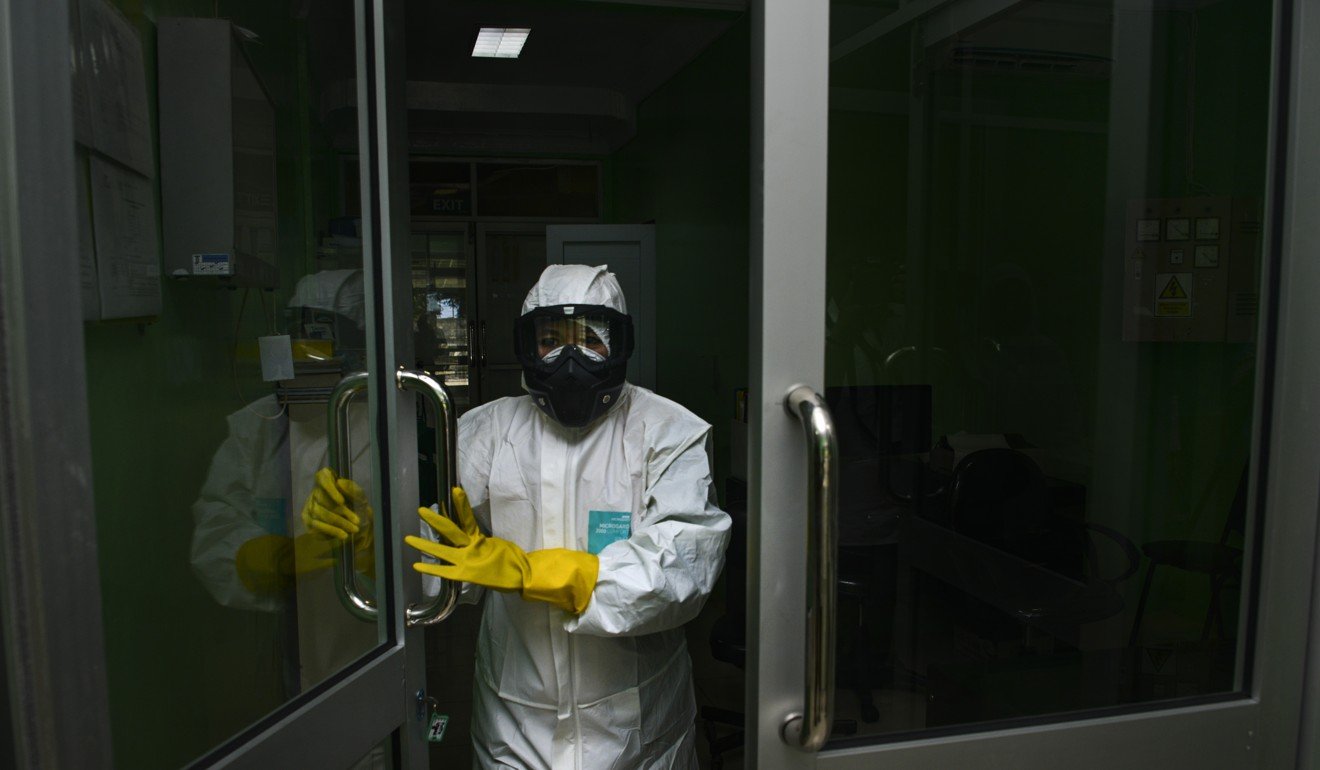
A health worker in protective gear walks into a quarantine room at a hospital in Banda Aceh, Indonesia. Photo: AFP
COMING TOGETHER
With critical supplies running short in many countries, experts say it is increasingly vital that countries share both knowledge and resources.
To this end, China has been donating personal protective equipment to places including the Philippines, Pakistan and Europe. China’s richest man Jack Ma is donating 1.8 million masks, 210,000 Covid-19 test kits and 36,000 pieces of protective clothing to 10 countries in Asia.
At the same time, doctors are encouraging the Western world to learn from Asia.
Infectious diseases expert Leong Hoe Nam said that being “bitten by Sars” (severe acute respiratory syndrome) in 2003 had prepared Asia for Covid-19, while Western countries were not similarly prepared and hence lacked sufficient protective equipment.
He pointed to how about 2,000 health care workers had fallen sick in China early in the outbreak because workers did not initially have protective gear. The trend reversed as equipment became available.
“Once the defences were up, there were very few health care workers who fell sick at work. Rather, they fell sick from contact with sick individuals outside the workplace,” he said.
Malaysia is a case in point. While it has reported 80 health care workers falling ill, most are thought to be community infections.
Coronavirus: Doctor explains the proper way to wash your hands and put on a face mask
In a webinar organised by Caixin Global on Thursday night, Peng Zhiyong, an intensive care specialist at Zhongnan Hospital of Wuhan University, shared how they managed a shortage of personal protective equipment early on in the outbreak by rationing workers to two sets of gear per shift.
Meanwhile, in the Philippines, doctors from Manila’s Chinese General Hospital held a video conference call with doctors in Zhejiang to learn from China’s experience of treating Covid-19 patients.
Crowdsourcing platforms have also been created to share advice. The Brigham and Women’s Hospital in Boston has released guidelines for treating critically ill patients and its website includes information from Chinese doctors.
Why Singapore’s coronavirus response worked – and what we can all learn
The Jack Ma Foundation has also launched an online platform for doctors and nurses around the world to share knowledge on fighting the virus. “One world, one fight,” it said in a tweet.
Associate Professor Jeremy Lim from the global health programme at the Saw Swee Hock School of Public Health said it was crucial for countries to work together.
“Viruses don’t respect borders. Countries have to share information and help each other as we are only as strong as the weakest link. Any country can become a reservoir of disease and the world may then be forced to endure a ping-pong of outbreaks over and over again.”
And the advice of Lee, at Singapore’s Ministry of Health? “Practise good hygiene and wash hands regularly.”
Indonesian medical staff administer mass testing for Covid-19 in Bekasi, West Java. Photo: AFP
SINGAPORE, A CASE STUDY
Amid this sharing of advice, it is often Singapore that is held up as an example to replicate. Despite the country grappling with a rising load of Covid-19 patients, most of whom have recently returned to the city state from abroad, its health care system has continued to run smoothly. Doctors say this is because it has been preparing for a pandemic ever since Sars caught it by surprise. During the Sars outbreak, health care workers accounted for 41 per cent of Singapore’s 238 infections.
Consequently its hospitals swung into contingency planning mode early on in the coronavirus outbreak, telling staff to defer leave and travel plans after its first cases emerged.
Meanwhile, its hospitals swiftly split their workforces into teams to ensure there were enough workers if the outbreak worsened, and to ensure workers got enough rest.
Singapore has 13,766 doctors, or 2.4 doctors for every 1,000 people. That compares to 2.59 in the US, 1.78 in China and 4.2 in Germany. Places like Myanmar and Thailand have fewer than one doctor for every 1,000 people.
Coronavirus: Covid-19 could live on in Indonesia long after world recovers
“The objective is that you can run essential services with the greatest amount of security. Make sure functional units have redundancy built in, and are separate from each other. It depends on what you feel is sufficient to carry on services if one team is affected, factoring in rest periods and some system of rotation,” said Chia Shi-Lu, an orthopaedic surgeon.
The key is to ensure a good doctor-to-patient ratio and ensure there are enough specialists for the critical work, such as doctors and nurses who can provide intensive care, and know how to operate mechanical ventilators or machines to pump and oxygenate a patient’s blood outside the body.
At the emergency department where paediatrics emergency specialist Jade Kua treats Covid-19 cases in addition to regular emergencies, doctors are split into four teams of 21. Each team takes alternate 12-hour shifts and does not interact with other teams.
“We are in modular teams so the teams move together. So you and I would both do morning, off, night, off, morning off. Together. And then the other teams would do the same and we don’t intermingle,” said Kua.
US now has world’s most coronavirus cases, surpassing China
Chia, who works at the Singapore General Hospital, said doctors had been split up according to their functions.
“We try not to meet at all with the other teams as much as possible. We’ll just say hi from across the corridor. Meals are the same. All our cafeterias and everything have got social distancing spaced in already,” said Chia, who is also a member of parliament and chairs a shadow committee on health.
Chia said the health care system could also tap on doctors in the private sector.
Not every country has a plan like this. Last year’s Global Health Security Index by the Economist Intelligence Unit found that 70 per cent of 195 countries scored poorly when it came to having a national plan for dealing with epidemics or pandemics. Almost three in 10 had failed to identify which areas were insufficiently staffed. In India, with a population of 1.3 billion, only about 20,000 doctors are trained in key areas such as critical care, emergency medicine and pulmonology.
Singapore, Hong Kong, Taiwan: the real coronavirus world leaders
In contrast, Singapore published its first Influenza Pandemic Preparedness and Response Plan in June 2005 and has since honed it to a tee. Hospitals regularly war-game scenarios such as pandemics or terrorist attacks and the simulations are sometimes observed by the Ministry of Health, which grades the performance and recommends areas for improvement.
The plan also covers the need to stockpile equipment to avoid the sort of shortages many countries are now facing, another lesson inspired by Sars when masks, gloves and gowns were in short supply.
In a pandemic preparation paper published in 2008, Singapore public health specialist Jeffery Cutter wrote that Singapore’s stockpile was sufficient to cover at least 5 to 6 months’ use by all front-line health care workers.
During the Covid-19 outbreak, it has also told citizens to not wear masks so it can conserve supply for medical staff.
Having enough protective gear has reassured Singapore’s health care workers such as Kua, a mother of six who blogged about her experience fighting Covid-19. Kua said: “I’m safe and my family is safe.”
India’s poor hit hard by 21-day nationwide lockdown amid the coronavirus pandemic
SOMETHING YOU CAN’T GUARD AGAINST
Despite the many positives to emerge from the Lion City, its health care workers are struggling with another problem: discrimination.
While in France, Italy and Britain, residents cheer health care workers from their windows, in Singapore health care workers are seen by some people as disease carriers.
“I try not to wear my uniform home because you never know what kind of incidents you may encounter,” said one Singapore nurse. “The public is scared and wearing our uniforms actually causes quite a bit of inconvenience. One of my staff tried to book a private-hire car to the hospital for an emergency and she was rejected by five drivers.”
There is a similar stigma in India, where the All India Institute of Medical Sciences has appealed to the government for help after health workers were forced out of their homes by panicked landlords and housing societies.
“Many doctors are stranded on the roads with all their luggage, nowhere to go, across the country,” the institute said in a letter.
Lim, from the Saw Swee Hock School of Public Health, said the worst human impulses and “every man for himself” attitudes could emerge in crises and “that is exactly why governments have to step in”.
Discrimination could affect both the performance and motivation of health care workers, Lim warned.
Meanwhile, when health care workers are infected, it creates a “triple whammy” threat.
“It means one fewer professional in an already-strained system, another patient to care for and, potentially, a team of colleagues who need to be quarantined,” said Lim.
“We must do everything possible to keep our health care workforce safe and free from Covid-19.” ■
Source: SCMP
Posted in airborne particles, Asia, “aerosol generating”, “bitten by Sars”, “One world, one fight,”, Banda Aceh, Bekasi, borders, Boston, Britain, Caixin Global, cheer, China, Chinese doctors, cleaning, cleaning regimens, communicable diseases, contingency planning mode, coronavirus infections, coronavirus outbreak, Coronavirus pandemic, countries, COVID-19, COVID-19 cases, Covid-19 test kits, Crowdsourcing platforms, defer, died, Discrimination, doctors, donating, emergency wards, entire hospital, epidemics, Europe, face masks, France, Global Health Security Index, good hygiene, gowns, hampering, hand hygiene, health care professionals, health care workers, health workers, hit hard, Hong Kong, Hospital, India’s, Indonesia, infected, intensive care units (ICUs), Italy, Jack Ma, Jack Ma Foundation, Kuala Lumpur International Airport, leave, long hours, Malaysia, Manila’s Chinese General Hospital, mechanical ventilators, Ministry of Health, most infected nation, Myanmar, N95 mask, National Centre for Infectious Diseases, nationwide lockdown, optimism, orthopaedic surgeon, outbreaks, overworked, paediatrics emergency specialist, Pakistan, Pandemic Preparedness and Response Plan, pandemics, patient ratios, personal protective equipment, Philippines, ping-pong, planning, poor, preparation, protective equipment, quarantine room, quarantined, residents, respect, Saw Swee Hock School of Public Health, shadow committee on health, shields, shortages, shutdown, Singapore, Singapore General Hospital, Singapore’s, Singapore’s Ministry of Health, Social distancing, Spain, staff, surpassed, Taiwan, Tan Tock Seng Hospital, terrorist attacks, Thailand, The Annals of Internal Medicine, The Brigham and Women’s Hospital, the Lion City, The New Yorker, Throughout the world, travel plans, tweet, Uncategorized, Uncooperative patients, United States, US Centres for Disease Control and Prevention, ventilators, Viruses, wash hands, West Java, Western world, Wuhan University, zhejiang province, Zhongnan Hospital |
Leave a Comment »
29/03/2020
- Chinese president is fighting ‘two tough battles’ to reboot industry and defeat Covid-19, Xinhua says
- Choice of industrial powerhouse for official visit shows the importance Xi gives to reviving the economy, observers say
Chinese President Xi Jinping chats to workers and officials at Ningbo port in east China on Sunday. Photo: Xinhua
visited the industrial powerhouse of Zhejiang province on Sunday in a move state media described as a clear message the country was ready to get the economy back on track amid the “new normal” of dealing with the coronavirus.
The trip, to Ningbo – one of the world’s busiest ports and a trade hub for eastern China – was Xi’s first outside Beijing since he visited Wuhan, the initial epicentre of the Covid-19 outbreak, earlier in the month.
As well as a visiting the port, he spoke to workers at an industrial zone for car part manufacturers, where he learned about the latest efforts to restart production, Xinhua said in a brief report.
The visit came after two months of almost total lockdown in many parts of the country that disrupted businesses, transport and people’s daily lives, and ground the economy to a near standstill.
While local transmissions of the coronavirus in China appear to be under control, Beijing has implemented strict measures to prevent imported cases, including slashing international flights and banning most foreigners from entering the country.
In a separate report, Xinhua said Xi’s visit sent “a clear message” that China was resuming its industrial production and social activities, and described the fight against the coronavirus as the “new normal”.
Reviving the economy and battling a deadly disease were Xi’s “two tough battles”, it said.
Xi’s choice of destination was a clear message that restarting the economy is a top priority. Photo: Xinhua
Zhejiang is something of a power base for Xi, who spent nearly five years there during his climb through the ranks of the Communist Party.
One of the country’s biggest trading hubs, the province generated 3 trillion yuan (US$423.2 billion) in foreign trade last year, or more than 13 per cent of the national total, according to official figures.
“It’s a highly export-oriented economy … which has made it crucial not only to China’s development plan but also to safeguarding the stability of the global supply chain,” Xinhua said.
Observers said Xi’s visit was evidence of Beijing’s determination to get the economy back up and running as soon as possible.
Zhao Xijun, an economics professor at Renmin University, said Ningbo was a key part of the export economy and a base for many local and foreign entrepreneurs.
“It is a clear signal that China, after getting domestic infections under control, is now prioritising economic growth,” he said.
“It also shows the country will keep developing its economy and opening up its markets.”
But hopes of a quick recovery for the Chinese economy have been dashed by the spread of the coronavirus across Europe and the United States, causing a sharp decline in demand for Chinese goods.
Xi spent five years in Zhejiang while climbing the ranks of the Communist Party. Photo: Xinhua
In a meeting on Friday, the Communist Party’s Politburo said it would step up macroeconomic policy adjustments and pursue a more proactive fiscal policy while optimising measures to control the coronavirus to speed up the restoration of production, doing whatever it could to “minimise the losses caused by the epidemic”.
“China has successfully reopened much of its economy from the extremes of the coronavirus lockdown, but now faces a new problem: an impending collapse in demand for its exports as its customers go into lockdowns of their own,” Gavekal Dragnomics said in a research report.
“That shock to industry and manufacturing employment means that China will not enjoy the hoped-for V-shaped recovery in growth.”
Source: SCMP
Posted in 'total lockdown', ‘clear message’, ‘two tough battles’, back on its feet, banning, Beijing, Beijing’s, busiest ports, businesses, car part manufacturers, Chinese economy, Chinese goods, Communist Party, Communist Party’s Politburo, coronavirus, Country, COVID-19 outbreak, dashed, decline, defeat Covid-19, demand, determination, disrupted, economics professor, economy, employment, entering, epicentre, Europe, export-oriented, Foreigners, Gavekal Dragnomics, global, global supply chain, growth, industrial powerhouse, industrial zone, industry, international flights, it’s time, local transmissions, macroeconomic policy, Manufacturing, Ningbo, observers, optimising measures, people’s daily lives, power base, proactive fiscal policy, production, reboot industry, Renmin University, restart, Safeguarding, sends, stability, standstill, trade hub, Transport, Uncategorized, United States, V-shaped recovery, visit, workers, Wuhan, Xi, Xi Jinping’s, Xinhua, zhejiang province |
Leave a Comment »
29/03/2020
- Virus may have jumped from animal to humans long before the first detection in Wuhan, according to research by an international team of scientists
- Findings significantly reduce the possibility of the virus having a laboratory origin, director of the US National Institute of Health says
An international team of scientists say the coronavirus may have jumped from animal to humans long before the first detection in China. Photo: AP
The
coronavirus that causes Covid-19 might have been quietly spreading among humans for years or even decades before the sudden outbreak that sparked a global health crisis, according to an investigation by some of the world’s top virus hunters.
Researchers from the United States, Britain and Australia looked at piles of data released by scientists around the world for clues about the virus’ evolutionary past, and found it might have made the jump from animal to humans long before the first detection in the central China city of Wuhan.
Though there could be other possibilities, the scientists said the coronavirus carried a unique mutation that was not found in suspected animal hosts, but was likely to occur during repeated, small-cluster infections in humans.
The study, conducted by Kristian Andersen from the Scripps Research Institute in California, Andrew Rambaut from the University of Edinburgh in Scotland, Ian Lipkin from Columbia University in New York, Edward Holmes from the University of Sydney, and Robert Garry from Tulane University in New Orleans, was published in the scientific journal Nature Medicine on March 17.
Dr Francis Collins, director of the US National Institute of Health, who was not involved in the research, said the study suggested a possible scenario in which the coronavirus crossed from animals into humans before it became capable of causing disease in people.
“Then, as a result of gradual evolutionary changes over years or perhaps decades, the virus eventually gained the ability to spread from human to human and cause serious, often life-threatening disease,” he said in an article published on the institute’s website on Thursday.
In December, doctors in Wuhan began noticing a surge in the number of people suffering from a mysterious pneumonia. Tests for flu and other pathogens returned negative. An unknown strain was isolated, and a team from the Wuhan Institute of Virology led by Shi Zhengli traced its origin to a bat virus found in a mountain cave close to the China-Myanmar border.
The two viruses shared more than 96 per cent of their genes, but the bat virus could not infect humans. It lacked a spike protein to bind with receptors in human cells.
Coronaviruses with a similar spike protein were later discovered in Malayan
pangolins
by separate teams from Guangzhou and Hong Kong, which led some researchers to believe that a recombination of genomes had occurred between the bat and pangolin viruses.
Doctors in Wuhan began noticing a surge in the number of people suffering from a mysterious pneumonia in December. Photo: Handout
But the new strain, or SARS-Cov-2, had a mutation in its genes known as a polybasic cleavage site that was unseen in any coronaviruses found in bats or pangolins, according to Andersen and his colleagues.
This mutation, according to separate studies by researchers from China, France and the US, could produce a unique structure in the virus’ spike protein to interact with furin, a widely distributed enzyme in the human body. That could then trigger a fusion of the viral envelope and human cell membrane when they came into contact with one another.
Some human viruses including HIV and Ebola have the same furin-like cleavage site, which makes them contagious.
It is possible that the mutation happened naturally to the virus on animal hosts. Sars (severe acute respiratory syndrome) and Mers (Middle East respiratory syndrome), for instance, were believed to have been direct descendants of species found in masked civets and camels, which had a 99 per cent genetic similarity.
There was, however, no such direct evidence for the novel coronavirus, according to the international team. The gap between human and animal types was too large, they said, so they proposed another alternative.
“It is possible that a progenitor of SARS-CoV-2 jumped into humans, acquiring the genomic features described above through adaptation during undetected human-to-human transmission,” they said in the paper.
“Once acquired, these adaptations would enable the pandemic to take off and produce a sufficiently large cluster of cases to trigger the surveillance system that detected it.”
They said also that the most powerful computer models based on current knowledge about the coronavirus could not generate such a strange but highly efficient spike protein structure to bind with host cells.
The study had significantly reduced, if not ruled out, the possibility of a laboratory origin, Collins said.
“In fact, any bioengineer trying to design a coronavirus that threatened human health probably would never have chosen this particular conformation for a spike protein,” he said.
The findings by Western scientists echoed the mainstream opinion among Chinese researchers.
Zhong Nanshan, who advises Beijing on outbreak containment policies, had said on numerous occasions that there was growing scientific evidence to suggest the origin of the virus might not have been in China.
“The occurrence of Covid-19 in Wuhan does not mean it originated in Wuhan,” he said last week.
A doctor working in a public hospital treating Covid-19 patients in Beijing said numerous cases of mysterious pneumonia outbreaks had been reported by health professionals in several countries last year.
Re-examining the records and samples of these patients could reveal more clues about the history of this worsening pandemic, said the doctor, who asked not to be named due to the political sensitivity of the issue.
“There will be a day when the whole thing comes to light.”
Source: SCMP
Posted in animal hosts, Australia, bat virus, Beijing, Britain, California, camels, China-Myanmar border, Columbia University, contagious, coronavirus, COVID-19, decades, Ebola, France, furin, Guangzhou, HIV, Hong Kong, humans, Malayan pangolins, masked civet, Mers (Middle East respiratory syndrome), mountain cave, Nature Medicine, New Orleans, New York, novel coronavirus, outbreak, pathogen, researchers, Sars (severe acute respiratory syndrome), Scotland, Scripps Research Institute, spreading, Tulane University, Uncategorized, United States, University of Edinburgh, University of Sydney, US, US National Institute of Health, Wuhan, Wuhan Institute of Virology |
Leave a Comment »
28/03/2020
SHANGHAI (Reuters) – China’s authorities plan stronger steps to revive an economy hit by the spread of coronavirus, as the nation on Saturday reported no new locally transmitted infections for the previous day.
The ruling Communist Party’s Politburo said on Friday it would step up macroeconomic policy adjustments and pursue more proactive fiscal policy, state media reported. With the world’s second-biggest economy expected to shrink for the first time in four decades this quarter, China is set to unleash hundreds of billions of dollars in stimulus.
The Politburo called for expanding the budget deficit, issuing more local and national bonds, guiding interest rates lower, delaying loan repayments, reducing supply-chain bottlenecks and boosting consumption.
“We expect government ministries to roll out more tangible measures in the coming weeks as this Politburo meeting gave them no choice but to do more,” Goldman Sachs analysts said in a note.
The Politburo did not elaborate on plans for the central government to issue special treasury bonds, which would be the first such issuance since 2007.
Restrictions on foreigners entering the country went into effect on Saturday, as China reported no new locally transmitted infections and a small drop in so-called imported cases.
Airlines have been ordered to sharply cut international flights from Sunday.
Beijing has in recent days emphasised the risk posed by imported virus cases after widespread lockdowns within China helped to sharply reduce domestic transmissions. The Politburo said it would shift its focus to prevent more imported cases and a rebound in locally transmitted infections.
“We must be extremely vigilant and cautious, and we must prevent the post-epidemic relaxation from coming too soon, leading to the loss of all our achievements,” the Communist Party’s official People’s Daily newspaper said in a front-page editorial.
The authorities also reversed planned reopenings of movie theatres, the state-owned China Securities Journal reported, citing sources.
DEATH TOLL AT 3,295
China’s National Health Commission said on Saturday that 54 new coronavirus cases were reported on the mainland on Friday, all imported cases. There were 55 new cases a day earlier, one of which was transmitted locally.
The number of infections for mainland China stands at 81,394, with the death toll rising by three to 3,295, the commission said.
Hubei province reported no new cases, and three new deaths. The province of 60 million, where the virus was first detected, has recorded 67,801 coronavirus cases and 3,177 deaths.
Shanghai reported the highest number of new cases, with 17. An additional 11 cases were reported in Guangdong, six in Fujian, five in Tianjin, four in Zhejiang, three each in Beijing and Liaoning, two each in Inner Mongolia and Jilin, and one in Shandong.
Chinese President Xi Jinping told U.S. President Donald Trump on Friday that China would support U.S. efforts to fight the coronavirus.
The number of confirmed cases of coronavirus in the United States rose by at least 16,000 on Friday to nearly 102,000, the most of any country.
George Gao, the director-general of the Chinese Center for Disease Control and Prevention, urged people to wear masks to control the virus’s spread overseas.
Gao told the journal Science in an interview published late on Friday that the “big mistake in the United States and Europe has been the failure to wear masks, which “can prevent droplets that carry the virus from escaping and infecting others.”
Source: Reuters
Posted in Beijing, China, Chinese Center for Disease Control and Prevention, Chinese President Xi Jinping, coronavirus, dwindle, Europe, Fujian, Guangdong, hubei province, Jilin, Liaoning, local, National Health Commission, Politburo, readies, shandong province, Shanghai, stimulus measures, Tianjin, U.S. President Donald Trump, Uncategorized, United States, virus cases, zhejiang province |
Leave a Comment »
27/03/2020
- Legislation ‘blatantly obstructs other sovereignties from developing legitimate diplomatic relations with China’, foreign ministry says
- US president’s decision could damage efforts by Beijing and Washington to work together in the fight against Covid-19, observers say
The United States’ new Taipei Act aims to discourage Taiwan’s allies from cutting diplomatic ties with the island due to pressure from Beijing. Photo: EPA-EFE
Beijing has condemned
US President Donald Trump’s decision to sign into law an act designed to bolster Taiwan’s diplomatic standing in the world, describing it as an act of hegemony.
“China expresses its strong indignation and firmly opposes the bill,” foreign ministry spokesman Geng Shuang told a press conference on Friday.
The legislation, he said, “blatantly obstructs other sovereignties from developing legitimate diplomatic relations with China, which is an act of hegemony” adding that it also “seriously violated the one-China principle … [and] brutally interferes in Chinese domestic affairs”.
Trump signed the Taiwan Allies International Protection and Enhancement Initiative (Taipei) Act of 2019 on Thursday, just hours before speaking to Chinese President Xi Jinping over the telephone to discuss how the two countries can work together to tackle the coronavirus pandemic.
China calls for ‘concrete steps’ from US to cooperate on fighting Covid-19
27 Mar 2020
The legislation aims to discourage Taiwan’s diplomatic allies from cutting ties with the island due to pressure from Beijing. It also requires the US to supplement its own diplomatic presence in countries that support Taiwan and reduce its diplomatic footprint if they side with Beijing.
The bill was written by Republican senator for Colorado Cory Gardner and Democrat senator for Delaware Chris Coons, who said the US should support Taiwan in strengthening its alliances around the world amid increased pressure and “bullying tactics” from Beijing.
It was passed unanimously by the House of Representatives on March 4 after being reconciled with the Senate’s version that was approved in October.
Relations between Beijing and Taipei have been at a low ebb since
Tsai Ing-wen, from the independence-leaning Democratic Progressive Party, was elected president in 2016, and re-elected for a further four-year term in January.
Taiwan’s foreign ministry welcomed the legislation, thanking the United States for its support for the island’s “diplomatic space” and right to participate in world affairs.
In the coronavirus fog, tussling over Taiwan goes under the radar
27 Mar 2020
Observers said that while the new act would benefit Taipei on the world stage, it would also be detrimental to its relationship with Beijing, and could be damaging to the commitments made between Xi and Trump to work together to fight Covid-19.
“Given it has been suppressed by Beijing in recent years, the new act will help Taiwan to gain more support from the international community,” said Zheng Zhengqing, an expert on Taiwan affairs at Tsinghua University in Beijing.
He said that Xi believed Taipei’s international role should be decided by Beijing, not Washington.
“What Trump has done comes from the opposite direction … and could hinder engagement and cooperation between [mainland] China and the US amid the coronavirus outbreak and make matters worse,” he said.
Zhu Songling, a professor at the Institute of Taiwan Studies at Beijing Union University, said the Taipei Act had crossed a red line for Beijing and would bring further uncertainty to China-US relations, as well as relations across the Taiwan Strait.
Beijing considers
Taiwan part of its sovereign territory awaiting reunification with the mainland, by force if necessary.
Taipei-based political and military commentator Chi Le-yi said that while the new legislation was significant, it remained to be seen how it would affect Taiwan’s global standing or the stability of the Taiwan Strait amid the ongoing strategic gamesmanship between mainland China and the US.
“The bill itself is very meaningful, it has turned the US’s concerns about Taiwan issue into a legal issue,” he said.
“But its impact will depend on how it is implemented by America’s executive units.”
Source: SCMP
Posted in act, Beijing, Beijing Union University, blatantly, China, COVID-19, Democratic Progressive Party, describes, Donald Trump, Foreign Ministry, Institute of Taiwan Studies, legislation, legitimate diplomatic relations, mainland, obstructs, reunification, signing, sovereign territory, sovereignties, Taipei, Taipei Act, Taiwan, Taiwan Strait, Tsinghua University, Uncategorized, United States, Washington |
Leave a Comment »
27/03/2020
BEIJING/SHANGHAI (Reuters) – Chinese President Xi Jinping told U.S. President Donald Trump during a phone call on Friday that he would have China’s support in fighting the coronavirus, as the United States faces the prospect of becoming the next global epicentre of the pandemic.
The United States now has the most coronavirus cases of any country, with 84,946 infections and 1,259 deaths. Hospitals in cities like New York and New Orleans struggle to cope with the wave of patients.
Xi’s offer of assistance came amid a long-running war of words between Beijing and Washington over various issues including the coronavirus epidemic.
Trump and some U.S. officials have accused China of a lack of transparency on the virus, and Trump has at times called the coronavirus a “China virus” as it originated there, angering Beijing.
In the call, Xi reiterated to Trump that China had been open and transparent about the epidemic, according to an account of the conversation published by the Chinese foreign ministry.
Trump said on Twitter that he discussed the coronavirus outbreak “in great detail” with Xi.
“China has been through much & has developed a strong understanding of the virus,” Trump said. “We are working closely together. Much respect!”.
The World Health Organization has said the United States, which saw 17,099 new coronavirus cases and 281 deaths in the past 24 hours, is expected to become the epicentre of the pandemic.
CHINA CUTS FLIGHTS
Like U.S. hospitals now, China’s medical system struggled to contain the coronavirus just two months ago, but draconian city lockdowns and severe travel restrictions has seen China dramatically ease the epidemic.
Mainland China on Friday reported its first local coronavirus case in three days and 54 new imported cases, as Beijing ordered airlines to sharply cut international flights, for fear travellers could reignite the coronavirus outbreak.
The 55 new cases detected on Thursday were down from 67 a day earlier, the National Health Commission said on Friday, taking the tally of infections to 81,340. China’s death toll stood at 3,292 as of Thursday, up by five from a day earlier.
The central province of Hubei, with a population of about 60 million, reported no new cases on Thursday, a day after lifting a lockdown and reopening its borders as the epidemic eased there.
The commercial capital of Shanghai reported the most new imported cases with 17, followed by 12 in the southern province of Guangdong and four each in the capital Beijing and the nearby city of Tianjin.
Shanghai now has 125 patients who arrived from overseas, including 46 from Britain and 27 from the United States.
In effect from Sunday, China has ordered its airlines to fly only one route to any country, on just one flight each week. Foreign airlines must comply with similar curbs on flights to China, although many had already halted services.
About 90% of current international flights into China will be suspended, cutting arrivals to 5,000 passengers a day, from 25,000, the civil aviation regulator said late on Thursday.
From Saturday, China will temporarily suspend entry for foreigners with valid visas and residence permits, in an interim measure, the foreign ministry added.
Before the new curbs, foreign nationals made up about a tenth of the roughly 20,000 travellers arriving on international flights every day, an official of China’s National Immigration Administration said last week.
As commercial flights dwindle, Chinese students from wealthy families are paying tens of thousands of dollars to fly home on private jets.
International demand for chartered and private flights into China increased 227% in March from a year earlier, said Shanghai-based private jet service provider iFlyPlus.
Notably, requests for flights from the United States to China rose 10-fold in late March, iFlyPlus told Reuters.
Source: Reuters
Posted in airlines, Beijing, borders, Britain, China’s, Chinese President Xi Jinping, city lockdowns, coronavirus, coronavirus epidemic, coronavirus outbreak, draconian, epicentre, fighting, Guangdong, hospitals, hubei province, iFlyPlus, international flights, lockdown, Mainland China, National Health Commission, New Orleans, New York, pandemic, patients, phone call, private jet service provider, reignited, Reuters, Shanghai, struggle, support, Tianjin, travellers, Twitter, U.S. President Donald Trump, Uncategorized, United States, Washington, World Health Organization |
Leave a Comment »
27/03/2020
NEW YORK (Reuters) – The number of U.S. coronavirus infections climbed above 82,000 on Thursday, surpassing the national tallies of China and Italy, as New York, New Orleans and other hot spots faced a surge in hospitalizations and looming shortages of supplies, staff and sick beds.
With medical facilities running low on ventilators and protective masks and hampered by limited diagnostic testing capacity, the U.S. death toll from COVID-19, the respiratory disease caused by the virus, rose beyond 1,200.
“Any scenario that is realistic will overwhelm the capacity of the healthcare system,” New York Governor Andrew Cuomo told a news conference. He described the state’s projected shortfall in ventilators – machines that support the respiration of people have cannot breathe on their own – as “astronomical.”
“It’s not like they have them sitting in the warehouse,” Cuomo added. “There is no stockpile available.”
At least one New York City hospital, New York-Presbyterian/Columbia University Medical Center in Manhattan, has begun a trial of sharing single ventilators between two patients.
While New York was the coronavirus epicenter in the United States this week, the next big wave of infections appeared headed for Louisiana, where demand for ventilators has already doubled. In New Orleans, the state’s biggest city, Mardi Gras celebrations late last month are believed to have fueled the outbreak.
Louisiana Governor John Bel Edwards said New Orleans would be out of ventilators by April 2 and potentially out of bed space by April 7 “if we don’t flatten the infection curve soon.”
“It’s not conjecture, it’s not some flimsy theory,” Edwards told a press conference. “This is what is going to happen.”
About 80% of Louisiana’s intensive care patients are now on breathing machines, up from the normal rate of 30-40%, said Warner Thomas, chief executive of Ochsner Health System, the state’s hospital group.
Scarcities of protective masks, gloves, gowns and eyewear for doctors and nurses – reports abound of healthcare workers recycling old face masks, making their own or even using trash bags to shield themselves – have emerged as a national problem.
“Our nurses across the country do not have the personal protective equipment that is necessary to care for COVID patients, or any of their patients,” Bonnie Castillo, head of the largest U.S. nurses union, National Nurses United, told MSNBC.
In an ominous milestone for the United States as a whole, at least 82,153 people nationwide were infected as of Thursday, according to a Reuters tally from state and local public health agencies. China, where the global pandemic emerged late last year, had the second highest number of cases, 81,285, followed by Italy with 80,539.
At least 1,204 Americans have died from COVID-19, which has proven especially dangerous to the elderly and people with underlying chronic health conditions, Reuters’ tally showed.
MORE BEDS NEEDED
For New York state, Cuomo said a key goal was rapidly to expand the number of available hospital beds from 53,000 to 140,000.
New York hospitals were racing to comply with Cuomo’s directive to increase capacity by at least 50%. At Mount Sinai Hospital’s Upper East Side location, rooms were being constructed within an atrium to open up more space for beds.
At Elmhurst Hospital in New York’s borough of Queens, about a hundred people, many wearing masks with their hoods pulled up, lined up behind barriers outside the emergency room entrance, waiting to enter a tent to be screened for the coronavirus.
The city coroner’s office has posted refrigerated trucks outside Elmhurst and Bellevue Hospital to temporarily store bodies of the deceased.
Deborah White, vice chair of emergency medicine at Jack D. Weiler Hospital in the city’s Bronx borough, said 80% of its emergency room visits were patients with coronavirus-like symptoms.
A ventilator shortfall and surge in hospitalizations has already raised the prospect of rationing healthcare.
Asked about guidelines being drafted on how to allocate ventilators to patients in case of a shortage, New Jersey Governor Phil Murphy told reporters such bioethical discussions “haunted him” but were unavoidable.
Outside New York and New Orleans, other hot spots appeared to be emerging around the country, including Detroit.
Brandon Allen, 48, was buying groceries in Detroit for his 72-year-old mother, who has tested positive and was self-quarantining at home.
“It’s surreal,” Allen said. “People around me I know are dying. I know of a couple people who have died. I know a couple of people who are fighting for their lives. Everyday you hear of another person who has it.”
RECORD UNEMPLOYMENT CLAIMS
Desperate to slow virus transmissions by limiting physical contact among people, state and local governments have issued stay-at-home orders covering about half the U.S. population. A major side effect has been the strangulation of the economy, and a wave of layoffs.
The U.S. Labor Department reported Thursday the number of Americans filing claims for unemployment benefits last week soared to a record of nearly 3.28 million – almost five times the previous weekly peak of 695,000 during the 1982 recession.
Dr. Anthony Fauci, director of the U.S. National Institute of Allergy and Infectious Diseases, said warmer weather may help tamp down the U.S. outbreak as summer approaches, though the virus could re-emerge in the winter.
“We hope we get a respite as we get into April, May and June,” Fauci said on WNYC public radio.
Washington state Governor Jay Inslee said he may extend a stay-at-home order tentatively set to expire April 6, encouraged by what he called a “very modest improvement” in the Seattle area.
Washington experienced the first major U.S. outbreak of COVID-19 and has been among the hardest-hit states. As of Thursday the state reported about 3,200 cases and 147 deaths.
In California’s Coachella Valley, a region rife with retirees who are especially vulnerable, 25 members of the state’s National Guard helped a non-profit distribute food to people stuck in their homes, as most of the regular volunteers are senior citizens.
More than 10,000 troops have been deployed in 50 states to provide humanitarian aid during the pandemic.
Source: Reuters
Posted in aimed, atrium, “astronomical.”, borough of Queens, Bronx borough, California’s, China, Coachella Valley, coronavirus cases, COVID, COVID-19, death toll, deployed, Detroit, diagnostic testing capacity, doctors, economy, Elmhurst and Bellevue Hospital, Elmhurst Hospital, epicenter, eyewear, gloves, governor, gowns, healthcare system, healthcare workers, hospitalizations, humanitarian aid, Italy, Jack D. Weiler Hospital, layoffs, looming shortages, Louisiana, Manhattan, Mardi Gras celebrations, medical facilities, most, Mount Sinai Hospital’s Upper East Side, National Guard, National Nurses United, national tallies, New Jersey Governor, New Orleans, New York, New York City hospital, New York Governor, New York-Presbyterian/Columbia University Medical Center, next wave, nurses, Ochsner Health System, pandemic, patients, protective masks, Recession, RECORD UNEMPLOYMENT CLAIMS, recycling, Respiratory disease, Reuters tally, sick beds, staff, stockpile, strangulation, supplies, surge, surpassing, troops, Trump, U.S., U.S. Labor Department, U.S. National Institute of Allergy and Infectious Diseases, Uncategorized, unemployment benefits, United States, ventilators, Virus, virus transmissions, warehouse, Washington, Washington (state), WNYC public radio, World, Xi |
Leave a Comment »


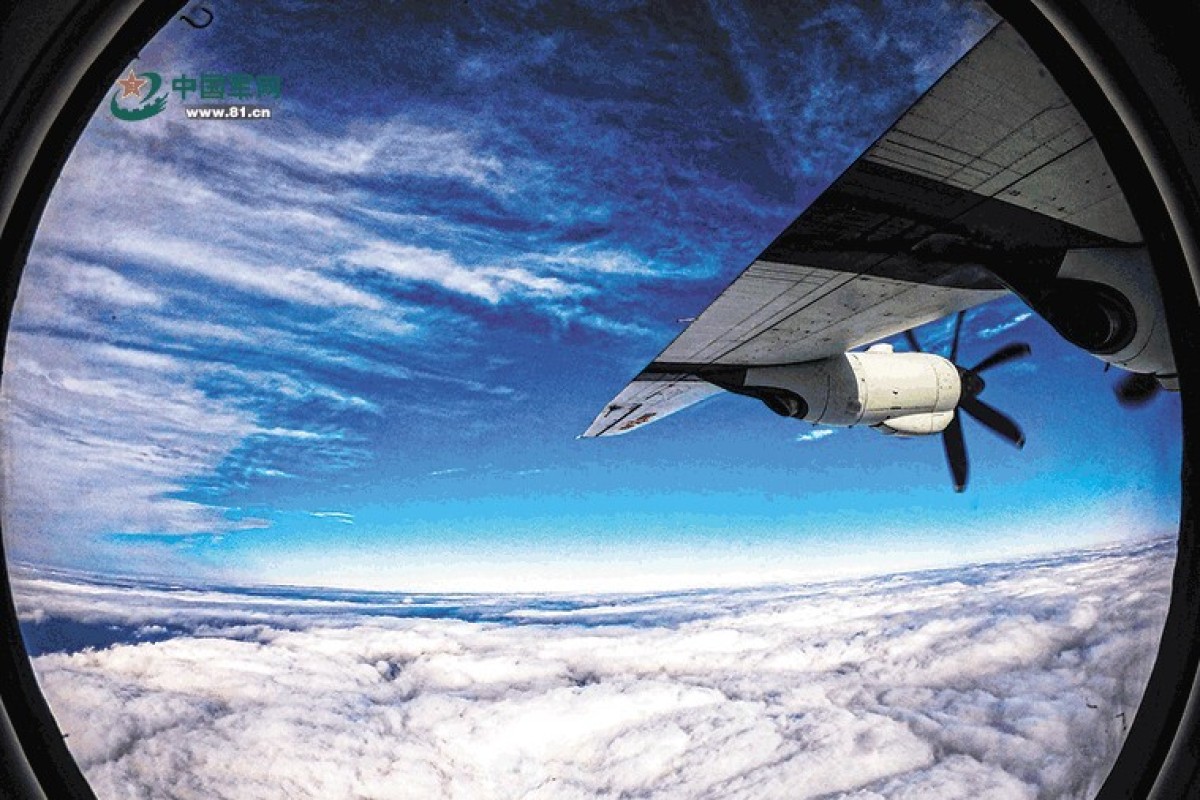






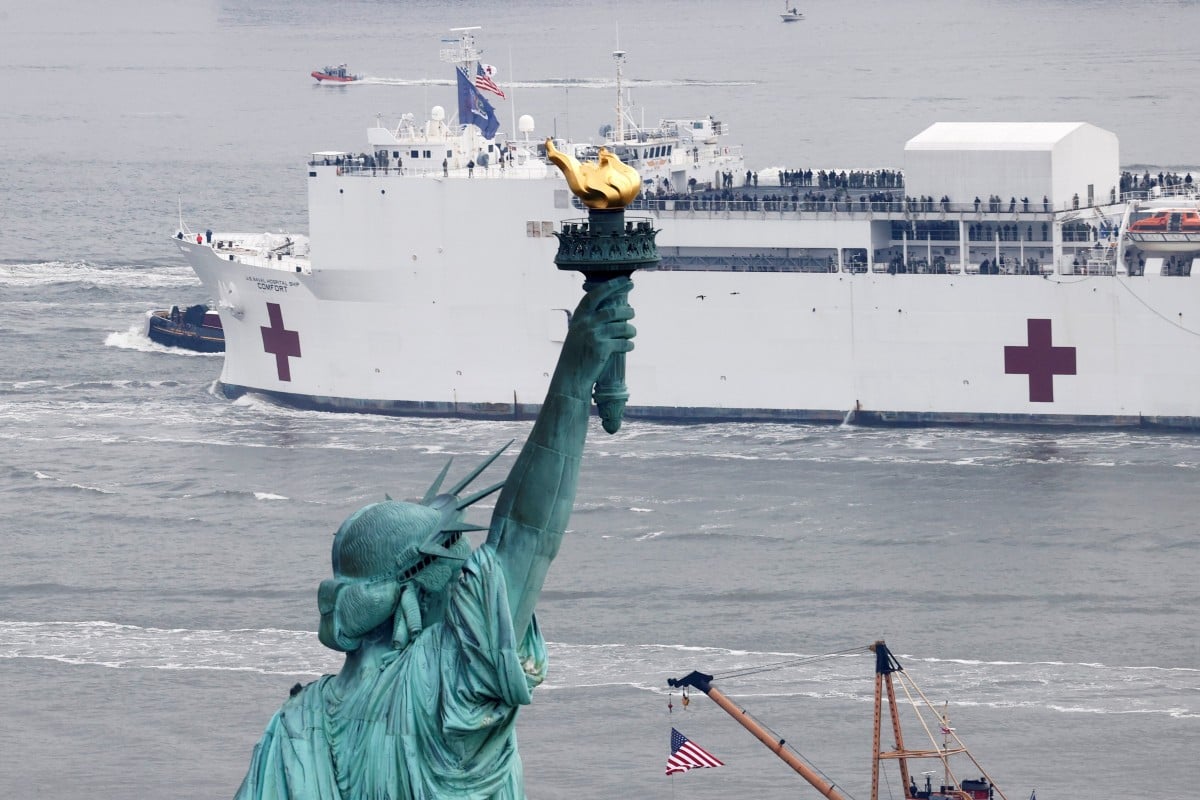

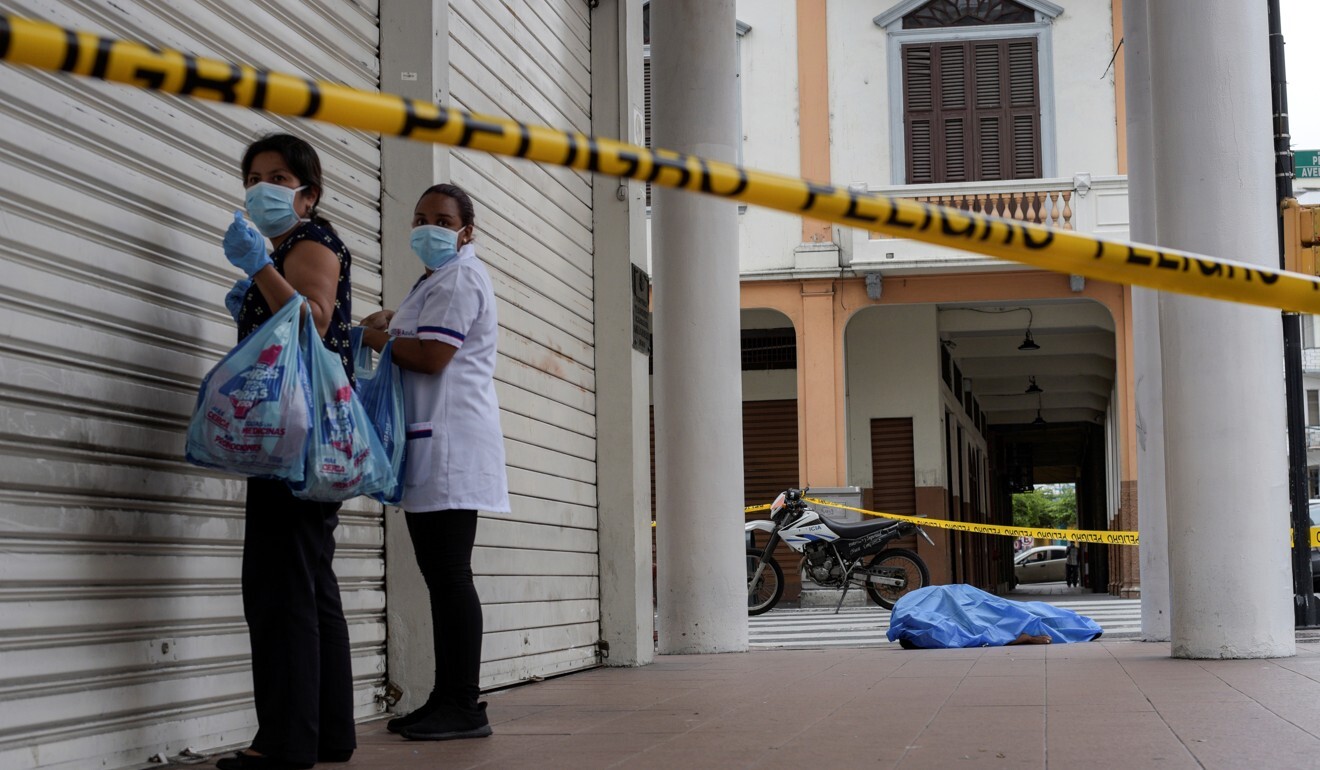
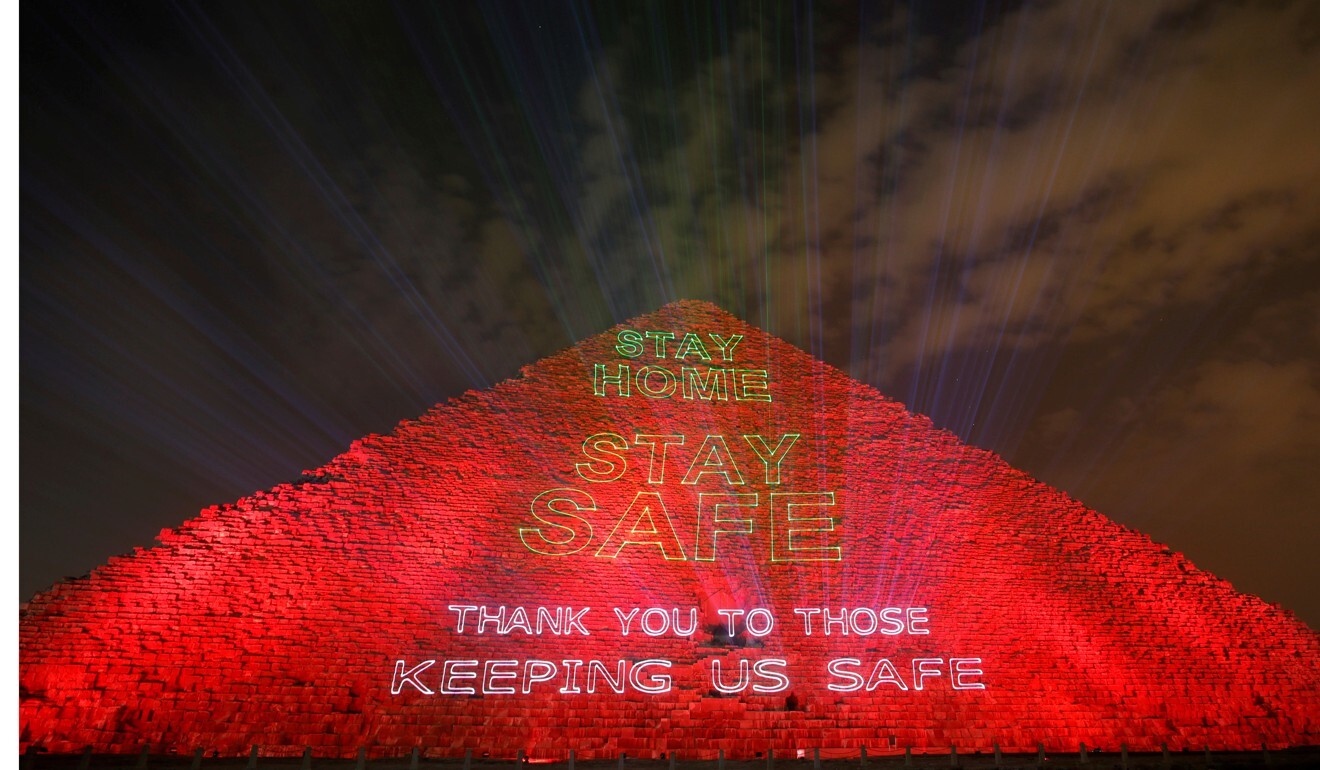
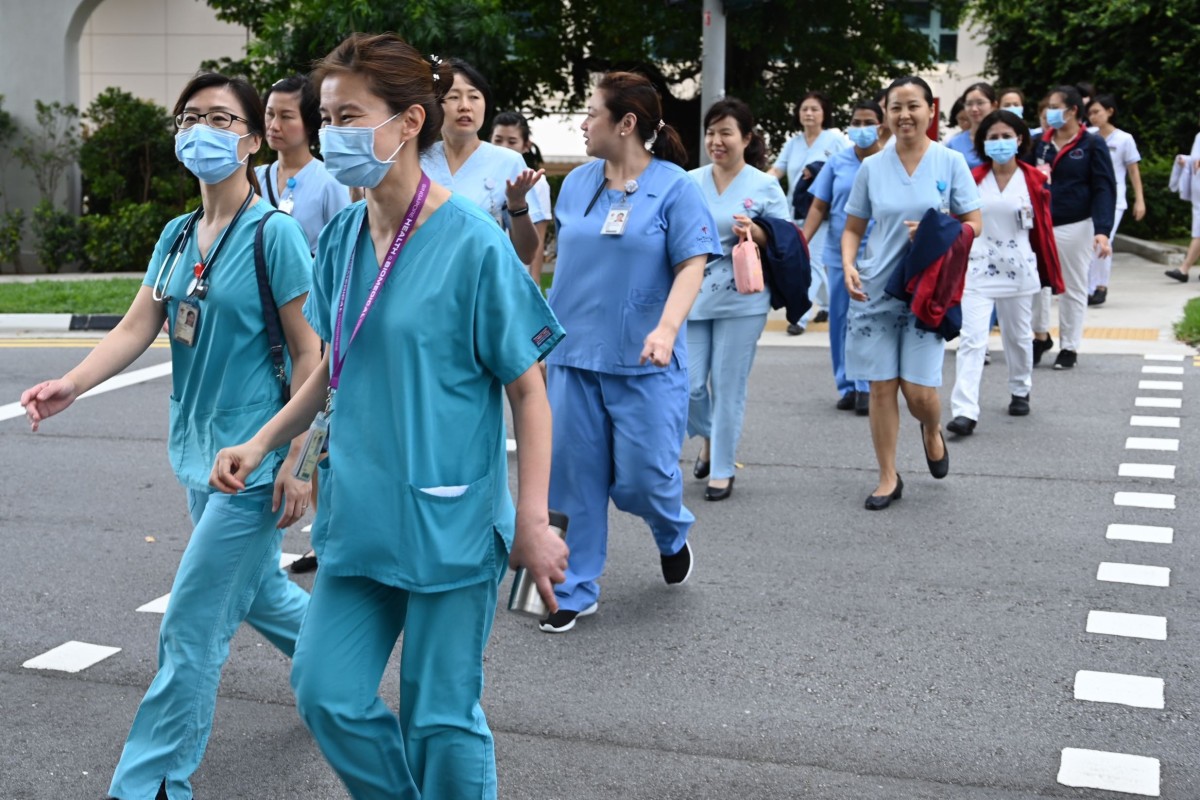
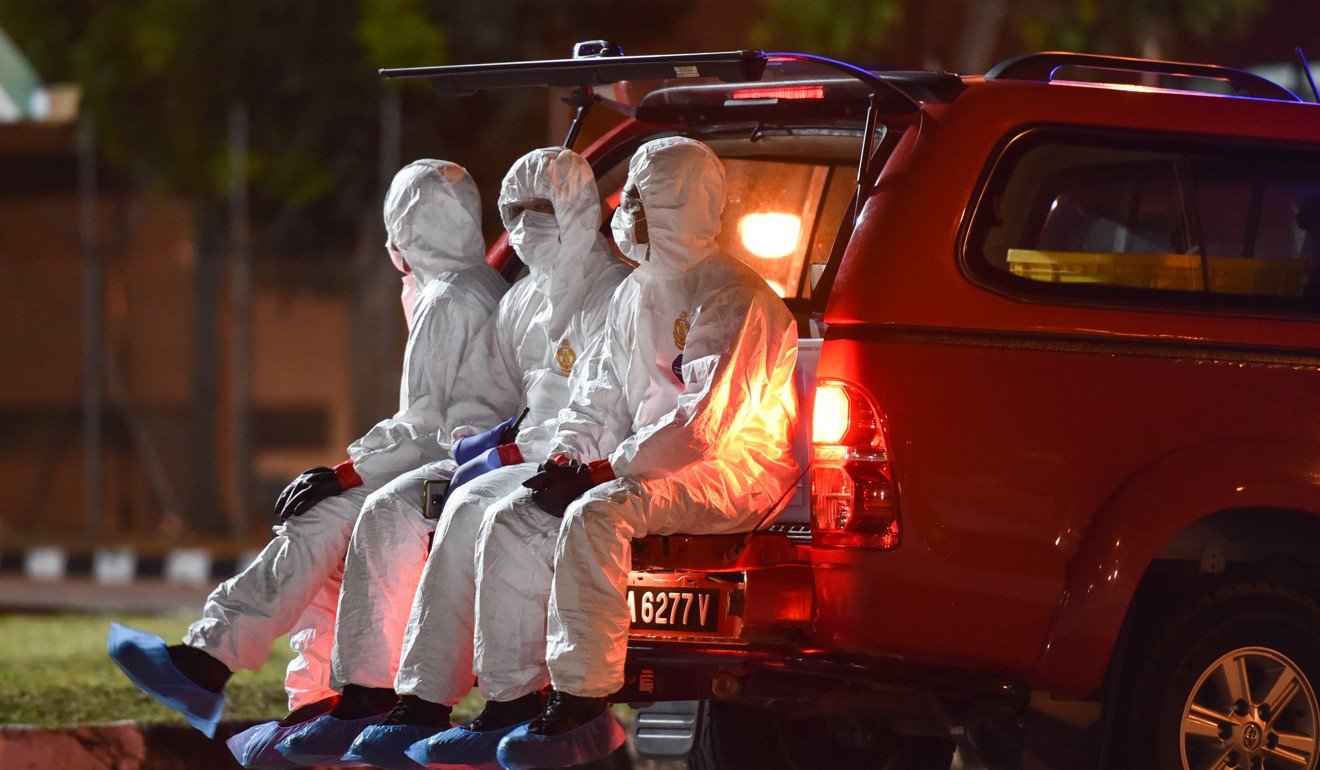

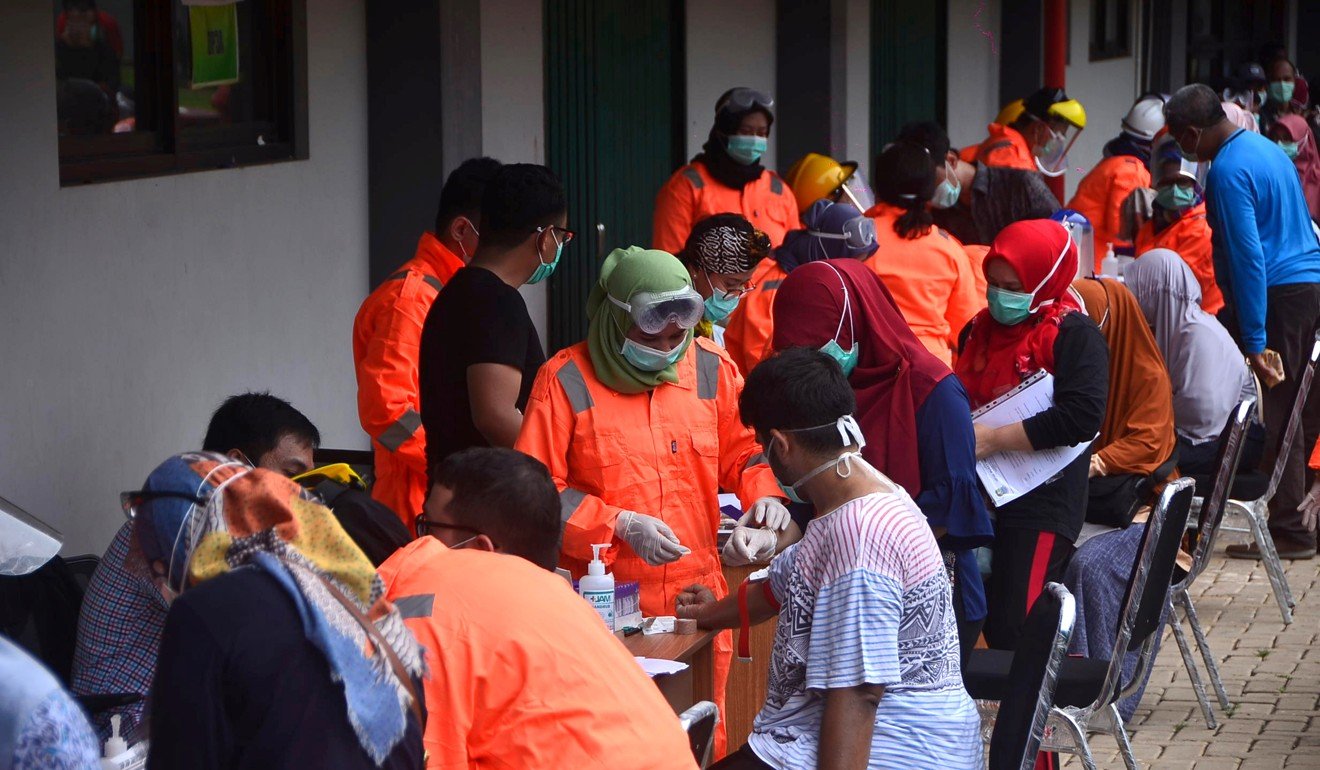

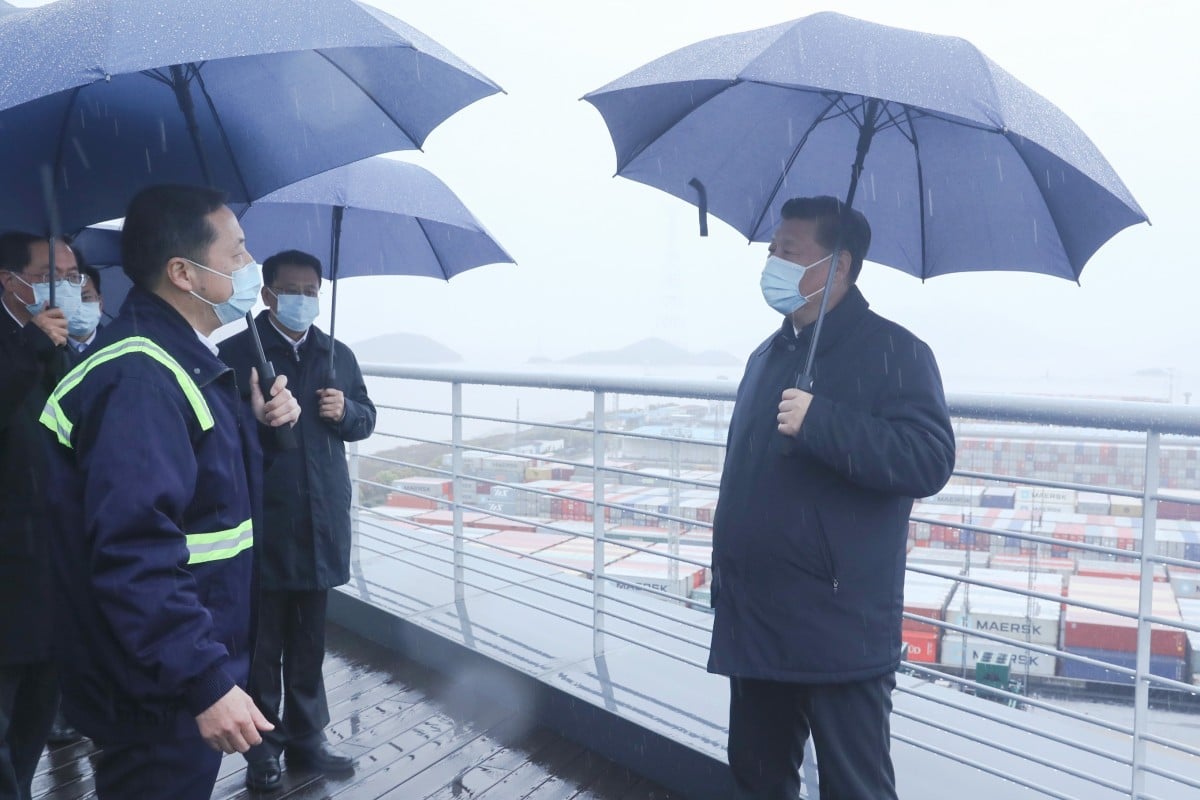
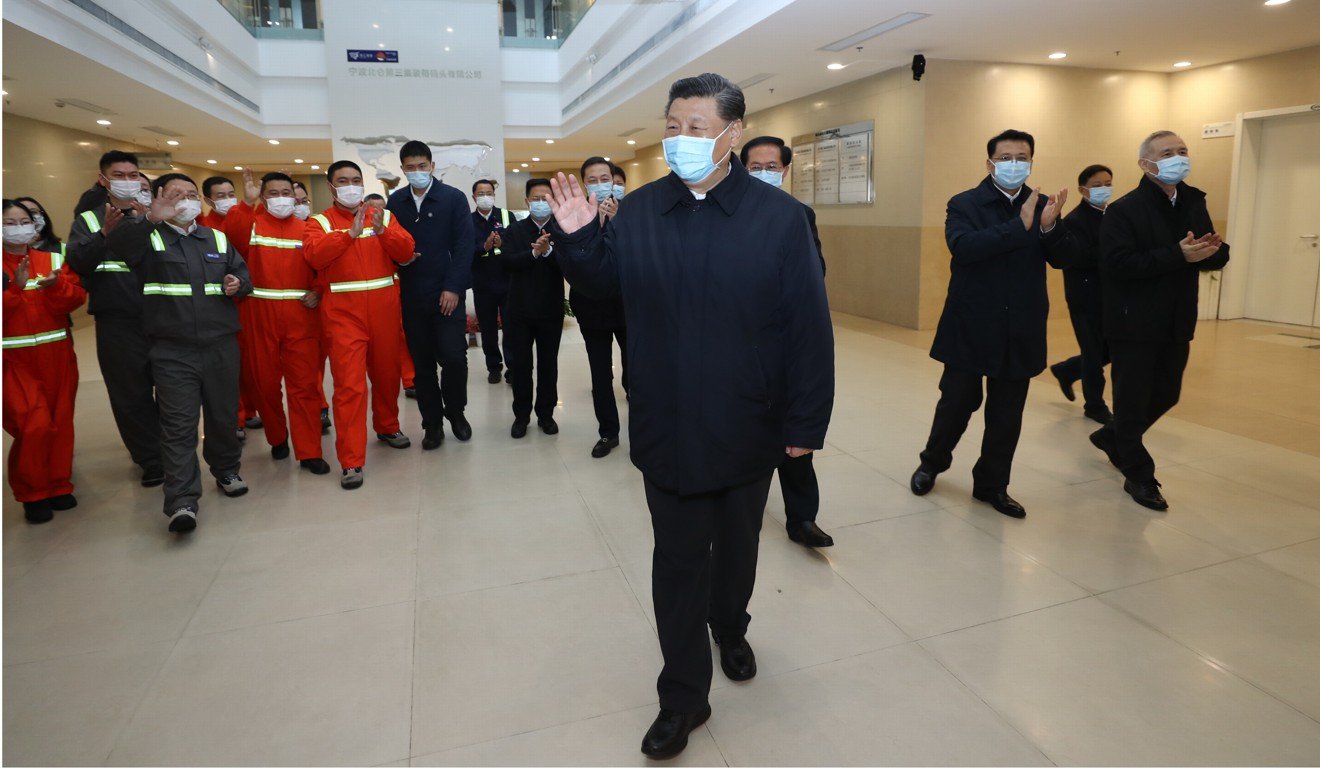
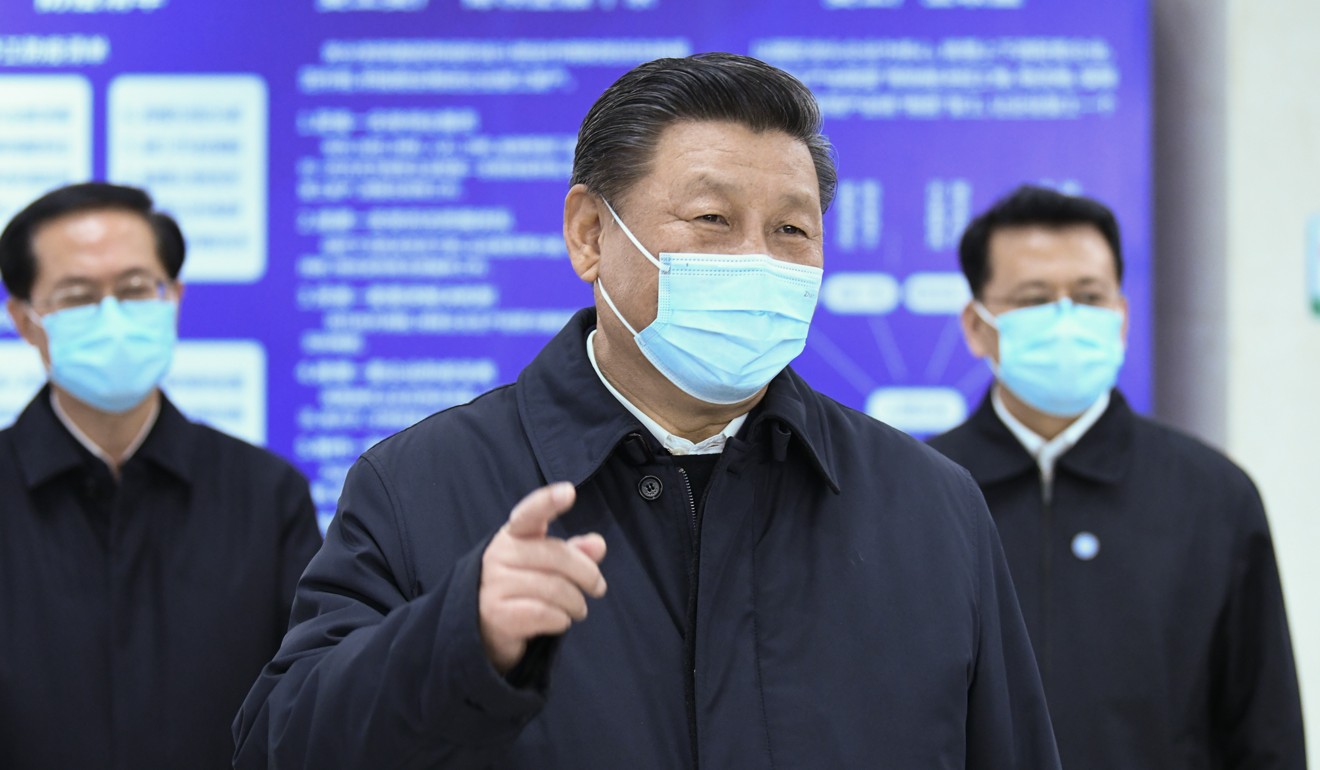

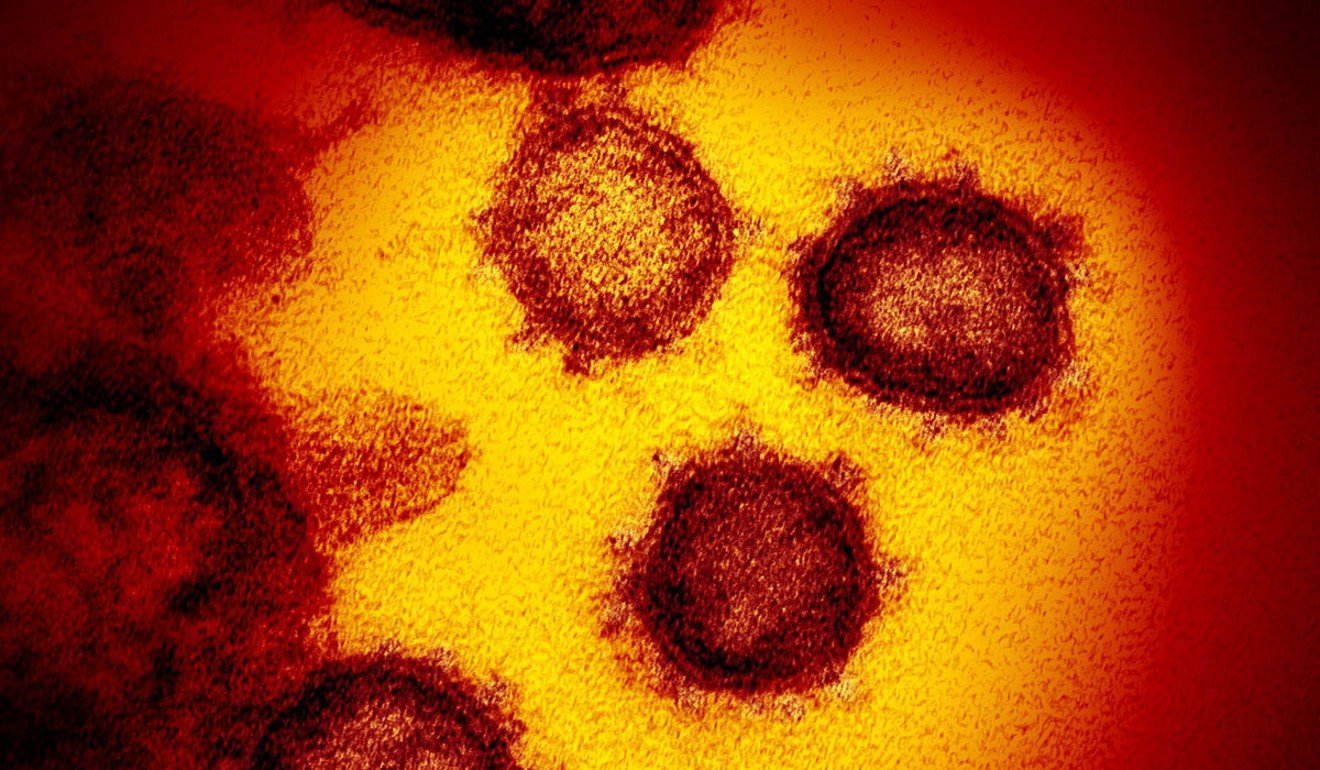


 CHINDIA ALERT: You'll be living in their world, very soon