Chindia Alert: You’ll be Living in their World Very Soon
aims to alert you to the threats and opportunities that China and India present. China and India require serious attention; case of ‘hidden dragon and crouching tiger’.
Without this attention, governments, businesses and, indeed, individuals may find themselves at a great disadvantage sooner rather than later.
The POSTs (front webpages) are mainly 'cuttings' from reliable sources, updated continuously.
The PAGEs (see Tabs, above) attempt to make the information more meaningful by putting some structure to the information we have researched and assembled since 2006.
Chinese groups calling for more ‘fighting spirit’ are getting the upper hand on those who favour calm and cooperation, government adviser says
From Hong Kong to Covid-19, trade to the South China Sea, Beijing and Washington are clashing on a growing number of fronts and in an increasingly aggressive way
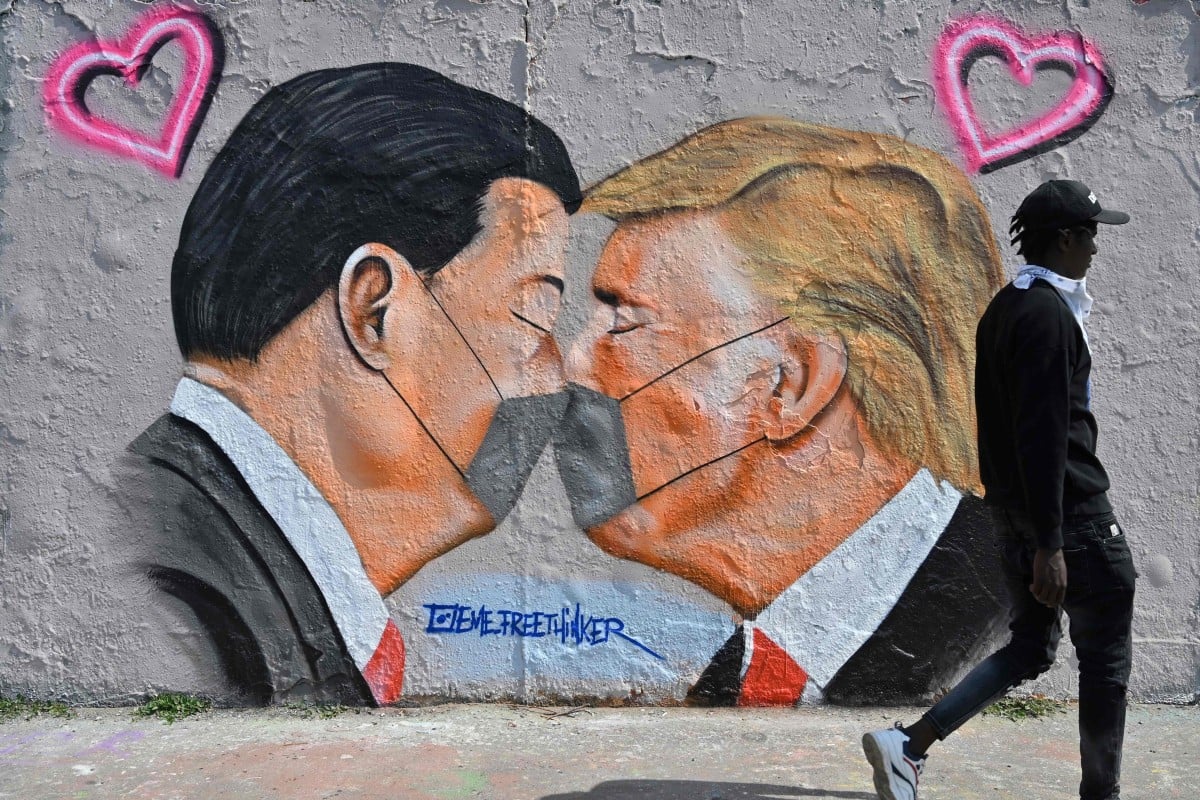
Efforts to promote dialogue and cooperation between the US and China are failing, observers say. Photo: AFP
Moderates who favour dialogue and cooperation as a way to resolve China’s disputes with the United States are losing ground to hardline groups bent on taking the fight to Washington, according to political insiders and observers.
“There are two camps in China,” said a former state official who now serves as a government adviser and asked not to be named.
“One is stressing the combat spirit, the other is trying to relieve tensions. And the former has the upper hand.”
Relations between China and the US are under intense pressure. After Beijing moved to introduce a national security law for Hong Kong, US President Donald Trump said on Friday that Washington would begin eliminating the special policy exemptions it grants the city, as it no longer considers it autonomous from mainland China.
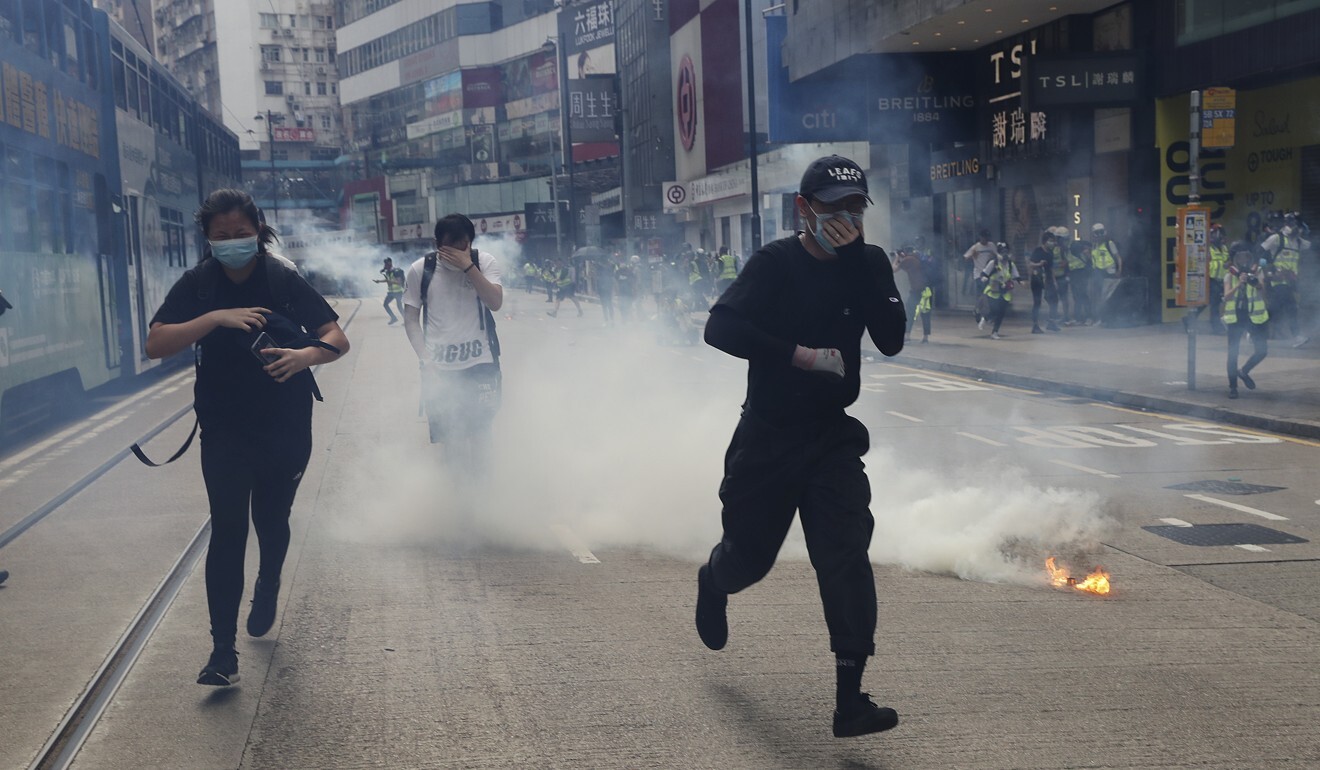
Beijing’s decision to enact a national security law for Hong Kong was met with anger from the US and other Western countries. Photo: Sam Tsang
The two nations have also clashed over trade, Xinjiang, Taiwan and the South China Sea, with the US passing several acts denouncing Beijing and sanctioning Chinese officials.
China has also experienced turbulence in its relations with other countries, including Australia and members of the European Union, mostly related to the Covid-19 pandemic
and Beijing’s efforts to position itself as a leader in the fight against the disease with its policy of “mask diplomacy”.
After Canberra appealed for an independent investigation to be carried out to determine the origins of the coronavirus, Beijing responded by imposing tariffs on imports of Australian barley, showing it is prepared to do more than just trade insults and accusations with its adversaries.
Pang Zhongying, a professor of international relations at Ocean University of China in Qingdao, said there was a worrying trend in China’s relations with other nations.
“We need political and diplomatic means to resolve the challenges we are facing, but … diplomatic methods have become undiplomatic,” he said.
“There are some who believe that problems can be solved through tough gestures, but this will never work. Without diplomacy, problems become confrontations.”
said during his annual press conference on the sidelines of the National People’s Congress last weekend that China and the United States must work together to prevent a new Cold War.
His words were echoed by Chinese Premier Li Keqiang, who said during a press conference after the closure of the legislative session on Thursday that the many challenges facing the China-US relations could only be resolved through cooperation.
However, the government adviser said there was often quite a chasm between what China’s leaders said and what happened in reality.
“Even though we say we do not want a Cold War, what is happening at the working level seems to be different.” he said. “The implementation of policies is not properly coordinated and often chaotic.”
Tensions between China and the US have been in a poor state since the start of a trade war almost two years ago. After multiple rounds of negotiations, the sides in January signed a phase one deal, but the positivity that created was short-lived.
In February, Beijing expelled three reporters from The Wall Street Journal over an article it deemed racist, while Washington has ramped up its military activity in the South China Sea and Taiwan Strait, and threatened to revoke the visas of Chinese students studying science and technology in the US over concerns they might be engaged in espionage.
Beijing has also used its state media and army of “Wolf Warrior” diplomats to promote its narrative, though many Chinese scholars and foreign policy advisers have said the latter’s nationalistic fervour has done more harm than good and appealed to Beijing to adopt a more conciliatory tone.
However, Hu Xijin, editor-in-chief of Chinese tabloid Global Times, said China had no option but to stare down the US, which regarded the world’s most populous nation as its main rival.
“Being contained by the US is too high a price for China to pay,” he said. “I think the best thing people can do is forget the old days of China-US ties”.
Jin Canrong, a professor of international relations at Renmin University in Beijing, wrote in a recent newspaper article that Beijing’s actions – notably enacting a national security law for Hong Kong – showed it was uncompromising and ready to stand its ground against the US.
Wu Xinbo, dean of international studies at Fudan University in Shanghai, agreed, saying relations between the two countries were likely to worsen in the run-up to the US presidential election in November and that Beijing should be prepared for a fight.
But Adam Ni, director of China Policy Centre, a think tank in Canberra, said the issue was not that the moderate camp had been sidelined, but rather Beijing’s perception of the US had changed.
“Beijing has woken up to the idea that America’s tough policy on China will continue and it is expecting an escalation of the tensions,” he said.
“The centre of gravity in terms of Beijing’s perception of the US has shifted, in the same way the US perception of China has shifted towards a more negative image”.
Beijing was simply responding in kind to the hardline, assertive manner of the US, he said.
Inmates who have undergone compulsory re-education programme to be moved to other parts of China under job placement scheme delayed by Covid-19 outbreak
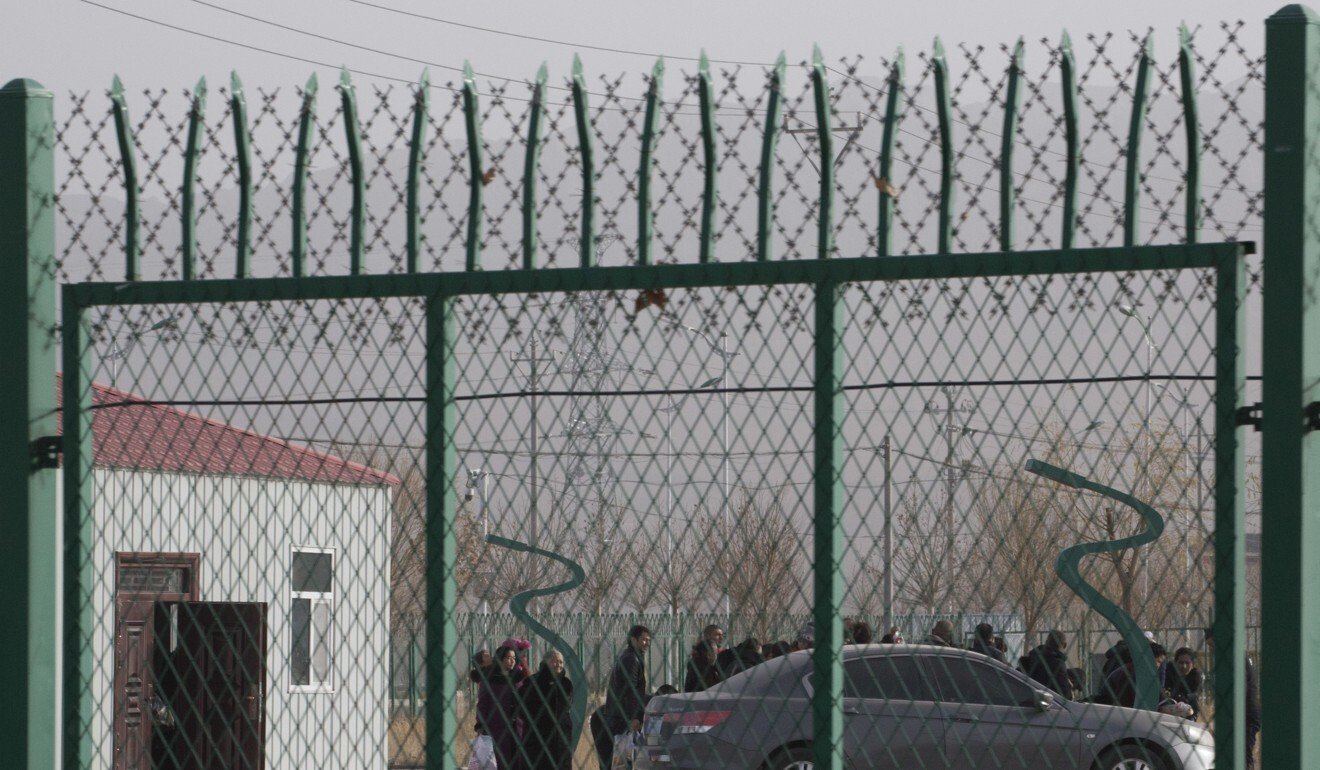
Critics have said the camps are a move to eradicate cultural and religious identity but Beijing has defended them as way of boosting job opportunities and combating Islamic radicalisation
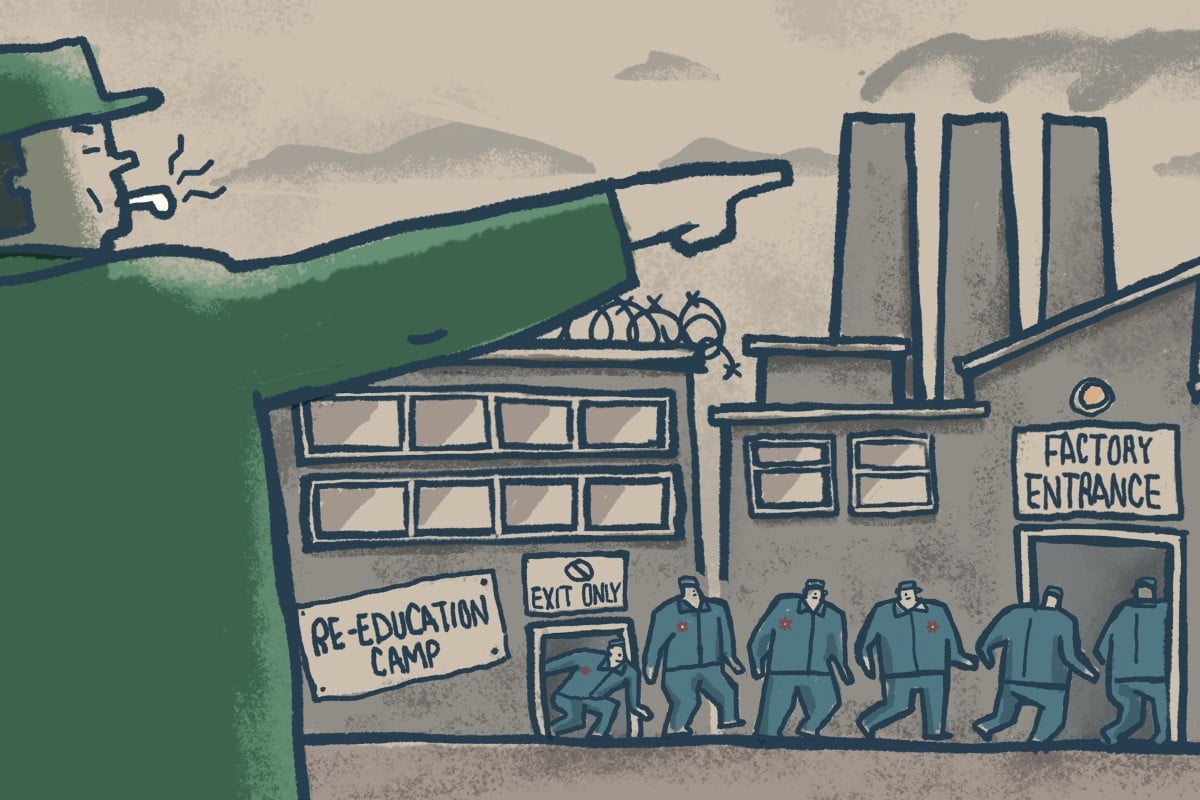
Illustration by Perry Tse
The Chinese government has resumed a job placement scheme for tens of thousands of Uygur Muslims who have completed compulsory programmes at the “re-education” camps in the far-western region of Xinjiang, sources said.
The plan, which includes a quota for the numbers provinces must take, was finalised last year but disrupted by the outbreak of Covid-19.
The delay threatens to undermine the Chinese government’s efforts to justify its use of internment camps in Xinjiang.
Critics have said these camps were part of the measures designed to eradicate the ethnic and cultural identity of Uygurs and other Muslim minorities and that participants had no choice but to undertake the re-education programme.
Beijing has repeatedly dismissed these criticisms and said the camps are to give Uygurs the training they need to find better jobs and stay away from the influence of radical fundamentalism.
First Xinjiang, now Tibet passes rules to promote ‘ethnic unity’
17 Feb 2020
Now with the disease under control, the Chinese government has resumed the job placement deal for other provinces to absorb Xinjiang labourers, sources said.
Despite the devastating impact of the disease on its economy and job markets, the Chinese authorities are determined to go ahead with the plan, which they believe would
“Excellent graduates were to be taken on as labourers by various inland governments, in particular, 19 provinces and municipalities,” said the source. It is unclear what constitutes “excellent graduates”.
Some sources earlier said that the programme may be scaled back in light of the new economic reality and uncertainties.
But a Beijing-based source said the overall targets would remain unchanged.
“The unemployment problem in Xinjiang must be resolved at all costs, despite the outbreak,” the source said.
The South China Morning Post has learned that at least 19 provinces and cities have been given quotas to hire Muslim minorities, mostly Uygurs, who have “graduated” from re-education camps.
As early as February, when the daily number of infections started to come down outside Hubei province, China already begun to send Uygur workers to their new jobs.
A photo taken in February showed thousands of young Uygurs, all wearing face masks and with huge red silk flowers pinned to their chests, being dispatched to work in factories outside their hometowns.
By the end of February, Xinjiang alone has created jobs for more than 60,000 Uygur graduates from the camps. A few thousand were also sent to work in other provinces.
Many have been employed in factories making toys and clothes.
Xinjiang’s new rules against domestic violence expand China’s ‘extremism’ front to the home
7 Apr 2020
Sources told the Post that the southern city of Shenzhen – China’s hi-tech manufacturing centre – was given a target last year to eventually resettle 50,000 Uygurs. The city is allowed to do this in several batches, with 15,000 to 20,000 planned for the first stage.
In Fujian province, a government source also said they had been told to hire “tens of thousands of Xinjiang workers”.
“I heard the first batch of several thousands would arrive soon. We have already received official directives asking us to handle their settlement with care,” said the source.
He said the preparation work includes providing halal food to the workers as well as putting in place stronger security measures to “minimise the risks of mass incidents”. It is not known whether they will be given access to prayer rooms.
There are no official statistics of how many Uygurs will be resettled to other provinces and the matter is rarely reported by the mainland media.
But in March, Anhui Daily, the province’s official newspaper, reported that it had received 1,560 “organised labourers from Xinjiang”.
The Uygur workers on average could earn between 1,200 yuan (US$170) to 4,000 yuan (US$565) a month, with accommodation and meals provided by the local authorities, according to Chinese media reports.
However, they are not allowed to leave their dormitories without permission.
The UN has estimated that up to a million Muslims were being held in the camps. Photo: AP
Xinjiang’s per capita disposable income in 2018 was 1,791 yuan a month, according to state news agency Xinhua. But the salary level outside the region’s biggest cities such as Urumqi may be much lower.
The official unemployment rate for the region is between 3 and 4 per cent, but the statistics do not include those living in remote rural areas.
Mindful of the potential risks of the resettlement, Beijing has taken painstaking efforts to carefully manage everything – from recruitment to setting contract terms to managing the workers’ day-to-day lives.
Local officials will go to each Uygur workers’ home to personally take them to prearranged flights and trains. On arrival, they will be immediately picked up and sent to their assigned factories.
US bill would bar goods from Xinjiang, classifying them the product of forced labour by Uygurs
12 Mar 2020
Such arrangements are not unique to Uygurs and local governments have made similar arrangements for ethnic Han workers in other parts of China.
After screening them for Covid-19, local governments have arranged for workers to be sent to their workplaces in batches. They are checked again on arrival, before being sent to work.
China is accelerating such placement deals on a massive scale to offset the impact of the economic slowdown after the outbreak.
Sources told the South China Morning Post that the job placement deal was first finalised by governments in Xinjiang and other provinces last year.
The aim is to guarantee jobs for Uygur Muslim who have “completed vocational training” at the re-education camps and meet poverty alleviation deals in the region, one of the poorest parts of China.
The training they receive in the camps includes vocational training for various job types such as factory work, mechanical maintenance and hotel room servicing. They also have to study Mandarin, Chinese law, core party values and patriotic education.
Xinjiang’s massive internment camps have drawn widespread international condemnation.
The United Nations has estimated that up to 1 million Uygur and other Muslim minority citizens are being arbitrarily detained in the camps, which Beijing insists are necessary to combat terrorism and Islamic radicalisation.
Late last year, Xinjiang’s officials announced that all the inmates of these so-called vocational training centres had “graduated” and taken up employment.
Before this labour placement scheme was introduced, it was extremely difficult for Uygurs to find jobs or live and work in inland regions.
Muslim ethnic minorities, Uygurs in particular, have been subjected to blatant discrimination in China and the situation worsened after the 2009 clashes.
Earlier this month, the Australian Strategic Policy Institute released a report saying more than 80,000 Uygurs had been moved from Xinjiang to work in factories in nine Chinese regions and provinces.
It identified a total of 27 factories that supplied 83 brands, including household names such as Google, Apple, Microsoft, Mitsubishi, Siemens, Sony, Huawei, Samsung, Nike, Abercrombie and Fitch, Uniqlo, Adidas and Lacoste.
‘Psychological torture’: Uygurs abroad face mental health crisis over plight of relatives who remain in Xinjiang
11 Mar 2020
The security think tank concluded that the Chinese government had transferred Uygur workers “under conditions that strongly suggest forced labour” between 2017 and 2019, sometimes drawing labourers directly from re-education camps.
The report also said the work programme represents a “new phase in China’s social re-engineering campaign targeting minority citizens”.
Workers were typically sent to live in segregated dormitories, underwent organised Mandarin lessons and ideological training outside working hours and were subject to constant surveillance, the researcher found.
They were also forbidden from taking part in religious observances, according to the report that is based on open-source documents, satellite pictures, academic research and on-the-ground reporting.
Chinese foreign ministry spokesman Zhao Lijian criticised the report saying it had “no factual basis”.
NEW YORK/SAN FRANCISCO (Reuters) – Amazon.com Inc (AMZN.O) has bought cameras to take temperatures of workers during the coronavirus pandemic from a firm the United States blacklisted over allegations it helped China detain and monitor the Uighurs and other Muslim minorities, three people familiar with the matter told Reuters.
China’s Zhejiang Dahua Technology Co Ltd (002236.SZ) shipped 1,500 cameras to Amazon this month in a deal valued close to $10 million, one of the people said. At least 500 systems from Dahua – the blacklisted firm – are for Amazon’s use in the United States, another person said.
The Amazon procurement, which has not been previously reported, is legal because the rules control U.S. government contract awards and exports to blacklisted firms, but they do not stop sales to the private sector.
However, the United States “considers that transactions of any nature with listed entities carry a ‘red flag’ and recommends that U.S. companies proceed with caution,” according to the Bureau of Industry and Security’s website. Dahua has disputed the designation.
The deal comes as the U.S. Food and Drug Administration warned of a shortage of temperature-reading devices and said it wouldn’t halt certain pandemic uses of thermal cameras that lack the agency’s regulatory approval. Top U.S.-based maker FLIR Systems Inc (FLIR.O) has faced an up to weeks-long order backlog, forcing it to prioritize products for hospitals and other critical facilities.
Amazon declined to confirm its purchase from Dahua, but said its hardware complied with national, state and local law, and its temperature checks were to “support the health and safety of our employees, who continue to provide a critical service in our communities.”
The company added it was implementing thermal imagers from “multiple” manufacturers, which it declined to name. These vendors include Infrared Cameras Inc, which Reuters previously reported, and FLIR, according to employees at Amazon-owned Whole Foods who saw the deployment. FLIR declined to comment on its customers.
Dahua, one of the biggest surveillance camera manufacturers globally, said it does not discuss customer engagements and it adheres to applicable laws. Dahua is committed “to mitigate the spread of the COVID-19” through technology that detects “abnormal elevated skin temperature — with high accuracy,” it said in a statement.
The U.S. Department of Commerce, which maintains the blacklist, declined comment. The FDA said it would use discretion when enforcing regulations during the public health crisis as long as thermal systems lacking compliance posed no “undue risk” and secondary evaluations confirmed fevers.
Dahua’s thermal cameras have been used in hospitals, airports, train stations, government offices and factories during the pandemic. International Business Machines Corp (IBM.N) placed an order for 100 units, and the automaker Chrysler placed an order for 10, one of the sources said. In addition to selling thermal technology, Dahua makes white-label security cameras resold under dozens of other brands such as Honeywell, according to research and reporting firm IPVM.
Honeywell said some but not all its cameras are manufactured by Dahua, and it holds products to its cybersecurity and compliance standards. IBM and Chrysler’s parent Fiat Chrysler Automobiles NV (FCHA.MI) did not comment.
The Trump Administration added Dahua and seven other tech firms last year to the blacklist for acting against U.S. foreign policy interests, saying they were “implicated” in “China’s campaign of repression, mass arbitrary detention, and high-technology surveillance against Uighurs, Kazakhs, and other members of Muslim minority groups.”
More than one million people have been sent to camps in the Xinjiang region as part of China’s campaign to root out terrorism, the United Nations has estimated.
Dahua has said the U.S. decision lacked “any factual basis.” Beijing has denied mistreatment of minorities in Xinjiang and urged the United States to remove the companies from the list.
A provision of U.S. law, which is scheduled to take effect in August, will also bar the federal government from starting or renewing contracts with a company using “any equipment, system, or service” from firms including Dahua “as a substantial or essential component of any system.”
Amazon’s cloud unit is a major contractor with the U.S. intelligence community, and it has been battling Microsoft Corp (MSFT.O) for an up to $10 billion deal with the Pentagon.
Top industry associations have asked Congress for a year-long delay because they say the law would reduce supplies to the government dramatically, and U.S. Secretary of State Mike Pompeo said last week that policies clarifying the implementation of the law were forthcoming.
FACE DETECTION & PRIVACY
The coronavirus has infected staff from dozens of Amazon warehouses, ignited small protests over allegedly unsafe conditions and prompted unions to demand site closures. Temperature checks help Amazon stay operational, and the cameras – a faster, socially distant alternative to forehead thermometers – can speed up lines to enter its buildings. Amazon said the type of temperature reader it uses varies by building.
To see if someone has a fever, Dahua’s camera compares a person’s radiation to a separate infrared calibration device. It uses face detection technology to track subjects walking by and make sure it is looking for heat in the right place.
An additional recording device keeps snapshots of faces the camera has spotted and their temperatures, according to a demonstration of the technology in San Francisco. Optional facial recognition software can fetch images of the same subject across time to determine, for instance, who a virus patient may have been near in a line for temperature checks.
Amazon said it is not using facial recognition on any of its thermal cameras. Civil liberties groups have warned the software could strip people of privacy and lead to arbitrary apprehensions if relied on by police. U.S. authorities have also worried that equipment makers like Dahua could hide a technical “back door” to Chinese government agents seeking intelligence.
In response to questions about the thermal systems, Amazon said in a statement, “None of this equipment has network connectivity, and no personal identifiable information will be visible, collected, or stored.”
Dahua made the decision to market its technology in the United States before the FDA issued the guidance on thermal cameras in the pandemic. Its supply is attracting many U.S. customers not deterred by the blacklist, according to Evan Steiner, who sells surveillance equipment from a range of manufacturers in California through his firm EnterActive Networks LLC.
“You’re seeing a lot of companies doing everything that they possibly can preemptively to prepare for their workforce coming back,” he said.
KATHMANDU, April 19 (Xinhua) — A German scholar has recently found that the right to education for Uygurs and people of other ethnic groups is well protected in China’s Xinjiang region, as young people there enjoy increasingly better opportunities.
Michael Heinrich, who has been teaching German in Minzu University of China for more than five years, said in an article published on Online Khabar news website in March that he has “paid close attention to the development of Chinese education in recent years, especially the education situation in ethnic minority areas.”
Heinrich said he has taught a Xinjiang Uygur student, who often talks with him about the education situation in her hometown and appreciates government policies on education.
The Uygur student has told Heinrich that she lives in a place where she receives Islamic religious education and China’s nine-year compulsory education, and the Uygur students in Xinjiang can enjoy preferential policies, such as extra points in college entrance examination, special policies for college admissions, and employment policy support.
In recent years, the Chinese government has intensified policy support on education in Xinjiang Uygur Autonomous Region, and increased investment in educational resources, especially those on vocational education, the article read.
“Through vocational education, more Uyghur Muslim students can enhance their survival skills and work harder by themselves and improve their living standards with these hands,” it said.
For some time, Xinjiang has been plagued by terrorism, religious extremism and separatism, according to the passage, and carrying out vocational education and training in Xinjiang is an effective measure to promote the rule of law and a practical action to protect the vital interests of people of all ethnic groups there.
It is also a just move in fighting extremism and terrorism to contribute to the stability in Xinjiang, it added.
Some Western media outlets as well as some U.S. politicians often slander the Chinese government under the guise of “human rights,” which does not only disregard the facts but also interferes with China’s sovereignty, Heinrich pointed out.
The situation in Xinjiang that they saw was completely different from the stories told by some Western politicians and media, Heinrich quoted some people who have visited Xinjiang and witnessed its development as saying.
The rights to life and development of people of all ethnic groups in Xinjiang are protected to the largest extent, Heinrich added.
BEIJING, March 9 (Xinhua) — China on Monday unveiled its contingency plan to monitor and control the spread of locusts from home and abroad, in a bid to secure grain production and ecological safety.
Regional governance and scientific prevention and control should be given priority, said the plan jointly issued by the Ministry of Agriculture and Rural Affairs, the General Administration of Customs and the National Forestry and Grassland Administration.
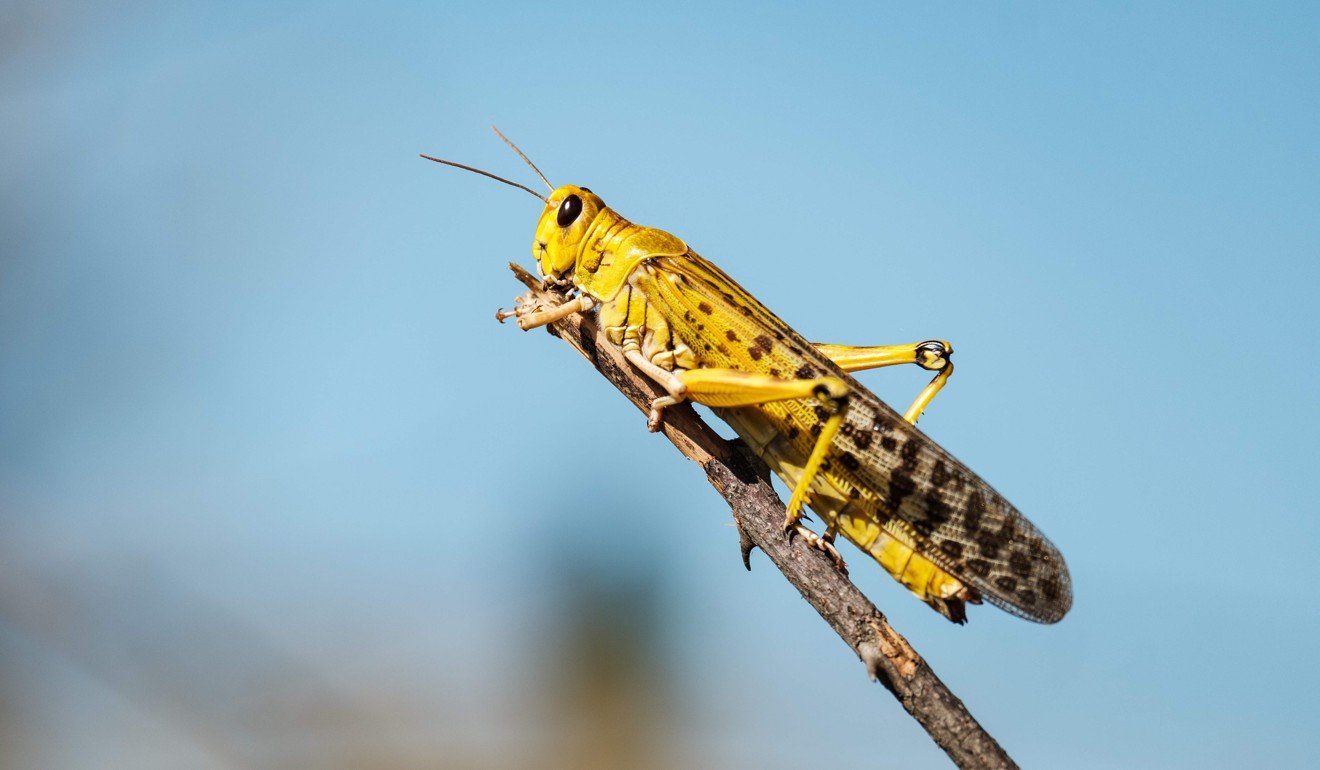
The plan clarified the goal of locust control, which is to ensure that desert locusts from abroad will not cause harm and domestic locust outbreaks will not turn into a plague, with no more than 5 percent of crops affected.
Local authorities are urged to prevent the invasion of desert locusts from abroad. The plan requires that monitoring stations be set up in Tibet, Yunnan and Xinjiang on the potential migration routes of the destructive pests.
To control locusts in domestic agricultural areas, chemical control methods will be adopted for areas with a high density of the pests, while medium- or low-density areas will use biological and ecological control methods, the plan noted.
The plan also requires an investigation into the hidden dangers of grasshoppers in major grasslands in Inner Mongolia, Xinjiang and Sichuan, and the strengthening of prevention and control at key points on the border between China and Kazakhstan, and that between China and Mongolia.
The rare desert locust outbreak in East Africa and Southwest Asia has posed a severe threat to local grain and agricultural production, which led to the desert locust plague warning issued by the Food and Agriculture Organization of the United Nations.
Although experts believe it is highly unlikely that desert locusts will invade China, it is still necessary to take precautions, said the plan.
BEIJING (Reuters) – Tens of thousands of ethnic Uighurs were moved to work in conditions suggestive of “forced labor” in factories across China supplying 83 global brands, and Australian think tank said in a report released on Sunday.
The Australian Strategic Policy Institute (ASPI) report, which cited government documents and local media reports, identified a network of at least 27 factories in nine Chinese provinces where more than 80,000 Uighurs from the western region of Xinjiang have been transferred.
“Under conditions that strongly suggest forced labor, Uighurs are working in factories that are in the supply chains of at least 83 well-known global brands in the technology, clothing and automotive sectors, including Apple, BMW, Gap, Huawei, Nike, Samsung, Sony and Volkswagen,” the think-tank said in the introduction to its report.
The ASPI report said the transfers of labor were part of a state-sponsored program.
It says the workers “lead a harsh, segregated life,” are forbidden to practice religion, and are required to participate in mandarin language classes.
It also says the Uighurs are tracked electronically and restricted from returning to Xinjiang.
China’s Foreign Ministry on Monday said reports the government had violated the Uighurs’ rights were untrue.
“This report is just following along with the U.S. anti-China forces that try to smear China’s anti-terrorism measures in Xinjiang,” spokesman Zhao Lijian at a regular press briefing on Monday.
The United Nations estimates over a million Muslim Uighurs have been detained in camps in Xinjiang over recent years as part of a wide-reaching campaign by Chinese officials to stamp out terrorism.
The mass detentions have provoked a backlash from rights groups and foreign governments, which say the arbitrary nature of the detentions violates human rights.
China has denied the camps violate the rights of Uighurs and say they are designed to stamp out terrorism and provide vocational skills.
“Those studying in vocational centers have all graduated and are employed with the help of our government,” said the Foreign Ministry’s Zhao, “They now live a happy life.”
The 83 global brands mentioned in ASPI’s report either work directly with the factories or source materials from the factories, it said, citing public supplier lists and the factories’ own information.
One of the factories, O-Film Technology Co Ltd, which has manufactured cameras for Apple Inc’s (AAPL.O) iPhones, received 700 Uighur laborers as part of the program in 2017, a local media article cited by the report said.
Apple referred Reuters to an earlier statement that said “Apple is dedicated to ensuring that everyone in our supply chain is treated with the dignity and respect they deserve. We have not seen this report but we work closely with all our suppliers to ensure our high standards are upheld.”
The other companies mentioned in the introduction to ASPI’s report – BMW (BMWG.DE), Gap Inc (GPS.N) , Huawei Technologies Co Ltd, Nike Inc (NKE.N), Samsung and Sony Corp (6758.T) did not respond to requests for comment on Monday.
O-Film Technology did not respond to a request for a comment either.
Volkswagen told Reuters in a statement that none of the listed companies is a direct supplier. It said the company holds “direct authority” in all parts of its business and “respects minorities, employee representation and social and labor standards.”
The report said a small number of the brands, including Abercrombie & Fitch Co [ANF.N], advised vendors to terminate their relationships with these companies in 2020, and others denied direct contractual relationships with the suppliers.
ASPI describes itself as an independent think-tank whose core aim is to provide insight for the Australian government on matters of defense, security and strategic policy.
Chinese State Councilor and Foreign Minister Wang Yi holds talks with Serbian First Deputy Prime Minister and Foreign Minister Ivica Dacic at the Diaoyutai State Guesthouse in Beijing, capital of China, Feb. 26, 2020. (Xinhua/Huang Jingwen)
BEIJING, Feb. 26 (Xinhua) — Chinese State Councilor and Foreign Minister Wang Yi held talks with Serbian First Deputy Prime Minister and Foreign Minister Ivica Dacic Wednesday in Beijing.
Wang said that China and Serbia are like-minded brothers who stick with each other through thick and thin, good partners in jointly promoting the Belt and Road Initiative and good friends in advancing China-Europe cooperation.
He called on both sides to uphold the open and inclusive multilateralism, oppose any kind of bullying, and work together with the international society to build a community of shared future for mankind.
Noting that the comprehensive strategic partnership between the two countries has been operating at a high level, Dacic said the novel coronavirus epidemic has not affected bilateral pragmatic cooperation in all fields.
The Serbian side openly and firmly supports the one-China principle, as well as China’s core interests and major concerns on Taiwan, Xinjiang and Hong Kong issues, he said.
An insect-killing fungus has been turned into a mass-produced biopesticide that will face its biggest challenge in East Africa
Current swarm has put 13m people at risk of famine and this will be the first large-scale test of its effectiveness
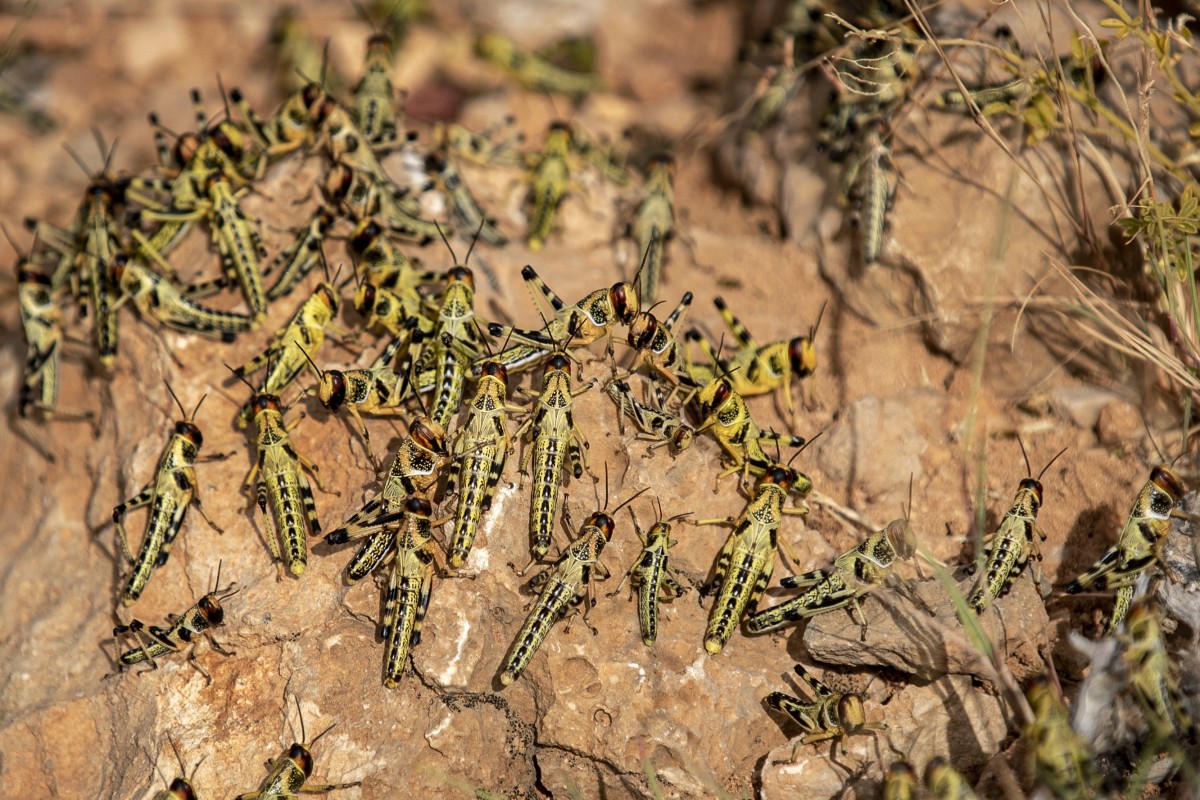
Young locusts in Somalia, where the fungus will be used to try to kill them. Photo: AP
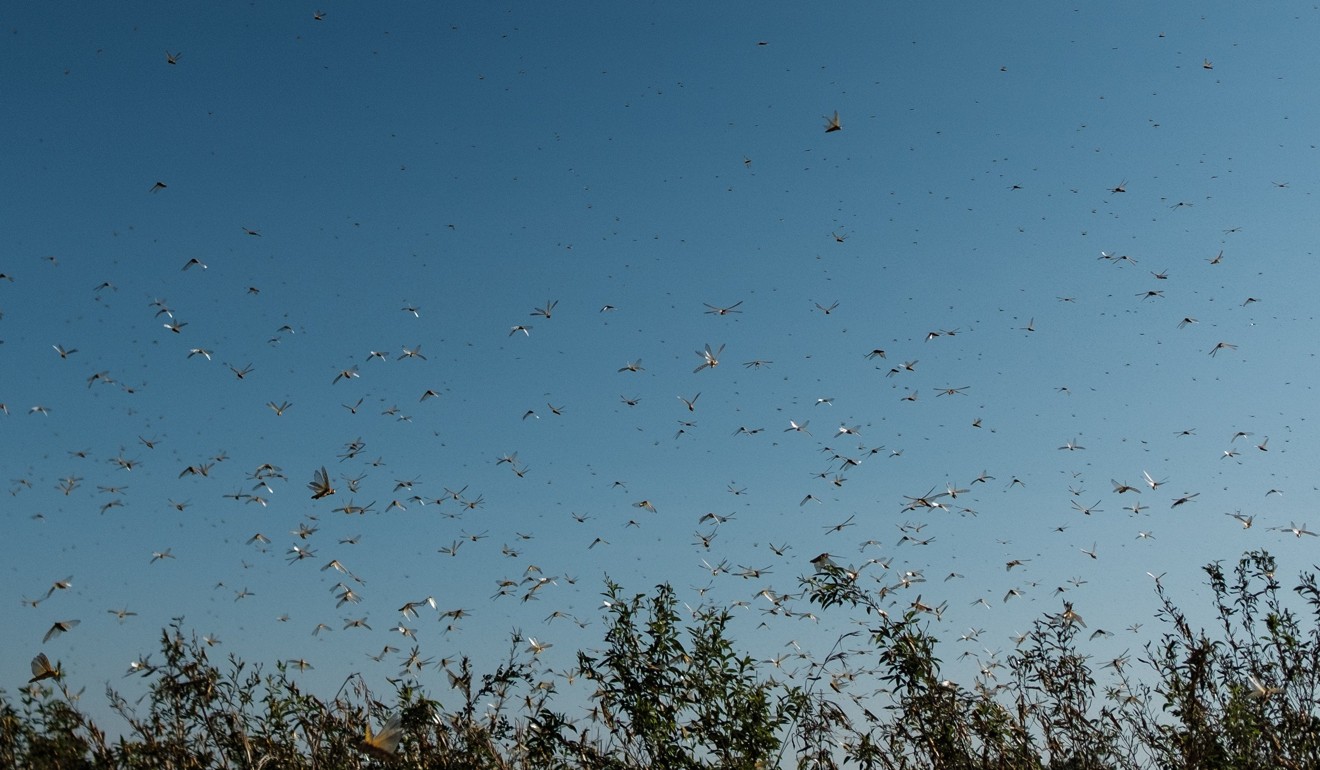
Chinese factories are producing thousands of tonnes of a “green zombie fungus” to help fight the swarms of locusts in East Africa.
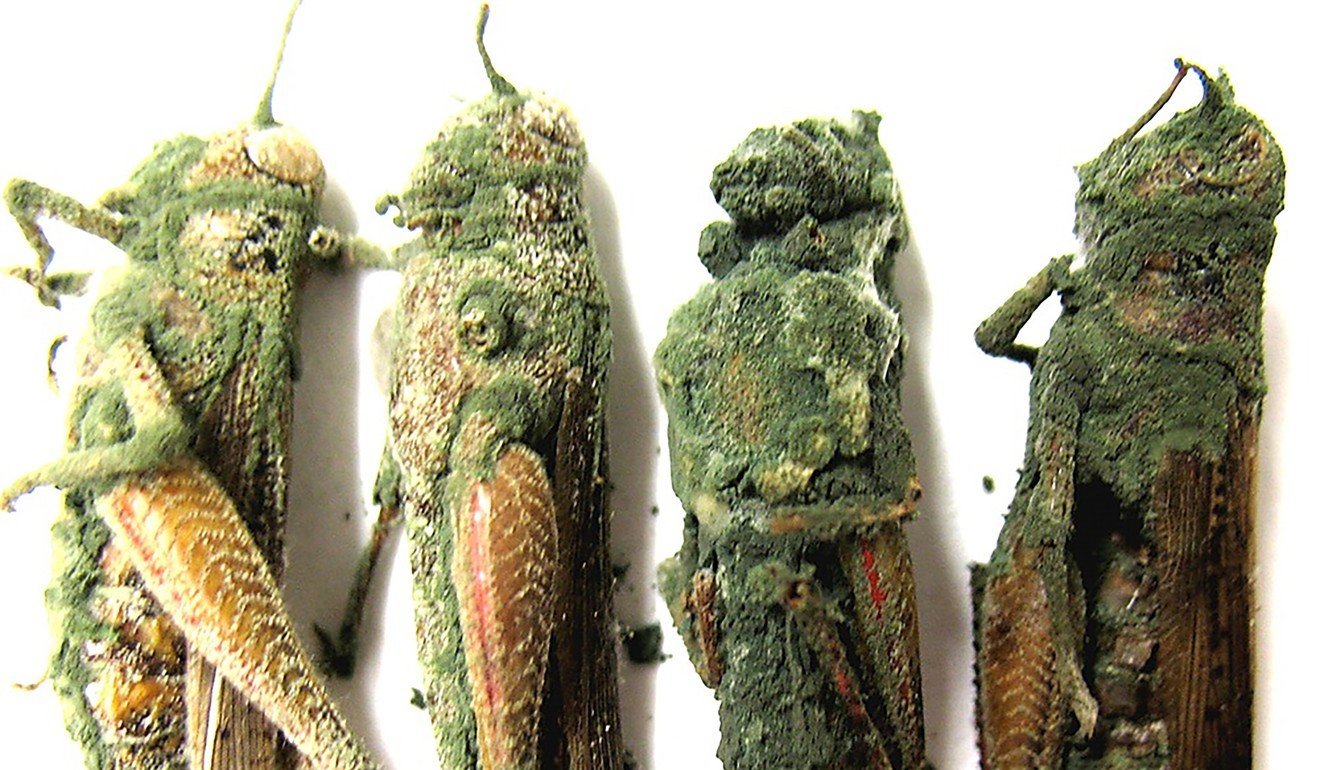
Metarhizium is a genus of fungi with nearly 50 species – some genetically modified – that is used as a biological insecticide because its roots drill through the insects’ hard exoskeleton and gradually poisons them.
In China it was named lu jiang jun, which means green zombie fungus, because it gradually turns its victims in a green mossy lump.
There are now dozens of factories across the country dedicated to producing its spores and despite the curbs introduced to stop the spread of Covid-19, many of them have resumed operations and are shipping thousands of tonnes to Africa.
Plague fears as massive East Africa locust outbreak spreads
11 Feb 2020
These factories are set up in a similar way to breweries, growing the spores on rice which is kept in carefully controlled conditions to ensure the correct temperature and humidity.
Each plant can produce thousands of tonnes of fungi powder per year, each gram of which contains tens of billions of spores.
“I am sending off a truckload right now. Our stock is running out,” said the marketing manager of a production plant in Jiangxi province. “Some customers need it urgently. They need it to kill the locusts.”
The need is particularly pressing in East Africa at the moment, where abnormally high levels of rainfall during the dry season allowed hundreds of billions of locusts to hatch in recent months.
So far the swarms have devastated crops in countries such as Ethiopia, Kenya, Somalia and Uganda and are moving on to neighbouring countries.
Up to 13 million people face the risk of famine in East Africa. Photo: AFP
The UN’s Food and Agriculture Organisation (FAO) has warned the situation could be the “worst in decades” and the resulting famine may affect 13 million people and cause international food prices to soar.
Last week, Science magazine reported that the Somalian government, working with the FAO, was preparing to a metarhizium species that only kills locusts and grasshoppers in what it described as the largest ever use of biopesticides against the insects.
Scientists do not believe that the fungus will be enough to solve the problem – monitoring the outbreak and targeting their breeding grounds will be more important in the long-run – but if it proves effective it could be an important weapon to target future outbreaks.
It will take time to gauge the effectiveness, partly because each fungus will take several days to take effect and partly because of the sheer scale of the challenge; a single swarm in Kenya was estimated to contain between 100 billion and 200 billion locusts.
By fair means or fowl: how Chinese herdsmen are planning to stop a locust invasion
17 Apr 2018
The locusts have also swept eastward into the Middle East, travelling up to 150km (90 miles) a day, and are moving closer to China now that they have now reached some of its neighbours, including India and Pakistan.
At present China’s agriculture ministry believes some locusts may follow the monsoon into the country but “the chances of them causing damage is very small”.
Most scientists agree the swarms will not have lasting effect on food production but say developing countries can tap into China’s cutting-edge anti-locust technology.
Radar stations have been set up all the way along China’s western and southern borders to detect possible clouds of locusts, while unmanned devices lure the insects into traps to collect data about their species population and size.
A locust being eaten inside out by the metarhizium fungi. Photo: Chinese Academy of Sciences and the University of Maryland
The data is streamed to the ministry’s programme command, which is responsible for the planning and coordination of the national efforts to prevent an outbreak.
The scientists also said that planes loaded with biological and chemical sprays were standing by.
Today, most locust outbreaks happen in developing countries that do not have advanced monitoring networks and some of them are unable to produce pesticides on a mass scale, according to Li Hu, an associate professor with the China Agricultural University in Beijing.
The Chinese locust treatment technologies were highly advanced, and usually cheaper than competing solutions from the West, he said.
Chinese researchers are now working with colleagues in other countries to help them solve the problem.
One disadvantage of the Chinese research is that it is mostly focused on local species, or the East Asia migratory locust. The desert locusts currently swarming East Africa have different genes and behaviour, and Li warned that some methods that work in China might not work elsewhere.
A giant indoor farm in China is breeding 6 billion cockroaches a year. Here’s why
26 Apr 2018
There were some sightings of the species reported in Yunnan and Tibet in the past, but they did not build up to large colonies, Professor Kang Le, lead scientist of the locust research programme with the Institute of Zoology at the Chinese Academy of Sciences in Beijing, told China Science Daily last week.
The vast west China region of Xinjiang, which shares a border with eight countries, is currently too cold for a locust migration, but once temperatures start to rise in the spring it could see locusts swarming across the border with Afghanistan.
Shi Wangpeng, a senior government locust expert, told China Business Network on Sunday that China should be on high alert because many Afghan farms had already been affected.
“These areas share a long border with us, there are almost no barriers,” he was quoted as saying by the Shanghai-based magazine.
China has a long and bitter history of locust swarms, with more than 840 being recorded in the official records over the past 2,700 years.
One famine, in the year 628 was so devastating that even the Tang dynasty emperor Taizong was reported to have run short of food and resorted to eating the insects to survive.
China has a long and bitter history of locust swarms. Photo: AFP
This, in turn, means that China’s rulers have long been looking for innovative ways to solve the problem
In the past farmers tried remedies such as building huge fires, burying the insects in ditches or trying to kill them with sticks.
In one campaign organised by prime minister Yao Chong in 715, the farms collected 9 million sacks of dead locusts and managed to save a significant proportion of their crops, according to historic text.
In more recent times more sophisticated technologies have been deployed to tackle the menace.
Some researchers have spent decades chasing locust colonies and studying their individual and collective behaviour everywhere from coastal areas to inland deserts, and in 2014 Chinese scientists released the world’s most comprehensive genetic map of locusts.
Researchers have also developed chemical agents that can disorient swarms of locusts and disperse them.
Chinese scientists first became interested in the green zombie’s potential in the 1980s after discovering that South Pacific islanders had been using them to kill insects on coconut trees.
Research by US scientists confirmed its effectiveness in the 1990s and the Chinese started importing the fungus from the United States and Britain.
Their experiments led to the development of newer and deadlier strains and mass production started in the past decade.
Other fungi or bacteria can be used to fight locusts, and some laboratories are working with agricultural technology companies to modify their genes to turn them into more deadly or precise killers.
One genetically engineered species of microsporidia, another type of insect-killing fungus, for instance, can generate three times as many as the spores to those produced by nature species, according to a document from the China Association of Agricultural Science Societies last year.
While it remains to be seen whether the current swarms will reach China, these treatments have been effective in the past and there has not been a locust outbreak in China for a decade.
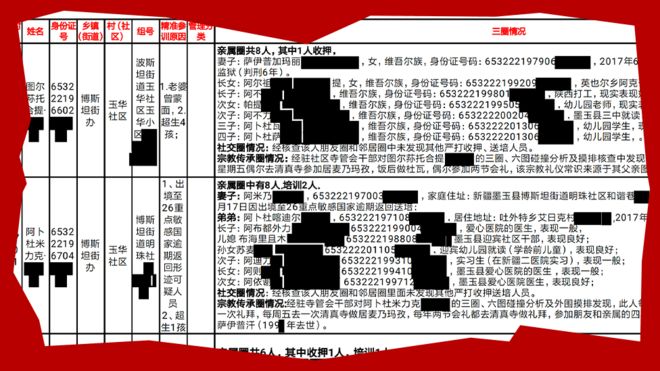
A document that appears to give the most powerful insight yet into how China determined the fate of hundreds of thousands of Muslims held in a network of internment camps has been seen by the BBC.
Listing the personal details of more than 3,000 individuals from the far western region of Xinjiang, it sets out in intricate detail the most intimate aspects of their daily lives.
The painstaking records – made up of 137 pages of columns and rows – include how often people pray, how they dress, whom they contact and how their family members behave.
China denies any wrongdoing, saying it is combating terrorism and religious extremism.
One of the world’s leading experts on China’s policies in Xinjiang, Dr Adrian Zenz, a senior fellow at the Victims of Communism Memorial Foundation in Washington, believes the latest leak is genuine.
“This remarkable document presents the strongest evidence I’ve seen to date that Beijing is actively persecuting and punishing normal practices of traditional religious beliefs,” he says.
One of the camps mentioned in it, the “Number Four Training Centre” has been identified by Dr Zenz as among those visited by the BBC as part of a tour organised by the Chinese authorities in May last year.
Media caption The BBC previously visited one of the camps identified by scholars using the Karakax List
Much of the evidence uncovered by the BBC team appears to be corroborated by the new document, redacted for publication to protect the privacy of those included in it.
It contains details of the investigations into 311 main individuals, listing their backgrounds, religious habits, and relationships with many hundreds of relatives, neighbours and friends.
Verdicts written in a final column decide whether those already in internment should remain or be released, and whether some of those previously released need to return.
It allows a glimpse inside the minds of those making the decisions, he says, laying bare the “ideological and administrative micromechanics” of the camps.
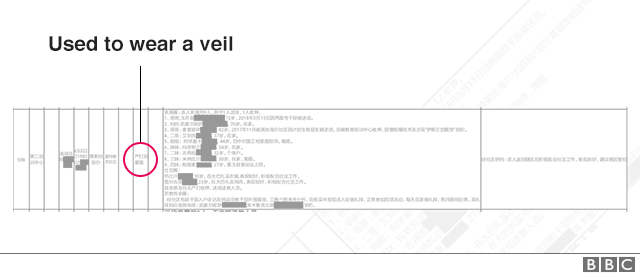
Row 598 contains the case of a 38-year-old woman with the first name Helchem, sent to a re-education camp for one main reason: she was known to have worn a veil some years ago.
It is just one of a number of cases of arbitrary, retrospective punishment.
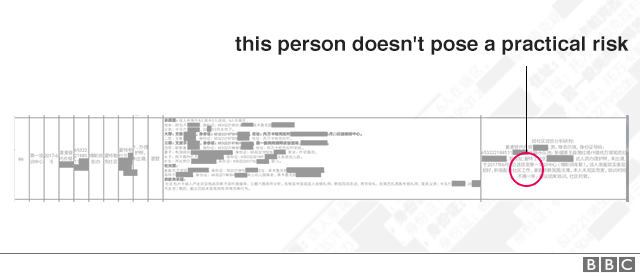
Others were interned simply for applying for a passport – proof that even the intention to travel abroad is now seen as a sign of radicalisation in Xinjiang.
In row 66, a 34-year-old man with the first name Memettohti was interned for precisely this reason, despite being described as posing “no practical risk”.
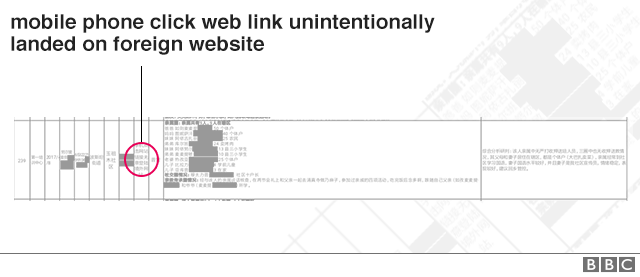
And then there’s the 28-year-old man Nurmemet in row 239, put into re-education for “clicking on a web-link and unintentionally landing on a foreign website”.
Again, his case notes describe no other issues with his behaviour.
The 311 main individuals listed are all from Karakax County, close to the city of Hotan in southern Xinjiang, an area where more than 90% of the population is Uighur.
Predominantly Muslim, the Uighurs are closer in appearance, language and culture to the peoples of Central Asia than to China’s majority ethnicity, the Han Chinese.
In recent decades the influx of millions of Han settlers into Xinjiang has led to rising ethnic tensions and a growing sense of economic exclusion among Uighurs.
Those grievances have sometimes found expression in sporadic outbreaks of violence, fuelling a cycle of increasingly harsh security responses from Beijing.
It is for this reason that the Uighurs have become the target – along with Xinjiang’s other Muslim minorities, like the Kazakhs and Kyrgyz – of the campaign of internment
The “Karakax List”, as Dr Zenz calls the document, encapsulates the way the Chinese state now views almost any expression of religious belief as a signal of disloyalty.
To root out that perceived disloyalty, he says, the state has had to find ways to penetrate deep into Uighur homes and hearts.
In early 2017, when the internment campaign began in earnest, groups of loyal Communist Party workers, known as “village-based work teams”, began to rake through Uighur society with a massive dragnet.
With each member assigned a number of households, they visited, befriended and took detailed notes about the “religious atmosphere” in the homes; for example, how many Korans they had or whether religious rites were observed.
The Karakax List appears to be the most substantial evidence of the way this detailed information gathering has been used to sweep people into the camps.
It reveals, for example, how China has used the concept of “guilt by association” to incriminate and detain whole extended family networks in Xinjiang.
For every main individual, the 11th column of the spreadsheet is used to record their family relationships and their social circle.
Alongside each relative or friend listed is a note of their own background; how often they pray, whether they’ve been interned, whether they’ve been abroad.
In fact, the title of the document makes clear that the main individuals listed all have a relative currently living overseas – a category long seen as a key indicator of potential disloyalty, leading to almost certain internment.
Rows 179, 315 and 345 contain a series of assessments for a 65-year-old man, Yusup.
His record shows two daughters who “wore veils and burkas in 2014 and 2015”, a son with Islamic political leanings and a family that displays “obvious anti-Han sentiment”.
His verdict is “continued training” – one of a number of examples of someone interned not just for their own actions and beliefs, but for those of their family.
The information collected by the village teams is also fed into Xinjiang’s big data system, called the Integrated Joint Operations Platform (IJOP).
The IJOP contains the region’s surveillance and policing records, culled from a vast network of cameras and the intrusive mobile spyware every citizen is forced to download.
The IJOP, Dr Zenz suggests, can in turn use its AI brain to cross-reference these layers of data and send “push notifications” to the village teams to investigate a particular individual.
Image caption Adrian Zenz has analysed the leaked document
The man found “unintentionally landing on a foreign website” may well have been interned thanks to the IJOP.
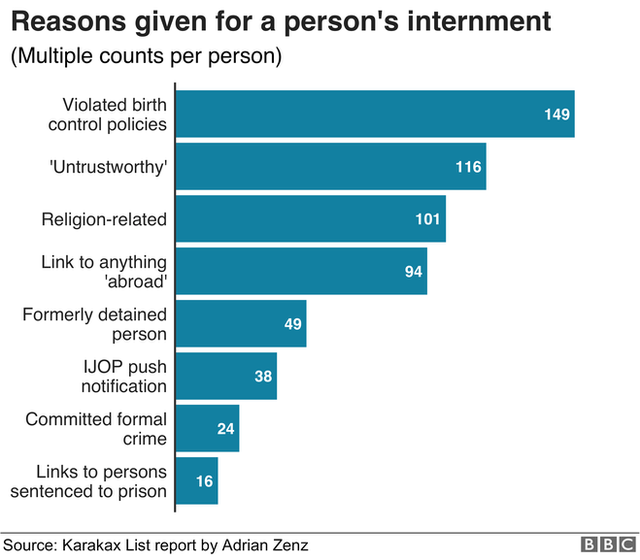
In many cases though, there is little need for advanced technology, with the vast and vague catch-all term “untrustworthy” appearing multiple times in the document.
It is listed as the sole reason for the internment of a total of 88 individuals.
The concept, Dr Zenz argues, is proof that the system is designed not for those who have committed a crime, but for an entire demographic viewed as potentially suspicious.
China says Xinjiang has policies that “respect and ensure people’s freedom of religious belief”. It also insists that what it calls a “vocational training programme in Xinjiang” is “for the purposes of combating terrorism and religious extremism”, adding only people who have been convicted of crimes involving terrorism or religious extremism are being “educated” in these centres.
However, many of the cases in the Karakax List give multiple reasons for internment; various combinations of religion, passport, family, contacts overseas or simply being untrustworthy.
The most frequently listed is for violating China’s strict family planning laws.
In the eyes of the Chinese authorities it seems, having too many children is the clearest sign that Uighurs put their loyalty to culture and tradition above obedience to the secular state.
China has long defended its actions in Xinjiang as part of an urgent response to the threat of extremism and terrorism.
The Karakax List does contain some references to those kinds of crimes, with at least six entries for preparing, practicing or instigating terrorism and two cases of watching illegal videos.
But the broader focus of those compiling the document appears to be faith itself, with more than 100 entries describing the “religious atmosphere” at home.
The Karakax List has no stamps or other authenticating marks so, at face value, it is difficult to verify.
It is thought to have been passed out of Xinjiang sometime before late June last year, along with a number of other sensitive papers.
They ended up in the hands of an anonymous Uighur exile who passed all of them on, except for this one document.
Only after the first batch was published last year was the Karakax List then forwarded to his conduit, another Uighur living in Amsterdam, Asiye Abdulaheb.
She told the BBC that she is certain it is genuine.
Image caption Asiye Abdulaheb decided to speak out, despite the danger
“Regardless of whether there are official stamps on the document or not, this is information about real, live people,” she says. “It is private information about people that wouldn’t be made public. So there is no way for the Chinese government to claim it is fake.”
Like all Uighurs living overseas, Ms Abdulaheb lost contact with her family in Xinjiang when the internment campaign began, and she’s been unable to contact them since.
But she says she had no choice but to release the document, passing it to a group of international media organisations, including the BBC.
“Of course I am worried about the safety of my relatives and friends,” she says. “But if everyone keeps silent because they want to protect themselves and their families, then we will never prevent these crimes being committed.”
Almost 90% of the 311 main individuals in the Karakax List are shown as having already been released or as being due for release on completion of a full year in the camps.
But Dr Zenz points out that the re-education camps are just one part of a bigger system of internment, much of which remains hidden from the outside world.
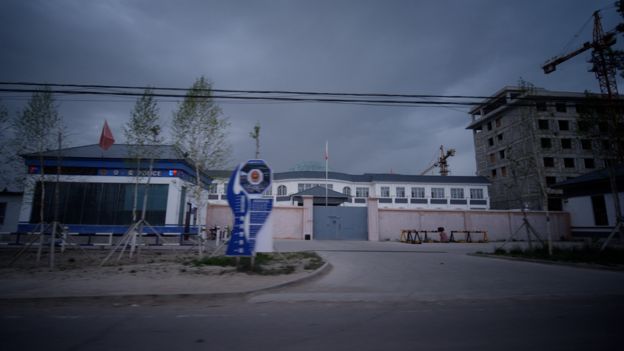
Image caption The outside of one of the camps in Xinjiang
More than two dozen individuals are listed as “recommended” for release into “industrial park employment” – career “advice” that they may have little choice but to obey. There are well documented concerns that China is now building a system of coerced labour as the next phase of its plan to align Uighur life with its own vision of a modern society.
In two cases, the re-education ends in the detainees being sent to “strike hard detention”, a reminder that the formal prison system has been cranked into overdrive in recent years.
Many of the family relationships listed in the document show long prison terms for parents or siblings, sometimes for entirely normal religious observances and practices.
One man’s father is shown to have been sentenced to five years for “having a double-coloured thick beard and organising a religious studies group”.
A neighbour is reported to have been given 15 years for “online contact with people overseas”, and another man’s younger brother given 10 years for “storing treasonable pictures on his phone”.
Whether or not China has closed its re-education camps in Xinjiang, Dr Zenz says the Karakax List tells us something important about the psychology of a system that prevails.
“It reveals the witch-hunt-like mindset that has been and continues to dominate social life in the region,” he said.
UNITED NATIONS, Feb. 7 (Xinhua) — A Chinese UN envoy on Friday refuted accusations by the United States over China’s counter-terrorism efforts in its northwestern region of Xinjiang.
At a Security Council meeting on the threat posed by the Islamic State, Wu Haitao, China’s deputy permanent representative to the United Nations, said the remarks by the U.S. representative regarding Xinjiang are “unwarranted.”
Senior Policy Advisor for U.S. UN Mission Michael Barkin, who addressed the council earlier than Wu, claimed that “Uighurs” (Uygurs) and other Muslims have been “detained in internment camps under the guise of counter-terrorism” in Xinjiang.
He labeled China’s counter-terrorism measure as “confinement that is based and imposed on the basis of ethnicity and religion.”
Wu said that Barkin’s “attacks” are “completely baseless, and represent a wanton interference in China’s internal affairs and a brazen attempt to provoke confrontation.”
In nature, he said, the issues Xinjiang faces are not about ethnic group or religion or human rights, but rather they are about counter-terrorism.
Recalling the past, Wu said that for some time, Xinjiang suffered frequent terrorist attacks, which seriously jeopardized the lives and property of all ethnic communities and gravely violated human dignity.
“In response, China has taken resolute, law-based measures to combat terrorism and extremism, eliminating to the extent possible the breeding ground and conditions for terrorism and extremism, effectively curbing the trend of rampant terrorist activities and safeguarding citizens’ basic rights, including the right to life and development,” Wu expounded.
“Those measures have produced good results,” he said. “At present, the situation in Xinjiang is largely stable, and local economy continues to grow. People of all ethnic groups live in harmony. The region has been free of terrorist attacks for over three years.”
He noted relevant policies and measures against terrorism and extremism in Xinjiang constitute a crucial part of the global counter-terrorism efforts.
The Chinese envoy also rejected the remarks of Britain’s representative, who echoed the U.S. stance.
“Regrettably, Britain once again blindly followed the footsteps of the United States and put up unfounded charges against China,” Wu said.
He expressed the hope that Britain has “recorded our positions on this matter,” urging Britain not to use the Security Council “to make trouble, to spread rumor and to interfere with the internal affairs of China.”











 CHINDIA ALERT: You'll be living in their world, very soon