Chindia Alert: You’ll be Living in their World Very Soon
aims to alert you to the threats and opportunities that China and India present. China and India require serious attention; case of ‘hidden dragon and crouching tiger’.
Without this attention, governments, businesses and, indeed, individuals may find themselves at a great disadvantage sooner rather than later.
The POSTs (front webpages) are mainly 'cuttings' from reliable sources, updated continuously.
The PAGEs (see Tabs, above) attempt to make the information more meaningful by putting some structure to the information we have researched and assembled since 2006.
BEIJING, July 7 (Xinhua) — China has built six National Supercomputing Centers (NSCC) since 2009, serving as a new driver for the country’s innovation, according to the NSCC in north China’s Tianjin Municipality, which celebrated the 10th anniversary of the founding of the center on Saturday.
Since the establishment of the NSCC in Tianjin was approved by the Ministry of Science and Technology in May 2009, other five supercomputing centers were founded one after another in Shenzhen, Jinan, Changsha, Guangzhou and Wuxi respectively.
As the first supercomputing center in China, the NSCC in Tianjin is not only where China’s first petaflop supercomputer the Tianhe-1 is located, but also responsible for developing China’s new generation of the exascale supercomputer the Tianhe-3.
Tianjin has established a complete autonomous information industry including high-performance chips, autonomous control system, high-performance server and database, setting up a model on the transformation of technologic innovation achievements, said Li Xiang, vice president of the National University of Defense Technology.
“The supercomputer has become a symbol of power reflecting the innovative capabilities of China. Next, we will connect these supercomputing centers and share the resources nationwide,” said Mei Jianping, deputy director-general of the Department of High and New Technology of the Ministry of Science and Technology.
Children play in a water park in Bozhou, east China’s Anhui Province, July 7, 2019. People across China cool themselves down in various ways during the Xiaoshu, or Lesser Heat, the 11th of the 24 solar terms which means the beginning of hot summer. (Photo by Liu Qinli/Xinhua)
Settlements along the route linking Europe and Asia thrived by providing accommodation and services for countless traders
Formally established during the Han dynasty, it was a 19th-century German geographer who coined the term Silk Road
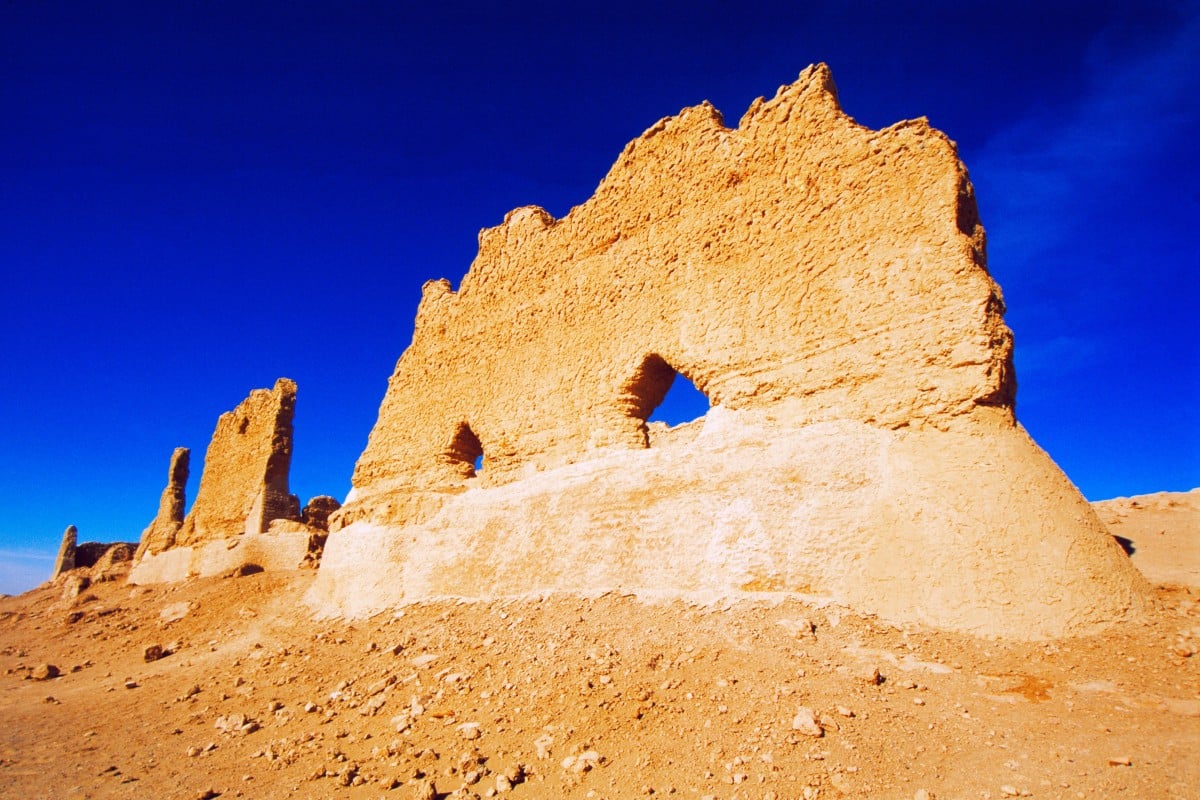
The ruins of a fortified gatehouse and customs post at Yunmenguan Pass, in China’s Gansu province. Photo: Alamy
We have a German geographer, cartographer and explorer to thank for the name of the world’s most famous network of transcontinental trade routes.
Formally established during the Han dynasty, in the first and second centuries BC, it wasn’t until 1877 that Ferdinand von Richthofen coined the term Silk Road (historians increasingly favour the collective term Silk Routes).
The movement of merchandise between China and Europe had been taking place long before the Han arrived on the scene but it was they who employed troops to keep the roads safe from marauding nomads.
Commerce flourished and goods as varied as carpets and camels, glassware and gold, spices and slaves were traded; as were horses, weapons and armour.
Merchants also moved medicines but they were no match for the bubonic plague, which worked its way west along the Silk Road before devastating huge swathes of 14th century Europe.
What follows are some of the countless kingdoms, territories, (modern-day) nations and cities that grew rich on the proceeds of trade, taxes and tolls.
China
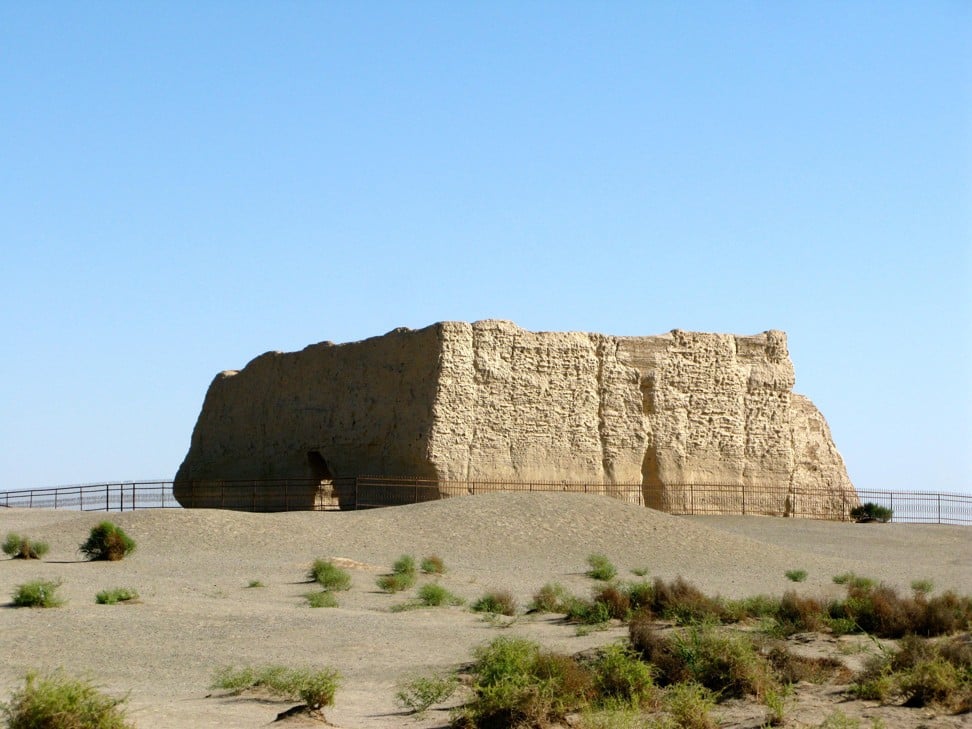
A watchtower made of rammed earth at Dunhuang, a desert outpost at the crossroads of two major Silk Road routes in China’s northwestern Gansu province. Photo: Alamy
Marco Polo worked in the Mongol capital, Khanbaliq (today’s Beijing), and was struck by the level of mercantile activity.
The Venetian gap-year pioneer wrote, “Every day more than a thousand carts loaded with silk enter the city, for a great deal of cloth of gold and silk is woven here.”
Light, easy to transport items such as paper and tea provided Silk Road traders with rich pickings, but it was China’s monopoly on the luxurious shimmering fabric that guaranteed huge profits.
So much so that sneaking silk worms out of the empire was punishable by death.
The desert outpost of Dunhuang found itself at the crossroads of two major Silk Road trade arteries, one leading west through the Pamir Mountains to Central Asia and another south to India.
Built into the Great Wall at nearby Yunmenguan are the ruins of a fortified gatehouse and customs post, which controlled the movement of Silk Road caravans.
Also near Dunhuang, the Mogao Caves contain one of the richest collections of Buddhist art treasures anywhere in the world, a legacy of the route to and from the subcontinent.
Afghanistan
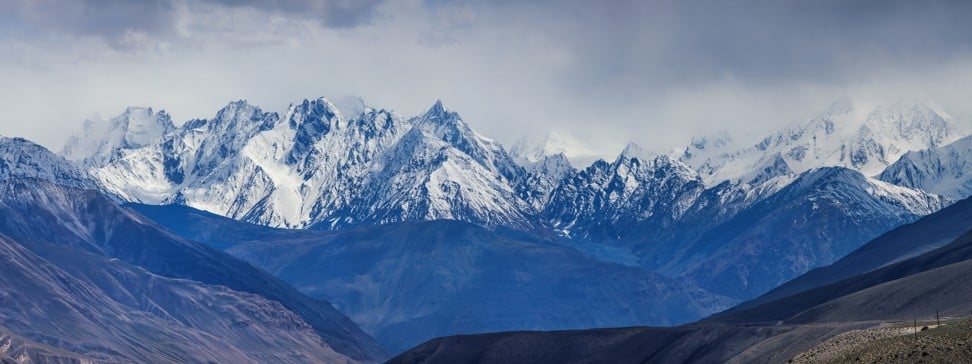
Afghanistan’s mountainous terrain was an inescapable part of the Silk Road, until maritime technologies would become the area’s undoing. Photo: Shutterstock
For merchants and middlemen hauling goods through Central Asia, there was no way of bypassing the mountainous lands we know today as Afghanistan.
Evidence of trade can be traced back to long before the Silk Road – locally mined lapis lazuli stones somehow found their way to ancient Egypt, and into Tutankhamun’s funeral mask, created in 1323BC.
Jagged peaks, rough roads in Tajikistan, roof of the world
Besides mercantile exchange, the caravan routes were responsible for the sharing of ideas and Afghanistan was a major beneficiary. Art, philosophy, language, science, food, architecture and technology were all exchanged, along with commercial goods.
In fact, maritime technology would eventually be the area’s undoing. By the 15th century, it had become cheaper and more convenient to transport cargo by sea – a far from ideal development for a landlocked region.
Iran
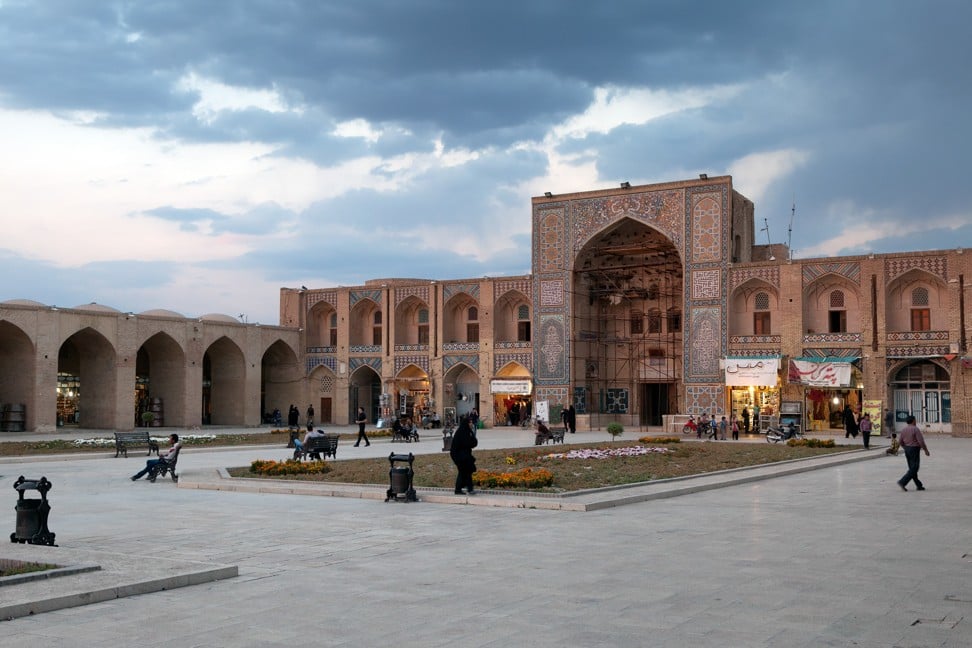
The Ganjali Khan Complex, in Iran. Photo: Shutterstock
Thanks to the Silk Road and the routes that preceded it, the northern Mesopotamian region (present-day Iran) became China’s closest trading partner. Traders rarely journeyed the entire length of the trail, however.
Merchandise was passed along by middlemen who each travelled part of the way and overnighted in caravanserai, fortified inns that provided accommodation, storerooms for goods and space for pack animals.
The good, bad and ugly sides to visiting Chernobyl and Kiev
With so many wheeler-dealers gathering in one place, the hostelries developed into ad hoc marketplaces.
Marco Polo writes of the Persian kingdom of Kerman, where craftsmen made saddles, bridles, spurs and “arms of every kind”.
Today, in the centre of Kerman, the former caravanserai building forms part of the Ganjali Khan Complex, which incorporates a bazaar, bathhouse and mosque.
Uzbekistan
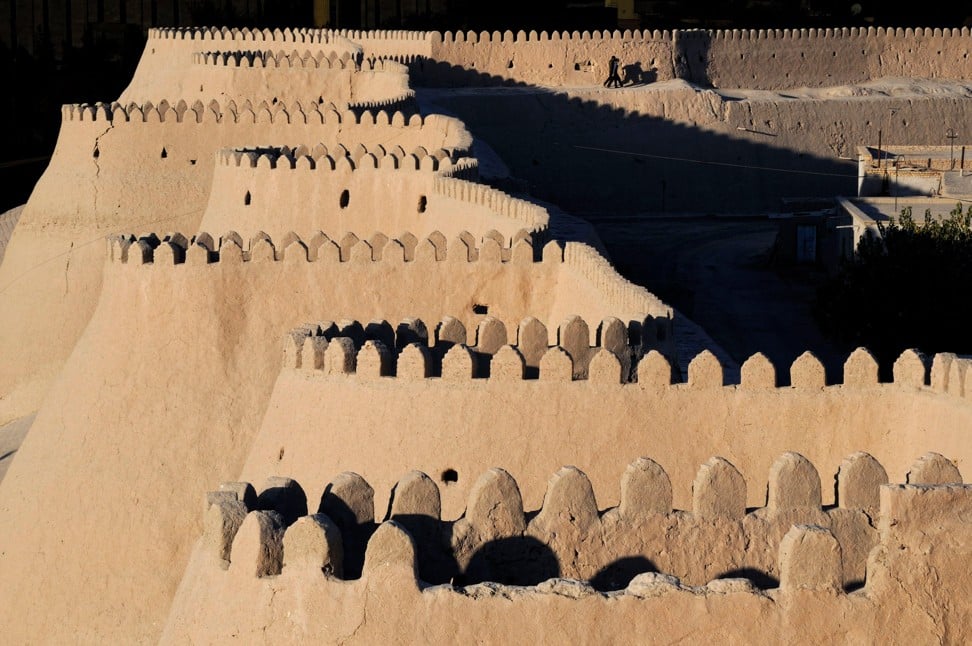
A fort in Khiva, Uzbekistan. Photo: Alamy
The double-landlocked country boasts some of the Silk Road’s most fabled destinations. Forts, such as the one still standing at Khiva, were built to protect traders from bandits; in fact, the city is so well-preserved, it is known as the Museum under the Sky.
The name Samarkand is also deeply entangled with the history of the Silk Road.
The earliest evidence of silk being used outside China can be traced to Bactria, now part of modern Uzbekistan, where four graves from around 1500BC-1200BC contained skeletons wrapped in garments made from the fabric.
Three thousand years later, silk weaving and the production and trade of textiles remain one of Samarkand’s major industries.
Georgia
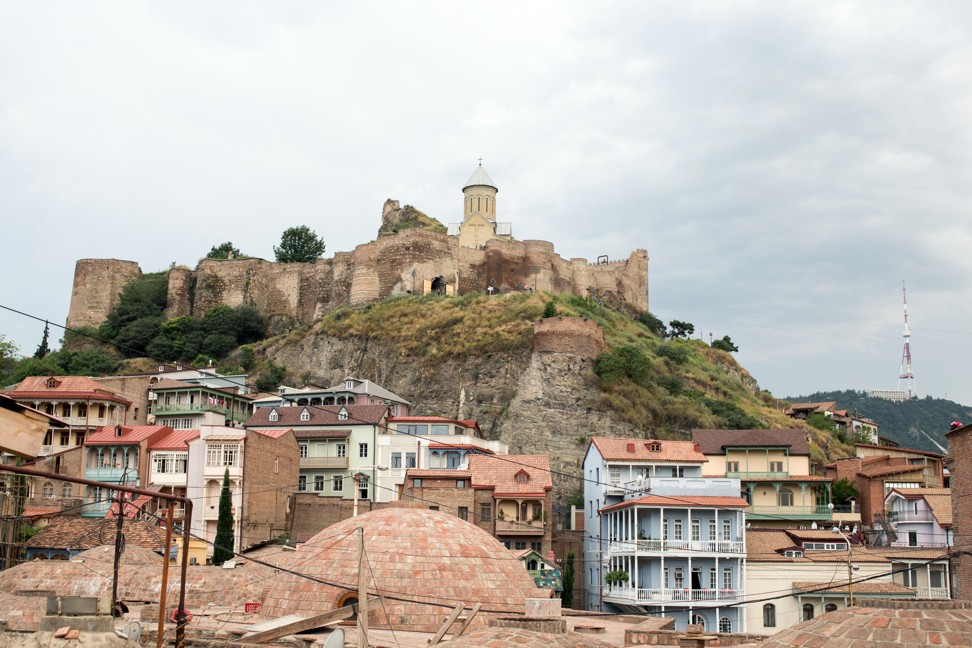
A street in old town of Tbilisi, Georgia. Photo: Alamy
Security issues in Persia led to the opening up of another branch of the legendary trade route and the first caravan loaded with silk made its way across Georgia in AD568.
Marco Polo referred to the weaving of raw silk in “a very large and fine city called Tbilisi”.
Today, the capital has shaken off the Soviet shackles and is on the cusp of going viral.
Travellers lap up the city’s monasteries, walled fortresses and 1,000-year-old churches before heading up the Georgian Military Highway to stay in villages nestling in the soaring Caucasus Mountains.
Public minibuses known as marshrutka labour into the foothills and although the vehicles can get cramped and uncomfortable, they beat travelling by camel.
Jordan
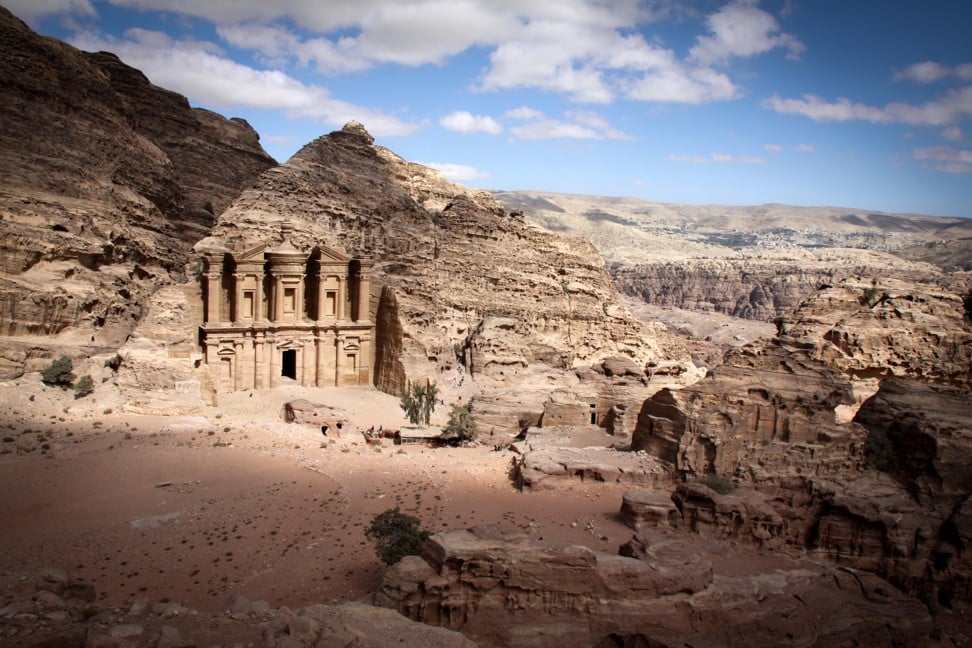
Petra, in Jordan. Photo: Alamy
The location of the Nabataean capital, Petra, wasn’t chosen by chance.
Savvy nomadic herders realised the site would make the perfect pit-stop at the confluence of several caravan trails, including a route to the north through Palmyra (in modern-day Syria), the Arabian peninsula to the south and Mediterranean ports to the west.
Huge payments in the form of taxes and protection money were collected – no wonder the most magnificent of the sandstone city’s hand-carved buildings is called the Treasury.
The Red Rose City is still a gold mine – today’s tourists pay a hefty
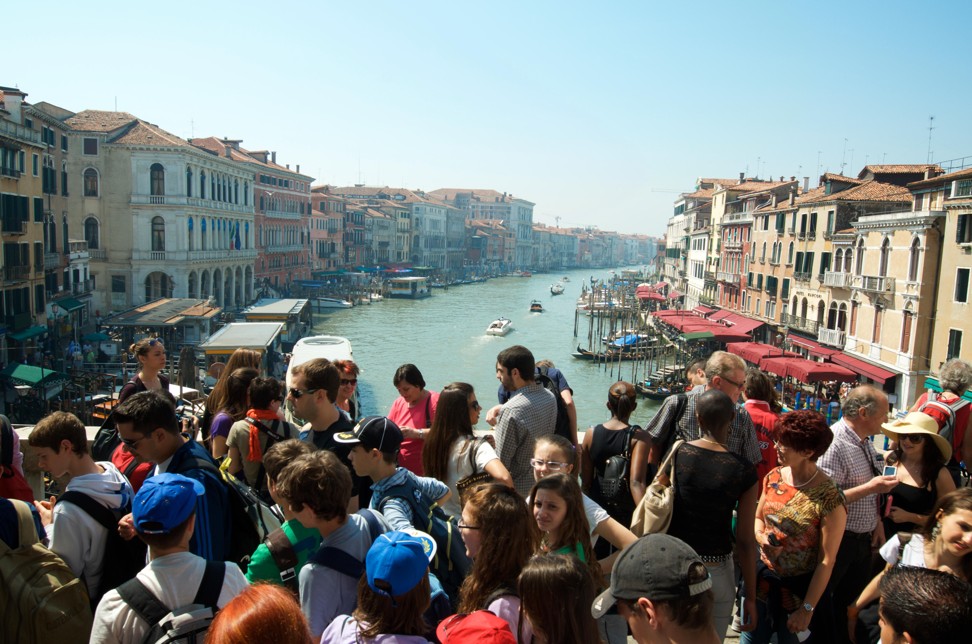
Trade enriched Venice beyond measure, helping shape the Adriatic entrepot into the floating marvel we see today.
Besides the well-documented flow of goods heading west, consignments of cotton, ivory, animal furs, grapevines and other goods passed through the strategically sited port on their way east.
Ironically, for a city built on trade and taxes, the biggest problem Venice faces today is visitors who don’t contribute enough to the local economy.
A lack of spending by millions of day-tripping tourists and cruise passengers who aren’t liable for nightly hotel taxes has prompted authorities to introduce a citywide access fee from January 2020.
Two thousand years ago, tariffs and tolls helped Venice develop and prosper. Now they’re needed to prevent its demise.
Compact plants proposed to ease pollution but backers must win over wary public
China is exploring the idea of using small nuclear power plants to phase out coal- and gas-fired heating generators in smog-afflicted northern China. Photo: Reuters
China plans to build a pilot small-scale nuclear reactor that could replace coal or gas to heat towns and cities in its colder northern regions, an official with the state-owned developer in charge of the project said on Monday.
The small heating reactor was planned for the city of Jiamusi in northeastern Heilongjiang province, one of two proposed units with a combined capacity of 400 megawatts, Wang Xujia, a senior engineer with the State Power Investment Corp, said on the sidelines of an industry conference.
“The project is still under central government review for approval,” Wang said, adding that the developer aimed to put the project into operation by 2024.
China has been exploring the use of small nuclear reactors – less than a fifth of the size of a standard reactor – as alternative heating systems in smog-prone northern regions.
The state provides heating throughout northern China from November to March, using predominantly coal- or gas-fired boilers.
State-owned China National Nuclear Corp (CNNC) has already conducted trial runs for a “district heating reactor” (DHR) design, which it says can supply heat to 200,000 urban households.
China-built nuclear reactors may enjoy home advantage as delays and costs stymie foreign competitors
The DHR model consists of a reactor core immersed in a water-filled tank. It is estimated to require investment of 1.5 billion yuan (US$217 million) and take three years to build, making it cheaper and quicker to construct than conventional reactors.
However, while the various designs will use only a fraction of the radioactive material of a conventional nuclear plant, officials acknowledge the biggest challenge is convincing the public the reactors are safe and reliable.
“The planned project in Jiamusi will be located in a remote area of the city which undermines its economic efficiency, but since it is just a demonstration project we just want to complete one first and show it to the public,” Wang said.
China aims to raise total nuclear capacity to 58 gigawatts by the end of next year, but it has not launched any new conventional reactors in more than three years.
China expected to miss target for 2020 nuclear capacity
After Japan’s Fukushima accident in 2011, China conducted a root-and-branch safety review and decided it would only use the most advanced “third generation” technology for any new projects.
However, those technologies – including Westinghouse’s AP1000 and the Areva-developed EPR – have proved to be expensive, complex and prone to long construction delays.
In a bid to broaden its options, the country is developing smaller units and plans to launch its first “small modular reactor” on the island province of Hainan at the end of this year.
China also planned to launch floating nuclear reactors with the aim of developing a fleet of ship-mounted nuclear generators that could be deployed on islands in Southeast Asia, Song Danrong, a reactor designer at CNNC, told Monday’s conference.
This article appeared in the South China Morning Post print edition as: Pilot nuclear reactor may replace coal in north
After brief pause, China rushes to build more nuclear power plants
China General Nuclear Power and rival China National Nuclear plan to build four more reactors on mainland
Under draft rules, nuclear power projects in China will need local support
Senior industry official Wang Shoujun predicts up to 30 reactors could be built over next decade
Calls for more financial and policy support for sector to optimise export trade
A Hualong One ZH-65 steam generator, part of China’s home-grown nuclear technology which it is hoping to export as part of its Belt and Road Initiative. Photo: Xinhua
As many as 30 nuclear reactors could be built by China over the next decade as part of the Belt and Road Initiative, a senior industry official told a meeting of the country’s top political advisory body this week.
Wang Shoujun, a standing committee member of the China People’s Political Consultative Conference, told delegates on Wednesday that China needed to take full advantage of the opportunities provided by the belt and road plan and give more financial and policy support to its nuclear sector.
China-built reactors may have advantage over foreign competitors
“‘Going out’ with nuclear power has already become a state strategy, and nuclear exports will help optimise our export trade and free up domestic high-end manufacturing capacity,” he said, according to a report on the CPPCC’s official website.
Wang said China needed to improve research and development, localise the production of key nuclear components, and grow both the domestic and foreign nuclear markets to give full play to the country’s “comprehensive advantages” in costs and technology.
Wang, also the former chairman of the state-owned China National Nuclear Corp, said nuclear projects under the belt and road plan could earn Chinese firms as much as 1 trillion yuan (US$145.52 billion) by 2030, according to more details of his speech published by BJX.com.cn, a Chinese power industry news portal.
He said 41 nations taking part in the belt and road plan already had nuclear power programmes or were planning to develop them, and China only needed to secure a 20 per cent market share to create five million new jobs in the sector, according to the news portal.
The CPPCC did not immediately respond to a request for comment.
China is in the middle of a reactor building programme which it hopes will serve as a shop window to promote its home-grown designs and technologies overseas, especially its own third-generation reactor design known as Hualong One.
But the pace of construction at home has slowed amid technological problems and delays at some key projects, as well as a suspension of new approvals that lasted more than three years.
Wang, according to BJX.com.cn, said there was overcapacity among local nuclear manufacturers, but the domestic market value for nuclear equipment could reach more than 48 billion yuan a year within two years. He did not say how much it was worth currently.
Homes destroyed and trees uprooted as destructive forces rips area apart in 15 minutes
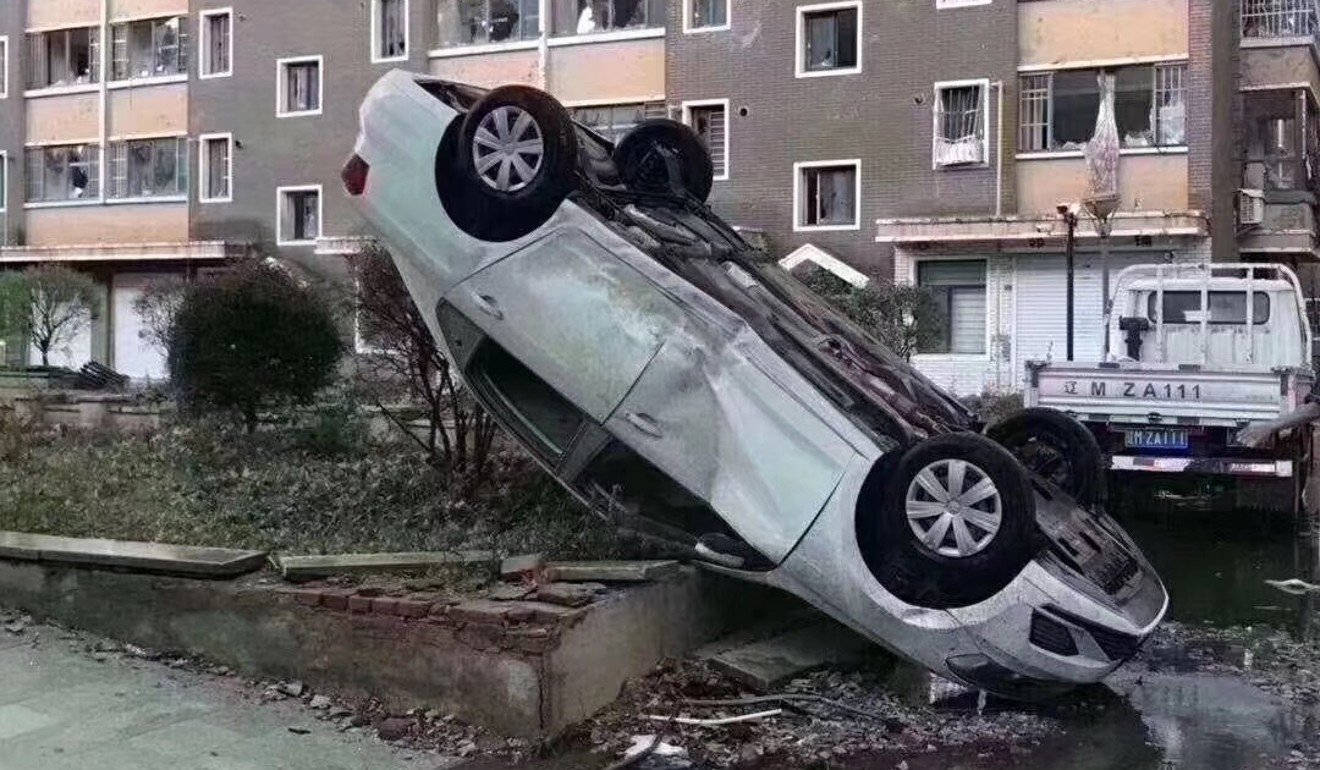
Residents try to pick up the pieces after a deadly tornado destroyed homes and factories in Kaiyuan, Liaoning province, on Wednesday afternoon. Photo: Weibo
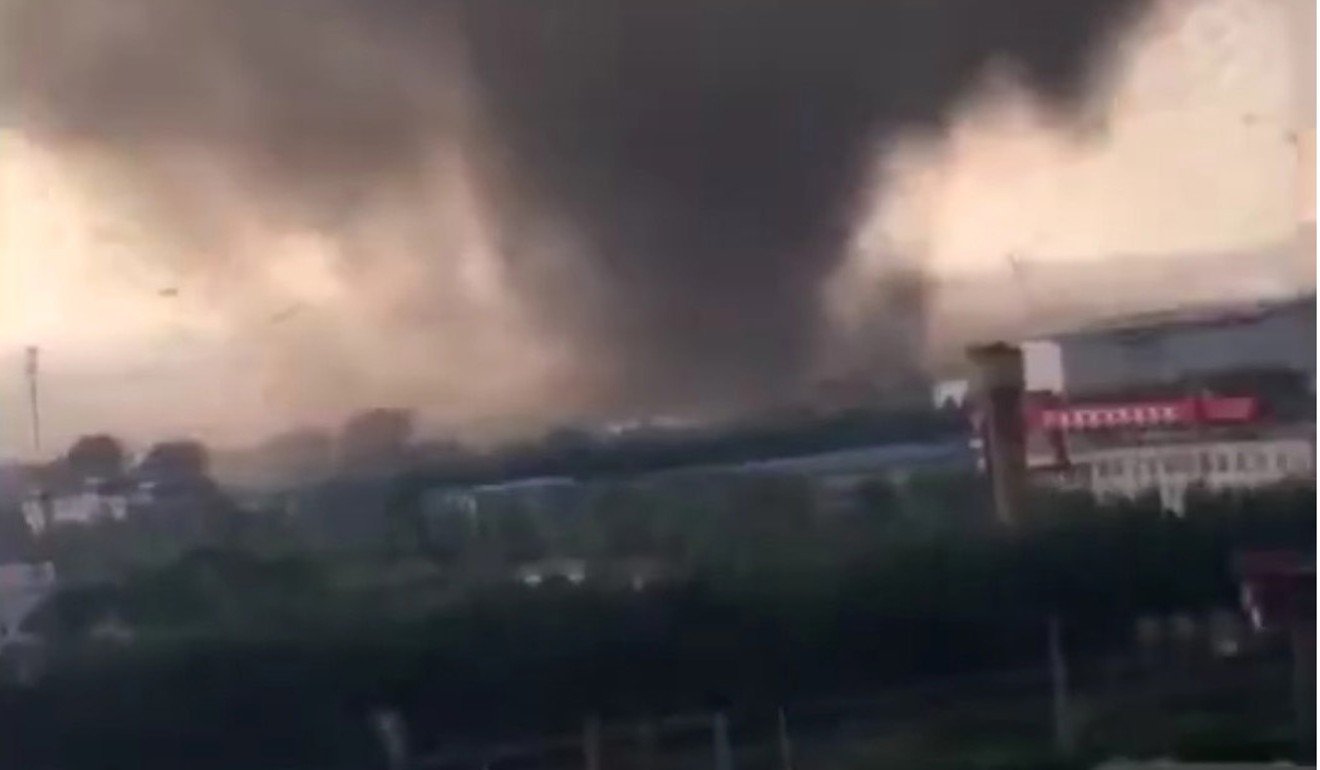
At least six people died and 190 were injured when a tornado struck a city in northeastern China on Wednesday, according to police.
The freak tornado formed in Jingouzi township in Kaiyuan, Liaoning province, at about 5pm, reaching speeds of about 23 metres per second before weakening after roughly 15 minutes, state news agency Xinhua reported.
A tornado carves a path of destruction through Kaiyuan in Liaoning province on Wednesday. Photo: Xinhua
It tore through the township, demolishing homes, uprooting trees, and stripping factories of cladding in the city’s economic development zone, according to a Beijing News video posted online.
The Beijing Times website quoted a resident as saying that she saw at least one car tossed into the air and buildings smashed by the tornado.
Kaiyuan in Liaoning province is counting the toll of destruction from a deadly tornado on Wednesday. Photo: Weibo
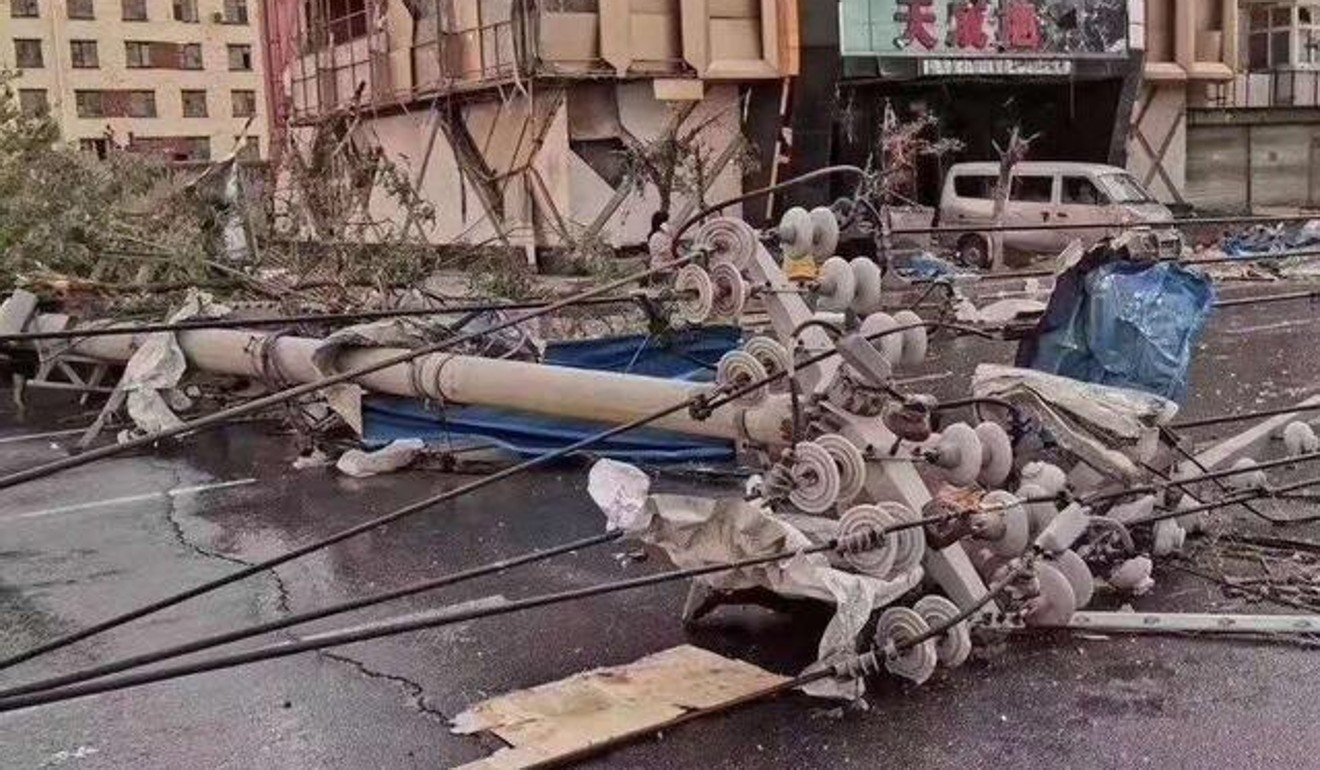
“Power went off in surrounding areas as the tornado went by. About two or three minutes later there was thunder and then it hailed,” Red Star News quoted a high school student as saying.
Kaiyuan issued an emergency alert and sent about 800 police officers, firefighters and medical personnel to the area.
Two children killed as bouncy castle destroyed by tornado in China
By Thursday, about 210 people had been rescued and some 1,600 evacuated, The Beijing News said. About 10,000 people were also “displaced”.
“There are 63 people in hospital now with 15 in critical condition,” Beijing Times quoted Yu Shuxin, director of Kaiyuan’s emergency management bureau, as saying.
“Communication systems have recovered in most areas. Electricity infrastructure was severely damaged but we’ll try our best to get the power supply back up.”
The wild weather brought down power lines and cut communications in some areas. Photo: Weibo
Tornadoes are so rare in China, particularly the country’s north, that it does not have a specific alarm for it, according to a website backed by the China Meteorological Administration.
In 2016, 99 people died and more than 800 others were injured in a tornado in Funing county, Jiangsu province.
More than one billion views of Mulan discussion in China hours after trailer screens during Women’s World Cup final
While some quibble over technical details, the vast majority are eagerly awaiting Disney’s first Chinese princess
Crystal Liu Yifei as Mulan in Disney’s live-action film which is eagerly anticipated in China.
Anticipation over Disney’s live-action movie Mulan is running high in China, with more than one billion views of the subject on Chinese social media in the hours after a teaser trailer was unveiled during Sunday’s final game of the Women’s World Cup.
While some online commenters had their doubts over technical details, most internet users appeared exhilarated at the prospect of Disney’s first Chinese princess, played by Chinese-American actress Crystal Liu Yifei.
The big reveals in Disney’s Mulan trailer, and fan reaction
By Monday afternoon, the hashtag Hua Mulan had been viewed more than one billion times on the Twitter-like Weibo service and nearly 770,000 comments had been made on the topic. Some 450 million views had been recorded for the topics “Mushu no longer in the movie Mulan” – a reference to the heroine’s fast-talking dragon companion in the 1998 animation – and “the look of Liu Yifei”.
“I got carried away by the fighting scenes. Mulan is courageous and strong. I look forward to seeing the eastern heroine Hua Mulan going global,” said one Weibo user.
“This is the first Chinese Disney princess. It’s so great and we feel so proud,” said another.
The movie, scheduled for release on March 27 next year, casts renowned action star Jet Li as the emperor who ordered the military draft to fight a northern invasion, and internationally-acclaimed actress Gong Li as a powerful witch. Donnie Yen Ji-dan, star of Rogue One: A Star Wars Story and the Ip Man movies, plays Mulan’s martial arts mentor Commander Tung.
Donnie Yen nails ‘Bottle Cap Challenge’ blindfolded
Mulan tells the story of a fabled Chinese heroine who posed as a man and became one of the greatest warriors of her time, arguably in the Northern Wei period, or about AD400 to 600. She is one China’s best known fictional characters, with numerous theatrical references and poems which many Chinese know by heart.
The familiarity of the tale has presented a challenge for the production, with many Chinese online commenters questioning the historical details which can be discerned from the sketchy details provided by the trailer.
Many took exception to the opening scene of Mulan riding a horse to her home, built in the architectural style of tulou, common in the southern province of Fujian, when the legend places the heroine in the north.
“The poem said Mulan bade farewell to her parents in the morning and slept near the Yellow River at night. How can she live in a tulou in Fujian? Did she take a fast-rail train?” one internet user teased.
Another used the example to call for Disney to pay more attention to technical details when telling Chinese stories. “Please don’t be arrogant about Chinese stories.”
Also questioned in China was the message from the trailer that Mulan had become a warrior to escape a forced marriage, rather than the well known detail that she was saving her father from being drafted into the military in an act of filial piety.
But the overwhelming response was that fans should put aside their own perceptions of Mulan and celebrate the new edition as one of the few fully-Asian cast international movies, as well as its depiction of a powerful woman and Chinese values as “the only Disney princess who was not saved by a prince but instead became a fighting warrior”.
“Can our domestically produced period dramas meet the standard if we are here to be picky about looks and architecture? Even domestic directors can’t be perfect in restoring ancient costumes, make-up or architecture. Why should we ask so much from a foreign one? We should celebrate the cultural exchange rather than splitting hairs to find faults,” said one Weibo user.
“Mulan in the battlefield has outperformed men and showcased the traditional values of courage and protecting the country when needed. Chinese values, presented to the world by Chinese actors, is worth looking forward to. Please throw away the technical faults such as architecture,” said another.
Father of three is killed as flames engulf car in crash at stop light in Henan
Woman from wealthy family is held as police investigate drink-driving
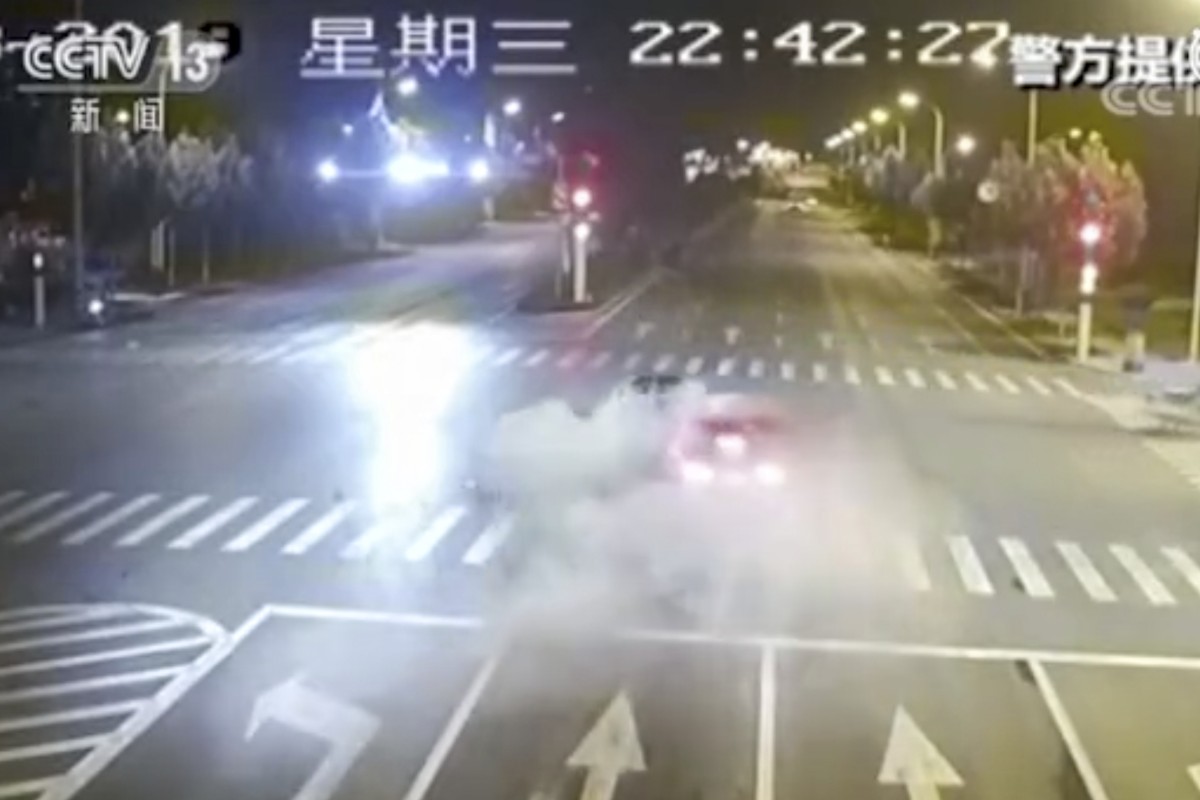
Footage from an intersection in Yongcheng, Henan shows the BMW being propelled across the road before bursting into flames. Photo: Weibo
A driver and her two passengers are in custody in central China after the Maserati SUV she was driving slammed into a BMW, killing two men.
Police said a 23-year-old woman surnamed Tan drove the Maserati through the streets of Yongcheng in Henan province on Wednesday night, scraping against cars on the way.
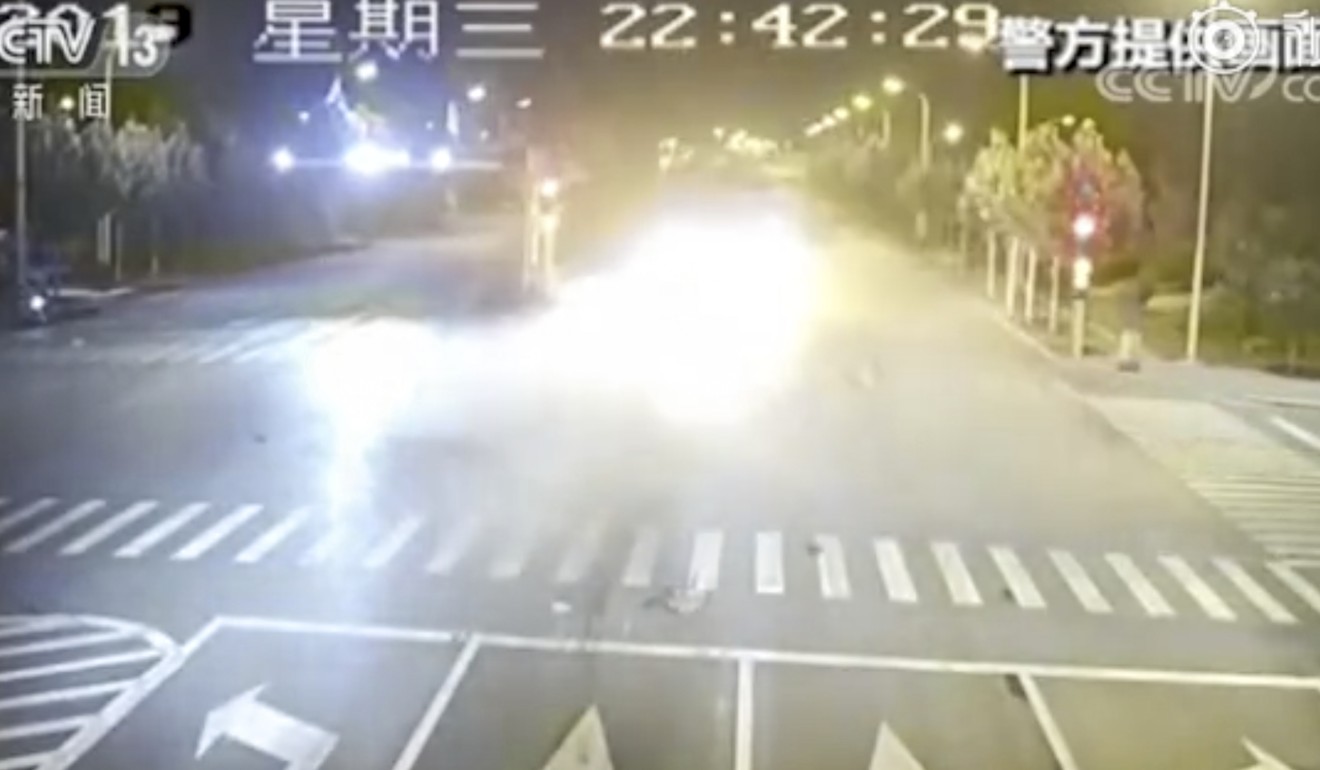
They said her vehicle struck the BMW at a red traffic light, causing it to burst into flames, killing two passengers and injuring the driver.
Tan and two others in the SUV, a woman and a man, were also injured. All three were detained by police but have not yet been charged. Police said Tan returned a blood-alcohol reading of 0.167 – well over the legal limit of 0.02.
State broadcaster CCTV reported that Tan and friends Zhang and Liu had met at a barbecue restaurant that night for dinner, according to police. After drinking, Tan took her friends for a drive. The Maserati scraped against multiple cars before the driver was slowed down by pedestrians signalling for her to stop, but she suddenly sped away from the scene. It crashed into the BMW soon afterwards, CCTV said.
The BMW bursts into flames after being shoved across the intersection. Photo: Weibo
Two men in the back of the BMW were killed in the fire that engulfed the vehicle, while the driver, also a man, suffered severe burns, according to the report. The occupants of the Maserati were treated in hospital for bone fractures and abdominal injuries, CCTV said.
Man arrested after car crashes into shop, injuring 12, in Tsim Sha Tsui, Hong Kong
The accident has prompted heated online discussion in China, with some calling for the death penalty for “such reckless behaviour and disregard for the law”.
Others have doxxed the detained driver – finding photos on a Weibo account that allegedly belonged to Tan showing she had an appetite for luxury goods and expensive cars.
In recent years, a “hate the rich” sentiment has emerged in Chinese society. As the wealth gap widens, many people have become vocal about injustices they feel are fuelled by the affluent and privileged.
Others voiced anger at the legal system, saying wealthy people could buy the law.
Coach driver in crash that left five dead and 32 injured had been working 12-hour shifts, Hong Kong police say
BEIJING (Reuters) – China and the rest of the world must co-exist, Vice President Wang Qishan said on Monday, in an indirect jab at the United States, with which Beijing is trying to resolve a bitter trade war.
Top representatives of the world’s two biggest economies are trying to resume talks this week to try and resolve their year-long trade dispute, which has seen the two countries place increasingly harsh tariffs on each other’s imports.
The Trump administration has accused China of engaging in unfair trade practices that discriminate against U.S. firms, forced technology transfers and intellectual property rights theft. Beijing has denied all the charges.
“China’s development can’t shut out the rest of the world. The world’s development can’t shut out China,” Wang told the World Peace Forum at Beijing’s elite Tsinghua University.
He also warned against “protectionism in the name of national security”, but without mentioning the United States, and urged major powers to make greater contributions to world peace.
China has also been angered by U.S. sanctions against tech giant Huawei Technologies Co Ltd over national security concerns, and U.S. visa curbs on its students and academics.
In his speech, Wang, who is extremely close to Chinese President Xi Jinping and rarely speaks in public, reiterated China’s commitment to opening up.
“Large countries must assume their responsibilities and set an example, make more contributions to global peace and stability, and broaden the path of joint development,” he added.
“Development is the key to resolving all issues,” Wang, who became vice president last year, after having led Xi’s fight to root out corruption, told an audience that included Western diplomats based in Beijing and former European Council President Herman Van Rompuy.
“NOT A RATIONAL ACTION”
The United States should not blame China for the problems it is facing, Vice Foreign Minister Le Yucheng told the forum later.
“Viewing China as the enemy is not a rational action,” the foreign ministry quoted him as saying, adding that China would not put up “high walls” or “decouple itself from any country”.
China has been nervous that the United States is seeking to sever, or at least severely curb, economic links, in what has been called a “decoupling”.
Tariff, trade, finance and science and technology wars are “turning back the clock on history,” Le said. “The consequences will be extremely dangerous.”
The two sides have communicated by telephone since last month’s summit of leaders of Group of 20 major nations in Japan, at which U.S. President Donald Trump and Xi agreed to relaunch stalled talks.
Talks broke down in May, after U.S. officials accused China of pulling back from commitments previously made in the text of an agreement negotiators said was nearly finished.
The countries have also been at loggerheads over issues ranging from human rights to the disputed South China Sea and U.S. support of self-ruled Taiwan, which China claims as its own.
No matter how the international situation or China developed, Vice President Wang said, the country would follow the path of peace, and not seek spheres of influence or expansion.
“If there is no peaceful, stable international environment, there will be no development to talk of.”
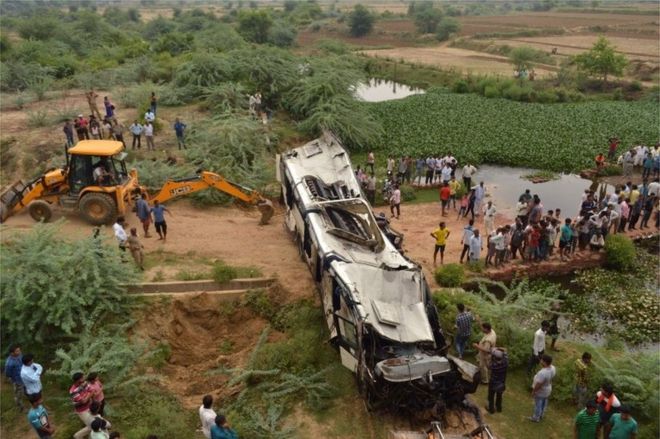
One Sleeper Coach passenger bus travelling from Lucknow to Delhi met with an accident on Yamuna Expressway. It fell into the side fall about 15 feet deep.
20 passengers rescued so far. Efforts are on for the rest.
About 900 people have been killed on the road since it opened in 2012, according to authorities.
Road accidents in India are usually blamed on badly maintained vehicles, poor driving and the state of the roads.
Correspondents say buses in rural India are often old and rickety. Many also do not follow or enforce basic safety measures – it’s not uncommon to see people crowding into buses or even travelling on the roof if they cannot find a seat inside.








 CHINDIA ALERT: You'll be living in their world, very soon